
Kharapathar
A small apple town at 2,700 metres on the Shimla to Rohru road where the air turns noticeably colder than anything behind you, the deodar forest closes in properly for the first time, a worn dirt track leads 7 km up to an ancient temple at the source of a river, and most people driving through have no idea they just passed the gateway to some of the best forest and meadow trekking in the district
- Hill Town
- ~2,700 m (8,860 ft)
- Pabbar Valley
- Shimla · ~77 km
- Giri Ganga base
- Kuppar Bugyal gateway
- Apple belt
- Deodar forest
- HPTDC Giriganga Resort
- Year round access
What makes it special
Kharapathar is one of those places that most travellers drive through without stopping. It sits on the main Shimla to Rohru road, a small cluster of houses, a few shops, apple orchards on the slopes, and a government hotel on the edge of town. If you do not know what is above it, you would think it is just another roadside settlement in the apple belt. That would be a mistake.
The town sits at about 2,700 metres, which puts it nearly 500 metres above Shimla. You feel the difference. The air is sharper here, the deodar forest on the surrounding slopes is thicker, and the nights are genuinely chilly even in June. The name comes from either a large egg shaped rock formation near the town or from the Himachali words for "sharp rock," depending on who you ask. Both explanations point to the same thing: the terrain here is harder and higher than what you left behind.
What makes Kharapathar worth knowing about is what sits above it. A worn dirt track climbs 7 km through dense deodar, pine, and spruce forest to Giri Ganga Temple, an ancient shrine at the source of the Giri Ganga river. The temple is old, quiet, and set in forest so thick the sky narrows to a strip between the treetops. Three km beyond the temple, a trail through the upper forest leads to Kuppar Bugyal, a high altitude meadow at around 3,200 metres with 360 degree views of the Pir Panjal, Swargarohini, and Bandarpunch ranges. Most weekdays, nobody else is up there. These are some of the best forest and meadow experiences within weekend reach of Shimla, and Kharapathar is the starting point for both.
The town also sits at a junction of sorts. The main road continues to Rohru (about 30 km further), the practical base for the upper Pabbar Valley and Chanshal Pass. Coming from Shimla, Kharapathar is the point where the drive transitions from apple orchard country into something wilder. The HPTDC Giriganga Resort, built on the edge of town with valley views from every room, is the best accommodation option and a good base for a night or two.
The apple orchards around Kharapathar are part of what locals call the Golden Apple Belt. Rich Red and Royal Delicious are the main varieties. During harvest season, around September to November, crates of apples line the roadside and the whole town smells faintly sweet. Outside harvest, the orchards are a backdrop of terraced green that blends into the deodar forest above.
Honest framing. Kharapathar itself is not a destination that fills multiple days. There is no market to speak of, no cafe scene, and not much to do in town beyond a short walk through the orchards and a meal at the HPTDC resort. It is a base, and it does that job well. One night here gives you access to Giri Ganga and Kuppar Bugyal, which are the real draws. Two nights if you want to do both at a relaxed pace and spend a morning just sitting on the resort balcony watching the valley wake up. If you are driving through to Rohru and Chanshal, Kharapathar is a natural stopover that most people undervalue.
Quick answers
- What is Kharapathar?
- A small hill town at about 2,700 metres (8,860 feet) on the Shimla to Rohru road in the Pabbar Valley, Shimla district. Nearly 500 metres above Shimla. The base for the Giri Ganga Temple trek and Kuppar Bugyal meadow. Apple orchards, thick deodar forest, the HPTDC Giriganga Resort. About 77 km from Shimla. No ATM. Year round access.
- How much time do I need?
- One night is ideal for a Giri Ganga Temple trip (half day). Two nights if you want to include the Kuppar Bugyal trek (full day). If you are just passing through on the way to Rohru or Chanshal Pass, a tea stop and a quick walk through the orchards takes about an hour.
- Is it worth stopping here?
- Yes, if you are interested in the Giri Ganga trek, Kuppar Bugyal, or want a quieter overnight alternative to Rohru on the Pabbar Valley route. The HPTDC Giriganga Resort has the best valley views of any HPTDC property in the area. If you are only passing through to Rohru, at minimum stop for the view from the resort.
Quick facts
Everything you need to know at a glance.
At a glance
- Altitude
- About 2,700 m (8,860 feet). Nearly 500 metres above Shimla.
- Location
- On the Shimla to Rohru road, Pabbar Valley, Shimla district, Himachal Pradesh.
- From Shimla
- About 77 km (3 to 4 hours by road via Theog and Kotkhai).
- From Rohru
- About 30 km. 1 to 1.5 hours by road.
- Entry fee
- None.
- Time needed
- 1 to 2 nights. One night for Giri Ganga. Two for Kuppar Bugyal. A quick stopover works too.
On the ground
- Mobile network
- Very limited. BSNL has the best chance. Jio and Airtel are patchy at best. Do not rely on data or UPI here.
- ATM
- No ATM in Kharapathar. Nearest ATMs in Kotkhai (about 40 km toward Shimla) or Rohru (about 30 km). Carry cash.
- Fuel
- No fuel pump. Nearest in Rohru. Ensure your tank has enough for the return trip or onward journey.
- Food
- HPTDC Giriganga Resort restaurant (best option). A few small dhabas near the road. Basic meals. Nothing fancy.
- Accommodation
- HPTDC Giriganga Resort (the clear best option, rooms from roughly Rs 2,500). A couple of guesthouses. Forest department rest house.
- Medical
- No hospital. Nearest medical facility in Rohru (30 km). Carry a basic first aid kit.
Seasonal weather
- March to June20°5°Spring and Summer
- July to September18°8°Monsoon
- October to November16°-2°Autumn
- December to February8°-8°Winter
Suitable for
- Couples — suitable
- Families — with some care
- Seniors — with some care
- Solo — suitable
- First-timers — with some care
- Pet-friendly — not suitable
How to reach Kharapathar
3 approach routes, with seasonal access.
From Shimla (via Theog, Kotkhai)
Year round. Monsoon (July to September) brings unpredictable delays from landslides and road slush. Snow near Kharapathar possible in deep winter.- Distance
- About 77 km
- Time
- 3 to 4 hours by road
- Road
- State highway. Paved but narrow in sections. Rough patches between Kotkhai and Kharapathar.
- Last fuel
- Shimla, Theog
From Shimla, take the Hindustan Tibet Road toward Theog. At Theog, turn off toward Kotkhai and continue on the Shimla to Rohru road. The route passes through apple country, climbing through Fagu, Theog, Chhaila, and Kotkhai before reaching Kharapathar. The road is paved throughout but narrow, with rough patches between Kotkhai and Kharapathar. Road widening work has improved some sections in recent years. HRTC buses from Shimla to Rohru stop at Kharapathar. Private taxis and self drive are both fine. An alternate route via Narkanda and Baggi is longer but avoids the rougher Kotkhai stretch.
From Rohru
Year round.- Distance
- About 30 km
- Time
- 1 to 1.5 hours by road
- Road
- Paved road through the Pabbar Valley. Generally good condition.
From Rohru, head back toward Shimla on the main road. Kharapathar is about 30 km along this route. The road follows the Pabbar River valley, passing through apple orchards and small villages. The stretch from Rohru is generally in better condition than the section from Shimla side.
From Delhi or Chandigarh
Year round to Kharapathar.- Distance
- About 450 to 500 km from Delhi. About 350 km from Chandigarh.
- Time
- 10 to 12 hours from Delhi. 7 to 9 hours from Chandigarh. Best split with an overnight stop.
- Road
- Highway then mountain roads.
- Last fuel
- Multiple highway stops, Shimla, Theog
From Delhi or Chandigarh, take NH44 toward Shimla, then continue to Kharapathar via Theog and Kotkhai. Alternatively, bypass Shimla via the Kufri bypass road. From the Uttarakhand side, the route through Dehradun, Chakrata, Tiuni, and Hatkoti reaches the Pabbar Valley from the east and works well for loop trips. Split the journey with an overnight stop in Shimla, Narkanda, or on the highway.
Best time to visit
Season by season, so you can plan around the weather rather than hope.
- Recommended
Spring and early summer
March to June
Comfortable weather, dry forest trails, and apple blossoms in April.
- Temperature
- 5 to 20 degrees.
- Forest trail
- Dry, clear.
- Dhabas at Giri Ganga
- Open.
- Best for
- Temple trek, Kuppar Bugyal, photography.
The best window for most visitors. The dirt track to Giri Ganga Temple is dry and passable. The Kuppar Bugyal trek is at its easiest. Daytime temperatures in Kharapathar are pleasant, around 12 to 20 degrees, though nights still drop below 10. Apple trees blossom in April. Wildflowers appear in the forest clearings above. May and June weekends see slightly more visitors, but the area never gets crowded. This is the ideal window for combining Kharapathar with a Giri Ganga and Kuppar trip.
Monsoon
July to September
Green valley, but expect slush on the forest track, leeches, and unpredictable road delays.
- Temperature
- 8 to 18 degrees.
- Trail to Giri Ganga
- Slippery slush layers. 4x4 strongly recommended, or walk.
- Leeches
- Yes, on the trail.
- Road from Shimla
- Open but landslide delays possible. Allow extra time.
The forest above Kharapathar is at its greenest, and the Giri Ganga stream runs at full force. The 7 km dirt track to the temple picks up slippery slush layers that make the climb slow and uncertain for vehicles, and leeches show up along the lower sections. The road from Shimla stays open but landslides near Kharapathar can cause unpredictable delays of an hour or more. If you can handle wet conditions and flexible timing, the atmosphere is worth it. But most visitors are better off coming in drier months. Late September improves as the rain eases.
- Recommended
Autumn
October to November
Clear skies, apple harvest, and the best mountain views from Kuppar.
- Temperature
- Minus 2 to 16 degrees. Cold nights.
- Views from Kuppar
- Clearest of the year.
- Apple harvest
- September to November.
- Trail
- Dry, good condition.
October is the single best month. Post monsoon air clarity means the Himalayan views from Kuppar Bugyal are at their sharpest. The forest trails are dry. Apple harvest runs through this window, and the orchards around Kharapathar are loaded. Nights get cold fast, dropping below freezing in November. The HPTDC resort is at its most pleasant, with clear valley views from the balcony. If you can only visit once, come in October.
Winter
December to February
Snow, deep cold, and the forest tracks become committed winter treks.
- Temperature
- Minus 8 to 8 degrees.
- Snow
- Regular. Heavy some years.
- Giri Ganga track
- Snow covered. Walk only.
- HPTDC Resort
- Usually open. Confirm ahead.
Kharapathar receives regular snowfall in winter. The town itself is accessible by road most of the time, though the stretch near Kharapathar can be slippery after fresh snow. The dirt track to Giri Ganga is usually impassable by vehicle and becomes a proper winter trek through snow covered forest. Temperatures drop to minus 8 or below at night. The HPTDC resort stays open but confirm before arriving. Heavy woolens and proper winter gear are essential. Beautiful if you are prepared, but not a casual visit.
Things to see & do
4 things worth your time at Kharapathar.
Trek to Giri Ganga Temple
Half day (2 to 3 hours each way on foot, or 1 hour each way by 4x4)The main reason people stop in Kharapathar. A rough dirt track climbs 7 km through dense deodar, pine, and spruce forest to Giri Ganga Temple, an ancient shrine at the source of the Giri Ganga river. The temple complex has three shrines dedicated to Goddess Durga, Lord Shiva, and Goddess Kali, a sacred water tank, and a basic Dharamshala for overnight stays. Local taxis (Boleros or Maruti vans) drive the track for roughly Rs 500 to 800 one way. Walking is the better option if you enjoy forest. The canopy blocks most sunlight for the entire route, and birdlife is strong. Carry water and snacks.
Trek to Kuppar Bugyal
Full day from Kharapathar (9 to 10 km one way)The full trek from Kharapathar covers about 9 to 10 km one way: 7 km to Giri Ganga Temple, then 3 km through dense forest to Kuppar Bugyal at roughly 3,200 metres. The meadow opens to 360 degree views of the Pir Panjal, Swargarohini, Bandarpunch, and Kinnaur Himalayan ranges. Rock cut images of a goddess sit near the summit. A local guide from Kharapathar is strongly recommended for the upper section because the trail is unmarked and the forest has bears and leopards. Drive to the temple and trek from there to save time. Start early.
Walk the apple orchards
1 to 2 hoursKharapathar sits in the middle of Himachal's apple belt, and the orchards on the surrounding slopes are worth a short walk, especially during harvest season (September to November) when the trees are loaded with Rich Red and Royal Delicious apples. No marked trail, just walk into the terraced orchards from the main road. In April, the apple blossoms turn the hillside white and pink. Mornings are best for the light. Ask at the HPTDC resort for directions to the nearest productive orchards.
Enjoy the valley view from HPTDC Giriganga Resort
As long as you wantThis is not really an activity, but it deserves a mention. The HPTDC Giriganga Resort is built on the edge of Kharapathar with every room facing the valley. The balcony view, especially at sunrise when the mist lifts off the valley floor and the hills catch the first light, is one of the best you will get from any HPTDC property in this part of Himachal. A cup of tea on that balcony is worth the drive from Shimla on its own. The resort also has a restaurant serving decent north Indian food.
Know before you visit Kharapathar
The practical bits, from people who have been.
Staying and eatingHPTDC Giriganga Resort is the best option. A couple of guesthouses. No ATM, no fuel. Basic dhabas.
The HPTDC Giriganga Resort is the clear best place to stay. It is a well built property with spacious rooms, private balconies facing the valley, carpet flooring, and a restaurant serving north Indian food. Rooms start at roughly Rs 2,500 per night, though prices can change. Book ahead during apple season (September to November) and long weekends. The resort sits right on the main road, easy to find.
A couple of private guesthouses operate in and around Kharapathar. Expect basic rooms, concrete walls, and simple beds. A forest department rest house may be available with advance booking. There are no homestay operators in the style you find in places like Tirthan or Jibhi.
For food, the HPTDC restaurant is the most reliable option. A few small dhabas near the main road serve dal, rice, roti, and sabzi. Do not expect variety. If you are heading to Giri Ganga Temple, carry snacks and water from here because options above are limited to two seasonal dhabas at the temple.
There is no ATM in Kharapathar. The nearest ATMs are in Kotkhai (about 40 km back toward Shimla) or Rohru (about 30 km ahead). Carry enough cash from Shimla for your entire stay, including any taxi to the temple, dhaba meals, and tips for guides. UPI is unreliable because the mobile signal is patchy.
Network, fuel, and practical ground realityVery limited mobile signal. No ATM. No fuel pump. Nearest services in Rohru (30 km). Carry cash and fill fuel before arriving.
Mobile signal in Kharapathar is unreliable. BSNL has the best chance of catching a signal, but even that drops frequently. Jio and Airtel work intermittently. Do not count on making calls, using data, or processing UPI payments here. Download offline maps before leaving Shimla or Theog.
There is no fuel pump in Kharapathar. The nearest fuel is in Rohru (about 30 km). If you are coming from Shimla, Theog has fuel. Make sure your tank is sufficient for the drive to Kharapathar and back, or onward to Rohru.
There is no hospital in Kharapathar. The nearest medical facility is in Rohru. Carry a basic first aid kit, especially if you plan to trek. For anything serious, Shimla is the nearest proper hospital (3 to 4 hours away).
Power supply can be unreliable, especially in winter. Charge your devices before arriving. A power bank is a good idea.
Who Kharapathar suits and who should reconsiderBest for trekkers heading to Giri Ganga or Kuppar, couples wanting a quiet valley base, and Pabbar Valley road trippers. Not for those expecting amenities.
Will appreciate it. Trekkers using Kharapathar as a base for Giri Ganga Temple and Kuppar Bugyal. Couples looking for a quiet hill stop away from the Shimla crowds. Road trippers on the Shimla to Rohru route who want a scenic overnight instead of driving straight through. Photographers, especially during apple blossom season (April) or harvest (September to November). Anyone who finds peace in thick deodar forest and valley views.
Should think twice. Travellers who need reliable mobile signal, ATMs, restaurants, or nightlife. Families with very young children may find the lack of facilities limiting, though the HPTDC resort is comfortable enough for a night. If you expect Shimla level infrastructure, Kharapathar will feel too basic.
Seniors. The town itself is fine. The altitude at 2,700 metres is comfortable for most people. The HPTDC resort is accessible. But the trek to Giri Ganga involves a bumpy 7 km vehicle ride or a 2 to 3 hour walk, which may not suit everyone. The walk through the orchards is easy and flat.
Pets. Not recommended. The forests above have leopards and bears. There is no veterinary help anywhere nearby.
Nearby attractions
Other places worth the detour.
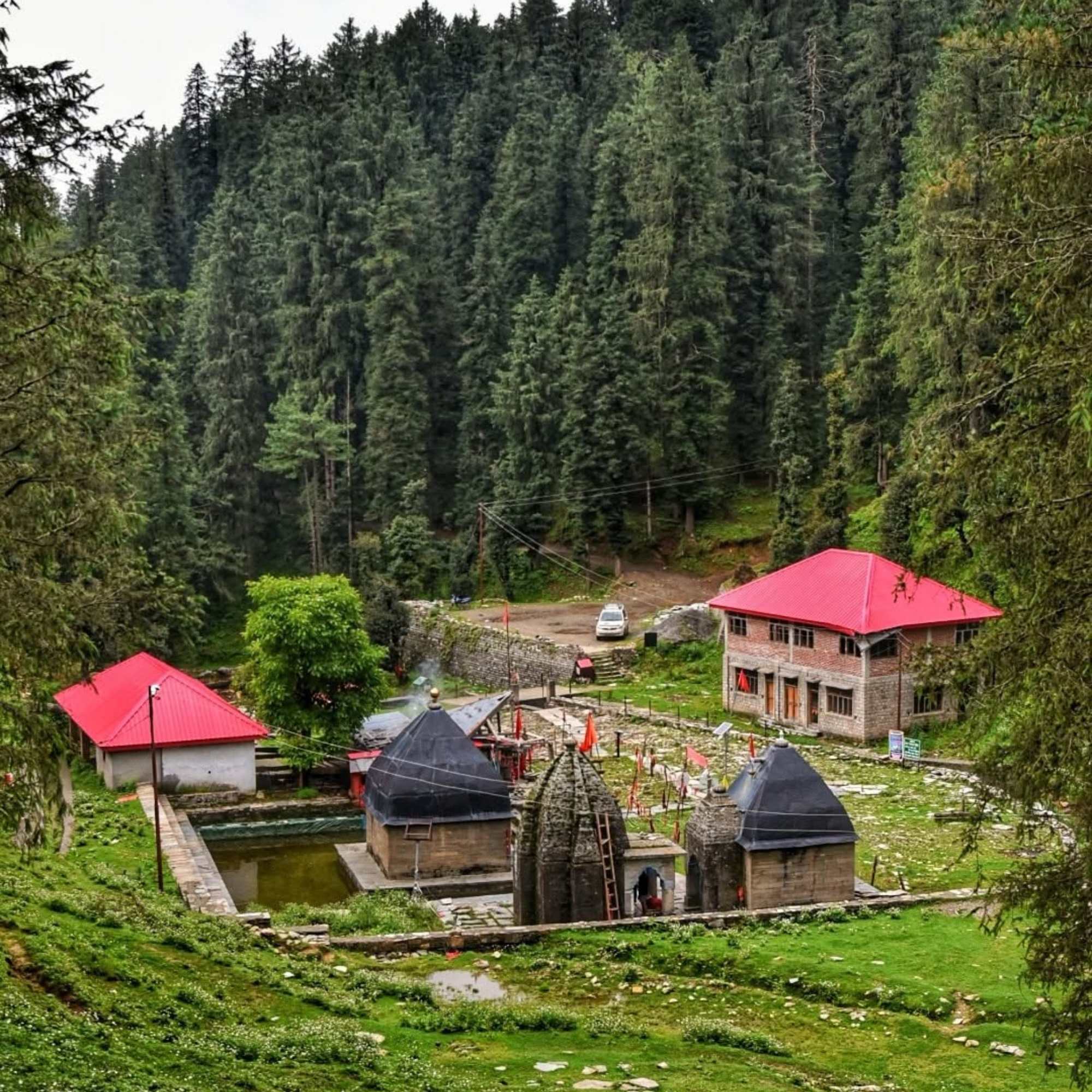
Giri Ganga Temple
About 7 km (1 hour by 4x4, 2 to 3 hours walking)
An ancient temple at roughly 3,000 metres in dense deodar forest. Shrines to Durga, Shiva, and Kali at the source of the Giri Ganga river. A Dharamshala for basic overnight stays. Two seasonal dhabas. The starting point for the Kuppar Bugyal trek. The primary reason most trekkers come to Kharapathar.
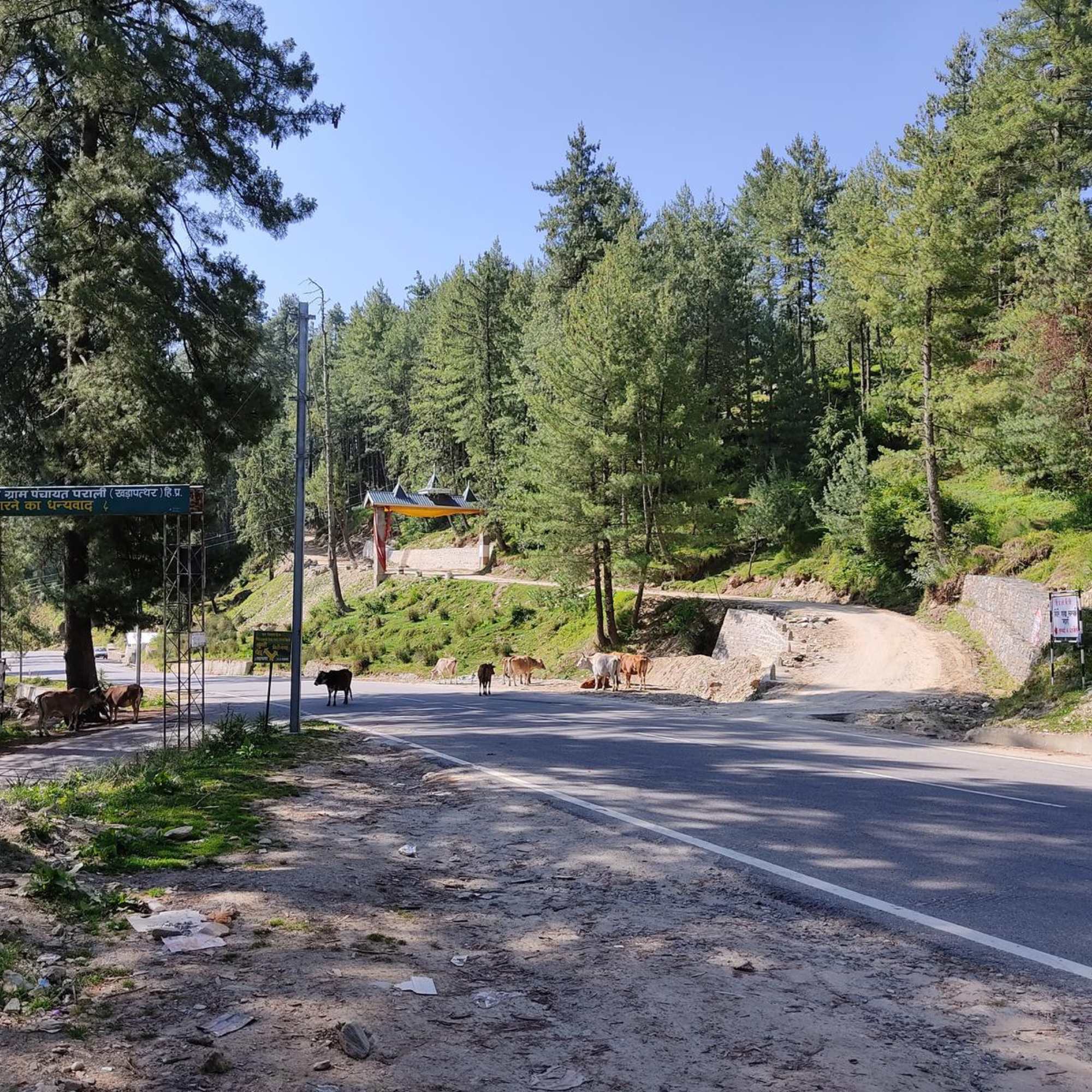
Kuppar Bugyal
About 10 km (7 km track + 3 km trek)
A high altitude alpine meadow at roughly 3,200 metres above Giri Ganga Temple. 360 degree views of the Pir Panjal, Swargarohini, Bandarpunch, and Kinnaur ranges. Rock cut images of a goddess near the summit. The source of the Giri Ganga river. Guide recommended. Best from April to November.
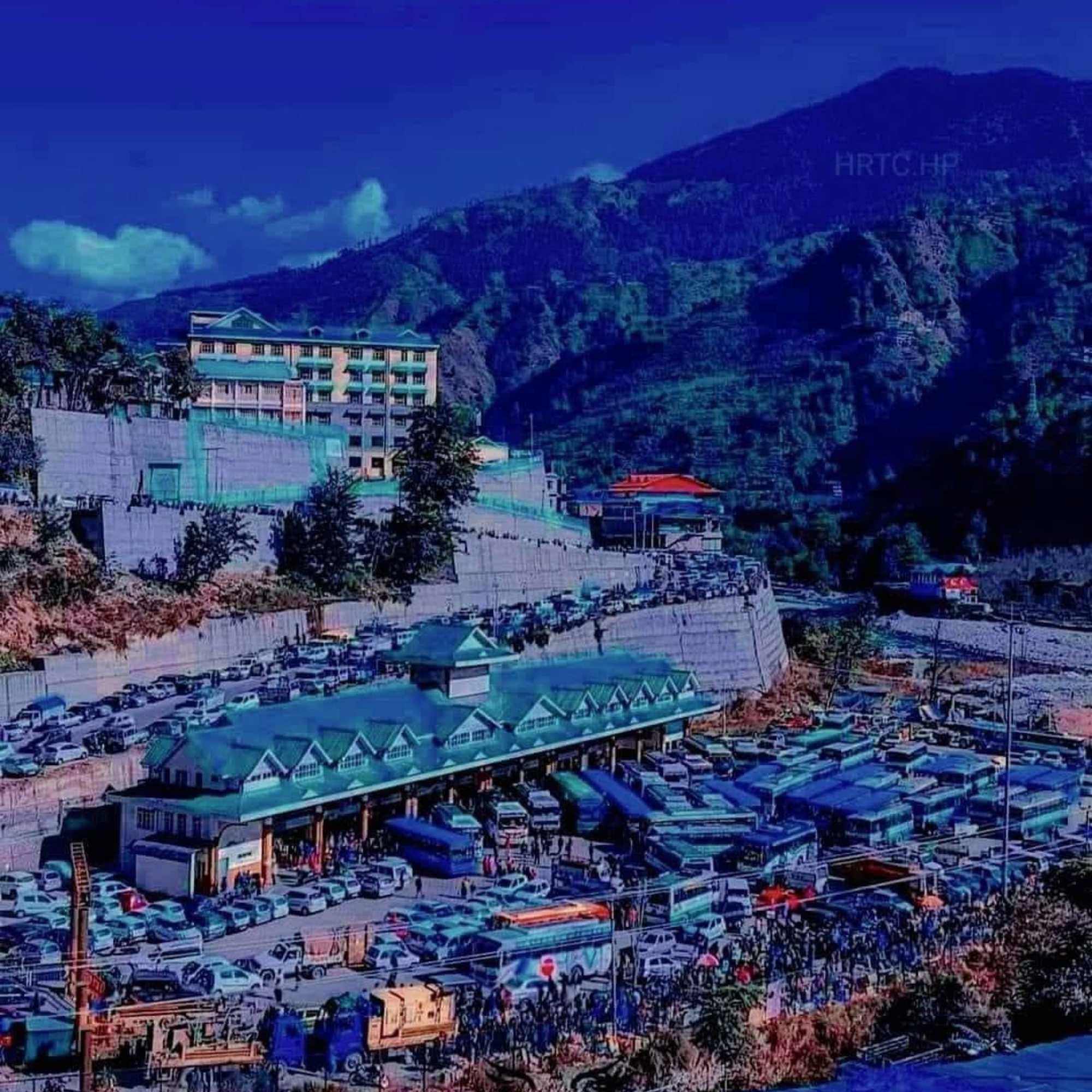
Rohru
About 30 km (1 to 1.5 hours)
The main town of the Pabbar Valley at roughly 1,525 metres. Trout fishing on the Pabbar River, apple orchards, and the last supply stop (ATM, fuel, hospital) before the upper valley. The practical base for Chanshal Pass and the Dodra Kwar expedition.
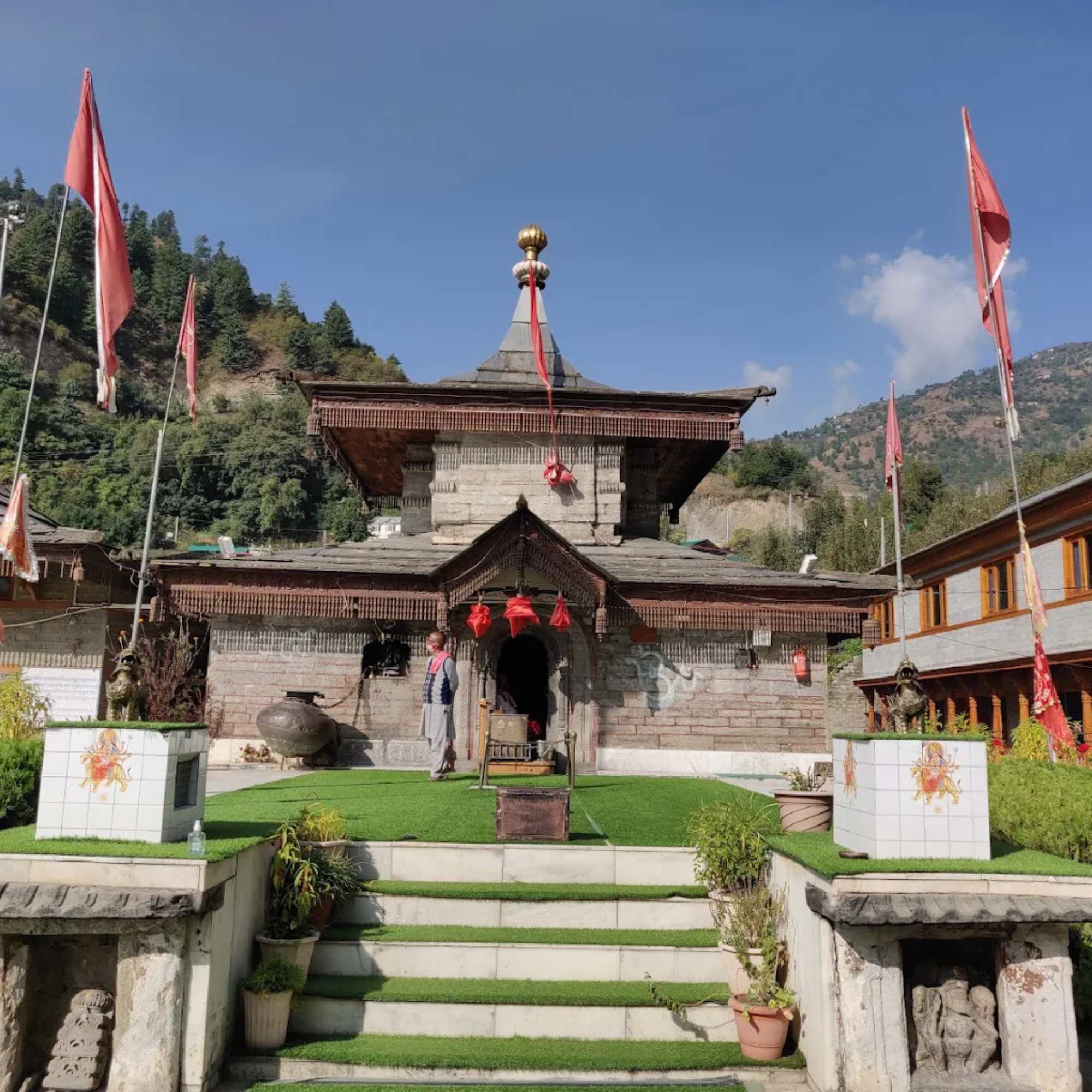
Hatkoti Temple
About 29 km toward Rohru
An ancient stone temple complex on the Pabbar River. Dedicated to Hateshwari Mata (Durga) and Lord Shiva. 8th to 9th century Nagara shikhara architecture with finely carved stone panels. No entry fee. A worthwhile stop on the drive between Kharapathar and Rohru.
Chanshal Pass
About 80 km via Rohru (full day)
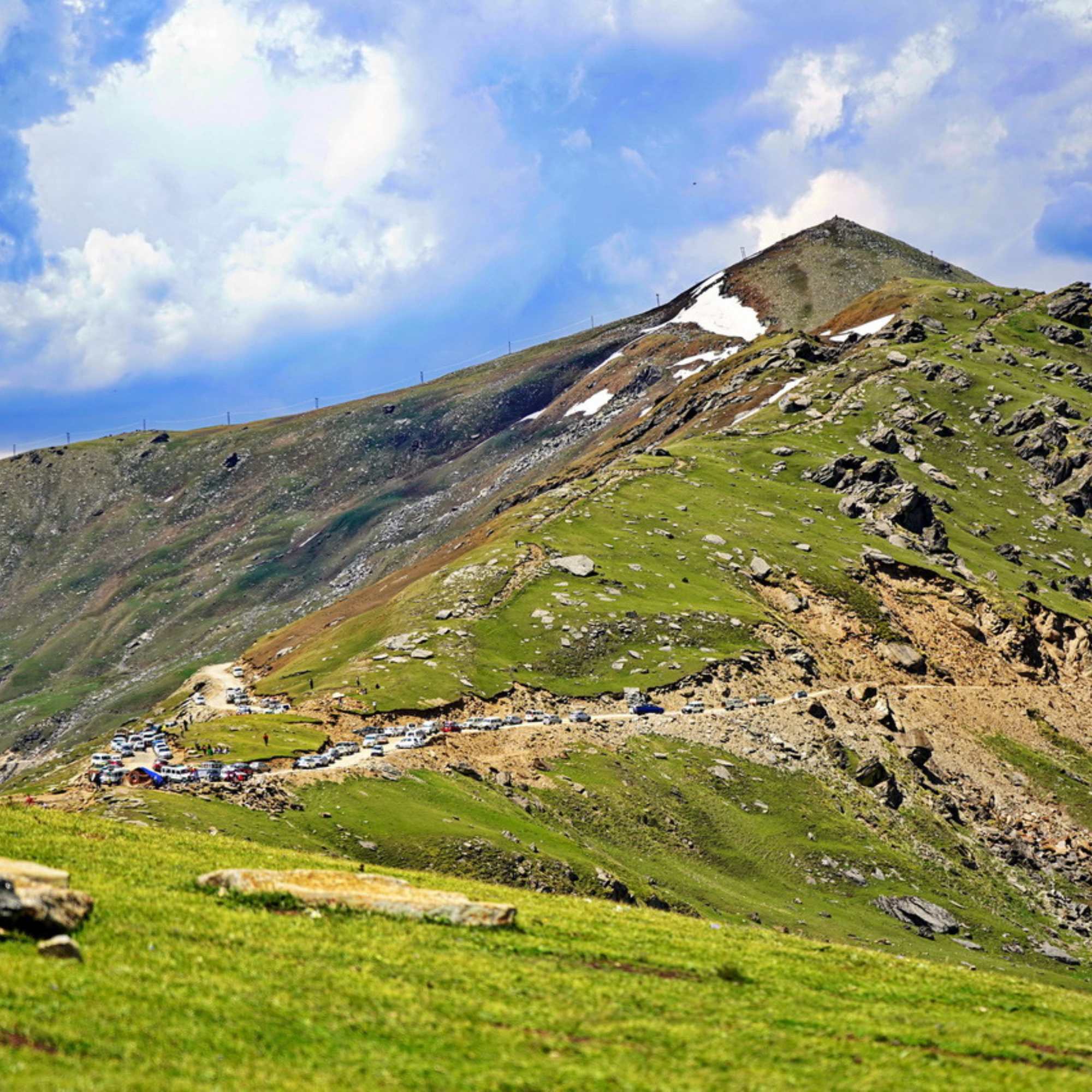
The highest motorable pass in Shimla district at roughly 3,750 metres. Wide alpine meadows and open Himalayan views. About 48 km from Rohru via rough mountain road. 4x4 or adventure motorcycle recommended. Generally open May to October. Rohru is the last supply stop.
Our packages with Kharapathar
Curated trips that include a visit to Kharapathar.
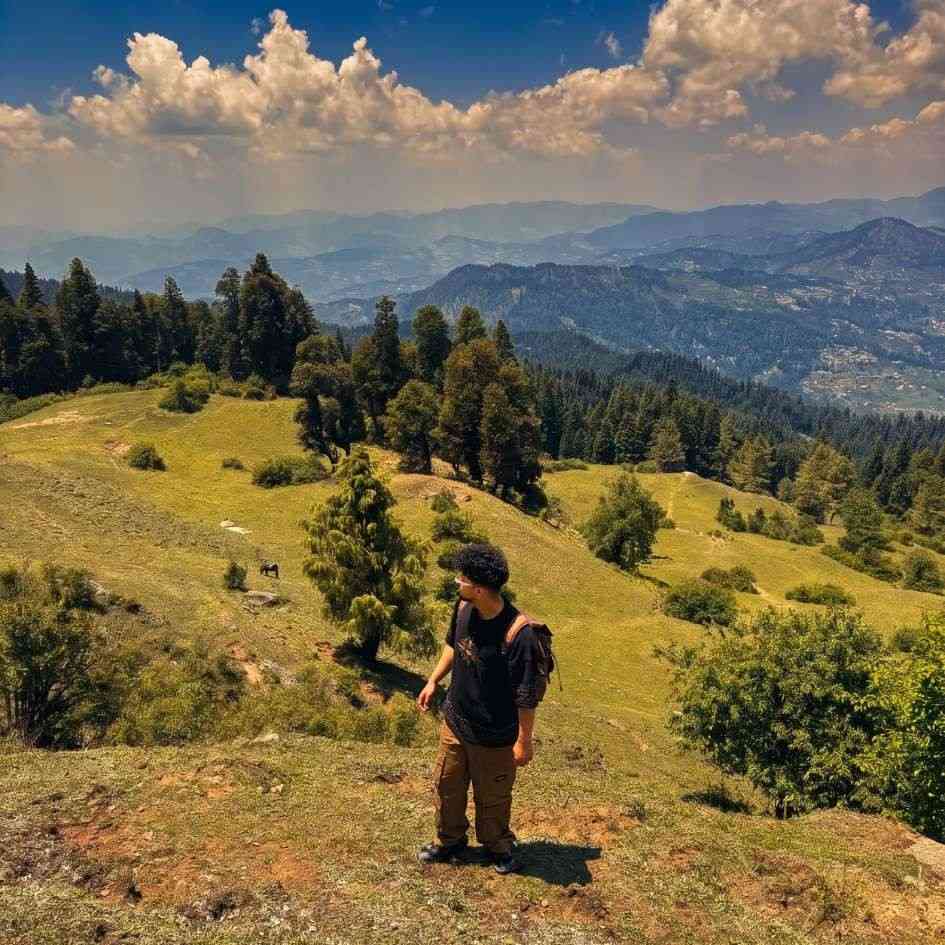 Group Tour5D/4N
Chanshal Pass Weekend Group Trip With Giri Ganga and Kuppar Bugyal
1D Kharapathar / Kotkhai•1D Rohru / Chirgaon (Pabbar Valley)
₹8,999₹12,999SAVE INR 4,000/ person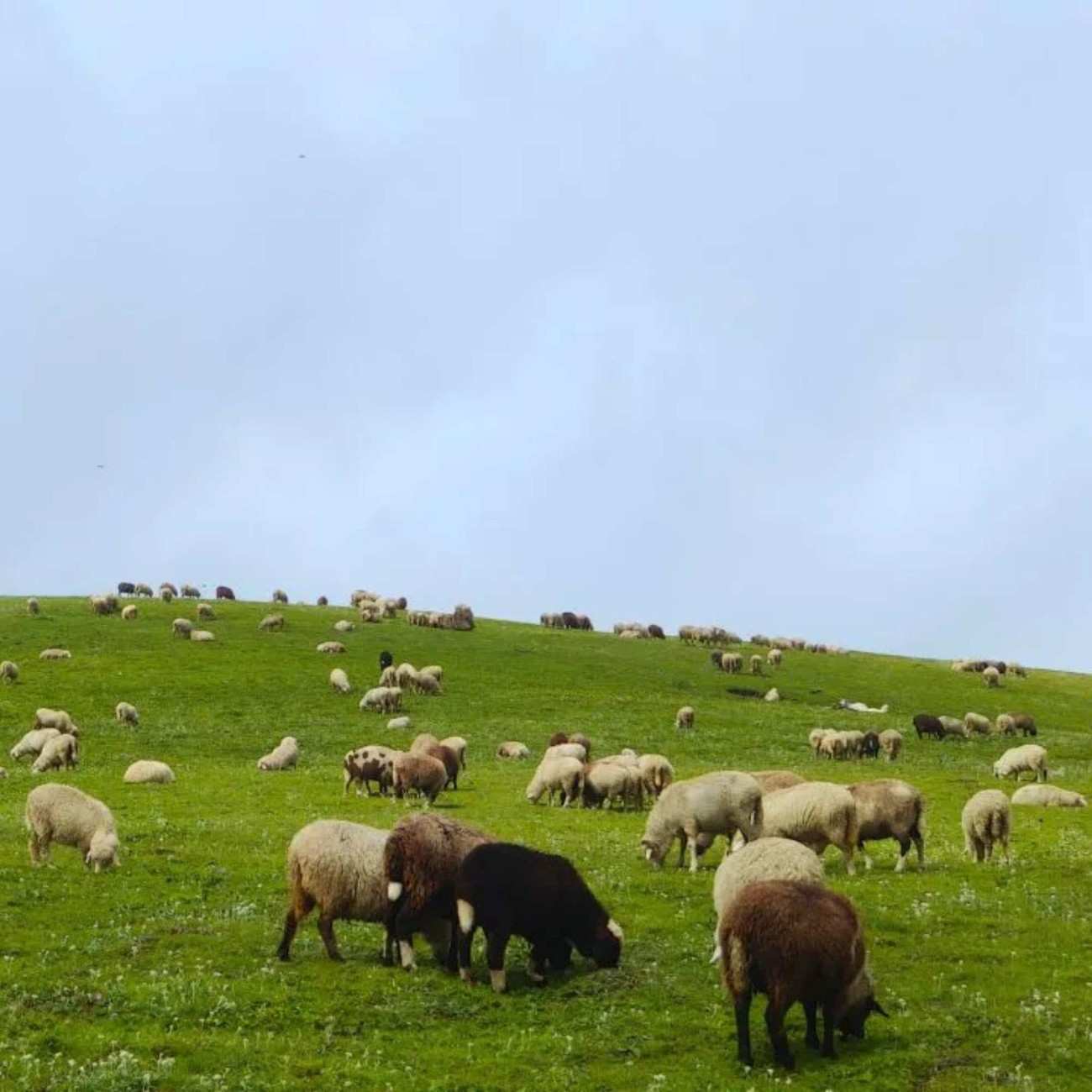 8D/7N
8D/7NMost Loved 4x4 Pabbar Valley Expedition With Giri Ganga Kuppar Bugyal Chanshal Pass and Dodra Kwar
1D Kharapathar / Kotkhai•2D Rohru / Chirgaon (Pabbar Valley)+1
₹32,999₹39,999SAVE INR 7,000/ person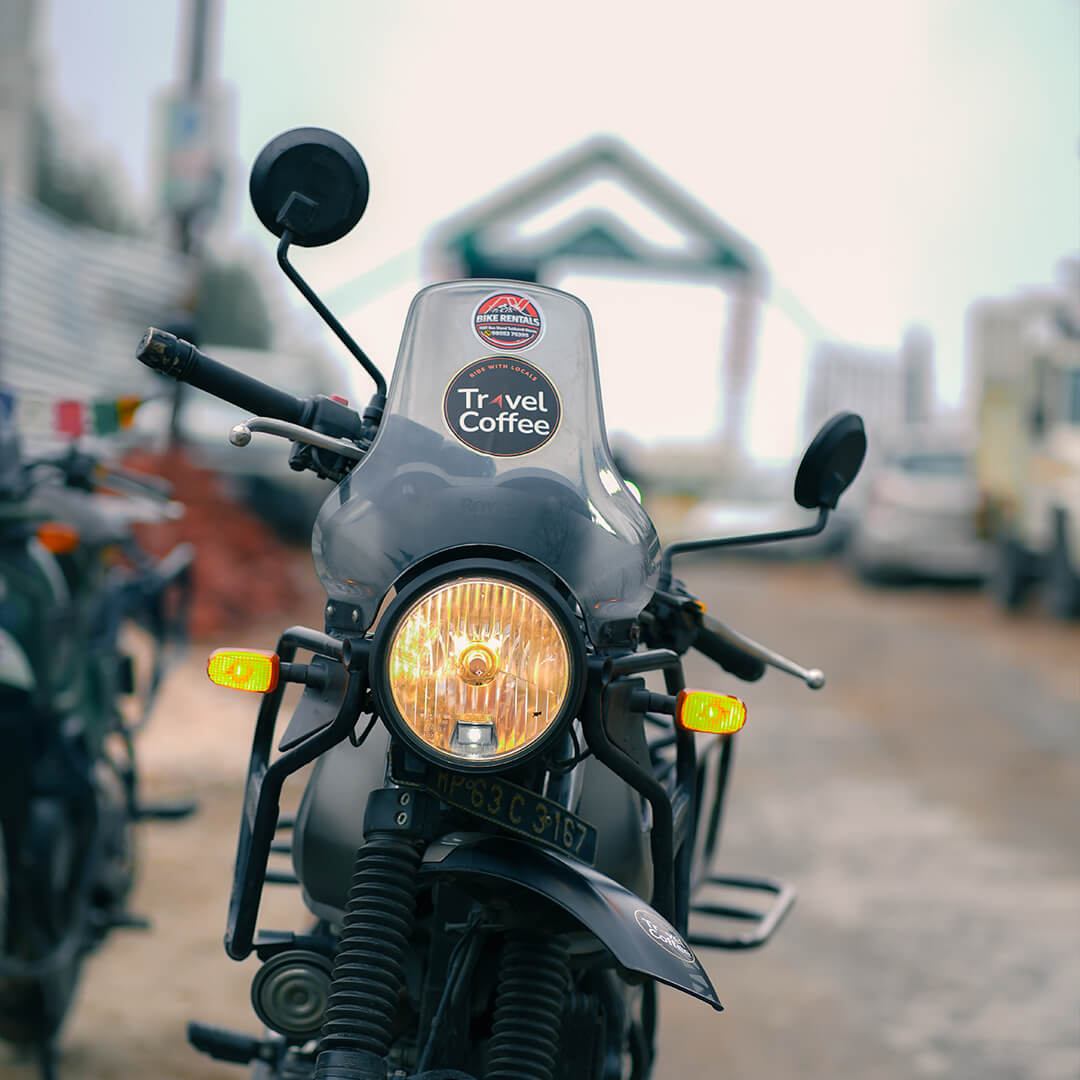 8D/7N
8D/7NUltimate Pabbar Valley Bike Expedition With Giri Ganga Kuppar Bugyal Chanshal Pass and Dodra Kwar
1D Kharapathar / Kotkhai•2D Rohru / Chirgaon (Pabbar Valley)+1
₹29,999/ person
Frequently Asked Questions
What is Kharapathar?
A small hill town at about 2,700 metres (8,860 feet) in Shimla district, Himachal Pradesh. It sits on the Shimla to Rohru road in the Pabbar Valley. The name comes from a large rock formation nearby. Known as a base for the Giri Ganga Temple trek and Kuppar Bugyal meadow. Apple orchards, deodar forest, and the HPTDC Giriganga Resort. About 77 km from Shimla. No ATM or fuel pump.
How do I reach Kharapathar from Shimla?
Drive about 77 km via Theog, Kotkhai, and the Shimla to Rohru road. The journey takes about 3 to 4 hours. HRTC buses from Shimla to Rohru stop at Kharapathar. The road is paved but narrow, with some rough patches between Kotkhai and Kharapathar. An alternate route via Narkanda is longer and avoids the rougher section.
Is there an ATM in Kharapathar?
No. There is no ATM in Kharapathar. The nearest ATMs are in Kotkhai (about 40 km toward Shimla) or Rohru (about 30 km ahead). Carry enough cash from Shimla for your entire stay. UPI payments are unreliable because mobile signal is patchy.
Where should I stay in Kharapathar?
The HPTDC Giriganga Resort is the best and most established option. Well built rooms with valley view balconies, a restaurant, and carpet flooring. Rooms start at roughly Rs 2,500 per night. A couple of private guesthouses also exist. Book ahead during apple season and long weekends.
What is the best time to visit Kharapathar?
March to June and October to November. October is the single best month, with clear skies, dry forest trails, and apple harvest. April is good for apple blossoms. Monsoon (July to September) brings slippery slush layers on the trails above, leeches, and unpredictable road delays. Winter (December to February) brings snow and deep cold.
What is Giri Ganga Temple?
An ancient temple complex at close to 3,000 metres in dense deodar forest, about 7 km above Kharapathar. It sits at the origin of the Giri Ganga river, a tributary of the Yamuna. Shrines to Goddess Durga, Lord Shiva, and Goddess Kali. A sacred water tank and a Dharamshala for basic overnight stays. The starting point for the Kuppar Bugyal trek. Reachable by local 4x4 taxi or a 2 to 3 hour forest walk.
What is Kuppar Bugyal?
A high altitude alpine meadow at around 3,200 metres, about 3 km above Giri Ganga Temple. The total trek from Kharapathar is about 9 to 10 km one way. The meadow offers 360 degree views of the Pir Panjal, Swargarohini, Bandarpunch, and Kinnaur Himalayan ranges. A natural spring below the summit is believed to be the source of the Giri Ganga river. Guide recommended. Best from April to November.
Do I need a guide for the treks?
For the 7 km dirt track from Kharapathar to Giri Ganga Temple, no. The path is wide and straightforward. For the 3 km trail from the temple to Kuppar Bugyal, a local guide is strongly recommended. The trail is not marked, the forest is dense enough to lose direction, and wildlife (bears and leopards) is present. Guides can be arranged in Kharapathar for a modest fee.
Is there mobile signal in Kharapathar?
Very limited. BSNL has the best chance but is still patchy. Jio and Airtel work intermittently. Above Kharapathar at Giri Ganga and Kuppar, there is effectively no signal at all. Download offline maps before arriving. Cash is mandatory because digital payments cannot be relied upon.
Is Kharapathar suitable for families?
For the town itself and the HPTDC resort, yes. The altitude at 2,700 metres is comfortable, and the resort is well maintained. For the Giri Ganga trek, families with older children who enjoy walking can manage the 7 km dirt track. The Kuppar Bugyal trek is not ideal for young children due to the unmarked trail, wildlife, and lack of any facilities at the top. The apple orchard walks near town are easy and family friendly.
How far is Kharapathar from Rohru?
About 30 km, roughly 1 to 1.5 hours by road. Rohru is the nearest town with an ATM, fuel pump, hospital, and proper supplies. If you need any of these, Rohru is where you go.
Related guides
Posts about Shimla
- Shimla Snow Trip 2026: Best Time, Itinerary, Cost and Local Tips
- Shimla in February 2027: Weather, Snowfall, Itinerary and Travel Tips
- Snow Point Near Shimla in 2026: Kufri, Fagu, Narkanda and the Best Places to Find Snow
- Shimla Honeymoon Guide 2026: Best Time, Itinerary, Cost and Romantic Places
- Shimla Kufri Chail Narkanda Tour 2026: Complete 6 Day Itinerary, Cost and Road Guide
- Shimla to Kasol Distance, Route, Bus and Taxi Guide 2026