
Jubbal
A former princely state in the apple belt of Shimla district where a 1930s palace designed by a French architect still stands behind a copper studded door 18 feet tall, the orchards have been producing some of the best apples in the country for generations, and most people on the Shimla to Rohru road drive straight past without knowing what they missed
- Former Princely State
- ~1,900 m
- Shimla district
- ~90 km from Shimla
- Jubbal Palace
- Apple belt
- On the Shimla to Rohru road
- Hatkoti temples nearby
- Year round access
- Pabbar Valley gateway
What makes it special
Jubbal is one of those places that has more history per square metre than most towns in Himachal, yet almost nobody comes here on purpose. It sits on the main road from Shimla to Rohru, about 90 km from the state capital, and most people who pass through are on their way to Kharapathar, Rohru, or Chanshal Pass. That is a mistake worth correcting, because Jubbal has the most interesting building in this entire stretch of the hills.
The Jubbal Palace sits on a 4 acre compound surrounded by pine and deodar forest. It was designed by a French architect in 1930 for the ruling family of the Jubbal princely state, and the result is something you do not see anywhere else in Himachal: a building that blends Chinese, Indian, and European architecture in a way that should look confused but somehow does not. The lower portion is built with sandstone, the upper sections use enormous quantities of deodar timber from the surrounding forest, and the modern wing has Indo European panelling work on the ceilings. The whole thing is painted cream with sloping roofs and red chimneys.
The main entrance is through a massive wooden door, about 18 feet high and 7 feet wide, covered with copper and studded with coins. Inside (when access is available, which is not guaranteed), there are carved timber facades, suspended attics, signed photographs of historical figures, old furniture, an impressive collection of ancient guns used by the royal family, and a library with Sanskrit and Persian manuscripts. The palace is partly private, still home to descendants of the Jubbal rulers, so access to the interiors depends on the day and the family's schedule. Confirm locally before assuming you can walk in. The exterior and grounds are generally viewable.
The princely state of Jubbal goes back to roughly 1100 AD. The ruling family belonged to the Rathore clan of Rajputs, tracing their lineage to Kannauj. For centuries, Jubbal was one of 18 small princely states in the valleys of the Sutlej, Pabbar, and Giri rivers, and it held considerable importance because of its dense deodar forests, which were valuable long before apples became the main crop. The royal family lived in the palace until 1977, when a part was reportedly converted into a heritage hotel, though the current operational status of that hotel is something you should check directly before planning an overnight stay.
Today, the town is small and functional. A market area, a couple of dhabas, a bus stand, and apple orchards spreading in every direction. The orchards around Jubbal are part of what locals call the Golden Apple Belt, the same belt that runs through Kotkhai, Kharapathar, and onward to Rohru. During harvest season (roughly September to November), the hillsides are heavy with Rich Red and Royal Delicious, and the road is lined with crates of apples heading to mandis across north India.
The drive from Shimla to Jubbal (about 3 to 4 hours via Theog and Kotkhai) passes through some of the most productive apple country in the state. The road is paved but narrow, with rough patches in sections. After Jubbal, the road continues to Kharapathar (about 14 km) and then on to Hatkoti (about 20 km from Jubbal) and Rohru. This stretch is the entry point to the Pabbar Valley, and Jubbal is the first town with any real character on the route.
Honest framing. Jubbal is not a destination where you spend three days. It is a half day stop, or an overnight if you want to explore at a slower pace. The palace is the main draw. The orchards are the setting. The town itself is quiet, practical, and small. But if you are driving from Shimla toward the Pabbar Valley, stopping at Jubbal to see the palace, walking through the orchard roads, and then continuing to Hatkoti and Rohru, you get a sequence of experiences that no other route from Shimla offers: princely history, ancient temples, apple country, and a river valley, all in one drive.
Quick answers
- What is Jubbal?
- A small hill town and former princely state at roughly 1,900 metres in Shimla district, about 90 km from Shimla. Known for the Jubbal Palace (designed by a French architect in 1930, blend of Chinese, Indian, and European styles) and productive apple orchards. On the main road from Shimla to Rohru. About 14 km from Kharapathar and 20 km from the Hatkoti temples.
- How much time do I need?
- A half day stop covers the palace exterior, the grounds, and a walk through the orchards. An overnight stay works if you want to combine Jubbal with Hatkoti temples and Kharapathar at a relaxed pace. Most travellers visit as a stop on the drive to Rohru or the Pabbar Valley.
- Can I go inside the palace?
- Access to the palace interiors is not guaranteed. The palace is partly private and still home to the Jubbal royal family descendants. The exterior and grounds are generally viewable. Confirm access locally before visiting. Some reports mention a heritage hotel operating in one wing, but check its current status directly.
Quick facts
Everything you need to know at a glance.
At a glance
- Altitude
- Roughly 1,900 m (about 6,200 feet). Some sources cite higher elevations for the surrounding area.
- Location
- On the Shimla to Rohru road, Shimla district, Himachal Pradesh. Between Kotkhai and Kharapathar.
- From Shimla
- About 90 km. 3 to 4 hours by road via Theog and Kotkhai.
- From Rohru
- About 42 km via Hatkoti. 1.5 to 2 hours.
- Entry fee
- None for the grounds. Interior access may be restricted.
- Time needed
- Half day as a stop. Overnight if combining with nearby sites.
On the ground
- Mobile network
- Jio and Airtel generally work in Jubbal town. Signal weakens beyond.
- ATM
- There may be an ATM in Jubbal, but availability can be patchy. Carry backup cash from Shimla.
- Fuel
- No confirmed fuel pump in Jubbal town. Nearest reliable fuel in Theog (toward Shimla) or Rohru (ahead).
- Food
- A few dhabas in the market area. Basic north Indian meals. Nothing elaborate.
- Accommodation
- The palace has reportedly operated a heritage wing. A couple of basic guesthouses. Confirm availability before counting on anything.
- Medical
- Basic medical facilities in Jubbal. For anything serious, Shimla is the nearest proper hospital (3 to 4 hours).
Seasonal weather
- March to June25°8°Spring and Summer
- July to September22°12°Monsoon
- October to November20°3°Autumn
- December to February12°-2°Winter
Suitable for
- Couples — suitable
- Families — suitable
- Seniors — suitable
- Solo — suitable
- First-timers — with some care
- Pet-friendly — with some care
How to reach Jubbal
3 approach routes, with seasonal access.
From Shimla (via Theog, Kotkhai)
Year round. Monsoon (July to September) can bring occasional landslide delays.- Distance
- About 90 km
- Time
- 3 to 4 hours by road
- Road
- State highway. Paved but narrow. Rough patches in sections, especially around Kotkhai.
- Last fuel
- Shimla, Theog
From Shimla, take the Hindustan Tibet Road to Theog, then turn off toward Kotkhai. The road passes through Chhaila and the apple orchards of Kotkhai before reaching Jubbal. HRTC buses from Shimla to Rohru pass through Jubbal. The drive is through productive apple country for most of the way. Road quality is mixed, with the stretch between Kotkhai and Jubbal narrower and rougher in places.
From Kharapathar (toward Shimla)
Year round.- Distance
- About 14 km
- Time
- 30 to 45 minutes
- Road
- Paved, narrow mountain road.
If you are coming from Kharapathar toward Shimla, Jubbal is about 14 km back on the main road. A short drive through orchards and small villages.
From Rohru (via Hatkoti)
Year round.- Distance
- About 42 km
- Time
- 1.5 to 2 hours
- Road
- Paved road through the Pabbar Valley. Decent condition.
Best time to visit
Season by season, so you can plan around the weather rather than hope.
- Recommended
Spring and early summer
March to June
Comfortable weather, apple blossoms in April, and the palace grounds at their best.
- Temperature
- 8 to 25 degrees.
- Roads
- Good condition.
- Apple orchards
- Blossoms in April. Green through summer.
- Best for
- Palace visit, orchard walks, drive to Pabbar Valley.
Warm days and cool evenings at this altitude. Apple blossoms turn the orchards white and pink in April. The palace grounds and surrounding walks are pleasant. Roads from Shimla are generally stable. This is the best window for a relaxed visit. The drive through the apple belt is at its most attractive.
Monsoon
July to September
Green valley but rain and landslide risk on the approach road.
- Temperature
- 12 to 22 degrees.
- Rain
- Moderate. Occasional heavy spells.
- Road
- Passable but landslide risk.
- Crowds
- Low.
Rain makes the valley lush but the road from Shimla can have delays from landslides, especially between Kotkhai and Jubbal. The town and palace are accessible, but plan for possible disruptions. Fewer visitors. The orchards are heavy with developing fruit.
- Recommended
Autumn and apple harvest
October to November
Apple harvest, clear skies, and the best driving weather on the route.
- Temperature
- 3 to 20 degrees.
- Apple harvest
- September to November. Orchards at peak.
- Roads
- Dry and stable.
- Best for
- Photography, apple season, valley drive.
The single best window. Apple harvest runs September through November, and the orchards around Jubbal are loaded. The air clears after the monsoon. Roads are dry. The drive from Shimla through Kotkhai is at its most pleasant. October is ideal for combining Jubbal with Hatkoti, Kharapathar, and the Pabbar Valley in one trip.
Winter
December to February
Cold and quiet. The town is accessible but there is less to see.
- Temperature
- Minus 2 to 12 degrees.
- Snow
- Possible but not guaranteed.
- Road from Shimla
- Usually open.
- Crowds
- Very few.
Cold nights, sometimes below freezing. Snow is possible but not guaranteed at this altitude. The road from Shimla is usually open. The palace and town are quiet and local. Apple orchards are bare. Not much to do beyond the palace visit, but the drive is calm and the valley has a stripped down beauty. Carry warm layers.
Things to see & do
3 things worth your time at Jubbal.
Visit Jubbal Palace
1 to 2 hoursThe main attraction. The palace compound is spread over 4 acres, surrounded by pine and deodar forest. Walk the grounds, take in the blend of Chinese, Indian, and European architecture, and look for the famous 18 foot copper and coin studded entrance door. The exterior alone is worth the stop. If interior access is available, the carved timber ceilings, royal gun collection, old furniture, and Sanskrit and Persian library are genuinely interesting. The palace is partly private, so confirm access locally. Photography of the exterior and grounds is generally allowed.
Walk the apple orchards
1 to 2 hoursThe orchards around Jubbal are some of the most productive in the Shimla district apple belt. No formal trail, just walk the orchard roads that branch off from the main highway. During harvest (September to November), you can often buy apples directly from farmers. In April, the blossoms turn the hillside white and pink. The quiet of the orchards and the views of the surrounding hills make this a pleasant way to spend an hour before getting back in the car.
Drive the Shimla to Rohru apple route
Full dayJubbal sits at the start of one of the best drives in the Shimla region. From Jubbal, continue to Kharapathar (14 km), then Hatkoti temples (another 15 km), and on to Rohru (12 km further). The drive passes through orchards, forested slopes, and the Pabbar River valley. Combine the palace stop at Jubbal with the 9th century temples at Hatkoti and trout fishing or a Chanshal Pass plan from Rohru. This is the kind of drive where the journey is as good as the stops.
Know before you visit Jubbal
The practical bits, from people who have been.
The palace and what to expectPalace is partly private. Interior access not guaranteed. Confirm before visiting. The exterior and grounds are generally viewable.
Jubbal Palace is the town's main draw, but it is important to set expectations correctly. The palace is partly a private residence, still home to descendants of the Jubbal royal family. Public access to the interiors is not guaranteed and depends on the day and the family's schedule. The exterior, the 18 foot copper studded entrance door, the grounds, and the architectural details are generally viewable from outside.
Some sources mention a heritage hotel operating in one wing of the palace. The current operational status of this hotel is unclear and may have changed. If you plan to stay at the palace, contact the property directly before assuming availability. Do not show up expecting a hotel room without confirming first.
There is no official entry fee for the palace grounds. Some reports cite timings of 6 AM to 6 PM, but these may not be consistently enforced since it is a private property. Be respectful of the space. This is someone's home, not a museum. Ask before photographing interiors if you do get access.
Who Jubbal suitsBest for history lovers, photographers, and Pabbar Valley road trippers. Skip if you need activities or nightlife.
Will appreciate it. History and architecture enthusiasts who enjoy princely state heritage. Travellers on the Shimla to Rohru route who want a meaningful stop instead of just driving through. Photographers, especially during apple blossom (April) or harvest (September to November). Couples and families looking for a quiet, characterful break from the main Shimla circuit.
Might skip it. If you are racing to Chanshal Pass or Rohru and have no interest in architecture or history, Jubbal will feel like a brief detour. If you need activities, nightlife, or structured tourism, there is nothing here beyond the palace and the orchards. Jubbal rewards the kind of traveller who likes to stop, look, and absorb.
Seniors and families. The palace grounds are on mostly flat terrain. The town is at a comfortable altitude. No difficult walks required. Families with children will find a short stop perfectly manageable. The drive from Shimla is long but scenic.
Practical ground realitySmall town, basic dhabas, no confirmed fuel pump. Mobile signal works in town. Carry cash from Shimla.
Jubbal is a small town. There are a few dhabas in the market area serving basic north Indian food. Do not expect restaurant quality. The HPTDC or palace heritage stay options may or may not be operational, so carry food for the drive if you are uncertain.
Mobile signal generally works in Jubbal town (Jio and Airtel reported functional), but weakens quickly outside. ATM availability is uncertain. Carry cash from Shimla.
There is no confirmed fuel pump in Jubbal. The nearest reliable fuel is in Theog (toward Shimla) or Rohru (ahead). Plan your tank accordingly.
The road from Shimla passes through Kotkhai, and this section has rough patches. Road widening work has improved some stretches in recent years. HRTC buses from Shimla to Rohru pass through Jubbal. Private taxis and self driving are both fine.
Nearby attractions
Other places worth the detour.
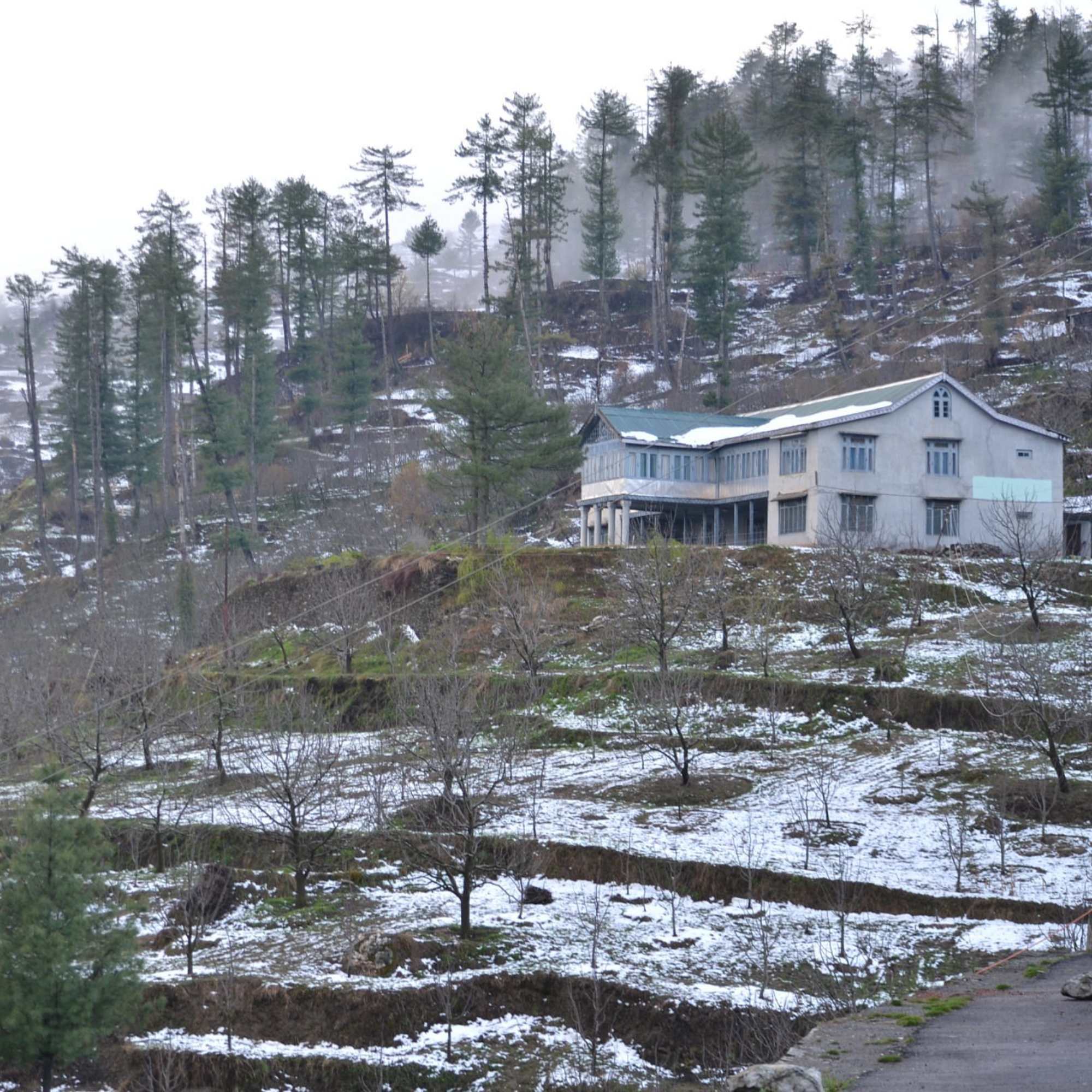
Kharapathar
About 14 km ahead on the Rohru road
A small hill town at roughly 2,670 metres, the base for the Giri Ganga Temple trek and Kuppar Bugyal meadow. Apple orchards, deodar forest, and the HPTDC Giriganga Resort with valley views from every room. About 14 km from Jubbal on the road toward Rohru.
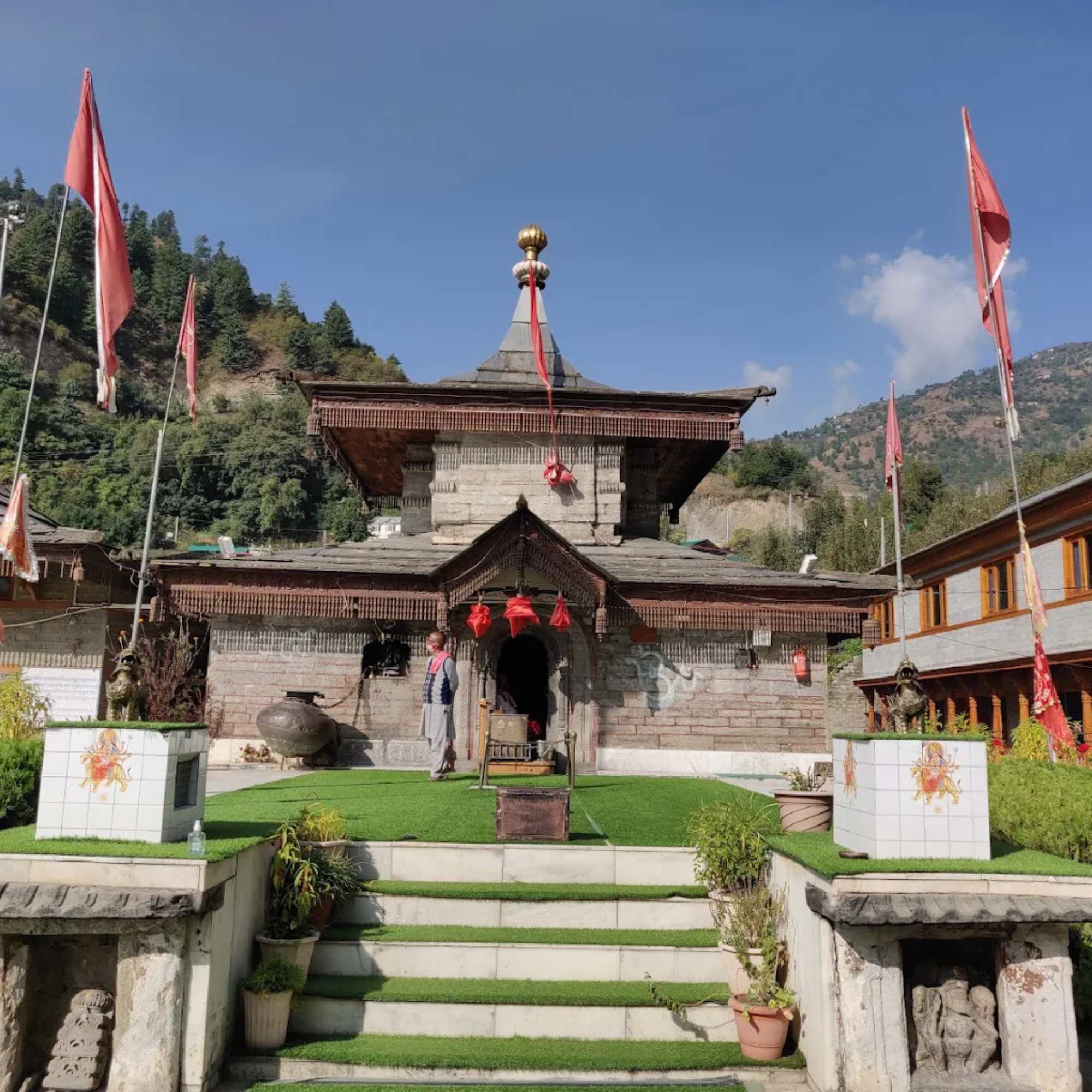
Hatkoti Temple
About 20 km via Kharapathar
An ancient stone temple complex on the Pabbar River, dedicated to Hateshwari Mata (Durga) and Lord Shiva. 8th to 9th century Nagara shikhara architecture with finely carved stone panels and a coin studded sanctum door. No entry fee. A worthwhile stop between Jubbal and Rohru.
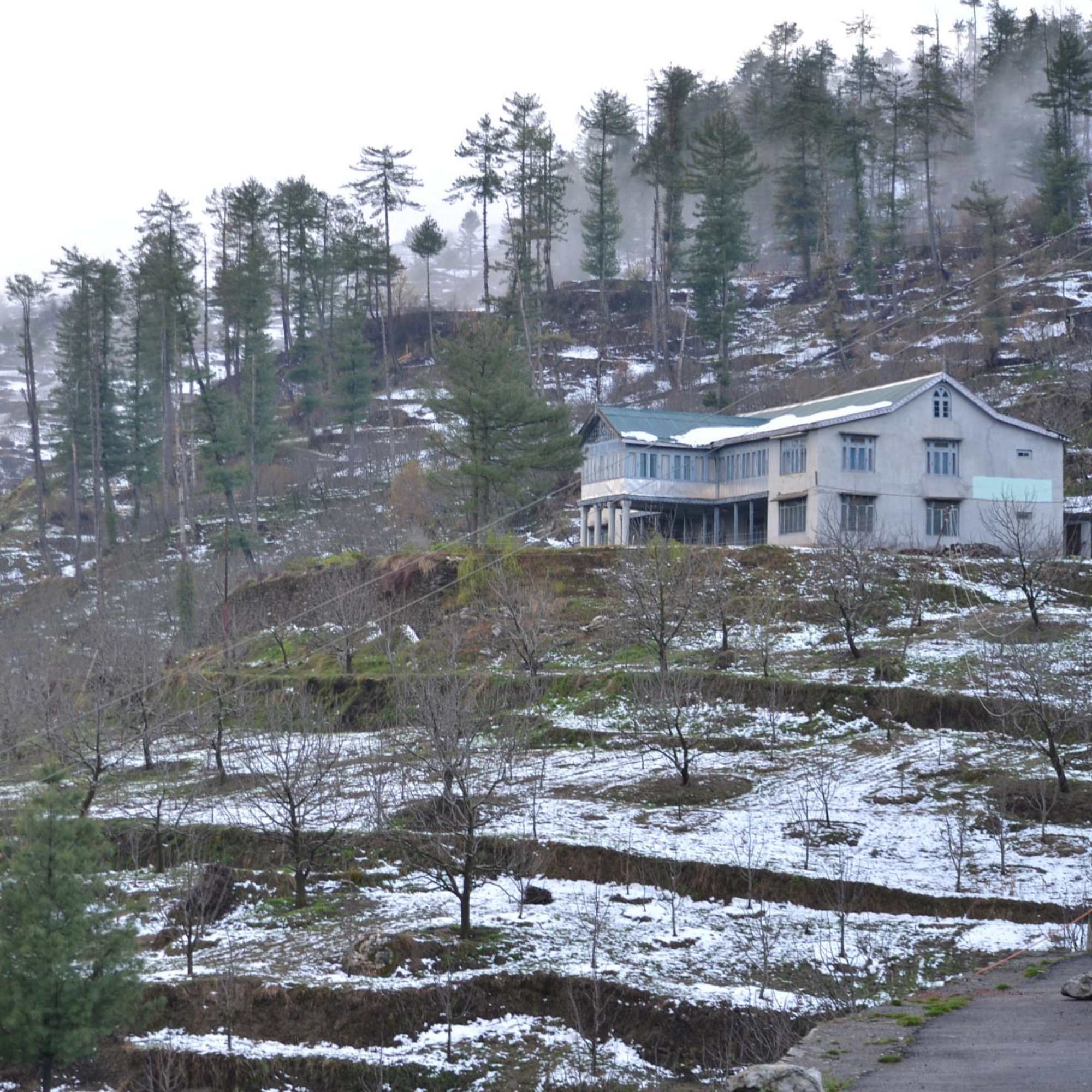
Rohru
About 42 km (1.5 to 2 hours)
The main town of the Pabbar Valley at roughly 1,525 metres. Trout fishing on the Pabbar River, apple orchards, and the last supply stop (ATM, fuel, hospital) before the upper valley and Chanshal Pass.

Giri Ganga Temple
About 21 km (7 km beyond Kharapathar)
An ancient temple at roughly 3,000 metres in dense deodar forest, about 7 km above Kharapathar. Shrines to Durga, Shiva, and Kali at the source of the Giri Ganga river. The starting point for the Kuppar Bugyal trek.
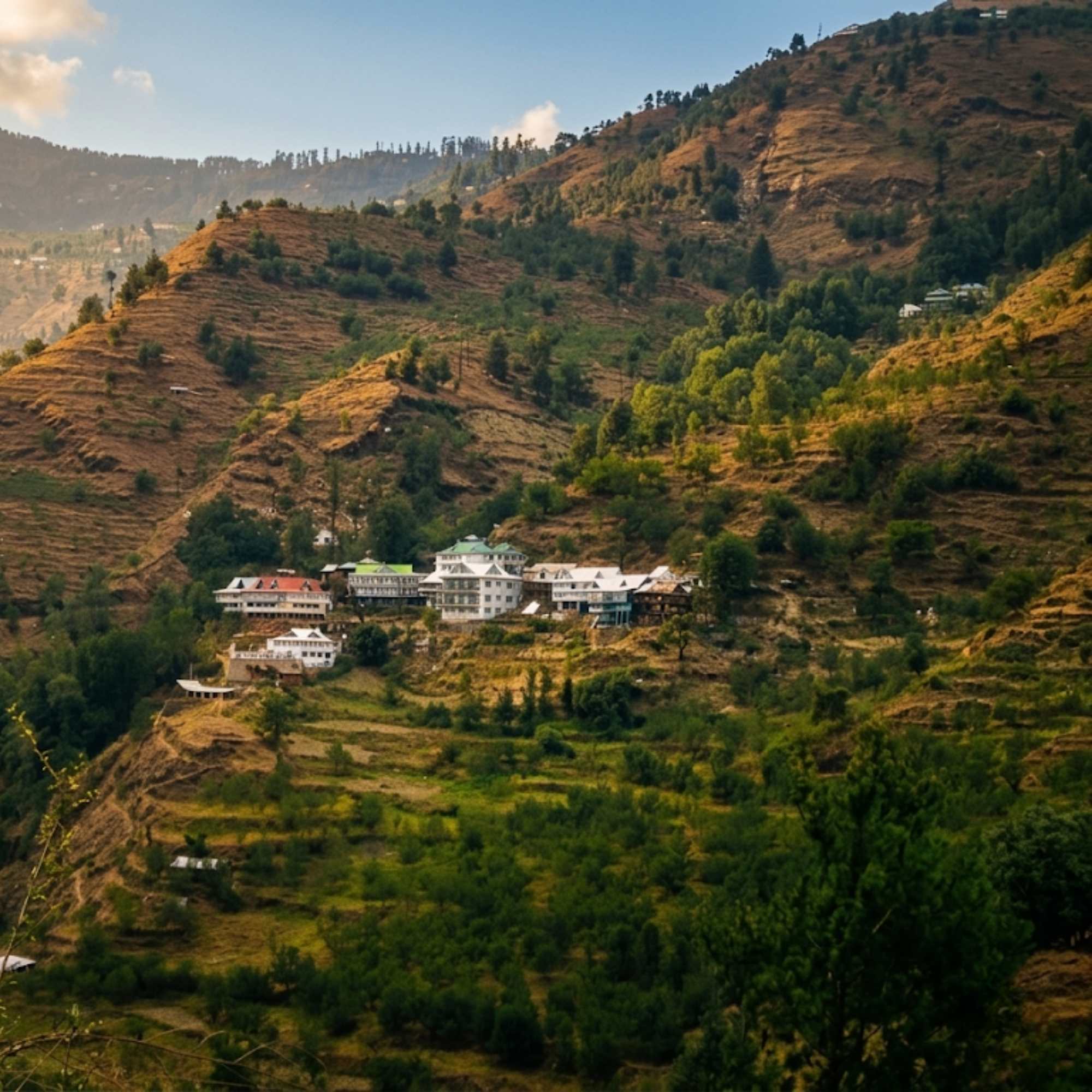
Kotkhai
About 20 km back toward Shimla
A small town known for its apple orchards and the Kotkhai Palace ruins. The road from Shimla passes through here before reaching Jubbal. A couple of dhabas and provisions shops.
Our packages with Jubbal
Curated trips that include a visit to Jubbal.
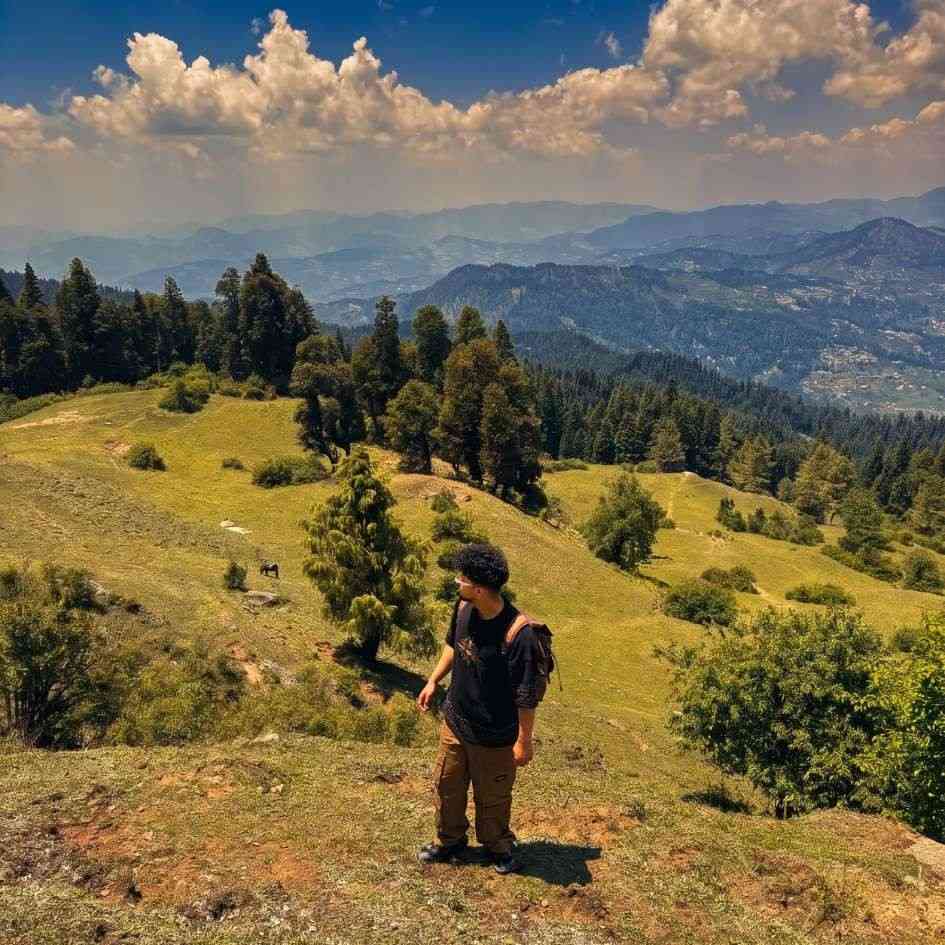 Group Tour5D/4N
Chanshal Pass Weekend Group Trip With Giri Ganga and Kuppar Bugyal
1D Kharapathar / Kotkhai•1D Rohru / Chirgaon (Pabbar Valley)
₹8,999₹12,999SAVE INR 4,000/ person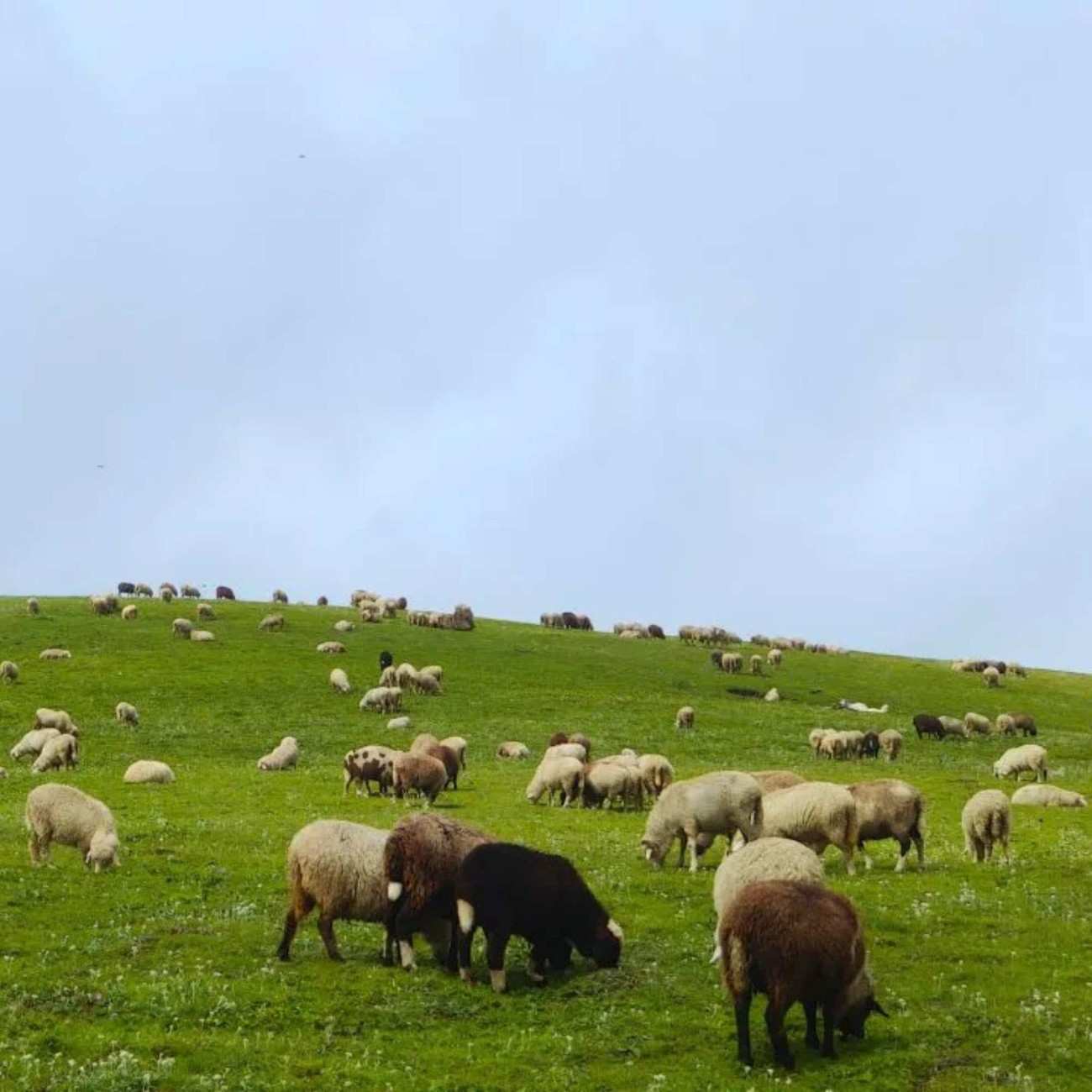 8D/7N
8D/7NMost Loved 4x4 Pabbar Valley Expedition With Giri Ganga Kuppar Bugyal Chanshal Pass and Dodra Kwar
1D Kharapathar / Kotkhai•2D Rohru / Chirgaon (Pabbar Valley)+1
₹32,999₹39,999SAVE INR 7,000/ person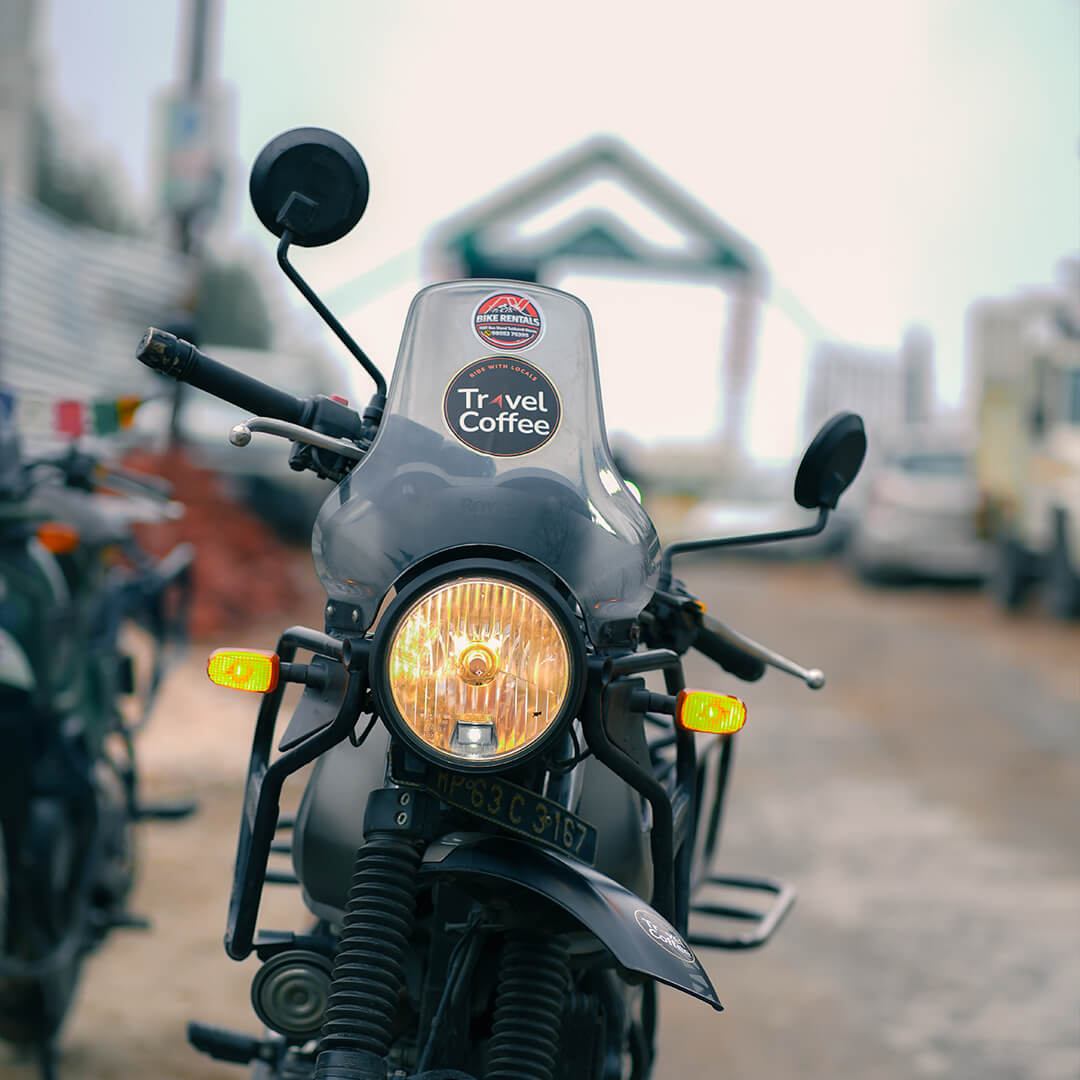 8D/7N
8D/7NUltimate Pabbar Valley Bike Expedition With Giri Ganga Kuppar Bugyal Chanshal Pass and Dodra Kwar
1D Kharapathar / Kotkhai•2D Rohru / Chirgaon (Pabbar Valley)+1
₹29,999/ person
Frequently Asked Questions
What is Jubbal known for?
Jubbal is known for the Jubbal Palace, a striking 1930s palace designed by a French architect that blends Chinese, Indian, and European architectural styles. The town is also known for its apple orchards (part of the Golden Apple Belt of Shimla district) and its history as a former Rajput princely state founded around 1100 AD. It sits on the main road from Shimla to Rohru.
How far is Jubbal from Shimla?
About 90 km from Shimla, roughly 3 to 4 hours by road via Theog and Kotkhai. HRTC buses from Shimla to Rohru stop at Jubbal. The road is paved but narrow with rough patches in sections.
Can I visit the inside of Jubbal Palace?
Interior access is not guaranteed. The palace is partly a private residence, still home to descendants of the Jubbal royal family. The exterior, grounds, and the famous 18 foot copper studded entrance door are generally viewable. Confirm access locally before visiting.
Is there a hotel at Jubbal Palace?
Some sources mention a heritage hotel operating in one wing of the palace (referred to as Woodville Palace Hotel). However, the current operational status is unclear. Contact the property directly before planning to stay. A couple of basic guesthouses also exist in Jubbal town.
What is the best time to visit Jubbal?
October is the best single month, combining clear skies, dry roads, and apple harvest in full swing. March to June is the other recommended window, with comfortable weather and apple blossoms in April. Monsoon (July to September) is green but brings landslide risk on the approach road. Winter is cold and quiet.
How much time do I need in Jubbal?
A half day stop covers the palace exterior and a walk through the orchards. An overnight stay works if you want to combine Jubbal with Hatkoti temples and Kharapathar. Most travellers visit as a stop on the drive toward the Pabbar Valley.
Is Jubbal suitable for families and seniors?
Yes. The palace grounds are on mostly flat terrain. The altitude at roughly 1,900 metres is comfortable. No strenuous walking is required. The drive from Shimla is long (3 to 4 hours) but scenic. Families with children will find a short stop perfectly manageable.
What is near Jubbal?
Kharapathar (about 14 km, the base for Giri Ganga Temple and Kuppar Bugyal). Hatkoti Temple (about 20 km, 9th century architecture on the Pabbar River). Rohru (about 42 km, trout fishing and Chanshal Pass base). Kotkhai (about 20 km back toward Shimla, apple orchards and a small palace).
Is there an ATM or fuel in Jubbal?
ATM availability in Jubbal is uncertain. No confirmed fuel pump in town. The nearest reliable fuel and ATMs are in Theog (toward Shimla) or Rohru (ahead on the Pabbar Valley road). Carry cash and plan your fuel from Shimla or Theog.
Related guides
Posts about Shimla
- Shimla Snow Trip 2026: Best Time, Itinerary, Cost and Local Tips
- Shimla in February 2027: Weather, Snowfall, Itinerary and Travel Tips
- Snow Point Near Shimla in 2026: Kufri, Fagu, Narkanda and the Best Places to Find Snow
- Shimla Honeymoon Guide 2026: Best Time, Itinerary, Cost and Romantic Places
- Shimla Kufri Chail Narkanda Tour 2026: Complete 6 Day Itinerary, Cost and Road Guide
- Shimla to Kasol Distance, Route, Bus and Taxi Guide 2026