
Jakhu Temple
The ancient Hanuman temple on Shimla's highest hill, with a 108 foot statue you can see from everywhere in the city, a steep walk through deodar forest, bold monkeys on the trail, and the widest view in Shimla from the top
- Altitude ~2,455 m / ~8,054 ft
- Shimla's highest point
- 108 ft (33 m) Hanuman statue, unveiled 2010
- 2.5 km uphill from The Ridge, or ropeway
- 30 to 90 minute visit
What makes it special
Jakhu Temple is the highest point in Shimla, and the 108 foot Hanuman statue on top of the hill is the thing you keep seeing from everywhere in the city. From The Ridge, from Mall Road, from your hotel window. It is always there on the skyline, saffron against blue or grey, depending on the weather. At some point during a Shimla trip, most people decide to go up and see it up close. The walk is steep, the monkeys are bold, and the view from the top is the widest you will get without leaving the city.
The short version. Jakhu Temple is an ancient Hindu temple dedicated to Lord Hanuman, sitting at about 2,455 metres on Jakhu Hill, Shimla's highest peak. The hill is about 2.5 km east of The Ridge. According to the Ramayana legend, Hanuman stopped here while carrying the Sanjeevani herb to save Lakshmana, and the temple marks where his footprint is believed to have left a mark. The 108 foot (33 metre) statue of Hanuman was completed in 2010, funded by the HC Nanda Charitable Trust, and unveiled by Abhishek Bachchan. It is visible from almost every part of Shimla and has become the city's defining landmark.
There are three ways up. Walking, which takes about 30 to 45 minutes from The Ridge on a steep uphill path through deodar forest. The Jakhu Ropeway, which opened in 2017 and covers the distance in about 5 minutes from a station near The Ridge. Or a taxi up the road to the upper parking, followed by a short walk. The walk is the most rewarding if your legs are up for it. The ropeway is the most fun, with good views over the city during the ride. The taxi is the practical option for seniors and families with small children.
One thing to know before you go up: the rhesus macaques on the trail and around the temple are bold, fast, and completely comfortable around people. They will grab food, pull at bags, and snatch loose items if you give them an opening. Read the full monkey section below before you start. Most visitors who take the basic precautions have no trouble, but this is not something to brush off.
The temple itself is modest. A small structure with paintings from the Ramayana, statues of Hanuman and Rama, and a pair of footprints in white marble that devotees believe are Hanuman's. The temple is active, not a museum. Priests perform regular aarti, and the Dussehra celebrations here are the biggest annual event in Shimla. Most visitors come for the statue and the panoramic view, not the temple architecture, but the temple has a quiet sincerity that is easy to appreciate once you are there.
The view from the top is the widest accessible panorama in Shimla. On a clear day, you can see the Shivalik ranges stretching in every direction, the city spread across the ridgeline below you, and the snow line of the greater Himalayas to the north. Early morning before 8 AM gives the sharpest visibility. Late afternoon gives the warmest light on the statue. In winter, the temple and statue under fresh snow, with the ranges behind, is the most dramatic version.
Who should go. Anyone who can handle the uphill walk or is happy to take the ropeway. Families with older children enjoy it. Solo travellers like the view. Couples like the ropeway ride. Pilgrims come for the temple and the aarti. Who should reconsider: visitors with serious mobility issues (the path is steep even from the taxi drop), anyone genuinely uncomfortable around monkeys (the encounter is almost certain), and very young children who cannot be carried through the monkey stretch. Pets are not practical here.
Quick answers
- Is Jakhu Temple worth visiting?
- Yes, for most Shimla visitors. The 108 foot Hanuman statue at the top is Shimla's most visible landmark, and the panoramic view from the hilltop is the widest in the city. The walk up through deodar forest takes 30 to 45 minutes, or you can take the ropeway in 5 minutes. Go early morning for sharp views and a quieter trail.
- How much time do I need for Jakhu Temple?
- About 1 to 1.5 hours total if you walk up: 30 to 45 minutes up, 15 to 30 minutes at the top for the view and the temple, and 20 to 30 minutes down. Faster if you take the ropeway up and walk down. Longer if you stay for the aarti or want to sit with the view.
- What are the timings and ropeway cost for Jakhu Temple?
- The temple is generally open from around 7 AM to 8 PM, though some sources report wider hours (5 AM to 9 PM). Timings can shift seasonally, so confirm locally. No entry fee for the temple. The ropeway generally runs from about 9:30 AM to 5 or 6 PM. Ropeway tickets are approximately Rs 250 one way for adults (Rs 470 return), Rs 200 one way for children (Rs 390 return), as of recent reports. These can change.
Quick facts
Everything you need to know at a glance.
At a glance
- Altitude
- About 2,455 m / 8,054 ft. Shimla's highest point, roughly 250 metres above The Ridge.
- Location
- Jakhu Hill, about 2.5 km east of The Ridge, Shimla, Himachal Pradesh.
- Temple timings
- Generally around 7 AM to 8 PM for visitors. Some sources report extended hours (5 AM to 9 PM). Timings can shift by season, so confirm locally. Ropeway generally 9:30 AM to 5 or 6 PM.
- Entry fee
- No entry fee for the temple. Ropeway tickets approximately Rs 250 one way adults, Rs 470 return, as of recent reports. Prices can change.
- Time needed
- 1 to 1.5 hours including the walk up and back. Faster with the ropeway.
- Known for
- 108 ft (33 m) Hanuman statue (2010). Shimla's highest point. Panoramic views of the Shivalik ranges. Ancient Hanuman temple. Dussehra festival. The monkeys.
- Difficulty
- Moderate. The 2.5 km walk is steep and gains about 250 metres. Paved but tiring for those not used to uphill walking. Ropeway available as an alternative.
On the ground
- Mobile network
- Works on the hill. Airtel, Jio, and BSNL all have signal at the temple.
- Food
- Small stalls near the temple sell tea, snacks, and prasad. For a proper meal, eat on Mall Road before or after. Keep food out of sight on the trail because of monkeys.
- Parking
- Limited parking at the upper road level near the temple. Most visitors walk or take the ropeway from The Ridge.
- Washrooms
- Basic facilities at the temple complex. Quality is inconsistent.
- Photography
- The statue and the panoramic view are the main subjects. Early morning and late afternoon for the best light. Photography inside the temple sanctum is generally restricted.
- Safety
- The biggest concern is the monkeys, not crime. Keep bags zipped, food hidden, and check the monkey tips below. The trail is well used and safe from a security standpoint.
Seasonal weather
- March to May18°8°Spring
- June to September22°13°Summer and Monsoon
- October to November16°5°Autumn
- December to February8°-1°Winter
Suitable for
- Couples — suitable
- Families — with some care
- Seniors — with some care
- Solo — suitable
- First-timers — suitable
- Pet-friendly — not suitable
How to reach Jakhu Temple
3 approach routes, with seasonal access.
From The Ridge (walking)
Year round. Slippery after rain and during winter snow.- Distance
- About 2.5 km one way
- Time
- 30 to 45 minutes uphill, 20 to 30 minutes down
- Road
- Paved uphill path through deodar forest, steep gradient, some steps.
The classic approach. Take the lane between Christ Church and the State Library at The Ridge, follow the arrows and the uphill path through deodar forest. The trail is paved but steep, with some stepped sections. Monkeys are active on the upper trail, so check the monkey section below before heading up. Allow 30 to 45 minutes up, 20 to 30 minutes down. This is the most rewarding way to reach the temple.
From Near The Ridge (Jakhu Ropeway)
Year round, weather permitting. May close during very heavy rain or strong winds.- Distance
- About 1 km walk to the station, then 5 minutes by ropeway
- Time
- About 20 to 25 minutes total including the walk to the station
- Road
- Walk to the ropeway station, then aerial cable car.
The ropeway opened in 2017 and covers the distance from a station near The Ridge to the temple area in about 5 minutes. The ride gives aerial views over the city and the forest canopy. The ropeway station itself involves about a 1 km uphill walk from The Ridge, so you do not avoid all the effort. Timings are generally 9:30 AM to 5 or 6 PM. Tickets are approximately Rs 250 one way for adults, Rs 470 return. Confirm current timings and prices before your visit.
From Central Shimla (taxi)
Year round. Road can be icy in winter.- Distance
- About 5 km by road from central Shimla
- Time
- 15 to 20 minutes by taxi, plus a short walk
- Road
- Narrow tarred hill road.
A taxi can drive up the road from the Cart Road area to an upper parking near the temple complex. From the parking, a short walk of a few minutes brings you to the temple and statue. This is the easiest option for seniors, families with small children, and anyone who prefers to skip the steep walk entirely. Taxi rates vary, negotiate before you start.
Best time to visit
Season by season, so you can plan around the weather rather than hope.
- Recommended
Spring
March to May
Clear skies, dry trail, warm walking weather, and the sharpest mountain views
- Temperature at the hilltop
- ~8 to 18 C
- Visibility
- Good, best in March and April
- Trail
- Dry and firm
- Crowds
- Moderate, thinner than The Ridge
The best overall window. Days are warm, the trail is dry, and clear mornings give sharp views from the hilltop. The deodar forest is at its greenest. May weekends see more visitors on the trail, but Jakhu never gets as crowded as The Ridge. Early morning visits in this window are the sweet spot: sharp air, clean views, and fewer monkeys active on the trail.
Summer and Monsoon
June to September
Green and moody, slippery trail, views are a gamble, the ropeway may pause in bad weather
- Temperature at the hilltop
- ~13 to 22 C
- Rain
- Heavy, especially July and August
- Trail
- Slippery after rain, extra caution needed
- Views
- Frequently clouded out
June is still pleasant. July and August bring monsoon rain, which makes the trail slippery and the views unreliable. Cloud cover can wrap around the hilltop and kill the panorama entirely. The deodar forest looks dramatic in mist, but if you came for the view, the odds are against you. The ropeway may close in very heavy rain or strong winds. Carry a rain jacket and shoes with grip if you visit in this window.
- Recommended
Autumn
October to November
The sharpest air and widest views of the year, thin crowds, and the best light on the statue
- Temperature at the hilltop
- ~5 to 16 C
- Visibility
- Best of the year
- Trail
- Dry, excellent
- Crowds
- Low
Post monsoon clears the air and this is when the hilltop view is at its absolute sharpest. October mornings with the Shivalik ranges sharp against a blue sky, from the highest point in Shimla, are the best version of this visit. The trail is dry and firm. Crowds are thin. November gets cold at the hilltop and you will want a warm layer. The light on the statue in the late afternoon during this window is the warmest of the year.
Winter
December to February
Cold, dramatic when it snows, icy trail, and the most powerful version of the statue against a white sky
- Temperature at the hilltop
- ~minus 1 to 8 C
- Snow
- Possible, more likely than at The Ridge due to higher altitude
- Trail
- Can be icy, proper shoes needed
- Crowds
- Low, except around Christmas and New Year
Jakhu Temple and the Hanuman statue under fresh snow, with the snow line of the greater Himalayas behind, is the most dramatic version of this visit. But snow at this altitude is not guaranteed every week in winter. When it does happen, the combination is genuinely striking. The trail can be icy and slippery, requiring careful footwear. The ropeway continues to operate weather permitting. The hilltop is significantly colder and windier than the city below. Carry proper warm layers.
Things to see & do
4 things worth your time at Jakhu Temple.
Walk up from The Ridge
30 to 45 minutes one wayThe classic approach. Start at The Ridge near Christ Church, take the small lane between Christ Church and the State Library where the arrow marks point toward Jakhu, and follow the steep path uphill through deodar forest. The walk is about 2.5 km and gains roughly 250 metres in altitude. Most people take 30 to 45 minutes at a relaxed pace. The path is paved but steep, with some stepped sections. Carry water. Go early morning for the best light and the fewest people on the trail. Check the monkey tips in the section below before you start.
Take the Jakhu Ropeway
5 minutes ride, plus 15 to 20 minutes walking to and from the stationsThe ropeway opened in 2017 and covers the distance from a station near The Ridge to the temple area in about 5 minutes. The ride gives you a birds eye view over Shimla's rooftops and the deodar canopy. As of recent reports, one way tickets are around Rs 250 for adults and Rs 200 for children, with return tickets around Rs 470 and Rs 390 respectively. Timings are generally 9:30 AM to 5 or 6 PM, but these can change seasonally and are worth confirming before you go. The ropeway station involves about a 1 km uphill walk from The Ridge itself, so you do not skip all the walking.
Take in the panoramic view from the hilltop
15 to 30 minutesFind a spot near the base of the 108 foot statue or on the open ground at the temple complex. On a clear morning, the Shivalik ranges fill the horizon in every direction, with Shimla's buildings spread along the ridge below and the snow line visible to the north. This is the widest accessible view in Shimla. Early morning gives the sharpest light. Late afternoon gives the warmest tones on the statue. Bring a jacket, the hilltop is windier and cooler than the city below.
Visit the temple and see the aarti
15 to 20 minutesThe temple is small but active. Paintings from the Ramayana line the walls, a pair of footprints in white marble sits in the sanctum (believed to be Hanuman's), and regular aarti is performed by the priests. Remove shoes before entering. Photography inside is generally restricted, ask before taking any. Donations are welcome but not required. The Dussehra festival in October brings the largest crowd and a proper fair on the hill.
Know before you visit Jakhu Temple
The practical bits, from people who have been.
What Jakhu Temple actually isAncient Hanuman temple on Shimla's highest peak at 2,455 m. The 108 ft statue (2010) is the city's most visible landmark.
The temple. An ancient Hindu temple dedicated to Lord Hanuman, on Jakhu Hill at 2,455 metres, Shimla's highest point. Connected to the Ramayana legend of Hanuman stopping here while carrying the Sanjeevani herb. The temple has paintings from the Ramayana, a pair of footprints in white marble believed to be Hanuman's, and regular aarti performed by priests. Active place of worship, not a museum.
The statue. 108 feet (33 metres) tall, completed in 2010, funded by the HC Nanda Charitable Trust. Visible from almost everywhere in Shimla. Unveiled by Abhishek Bachchan. The statue has become the single most recognisable landmark of the city, more photographed than even Christ Church.
The hill. Jakhu Hill is the highest of Shimla's seven hills. Covered in deodar forest on the walk up, with the city falling away below you. The panoramic view from the top is the widest you can get in Shimla without leaving city limits.
The monkey situation, honestlyThe monkeys are bold and fast. Do not carry food, keep bags zipped, avoid eye contact, rent a stick. Take this seriously.
This is the most important section on this page. The rhesus macaques around Jakhu Temple are not cute forest animals. They are urban monkeys accustomed to humans, and they will take your things if you give them an opening.
What they do. Grab food from hands. Snatch glasses off faces. Pull at bags and backpacks. Go through open pockets. Jump on shoulders if they smell food. Chase people who run (running signals prey).
What to do. Do not carry visible food. Keep all bags closed, zipped, and held close. Do not make direct eye contact. Do not bare your teeth or smile wide (they read it as a threat display). Walk calmly, do not run. Rent a stick near the trailhead for Rs 10 to 15. Carry the stick visibly, you rarely need to use it, but the monkeys give more space to people carrying one.
Small children. Hold them close or carry them through the densest monkey sections near the temple entrance. Do not let children wave food around or approach the monkeys.
Perspective. Most visitors get through without incident by following these rules. But the stories of snatched phones and torn bags are real and not rare. Take the precautions and you will be fine.
How to get up the hillWalk up in 30 to 45 minutes (steep, rewarding), ropeway in 5 minutes (fun, confirm timings), or taxi for ease.
Walking (recommended for fit visitors). Start at The Ridge near Christ Church. Follow the lane between the church and the State Library, marked with arrows toward Jakhu. The path is steep and paved, about 2.5 km, gaining roughly 250 metres. Allow 30 to 45 minutes up, 20 to 30 minutes down. Ponies are sometimes available for hire on the lower section.
Ropeway (recommended for views and convenience). The Jakhu Ropeway opened in 2017. It runs from a station near The Ridge to the temple area in about 5 minutes. Note that the ropeway station itself involves about a 1 km uphill walk from The Ridge, so you do not skip all the effort. Timings are generally 9:30 AM to 5 or 6 PM, and tickets are approximately Rs 250 one way for adults (Rs 470 return). Prices and timings can change seasonally, confirm before you go.
Taxi. A taxi can drive up the road to an upper parking area near the temple, from where a short walk reaches the complex. This is the best option for seniors and families with very young children.
Nearby attractions
Other places worth the detour.
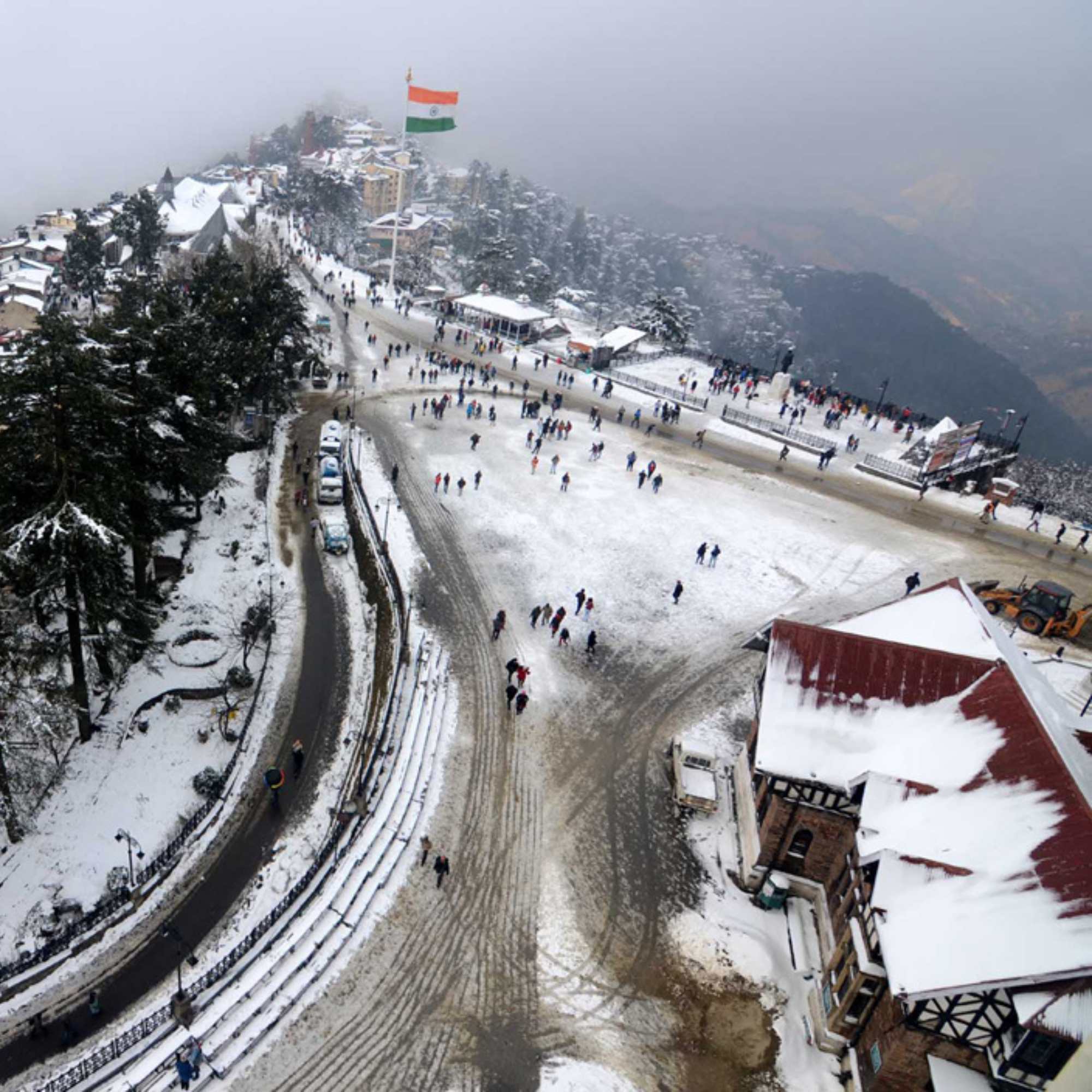
The Ridge
About 2.5 km downhill
The wide open promenade at the centre of Shimla, directly below Jakhu Hill. The starting point for the walk up to the temple. Christ Church, Scandal Point, and the mountain views are all here.
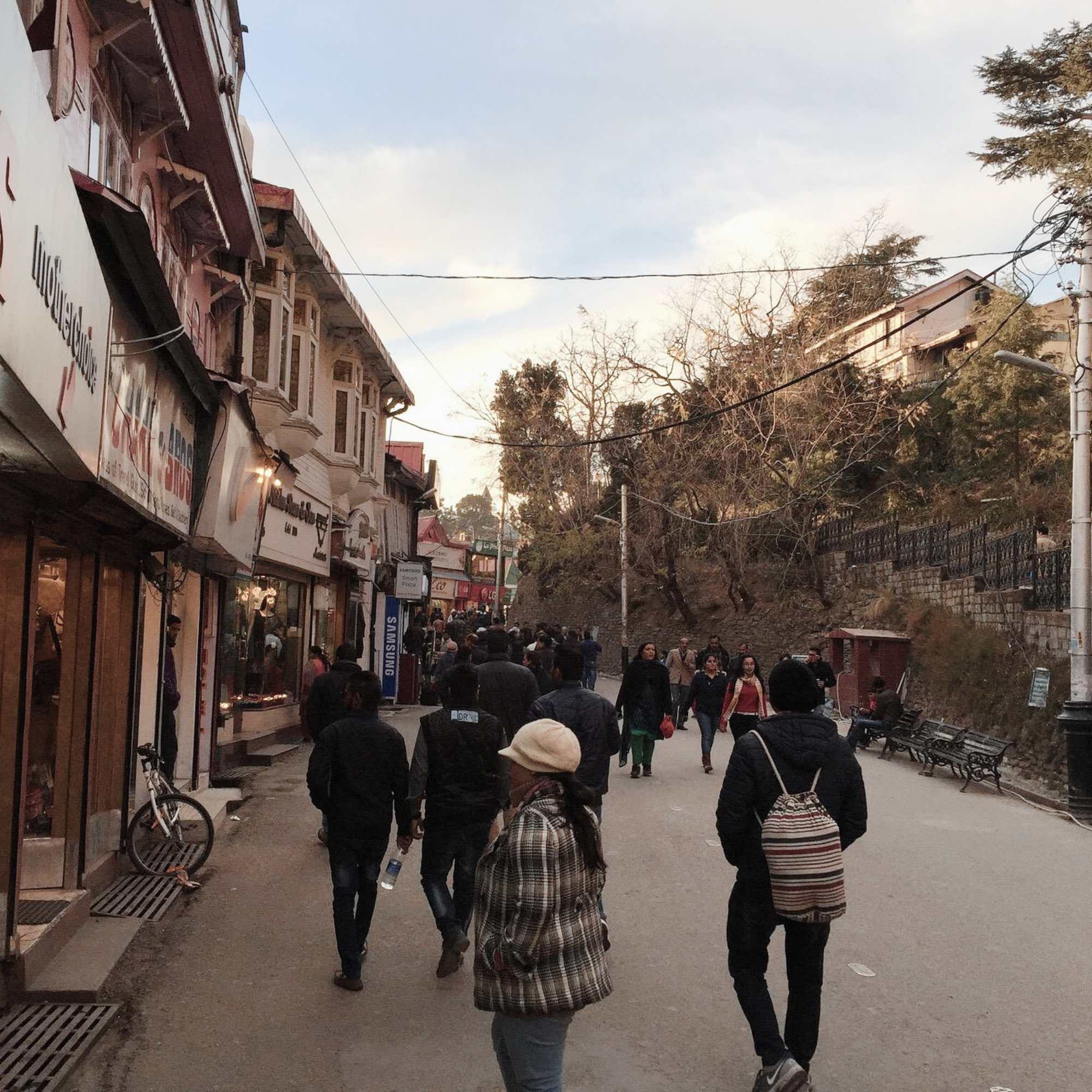
Mall Road
About 3 km from the temple, downhill
Shimla's main pedestrian shopping and eating street, running a level below The Ridge. Cafes, bakeries, woolens shopping, and the evening walk. You will pass through here on the way to and from Jakhu.
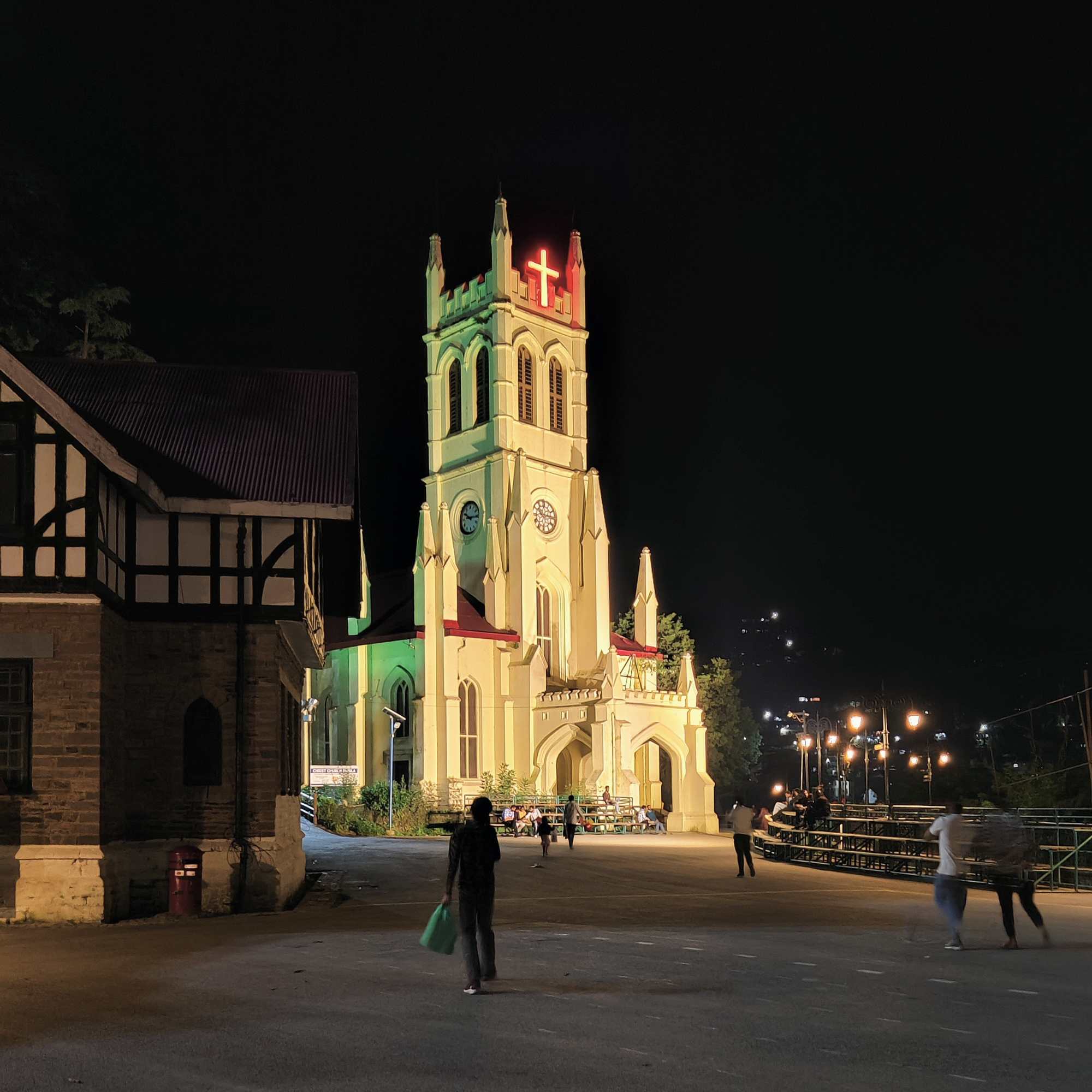
Lakkar Bazaar
About 2 km from the temple, along the descent route
The old wooden crafts market branching off the eastern end of The Ridge, on the way to the Jakhu trail start. Walking sticks, carved boxes, toys, and Himachali shawls. A natural stop before or after the Jakhu walk.
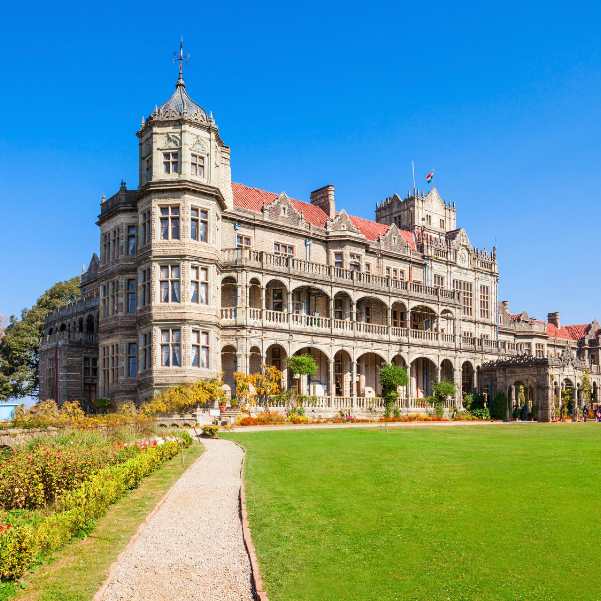
Kufri
About 16 km from Shimla, 45 minutes by road
A small town at about 2,600 metres, higher than Shimla, known for pony rides, a small zoo, and more reliable snowfall in winter. The standard half day trip from Shimla.
Annandale
About 4 km from Jakhu Temple
A flat meadow ringed by deodar forest, used as a sports ground since British times. Quieter and flatter than anywhere else in central Shimla.
Our packages with Jakhu Temple
Curated trips that include a visit to Jakhu Temple.
 7D/6N
7D/6NBest Shimla Kufri Chail Narkanda Snow Trip From Delhi
1D Delhi•3D Shimla+3
₹14,700₹19,999SAVE INR 5,299/ person 7D/6N
7D/6NShimla Mashobra Kufri Chail Narkanda Tour With Hatu Peak Sunrise
1D Delhi•3D Shimla+3
₹29,999₹38,999SAVE INR 9,000/ person 7D/6N
7D/6NClassic Shimla Kufri Chail Narkanda Pine Valley Experience
1D Delhi•2D Shimla+3
₹17,600₹23,999SAVE INR 6,399/ person
Frequently Asked Questions about Jakhu Temple Shimla
What is Jakhu Temple?
Jakhu Temple is an ancient Hindu temple dedicated to Lord Hanuman, located on Jakhu Hill at about 2,455 metres, the highest point in Shimla. It is about 2.5 km east of The Ridge. The 108 foot (33 metre) Hanuman statue on the hill was completed in 2010 and is visible from most of Shimla. The temple is connected to the Ramayana legend of Hanuman stopping here while carrying the Sanjeevani herb.
What is the altitude of Jakhu Temple?
About 2,455 metres (8,054 feet) above sea level. This is roughly 250 metres higher than central Shimla at The Ridge. It is the highest point in the city.
How tall is the Hanuman statue at Jakhu?
The Hanuman statue is 108 feet (33 metres) tall. It was completed in 2010, funded by the HC Nanda Charitable Trust, and unveiled by Abhishek Bachchan. It is visible from almost everywhere in Shimla and is the city's most recognisable landmark.
How do I reach Jakhu Temple?
Three options. Walk up from The Ridge, about 2.5 km, taking 30 to 45 minutes on a steep uphill path through deodar forest. Take the Jakhu Ropeway, which covers the distance in about 5 minutes from a station near The Ridge (opened 2017). Or take a taxi up the road to the upper parking and walk the last stretch. The walk is the most rewarding, the ropeway is the most fun, and the taxi is best for seniors and families with small children.
What are the timings and entry fee for Jakhu Temple?
The temple is generally open from around 7 AM to 8 PM, though some sources report wider hours (5 AM to 9 PM). Timings can shift seasonally, so it is worth confirming locally. There is no entry fee for the temple. The ropeway generally runs from about 9:30 AM to 5 or 6 PM, and tickets are approximately Rs 250 one way for adults (Rs 470 return), as of recent reports. Prices can change, so confirm before your visit.
Are the monkeys at Jakhu Temple really a problem?
Take them seriously. The rhesus macaques around the temple are bold and fast. They will grab food, pull bags, and snatch loose items like glasses and phones. Do not carry visible food, keep all bags zipped and held close, avoid direct eye contact or baring teeth, and rent a stick near the trailhead for Rs 10 to 15. Most visitors who follow these precautions have no trouble, but enough people have had things snatched that the warning is real.
Is Jakhu Temple suitable for families and seniors?
Yes, with some caveats. Older children who can walk uphill enjoy the trek and the statue. Very small children should be carried through the monkey sections, as the macaques can be aggressive around food and dangling objects. The ropeway is a good option for families who want to skip the steep walk. Seniors with reasonable mobility manage the walk, though it is steep. The taxi plus short walk option is the easiest for anyone with knee or breathing concerns.
What is the best time to visit Jakhu Temple?
Early morning before 8 AM for the sharpest mountain views and the fewest people. Late afternoon for the warmest light on the statue. March to June and September to November for the best weather. Winter visits after fresh snow are dramatic but cold. Avoid midday in peak season when the trail is busiest.
How much time do I need for Jakhu Temple?
About 1 to 1.5 hours for the full experience if you walk up: 30 to 45 minutes up, 15 to 30 minutes at the top, 20 to 30 minutes down. Faster if you take the ropeway. Longer if you want to sit and watch the view or catch the aarti.
What should I carry when visiting Jakhu Temple?
Comfortable shoes with grip for the steep walk. Water, especially in warmer months. A light jacket, the hilltop is windier and cooler than the city below. Keep bags minimal and sealed because of monkeys. Sunscreen. Cash for the ropeway and any offerings. Leave dangling accessories like loose scarves and hanging sunglasses in your hotel.
Related guides
Posts about Shimla
- Shimla Snow Trip 2026: Best Time, Itinerary, Cost and Local Tips
- Shimla in February 2027: Weather, Snowfall, Itinerary and Travel Tips
- Snow Point Near Shimla in 2026: Kufri, Fagu, Narkanda and the Best Places to Find Snow
- Shimla Honeymoon Guide 2026: Best Time, Itinerary, Cost and Romantic Places
- Shimla Kufri Chail Narkanda Tour 2026: Complete 6 Day Itinerary, Cost and Road Guide
- Shimla to Kasol Distance, Route, Bus and Taxi Guide 2026