
Shimla Kufri Chail Narkanda Tour 2026: Complete 6 Day Itinerary, Cost and Road Guide
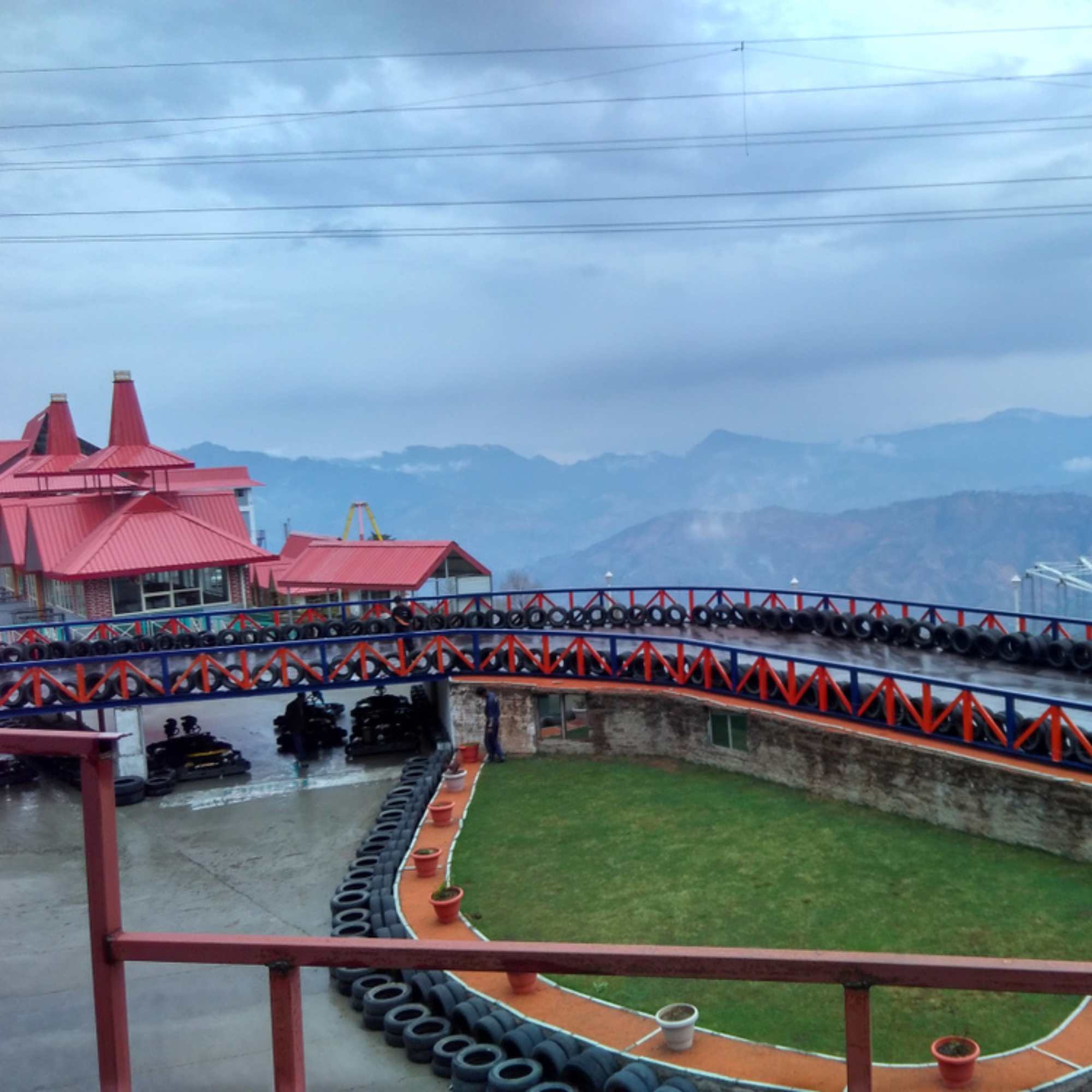
A Shimla Kufri Chail Narkanda tour is a suitable choice for travellers who want to explore popular hill stations, scenic roads, forests, viewpoints and quieter mountain areas in one trip.
This guide by Travel Coffee includes a practical six day itinerary covering Shimla, Kufri, Chail and Narkanda without making the journey feel too rushed.
It also explains expected trip costs, hotel planning, road conditions, travel time and sightseeing options so you can organise a comfortable and well planned Himachal holiday in 2026.
Quick Answer
A comfortable shimla kufri chail narkanda tour needs five to six days from Chandigarh. From Delhi, keep six to seven days because the overnight road journeys take two travel nights.
Plan two nights around Shimla, at least one night in Narkanda, and one night in Chail. Keep Kufri as a daytime stop between Shimla and Narkanda.
Kufri gives you the easier and more commercial snow experience near Shimla. Narkanda feels quieter and gives you access to established skiing slopes when natural snow exists.
What most tourists get wrong is trying to cover all four places in three or four days. The route looks compact on a map, but traffic, hill roads, short winter daylight and sightseeing stops quickly turn it into a tiring drive.
>>Planning a Shimla Kufri Chail Narkanda trip? WhatsApp us for itinerary and package options.
What Is the Best Route for a Shimla Kufri Chail Narkanda Tour?
Recommended Route from Chandigarh
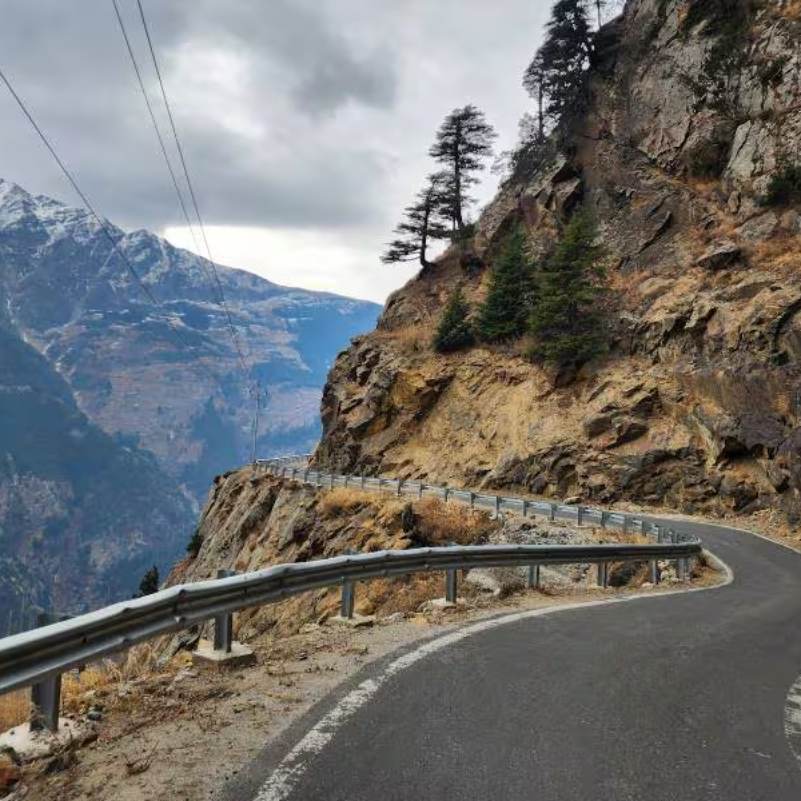
The cleanest route starts with Chandigarh to Shimla, followed by Shimla to Kufri and Narkanda, Narkanda to Chail, and Chail back to Chandigarh.
Road and snow conditions can change the order. Heavy rain, fresh snow, ice, falling stones or a local restriction may make your driver return through a different road or delay Hatu Peak.
In our experience, travellers enjoy this circuit more when they treat the route as flexible rather than forcing every stop at a fixed hour.
Recommended Route from Delhi
From Delhi, the practical package format uses an overnight Volvo to Shimla and a private cab for the Himachal sectors. You then return by Volvo after the Chail or Shimla side of the trip, depending on the final plan.
A six nights and seven days format feels more comfortable because two nights go into travel between Delhi and Shimla. It also gives your body time to settle before the longer hill transfers.
You can compare our Shimla tour packages before choosing the number of nights.
Travellers who want a ready circuit can also review the Classic Shimla Kufri Chail Narkanda package. Check the exact hotel plan, vehicle type and seasonal inclusions before booking.
How Many Days Are Enough for Shimla, Kufri, Chail and Narkanda?
Four days can cover the circuit only as a rushed road trip. You will spend long hours inside the vehicle, cut local sightseeing and depend heavily on clear roads.
Five nights and six days works well from Chandigarh. It gives you two Shimla nights, one or two Narkanda nights and one Chail night, with a little room for weather changes.
From Delhi, six nights and seven days feels better when the package includes two overnight road journeys.
Families with children and elderly parents need a slower schedule. Shimla has slopes, hotel stairs and crowded walking areas. Narkanda and Chail also involve winding roads and changing weather.
What we tell our travellers is simple: keep fewer stops and reach the next hotel before dark. A relaxed evening often adds more value than one extra viewpoint visited in a hurry.
Shimla Kufri Chail Narkanda 6 Day Itinerary
Day 1: Chandigarh to Shimla
The road journey from Chandigarh to Shimla covers about 120 km and takes 4 to 5 hours in normal package planning. Traffic, rain, road work and weekend congestion can add time.
Start early enough to reach Shimla before evening traffic builds. Check in, rest and keep the first evening simple.
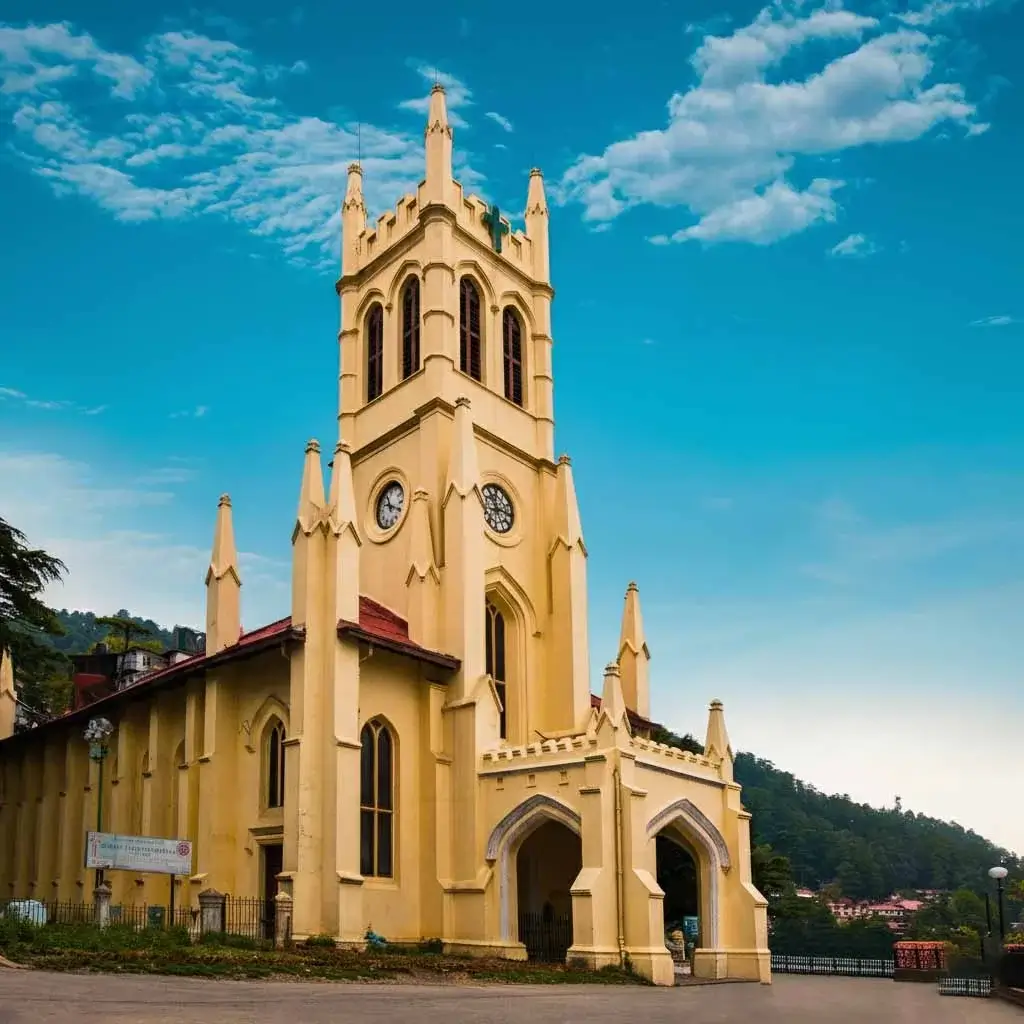
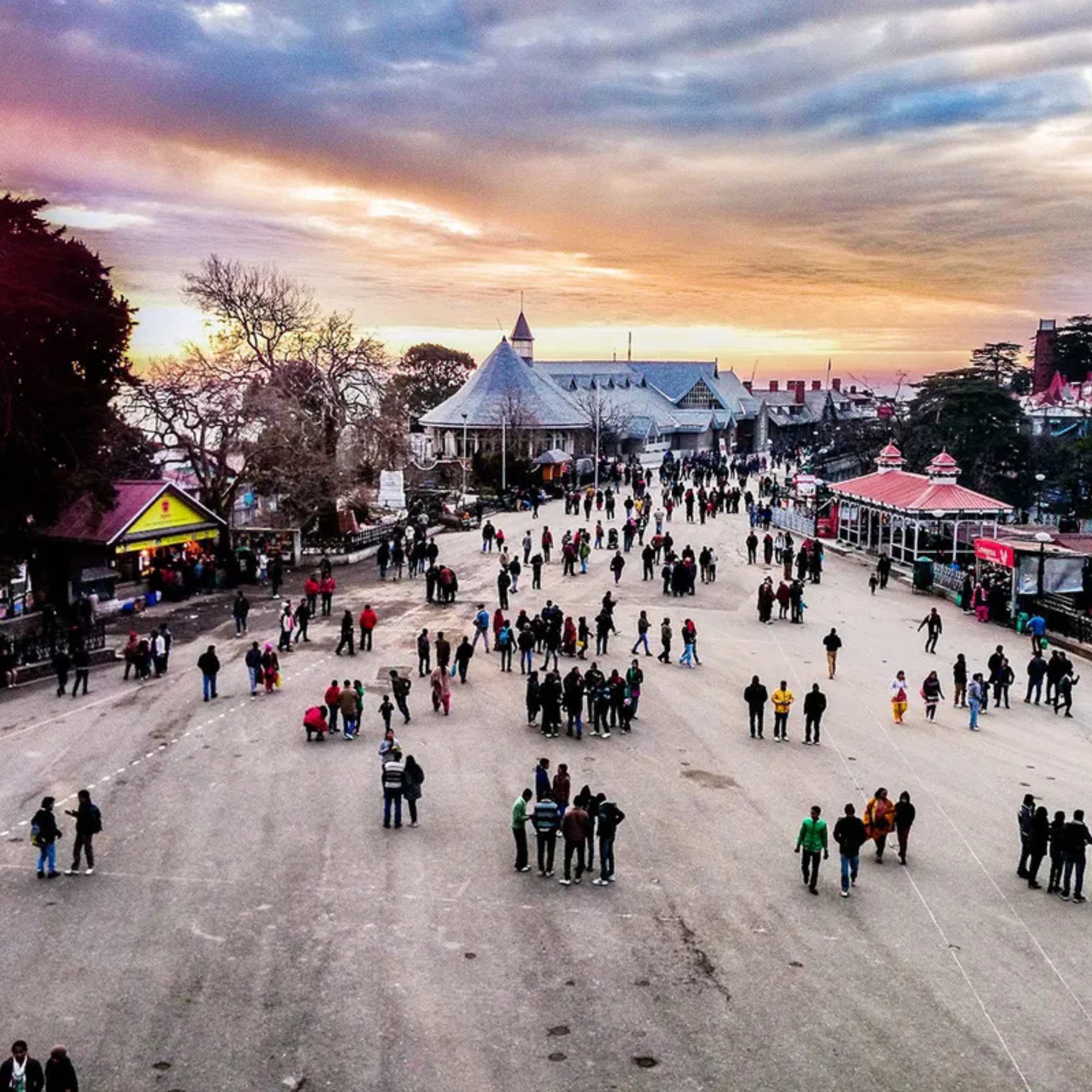
Walk around The Ridge, Mall Road, Christ Church and Lakkar Bazaar. These places sit close together, but the approach can still involve slopes and walking.
Travellers with elderly parents should confirm whether the Shimla hotel has direct vehicle access, a lift and minimal stairs. A hotel near central Mall Road may look convenient, yet luggage access can become difficult if the vehicle cannot stop nearby.
Our team often prefers a roadside hotel with easy parking for family trips. You can still visit Mall Road by cab or local lift access, while avoiding a tiring luggage climb.
Day 2: Shimla Heritage and Local Sightseeing
Use the second day for Shimla itself. Cover The Ridge, Christ Church, Mall Road, Jakhoo Temple and either Viceregal Lodge or the Indian Institute of Advanced Study.
Jakhoo can involve a steep approach and monkey activity. Keep food packets and loose items secure, and do not force the walking route if someone in the group has knee or breathing trouble.
Viceregal Lodge adds history and a calmer setting to the day. Confirm visitor access and the day’s entry arrangement before reaching the gate.
Do not force Kufri into the same day. Shimla local sightseeing already includes walking, traffic and parking delays. Adding Kufri often turns lunch into a late stop and leaves no time to enjoy central Shimla.
For food, try siddu or a simple Himachali meal near Mall Road in central Shimla after your heritage visit. Ask what the kitchen prepares fresh that day instead of ordering only from a long tourist menu.
One insider tip our team shares is to finish the Ridge and Christ Church walk before late evening crowds. The same area feels easier when you can stop, sit and take photos without pushing through weekend groups.
Day 3: Shimla to Kufri and Narkanda
Leave Shimla after breakfast and drive towards Kufri, about 20 km from Shimla. The road can slow down on weekends, during snow spells and near popular activity points.
Visit the Himalayan Nature Park, local viewpoints and a registered adventure park if the group wants activities. Opening hours and entry fees may vary by season and attraction. Check the latest details at the official ticket counter before paying.
Kufri snow activities depend on natural snow. Horse rides, snow gear and activity packages can vary widely. Agree on the full price, route, duration and inclusions before the activity begins.
A serious warning applies here. Do not pay an unregistered operator only because the first quote sounds cheap. Choose properly registered adventure operators with safety gear and insurance.
Continue towards Narkanda while enough daylight remains. Shimla to Narkanda figures vary across official sources, so use about 60 to 65 km for planning and confirm the live route on the travel day.
Day 4: Hatu Peak, Narkanda and Tanni Jubbar
Start early for Hatu Peak, about 8 km from Narkanda and around 3,400 metres high. The narrow forest road needs calm driving and clear conditions.
The road may become unavailable after snow, rain, ice or an administrative restriction. Do not argue with a closure or ask a driver to take an unsafe shortcut.
Visit Hatu Temple if access remains open, then return through the forest route. Spend time around Narkanda market and continue to Tanni Jubbar Lake and nearby orchard landscapes.
Narkanda’s official district information describes guided skiing from January to March. Actual skiing depends on snow, slope conditions, operator availability and safety controls on your date.
We prefer two Narkanda nights for travellers who want a slow trip. It protects the Hatu and Tanni Jubbar day from a late arrival or poor morning weather.
A shorter plan can use one Narkanda night when daylight and road conditions remain favourable. The money saving tip is to skip extra commercial activities in Kufri and keep the budget for an extra Narkanda night, where the slower stay changes the trip more than another paid ride.
You can compare suitable stays and plans through our Narkanda tour packages.
Day 5: Narkanda to Chail
The journey from Narkanda to Chail is roughly 80 kilometres, although the exact distance and travel time vary by route, traffic and weather conditions.
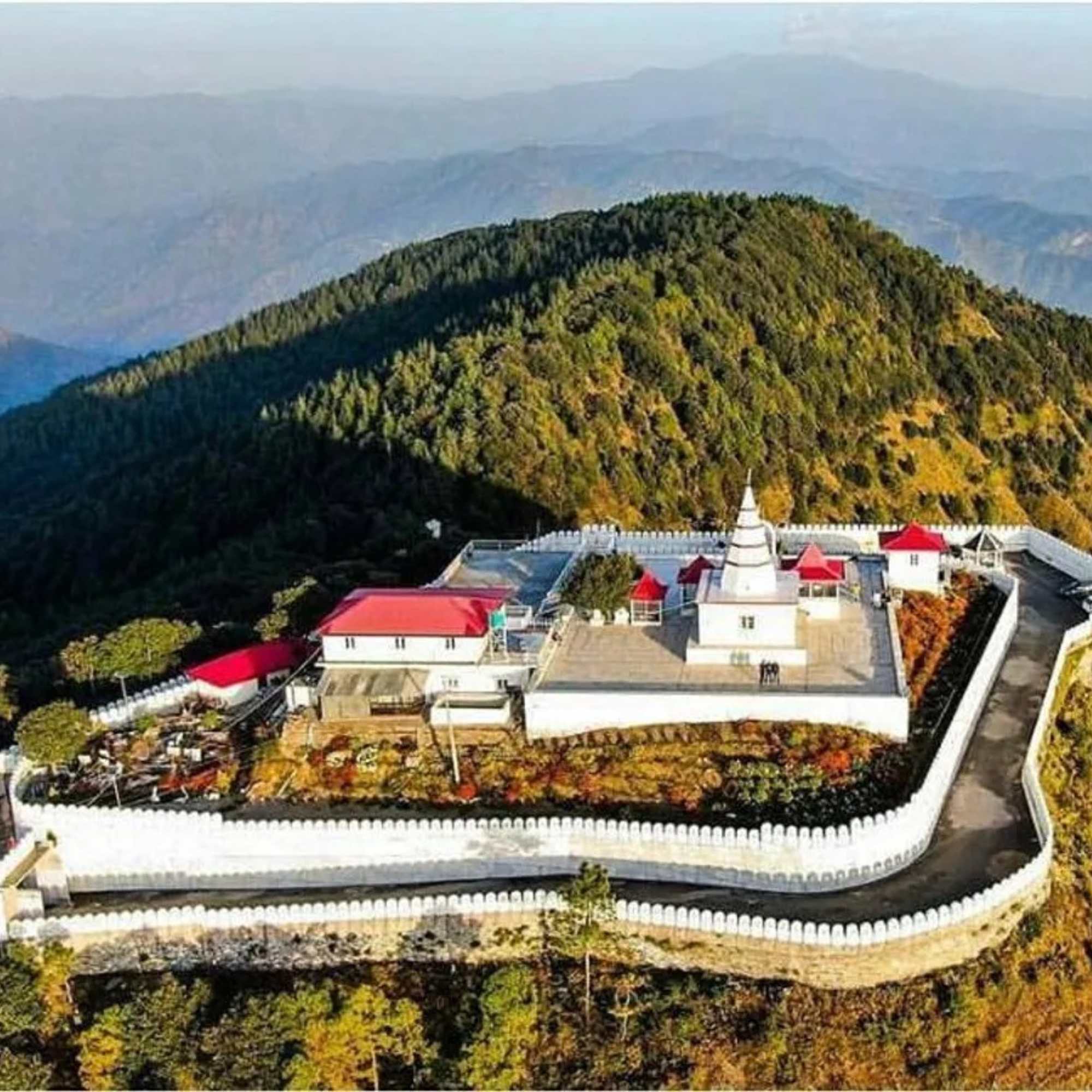
Chail began as a summer retreat developed by the Maharaja of Patiala. Today, the town works best as a quiet overnight stop rather than a quick photo break.
Cover Chail Palace, Kali Ka Tibba and the forest scenery around town. Visitor access at Chail Palace can change because the property functions as an HPTDC heritage hotel.
Visitor access and entry charges at Chail Palace may change because the property operates as an HPTDC heritage hotel. Confirm the latest visitor fee and access arrangements before travelling.
Stay overnight in Chail. Adding a long departure drive after a full sightseeing day creates unnecessary fatigue, especially for children and elderly travellers.
Day 6: Chail Sightseeing and Departure
Use the final morning for Chail Palace, the cricket ground and either Kali Ka Tibba or Sadhupul, depending on time and road conditions.
Chail has one of the world’s highest cricket grounds. Treat it as a local landmark rather than an uncontested world record claim.
Choose only one final side trip. Kali Ka Tibba suits travellers who want a hilltop temple and wider views. Sadhupul works better when the departure route and available daylight support it.
Travel time from Chail to Chandigarh varies with traffic, roadworks, weather and the exact drop location. Check current route conditions and allow a comfortable buffer before departure.
A Delhi departure may need a transfer towards the Volvo boarding point or an extended private road journey. Use the time printed on the issued ticket and keep a proper buffer before boarding.
What Should You See in Shimla, Kufri, Chail and Narkanda?
Best Places in Shimla
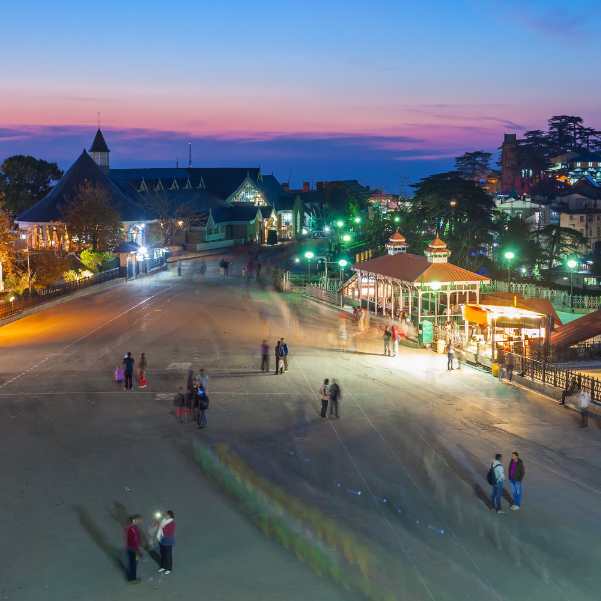
The main Shimla stops include The Ridge, Christ Church, Mall Road, Lakkar Bazaar, Jakhoo Temple and Viceregal Lodge.
Jakhoo requires more effort because the hill rises sharply. The temple visit can involve a steep walk, steps or a local transport option, depending on the route you choose.
Viceregal Lodge sits away from the Mall Road cluster. Give it a separate time slot rather than trying to reach it during a rushed central walk.
In our experience, Shimla becomes tiring when travellers underestimate slopes. Good shoes and a slower pace matter more than adding another attraction.
Best Places in Kufri
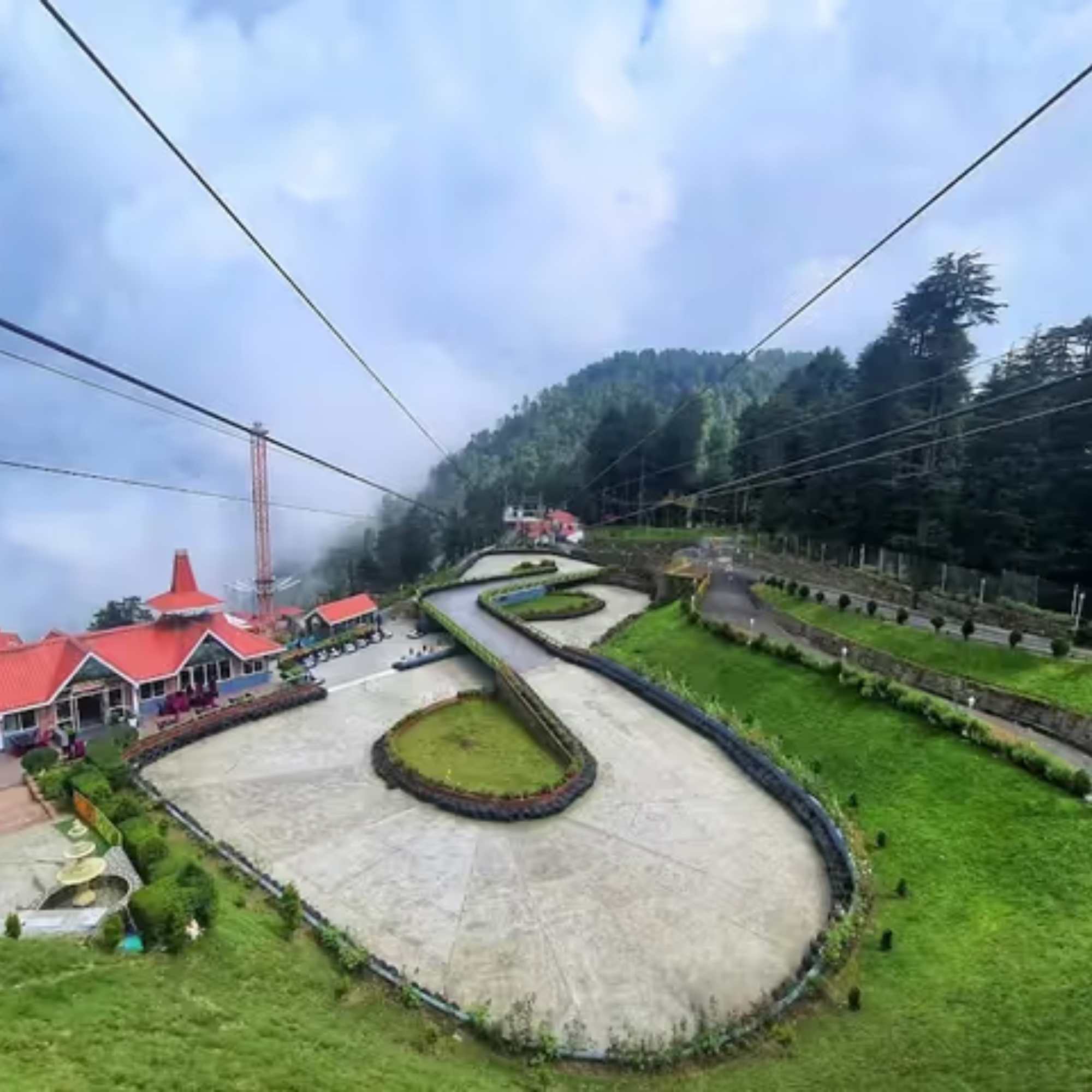
Kufri works as a half day stop for the Himalayan Nature Park, viewpoints, a registered adventure park and snow activities when snow exists.
Online attraction prices and timings conflict. Verify the current fee and opening arrangement at the official counter before entering.
Kufri Fun World prices vary by entry type and activity package. Ask for the complete price, included activities and any additional charges before making payment.
The popular expense we tell many travellers to skip is a bundled activity package when the group wants only one ride. Large bundles often consume time and may include activities you never planned to do.
Best Places in Chail
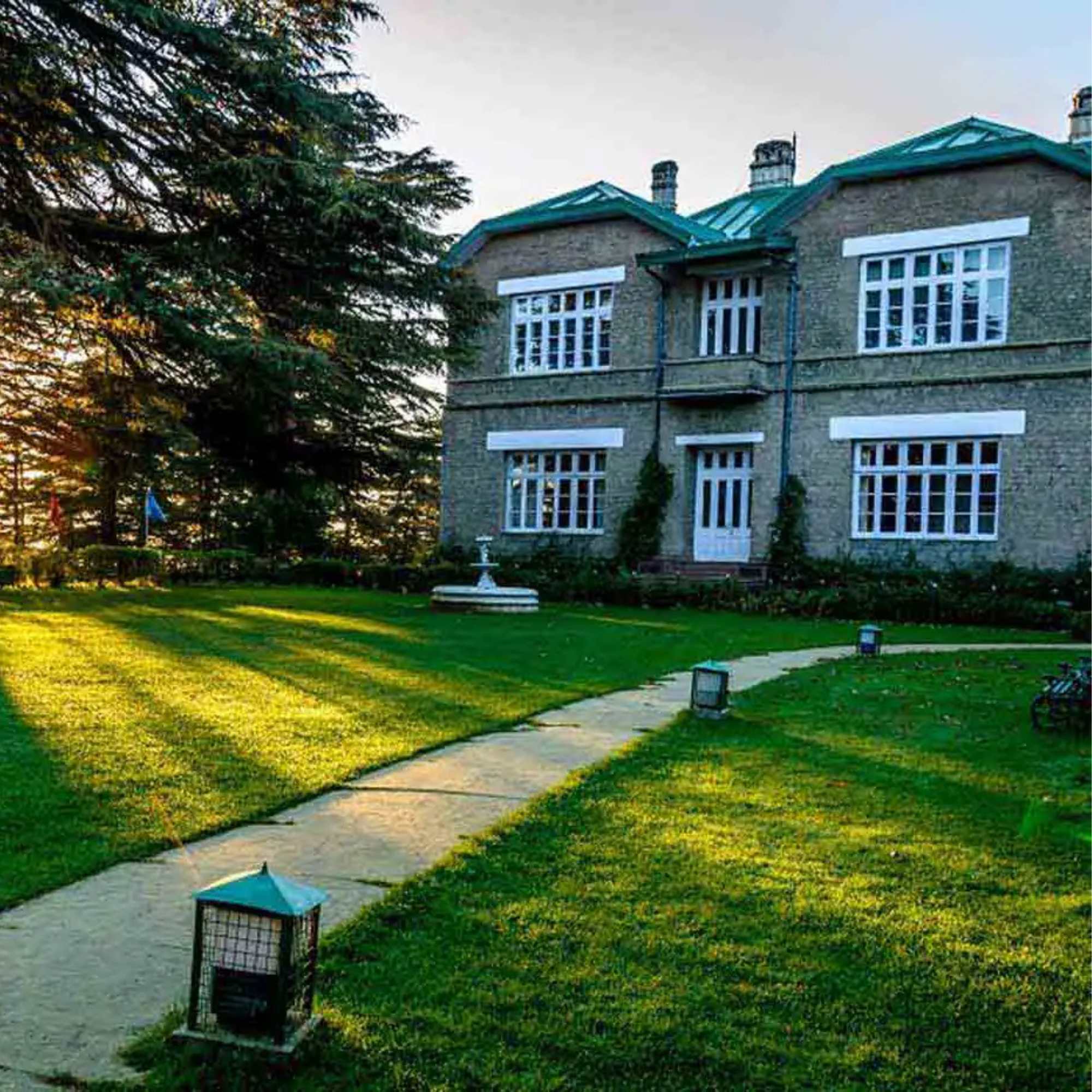
Chail combines Chail Palace, Kali Ka Tibba, the cricket ground and simple forest walks.
Chail Palace functions as an HPTDC heritage hotel. Visitor access, event restrictions and entry arrangements can change, so confirm at the property.
Visitor fees at Chail Palace may change by access type, event restrictions and property policy. Confirm the current entry charge directly with the property before visiting.
Kali Ka Tibba suits a clear late afternoon, but fog, rain or winter road conditions can reduce the value of the drive. Do not force it after sunset.
Best Places in Narkanda
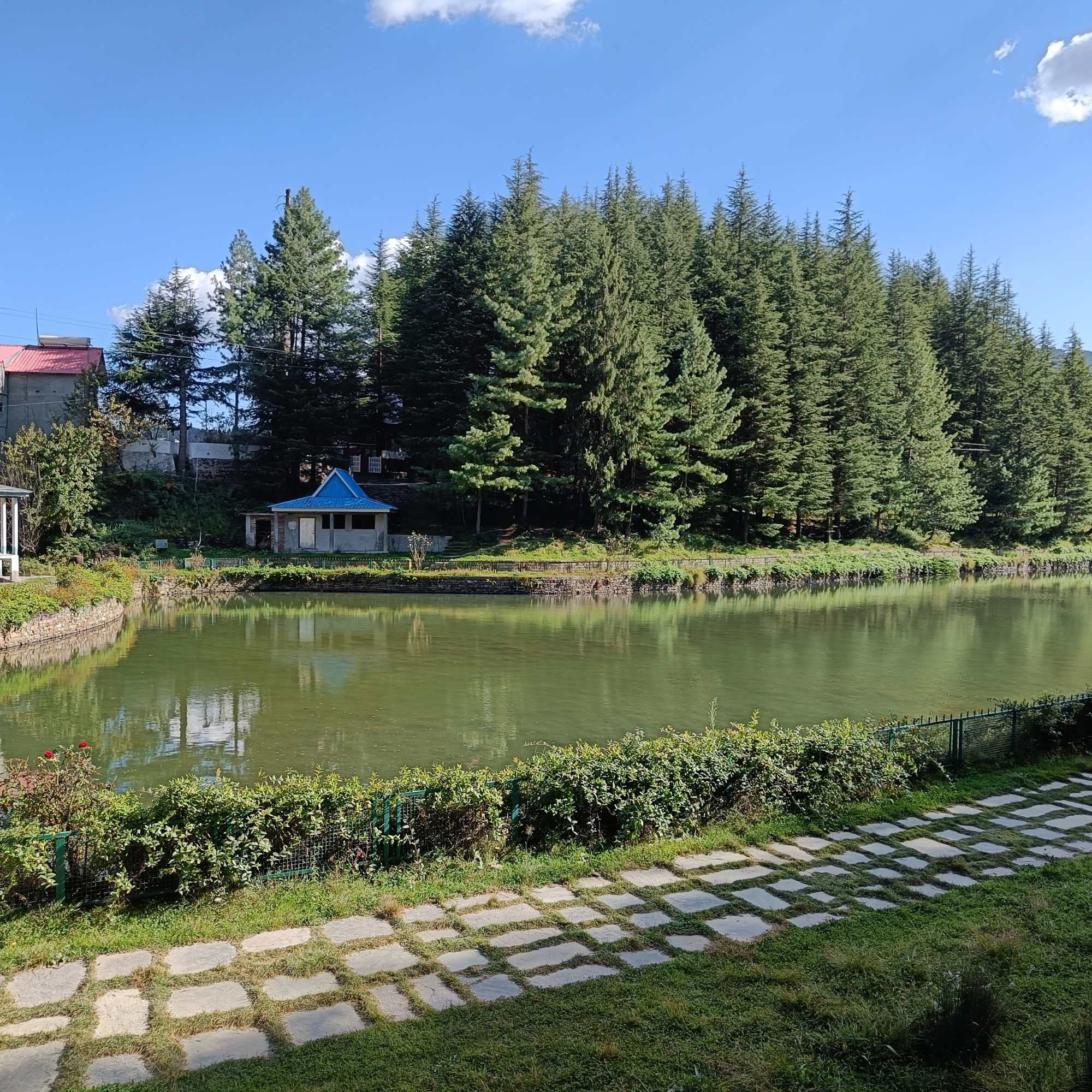
Narkanda gives you Hatu Peak, Hatu Temple, Tanni Jubbar Lake, skiing grounds and orchard scenery.
An overnight stay lets you start before day visitors reach the Hatu road. It also gives you time to respond if morning frost or a local restriction delays access.
The skiing grounds matter most during suitable winter snow. The district information describes guided skiing from January to March, but the exact operating day still depends on conditions.
A rushed day trip from Shimla often turns Narkanda into lunch and a few photos. One night gives the place a proper morning and evening.
Kufri or Narkanda: Which Is Better for Snow?
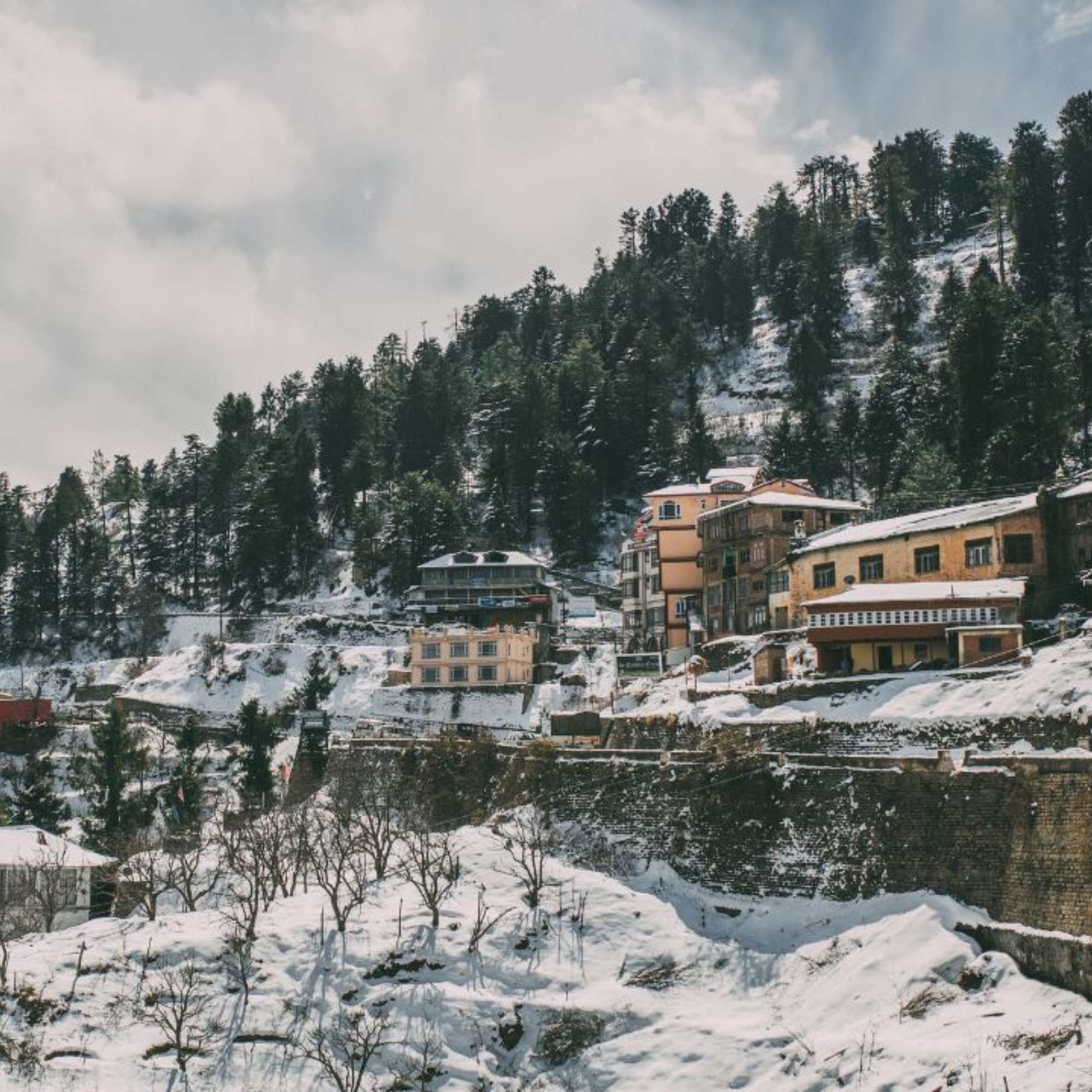
Kufri sits closer to Shimla, feels busier and offers more commercial snow activities. It suits families who want an easier day trip and do not want a longer mountain stay.
Narkanda lies farther from Shimla and feels quieter. It has established skiing slopes and a stronger winter mountain experience when natural snow covers the area.
Neither place can guarantee natural snowfall on a fixed date. Weather decides the snowfall, not your hotel or package booking.
Shimla, Kufri, Chail and Narkanda received the 2025 to 2026 season’s first snowfall only on January 24, 2026, after a dry spell lasting more than three months.
Do not book December dates assuming snow will definitely fall. You may find cold weather and dry roads instead.
What Is the Best Time for a Shimla Kufri Chail Narkanda Tour?
March to June
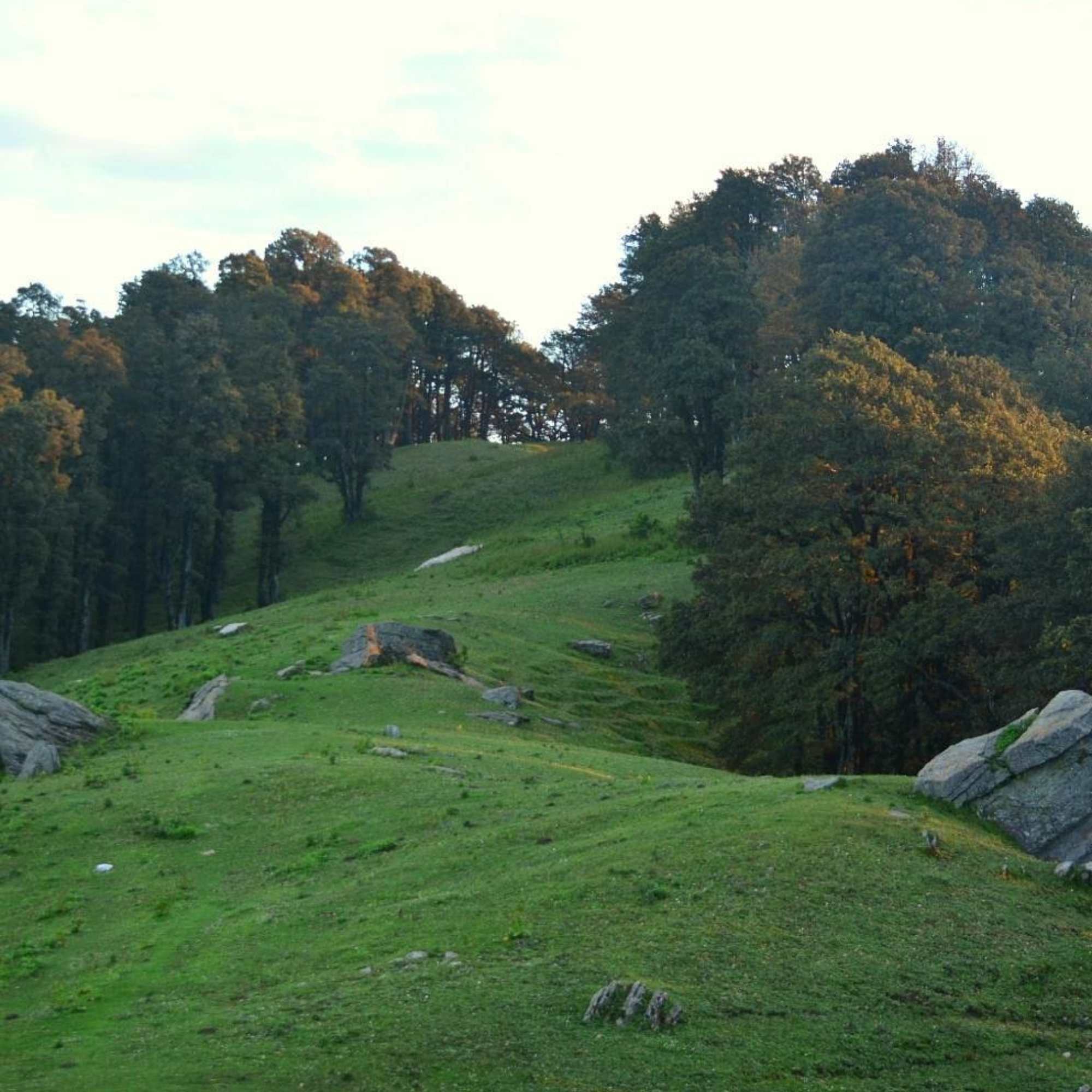
March to June suits general sightseeing. Roads usually allow a broader plan, while daytime conditions support walking and family travel.
May and June bring heavier summer demand. Hotels, Mall Road and Kufri can feel crowded during weekends and school holidays.
Choose weekdays where possible. Starting sightseeing earlier also helps you avoid the strongest traffic around central Shimla and Kufri.
July and August
July and August bring green slopes, clouds and frequent rain risk. Landslides, road blocks, falling stones and long delays can affect the full circuit.
A dated snapshot from July 28, 2026 recorded 178 closed roads across Himachal Pradesh, including 16 in Shimla district.
This figure described one monsoon day, not the permanent condition of the Shimla, Kufri, Chail and Narkanda circuit.
Keep hotel and transport terms flexible. Check the road again on the same day, and avoid starting a long transfer during heavy rain.
Non refundable bookings create poor value in this season because a route change may remove a full sightseeing day.
September to November
September to November often gives clearer views and fewer peak summer crowds. The roads can feel calmer after the main holiday rush.
Early autumn does not promise snow. September and October trips should focus on views, orchards, temples and relaxed drives.
November can turn cold, especially in the mornings and evenings. Carry proper layers even when the afternoon forecast looks comfortable.
December to February
December to February brings the possibility of snowfall, skiing and icy road conditions. It also creates the highest chance of route changes.
Natural snow depends on weather rather than your booking date. December can remain dry, while a later January system may bring the first proper snow.
Carry waterproof shoes with grip and allow extra driving time. Hatu Peak access can close after snowfall, even when the main Narkanda road remains open.
We tell our winter travellers to protect one flexible day. That buffer can turn a road delay into a relaxed stay instead of a missed departure.
How Much Does a Shimla Kufri Chail Narkanda Tour Cost?
The Travel Coffee 7D/6N package page displayed ₹17,600 per person on August 4, 2026.
This figure acts as a dynamic starting price. Verify it for your travel date, group size, hotel category and vehicle before booking.
The listed package includes round trip Volvo seats, a private cab for Himachal sectors, four hotel nights, breakfast and dinner, parking, driver allowance, route charges and taxes.
The package excludes entry tickets, lunches, personal expenses, horse rides, snow activities, adventure rides, hotel heater use, insurance and extra costs caused by weather delays.
Your Shimla circuit tour cost also changes with room sharing, weekend demand and the number of private cab days. We do not invent a cab fare or hotel rate before checking the exact travel plan.
Where Should You Stay on This Circuit?
Keep two nights around Shimla so the first road journey and local sightseeing do not compete for the same day.
Use one or two nights in Narkanda. One night fits a shorter plan, while two nights protect Hatu Peak and Tanni Jubbar from weather delays.
Keep one night in Chail. The overnight stay avoids a long departure after sightseeing and lets you experience the quieter evening.
A central Mall Road hotel helps travellers who want easy evening walks. It may also create luggage and parking trouble because some properties lack direct vehicle access.
A roadside hotel usually gives easier parking, luggage handling and family access. The tradeoff is a separate cab ride or walk for central Shimla.
Ask about stairs, lift access, room heating and vehicle drop point before paying. Heater policies vary by hotel and may involve a separate charge.
How Can You Reach Shimla, Kufri, Chail and Narkanda?
Private Road Trip from Chandigarh or Delhi
A private cab gives the most flexibility for this circuit. You can adjust meal stops, luggage handling and sightseeing around the family’s pace.
Shimla traffic can become heavy on peak weekends. Leave Chandigarh early and avoid placing a fixed attraction booking immediately after the expected arrival time.
Overnight Volvo and Private Local Cab
The overnight Volvo plus private local cab format works well for Delhi travellers. The Volvo handles the long plains journey, while the cab covers Shimla, Kufri, Narkanda and Chail.
Use the boarding point and time printed on the issued ticket. Do not depend on an old message or a previous season’s pickup point.
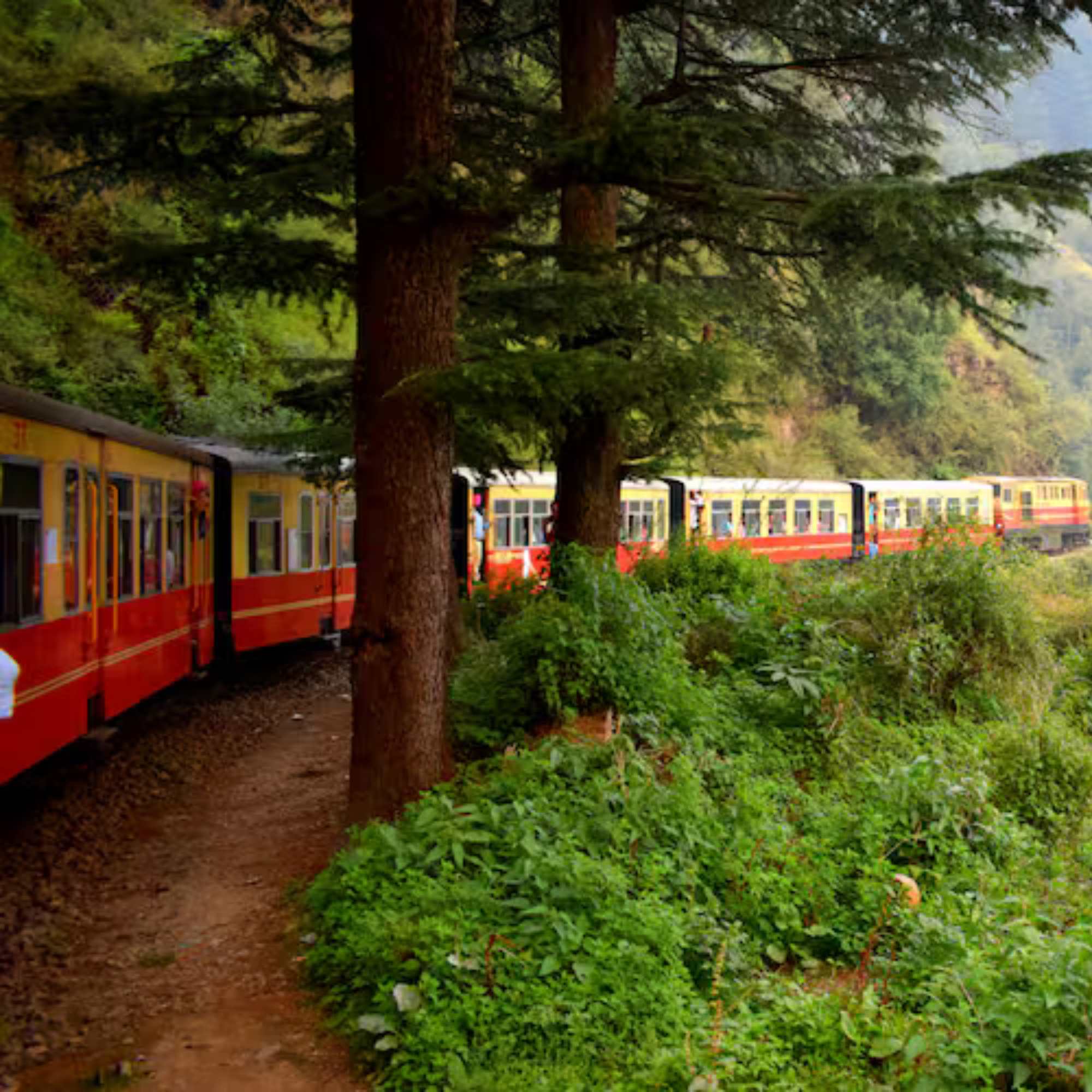
Kalka to Shimla Toy Train
The Kalka to Shimla railway covers about 96 km and normally takes around six hours.
Four services faced temporary suspension through August 5, 2026 because of monsoon rockfall and landslide risk. Some services continued, and NH 5 remained open at that time.
This was a dated operational update. Check your exact train number, date and boarding station before travel.
Public Buses
Public buses connect Shimla with Kufri and Narkanda. They can reduce transport cost for light travellers with flexible time.
A bus only circuit becomes less convenient when you add Chail, luggage, Hatu Peak and winter conditions. The last mile to hotels and sightseeing points can require another local vehicle.
What Are the Latest 2026 Road and Permit Updates?
Road status changes daily after heavy rain or snowfall. A road that remains open in the morning can face a short closure later because of debris, ice or recovery work.
The Himachal Pradesh High Court sought a road restoration plan after concerns about portions of the Dhalli, Theog and Narkanda stretches.
This did not mean the entire highway remained closed. It highlighted poor sections and the need for repair action.
A second insider tip is to ask the driver about the upper Shimla approach before leaving the hotel. In June 2026, Shimla Police advised upper Shimla traffic to consider the about 33 km Shoghi Mehli bypass where suitable.
One monitored police trial recorded a saving of about 20 minutes, but no traveller should treat that saving as guaranteed.
The broader bypass network also faced landslide disruption in June 2026, including a disruption on the Dhalli Sanjauli bypass.
Hatu Peak, protected areas, commercial vehicle movement and adventure activities may follow separate controls. Ask the operator again close to travel.
Choose registered adventure operators with proper safety gear and insurance. A lower cash quote does not justify weak equipment or unclear responsibility.
Is the Tour Suitable for Families and Elderly Travellers?
The circuit can suit families, but the itinerary needs fewer stops and better hotel access.
Shimla includes slopes, stairs and walking zones. Jakhoo walking routes, snow covered surfaces and Hatu Peak can challenge elderly travellers or anyone with knee trouble.
Use a private cab, direct hotel access and daylight transfers. Confirm lift access and the vehicle drop point before choosing a central Shimla property.
Kufri horse rides and Hatu Peak remain optional. Replace them with easier viewpoints, the Nature Park or a relaxed café and market stop when the family needs less effort.
In our experience, removing one sightseeing stop often makes a family trip far more enjoyable.
What Should You Pack?
Carry layered woollens because mornings, evenings and shaded forest sections can feel much colder than the afternoon.
Pack waterproof shoes with grip, gloves, a warm cap, sunscreen, personal medicines and a compact umbrella.
Winding roads can cause motion sickness. Carry the preparation that already works for you and eat a light meal before long transfers.
Keep some cash for smaller vendors and local stops. Do not assume every small payment point will match your preferred digital method.
Common Planning Mistakes
The biggest mistake is trying to complete every destination in three or four days. The result becomes a series of transfers rather than a holiday.
The second mistake is treating snowfall as guaranteed. A winter booking gives you a chance of snow, not a fixed promise.
Avoid non refundable monsoon bookings. A road closure or heavy rain can change the route without giving you enough time to recover the original plan.
Check hotel access, stairs, parking and heater charges before booking. These details affect comfort more than a slightly larger room photo.
Read activity exclusions carefully. Horse rides, snow gear, adventure rides and entry tickets usually sit outside the base package.
Do not use unlicensed operators for snow or adventure activities. Agree on the price and safety setup before starting.
Never begin a long mountain transfer after sunset unless an unavoidable delay leaves no safer option. Dark bends, fog, ice and falling debris make the journey harder.
Can You Extend the Tour?
Travellers continuing beyond Narkanda can extend towards Kinnaur. This works best with extra nights and a separate route plan rather than a rushed add on.
You can review our Kinnaur tour packages for longer upper Himachal ideas.
Choose Manali instead when the main priority is a larger commercial snow and adventure destination with a different route.
Our Manali tour packages help you compare that option with the Shimla side.
A good shimla-kufri-chail-narkanda itinerary should match your starting city, travel month, age group and tolerance for road time.
Explore Our Curated Shimla Tour Packages
 6D/5N
6D/5NClassic Shimla Kufri Mashobra Narkanda Experience
1D Delhi•3D Shimla+2
₹12,999₹18,999SAVE INR 6,000/ person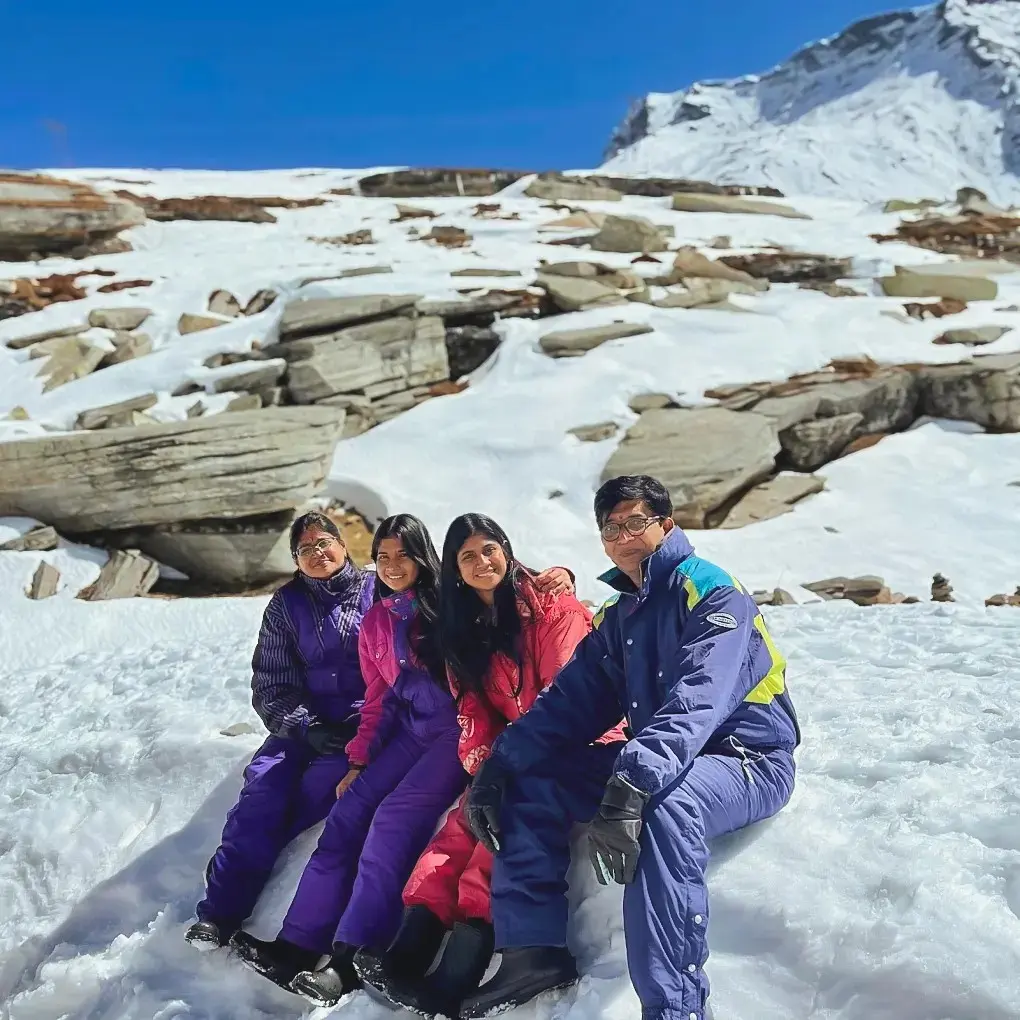 7D/6N
7D/6NComplete Shimla Manali Volvo Package with Rohtang Pass
2D Shimla•2D Manali
₹15,999₹19,499SAVE INR 3,500/ person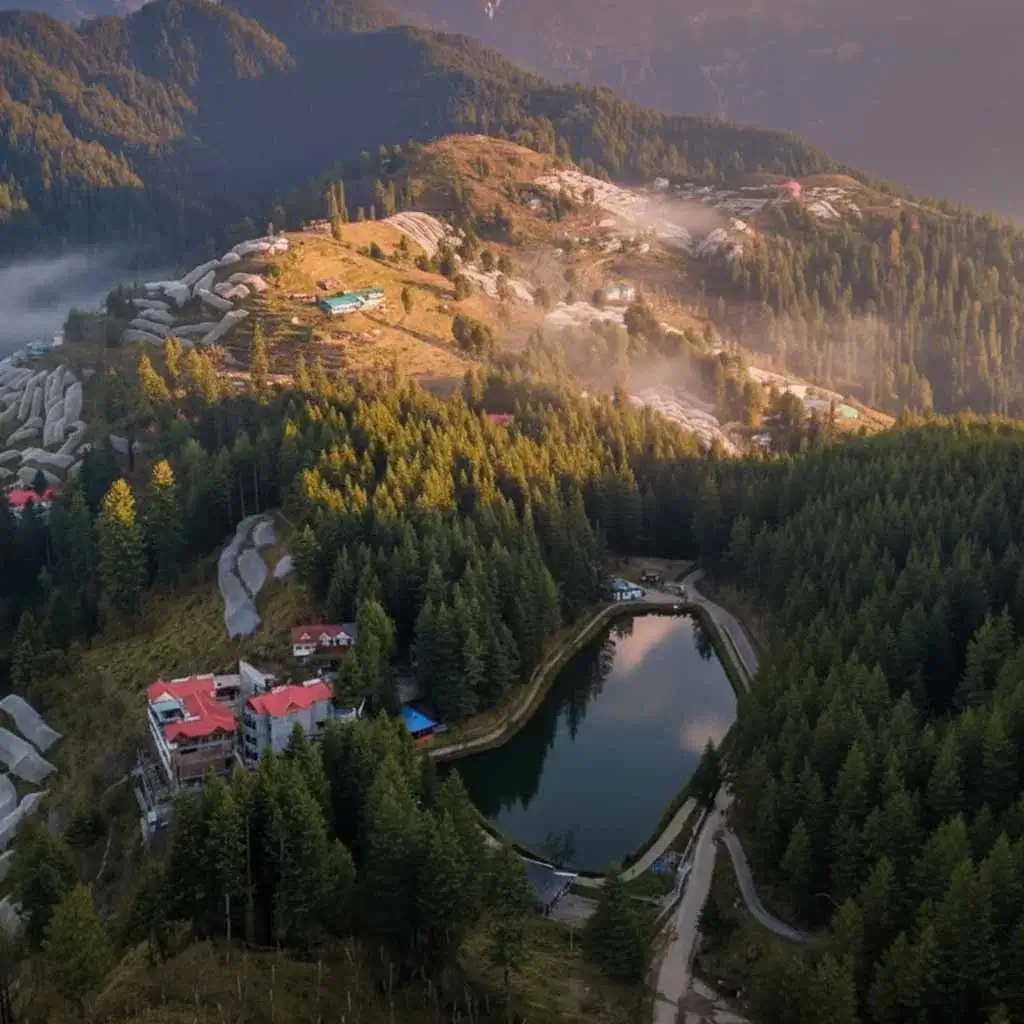 7D/6N
7D/6NClassic Shimla Kufri Chail Narkanda Pine Valley Experience
1D Delhi•2D Shimla+3
₹17,600₹23,999SAVE INR 6,399/ person
Related topics
Frequently Asked Questions
How many days are enough for Shimla, Kufri, Chail and Narkanda?
Keep five nights and six days from Chandigarh. From Delhi, six nights and seven days feels more comfortable because two overnight journeys can form part of the plan. Families and elderly travellers should add rest time rather than placing Shimla sightseeing, Kufri activities and a Narkanda transfer on the same day.
Can Shimla, Kufri, Chail and Narkanda be covered in four days?
Yes, but the trip will feel rushed. You would need to combine sightseeing with long transfers and may lose Hatu Peak or Chail if traffic or weather changes. Four days suits travellers who accept a road heavy plan. Five or six days gives each place a more useful time slot.
What is the best route from Chandigarh?
Use Chandigarh to Shimla, then Shimla to Kufri and Narkanda, Narkanda to Chail, and Chail back to Chandigarh. This keeps the journey moving as a circuit. Snow, rain, road work or local restrictions may require your driver to change the order or return through a safer road.
What is the best route from Delhi?
Use an overnight Volvo from Delhi to Shimla, then a private cab for Shimla, Kufri, Narkanda and Chail. Return towards the relevant Volvo point for the overnight journey back. A six nights and seven days plan gives better rest because two nights go into Delhi road travel.
Is Kufri or Narkanda better for snow?
Kufri works better for easy access, families and commercial snow activities close to Shimla. Narkanda suits travellers who want a quieter overnight stay and established skiing slopes. Neither can guarantee natural snow on your date, so ask for current ground conditions before finalising activities.
Is snowfall guaranteed in Shimla or Kufri in December?
No. A December booking does not guarantee natural snowfall in Shimla or Kufri. The 2025 to 2026 season brought its first snowfall to Shimla, Kufri, Chail and Narkanda only on January 24, 2026. Plan for cold weather first and treat snowfall as a weather dependent bonus.
Is Chail worth staying overnight?
Yes, especially after the Narkanda transfer. One night gives you time for Chail Palace, the cricket ground, Kali Ka Tibba or Sadhupul without starting another long drive after sightseeing. Chail also feels quieter in the evening than a quick daytime stop, though access and weather still shape the plan.
Can a normal car reach Hatu Peak?
A normal car may reach Hatu Peak only when the narrow road remains open and safe. Snow, rain, ice or an administrative restriction can stop access. Do not pressure the driver during poor conditions. Check the same day and accept a lower viewpoint or Hatu road walk only where authorities allow it.
Is the tour suitable for elderly parents and children?
Yes, with a slower itinerary, private cab and suitable hotels. Confirm direct vehicle access, lift availability and minimal stairs. Treat Jakhoo walking routes, Kufri horse rides and Hatu Peak as optional. Daylight transfers, warm clothing and fewer daily stops make the trip safer and more comfortable.
Can the circuit be completed by public transport?
Buses connect Shimla with Kufri and Narkanda, so part of the circuit can use public transport. The full route becomes harder with Chail, luggage, Hatu Peak and winter weather. You may need local taxis for the last mile, and flexible timing becomes essential when services or road conditions change.
What is the approximate cost of the tour?
The Travel Coffee 7D/6N package page displayed ₹17,600 per person on August 4, 2026. Treat it as a dynamic starting rate. Verify the date, group size, hotel category, vehicle and inclusions. Entry tickets, lunches, activities, heaters, insurance and weather delay costs remain outside the listed package.
More about Shimla
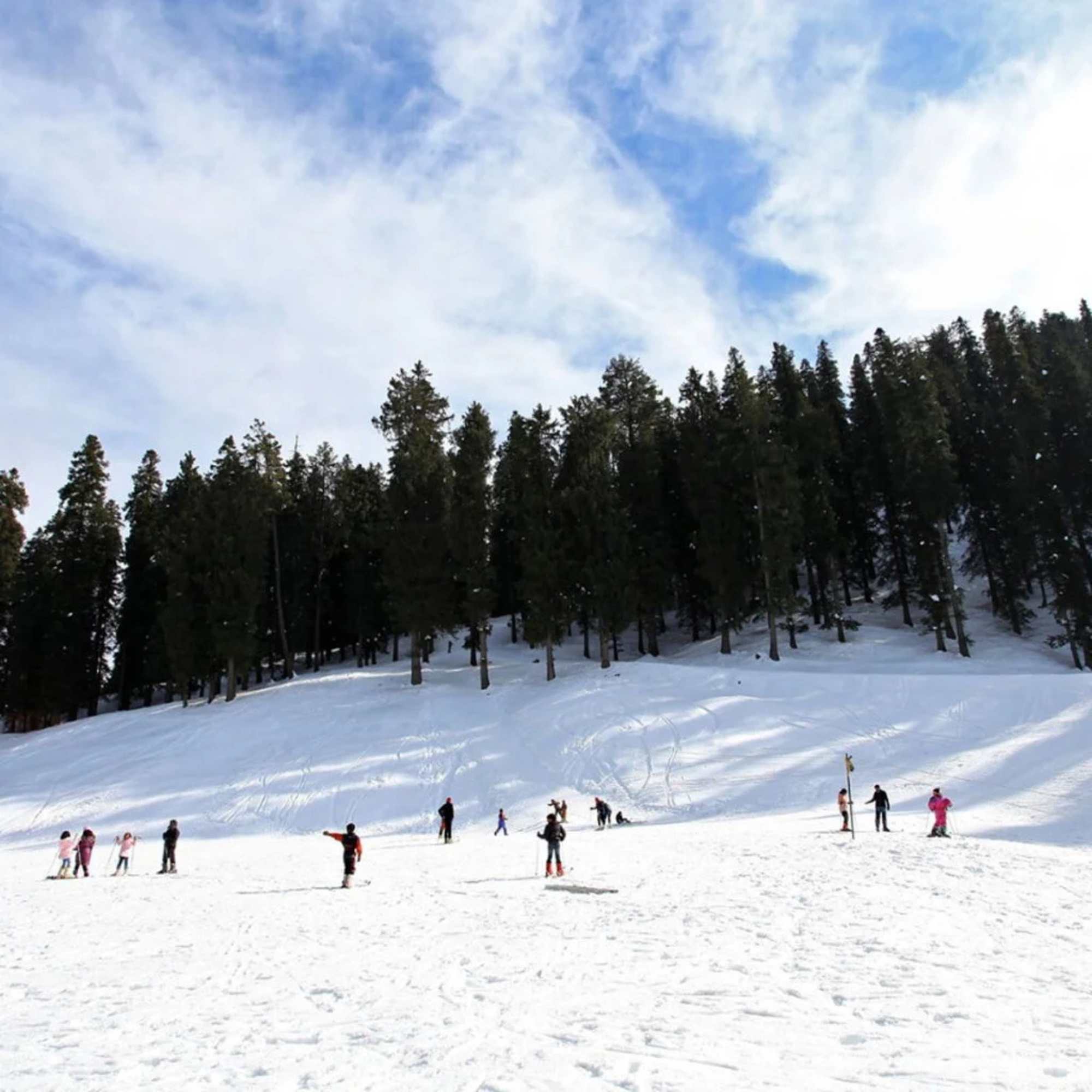 Shimla
Shimla Snow Trip 2026: Best Time, Itinerary, Cost and Local Tips
Plan your Shimla Snow Trip 2026 with this complete guide to the best time for snowfall, estimated trip cost, winter itinerary, top snow spots, Kufri visit, and useful travel tips.
- Snow Travel
- Best Time to Visit
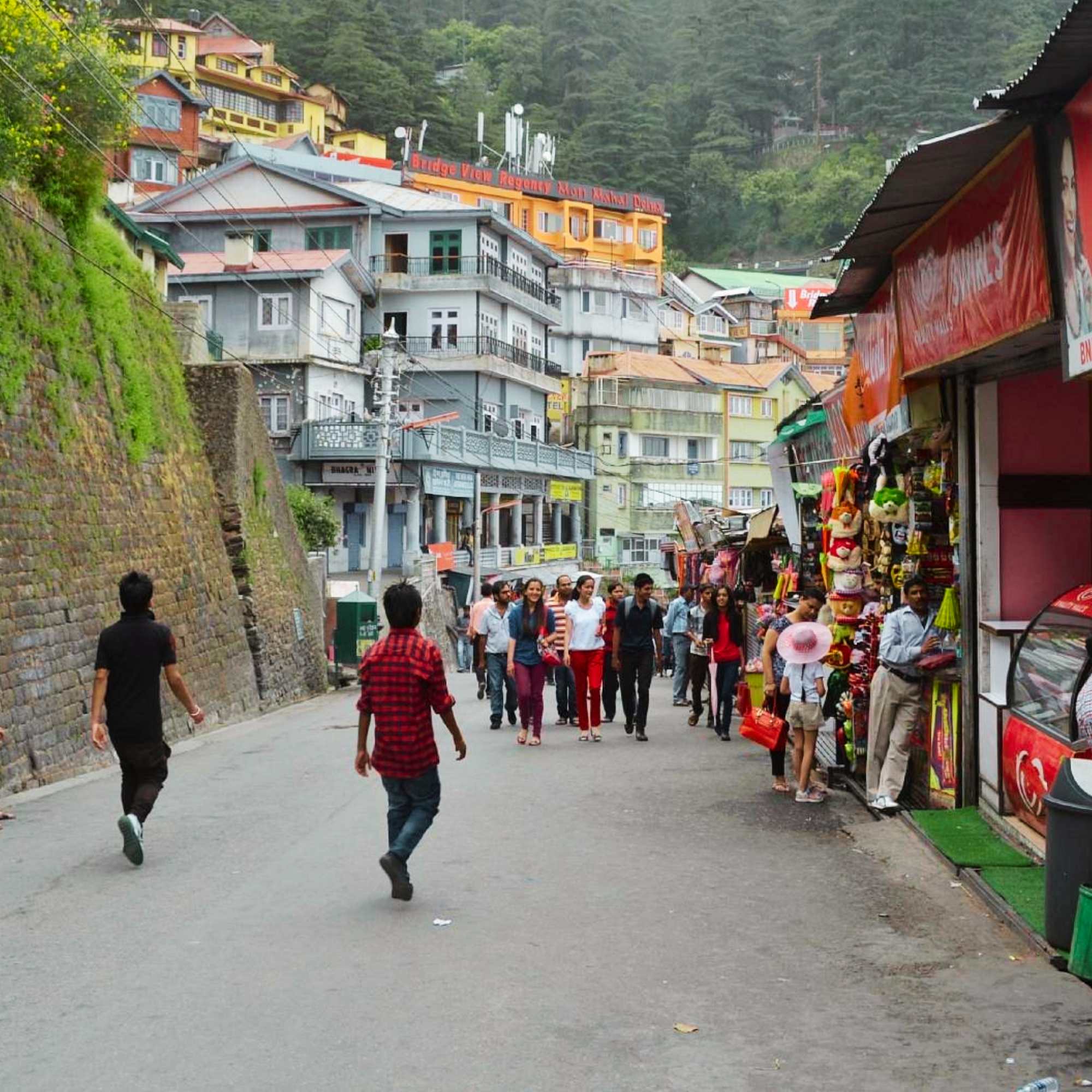 Shimla
Shimla in February 2027: Weather, Snowfall, Itinerary and Travel Tips
Planning a trip to Shimla in February 2027? Discover typical February temperatures, chances of snowfall, what the weather is usually like, the best places to enjoy snow, what to pack, and practical tips for planning a memorable winter trip to Shimla.
- Best Time to Visit
- Snow Travel
 Shimla
Snow Point Near Shimla in 2026: Kufri, Fagu, Narkanda and the Best Places to Find Snow
Discover the best snow points near Shimla in 2026, including Kufri, Fagu and Narkanda. Find out where to see snow, the best time to visit, and the top winter destinations near Shimla.
- Snow Travel
- Places to Visit