
Bhrigu Lake Trek
A high altitude glacial lake at roughly 4,250 metres reached in 3 to 4 days from Manali via Gulaba. Alpine meadows from Day 1, views of Hanuman Tibba and Deo Tibba, wildflower carpets in monsoon, and one of the fastest altitude gains of any beginner friendly Himalayan trek. Named after Maharishi Bhrigu of the Saptarishis.
- Manali · high altitude trek
- ~4,250 m / ~13,940 ft
- ~22 to 26 km round trip
- 3 to 4 days
- Moderate difficulty
What makes it special
Bhrigu Lake sits in a fold of high alpine meadows at roughly 4,250 metres in Kullu district, about 22 km from Manali as the road goes to Gulaba, and then another 10 to 13 km on foot. It is a glacial lake, oval shaped, and its colour shifts with the seasons. Snow rimmed and partially frozen in early summer, deep blue by July, green around the edges by September. Named after Maharishi Bhrigu, one of the Saptarishis, who is believed to have meditated at this lake. Locals say the water never freezes completely, even in the coldest winters, because of the sage's presence. Whether you believe the mythology or not, the lake is real, and it is genuinely one of the more rewarding things you can do from Manali in 3 to 4 days.
Here is what makes this trek different from most others at similar altitude. You hit open alpine meadows almost from the first hour out of Gulaba. On most Himalayan treks, you walk through forest for a day or two before you break the treeline. On Bhrigu, the trees part quickly and you are in rolling grasslands that stretch to the horizon. In July and August, these meadows are carpeted with wildflowers. Wild horses graze in the middle distance. Behind you, the Kullu Valley drops away and peaks like Hanuman Tibba, Deo Tibba, and the Seven Sister range line the skyline. The lake is the destination, but the meadows are honestly the reason this trek stays with people.
Honest framing. This is rated moderate, and that rating is accurate if you are reasonably fit. The total distance is roughly 22 to 26 km over 3 to 4 days depending on your route and operator. What catches people off guard is the altitude gain. You start at around 3,100 metres at Gulaba and reach roughly 4,250 metres at the lake. That is over 1,100 metres of gain in a short window. Your body notices. The steep sections between Jonker Thatch and Rola Kholi, and again from Rola Kholi to the lake, are genuinely tiring. If you have not walked uphill at altitude before, do not underestimate this trek just because the brochure says "beginner friendly." It is doable for fit beginners, but fitness is the key word.
The trek is typically done with an operator. Guided packages from Manali generally cost between Rs 4,000 and Rs 8,000 per person, covering tents, meals, guides, camping gear, forest permits, and the Manali to Gulaba transfer. Independent trekking is possible but requires your own camping setup and navigation confidence, especially near the lake where fog can make route finding tricky. Most people go with a group, and that is the sensible choice for a first timer.
Quick answers
- Is the Bhrigu Lake trek worth doing from Manali?
- Yes, if you want a proper Himalayan trek that packs a lot into 3 to 4 days. You go from forest to alpine meadows to a glacial lake at over 4,200 metres. The meadows alone justify it. It is the fastest way to reach serious altitude on a short trek from Manali. Best done June to September.
- How difficult is the Bhrigu Lake trek really?
- Moderate. The terrain is not technical, no ropes or scrambling needed. But the altitude gain is fast, roughly 1,100 metres over a few days, and the steep sections between camps are genuinely tiring. Fit beginners can do it. Unfit beginners will struggle. Start cardio training at least a month before.
- How many days does the Bhrigu Lake trek take?
- Most operators run it in 4 days including the drive from Manali to Gulaba and back. The actual trekking is 3 days. Day 1 is Gulaba to the first camp (Jonker Thatch or Rola Kholi). Day 2 is the push to the lake and back to camp. Day 3 is the descent to Gulaba and drive back to Manali.
Quick facts
Everything you need to know at a glance.
At a glance
- Altitude
- Approximately 4,250 m / 13,940 ft at the lake. Trek starts from Gulaba at roughly 3,100 m / 10,170 ft.
- Location
- Kullu district, Himachal Pradesh. East of Rohtang Pass, above the Manali to Rohtang highway.
- Nearest town
- Manali, about 22 km by road to Gulaba (the trek starting point). Gulaba is on the Rohtang Pass highway.
- Trek distance
- Approximately 22 to 26 km round trip from Gulaba, depending on the route and itinerary.
- Time needed
- 3 to 4 days including drive from Manali. 3 days of actual trekking.
- Difficulty
- Moderate. No technical climbing, but fast altitude gain and sustained steep sections. Fitness required.
- Known for
- Alpine meadows from Day 1, wildflower carpets in monsoon, views of Pir Panjal and Dhauladhar ranges, and one of the fastest high altitude lake treks in India.
- Approximate cost
- Rs 4,000 to 8,000 per person with operators (meals, tents, guides, permits included). Varies by operator and season.
On the ground
- Mobile network
- Works at Gulaba. Drops completely after the first hour of trekking. No signal at any campsite or at the lake. Inform family before you start.
- ATMs
- None on the trek. Nearest ATMs on Mall Road, Manali. Carry all the cash you need before leaving Manali.
- Food
- Operators provide all meals on the trek. Independent trekkers must carry all food and cooking gear. No shops, dhabas, or water refill points beyond Gulaba.
- Water
- Mountain streams along the route are usable. Carry purification tablets or a filter. At least 2 litres capacity recommended.
- Permits
- Forest entry and camping permits are required. Most operators include these in the package. Independent trekkers should check with the local forest office in Manali for current requirements.
- Accommodation
- Camping only. Twin sharing dome tents are standard with operators. No lodges, no guesthouses on the trail.
- Drones
- Use caution. High wind at altitude can make flying risky. The area near the lake is considered sacred. Respect local sentiment.
- Photography
- Exceptional. The meadows, the lake, the night sky, and the peak views are all worth carrying a good camera for. Morning light at Rola Kholi is particularly good.
Seasonal weather
- Jun to Aug20°4°Summer (Jun to Aug)
- Sep to Oct15°0°Post Monsoon (Sep to Oct)
- Nov to May5°-15°Winter (Nov to May)
Suitable for
- Couples — suitable
- Families — with some care
- Seniors — not suitable
- Solo — suitable
- First-timers — with some care
- Pet-friendly — not suitable
How to reach Bhrigu Lake Trek
4 approach routes, with seasonal access.
From Manali to Gulaba (drive)
Generally May to October, depending on Rohtang road status- Distance
- About 22 km by road
- Time
- 1 to 1.5 hours by vehicle
- Road
- Paved highway (Manali to Rohtang road). Good surface, winding mountain road through pine forest and past Solang.
The drive follows the Manali to Rohtang Pass highway. You pass through Palchan, Kothi, and then climb to Gulaba at roughly 3,100 metres. The road is paved and busy with Rohtang traffic, especially in summer. Most operators arrange shared transport from Manali for Rs 600 to 800 per person one way. You can also hire a private taxi. Gulaba is a checkpoint area on the highway. There are no facilities beyond basic chai stalls. Your trek starts from a point near the Gulaba check post.
From Gulaba to Jonker Thatch (Day 1 trek)
June to October- Distance
- About 5 to 7 km
- Time
- 3 to 4 hours
- Road
- Forest trail through oak, pine, and birch. Steep initial ascent, then opens into sloping meadows.
The trail starts with a steep climb through dense oak and pine forest. This first section is genuinely tiring if you are not acclimatised. After about an hour, the trees begin to thin and the trail opens into wide meadows. The campsite at Jonker Thatch (roughly 3,400 to 3,600 m) sits on a sloping grassland with views down into the Kullu Valley. Some operators camp at Rola Kholi instead, which is higher (roughly 3,800 m) and cuts the next day's climb. If your operator gives you the choice, Rola Kholi makes Day 2 more manageable.
From Rola Kholi to Bhrigu Lake and back (Day 2 trek)
June to October- Distance
- About 10 to 12 km round trip
- Time
- 5 to 7 hours
- Road
- Alpine meadows, rocky terrain, boulder sections near the lake. No tree cover. Steep ascent to the ridge above the lake.
The hardest day. The trail climbs from Rola Kholi through open grassland and then up a ridge of loose rock and boulders. The final section to the lake involves a steep ascent that takes most people 1.5 to 2 hours. At the ridge, the lake appears below in a natural bowl. Spend 30 to 60 minutes at the lake. Then retrace to Rola Kholi. Start early, ideally by 6 AM, to avoid afternoon fog and wind at the lake. The descent is easier on the knees but still long.
From Rola Kholi to Gulaba (Day 3 descent)
June to October- Distance
- About 6 to 8 km
- Time
- 3 to 4 hours downhill
- Road
- Same trail as Day 1 in reverse. Steep descent through meadows and forest.
The descent retraces the route through meadows and back into forest. Some operators offer a different descent route via Vashisht village, which drops you directly into Manali. This route is steeper but ends at the Vashisht Hot Springs, which is an excellent way to finish a 3 day trek. Soaking in hot sulphur water after three days of walking is one of the best feelings in Himalayan trekking. Check with your operator if this route is available.
Best time to visit
Season by season, so you can plan around the weather rather than hope.
Early Summer (Snow Trek)
May to mid June
Snow on the meadows, frozen or half frozen lake, a different character entirely
- Day temperature at camp
- 5 to 15 C
- Night temperature
- -5 to 0 C
- Trail condition
- Snow covered above Jonker Thatch, navigation harder
- Lake condition
- Partially to mostly frozen
- Crowds
- Low
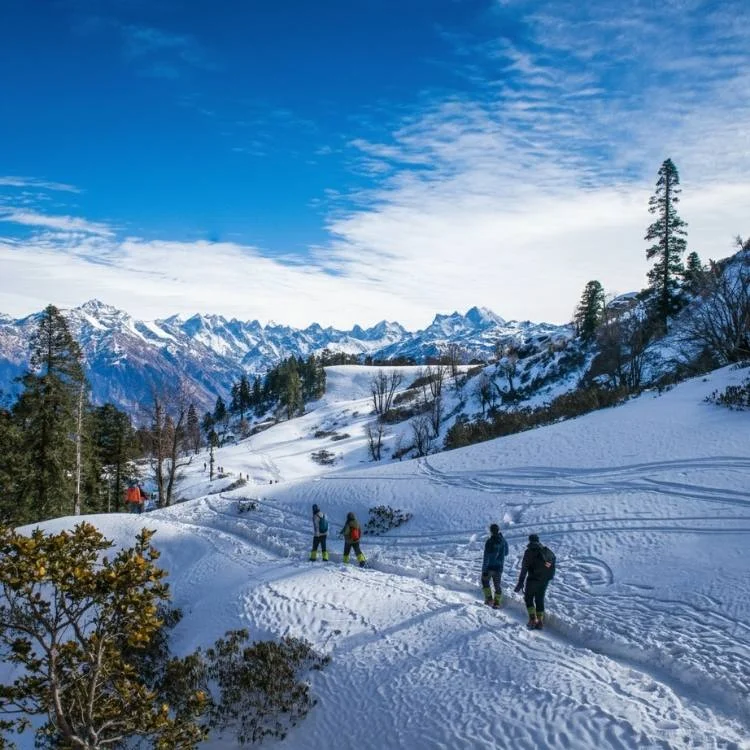
If you want the snow version of Bhrigu, this is the window. The meadows are covered in white, the lake is partially frozen, and the landscape looks nothing like the green monsoon version. The trail is harder to follow under snow. Trekking poles and gaiters are essential. The cold is real, especially at night. Some operators run snow trek batches in this window. Not recommended for first timers without snow experience. But for those who have done a couple of treks and want something different, snow Bhrigu is worth it.
- Recommended
Peak Summer (Green Meadows)
Mid June to August
The classic window. Green meadows, wildflowers, strong sun, and the fullest lake
- Day temperature at camp
- 12 to 20 C
- Night temperature
- 2 to 7 C
- Trail condition
- Mostly clear, some muddy patches in monsoon
- Meadow condition
- Green with wildflowers, at their most photogenic
- Crowds
- Moderate to high, especially July and August weekends
This is when most people do the trek, and when the meadows earn their reputation. Late June brings the first green. July and August are the wildflower months, with carpets of blue, yellow, and purple across the grasslands. The lake is at its fullest and its colour is richest. Weather is mostly good with afternoon clouds and occasional rain. Monsoon showers are possible but rarely last all day. Carry a rain jacket and waterproof your bag. Leeches are possible in the lower forest sections in July and August. Trails can be muddy in spots. Despite these minor trade offs, this is the best window for a first Bhrigu trek.
- Recommended
Post Monsoon (Clear Skies)
September to October
Clear mountain views, golden grass, the sharpest photography window
- Day temperature at camp
- 8 to 15 C
- Night temperature
- -2 to 3 C
- Trail condition
- Dry, clear, excellent
- Peak views
- Best of the year, sharp visibility
- Crowds
- Low
September and October bring the clearest skies of the year. The monsoon moisture clears, and the peak views become sharp and defined. The meadows shift from green to golden. The lake reflects the mountains more cleanly in the still autumn air. Temperatures drop, especially in October, and nights are cold. Fewer trekkers on the trail. This is arguably the best window for photography and for people who prefer cooler weather and solitude. Late October can bring early snow at higher elevations, so check conditions before booking.
- Closed
Winter
November to April
Trail buried in snow, lake inaccessible, not recommended
- Temperature at altitude
- -10 to -20 C at night
- Trail condition
- Deep snow, route invisible
- Road access
- Rohtang highway may be closed or restricted
- Operators
- Most do not run winter batches
Heavy snowfall buries the trail from November onwards. The route becomes dangerous without technical snow gear and experience. Most operators do not run batches in this window. The Rohtang highway itself may be closed or restricted. Do not attempt this trek in winter unless you are an experienced snow trekker with a qualified team. Even then, conditions are unpredictable. The trek effectively closes from November to April.
Things to see & do
4 things worth your time at Bhrigu Lake Trek.
The trek to Bhrigu Lake
3 to 4 days round trip from ManaliThe main event. A multi day trek from Gulaba (3,100 m) through forest, alpine meadows, and boulder fields to the glacial lake at roughly 4,250 metres. The standard itinerary is 3 days of trekking with camps at Jonker Thatch or Rola Kholi. Day 2 is the summit push to the lake and return to camp. Day 3 is the descent. The altitude gain is fast and the steep sections are sustained, so fitness matters. Most people go with a guided operator, which is the smart choice for first timers. Independent trekking is possible for experienced walkers with their own camping setup.
Wildflower meadow walks (July and August)
Throughout the trekIf you time the trek for July or August, the alpine meadows between Jonker Thatch and Rola Kholi are covered in wildflowers. Gentians, potentillas, primulas, and dozens of other species carpet the grass in blue, yellow, pink, and purple. It is one of the reasons people call this the "Valley of Flowers of Himachal." The flowers are at their densest in late July and early August. You do not need to do anything extra, you walk through them as part of the regular trail.
Night sky watching from camp
1 to 2 hours after darkWith zero light pollution at any of the campsites, the night sky at Rola Kholi is extraordinary. The Milky Way is visible to the naked eye. On a clear night, the density of stars is genuinely different from anything you see at lower altitudes. Bring a jacket and sit outside after dinner. If you have a tripod, the astro photography opportunities are excellent. This is one of the quieter pleasures of the trek that people rarely mention beforehand but always remember afterwards.
Post trek soak at Vashisht Hot Springs
1 to 2 hours after the trek endsSome operators descend via a route that ends at Vashisht village instead of going back to Gulaba. Even if your descent ends at Gulaba, the Vashisht Hot Springs are only 3 km from Manali and are the perfect way to end a multi day trek. Sulphur rich water at 40 to 50 degrees, free public baths, and an ancient temple. Your muscles will thank you. Ask your operator about this option before booking.
Know before you visit Bhrigu Lake Trek
The practical bits, from people who have been.
Fitness and preparation: what you actually needStart cardio at least a month before. The altitude gain is fast. Unfit trekkers struggle badly.
This is the section most trek pages gloss over, so let us be direct. Bhrigu Lake gains over 1,100 metres of altitude in a few days. The steep sections on Day 1 and especially Day 2 are sustained and tiring. If you cannot comfortably jog 5 km in under 35 minutes on flat ground, this trek will feel significantly harder than you expect.
Start training at least a month before. Running is the best preparation because it works the same muscles and builds cardiovascular endurance. Stair climbing and squats help with the leg strength you will need on the steep ascents. Do not skip this. Every year, trekkers drop out because they assumed "moderate" meant easy. It means moderate for someone who has prepared.
On the trek itself, drink at least 3 litres of water a day. Walk at your own pace, do not race the group. If you feel headache, nausea, or unusual breathlessness, tell your guide immediately. Altitude sickness is real at 4,000 metres and ignoring symptoms is dangerous.
What to carry and what your operator providesOperators cover tents, meals, and gear. You bring personal layers, shoes, and a daypack.
Your operator typically provides: tents, sleeping bags (check the temperature rating), sleeping mats, all meals, a guide, basic medical kit with oxygen cylinder, and forest permits. Confirm the exact inclusions before booking.
You need to bring: waterproof trekking shoes (the single most important item), layered clothing (thermal base layer, fleece mid layer, waterproof outer jacket), at least 2 litres water capacity, sunscreen (UV is intense above 3,500 m), sunglasses, a headlamp, trekking poles (highly recommended for the steep sections), personal medicines including Diamox if your doctor recommends it for altitude, a rain poncho or waterproof pack cover, and a daypack for the summit day.
Do not carry more than 8 to 10 kg. Most operators offer porter or mule service for additional luggage at an extra charge, usually around Rs 400 to 500 per bag per day.
Who should do this trek and who should notGreat for fit beginners and experienced trekkers. Not suitable for young kids, seniors, or pets.
Fit beginners with some walking background. Yes. This is a good first Himalayan trek if you train properly. The trail is well defined, operators run it regularly, and the reward is genuinely spectacular.
Experienced trekkers. Yes. Quick, rewarding, and the meadow landscape is different from most other treks in the region. Good as a warm up before a longer expedition.
Couples and solo travellers. Yes. Group batches run regularly from June to September, so you will have company. The campsites are safe and well managed by operators.
Families with children under 12. No. The altitude gain is too fast for young bodies, the trek days are long (5 to 7 hours on Day 2), and the terrain is uneven. Children above 14 with good fitness can consider it, but discuss with your doctor first.
Seniors. Not recommended unless you have active trekking experience at altitude. The steep sections and rapid altitude gain are taxing.
Pets. No. The trail is too long, the altitude too high, and the campsites are not set up for animals.
Common mistakes trekkers make on Bhrigu LakeUnderestimating altitude, skipping training, wrong shoes, and not starting Day 2 early enough.
Thinking moderate means easy. The biggest mistake. People read "beginner friendly" and show up without training. The altitude gain is real. Prepare for it.
Wrong shoes. Smooth soled shoes, sneakers, and sports shoes have no grip on the rocky sections near the lake. Waterproof ankle high trekking shoes are non negotiable.
Not starting Day 2 early enough. The push to the lake is the longest day. If you start late, you hit fog and wind at the ridge in the afternoon, which makes the approach to the lake disorienting. Start by 6 AM.
Not carrying enough water. There are streams along parts of the trail, but the last section to the lake is dry. Carry at least 2 litres and top up at every stream you pass.
Ignoring altitude sickness symptoms. Headache, nausea, dizziness, and unusual fatigue at altitude are warning signs. If you feel them, stop, hydrate, and inform your guide. Pushing through makes it worse. Descending even 200 metres can make a significant difference.
Nearby attractions
Other places worth the detour.
Solang Valley
~14 km from Manali, on the way to Gulaba
Manali's main adventure valley with ropeway, paragliding in summer, and snow activities in winter. You drive through Solang on the way to Gulaba. A good half day activity before or after your trek.
Rohtang Pass
~51 km from Manali, above Gulaba on the same highway
The famous 3,978 m pass on the Manali to Leh highway. Gulaba sits on the road to Rohtang. If you have a day in Manali after your trek, a Rohtang day trip is a natural addition, though it requires an advance permit.
Vashisht Hot Springs
~3 km from Manali
Natural sulphur rich hot water springs at 40 to 50 degrees Celsius. The perfect post trek stop. Some Bhrigu descent routes end at Vashisht. Even if yours does not, the springs are worth visiting after you finish the trek.
Old Manali
~3 km from Mall Road
Cafes, cobbled lanes, and a backpacker atmosphere. A good place to relax and eat well the day before or after your trek.
Hadimba Temple
~4 km from Manali centre
A 16th century wooden cave temple in a cedar forest. The most architecturally significant site in Manali. Visit on your acclimatisation day before the trek starts.
Beas Kund Trek
Same base area near Solang
A shorter 2 to 3 day trek to the glacial source of the Beas River. Often compared with Bhrigu Lake. Beas Kund is slightly easier and lower in altitude. A good alternative if Bhrigu feels too demanding, or a good pairing if you have a week in the area.
Our packages with Bhrigu Lake Trek
Curated trips that include a visit to Bhrigu Lake Trek.
 5D/4N
5D/4NWeekend Manali Getaway From Delhi
1D Delhi•2D Manali+2
₹10,999₹15,999SAVE INR 5,000/ person 6D/5N
6D/5NManali Solang Sissu & Snow Village Sethan Budget Trip
1D Delhi•3D Manali+2
₹12,999₹19,999SAVE INR 7,000/ person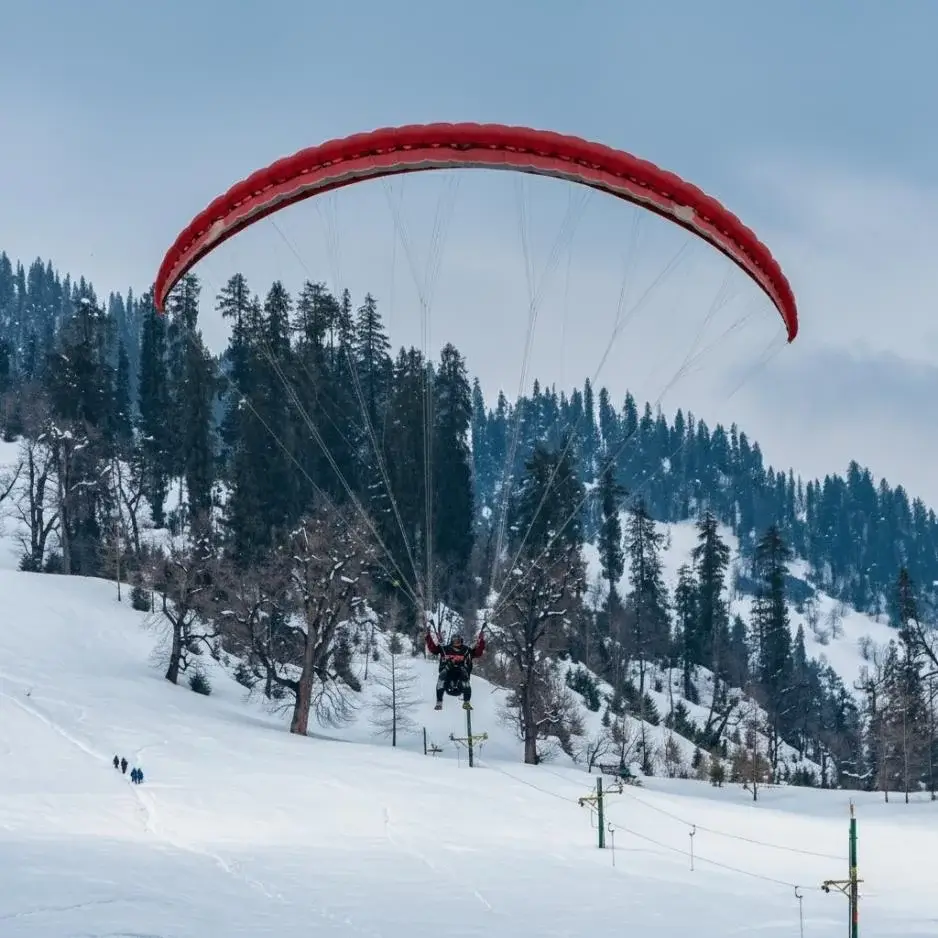 5D/4N
5D/4NManali Solang Sissu Budget Trip
1D Delhi•2D Manali+2
₹13,999₹17,999SAVE INR 4,000/ person
Common questions about the Bhrigu Lake Trek
How far is Bhrigu Lake from Manali?
About 22 km by road from Manali to Gulaba (the trek starting point), then another 10 to 13 km on foot to the lake. The total round trip trekking distance is roughly 22 to 26 km over 3 to 4 days.
Is the Bhrigu Lake trek suitable for beginners?
Yes, for physically fit beginners. The terrain is not technical, but the altitude gain is fast and the steep sections are tiring. You need basic cardiovascular fitness. Start jogging and stair climbing at least a month before the trek. Unfit first timers will struggle.
What is the best time for the Bhrigu Lake trek?
Mid June to September for the classic green meadow and wildflower experience. September to October for the clearest mountain views and golden grass. May to mid June for a snow trek, though trails are harder to follow. November to April is effectively closed due to heavy snow.
Do I need a guide or can I trek independently?
A guide or operator is strongly recommended, especially for first timers. The trail near the lake can be tricky in fog, and there are no facilities or shelters on the route. Independent trekking is possible for experienced walkers with their own camping setup and navigation skills.
What does a Bhrigu Lake trek package cost?
Most operators charge between Rs 4,000 and Rs 8,000 per person for a 4 day package. This typically includes tents, meals, guides, forest permits, camping gear, and transport from Manali to Gulaba. Prices vary by operator, season, and group size. Confirm exact inclusions before booking.
Is there mobile network on the trek?
Only at Gulaba and briefly on the forest trail. After the first hour of trekking, there is no signal at any campsite or at the lake. Inform your family about the communication blackout before you start. Some operators carry satellite phones for emergencies.
What shoes should I wear for the Bhrigu Lake trek?
Waterproof, ankle high trekking shoes with good grip. This is non negotiable. The rocky sections near the lake and the forest trail in monsoon are slippery. Sports shoes, sneakers, and sandals are not suitable for this trek.
Can I do the Bhrigu Lake trek in one day?
Technically possible for very fit, experienced trekkers, but not recommended. The altitude gain is too fast for safe acclimatisation, and you would miss the meadows, the camping experience, and the night sky. Take the full 3 to 4 days.
Is altitude sickness a concern?
Yes. The lake is at roughly 4,250 metres, and the rapid altitude gain means your body has limited time to adjust. Symptoms include headache, nausea, dizziness, and fatigue. Stay hydrated, walk slowly, and inform your guide immediately if you feel unwell. Descending even a short distance helps significantly.
How does Bhrigu Lake compare to Hampta Pass trek?
Different experiences. Bhrigu Lake is shorter (3 to 4 days versus 5 to 6 for Hampta), reaches higher altitude, and is focused on a glacial lake and meadows. Hampta Pass crosses from Kullu to Lahaul valley and offers dramatic landscape transitions. Bhrigu is better for a quick high altitude experience. Hampta is better for a longer through trek with varied scenery.
What happens if weather turns bad during the trek?
Reputable operators carry weather tracking equipment and will adjust the itinerary or turn back if conditions are dangerous. This is one of the key reasons to go with an operator rather than independently. Fog at the lake, sudden rain, and snow above 4,000 metres are real possibilities. Flexibility in your travel plan helps, so keep a buffer day in Manali.
Related guides
Posts about Manali
- Medical Help in Manali for Tourists 2026: Hospitals, Pharmacies and Emergency Steps
- Vegetarian and Jain Food in Manali 2026: Where to Eat Without Guesswork
- Mobile Network, Internet, UPI and ATMs in Manali 2026: What Works Where
- Shimla to Manali in 2026: Distance, Travel Time, Bus vs Cab and the Best Transfer Plan
- Manali with Pets in 2026: Road Travel, Pet-Friendly Stays, Snow Safety and Practical Rules
- Is Manali Safe for Solo Female Travellers in 2026? Areas, Transport and Winter Safety