
Best Things to Do in Spiti Valley in 2026: Activities & Experiences
Spiti does not hand you its best moments. You have to drive rough roads, sit with the altitude, and slow down enough to actually see what is around you. When you do that, it delivers experiences that no hill station in Himachal can match.
Quick Answer
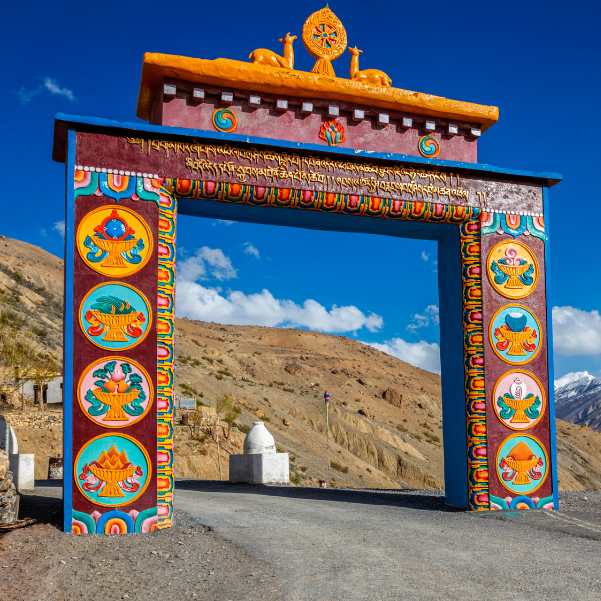
The best things to do in Spiti Valley include the Kaza village circuit covering Key Monastery, Hikkim, Langza, Kibber, and Chicham Bridge, along with the Dhankar Lake trek, a drive through Pin Valley bike trip, and a visit to Chandratal when the road is open.
Most of these activities are available June to September. Some, like the Dhankar trek and Key Monastery, are accessible earlier if you enter via the Shimla-Kinnaur route. The exact list changes by season, so check road status before fixing your itinerary.
Why Spiti Is More About Experiences Than a Checklist
Most people arrive in Spiti with a list of 15 stops and leave having ticked maybe 8. That is not failure. That is just what Spiti is.
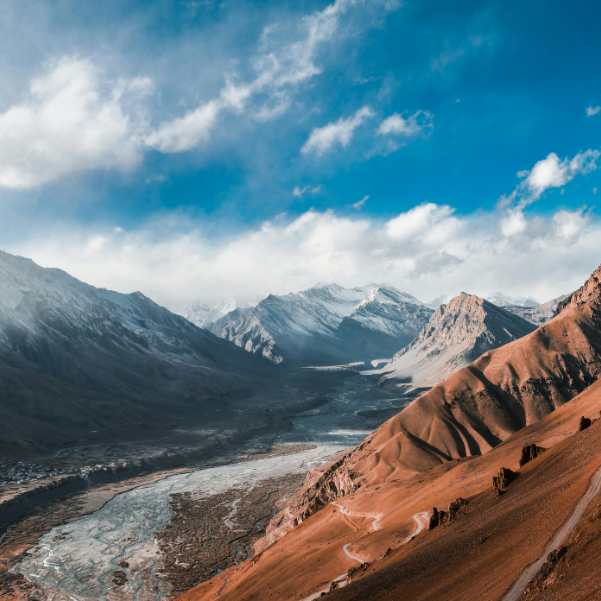
The valley sits at an average altitude of around 12,000 feet. Driving between villages takes longer than maps suggest. Every road looks like a 20-minute drive and turns into 45 minutes once you are actually on it.
In our experience running trips here, the travellers who enjoy Spiti the most are the ones who planned fewer stops and spent more time at each one. The ones who rushed the list came back feeling like they had not really seen anything.
Choose activities by what matters to you: culture, adventure, solitude, or photography. Then build your Spiti trip around that, not around a ranking article that does not know how long your legs work at 14,000 feet.
What Are the Best Things to Do in Spiti Valley for First-Time Visitors?
If this is your first time in Spiti, keep the list short and the days generous. The classic circuit works because every stop on it earns its place.
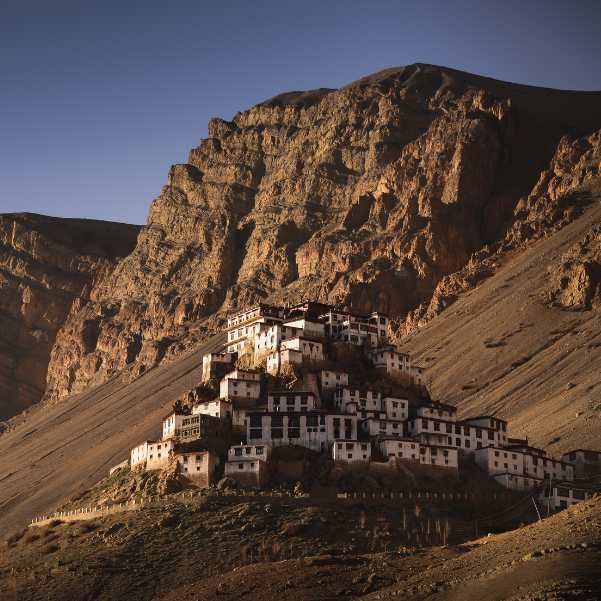
Key Monastery is where most people start. It overlooks Kaza from about 13,500 feet and the view from the top explains why monks have been living there for centuries.
After Key, the road takes you to Kibber at about 14,200 feet, which is one of the highest motorable villages in the world, and then to Chicham Bridge, the kind of structure you will take about 40 photographs of before you get back in the car.
Hikkim is where you send a postcard from the world's highest post office. It is a small thing but it stays with you.
Langza is where you find marine fossils sitting in the dirt at 14,500 feet, which does something strange to your brain when you think about what that means. Dhankar, about 32 km from Kaza at 3,870 metres, has both a monastery and a lake worth trekking to.
Add Chandratal if you have the time and the road is confirmed open. If you are short on days, skip it and save it for a dedicated trip.
If you want someone to sort out the route, stays, and transport, our Spiti Valley tour packages are designed around how the roads and altitude actually work, not how they look on a map.
Which Adventure Activities Can You Actually Do in Spiti?
Road Trip the Spiti Circuit
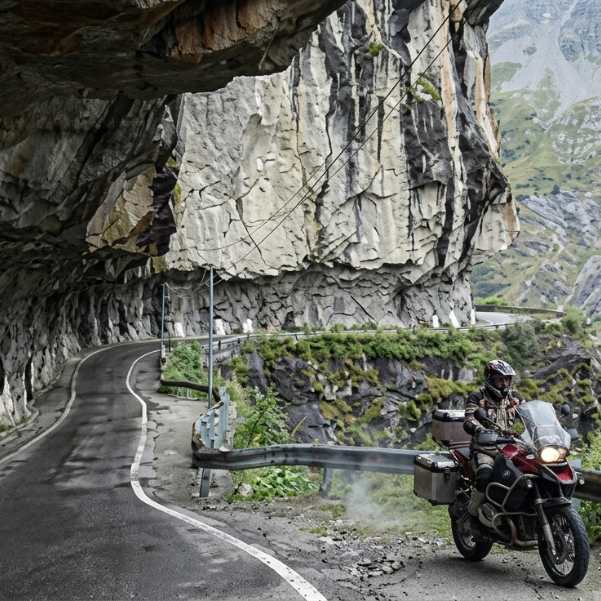
The Spiti circuit itself is the adventure. You are driving through a landscape that looks like someone took all the colour out and left only brown, grey, and sky blue. There is nothing else like it in India.
The circuit connects Shimla and Manali via Spiti and covers river valleys, high passes, and remote villages over several days. The Manali side goes over Kunzum Pass at about 4,590 metres. The Shimla side comes through Kinnaur, which is gentler on altitude but longer in distance.
Route availability changes by month. As of April 1, 2026, the official district road status showed Keylong to Kaza as closed.
The Manali side typically opens between late May and early June. Always check the Lahaul and Spiti district administration page before you leave, not two weeks before.
Trek to Dhankar Lake
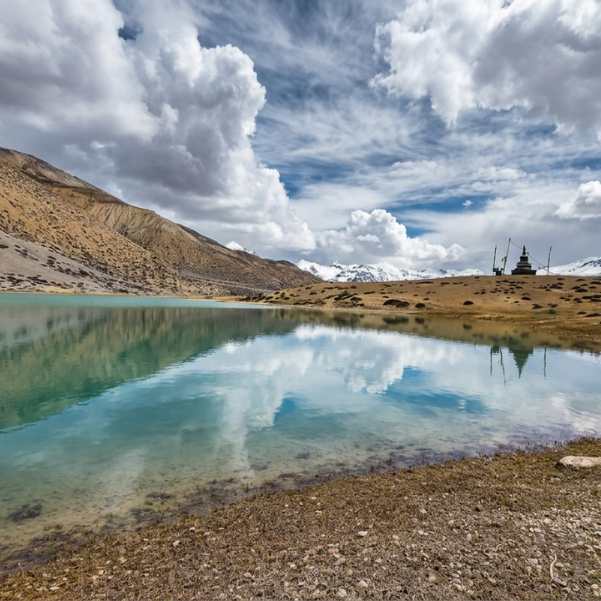
This is the best moderate trek in Spiti for most visitors. Dhankar village already sits at 3,870 metres, so the trek to the lake above it starts from altitude.
The climb takes about an hour each way and the lake at the top is completely still, surrounded by brown ridges, with no one else around once you get past the first few minutes of trail.
We always tell first-timers to do this trek only after spending at least one night at Kaza first. The acclimatisation makes a real difference to how much you enjoy the climb versus how much you suffer through it.
Explore Pin Valley for Hikes and Wildlife
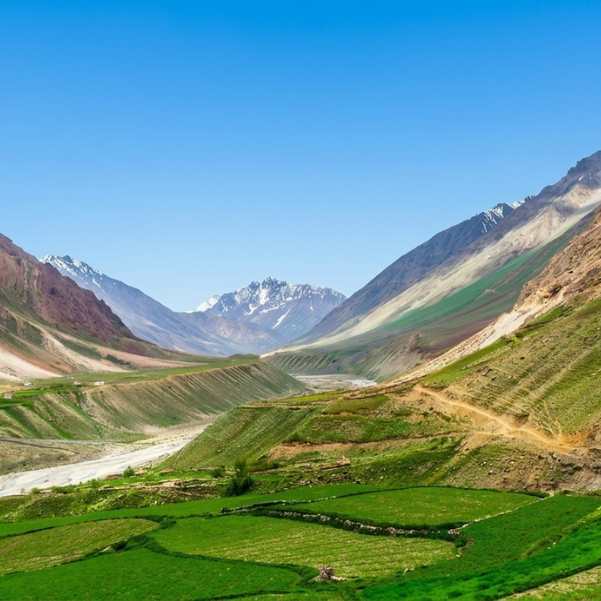
Pin Valley National Park covers a 675 sq km core zone and a 1,150 sq km buffer zone. The main summer route is open July to October. In winter, especially December to March, the park is difficult and risky to approach.
The village of Mudh is the last motorable point before the trail network begins. Most visitors do short walks from here rather than serious multi-day treks. The valley feels different from the rest of Spiti, greener in summer, quieter always.
Wildlife includes snow leopards, Himalayan ibex, and various high-altitude birds. More than 20 animal and bird species are documented in the park.
If Pin Valley is a must for you, choose our Spiti Bike Expedition With Pin Valley instead of a shorter route that skips Mud Village.
Ride or Self-Drive Through High-Altitude Roads
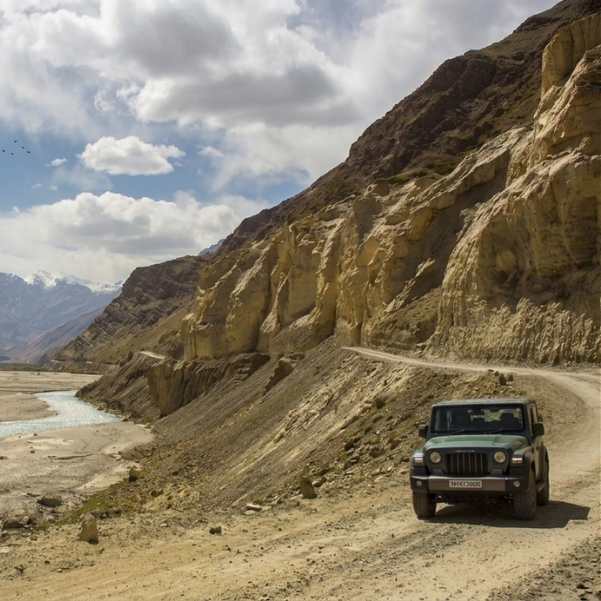
Biking and self-driving are popular for good reason. The roads are genuinely challenging, the views are unlike anything in lower Himachal, and the sense of having done it yourself adds to the experience.
Be realistic about the terrain. The stretch from Batal to Chandratal involves loose gravel, water crossings, and no tarmac for long stretches.
The Kunzum Pass road is narrow and exposed. First-time mountain drivers should hire an experienced local driver. Experienced bikers will love it.
Talk to our team on WhatsApp before deciding between self-drive and a hired vehicle. We know which roads require what, and we will tell you straight.
👉 WhatsApp us and we’ll tell you whether to self-drive or hire a vehicle
Which Cultural and Village Experiences Are Worth Your Time?
Visit Key Monastery
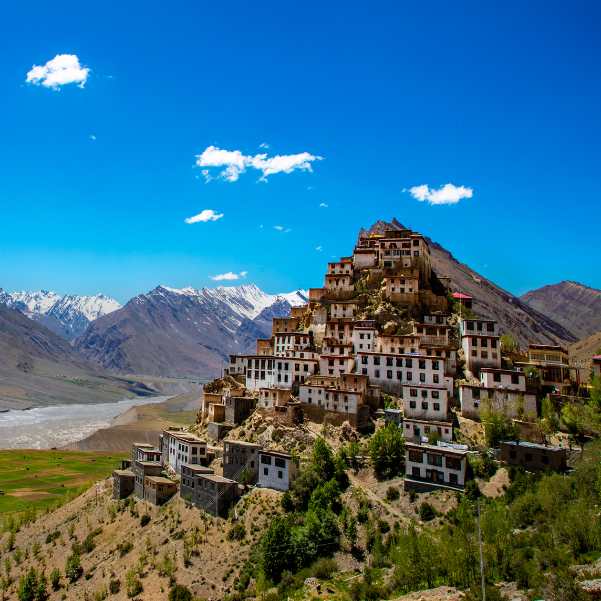
Key Monastery is the first stop most people make after arriving in Kaza, and it deserves that position. The monastery is around 1,000 years old and the monks still study and live here. The view from the gompa courtyard takes in the entire Spiti River valley below.
Go early morning before the day-trippers arrive from guesthouses in Kaza. The light is better, the atmosphere is quieter, and the monks are actually around rather than managing visitor flow.
Send a Postcard from Hikkim
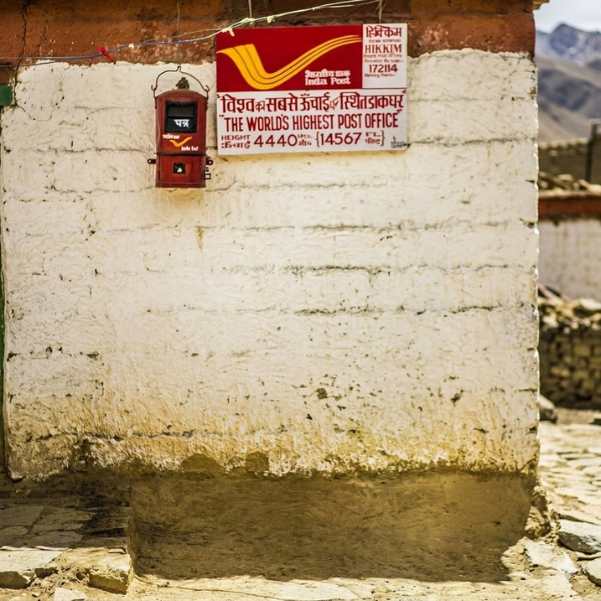
The post office at Hikkim is not just a photo opportunity, though it is that too. You write a postcard, hand it to the postmaster, and it actually gets delivered. One of our travellers sent one to her grandmother in Lucknow from 14,500 feet. Her grandmother still has it on the wall.
Carry a few postcards from Kaza's small market. The post office itself is tiny and the stamps are real. Do not overthink it, just go.
Explore Langza, Komic and Kibber
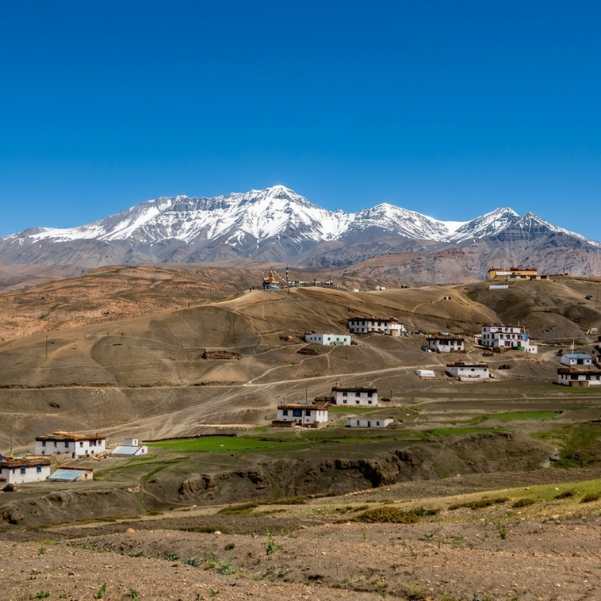
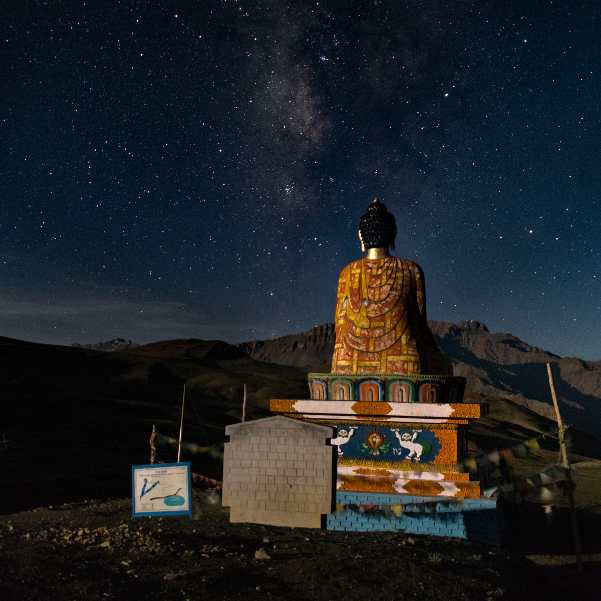
Langza is where the fossils are. Marine fossils, sitting in a landscape that is now completely arid and high altitude. You pick them up off the ground. A large Buddha statue watches over the village from a ridge above it. The combination is strange and stays in your head.
Komic is the highest motorable village with a functioning monastery, and most visitors miss it entirely because they skip it for Kibber. Kibber at 14,200 feet is the one that most itineraries include.
The village is small, the views in every direction are wide open, and the road beyond it to Chicham Bridge takes you to a canyon crossing that looks completely unreal.
See the Giu Mummy
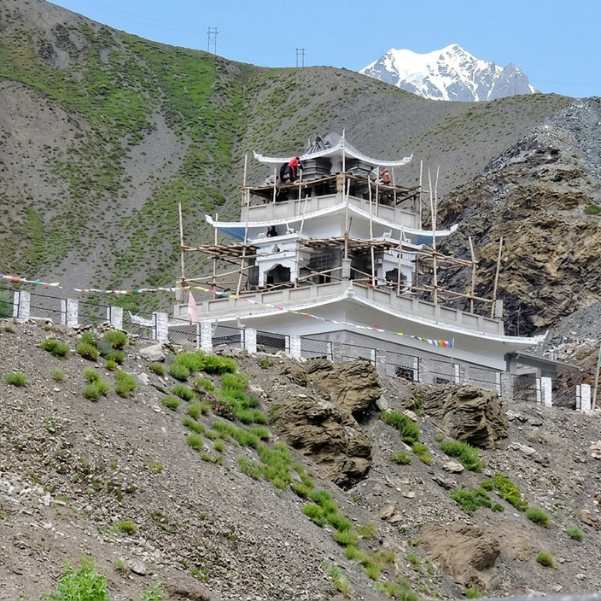
Giu is a small village on the route toward Sumdo, close to the Kinnaur border. The 500-year-old naturally mummified monk on display there is genuinely unusual and for travellers who like offbeat history, it is worth a short detour.
Most Spiti itineraries miss it because it sits slightly off the main circuit. If you are entering from the Shimla-Kinnaur side, it fits naturally into your route on the way in.
Is Chandratal Still Worth It in 2026?
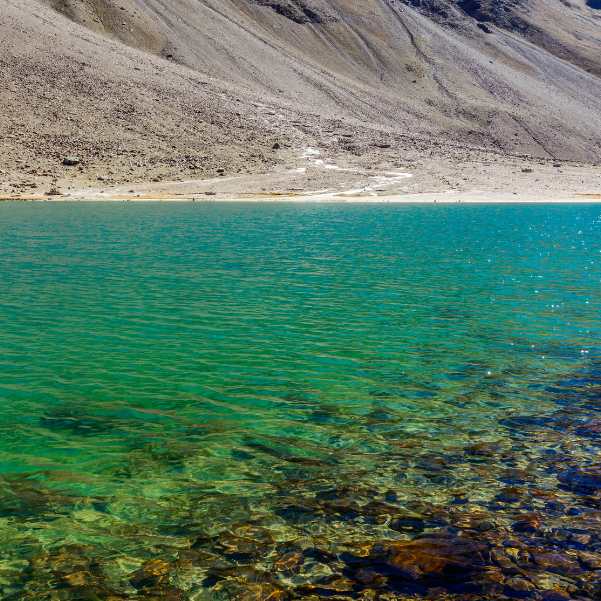
Yes, but only if the timing is right and the road is confirmed open. Do not plan around it in late May or early June without a backup.
The lake is not at the campsite. Camps sit roughly 3 to 5 km from the lake along the approach road. Camping directly on the lakeshore is not allowed because the area is a Ramsar wetland site and the ecosystem is sensitive. You walk to the lake from the campsite, which takes 15 to 20 minutes.
For a 4 to 5 day Spiti trip, Chandratal adds a full day of driving and can easily stress the schedule. For a 7 to 10 day trip, it fits naturally as the final stop before exiting toward Manali.
Check the Chandratal opening dates and road status for 2026 before including it in your plan. And if you are confused about which valley it actually sits in, the Chandratal location guide answers that clearly.
What Are the Most Offbeat Spiti Experiences?
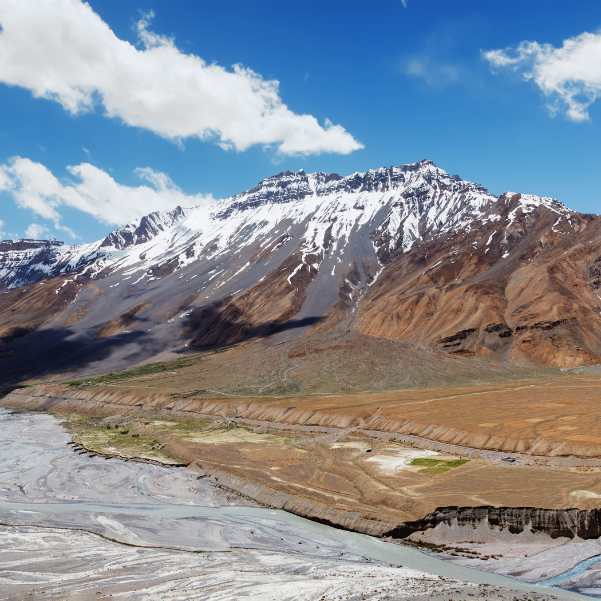
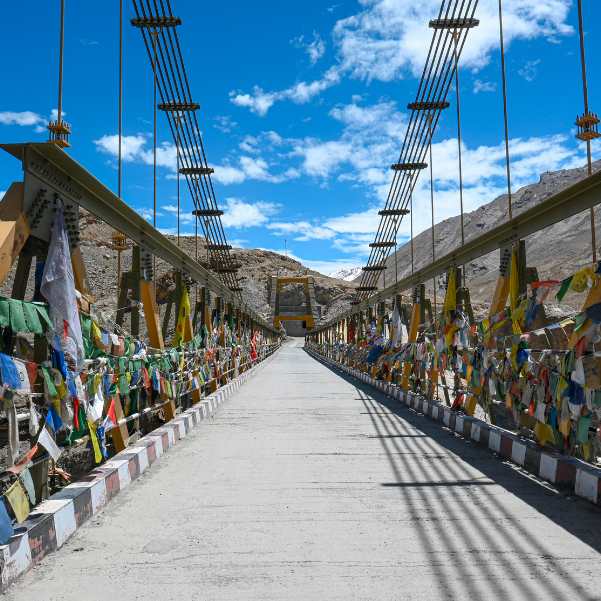
Chicham Bridge gets mentioned in every article, but what most articles skip is the story of the ropeway it replaced. Before the bridge, the village of Chicham on one side of the gorge was connected to the road on the other side by a single rope pulley system.
Villagers crossed it to reach the outside world, sometimes in winter snow. The bridge replaced that in 2017. Standing on the bridge now and looking at the gorge below makes that history feel very real.
Stargazing is one of the most consistently surprising things travellers report back to us. At 12,000 to 14,000 feet, with zero light pollution in most of Spiti, the night sky is genuinely different from anything visible at lower altitudes.
September is the clearest month. The Milky Way is visible with the naked eye on most nights from any open field in Kaza, Kibber, or Pin Valley.
Fossil hunting in Langza is something kids and adults both end up talking about long after the trip. The marine fossils embedded in the hillside around the village are accessible without any equipment or guide. You walk, you look down, and there they are.
Spending two nights in a Pin Valley homestay rather than Kaza gives you a version of Spiti that most travellers never see. Quieter, more local, and genuinely disconnected from the tourist circuit that the Kaza belt has now become.
What Can You Do in Spiti in 2 Days, 4 Days, and 6 Days?
Two days in Spiti
Two days in Spiti means the Kaza circuit and nothing else. Spend one full day covering Key Monastery, Kibber, Chicham Bridge, and Langza. Keep the second day for Hikkim, Komic, and a slower walk around Kaza town. Do not try to add Dhankar or Chandratal. You will not do either justice.
Four days in Spiti
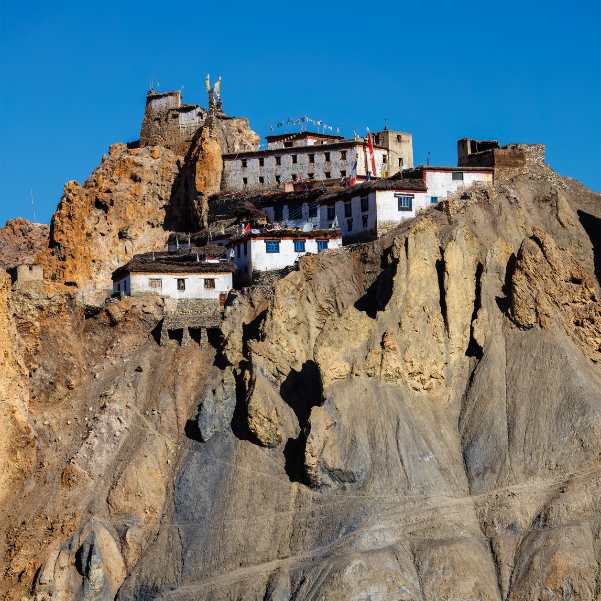
Four days in Spiti gives you room to breathe. Add Dhankar on day three, including the lake trek above the monastery. On day four, drive to Pin Valley and spend the evening in Mudh. You get culture, a proper trek, and a taste of the most remote corner of the valley.
Six days in Spiti
Six days in Spiti is where the trip starts to feel like a real experience rather than a highlight reel. Add Chandratal on day five if the road is confirmed open.
Alternatively, skip Chandratal and use those two extra days for a slower exploration of the village belt and a night in a Pin Valley homestay. The slower version is often the one people say they would repeat.
What Is the Best Season for Each Spiti Activity?
Summer
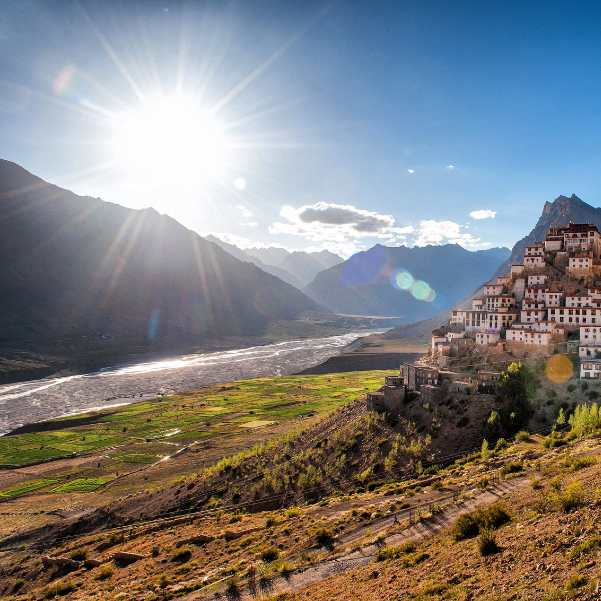
Summer (June to September) is when almost everything on this list is accessible. The Kaza circuit, Dhankar trek, Pin Valley, Chandratal, biking, and village stays all work best in this window. This is also when both entry routes are generally open.
Shoulder season
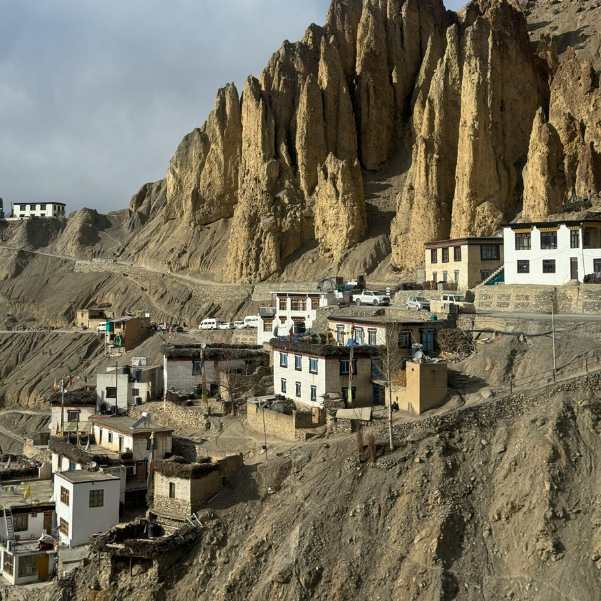
Shoulder season (late September to mid-October) brings fewer crowds and sharper light. The Kaza circuit, Dhankar, and Key Monastery are still fully accessible. Chandratal is possible in early October but unreliable after the 10th. Nights get genuinely cold, so pack seriously.
Winter
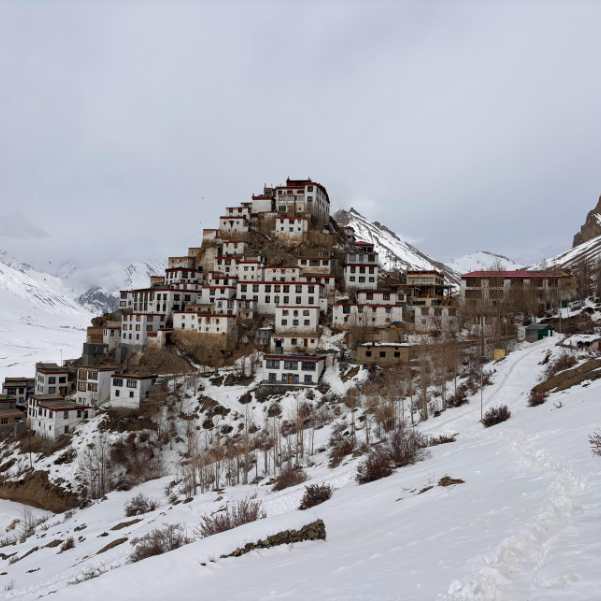
Winter(November to March) is for experienced cold-weather travellers entering via the Shimla-Kinnaur route, which stays open year-round. Chandratal is completely inaccessible. Pin Valley is difficult and risky.
The Kaza circuit is possible but limited. The snow landscapes are extraordinary if you are prepared and not trying to do the full activity list.
Important 2026 Route, Permit and Planning Notes Before Choosing Activities
As of April 1, 2026, the road from Keylong to Kaza was officially closed. The Manali to Keylong stretch was open. This is normal for early season. The Shimla-Kinnaur-Kaza route is the reliable entry point before the Manali side opens.
Indian citizens do not require a permit to enter Spiti Valley according to Himachal Tourism. Foreign nationals need Protected Area Permits for several points including Kaza, Tabo, Dhankar, and others listed by the Lahaul-Spiti Foreigners Section. Get this sorted before you travel, not at the checkpoint.
The HP e-Aagman portal requires vehicles to carry an e-permit for the Atal Tunnel–Rohtang–Koksar–Chandratal circuit. This is a vehicle permit, not a personal one. If you are hiring a vehicle, your driver typically handles this. If you are self-driving, do not forget to apply in advance.
Altitude is the one thing that derails more Spiti trips than bad roads or bad weather. Spend at least one night in Manali or Sissu before pushing toward Kaza via the Manali route.
If you are entering via Shimla, the gradual gain through Kinnaur does the acclimatisation work naturally.
Our Recommended Spiti Experience Combos
Adventure lovers
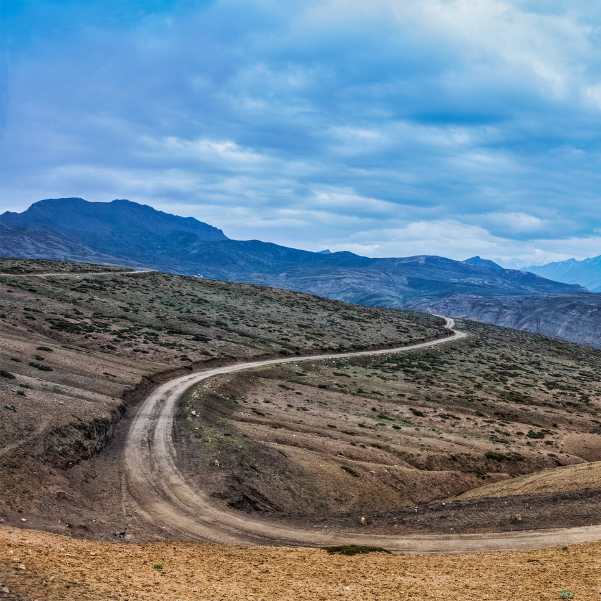
For adventure lovers, the best Spiti trip combines the full circuit drive from Shimla to Manali, includes the Dhankar Lake trek after two nights in Kaza, and adds Chandratal at the end.
Biking it from Manali to Kaza via Kunzum is a version many riders put on their list for years before finally doing it.
Culture travellers
For culture travellers, spend most of your time in the village belt. Key Monastery, Tabo, Dhankar, Giu, and a night or two in a Pin Valley homestay covers more Spiti history than you can process in one trip.
Photographers
For photographers, September is the answer. Clear skies, golden light, empty roads, and the best stargazing of the season.
Couples
For couples, a six-day slow version with two nights in Kaza, one in Dhankar or Dhankar adjacent, and two nights in Pin Valley is the most consistently praised format we see from travellers who come back and book again.
Families
For families with children, stick to the Kaza circuit with comfortable guesthouse stays. Add Hikkim and Langza for the kids because both hold genuine curiosity value. Skip Chandratal and the Dhankar trek on a family trip with young children.
Talk to our team on WhatsApp and tell us your group size, travel dates, and what kind of experience you want. We will tell you what is realistic for your window, not what looks good on an itinerary template.
Where Should You Stay to Enjoy Spiti Activities Better?
Kaza
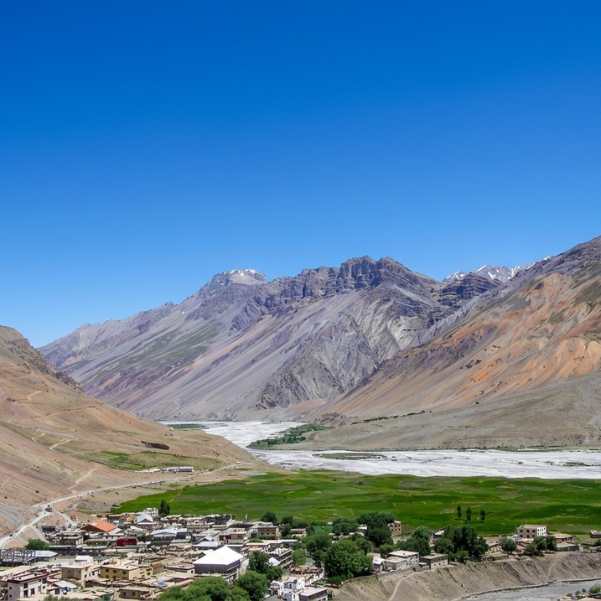
Kaza is the right base for first-timers and almost everyone else. It has the most guesthouse options, the only reliable fuel station in the valley, and sits at the centre of the village circuit. Most of the things on this article's list are within a day drive from Kaza.
Pin Valley
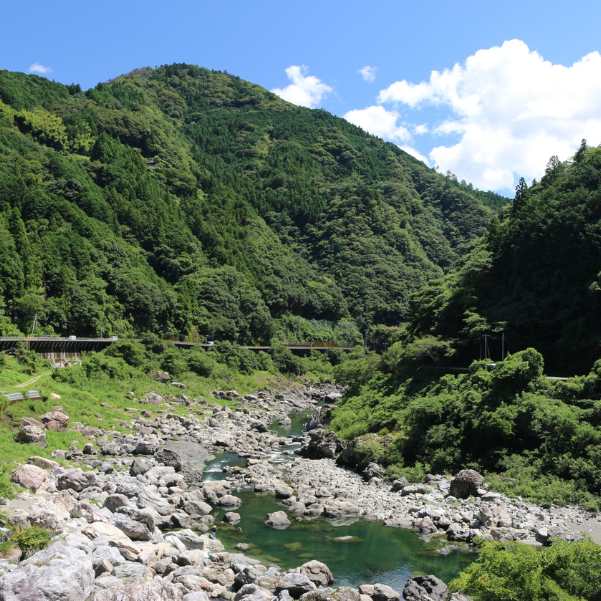
Pin Valley is the right base if you want to disconnect. The guesthouses in Mudh are basic but functional, and the silence in the evenings is the kind you genuinely cannot find closer to Kaza anymore. It works best as a two-night stop in the middle of a longer itinerary.
Village homestays
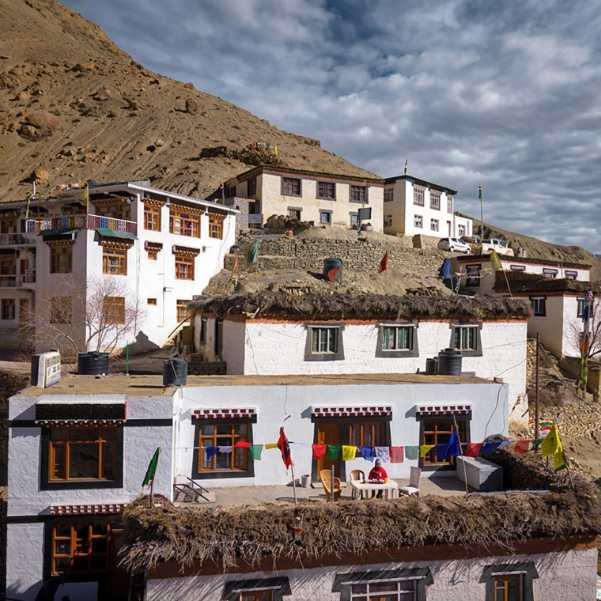
Village homestays along the Kaza circuit, particularly in Langza and Kibber, are the best way to experience Spiti at its most local. You eat what the family eats, sleep in a room with a window full of mountains, and wake up to the valley before any vehicles are moving.
If you are entering from the Shimla side, a night in Kalpa in Kinnaur is worth planning before you push into Spiti. If you are passing through Manali, check our Manali tour packages for stay options that work as a proper acclimatisation stop before the push toward Kaza.
Contact us if you want a quick read on what specifically applies to your dates, entry point, and vehicle type. We do this every season and the answer for your situation will take us two minutes.
Explore Our Curated Spiti Valley Tours
 Group Tour9D/8N
Best Selling Winter Spiti Valley Group Tour
2D Sangla•1D Tabo+2
₹18,999₹23,999SAVE INR 5,000/ person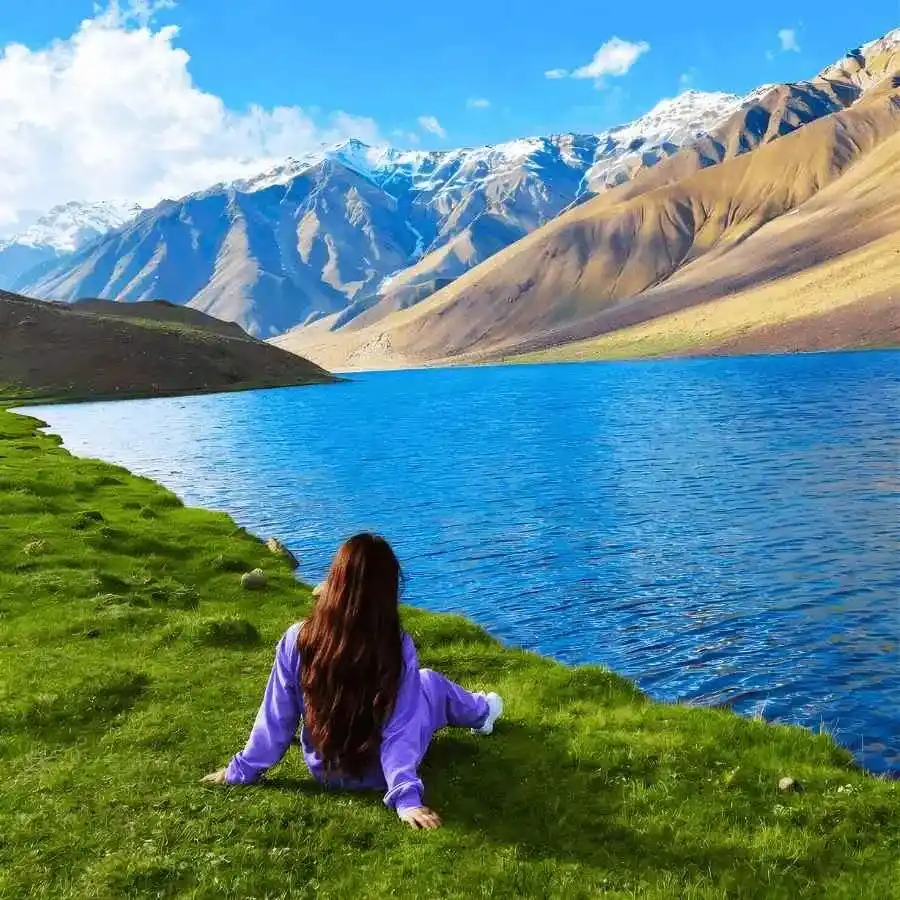 6D/5N
6D/5NMini Spiti Circuit With Chandratal From Manali
2D Kaza•1D Chandratal Camp
₹26,999₹29,999SAVE INR 3,000/ person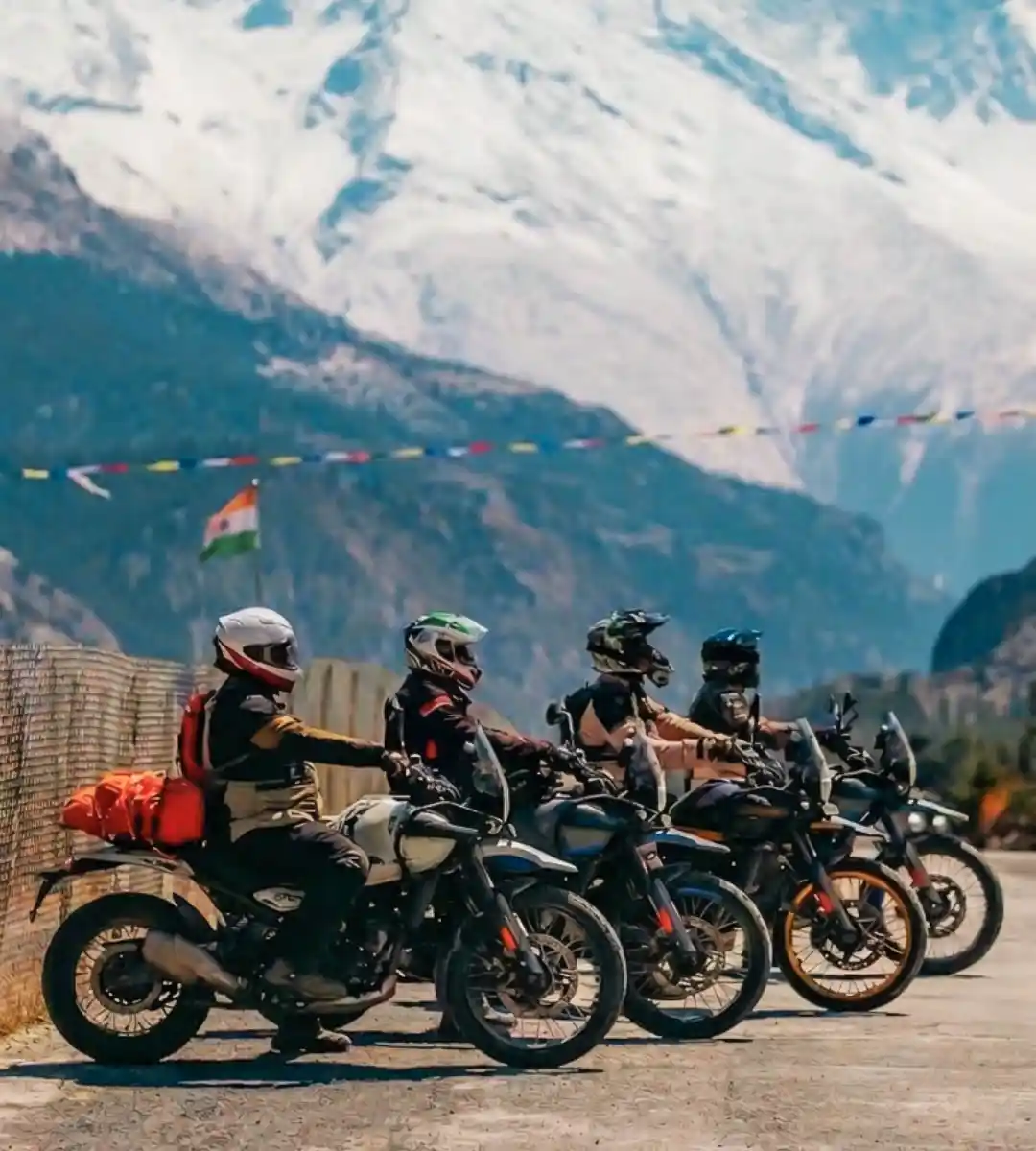 Group Tour10D/9N
Most Loved Spiti Valley Bike Expedition With Chandratal
1D Jibhi•1D Sangla+4
₹34,999₹41,999SAVE INR 7,000/ person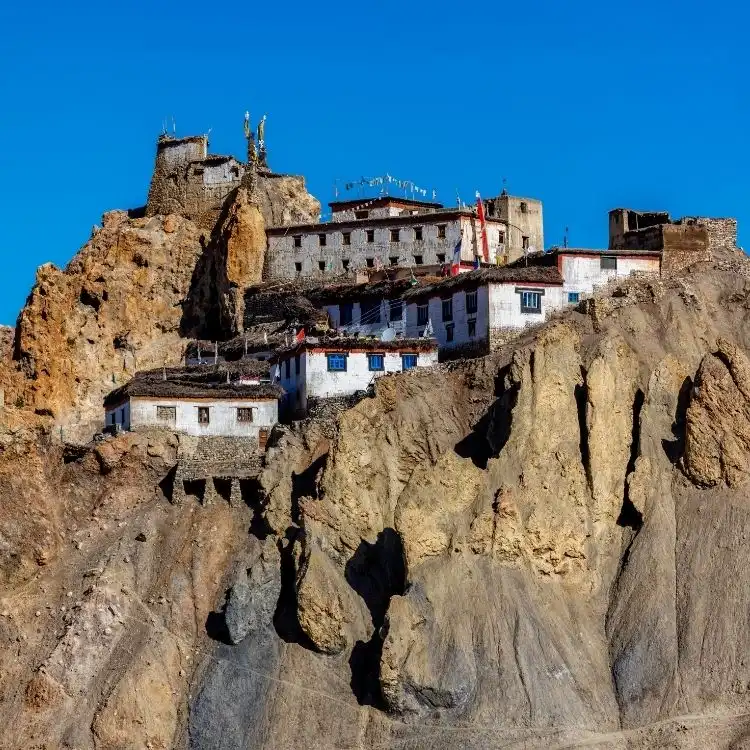 Group Tour10D/9N
Full Spiti Valley Circuit With Chandratal
1D Narkanda•1D Sangla+5
₹29,999₹32,999SAVE INR 3,000/ person
Related topics
Frequently Asked Questions
What are the best things to do in Spiti Valley?
The Kaza village circuit covering Key Monastery, Kibber, Langza, Hikkim, and Chicham Bridge is the core of any Spiti trip. Add the Dhankar Lake trek, Pin Valley, and Chandratal when the road is confirmed open for a more complete experience.
Is Spiti Valley good for adventure activities?
Yes. Road trips over Kunzum Pass, biking the Manali to Kaza circuit, trekking to Dhankar Lake, and wildlife spotting in Pin Valley are all genuine adventure options. The altitude and terrain make everything feel more demanding than it looks on a map.
Can I camp at Chandratal Lake?
You can stay at camps near Chandratal, but they are set up 3 to 5 km from the lake, not on the shore. Camping directly beside the lake is restricted because it is a protected Ramsar wetland. The walk from camp to the lake takes around 15 to 20 minutes.
How many days are enough for Spiti Valley?
Two days covers the Kaza circuit. Four days adds Dhankar and Pin Valley. Six days or more allows you to add Chandratal and a slower pace throughout. Most people who come for two days wish they had booked four.
Do I need a permit for Spiti Valley?
Indian citizens do not need a permit to enter Spiti. Foreign nationals need a Protected Area Permit for locations including Kaza, Tabo, Dhankar, and others. Vehicles also need an e-permit for the Atal Tunnel–Rohtang–Chandratal circuit via the HP e-Aagman portal.
Is Spiti Valley open in winter?
The Shimla-Kinnaur route stays open year-round, so the lower Spiti belt including Tabo and Kaza is technically accessible. But Chandratal is completely closed, Pin Valley is difficult and risky from December to March, and the Manali route via Kunzum is shut for winter. Winter Spiti is a specialist experience, not a casual trip.
Which is better for reaching Spiti: Shimla side or Manali side?
The Shimla-Kinnaur route is gentler on altitude gain and is open earlier and later in the season. The Manali route is more dramatic and shorter in distance but depends on Kunzum Pass being open. For first-timers, entering from Shimla and exiting via Manali gives you both in one complete circuit.
Can beginners drive to Spiti?
The Shimla route is manageable for careful drivers with a high-clearance vehicle and no time pressure. The Manali route, especially the Batal to Chandratal stretch, is not suitable for first-time mountain drivers. Hire an experienced local driver if you are not confident on narrow, unpaved high-altitude roads.
What is the best month for Chandratal?
September is the best month for most travellers. The skies are clear, the crowds thin out, and the lake reflects the mountains with unusual clarity. July is the most reliable for roads and camp availability. June is an option for snow landscapes but comes with uncertainty.
Which Spiti activities are best for families?
Key Monastery, Hikkim postcard stop, Langza fossil walk, and Kibber village are all family-friendly and genuinely interesting for children. Skip the Dhankar Lake trek with young kids. Avoid Chandratal camping with children under 10. Stick to the Kaza circuit with comfortable guesthouse stays.
What should I skip on a short Spiti trip?
On a 2 to 4 day trip, skip Chandratal. The drive adds an entire day each way and the experience is much better when you are not rushing back. Also skip the Giu mummy unless you are entering from the Kinnaur side, where it sits naturally on your route.
Is Spiti safe for solo female travellers?
Yes. We have sent many solo female travellers to Spiti and the consistent feedback is that the valley feels safe and the locals are respectful.
More about Lahaul and Spiti
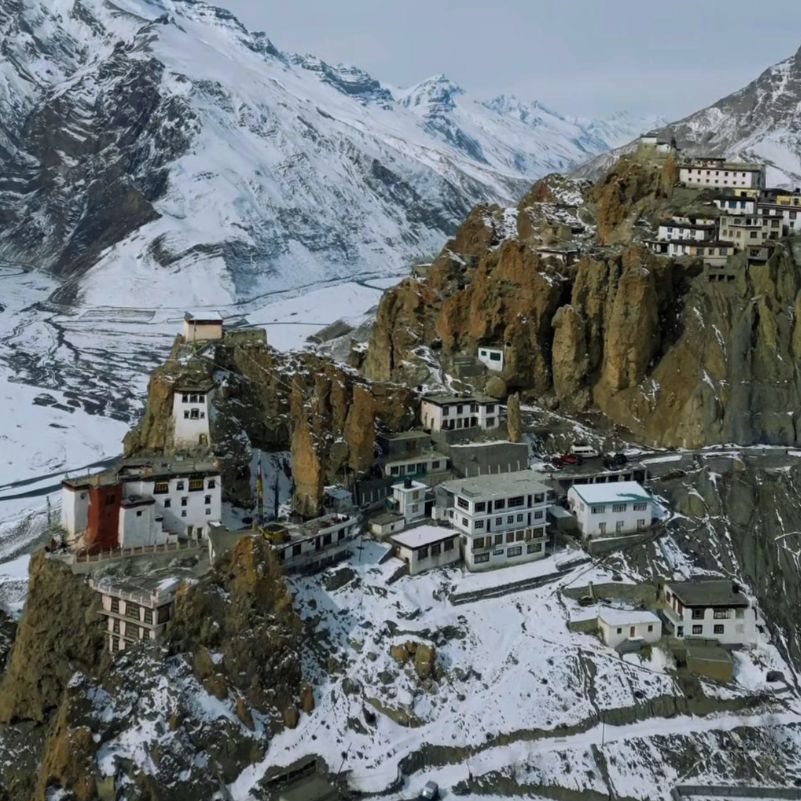 Lahaul and Spiti
Winter Spiti from Bangalore in 2026-27: Flights, Leave Days & Delhi 4x4 Departures
Planning a Winter Spiti trip from Bangalore in 2026-27? Explore flight options, Delhi pickup points, leave requirements, 4x4 group expeditions, travel costs and a practical itinerary to help you plan your Himalayan winter adventure.
- How to Reach
- Snow Travel
 Lahaul and Spiti
What Does a Winter Spiti 4x4 Trip Really Cost in 2026-27? Package Price vs Total Holiday Budget
Planning a Winter Spiti 4x4 trip in 2026-27? Discover the real travel budget, including package prices, transport, meals, winter essentials and hidden expenses. Learn what your package covers, what costs extra and how to plan your Spiti Valley adventure without unexpected spending.
- First-Time Travellers
- Snow Travel
 Lahaul and Spiti
How Many Leave Days Do You Need for a 9-Day Winter Spiti Trip in 2026-27?
Planning a 9 day Winter Spiti trip in 2026 to 2027 requires careful leave planning, especially for working professionals travelling from cities like Bangalore, Mumbai, Hyderabad and Delhi.
- Itinerary
- Snow Travel