
Suru Valley and Rangdum Travel Guide 2026: Best Stops, Views and Where to Stay
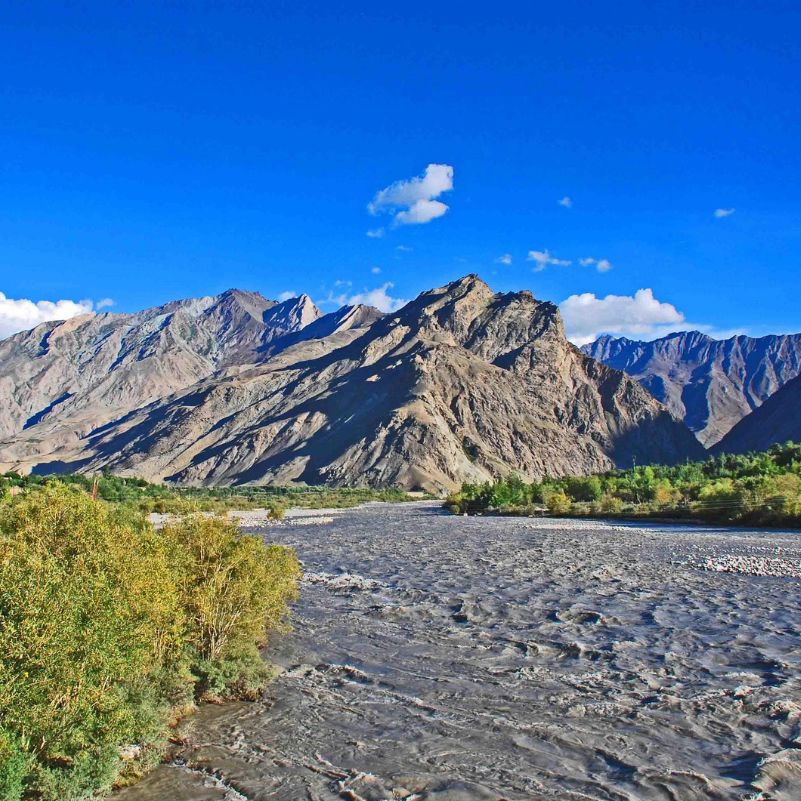
Most people drive through Suru Valley with their eyes on Padum. They spend hours on this road and never get out of the car.
This suru valley travel guide helps with a different job. It tells you where to stop between Kargil and Rangdum, how long each stop deserves, and when a night in Rangdum makes sense.
Quick Answer: Is Suru Valley Worth Stopping For?
Yes. Suru is more than a transit road to Zanskar. The landscape keeps changing as you drive.
You start among greener villages in the lower valley. Then come views of the Nun Kun massif and Parkachik Glacier. After that the land opens into the stark high plateau around Rangdum.
If you’re short on time, give most of it to the Panikhar and Parkachik stretch. If you want the full experience, add a night around Rangdum, but only once you’ve confirmed your stay.
Planning Suru as part of a bigger trip? Our Ladakh tour packages show how we usually fit it in.
What Most Travellers Get Wrong About Suru Valley
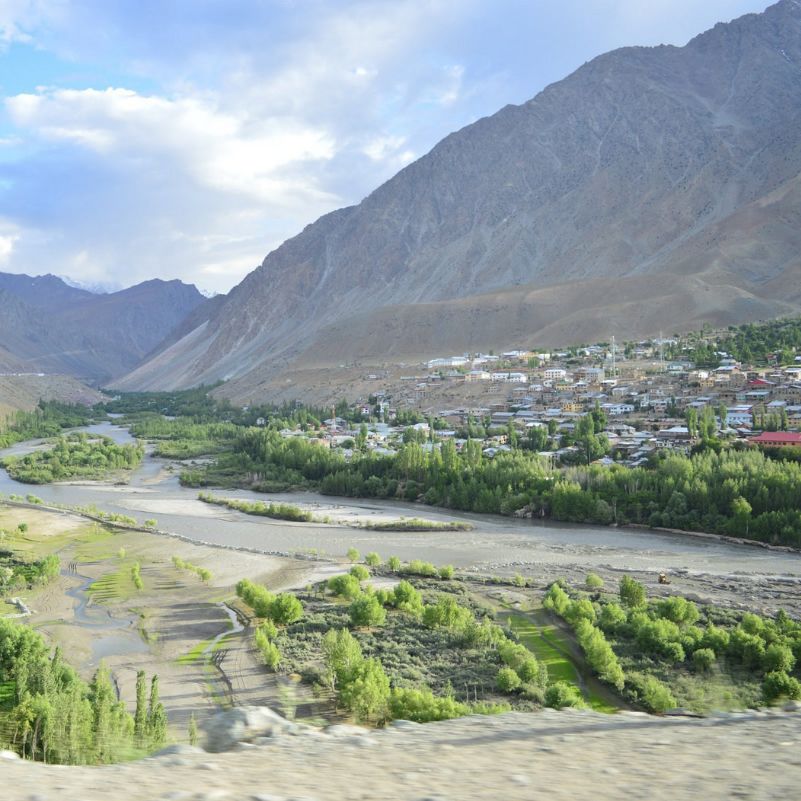
The usual mistake is treating every kilometre as progress toward Padum. People leave Kargil, keep their heads down and reach Rangdum tired, having seen the glacier only through a window.
In our experience, the travellers who enjoy Suru most decide on their stops before they leave Kargil. Tell your driver which places you want to see, because many drivers run this road as a transfer and won’t stop unless you ask.
That’s our first insider tip, and it costs nothing.
Where Is Suru Valley and Where Does Rangdum Fit?
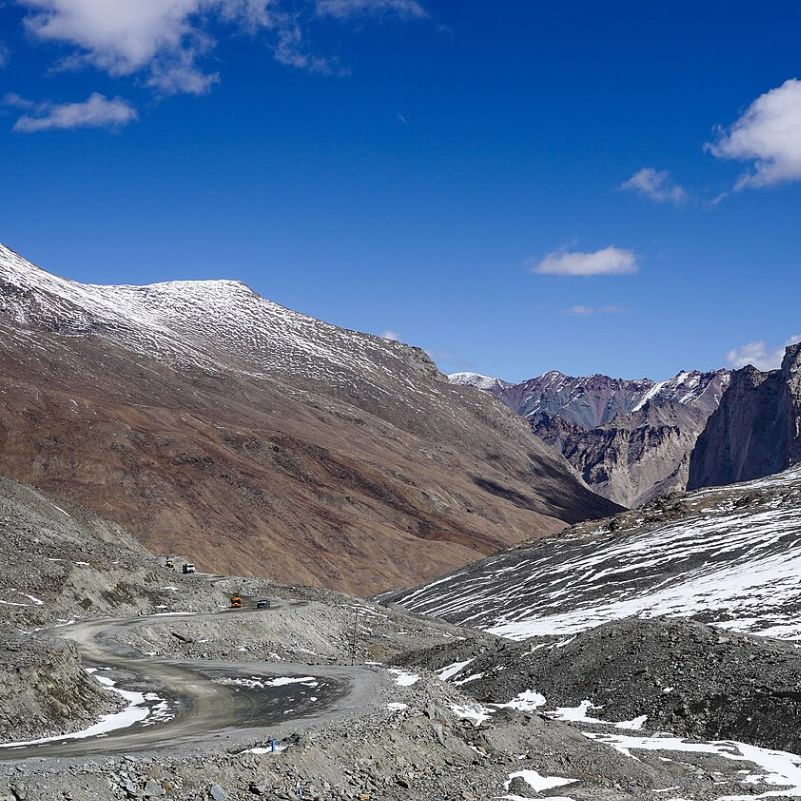
Suru Valley runs south from Kargil. In this guide we measure every distance from Kargil, because the whole journey starts there.
The lower valley sits closer to Kargil and feels softer, with more villages and fields. As you go on, the mountains close in and the Nun Kun massif takes over the view.
Rangdum lies toward the upper end of the Suru journey, about 130 km from Kargil. Past Rangdum the road continues toward Pensi La and Zanskar.
Suru Valley vs Zanskar: what belongs in this guide?
This guide covers sightseeing and staying in Suru Valley up to Rangdum. That’s where the stopping decisions happen.
We mention Pensi La and the Zanskar road only so you know where Suru ends. If Zanskar is part of your plan, treat it as a separate onward leg with its own planning.
What Are the Best Stops Between Kargil and Rangdum?
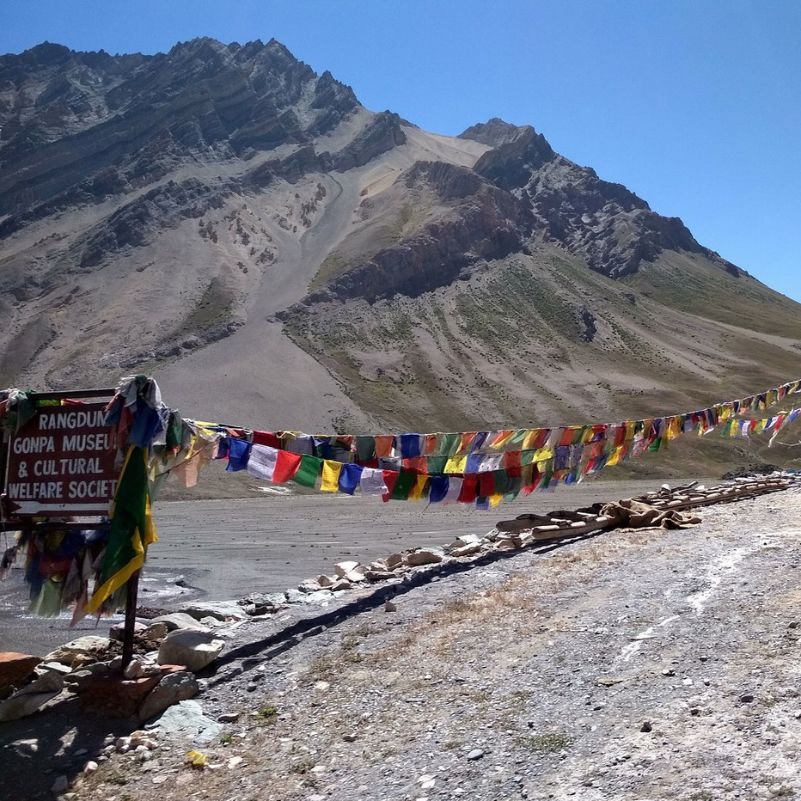
Here’s a simple mental map. From Kargil you reach Sankoo, then Purtikchey, then Damsna, then Panikhar, then Tangol, then Parkachik, and finally Rangdum.
You don’t need a long halt at every one. Some deserve five minutes and a photo. Others deserve a proper walk. Here’s how we’d think about each.
Sankoo: first useful pause in the lower valley
Sankoo sits about 40 km from Kargil. It’s your practical gateway to the greener lower Suru Valley.
This is a good place to stretch your legs and settle into the drive. The valley still feels lived in here, and the starker country comes later.
We haven’t verified specific cafés, fuel stops, ATMs or stays in Sankoo for this guide, so ask locally on the day.
Purtikchey: stop for the Nun view
Purtikchey comes at about 60 km from Kargil. Official Ladakh tourism information names it as a viewpoint for Mount Nun.
Mount Nun stands at 7,135 metres. On a clear day it fills the skyline, and this is one of the first places where Suru shows its real scale.
Give this stop at least a few minutes outside the vehicle. A photo through the windscreen won’t do it justice.
Damsna: riverside landscape and adventure stop
Damsna lies about 65 km from Kargil. Official tourism material describes it as a picnic and fishery spot and a rafting take-off point.
The UT Ladakh administration held the 2nd Suru Summer Festival here on 26 and 27 August 2026. That tells you how the region now sees Damsna: as a base for adventure and local culture.
If you’re not rafting, Damsna works as a relaxed riverside break rather than a long stop.
Panikhar: one of the most useful sightseeing bases
Panikhar, also called Tai Suru, sits about 70 km from Kargil. Official tourism information calls it a base for mountaineering, rock climbing, rafting and trekking.
Panikhar sits right in the Nun Kun landscape. That makes it one of the best places to slow down in middle Suru.
We won’t send you to a “secret” viewpoint here, because we haven’t verified one. Walk around the village area and let the mountains do the work.
Tangol: the mountaineering connection
Tangol sits about 77 km from Kargil. Official tourism information names it as a base for mountaineering expeditions to the Nun Kun massif.
Unless climbing interests you, Tangol is a short pause. Mountaineers will find the connection more meaningful than casual sightseers will.
Parkachik: glacier views and one of the journey’s best stops
Parkachik is the stop most people regret rushing. Its big draw is Parkachik Glacier, and the area has long links with trekking and mountaineering.
We haven’t verified glacier dimensions, trek distances or hiking times, so we won’t give any.
What we can say is simple. This is where you should get out of the vehicle, look around properly and let Suru feel like a destination rather than a road.
Rangdum: where the landscape changes
Rangdum sits about 130 km from Kargil. The valley widens here into a broad, remote upper plateau, and the green of the lower valley gives way to open, stark ground.
The Rangdum Monastery stands on a hill above the valley floor. Seeing it rise out of that empty plateau is one of the strongest images of the whole drive.
That’s why Rangdum is the natural point where a sightseeing drive can turn into an overnight stay. You’ve come far enough that turning straight back feels like a waste.
Where Is the Best Parkachik Viewpoint?
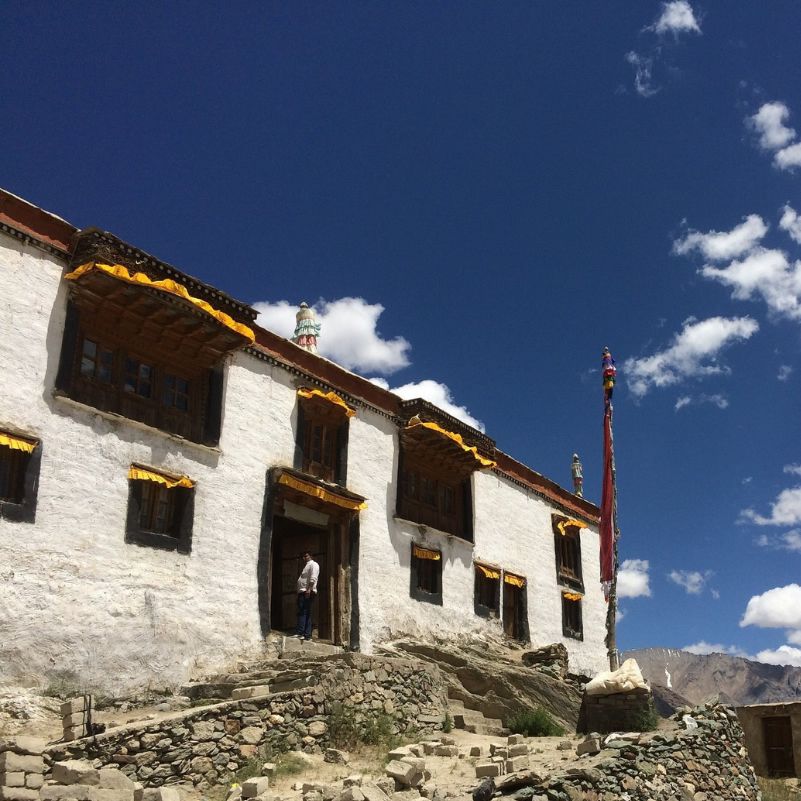
There isn’t one official “best” spot we can point you to. The draw is the glacier and the mountains around it, not one marked platform.
We won’t invent a named viewpoint, coordinates or a parking area. Where you can stop depends on road works and current conditions.
Leave the choice to your driver and pick a spot that’s safe to pull over. Don’t stop on a blind curve just because the view opened up.
This matters more than usual. A September 2026 road update reported widening and restoration work between Parkachik and Rangdum, so the roadside may look different from older photos.
Tips for photographers at Parkachik
Give yourself time rather than chasing a perfect moment. Clouds over the Nun Kun area can come and go, so a longer stop gives you better odds than a quick one.
A wide lens helps you show the glacier against the valley. A longer lens helps you pick out ice and rock detail.
The timing tip that changes this stop: leave Kargil early. In our experience, an early start is what lets you linger at Parkachik without racing the light to Rangdum.
Is Rangdum Monastery Worth Visiting?
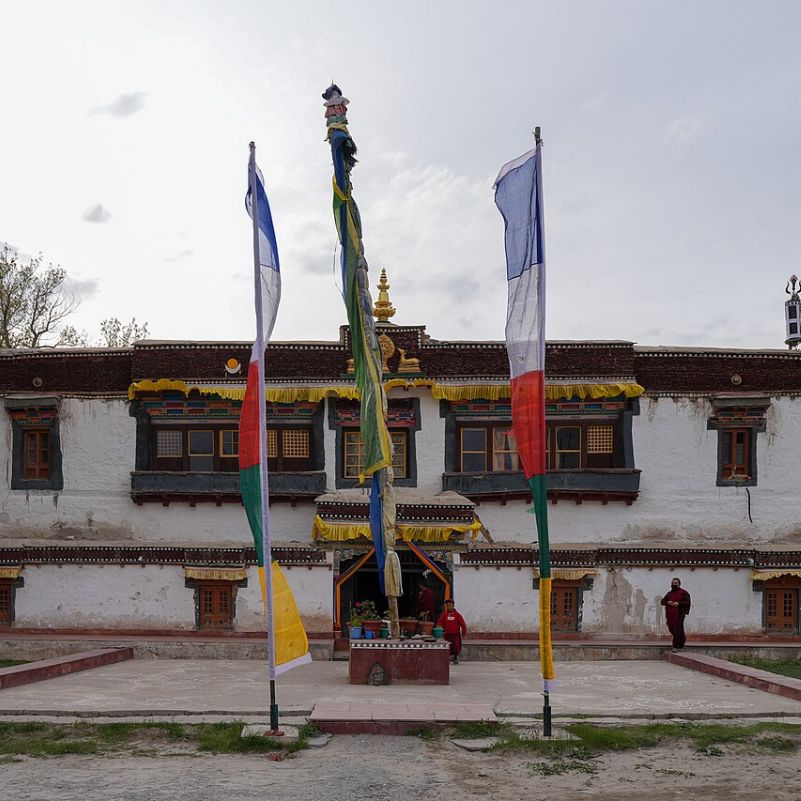
Yes, if you care about landscapes, culture or just a meaningful break in a long drive.
Rangdum Monastery dates from the 18th century and belongs to the Gelug school of Tibetan Buddhism. Historical documentation links its founding to Gelek Yeshe Takpa, during the reign of King Tsewang Namgyal.
The monastery sits prominently on a hill above the upper valley. You’ll often see the altitude given as about 4,031 metres.
Don’t confuse that figure with the altitude of Rangdum settlement. Sources quote lower and differing numbers for the village itself.
How to behave at the monastery
This is a working religious place, not a museum. Dress modestly, speak softly and follow the lead of any monk you meet.
Ask locally before you photograph interiors or ceremonies. If someone says no, put the camera away.
We found no authoritative fixed entry fee. Carry some cash in case there’s a donation or a charge on the day.
How much time should you keep for Rangdum Monastery?
A current visitor guide suggests about 1 to 1.5 hours. Treat that as planning guidance, not an official rule.
Walk slowly. At about 4,031 metres, a short climb can leave you breathless, and rushing is how headaches start.
Here’s our safety warning: if you feel dizzy, sick or get a strong headache, stop climbing and rest. Don’t push to the top just to finish the visit.
Should You Stay Overnight in Rangdum?
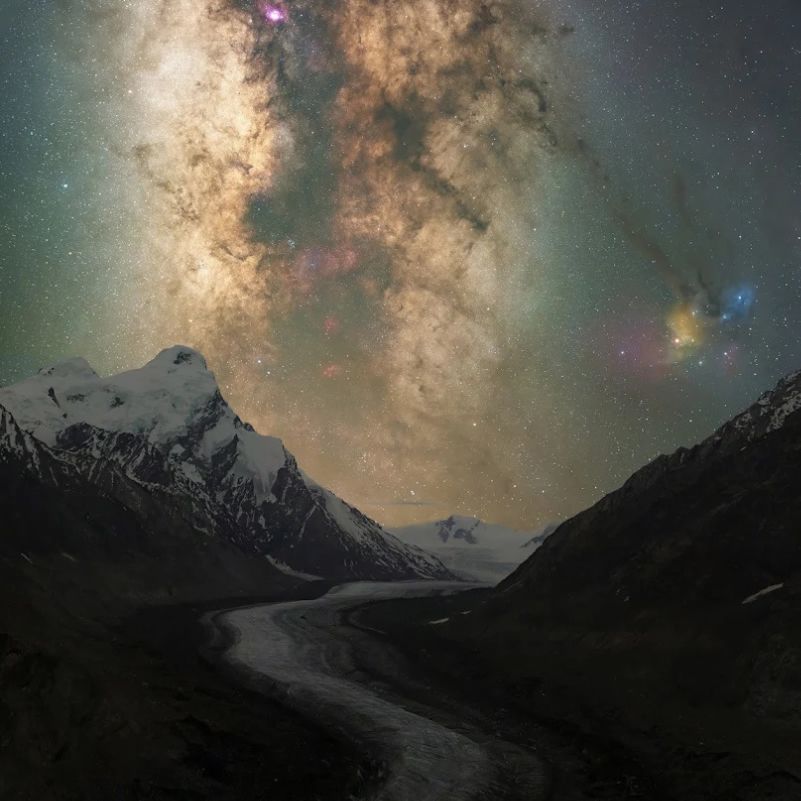
This is the decision that shapes your whole Suru trip, so let’s be honest about it.
A Rangdum night suits photographers, slow travellers and anyone who wants proper time in upper Suru. It also suits people heading on to Zanskar on a separately planned onward leg.
It may not suit you if you need dependable hotel comfort. Don’t count on guaranteed heating, reliable phone signal, accessible rooms or late meals.
What is a Rangdum stay actually like?
Current planning sources describe Rangdum accommodation as basic and seasonal. Expect simple rooms, not a hotel.
Confirm your exact property before you count on a night here. Ask directly whether your room will be open on your date.
Then ask whether dinner and breakfast are available and what the bathroom setup is. Check the bedding, electricity and heating too.
Our second insider tip: ask about cancellation terms if the road becomes impassable. Most people forget, and it matters on a road that can change quickly.
We haven’t named any properties because we haven’t verified them separately. We also haven’t published a room tariff, because online prices are inconsistent.
Rangdum vs Panikhar or the middle Suru Valley for an overnight
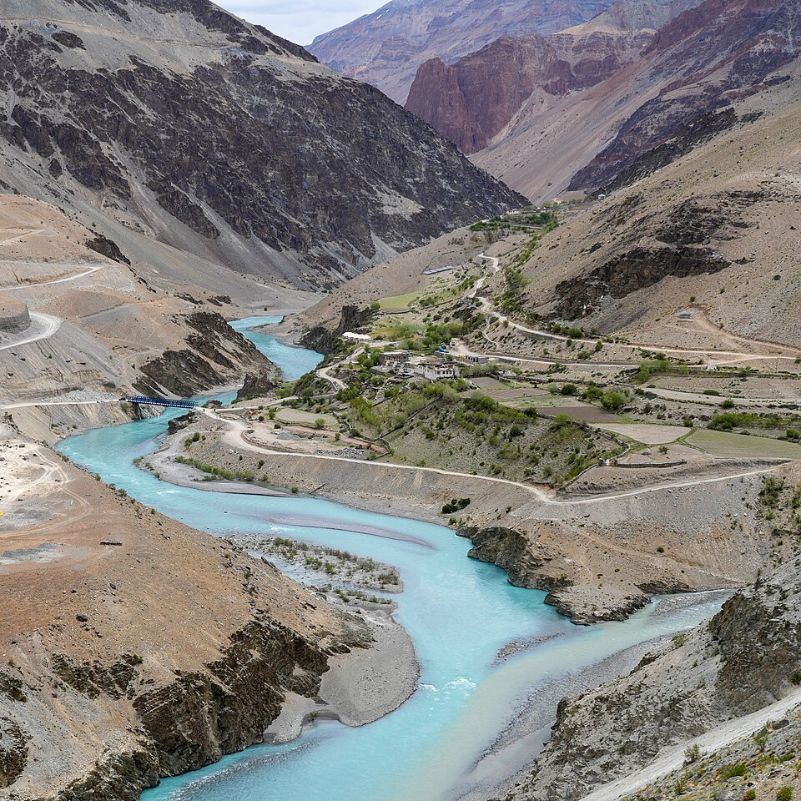
This is a real trade-off. Rangdum gives you the high plateau, the monastery atmosphere and the feeling of being deep in upper Suru.
Staying lower in the valley, around Panikhar or the middle Suru Valley, can make it easier to reach villages and services.
We won’t claim any place has guaranteed facilities, because those change. Choose based on what matters more to you: the remoteness, or being close to the lower valley.
What we tell our travellers is this: if Rangdum is the reason you came, sleep there. If it’s one stop among many, stay lower and visit it by day.
How Many Days Do You Need for Suru Valley?
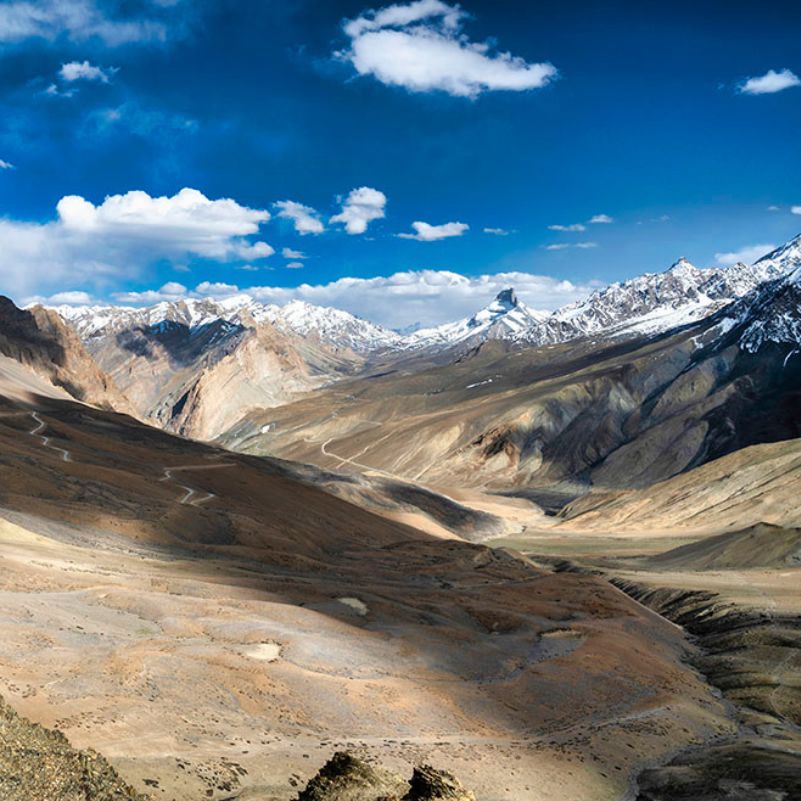
Be realistic. The kilometres look short on a map, but stops, road works and altitude all take time.
One day
One day gives you a taste of the lower or middle Suru Valley. Sankoo, Purtikchey, Damsna and Panikhar fit this kind of day well.
Skip the one-day rush from Kargil to Rangdum and back. You’ll spend almost all of it driving, and Parkachik and the monastery will blur past.
Two days
Two days is a strong minimum if Rangdum matters to you.
On day one, drive from Kargil through Sankoo, Purtikchey, Panikhar and Parkachik toward Rangdum, stopping properly along the way.
On day two, spend the morning in Rangdum. Then either head back or continue on a separately planned Zanskar leg.
Here’s our money-saving tip: if you’re already going to Zanskar, a night in Rangdum fits your route naturally. You avoid paying for a separate return drive just to see upper Suru.
Three days
Three days suits anyone treating Suru Valley as a destination in its own right.
You get time for photography, village stops and a slower Parkachik visit. You also get a buffer for bad weather or road delays, which is worth a lot on this road.
What Is the Best Time to Visit Suru Valley and Rangdum?
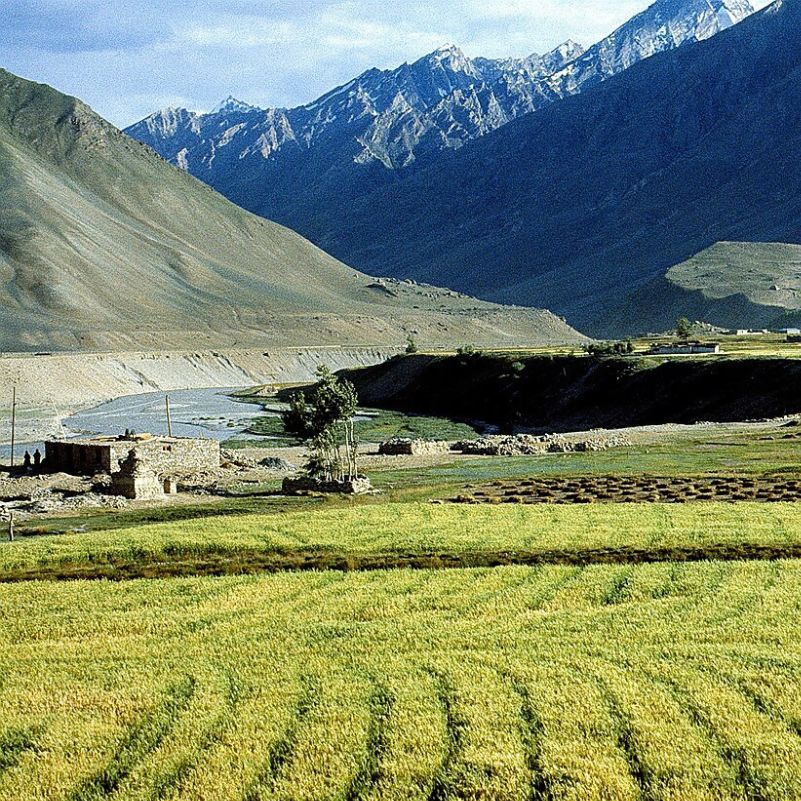
Use roughly June to September as your normal planning window for the upper valley and Rangdum.
No one can promise a fixed opening or closing date for the road. Snow and high altitude conditions can change access at the start and end of the season.
The 2nd Suru Summer Festival ran on 26 and 27 August 2026. Future editions may fall on different dates, so check before you plan around one.
We’re writing this in November 2026. Current road status this month. If you’re reading this to plan next season, start your checks well before June.
What Are Suru Valley Road Conditions Like in 2026?
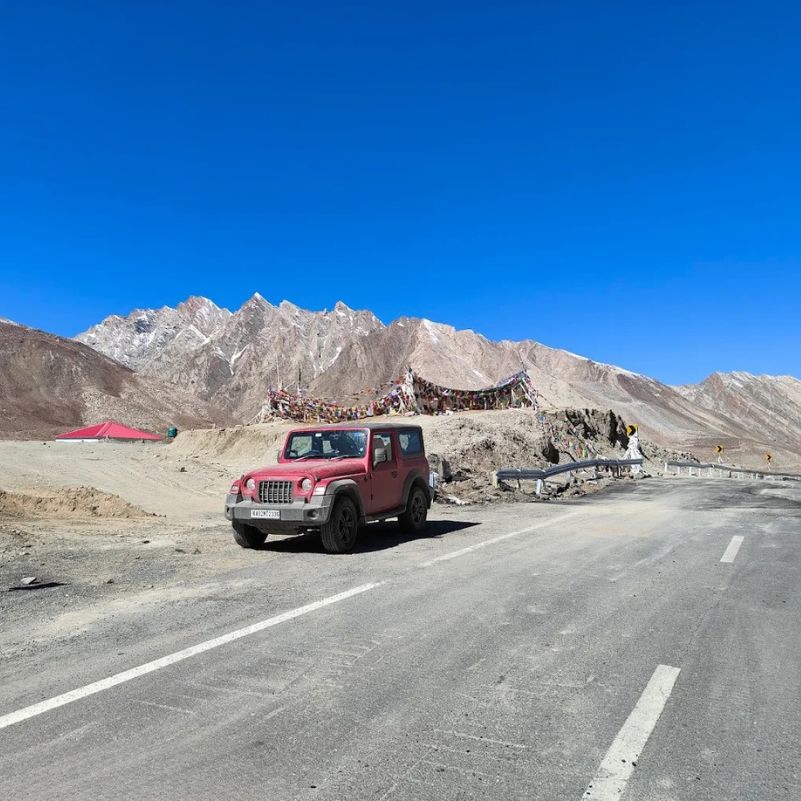
Here’s what we know, with dates attached.
A September 18, 2026 road update reported the Kargil to Padum route via Suru and Pensi La open under warning at that time.
The same update reported NH301 widening and restoration work between Parkachik and Rangdum. It warned of gravel or unpaved sections and glacial runoff.
That’s a historical report, not a live one. We are not saying the road is open now.
Check the road status close to your travel date, and again the day before you leave Kargil. Conditions here change fast.
If you’re combining Suru with time in the valley around Srinagar, our Kashmir tour packages show how that leg usually works.
Do You Need a Permit for Suru Valley or Rangdum?
This is one place where we’ll be careful rather than confident. Current online sources disagree on permits and fees.
Several recent guides say Indian nationals don’t need a Suru specific Inner Line Permit. We couldn’t find a clear, current Kargil government source that confirms this for every situation.
Requirements can depend on your nationality and exact route, and they can change.
Foreign nationals should check the latest rule for Kargil district and their full itinerary before travelling.
We haven’t found a verified environmental fee or permit price, so we haven’t quoted one.
What Should You Carry for a Suru Valley and Rangdum Stay?
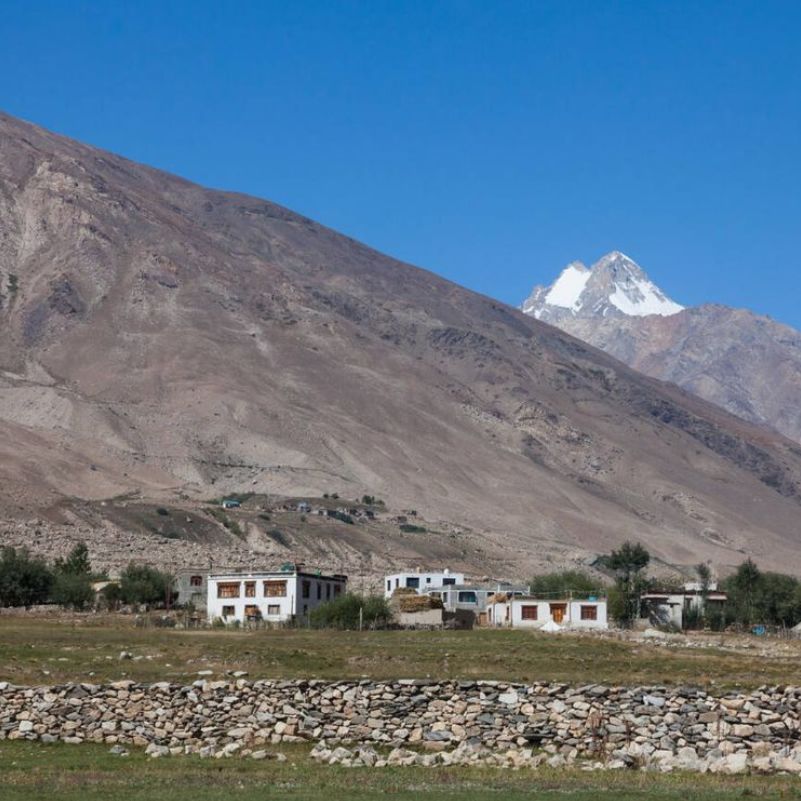
Pack for cold, even in summer. Warm layers matter most once you climb toward Rangdum and the evenings cool down.
Carry plenty of water and some road snacks. Bring your personal medicines, because you won’t want to hunt for a pharmacy up here.
Our chai tip: fill a flask with hot chai in Kargil before you leave. A warm cup at Parkachik with the glacier in front of you beats anything you’ll find on the way.
Keep offline copies of your bookings and accommodation details. Don’t rely on loading a confirmation email at Rangdum.
Carry cash as a backup and a charged power bank.
Services get thinner as you move toward Rangdum. We won’t claim there’s no ATM, fuel pump or mobile signal beyond any particular village, because sources disagree and these things change. Plan as if you might need to be self-sufficient.
Suru Valley in 2026: Why It Is Getting More Attention
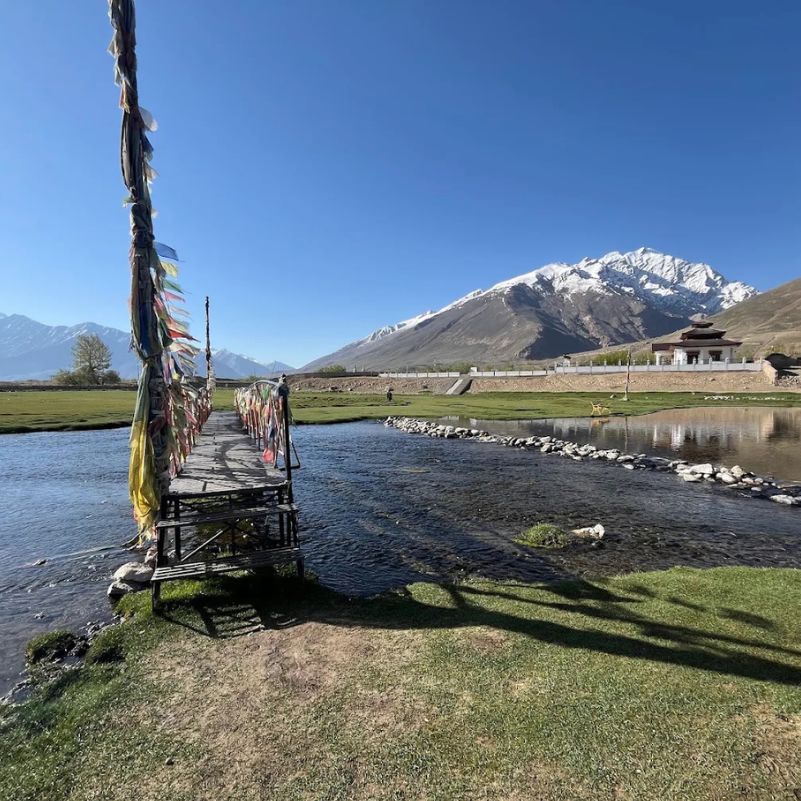
National Geographic included Suru Valley in its Best of the World 2025 list. Its coverage highlighted the valley’s growing rock climbing and bouldering scene.
The UT Ladakh administration also held the 2nd Suru Summer Festival at Damsna on 26 and 27 August 2026. It promoted adventure activities, including rafting, cycling and paragliding, along with culture, local food, landscapes and tourism development.
More attention usually brings more visitors. If you want the valley quieter, go sooner rather than later.
How We Would Plan Suru Valley as Part of a Ladakh Trip
Our team recommends treating Suru as a sightseeing experience, not a stretch of road you have to get through on the way to Padum.
When we plan this section for travellers, we start with three questions. How comfortable are you with basic stays? How much do you care about photography? And how does Suru fit into your wider Ladakh tour packages route?
The answers decide whether Rangdum is a day stop or an overnight. They also decide how long you linger at Panikhar and Parkachik.
If you enjoy remote mountain roads, you might also like the high desert landscapes in our Spiti Valley packages.
Explore Our Curated Zanskar Valley Tour Packages
 Group Tour8D/7N
Most Loved Zanskar Valley 4x4 Group Expedition
1D Manali•1D Purne / Kargyak / Gonbo Rangjon Side+2
₹32,999/ person 8D/7N
Private Zanskar Valley 4x4 Expedition With Phugtal Gonbo Rangjon and Baralacha La
1D Manali•1D Purne / Kargyak / Gonbo Rangjon Side+2
₹44,999/ person 8D/7N
Private Zanskar Valley Tour With Phugtal Gonbo Rangjon and Baralacha La
1D Manali•1D Purne / Kargyak / Gonbo Rangjon Side+2
₹29,999/ person
Frequently Asked Questions
Is Suru Valley worth visiting?
Yes. It goes from green villages to Nun Kun views, Parkachik Glacier and the Rangdum plateau, so it deserves real stops, not just a drive-through.
What are the best places to visit in Suru Valley?
Sankoo, Purtikchey, Damsna, Panikhar, Tangol, Parkachik and Rangdum. Give Parkachik and Rangdum the most time.
How far is Rangdum from Kargil?
Rangdum is about 130 km from Kargil.
How many days are enough for Suru Valley?
One day covers the lower and middle valley. Two days is a strong minimum with Rangdum, and three days lets you enjoy Suru properly.
What is the best time to visit Suru Valley?
Roughly June to September for the upper valley and Rangdum. There are no fixed road opening or closing dates.
Is Rangdum Monastery worth visiting?
Yes. It’s an 18th century Gelug monastery on a hill above the upper valley. Keep about 1 to 1.5 hours for your visit.
Can you stay overnight in Rangdum?
Yes, at basic seasonal stays. Confirm your exact property and that it’s open on your date before you rely on it.
What are stays in Rangdum like?
Simple and seasonal. Check meals, bathroom setup, bedding, electricity, heating and cancellation terms in advance.
Do Indians need a permit for Suru Valley?
Several guides say no Suru specific permit is needed, but we couldn’t confirm this with an official source. Check before you travel.
Can foreign tourists visit Suru Valley and Rangdum?
Foreign nationals should check the latest Kargil district rules for their full route before travelling.
Is Parkachik Glacier visible during a Suru Valley journey?
Parkachik Glacier is the main attraction at Parkachik. Ask your driver to stop somewhere safe so you can see it properly.
Is Rangdum before Pensi La?
Yes. Rangdum lies toward the upper end of the Suru journey, and the road continues past it toward Pensi La and Zanskar.
More about Zanskar Valley
 Zanskar Valley
Zanskar by Bus and Shared Taxi 2026: Public Transport, Booking and Backup Plans
Planning a Zanskar trip without a private vehicle? Explore bus routes, shared taxis, transport costs and backup options for travelling to Zanskar in 2026. Learn how to plan connections and manage unexpected delays.
 Zanskar Valley
Zanskar in Monsoon 2027: July and August Risks, Roads and Best Routes
Planning a Zanskar Valley trip during monsoon 2027? Explore July and August weather, road conditions, routes from Manali, Leh and Kargil, landslide risks and essential travel tips for a safer Himalayan road trip.
 Zanskar Valley
Zanskar Family Trip 2026: Visiting With Kids or Older Parents
Planning a family trip to Zanskar in 2026 with kids or older parents? Explore suitable destinations, road travel options, accommodation choices, and practical itinerary ideas for different age groups. Understand altitude concerns, travel times, and comfort considerations before planning a family holiday in this remote Himalayan region.