
Spiti Valley in October 2026: Weather, Roads, Snow and Itinerary
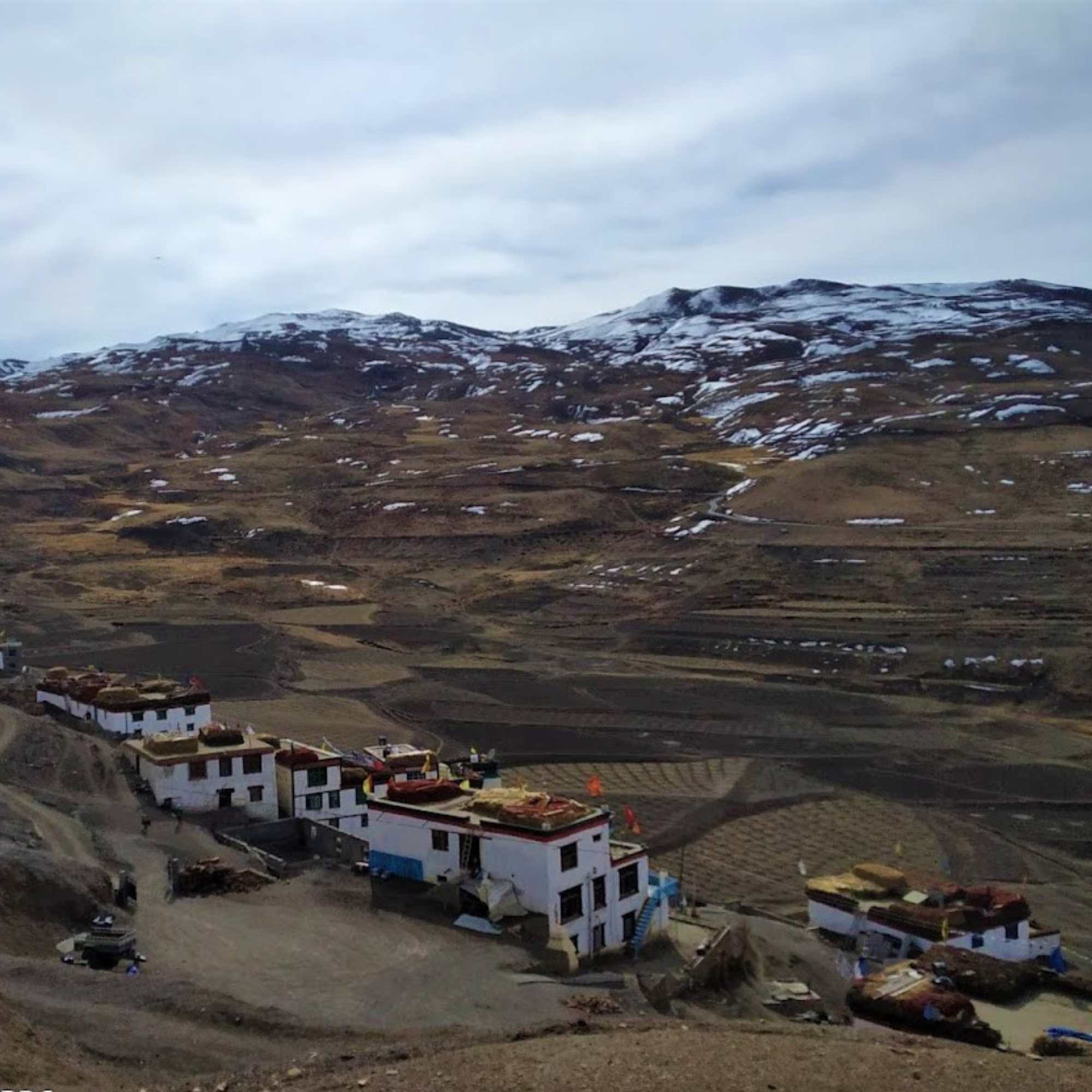
Planning Spiti Valley in October is a completely different job from planning it in June. The crowds thin out, the light turns sharp, and the valley starts quietly getting ready for winter.
October is also the month when trip plans fall apart, usually because someone assumed a pass would stay open.
We run trips through this valley all season, and the honest position is simple. October can be excellent, but it rewards people who can move their dates and punishes people who cannot.
This guide by Travel Coffee splits the month into three parts, explains both routes properly, and gives you a nine-day plan you can actually adjust on the ground.
Where a fact is not verified for 2026, we have marked it instead of guessing.
Quick Answer
Spiti Valley in October is worth doing if your dates can move. The first week usually offers the better chance of completing more of the journey.
Mid and late October turn colder and much less predictable, with shorter daylight, fewer working camps and a higher chance of a snow related road restriction.
The Shimla to Kinnaur approach is generally the safer planning choice. It climbs gradually and tends to stay workable later into the season.
Treat Kunzum Pass and Chandratal as conditional. Neither belongs in a locked itinerary without a same day road check.
Is October a Good Time to Visit Spiti Valley?
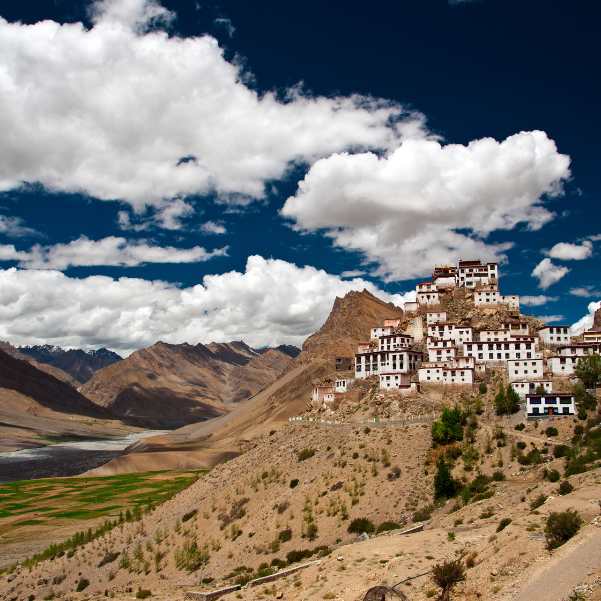
It depends far more on the traveller than on the month.
October suits people who have done a few Himalayan trips already and understand that a plan is a starting point, not a contract. It suits photographers, because the air is dry and the light is unusually clean.
It suits anyone who wants villages without queues, and anyone whose leave dates have a buffer in them.
It does not suit everyone. First time mountain drivers find the mix of narrow shaded bends, loose gravel and early ice genuinely difficult.
Travellers with non-changeable flights or trains struggle too, because the one thing October will not give you is a guaranteed exit date.
If you need predictable heating, reliable public transport or quick medical access, October is the wrong month to test any of it.
Our team plans a lot of these trips, and the pattern is consistent. The people who enjoy Spiti Valley in October are the ones who arrived expecting to adapt.
If you would rather someone else absorbed the rerouting, our Spiti Valley tour packages are built with fallback routes already planned in.
How Does Spiti Change During Early, Mid and Late October?
Early October
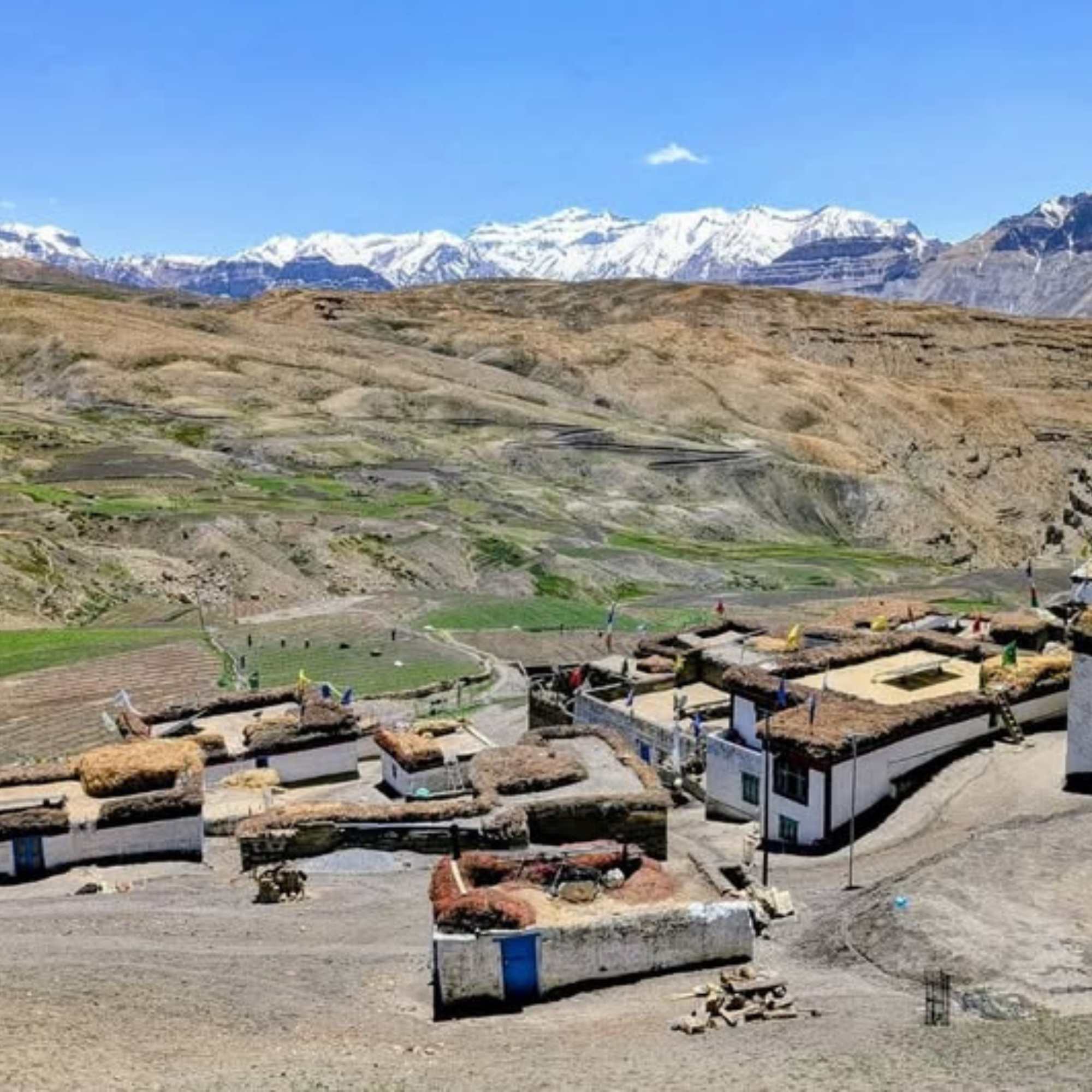
The first week is usually the comparatively better window. Days are still workable, most properties in the main settlements are still staffed, and there is a reasonable chance of completing a fuller loop.
That is a pattern, not a promise, and not a guaranteed 2026 access window.
Kunzum Pass and Chandratal still need live verification even in the first week.
Mid October
Nights get properly cold and it shows up in small things. Hot water gets slower, rooms stay cold longer, and the day shrinks at both ends.
Seasonal camp operations start winding down around this stretch, and the odds of returning the way you came, through Kinnaur, go up noticeably.
By mid month we plan most departures with a Shimla side return as the default rather than the backup.
Late October
This is where the risk becomes real rather than theoretical. Fresh snowfall, black ice, interrupted transport and fewer open properties are all in play.
The last season shows why. In late October 2025, fresh snowfall led to four wheel drive restrictions on part of the Koksar to Losar stretch. By November 2025, further snowfall blocked the Samdo to Kaza to Gramphu road completely.
Those are past events, not forecasts. They simply tell you what kind of month this is.
For late October our advice is direct. Plan an out and back trip through Kinnaur, and do not build your return around the Manali exit.
What Is the Weather Like in Spiti Valley in October?
Daytime conditions
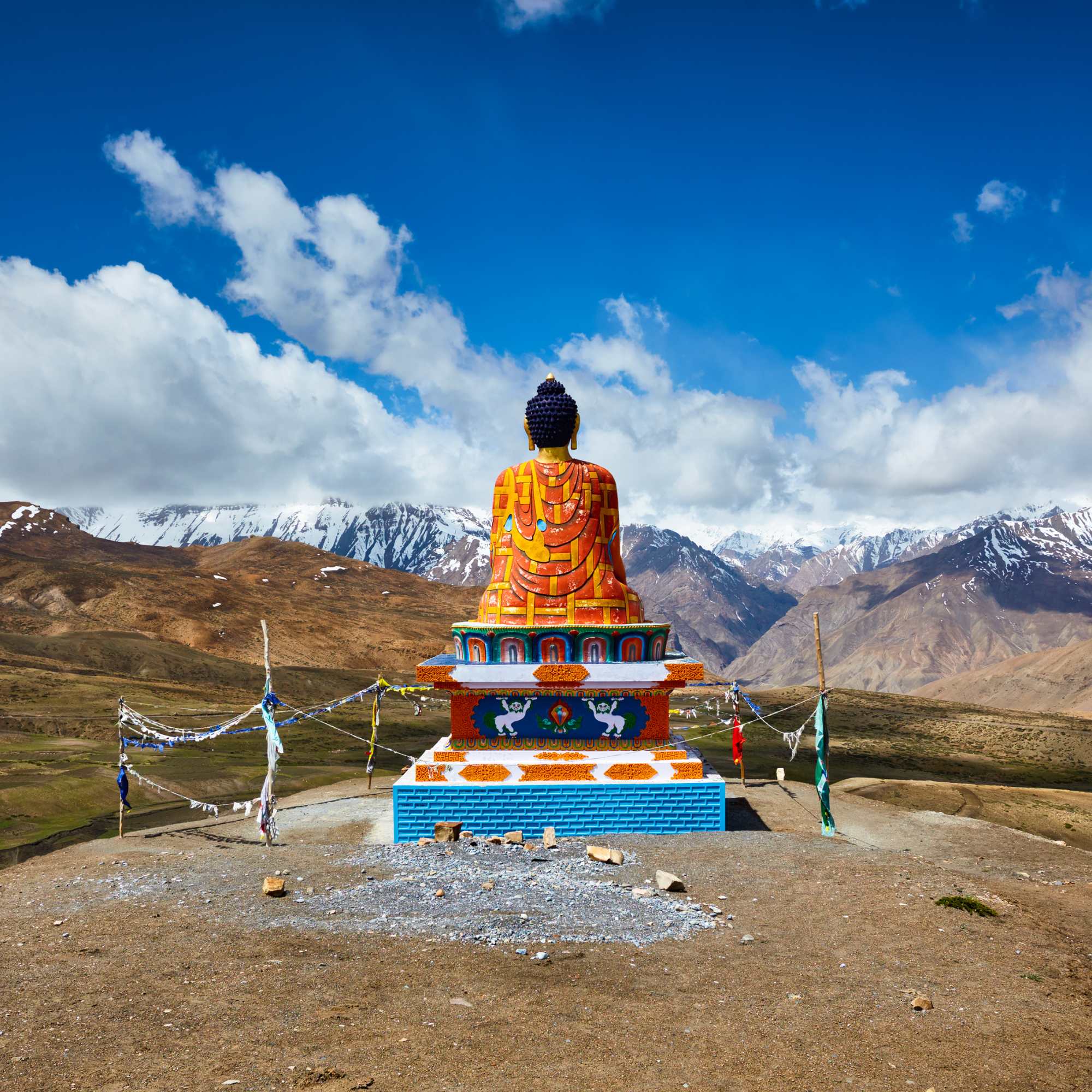
A sunny October afternoon can feel almost warm, and then you step into a shadow and it feels like a different month.
That gap is what people underestimate. The wind is cold even under a clear sky and it picks up through the afternoon.
Ultraviolet exposure is strong here and it does not soften because the temperature is low. People get burnt in October more often than they expect.
We are deliberately not publishing a single daytime average. Published October ranges for Spiti conflict with each other, and one figure would only give you false confidence.
Night conditions
Nights are the part to plan for. Below freezing temperatures are possible, and they become more likely after fresh snowfall.
That has practical effects. Water pipes can freeze, parked vehicles can be slow and stubborn in the morning, and an unheated room stays cold long after sunrise.
Ask about heating before you book. Do not assume it.
Does it snow in October?
Snowfall is possible but not guaranteed. Some Octobers pass with very little. Others do not.
Higher passes and the high villages are generally more exposed than central Kaza, which sits lower and slightly more sheltered than the settlements above it.
As a past example, Tabo recorded approximately minus 0.7°C during a late October 2025 cold spell. That is an observed historical reading, not a 2026 forecast, and it should not be read as what your dates will look like.
Which Route Should You Take to Spiti in October?
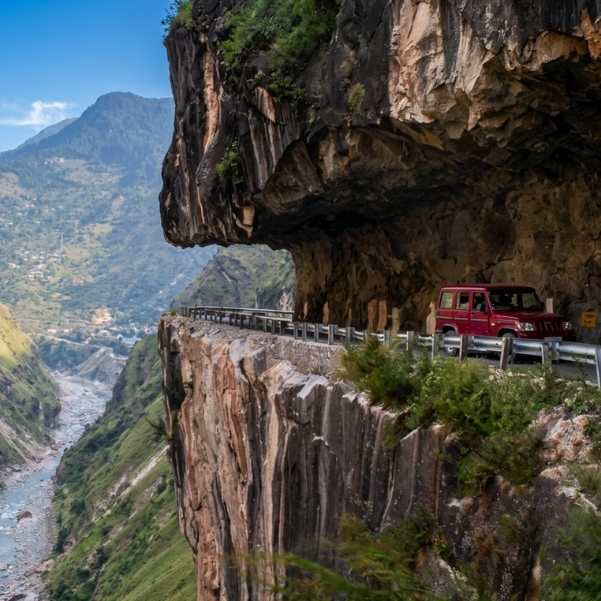
Shimla, Kinnaur and Kaza route
The longer route on paper and the more sensible one in practice.
It gains altitude gradually, which matters more than people realise. You sleep at progressively higher elevations instead of jumping to Spiti height on day one.
It also stays dependable later in the season, because it does not hang on a single high pass staying clear.
In our experience, the Shimla route gives October travellers more flexibility, and it is the side we plan most late season trips around.
To build the approach properly, our Kinnaur tour packages and Shimla tour packages cover the stops along the way.
Manali, Atal Tunnel, Kunzum and Kaza route
This is the fast route when it works.
The practical Manali to Kaza journey is approximately 180 to 200 kilometres and commonly takes around 8 to 12 hours in operating season conditions.
Those are planning estimates from the operating season, not guaranteed October travel times. October can add hours, or close the road outright.
The pinch point is Kunzum Pass, at approximately 4,551 metres or 14,931 feet. Its seasonal access can change after one spell of snowfall.
The Gramphu to Kaza to Sumdo road through Kunzum was reported reopened during the 2026 operating season. That tells you nothing about its October status.
As of 17 July 2026, no official October 2026 closing date had been established for Kunzum Pass, the Manali to Kaza road or Chandratal. An absent closing date is not an assurance of access.
If you are coming from this side, our Manali tour packages and Sissu tour packages cover the Lahaul stops before the pass.
How to check the road before leaving
Around 24 to 48 hours before you leave, check five things. The Lahaul and Spiti district road update, the weather forecast for your specific stops, your hotel or homestay, your driver, and a local operator who is actually running vehicles that week.
Then check all of it again on the morning you travel.
A webpage goes stale without anyone noticing. A route reported open on Tuesday can be restricted on Wednesday after an overnight fall, and the page may not have caught up.
Your driver and your homestay usually know before the internet does.
👉 Ready for Spiti this October? Chat with us for route advice, road updates and package details.
Is Chandratal Lake Open in October?
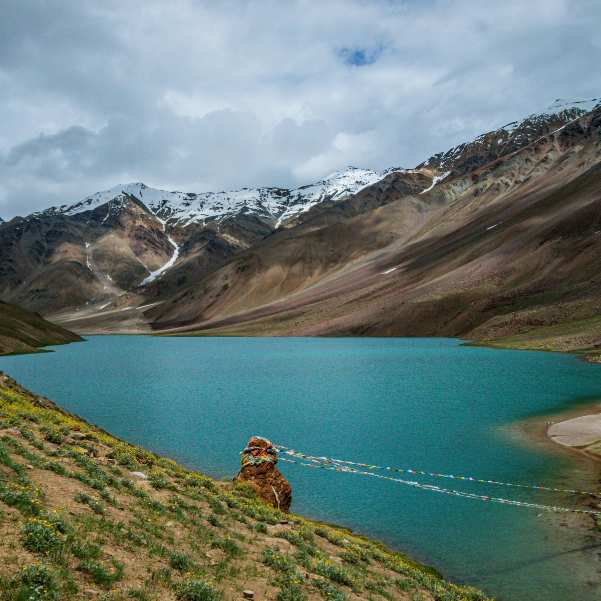
Road access and campsite operation are different
These are two separate facts and people constantly merge them.
The approach road can still be passable after the organised camps have stopped operating for the season. Passable road, closed camps, and you have a long day with nowhere to sleep.
The reverse matters too. A camp booking means nothing if the road is restricted that morning.
Check both. Separately. Every time.
When can travellers consider Chandratal?
Early October may offer a possibility. It is not more than that, and a same day road and camp check is mandatory before you commit a night to it.
As a planning pattern, chances generally fall away after approximately 10 October. That is a tendency drawn from past seasons, not an official fixed closing date, and none has been published for 2026.
For orientation, Kunzum Pass is approximately 21 kilometres from Chandratal, and the lake sits at approximately 4,300 metres or 14,100 feet. High enough that a cold night up there is a serious one, not a scenic one.
What is the fallback?
Skip it. That is the honest answer.
When the Manali side turns uncertain, stay in Losar or Kaza, spend the time on villages you can reach safely, and return through Kinnaur.
When we build an October trip, we treat Chandratal as a bonus rather than a fixture. A trip that collapses without it was planned wrong.
For live season status, we keep our Chandratal opening updates current through the year.
Best Places to Visit in Spiti During October
Kaza
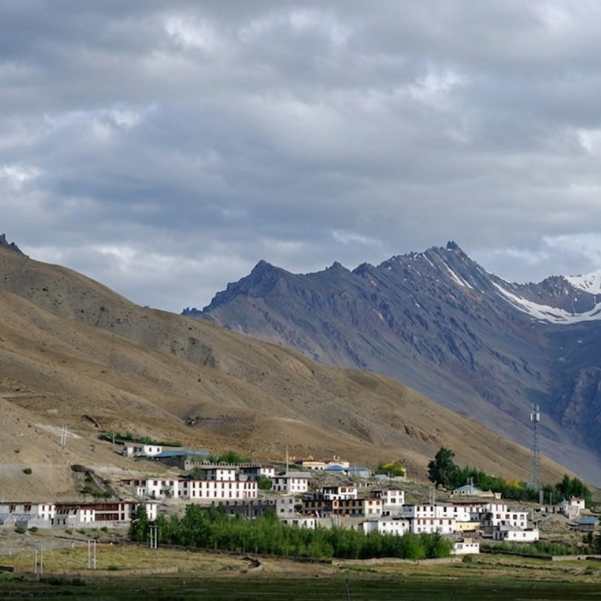
Kaza is where the trip actually gets organised. It is the practical base for accommodation, hot meals, fuel, a working phone signal on most days, and the daily road check that shapes everything else.
Treat Kaza as the hub and everything else as day trips from it.
Key Monastery, Kibber and Chicham
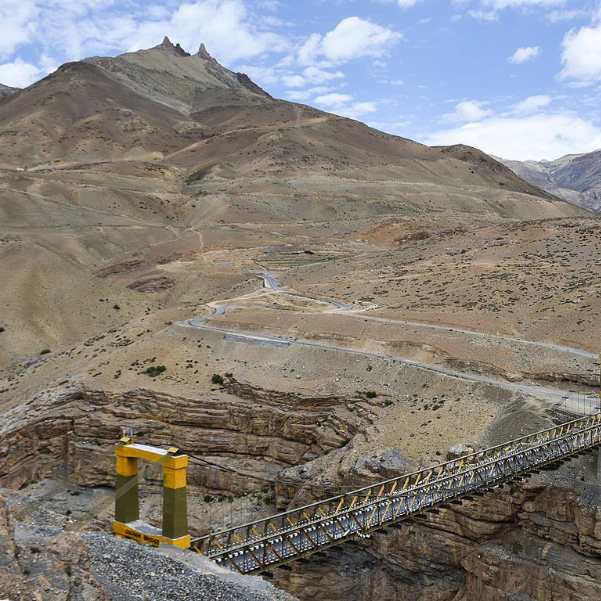
Key Monastery is approximately 12 kilometres by road from Kaza, which makes it an easy morning even on a cold day.
Kibber is approximately 16 kilometres from Kaza and sits at about 14,200 feet. In October the wind up there has an edge the photographs never show.
Chicham and its bridge are the usual continuation. The loop is short in distance and slow in practice.
Entry timings shift with the season and the monastery's own schedule, so ask in Kaza the night before rather than trusting a fixed time online.
Get back before dark. The temperature drops fast and the road does not get friendlier at night.
Langza, Hikkim and Komic
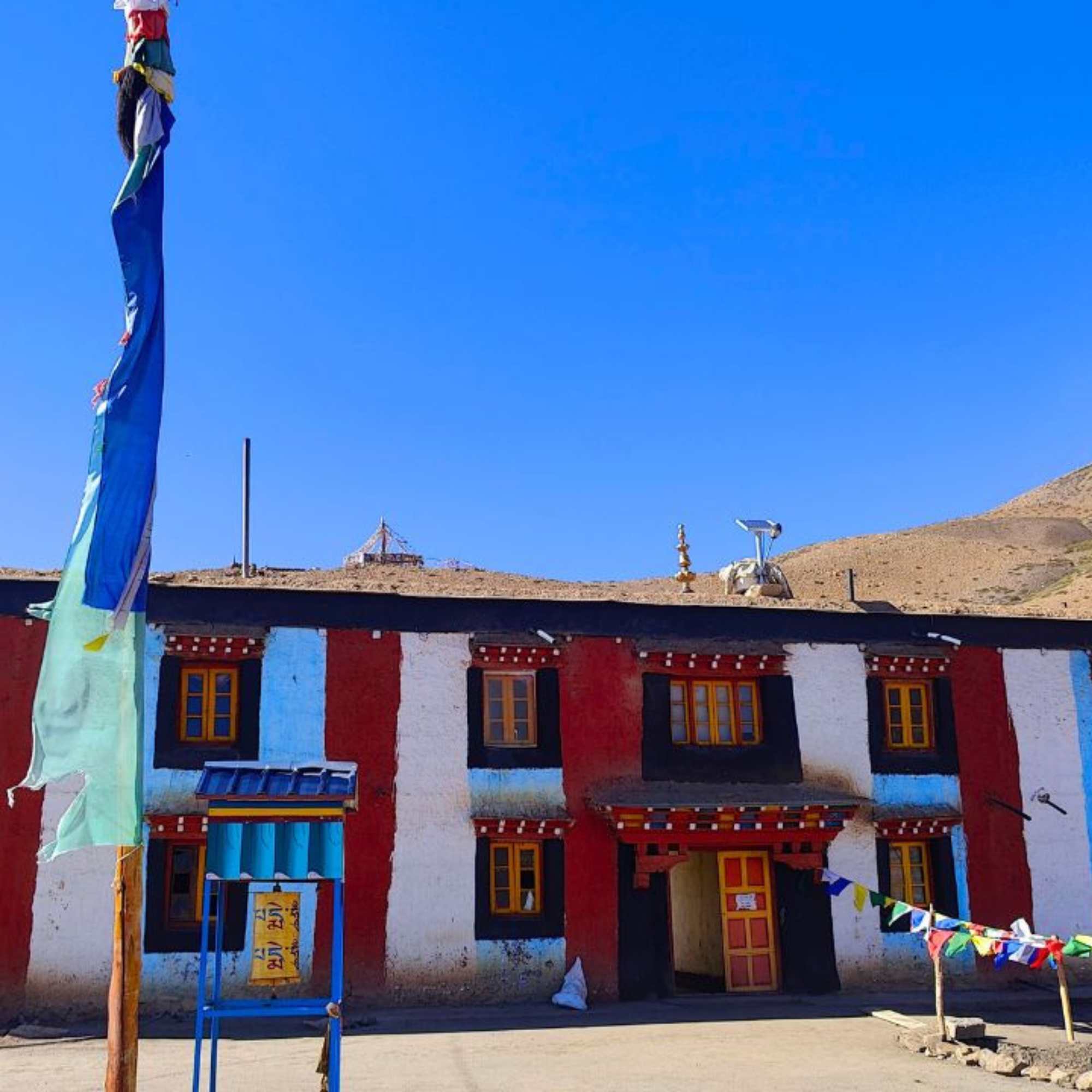
The high village circuit is commonly estimated at around 40 kilometres and three to four hours before you factor in long stops.
That estimate comes from operating season conditions. Actual October travel time must be checked locally, because one shaded icy stretch can add an hour to a short distance.
These roads are exposed, weather moves in quickly, and daylight is shorter than you think. Do it as a single unhurried day and be back in Kaza with light to spare.
Tabo and Dhankar
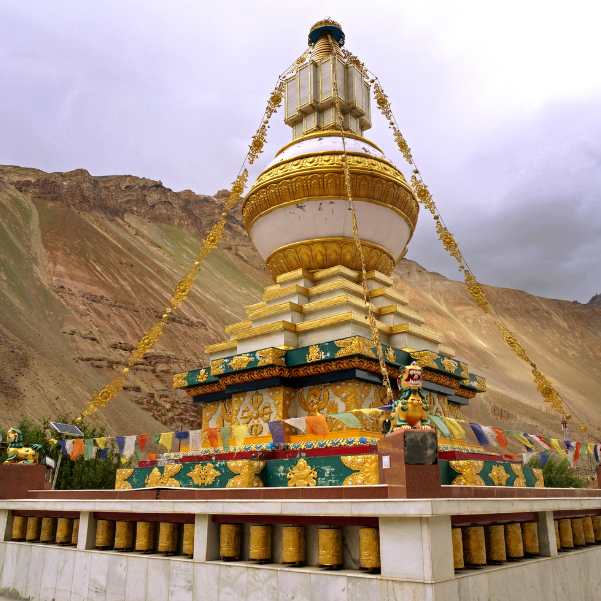
Tabo is approximately 46 kilometres from Kaza at around 10,004 feet, which makes it noticeably kinder overnight than Kaza itself.
The monastery complex at Tabo is described as having nine temples and 23 chortens. It rewards a slow visit rather than a photo stop.
Dhankar is approximately 32 kilometres downstream from Kaza at around 3,870 metres, on ground that is visibly eroding under it.
Both are usually reachable when the main valley road is clear, which makes them the reliable half of your sightseeing.
Pin Valley
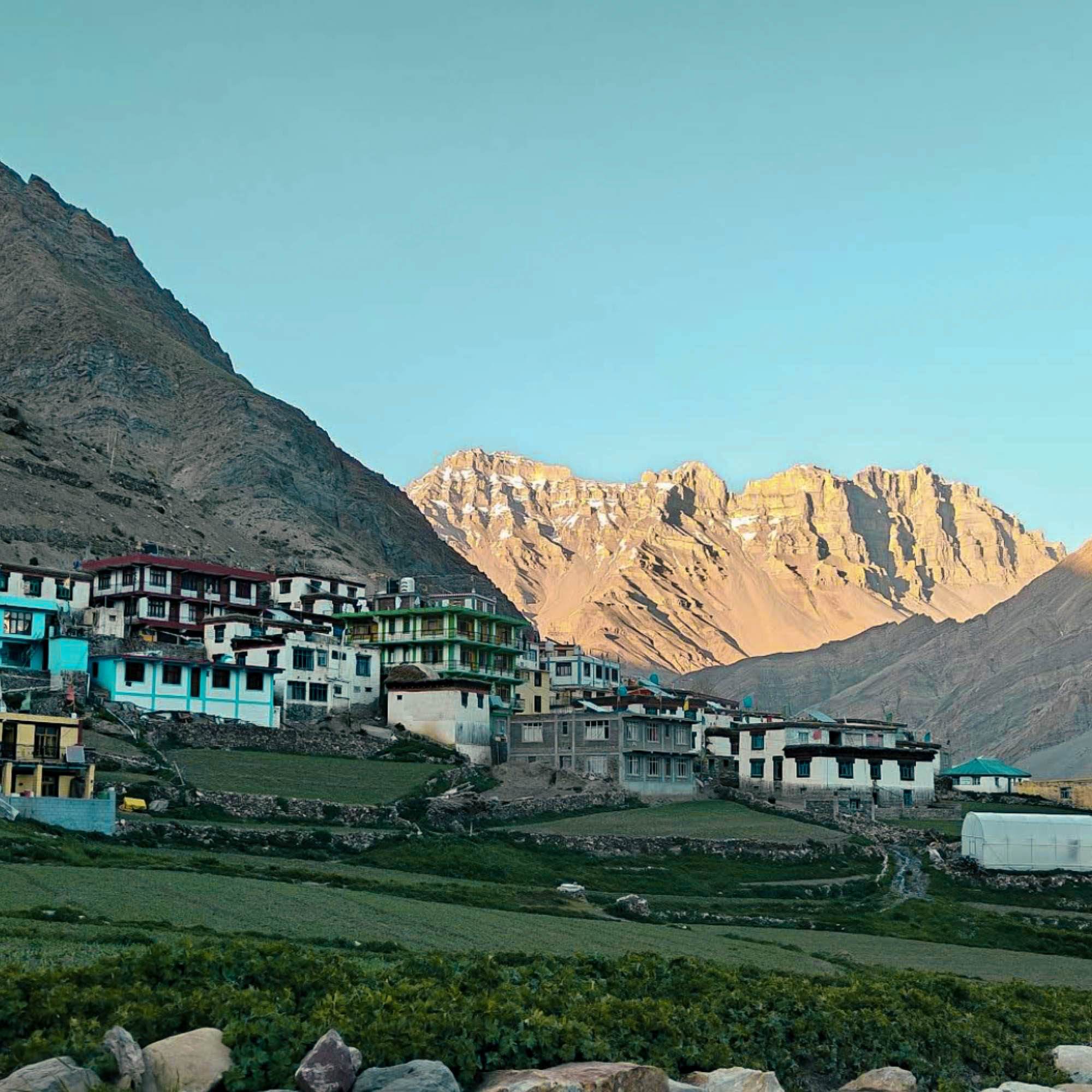
Pin is quieter than the rest and it gets colder earlier.
Road conditions here must be checked locally, particularly after snowfall and on shaded stretches that hold ice long after the sun is up. If the answer you get in Kaza is vague, treat that as a no.
Chandratal
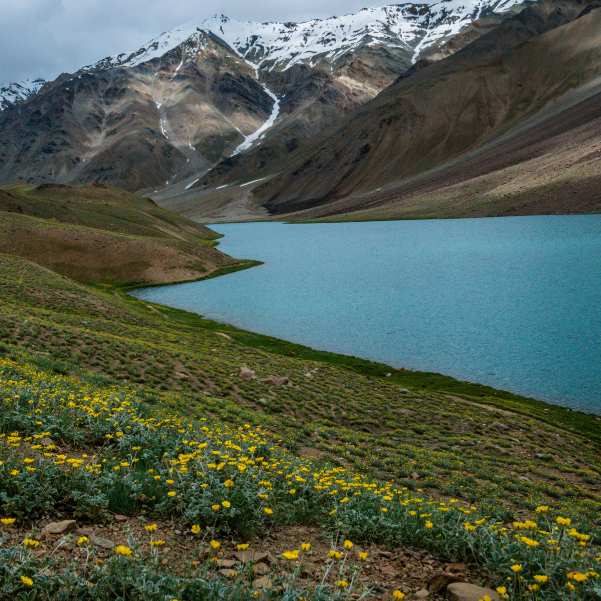
Include Chandratal only as a conditional early October option, and only after the road and the campsite have both been confirmed on the day.
Everything above this line survives a bad forecast. Chandratal does not.
Suggested 9-Day Spiti Valley October Itinerary
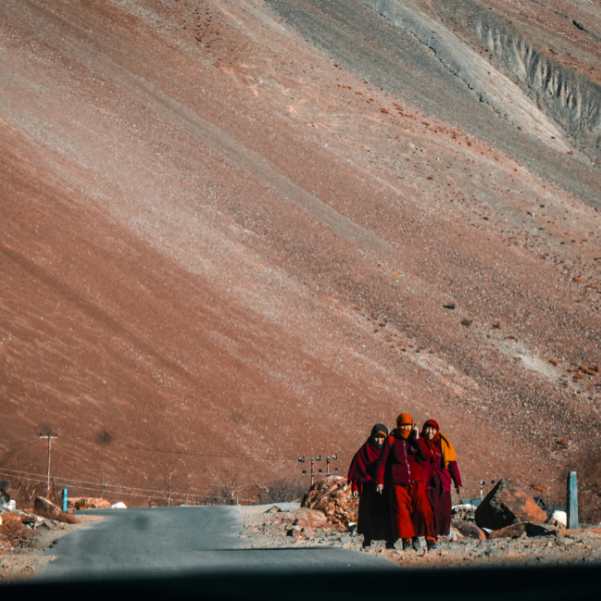
Built around the Shimla side, with the Manali exit treated as optional rather than assumed.
Day 1: Shimla or Narkanda
Start the climb gently. Shimla or Narkanda is a comfortable first night and it begins the altitude curve properly.
Resist the urge to compress this. The people who rush the first two days are the ones feeling unwell on day four.
Day 2: Kalpa
Kalpa is the transition into Kinnaur and a good place to spend a night.
It is also your first real information point. Ask locally what the road ahead has been doing this week.
Day 3: Kalpa to Nako or Tabo
Foreign travellers should verify protected area permit requirements for the planned route before this day. The notified protected village list includes Nako, Chango, Dhankar, Shichiling, Poh, Tabo, Lari, Samdo, Korik, Gue and Hurling.
Rules vary by route and by any border detour you may be considering, so confirm the current position rather than relying on a blog.
Day 4: Tabo, Dhankar and Pin Valley
Keep this day loose. Short daylight and local road checks will decide how much of it you actually complete.
If Pin is not advisable that morning, spend the time at Tabo and Dhankar instead. Nothing is lost.
Day 5: Reach Kaza
Arrive with the afternoon intact. This is your decision day.
Check the weather, the Kunzum status and the Chandratal status, then use what you learn to shape the second half of the trip.
Day 6: Langza, Hikkim and Komic
The high villages, at a pace that leaves room for stops. Head back to Kaza before evening temperatures fall.
Day 7: Key, Kibber and Chicham
A shorter day, and deliberately so. Do not stack too many high altitude stops into one afternoon just because the distances look small.
Day 8: Conditional Chandratal or return toward Kinnaur
Two clean alternatives, chosen on what days 5 and 7 told you.
The first applies in early October only. Move toward Losar, then Kunzum Pass and Chandratal, but only when the road, the weather and your accommodation have each been separately verified that morning. If any one of the three is soft, this alternative is off.
The second is the safer one and the one we default to. Turn back through Tabo, Nako and Kinnaur the way you came, on known roads with known places to sleep.
Choosing the second is not a failure. It is what most October trips should do.
The full circuit with the lake built in properly belongs to a different season. Our Summer Spiti circuit with Chandratal is the version of this trip that can actually promise Chandratal.
Day 9: Buffer day or onward travel
Keep this day empty on purpose.
If everything went smoothly, you travel onward and relax. If a road holds you up for a day, this is what protects your train, your flight and your Monday morning.
The buffer day is the cheapest insurance in Himalayan travel, and October is exactly when it earns its place.
👉 Not sure how many days you need? We'll help you create the perfect October itinerary.
Where Can You Stay in October?
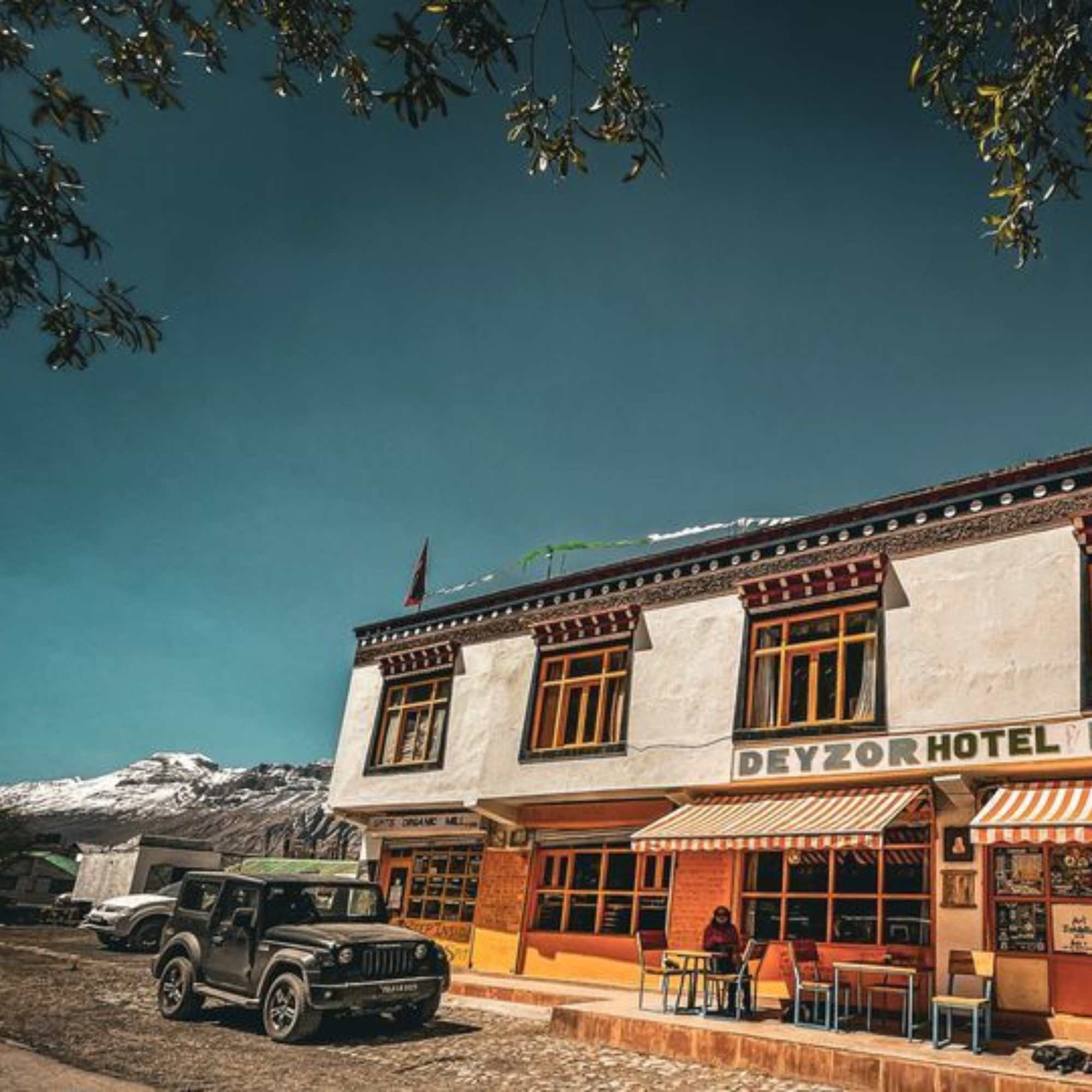
Kaza, Tabo and the larger settlements are far more likely to have staffed, operating accommodation in October than seasonal locations such as Chandratal.
The gap widens as the month goes on. A property open in the first week may be shut by the last.
Confirm the place is actually staffed on your dates. A listing that exists online is not the same as a room with someone in it.
When you call, ask specifically about heating, spare blankets, hot water timings, whether meals are being served, where you can park, and whether the water pipes have started freezing yet.
Room rates in October vary by property and by how much of the season is left, so we are not printing a 2026 figure here.
How Much Does a Spiti Trip Cost in October?
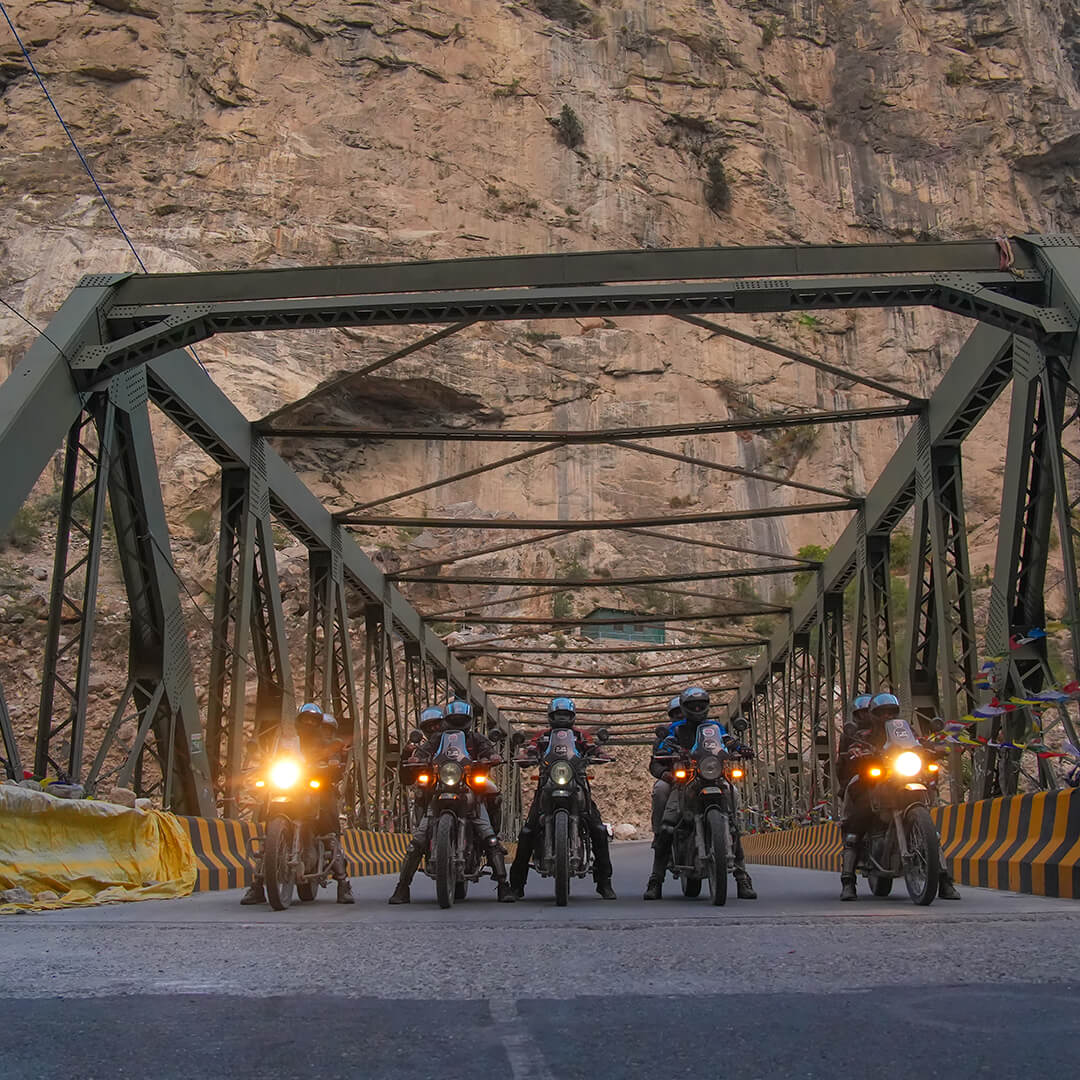
The categories are the same as any month. Private vehicle or shared transport, accommodation, meals, local sightseeing, fuel, and an emergency buffer you hope stays unspent.
The buffer is not optional in October. An extra unplanned night somewhere is a normal outcome, not a disaster.
Here is the part people get wrong. Fewer tourists does not automatically mean a cheaper trip.
When fewer drivers are working, fewer buses are running and fewer properties are open, the per person cost can rise rather than fall, especially for a small group.
Shared costs need people to share with, and October has fewer of them.
What Should You Pack for Spiti in October?

Think in layers rather than in one heavy coat.
A thermal base layer does more work than anything else you carry. Add a fleece over it, an insulated jacket above that, and a windproof shell on top for the days the wind decides to make a point.
Gloves matter more than people expect, and so does a warm cap that covers your ears. Woollen socks, and footwear with proper grip, because a frosted courtyard at six in the morning is slippier than any road.
Sunscreen and lip balm are not optional at this altitude, and sunglasses are protective rather than decorative.
Carry a reusable water bottle, your personal medicines, identification, a power bank with the right charging cables, offline maps downloaded before you lose signal, some snacks and enough cash.
Cash especially. ATMs in Spiti are few and they are not reliably stocked.
One habit worth copying from our side. Keep one jacket, your gloves and your water inside the cabin with you, not buried in the boot under everything else.
Is Spiti Safe in October?
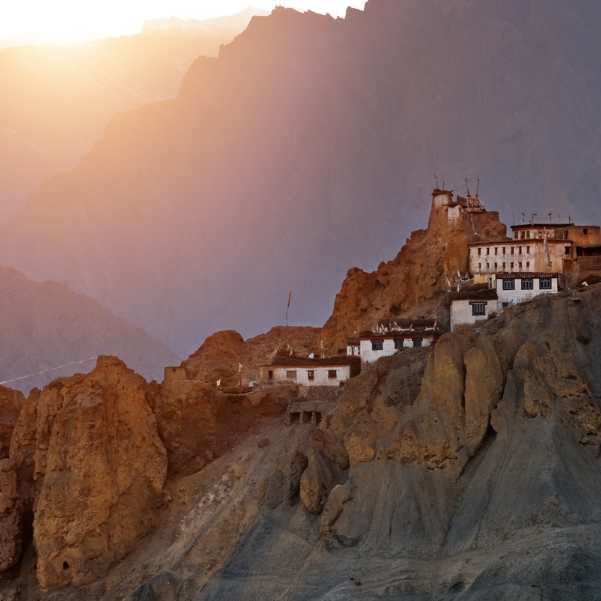
Safe, yes, with the same caveat as every high altitude month. Respect it and it is fine.
Altitude sickness
Symptoms usually show up as headache, nausea, loss of appetite, fatigue, dizziness or disturbed sleep.
Gradual ascent is the single best protection, which is another reason the Shimla side works better. Give your body the nights it needs at intermediate heights.
Do not push through worsening symptoms because the itinerary says so. If they get worse, seek medical help or descend when you are advised to.
We are not going to suggest medication here. That conversation belongs with your doctor before you leave.
If you are travelling alone, our guide on Spiti safety for solo female travellers covers the practical side in more detail.
Black ice
The dangerous ice is the ice you cannot see.
Shaded bends, bridge decks and early morning stretches hold it long after the open road has dried out. It looks like wet tarmac until it is not.
Do not rush the first hour of the day. Wait until visibility is clear and the road has had some sun on it.
Self drive car and bike safety
Check tyre condition and tread honestly, then brakes, battery and coolant. A cold morning exposes a weak battery immediately.
Ground clearance matters on the rougher stretches, and basic recovery equipment is worth carrying even if you never touch it.
Plan fuel by the tank, not by hope. Riders need genuinely warm gear, not just waterproof gear.
No vehicle type makes October safe. A four wheel drive on ice is still on ice, and a capable bike with a cold, tired rider is still a risk.
Travelling alone raises the stakes on all of it, because a small problem with nobody around becomes a large one quickly.
Emergency flexibility
Do not drive at night. There is no version of this trip where night driving is sensible.
Carry more food and water than the day needs, keep your phone charged, and hold at least one buffer day in reserve.
Flexibility is the real safety equipment in October.
Are Buses and Shared Taxis Available in October?
Usually yes, and unreliably so.
HRTC services and shared taxis in Spiti are seasonal. They can be cancelled, delayed or rerouted when the road is unsafe, and that call is made locally and quickly.
Check the live timetable, or better, the local counter at Shimla, Reckong Peo or Kaza on the day.
We are not printing an October 2026 departure time here, because publishing one that has since changed would be worse than publishing nothing.
If your whole plan depends on one bus running on one specific morning, add a fallback.
Advantages and Disadvantages of Visiting in October
The case for October is real. There are far fewer visitors, and the difference is obvious the moment you reach a village that would have been full in July.
The air is dry and the light is clean, which is why photographers keep coming back. Long views hold their detail in a way they do not through summer haze.
The villages feel local again. Conversations happen because people have time, and you are a guest rather than a queue.
Now the other side. Nights are cold in a way that affects sleep, plumbing and morale. Passes are uncertain and no amount of planning changes that.
Roads can be restricted at short notice. Camps are closing or already closed. Transport thins out and choice narrows.
And every booking you make should be one you can move without losing money.
Both halves are true at once. October is a good month with real costs attached, and the only question is whether those costs fit your trip.
Who Should Avoid an October Spiti Trip?
If you need a guaranteed itinerary, this is not your month. Not because Spiti is being difficult, but because October genuinely cannot make that promise.
Inexperienced solo riders should think hard about it. First time high altitude riding, cold, ice and no company is a lot at once.
Anyone with a tight onward connection should add days or pick another month. A single road restriction can cost you a flight.
And if your medical professional has advised you against rapid travel to high altitude, please take that seriously and talk it through with them rather than with a travel blog. That is a conversation with your own history in the room, and no article can have it for you.
Final 48-Hour Checklist
Two days out, sit down and go through this once properly rather than trusting memory.
Confirm the Lahaul and Spiti district road update, then confirm the weather for your specific stops rather than for Himachal generally. Kaza, Tabo and a high pass can be having three different days.
Confirm your accommodation is staffed and expecting you, your driver has the current road picture, and your fuel plan works for the route you are actually taking rather than the one you drew.
Confirm the buffer day is still intact, and know your fallback route before you need it.
Verify Chandratal road access and campsite operation as two separate questions, because they have two separate answers.
And hold on to this one. No October itinerary should depend on Kunzum Pass remaining open. If your plan breaks when the pass closes, the plan needs fixing, not the pass.
Final Word: Which Part of October Should You Choose?
Here is how we would decide it.
If you want the fullest version of Spiti Valley in October, go in the first week, plan through Shimla and Kinnaur, and treat Kunzum and Chandratal as things you might get rather than things you have booked.
If your dates fall later in the month, go anyway, but go as an out and back through Kinnaur, with warmer expectations and a buffer day you refuse to spend.
And if you need the lake, a locked itinerary and a guaranteed exit date, October is not your month. Come in the summer season instead and do the whole loop properly.
October hands you the valley almost to yourself. It just asks you to stop pretending you are in charge of the weather.
👉 Get expert route advice, live road updates and a personalised itinerary in one chat.
Explore Our Curated Spiti Valley Tour Packages
 Group Tour10D/9N
Spiti Ladarcha Festival Group Tour With Chandratal
1D Sangla•1D Kalpa+3
₹19,999₹25,999SAVE INR 6,000/ person
Related topics
Frequently Asked Questions
Is October a good time to visit Spiti Valley?
Yes, if you can adapt. October gives you quiet villages, clean light and a local feel that summer does not offer. The trade off is cold nights, uncertain passes and thinner transport. The first week is the more workable window and the last week demands real flexibility. If your dates can move and your bookings are changeable, October is one of the better months here.
Is Spiti Valley open in October?
Spiti itself does not close. The Shimla to Kinnaur to Kaza route generally stays the more dependable way in, and Kaza, Tabo and the main villages keep functioning. What changes is access to specific parts of the circuit, because Kunzum Pass, the Manali side and Chandratal can each be restricted at short notice. The valley is open in the broad sense. The loop you had in mind may not be.
How cold is Spiti Valley in October?
Cold enough to plan for. Published October ranges conflict with each other, so we will not print one average as fact. Sunny spells feel pleasant and shade feels bitter within the same minute. Nights are the real story, and below freezing nights are possible, particularly after fresh snowfall. As a past example, Tabo recorded approximately minus 0.7°C during a late October 2025 cold spell. That was an observed reading, not a 2026 forecast.
Does it snow in Kaza in October?
It can, but it is not guaranteed. Some Octobers pass with very little snow in Kaza and others see it early. Kaza sits lower than the villages above it, so higher passes and settlements like Kibber, Komic and Langza are more exposed than the town. The practical point is that snow in Kaza matters less than snow on the passes. What falls above you decides your route.
Is the Manali to Kaza road open in October?
Sometimes, and it cannot be promised in advance. The Gramphu to Kaza to Sumdo road through Kunzum was reported reopened during the 2026 operating season, but that says nothing about October. As of 17 July 2026, no official October 2026 closing date had been established. The practical journey is approximately 180 to 200 kilometres and commonly needs 8 to 12 hours in operating season conditions. Check it on the day, every day.
Is Kunzum Pass open in October?
Possibly in the first week, and increasingly undependable after that. Kunzum sits at approximately 4,551 metres or 14,931 feet, and access across it can change after a single spell of snowfall. No official October 2026 closing date had been established as of 17 July 2026, but an absent closing date is not an assurance. Build the trip so it still works if Kunzum closes, and treat any crossing as a bonus.
Is Chandratal Lake open in October?
Early October may offer a possibility, subject to a same day road and camp check. As a planning pattern, chances generally fall away after approximately 10 October, though that is a tendency from past seasons rather than an official closing date. Chandratal sits at approximately 4,300 metres or 14,100 feet, roughly 21 kilometres from Kunzum Pass. Never assume it. Verify road access and campsite operation separately, and keep a fallback ready.
Are Chandratal camps open in October?
Often not, and less likely as the month progresses. Organised camps are seasonal operations and they wind down before the road necessarily does. That matters, because an open road with closed camps still leaves you with nowhere to sleep at 14,100 feet. We will not publish an exact camp closing date for 2026, because that date moves with the weather. Confirm directly with the operator for your dates.
Which route is safer in October, Shimla or Manali?
The Shimla to Kinnaur route, for two reasons. It gains altitude gradually, which reduces altitude sickness risk, and it does not hang on one high pass staying clear. In our experience, the Shimla route gives October travellers more flexibility, and it becomes the clearly better choice as the month goes on. The Manali side is faster when it works. The question is whether you can afford the day it does not.
How many days are needed for Spiti in October?
Nine is comfortable, buffer day included, if you are going in through Shimla and Kinnaur. Anything under seven starts forcing the pace on the ascent, which is exactly where October punishes you. If you can only spare a week, shorten the sightseeing rather than the approach. Keep the buffer whatever you do, because an unplanned extra night somewhere is a normal October outcome rather than bad luck.
Are hotels and homestays open in October?
Many are, particularly in Kaza, Tabo and the larger settlements, and fewer are open by the end of the month than at the start. Seasonal locations such as Chandratal are a different matter. Do not rely on an online listing. Call and confirm the property is staffed on your dates, then ask about heating, blankets, hot water, meals, parking and whether the pipes have started freezing.
Can beginners visit Spiti by bike or self drive car in October?
It is possible, and we would not recommend it as a first Himalayan trip. Cold, black ice on shaded bends, long gaps between fuel stops and thin help on the road make a demanding first outing. If you are set on it, go in the first week, travel with at least one other vehicle, never ride at night, and keep a buffer day.
More about Lahaul and Spiti
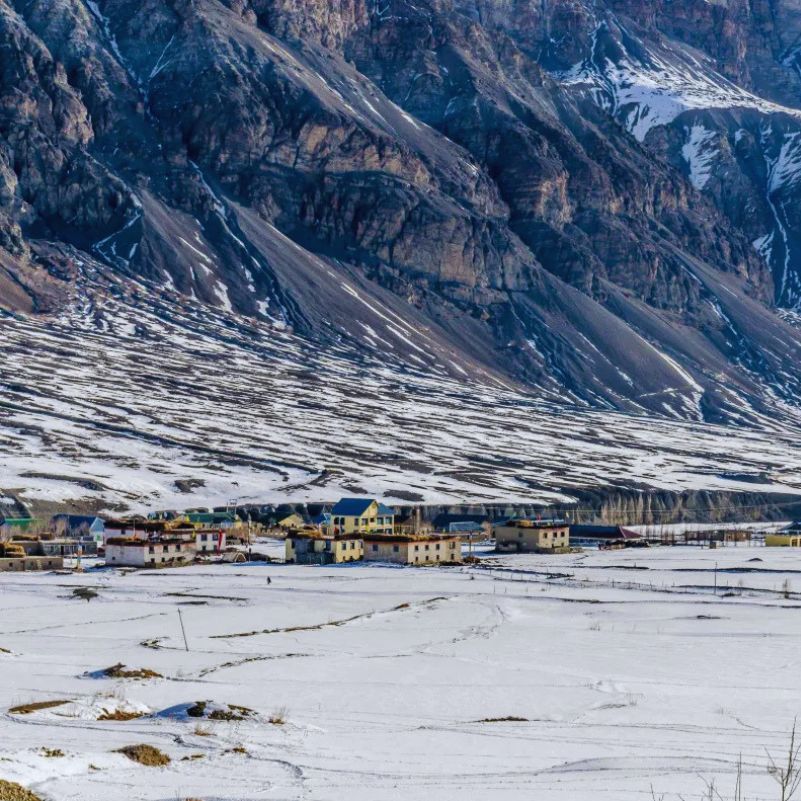 Lahaul and Spiti
Spiti Valley in January 2027: Who Should Book a 4x4 Trip and Who Should Wait?
Planning a Spiti Valley trip in January 2027? Discover whether to book a 4x4 winter expedition or wait for better conditions. Explore January weather, road accessibility, safety risks, travel costs, and who should consider postponing their Winter Spiti adventure.
 Lahaul and Spiti
Winter Spiti 4x4 vs Tempo Traveller: What Does the Price Difference Buy in 2026?
Is a Winter Spiti 4x4 trip worth the extra cost compared to a Tempo Traveller? Compare package prices, comfort, snow and ice handling, road conditions, and safety considerations to understand what you're actually paying for and which vehicle suits your Winter Spiti adventure in 2026-27.
 Lahaul and Spiti
Rent or Buy Winter Gear for Spiti in 2026? Jackets, Boots, Costs and Pickup Options
Planning a Winter Spiti trip in 2026? Compare the cost of renting vs buying jackets, snow boots, thermals and other essential winter gear, along with practical tips on what to rent, what to buy and where to arrange it before your trip.
- First-Time Travellers
- Snow Travel