
Sissu Valley in March 2026: Snow, Road Status and the Complete Day Trip Guide from Manali
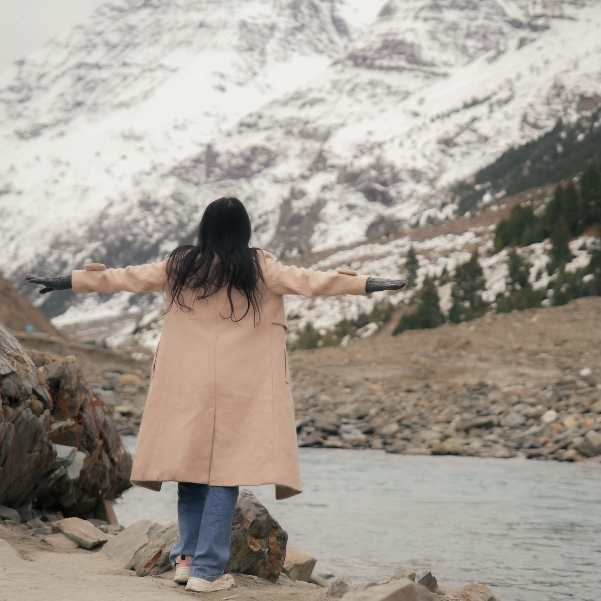
Sissu Valley in March is one of those trips that genuinely surprises people. You expect a cold, quiet drive through a tunnel. What you actually get is one of the most beautiful winter landscapes in the entire Himalayas, with almost no one else around.
The peaks are completely white. The air is sharp and clean. And because summer is still months away, you get all of it mostly to yourself.
This guide is for anyone planning to visit Sissu from Manali in March. It covers what the roads are actually like, what the snow situation looks like week by week, what is worth doing when you get there, and how to plan your day so nothing catches you off guard.
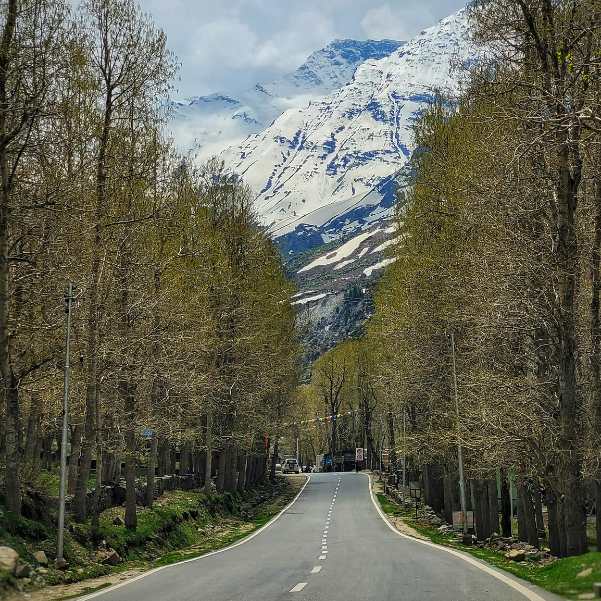
Short answer: yes, absolutely.
You get proper snow views, a scenic drive through Atal Tunnel, and a valley that feels untouched in a way that simply does not exist in peak season. It is one of those places that rewards you for showing up when everyone else stayed home.
The one thing to know going in is that early March can sometimes have local access restrictions in certain years. Roads can also get regulated briefly after heavy snowfall. Neither of these things should put you off but both of them are worth knowing before you make your booking.
👉 WhatsApp Travel Coffee to check today's Manali to Sissu road status
Where Exactly Is Sissu and Why Does It Still Feel Like Deep Winter?
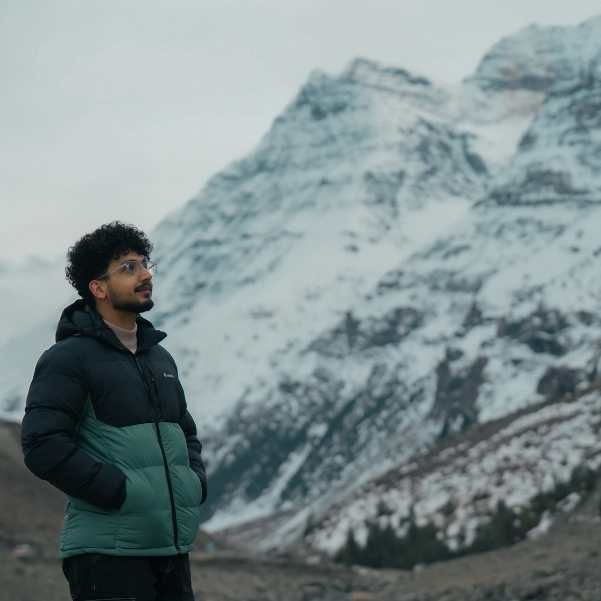
Sissu is a small town in Lahaul Valley sitting at around 3,120 metres above sea level. That elevation is the whole reason March still bites the way it does.
The sun is out and the days are longer than they were in January. But the moment you step into the shade or the wind picks up, you remember exactly where you are. It is mountain cold, not city cold. The jacket you bring needs to take this seriously.
The good news is that Sissu is roughly 35 to 40 km from Manali via Atal Tunnel, depending on the exact start point you use. The drive usually takes around 1 to 1.5 hours in total, and the tunnel itself is around 15 to 20 minutes of that. It is genuinely one of the easiest mountain day trips you can do from Manali in any season, let alone winter.
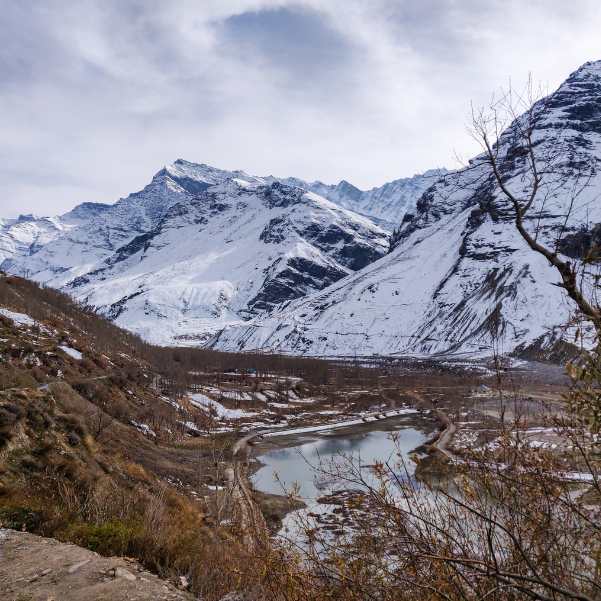
For a lot of people, yes. Late March especially is hard to argue with.
You still get the dramatic snow-covered peaks that make Sissu worth going to in the first place.
But the daytime temperatures have usually climbed out of the truly punishing range and the tourist rush that hits from May onwards has not started yet. It is the sweet spot between too harsh and too crowded.
Early March is a different experience entirely. The valley is colder, snowfall is heavier, and you need to be more ready to adapt your plans. But if you want Sissu at its most raw and untouched, that is the window that delivers it.
What About Local Closures? Is Sissu Actually Open in March?
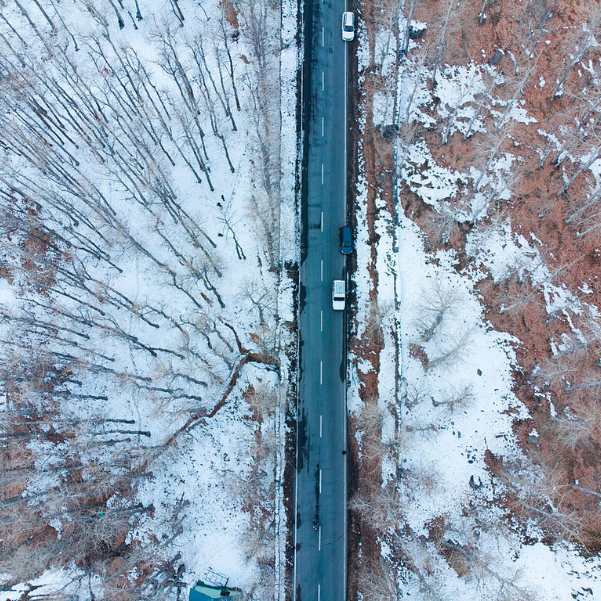
This is the part that most travel blogs skip and it is genuinely important to know.
Most of March, Sissu is open and accessible. In 2026, tourism restrictions linked to local Halda observances were in place until 28 February, and tourism activity resumed from 1 March. That does not mean Sissu is risky to plan around.
It just means that if your trip falls in the first week of March, call your hotel or homestay directly before you travel. A five-minute phone call can save you a wasted four-hour drive.
👉 WhatsApp Travel Coffee to book a Sissu day trip with same morning road updates
Is Atal Tunnel Open in March?
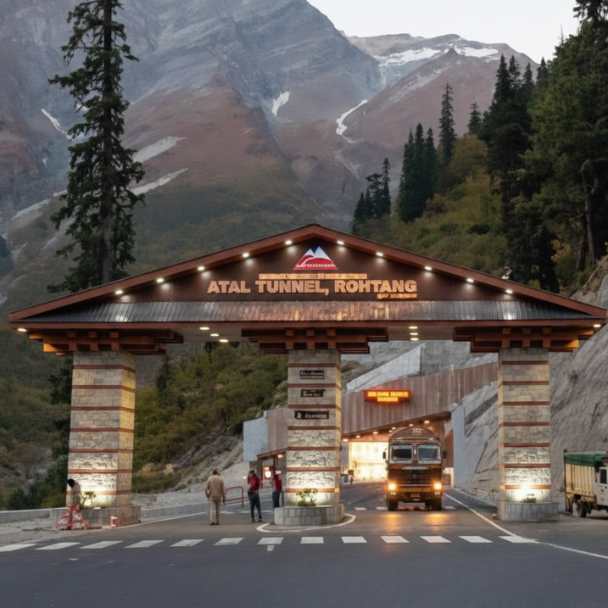
Yes, and this is the reason March travel to Sissu is even possible.
Before the tunnel existed, Lahaul Valley was cut off from the rest of Himachal for roughly six months every winter. Atal Tunnel changed that entirely and now allows access to Lahaul through most of the year, with the north portal sitting near Sissu.
That said, year-round access does not mean zero disruptions ever. If there is heavy snowfall, avalanche activity, black ice, or slippery conditions on the approach roads, traffic can be regulated for a few hours and vehicle movement can sometimes be restricted.
It is usually not a multi-day shutdown situation, but more of a brief pause while conditions are assessed. Build a little buffer into your day and you will be absolutely fine.
What Does Sissu Look Like in March? Here Is the Week by Week Reality
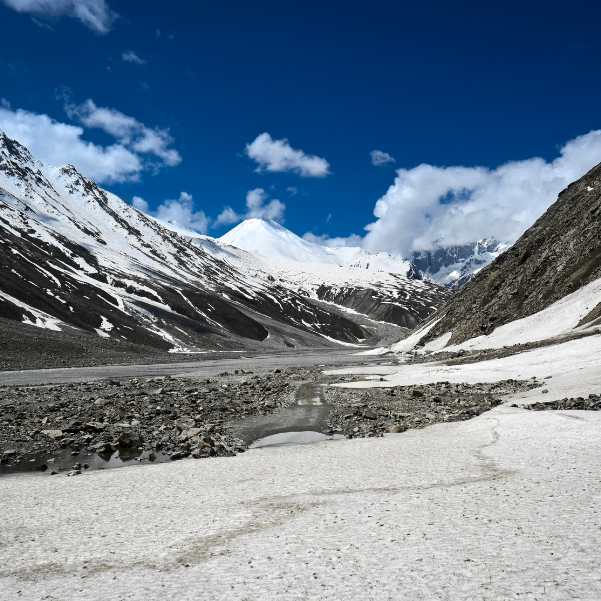
The month is not one uniform experience. Where you land in March makes a real difference to what you find when you get there.
In the first week, you are in the deepest part of what still feels like winter. Days stay very cold, nights regularly fall below zero, and fresh snowfall is a real possibility.
The roads carry genuine black ice risk before 9 AM and after 4 PM. The scenery is extraordinary but you need to respect what the conditions are asking of you.
The second week starts to ease. Daytime conditions usually feel more manageable, and the road risk can drop noticeably if there has not been fresh snowfall. This is when Sissu starts feeling properly accessible without any sense of pushing your luck.
By the third week you are in what most travellers would call the sweet spot. Days feel easier, the snow on the surrounding peaks is still completely spectacular, and ground-level snow can still linger around the lake and the main viewpoints depending on the weather pattern that year.
The final week of March is usually the most comfortable part of the month. Nights are still cold, but the driving conditions are often the most forgiving they will be all month. The mountains are still covered in snow. The valley has a beautiful soft quality that is unique to late winter.
Will Sissu Lake Still Be Frozen in March?
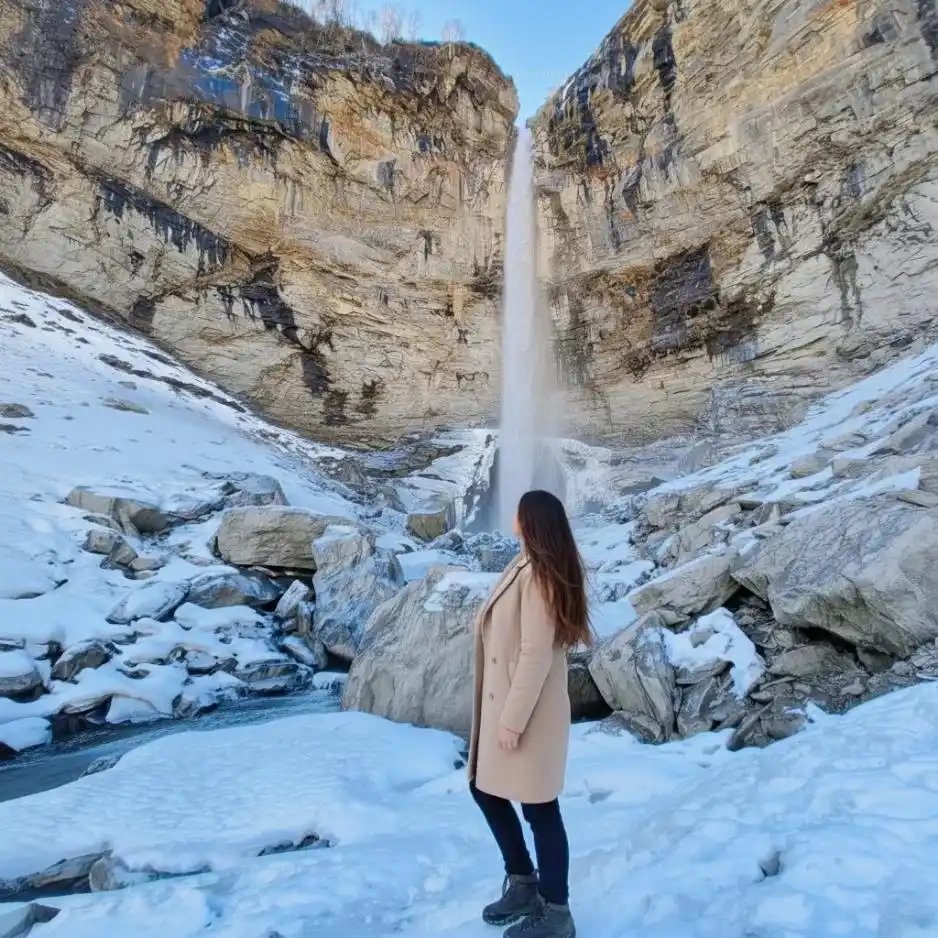
It might be fully frozen, partly frozen, or already starting to thaw depending on recent snowfall and temperature.
In January, when temperatures can crash dramatically, the lake can freeze over. By March, conditions are more variable.
What you often get instead is still dark water with snow-capped mountains reflected perfectly in it, in some of the clearest mountain light you will ever stand in.
Honestly, the lake in March might be more photogenic than it is when frozen. Every shot looks effortless. That is not luck. That is just what a high-altitude lake looks like in winter when nobody else has disturbed it yet.
What Should You Actually Do in Sissu in March?
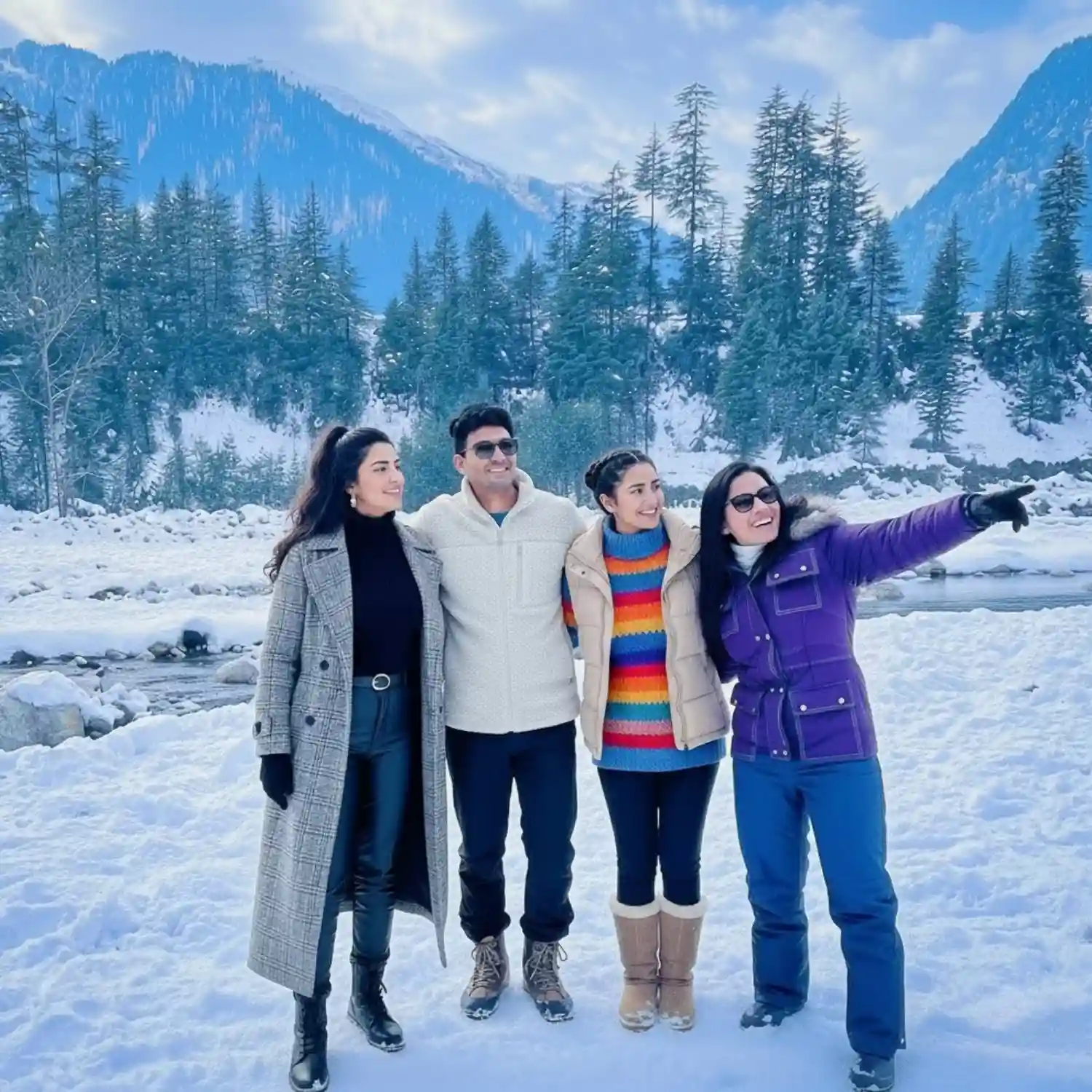
None of these require any special fitness or permits. These are the experiences that people come for and all of them work in March.
Sissu Lake and the Waterfall Viewpoint
These two are within easy walking distance of each other and you will cover both in the same stop. The lake is stunning on its own. Add a partially frozen waterfall draped in snow in the background and you have one of the best winter photography spots in the Manali region.
Get there mid-morning if you can. The light before noon is genuinely magical and much better than the flat afternoon haze that can set in later.
Tea at Cafe Atal
This sounds like a small thing but do not skip it. Cafe Atal in Sissu appears on official one-day sightseeing itineraries for a reason.
A cup of hot chai with mountain views visible through the window is one of those simple travel moments that somehow stays with you longer than the dramatic viewpoints do.
In March especially it gives your body a chance to warm back up before the drive home.
Riverside Walks Along the Chandra River
Sissu sits on the right bank of the Chandra River and the light here in late afternoon is something photographers specifically come for.
The winter river against the snow-covered mountains in cold, clear air is the kind of scene that does not translate well to Instagram but absolutely stays with you in person.
The Raja Ghepan Temple Area
Gyephang, also known as Raja Ghepan, is the presiding deity of the Lahaul region. Stopping here adds something real to your visit beyond just snow pictures and tunnel photos.
The culture around this deity is deep and old and worth a few quiet minutes even if you just look around.
It is also a reminder that this valley has been someone's home for centuries. Long before a tunnel made it a day trip destination.
Pushing Further Towards Keylong
If the road beyond Sissu feels comfortable and the day is going well, push a little further into the valley. Even 10 or 15 km more gives you views that the vast majority of day-trippers from Manali never get to see.
Do not force it if conditions feel uncertain. But if the day is clear and you have time, the landscape only gets more dramatic the further you go.
The Best Day Itinerary: Manali to Atal Tunnel to Sissu and Back
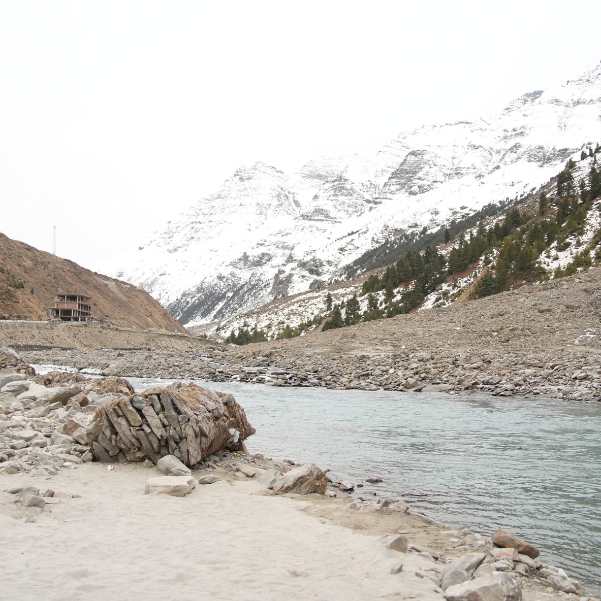
This is built specifically for March conditions. Early, unhurried, and with enough time to actually enjoy what you came for.
Step 1. Leave Manali by 8:00 AM. This is not optional in March. The early start gets you through the tunnel before traffic, gives you the best morning light at the lake, and makes sure you have enough day left for a comfortable return.
Step 2. Brief stop at Solang Valley only if roads are clear. If conditions look uncertain or you are running behind, skip this entirely. Solang is not the reason you came today.
Step 3. Drive through Atal Tunnel. The tunnel is an experience on its own. When you come out on the Lahaul side, stop for a moment if you can. The view of the valley opening up in front of you on a clear March morning is the kind of thing that makes you understand why people make this trip.
Step 4. Sissu Lake and the Waterfall Viewpoint. This is your main stop. Spend proper time here. Do not rush it for the sake of ticking it off. Walk around, photograph it, actually be present in it.
Step 5. Tea at Cafe Atal. Rest here. Let the morning settle. This is a natural midpoint before you start thinking about heading back.
Step 6. Optional: continue towards Keylong. Only if the day and the road feel right. If they do, go. If they do not, do not.
Step 7. Start heading back to Manali by 4:30 PM at the latest. This is not flexible. Temperature at this altitude drops sharply after sunset and you want to be on the Manali side of the tunnel well before dark.
Should You Stay Overnight in Sissu in March?
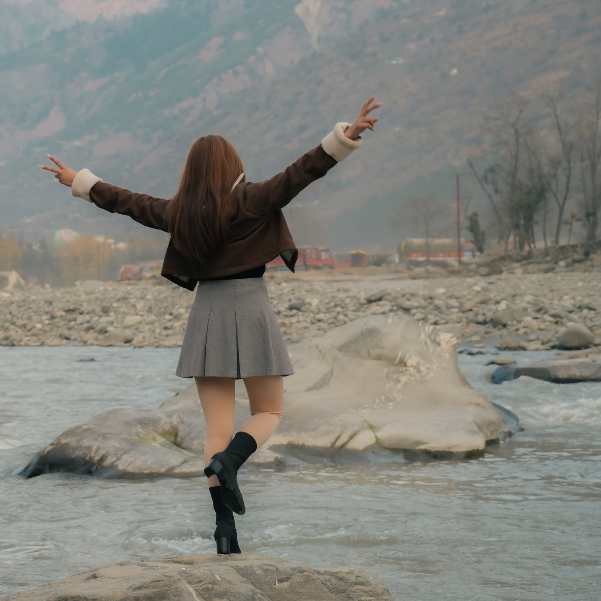
If you are travelling in early March or you just want a low-risk, no-surprises plan, do the day trip. It gives you a clean experience without having to worry about accommodation access or being stranded if conditions shift.
If you are going in mid to late March and your stay is confirmed open, seriously consider spending the night.
The valley at dawn with cold air and the first light hitting the peaks is not something a day trip gives you. Neither are the night skies at 3,000 metres in March, which are genuinely extraordinary.
One thing to flag: hotels and homestays in the area can be affected by local restrictions around the late-February period in some years. Always call ahead and confirm, especially if you are travelling around the turn of February to early March.
What to Pack for Sissu in March

This is not a packing list to skim. What you bring genuinely makes or breaks this trip.
A serious warm jacket with a thermal layer underneath is not optional. Gloves and a woollen cap will prove their worth at every single viewpoint you stop at.
Sunglasses matter more than people expect because snow glare at altitude gives you a splitting headache faster than you would believe.
Carry water and some snacks because not every stop in Sissu has reliably open shops in March. If you are self-driving, check your tyre condition in Manali before you leave.
Black ice on the approach roads is most dangerous in the early morning and after 4 PM, and peace of mind before the drive is worth far more than anxiety on the road.
A Note on Responsible Travel
The tourist rush after Atal Tunnel opened has put real pressure on the eco-sensitive areas around Sissu and the roads leading to it. State pollution control reports have flagged this. Major news outlets have covered it.
Carry your waste out with you. Do not leave anything at viewpoints. The landscape you specifically drove hours to see is the same landscape that careless tourism erodes slowly over time.
These are not abstract environmental talking points. This is someone's home and someone's valley. Treat it that way.
Final Thought
March is genuinely one of the best times to see Sissu Valley. The snow is there, the crowds are not, and the whole valley feels like it belongs to whoever was willing to show up in the cold.
Check your access before early March travel. Call ahead on accommodation. Dress properly. Leave early and come back before dark.
Do those things and this will be one of the best trips you take all year.
Related topics
Frequently Asked Questions
Is Sissu Valley open in March?
For most of March, yes. In 2026, tourism activity resumed from 1 March after late-winter local restrictions ended on 28 February, but it is still wise to confirm locally before travelling in the first week of the month.
Is Atal Tunnel open in March?
Yes. The tunnel is designed to provide year-round access between Manali and Lahaul-Spiti. Short traffic regulations can happen after heavy snowfall, avalanche activity, or slippery conditions on the approach roads, but these are usually temporary. Build buffer time into your day and it will not be a problem.
How far is Sissu from Manali?
Roughly 35 to 40 km via Atal Tunnel, depending on your exact starting point in Manali. The full drive usually takes around 1 to 1.5 hours.
What is the temperature in Sissu Valley in March?
Early March is the coldest part of the month, with very cold days and sub-zero nights being common. By late March, daytime conditions are usually easier, but nights still stay cold. Layers are essential throughout the month.
Will I see snow in Sissu in March?
Almost certainly yes. Snow on the surrounding peaks is essentially guaranteed throughout the month. How much ground-level snow you see depends on recent weather. Early March gives the most coverage. Late March gives easier conditions with the mountains still fully white.
Can I visit Sissu as a day trip from Manali in March?
Yes, easily. Start by 8 AM, cover the lake, waterfall, and Cafe Atal, and head back before evening. This is how official sightseeing tours structure the visit and it works very well.
Is it safe to self-drive to Sissu in March?
Yes, with some care. Avoid driving before 9 AM and after 4 PM when black ice risk is highest. Check your tyres in Manali before you leave and be mentally prepared for conditions to change. The drive itself is one of the most beautiful you will do.
More about Sissu
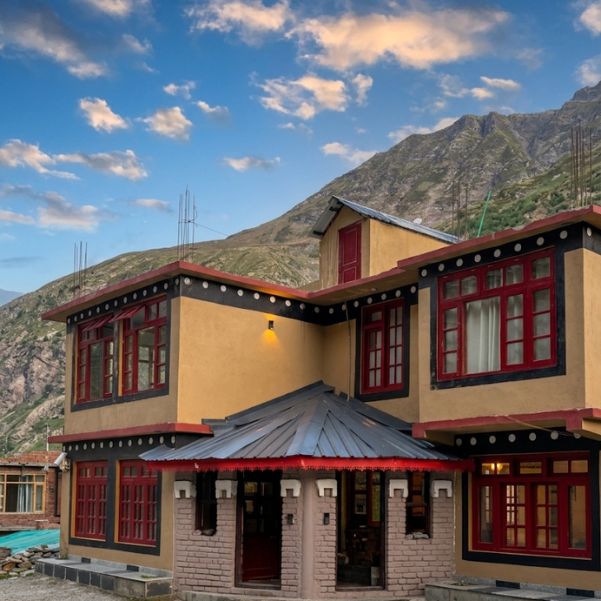 Sissu
SissuWhere to Stay in Sissu in 2026: Best Hotels, Homestays & Areas for Every Budget
Planning an overnight stay in Sissu? This 2026 guide covers the best hotels, homestays, budget stays and convenient areas to help you choose the right accommodation for your trip.
- First-Time Travellers
- Places to Visit
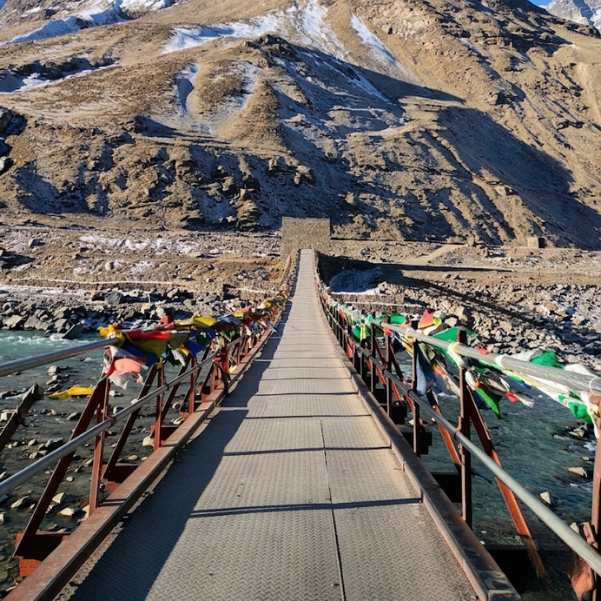 Sissu
SissuSissu in October 2026: Weather, Snow Chances, Road Status & Autumn Travel Guide
Planning a trip to Sissu in October 2026? Here’s what to expect from the weather, temperatures, autumn colours, snow chances and Manali to Sissu road conditions, plus practical tips on what to pack and how to plan your visit.
- Best Time to Visit
- Road Status
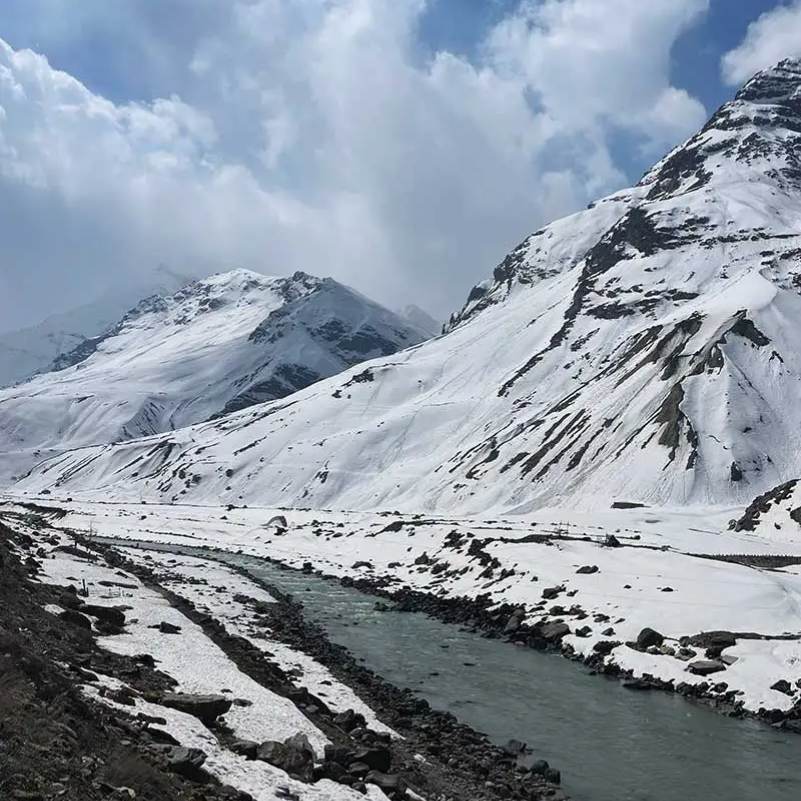 Sissu
SissuSissu in December 2026: Snowfall, Weather, Road Status & Winter Travel Guide
Planning a Sissu trip in December 2026? This guide covers expected snowfall, temperatures, Manali to Sissu road conditions, Atal Tunnel access, what to pack, and practical winter travel tips for a safer snow trip.
- Snow Travel
- Road Status