
Spiti Bike Trip With Pillion in 2026: Is It Safe, Comfortable & Worth It?
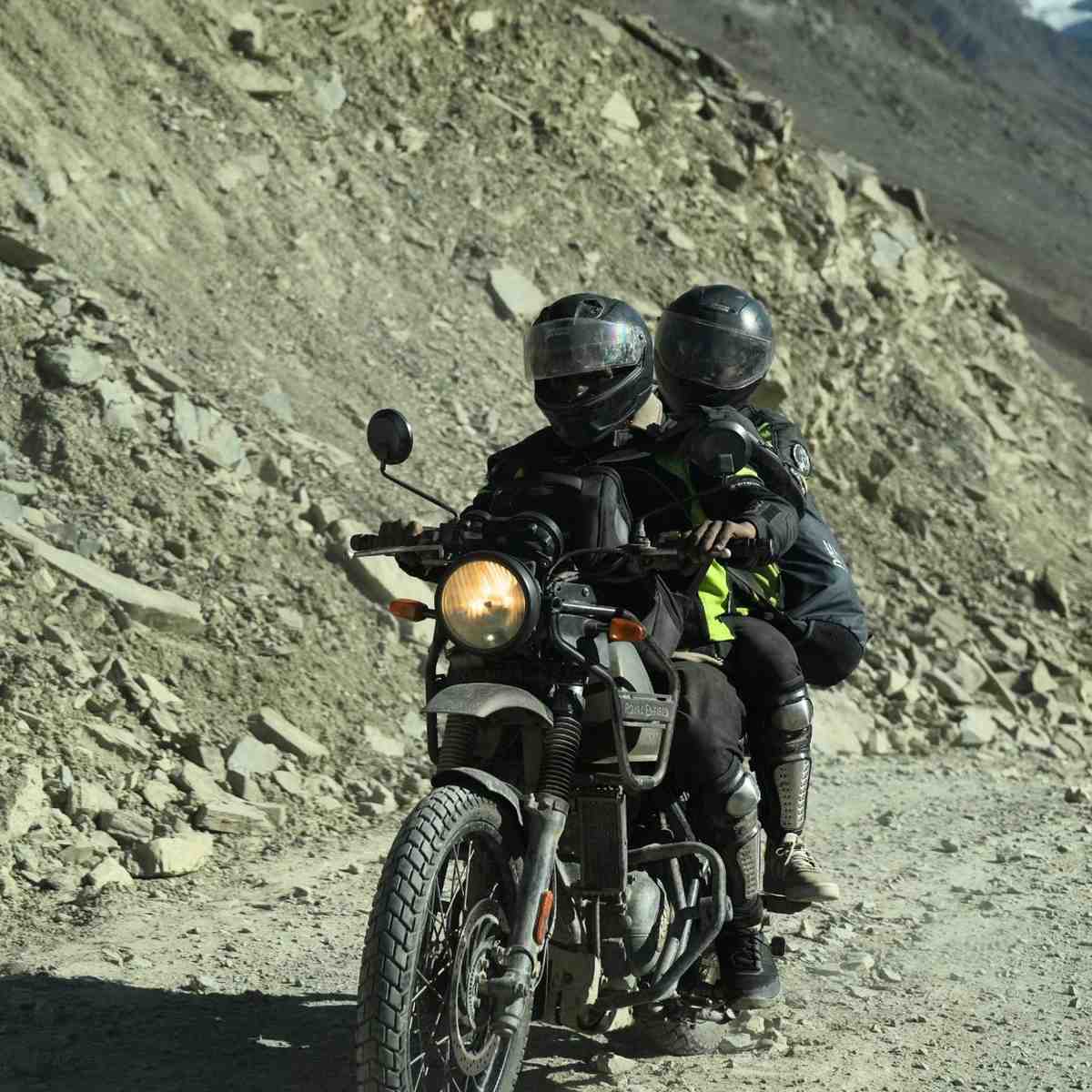
Most couples planning a Spiti bike trip with pillion picture the same thing. Two people on a Royal Enfield, wind in your face, empty roads, mountains on every side. The Instagram version of Spiti.
The reality? Your pillion's back will hurt by Nako. The road past Batal will rattle your confidence. And the cold at Kunzum Pass will make you question every decision that led you here.
But here is the thing. If you plan it right, a Spiti bike trip with a pillion rider is one of the most rewarding things you can do together.
We have sent dozens of couples on this ride over the years, and the ones who come back smiling are always the ones who planned honestly, not ambitiously.
This guide by Travel Coffee covers every real question. Safety, comfort, bikes, routes, packing, permits and whether this trip even makes sense for you.
Quick Answer: Can You Do a Spiti Bike Trip With a Pillion?
Yes, a Spiti bike trip with pillion is doable. But only with a confident rider who has mountain road experience, a well-serviced bike with good ground clearance, light luggage, proper riding gear for both people, a realistic route and enough days.
It is safe enough with planning, but not risk-free. The best setup for most first timers is entering from the Shimla side, keeping 8 to 10 days, and having backup vehicle support so the pillion can hop off on the worst stretches.
Who Should Choose a Spiti Bike Trip With Pillion?
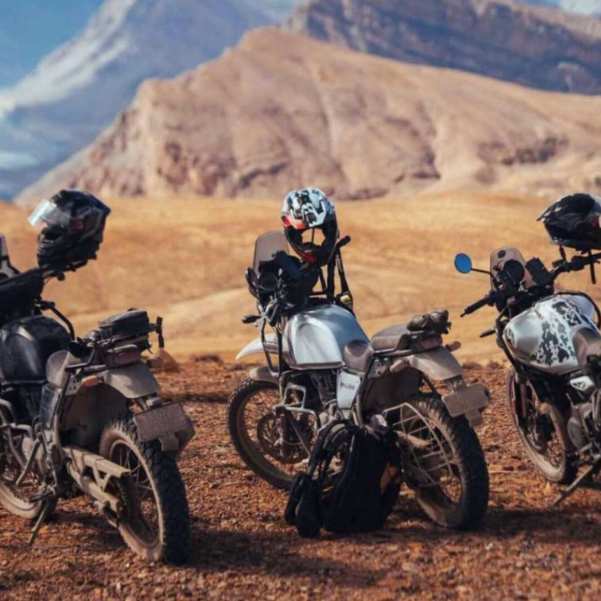
This trip suits couples or riding friends who genuinely enjoy adventure, basic stays, long riding days, cold mornings and shared discomfort. If both of you can laugh when the road disappears into a river crossing, you will have a great time.
The pillion does not need to know how to ride a motorcycle. But they must be reasonably fit, patient with long hours on the seat, properly geared for cold and dust, and mentally ready for stretches where the "road" is just loose rocks and hope.
What most people get wrong about pillion riding in Spiti is thinking the pillion just sits there. They don't. They lean with the rider on turns, shift weight on gravel, hold steady over bumps and stay alert for hours. It is physically tiring even though you are not controlling the bike.
If you and your partner both enjoy that kind of raw travel, explore our Spiti Valley tour packages for route ideas and pricing.
Who Should Avoid Riding Two Up in Spiti?
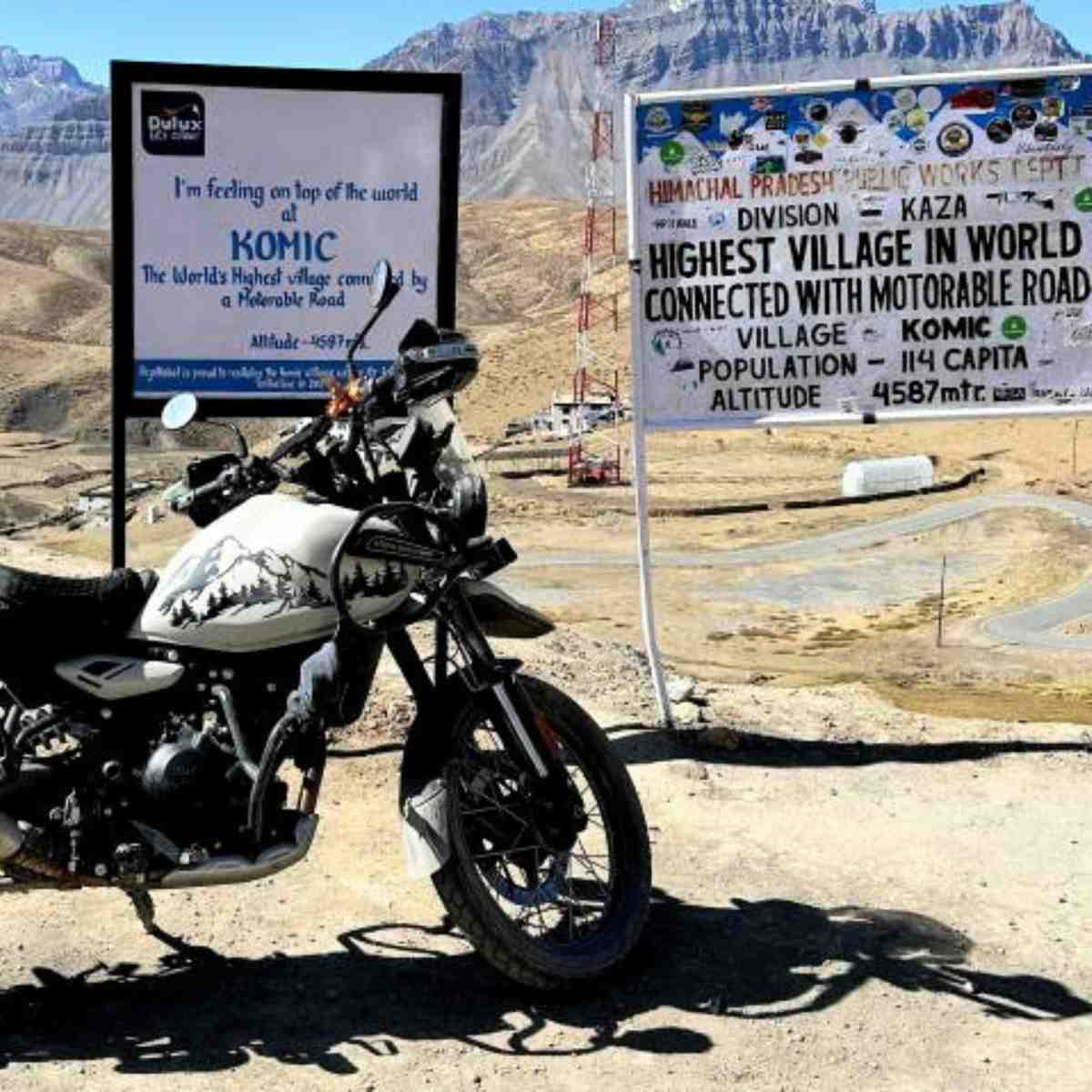
If the rider has zero experience on mountain roads, this is not the trip to learn. Spiti roads have loose gravel, sharp drops, water crossings, sudden hairpins and stretches where you are riding on a narrow ledge with a river valley below.
A new rider handling all of that with a pillion's extra weight is a recipe for trouble.
If either of you has serious back issues, knee problems, respiratory conditions or cardiac concerns, consult a doctor before committing.
High altitude riding at 3,800 m (12,467 ft) and above puts real strain on the body, even if you are just sitting. We do not give medical advice, but we have seen enough travellers struggle to know that honesty about your body matters more than enthusiasm about the trip.
If you want Spiti without the rough riding, choose a cab-based trip instead. Or join a guided package with a backup vehicle so the pillion can ride in the car on the hardest days.
If you are a solo female traveller weighing your options, our Spiti safety guide for solo women covers what to expect on these roads.
What Makes Pillion Riding in Spiti Different From Normal Bike Trips?
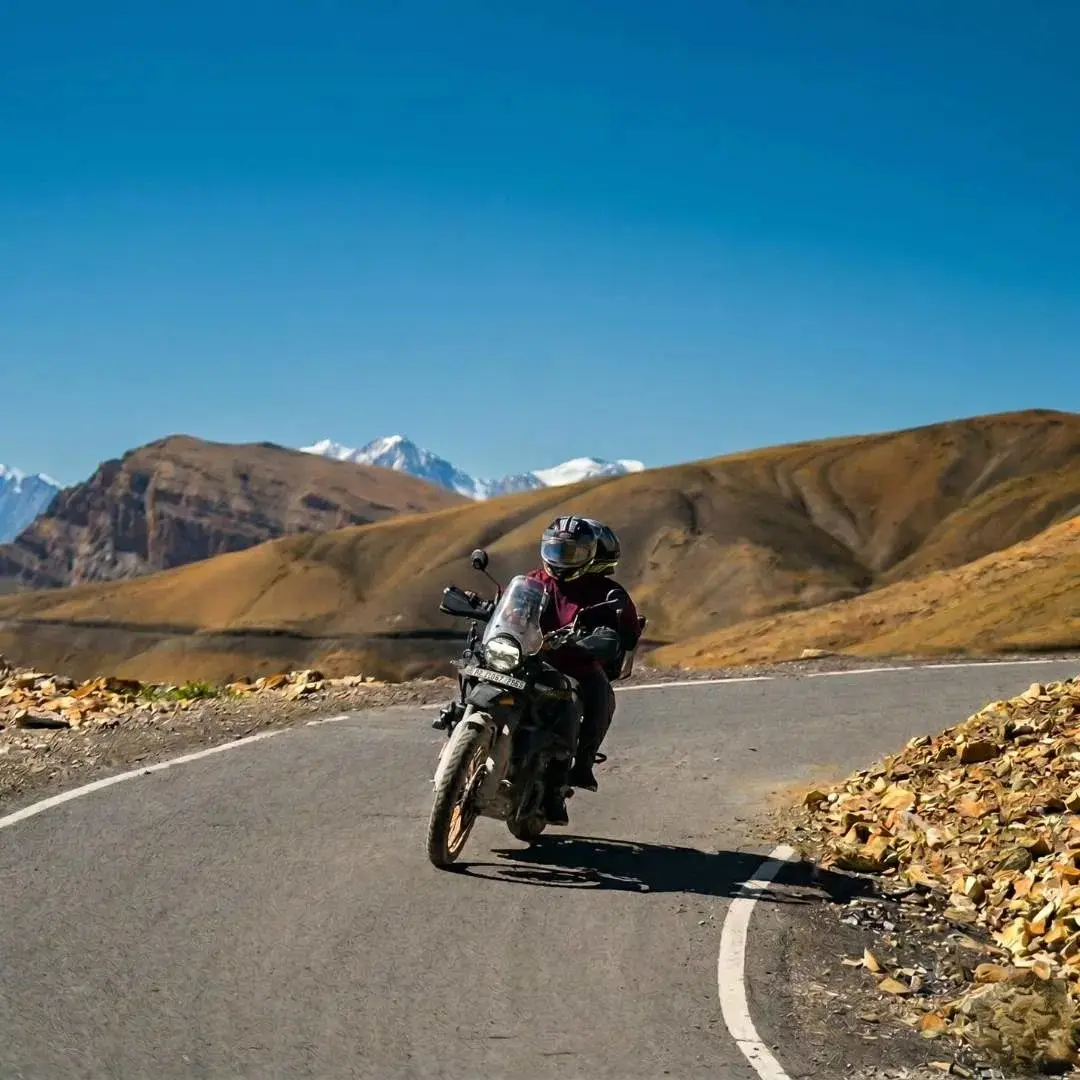
On a highway ride to Goa or Rajasthan, the pillion can relax, watch the scenery, maybe fall asleep on straight stretches. In Spiti, the pillion does not just sit and enjoy the view.
They handle cold wind that cuts through your jacket at 13,000 feet. They absorb every bump because Spiti roads have more craters than tarmac.
They eat dust behind trucks on unpaved sections. They deal with sudden stops when a landslide or a herd of yaks blocks the road. They sit through six, seven, sometimes eight hours of riding in a single day.
Extra weight on the bike changes everything. Braking distances increase. Turning radius changes on gravel. Tyre pressure needs adjusting for two people plus luggage.
The rider gets fatigued faster because the bike handles differently. In our experience running trips here, the couples who do well are the ones who treat it as a team effort, not a rider's trip with a passenger along for the ride.
Is It Safe for the Pillion Rider?
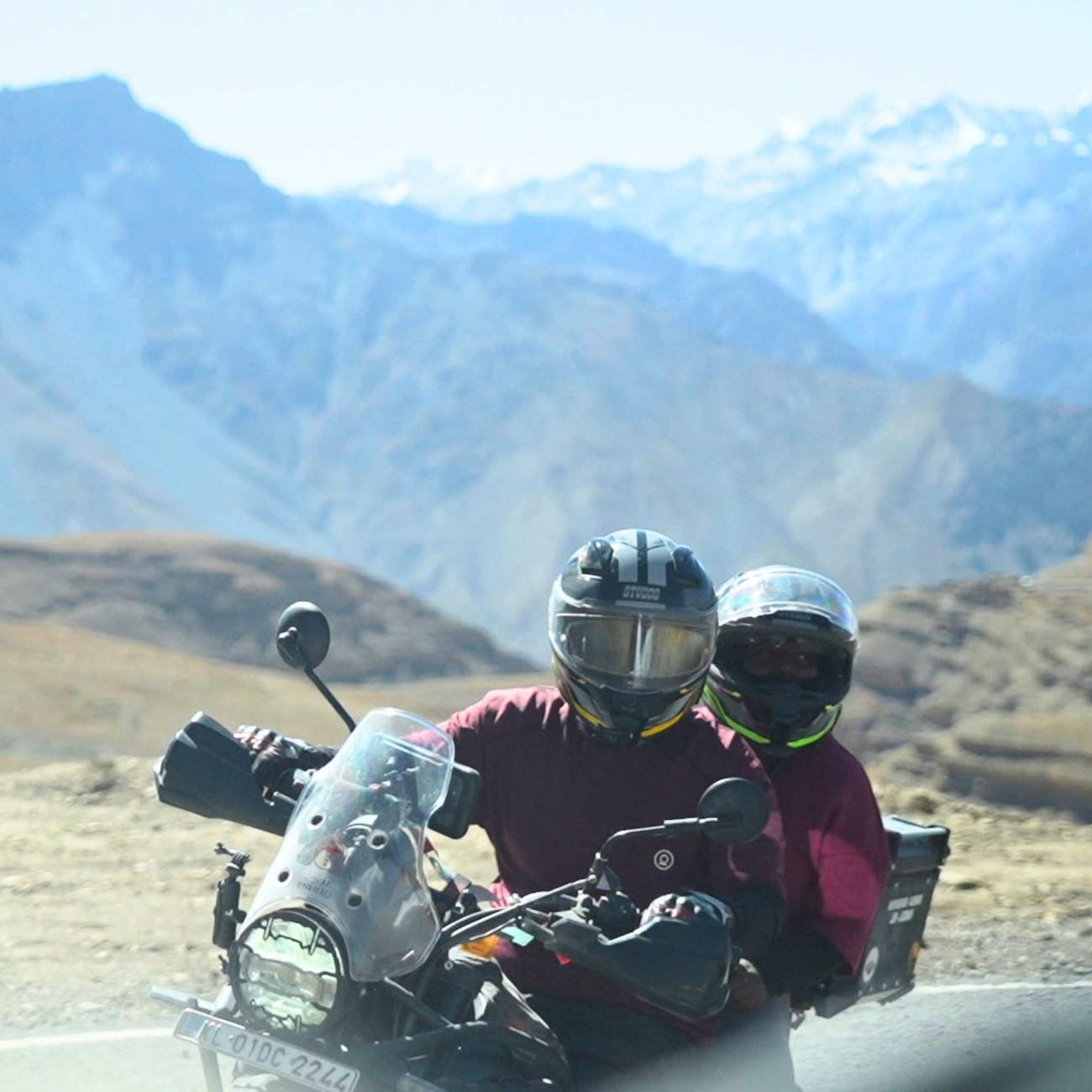
The real risks on a Spiti pillion ride
Loose gravel is the biggest one. Several sections between Kaza and Manali have no tarmac at all, just packed dirt and rocks.
Slush and water crossings show up near Batal and on the approach to Chandratal. Cold wind at altitude causes numbness in fingers and toes faster than you expect.
Fatigue hits both rider and pillion hard after 5 to 6 hours on bad roads. Altitude sickness can affect anyone above 3,500 m, and it does not care how fit you are.
Mobile network drops to zero in several zones between Tabo and Batal, so calling for help is not always possible. Weather can shift from bright sunshine to hail in twenty minutes.
These are reasons to plan better, not reasons to cancel. Every risk here has a solution if you know it exists.
How rider and pillion can reduce risk
Smooth braking matters more than speed. The rider should avoid sudden stops, especially on gravel. Keep speed controlled on descents. No racing, no overtaking on blind turns, no trying to cover extra distance after sunset.
Work out a simple tap signal system before you start. One tap on the shoulder for "slow down." Two taps for "I need a break." A squeeze for "stop when you can." This sounds basic but it saves arguments and prevents the pillion from shouting over engine noise and wind.
Take breaks every 30 to 45 minutes on bad roads. Start riding by 7 AM every morning and stop by 4 PM. Never ride after dark on Spiti roads. There are no street lights, the road edges are unmarked, and one wrong turn at night can be genuinely dangerous.
At tricky water crossings, the pillion should get off the bike and walk across separately if the rider or road captain says so. This is not an insult. It helps the rider balance the bike through water without the extra weight shifting at the wrong moment.
A safe Spiti ride starts with the right itinerary. Check out our Spiti bike tour packages designed to help you enjoy the journey without rushing.
Is It Comfortable for the Pillion?
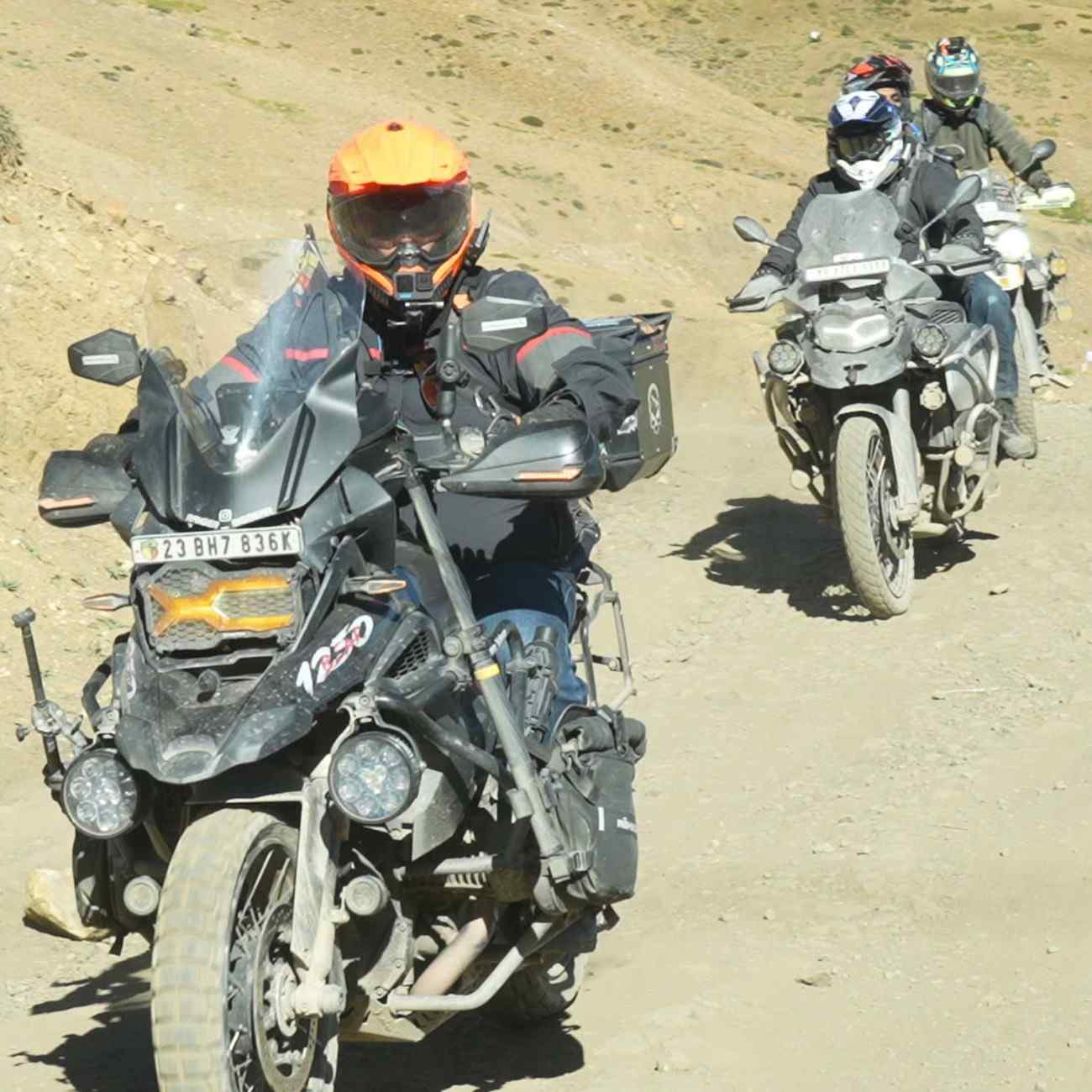
Seat, posture and break strategy
Comfort depends on four things. Seat padding, riding pace, posture and how often you stop.
Most stock motorcycle seats are not designed for 7 hours of pillion riding on broken roads. A padded seat cover or gel pad makes a noticeable difference. In our experience, the couples who carry one always rate the trip higher than the ones who tough it out on a stock seat.
The pillion should sit with relaxed knees, not gripping the tank or the rider's waist with a death grip. Stretch at every stop. Roll your ankles. Stand up beside the bike for a few minutes.
Ask for a break before the pain becomes unbearable, not after. The rider will always prefer a five-minute stop now over a pillion who cannot sit properly for the rest of the day.
Clothing and weather comfort
Both rider and pillion need a helmet, riding gloves, a warm jacket or proper riding jacket, thermal layers underneath, waterproof shoes that cover the ankle, a neck warmer or balaclava, UV sunglasses and high SPF sunscreen.
Spiti weather changes from sunny to windy to cold in the same riding day. You can leave Kaza in a T-shirt at noon and need three layers by the time you reach Losar an hour later.
The pillion feels the cold more because they are not gripping the handlebars, so blood circulation in the hands drops faster.
Lip balm with SPF sounds like a small thing, but your lips will crack at altitude if you skip it. Every single trip we run, someone forgets this and regrets it by Day 3.
Luggage comfort
Heavy luggage is the number one enemy of pillion comfort. A big backpack on the pillion's back means their spine absorbs every bump twice. Suitcases strapped to the back create a top-heavy bike that wobbles on gravel.
Use one compact soft duffel or a proper saddle bag setup. Keep weight low and close to the bike's centre.
If you are doing a guided trip, send your main luggage in the backup vehicle and carry only a small daypack on the bike. This single change transforms the riding experience for the pillion.
Which Bike Is Best for Spiti With a Pillion?
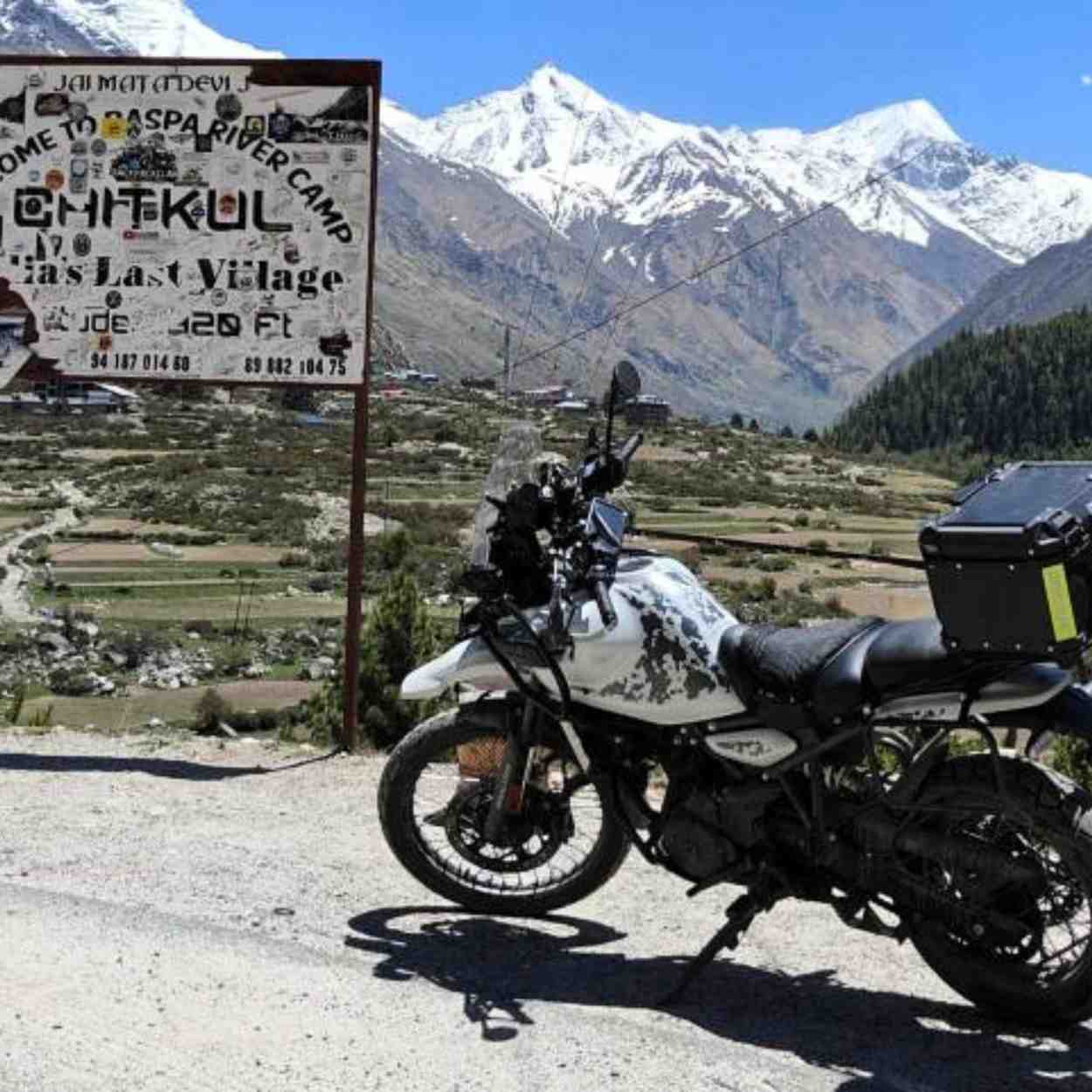
The best bike is a well-serviced bike that feels stable with two people and luggage. Brand matters less than condition, torque, braking, suspension and how familiar the rider is with that machine.
The Royal Enfield Himalayan 411 and the newer Himalayan 450 are the most commonly used bikes for Spiti with pillion. Good ground clearance, reasonable torque for mountain climbs, manageable weight.
The Classic 350, Bullet, Meteor, Honda CB350, Bajaj Dominar and KTM Adventure series also show up regularly on this circuit.
What matters more than the model is preparation. Get the brakes checked and pads replaced if needed.
Check tyre condition, clutch cable, throttle cable, chain tension, engine oil level, all lights and indicators. Carry a puncture kit, basic spanners, spare clutch cable and a tyre inflator.
Suggested minimum ground clearance is 180 mm. Anything lower will scrape on the rocky sections between Batal and Kunzum. Fuel tank capacity should be 15 litres or more because fuel stops are rare once you leave Kaza.
Himalayan rentals in Manali run around ₹1,500 to ₹2,500 per day depending on the season and model. Book early if you are going in July or August. The good bikes get taken fast.
Skip this if you are renting: the cheapest bike available is almost never the right choice for pillion riding in Spiti.
A poorly maintained rental with bad brakes and worn tyres is a safety problem, not a budget saving. Pay the extra ₹500 a day for a bike that has been properly serviced.
Which Route Is Better With Pillion: Shimla to Kaza or Manali to Kaza?
Shimla to Kaza via Kinnaur
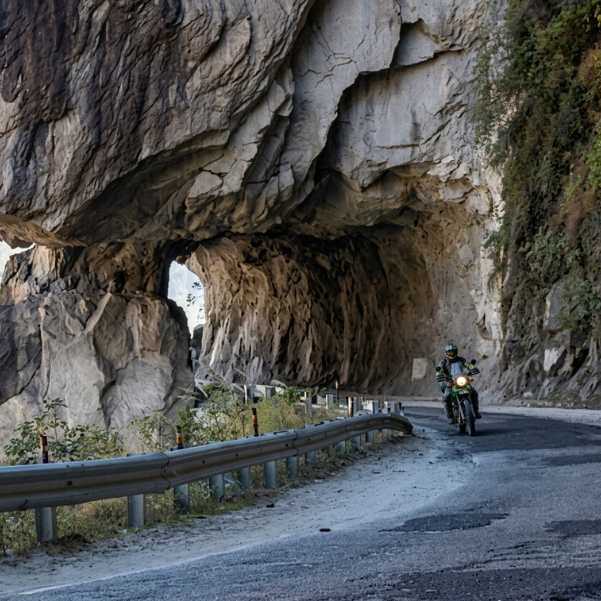
Shimla to Kaza via Kinnaur is usually the better choice for first-time pillion riders. The altitude gain is gradual.
You climb slowly over several days through Narkanda, Kalpa, Nako and Tabo before reaching Kaza at 3,800 m (12,467 ft). By the time you hit a serious altitude, your body has had days to adjust.
Manali to Kaza
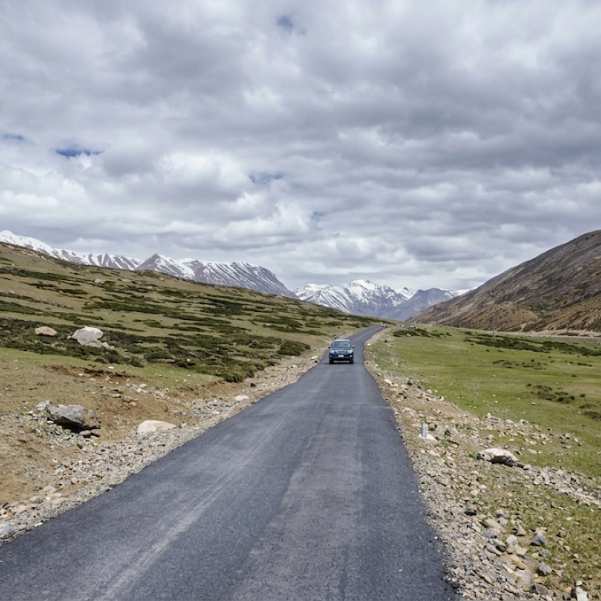
Manali to Kaza is shorter at roughly 200 km (operator estimate) but much rougher. The ride takes 8 to 9 hours on difficult terrain. You gain altitude rapidly through the Atal Tunnel and over Kunzum, which increases altitude sickness risk for both rider and pillion.
Our standard recommendation for couples: enter via Shimla side, spend a few days in Spiti, and exit via Manali only when road status confirms the route is open and stable.
Road status update checked on June 24, 2026: Delhi to Manali was open, Manali to Keylong was open, Keylong to Kaza was closed, and Keylong to Leh was open.
Always verify live road status before you leave. Conditions change daily. Do not trust a week-old update.
If you are entering via Manali, our Manali trip packages include route guidance. And if you plan to break the journey at Sissu in Lahaul for a night of acclimatisation, check our Sissu packages for stay options.
How Many Days Are Enough for a Spiti Bike Trip With Pillion?
7 days
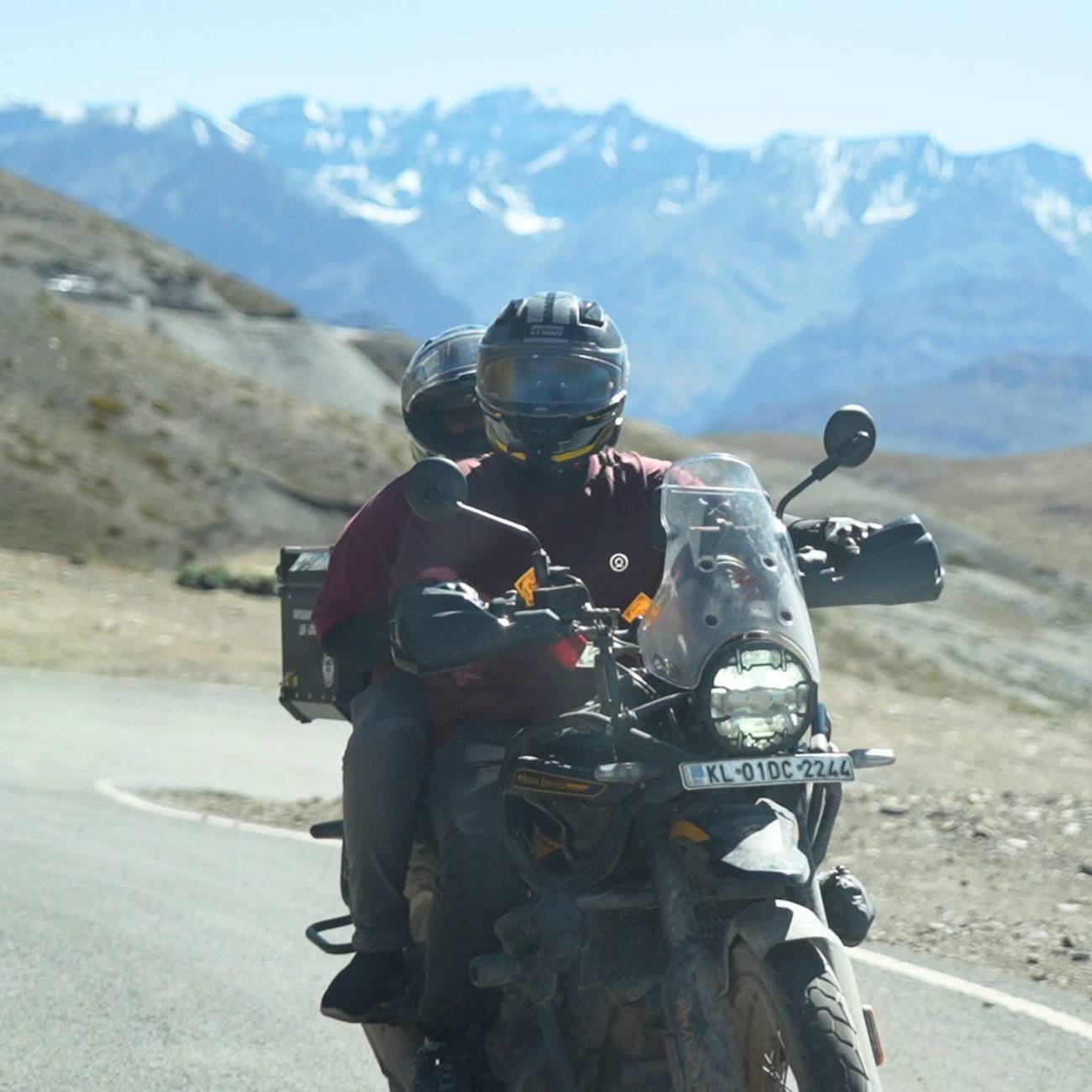
7 days is tight. It works for experienced riders on solo bikes, but with a pillion, the pace is slower, the breaks are more frequent, and the riding hours per day should be shorter. Cramming a 7-day solo itinerary with a pillion on the back is how arguments start.
8 days
8 days can work if both of you are comfortable with one or two long riding days and you skip Chandratal or keep it as a quick stop.
9 to 10 days
9 to 10 days is what we recommend for first-time couples. This gives you a buffer day around Kaza for rest, altitude adjustment and sightseeing.
It gives you flexibility to add Chandratal only if conditions allow. And it gives the pillion's back a break on the days that matter.
A 5 or 6 day plan almost always feels rushed for couples or pillion riders. We have seen too many people try it and end up exhausted, fighting and unable to enjoy the places they came to see.
What we always tell first-timers
Your Spiti trip is not a race to cover maximum kilometres. The pillion suffers first when the itinerary is rushed. Build rest into the plan, not just as a fallback, but as part of the plan.
Is Chandratal Worth Adding With a Pillion?
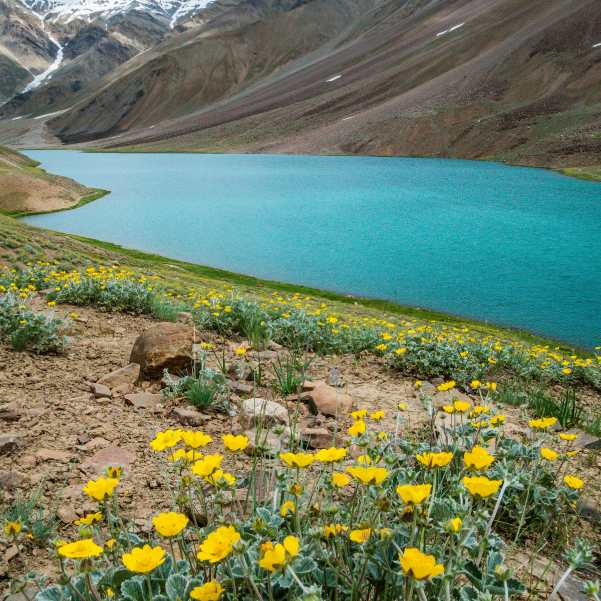
Chandratal at 4,300 m (14,108 ft) is worth it only when road, weather and pillion comfort allow it. Do not make it a fixed part of your plan. Keep it flexible.
Tabo to Chandratal is roughly 144 km and takes about 7 to 8 hours (operator estimate). This is one of the hardest riding days on the entire circuit because the terrain gets worse as you climb higher. The Batal side is broken, dusty and exhausting for a pillion.
If your pillion is already tired by Day 6 or 7, forcing a Chandratal ride will turn a highlight into a miserable memory. In our experience, the couples who enjoy Chandratal the most are the ones who kept it optional and only went when they felt physically ready.
Check our Chandratal 2026 opening dates guide before locking this into your plan. The Kunzum and Chandratal section can close without warning, and you should know what to expect from the Chandratal area and its geography before riding there.
If you want Chandratal handled properly with camps, meals and backup support, our summer Spiti circuit with Chandratal covers the route with built-in buffer days.
Self Ride or Guided Package: Which Is Better With Pillion?
Self ride
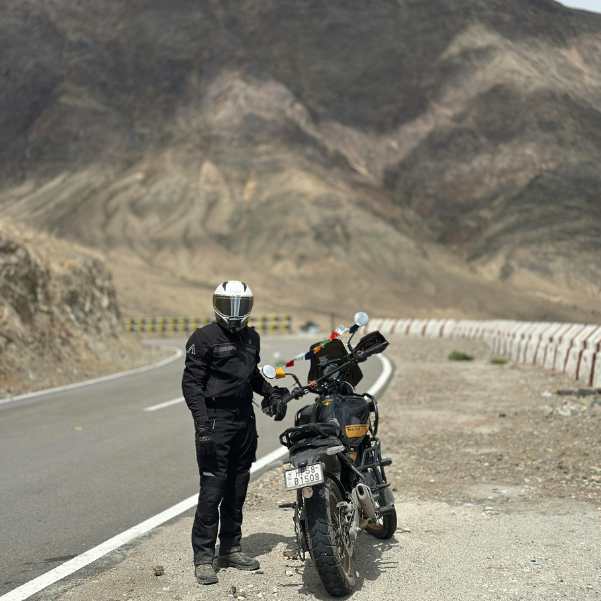
Self ride gives you freedom. You decide the pace, the stops, the detours. But the rider also handles route decisions, fuel management, bike breakdowns, hotel bookings, weather calls and emergencies.
When you are managing all of that while keeping a pillion comfortable on rough roads, the freedom starts feeling like a full-time job.
Guided package
A guided package works better for most first-time couples.
It can include a road captain who knows every turn, a mechanic who travels with the group, a backup vehicle for luggage and tired pillions, pre-booked stays, meals at every stop, riding gear if you don't own any, and someone else making the hard calls about weather and routes.
Good preparation makes all the difference on Spiti's challenging roads. Explore our Spiti bike tour packages for a well-supported and memorable journey.
The money-saving tip most travel blogs miss
A guided package with a backup vehicle often costs less per person than self-riding when you add up bike rental, fuel, stays, meals, mechanic charges and the emergency taxi you will inevitably need if something goes wrong. Run the numbers before assuming self-ride is cheaper.
What Should a Pillion Carry for Spiti Bike Trip?
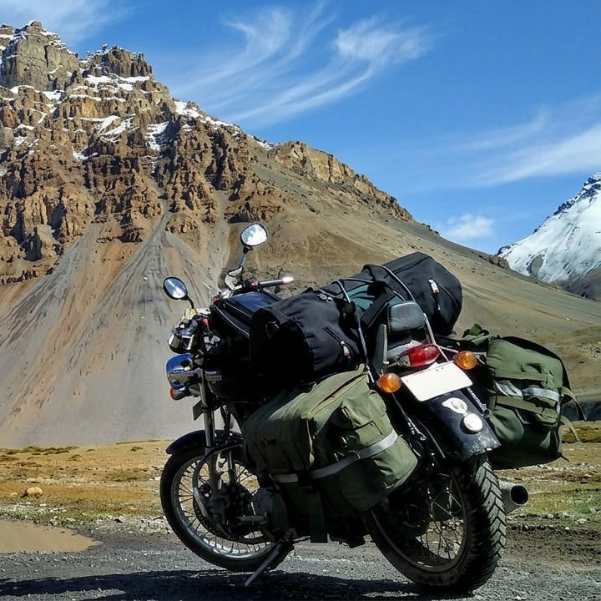
Start with safety. A proper helmet that fits well, not a borrowed open-face from the rental shop. Riding gloves with grip.
A warm jacket with wind resistance, or a proper riding jacket if you own one. Thermal layers for top and bottom, because mornings at 12,000 feet are brutal even in July.
For the cold, carry a neck warmer or balaclava, waterproof shoes that cover your ankles, and at least two pairs of warm socks.
Sunglasses with UV protection are non-negotiable. The glare at altitude causes real eye strain. Sunscreen with SPF 50 and lip balm with SPF go on every morning before you get on the bike.
Carry a reusable water bottle, a power bank (charging points are scarce past Kaza), and basic medicines including paracetamol, ORS sachets and any personal prescriptions.
One compact soft bag with essentials is enough. Everything else goes in the backup vehicle or in saddle bags.
Do not bring hard trolley bags. Do not stuff a 15 kg backpack and expect to sit comfortably for 7 hours. Do not carry five pairs of jeans. You will wear the same two outfits most days and nobody cares what you look like at 14,000 feet.
The one thing our drivers always suggest carrying
A thermos of ginger tea from your last town stop. At high altitude, a warm drink does more for your body and mood than any energy bar or tablet. Fill it up every morning before riding.
2026 Permits, E-Pass, Documents and Road Updates
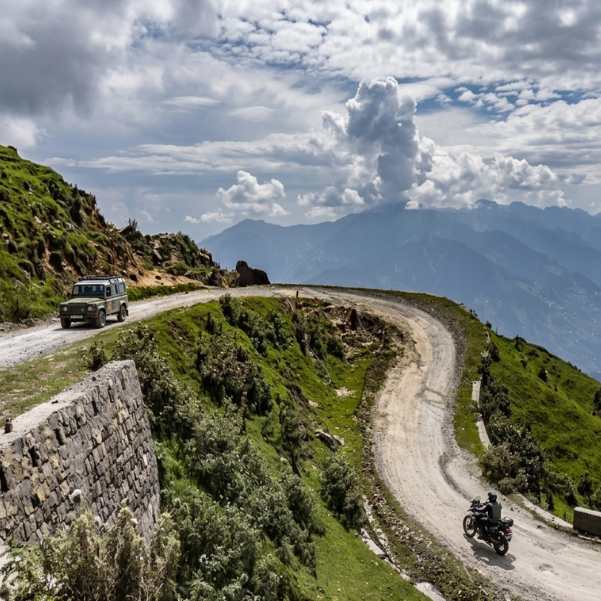
Indian citizens do not need an Inner Line Permit for normal tourism in Spiti. But vehicle entry rules apply through the e-Aagman portal.
Every vehicle entering Lahaul and Spiti must apply for an e-pass through the official portal. An e-permit per vehicle covers the Atal Tunnel, Rohtang, Koksar and Chandratal circuit route. An e-ticket per vehicle covers other places within the district.
Foreign tourists need Protected Area Permits for protected areas including Khab, Samdo, Dhankar, Tabo, Gompa, Kaza, Morang and Dubling.
For the Rohtang stretch specifically: permits have a one-day validity with a daily quota of 800 petrol vehicles and 400 diesel vehicles.
You need valid ID, a PUC certificate, your vehicle registration details and must apply within the 2-day advance window. Carry a printout.
The fee for cars and jeeps is ₹500 plus a ₹50 congestion charge. For motorcycles, riders should check the latest Rohtang fee, pass rules and required paperwork on the official portal or with the SDM Manali office before travelling.
Do not leave this for the last day. Apply early, carry printed copies of everything, and keep your vehicle registration, insurance and PUC documents handy. Checkpoints on the Spiti route will ask for them.
Sample 9 Day Spiti Bike Trip With Pillion Itinerary
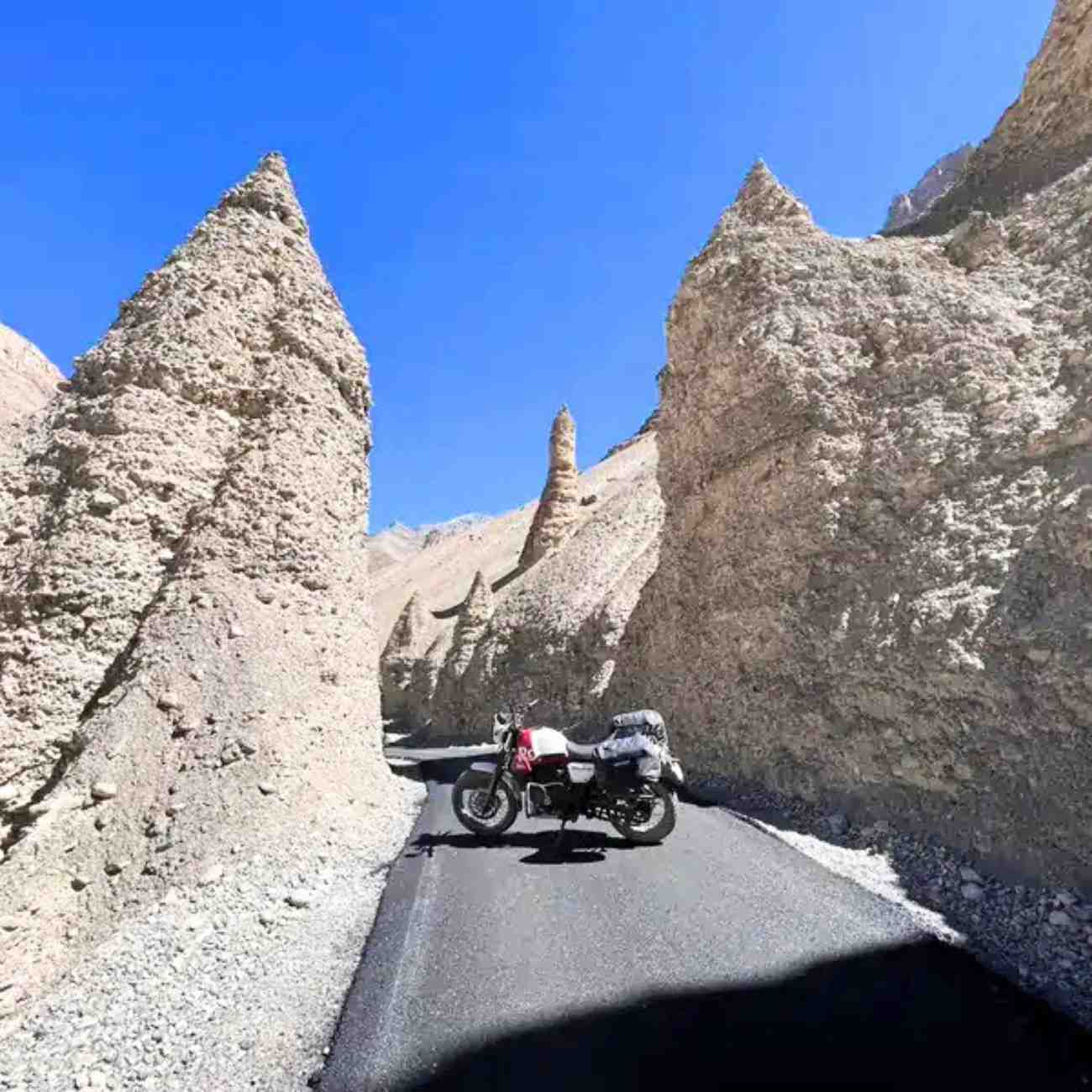
Day 1: Chandigarh or Shimla to Narkanda
Keep this an easy first day. Get comfortable with the bike, the luggage setup and each other's riding rhythm.
Narkanda is a short, smooth ride from Shimla with apple orchards and pine forests along the way. Stop for chai, adjust your mirrors, figure out your tap signals. Arrive early, eat well, sleep early.
Day 2: Narkanda to Kalpa
This is where the Kinnaur scenery starts opening up. The road follows the Sutlej river and the landscape shifts from green hills to dramatic rocky gorges.
The climb is gradual, which is exactly what you want for altitude adjustment. Kalpa sits at about 2,960 m and gives you your first real views of the Kinner Kailash range.
Day 3: Kalpa to Tabo
This is a longer riding day. The terrain gets more barren as you enter Spiti. Roads are mostly paved but with some rough patches. Keep luggage light on the bike.
Tabo has one of the oldest monasteries in the region and the village itself is quiet and calming after a full day of riding.
Day 4: Tabo to Kaza
A shorter ride with time to stop at Dhankar for monastery views. Arrive in Kaza and rest. Hydrate constantly. Eat light. Do not plan any evening excursions. Your body needs time at 3,800 m and the pillion especially needs a break from the vibrations.
Day 5: Kaza local sightseeing
Leave the long ride behind for a day. Visit Key Monastery, Kibber, Hikkim (the highest post office), Komic and Langza. Keep the pace slow.
Walk when you can instead of riding everywhere. Altitude takes a toll even when you feel fine, and pushing hard on Day 5 means paying for it on Day 7.
Day 6: Buffer or Kaza rest day
This is the day most people skip and then regret. Use it for rest, laundry, a slow walk through Kaza town, or a warm meal at a local dhaba. If the weather has been bad, this day absorbs the delay without ruining your schedule.
If the pillion is tired, this day is their recovery. If everyone feels great, just enjoy a slow day at altitude. It costs nothing and saves the trip.
Day 7: Kaza to Chandratal or Batal side (if open)
This is the hardest day. The ride from Kaza goes through Losar, over Kunzum Pass and towards the Chandratal diversion. The road quality drops sharply after Losar.
Keep the Chandratal plan flexible. If the road is rough, the pillion is struggling, or the weather turns, stay at a camp near Batal instead. Do not force Chandratal at the cost of safety.
The momos at the small dhaba just past the Batal checkpoint are the last proper hot meal before the Chandratal camps. The setup is basic but the food is warm and filling. Do not skip it.
Day 8: Chandratal or Batal side to Manali or Sissu
Start early. The ride back through Gramphu towards Manali takes 8 to 10 hours on good days. If the road is rough, stop at Sissu for the night instead of pushing all the way to Manali.
This stretch can have water crossings, loose gravel and the occasional landslide blockage. Attempt this only if the road status is confirmed open that morning.
Day 9: Departure from Manali
Rest. Seriously. Do not plan an onward bus or flight the same morning you ride into Manali. Give yourself half a day to eat proper food, take a hot shower, sort your luggage and recover.
If you are returning a rental bike, do it in the morning so you have time for the handover and security deposit return.
Final Verdict: Is Spiti Bike Trip With Pillion Safe, Comfortable and Worth It?
It is safe if you plan properly. A confident rider, a well-maintained bike, proper gear, realistic days and a flexible route reduce most of the risk.
It is comfortable only when paced slowly. Rush the itinerary and the pillion will hate every minute after Day 4. Add buffer days, carry a seat pad, take breaks often and keep the backup vehicle option open.
It is absolutely worth it for adventurous couples or friends who want a real Himalayan road journey.
The shared cold, the shared silence at Chandratal, the shared relief when you finally reach a warm room after a long riding day. These things build a different kind of memory than a hotel holiday.
It is not worth it for a beginner rider trying to prove a point, a pillion who genuinely dislikes rough roads, or anyone expecting a luxury holiday on two wheels.
There is no shame in choosing a cab-based Spiti trip instead. The mountains look just as good from an SUV window.
Explore Our Curated Spiti Valley Tours
Related topics
Frequently Asked Questions
Is Spiti bike trip safe with pillion?
Yes, with the right preparation. A confident rider, proper riding gear for both people, a serviced bike, realistic route planning and enough days make it safe. Risks exist on loose gravel, water crossings and high altitude sections, but planning reduces them significantly.
Can my wife or girlfriend ride pillion to Spiti?
Absolutely. Gender has nothing to do with it. What matters is fitness, patience, proper clothing and a willingness to handle cold, bumps and long riding hours. Many couples do this trip every season.
Can beginners do Spiti with a pillion rider?
A beginner rider should not attempt Spiti with a pillion. The roads require mountain riding experience, especially on gravel, narrow sections and water crossings. A beginner can ride solo with a group, but carrying a pillion on unfamiliar terrain adds too much risk.
Which bike is best for Spiti with pillion?
The Royal Enfield Himalayan 411 or 450 is the most popular choice. Other options include the Classic 350, Meteor, Honda CB350, Bajaj Dominar and KTM Adventure. A well-serviced bike with minimum 180 mm ground clearance and a 15 litre plus fuel tank matters more than the brand.
Is Himalayan 411 enough for Spiti with pillion?
Yes, the Himalayan 411 handles Spiti with pillion well. It has decent ground clearance, enough torque for mountain climbs and manageable weight. Make sure it is properly serviced and the tyres are in good condition before you start.
Which route is better with pillion, Shimla or Manali?
Shimla to Kaza via Kinnaur is better for pillion riders. Altitude gain is gradual over several days, giving both rider and pillion time to adjust. The Manali side is shorter but rougher with rapid altitude change. Enter Shimla side, exit Manali side if the road allows.
How many days are enough for Spiti bike trip with pillion?
9 to 10 days is ideal. 8 days works if you skip Chandratal. 7 days is tight and usually uncomfortable for the pillion. Anything under 7 days is not recommended with a pillion rider.
Is Chandratal safe with pillion?
Yes, if road conditions allow and both rider and pillion are feeling well at altitude. The stretch from Batal to Chandratal is rough and the altitude is 4,300 m (14,108 ft). Keep this section flexible and only commit to it on the day based on real conditions.
What should a pillion carry for Spiti?
Helmet, riding jacket or warm windproof jacket, thermal layers, gloves, neck warmer, waterproof shoes, sunglasses, sunscreen, lip balm, reusable water bottle, power bank, basic medicines and one compact soft bag. No hard suitcases, no heavy backpacks.
Does a pillion rider need a licence?
No, a pillion rider does not need a driving licence. Only the rider needs a valid motorcycle licence. Carry a printed or digital copy of the rider's licence along with vehicle registration and insurance documents.
What if the pillion gets tired during the ride?
Stop. Take a break. Let the pillion stretch and walk for a few minutes. If fatigue is serious, the pillion should ride in the backup vehicle for that section. On guided trips, this option is always available. Never force a tired pillion to continue riding on rough roads.
What permits are needed for Spiti bike trip in 2026?
You need an e-pass through the e-Aagman portal for vehicle entry into Lahaul and Spiti. A separate Rohtang permit is needed if you cross that section, with a daily quota of 800 petrol and 400 diesel vehicles. Foreign tourists need Protected Area Permits for certain locations. Carry printed copies of everything.
More about Lahaul and Spiti
 Lahaul and Spiti
Rent or Buy Winter Gear for Spiti in 2026? Jackets, Boots, Costs and Pickup Options
Planning a Winter Spiti trip in 2026? Compare the cost of renting vs buying jackets, snow boots, thermals and other essential winter gear, along with practical tips on what to rent, what to buy and where to arrange it before your trip.
- First-Time Travellers
- Snow Travel
 Lahaul and Spiti
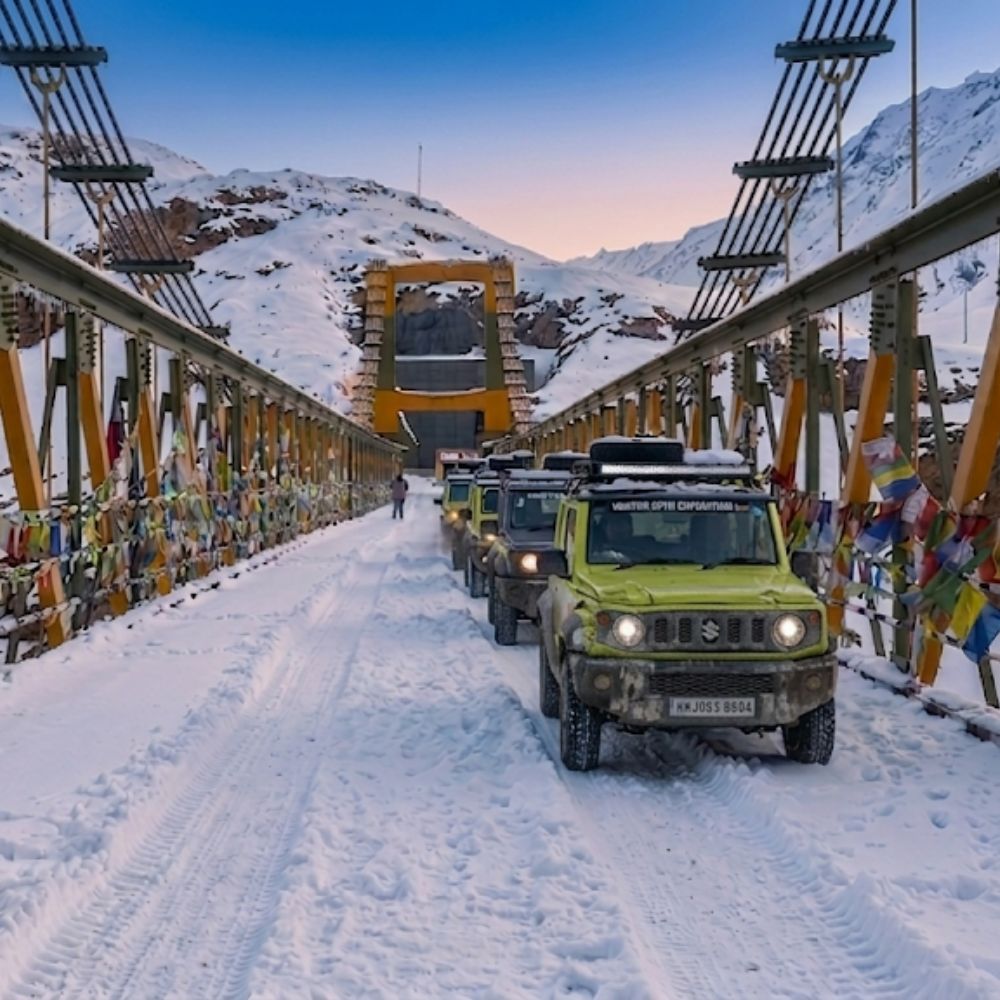
Winter Spiti 4×4 Seating Guide 2026: Jimny, Scorpio N, Thar and Hilux for Passengers and Luggage
Planning a Winter Spiti trip in 2026? This practical 4×4 seating guide compares the Jimny, Scorpio N, Thar and Hilux for passenger comfort, luggage space, winter roads and long mountain drives, helping you choose the right vehicle for your group size and travel style.
- Road Trips
- Snow Travel
 Lahaul and Spiti
Stargazing in Winter Spiti 2026: Where to Stay, Moonlight and What You Can See
Discover the best places for stargazing in Winter Spiti 2026, where to stay for darker skies and how moonlight affects visibility. Learn what you can realistically see from Kaza, Tabo and nearby villages during the winter months.
- Things to Do
- Snow Travel