
Solo Yulla Kanda Trek in 2026: Go Independently or Join a Group?
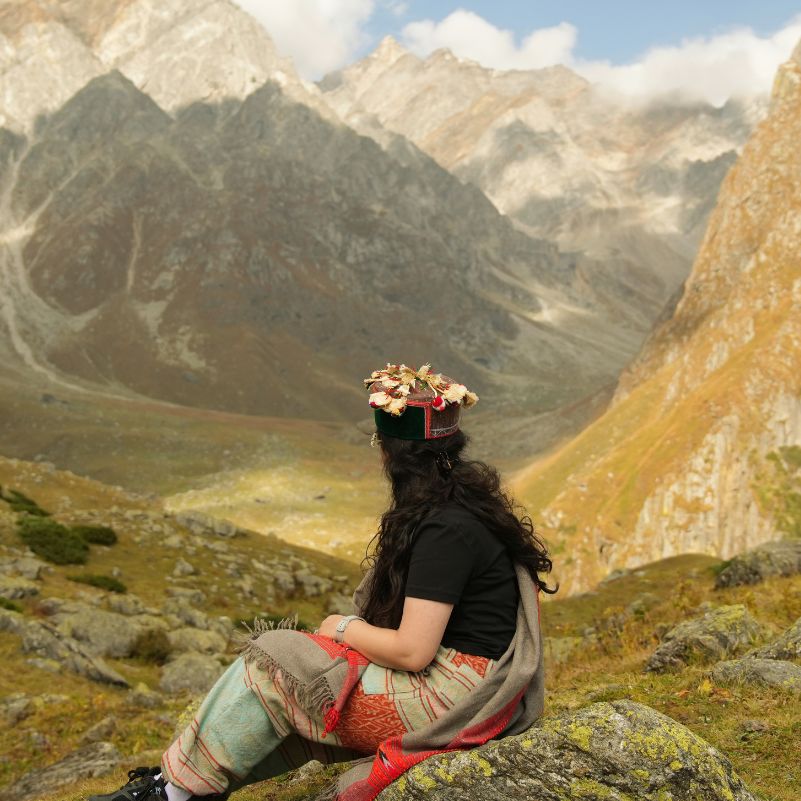
Planning a solo Yulla Kanda Trek in 2026 can give you more freedom and flexibility, but it also means taking greater responsibility for transport, route finding, accommodation, weather decisions and safety.
Joining a group can make the trip easier to manage, especially if you are unfamiliar with Kinnaur or high altitude trekking.
This guide by Travel Coffee compares doing the Yulla Kanda Trek independently with joining a group trip. It will help you understand the differences in cost, flexibility, support and overall difficulty so you can choose the option that suits your travel style and experience.
Quick Answer: Should You Do Yulla Kanda Solo or Join a Group?
A solo Yulla Kanda trek works for experienced, well prepared trekkers who confirm transport, stays and trail conditions locally before they set out.
If this is your first Himalayan trek, or you want someone else to handle buses, rooms and tents, a guided group usually makes more sense.
Neither option guarantees your safety or that you will reach the temple. Weather, the trail and your own body decide that on the day.
What Is Yulla Kanda and Where Does the Trek Begin?
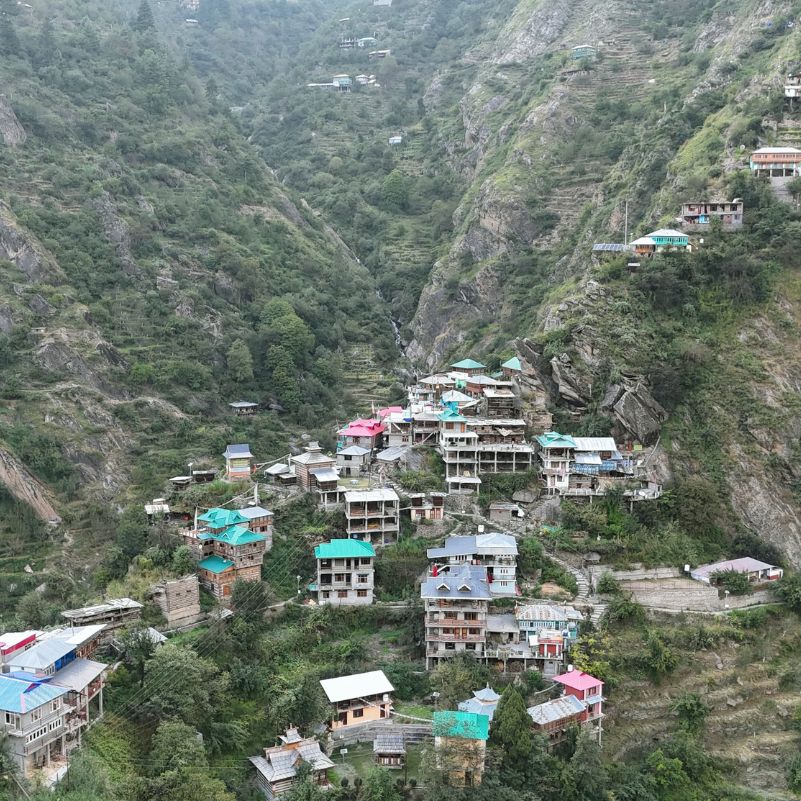
Yulla Kanda sits in the Rora Valley of Kinnaur district, Himachal Pradesh. The walk starts at Yulla Khas, which locals also call Yulla village.
The Himachal Pradesh Forest Department names Yulla village as the trekking start in its 2024 ecotourism planning report. Some online guides mention other starting villages, but the Forest Department documents the Yulla approach.
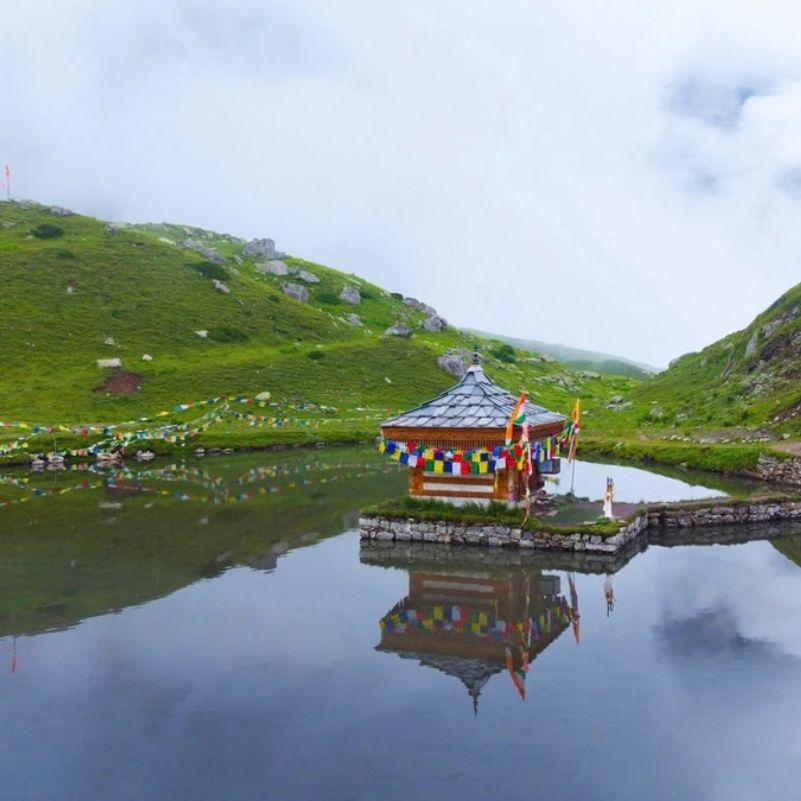
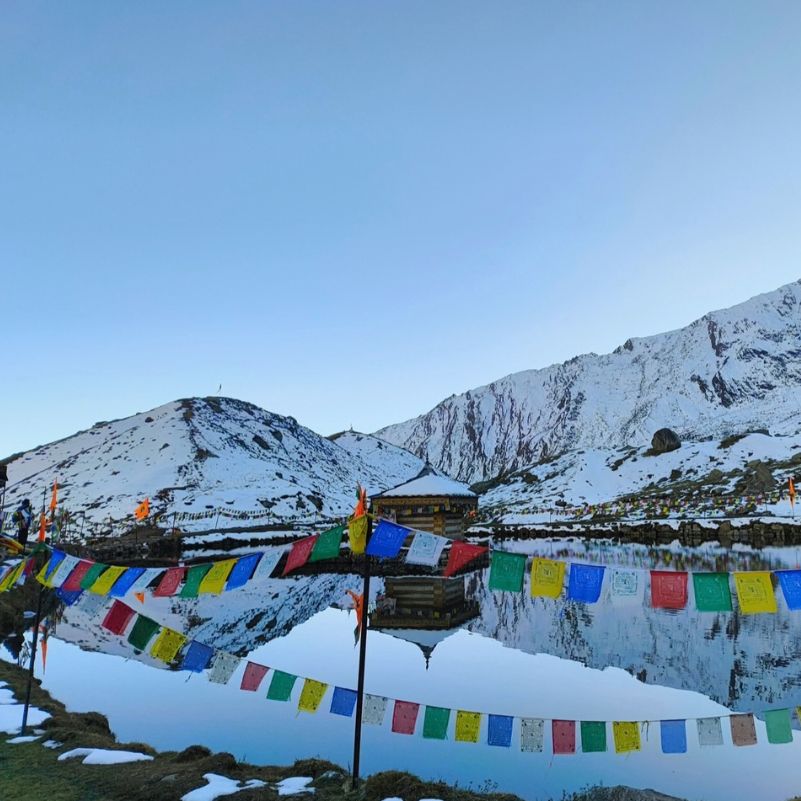
At the top, you reach an alpine lake with a Krishna temple beside it, at about 3,895 metres (12,779 ft).
People widely call it the world's highest Krishna temple. We could not find an independent global record certificate for that title, so read it as a popular description.
Local belief links the shrine to the Pandavas. Villagers hold that story with deep faith, and you should respect it as tradition rather than proven history.
What most trekkers get wrong about the distance
Here is the mistake we see most often. Travellers read "12 km" online and plan for a gentle half day walk.
The Forest Department's figure of about 12 km covers Yulla village to the temple one way. If you return by the same route, your total walking comes to roughly 24 km, depending on where you start and camp.
If you want to combine the trek with more of the district, our Kinnaur travel options show how other travellers build longer trips around it.
Can You Trek Yulla Kanda Solo Without a Guide?
"Solo" means three different things, and mixing them up causes bad planning.
The first is arranging your own transport, homestay and camp, then walking the trail with whoever you meet. The second is arranging everything yourself but hiring a local guide privately. The third is walking completely alone, with nobody beside you on the trail.
Recent 2026 trekking accounts on Reddit show that people do arrange this trek independently. Those accounts prove independent travel worked for those people on those dates. They do not prove it suits everyone.
We cannot confirm whether current local rules require a licensed guide for this route. Ask in Yulla Khas or at the district office before you assume you can go without one.
Who can consider trekking independently?
You fit an independent plan if you have done long mountain walks before and you know how to read a route.
You should carry offline maps, know how to prepare for sudden bad weather, and feel comfortable arranging a camp in a village where you know nobody.
Fitness alone does not qualify you. Strong legs do not replace judgment, time management and a clear emergency plan.
The trekkers who handle this well usually decide their turnaround time before they start, and they actually turn around when that time comes.
When should you avoid trekking alone?
Skip a fully alone walk if snow covers the upper trail, visibility drops, or rain sets in.
The same applies if nobody can confirm route access, if you feel unwell, if your clothing cannot handle cold, or if you are running short of daylight.
Weak phone connectivity raises the stakes further. Alone, a twisted ankle in the upper section becomes a serious problem.
Your risk depends on your skill, the season and the day's conditions. A seasoned trekker in clear September weather faces a different trip from a beginner walking into fresh snow.
Solo Trek vs Local Guide vs Group Trek: Which Is Better?
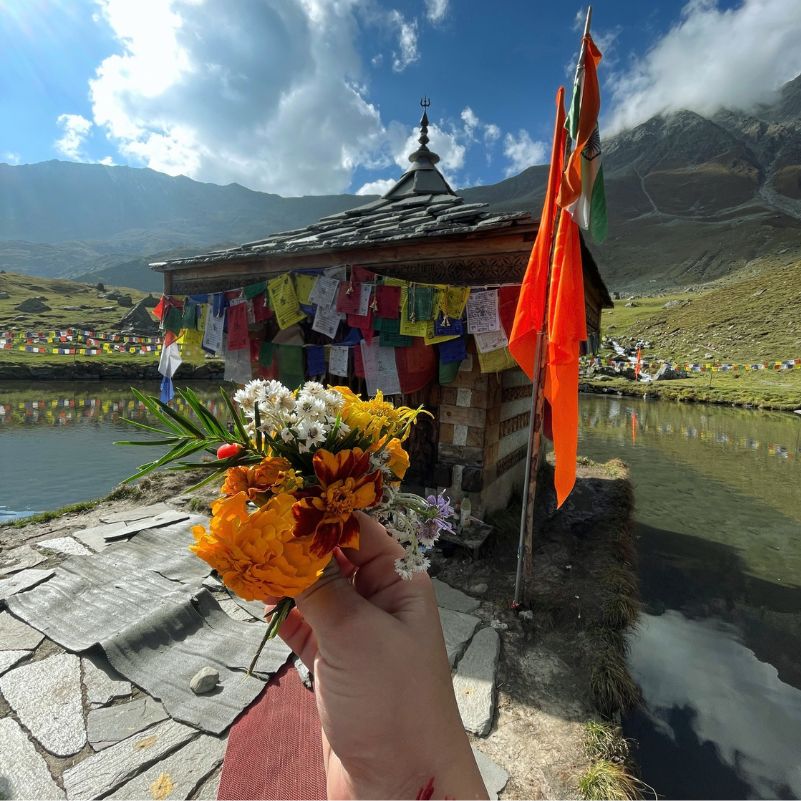
No single answer fits everyone. Each option trades freedom against support in a different way.
Going fully independently
You choose your own dates, your own stops and your own pace. If you love a meadow, you stay longer. If you feel tired, you rest.
In return, everything sits on your shoulders. You handle transport, accommodation, food, navigation, backup plans and any evacuation arrangements.
Independent travel does not always cost less. Once you stop sharing cabs and tents, the numbers can climb quickly, as the cost section below shows.
Hiring a local guide without joining a group
This middle path works well for many travellers. You keep your own dates and pace, but someone who knows the trail walks with you.
A local guide reads weather and terrain far better than any offline map. That knowledge matters most in the steeper upper section.
We do not have confirmed current guide fees. Ask the price in Yulla Khas and agree on it before you start walking.
Joining an organised trekking group
A group gives you company, coordinated transport, prebooked stays and a planned leader. For a first time Himalayan trekker, that removes a lot of stress.
Groups also bring downsides. You follow a fixed schedule, share rooms and tents, walk at the group's pace and accept the operator's trip conditions.
A good group still needs honest turnaround decisions. No operator can promise the lake if the weather turns.
You can read exactly what our own Yulla Kanda group trek includes and excludes before you decide.
How Difficult Is the Yulla Kanda Trek for Beginners?
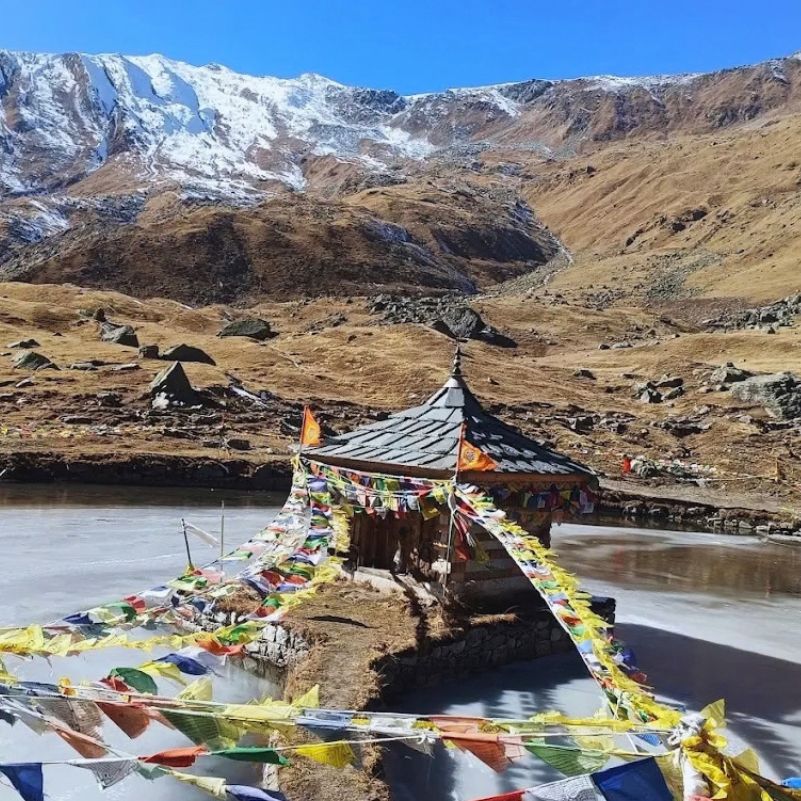
Most operators call Yulla Kanda moderate. That label hides two things beginners underestimate: the altitude and the long, steady climb.
This is not a casual day walk. The lower forest trail feels manageable, but trekkers describe the upper section as steeper and more exposed.
What physical preparation helps?
Build walking endurance in the weeks before your trip. Practise uphill routes and long staircases, with a loaded daypack on your back.
Break in well fitting trekking shoes before you arrive. New shoes on a 24 km round trip produce blisters, not memories.
No training plan guarantees safety. Preparation improves your odds and your comfort, nothing more.
What changes at higher altitude?
Altitude illness can hit fit people too. The CDC's 2026 Yellow Book notes that travellers who sleep at high altitude without acclimatising can develop it, and that physical fitness does not prevent it.
The fix stays simple. Gain height gradually, do not climb higher while you have symptoms, and descend if your symptoms get worse.
We do not suggest any altitude medicine or dose here. Discuss that with your own doctor before you travel.
How Do You Reach Yulla Khas Independently in 2026?
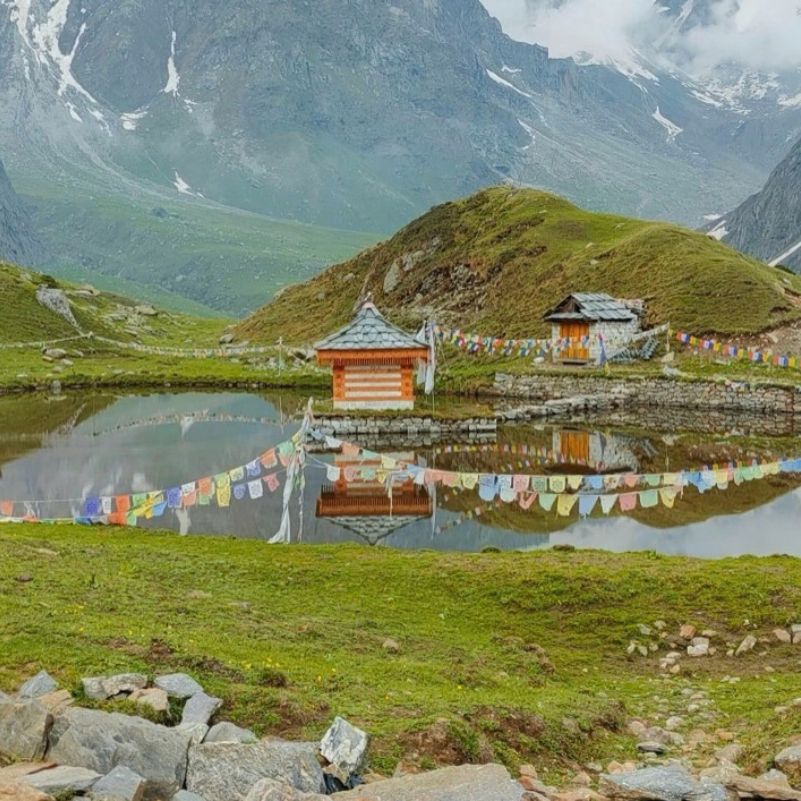
The standard approach runs from Delhi or Chandigarh to Shimla, then along the Kinnaur road via Rampur and Tapri, and finally up to Yulla Khas by local transport.
Delhi or Chandigarh to Shimla
Buses and private vehicles both run to Shimla. We cannot confirm current fares, pickup times or journey durations, so check them when you book.
What we tell our travellers: do not step off an overnight bus and start a high altitude climb the same day. Give your body a proper night's rest somewhere along the way.
If you want to spend a day in the city first, our page on planning your Shimla arrival covers stays and transport options.
Shimla to Tapri and Yulla Khas
Independent trekkers usually take a bus along the Kinnaur corridor, then switch to a local taxi, shared vehicle or bus towards Yulla Khas.
HRTC bus timings and fares may vary depending on the season, service availability and road conditions, so check the latest schedules and ticket prices directly with HRTC before travelling.
Published sources also give different road distances between Tapri and Yulla Khas, so confirm the approximate distance, route and final drop-off point with your local driver before starting the journey.
Our first insider tip: confirm your onward ride from Tapri before you leave Tapri. Ask locally how the last leg works that day, because a missed connection can strand you for the night.
Our timing tip changes the whole trip. Reach Yulla Khas the evening before your trekking day, not on the morning of it.
That one night gives your body time to adjust, lets you confirm camp and route details in person, and gives you a buffer if the highway slows you down.
Before you start walking, also check how you will get back. Many trekkers plan the climb carefully and forget the return ride.
What Is the Yulla Kanda Trek Route, Distance and Altitude?
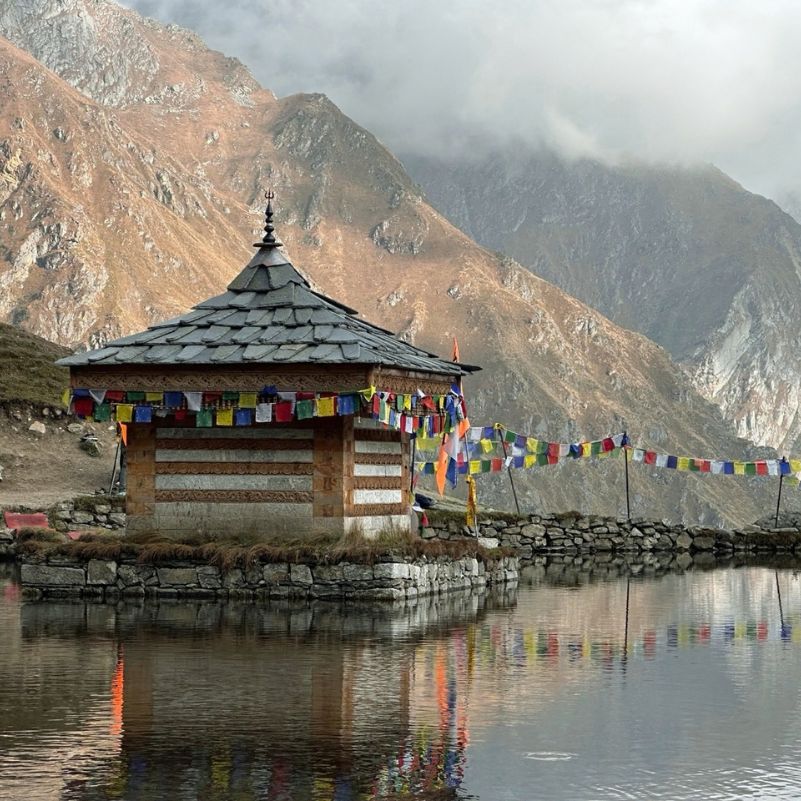
The Forest Department's 2024 planning report places the route at about 12 km from Yulla village to the Yulla Kanda temple.
Again, that figure covers one direction. A same route return makes it roughly 24 km, and your actual walking depends on your start point, paths and campsite.
We will not give you an exact elevation gain. Sources disagree on the altitude of Yulla Khas, so any total climb figure would be a guess.
Yulla Khas to the forest and camping area
You leave the village through orchard sections, then climb into forest paths and open meadows.
This stretch feels the friendliest. The gradient builds slowly, and you can settle into a steady rhythm.
Campsite positions shift between operators and seasons. Nobody can give you one fixed distance to "the campsite".
Camping area to Yulla Lake and the Krishna temple
Above the camping area, the terrain turns steeper and more exposed. The air gets colder, and the wind has nothing to stop it.
At the top, you reach the lake and the temple. Plan your time so you still have plenty of daylight to descend.
We do not publish GPS coordinates or a fixed "time to the top." Your pace, the weather and the altitude all change that number.
Can You Complete Yulla Kanda in One Day, or Should You Camp?
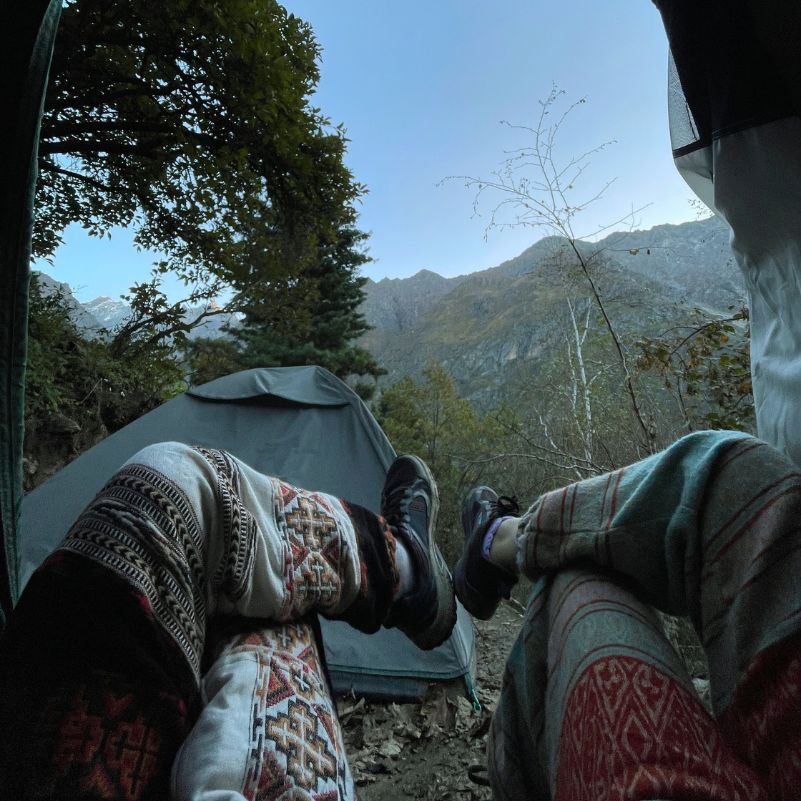
Separate your travel time from your trekking time. The road to Yulla Khas takes its own day, and the walk deserves its own planning.
Independent two day trekking plan
Reach Yulla Khas in advance and confirm your homestay there.
On your first trekking day, walk from Yulla Khas to an approved or locally confirmed camping area.
On the next day, attempt the upper section to the lake and temple, then descend as conditions allow.
Treat this as an example plan, not a fixed schedule. Locals on the ground know the current campsites better than any blog.
One day hiking attempt for experienced trekkers
Some experienced visitors report doing the whole trek in one very long day. We do not recommend this for beginners.
A one day push needs strong fitness, good weather, an early start, enough food, prior acclimatisation and a strict turnaround time.
Here is what we would skip: the single day summit attempt as a first time trekker. It saves one night of camping but squeezes roughly 24 km of high altitude walking into daylight hours, with no margin for trouble.
What Travel Coffee's group itinerary does differently
Our published group plan puts you in a Yulla Khas homestay for the first night.
On the main trekking day, you climb towards the campsite and attempt a lake visit the same day, if conditions allow. You sleep in camp that night and descend the next day.
The lake visit always depends on weather, trail conditions and our trekking team's safety call on the day.
You can see the full Yulla Kanda camping itinerary with day wise details on the package page.
How Much Does a Solo Yulla Kanda Trek Cost Compared With a Group in 2026?
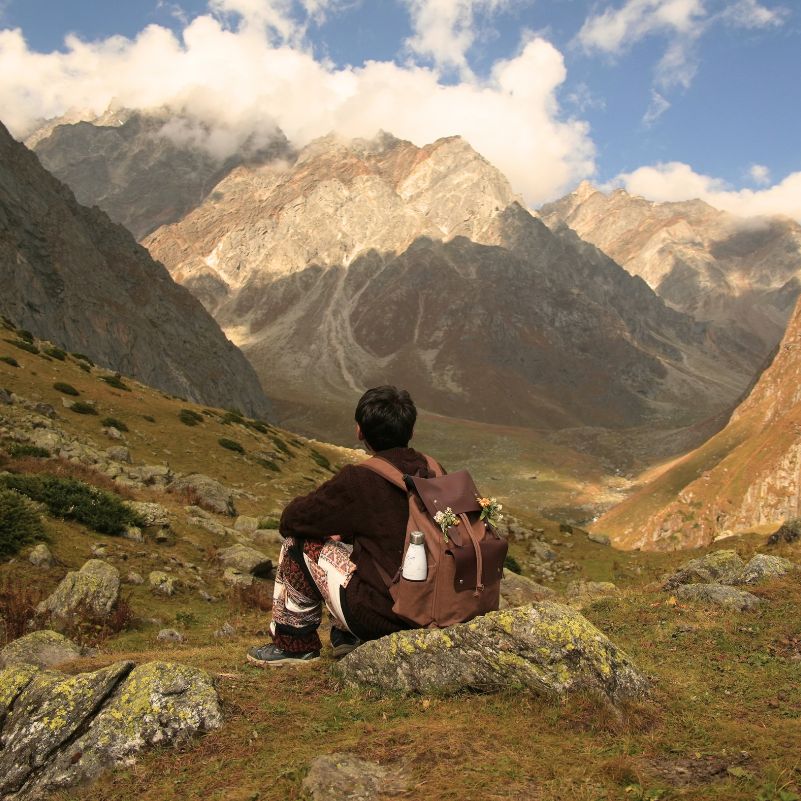
Treat every independent figure below as a dated example from one traveller's trip, not a guaranteed 2026 rate.
Independent travel cost examples
A September 2026 community guide on Reddit reports village homestays at around ₹800 to ₹1,200 per person on a sharing basis.
A July 2026 traveller reported a tent costing ₹2,000 for four people, which worked out to ₹500 each for that booking. Their post does not make clear whether meals came with it.
A different September 2026 traveller paid ₹3,000 for four people at a campsite, including dinner, morning tea and breakfast.
That same traveller paid ₹12,000 for a reserved return cab from Shimla, split four ways. Their whole trip cost about ₹18,000 for four, or around ₹4,500 per person.
Look closely at that last number. Four people shared every big expense.
If you travel completely alone, you cannot split the cab or the tent. Your solo cost can end up far higher than ₹4,500, so do not treat that figure as a standard solo price.
Our money saving tip: if you go independently, find trekking partners for the Shimla to Yulla Khas stretch. Splitting a cab four ways changed that traveller's transport bill from ₹12,000 to ₹3,000 each.
Price warning: ask what the camp price covers
Our second insider tip saves arguments later. Before you pay any camp, ask exactly what the price includes.
Compare the two reports above. One group paid ₹2,000 for a four person tent with meals unclear, while another paid ₹3,000 for four with dinner, tea and breakfast included. Get the inclusions spelled out before money changes hands.
Travel Coffee group price and inclusions
On 9 October 2026, our package page listed ₹7,499 per person for triple sharing from Delhi or Chandigarh, and ₹8,999 per person for double sharing.
The Shimla joining option costs ₹1,000 less per person. Your booking quote will reconfirm the exact amount.
The Delhi option runs five days and four nights, including overnight bus travel. The Shimla option runs three days and two nights.
You get one night in a Yulla Khas village homestay and one night in an alpine camp, along with two breakfasts and two dinners.
We provide shared mountain transport, a trip captain and a local trekking team. Ask us about leader certifications, medical kit and rescue arrangements for your specific batch, because we confirm those per departure.
Hidden costs that can change the comparison
Our package excludes lunches, snacks, bottled water, personal porter support, travel insurance and certain disruption related costs.
Whichever option you choose, check tent sharing, luggage carrying, transfers, meals, taxes, cancellation terms and medical support.
Also compare like with like. The ₹4,500 report covers a shared Shimla to Shimla trip, while our ₹7,499 option covers Delhi to Delhi with overnight buses.
Where Can Solo Trekkers Stay, Eat and Find Drinking Water?
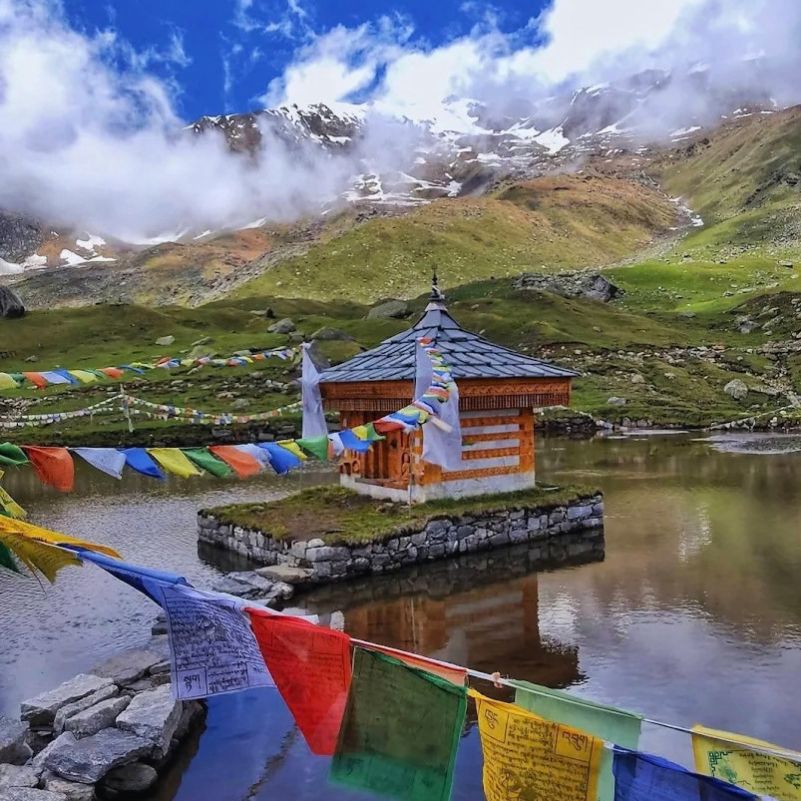
Homestays in Yulla Khas handle your first night. Seasonal trekking camps higher up handle the second.
Some independent trekkers have arranged tents and meals directly with locals. Space, facilities and prices change, so confirm before you go.
If you plan to pitch your own tent, confirm the campsite location and whether locals permit private tents there.
Our chai and food tip
Eat a proper hot dinner at your Yulla Khas homestay the night before you climb, and take your morning tea at camp before the upper section.
That warm start matters more than any energy bar once the wind picks up near the lake.
Carry enough food for the whole trekking day anyway. Do not plan your lunch around a stall that may not exist.
Drinking water on the trail
Trekker reports disagree about water along the route. Do not count on a reliable tap or stream at any fixed point.
Carry reusable bottles and a way to treat water you collect. That also saves you money on bottled water, which our package excludes anyway.
Do You Need a Permit for the Yulla Kanda Trek in 2026?
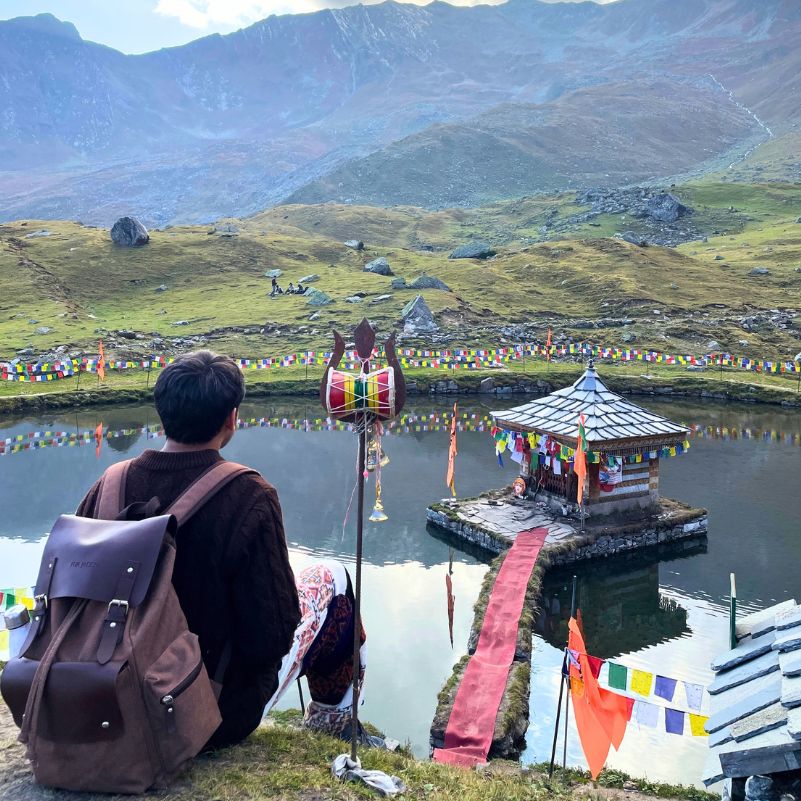
Kinnaur has special Protected Area Permits for notified border locations. The standard Yulla Khas approach falls in a different situation.
District Kinnaur's published Protected Area list covers specified places, including locations in Pooh block. Yulla Khas does not appear among the named villages on that list.
So the usual Yulla Khas approach does not appear to need the same PAP documents as the notified upper Kinnaur border areas.
That does not rule out other permissions. Trekking, forest, camping or local registration requirements may still apply, and we cannot confirm current fees.
Foreign nationals should confirm the rules for their nationality and full route with the district authorities.
Our Kinnaur and Spiti permit guidance explains how the protected area system works across the district.
Is Yulla Kanda Safe for Solo Female Travellers?
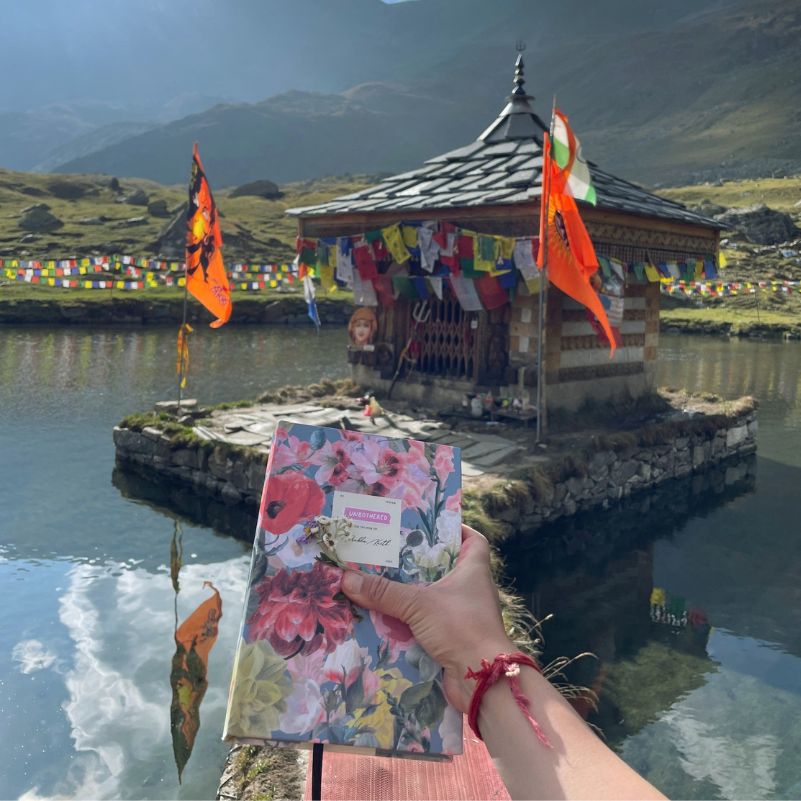
We will not make sweeping claims about any community, good or bad. Your safety depends on preparation and practical choices.
Verify your homestay before you arrive, and tell a trusted contact exactly where you will sleep each night.
Confirm every transport connection in advance, especially the last leg from Tapri. Start early so you never walk the trail in fading light.
Consider walking with other trekkers on the trail, carry proper gear and share your itinerary with someone at home.
A reputable group adds logistics and company, but it does not guarantee safety. Ask any operator how they handle rooms, tents and emergencies for women travelling alone.
What Is the Best Time for Solo Yulla Kanda Trekking in 2026?
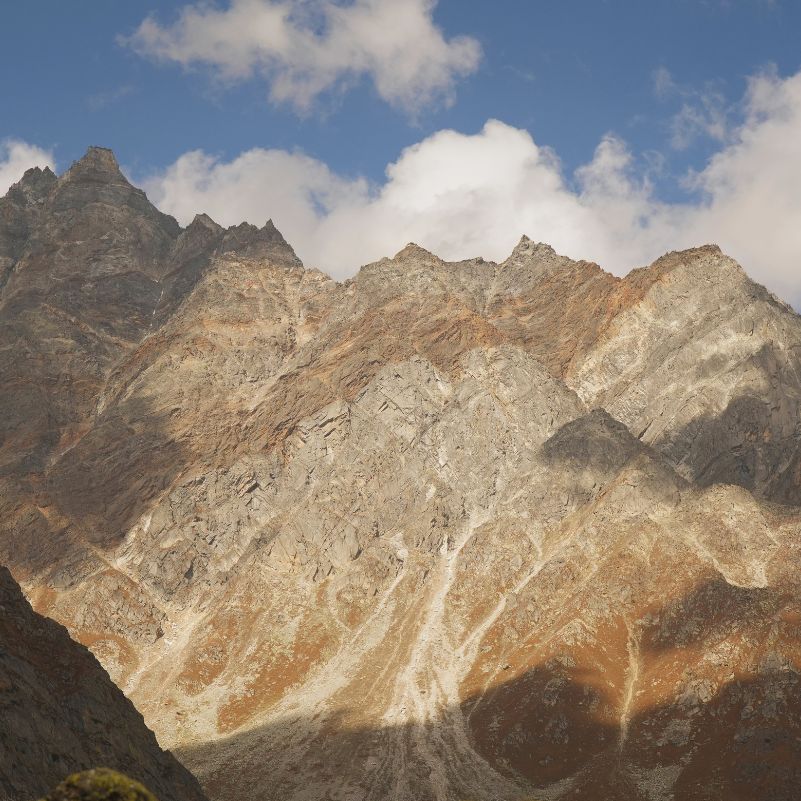
Outlook Traveller describes mid May to mid October as the broadly favourable trekking window. Snow and weather decide each day's reality.
Late spring can still bring snow higher up. The monsoon months add rain and road uncertainty. After the monsoon, clearer skies usually return, but nights grow colder as autumn deepens.
Janmashtami 2026 and the pilgrimage crowd
Krishna Janmashtami fell on Friday, 4 September 2026. Pilgrims link this period with the temple, so expect a different, busier experience than a quiet trekking weekend.
Late October and November departures
We list conditional departures into late October and November 2026. A listing does not prove that roads, campsites or the high trail will stay open.
District Kinnaur issued 2026 traffic regulations for NH-5, including the Nathpa and Nigulsari sections. Do not rely on older September traffic windows for an October trip.
We have no verified real time statement on today's road or trail access. Check updated local notices right before you leave.
Our Kinnaur in October road and weather guide covers what autumn travel on this highway looks like.
What Should You Pack, and What If Something Goes Wrong?
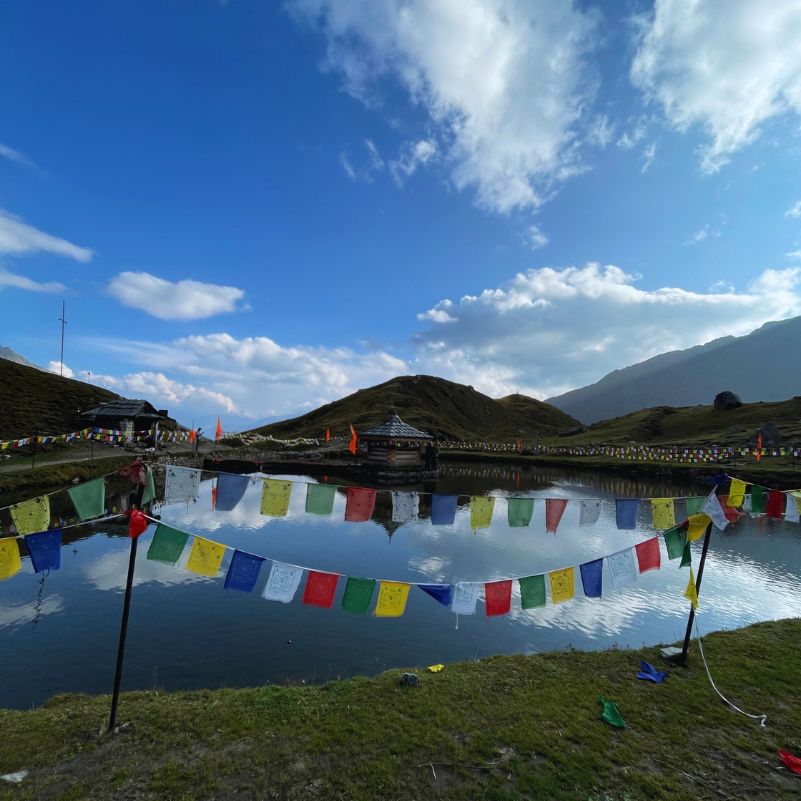
Pack trekking shoes with good grip, warm layers, a waterproof shell and sun protection.
Add a headlamp, power bank, first aid kit, enough food, reusable water containers, offline maps and personal ID.
Good packing improves your comfort and your options. It does not remove risk on its own.
Altitude illness and when to turn back
Headache, nausea and dizziness after a climb can signal altitude illness. Only proper medical assessment can confirm it.
Follow the CDC guidance. Stop climbing while you have symptoms, and descend and seek help if they get worse.
What we tell our travellers: the lake will still be there next season. Turning back early never ruins a trip the way pushing on can.
Emergency contacts and low network situations
Our safety warning: District Kinnaur lists 1077 as its disaster helpline. Save it offline before you lose signal.
Reports on mobile network along the trail vary. Do not plan your safety around having signal.
Tell a trusted contact your route and expected return time. Agree on what they should do if you miss your check in.
Protecting the sacred lake and temple
Carry all your waste back down. Respect local worship at the temple, and stay on the established trail.
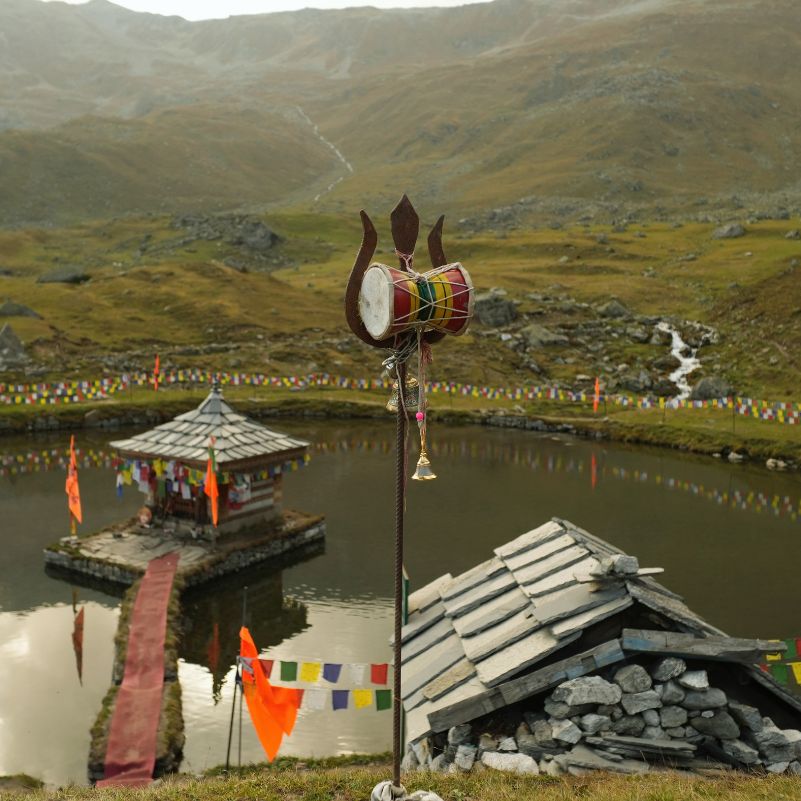
Follow local rules on camping, fires and use of the lake. For villagers, this lake holds deep religious meaning, not just scenery.
What Should You Check Before Booking a Yulla Kanda Group Trek?
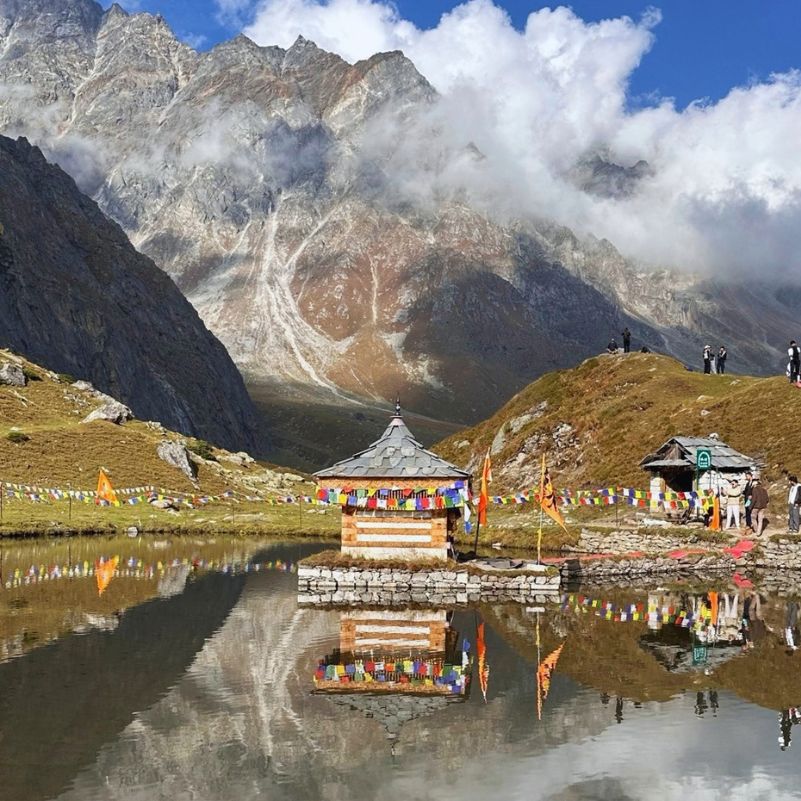
Ask any operator, including us, for the planned walking distance and the trekking day schedule.
Ask how they handle acclimatisation, what local guide support comes along, and what first aid they carry.
Confirm the campsite, tent sharing, room sharing, transport and meals. Ask about porter arrangements, exclusions and cancellation terms.
A group can still be the wrong fit. If the main day's walking feels too demanding for your fitness, say so before you book, not on the trail.
Get every answer in writing. Broad promotional claims do not help you at 3,895 metres.
Final Verdict: Is Solo Trekking or a Group Better for You?
Experienced trekkers with the right skills and locally confirmed arrangements can enjoy an independent trip.
Others may prefer hiring a local guide while keeping their own dates and pace.
First time visitors, people travelling without companions and anyone who wants transport and stays handled may find a group more convenient.
In every case, your fitness, acclimatisation, the weather and trail conditions decide whether the trek suits you that day.
Explore Our Curated Yulla Kanda Tour Packages
 Group Tour5D/4N
Yulla Kanda Trek & Camping Group Tour
1D Yulla Khas•1D Yulla Kanda Campsite
₹7,499₹9,999SAVE INR 2,500/ person
Frequently Asked Questions
Can I do the Yulla Kanda trek solo without a guide?
Recent 2026 accounts show trekkers doing it independently. We cannot confirm whether local rules currently require a guide, so ask in Yulla Khas.
Is the Yulla Kanda trek safe for solo female travellers?
It depends on your preparation. Verify stays, confirm transport, start early, share your itinerary and consider walking with others.
Can beginners do the Yulla Kanda trek independently?
Fitness alone is not enough. Beginners lack mountain judgment, so a local guide or group suits most first timers better.
Can I complete Yulla Kanda in a single day?
Some experienced hikers have done very long single days. Beginners should camp overnight instead, because nothing guarantees a safe one day finish.
Is the Yulla Kanda trek 12 km one way or round trip?
The Forest Department puts it at about 12 km one way. A same route return makes it roughly 24 km.
How do I reach Yulla Khas by public transport?
Take a bus from Shimla along the Kinnaur road via Rampur to Tapri, then local transport to Yulla Khas. Confirm current timings locally.
Do Indians need a Yulla Kanda trekking permit?
Yulla Khas does not appear on Kinnaur's notified protected area list. Local trekking, forest or camping permissions may still apply.
Do foreign nationals need a permit for Yulla Kanda?
Your nationality and full route decide that. Confirm requirements with the Kinnaur district authorities before you travel.
How much does Yulla Kanda cost for a solo traveller?
No single price exists. One September 2026 group of four spent about ₹4,500 each, but alone you lose those shared savings.
Can I book a campsite without joining a trekking group?
Independent trekkers have arranged camps locally. Confirm current operation, availability and permission before you rely on one.
Is mobile network and drinking water available along the trail?
Reports on both vary. Carry water treatment, save emergency numbers offline and do not count on signal.
Is October a good time to trek Yulla Kanda?
Early October often falls inside the broad mid May to mid October window. Late season access needs fresh local confirmation.
More about Kinnaur
 Kinnaur
Yulla Kanda vs Bhrigu Lake Trek 2026: Which Suits Your Time and Fitness?
Confused between Yulla Kanda and Bhrigu Lake Trek in 2026? Compare trek difficulty, distance, duration, altitude and fitness requirements to find which Himalayan adventure best suits your time, experience and travel plans.
 Kinnaur
Where to Stay in Kinnaur in Winter 2026: Best Bases & Warm Rooms
Wondering where to stay in Kinnaur in winter 2026? Compare Kalpa, Sangla and Reckong Peo for road access, heating, hot water and winter comfort. This guide helps you choose the best base and a warm, practical stay for your Kinnaur trip.
- Kinnaur
Yulla Kanda in Winter 2026: December to April Access and Snow
Planning a winter trip to Yulla Kanda in 2026? Understand what to expect from December to April, including snowfall, freezing temperatures, trail conditions, and seasonal access challenges. This practical guide explains when the trek becomes difficult or inaccessible, what winter travellers should prepare for, and why local weather and trail updates are essential before departure.