
Sissu vs Koksar for Snow in 2026-27: Which Is Better and What Can Tourists Visit?
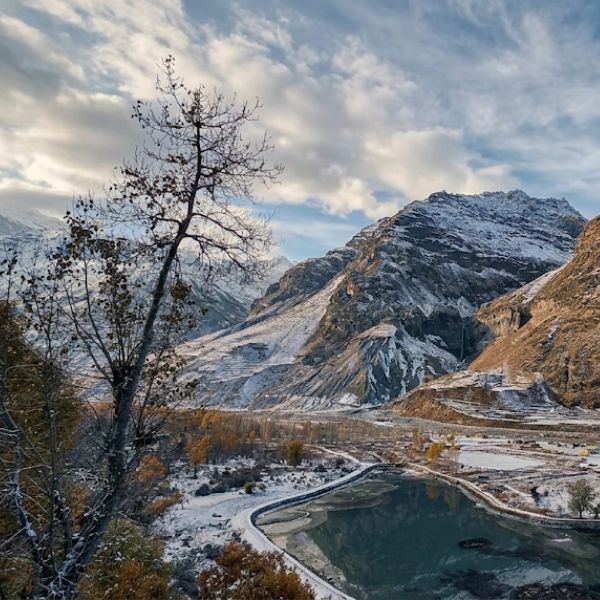
You have one free day out of Manali and you want real snow. The Sissu vs Koksar choice decides whether you get a great day or a long drive to a police barrier.
Here is the straight answer first. After that, we cover what each place actually offers, what changed in 2026, and how to plan around winter roads.
Quick Answer: Sissu vs Koksar, Which Is Better for Snow?
If snow is your only goal, check Koksar first. Go only if police and road conditions let tourists through that day.
If you want snow plus real sightseeing, Sissu usually gives you a better day. You get a waterfall, a lake, village views and more tourist facilities.
Either way, the road status on the morning you travel matters more than any advice here, including ours.
If you want a ready plan with a driver who knows this corridor in winter, look at our Sissu tour packages.
Start with what most tourists get wrong. They think an open Atal Tunnel means Sissu and Koksar are open for sightseeing.
They are two separate things. The tunnel can run normally while police stop tourist vehicles at a barrier, or while an avalanche zone near the exit stays off limits.
We see this every winter. A family pays for a full Lahaul day, crosses the tunnel in their heads before breakfast, and ends up at a barrier with nowhere to go.
The second mistake is believing Koksar has better snow because it sits much higher. It does not. The height gap is tiny.
Altitude: Almost the Same
Both places sit in Lahaul, on the far side of the Atal Tunnel from Manali.
The Lahaul and Spiti district tourism page lists Koksar at about 3,140 metres and Sissu at about 3,130 metres. A Himachal Forest Department document puts Sissu at 3,120 metres.
So for planning, treat both as roughly 3,100 metres. Height alone does not decide which one holds more snow on your travel day.
What Each Place Actually Is
Koksar works as a cold gateway and a winter snow stop. You come for the snow, the river and the mountains, then you turn back.
Sissu is a proper village with things to see. Even when the snow looks thin, you still have a waterfall, a lake and wide views over the Chandra River.
That is why we judge them on two questions, not one. Where is the better snow today? And where is the better day out?
Which Has Better Snow: Sissu or Koksar?
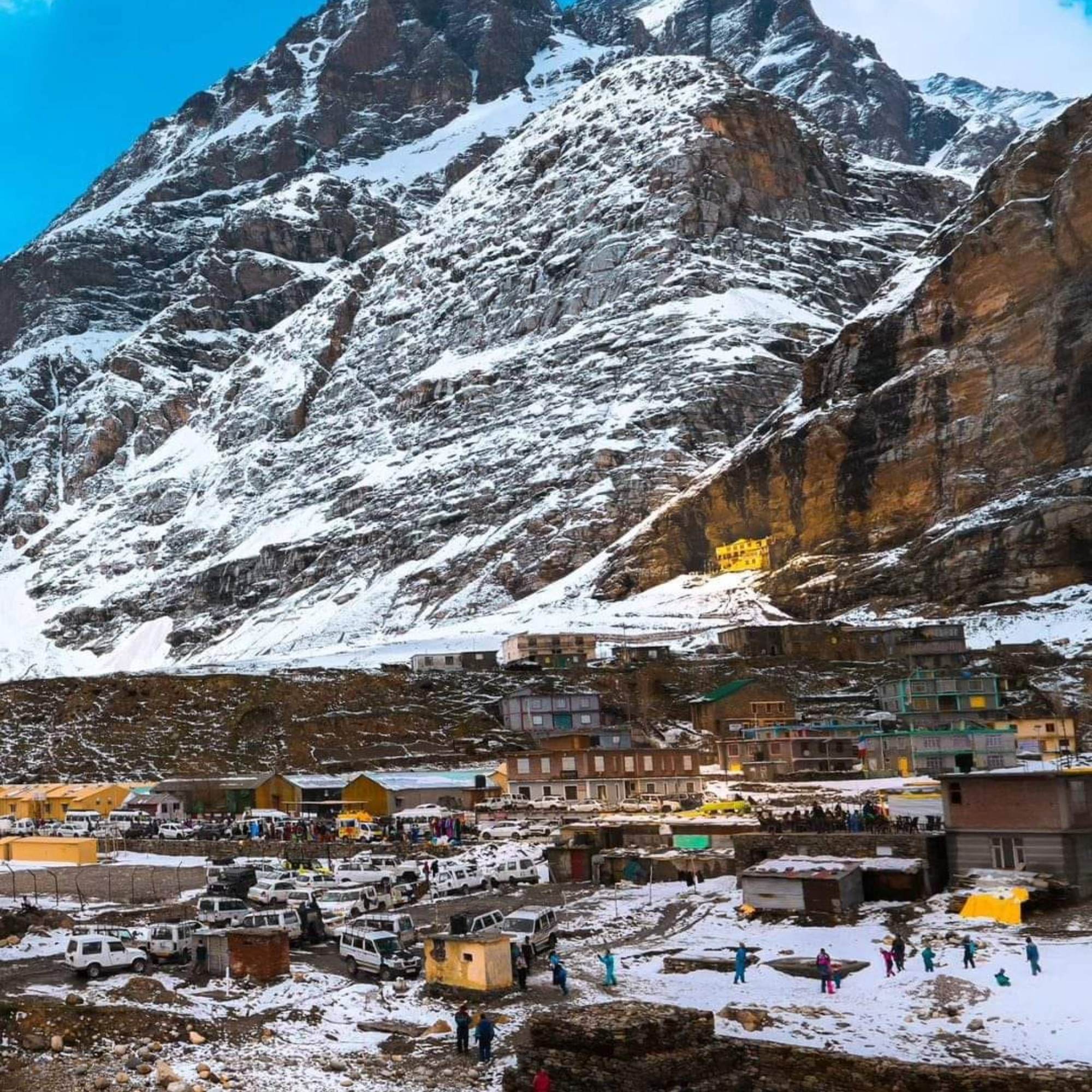
The official district tourism page says Koksar stays under snow through winter. It also calls Koksar the coldest inhabited place in Lahaul.
That reputation holds up on many winter days. Koksar often keeps its snow when Sissu starts to look patchy.
A traveller report from January 2, 2026 found much fresher snow around Koksar than at Sissu on that particular day. That is one day and one report. It is not a rule.
Snow changes after every storm and every sunny spell. A clear week can thin out Sissu, and one fresh snowfall can bury both places evenly.
In our experience, the honest answer is “Koksar more often, but never always.” Our drivers ask around on the morning itself before they commit to either side.
Deeper Snow Is Not Always Better Snow
The district page also describes Koksar as avalanche prone. More snow on the slopes above the road gives police more reason to close it.
So deeper snow does not automatically mean a safer or better trip. On some days the snowiest place is exactly where you should not stand.
An Insider Tip on Snow Quality
Go early. Morning snow stays firm and clean. By afternoon, sun softens the top layer, and tourist footfall turns roadside snow grey and slushy.
The second insider tip: the best snow is rarely at the first crowded stop. Walk a little away from the parked cars, but only within the area police have opened.
How Far Is Sissu From Koksar?
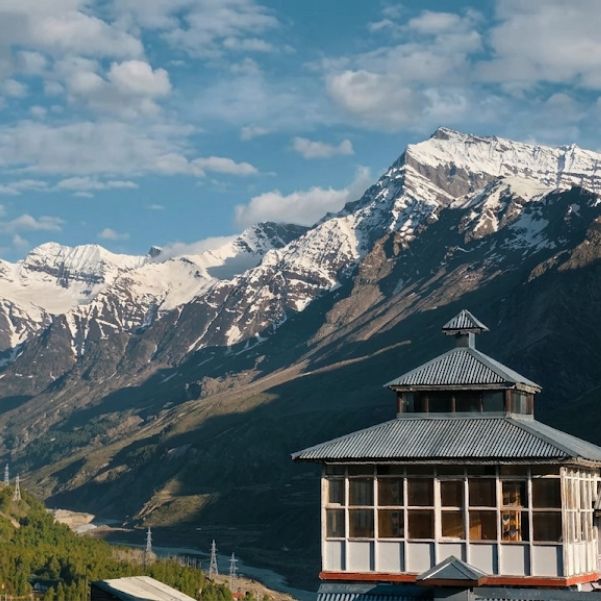
Sissu and Koksar sit about 14 km apart, according to the Himachal Forest Department ecotourism master plan.
The same document puts Sissu at around 40 km from Manali.
Published sources give different distance estimates from the Atal Tunnel North Portal to Sissu and Koksar, so check your exact route on a current map before travelling.
On a winter day, distance tells you very little anyway. A short stretch can take a long time behind snow clearance work or a police check.
Plan by daylight and road status, not by kilometres. That one habit saves more winter trips than any shortcut.
If you are basing yourself in Manali and want stays and transport sorted together, our Manali tour packages cover this corridor.
What Can Tourists Visit in Sissu?
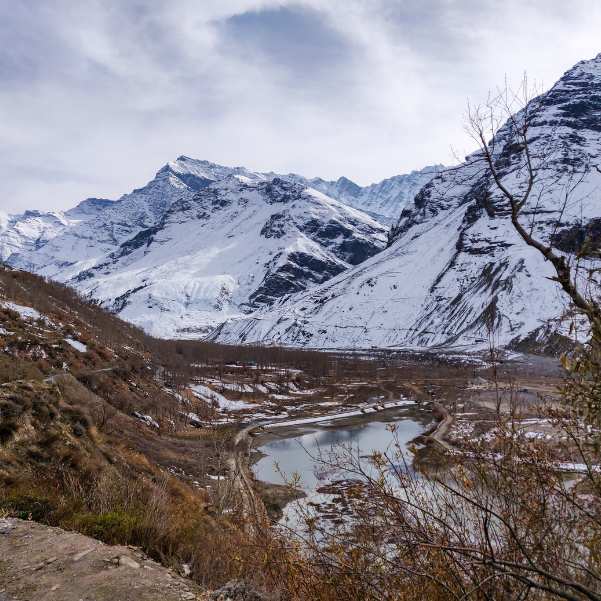
Sissu wins on sightseeing because it gives you more than one reason to stop. Here is what you can actually see.
Sissu Waterfall
The district tourism page describes Sissu Fall cascading across the Chandra River, with a suspension bridge for access.
In winter, fresh snow and ice can make the path and bridge risky. We cannot promise the walk is safe on any given day.
If locals or police put up a barrier or tell you to stay back, listen. A waterfall photo is never worth a slip on ice above a cold river.
Sissu Lake and Chandra River Views
The Sissu lake beside the helipad area features among the major tourist attractions in the Himachal Forest Department document.
Some winter visitors find it frozen and some do not. Do not build your whole day around a frozen lake photo.
The Chandra River views stay good either way. Wide valleys, snow on the slopes and the river cutting through the middle make Sissu the easier place for family photos.
Lord Gyephang and the Village
Lord Gyephang holds deep importance for the people of Lahaul. Locals revere him as a guardian deity of the valley.
The official district page says the Lord Gyephang temple is not open to outsiders. So please do not plan to go inside.
View the area respectfully from outside. Keep your voice down near sacred spots and ask before you photograph local people.
This matters more than tourists think. In 2026, Sissu stopped tourism activities for weeks during local religious observances, which we cover below.
Playing in Snow at Sissu
Play only in areas that authorities have opened to tourists that day. The open area can change from one week to the next.
One stop to skip: the snow right at the Atal Tunnel North Portal. Many tourists treat it as a free snow point, but in April 2026 the administration declared that zone restricted due to avalanche risk.
Here is a simple money saving tip. Carry your own waterproof gloves, warm socks and a spare pair of shoes in a plastic bag.
For an hour of snow play at Sissu, your own waterproofs often do the job. You avoid renting gear at every stop, and you dry off faster in the car.
What Can Tourists Visit in Koksar?
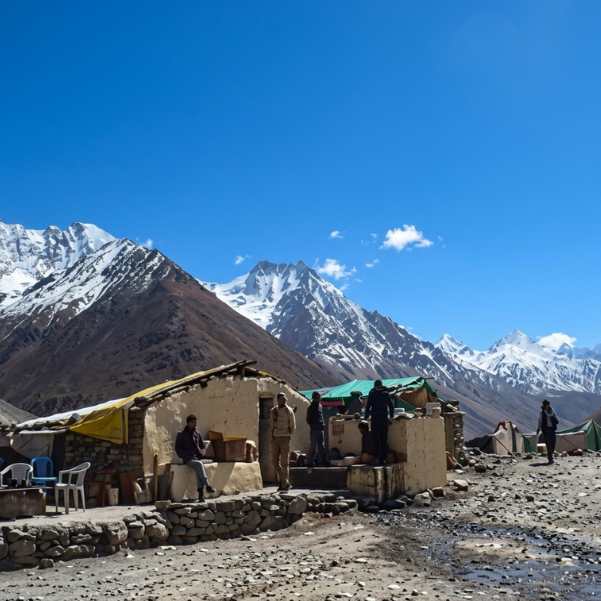
Koksar is simpler. You come for snow and views, not a list of attractions.
Koksar Snow Point
In winter, the snow itself is the main draw. Think of it as a snow stop rather than a sightseeing town.
There is no fixed Koksar snow point. Where you can stop depends on how far snow clearance has reached and where police place the barrier that day.
The usable spot shifts through the season. Your driver should find out where it sits on the morning you travel.
Chandra River and Mountain Views
Koksar sits on the right bank of the Chandra River, with high mountains around it. On a clear winter day, the white slopes rise straight from the river.
Remember that the district page describes Koksar as avalanche prone. Stay near the road, keep away from steep slopes, and do not climb for a better angle.
Koksar Village and Roadside Food Stops
Koksar works as a gateway and a practical halt. Do not expect a big market or a long row of shops.
Our pick for warming up is a cup of hot chai at one of the simple roadside dhabas along the main road in Koksar village. Which ones stay open in deep winter changes from year to year.
Carry water and dry snacks anyway. If the dhabas are shut, you will be glad you did.
Is Koksar Better Than Sissu for Families?
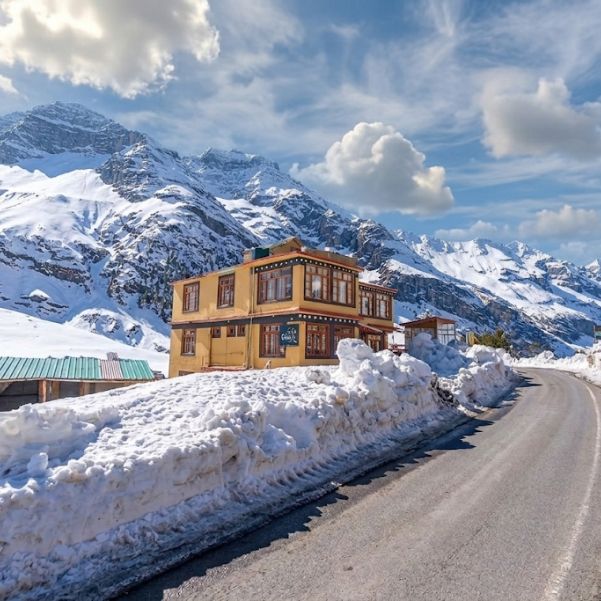
For most families, we recommend Sissu. It offers more to see, more tourist infrastructure and an easier day if the snow turns out thin.
Children get bored fast if the only plan is “stand in snow.” At Sissu, you can add the waterfall view, the lake and the river valley.
Koksar suits travellers who mainly want snow and can accept a simple stop with fewer facilities. Choose it only after you confirm current access.
What we tell our travellers with kids or elderly parents is simple. Pick Sissu as the main plan, and add Koksar only if the road, weather and police all say yes.
The final decision should come from three things on the day itself: the weather, road clearance and police instructions.
Can You Visit Sissu and Koksar on the Same Day?
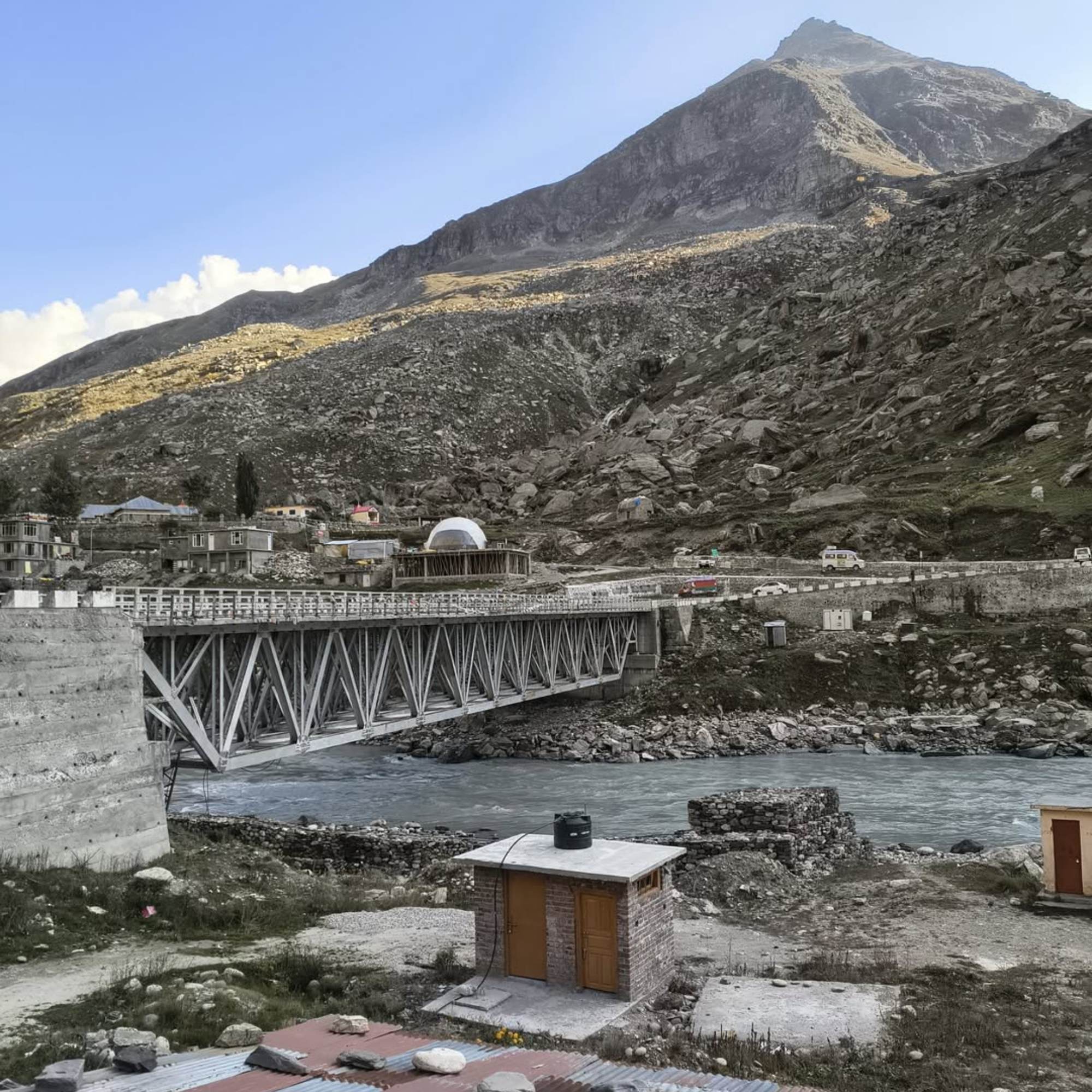
Yes, sometimes. They sit roughly 14 km apart, so you can combine them when the roads are clear.
But nobody can promise both in winter. Fresh snowfall, avalanche danger, ongoing road clearance or a police barrier can shut one or both.
Our drivers decide the order on the spot, based on where the better snow sits and where the barrier stands. Keep your plan loose enough to allow that.
If you only manage one, that is still a good day. Rushing between both on icy roads in failing light is not.
If Lahaul stays shut, Solang still gives you plenty to do. Our guide to adventure activities in Manali helps you plan that backup.
Do You Need a 4x4 for Sissu or Koksar?
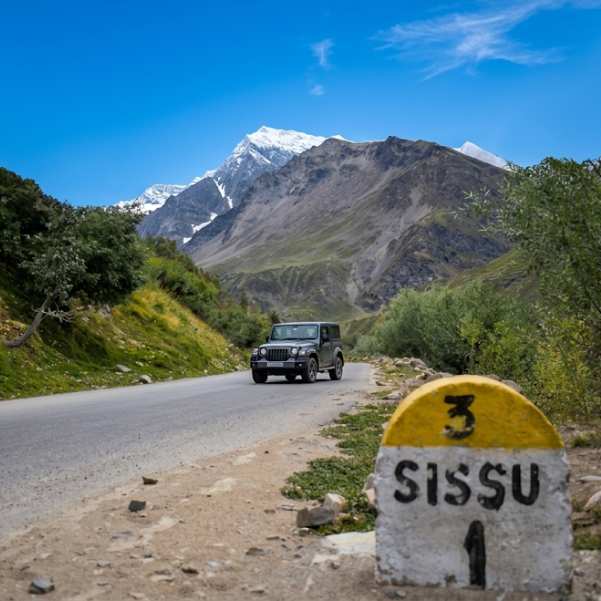
You will hear that a 4x4 is compulsory every winter day. That is not accurate.
The rule changes with conditions. After fresh snowfall on March 30, 2026, authorities stopped 4x2 vehicles and two wheelers beyond Solang Valley toward Lahaul.
So after snowfall, police may permit only 4x4 vehicles, or let them through first. On clearer days, the restriction may not apply.
If you drive your own car, follow that morning’s police instructions without argument. They see the road ahead and you do not.
Nobody can guarantee that a sedan, an SUV or even a 4x4 will get through on a given day. Anyone who promises that is guessing.
Is Atal Tunnel Open in Winter?
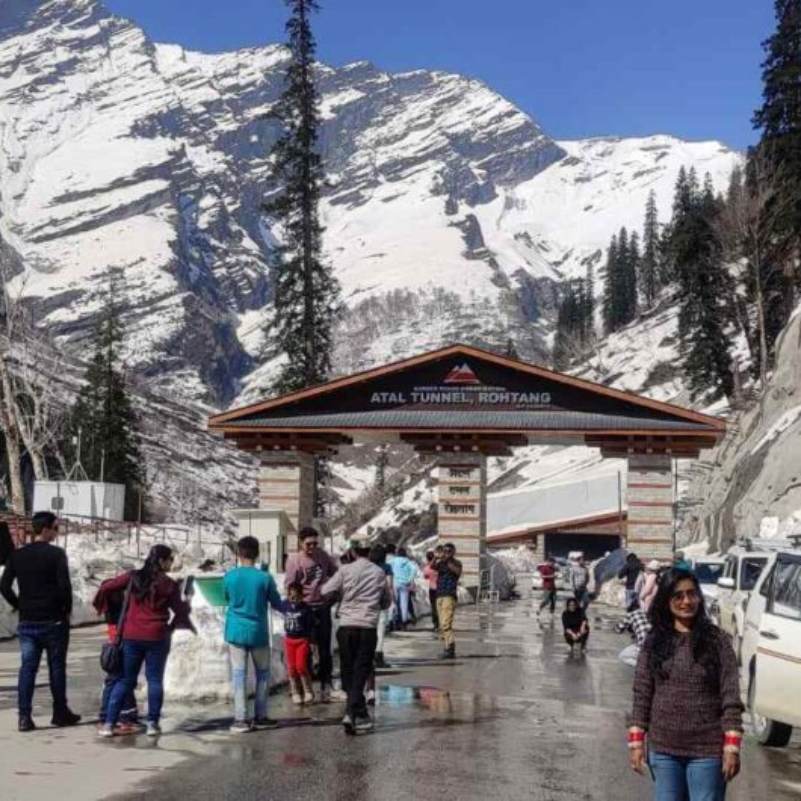
The Atal Tunnel runs 9.02 km, according to the Press Information Bureau.
Its South Portal sits about 25 km from Manali at around 3,060 metres. Its North Portal lies near Teling and Sissu at around 3,071 metres.
In principle, the tunnel gives Lahaul all weather connectivity. In practice, the roads leading to it and beyond it can still close for a while.
Fresh snowfall, black ice, avalanches or snow clearance can stop traffic on the approach or the onward stretch.
Tunnel Open Does Not Mean Sightseeing Open
Keep this clear in your head. A running tunnel does not mean police will let tourists stop and sightsee in Sissu or Koksar.
Ask two separate questions every morning. Is the tunnel corridor open? And are tourists allowed beyond Solang toward Lahaul today?
If you are also weighing the old pass route, our post on Rohtang Pass in March explains what to expect on that side in late winter.
What Changed in 2026, and What Should Tourists Expect in 2027?
The 2026 winter season brought several restrictions that caught tourists off guard.
From January 20 to February 28, 2026, Sissu stopped tourism activities for local religious observances.
Reporting in March 2026 confirmed that authorities had later lifted the temporary tourism restrictions in both the Sissu and Koksar panchayats.
Separately, an SDM order restricted vehicle movement from Kuthbihal toward Koksar and Sissu from January 14, 2026, until further orders.
What This Means for 2027
As of early November 2026, authorities had not announced any equivalent dates for 2027.
So do not assume Sissu or Koksar will close on the same dates in 2027. Also do not assume they will stay open.
If you plan to travel between mid January and February 2027, recheck official and local restrictions before you leave home and again before you leave Manali.
Village restrictions exist for a reason. Respect them even if you have already paid for the trip.
Can Tourists Stop at the Atal Tunnel North Portal?
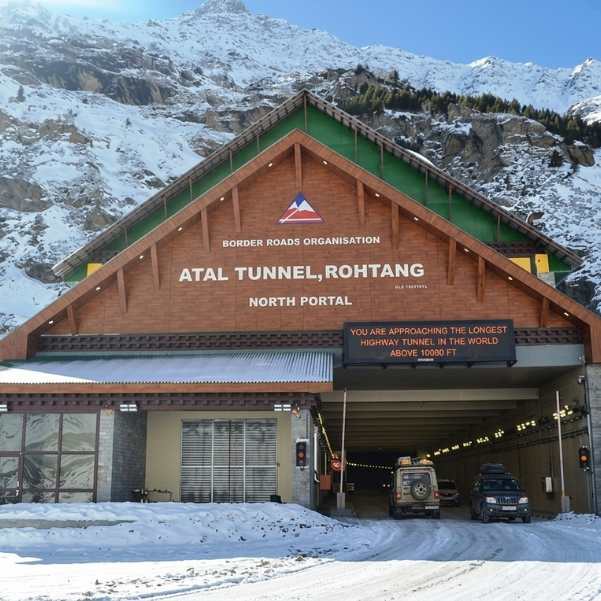
In April 2026, the Lahaul and Spiti administration declared the avalanche prone areas around the North Portal, its adjoining slopes and Chandra Bridge a restricted zone.
The order banned tourist entry into that zone. It also banned stopping, parking and gathering there.
The order stays in place until the administration judges conditions safe after a fresh hazard assessment.
We have no confirmed update on whether the administration has lifted it. Until you see the official word, treat the North Portal area as off limits.
We do not recommend the North Portal itself as a snow point, whatever you see in older reels and photos.
Do You Need a Permit or E-Pass for Sissu or Koksar?
People mix up two different things here. A Rohtang Pass permit and the Lahaul and Spiti e-Aagman system are not the same.
The Himachal e-Aagman portal currently states that people bringing vehicles into Lahaul and Spiti must apply for an e-pass.
The portal describes an e-permit per vehicle for the Atal Tunnel, Rohtang, Koksar and Chandratal circuit. It describes an e-ticket per vehicle for other places.
For a simple Manali to Sissu day trip, check the latest e-Aagman instructions to confirm the correct pass category and any applicable fee before travelling. These requirements may change, so rely on the official portal rather than third-party information.
A Warning About Roadside Pass Offers
Here is a safety warning we give every guest. If someone on the road offers to “arrange” your Lahaul pass for cash, say no.
Apply only through the official e-Aagman portal, or let your registered operator handle it. Fake help with passes is an easy way to lose money and still get turned back.
Which Months Are Best for Sissu and Koksar Snow?
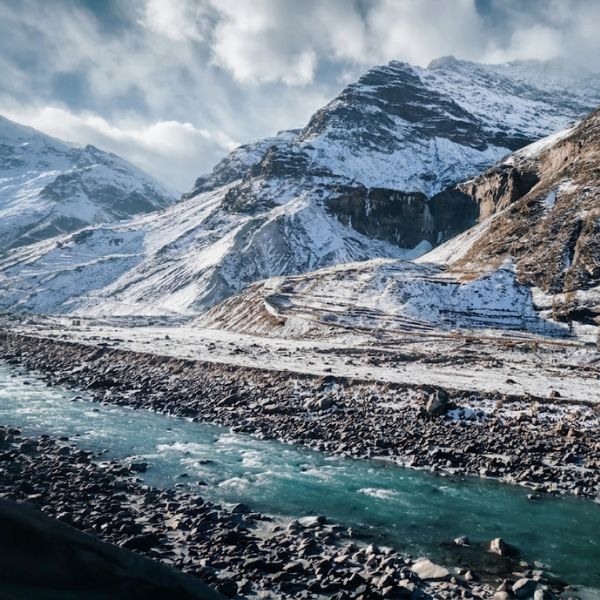
No month guarantees snow or open roads. Each part of winter trades snow chances against access.
November and Early December
Early season snow is possible, but nobody can promise it.
Road access may run more reliably than in peak winter. This suits travellers who care more about reaching Lahaul than about deep snow.
Late December and Early January
This window often works as a useful compromise. You get reasonable snow chances with fewer of the deep winter disruptions.
The catch is Christmas and New Year traffic. Our timing tip: travel on a weekday and leave Manali early. A weekday morning start can turn a stop start crawl into an easy drive.
Koksar snow in December and Sissu snow in January both vary year to year, so check recent reports before you book.
Mid January to February
Deeper snow often arrives with more road disruption, higher avalanche risk and the chance of local tourism restrictions.
In 2026, Sissu stopped tourism activities through much of this window. The 2027 dates remain unconfirmed, so recheck before you commit.
This is the honest negative of peak winter. You may get the deepest snow and still not get to see it.
March
Snow can stay through March, especially in colder or shaded stretches. Conditions change quickly, and fresh late snowfall can bring vehicle restrictions back.
Never plan on soft powder in March. Expect anything from firm old snow to fresh falls to slush.
If you travel a little later, our guide to Rohtang Pass in April shows how spring changes the snow picture.
For the tail end of the season, our post on Rohtang Pass in May covers what late spring looks like above Manali.
Sissu or Koksar: Which Should You Choose?
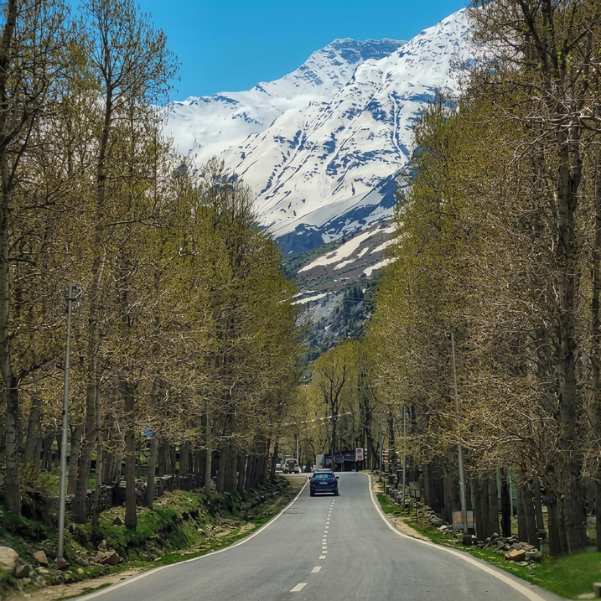
Still stuck on Sissu or Koksar, which is better for you? Here is how we would decide.
Choose Sissu if this is your first winter trip. The day stays enjoyable even if the snow turns out thinner than you hoped.
Choose Sissu if you want snow plus proper sightseeing. The waterfall, lake, village and river views give your group more to do.
Choose Koksar if snow is your main goal and you have confirmed current access. On many winter days, it holds snow better.
Choose neither if police, BRO or local authorities advise against going beyond Solang or through the tunnel corridor that day. Turning back is the right call, not a failed trip.
How to Plan a Manali to Sissu or Koksar Snow Day
Think of the day as a corridor, not a fixed route. You go from Manali to Solang, then through the Atal Tunnel, then to whichever Lahaul spot authorities allow.
Do not lock yourself into an hour by hour schedule. Winter roads ignore timetables.
Check the Road the Same Morning
Check the road status on the morning you travel, not the night before. Conditions can change overnight after snowfall or ice.
Ask your driver or hotel what police say about tourist movement beyond Solang that day. If you drive yourself, follow the instructions at every checkpoint.
Keep Solang as Plan B
What we tell our travellers is simple: Lahaul is Plan A, Solang is Plan B, and both count as a good day.
If police stop Lahaul access, head to Solang instead of waiting hours at a barrier. You still get snow, activities and food without the stress.
In our experience, guests who accept Plan B early enjoy the day far more than those who sit in traffic hoping the barrier lifts.
Start Early, Return in Daylight
Leave Manali early and plan to head back well before dark. Firm morning snow is better for play, and daylight driving is safer on icy stretches.
And if Lahaul in winter gets you hooked, the same valley opens into much bigger summer routes. Our Lahaul and Spiti Valley packages cover those trips.
Explore Our Curated Sissu Tour Packages
 6D/5N
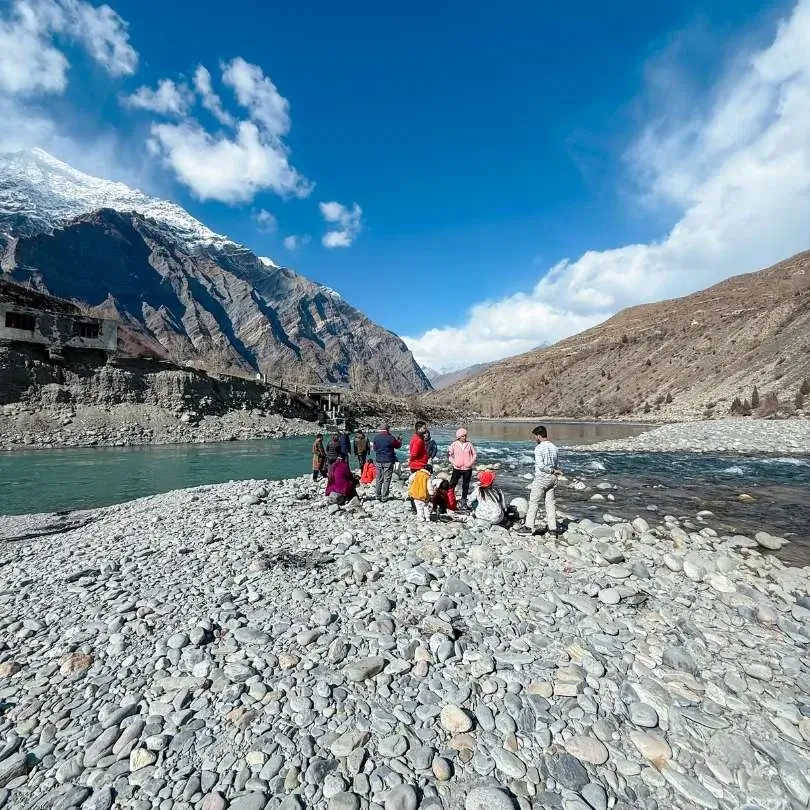
Most Loved Sissu Valley Escape With Jispa Riverside Stay
2D Sissu•1D Jispa
₹15,999₹19,999SAVE INR 4,000/ person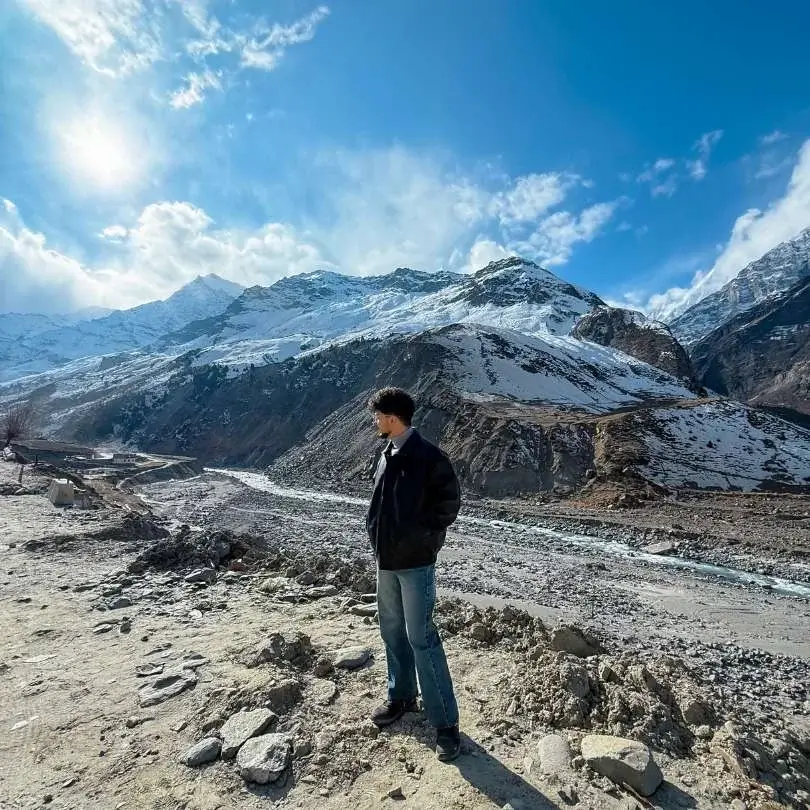 5D/4N
Classic Sissu Valley Trip
2D Sissu•1D Manali
₹12,799/ person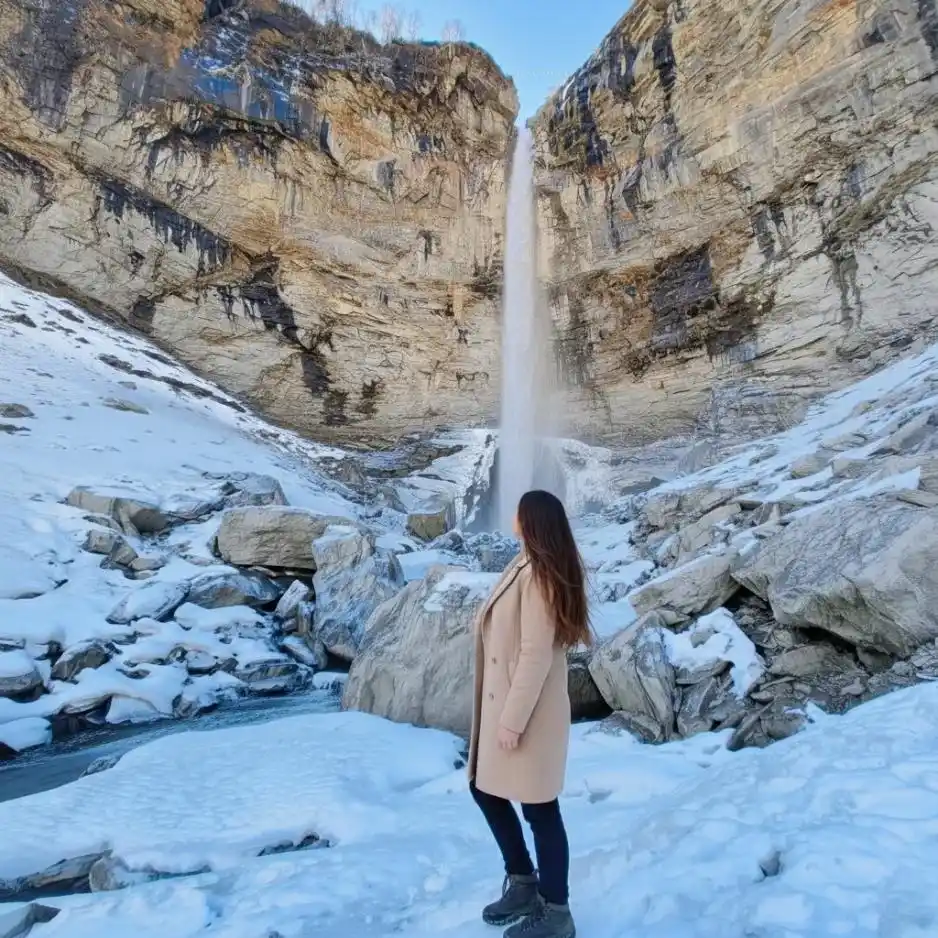 6D/5N
Manali Solang Sissu Sethan Snow Adventure
1D Delhi•3D Manali+2
₹15,999₹21,999SAVE INR 6,000/ person
Frequently Asked Questions
Which is better for snow, Sissu or Koksar?
For snow alone, Koksar is often the better bet when police allow access. For a complete day with sightseeing, Sissu usually wins.
Which has more snow, Sissu or Koksar?
Koksar often holds more snow, but not every day. Snow changes after each storm and sunny spell, so check recent reports.
How far is Sissu from Koksar?
They sit about 14 km apart, according to the Himachal Forest Department. Sissu lies around 40 km from Manali.
Is Koksar open in December?
It depends on the road and police instructions that day. Check the morning you travel, because fresh snow or avalanche risk can stop access.
Is Sissu open in January 2027?
Authorities had not announced any 2027 restriction dates as of early November 2026. In 2026, Sissu stopped tourism activities from January 20 to February 28, so recheck before you go.
Is Atal Tunnel open in winter?
The tunnel offers all weather connectivity in principle. Snowfall, black ice, avalanches or clearance work can still close the roads around it temporarily.
Can we visit both Sissu and Koksar in one day?
Yes, when roads are clear, since they sit about 14 km apart. Snow, avalanche risk or police barriers can rule out one or both.
Is a 4x4 compulsory for Koksar?
Not every day. After fresh snowfall, authorities may restrict 4x2 vehicles, as they did beyond Solang on March 30, 2026.
Can we take our own car to Sissu?
You can, when police permit it that day and you hold the right e-Aagman pass. Follow every checkpoint instruction, and accept a turnaround if police give one.
Do we need a permit for Sissu or Koksar?
Vehicles entering Lahaul and Spiti need an e-pass through the e-Aagman portal. The exact category and fee for a Sissu day trip need checking.
What can we see in Sissu besides snow?
You can see Sissu Fall across the Chandra River, Sissu lake beside the helipad area and wide river valley views. The Lord Gyephang temple is not open to outsiders.
What can we see in Koksar besides snow?
Mostly the Chandra River and the high mountains around it, plus a chai stop at a roadside dhaba. Koksar works as a halt, not a sightseeing town.
More about Sissu
- Sissu
Sissu Family Trip in Winter 2026-27: Is It Safe with Kids? Family Itinerary, Road Travel & Stay Tips
Planning a winter family trip to Sissu in 2026-27? Find out whether it is suitable for children, what road conditions to expect, and how to plan a comfortable stay. Explore a practical family itinerary, accommodation tips, and winter travel precautions before taking your kids to Lahaul Valley.
 Sissu
Sissu Group Tour vs Private Trip in Winter 2026-27: Which Is Better for Your Budget?
Planning a Sissu winter trip in 2026-27? Compare group tour and private trip costs, transport, accommodation, flexibility and comfort to find the best option for your budget.
- Sissu
Sissu Snow Point 2026-27: Where to Find Snow, Activities, Charges & Winter Access
Planning a trip to Sissu Snow Point in winter 2026-27? Explore where to find snow, available snow activities, expected charges, road access through Atal Tunnel and essential travel tips before visiting Sissu from Manali.