
Sissu In September 2026: Best Time For Lahaul Road Trips
If you are trying to figure out whether Sissu in September is worth the drive from Manali, the short answer is yes, and it might be the best month of the entire year for it.
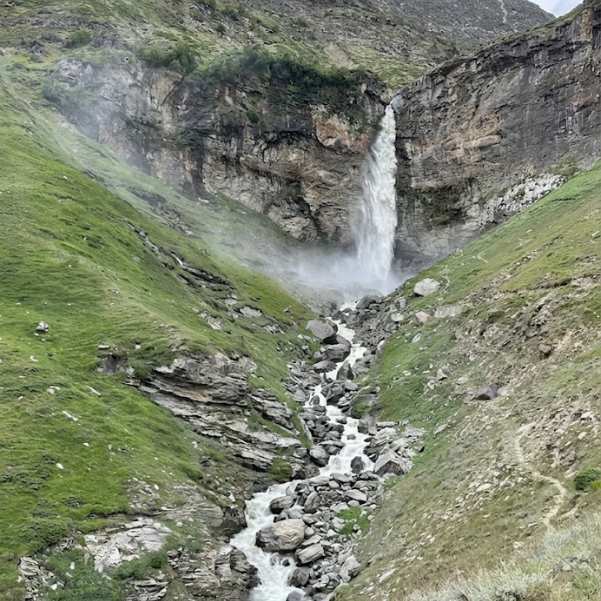
September is when Lahaul stops being wet and starts looking unreal. The monsoon clouds clear, the Chandra River runs full, the Sissu Waterfall is still flowing strong, and the poplar trees slowly begin turning yellow.
We run trips on this exact route every season, and the feedback from September travellers is always the same. Cleaner views, fewer slippery patches than peak monsoon, and that crisp mountain air that makes you stop the car just to breathe it in.
Quick Answer: Is September a good time to visit Sissu?
Yes. September is one of the best months for Sissu if you want road trips, clear Lahaul views, post-monsoon greenery, a strong waterfall, and the first hints of autumn colour.
Early September can still carry some rain and road repair work, so the drive needs a flexible plan. Mid to late September is the smoother, cleaner window for photography and easy driving.
Sissu works well for couples, families, bikers, photographers, and anyone already staying in Manali who wants a short Lahaul taste without committing to a long Spiti or Ladakh trip.
If you want a ready plan with a local driver and handpicked stays, our Sissu tour packages cover the route end to end.
👉 WhatsApp Travel Coffee for help with Sissu stays, local drivers, and September travel conditions.
What is Sissu Like in September 2026?
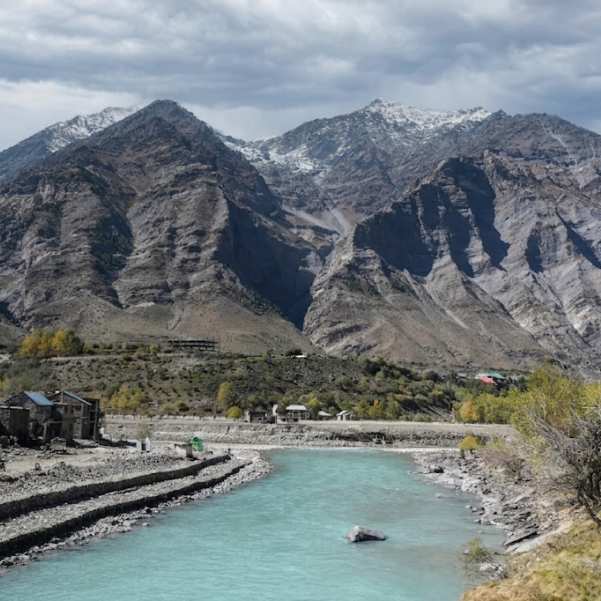
Sissu sits on the right bank of the Chandra River in Lahaul Valley, at around 3,120 to 3,130 metres. September here is a month of three different moods, depending on which week you pick.
Most tourists assume September is one single season. It is not. The first week and the last week of the month can feel like two different trips, and planning for the wrong one is the most common mistake we see.
Early September
Early September can still feel like the tail end of monsoon. The landscape is at its greenest, and the waterfall is powerful from all the rain.
But wet patches and landslide repair work can slow the drive or cause short closures. The roads are not dangerous in normal weather, just unpredictable.
Keep your plan flexible if you are travelling in this window. Check the weather, the e-Aagman portal, and local road advisories before you leave Manali.
Mid September
Mid September is usually the balanced window. The views open up, rain chances drop compared to peak monsoon, and the valley still looks fresh and green.
This is a good time for families and first-time Lahaul travellers. You get the scenery without the winter road stress, and the driving is far more relaxed.
In our experience, this is the window most first-timers enjoy the most. Low risk, big reward.
Late September
Late September starts feeling like autumn. The poplar and willow trees begin turning yellow, the air gets sharper, and evenings feel noticeably colder.
From August to September, Sissu slowly starts moving into its autumn mood. The yellow poplar trees begin to shed their leaves, and the valley gets that soft golden look which makes this stretch genuinely one of the prettiest times to be here.
If you care about road-trip photography or want slower, quieter Lahaul travel, late September is the best window. Just pack warmer than you think you need to.
What is the Weather in Sissu in September?
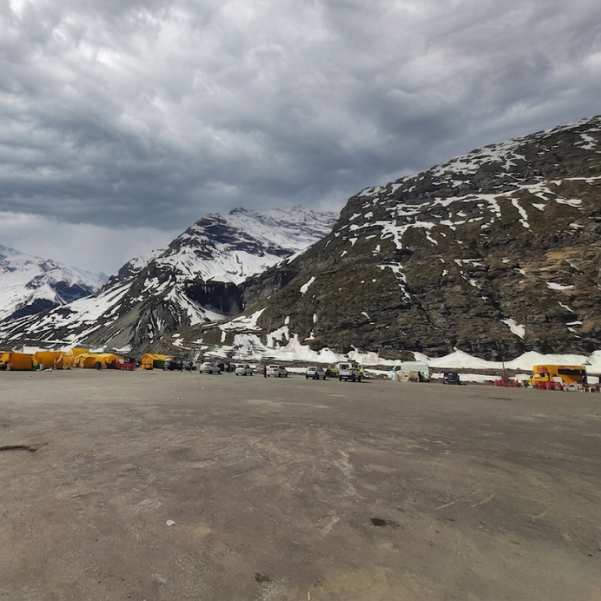
There is no official live weather station inside Sissu itself, so the closest reliable reference is Keylong, just up the road.
Keylong's official IMD climate normals show a September mean daily maximum of 25.6°C and a mean daily minimum of 1.3°C. Normal September rainfall for Keylong is listed at 31.2 mm.
Forget the exact numbers for a second. Here is the practical feel. Sunny afternoons can be comfortable in a T-shirt, but the moment the sun drops behind the ridge, you will want a fleece or a jacket.
Mornings and evenings are cold. Daytime can be warm. You will use both ends of your bag in a single day.
Always check the forecast about 48 hours before you travel. Mountain weather shifts fast, and a clear morning in Manali tells you nothing about the afternoon in Lahaul.
Is the Manali to Sissu Road Open in September?
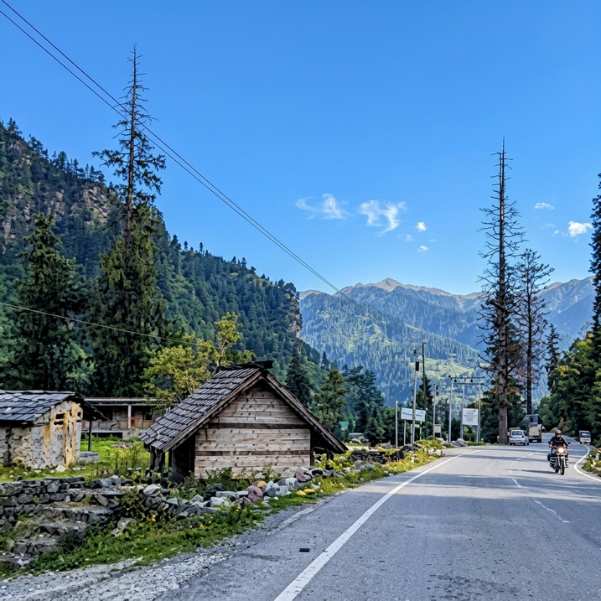
Yes, the Manali to Sissu road is generally open and in good shape in September. The route runs from Manali, past the Solang side, through the Atal Tunnel, out at the North Portal, and straight into Sissu.
The numbers are short and friendly. Sissu is about 40 km from Manali, and the Atal Tunnel is 9.02 km long. The tunnel cut hours off the old Rohtang route, so what used to be a half-day haul is now a comfortable morning drive.
September is generally better than peak monsoon for these Lahaul road trips. But temporary closures still happen because of rain, landslide repair, security or VIP movement, or local administration orders.
Leave Manali early and avoid late-night driving. The tunnel and the approach roads are easy in daylight and far less fun after dark.
If you would rather not deal with the logistics yourself, our Manali packages include a local driver who knows this stretch and checks the road status before you roll out.
Do You Need a Permit for Sissu in September 2026?
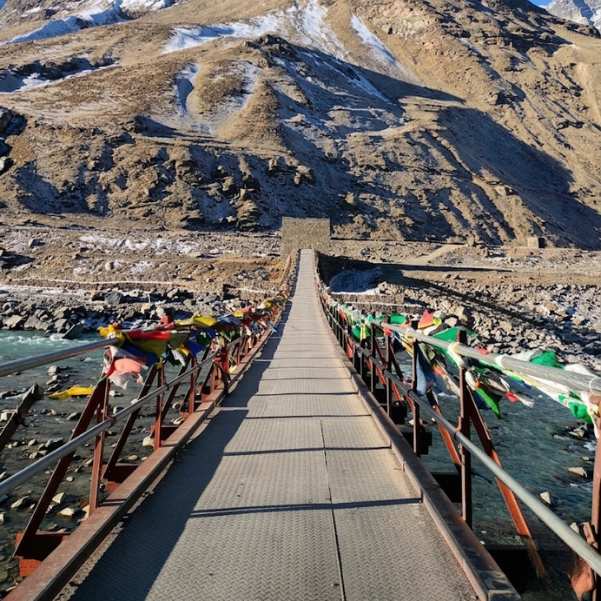
This is where most blogs confuse people. Permit advice online is a mess, and rules change by route and by administration order. The honest answer is simple: check the official portals before you travel.
The official e-Aagman Himachal portal says vehicles entering District Lahaul and Spiti have to apply for an e-pass. It also mentions an e-permit per vehicle for the Atal Tunnel, Rohtang, Koksar, and Chandertal circuit, and an e-ticket per vehicle for other places.
So check e-Aagman before you leave Manali. The 2026 rules can shift depending on your exact route, and what was true last season may not hold this one.
Rohtang is a separate story. If you plan to visit Rohtang Pass for tourism, the official Rohtang portal lists daily limits of 800 petrol vehicles and 400 diesel vehicles.
The car and jeep fee listed is a ₹500 permit fee plus a ₹50 congestion charge, and the Rohtang permit is valid for one day, to and fro.
One warning
Older sources online say no tunnel permit is needed for Sissu. That may have been true once, but do not treat it as a final 2026 rule. Always confirm the current status on e-Aagman before you go.
How to Reach Sissu from Manali in September?
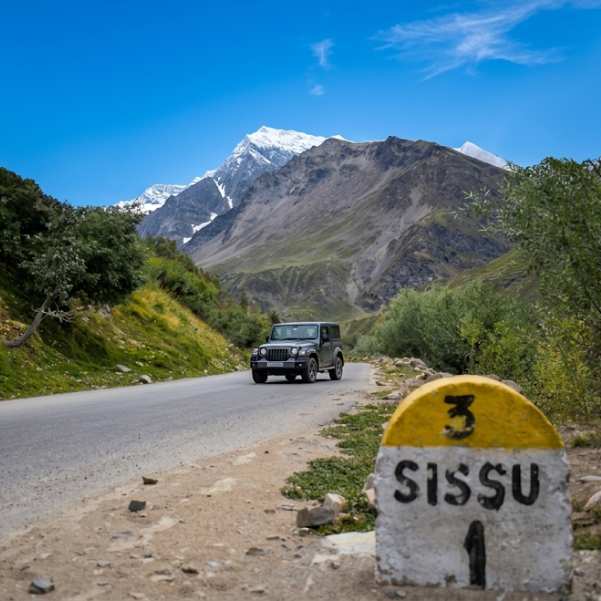
You have three realistic ways to do this. Each one suits a different kind of traveller.
By Private Cab
A private cab is the easiest option for families, couples, and anyone not used to mountain driving. You sit back, the driver handles the tunnel and the bends, and you actually get to look at the valley instead of the road.
Manali to Sissu taxi cost from around ₹3,000 upwards. Rates change a lot by season, vehicle type, and pickup point, so confirm the price before you sit in the car.
A quick local tip from running this route: settle the fare and the inclusions before departure, not at the destination. It saves an awkward argument at Sissu Lake.
By Self-Drive Car or Bike
Self-drive is possible for confident hill drivers in normal road conditions. The tunnel is smooth, and the approach is manageable when the weather is clear.
Leave early. Do not overtake near blind bends. Never stop inside the Atal Tunnel, since stopping is not allowed there. Carry your vehicle documents, and top up your fuel in Manali before crossing into Lahaul because options thin out fast on the other side.
Bikers love this route in September. The post-monsoon air is cool, the views are open, and the riding is genuinely fun. Just ride within your limits and keep an eye on the weather.
By Shared Transport
Shared taxis and local transport can be available, but schedules vary and are not always reliable for a same-day return. If you are counting on shared transport, confirm timings in Manali one day before you travel. Do not assume a vehicle will simply be waiting.
Best Places to Visit in Sissu in September
Sissu is small, and that is its charm. You can see the main spots in a relaxed day without rushing.
Sissu Lake
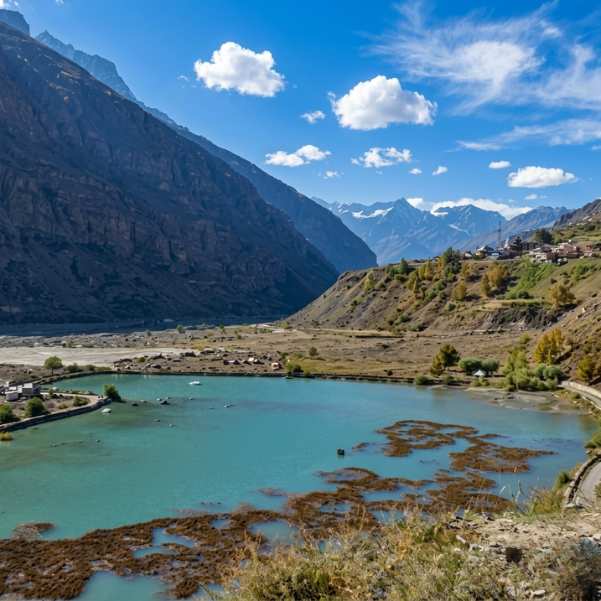
Sissu Lake is the obvious first stop, and entry is free according to our internal Sissu guide. In the morning, the still water throws back a clean reflection of the snow peaks behind it.
Visit between 7 AM and 9 AM for the best light and the calmest water. You only need 30 to 45 minutes here, so it is an easy, low-effort stop that families love.
Reach the lake early. By mid-morning the first wave of day-trippers arrives from Manali, and that quiet mirror-water moment is gone.
Sissu Waterfall or Palden Lhamo Dhar Viewpoint
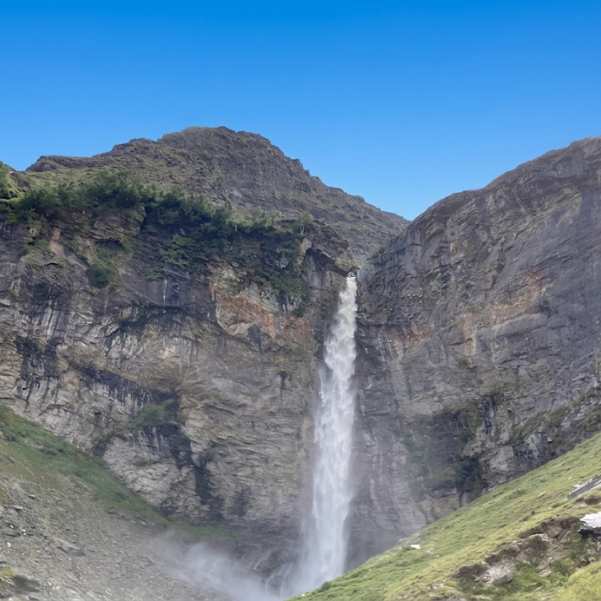
The Sissu Waterfall, also known as Palden Lhamo Dhar, is the other big draw, and the viewpoint entry is free as well per our internal guide.
The official district tourism page notes that the fall can be seen across the river, and a suspension bridge provides access to it. In September the water is still strong from the monsoon, so it looks fuller than in the late dry season.
Best light is between 9 AM and 11 AM, and you need about 30 to 45 minutes here. Stay away from slippery edges and do not climb onto wet rocks for a photo. No shot is worth a fall here.
Helipad Sunset Viewpoint
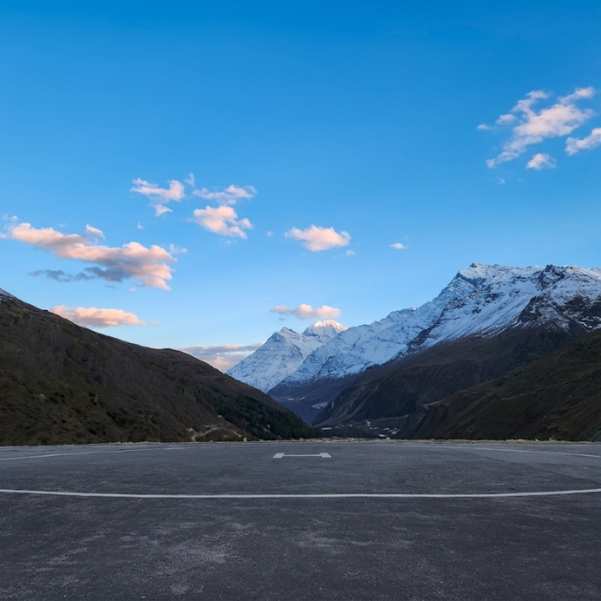
The helipad area gives you a wide frame of the Chandra Valley, and the late-afternoon light over the river is beautiful. It is a quiet spot to slow down before the drive back.
We do not list a fixed timing or entry fee for it, so just use it as a flexible golden-hour stop if your schedule allows.
Raja Ghepan Temple Area
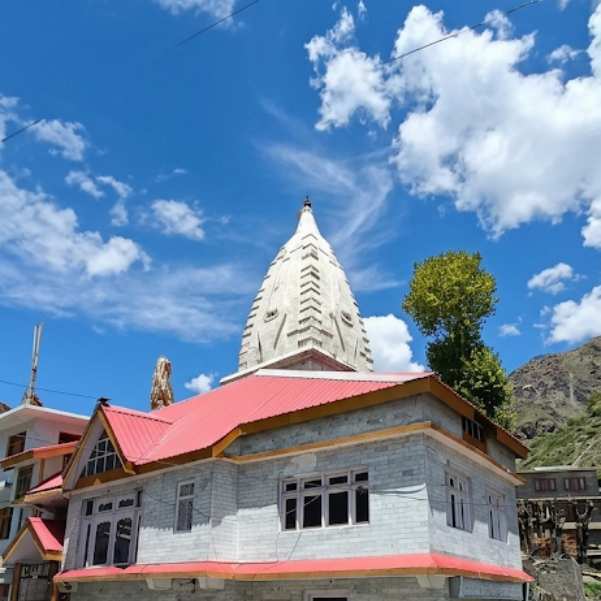
The official district tourism page says Lord Ghepan is the presiding deity of Lahaul, and the temple is not open to outsiders.
Respect that. Look from a respectful distance, do not push for entry, and do not treat a sacred local site as a photo prop. The valley's people take this seriously, and so should every visitor.
Gondhla Fort
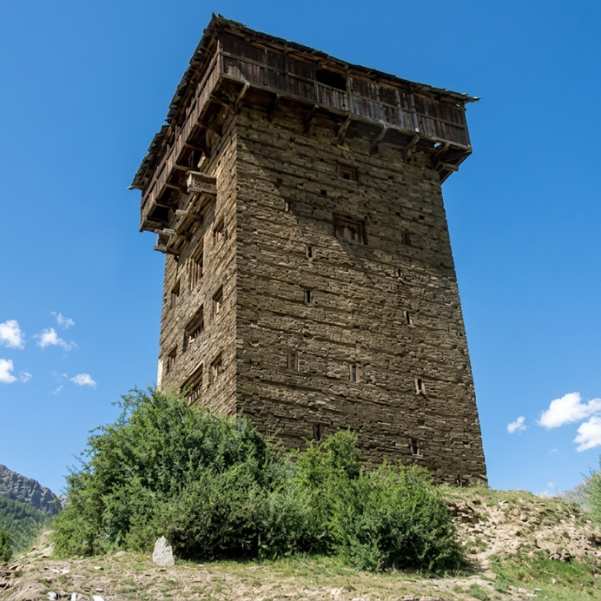
If you have extra time, Gondhla Fort is a short extension from Sissu. It is around 14 km west of Sissu, so it works better as a quick add-on rather than a full half-day plan.
Some travel references list the visiting time as 10 AM to 5 PM, Monday to Friday, but access rules and local opening hours can change. Confirm the timing locally before you go.
Keylong and Tandi Extension
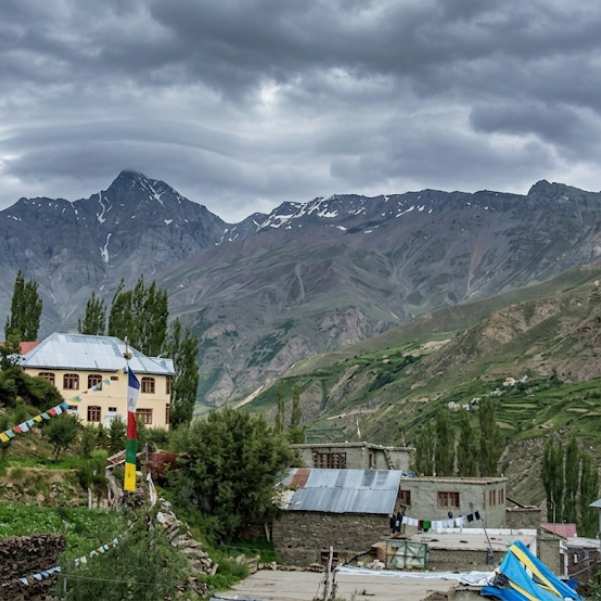
For travellers who want to push a little deeper into Lahaul, Keylong is around 30 km ahead from Sissu, while Tandi is roughly 40 km from Sissu.
This extension is good if you have more time, want better valley views, or are planning to continue towards Jispa, Baralacha, or Leh later.
These work best with an overnight stay or a very early start. Tacking them onto a rushed single day usually means you spend more time in the car than out of it, so do not force them into a day trip for everyone.
If Lahaul leaves you wanting more, our Spiti Valley packages extend the route into the wider Spiti circuit.
One-Day Sissu Itinerary from Manali in September
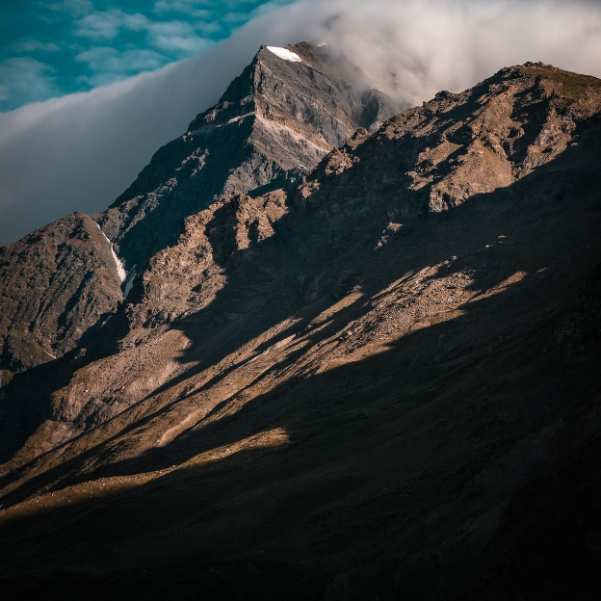
A one-day Sissu trip from Manali is very doable if you start early. The whole drive is only about 40 km each way, so the day is more about pacing than distance.
Leave Manali early, ideally soon after sunrise. The roads are quieter and you get the full day in Lahaul instead of half of it.
Reach Sissu Lake first, while the morning reflection is still sharp and the crowds have not arrived. Spend your 30 to 45 minutes there and move on.
Next, head to the Sissu Waterfall viewpoint when the light is good, between roughly 9 and 11 AM. Cross the suspension bridge for the closer view if you are comfortable with it.
Take a lunch or tea break after that. The valley has small dhabas, and a hot meal here hits differently after the morning air.
In the afternoon, visit the helipad viewpoint or just sit by the Chandra River for a while. Then start back toward Manali so you clear the tunnel and the approach roads before dark.
Do not plan this around tight, exact travel times. Mountain roads do not care about your schedule, so keep the day loose.
Two-Day Lahaul Road Trip with Sissu, Keylong and Jispa
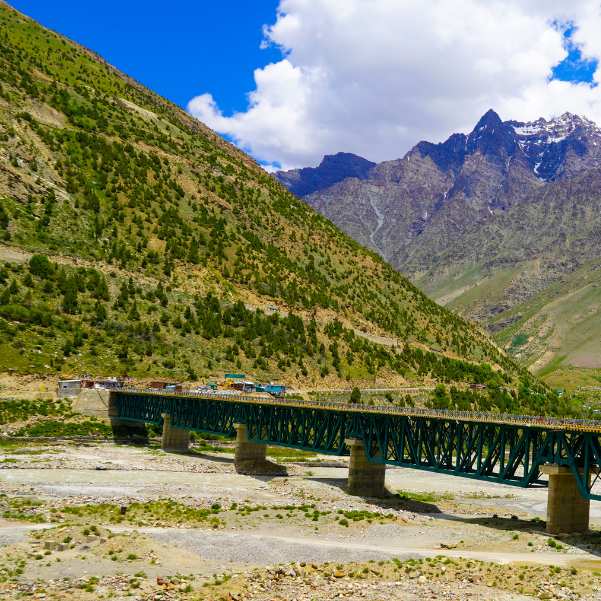
If a single day feels rushed, a two-day trip is the more rewarding way to do Lahaul. The biggest reason is simple. Most day-trippers leave by evening, so Sissu after dark feels like a completely different, quieter place.
Day one runs from Manali to Sissu through the Atal Tunnel. Spend the morning at Sissu Lake and the waterfall, hit a couple of local viewpoints in the afternoon, and stay overnight in Sissu or push on to Keylong.
Day two takes you toward Keylong, Tandi, and Jispa if the road and your time allow. From there you either turn back toward Manali or continue deeper into the mountains.
The overnight is the whole point. You wake up to a still valley, no horns, no crowds, and the kind of morning light photographers chase all year.
Planning to keep going north after Lahaul? Our Ladakh tour packages pick up where this route leaves off.
Can You Add Chandratal, Spiti or Ladakh from Sissu in September?
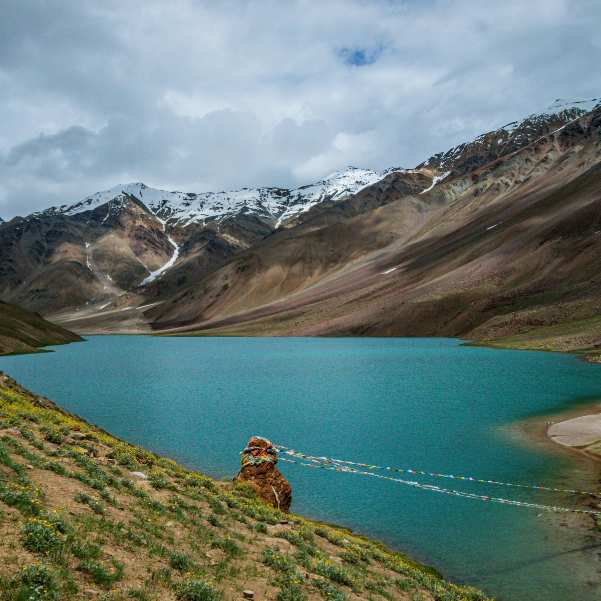
September is a strong month for longer Himalayan road trips. The weather is stable, the views are clean, and the major routes are usually open.
But every high-altitude extension depends on live route status. Do not treat Chandratal as a casual same-day add-on from Sissu. It is a serious, high-altitude detour with rough roads and its own opening timeline, and rushing it is how trips go wrong.
What Sissu does well is act as a soft Lahaul stop before a bigger journey. It lets your body and your plan ease into the mountains before you commit to a full Spiti or Ladakh route.
If Chandratal is on your list, read our Chandratal opening dates guide for 2026 before you finalise anything, because the lake's access window is narrow and worth understanding properly.
For a full circuit that includes the lake, our summer Spiti circuit with Chandratal is built with proper acclimatisation and buffer days.
Sissu Trip Cost in September 2026
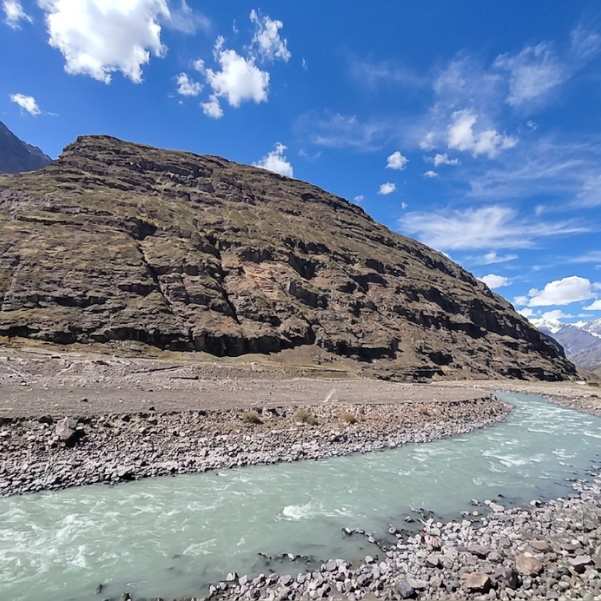
Costs in this region move around a lot by season and demand, so treat every figure here as a starting point, not a fixed rate.
A Manali to Sissu taxi can run from ₹3,000 upwards, with the final price depending on vehicle type, season, and where you start from.
For stays, online hotel booking listings showed around 12 stay options in Sissu, with prices starting from about ₹1,071 and going up to around ₹10,004 in May 2026. Treat this only as a live pricing reference, not a fixed hotel rate.
Sissu stay prices change quickly by travel date, room type, demand, weekend rush, and cancellation policy, so always check current rates close to your travel dates.
If you want a bit of adventure, ziplining near Sissu is commonly listed from around ₹300 onwards, though some local activity listings show ziplining at around ₹500 per ride.
Treat this as a rough local activity cost, because adventure rates can change by operator, season, and crowd levels. Confirm the price at the counter before you pay.
We are not going to invent food, fuel, or package numbers for you. Confirm those locally or message us and we will give you honest current rates.
What Should You Pack for Sissu in September?
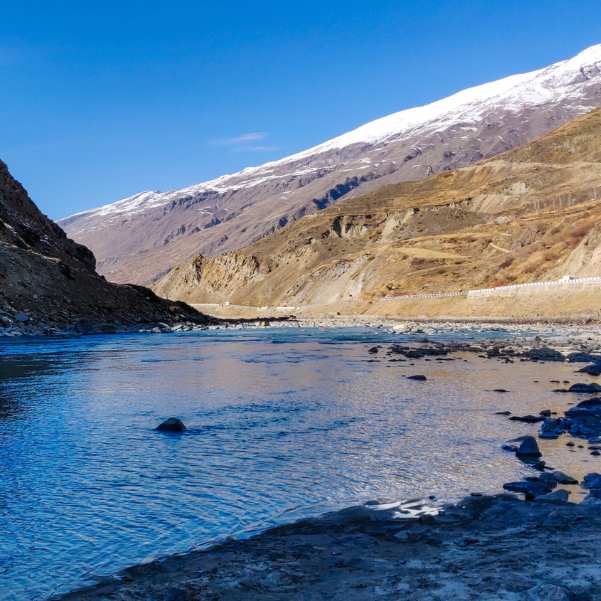
Pack for two seasons in one day. That is the simplest way to think about September in Lahaul.
Carry a layered setup. A warm jacket, a fleece or hoodie, and a light rain shell, especially if you are travelling in early September when showers are still around.
Add sunglasses and sunscreen, because the UV at this altitude is strong even on cool days. Bring comfortable walking shoes for the lake and waterfall paths.
Throw in basic medicines, a reusable water bottle, a power bank, cash, and your ID documents. ATMs and reliable signal thin out fast once you cross into Lahaul.
The altitude is the part people underestimate. Evenings get colder than the sunny afternoon suggests, so that extra fleece is not optional.
Is Sissu Safe in September for Families, Couples and Bikers?
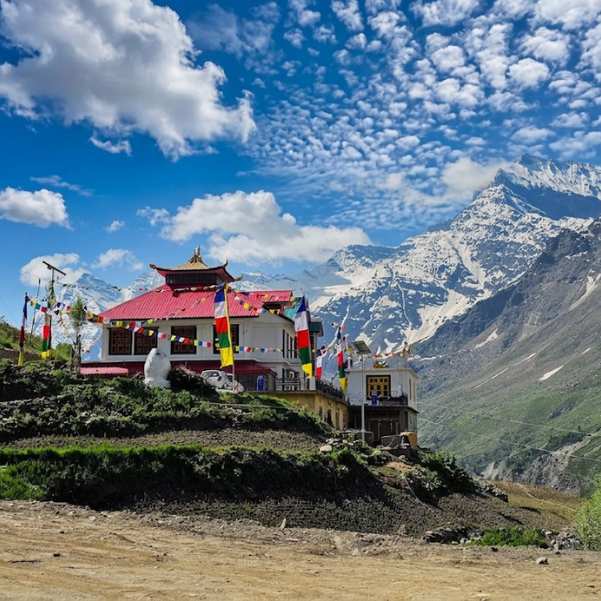
September is far easier than the winter months, but it is still a mountain road trip. Treat it with the respect any high-altitude route deserves.
Check the road status and the weather before you leave. Avoid night drives, follow any police instructions on the route, and keep buffer time in your plan instead of packing the day tight.
If your family is not comfortable on hill roads, take a local driver. There is no shame in it, and it turns a stressful drive into a relaxed one. We tell every nervous first-timer the same thing: the road is the part you outsource, the views are the part you keep.
As a side note, Sissu had a local tourism suspension in January and February 2026 for the Halda and Losar traditions. That does not affect September at all, but it is a good reminder that local advisories matter and are worth checking.
Sissu works beautifully as a base for exploring nearby parts of Lahaul, especially in September when the weather is usually clearer and the crowds start thinning out compared to peak summer. Here are some places worth checking out nearby.
Final Verdict: Should You Visit Sissu in September 2026?
Yes. If you want clean Lahaul views, a strong waterfall, easy roads compared to peak monsoon, and the first colours of autumn, Sissu in September is hard to beat.
Aim for mid to late September as your best overall window. The driving is smoother, the photography is better, and the valley still looks fresh.
Early September is still beautiful, just plan for more flexibility and keep an eye on the weather and road work.
What we always tell our travellers is this
Sissu is small, so the trip lives or dies on timing and road status, not on a packed itinerary. Get those two right and it is one of the easiest, prettiest road trips you can do from Manali.
If you are looking for a comfortable way to experience Sissu without handling all the road logistics yourself, take a look at our Sissu Tour Packages.
Our team has handled these mountain routes for a long time, so we help travellers avoid rushed plans, unnecessary driving stress, and common first-timer mistakes.
Explore Our Curated Sissu Tour Packages
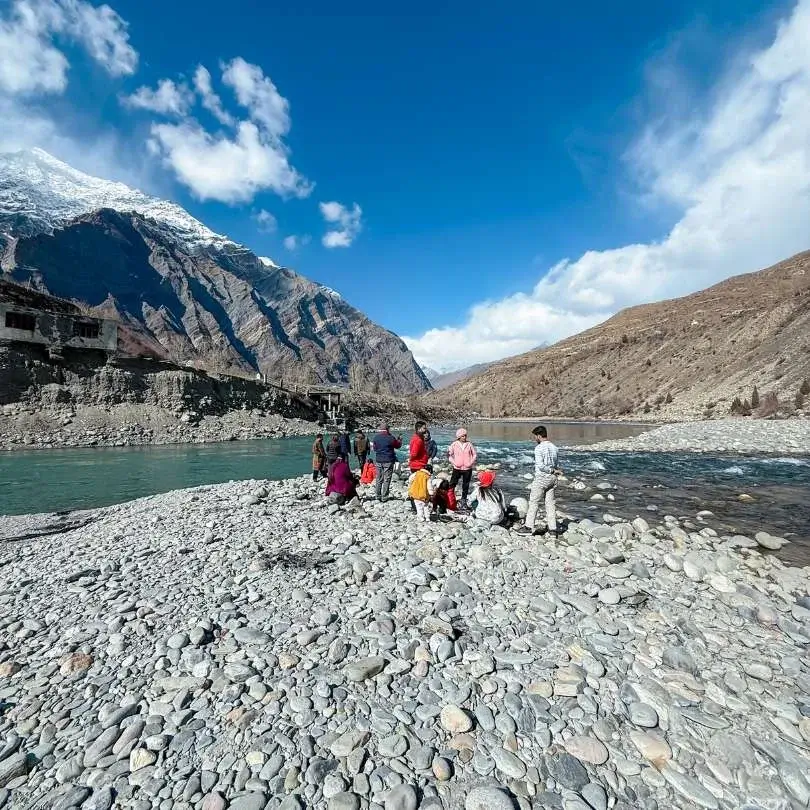 6D/5N
6D/5NMost Loved Sissu Valley Escape With Jispa Riverside Stay
2D Sissu•1D Jispa
₹15,999₹19,999SAVE INR 4,000/ person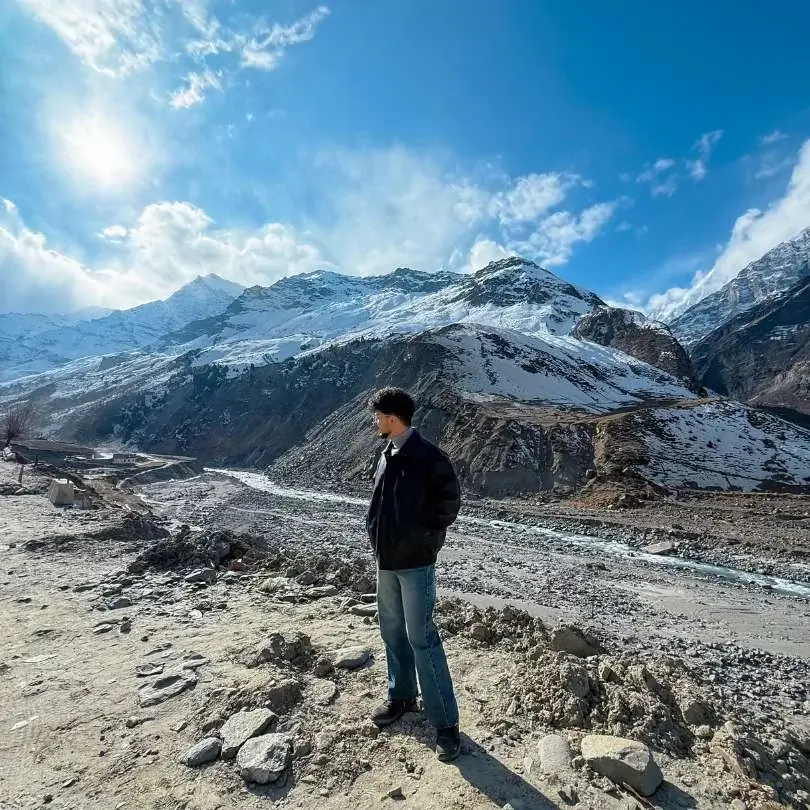 5D/4N
5D/4NClassic Sissu Valley Trip
2D Sissu•1D Manali
₹12,799/ person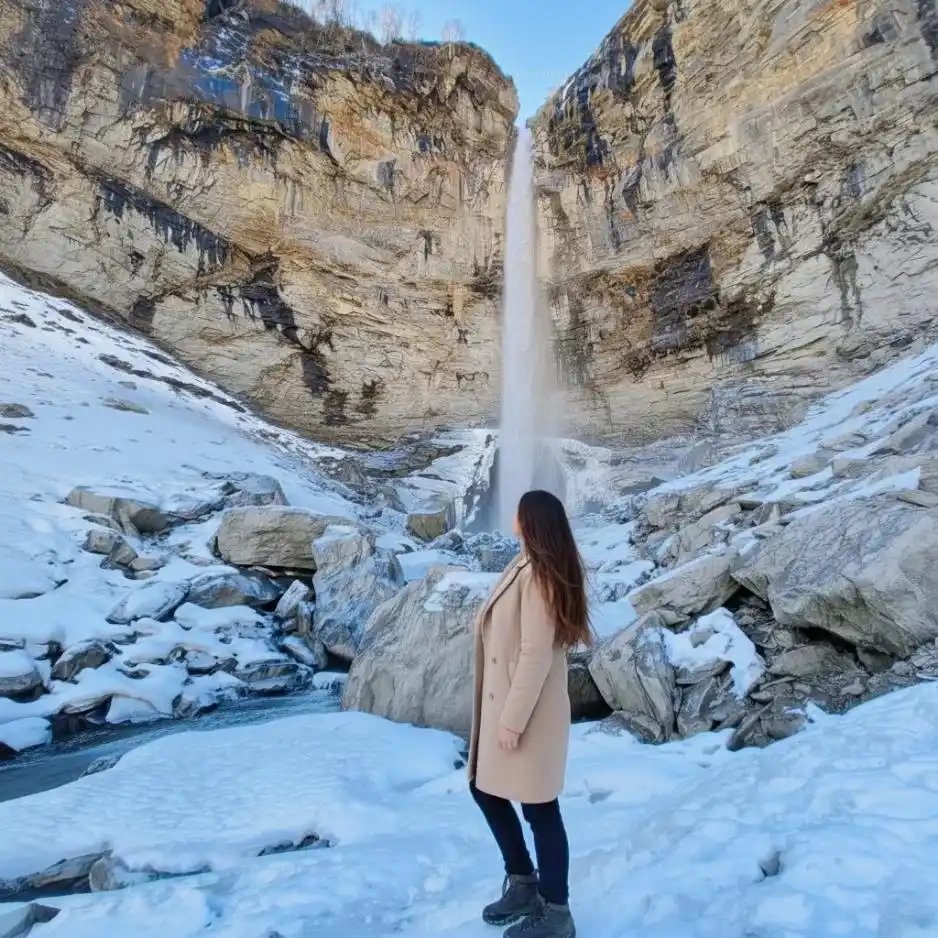 6D/5N
6D/5NManali Solang Sissu Sethan Snow Adventure
1D Delhi•3D Manali+2
₹15,999₹21,999SAVE INR 6,000/ person
Related topics
Frequently Asked Questions
Is September good for Sissu?
Yes, it is one of the best months. You get post-monsoon greenery, clear views, a strong waterfall, and early autumn colours, with easier roads than peak monsoon.
Is Sissu open in September 2026?
Yes, Sissu is generally open in September. Temporary closures can still happen due to rain, landslide work, or local orders, so check road status before you leave.
Will I get snow in Sissu in September?
Not usually in the village itself. You may see snow on the surrounding high peaks, but September is an autumn month here, not a snow month.
Do I need a permit for Sissu?
Check the official e-Aagman Himachal portal before travel. It mentions e-pass and route-specific e-permit or e-ticket rules for Lahaul and Spiti, and these can change by season.
Can I visit Sissu from Manali in one day?
Yes. Sissu is about 40 km from Manali via the Atal Tunnel, so a one-day trip works well if you start early and return before dark.
How cold is Sissu in September?
Afternoons can feel comfortable in the sun, but mornings and evenings are cold. Nearby Keylong's September normals show a daily maximum near 25.6°C and a minimum near 1.3°C.
Is Sissu better in September or October?
September is greener with a stronger waterfall. October leans colder and more autumnal. For balanced weather and good roads, mid to late September is the sweet spot.
Is the Atal Tunnel open in September?
Yes, the 9.02 km Atal Tunnel is normally open in September. Do not stop inside the tunnel, and drive in daylight for the easiest experience.
Can I take my own car to Sissu?
Yes, confident hill drivers can self-drive in normal conditions. Leave early, carry your documents, top up fuel in Manali, and avoid overtaking near blind bends.
Is Sissu safe for kids?
September is family-friendly and easier than winter. Keep the pace relaxed, avoid night drives, and consider a local driver if you are not used to mountain roads.
Should I stay in Sissu or Keylong?
Both work. Staying in Sissu lets you enjoy the lake and waterfall after the day crowds leave. Keylong suits travellers heading deeper into Lahaul the next day.
Can I add Jispa or Chandratal?
Jispa pairs well with a two-day Lahaul trip. Chandratal is not a casual same-day add-on from Sissu, so plan it separately and only when its route is confirmed open.
More about Sissu
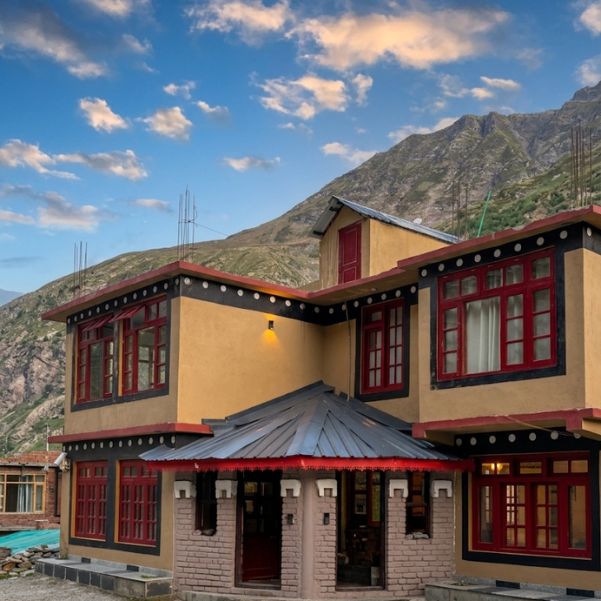 Sissu
SissuWhere to Stay in Sissu in 2026: Best Hotels, Homestays & Areas for Every Budget
Planning an overnight stay in Sissu? This 2026 guide covers the best hotels, homestays, budget stays and convenient areas to help you choose the right accommodation for your trip.
- First-Time Travellers
- Places to Visit
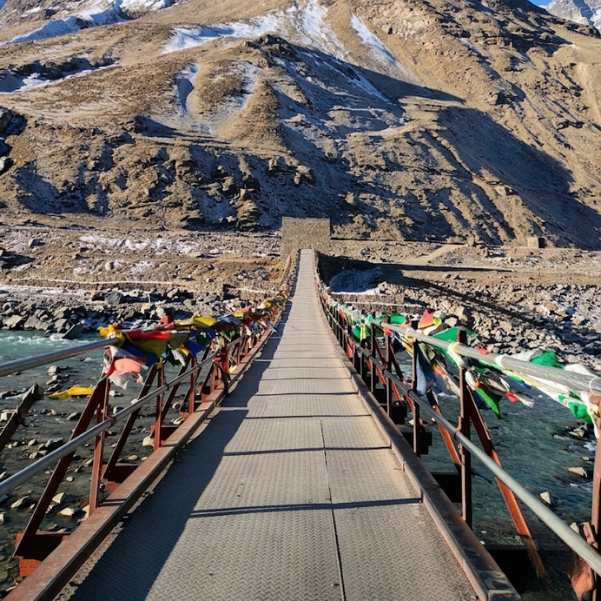 Sissu
SissuSissu in October 2026: Weather, Snow Chances, Road Status & Autumn Travel Guide
Planning a trip to Sissu in October 2026? Here’s what to expect from the weather, temperatures, autumn colours, snow chances and Manali to Sissu road conditions, plus practical tips on what to pack and how to plan your visit.
- Best Time to Visit
- Road Status
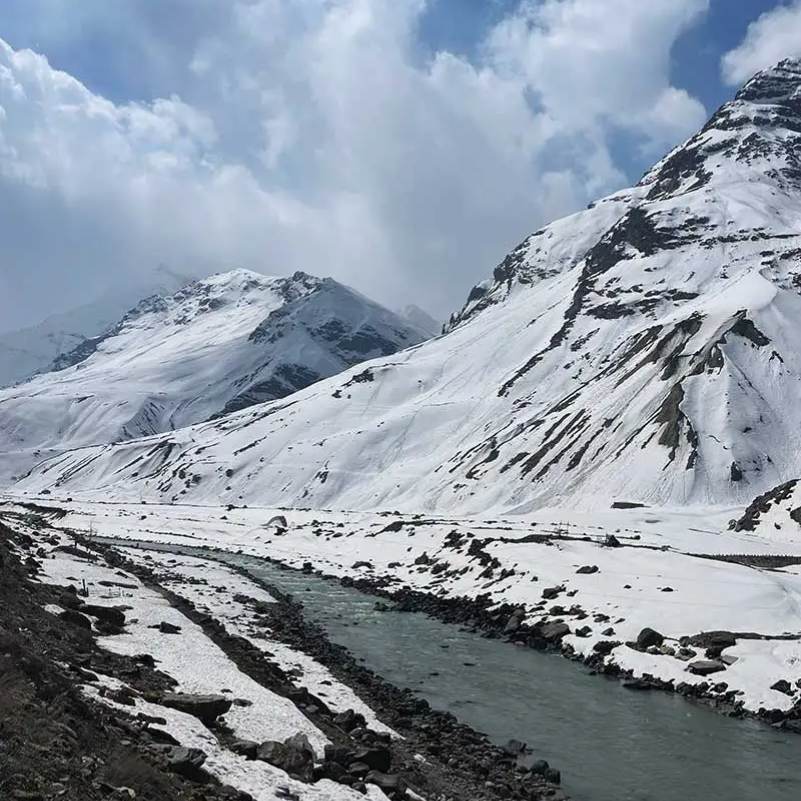 Sissu
SissuSissu in December 2026: Snowfall, Weather, Road Status & Winter Travel Guide
Planning a Sissu trip in December 2026? This guide covers expected snowfall, temperatures, Manali to Sissu road conditions, Atal Tunnel access, what to pack, and practical winter travel tips for a safer snow trip.
- Snow Travel
- Road Status