
Planning a Shoja Solo Trip in 2026? Here's What You Should Know
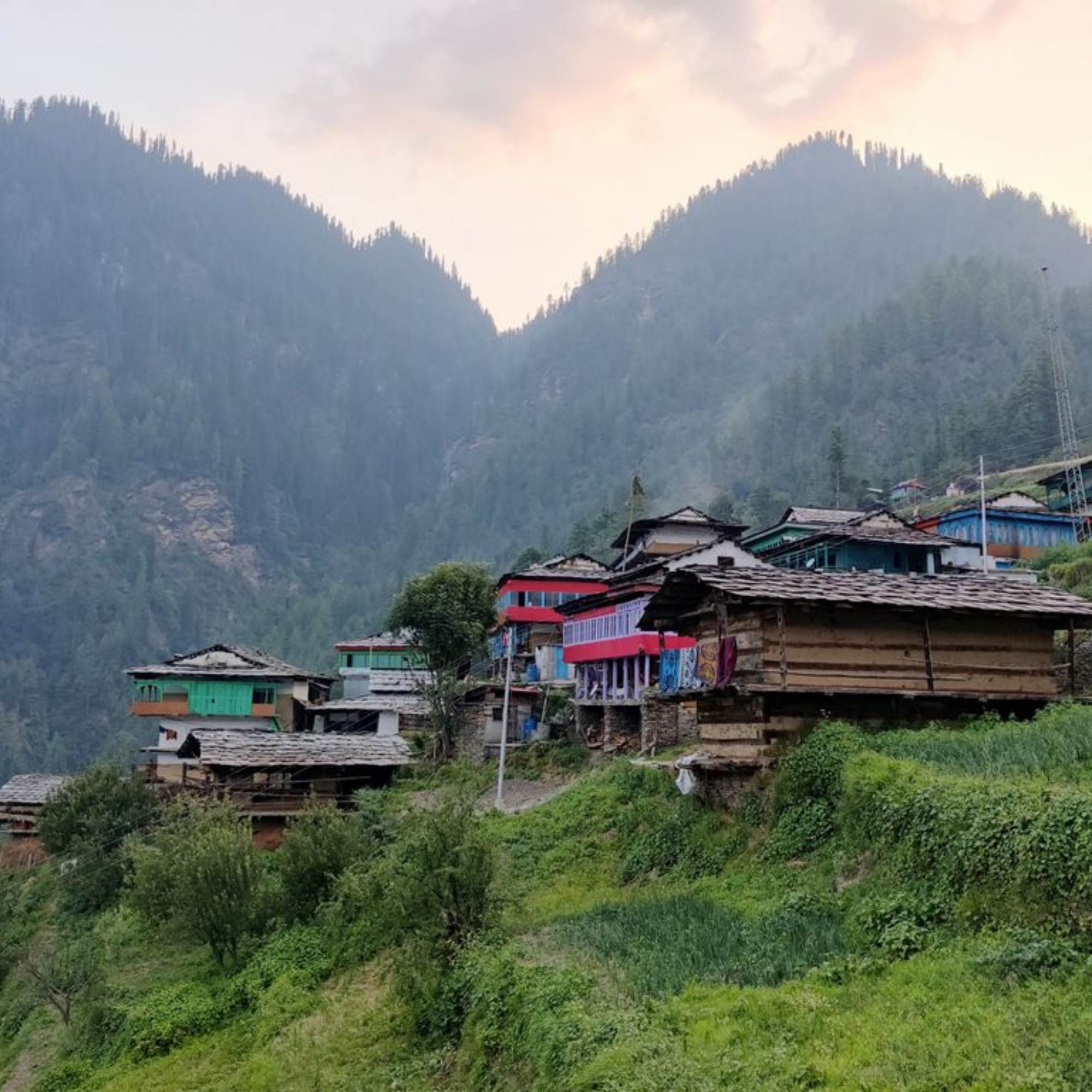
You searched "Shoja solo trip" because you want one honest answer: can you actually do this alone, without a car, without drama?
Short version: yes, you can. But Shoja is quiet in a way that catches first-timers off guard, and the trip lives or dies on transport timing, not on scenery.
Quick Answer
A Shoja solo trip works well if you want silent evenings, forest walks and easy access towards Jalori Pass. Shoja has backpacker hostels, and recent solo travellers have reached it using buses and shared cabs.
The catch is that Shoja is smaller and quieter than Jibhi. Mobile signal is patchy, food choice is limited, and local transport thins out after daylight. Do not leave your last ride until evening.
For a first solo trip, split your time between Shoja and Jibhi. You get Shoja's quiet and Jibhi's cafés and an easier social base.
Here is what most people get wrong
They treat Shoja like a busy hill station with backup options at every corner. It is not that. When the last shared cab leaves and your network drops, you are on your own resources. Plan for that and you will love the place.
Is Shoja Actually a Good Destination for a Solo Trip?
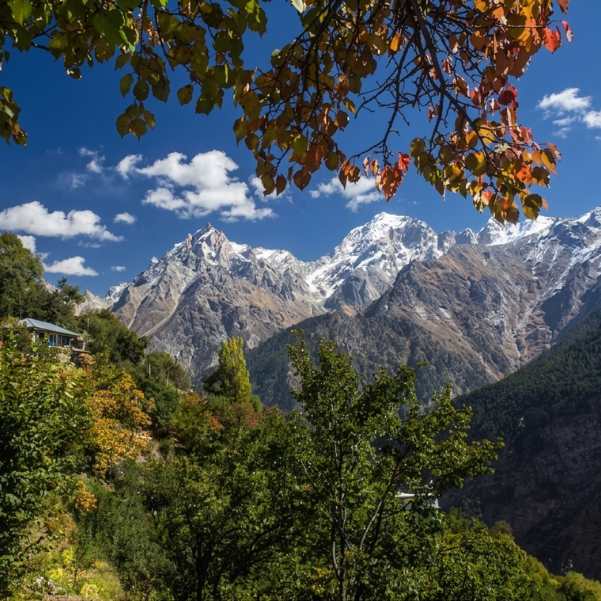
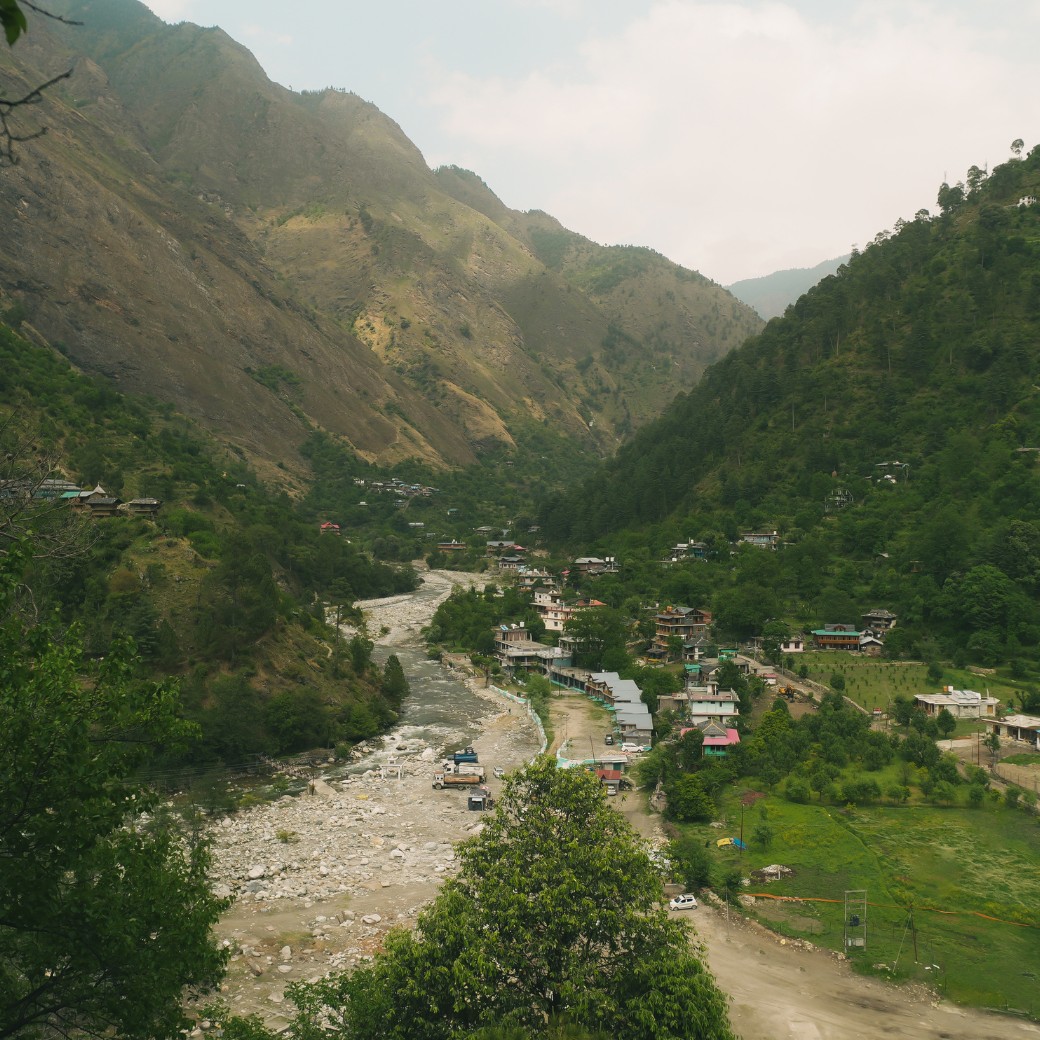
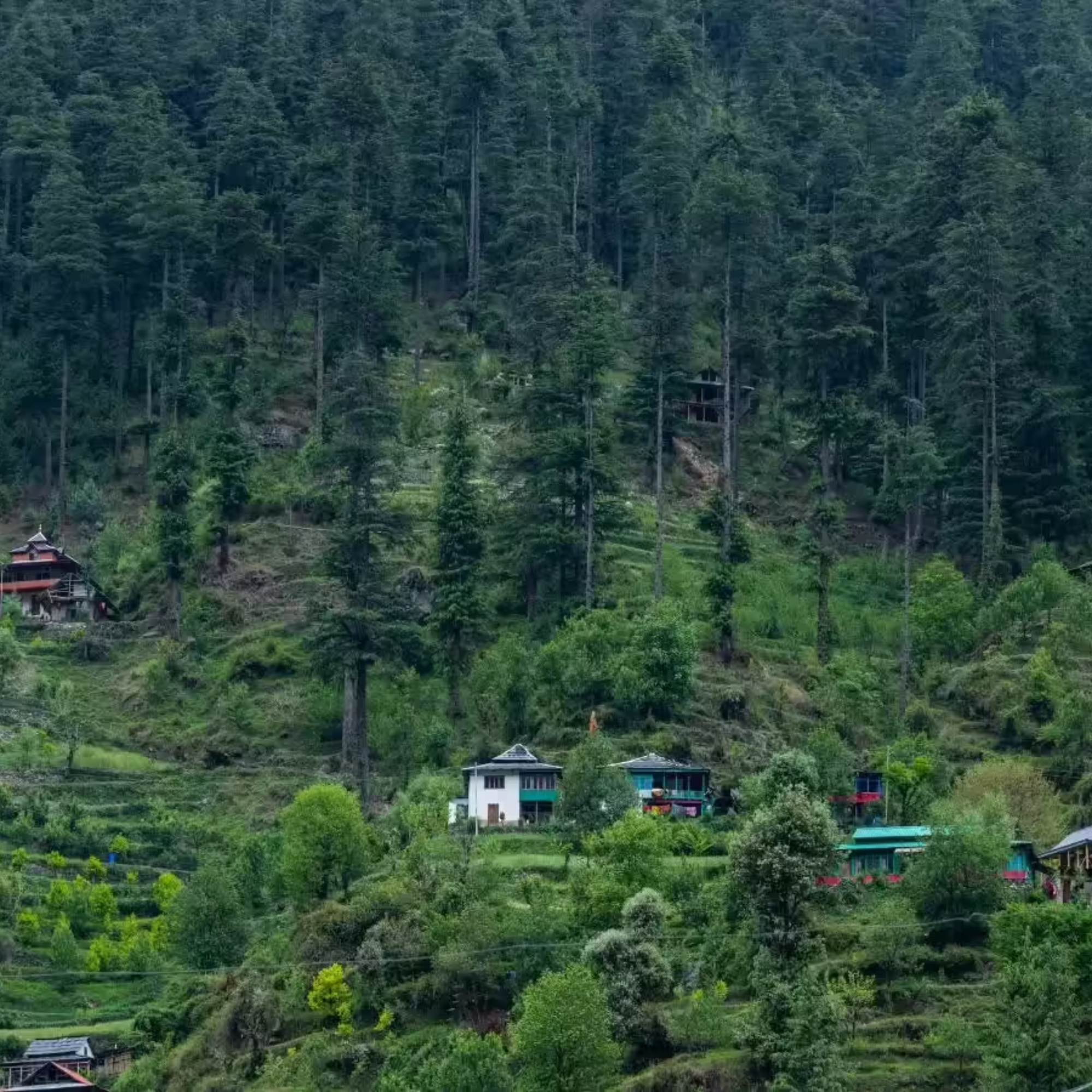
Shoja is a small mountain village in Banjar tehsil, Kullu district, sitting at roughly 2,700 metres. It is mostly pine forest, a handful of stays, mountain views and a lot of stillness.
If you like reading, photography, slow mornings and hiking, this suits you. Evenings here are genuinely quiet. You sit, you look at the mountains, you talk to the two or three other travellers at your stay, and that is the day.
If you want cafés to hop between, organised activities every few hours or any kind of nightlife, you will get bored. Jibhi handles that better, and honestly you should just base yourself there instead.
Deciding between valleys is a common first step. Our guide on Jibhi or Kasol for your trip helps you match the vibe to what you actually want.
Is Shoja Safe for Solo Travellers?
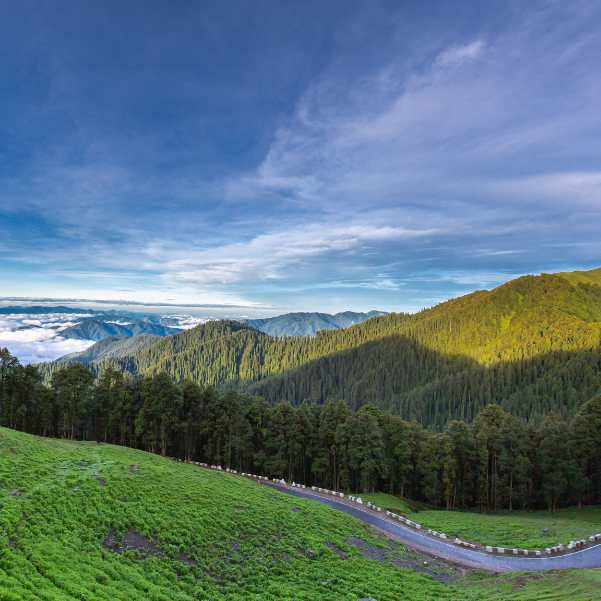
Current travel sources generally treat Shoja as suitable for solo travellers who use normal precautions. But nobody can promise safety anywhere, and Shoja has two very different kinds of risk.
Personal safety here is broadly what you would expect from a small Himachal village. The bigger issue is mountain safety.
Trails can be isolated. Weather changes fast. Roads get slippery after rain. Transport reduces sharply after daylight. And mobile signal drops without warning.
So build habits around that. Tell your hostel or homestay where you are heading before a longer walk. Get back before dark when you are walking alone. And check that day's road and weather before any Jalori-side outing.
There is also a specific 2026 road update you must know. Kullu district issued an order restricting heavy motor vehicles over Manglore Bridge on NH 305 because of structural damage from falling boulders.
The order runs 6 August to 30 September 2026, with emergency vehicles exempt. This is a dated notice, so check the latest road order before you travel.
Separately, NHAI began third-phase road tarring on a 10 km Ghiyagi to Jalori Pass stretch of NH 305 in May 2026.
The Ghiyagi to Jalori Pass section has seen ongoing road improvement work, so check the latest local road conditions before travelling rather than relying on an older construction update.
What Should Solo Female Travellers Know About Shoja?
Independent travel to Shoja is being done. A 20-year-old female traveller reported completing a solo Jibhi and Shoja trip in April 2026, using a bus from Delhi to Aut, a bus towards Banjar, and shared transport onward to Shoja.
That is genuinely useful evidence. But one person's smooth trip does not guarantee yours, so treat it as encouragement, not a safety certificate.
A few practical habits matter more here than anywhere else. Try to reach your accommodation in daylight. Arriving in an unfamiliar mountain village after dark, alone, with no signal, is the one situation you want to avoid.
Choose a hostel or homestay with recent reviews, clear check-in communication and hosts who can help arrange local transport. That last point is the real value. A host who can call you a shared cab in the morning removes half the stress of this trip.
Before heading onto a quieter trail, share your plan with your stay or a trusted contact. Save your stay's number offline, and download your maps while you still have a reliable network. Signal disappears fast once you move away from the village core.
Shoja or Jibhi: Where Should a Solo Traveller Stay?
Pick Shoja if you want...
Quiet evenings, open mountain views, closeness to Jalori Pass and a genuinely slow pace. This is the base for people who want less, not more.
Pick Jibhi if you want...
More cafés, more services and a stronger social base. If you are nervous about being alone, Jibhi gives you more people and more fallback options.
The best first time solo strategy
If time allows, do both. A split stay gives you Shoja's stillness and Jibhi's easier social rhythm, which is a smart combination for a first solo mountain trip.
We will not quote an exact Shoja to Jibhi distance, because current sources genuinely disagree. Treat it as a short uphill road journey from Jibhi and plan transport around timing, not kilometres.
Where Can a Solo Traveller Stay in Shoja?
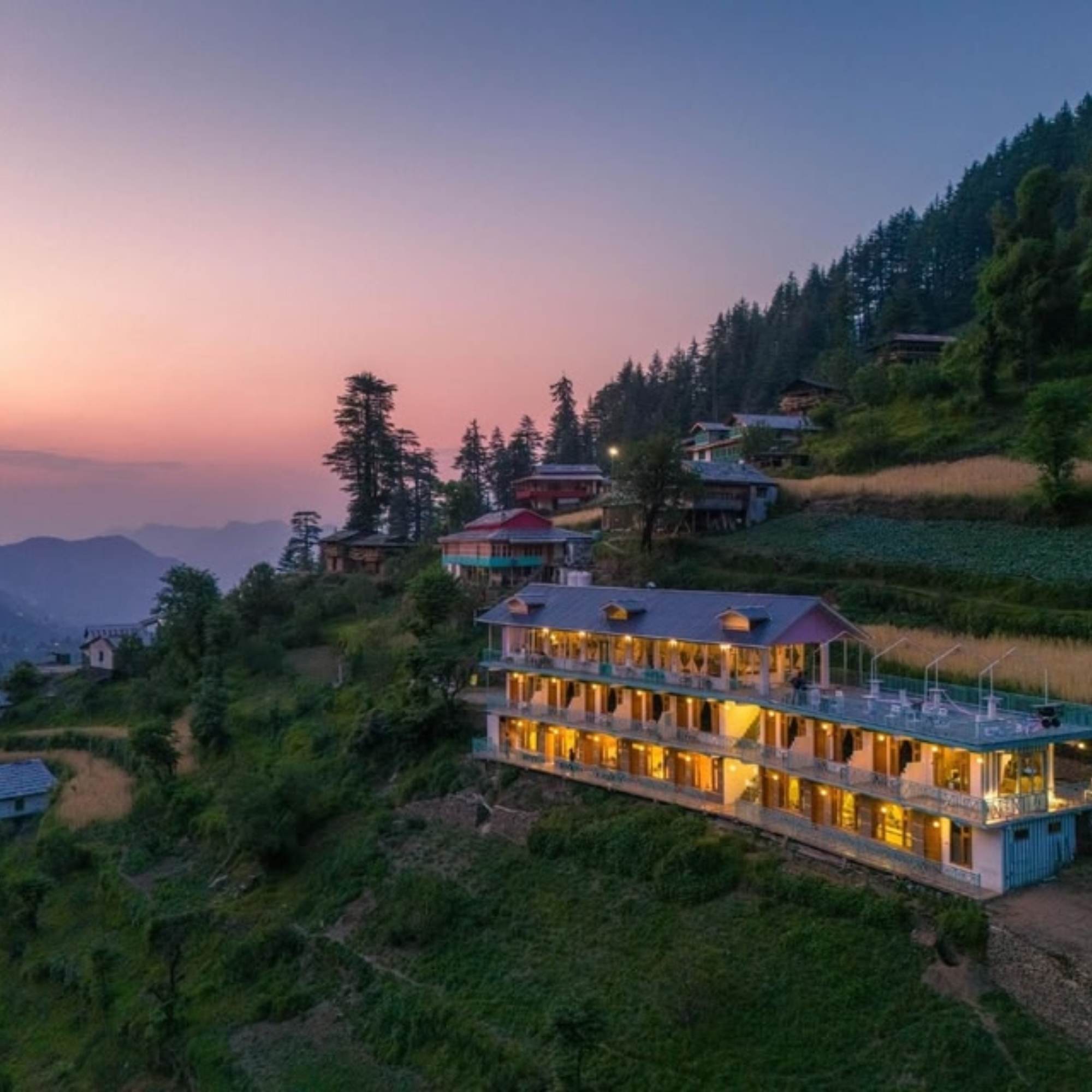
You have three broad options: dorm beds in hostels, private hostel rooms, and locally run homestays. Dorms are cheapest and best for meeting people. Private rooms and homestays give you quiet and space.
Current Hostelworld results show several Shoja properties, including Zostel Shoja, Moustache Shoja, Firgun, Chhaon, Nesto and Ailyak. Availability changes by date, so none of these is guaranteed to have space when you want it.
For budgeting, our current destination research puts dorm beds at roughly ₹700 to ₹1,000 and private rooms around ₹1,500 to ₹3,500, depending on season and property. These are planning ranges, not live rates. Always check for your actual dates.
Here is an insider tip most guides skip
Do not book on price alone. Check recent reviews, whether there is a common area for meeting people, check-in times, food availability, the approach road, and crucially whether the property can help organise a shared cab or taxi.
For a solo traveller, that transport help is worth more than a slightly cheaper bed.
How Do You Reach Shoja Alone Without a Car?
Delhi to Aut by Overnight Bus
The common backpacker approach is an overnight bus towards Aut on the Delhi to Manali corridor. From Aut you turn off towards Banjar and the valley.
We will not print a "permanent" departure timetable, because these services shift and a fixed schedule online ages badly. Check current timings close to your travel date.
Aut to Banjar to Shoja by Local Transport
From Aut, travellers usually continue through Banjar towards Shoja using local buses, shared vehicles or taxis.
A solo traveller writing about a 19 June 2026 trip reported a midnight HRTC departure, reaching Aut around 9 AM, then a 9:15 AM bus towards Banjar, followed by an 11:15 AM onward service towards Shoja. Read those as one traveller's dated report, not an official 2026 timetable.
The same traveller reported paying ₹200 for a shared ride towards Jalori Pass and later ₹200 from Shoja towards Jibhi. These are anecdotal June 2026 prices. Verify them on the ground, because shared-cab rates move with demand and group size.
What if Your Bus Does Not Arrive?
This is the real gap in most Shoja articles, so let us be honest about it. Buses here do not always run on the timing you expected.
That same June traveller used a shared cab when an expected bus did not turn up. That is the normal fallback, not a disaster.
So leave buffer time instead of a tight connection. Ask your hostel or homestay that morning about transport. Carry cash, because a stranded solo traveller with no cash and no signal has a genuine problem.
And if you meet other travellers going the same way, coordinate and share a vehicle to split the cost.
Should You Rent a Scooter or Self Drive?
Be honest with yourself here. Mountain-road experience matters far more than confidence.
Shoja's approach and the Jalori side have narrow, steep sections. Rain and snow make them harder. In our experience, this is not the route to learn mountain driving.
If you have not ridden or driven serious hill roads before, use shared transport and enjoy the view instead.
If you are pairing this with a wider Himachal trip, our Manali tour packages can help you sort transport across the region without you touching a steering wheel on bad roads.
How Much Does a Shoja Solo Trip Cost?
Think of your budget as five parts: long-distance travel, stay, meals, local movement and contingency cash.
For stay, use the planning ranges above. Dorm beds run roughly ₹700 to ₹1,000 per night and private rooms roughly ₹1,500 to ₹3,500 per night, depending on season and property.
Local transport is the biggest wildcard for a solo traveller, and here is why. A private taxi is borne by you alone, while a shared vehicle spreads the cost across everyone in it.
That single difference can swing your daily spend a lot. The June 2026 ₹200 shared cab figure is an anecdote, not a promise, so do not budget around it as fixed.
We are not going to hand you a Delhi bus fare, a fixed food budget or a neat total, because no reliable current number exists for those and inventing one would just mislead you.
Add up your own real numbers for your dates, then keep spare cash on top for the shared-cab situations that will come up.
What Can You Do Alone in Shoja?
Slow Village and Forest Walks
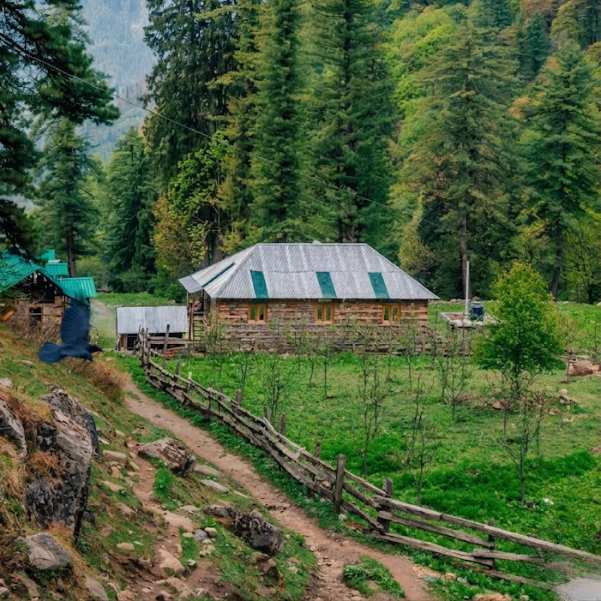
Shoja's real strength is that you do not need to chase a sight every hour. You can just walk.
Stick to daylight village and forest walks close to your stay. That gives you the atmosphere without the risk of being deep on a trail when the weather turns.
Jalori Pass
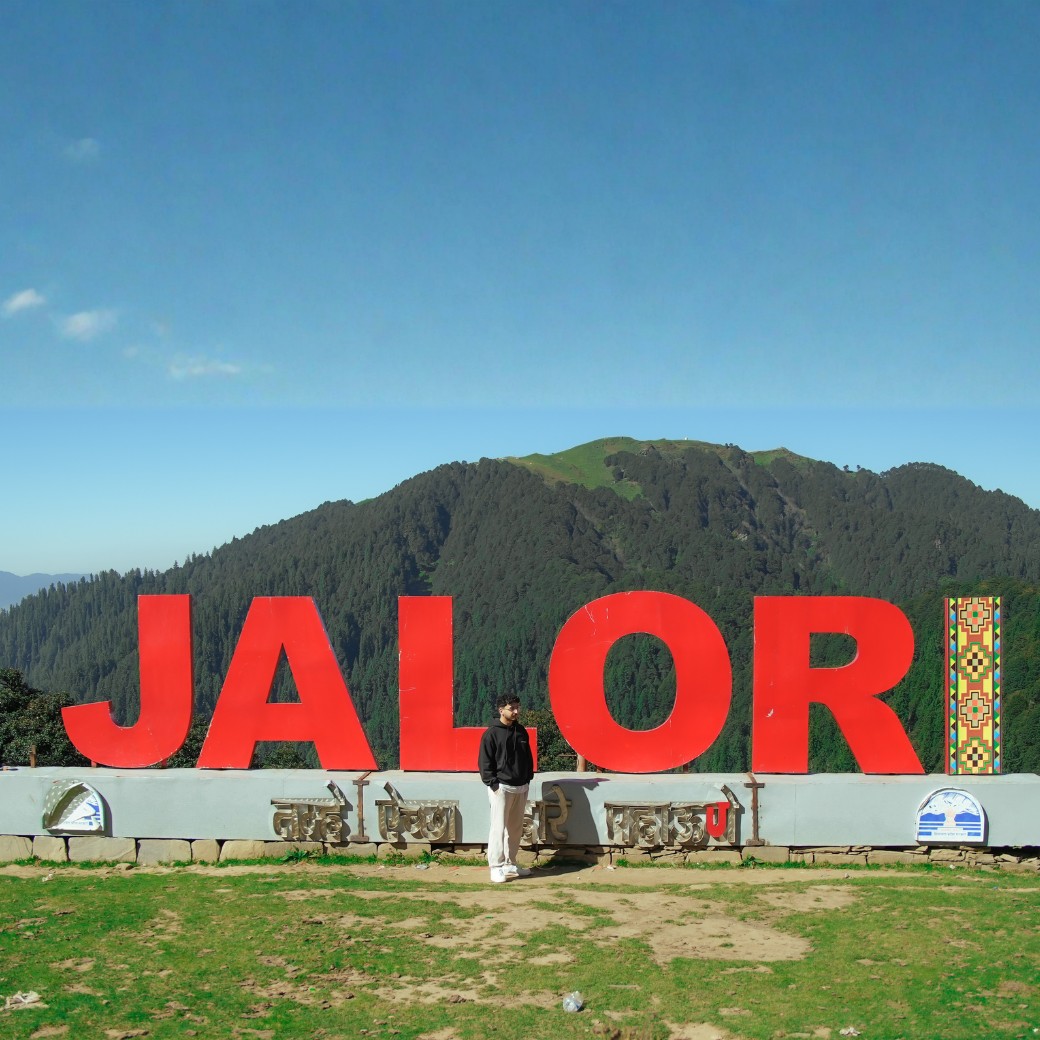
Shoja sits approximately 5 km below Jalori Pass, according to our destination research. This closeness is the main reason travellers use Shoja as a base.
Serolsar Lake
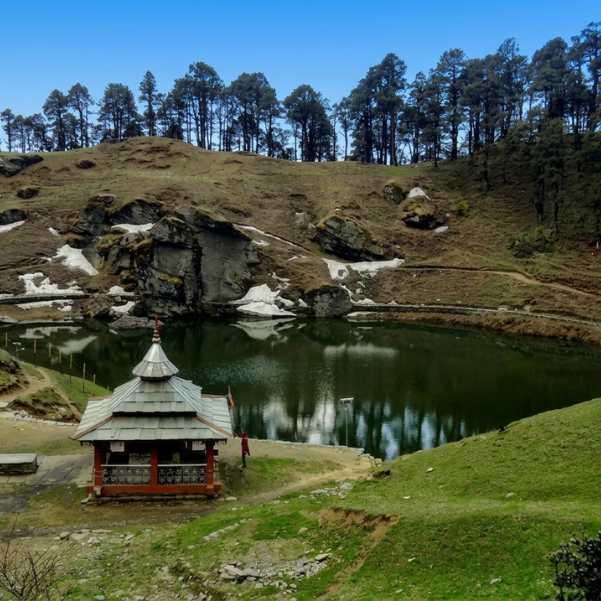
Serolsar Lake is a forest outing from the Jalori side, a walk through pine and oak to a small high lake. We will not quote an exact distance, because online sources disagree and the exact route you take changes it.
If you are going alone, check that day's weather and trail conditions before you leave. A forest trail in sudden rain is a different, harder thing.
Raghupur Fort Side
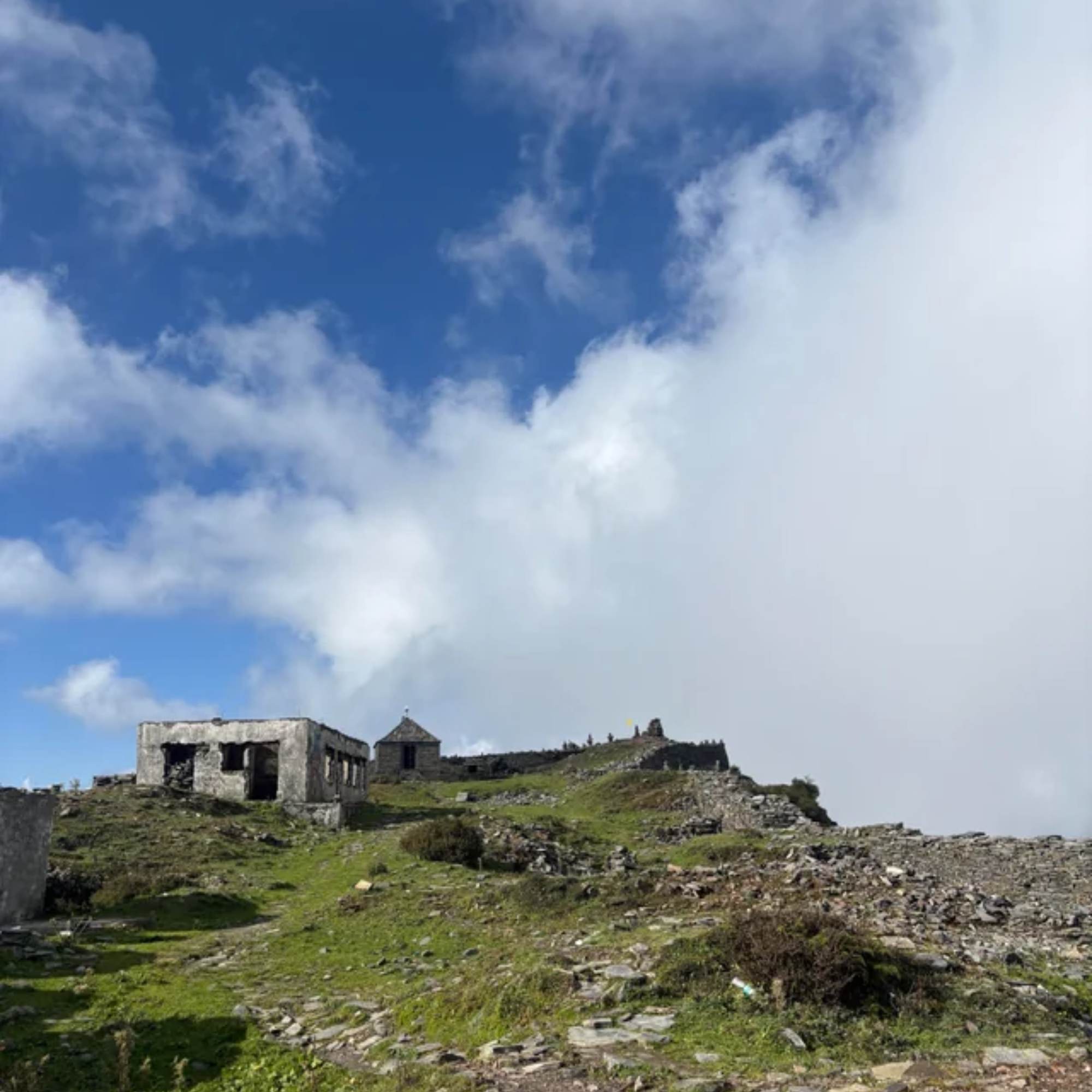
Recent 2026 travellers are doing the Raghupur Fort hike too, but weather up there flips quickly. Do not try to stack Serolsar, Raghupur and every viewpoint into a single day. Pick one, do it well, get back in daylight.
A Relaxed 4 Day Solo Jibhi Shoja Itinerary
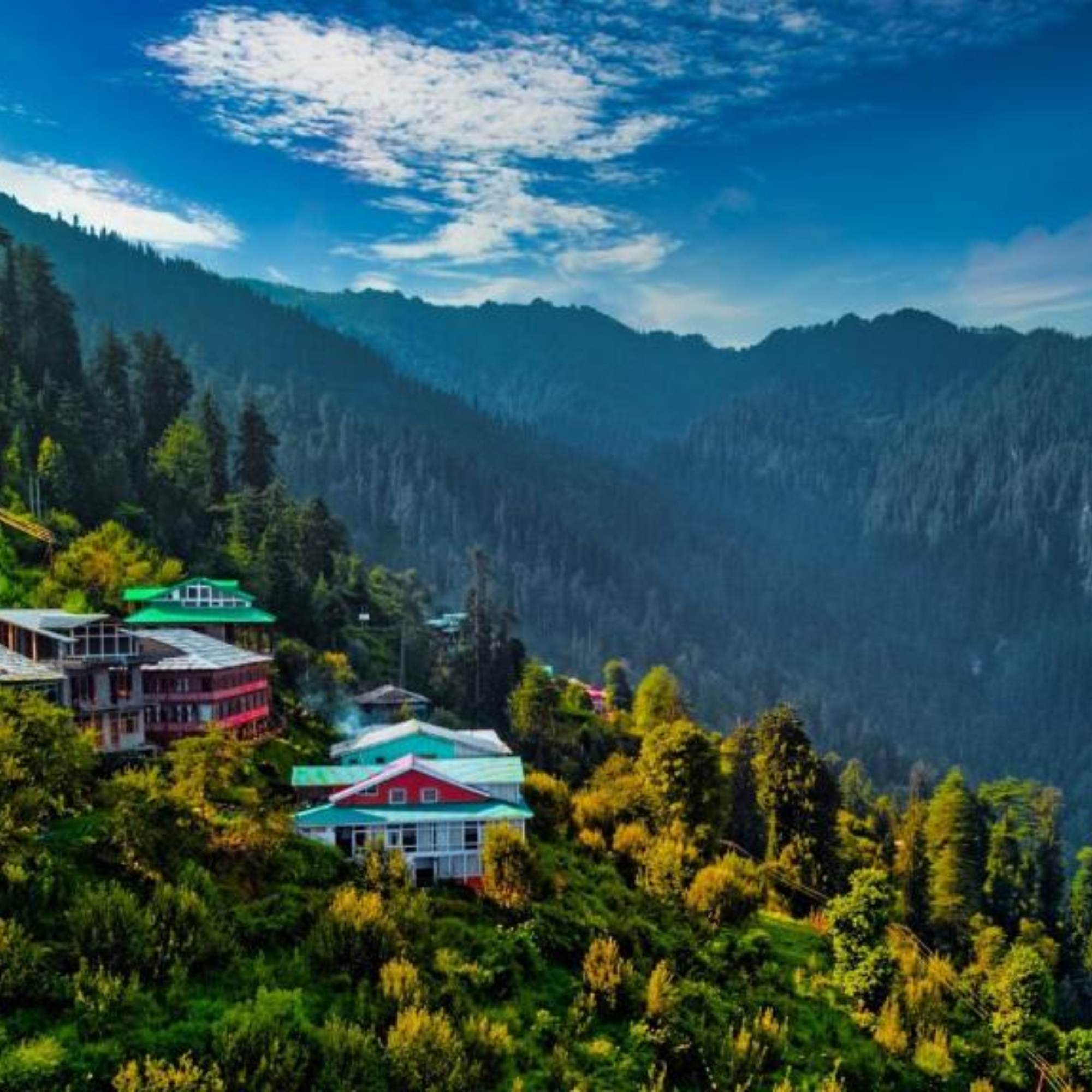
Day 1: Reach Shoja and Do Almost Nothing
Arrive, check in, eat, walk around the village, and meet the other travellers at your stay. After an overnight journey you are tired, and starting a long hike straight away at 2,700 metres is how people ruin day two. Rest first.
Day 2: Explore the Jalori Side
Pick one main outing based on road, weather and trail conditions. Serolsar, or Raghupur, or simply time around the pass. Do not pressure yourself to complete all of it.
Day 3: Move Towards Jibhi
Shift to Jibhi for a more social day with cafés and easy local exploration. This is where the trip loosens up and you get people around you again.
For ideas on what the wider valley offers, read Jibhi and Tirthan Valley in March.
Day 4: Keep a Buffer Morning and Return
Leave buffer time before your return bus, train or flight. A solo mountain itinerary should never end on a tight onward connection, especially after a monsoon or winter road journey. If the road delays you, you want room to absorb it, not a missed flight.
What Is the Best Time for a Shoja Solo Trip?
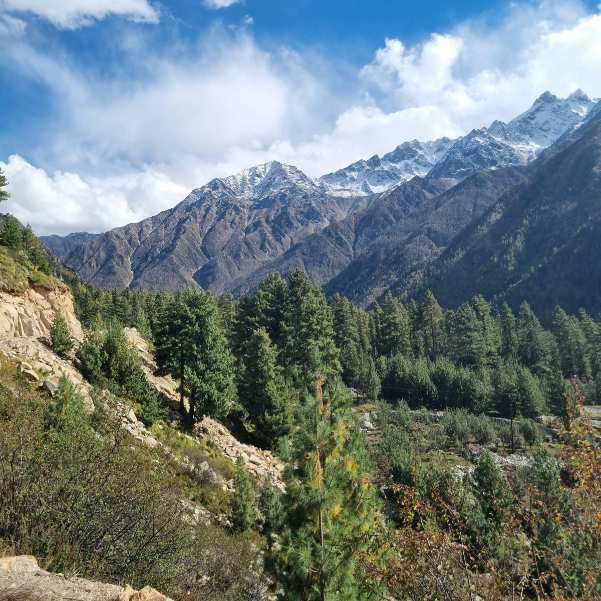
March to Early June
Our destination research marks this as one of the better windows, once winter conditions ease. Cool, fresh, and generally more dependable roads.
July and August
The landscape turns deep green, which looks lovely. But monsoon rain raises the chance of slippery paths, road disruption and changed plans. Live road status cannot be promised in advance during these months.
September to Early November
Another strong window. This period suits walkers and solo travellers who want relatively stable conditions and clear mountain air.
Winter
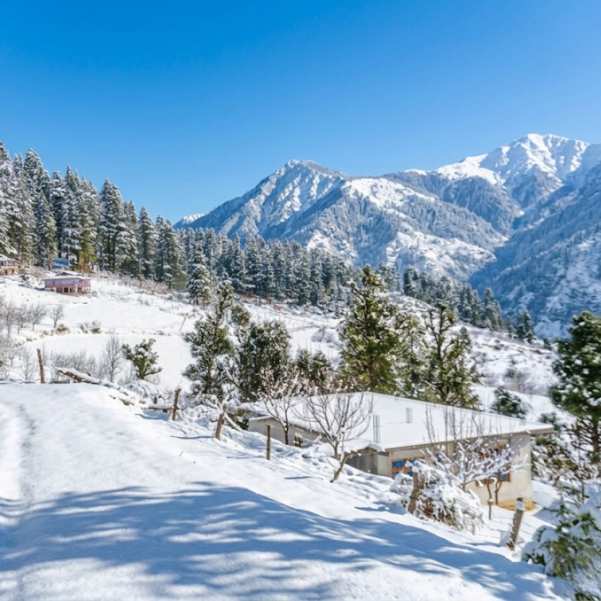
Shoja itself can stay accessible, but fresh snowfall can interrupt access, and the Jalori Pass road becomes much less dependable. We will not promise snow on specific dates, because nobody honestly can.
What About Mobile Signal, Cash, ATMs and Food?
Mobile coverage in Shoja is patchy. Our research currently shows BSNL as the most reliable, while Jio and Airtel work in some spots and fail in others. Do not count on any single network, because coverage changes by exact location.
There is no ATM in Shoja. Sort your cash around Banjar or Aut before you head up. This is a real trap for solo travellers who assume UPI will cover everything, then find no signal and no card machine.
There is also no fuel pump in Shoja or Jibhi. Banjar and the Aut side are the practical places to refuel a vehicle.
On food, Shoja's choice is more limited than Jibhi's. If you were imagining café hopping, adjust your expectations. Eat where you stay, keep some snacks, and treat Jibhi as your food-variety day.
What Should You Pack for a Solo Trip to Shoja?
Keep it simple and practical. Bring shoes with good grip, season-appropriate layers, and rain protection when the season needs it. Add a power bank, personal medicines, water, some cash and offline maps.
For a solo traveller specifically, keep your accommodation contact details and basic emergency information saved offline. When your signal drops, offline access to a phone number and a map is the difference between a small hiccup and a stressful evening.
Common Mistakes Solo Travellers Make in Shoja
Arriving late without confirming the last local connection. Sort your onward or final ride earlier in the day, not at dusk.
Booking Shoja expecting Jibhi-style cafés and nightlife. Shoja is quiet by design. If you want buzz, base in Jibhi.
Starting a remote trail without checking that day's weather. Mountain weather does not care about your plan.
Relying completely on mobile data and UPI. Carry cash and download maps first.
Treating a Reddit post, a Reel or an old blog's bus timing as a permanent public transport schedule. These age fast. Verify close to travel.
Underestimating buffer time. In mountain travel, a buffer day or a buffer of a few hours is not wasted, it is what saves the trip when a road closes for half a day.
Can Travel Coffee Help Plan a Solo Shoja Jibhi Trip?
Yes, and in a genuinely useful way rather than a salesy one. A customized plan helps you coordinate routing, suitable stays and local transport while keeping the itinerary flexible.
In our experience, the biggest difference between a stressful Shoja trip and an easy one is usually not the sightseeing plan. It is knowing how you will get from one stop to the next.
That is the exact part solo travellers underestimate, and the exact part we are good at sorting.
Explore Our Curated Shoja Tour Packages
 Group Tour6D/5N
Best Jibhi Tirthan Valley Tour With Shangarh Meadows
2D Tirthan Valley•1D Shangarh (Sainj Valley)
₹9,999₹12,999SAVE INR 3,000/ person 6D/5N
6D/5NJibhi Tirthan Valley & Shangarh Meadows Experience
1D Delhi•2D Jibhi+2
₹21,799₹27,999SAVE INR 6,200/ person 5D/4N
5D/4NWeekend Jibhi & Tirthan Valley Riverside Escape
1D Delhi •2D Jibhi / Tirthan Valley+1
₹12,900₹19,999SAVE INR 7,099/ person
Related topics
Frequently Asked Questions
Is Shoja safe for solo travellers?
Yes, Shoja is generally safe for solo travellers with normal precautions. Avoid isolated trails after dark, check weather and road conditions, and inform your stay about your plans.
Is Shoja safe for solo female travellers?
Shoja is generally suitable for solo female travellers. Choose a well-reviewed stay, arrive before dark, share your itinerary with someone, and keep offline maps and emergency numbers handy.
How many days are enough for Shoja?
We recommend at least two nights in Shoja. Three or four nights gives you a slower, more relaxed itinerary with room for the Jalori side and a Jibhi split.
Should I stay in Shoja or Jibhi as a solo traveller?
Choose Shoja for quiet and mountain stillness, Jibhi for cafés, services and more people around. For a first solo trip, splitting your stay between both is the smartest option.
Are there hostels in Shoja?
Yes. Current listings show several backpacker properties, including Zostel Shoja, Moustache Shoja, Firgun, Chhaon, Nesto and Ailyak. Availability changes by date, so book ahead in season.
How can I reach Shoja from Delhi without a car?
The usual route is an overnight bus towards Aut, then local buses or shared vehicles through Banjar to Shoja. Check current bus timings close to your travel date rather than trusting old schedules.
Can I travel from Aut to Shoja by public transport?
Yes. Travellers commonly go Aut to Banjar to Shoja by local bus and shared transport. Buses do not always run to expected timings, so keep buffer time and cash for a shared cab as backup.
How much should I budget for a solo Shoja trip?
Plan for dorm beds around ₹700 to ₹1,000 or private rooms around ₹1,500 to ₹3,500 per night, plus long-distance travel, meals, local movement and contingency cash. Local transport is your most unpredictable cost.
Is Jalori Pass open throughout the year?
No. The Jalori Pass road becomes much less dependable in winter, when snowfall can interrupt access. Check same-day road status before any Jalori-side plan, and note the 2026 NH 305 road works and Manglore Bridge restriction.
Do I need a permit for Shoja?
No special general tourism permit is needed to visit Shoja village, and there is no entry fee for the village itself. Entry to the Great Himalayan National Park is separate and may involve its own park permissions.
Does Shoja have mobile network and ATMs?
Signal is patchy, with BSNL the most reliable and Jio and Airtel inconsistent. There is no ATM in Shoja, so arrange cash in Banjar or Aut, and do not rely fully on UPI.
Can I do the Serolsar Lake trek alone?
Many solo travellers do the Serolsar Lake walk from the Jalori side. Go in good weather, start early, tell your stay your plan, and turn back if conditions change. A forest trail in sudden rain is a different challenge alone.
More about Shoja
- Shoja
How to Reach Shoja in 2026: From Delhi, Chandigarh, Aut & Bhuntar
Planning a trip to Shoja in 2026? Here’s how to reach Shoja from Delhi, Chandigarh, Aut and Bhuntar by bus, car or taxi, along with the best routes, distances and useful travel tips.
- How to Reach
- Road Trips
 Shoja
ShojaJibhi vs Shoja 2026: Where Should You Actually Stay?
Jibhi vs Shoja in 2026 comes down to the kind of mountain experience you want. Compare location, weather, cafés, stays, accessibility, Jalori Pass access and overall vibe to decide whether Jibhi’s convenience or Shoja’s quiet mountain setting suits your trip best.
- First-Time Travellers
- Places to Visit
- Shoja
How Much Does a Shoja Trip Really Cost in 2026?
Planning a Shoja trip in 2026? Get a realistic breakdown of transport, stays, food, local travel, and sightseeing costs to understand how much you should budget for a comfortable Shoja getaway.
- First-Time Travellers
- Itinerary