
Shimla, Manali, Dharamshala and Dalhousie in One Trip: A Realistic 10-Day Route (2026)
Planning a trip that covers Shimla, Manali, Dharamshala and Dalhousie requires careful planning, especially when you have only 10 days to explore all four destinations.
Long travel distances, winding mountain roads and different sightseeing options can make the journey tiring if you do not plan your route and overnight stays properly.
This guide by Travel Coffee explains how to plan a realistic 10 day Himachal itinerary covering Shimla, Manali, Dharamshala and Dalhousie, including travel distances, suggested overnight stays, sightseeing opportunities and important route planning considerations.
It will help you understand how much time to spend at each destination, what you can realistically cover and how to organise your journey for a comfortable and enjoyable Himachal holiday.
Quick Answer
Yes, you can cover all four places in 10 days and 9 nights if you accept a few long road days.
This Shimla Manali Dharamshala Dalhousie 10 day itinerary runs one way: start in Chandigarh, stay 2 nights in Shimla, 3 nights in Manali, 2 nights in Dharamshala or McLeod Ganj and 2 nights in Dalhousie, then drop at Pathankot.
Days 3 and 6 go almost entirely to driving, so you will not fit every famous attraction. Choose one main excursion per base and the trip works well.
Can You Really Visit All Four Places in 10 Days?
Here is what most tourists get wrong. They count 10 days as 10 sightseeing days. They are not.
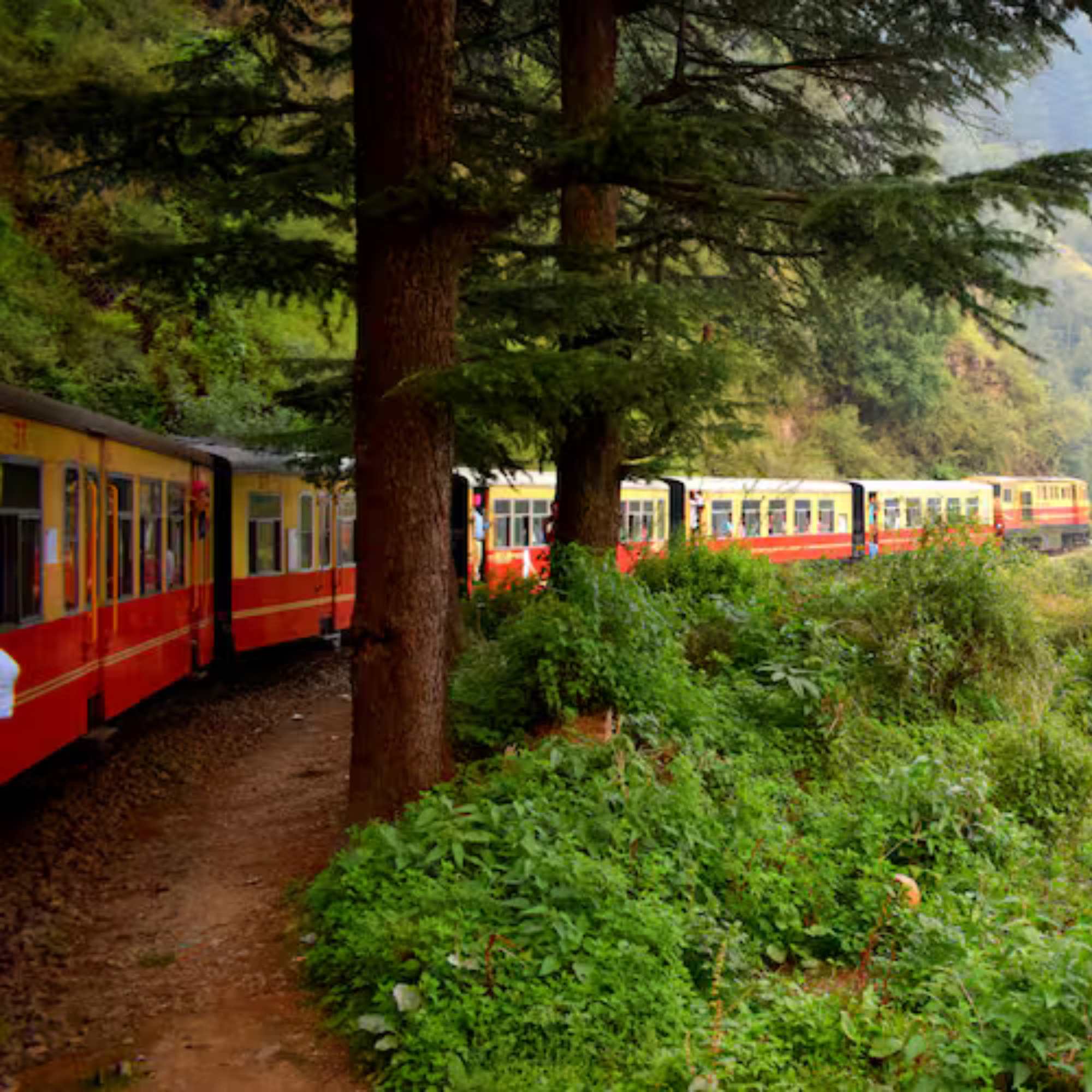
On this route, Day 3 (Shimla to Manali) and Day 6 (Manali to Dharamshala) are long drive days. Day 8 and Day 10 also involve travel, though shorter.
Realistically, you get five full sightseeing days: Days 2, 4, 5, 7 and 9. Day 1 and Day 8 give you a relaxed evening each. Day 3, Day 6 and Day 10 belong to the road.
That still covers the core of all four towns. You see Shimla's heritage centre, Manali's temples and one snow point, McLeod Ganj's Tibetan quarter and the Khajjiar meadow.
In our experience, this plan suits couples, groups of friends and families with older children who handle car journeys well.
We would suggest a longer trip for families who want frequent rest days, for anyone planning a full day trek like Triund, and for travellers who also want Amritsar.
If you want to compare this with shorter or single destination plans, our Himachal tour packages give you a quick sense of what else fits your dates.
What Is the Best Route from Shimla to Dalhousie via Manali and Dharamshala?
Where should you start and finish?
Start with a pickup in Chandigarh, then go Shimla, Manali, Dharamshala, Dalhousie and finish with a drop at Pathankot.
This one way loop never makes you drive the same road twice. Pathankot works as an exit because it is a major railway access point for Dalhousie.
The reverse direction works too. Pick it if your train reaches Pathankot and your return flight leaves from Chandigarh.
A Delhi round trip adds a lot of road time. HPTDC lists Delhi to Shimla at 370 km and Dalhousie to Delhi at 555 km. That turns the first and last days into very long journeys.
Our team recommends against squeezing a Delhi round trip into 10 days. If Delhi is your base, take the train or flight to Chandigarh and Pathankot instead.
How far apart are the destinations?
HPTDC, the state tourism corporation, publishes these reference distances. Chandigarh to Shimla is 117 km, Shimla to Manali is 260 km and Manali to Dharamshala is 235 km.
It lists Dharamshala to Dalhousie at 143 km and Dalhousie to Pathankot at 80 km.
Add these five legs and you get about 835 km of main intercity driving. Treat that as a planning figure, not an odometer reading. Local sightseeing, hotel approaches and detours add more.
On a highway, 260 km sounds like four hours. In the hills, it takes most of a day. Curves, single lane stretches, trucks, town traffic and roadwork all slow you down.
The approach roads matter too. Manali sits at the top of the Mandi and Kullu corridor. Dharamshala sits in Kangra. Dalhousie sits in Chamba district near Pathankot.
Following this order means each drive moves you forward. Rearranging it, say Shimla to Dharamshala to Manali, creates backtracking and costs you a full extra travel day.
What Does a Realistic 10-Day Himachal Itinerary Look Like?
Here is the day by day plan. Every drive time below is a planning estimate. Rain, snow, landslides, traffic and local authority restrictions can change any of them.
Day 1: Chandigarh to Shimla
Your trip begins with the 117 km drive from Chandigarh to Shimla.
A local self drive operator estimates 3 to 3.5 hours in good conditions. Weekend traffic and roadwork can easily stretch that.
Plan a comfortable arrival. Check in, rest for an hour and then walk up to the town centre.
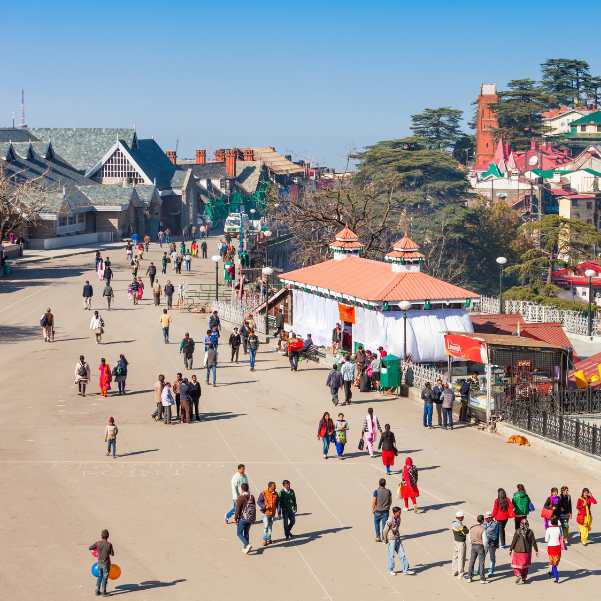
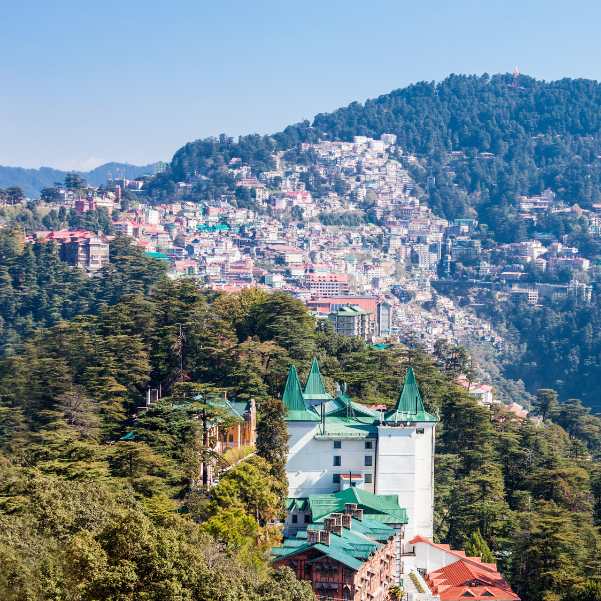
Spend the evening on Mall Road, the Ridge and around Christ Church. The Ridge in the evening shows Shimla at its best, with the town lights coming on across the hillside.
Keep the first day light. Do not try to add Kufri this afternoon. You arrive tired, and Kufri works far better in the morning.
The central Mall Road and Ridge area is largely pedestrian. Your driver drops you at the nearest point, and you walk the rest.
Wear comfortable shoes. Shimla involves slopes and steps everywhere.
Eat dinner near the Mall, sleep early and keep your energy for Day 2.
Overnight: Shimla.
Day 2: Shimla, Kufri and the Heritage Centre
Head to Kufri right after breakfast. Here is a timing tip that changes the day: a morning start gives you clearer views and gets you back to Shimla before the afternoon slows down.
Keep Kufri for a few hours. Many travellers lose half the day there and then rush the town.
Come back to Shimla by lunch. Now explore the heritage centre properly, with the historic buildings around the Ridge and Mall Road.
If your energy holds, add Jakhu Temple in the late afternoon. It sits above the Ridge, so ask your hotel about the best way up.
Expect the central area to be hard for vehicles. Parking near the Mall fills fast, and cars cannot enter the pedestrian zone. Your driver will wait at a designated point while you walk.
We would suggest keeping the evening free for packing. Tomorrow starts early.
If you want Shimla on its own or with nearby stays, our Shimla tour packages cover shorter versions too.
Overnight: Shimla.
Day 3: Shimla to Manali
This is one of the two hardest days of the trip.
HPTDC lists Shimla to Manali at 260 km. Some route guides say about 250 km. The figure depends on the road your driver chooses.
Plan for 7 to 9 hours on the road through the standard corridor. The usual route passes Bilaspur, Sundernagar, Mandi, Aut and Kullu.
On 11 September 2026, the Deod and Hanogi tunnels opened to traffic on the Mandi and Kullu highway. They improve this stretch, but they do not remove landslides, traffic or weather delays.
Leave Shimla right after an early breakfast. An early start gives you daylight to spare if the road slows down near Mandi or Kullu.
Take one proper lunch break, ideally in Mandi town, which falls around the middle of the journey. Stretch your legs, eat a hot meal and have a cup of chai before the climb towards Kullu.
Skip the extra tourist detours today. Stopping at every viewpoint and temple turns a long day into an exhausting one.
Keep the evening flexible. If you arrive early, take a short walk. If you arrive late, eat at the hotel and sleep.
For Manali specific stays and add ons, see our Manali tour packages.
Overnight: Manali.
Day 4: Manali Local Sightseeing
Today is a gentler day, and you need it after Day 3.
Start with Hadimba Temple, set among tall cedar trees. Go in the morning, before the queues build.
From there, walk or drive to Old Manali. The lanes have small cafés, guesthouses and a slower feel than the main town.
For the afternoon, choose one. Vashisht suits you if you enjoy village lanes and temples. The central Manali market suits you if you want shopping and food.
Let your hotel location decide. If you stay near Old Manali, Vashisht makes less sense than a relaxed market evening, and the reverse is also true.
Do not try to cover every surrounding village, river activity and café in one day. Manali rewards a slower pace.
Get back to the hotel early. Tomorrow's excursion starts early and may take you to much higher altitude.
Overnight: Manali.
Day 5: Solang Valley, Rohtang Pass or Atal Tunnel to Sissu
You have three options today. What we tell our travellers is simple: pick one main excursion, not all three.
Solang Valley is the easiest choice. Himachal Tourism puts it about 13 km from Manali. It works for families, first time visitors and anyone who wants a shorter day with activities.
Our guide to adventure activities in Manali explains what you can do around Solang and nearby.
Rohtang Pass sits 51 km from Manali, according to HPTDC. It is seasonal, and you need an official tourism permit for your vehicle. Rohtang does not stay open all year, and snow on a specific date is never guaranteed.
Sissu via the Atal Tunnel is the third choice. The tunnel is about 9.02 km long. A local accommodation guide gives the Manali to Sissu road distance as about 38 to 40 km.
Sissu falls in Lahaul and Spiti district, which runs its own e-Aagman vehicle entry system. This is separate from the Rohtang permit.
Some commercial guides claim Sissu needs no permit, but the district website asks vehicles entering the district to apply for the applicable e-pass. Check the correct category for your visit.
If Sissu appeals to you as a longer stay, our Sissu tour packages show how to give it a proper night.
Return to Manali by evening and pack. Tomorrow is the second long drive.
Overnight: Manali.
Day 6: Manali to Dharamshala
This is the other big road day.
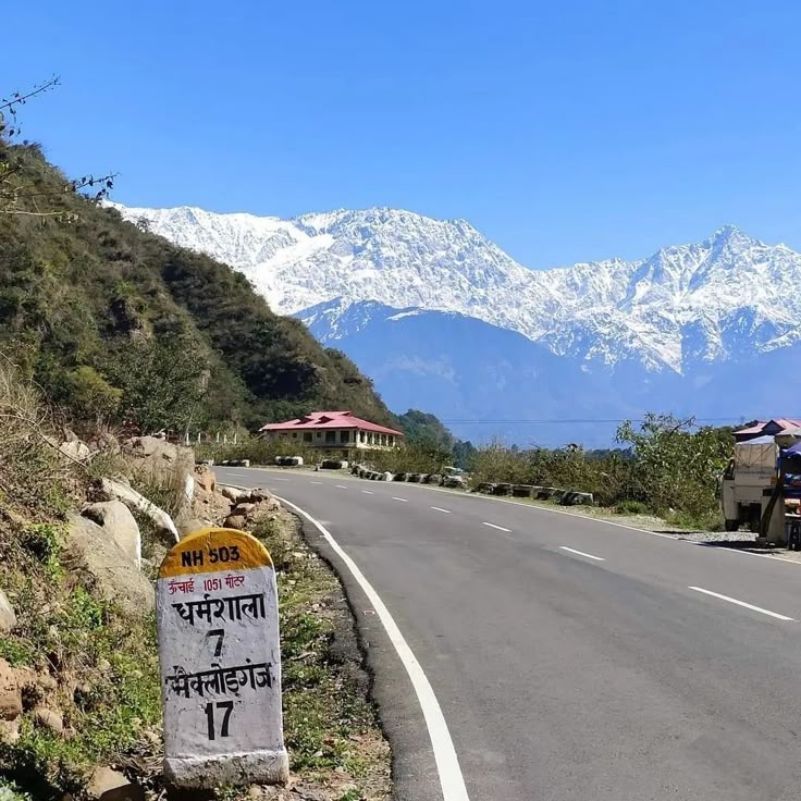
HPTDC lists Manali to Dharamshala at 235 km. Published drive times vary. Some operators quote 6 to 7 hours, and other guides suggest 7 to 8 hours.
Our honest advice: plan for most of the day, including breaks.
You drive back down the Kullu and Mandi corridor, then turn towards Baijnath, Palampur and Dharamshala. Route conditions can change the exact road.
Leave early again. The drive feels much easier when you are not racing the sunset on the final climb.
Break the journey for lunch somewhere along the way, and do not plan extra sightseeing stops. Baijnath and Palampur both look tempting, but stopping at each adds hours.
Your hotel location matters today. McLeod Ganj sits higher above lower Dharamshala, so the final stretch takes extra time.
Keep the evening minimal. Have dinner, walk a short distance and rest.
Overnight: Dharamshala or McLeod Ganj.
Day 7: Dharamshala and McLeod Ganj
Today belongs to Tibetan culture in McLeod Ganj.
Start at the Tsuglagkhang temple complex, which includes Namgyal Monastery. Go in the morning when the complex feels calmer. Dress modestly and walk around the prayer wheels clockwise, the way locals do.
For lunch, our team recommends a bowl of thukpa or a plate of momos at one of the small Tibetan eateries around the main square in McLeod Ganj. On a cold day, nothing beats it.
In the afternoon, add Bhagsunag or St. John in the Wilderness, depending on your energy. Both make easy additions.
Understand the layout before you plan. Lower Dharamshala and McLeod Ganj sit at different levels, and zigzagging between them wastes time. Cluster your sightseeing by area.
Skip Triund on this schedule. The trek runs 9 to 10 km one way, and the climb alone commonly takes 4 to 6 hours. A return trek needs a full day, so it does not fit a sightseeing day.
Our guide to the best places in Dharamshala and McLeodganj helps you shortlist what matters to you.
If you want more time here, our Dharamshala tour packages include slower versions with extra nights.
Overnight: Dharamshala or McLeod Ganj.
Day 8: Dharamshala to Dalhousie
Today's drive feels much shorter after Days 3 and 6.
Most drivers take the road through the Nurpur and Banikhet area towards Dalhousie.
HPTDC lists the distance as 143 km. Some regional operators report 115 to 125 km. The exact figure depends on the road your driver picks.
Plan for 4 to 5 hours of driving.
Leave after a relaxed breakfast. You can reach Dalhousie with time to settle in.
Spend the evening around Dalhousie's central market area. Walk, have chai and enjoy the quieter pace after the busier towns.
Do not rush to Khajjiar today. It deserves a fresh morning, and you have a full day for it tomorrow.
Overnight: Dalhousie.
Day 9: Dalhousie and Khajjiar
Give this whole day to Dalhousie and Khajjiar.
HPTDC lists Khajjiar at 22 km from Dalhousie. The drive is short, so you get plenty of time there.
Khajjiar has a wide green meadow ringed by forest, with a small pond in the middle. Walk around it slowly rather than hurrying through.
Visit the Khajji Nag Temple near the meadow before you leave.
If time and road conditions allow, add Kalatop, which HPTDC lists 13 km from Dalhousie. Skip it if you feel tired or the roads look poor.
In winter, snowfall can restrict access to Khajjiar and nearby roads. Check conditions locally that morning.
Back in Dalhousie, enjoy a quiet final evening. Pack tonight, so your departure tomorrow stays calm.
Overnight: Dalhousie.
Day 10: Dalhousie to Pathankot
The last drive takes you down to Pathankot, a major railway access point for Dalhousie.
HPTDC lists the distance as 80 km, while the Himachal Tourism Dalhousie page says 87 km. The difference comes down to the route.
A local transport guide suggests 2.5 to 3 hours in normal conditions.
Leave a generous buffer for your train or onward transfer. A missed train after nine smooth days is a painful way to end a holiday.
We would suggest not adding Amritsar sightseeing on this day. It turns a calm exit into a rushed one. If you want Amritsar, add a separate day.
You do not need a hotel night today.
Which Attractions Should You Skip If the Trip Gets Delayed?
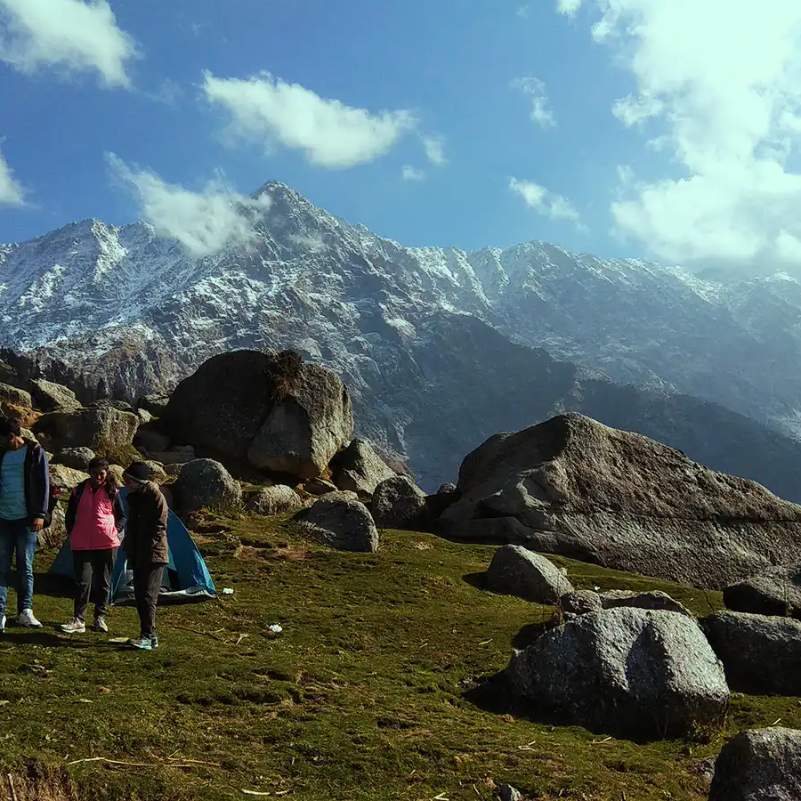
Delays happen in the hills. A landslide, a slow truck convoy or heavy rain can cost you half a day.
Protect the core sights first. In Shimla, that means the Ridge and Mall Road heritage area. In Manali, it means Hadimba Temple and Old Manali.
In McLeod Ganj, protect the Tsuglagkhang complex and the Tibetan quarter. In Dalhousie, protect Khajjiar.
Drop the stretch goals first. Triund needs a full day. Rohtang depends on permits, quotas and weather. Kasol or Manikaran detours add hours on the Kullu side. An Amritsar extension adds a whole extra day.
When a mountain excursion closes, choose a lower option. Solang Valley often makes a sensible alternative to Rohtang or Sissu.
In McLeod Ganj, Bhagsunag or a slower afternoon in the Tibetan quarter replaces a missed trek well.
Never treat a weather dependent place as a guarantee. Rohtang, Sissu and even Khajjiar can close at short notice.
How Much Does a 10-Day Himachal Trip Cost in 2026?
Your cost depends on five things: season, group size, hotel category, vehicle type and where you start and finish.
The main expenses are nine hotel nights, vehicle hire for ten days, food, permits, parking, activity charges and personal spending.
For market context, here is what three operators advertise. Himalayan Escalate shows a 10 day circuit starting from ₹24,999 per person.
One operator displays ₹26,999 per person for a 9 night, 10 day four destination package.
Another displays about ₹45,500 per person on twin sharing for its 10 day Himachal itinerary.
These listings come from different products with different hotels, inclusions and transport. You cannot compare them directly. They are not Travel Coffee prices, and averaging them tells you nothing useful.
The cost of a customised 10-day Himachal trip with Travel Coffee depends on your travel dates, number of travellers, hotel category, transport preferences and selected itinerary.
Request a personalised quotation from Travel Coffee with a detailed breakdown of accommodation, meals, sightseeing, transport and additional charges to understand the final per person cost before booking.
The format changes the price. A shared group tour costs less but follows a fixed plan. A private cab holiday costs more but lets you set the pace. A customised family package adds flexibility for children or elderly travellers.
Hotel tariffs, meal costs, full trip vehicle hire, activity fees and current bus fares all vary. Ask your operator for an itemised quote.
Watch the exclusions. Many packages exclude activity tickets, extra sightseeing vehicles, room heating charges, parking and optional excursions like Rohtang or Sissu.
Here is a money saving tip
Ask whether your quote includes a one way drop at Pathankot. Some operators price the cab as a round trip and charge you for the empty return. A one way plan from Chandigarh to Pathankot avoids paying for Delhi transfer days you do not need.
Should You Travel by Private Cab, HRTC Bus or Self-Drive Car?
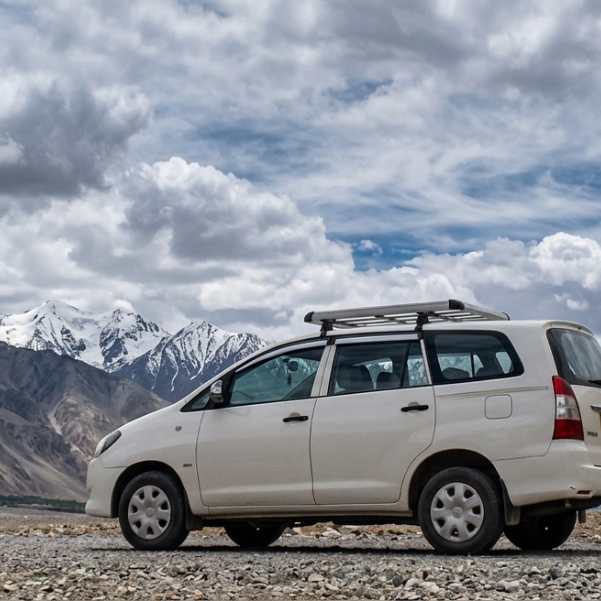
A private cab with a local driver gives you the most control. You set departure times, stop for meals when you want and change plans when the weather turns.
The limitation is cost, and a single vehicle across four destinations makes up a big part of your budget.
HRTC runs a large state road transport network and offers online booking. Its official website advertises advance booking up to 60 days ahead.
Buses work for the intercity legs, but you still need taxis for local sightseeing like Kufri, Solang or Khajjiar. Check fares, timings and seats on the HRTC portal for your exact date.
Self driving works for experienced hill drivers. You need confidence on narrow curves, patience with parking limits and the discipline to drive only in daylight.
Parking is hard in central Shimla, Manali's main market and McLeod Ganj. Weather can also close roads suddenly, and you need to handle diversions calmly.
If you have never driven in the mountains, our team recommends hiring an experienced local driver. Self driving is not unsafe in itself, but a long first trip on unfamiliar roads adds stress.
When Is the Best Time to Visit Shimla, Manali, Dharamshala and Dalhousie Together?
March to June is a popular window for this whole circuit. Days feel pleasant and most roads stay open.
September to November works well too. The monsoon has passed, skies clear up and crowds thin out after the peak.
July and August carry higher risk. Monsoon rain brings landslides and slippery roads, especially on the long Day 3 and Day 6 drives. Add buffer days if you travel then.
December to February brings cold weather and possible snowfall. High altitude excursions like Rohtang may close, and Khajjiar can face restrictions after snow.
Winter travellers need extra flexibility and warm clothing. Fresh snow on a particular date is never guaranteed, however much a brochure suggests.
Where Should You Stay on This 10-Day Route?
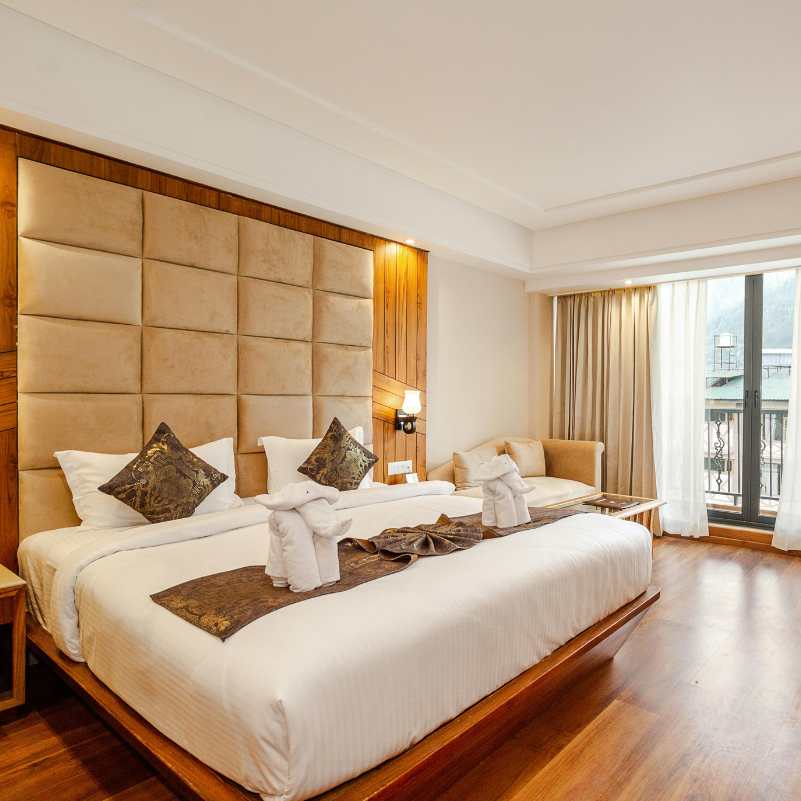
In Shimla, staying close to Mall Road saves you long walks. But hotels near the centre often have limited parking and many steps. A property slightly outside gives easier vehicle access but means a taxi or a climb each evening.
In Manali, a central hotel keeps the market close. Old Manali or the outskirts feel quieter, with more trees and fewer horns, but you depend on taxis for evenings out.
In Dharamshala, decide based on interest. If you came mainly for Tibetan culture and cafés, stay in McLeod Ganj. Lower Dharamshala suits you if you prefer easier road access.
In Dalhousie, choose between central market access and a quieter property with views. The central option makes evening walks easy.
Ask every hotel four questions before you book. Does the room have heating? Can the vehicle reach the entrance? How many stairs lead to the room? Will staff help with luggage?
Those answers matter more than photos, especially for families and senior citizens.
What Permits, Green Taxes and Road Checks Matter in 2026?
Rohtang Pass needs a tourism permit from the official portal at rohtangpermits.hp.gov.in.
For a car, jeep or MUV, the published permit fee is ₹500 per vehicle, plus a ₹50 congestion charge.
The portal sets a daily quota of 800 petrol vehicles and 400 diesel vehicles. You apply online within the next two days, and you must carry a printout.
The published conditions also ask for identity documents, a valid PUC certificate and vehicle age compliance. These rules can change, so recheck the portal before you go.
A serious warning
Get your permit only from the official portal. If a tout near Manali offers a "guaranteed" Rohtang permit at a big markup, walk away. The official fees are ₹500 plus ₹50, and the daily quota limits everyone equally.
Manali also charges a separate green tax for vehicles not registered in Himachal Pradesh. The government portal lists ₹200 for a light motor vehicle, valid for seven days. Other vehicle categories pay different charges.
For the optional Sissu trip, Lahaul and Spiti run the e-Aagman system at eaagman.hp.gov.in. It separates an e-permit for the Atal Tunnel, Rohtang, Koksar and Chandratal circuit from e-tickets for other places.
Remember that a Rohtang tourism permit and an e-Aagman vehicle entry pass are two different documents. Check which one applies to your trip.
The Deod and Hanogi tunnels opened on 11 September 2026 on the Mandi and Kullu highway. Better tunnels help, but closures, traffic and weather delays still happen.
For Lahaul and Spiti roads, check the district's road status page. For seasonal driving advice, read Himachal Tourism's travel safety tips.
Road accessibility in Himachal Pradesh can change quickly due to snowfall, landslides, weather conditions, maintenance work and local traffic restrictions.
Before travelling, check the latest updates from the relevant district administration and confirm your planned route with your tour operator. Do not rely on outdated road status reports, as they may not reflect current travel conditions.
Is This Road Trip Suitable for Children, Senior Citizens and First-Time Hill Travellers?
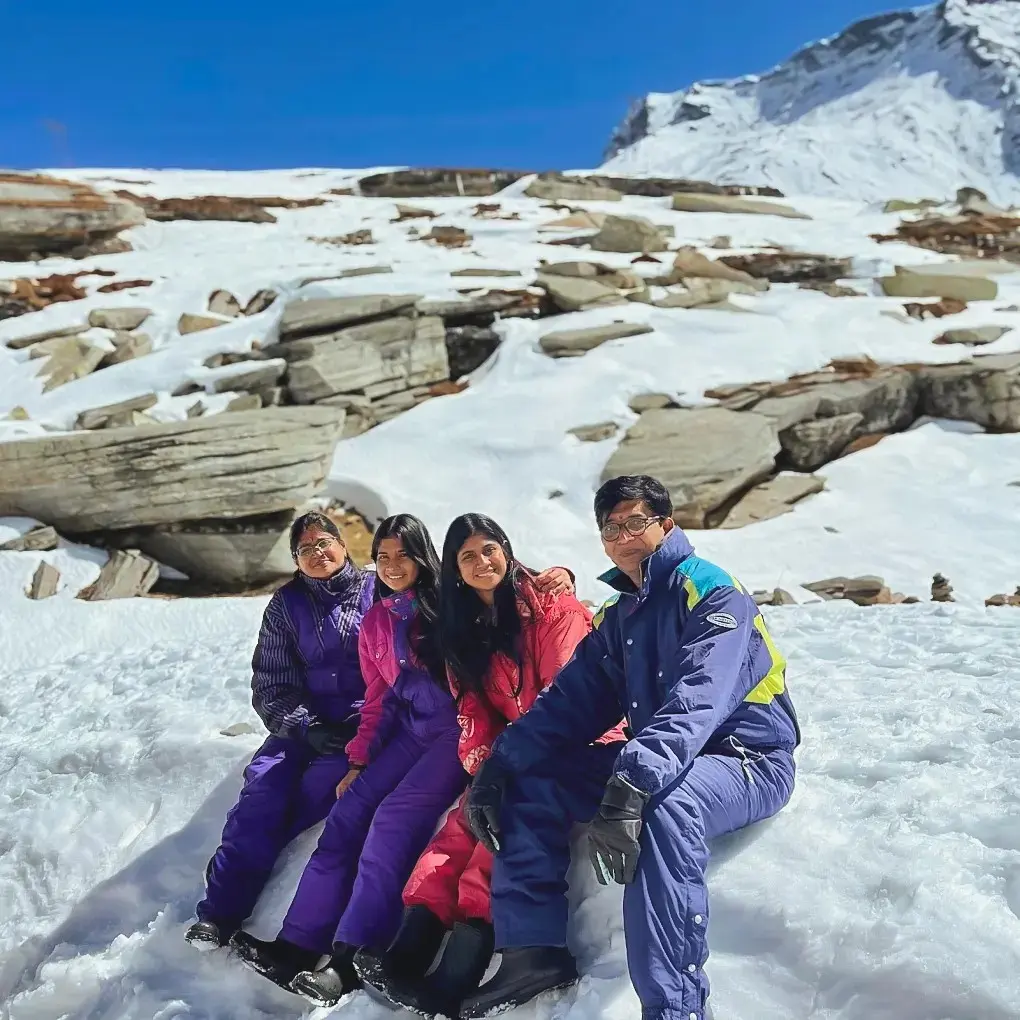
Yes, with the right planning. But be honest about Days 3 and 6. Long drives tire children and elderly travellers quickly.
Choose comfortable transport with enough legroom. Stop for regular breaks rather than pushing through.
Pick hotels with vehicle access, few stairs and room heating.
Motion sickness affects many first time hill travellers. Sit in the front where possible, eat light before long drives and take breaks when someone feels unwell. Speak to your doctor beforehand if anyone has a known problem.
Avoid ambitious excursion days. For a family with young children, Solang makes a better Day 5 than Rohtang or Sissu.
If your group needs a slower pace, cut a destination or add days. Shimla, Manali and Dharamshala in 10 days feels far gentler than all four.
What Should You Pack and How Can You Travel Safely?
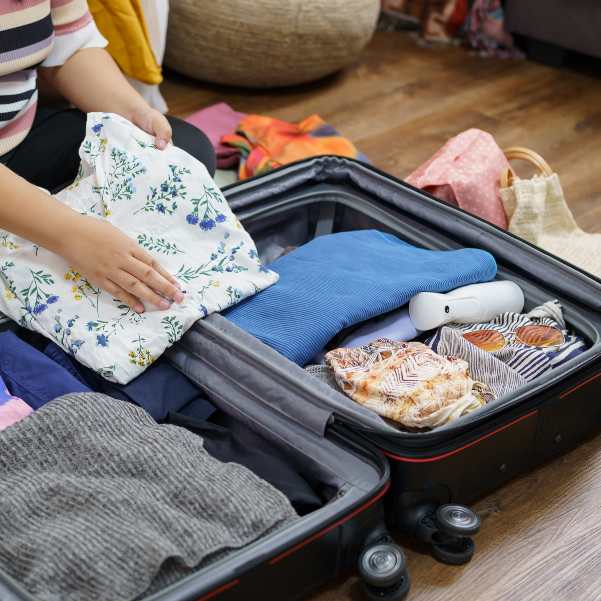
Pack in layers. Mornings and evenings get cold even in pleasant months, and high excursions feel colder still.
Carry comfortable walking shoes with good grip, plus a warm jacket and rain protection that suit your season.
Keep personal medicines, identification and emergency contacts handy. Download offline maps, since mobile signal drops on some stretches. Carry drinking water in the car.
Be careful at riverbanks, mountain viewpoints and slippery trails. Rivers in Himachal flow fast and cold, and people underestimate them every season.
Avoid night driving on intercity days. Ask your driver or hotel for local road advice before each transfer.
Himachal Tourism lists 108 for ambulance assistance. Save it on your phone before you leave Chandigarh.
Would a 12 to 14-Day Himachal Itinerary Be Better?
For many travellers, yes. Extra days remove the pressure to rush.
Add time to Manali and Dharamshala first. An extra night in Manali lets you do Solang and Sissu on separate days. An extra night in McLeod Ganj makes Triund possible.
Extra days help most if you start from Delhi, travel in winter, travel with senior citizens or want longer treks.
Keep it simple. A 12 to 14 day version should slow down this route, not pile on unrelated destinations.
How Can Travel Coffee Customise This Four-Destination Trip?
Travel Coffee is a travel company based in Shimla, Himachal Pradesh. We plan customised trips across Himachal and other Indian destinations.
For this route, we can adjust pickup and drop points, hotel categories, vehicle choice and travel dates.
We also shape sightseeing around what matters to you, whether that means a slower family pace, an extra Manali night or a Pathankot exit timed to your train.
Still figuring out the best way to explore all four destinations? Our Himachal Tour Packages can give you a starting point, and you can always WhatsApp us to adjust the itinerary around your plans.
Explore Our Curated Himachal Pradesh Tour Packages
 10D/9N
Best of Himachal Tour Package with Shimla, Manali, Dharamshala and Dalhousie
2D Shimla•3D Manali+2
₹37,999₹47,999SAVE INR 10,000/ person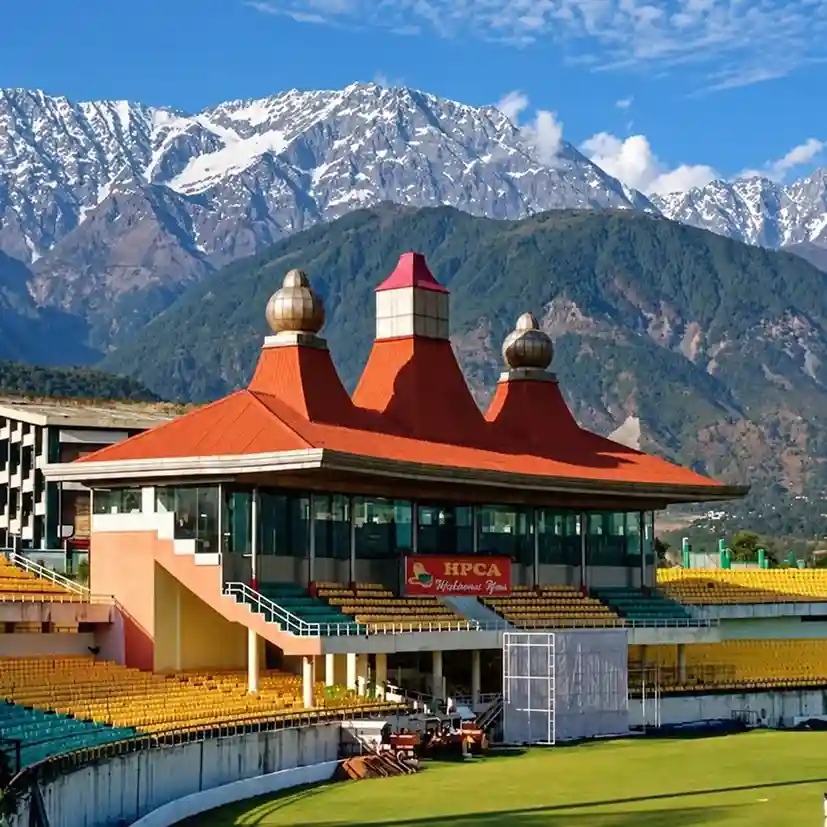 7D/6N
7D/6NMcLeodganj, Bir, Jibhi & Tirthan Valley Scenic Private Tour
Delhi to Dharamshala (overnight Volvo)•1D McLeodganj or Bhagsu+4
₹14,999₹18,999SAVE INR 4,000/ person 6D/5N
6D/5NBest Jibhi Tirthan Valley & Shangarh Meadows Trip
1D Delhi •2D Tirthan Valley+2
₹15,999₹19,999SAVE INR 4,000/ person
Related topics
Frequently Asked Questions
Is 10 days enough for Shimla, Manali, Dharamshala and Dalhousie?
Yes, for the main highlights. You get about five full sightseeing days, since Days 3 and 6 go mostly to driving and Days 8 and 10 also involve travel. Pick one main excursion per base and accept that some famous spots will not fit.
Which destination should I visit first?
Start with Shimla after a Chandigarh pickup, then go to Manali, Dharamshala and Dalhousie, and exit at Pathankot. This order avoids backtracking. The reverse works if your arrival train or flight suits Pathankot better.
How many nights are ideal in Shimla and Manali?
Two nights in Shimla and three in Manali work well for this route. Shimla needs one full day for Kufri and the heritage centre. Manali needs one day for local sights and one for Solang, Rohtang or Sissu.
How far is Shimla from Manali?
HPTDC lists Shimla to Manali at 260 km, while some operators say about 250 km, depending on the road. Plan for roughly 7 to 9 hours of driving and treat it as a full travel day.
How long is the Manali to Dharamshala journey?
HPTDC lists 235 km. Published estimates range from 6 to 7 hours up to 7 to 8 hours. Allow most of the day with breaks, and add time if you stay in upper McLeod Ganj rather than lower Dharamshala.
What is the distance from Dharamshala to Dalhousie?
HPTDC lists 143 km, while some regional operators report 115 to 125 km. The figure depends on your route. Plan for 4 to 5 hours, which leaves you a free evening in Dalhousie.
Can I start and finish this trip in Delhi?
You can, but it adds long drives. HPTDC lists Delhi to Shimla at 370 km and Dalhousie to Delhi at 555 km. We suggest taking a train or flight to Chandigarh and back from Pathankot, or extending the trip.
Can I do the entire route by HRTC bus?
HRTC covers intercity travel and offers online booking up to 60 days ahead. You still need local taxis for sightseeing like Kufri, Solang and Khajjiar. Check fares, timings and seat availability on the HRTC portal for your exact date.
What does a 10-day Himachal package cost for two people?
It depends on season, hotels, vehicle and inclusions. Competitor listings range from ₹24,999 to about ₹45,500 per person, but they differ widely and are not comparable.
Is this trip comfortable for senior citizens?
It can be, with planning. Days 3 and 6 involve long drives, so choose a comfortable vehicle, take regular breaks and pick hotels with few stairs and heating. Many seniors enjoy a 12 to 14 day version more.
Can I visit Rohtang Pass and Sissu on the same trip?
Possibly, but not comfortably on the same day in this plan. Rohtang needs its own tourism permit, and Sissu falls under Lahaul and Spiti's separate e-Aagman system. Choose one for Day 5, or add a Manali night for both.
Is this route safe in December or during the monsoon?
It can be travelled, but both seasons need extra caution. July and August bring higher landslide risk, while winter brings snow and closures at higher points like Rohtang and sometimes Khajjiar. Add buffer days, avoid night driving and check road conditions daily.
More about Himachal Pradesh
 Himachal Pradesh
Food on a Himachal Winter Trip in 2026-27: Vegetarian Meals, Jain Requests and Hotel Meal Plans
Planning a Himachal winter trip in 2026-27? Discover vegetarian food options, how to request Jain meals, hotel meal plans (EP, CP, MAP and AP), food costs and essential tips for booking winter stays in Shimla, Manali and beyond.
 Himachal Pradesh
Himachal in February 2027: Snow, Quieter Holidays and Routes That Fit Your Time
Planning a Himachal trip in February 2027? Discover where to find snow, which routes are typically accessible, expected weather, travel costs and the best itineraries for a memorable winter holiday in Himachal Pradesh.
 Himachal Pradesh
Delhi, Chandigarh or Amritsar: Where Should You Start Your Himachal Trip in 2026?
Planning a Himachal trip in 2026? Compare Delhi, Chandigarh and Amritsar as starting points based on travel time, transport options, costs and destinations. Find the most convenient route for Shimla, Manali, Dharamshala or Dalhousie and plan a smoother Himachal holiday.
- How to Reach
- First-Time Travellers