
Shimla in August 2026: Weather, Safety, Places to Visit and Monsoon Tips
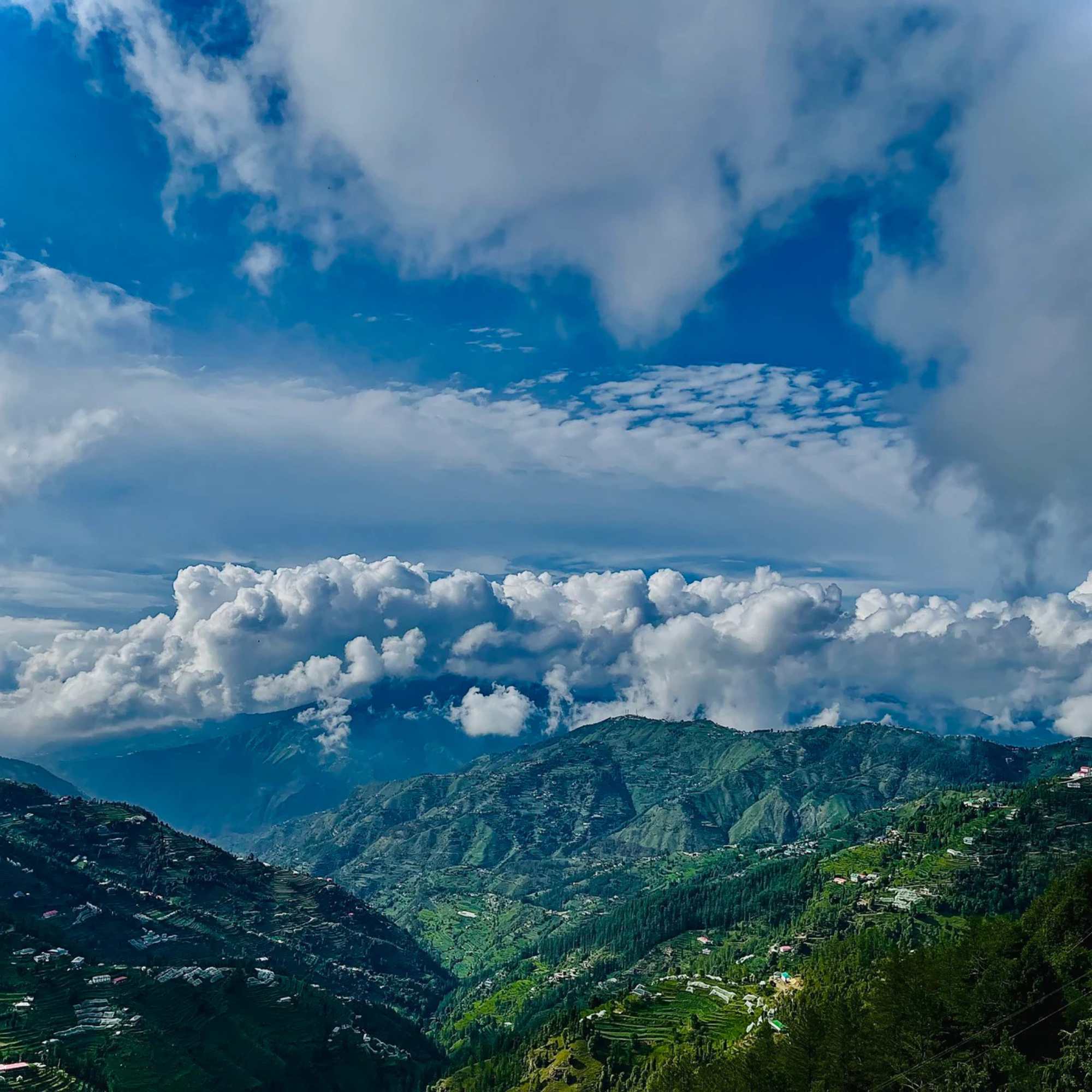
Shimla in August offers misty hills, lush green landscapes and a refreshing monsoon atmosphere. The weather remains cool and pleasant, but frequent rain can affect road conditions, outdoor sightseeing and travel plans.
Visitors can explore popular places such as The Ridge, Mall Road, Jakhoo Temple, Viceregal Lodge and nearby hill destinations while keeping the itinerary flexible.
With regular weather checks, suitable rainwear, safe transport and sensible planning, an August trip to Shimla can be scenic, peaceful and enjoyable.
Quick Answer
Shimla in August sits in the monsoon season, so you get green hills, drifting mist, quieter streets and possible hotel value, along with real rain, poor visibility and occasional road disruption.
August works for flexible travellers who enjoy cafes, heritage walks and slower days. It does not suit travellers who need clear views, fixed outdoor plans or tightly timed road connections.
Most tourists get one thing wrong. They judge the whole month as either completely unsafe or perfectly fine, while the actual decision depends on the short range forecast and live route conditions.
You can review our Shimla tour packages when you need help matching hotels, transport and backup sightseeing to the weather.
Is August a Good Time to Visit Shimla?
August can be a rewarding month when you accept that the weather controls the plan. Rain can soften the pace, hide distant views and push you towards cafes, museums and heritage interiors.
In our experience, travellers enjoy this month more when they stop trying to cover every viewpoint. A simple plan with one main outing and one indoor backup works better than a packed checklist.
The honest negative is unpredictability. A clear hour can turn misty, a road delay can affect a day trip, and an outdoor stop may lose its value when clouds block the view.
Who Will Enjoy an August Trip?
Couples often enjoy misty walks, warm drinks and quieter evenings around central Shimla. They should choose a hotel with easy vehicle access so rain does not turn every outing into a tiring climb.
Photographers can find wet streets, cloud movement, old buildings and deep green slopes. The best scenes may appear between showers, but clear mountain panoramas may not appear at all.
Cafe lovers and slow travellers can build the trip around relaxed meals, reading time and short heritage walks. Repeat visitors also handle August better because they do not feel pressure to tick every famous stop.
We tell our travellers to keep one flexible half day in the plan. That spare time absorbs a delayed arrival, a wet afternoon or a cancelled excursion without spoiling the full trip.
Who Should Choose Another Month?
Choose another month if you dislike rain, need guaranteed outdoor activities or must make a strict road or rail connection. August does not give enough certainty for a tightly timed sightseeing plan.
Families who want long outdoor days may feel restricted during heavy spells. Visitors travelling mainly for snow should also choose a different season because August does not bring snowfall in Shimla or Kufri.
Do not label the entire month unsafe. The better question is whether the forecast, road status, hotel access and transport plan look manageable for your exact dates.
What Is the Weather Like in Shimla in August?
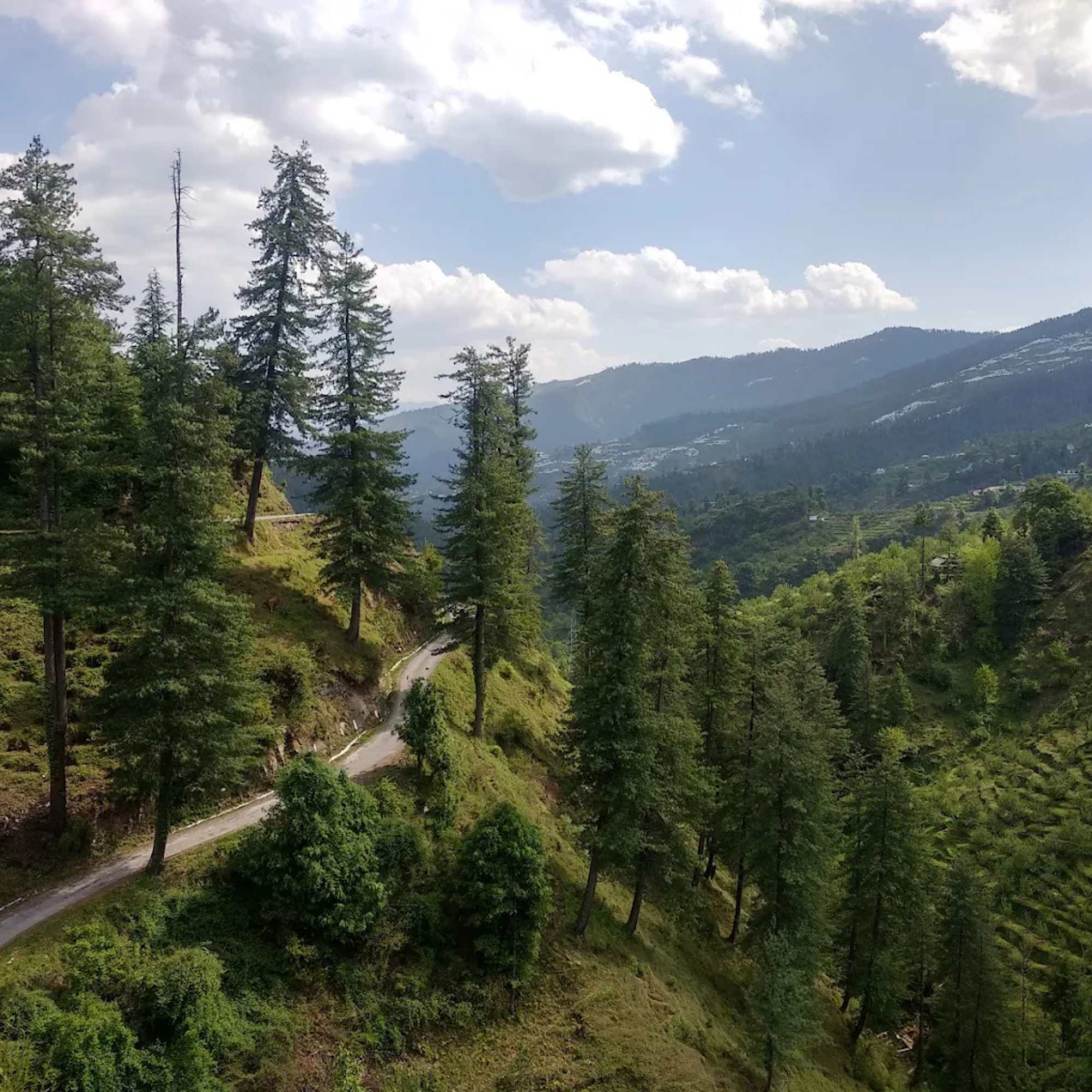
Shimla weather in August usually feels mild rather than cold, but wet clothes, wind and cloud cover can make evenings feel cooler than the thermometer suggests.
Carry rain protection and a light warm layer. Do not pack as though you are visiting in winter, and do not assume a summer T-shirt will feel comfortable after a wet evening walk.
Temperature and Rainfall
Use 21°C to 24°C during the day and 15°C to 18°C at night as a practical working range. Published datasets differ, so these figures do not promise the exact temperature on your dates.
Official IMD totals show how sharply Shimla rainfall in August can change from one year to another. The city recorded 168.6 mm in August 2020 and 247.7 mm in August 2021.
The total rose to 427.7 mm in August 2022 and 591.9 mm in August 2023. It then stood at 367.2 mm in August 2024 and 522.9 mm in August 2025.
These figures explain why nobody can promise that the first half or second half will stay dry. Rainfall changes by year, and short intense spells can matter more to your trip than a monthly average.
Our team recommends checking the forecast close to departure instead of planning around old social media posts. A video from the same week last year cannot tell you what your road will look like this year.
Does It Rain All Day?
August may bring mist, light rain, thunderstorms or a longer wet spell. Some days may include useful dry gaps, while others may remain cloudy and damp for much longer.
Do not assume mornings always stay dry. Do not assume rain starts at a fixed hour either.
Check the seven day IMD forecast close to departure. On each sightseeing day, check the same day nowcast before leaving for an exposed viewpoint, forest walk or road excursion.
One insider tip helps a lot. Ask the hotel reception what happened on the road that morning, not only what a weather app predicts for the afternoon.
Is There Snow in August?
You should not expect snowfall in Shimla or Kufri in August. Build the trip around greenery, rain, heritage areas and food rather than snow activities.
Do not book a taxi after someone promises guaranteed snow in Kufri. Mist may hide distant peaks, and even a distant white view cannot be promised.
Shimla August 2026 Weather, Road and Toy Train Update
Last checked: 5 August 2026.
The IMD forecast issued on 4 August 2026 predicted rain from 4 to 10 August 2026. It listed forecast maximum temperatures of 21°C to 24°C and minimum temperatures around 17°C to 18°C.
The same bulletin listed isolated heavy rain for Shimla district on 8 August 2026. Travellers with road plans around that date should check the current warning and route condition before departure.
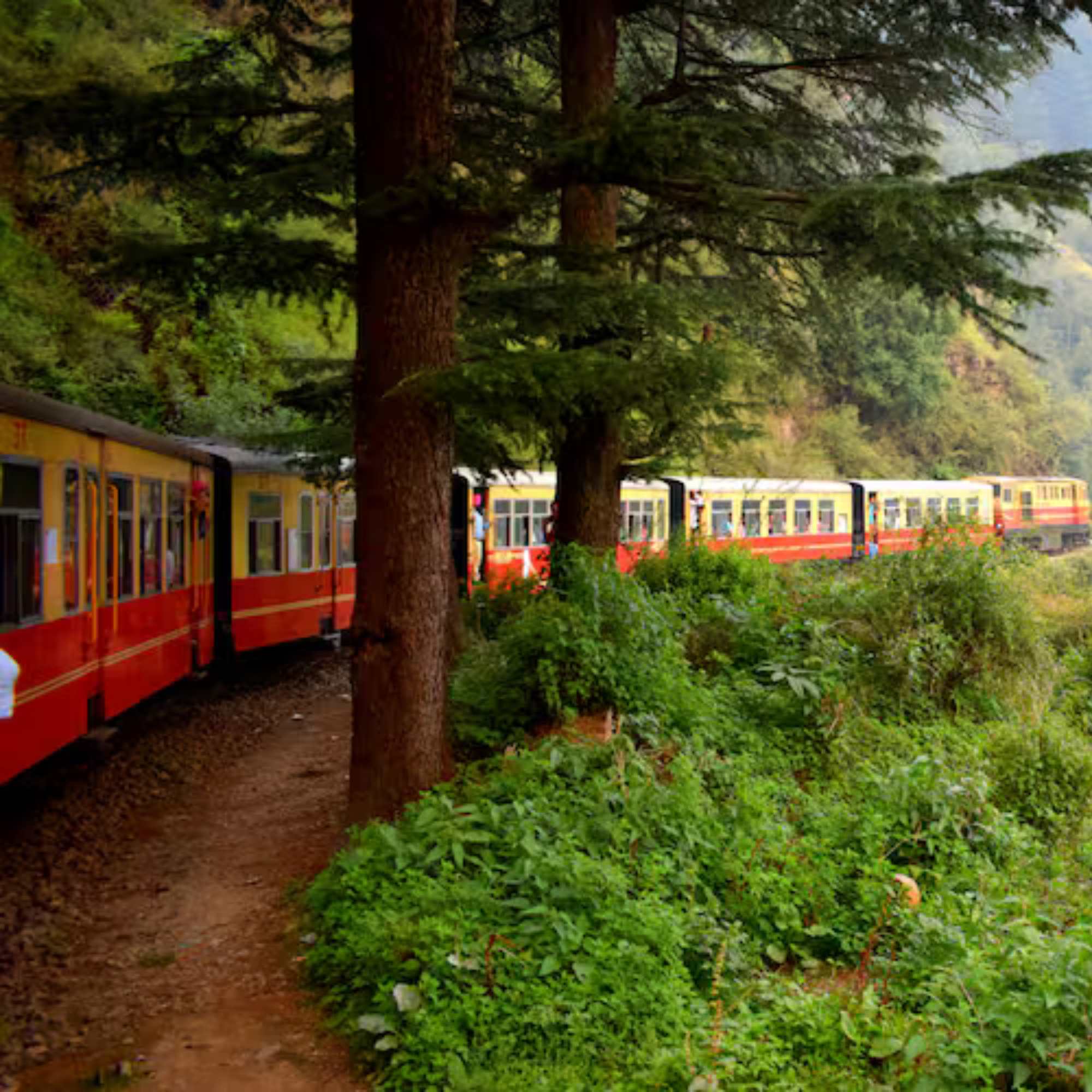
Train numbers 52451, 52452, 52459 and 52460 remained suspended through 5 August 2026 because persistent rain increased landslide or rockfall risk.
That announced suspension period may have ended. Check the live status of your exact train number through IRCTC before leaving for the station.
Road closures can change after every spell of heavy rain, so check the latest route status before travelling. Independence Day programme timings and access arrangements at The Ridge may also affect local movement, particularly around 15 August 2026.
Is It Safe to Visit Shimla in August?
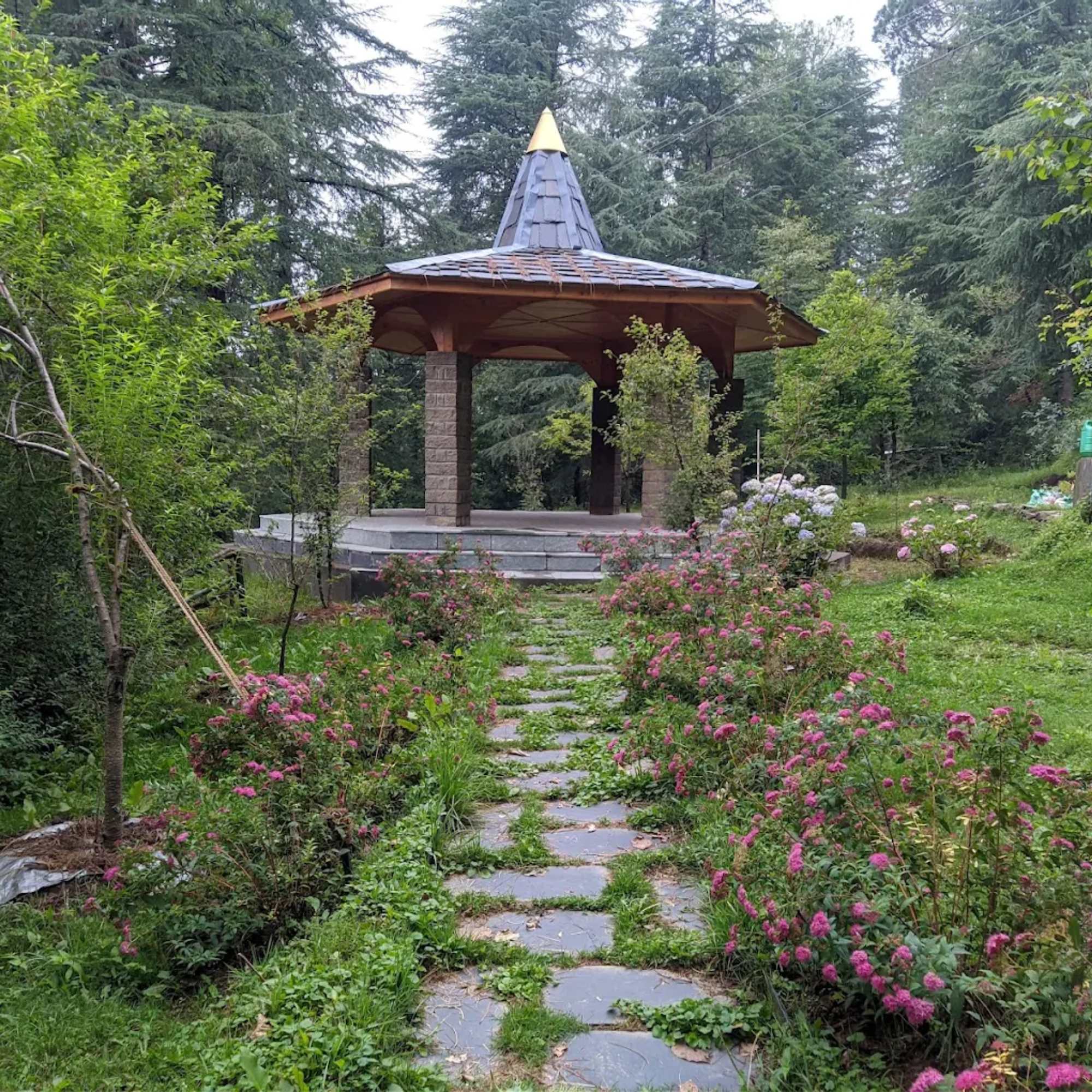
The answer depends on the active warning, recent rainfall and your flexibility. Many travellers complete normal city trips in August, but heavy rain can raise local risk and disrupt transport.
The phrase ‘is Shimla safe in August’ cannot be answered with a simple yes for every date. A calm day and an active warning day need different plans.
Main Monsoon Risks
Official IMD advisories identify possible local landslides or mudslides, flash floods, slippery roads, low visibility and traffic disruption during heavy rain.
Risk can rise during an intense spell and immediately after it. Water may loosen slopes, reduce grip and slow traffic even when rain becomes lighter.
This does not mean every road will close. It means you should treat weather warnings as practical travel information rather than a reason to panic.
The supplied train update gives a clear example. Services 52451, 52452, 52459 and 52460 faced suspension through 5 August 2026 because rain increased landslide or rockfall risk.
Practical Safety Rules
Travel by road during daylight where possible. Keep departure times flexible so a slow section does not force rushed driving after dark.
Check with the hotel or driver before every excursion. Ask about the exact road you plan to use, because one route may face a problem while central Shimla remains accessible.
Avoid waterfall edges, swollen streams and unverified forest paths. Do not join adventure activities during an active weather warning.
Carry essential medicines, offline maps, charged phones and a power bank. Keep one buffer day when your return connection matters.
A useful local habit is to call the hotel before leaving Chandigarh or Kalka. The staff can tell you whether the vehicle reaches the entrance, where luggage must move on foot and whether rain has affected the final approach.
When Should Travellers Postpone?
Postpone or change the route when an official red or orange warning affects your journey. Do the same when the accommodation reports blocked access or public transport gets cancelled.
You should also reconsider the trip when you have no flexibility. A fixed flight, exam, wedding or work commitment immediately after the holiday leaves little room for a weather delay.
Which Places Are Best to Visit in Shimla During August?
The best places to visit in Shimla in August sit close to town or offer indoor cover. Keep exposed viewpoints and forest walks as optional choices rather than fixed promises.
The goal is not to stay inside for three days. The goal is to move in short, sensible sessions between showers and return before conditions worsen.
Mall Road, The Ridge and Christ Church
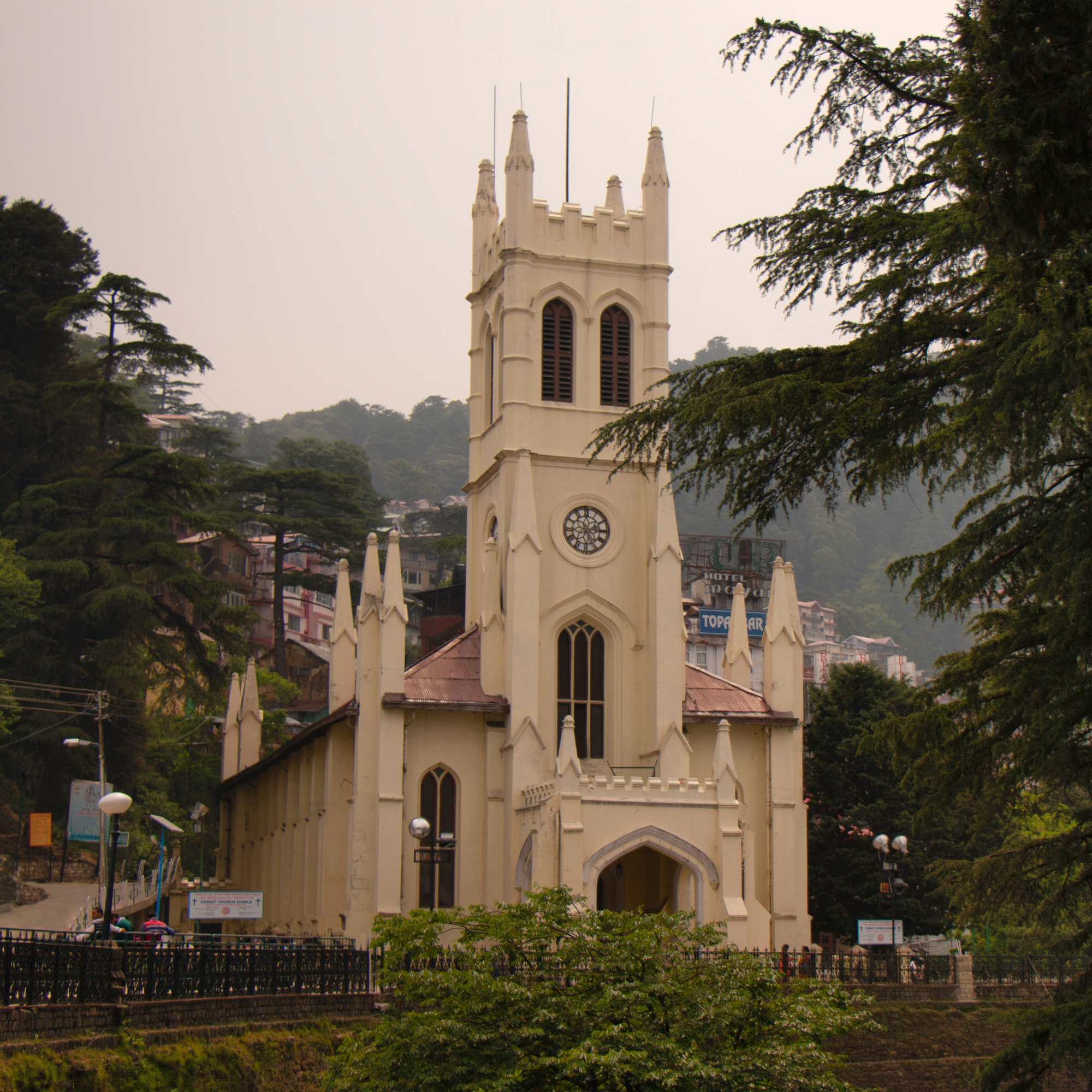
Mall Road, The Ridge and Christ Church fit one compact sightseeing session. You can walk slowly, browse shops, stop at cafes and watch clouds move around the heritage buildings.
Mall Road Shimla in rain can feel atmospheric, but polished surfaces and steps may become slippery. Wear grippy shoes and avoid rushing through crowded wet sections.
For a chai break, stop near Scandal Point on Mall Road and choose a café with comfortable indoor seating, especially during rain. Check the displayed menu and opening hours before ordering, as they may change.
This location saves you from taking a separate taxi for a drink. It also gives you an easy place to wait when a shower interrupts the walk.
Gaiety Theatre, State Museum and Viceregal Lodge
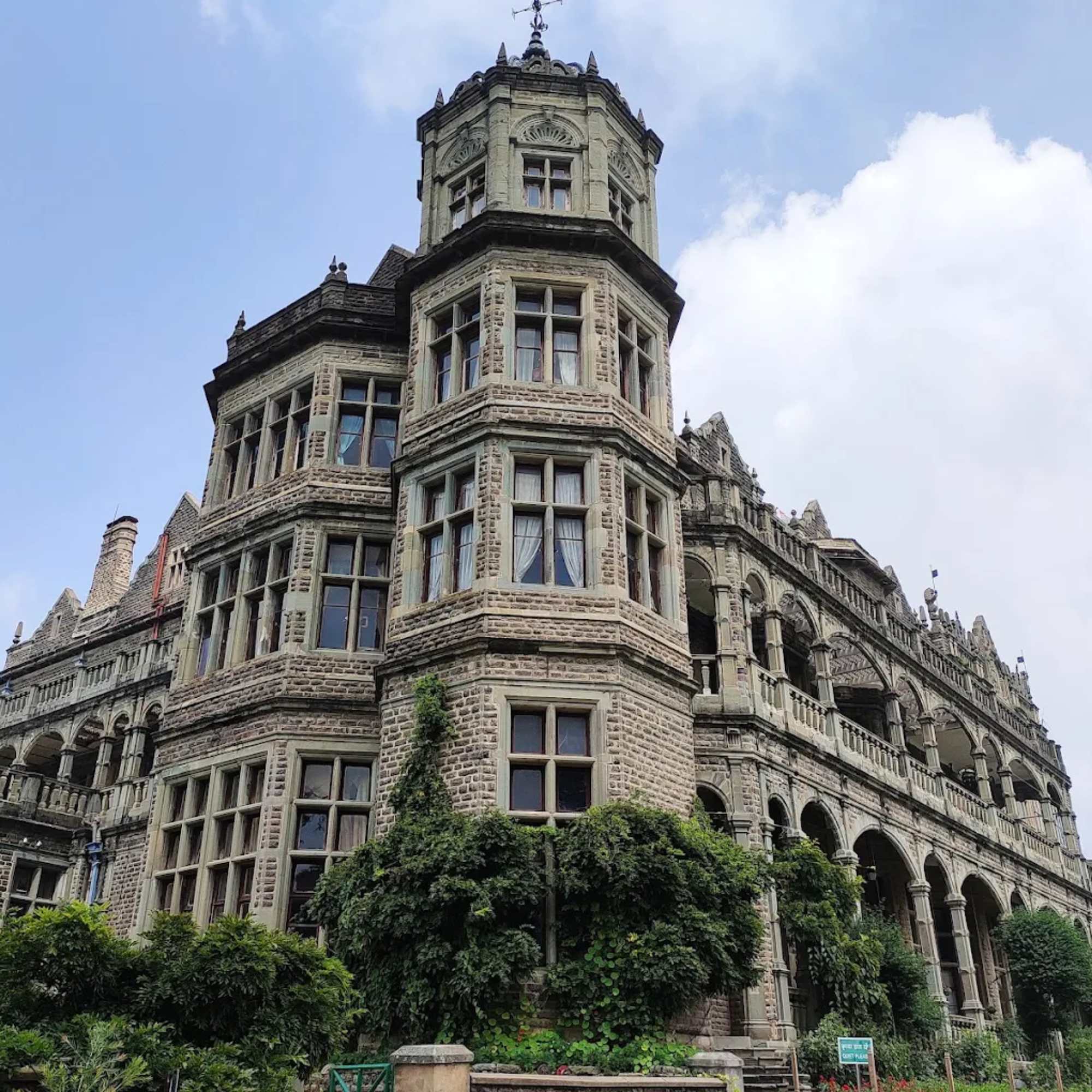
Gaiety Theatre, State Museum and Viceregal Lodge give you indoor or partly indoor options when rain affects viewpoints.
Opening hours, guided tour availability and entry charges for Gaiety Theatre, the State Museum and Viceregal Lodge may change.
Confirm the latest visitor information before leaving, especially during heavy rain or public holidays.
These stops work best when you keep expectations practical. A museum or heritage interior can save a wet day, but travel between locations may still involve rain and slippery access.
Jakhu Temple
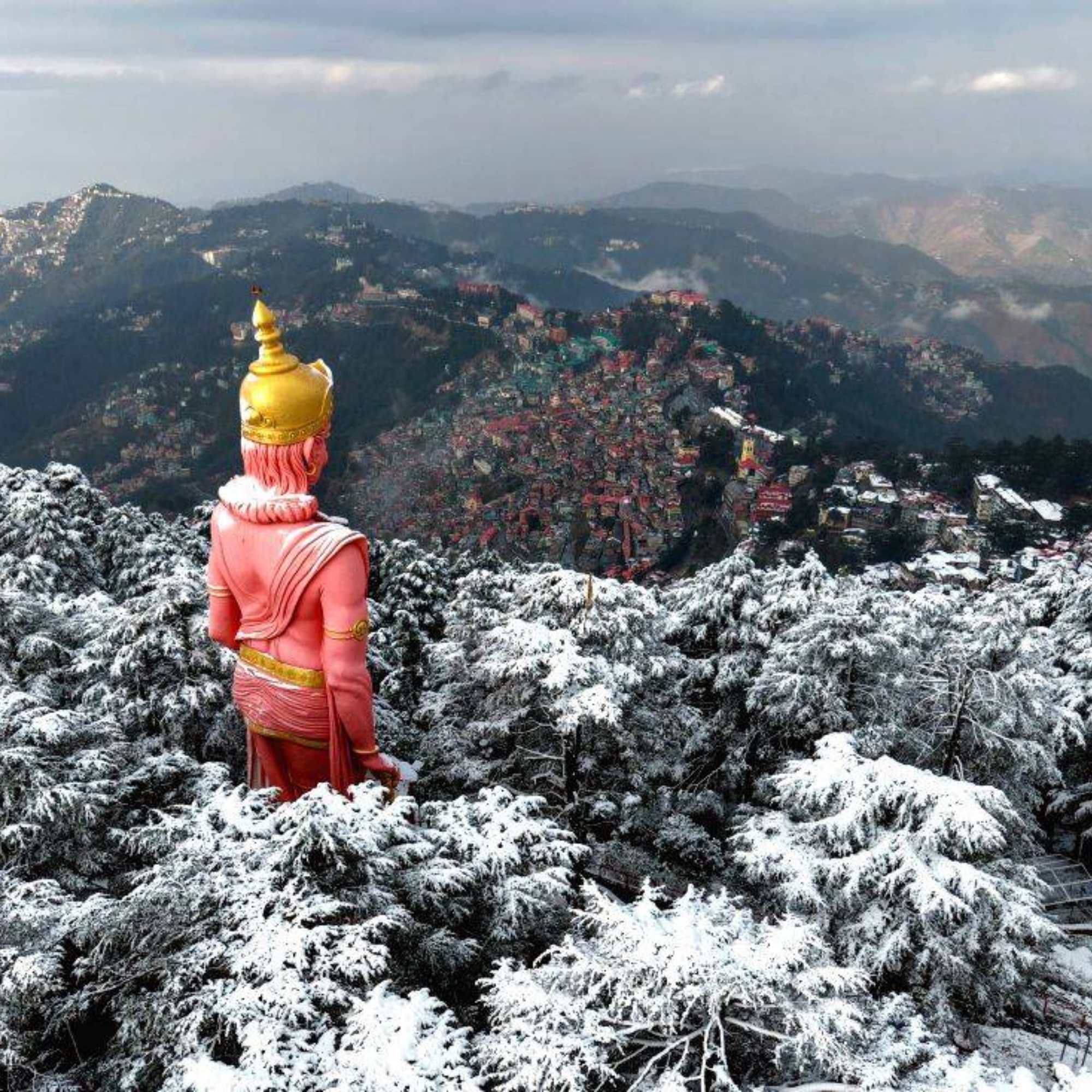
Jakhu Temple remains a major Shimla attraction, but the walking trail may feel muddy after rain. The ropeway or road may offer a more practical approach on a wet day.
Ropeway fares and operating hours may change, particularly during poor weather or maintenance. Check the latest ropeway service, road access and local conditions on the day of your visit.
Watch for slippery paths and monkeys. Keep food packed away, hold your phone securely and do not stop too close to groups of monkeys.
Kufri, Mashobra and Nearby Viewpoints
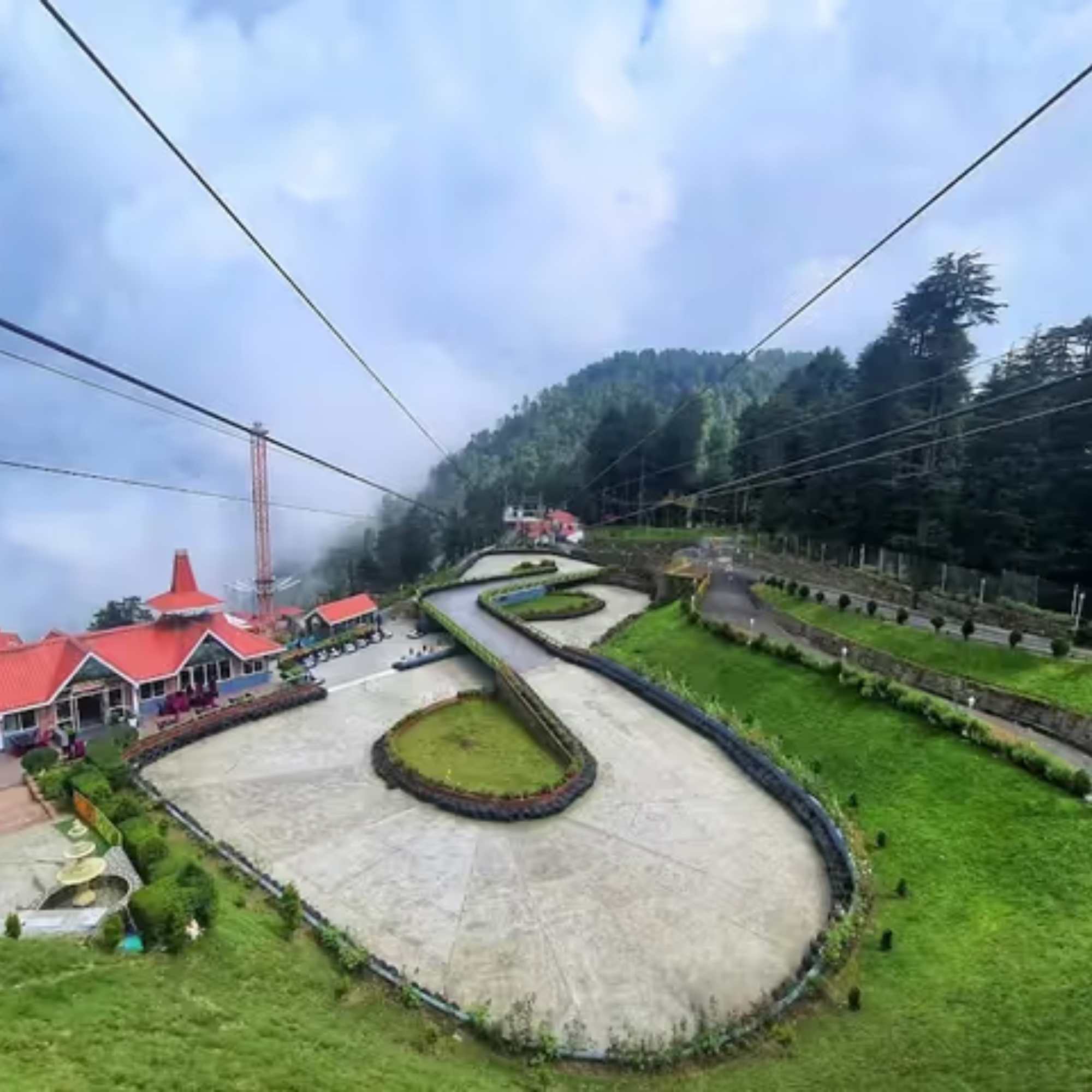
Visit Kufri, Mashobra or nearby viewpoints only when the same day forecast and road status look favourable.
Mist may completely hide the views. A taxi ride loses value when clouds cover the landscape and rain keeps you inside the vehicle.
This is one popular expense we tell travellers to skip on a bad weather day. Do not pay for a viewpoint circuit only because it appears on a standard itinerary.
Kufri in August does not offer snowfall. Choose it for a possible green drive and open views, not for snow.
Chadwick Falls and Forest Walks
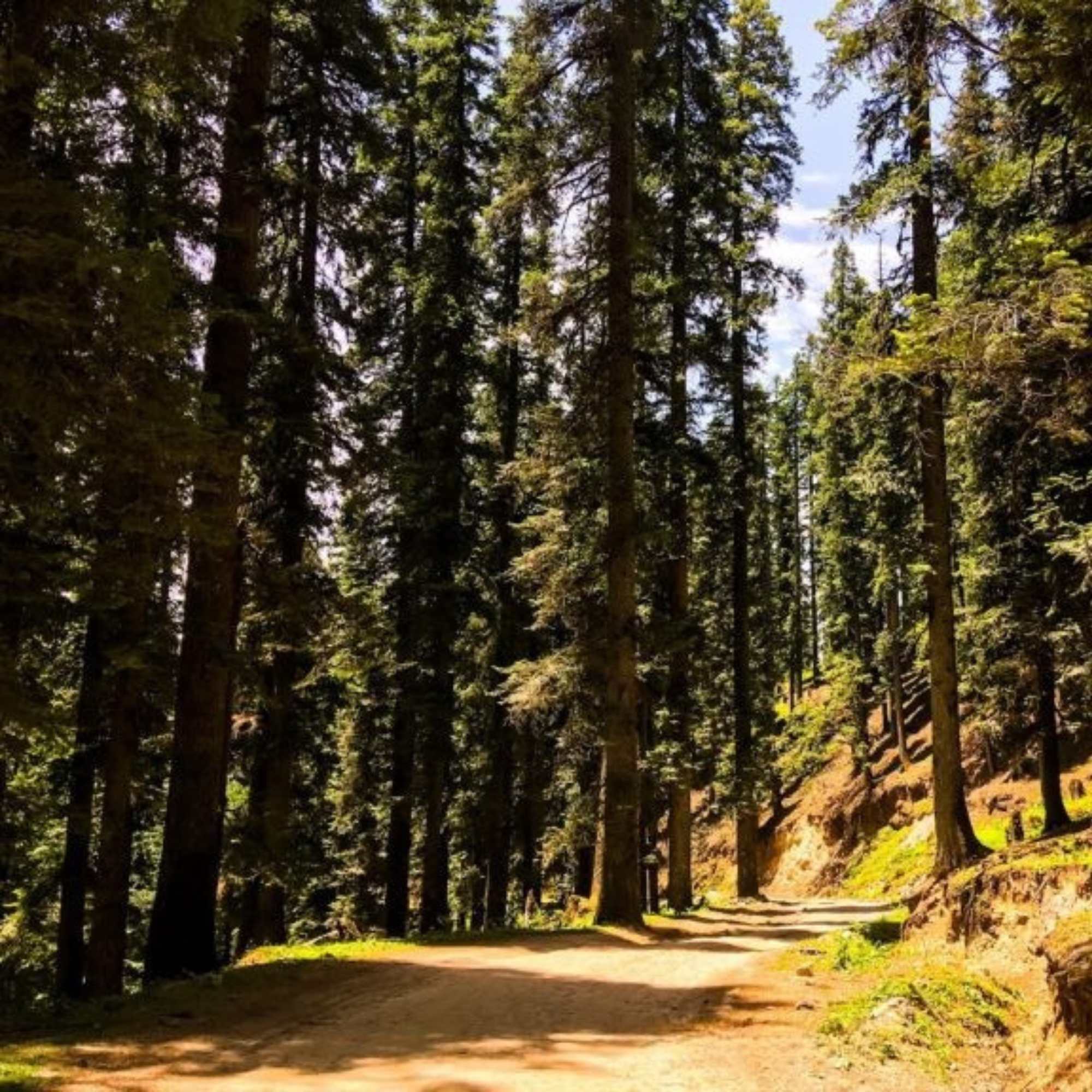
Chadwick Falls in August may carry stronger monsoon flow, but wet trails and waterfall edges can become hazardous.
Visit only after the hotel or a reliable local source confirms safe access. Never walk towards fast moving water during rain.
Forest walks need the same caution. Avoid isolated or unverified paths when a warning remains active or visibility drops.
A Rain Friendly 3 Day Shimla Itinerary
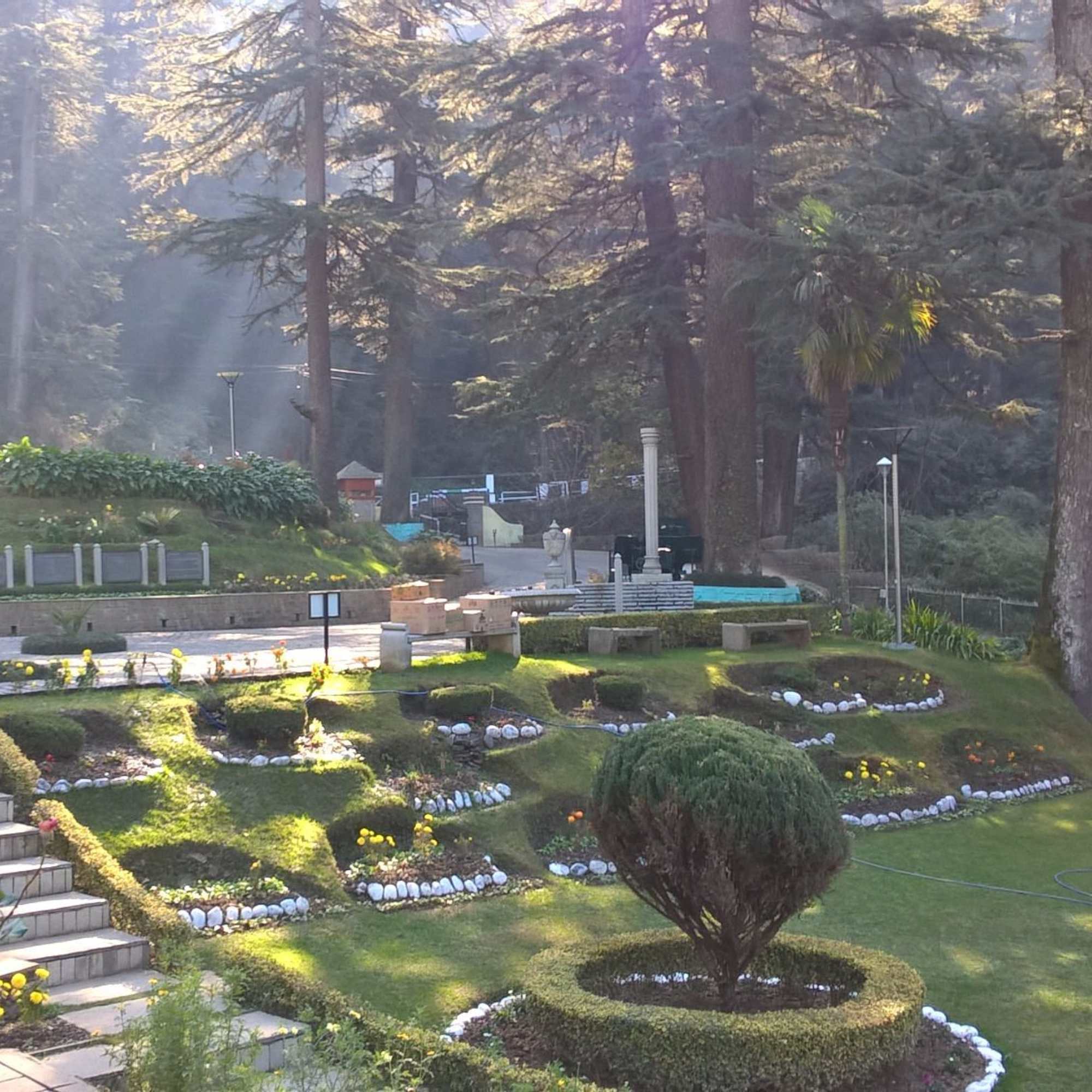
This Shimla August itinerary keeps central attractions first and treats road excursions as weather dependent.
A Shimla 3 day itinerary in monsoon should include indoor backups. It should also avoid placing the longest road outing just before a strict evening departure.
Day 1: Central Shimla
Start with Mall Road, Scandal Point, The Ridge, Christ Church and Gaiety Theatre.
Move slowly and pause when rain becomes heavy. Central cafes and shops give you cover without forcing a separate road journey.
During heavy rain, focus on accessible heritage interiors, shopping and a relaxed café stop. Check Gaiety Theatre’s opening hours and visitor access before including it in your plan.
In our experience, Day 1 works better when the hotel lies close to the central area or offers a clear drop point. A cheap room loses value when you face steep wet stairs with luggage.
Day 2: Clear Weather and Heavy Rain Options
When the weather looks manageable, choose Kufri or Mashobra and return during daylight.
Ask the driver about the same day road condition before leaving. Do not continue only because the vehicle has already started.
When rain turns heavy, switch to State Museum, Viceregal Lodge and a relaxed evening near central Shimla.
Opening hours, visitor access and entry fees for the State Museum and Viceregal Lodge may change. Confirm the latest details before departure to avoid travelling in wet weather to a closed attraction.
The money saving tip is simple. Do not book two separate sightseeing vehicles in advance for weather dependent days. Confirm the next outing after checking the forecast and cancellation terms.
Day 3: A Flexible Final Day
Use the final day for Jakhu Temple and any central attraction you missed. Choose the ropeway or road when the walking path looks muddy.
Add a short toy train experience only when your selected service operates. Check the exact train number through IRCTC because weather may affect some services without closing every train.
Keep the final day close to town when you have an evening departure. This timing choice reduces the chance that a road delay outside Shimla affects your connection.
You can also review Manali tour packages when you are comparing a longer Himachal route, though August road planning needs extra flexibility.
How Can You Reach Shimla in August?
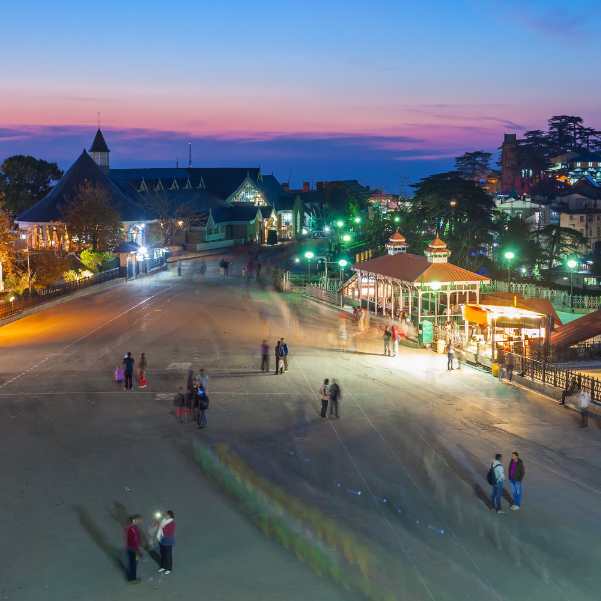
Your arrival route matters more during monsoon because a delayed start can push hill driving into darkness.
Check the road or train position on the day of travel. Do not rely only on a screenshot shared several days earlier.
By Road
NH 5 serves as the principal Chandigarh to Shimla approach. Local delays may occur after heavy rain.
Travel during daylight where possible. Ask your driver or hotel for a same day status check before leaving.
Journey time varies with traffic, rainfall, roadworks and local restrictions. Check the latest route condition and closure updates on the day of travel.
Do not pressure the driver to recover lost time on wet roads. A late arrival is better than rushed hill driving.
By Train
The Kalka Shimla toy train in August can add a memorable heritage experience, but rain may cause delays or suspensions.
Check your individual train number through IRCTC. Do not assume the full line has closed unless a current railway notice says so.
Train numbers 52451, 52452, 52459 and 52460 remained suspended through 5 August 2026. Check the current status of your exact train number through IRCTC before departure.
Keep a road backup when the train connects to a hotel check in or a return journey. Confirm how you will move from the station to the property during rain.
By Air
Shimla Airport at Jubbarhatti lies outside the main city, and transfer time varies with road and weather conditions.
Check current flight schedules, fares and operational updates before booking connecting travel.
Where Should You Stay During the Monsoon?
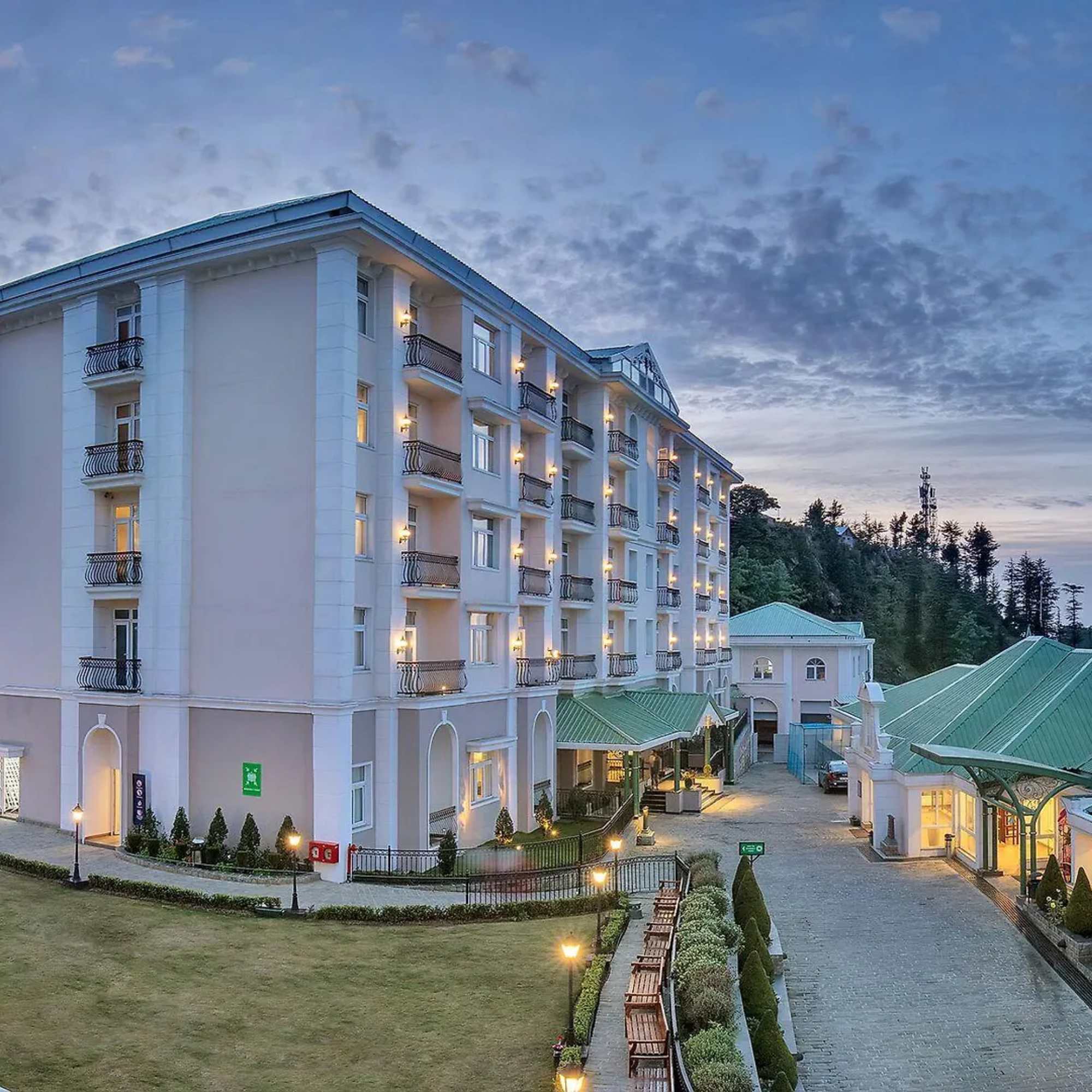
Central Shimla gives easier access to Mall Road, cafes and heritage areas. This can reduce your dependence on a taxi during short dry gaps.
The trade off is access. Some properties involve stairs, walking from a vehicle point or difficult parking.
Quieter outskirts may offer more space and less street noise. They also make you more dependent on road access and taxis when rain interrupts plans.
Before booking, ask whether a covered vehicle reaches the entrance. Ask about parking, drainage, backup electricity and any history of room dampness.
Confirm whether room heating is included in the tariff or charged separately, as policies and rates vary by hotel, room type and season.
Check cancellation terms and the walking distance from the vehicle drop point. A room that looks close on a map may still involve steep steps.
Our team recommends requesting a recent entrance photo from the hotel. This insider check shows the slope, stairs and luggage route more clearly than a room photo.
You can customise your Shimla trip when you need a hotel choice matched to seniors, children or limited walking.
What Should You Pack for Shimla in August?
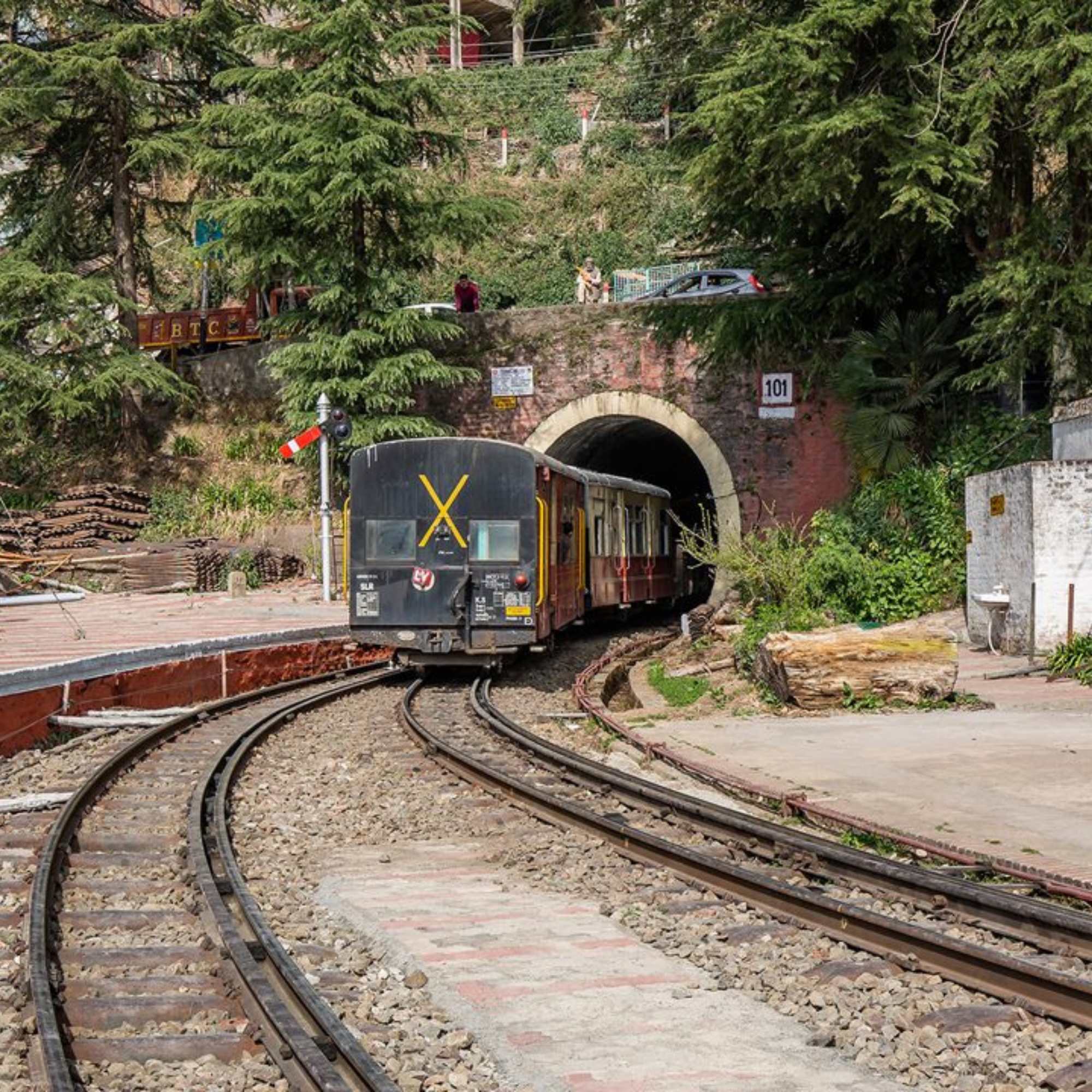
A practical Shimla monsoon packing list starts with a waterproof jacket and a compact umbrella.
Carry quick dry clothes, a light warm layer and walking shoes with strong grip. Add spare socks because wet feet can spoil even a short central walk.
Use a backpack cover and waterproof phone pouch. Keep personal medicines, charging cables and a power bank in a dry inner bag.
Thick cotton clothing may take longer to dry in humid weather. Pack lighter layers that you can change easily.
For what to wear in Shimla in August, choose quick dry trousers, a breathable top, a light warm layer and a waterproof outer layer.
Do not depend on buying all your rain gear after arrival, as prices, sizes and product quality can vary. Carry the essential items with you before starting the trip.
How Much Should a Shimla Trip in August Cost?
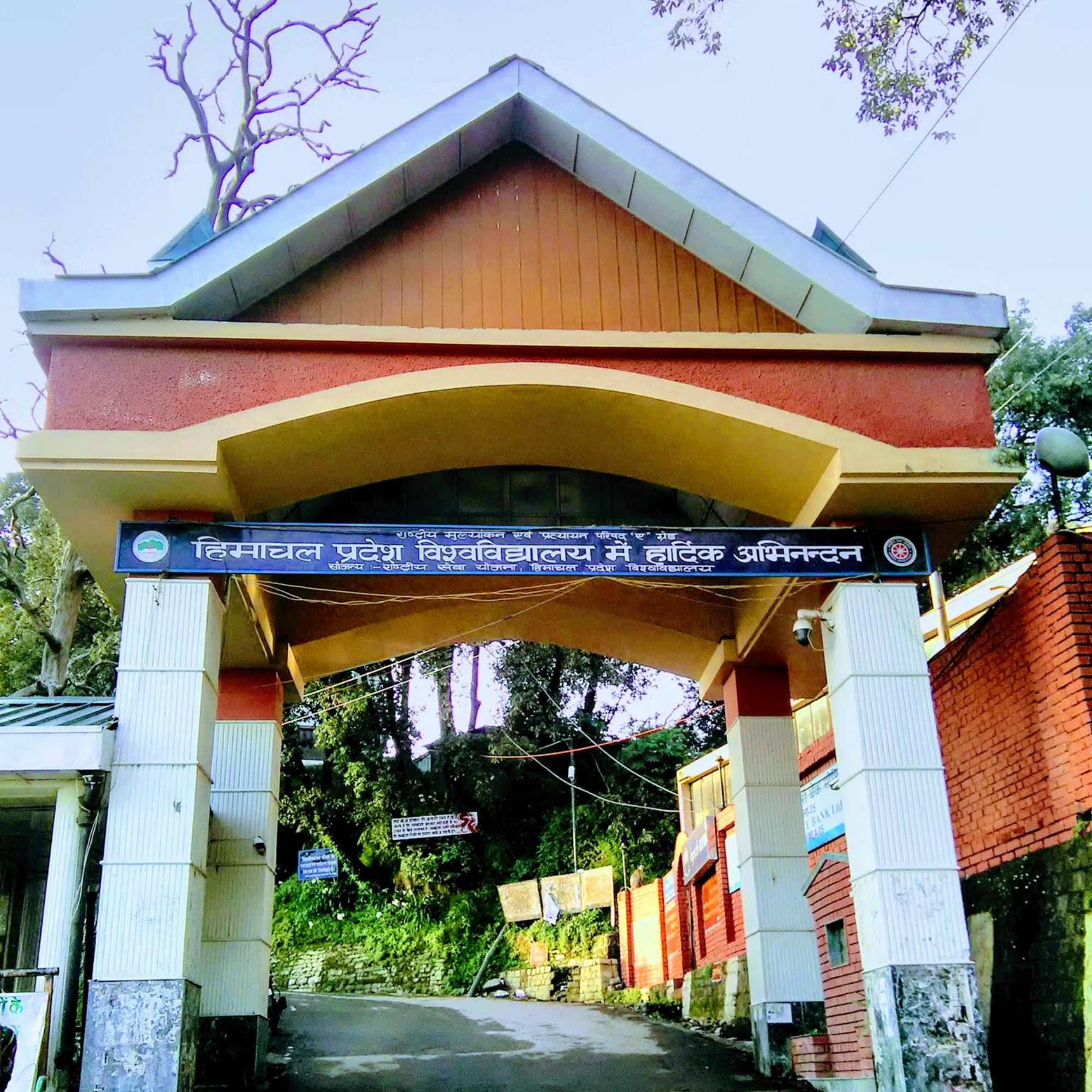
A useful total depends on arrival transport, hotel location, room category, private vehicle needs, meals, sightseeing and cancellation flexibility.
Contact Travel Coffee for the current package price based on your travel dates, hotel category, transport and sightseeing requirements.
Monsoon hotel offers vary by property, room type, booking date and cancellation policy. Compare the final payable amount rather than relying only on the advertised discount.
Do not compare only the room rate. A cheaper property outside town may add taxi cost and make short rain breaks harder to use.
A central hotel may save money on local movement, but stairs, porter needs and parking can change the real value.
Ask for the final total with taxes, heating policy, cancellation terms and vehicle access. This prevents a low headline price from hiding practical costs.
Review current Shimla packages after sharing your dates and group size, since no fixed August rate fits every traveller.
Is Shimla in August Suitable for Couples, Families and Senior Citizens?
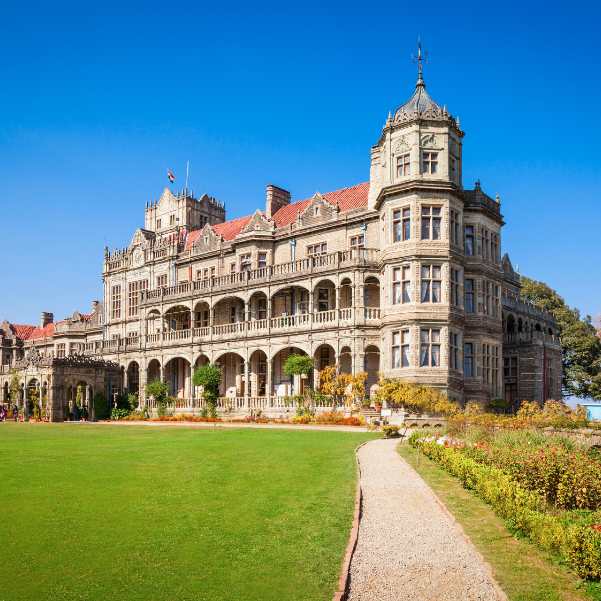
The month can suit different travellers, but hotel access and schedule flexibility matter more than the label on the trip.
A romantic plan, family plan and senior friendly plan should not use the same daily pace.
Couples
Couples can enjoy misty walks, cafes, heritage areas and quieter stays.
Outdoor plans may change, so book a room you will enjoy even during a wet afternoon. Confirm the view honestly because clouds may cover it.
Families
Shimla in August with family works better with central accommodation, a flexible itinerary and an experienced hill driver.
Keep one indoor option each day. Carry medicines, extra socks and simple snacks for children.
Do not promise children a full day of outdoor activities. Rain may change the plan at short notice.
Senior Citizens
Slopes, stairs and slippery surfaces need serious attention for senior travellers.
Confirm lift access, parking and the walking route directly with the hotel. Ask whether the vehicle reaches the door during rain.
Keep sightseeing compact. One central session may feel better than several vehicle changes and wet entrances.
Solo Travellers
Share your route with the hotel before leaving. Avoid isolated forest walks during active warnings.
Return before dark and keep your phone charged. Use known transport arranged through the hotel or a reliable operator.
Can You Combine Shimla with Kinnaur or Spiti in August?
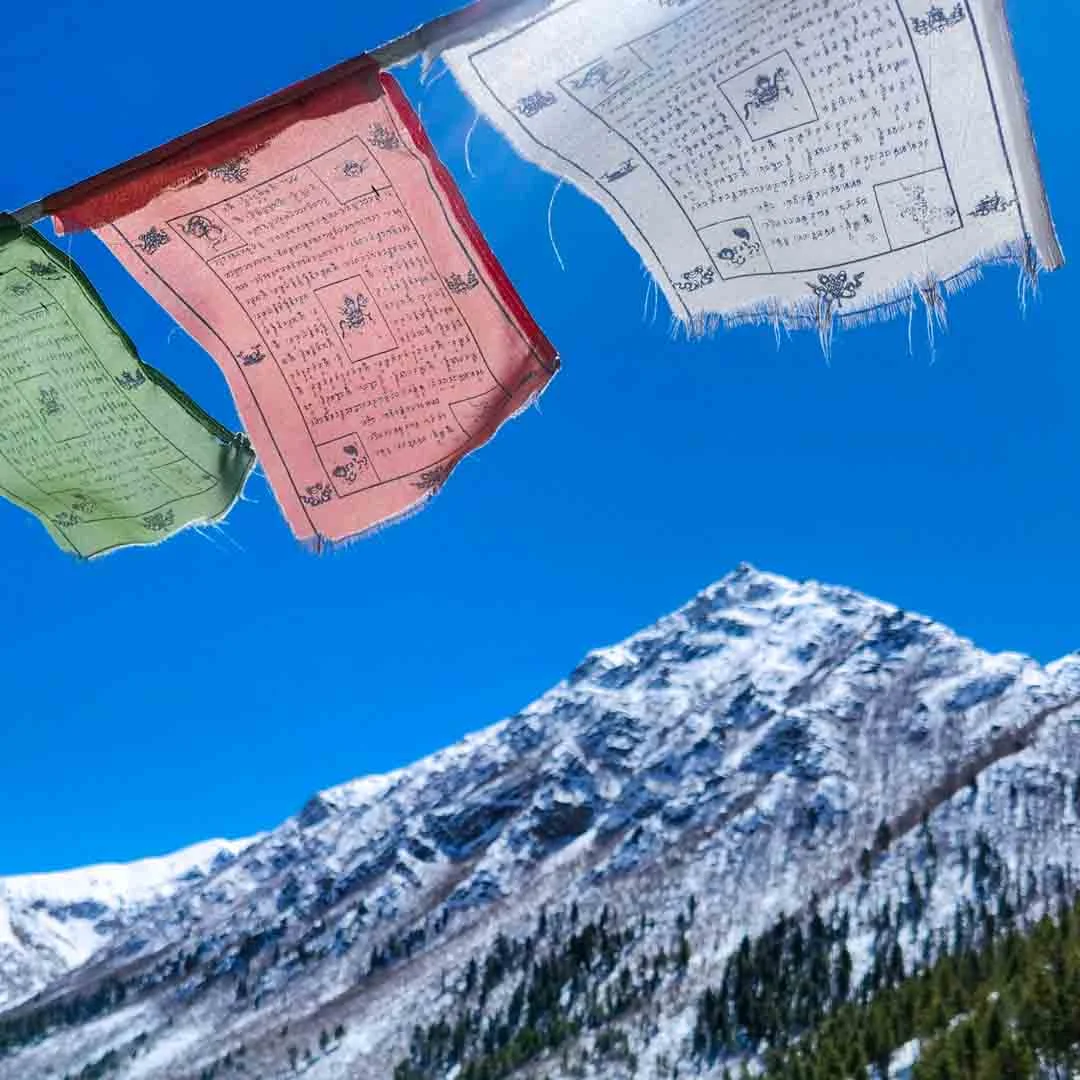
A Shimla extension to Kinnaur or Spiti involves longer and more weather sensitive mountain roads.
Do not treat either extension as automatically safe during active monsoon warnings. Check the forecast, route condition and accommodation access for each sector.
Ordinary Shimla sightseeing does not require a tourist permit.
Foreign nationals may require an Inner Line Permit or Protected Area Permit for certain restricted sections of Kinnaur and Spiti. Confirm the permit requirements for your nationality and exact route before travelling.
Review Kinnaur tour packages when your route includes Kinnaur and you can keep enough flexibility.
For a longer high mountain circuit, check Spiti Valley tour packages and avoid fixing the plan without current road information.
Final Verdict: Should You Visit Shimla in August?
Shimla in August suits travellers who value greenery, mist, fewer crowds, cafes and slower travel.
It works best when you can change an outing, wait out rain and keep one buffer day. It also helps when your hotel gives easy access to central Shimla.
Choose another season when you need clear views, predictable outdoor sightseeing or strict transport timing.
Do not visit for snow. Do not spend on a mist covered viewpoint circuit only because a standard package includes it.
What we tell our travellers is simple. Build the trip around comfort and flexibility first, then add Kufri, Mashobra or forest stops only when the same day weather supports them.
Travel Coffee’s local Himachal team can help match your hotel, vehicle and daily plan to the forecast without pretending August is risk free.
Explore Our Curated Shimla Tour Packages
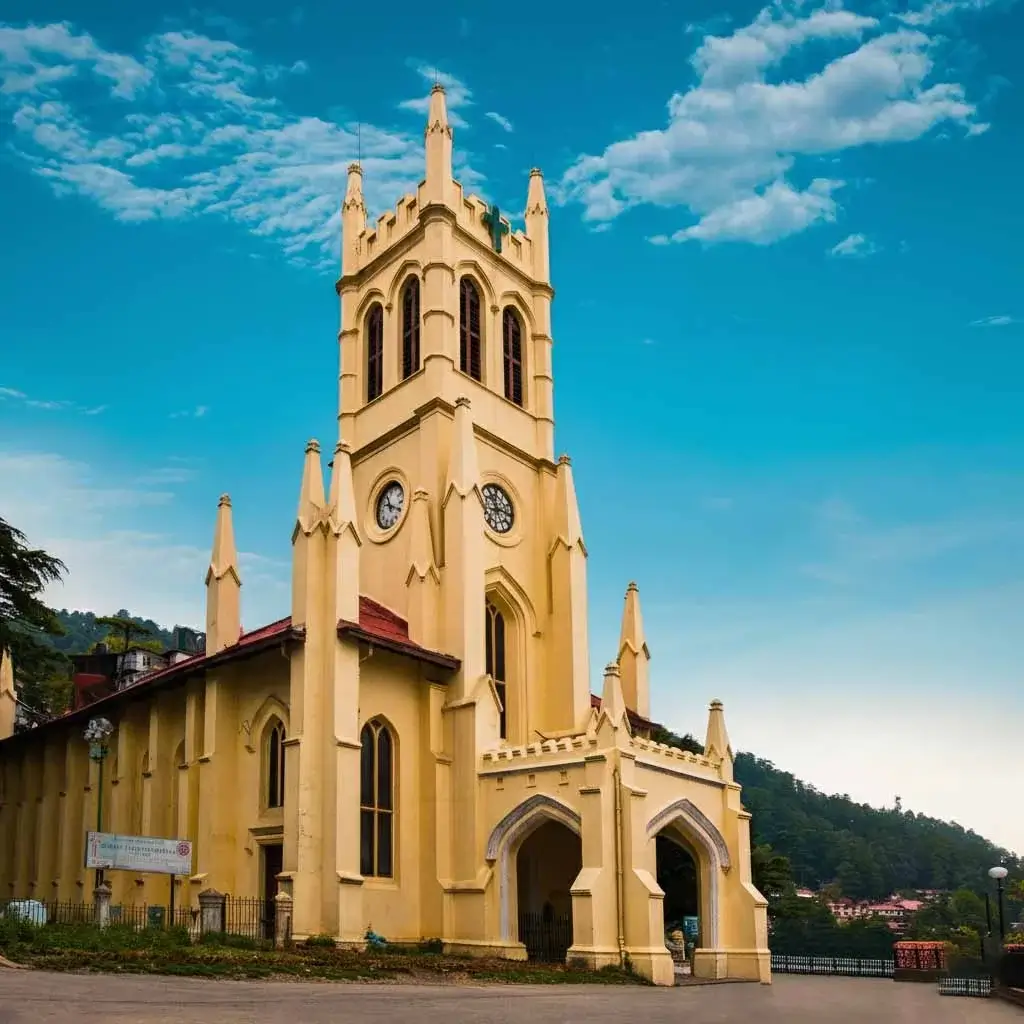 6D/5N
6D/5NClassic Shimla Kufri Mashobra Narkanda Experience
1D Delhi•3D Shimla+2
₹12,999₹18,999SAVE INR 6,000/ person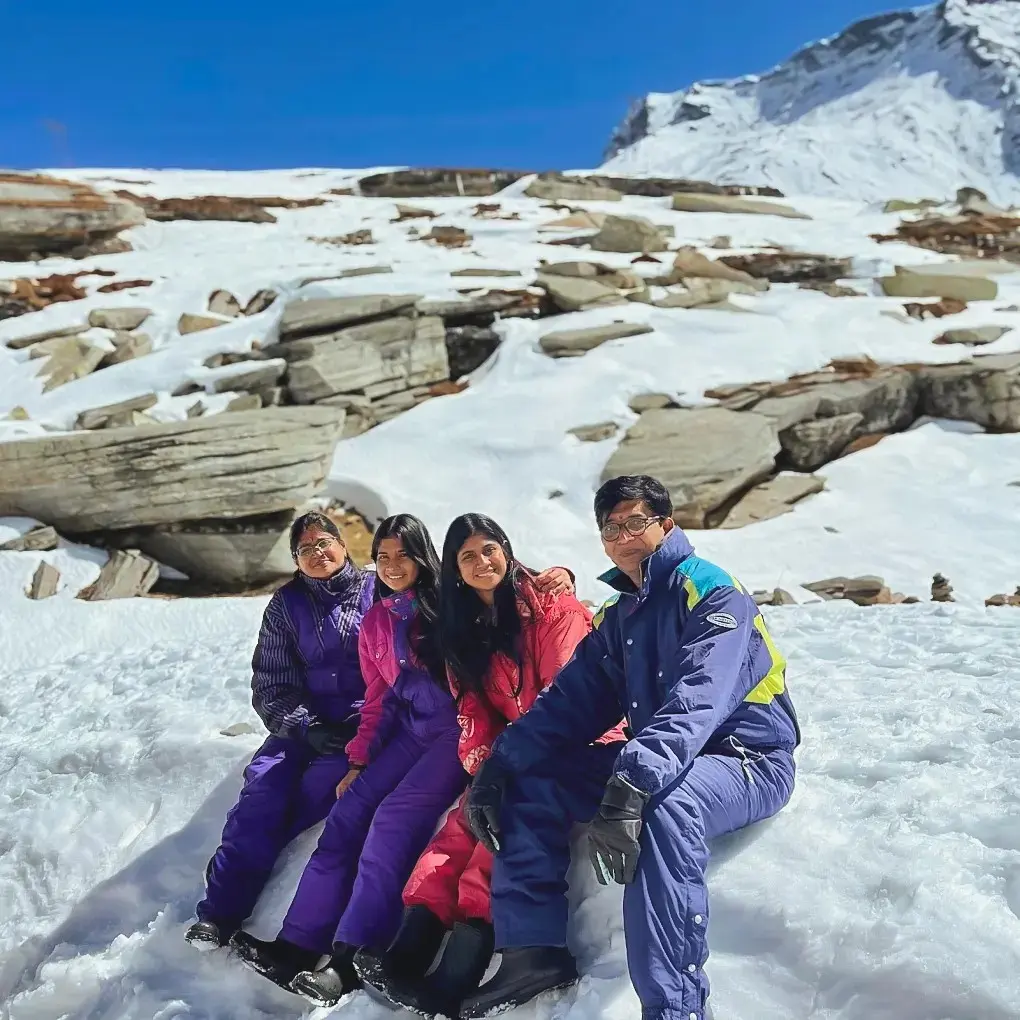 7D/6N
7D/6NComplete Shimla Manali Volvo Package with Rohtang Pass
2D Shimla•2D Manali
₹15,999₹19,499SAVE INR 3,500/ person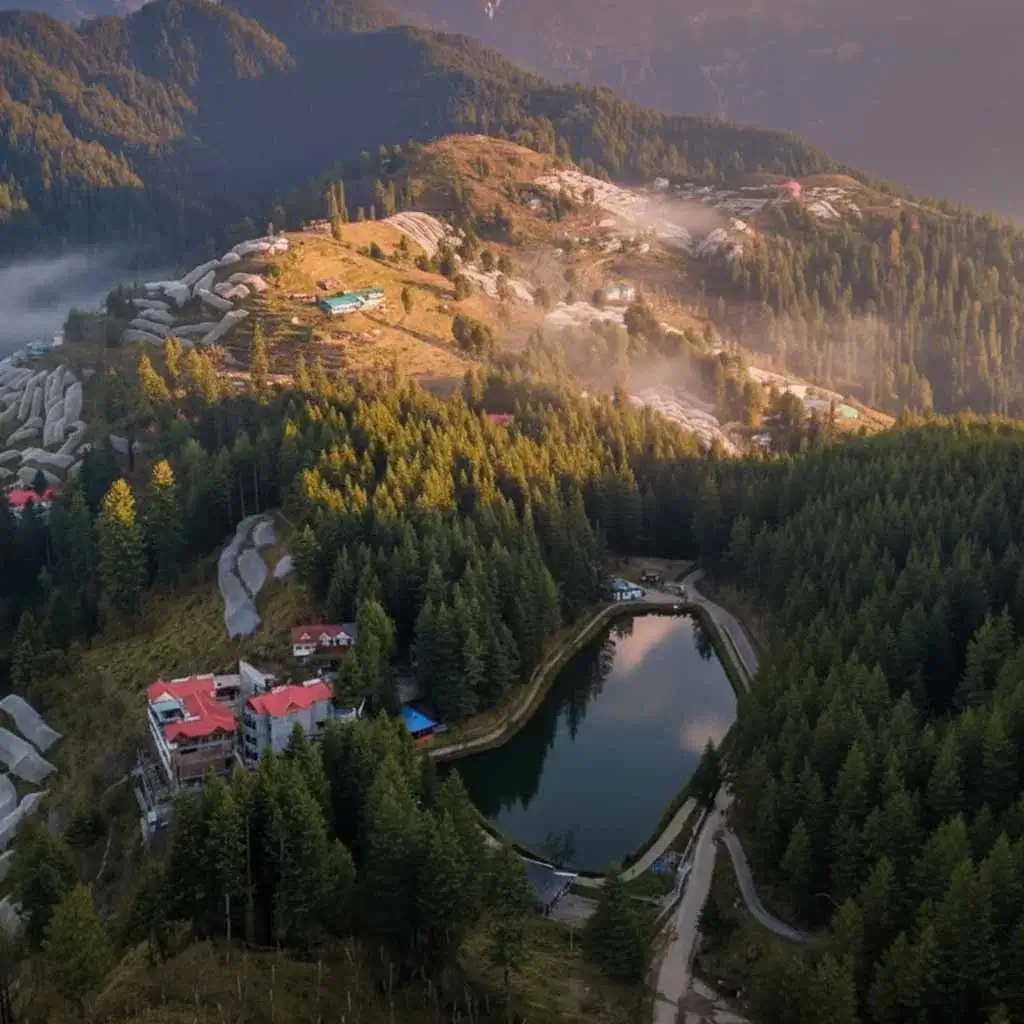 7D/6N
7D/6NClassic Shimla Kufri Chail Narkanda Pine Valley Experience
1D Delhi•2D Shimla+3
₹17,600₹23,999SAVE INR 6,399/ person
Related topics
Frequently Asked Questions
Is August a Good Month to Visit Shimla?
Yes, for flexible travellers who enjoy greenery, mist, cafes and slower sightseeing. Choose another month when you need clear views and fixed outdoor plans.
Is Shimla Safe During the August Monsoon?
It can be manageable when no serious warning affects your route. Check the forecast, road condition and hotel access before each journey.
What Temperature Can I Expect in Shimla in August?
Use 21°C to 24°C during the day and 15°C to 18°C at night as a practical range. Actual conditions vary.
Does It Rain Continuously in Shimla in August?
Not always. August may bring light rain, mist, thunderstorms or longer wet spells, and no fixed dry period can be promised.
Is There Snow in Shimla or Kufri in August?
No snowfall should be expected in Shimla or Kufri in August. Plan for rain and greenery instead.
Does the Kalka Shimla Toy Train Operate in August?
Services may operate, face delay or get suspended during weather problems. Check your exact train number through IRCTC.
Can I Visit Kufri During August?
Yes, when the same day forecast and road status look favourable. Skip it when mist hides the views or rain makes the drive poor value.
What Clothes Should I Carry for Shimla in August?
Carry quick dry clothes, a waterproof jacket, umbrella, light warm layer, grippy shoes and spare socks.
Are Two Nights Enough for Shimla in August?
Two nights can cover central Shimla and one weather dependent outing. Three nights give you more room for rain changes.
Is Shimla Suitable for a Family Trip in August?
Yes, with central accommodation, a flexible plan and an experienced hill driver. Keep indoor backups for children.
Is Early August or Late August Better?
No part of the month can promise dry weather. Check the short range forecast for your exact dates instead of choosing by a broad half month rule.
Do Tourists Need a Permit to Visit Shimla?
Ordinary sightseeing in Shimla city does not require a tourist permit. Foreign nationals may need permits for designated protected areas in Kinnaur and Spiti.
More about Shimla
 Shimla
Shimla Snow Trip 2026: Best Time, Itinerary, Cost and Local Tips
Plan your Shimla Snow Trip 2026 with this complete guide to the best time for snowfall, estimated trip cost, winter itinerary, top snow spots, Kufri visit, and useful travel tips.
- Snow Travel
- Best Time to Visit
 Shimla
Shimla in February 2027: Weather, Snowfall, Itinerary and Travel Tips
Planning a trip to Shimla in February 2027? Discover typical February temperatures, chances of snowfall, what the weather is usually like, the best places to enjoy snow, what to pack, and practical tips for planning a memorable winter trip to Shimla.
- Best Time to Visit
- Snow Travel
 Shimla
Snow Point Near Shimla in 2026: Kufri, Fagu, Narkanda and the Best Places to Find Snow
Discover the best snow points near Shimla in 2026, including Kufri, Fagu and Narkanda. Find out where to see snow, the best time to visit, and the top winter destinations near Shimla.
- Snow Travel
- Places to Visit