
Shangarh in September 2026: Weather, Road Conditions, Things to Do & Travel Tips
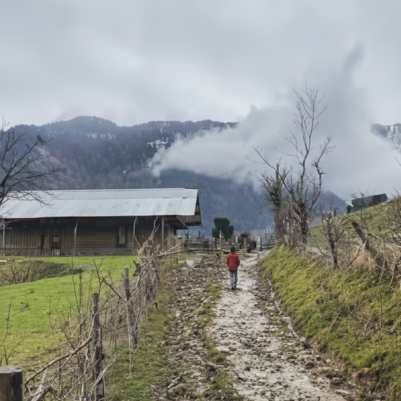
If you are planning Shangarh in September, you have picked one of the best months to be there. The monsoon is pulling back, the giant meadow turns a deep green, and the crowds that pack Jibhi and Kasol have not figured this place out yet.
But September here is not a clean switch. The first week still carries leftover monsoon, and the roads after Aut can throw a surprise landslide at you.
We send travellers into Sainj Valley every season, and Shangarh is the one place people come back raving about. This guide by Travel Coffee tells you exactly what to expect so you plan it right.
Quick Answer
Yes, September is a great time to visit Shangarh. The rain eases off, the famous meadow looks its greenest, and the weather sits in that sweet spot between humid monsoon and cold October nights.
It suits couples, solo travellers, photographers, and families who want quiet over crowds. If you like loud cafes and a packed scene, this is not your place.
Expect green meadows, clear mountain views on most days, occasional afternoon drizzle early in the month, and chilly nights. Carry a light jacket even if the day feels warm.
The second half of September is more stable than the first. If your dates are flexible, aim for the 15th onward.
How is Shangarh in September?
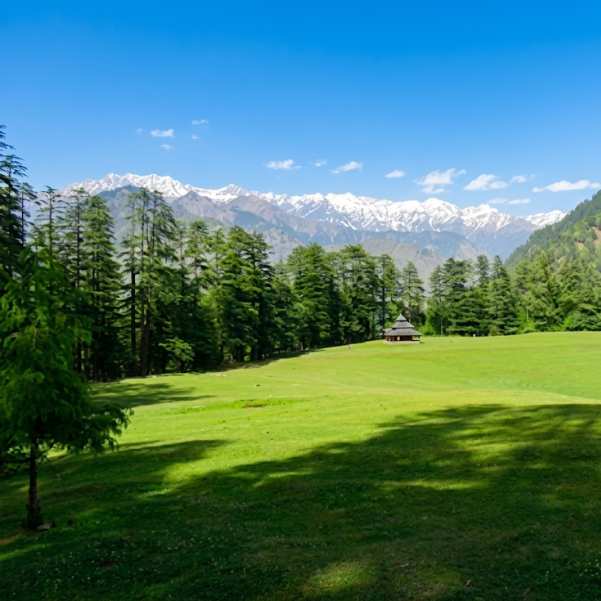
The big draw here is the Shangarh meadow, a wide flat stretch of grass sitting above the village with forest on all sides. In September it goes from monsoon-soggy to a clean, deep green that photographs beautifully.
After the rain withdraws, the air clears up. On a good morning you get sharp views of the surrounding ridges with no haze in the way.
Crowds stay low. Most travellers heading into Kullu still default to Manali, Kasol, or Jibhi, so Shangarh keeps its quiet.
In our experience, this is the month when the meadow looks like the photos that made you want to come in the first place. July and August are greener in theory but you spend half the time dodging rain and clouds.
Mornings are the magic window. Mist sits over the grass, the temple bells start up, and for an hour the whole place feels like it belongs to you alone.
By late afternoon, clouds can roll in fast and swallow the views. This is normal. Wait it out with a chai and the sky usually clears again by evening.
Here is what most tourists get wrong. They show up, take ten minutes of photos on the meadow, and leave for Jibhi the same day. Shangarh rewards the people who stay the night and catch it at dawn.
Shangarh Weather in September
September is the changeover month. Early on, the tail of the monsoon still lingers, so afternoon showers are common. By the end of the month, dry and clear days take over.
Daytime stays pleasant. Expect roughly 15 to 22 degrees when the sun is out, comfortable in a t-shirt and a light layer.
Nights are a different story. Temperatures drop to around 6 to 10 degrees, sometimes lower at the meadow's edge near the forest.
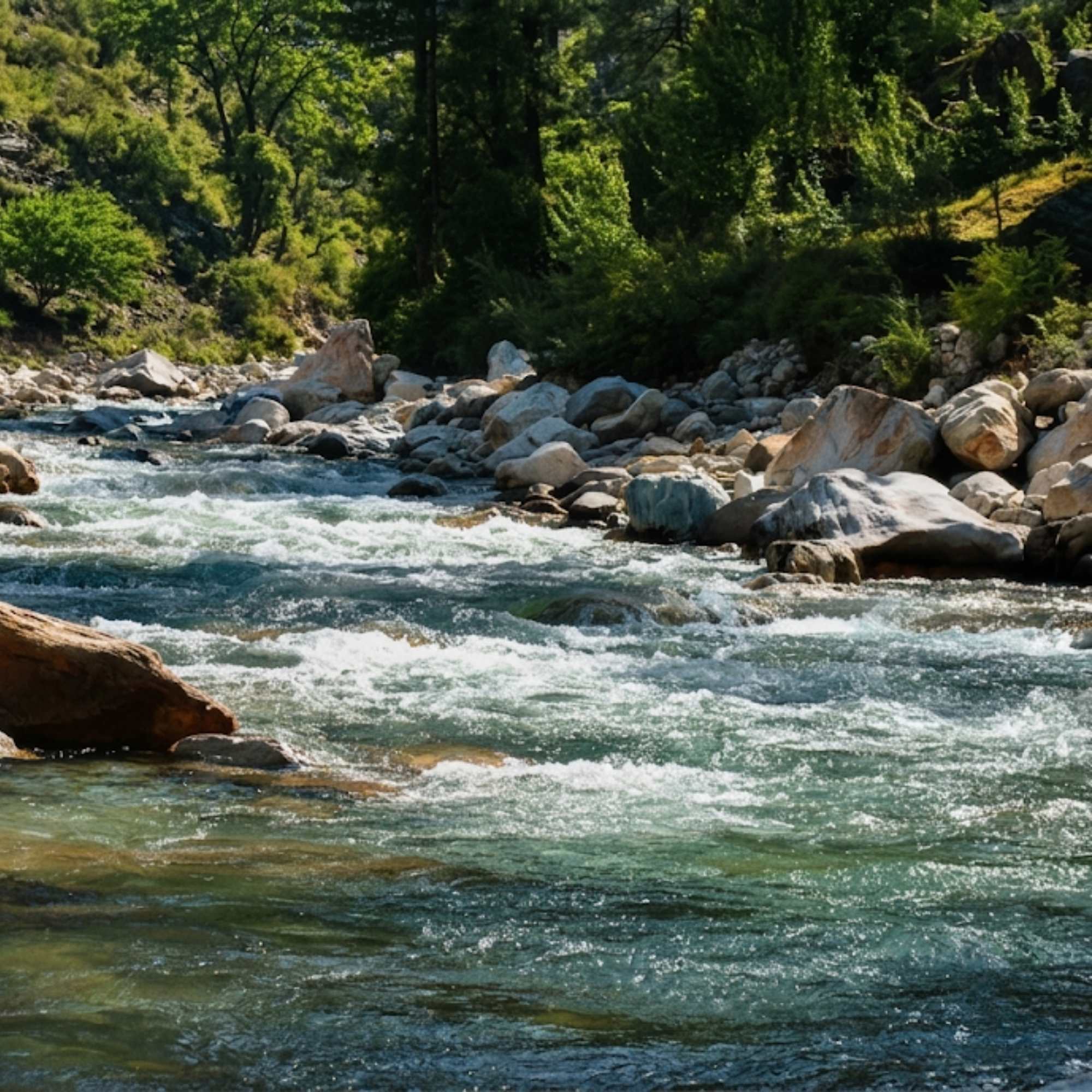
Rainfall thins out as the month goes. The first week can still hand you a wet afternoon or two, while the last week is usually dry and crisp.
For clothes, think layers. A t-shirt for the day, a fleece or hoodie for the evening, and a windproof jacket for the night and early morning.
Carry a small rain jacket or poncho through all of September. Even a dry forecast can flip on you for an hour in these valleys.
Our team always tells travellers the same thing. Pack for warm days and cold nights in the same bag, because you will need both within twelve hours.
Is September a Good Time to Visit Shangarh?
Yes, and for most travellers it is the best window of the year alongside October.
The advantages are clear. The meadow is at its greenest, the post-monsoon air is clean, the crowds are thin, and trekking conditions improve a lot as the trails dry out.
The downsides are honest ones. Early September can still rain, the roads after monsoon may have damaged patches, and the odd landslide can delay you on the way in.
The split within the month matters. The first half of September carries monsoon's leftovers, so you trade some risk for greener, moodier scenery.
The second half of September is the safer bet. Roads settle, rain eases, skies clear, and you still beat the cold that October brings.
If you want the safest plan with the best chance of clear weather, aim for the back half of the month. If you love mist and dramatic clouds, the first half delivers that.
Road Conditions in September
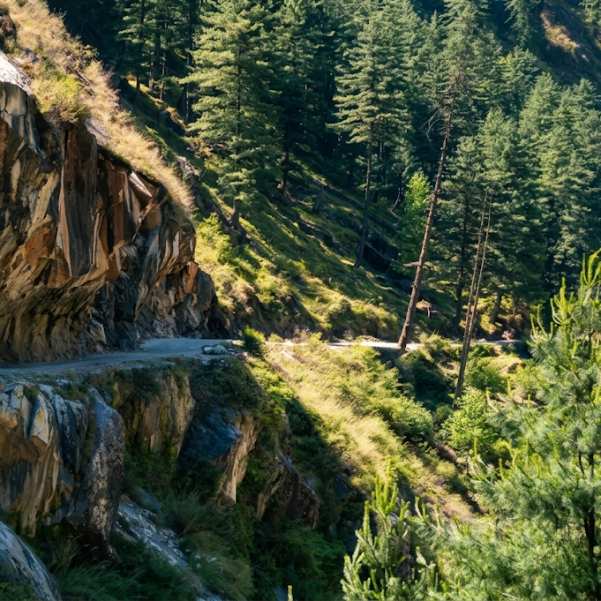
The route most people take runs from Delhi or Chandigarh to Aut, then off the main highway into Sainj Valley and up to Shangarh.
From Delhi, the drive is long, usually an overnight haul of around 10 to 12 hours to Aut depending on traffic and stops. From Chandigarh it is shorter, roughly 7 to 8 hours.
The main highway up to Aut is in decent shape and easy to drive. The character of the trip changes once you leave it.
After Aut, you turn towards Sainj, and the road narrows and climbs. The last stretch to Shangarh is steep and rough in parts, the kind of road where a confident driver matters.
Here is the honest warning
September is post-monsoon, and that means the slopes are still loose. Occasional landslides and shooting stones can block or delay this road with no notice.
We have had trips lose a few hours to a cleared landslide on this stretch. It is rarely dangerous if you are sensible, but it is real, so build a buffer into your plan.
A sedan can make it in dry conditions, but the last climb is happier under a higher-clearance car. If you are self-driving in a low car, go slow and check the road status the morning you leave.
Drive in daylight only. These roads have no lighting, blind curves, and sheer drops, and there is nothing to gain by pushing into the dark.
Top Things to Do in Shangarh in September
The beauty of Shangarh is that it is not a checklist destination. You come here to slow down. But there are a few things worth your time.
Explore Shangarh Meadows
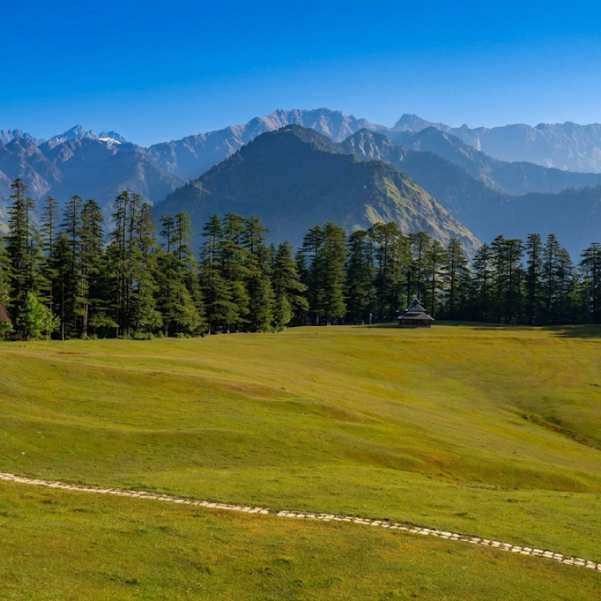
The meadow is the heart of the village and the reason most people come. In September it is a wide green carpet ringed by deodar forest.
Walk the full edge of it in the morning. The light is soft, the grass is dewy, and you get the meadow almost to yourself before the day visitors arrive.
A local rule that locals take seriously. The meadow is considered sacred ground, so people remove footwear before stepping onto certain parts and avoid littering or loud behaviour. Respect it and you will be welcome.
Skip the urge to drive or ride a bike onto the grass for a photo. It damages the meadow and locals will not appreciate it, no matter what you have seen on Instagram.
Visit Shangchul Mahadev Temple
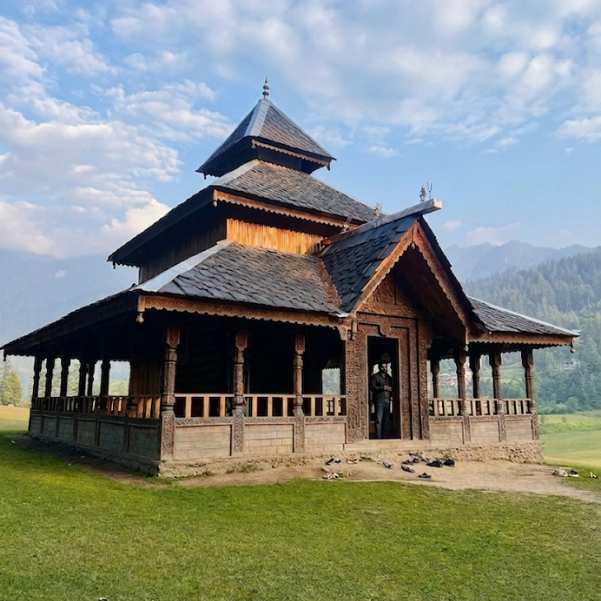
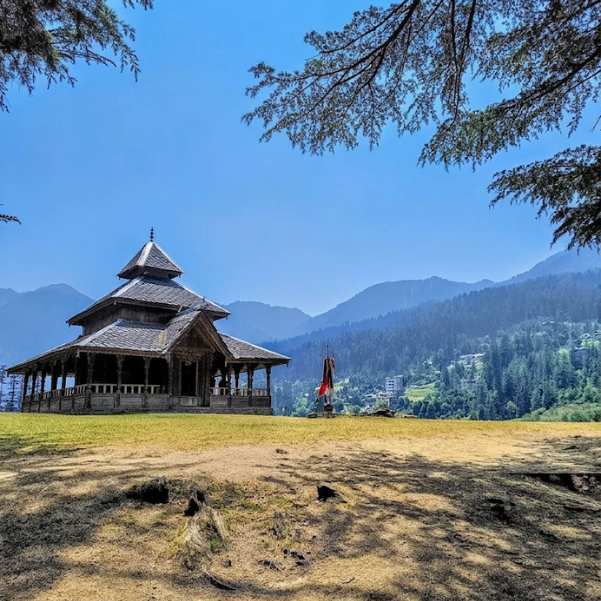
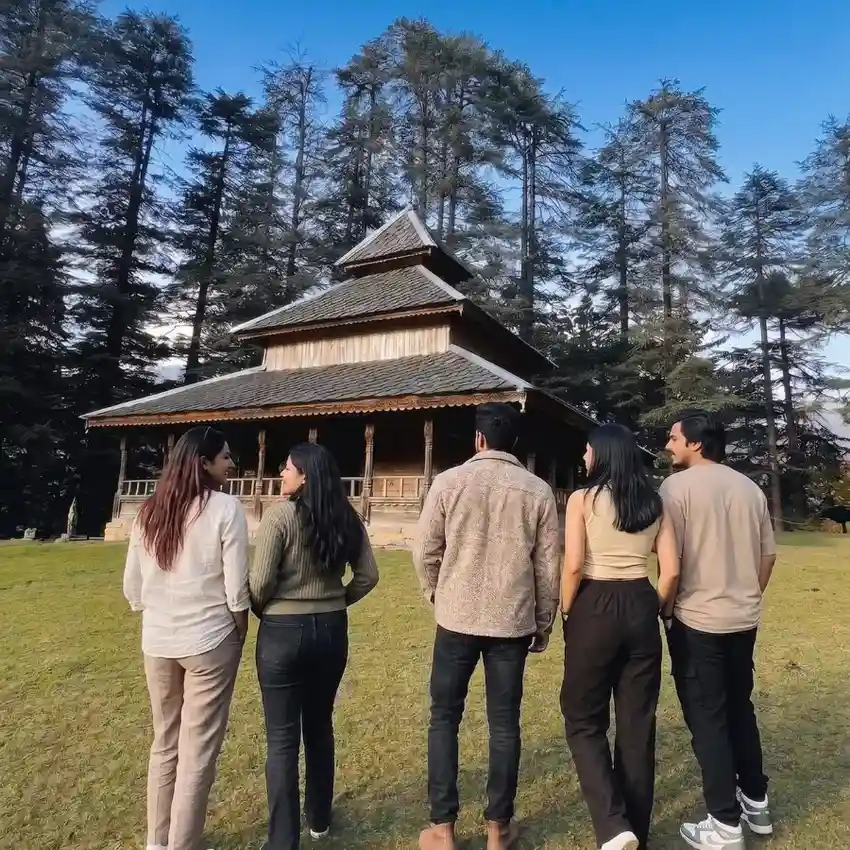
The Shangchul Mahadev temple sits right by the meadow and is the spiritual centre of the village. The old wooden architecture is worth a slow look.
The temple has its own customs and rules about what you can wear and where you can step. Ask before you climb anywhere or photograph anything close up.
In our experience, a quiet morning visit here, before the meadow fills up, is one of the nicest moments of the whole trip.
Trek Around GHNP Ecozone
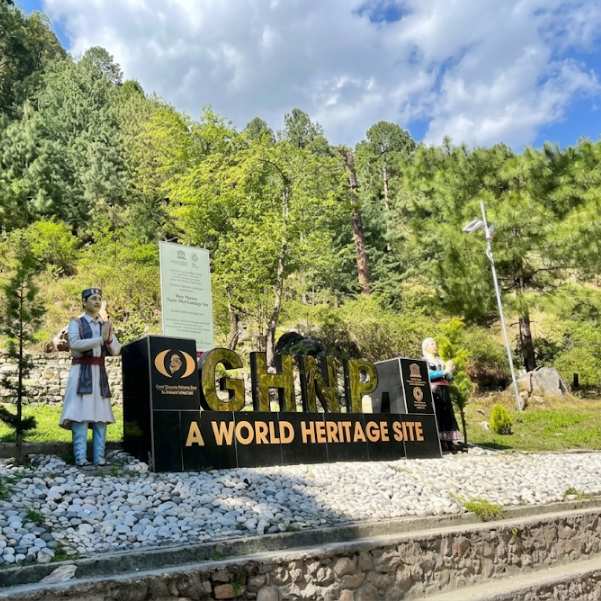
Shangarh sits inside the ecozone of the Great Himalayan National Park, a UNESCO World Heritage Site. The forests around the village are part of why this place feels untouched.
September is good for these walks because the trails dry out after the monsoon and the leeches that pester you in August start to disappear.
You can do short forest walks on your own, but for anything deeper into the park you may need a permit and a local guide. Check the latest park rules and fees, as these can change.
Village Walks and Local Life
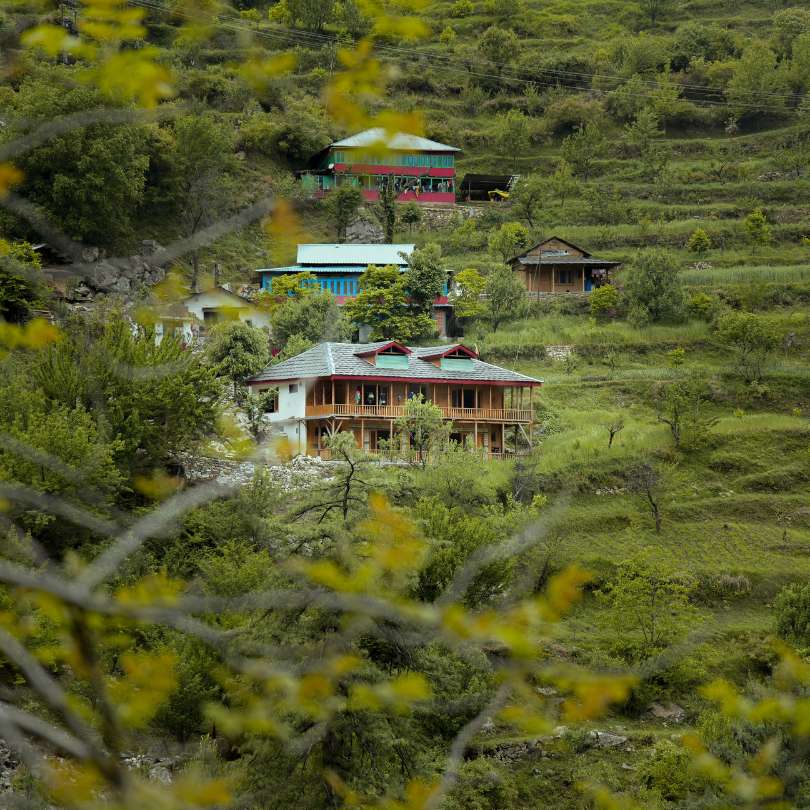
Spend a morning just wandering the village lanes. The old Himachali houses with slate roofs and carved wooden balconies tell you more about the place than any viewpoint.
Talk to the people running your homestay. They will point you to spots no guide lists, like a quiet stream or a ridge with a view that tourists never reach.
This is the part of Shangarh that stays with people. Not a monument, just the rhythm of a small mountain village going about its day.
Best Treks Around Shangarh During September
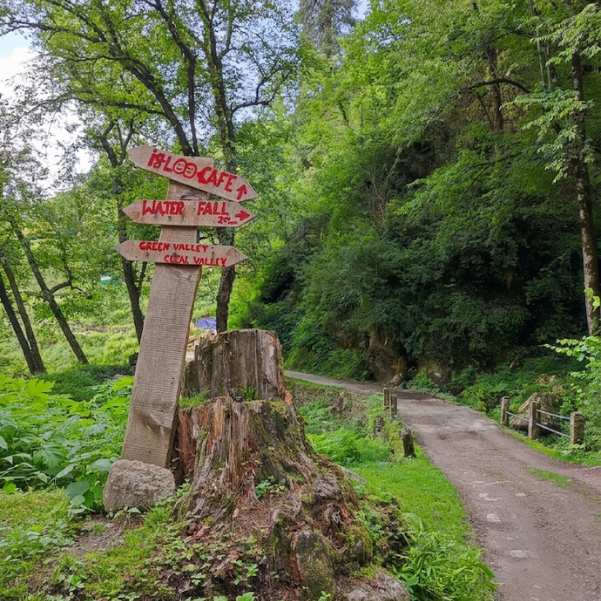
Shangarh works as a base for some genuinely good walks, and post-monsoon is one of the better times to do them.
The short and easy option is the forest loop around the meadow and into the deodar woods. You can do this in a couple of hours without a guide.
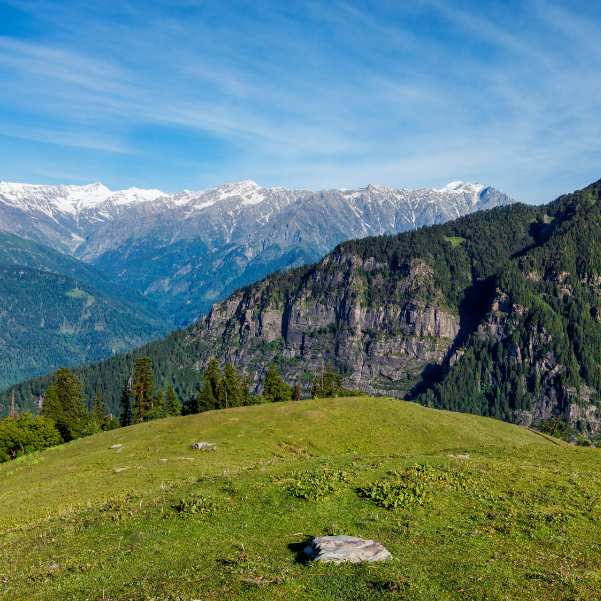
A longer day option is the trek towards the higher meadows and ridges above the village. The climb is steady and the views open up as you gain height.
For anything that pushes into the core of the Great Himalayan National Park, you cross into permit territory and should go with a registered local guide. Do not freelance deep into the park.
The trails are much friendlier in September than in the wet months. Drier ground, fewer leeches, and clearer skies make a real difference.
Our team's tip
Start any longer trek by 7 AM. Mountain weather here turns by early afternoon, and you want to be heading down before the clouds build, not climbing into them.
2 Day Shangarh Itinerary
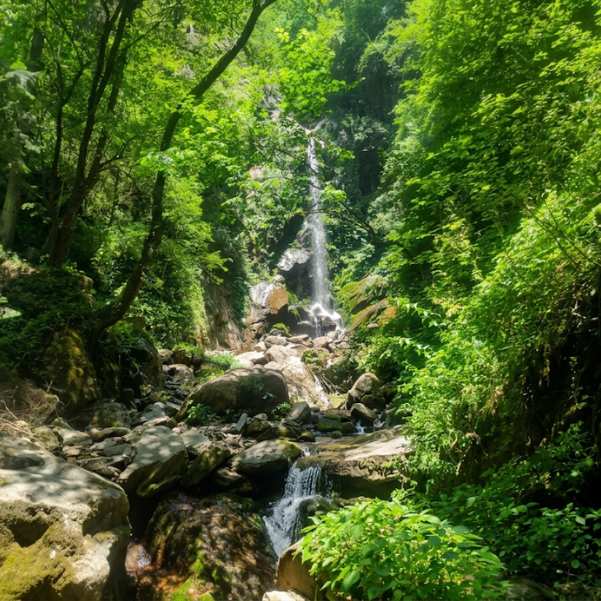
This works if you are short on time and want the highlights without rushing too hard.
Day 1
Reach Shangarh by afternoon from Aut. Settle into your homestay, then walk to the meadow for the evening light and visit Shangchul Mahadev temple before dark.
Spend the evening at the homestay over a home-cooked Himachali dinner. There are no late-night cafes here, and that is the whole point.
Day 2
Wake early for the meadow at sunrise, which is the best hour of the entire trip. After breakfast, do a short forest walk or a village stroll, then start your drive back by early afternoon.
This pace is tight but doable. You get the meadow at its two best times, dawn and dusk, which is what really matters.
3 Day Shangarh Itinerary
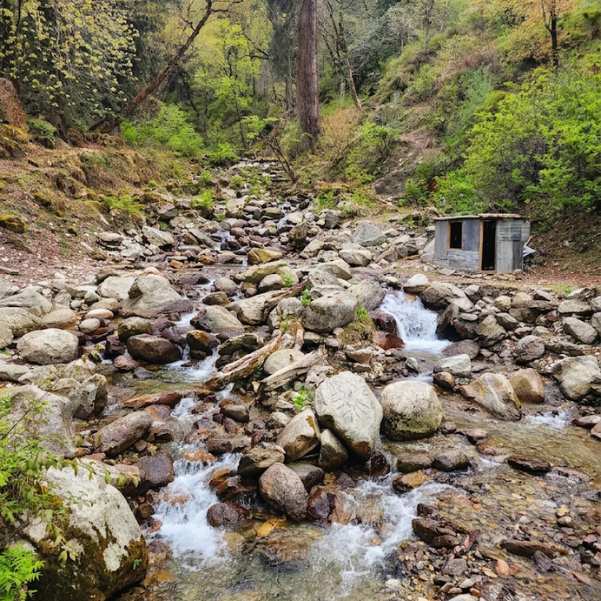
This is the version we usually recommend. It gives you room to breathe and a buffer if the road delays you.
Day 1
Drive in from Aut and reach Shangarh by afternoon. Easy evening at the meadow and the temple, then dinner at the homestay.
Day 2
A full day for a longer trek into the higher meadows or the GHNP ecozone with a local guide. Back by evening for a relaxed night.
Day 3
Slow morning at the meadow, a final village walk, and then the drive back. You can also use this day as a buffer if a landslide ate into your earlier plans.
The extra day is what turns Shangarh from a quick photo stop into an actual mountain break. If you can spare it, do.
>>Plan your perfect Shangarh escape. Connect with us on WhatsApp.
Where to Stay in Shangarh
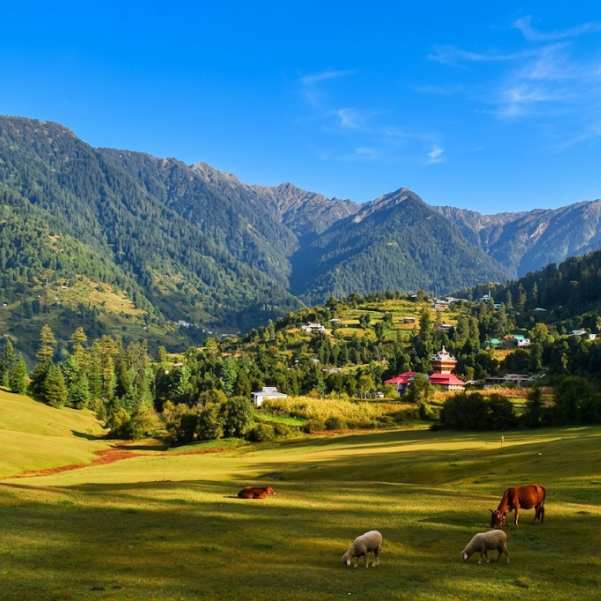
Shangarh runs on homestays and small guesthouses, not hotels. This is part of its charm and something to plan around.
The homestays sit either in the village or along the slopes near the meadow. The ones closer to the meadow give you that walk-out-and-it-is-right-there feeling.
Quality and price vary a lot. Basic rooms can be cheap, while the nicer wood-and-glass homestays cost more, especially in peak season.
Book ahead for September weekends. The good homestays are few and they fill up, and there is no big hotel to fall back on if you arrive without a plan.
A money tip most travellers miss
Booking the homestay directly over a call often gets you a better rate than the listing apps, and many include home-cooked meals if you ask. Always confirm whether dinner and breakfast are part of the price.
The food at a good homestay is a highlight in itself. Simple Himachali meals, fresh rajma, local rice, and proper hot dal after a day of walking. There are no fancy restaurants here, so your homestay kitchen is your dining plan.
If you want us to line up a stay we have actually checked, our Sainj Valley and Shangarh trips handle that for you.
What to Pack for Shangarh in September
Pack for two climates in one bag, because the day and night here feel like different seasons.
For the day, carry t-shirts and a light layer. For the evening and night, bring a fleece or warm hoodie and a windproof jacket. Nights get genuinely cold near the forest.
Always carry a rain jacket or poncho. Early September still throws afternoon showers, and even a clear forecast can turn for an hour.
Footwear matters. Bring proper shoes with grip for the trails and wet grass, not flat sneakers or sandals. The meadow gets slippery after rain.
Carry a power bank and download offline maps before you arrive. Mobile connectivity in Shangarh is limited, so do not count on signal or data once you are up there.
Throw in a basic medicine kit, a torch or headlamp, sunscreen, and sunglasses. The village has very little in the way of shops, so what you forget, you do without.
Shangarh vs Jibhi in September
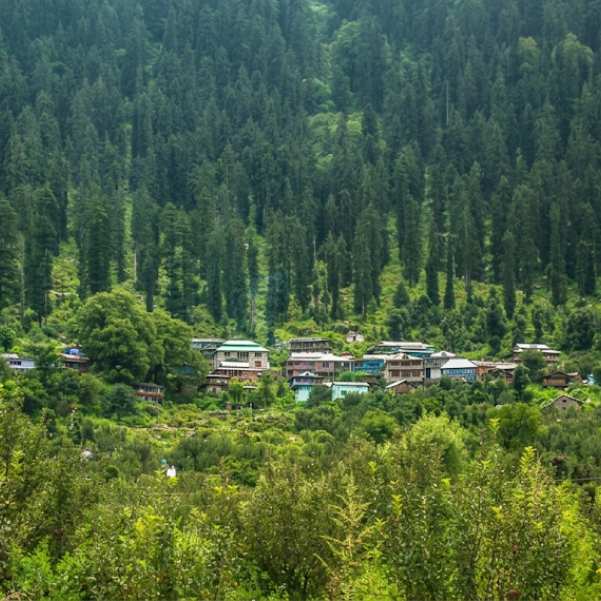
People always ask whether to pick Shangarh or Jibhi, since they sit in the same broad region of Kullu.
Jibhi is more developed. It has cafes, more homestays, easier roads, and a livelier scene. It is the easier choice if this is your first trip and you want comfort.
Shangarh is quieter, rawer, and more remote. The road is rougher, the options are fewer, and the payoff is a meadow and a calm that Jibhi has mostly lost to crowds.
In our experience, travellers who want to switch off completely pick Shangarh, while those who want a bit of buzz alongside nature lean Jibhi. Many people do both in one trip, since they are not far apart.
If you are weighing valleys against each other, we broke down a similar choice in our guide on whether Jibhi or Kasol suits you better, and the same thinking applies here.
For a smoother base with more to do nearby, our Jibhi and Tirthan Valley packages pair well with a Shangarh add-on.
Travel Tips for September Visitors
Check the road status the morning you leave for Sainj. Post-monsoon slides can block the route, and a quick call to a local saves you hours of guessing.
Reach Shangarh in daylight. The last climb is no place to be after dark, and you want your first look at the meadow in light anyway.
Carry enough cash. There are no reliable ATMs once you turn off the highway, and homestays and small dhabas may not take UPI or cards.
Do not over-plan your days. The whole point of Shangarh is slowing down, so leave room to just sit at the meadow and do nothing.
Respect the local customs at the meadow and temple. Remove footwear where asked, keep noise down, and carry your trash back out with you.
What we always tell our travellers is to treat the first afternoon as a buffer, not a sightseeing slot. If the road delayed you, no harm done. If it did not, you get a free evening at the meadow.
Should You Visit Shangarh in September?
Yes, if you want green meadows, clear post-monsoon skies, thin crowds, and a slow mountain break with no rush.
No, if you need cafes, nightlife, smooth roads, and hotel comfort. Shangarh gives you none of that, on purpose.
September lands in a sweet spot. The rain is leaving, the cold has not arrived, and the meadow looks the way you imagined it. The only trade-off is the early-month rain risk and the post-monsoon road.
Plan the second half of the month, keep a buffer day, pack for cold nights, and you will leave wondering why this place is still such a secret.
If you would rather have the whole thing planned, from stays to the driver who knows the Sainj road, just WhatsApp us and we will sort it out. You can also pair Shangarh with a wider Himachal loop through Shimla and the lower hills if you have more days.
>>Want the best Shangarh itinerary? Connect with us on WhatsApp.
Explore Our Curated Shangarh Tour Packages
 Group Tour5D/4N
Sainj Valley and Shangarh Group Trip
3D Shangarh
₹8,499₹12,499SAVE INR 4,000/ person Group Tour6D/5N
Best Jibhi Tirthan Valley Tour With Shangarh Meadows
2D Tirthan Valley•1D Shangarh (Sainj Valley)
₹9,999₹12,999SAVE INR 3,000/ person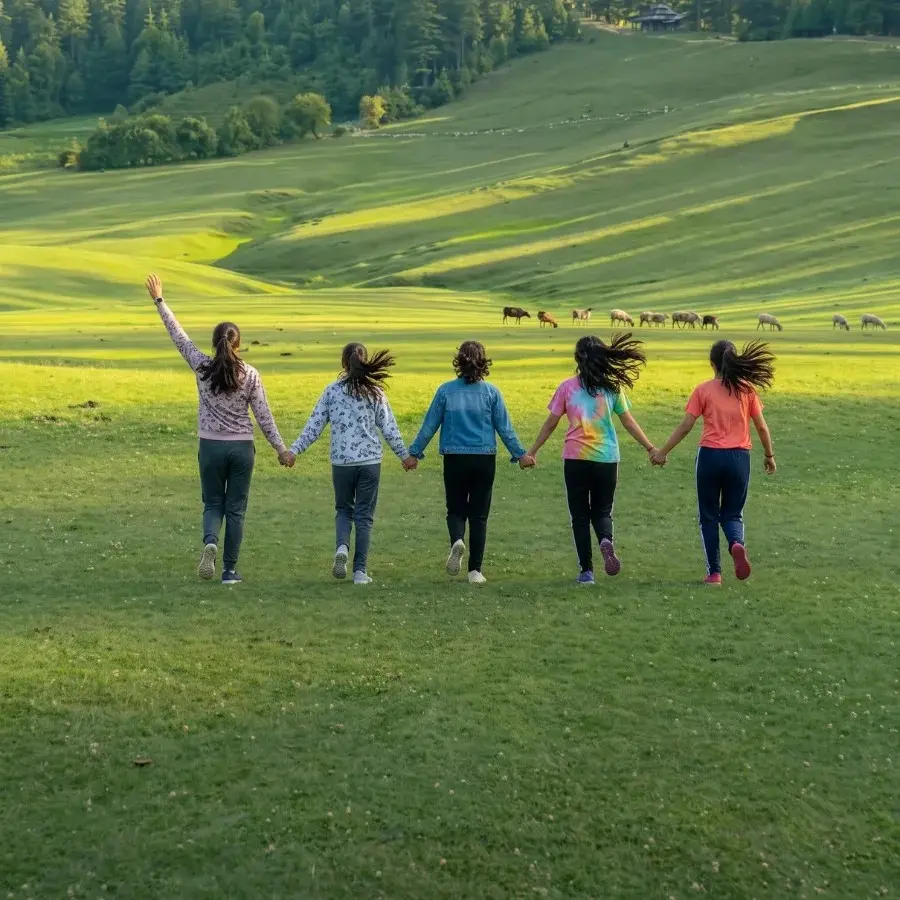 5D/4N
5D/4NMost Loved Shangarh Sainj Valley Tour With Private SUV
2D Shangarh
₹12,999₹16,999SAVE INR 4,000/ person
Related topics
Frequently Asked Questions
Is September a good time to visit Shangarh?
Yes. September is one of the best months. The monsoon eases, the meadow turns lush green, crowds stay low, and trekking conditions improve.
Does it rain in Shangarh in September?
Early September can still bring afternoon showers as the monsoon withdraws. The second half of the month is usually drier and clearer.
What clothes should I carry?
Pack layers. T-shirts and a light layer for the day, a fleece and windproof jacket for cold nights, and a rain jacket through the whole month.
Is Shangarh safe in September?
Yes, the destination is safe. The main risks are road delays from post-monsoon landslides and cold nights, so drive in daylight and build a buffer day.
How many days are enough?
Two days cover the highlights, but three days is the comfortable choice. The extra day gives you a longer trek and a buffer against road delays.
Can families visit Shangarh?
Yes. Shangarh suits families who want a calm, quiet break. Just plan for the rough last stretch of road and the basic homestay-only stay options.
Is Shangarh better than Jibhi?
It depends on what you want. Shangarh is quieter and more remote, while Jibhi has cafes, smoother roads, and more options. Many travellers do both.
Are homestays available?
Yes. Shangarh runs mostly on homestays and small guesthouses. Book ahead for September weekends, as the good ones fill up fast and there are no big hotels.
Can I trek in September?
Yes. Post-monsoon is good for trekking here. Trails dry out and leeches fade. For deeper routes into the GHNP, go with a local guide and check permit rules.
Is September better than October?
Both are great. September is greener with a small rain risk, while October is drier and clearer but colder. Pick green and mild, or crisp and cold.
Is mobile network available?
Mobile connectivity in Shangarh is limited and patchy. Download offline maps and inform someone of your plans before you head up.
Can I work remotely from Shangarh?
Not reliably. With limited mobile network and patchy data, Shangarh is a poor choice for remote work. Come here to disconnect, not to take calls.