
Shangarh in July 2026: Weather, Road Conditions, Pros, Cons & Travel Tips
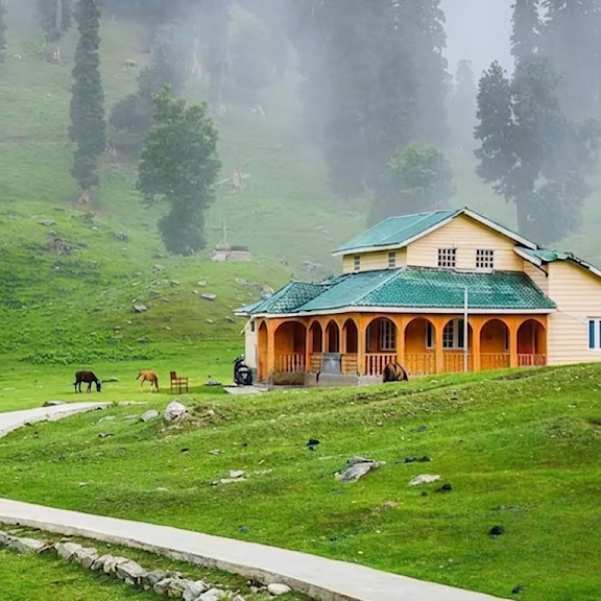
If you are thinking about Shangarh in July, here is the honest truth before you book anything. July is full monsoon in Sainj Valley, and that changes everything about this trip.
The meadow turns the kind of green you only see in films. But the road that gets you there can wash out for hours, and the trails turn slippery with leeches.
We have sent travellers up to Shangarh across every season, and July is the month we get the most worried phone calls about. Mostly because people plan it like a dry-season trip and then get stuck.
This guide by Travel Coffee tells you exactly what July looks like on the ground, so you can decide if it is your kind of trip or not.
Quick Answer: Is Shangarh Worth Visiting in July?
Yes, but only if you are flexible and okay with rain. July is monsoon season in Shangarh, so expect heavy rainfall, fog rolling over the meadow, and the odd landslide on the way up.
The reward is solitude and the greenest meadow you will ever walk on. Tourist numbers drop sharply, homestays are cheaper, and the whole valley feels like it belongs to you.
The risk is road delays. The Aut to Sainj to Shangarh stretch can block for a few hours after heavy rain, so you need buffer days.
If your dates are fixed and you cannot afford to lose a day, July is a gamble. If you can stay loose with your plan, it is one of the most peaceful times to be here.
How Is the Weather in Shangarh During July?
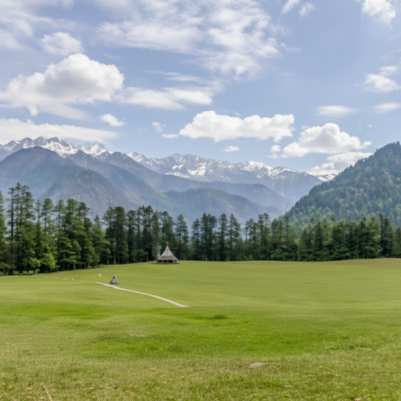
July is the heart of the monsoon. Rain comes and goes through the day, sometimes a light drizzle, sometimes a heavy downpour that lasts hours.
You will rarely get a full dry day. What you usually get is wet mornings, clearer afternoons, and fog that drifts in and out without warning.
Cloud cover is heavy, so don't expect those crisp blue skies you see in September photos. The light stays soft and grey for long stretches.
Daytime temperatures usually feel mild, around 18°C to 24°C, while nights can drop to around 12°C to 16°C. It is not extremely cold like the higher Himalayan passes, but the damp air can make the weather feel chilly, especially after rain.
What most people get wrong is packing for "hill station" weather. Shangarh in July is not cool and sunny. It is wet, humid in the lower stretches, and cold once the sun hides.
In our experience, the rain is heaviest in the late evening and overnight. Mornings often give you a short clear window, which is your best chance to enjoy the meadow.
What Does Shangarh Look Like During Monsoon?
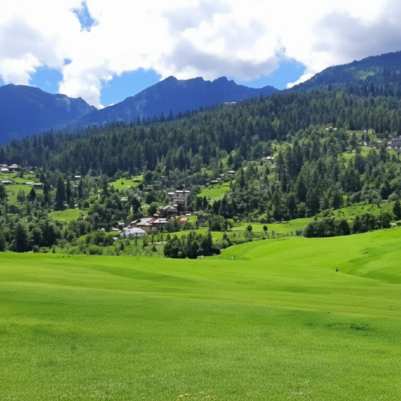
This is where July earns its place. The famous Shangarh meadow turns a deep, almost glowing green that no other season matches.
The pine and deodar forests around the village drip with moisture. Tiny streams appear everywhere, running down slopes that are dry in other months.
Fog is the main character here. It rolls across the meadow, hides the tree line, then lifts to reveal the whole valley for a few minutes before closing again.
For photography, this is both a gift and a problem. The moody, misty frames are stunning. But you will spend a lot of time waiting for the fog to clear enough to actually see the mountains.
Our team's tip is to be patient and shoot in the early morning. The light is softer, the fog is lighter, and the meadow looks its best before the day's rain sets in.
If you want the full picture of how the village changes through the year, we covered it in our Shangarh travel guide.
Is It Safe to Visit Shangarh in July?
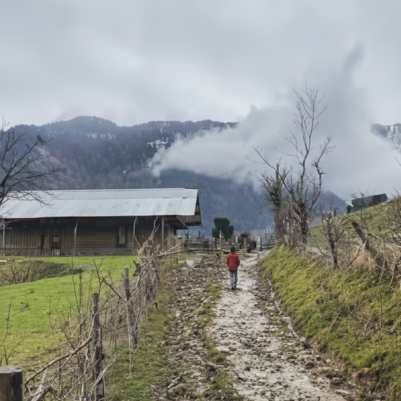
Shangarh itself is safe. The risk comes from the journey, not the destination.
The main worry is landslides. The road through Sainj Valley cuts through slopes that loosen up after heavy rain, and small slides can block the road for hours.
Trails get slippery too. The mud holds water, and a wet meadow path is much easier to slip on than you think.
Leeches show up on the forest trails during monsoon. They are harmless but unpleasant, and they catch first-timers off guard.
The safety rule we give every traveller is simple. Drive only in daylight, never push through a fresh landslide, and always keep one buffer day in case the road shuts.
If anyone in your group has trouble walking on uneven, wet ground, the meadow trails will be harder than they expect in July.
Road Conditions From Delhi, Chandigarh and Aut
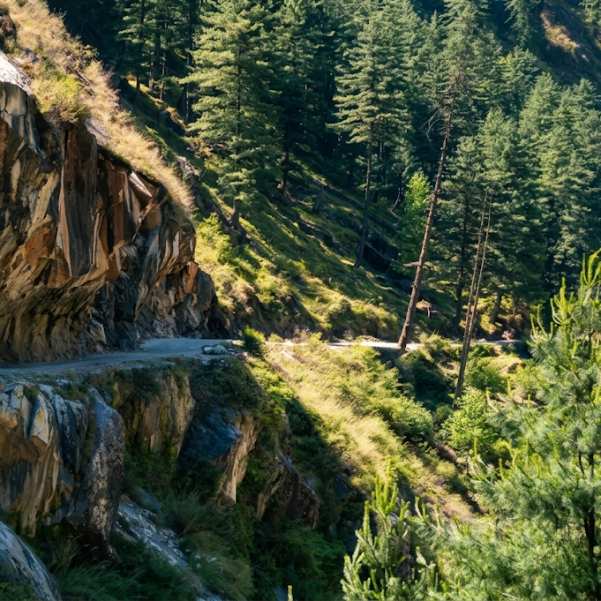
The drive from the plains is long, and the monsoon makes it longer. From Delhi you are looking at a full day plus on the road, and from Chandigarh a long day, before you even reach Aut.
The real test starts at Aut, where you leave the main highway and turn into Sainj Valley. This stretch to Sainj and then up to Shangarh is narrow and prone to monsoon damage.
After heavy rain, expect rockfall, mud on the road, and the occasional water crossing. What looks like a short hop on the map can take much longer when a slide forces a wait.
Do not trust Google Maps for timing here. The app does not know about a fresh landslide or a road crew clearing rubble.
The money tip most blogs skip
Instead of hiring a private car all the way from Aut, you can catch a shared taxi or local vehicle from the Aut and Sainj side, which costs a fraction of a private booking.
One honest warning
Some drivers quote a heavy "monsoon premium" for the last stretch to Shangarh because they know the road is risky. Agree on the price before you sit in the car, and ask a local at your homestay what the fair rate is.
>>Need the latest Shangarh road update? WhatsApp us before you travel.
Pros of Visiting Shangarh in July
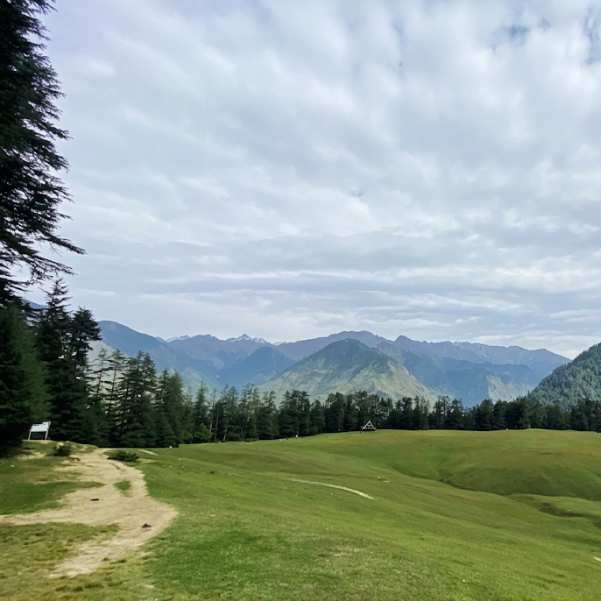
The biggest win is the quiet. July sees very few tourists, so the meadow that gets busy in peak season feels empty and yours.
Homestays have rooms free and often drop their rates. You can usually walk in and negotiate, which you cannot do in the September rush.
The greenery is unreal. If you have only seen Shangarh in dry-season photos, the monsoon version will surprise you.
The forests come alive with sound. Streams, rain on the leaves, birds, and almost no human noise. For some travellers, that alone is worth the trip.
We have had solo travellers tell us July was their favourite month here precisely because they had the place to themselves.
Cons of Visiting Shangarh in July
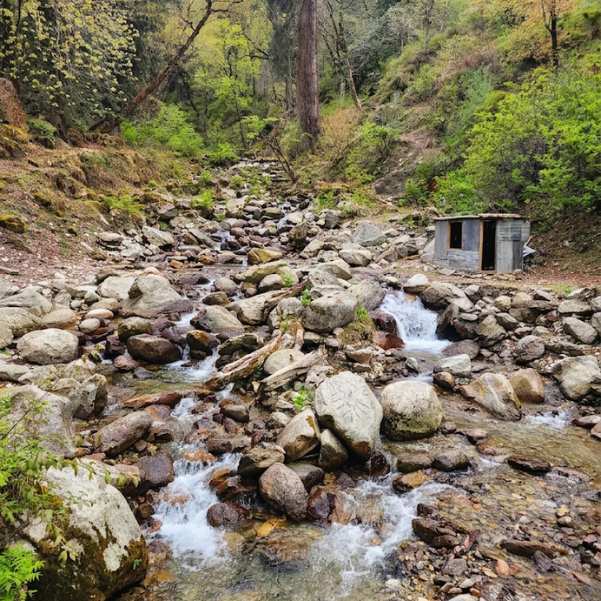
Rain is the obvious one. It can wash out a planned day completely, and you may spend hours stuck indoors.
Leeches on the trails put a lot of people off. They cling to shoes and ankles on the wet forest paths, and you need to keep checking.
Slippery trails limit how far you can wander. The longer walks into the forest become harder and riskier when the ground is soaked.
Roadblocks are the trip-killer. A single landslide can cost you half a day or strand you, which is why fixed-date travellers struggle here.
Fog can also rob you of views. You might reach the meadow and see nothing but white for an hour. That disappoints anyone expecting postcard mountain shots.
Things to Do in Shangarh in July
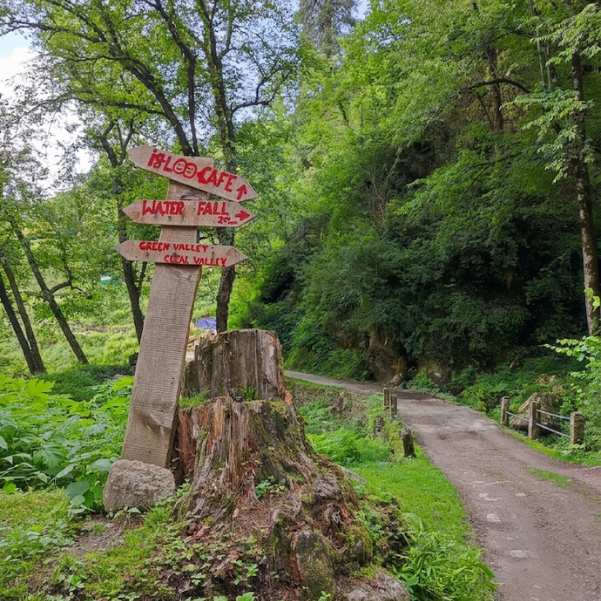
The meadow is the main draw, and a slow morning walk across it is the best thing you can do. Go early, before the rain and the fog thicken.
Visit the local temple that sits near the meadow. The villagers hold it sacred, so keep your shoes off the meadow grass near it and follow local custom.
Spend time in the village itself. The old wooden houses, the slow pace, and a chat with your homestay family tell you more about the place than any viewpoint.
Short forest walks are lovely when the rain pauses, but keep them short in July and watch for leeches.
The timing tip we always give is to treat the early morning as your "main event" window. By afternoon the weather usually turns, so do your walking and your photos before lunch.
Skip the idea of a long, ambitious trek deep into the Great Himalayan National Park zone in July. The trails are wet, leech-heavy, and visibility is poor, so you pay a lot of effort for very little reward this month.
What to Pack for Shangarh in July
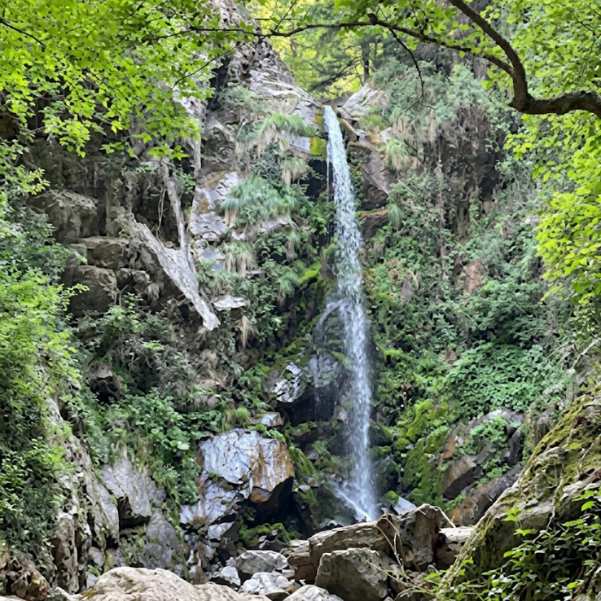
Rain gear comes first. A proper rain jacket or poncho, plus a rain cover for your backpack, will save your trip.
Carry shoes with strong grip. Smooth-soled sneakers are useless on wet meadow and forest paths.
Bring a couple of extra pairs of socks and quick-dry clothes. Things stay damp here, and nothing dries fast in monsoon air.
Pack a few warm layers too. A fleece and a light jacket cover the cold evenings after rain.
Carry salt or an anti-leech option, a small torch, a power bank, and basic medicines for fever and stomach issues. A dry bag for your phone and camera is a smart add.
What we tell our travellers is to carry cash in small notes. Card and UPI coverage is patchy in Sainj Valley, and the network drops often, so do not rely on your phone for payments.
Shangarh in July for Different Types of Travellers
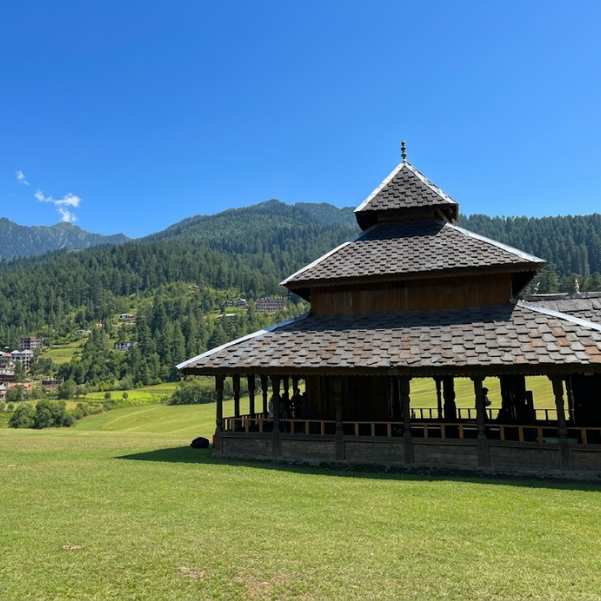
Couples
July is romantic in a misty, cosy way. Empty meadows, foggy evenings, and a warm homestay room make it special for couples who like quiet over activity.
Just be ready to spend rainy hours indoors. If you both enjoy slow days with chai and a book, you will love it.
Families
Families need to think harder about July. The wet trails, leeches, and possible road delays make it tougher with small kids or older parents.
If you do come, keep the plan relaxed and stay close to the village. Do not attempt long forest walks with children in heavy rain.
Solo Travellers
Solo travellers often do best here in July. The low crowds, cheap homestays, and peaceful setting suit anyone wanting time alone.
Just tell someone your plan and keep buffer days, since the network and roads are unreliable.
Workation Travellers
This one needs a warning. The internet in Sainj Valley is weak and drops often, and monsoon makes it worse.
If your work needs steady video calls, Shangarh in July will frustrate you. It works only if you can survive on offline tasks and the odd connection window.
Shangarh Vs Jibhi in July
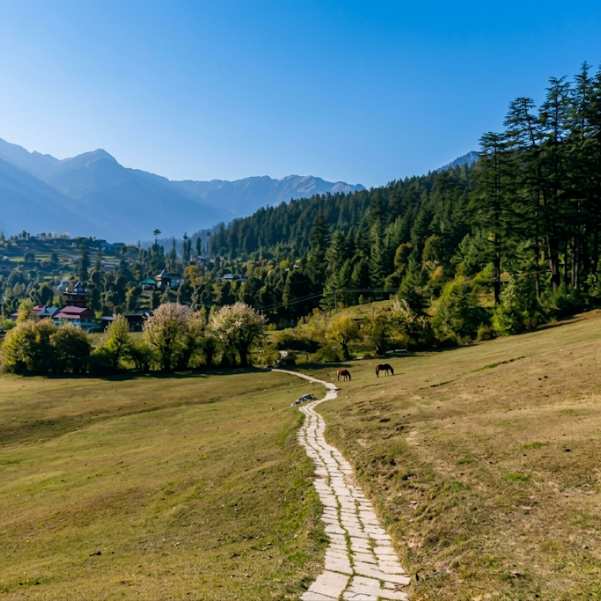
Both sit in the same broader region, but they feel different in monsoon. Jibhi is more set up for tourists, with more cafes, more stays, and easier access.
Shangarh is rawer and quieter. In July, that means Jibhi gives you more to do on a rainy day, while Shangarh gives you more solitude and a bigger meadow.
For a first monsoon trip with a group that wants comforts and backups, Jibhi is the safer pick. For someone chasing peace and green emptiness, Shangarh wins.
If you are stuck choosing valleys, our Jibhi or Kasol comparison helps you think through the trade-offs, and you can also look at our Jibhi and Tirthan Valley package if you want the logistics handled.
A lot of travellers actually pair the two, basing themselves in Jibhi and taking a day or overnight trip to Shangarh when the weather looks clear.
Should You Visit Shangarh in July or Wait Until September?
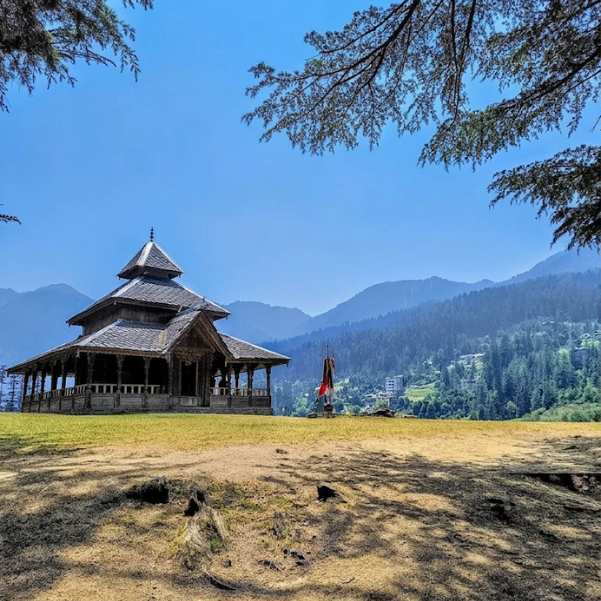
This is the question we get most, and our answer is honest. September is the easier, more reliable month.
September gives you clearer weather, drier trails, fewer leeches, and far lower chance of road blocks. The meadow is still green, just less intensely so than July.
July gives you peak greenery, the lowest crowds, and the cheapest stays. The price is rain, fog, leeches, and the risk of losing a day to a landslide.
So pick July if solitude and lush green matter more to you than comfort and certainty, and you can stay flexible. Pick September if you want a smooth trip with good views and predictable roads.
For first-timers and families, we usually nudge towards September. For experienced, flexible travellers who want the valley to themselves, July is genuinely special.
>>Confused about the best time for Shangarh? Chat with us on WhatsApp.
How Travel Coffee Plans Shangarh Trips During Monsoon
We are a local Himachal team, and we drive these roads ourselves. That means we plan July trips around the weather, not against it.
We build in buffer days, keep your route flexible, and track road conditions in Sainj Valley before you set off. If the Shangarh road looks risky, we tell you straight and suggest a backup.
We also pick homestays that actually work in monsoon, with proper roofs, warm food, and hosts who help if the road shuts. Small things that matter a lot when it is pouring outside.
If you want us to plan a Shangarh trip that survives the rain, reach out through WhatsApp and tell us your dates. We would rather help you plan it right than watch you get stuck on a washed-out road.
>>Let our Himachal experts plan your Shangarh trip. Contact us on WhatsApp.
Explore Our Curated Shangarh Tour Packages
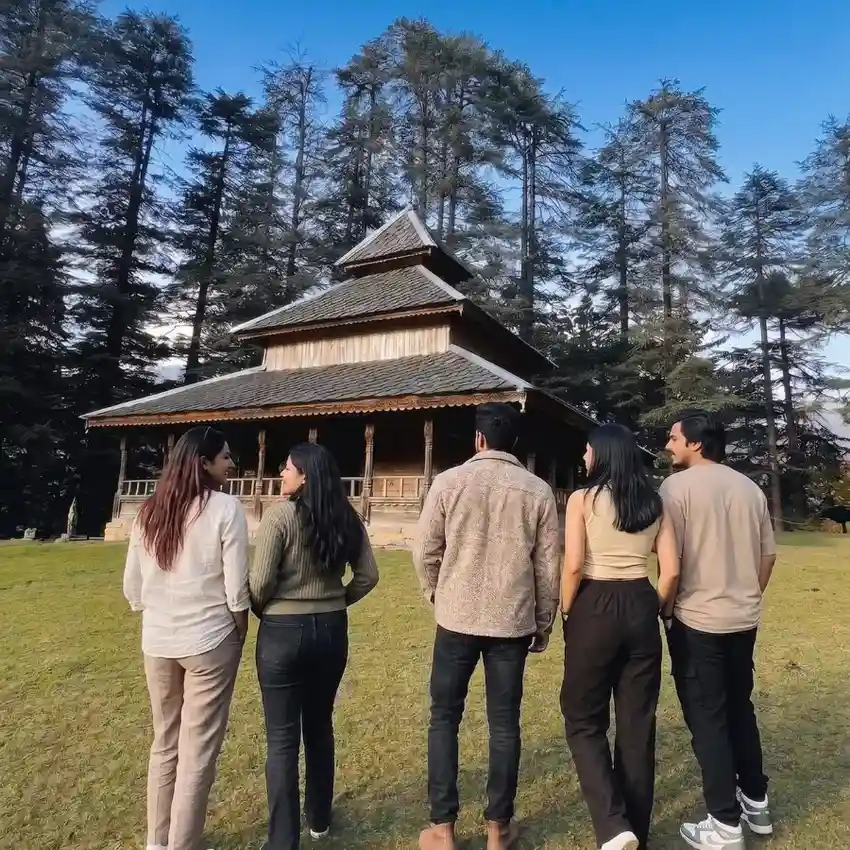 Group Tour5D/4N
Sainj Valley and Shangarh Group Trip
3D Shangarh
₹8,499₹12,499SAVE INR 4,000/ person Group Tour6D/5N
Best Jibhi Tirthan Valley Tour With Shangarh Meadows
2D Tirthan Valley•1D Shangarh (Sainj Valley)
₹9,999₹12,999SAVE INR 3,000/ person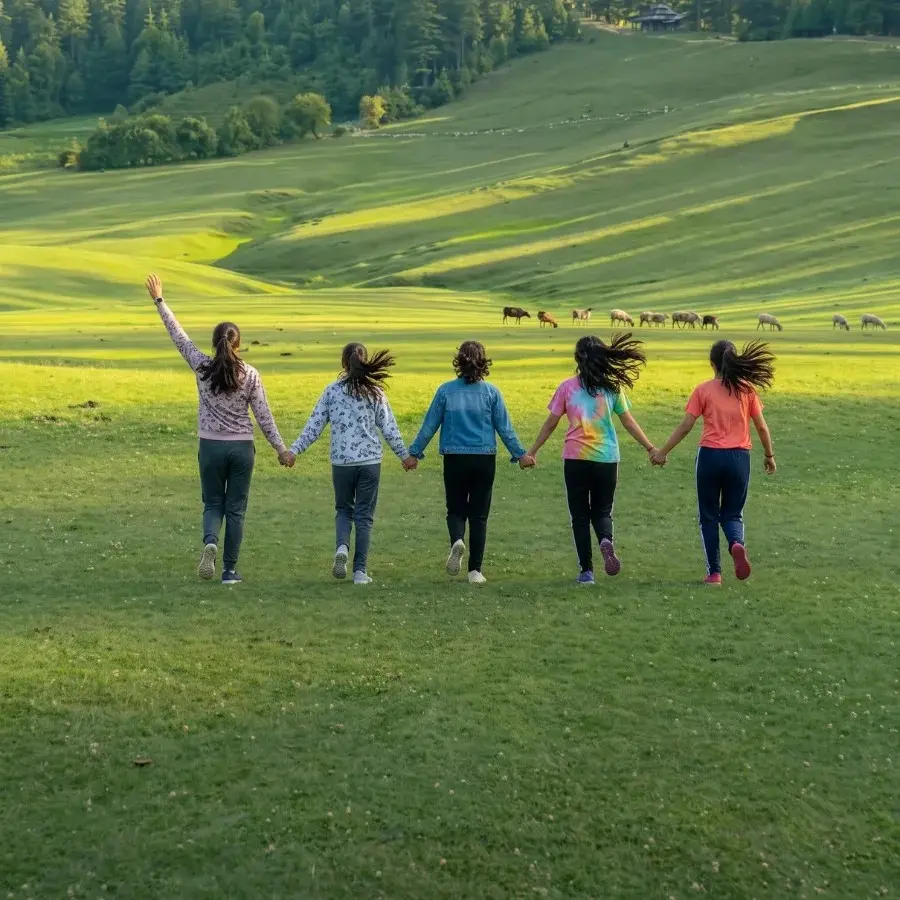 5D/4N
5D/4NMost Loved Shangarh Sainj Valley Tour With Private SUV
2D Shangarh
₹12,999₹16,999SAVE INR 4,000/ person
Related topics
Frequently Asked Questions
Is Shangarh safe in July?
The village is safe, but the roads and trails are the risk. Travel in daylight, keep a buffer day, and never cross a fresh landslide.
Does Shangarh receive heavy rainfall in July?
Yes. July is peak monsoon, so heavy rain is common, often in the evening and overnight, with wet mornings during the day.
Can I drive to Shangarh during monsoon?
You can, but only with a careful driver and daylight hours. The Aut to Sainj to Shangarh road can block after heavy rain.
Are roads open to Shangarh in July?
Usually yes, but they can close for a few hours after landslides. Always check local conditions a day before and on the morning you travel.
Is Shangarh crowded in July?
No. July is one of the quietest months here. Tourist numbers drop sharply because of the monsoon, so the meadow stays peaceful.
What is the temperature in Shangarh in July?
Days sit around 18°C to 24°C and nights drop to roughly 12°C to 16°C. The damp air makes it feel colder than the numbers suggest.
Can I trek in Shangarh during monsoon?
Short walks are fine in dry windows, but long treks are risky. Trails are slippery, leeches are active, and fog cuts visibility.
Is July a good time to visit Sainj Valley?
It is good for greenery and solitude, but not for reliability. Go in July only if you can stay flexible with your plan.
Which is better in July, Shangarh or Jibhi?
Jibhi is easier with more cafes and backups on rainy days. Shangarh is quieter and greener. Pick based on whether you want comfort or solitude.
How many days are enough for Shangarh?
Two to three days is enough to enjoy the meadow and village, plus one buffer day in July for possible road delays.
What should I pack for Shangarh in monsoon?
Rain jacket, backpack cover, grippy shoes, quick-dry clothes, warm layers, anti-leech gear, a torch, a power bank, basic medicines, and cash.
Is Great Himalayan National Park open in July?
Shangarh sits in the GHNP ecozone and is accessible, but deep park treks are not advisable in July due to rain, leeches, and poor visibility.