
Self-Drive to Manali in 2026: Best Route, Road Conditions, Car Choice, Parking and Safety
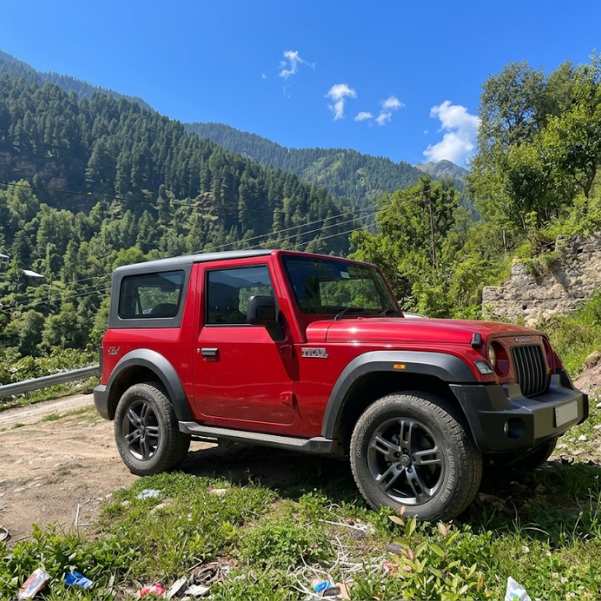
You are sitting at home, keys in hand, wondering if you should just drive your own car to Manali or book a cab and relax. That single decision changes your whole trip.
This is not another Delhi to Manali itinerary. This is a straight-talking guide on whether your car can handle the road, what changes in rain and snow, where private cars get stopped, and when a local taxi is simply the smarter call.
We run trips on these roads every season. We have seen confident drivers do a self drive to Manali without a single problem, and we have seen families stuck for hours because they picked the wrong day to drive up.
Quick Answer: Can You Drive Your Own Car to Manali?
Yes. Most well-maintained private cars can reach Manali in normal dry weather. You take the regular corridor through Chandigarh, Kiratpur Sahib, Bilaspur, Sundernagar, Mandi and Kullu.
You do not need an SUV or 4x4 just to reach Manali town. A serviced hatchback or sedan is usually fine when the road is dry and open.
The catch is the weather and the rules. Snowfall, black ice, landslides, heavy congestion and official restrictions can make higher roads unsafe fast. When that happens, park in Manali and use a local taxi.
If you would rather skip the driving stress entirely, our Manali tour packages come with a local driver and handpicked stays.
Is a Self-Drive Trip to Manali Right for You?
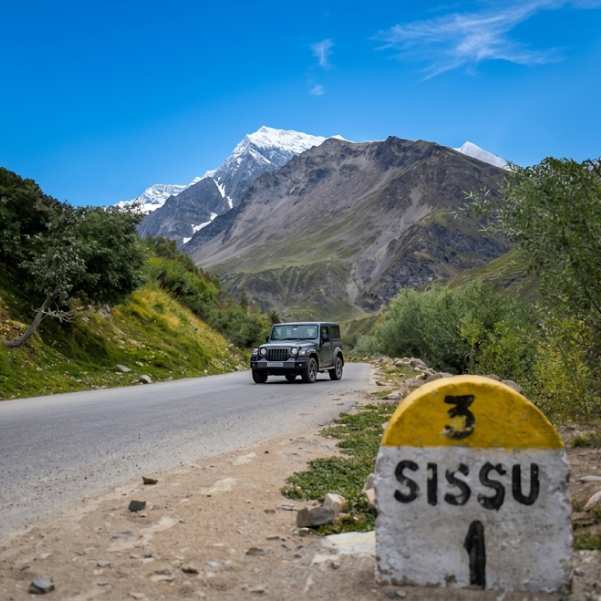
Not every traveller should drive up. And that is not an insult. It is just honest.
Self-drive is suitable when
You have real hill-driving confidence. Steep bends, blind curves and buses coming the other way should not rattle you.
Your car is mechanically sound. Good tyres, working brakes, a proper spare.
You are rested. A tired driver on a mountain road is the most common mistake we see.
The advantages are real. You stop where you want, carry as much luggage as you like, and change plans on the go. That freedom is the whole point of a Manali road trip by car.
Hire a taxi or take a Volvo when
You have never driven in the hills before. The Mandi to Manali stretch is not the place to learn.
You have elderly passengers, someone prone to motion sickness, or you expect to arrive late at night.
The weather looks bad. Fresh snow, heavy rain or freezing conditions change everything.
Hiring a driver is not giving up. It is a smart safety choice. We usually advise first-timers to let someone who drives this road daily take the wheel.
In our experience, the travellers who enjoy Manali the most are often the ones who arrived relaxed, not the ones who white-knuckled 13 hours of driving.
What Is the Best Route to Manali by Car?
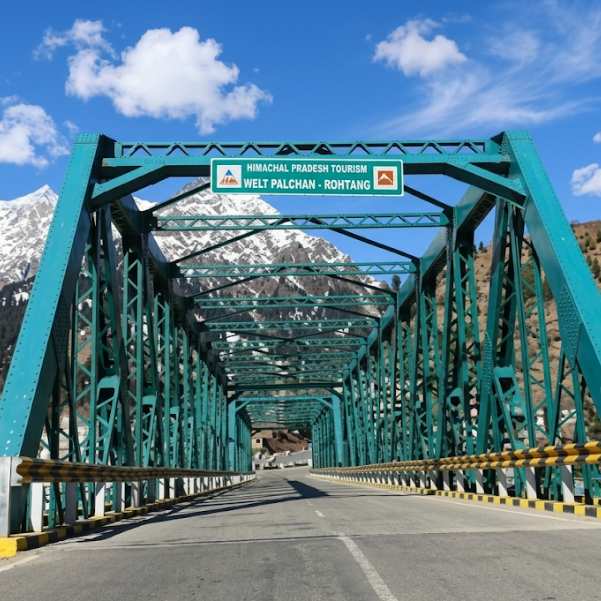
Delhi to Manali recommended route
The broad route runs Delhi, Panipat, Karnal, Ambala, Chandigarh bypass, Kiratpur Sahib, Bilaspur, Sundernagar, Mandi, Pandoh, Aut, Kullu and Manali.
Delhi to Manali is commonly cited at around 544 to 550 km, but the exact distance depends on your start point.
Here is a warning most guides skip. Navigation apps love suggesting narrow village shortcuts to save ten minutes.
Do not take them. Stay on the established highways unless officials actually divert traffic.
Chandigarh to Manali route
From Chandigarh you go through Kiratpur Sahib, Bilaspur, Sundernagar, Mandi, Pandoh, Aut, Kullu and Manali.
Chandigarh to Manali is commonly cited at around 280 to 310 km depending on where you start.
Try to finish the mountain portion in daylight. This one rule quietly makes your drive safer than any gadget you can buy.
Should you take the Shimla route?
For Delhi and Chandigarh travellers, the Chandigarh and Mandi corridor is the direct approach. That is your default.
The Shimla route makes sense only when Manali is part of a bigger Himachal loop. It is not the faster way to Manali.
If you are planning that wider trip, our Shimla tour packages cover the combined circuit.
Recommended break points
Plan your rest and food around Chandigarh, Bilaspur, Sundernagar and Mandi. These are natural spots to stretch, eat and check on conditions ahead.
We are not naming a specific dhaba here because roadside quality changes season to season, and we would rather not send you somewhere that has gone downhill since we last checked.
How Long Does the Delhi to Manali Drive Take?
One ranking travel page estimates 12 to 14 hours for the Delhi to Manali self drive. Treat that as a rough idea, not a promise.
Real life adds up fast. Delhi traffic on the way out. Road works. Meal stops. Slow trucks on the ghats. Tourist queues near Kullu. Weather. Fatigue.
Plan it as a full travel day and keep a real buffer. If you tell yourself "we will reach by 6 PM sharp," one landslide clearance will wreck that plan and your mood.
Our team usually blocks the entire day for this drive and books the Manali hotel with a flexible check-in, so nobody is racing daylight.
What Are the Manali Road Conditions in 2026?
Plains and Chandigarh approach
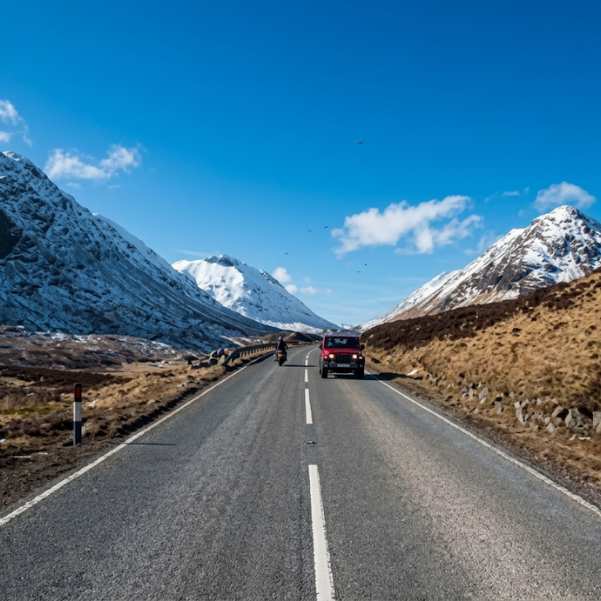
This is the easier part. Wide roads, decent surfaces. Traffic and construction can still slow you down, but nothing technical.
Kiratpur, Bilaspur and Mandi sections
Here the road starts working for you. Bends, elevation changes, heavy vehicles and patchy surfaces.
Some stretches are smooth, others are torn up by construction. We will not label the whole thing "good" or "bad" because it genuinely varies by the kilometre.
Mandi, Pandoh, Aut, Kullu and Manali
This is the constrained part. Tunnels, tight sections, buses, trucks and tourist cars all sharing narrow tarmac.
Aggressive overtaking barely helps here. You gain thirty seconds, then get stuck behind the next bus anyway. Patience genuinely gets you there faster and in one piece.
How to check live road conditions
Check District Administration Kullu notices, current police advisories and India Meteorological Department alerts. Then message your hotel or local operator on the morning you travel.
This matters. District Administration Kullu kept issuing temporary traffic closures and diversions through June and July 2026. Official Rohtang Road movement orders in May 2026 also changed access in stages after inspections.
One honest warning. That gorgeous road-trip video you saw on Instagram cannot tell you today's road condition. It was filmed on a different day, maybe a different year.
Which Season Is Best for a Manali Road Trip by Car?
March to June
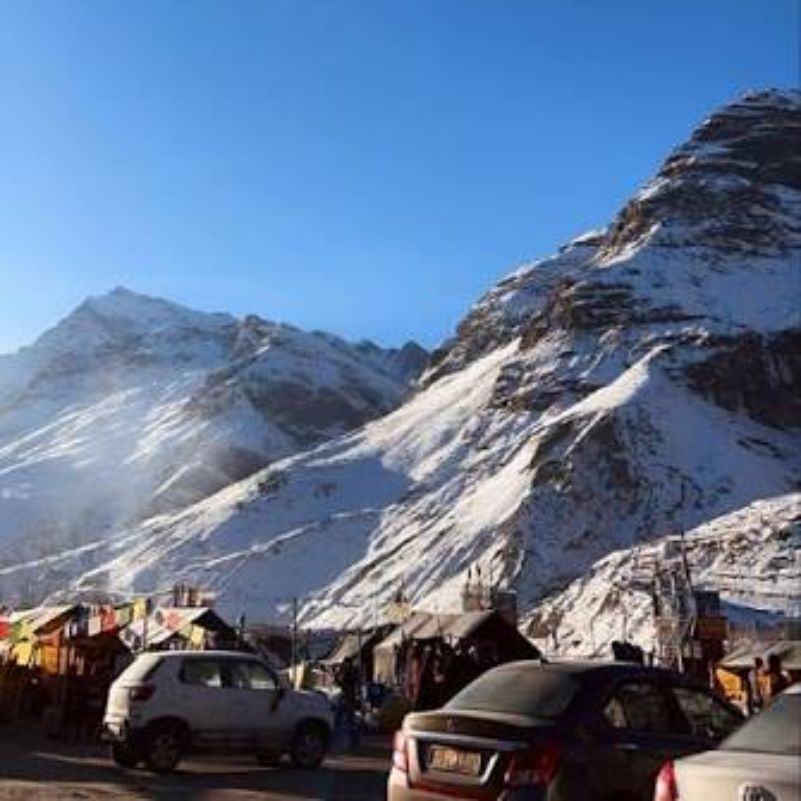
Normal private cars can usually make the drive when the road is dry and open. The problem in these months is not the car, it is the crowd.
Peak tourism means heavy congestion and serious parking pressure. Rohtang Road access stays separately regulated regardless of the season.
July and August
Rain season. Landslides, falling stones, poor visibility and sudden roadblocks are all in play.
One rule that can save your life. Never stop under an unstable slope, a waterfall, or a signed landslide zone. Not for a photo, not for anything.
September to November
September to November is often one of the better periods for a Manali road trip, thanks to generally clearer weather and thinner crowds.
Watch for frost on colder late-autumn nights, especially early morning on shaded bends.
December to February
Snow, black ice, long queues, vehicle restrictions and closures. This is the hard season.
Here is the part most people do not get. You might reach Manali town fine, then find you cannot drive your private car toward Solang, Atal Tunnel or Sissu at all.
The winter of 2026 proved it. Severe snowfall disrupted routes around Manali, Atal Tunnel, Sissu and Keylong. More than 1,000 vehicles were initially reported stranded during one event.
A later joint operation recovered 320 tourist vehicles from the Sissu, Keylong and Atal Tunnel areas. The Manali to Atal Tunnel route was temporarily closed to tourists during the response.
In another January 2026 disruption, a 15 km Patlikuhal to Manali stretch reportedly took up to 10 hours because of ice and congestion. Authorities temporarily allowed only 4x4 vehicles beyond a point during that emergency.
That 4x4 rule was a temporary emergency measure, not a permanent rule. But it tells you how fast winter can flip the situation.
What Is the Best Car for a Manali Trip?
Can a hatchback reach Manali?
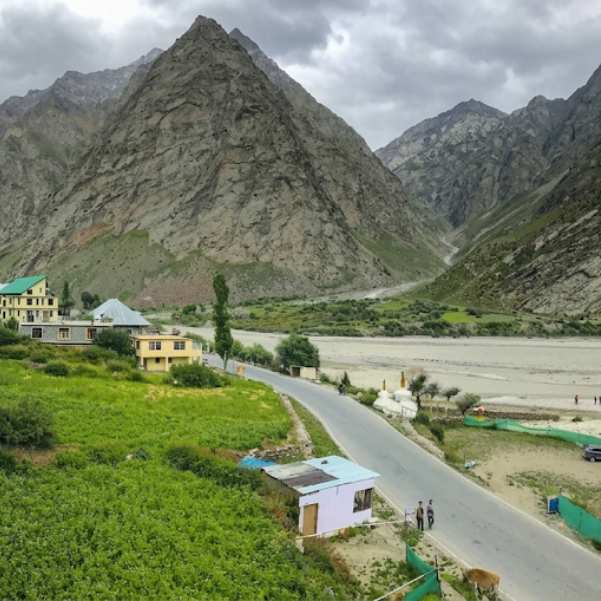
Yes. A properly maintained hatchback reaches Manali on the ordinary highway in normal conditions.
Just mind the load, keep your tyres in good shape, check your brakes, and slow down over damaged patches instead of crashing through them.
Is a sedan suitable?
A sedan is generally fine in normal weather. You just need more care on broken surfaces, steep hotel ramps and snow-rutted lanes where a low front bumper can scrape or bottom out.
Is a compact SUV the best all-round choice?
For most people, yes. The extra ground clearance and luggage space genuinely help on rough patches and steep approaches.
But do not fall for the badge. An SUV logo does not create grip on ice. We have seen big SUVs slide on the same frozen patch that stopped a hatchback.
Do you need a 4x4?
No, 4x4 is not a permanent requirement for driving to Manali town.
During a snow emergency, authorities may temporarily restrict an affected road to 4x4 vehicles, like they did in January 2026. On a normal dry day, you do not need one.
And even 4x4 has limits. It helps a vehicle move on snow. It does not remove your braking risk on ice. You can go, but you still cannot stop quickly.
Manual versus automatic car
On long descents, use lower gears or your manual mode to control speed. This is the Manali trip in automatic car question people always ask, and the answer is simple.
Automatics are fine if you use the manual or low-gear mode going downhill. What you must avoid, in any car, is riding the brakes continuously. That overheats them.
Know your own gearbox and follow the owner's manual. Every car labels its low gears a little differently.
Can an EV travel to Manali?
An EV can climb, but be realistic. Climbing eats range fast, cold weather cuts it further, and charging along the way is uncertain.
We will be honest and mark this properly. Charging networks and availability can change, so confirm current station locations, operational status and expected charging times shortly before your journey.
Do not plan a Manali EV road trip assuming any charger is live until you confirm it that week. Carry a real backup plan for range.
Vehicle Checklist Before Driving to Manali
Before you leave, check your tyre tread and pressure, spare wheel, brakes, coolant, battery, all lights, demister, wipers and washer fluid. A weak battery or bald tyre will find you at the worst possible moment.
Carry your licence, registration, insurance, pollution certificate and a working FASTag. Keep them where you can reach them at a checkpoint.
Pack a tyre inflator, puncture kit, torch, power bank, water, some food, warm clothing and your regular medicines.
Here is what we tell our travellers. A proper pre-trip service does far more for your safety than any decorative off-road accessory bolted to the roof.
Do You Need Snow Chains for Manali?
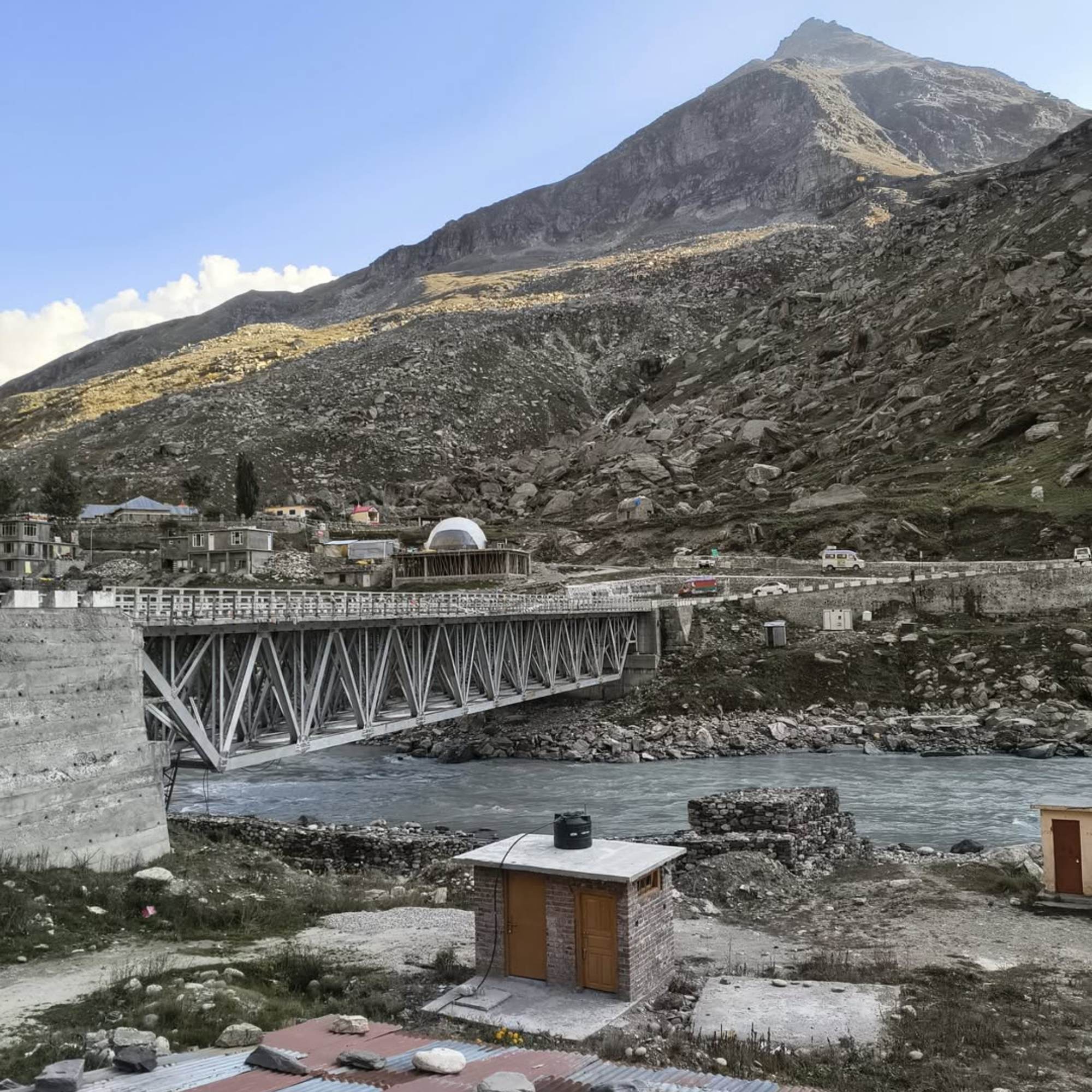
Snow chains are situational gear, not standard kit. You do not need them for the dry main highway to Manali.
Carry or hire the correct size only when snow is realistically expected and you actually know how to fit them. The right chain size depends on your tyre specification, so match it exactly.
Do not drive on chains over long stretches of bare dry road. That wrecks the chains and the road surface.
And this is important. Snow chains do not override a police closure. If the road is shut, chains and 4x4 do not buy you an exception. Authorities set vehicle and equipment requirements by live conditions, and you follow them.
Is It Safe to Drive to Manali at Night?
Darkness stacks the odds against you. Blind bends get harder to read, oncoming glare blinds you, fatigue creeps in, and animals or debris appear late.
Finish the mountain section in daylight. This is the single best safety habit for the whole trip.
If you get sleepy, stop in a town and rest. Do not force an arrival at 2 AM.
We strongly discourage late-night driving during heavy rain, fresh snowfall or freezing conditions. There is no view worth that risk.
How Should You Drive on Manali's Mountain Roads?
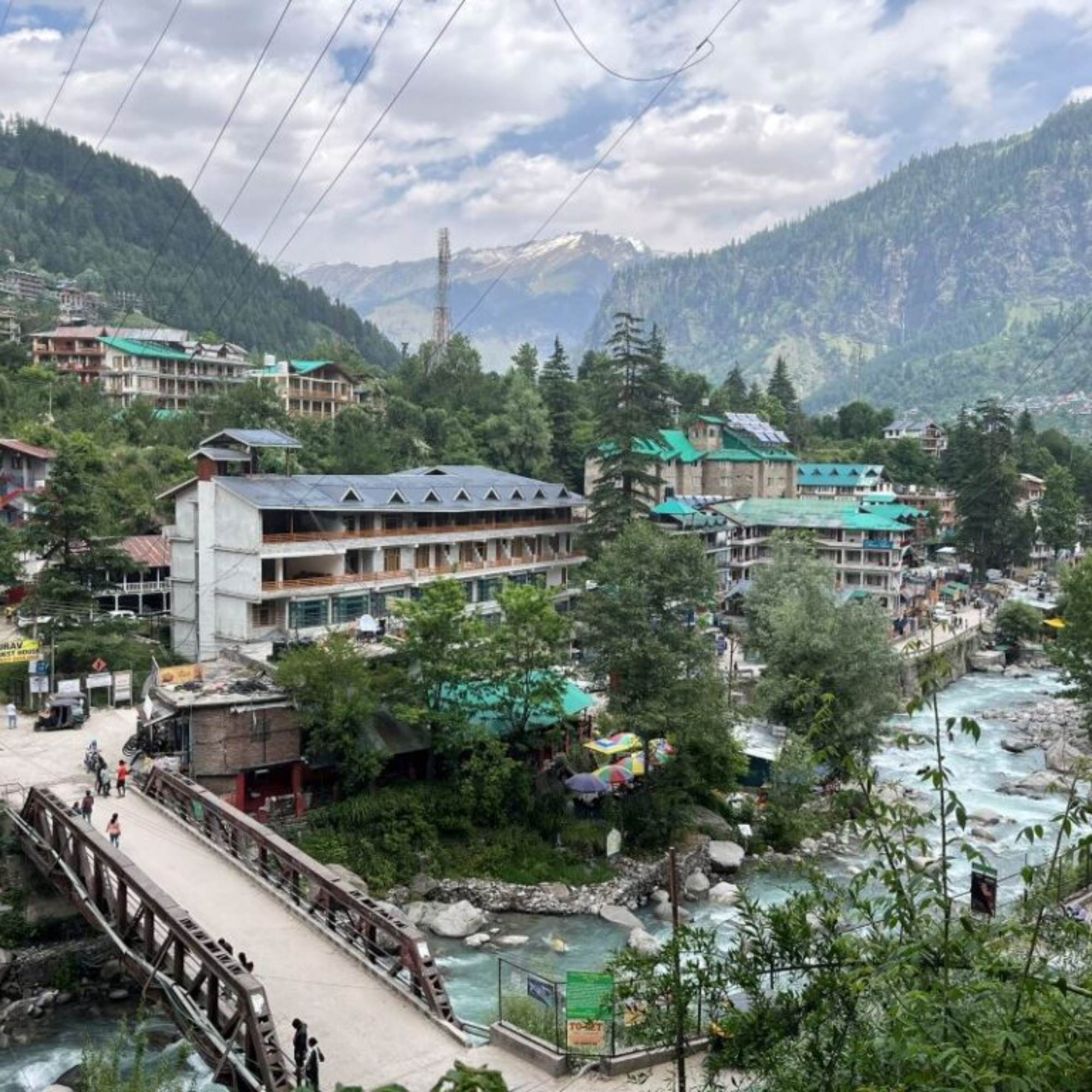
Uphill technique
Keep smooth momentum and pick the right gear before the climb, not halfway up it. Never overtake on a blind bend just because the car ahead is slow.
Downhill braking
Use engine braking or a lower transmission mode to hold your speed. Do not ride the brakes the whole way down or they overheat and fade.
Passing buses and trucks
Wait for a genuinely clear, wide-enough gap. Give big vehicles room to swing wide on tight turns instead of squeezing past.
Horn and lane discipline
Use your horn at blind curves so oncoming traffic hears you. Never drift across the centre line on a bend.
Narrow-road etiquette
On single-lane stretches, give way based on wherever the nearest safe pull-in is, not on who "has the right." And never reverse blindly near an exposed edge. Get someone to guide you if you must back up.
What Should You Do During Rain, Landslides or Falling Stones?
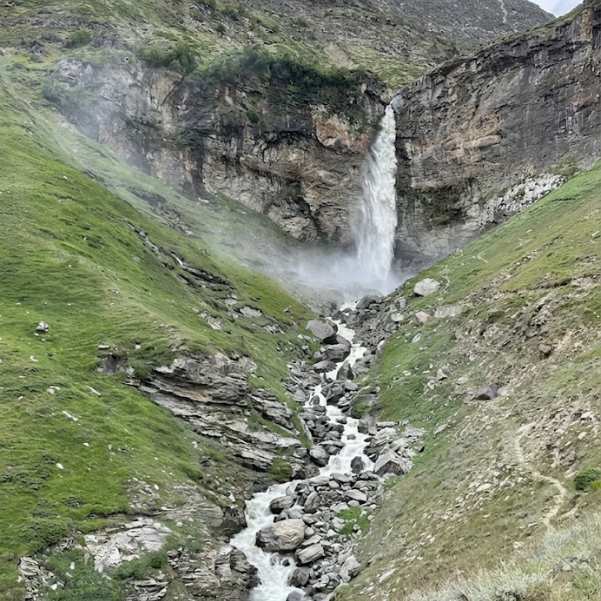
Do not stop under cliffs, waterfalls or landslide warning boards. That is exactly where stones come down.
Do not try to cross fresh debris or moving water. You cannot see what is under it.
Wait at a safe settlement or follow police instructions. A closure that looks like "just twenty minutes" can run much longer, so carry a fuel, food and water buffer.
How Should You Handle Snow and Black Ice?
Black ice is sneaky. It looks like a harmless wet or dark patch on the road, then your tyres find no grip at all.
Steer, brake and accelerate gently. Sudden inputs are what send cars sliding.
Never use cruise control on a slippery road. Keep a much larger following distance than usual, and avoid stopping on a steep icy incline where you might not get moving again.
Can Private Cars Go to Solang Valley, Atal Tunnel and Sissu?
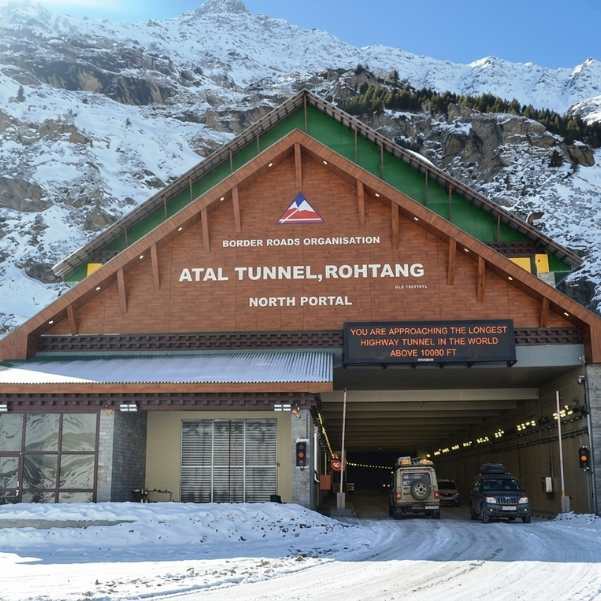
Private vehicles commonly use these roads when they are open and authorities permit movement. On a good day, your own car is welcome.
But access is not guaranteed after snow or during traffic control. Police may stop tourist vehicles, allow only certain vehicle types, or prioritise local and emergency traffic.
The 2026 snow event showed this clearly. The Manali to Atal Tunnel route was temporarily closed to tourists, and local and emergency access was treated differently from tourist cars.
Check the same morning. Yesterday's update is not today's road. If you want a guided version of this leg, see our Sissu tour packages.
Can You Take Your Own Car to Rohtang Pass?
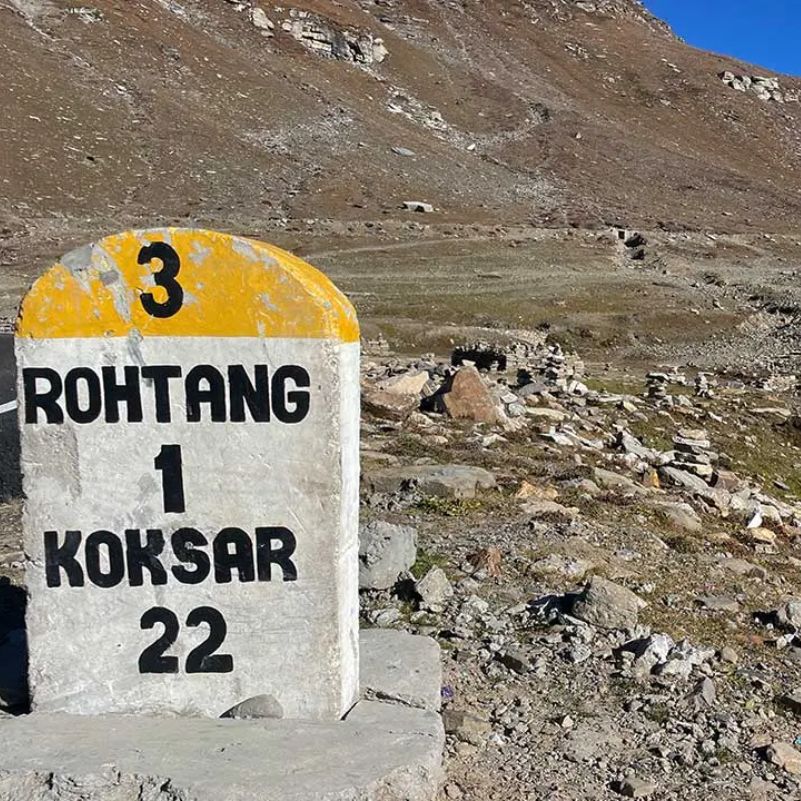
Rohtang Road is regulated separately from the normal drive to Manali. Getting to Manali is one thing. Getting up to Rohtang is a whole different permit system.
Check the official permit portal and the latest District Administration Kullu order before you plan anything. During progressive snow clearance, authorities may permit vehicles only up to a stated point.
In May 2026, one district order allowed tourist vehicles up to Marhi under stated conditions.
A later order extended permitted movement to kilometre 46.35, three curves ahead of Rahni Nallah, after a safety inspection. Both orders required compliance with NGT conditions.
Even with a permit, movement is not guaranteed during a closure. A permit is permission, not a guarantee the gate is open.
Permit fees, daily vehicle quotas and the permitted endpoint can change, so confirm all three on the official portal close to your travel date.
For a month-by-month feel of conditions up there, read our guides on Rohtang Pass in September and Rohtang Pass in October.
Where Can You Park in Manali?
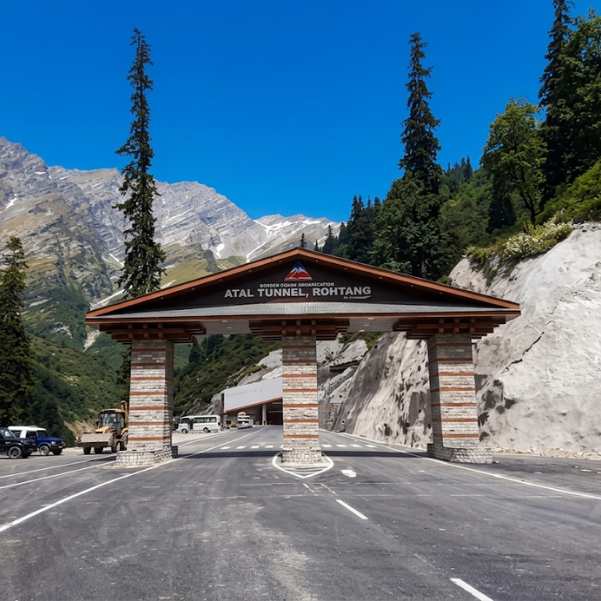
Choose a hotel with confirmed parking
Ask a direct question when booking. Is parking on the property, or just "somewhere nearby"? Those are very different things during peak season.
Check the approach lane, the ramp gradient and any vehicle-size limit. A steep icy ramp is a real problem for a loaded sedan.
Parking near Mall Road
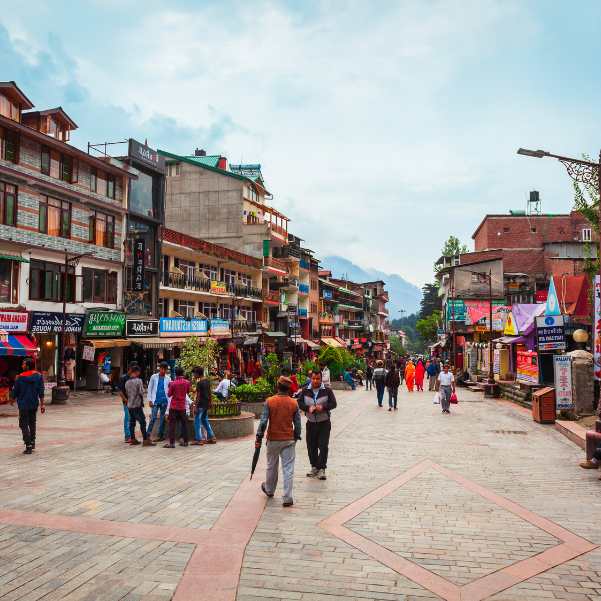
Central Manali gets congested, and parking is limited on weekends and holidays. Park legally in a proper spot, then walk the compact centre. It is small enough to cover on foot.
Old Manali and Hidimba area
Narrow approaches, lots of pedestrians and very limited peak-season space. Peak-season reporting has described serious parking pressure around Old Manali and the Hidimba area.
Do not keep shuffling your car between nearby spots. Park once, walk, and save yourself the stress.
Solang and snow-point parking
Follow police directions. Never park on a bend or inside a narrowed snow corridor. You will block the road and possibly get boxed in.
Municipal parking fees, capacities and operating hours can change, so confirm the latest details locally before your visit.
When Should You Leave Your Car at the Hotel and Hire a Taxi?
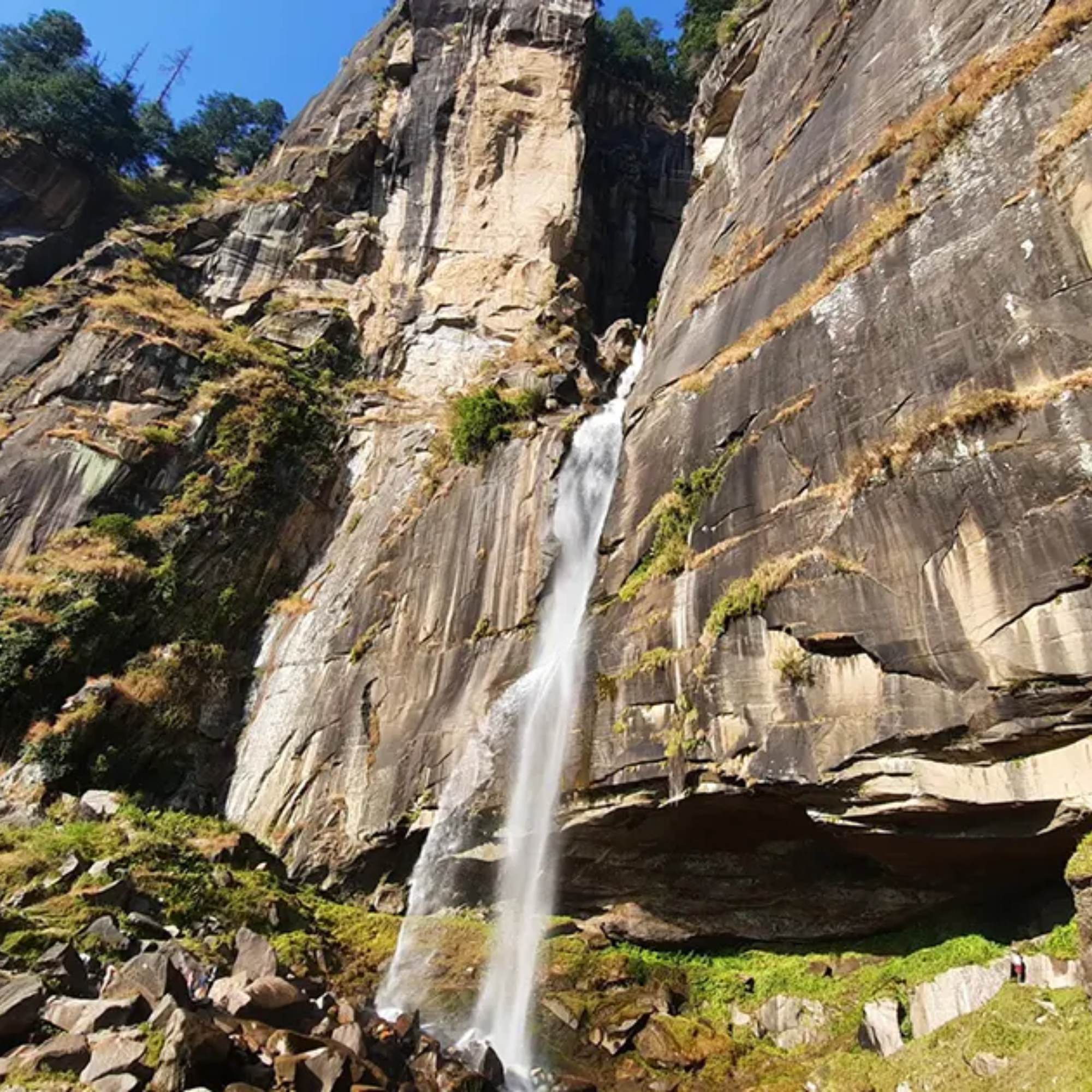
Leave the car and take a local taxi after fresh snow, during vehicle restrictions, when your hotel lane is icy, when you lack mountain-driving experience, when parking will eat your whole day, or when you are simply exhausted after that long drive up.
This is where a lot of self-drivers change their mind, and rightly so. You did the hard part getting to Manali. There is no medal for also fighting snow-point traffic in a car you are nervous about.
Travel Coffee can set up a Manali itinerary with a hotel, a private cab and local sightseeing, so your own car rests at the hotel while a driver who knows every bend handles the day.
Self-Drive Versus a Manali Package With Private Cab
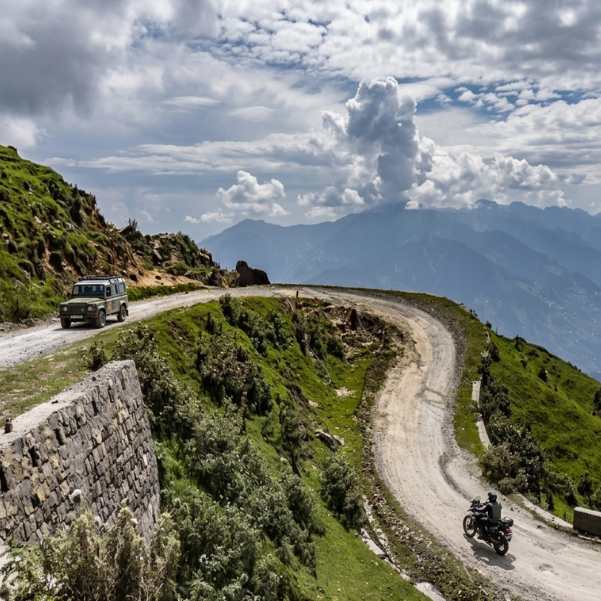
Self-drive gives you freedom. You leave when you want, stop for every photo, and carry all the luggage you like. For a confident driver in good weather, that freedom is hard to beat.
The trade-off is fatigue. After 12-plus hours behind the wheel, you still have to find parking, then wake up and drive tourist-clogged roads the next morning.
A cab package flips that. Someone else handles the driving, the parking headaches and the winter uncertainty, while you look out the window. That is why it works so well for families, honeymooners, senior travellers and anyone visiting in winter.
Neither is "better." Self-drive suits confident drivers in good conditions. A cab suits comfort, safety and peace of mind when the roads get tricky.
Emergency Plan for a Manali Road Trip
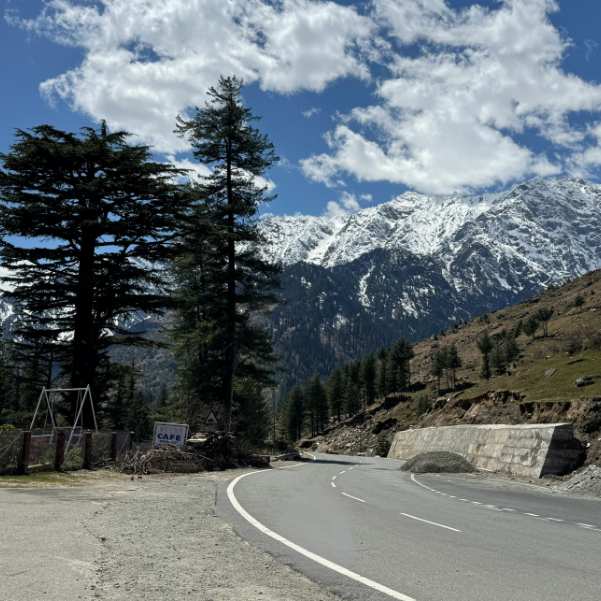
Keep a reasonable fuel reserve, download offline maps before you lose signal, and share your route and hotel details with someone at home. Carry a working hotel contact number on paper, not just in a dead phone.
Remember that police diversions always override your navigation app. The app does not know the road just closed.
If there is a closure, stay put in a safe place and follow official instructions. Waiting an hour beats risking a blocked or damaged stretch. You can also browse our Manali tour packages directly.
Final Self-Drive Checklist
Before you commit to the drive, run this in your head. Car freshly serviced. Tyres and spare checked. Weather forecast read. District advisory checked that morning. Hotel parking confirmed. Driver properly rested.
Then the plan itself. Aim to drive the hills in daylight, keep a local taxi as your backup for Manali sightseeing, and carry your emergency supplies. Tick all of these and a self drive to Manali becomes a genuinely enjoyable trip instead of a gamble.
Explore Our Curated Manali Tour Packages
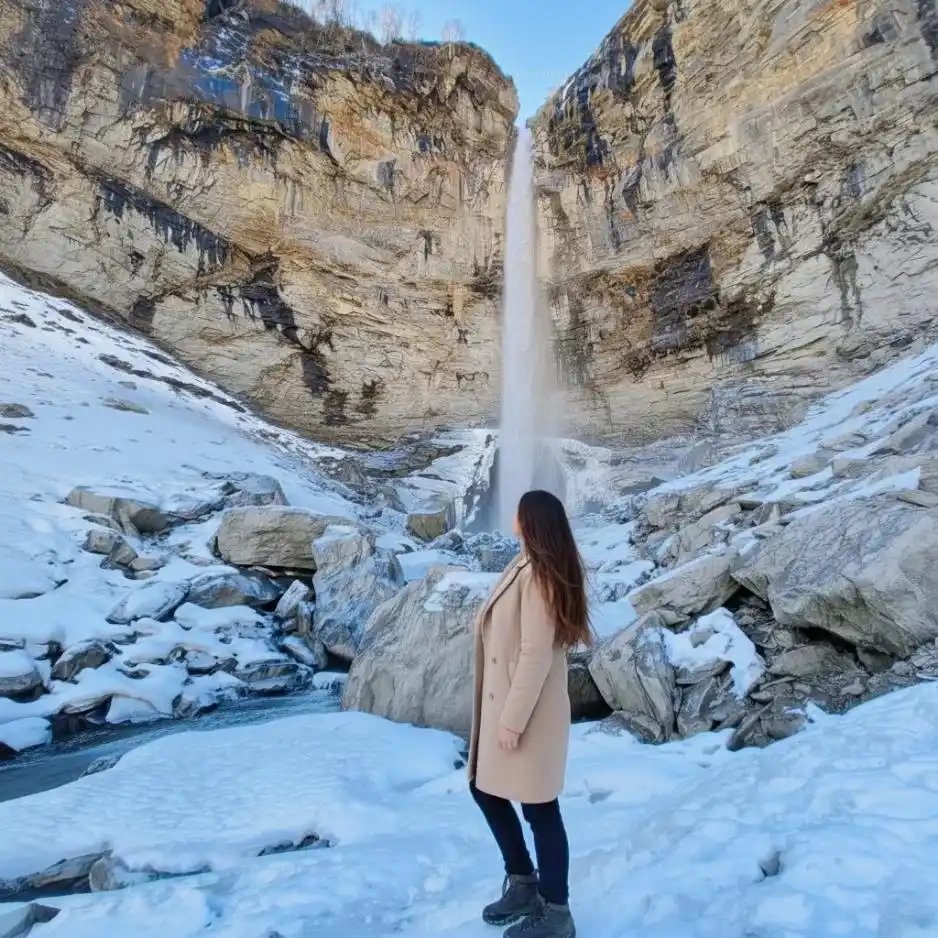 6D/5N
6D/5NManali Solang Sissu Sethan Snow Adventure
1D Delhi•3D Manali+2
₹15,999₹21,999SAVE INR 6,000/ person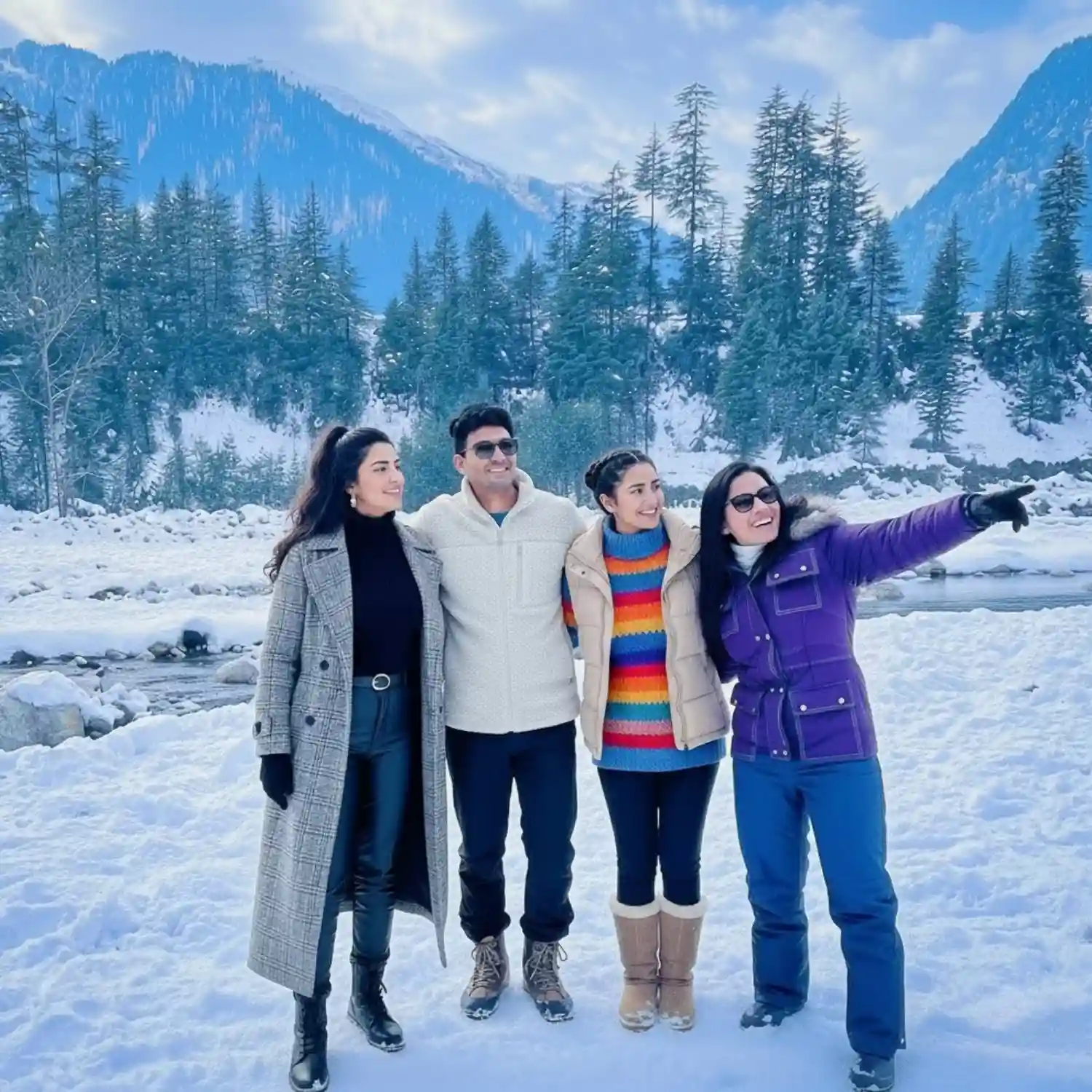 6D/5N
6D/5NManali Solang Sissu Sethan Snow Trip With Kasol
1D Delhi•3D Manali+2
₹25,999₹33,999SAVE INR 8,000/ person 7D/6N
7D/6NManali Kasol Jibhi Valley Trip
1D Delhi•2D Manali+3
₹25,799₹32,999SAVE INR 7,200/ person
Related topics
Frequently Asked Questions
Can I drive my own car to Manali?
Yes, a well-maintained private car can reach Manali in normal road and weather conditions. During snow, ice or closures, use a local taxi if advised.
Which route is best for Delhi to Manali by car?
Take Delhi-Panipat-Karnal-Ambala-Chandigarh-Bilaspur-Mandi-Aut-Kullu-Manali. Avoid narrow app-suggested shortcuts unless authorities officially divert traffic.
Can a hatchback or sedan reach Manali?
Yes, both can reach Manali in normal weather. Sedans need extra care on broken roads, steep hotel ramps and snow-covered lanes.
Is an SUV necessary for Manali?
No, an SUV is not necessary for reaching Manali town. It offers better ground clearance and luggage space but does not guarantee safety on snow or ice.
Is a 4x4 compulsory in winter?
Not normally. Authorities may temporarily permit only 4x4 vehicles during heavy snowfall or emergencies, but this is not a permanent rule.
Is it safe to drive to Manali at night?
Night driving is best avoided because of blind bends, fatigue, glare and possible road debris. Complete the mountain section in daylight whenever possible.
Do I need snow chains for Manali?
Snow chains are not needed on dry roads. Carry or hire the correct tyre size only when snow is expected and local authorities allow movement.
Can private cars cross Atal Tunnel?
Usually yes when the road is open. Access may be restricted after snowfall, during closures or under temporary traffic-control measures.
Can I take my own car to Solang Valley?
Yes, private cars can usually reach Solang Valley in good conditions. Police may restrict vehicles after snowfall or during heavy congestion.
Do private vehicles need a Rohtang Pass permit?
Yes, tourist vehicles need a valid permit for the regulated Rohtang route. Check the official portal for the current fee, quota and permitted endpoint.
Where should I park near Mall Road?
Use authorised parking or choose a hotel with confirmed on-site parking. Mall Road is easily explored on foot, especially during busy weekends and holidays.
When should I hire a local taxi instead of self-driving?
Choose a local taxi after fresh snowfall, during restrictions, on icy roads or when you lack hill-driving experience. It also saves time and parking stress.
More about Manali
 Manali
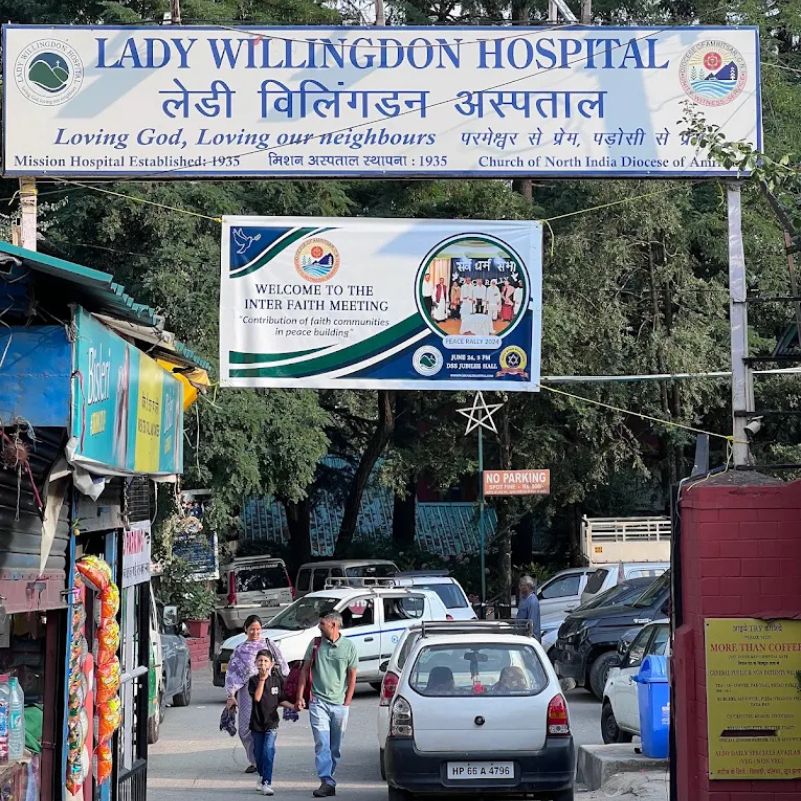
Medical Help in Manali for Tourists 2026: Hospitals, Pharmacies and Emergency Steps
Need medical help while travelling in Manali? This guide covers hospitals, pharmacies, emergency contacts and practical steps tourists should take during illness or injury. It also explains what to do in urgent situations, including breathing problems at higher altitudes.
- First-Time Travellers
- Altitude & Health
 Manali
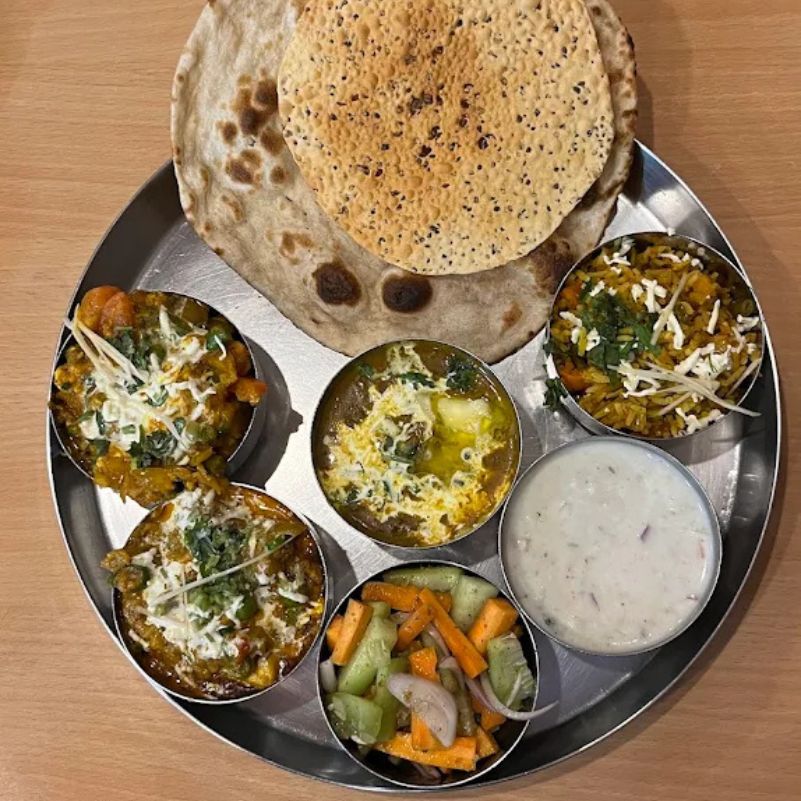
Vegetarian and Jain Food in Manali 2026: Where to Eat Without Guesswork
Looking for reliable vegetarian and Jain food in Manali? This guide covers pure veg restaurants, Jain-friendly places, no onion no garlic options, and practical tips on what to confirm before ordering in 2026.
- Things to Do
- Places to Visit
 Manali
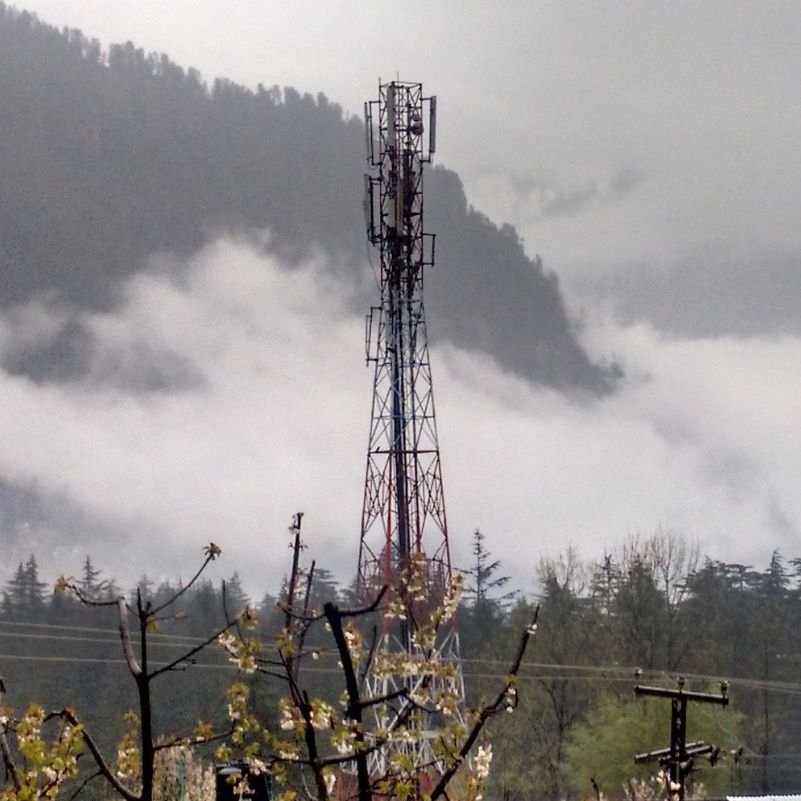
Mobile Network, Internet, UPI and ATMs in Manali 2026: What Works Where
Planning a Manali trip in 2026? Know which mobile networks work, where internet may be weak, whether UPI is reliable, and where to find ATMs. This guide helps you stay connected and payment-ready during your Manali trip.
- First-Time Travellers