
Rohtang Pass Trip Cost 2026: Tour Prices, Permit Fee, Activities and Budget
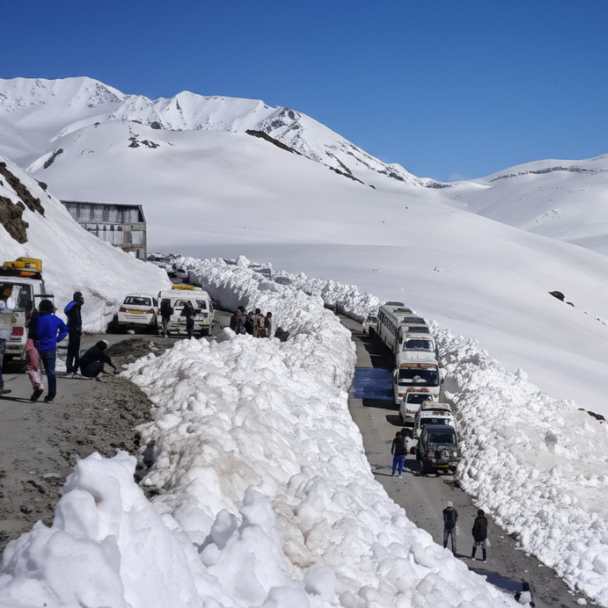
Most people planning a Rohtang trip search for one number and end up with ten different answers. That happens because the rohtang pass trip cost is not one price. It is four separate things stacked on top of each other, and only one of them is a government fee.
We run trips out of Manali every season, and the single biggest cause of arguments between travellers and drivers is that nobody agreed on what was included before the car left the parking lot.
Quick Answer: How Much Does a Rohtang Pass Trip Cost in 2026?
The official sightseeing permit is ₹550 per vehicle for a car, jeep or MUV. That is per vehicle, not per person, so a family of four pays the same ₹550 as a solo traveller.
Private taxi quotes we found during 2026 research run from about ₹4,500 to ₹10,000 per vehicle, depending on the operator, vehicle type, season, inclusions and where the vehicle is actually allowed to stop. This is a market range, not a government tariff.
Snow clothing is commonly quoted at ₹300 to ₹600, and one optional snow activity may cost roughly ₹300 to ₹1,000 depending on what you pick and where you do it.
These one-day figures leave out your Manali hotel, your food, and your travel from home to Manali. If you want the whole trip handled instead of piecing it together, our Manali tour packages cover stays and transport together.
If you would rather avoid adding up permits, taxis, hotels and transport separately, take a look at our Rohtang Pass travel packages for a simpler way to plan your trip.
What Makes Up the Total Rohtang Pass Tour Cost?
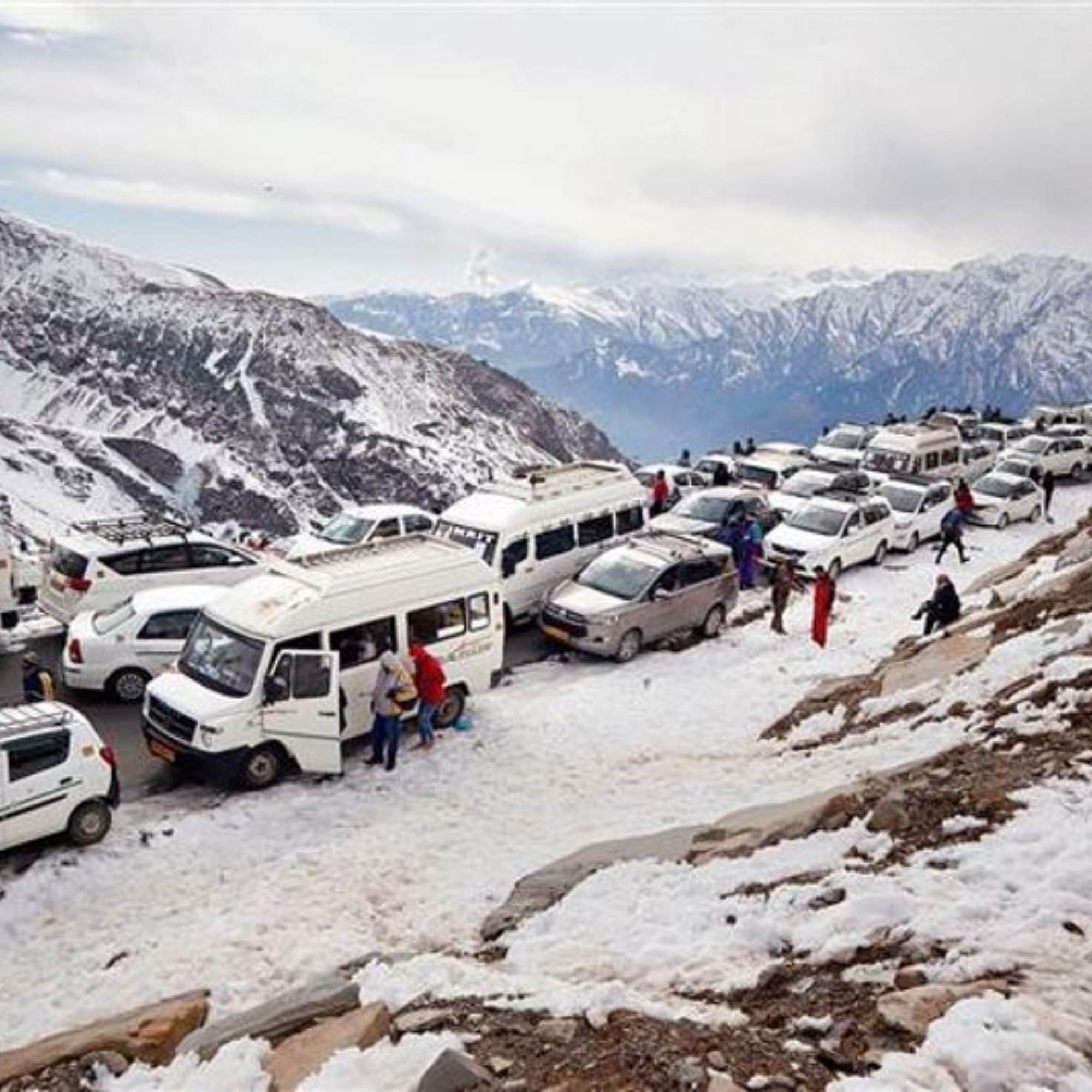
Your total is transport, the vehicle permit, snow clothing, optional activities and food. Nothing else.
Two of those are per vehicle. The permit at ₹550 and the taxi fare are shared by everyone sitting in the car.
Three of those are per person. Clothing rental, each activity you try, and whatever you eat.
This is why the same trip costs one person ₹6,000 and costs each member of a group of four about ₹2,000. The expensive part gets divided.
Here is what most tourists get wrong. They compare two taxi quotes by the headline number alone. One driver says ₹5,500, another says ₹7,000, and they book the cheaper one without asking a single question.
Then the ₹5,500 driver asks for the permit money separately at the checkpoint, charges parking, and stops two kilometres short of where the other guy would have taken them.
Before you pay anyone, ask about the permit, the congestion fee, parking, tolls, driver allowance, waiting time, and the exact point where the vehicle will stop. Those seven things are where the difference hides.
How Much Does a Rohtang Pass Permit Cost in 2026?
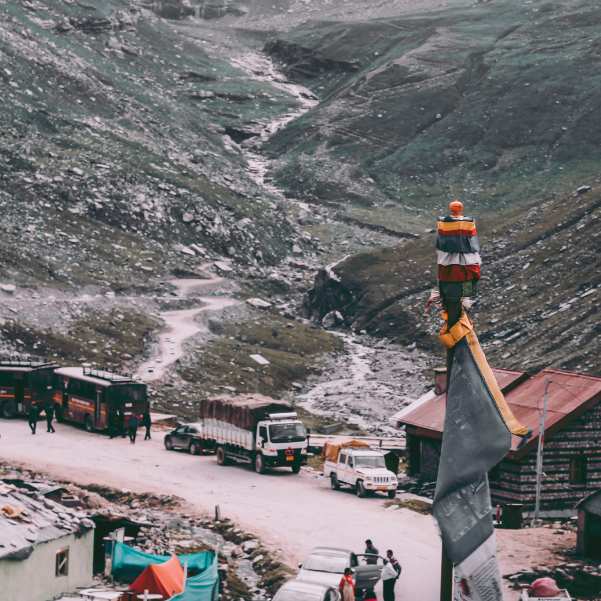
Tourism permit for cars, jeeps and MUVs
The official permit fee is ₹500 and the congestion charge is ₹50. Total ₹550 per vehicle.
That permit is valid for one day and covers your outward and return journey. One day, one vehicle, both directions.
The standard daily quota is 800 petrol vehicles and 400 diesel vehicles. Once those slots go, they are gone for that date.
The portal releases permits at 10:00 and 16:00. If you are booking yourself, be at your screen at those times, not five minutes after.
The displayed weekly limit is three permits per vehicle.
Special permit for private vehicles
If you are driving your own car, the official portal displays the same ₹550 total for eligible cars and MUVs.
The special daily quota is much smaller. 60 petrol vehicles and 40 diesel vehicles.
According to the official page, this permit is issued once per vehicle during the season. One shot. Plan the date properly.
Documents and advance booking
The official portal asks for valid identification, a valid PUC certificate and your vehicle registration details. Keep all three ready before you start the application, because the session times out.
The portal also displays a vehicle age limit. Your vehicle must not be more than ten years old.
The official portal currently allows applications for the upcoming two days. Booking windows may change, so check the live portal before finalising your travel date rather than relying on third-party information.
Beyond Rohtang and Atal Tunnel confusion
The normal tourism permit is for sightseeing on the Rohtang road. That is its purpose.
A beyond Rohtang congestion slip is for travellers genuinely crossing the pass to continue onward. Do not use it to visit the pass and come back. That is not what it is for and it creates problems at the checkpoint.
You generally do not need a Rohtang sightseeing permit when travelling only through the Atal Tunnel, as this route bypasses the old Rohtang Pass road.
However, confirm your exact route and current requirements before departure, especially if your itinerary includes any section of the Rohtang road.
How Much Does a Taxi from Manali to Rohtang Pass Cost?
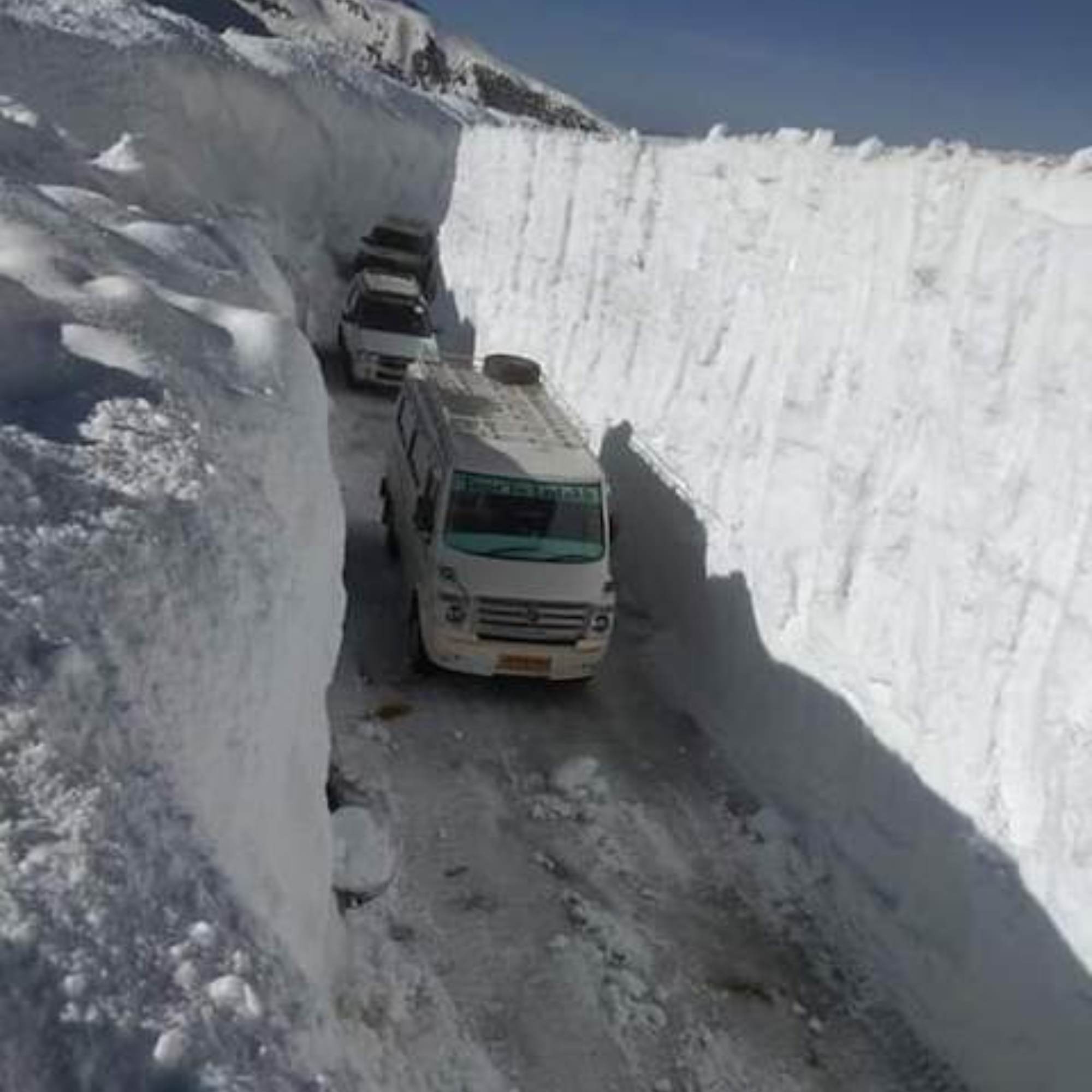
Shared cab or shared tour
Treat ₹800 to ₹1,200 per passenger as a reported planning estimate, not a fixed rate.
Shared departures give you less control. You stop when the group stops and you leave when the group leaves. If you want thirty extra minutes at a snow point, that is not your call.
Ask one question before you pay. Does that price include your share of the permit, your clothing, or any activity? Usually it includes none of them.
Private cab
One 2026 operator lists a Rohtang taxi from ₹4,500 with the permit and other stated inclusions.
Another 2026 listing shows ₹6,499 for a hatchback, ₹7,499 for a sedan and ₹9,999 for an SUV.
So use ₹4,500 to ₹10,000 as your broad planning range. This is a commercial spread, not a government tariff.
May, June, weekends, holidays, vehicle category, road conditions and the permitted upper endpoint all push that number around.
What to confirm before paying
Confirm whether the price includes the ₹550 permit, the congestion charge, parking, tolls, driver allowance and waiting time. Say each one out loud and get a yes or no.
Confirm whether the cab is private or shared. Some listings look private and turn out to be a seat sale.
Ask for the exact destination in writing. If the administration is allowing vehicles only to Rahni Nallah, Marhi or some other lower point, nobody should be selling you guaranteed Rohtang Top access.
And ask what happens if weather or an administrative order closes the road after you have paid. Get that answer before money changes hands, not after.
In our experience, drivers who answer all of these calmly are the ones worth booking. The ones who get annoyed at the questions are the ones who had something vague planned.
What Are the Rohtang Pass Activity Prices in 2026?
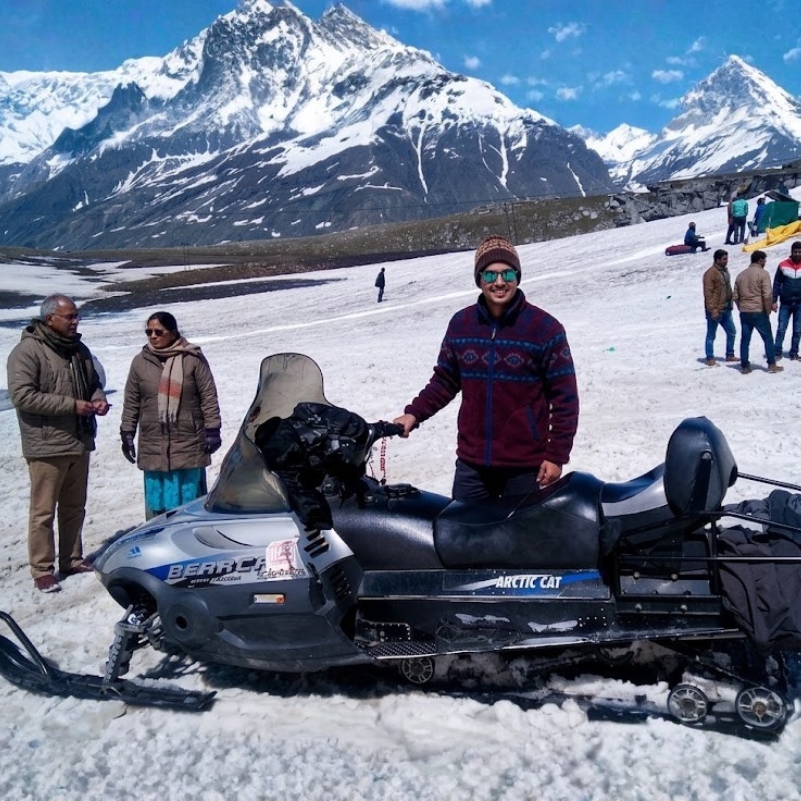
Before any numbers, one warning. We could not find an official current 2026 activity tariff. Everything below is a variable market estimate and every figure carries.
Nobody at a snow point is working off a government price list. They are quoting you a number based on how you look and how busy the day is.
Snow dress and boot rental
Estimated ₹300 to ₹600 for a snow jacket and boots.
Check the jacket for tears, check that the size actually fits over your own clothes, and check the boots. Wet boots from the previous customer are common and there is nothing worse at 3,978 metres.
Snow clothing is not a compulsory government charge. Anyone telling you it is required by the administration is selling, not informing.
Sledging and tubing
Sledging may cost around ₹100 to ₹500, depending on the location, snow conditions and number of runs. Tubing generally falls between ₹150 and ₹500.
Confirm the number of runs before starting. Different operators may use “one ride” and “one session” to mean different things.
Skiing
A short beginner skiing experience may cost around ₹300 to ₹800, depending on the equipment, instructor support and duration.
Before paying, ask whether the equipment and instructor are included and how much actual skiing time you will receive.
Snowmobile or snow scooter
Snowmobile and snow scooter rides commonly range from around ₹300 to ₹1,000, depending on the operating area, distance and duration.
Do not compare prices without comparing the route. A cheaper ride may cover only a short stretch, while a higher-priced option may include a longer loop.
Paragliding and other adventure activities
Paragliding may cost around ₹2,500 to ₹4,000, depending on the flight duration, location, operator and seasonal demand.
Do not assume that paragliding operates at Rohtang Top. These activities are usually offered at authorised locations such as Solang Valley or other approved adventure zones, so confirm the exact activity site before booking.
Where do the activities actually happen?
This is the part almost every cost blog skips. The National Green Tribunal has treated Rohtang as an environmentally sensitive area and has discussed allowing only limited activities in restricted lower zones.
So skiing, snow scooters, paragliding, horse rides and ATVs are not guaranteed at Rohtang Top. Some of what gets advertised as a "Rohtang activity" happens well below it.
Ask your operator for the exact snow point name and the permitted activity location before you pay a rupee. Gulaba, Marhi, Solang and Rahni Nallah are different places with different rules.
Here is our skip-this recommendation
Do not buy the bundled activity combo that some agents push in Mall Road for a flat price. The durations are never specified, and travellers regularly come back having done three ten-second rides for the price of a proper day.
If snow sports are your actual goal, our guide to adventure activities in Manali covers where things genuinely operate.
What Is a Realistic Rohtang Pass Budget for Solo Travellers, Couples and Families?
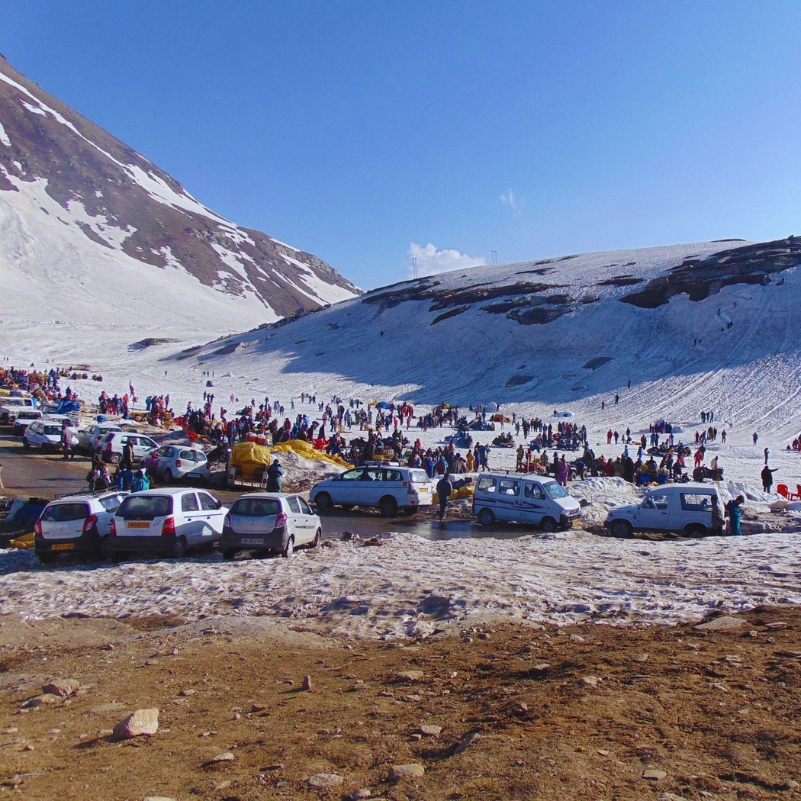
These examples cover transport from Manali, snow clothing and one optional activity. They leave out food, your Manali stay and your travel to Manali.
Solo traveller using a shared tour
A realistic budget is around ₹1,200 to ₹2,600 per person, based on shared transport costing ₹800 to ₹1,200, snow clothing at ₹300 to ₹600 and one optional activity priced between ₹100 and ₹800.
Couple using a private taxi
A couple should budget approximately ₹2,650 to ₹6,400 per person. This estimate divides a ₹4,500 to ₹10,000 private taxi between two travellers and adds snow clothing and one optional activity for each person.
Family or group of four
A family or group of four should budget around ₹1,525 to ₹3,900 per person. This estimate splits the private taxi cost between four travellers and includes snow clothing and one optional activity per person.
Your actual per-person figure depends on the vehicle's approved seating capacity and how many people are genuinely paying. Do not plan a six-way split in a five-seater.
We have sent enough families on this route to know the honest version. Four adults sharing one vehicle is the cheapest comfortable way to do Rohtang. Everything else is a compromise on either money or space.
What Hidden and Optional Costs Should You Check?
The ₹550 permit is the most commonly excluded item. Many quotes look cheap because the permit sits outside them.
Parking, tolls, driver allowance and waiting time are the next four. Waiting time is the sneaky one, because a day at Rohtang involves a lot of standing around while everyone takes photos.
Extra sightseeing stops get added on the way back. A quick halt at a waterfall becomes a line item.
The snow clothing scam is the one to watch. Some people at the snow points present rental as a compulsory charge tied to your permit. It is not. It is a rental business and you can walk away.
Confirm activity duration, distance and number of runs before you agree to anything. "Full ride" means nothing.
Solang Valley, the Atal Tunnel or Sissu may cost extra if they were not in your original route. Adding them mid-day is a fresh negotiation.
Get the cancellation and alternate-sightseeing policy in writing. Weather changes road access here constantly, and a WhatsApp message from your operator is a record. A verbal promise is not.
Is a Package or a DIY Rohtang Trip Cheaper?
A DIY trip can save money if you are an experienced mountain self-driver, your car meets the age rule, and you actually secure the permit yourself.
But you take on all the risk. Permit availability, route restrictions and sudden closures become your problem alone.
The quota is the pinch point. With 800 petrol and 400 diesel slots on the standard permit, and only 60 and 40 on the special one, a missed release window means no trip that day.
Families, groups travelling with senior citizens and first-time mountain travellers usually get better value from an organised vehicle. A driver who knows the checkpoints and can reroute when the road shuts is worth more than the money saved.
Nobody, us included, can guarantee you a Rohtang permit or guaranteed access to Rohtang Top. Any operator who promises either is telling you what you want to hear.
How Can You Reduce the Rohtang Pass Trip Cost?
Share one private vehicle with three or four travellers. This single decision cuts your per-head cost more than every other tip combined.
Confirm every inclusion before you pay. Half of all Rohtang cost complaints are not overcharging, they are misunderstanding.
Rent snow clothing only if the current snow and weather actually require it. On a dry September day at a lower snow point, you may not need it at all.
Pick one worthwhile activity instead of a bundle. One properly explained snow scooter ride beats four vague ten-second rides for the same money.
Remember that taxi and activity prices are commercial rates. You can and should compare two or three operators. Nobody is breaking a rule by quoting differently.
Keep a flexible day in Manali. If the road shuts on your planned date, a spare day saves your trip instead of ending it.
Here is a money tip most blogs skip
Book your permit yourself through the official portal even if you are hiring a taxi, then hire the vehicle without the permit bundled. Some operators mark up the ₹550 when they handle it for you, and the portal charges the same ₹550 to everyone.
If you are comparing taxi options and working out your total budget, our Rohtang Pass Tour Packages can help you understand the practical costs and plan your trip more confidently.
What Is the Best One-Day Cost-Focused Itinerary from Manali?
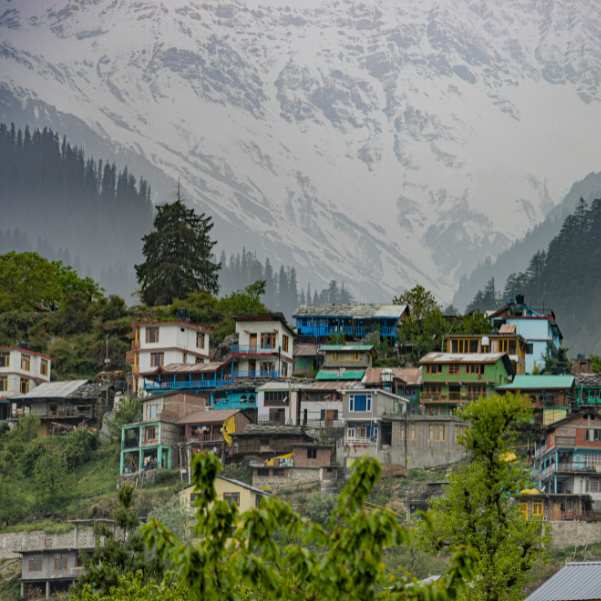
Rohtang Pass is about 51 km from Manali. Sounds short. It is not.
A common one-way estimate is two and a half to three hours, but traffic, checkpoints and road restrictions push that up regularly.
Leave early. We are not going to promise you an arrival time, because nobody honest can.
Before you leave Manali, settle the taxi price and confirm the permit is sorted. Doing this at the hotel with tea in hand is far easier than doing it at a checkpoint with a queue behind you.
Inspect the snow clothing before you rent it, not after you are standing in slush.
Agree on the price of each activity before you participate. Every single one, individually, out loud.
Head back with plenty of daylight left. Follow whatever your driver or the administration tells you about timings, because they are reading conditions you cannot see.
Our food tip is simple
The dhabas on the Manali side before Marhi are your last reliable hot meal on that stretch. Hot rajma chawal and a glass of chai there beats anything you will find higher up, where options thin out fast and prices climb.
Timing tip that changes the day
Aim to be past the Manali checkpoint before the mid-morning rush builds. The difference between an early start and a nine o'clock start is often an hour of standing still in a line of taxis.
What Changed for Rohtang Pass in 2026?
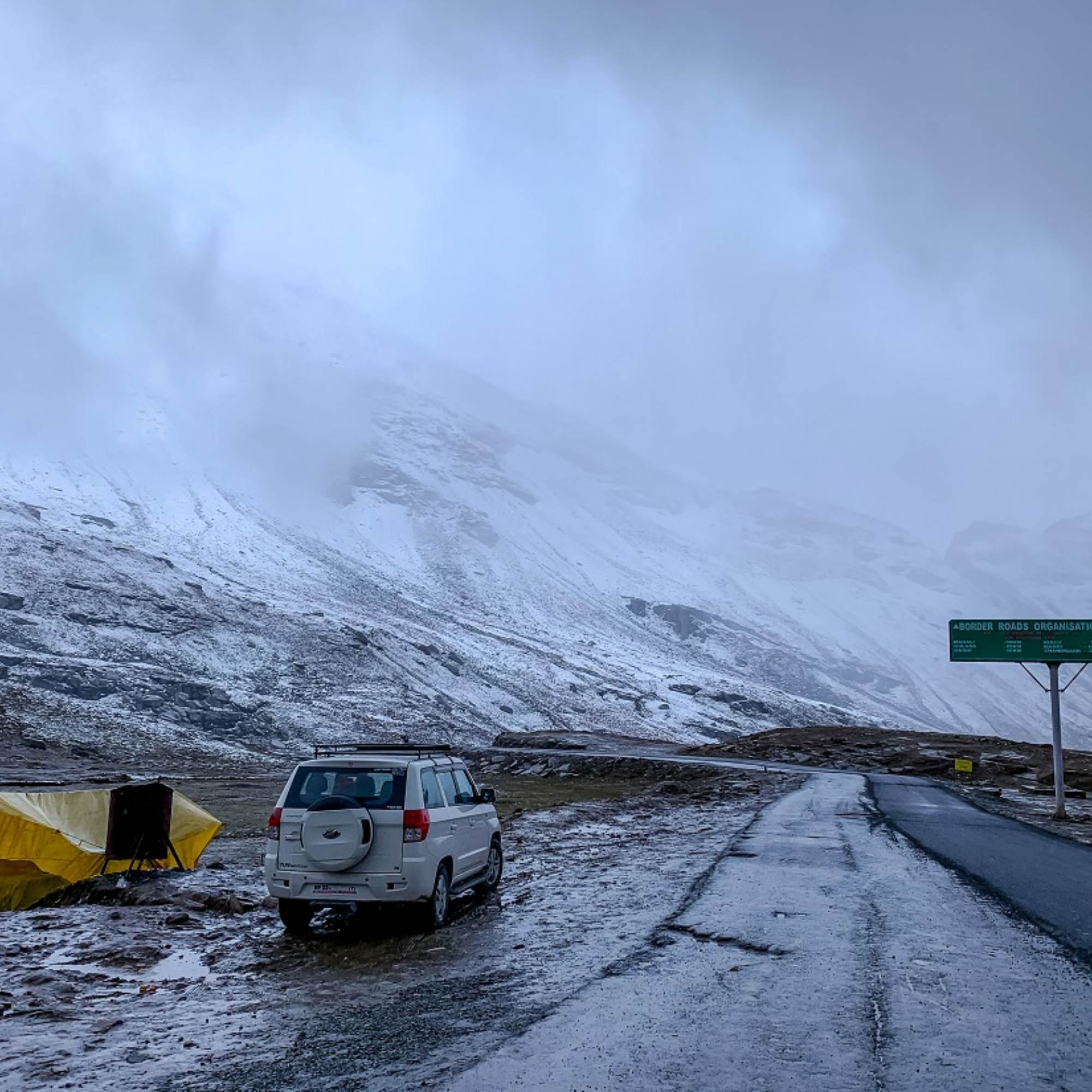
Sources place the 2026 seasonal reopening in mid-May 2026. Reports differ between May 15 and May 17, so we are not picking one.
A July 14, 2026 road-status report described regulated tourist access up to km 46.35 near Rahni Nallah, and said full Rohtang Top access was not confirmed under the cited order.
This is why we will not write that Rohtang Pass is open today. Verify the permitted endpoint before you leave, every single time.
The official permit portal currently shows a two-day application window. Since the booking period can change, check the live portal before choosing your travel date instead of relying on older independent guides.
Tuesday has traditionally been associated with road maintenance, but closures are not guaranteed every week. Check the live permit calendar and current road notice before travelling rather than automatically assuming that Rohtang Pass will remain closed on Tuesday.
Monsoon weather causes temporary restrictions through July and August. Build a spare day into any monsoon-season plan.
Is Rohtang Pass Worth the Cost?
If you want a high-altitude drive with big open views and a chance at seasonal snow, yes. The road itself is the experience, and at 3,978 metres the landscape does something to you that photos do not carry.
The value drops in two situations.
First, when a couple pays full private taxi money and then gets stopped at a lower endpoint. You paid ₹8,000 for a vehicle and saw a fraction of the road.
Second, when snow and activities are your only goal. In that case you are paying a premium for the Rohtang name when the activity itself may be happening at a lower snow point anyway.
Here is our honest negative. On a crowded May or June weekend, the Rohtang road can feel like a traffic jam with mountains on either side. If crowds ruin things for you, this is not the day trip you are imagining.
Solang Valley, Sissu and the Atal Tunnel route are real alternatives depending on road and snow conditions. Sissu in particular gives you the Lahaul side without the permit hassle, and our Sissu tour packages cover it properly.
And we will never guarantee you snow. Nobody can. What we tell our travellers is to treat Rohtang as a drive first and a snow trip second. Go with that expectation and you come back happy regardless of what the mountain is doing that week.
Explore Our Curated Rohtang Pass Tour Packages
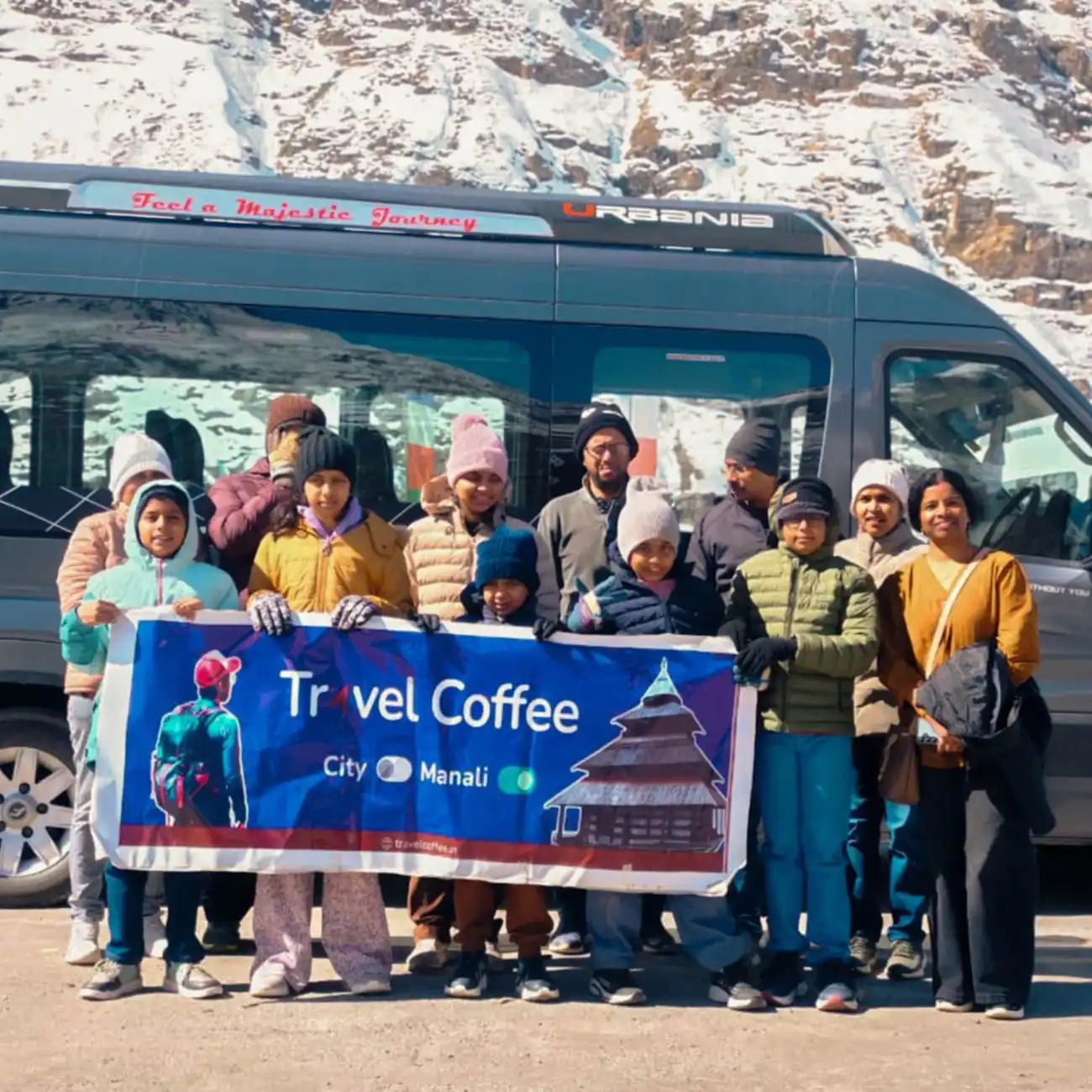 5D/4N
5D/4NPremium Manali Tour Package with Private Cab and Rohtang Pass
4D Manali
₹14,999₹19,999SAVE INR 5,000/ person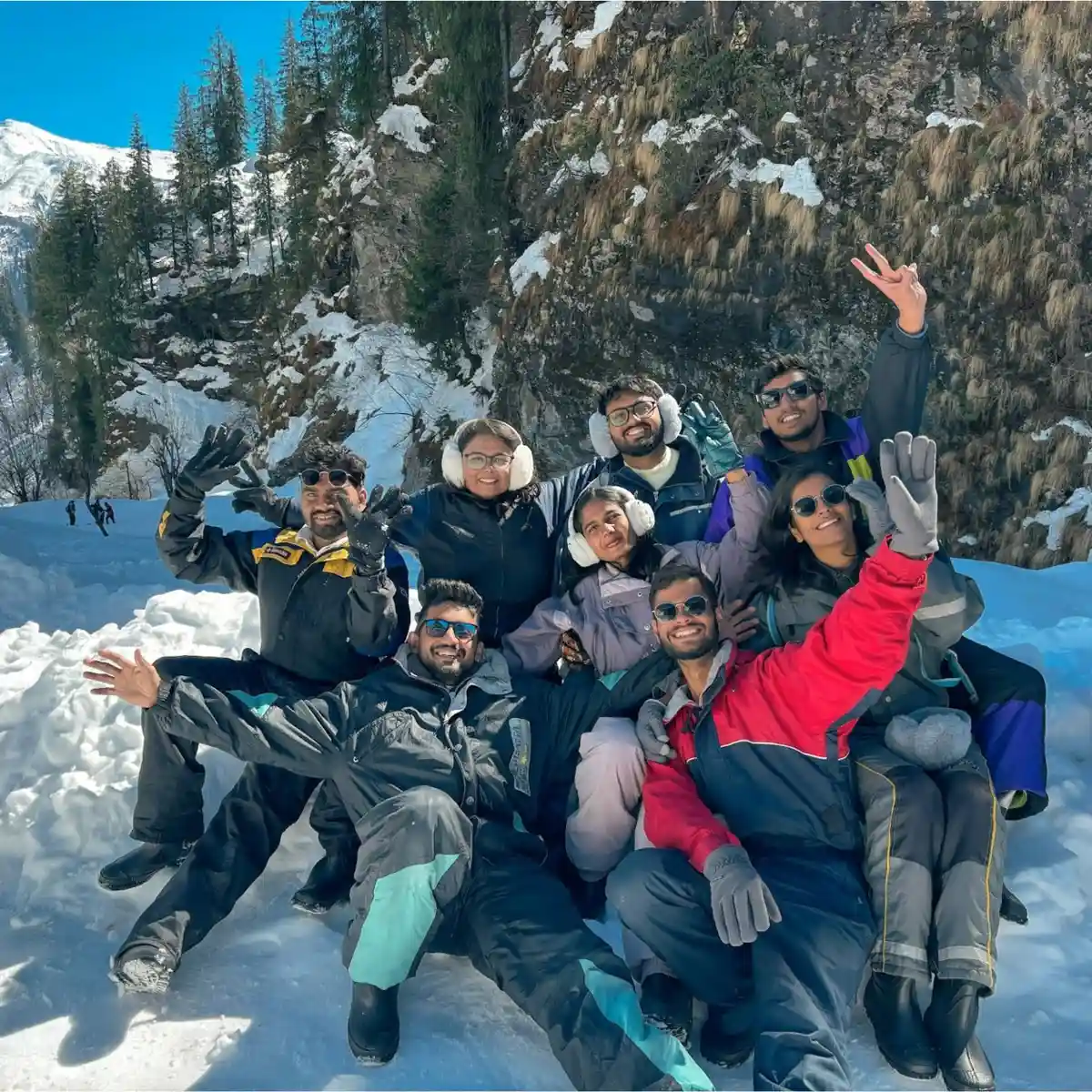 5D/4N
5D/4NBest Value Manali Volvo Package with Rohtang Pass
3D Manali
₹9,999₹13,999SAVE INR 4,000/ person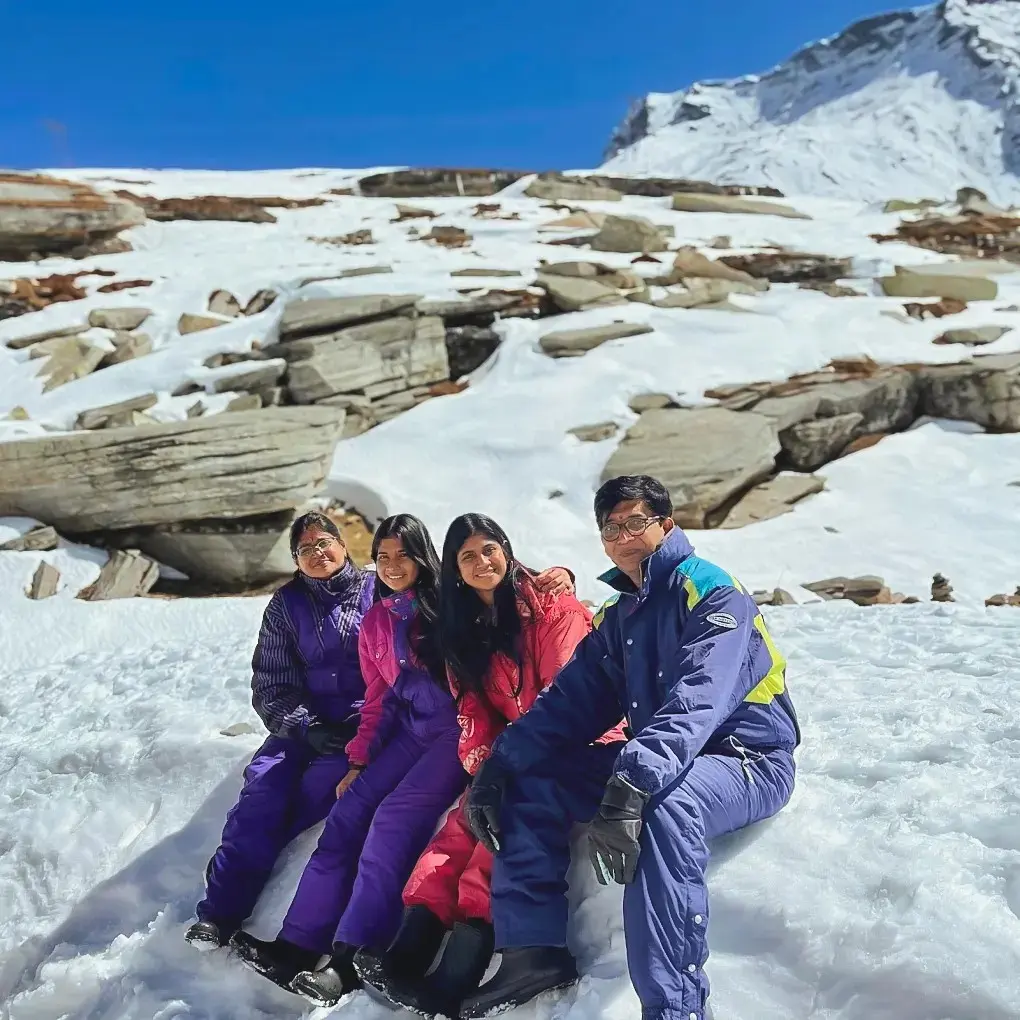 7D/6N
7D/6NComplete Shimla Manali Volvo Package with Rohtang Pass
2D Shimla•2D Manali
₹15,999₹19,499SAVE INR 3,500/ person
Related topics
Frequently Asked Questions
How much does a Rohtang Pass trip cost from Manali?
For one day from Manali, expect roughly ₹1,200 to ₹2,600 per person on a shared tour, or ₹1,525 to ₹3,900 per person if four of you share a private taxi. These figures include transport, clothing and one activity, but not food, your Manali hotel or travel to Manali.
What is the Rohtang Pass permit cost in 2026?
The official tourism permit is ₹500 plus a ₹50 congestion charge, so ₹550 total for a car, jeep or MUV. Buses and heavy motor vehicles pay ₹500 plus a ₹100 congestion charge, totalling ₹600. These are the official government amounts, unlike taxi and activity prices.
Is the permit charged per person or per vehicle?
Per vehicle. One car with four people pays the same ₹550 as one car with one person. Any operator charging you a "per person permit fee" is not describing the official government charge correctly, and you should ask them to explain exactly what you are paying for.
Is the ₹550 permit included in the taxi price?
Sometimes yes, sometimes no. One 2026 operator lists a Rohtang taxi from ₹4,500 with the permit included, while other quotes leave it out entirely. Ask directly before you book, because this single item explains a lot of the gap between two quotes.
How much does a shared cab cost per person?
One source estimates shared Rohtang day tours at ₹800 to ₹1,200 per person. This is a reported planning estimate, not a fixed rate. Ask whether your share of the permit, snow clothing or any activity is inside that number, because usually none of them are.
How much does a private Rohtang taxi cost?
Quotes found during 2026 research range from about ₹4,500 to ₹10,000 per vehicle. One listing shows ₹6,499 for a hatchback, ₹7,499 for a sedan and ₹9,999 for an SUV. Season, weekends, vehicle type and the permitted endpoint all move the price.
What is the snow dress rental price?
A snow jacket and boots are commonly quoted at ₹300 to ₹600 in Manali and at the snow points. This is a commercial rental, not a government charge. Check the size, the waterproofing and the boot condition before you hand over money.
How much do skiing and snow scooter rides cost?
Short beginner skiing is estimated at ₹300 to ₹800, and a snowmobile or snow scooter ride at ₹300 to ₹1,000. Both ranges are variable market estimates. Ask about duration, distance and whether equipment and an instructor are included before agreeing.
Can I visit Rohtang Pass in my own car?
Yes, with the special permit for private vehicles, which also totals ₹550. The daily quota is only 60 petrol and 40 diesel vehicles, and the official page says this permit is issued once per vehicle during the season. Your car must not be more than ten years old.
Is Rohtang Pass closed on Tuesday?
Several sources call Tuesday the maintenance day, but the current official field displays "NONE." Tuesday has traditionally been used for maintenance, so check the live calendar on the official portal before planning around it. Do not book a Tuesday trip on assumption alone.
Do I need a permit when using the Atal Tunnel?
Sources say a Rohtang sightseeing permit is not needed when you only use the Atal Tunnel route, because the tunnel bypasses the old pass road. Confirm your exact route first, because a plan that touches the Rohtang road at any point changes the answer.
What happens if the road closes after I book a cab?
That depends entirely on your operator's policy, which is why you should get the cancellation and alternate-sightseeing terms in writing before paying. Weather and administrative orders close this road regularly, and a written WhatsApp confirmation protects you far better than a verbal promise.
Are snow activities available at Rohtang Top?
Not guaranteed. The National Green Tribunal has treated Rohtang as an environmentally sensitive area and discussed allowing only limited activities in restricted lower zones. Many advertised "Rohtang activities" happen at Solang, Gulaba, Marhi or Rahni Nallah instead. Ask for the exact location before paying.
More about Rohtang Pass
 Rohtang Pass
Rohtang Pass Altitude Sickness in 2026: Symptoms, Prevention and When to Turn Back
Planning a trip to Rohtang Pass in 2026? Learn the symptoms of altitude sickness, prevention tips, and when to turn back for a safe mountain journey.
- Altitude & Health
- First-Time Travellers
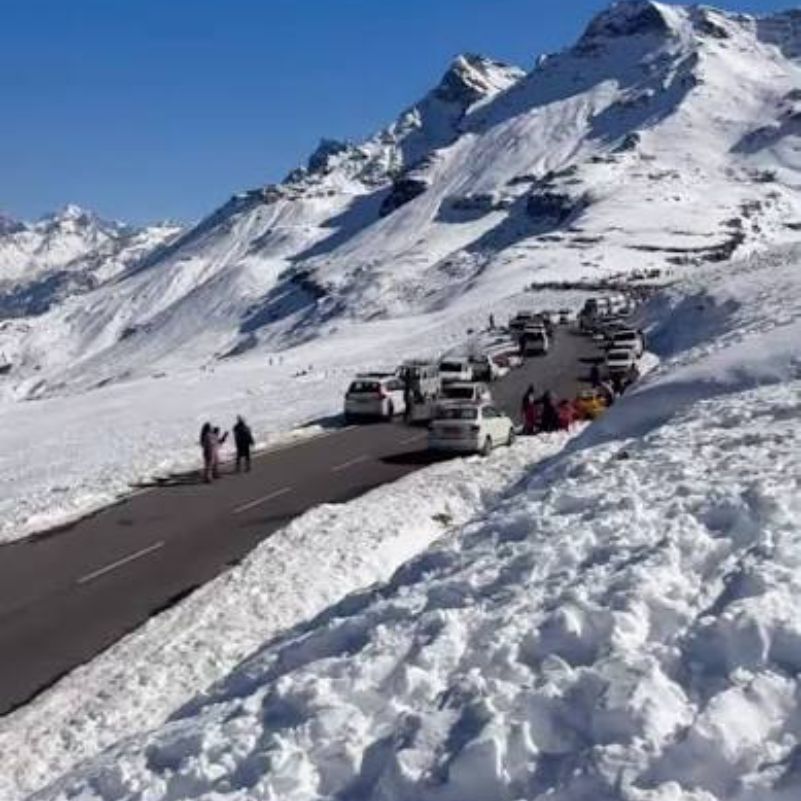 Rohtang Pass
Best Places to Visit on the Way to Rohtang Pass in 2026
Discover the best places to visit on the way to Rohtang Pass in 2026, including Solang Valley, Rahala Waterfalls, Gulaba, Marhi, and more for an unforgettable Himalayan road trip.
- Places to Visit
- Road Trips
- Rohtang Pass
15 Rohtang Pass Mistakes to Avoid in 2026: Permits, Taxi Scams, Timing and Snow Rentals
Planning a Rohtang Pass trip in 2026? Discover 15 common mistakes to avoid, from permits and weather to packing and safety, for a smooth mountain adventure.
- First-Time Travellers
- Permits & Fees