
Rohtang Pass Facilities 2026: Food, Toilets, Mobile Network and Medical Help
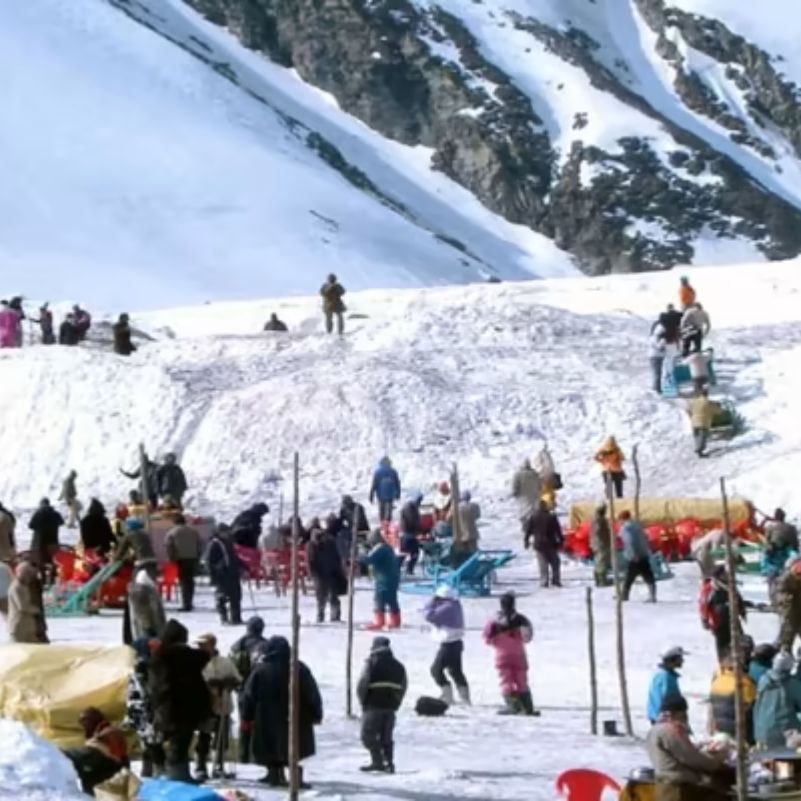
If you are trying to figure out the rohtang pass facilities situation before your trip, here is the honest truth most blogs will not tell you. Once you leave Manali, things get basic fast.
There is no shopping complex at the top, no reliable clinic, and no guarantee that a toilet will be open or a stall will have food.
We have sent hundreds of travellers up this route over the years, and the ones who enjoy it most are always the ones who prepared in Manali first.
This guide by Travel Coffee tells you exactly what to expect for food, toilets, mobile signal, and medical help, so you plan smart and do not get caught out at 3,978 metres.
Quick Answer: What Facilities Are Available on the Rohtang Pass Route?
Facilities become basic the moment you leave Manali. Marhi is the most dependable seasonal food stop, but even that is not guaranteed.
Toilets around Gulaba and Rohtang Top may exist but cannot be promised as clean, open, or supplied with water. The mobile signal at the top is unreliable, and no permanent hospital could be verified there.
So carry your own supplies. Eat and use a toilet in Manali before you go. Save 108 on your phone before you lose signal.
If you would rather have a local team handle the logistics and route checks, take a look at our Rohtang Pass tour packages. We plan these trips every season and know how fast conditions change up here.
The biggest mistake tourists make is treating Rohtang like a hill station with cafes and clean washrooms every few kilometres. It is not. Set the right expectations and you will have a great day.
What Should You Expect Between Manali and Rohtang Pass?
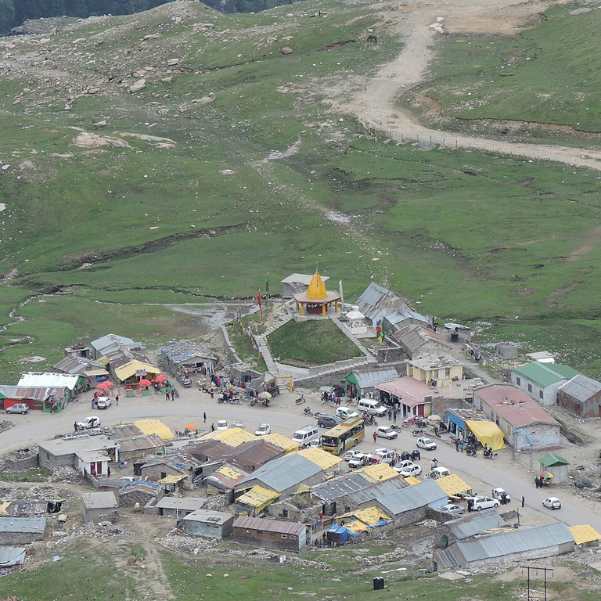
Rohtang Pass sits about 51 km from Manali at roughly 3,978 metres. That sounds close on paper, but the road climbs steeply and slowly.
The route runs through Manali, then Kothi, Gulaba, Marhi, Rani Nallah, and finally Rohtang Pass. Each stop is higher and quieter than the last.
Here is the pattern you need to understand. The higher you go, the less dependable everything becomes.
Food stalls, toilets, and any temporary service depend on the seasonal road opening, the weather that day, government access orders, and how many tourists showed up.
Rohtang Top is not a developed tourist complex. Think of it as a high mountain viewpoint with a few seasonal setups that come and go, not a place with fixed infrastructure you can rely on.
If you want the whole trip sorted with a local driver and handpicked stays, our Manali tour packages cover Rohtang along with the rest of the valley.
Where Can You Find Food on the Rohtang Pass Route?
Manali Is the Best Place to Stock Up
Eat a proper meal in Manali before you leave. This is the single best food decision you will make all day.
Buy sealed drinking water, simple snacks, ORS packets, your personal prescriptions, and any special dietary food right here in the Manali market.
If you are travelling with kids, or if you have diabetes or any dietary restriction, do not depend on roadside sellers up the route. Their stock and timing are unpredictable, and you do not want a hungry child at altitude.
Can You Depend on Food at Kothi or Gulaba?
Seasonal sellers sometimes operate on the lower stretches near Kothi and Gulaba. But we could not verify any dependable current inventory or fixed operating schedule for either.
So do not plan your breakfast or lunch around these stops. Some days a seller is there, some days not. Treat anything you find as luck, not a plan.
Marhi Is the Main Seasonal Food Stop
Marhi is your main food break on this route. It is a seasonal cluster of roadside dhabas roughly 40 km from Manali and around 11 km below Rohtang Top.
Chai and Maggi are the classic documented examples of what you get here. A hot cup of tea and a bowl of Maggi at altitude hits differently. But that is not a fixed menu you can count on.
The number of open stalls, what they cook, how clean they are, their timings, and whether they take cards or only cash all change from day to day and season to season.
Many Marhi businesses shut down completely in winter. Whether they are open at all depends on the seasonal road being open, so nothing here is year-round.
Should You Depend on Food at Rohtang Top?
Food stalls and dhabas have historically operated around the tourist area at the top. But we could not verify any dependable 2026 inventory, fixed menu, or operating schedule.
So treat any food at the top as a bonus, not a meal plan. Carry a light snack in your bag. If a stall is open and serving, great. If not, you are still covered.
In our experience, the travellers who complain about hunger on this route are the ones who assumed food would be waiting at the top. Do not be that person.
If you want help planning your stops and checking current route access, our local team is happy to sort it out for you.
Are Toilets Available at Rohtang Pass?
Toilets have been reported at points like Gulaba and Rohtang Top. But their current opening status, cleanliness, water supply, and maintenance cannot be guaranteed on any given day.
Here is what that means in plain terms. A toilet structure might be standing there, but whether it is open, clean, or has water is a gamble.
Toilets Around Gulaba
Multiple mobile toilet units have been reported around Gulaba over the years.
How many are actually running in 2026, exactly where they sit, and whether they have running water are all things we cannot confirm. Do not assume any specific number will be working when you arrive.
Toilets at Marhi
Marhi is the practical rest and food stop most people use, so it is also where most people look for a toilet.
But no authoritative 2026 inventory confirms how many toilets there are, how they are built, or what condition they are in.
We will not promise you a western toilet, an accessible toilet, a changing room, running water, or a separate women's facility, because none of that is verified.
Toilets at Rohtang Top
Public or portable toilets have been reported at Rohtang Top too.
Traveller reports conflict a lot here, and many mention long queues or poor upkeep. So keep this simple in your head. A toilet may be present, but do not assume it will be clean, open, or supplied with water.
Toilet Advice for Women, Children and Senior Travellers
Use a clean toilet in Manali before you leave. This is genuinely the most reliable toilet you will have access to all day.
Carry tissues, hand sanitiser, your personal hygiene products, and a small bag to bring non-biodegradable waste back down with you.
Please never leave tissues, wipes, diapers, or sanitary products in the mountains. This is a fragile high-altitude environment, and there is no cleanup crew up there. Carry it back down, always.
Does Mobile Network Work at Rohtang Pass?
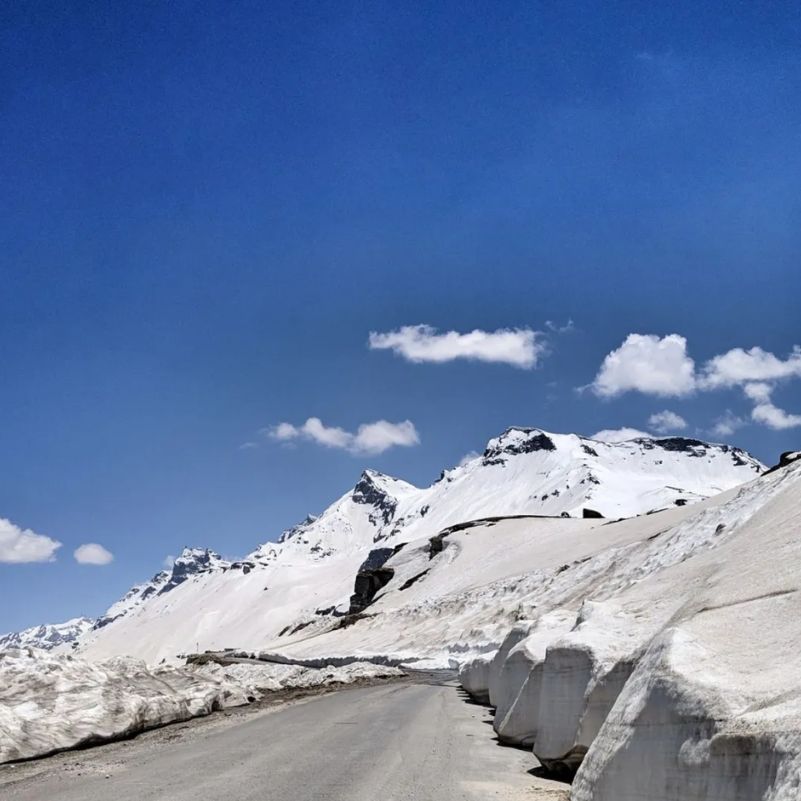
Signal may appear on parts of the route, but no operator should be treated as dependable at Rohtang Top. Do not build any emergency plan around your phone working up there.
Mobile Signal Between Manali and Gulaba
You are more likely to have voice and data closer to Manali. As you climb, valleys, sharp bends, and mountain walls create sudden dead spots.
So you might have full bars one minute and nothing the next. That is normal here. We will not rank Jio, Airtel, BSNL, or Vi for you, because coverage shifts constantly and no ranking holds up.
Mobile Signal at Marhi and Rohtang Top
The sources here genuinely conflict. An older guide claims ordinary networks work all the way to Rohtang Top. More recent traveller reports describe patchy Jio service or no dependable signal at all.
So the honest conclusion is this. The mobile network at Rohtang Pass is unreliable, and it should never be your only emergency plan. Do not count on Jio, Airtel, or BSNL always working up there, because they do not.
What Should You Download Before Leaving Manali?
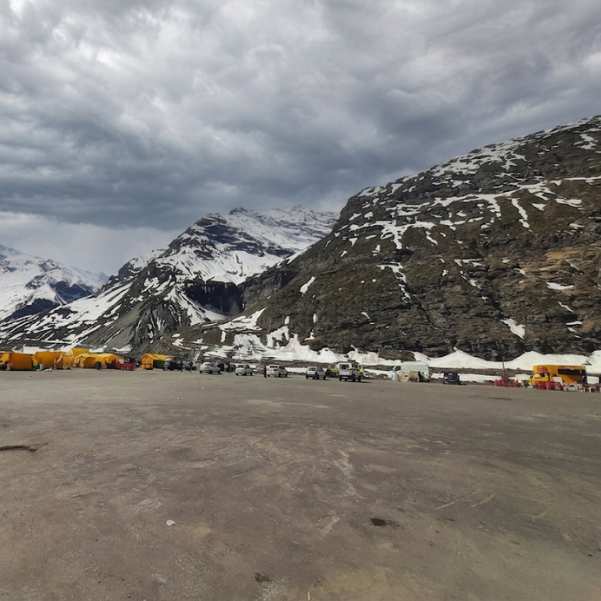
While you still have signal in Manali, save screenshots of your hotel details, your driver's number, and your booking confirmation. Download offline maps for the route so you are not lost when data drops.
Save your emergency contacts where you can reach them without internet, and carry a fully charged power bank. The cold drains phone batteries fast up here.
Carry cash. UPI fails the moment signal disappears, and you do not want to be stuck unable to pay for chai because there are no bars. And remember, the official permit portal needs a printed permit, so a phone screenshot alone is not enough to get you through.
Is Medical Help Available at Rohtang Pass?
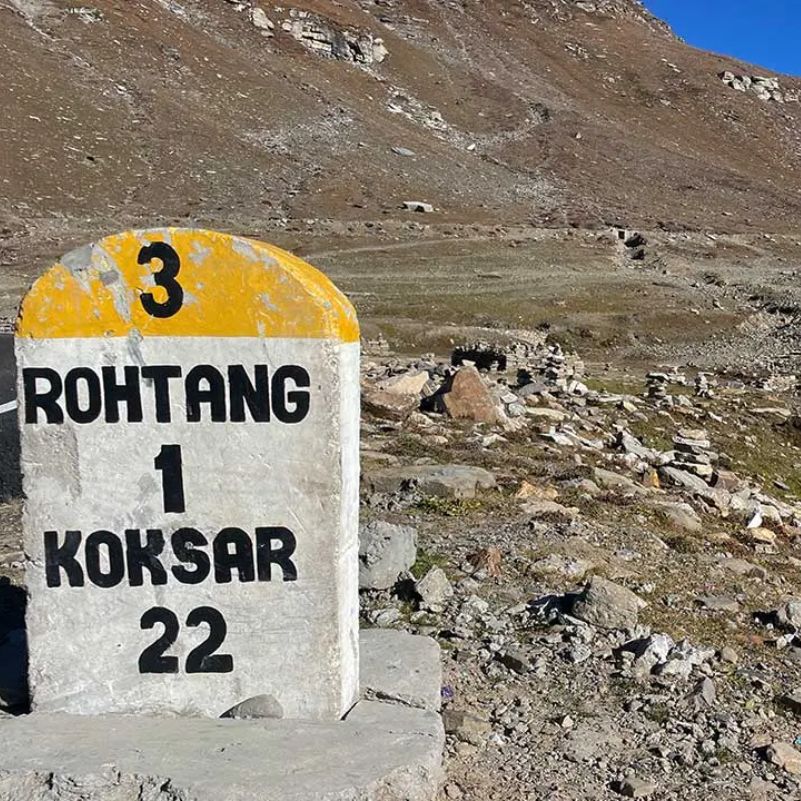
No permanent hospital or fully equipped clinic at Rohtang Top could be verified. Do not head up assuming medical help is waiting at the top.
Police, rescue teams, or temporary first-aid staff may be deployed on some days. But do not assume they will be there every day. Plan as if you are on your own for medical needs until you get back down.
What Should You Do if Someone Feels Unwell?
Rohtang's fast climb can bring on headache, nausea, dizziness, unusual tiredness, or breathlessness. This can hit anyone, fit or not.
We are not going to diagnose you or tell you which pills to take. What we will say is this. If someone feels unwell, stop physical activity right away, tell your driver, keep the person watched over, and start heading toward lower altitude if symptoms stick around or get worse.
If oxygen is available, do not treat it as a replacement for going down or getting real medical help. Descending is what actually helps. Call emergency services whenever you can get signal.
Emergency Numbers to Save
Save these before you lose signal. Ambulance: 108. Police: 100. District Emergency Operations Cell: 1077.
Himachal Pradesh's 108 ambulance service runs around the clock and gives free emergency transport to an appropriate medical facility.
Just remember that weak signal on the upper route may stop you from calling straight away. So also tell your driver and the people in your group the moment something feels wrong.
Verified Hospital in Manali
Your medical base is Lady Willingdon Hospital in Ward 4, Manali. The telephone number is +91 190 225 2379, and it lists 24/7 emergency service.
We will not tell you it is a fixed number of kilometres or minutes away, because your position on the route and the traffic that day change everything.
What we will tell you honestly is that getting back to Manali can take much longer than expected during heavy congestion or bad weather. That delay is exactly why prevention and early descent matter so much here.
What Should You Carry Because Facilities Are Limited?
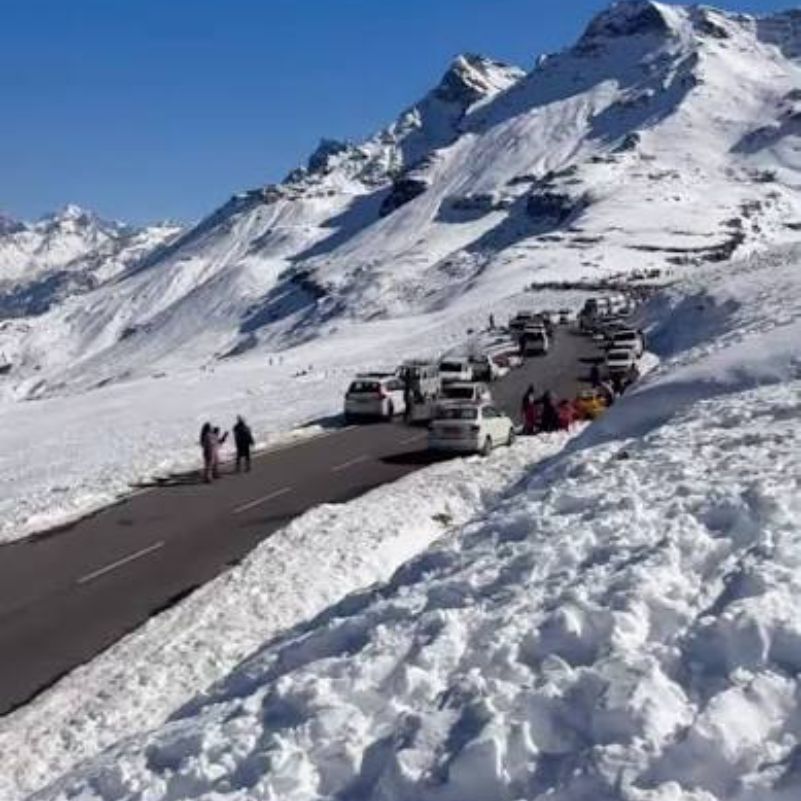
Pack sealed water, light snacks, ORS, your prescribed medicine, and a basic personal first-aid kit. These cover the gaps where no stall or shop exists.
Bring tissues, hand sanitiser, your hygiene supplies, and waste bags to carry rubbish back down. Add warm layers, rain protection, sunglasses, and sunscreen, because weather and strong sun both hit hard at this height.
Carry cash and a charged power bank, plus your printed permit, which is compulsory. Buy any medicines you need in Manali, because we could not verify a dependable pharmacy at Marhi or Rohtang Top.
We will not tell you dosages, and do not assume ORS treats altitude sickness. It does not.
How Should Families, Senior Citizens and Travellers With Health Conditions Plan?
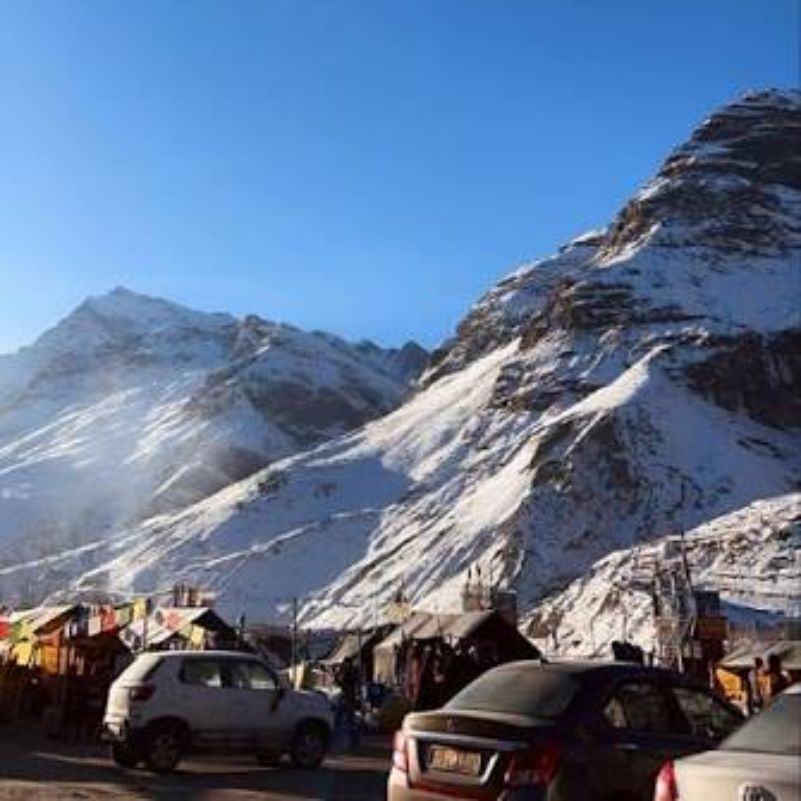
Start early, keep your stay at the top short, and use a private vehicle where you can. An early start means better weather and lighter traffic.
A private vehicle matters more than people realise. It lets you stop when you need to, descend early, or simply turn back at Marhi if things are not going well. You are not stuck on someone else's schedule.
Low cloud, worsening weather, heavy traffic, or anyone feeling ill are all good enough reasons to stop climbing and turn around. There is no shame in it.
If you have heart, lung, or any other significant medical condition, talk to your own doctor before a high-altitude trip like this. We will not give a universal age limit, because health matters more than a number.
Planning to add some activity to your Manali days? Our guide to adventure activities in Manali has plenty of ideas at safer altitudes.
How Do Permits and Road Restrictions Affect Facilities in 2026?
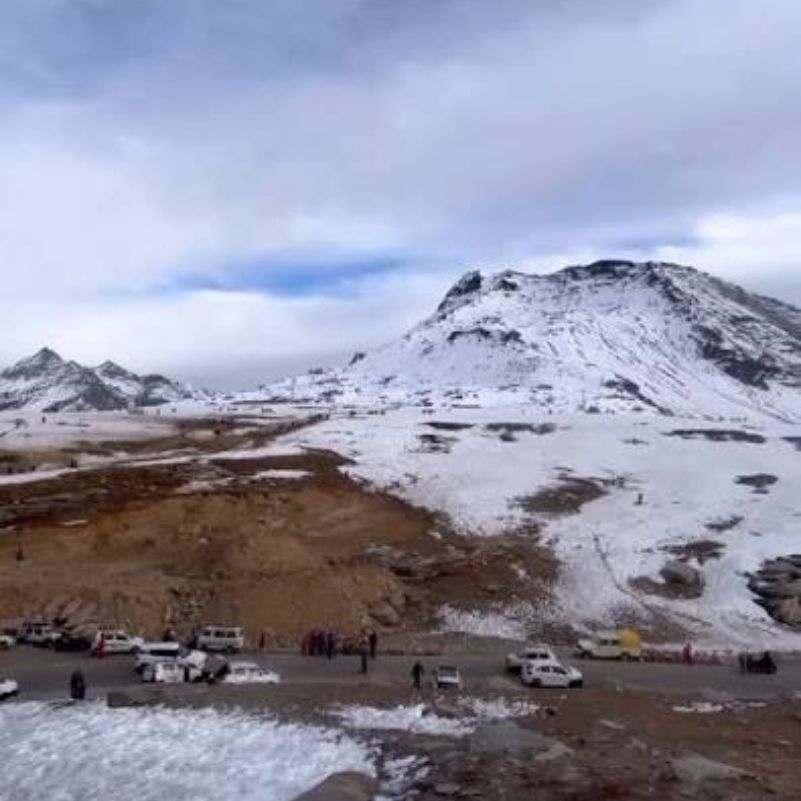
You need a permit for Rohtang, and the rules shape your whole day. The tourism permit is ₹500 per vehicle, and the congestion charge for cars, jeeps, and MUVs is ₹50.
The daily tourism quota is 800 petrol vehicles and 400 diesel vehicles. Permit slots are released at 10:00 and 16:00, and you can apply only for the next two days.
Your vehicle must not be more than 10 years old. You need a valid ID, a valid PUC certificate, and your vehicle details. A printed permission is compulsory, so print it, do not just screenshot it.
The portal's access rules and maintenance notices can change, so check the official portal for your actual travel date. We will not claim the pass is closed every Tuesday unless the live portal confirms it for your dates.
On the 2026 reopening, sources conflict on whether it was May 15 or May 17. So do not lock plans around an exact opening date without checking.
Here is the part that connects to facilities. If authorities allow vehicles only up to Gulaba or Marhi on a given day, then anything beyond that point may not be operating at all. Your facility options shrink with the access limit.
What Is the Most Practical Facility Plan for a Rohtang Day Trip?
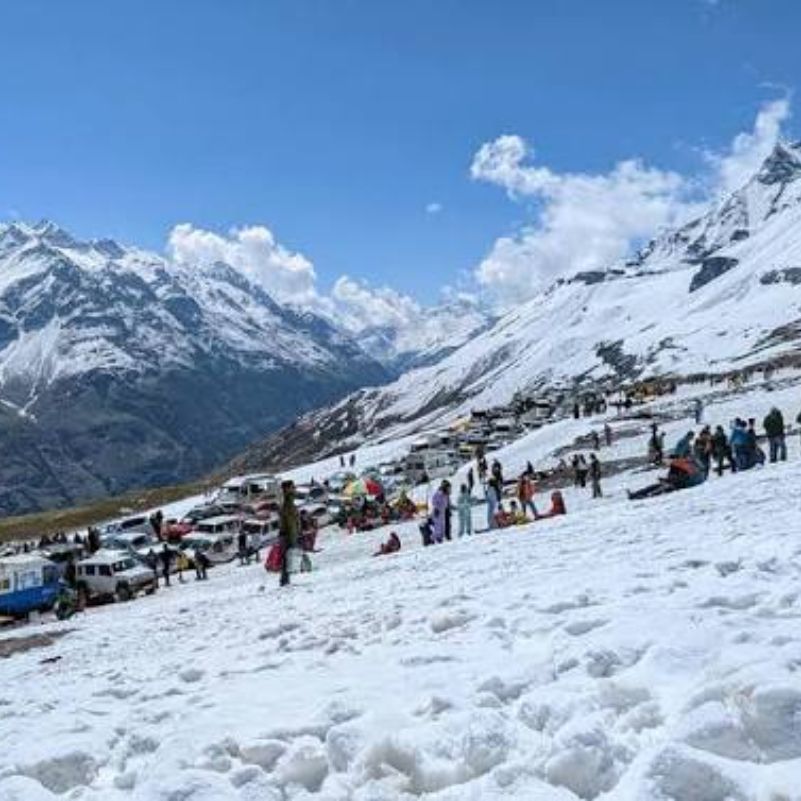
Start in Manali. Eat a proper meal and use a clean toilet before you leave, because both are far more reliable here than anywhere up the route.
Carry your own water, light food, prescriptions, and hygiene supplies. Keep Marhi as your main food break, and treat every toilet above Gulaba as uncertain.
Download your essential information while you still have a signal, and carry the compulsory printed permit. Save 108, 100, and 1077 on your phone.
Tell someone back in Manali your route and when you expect to return. And turn back the moment weather, traffic, or anyone's health makes carrying on a bad idea.
In our experience, the travellers who enjoy Rohtang most are the ones who prepare before leaving Manali, instead of expecting city-style facilities at the top. Prepare well and the day is brilliant.
If you want help with a customised Manali and Rohtang trip, permit planning, or a solid backup for when the pass is not available, just message us.
What Can You Do if Rohtang Pass Is Closed?
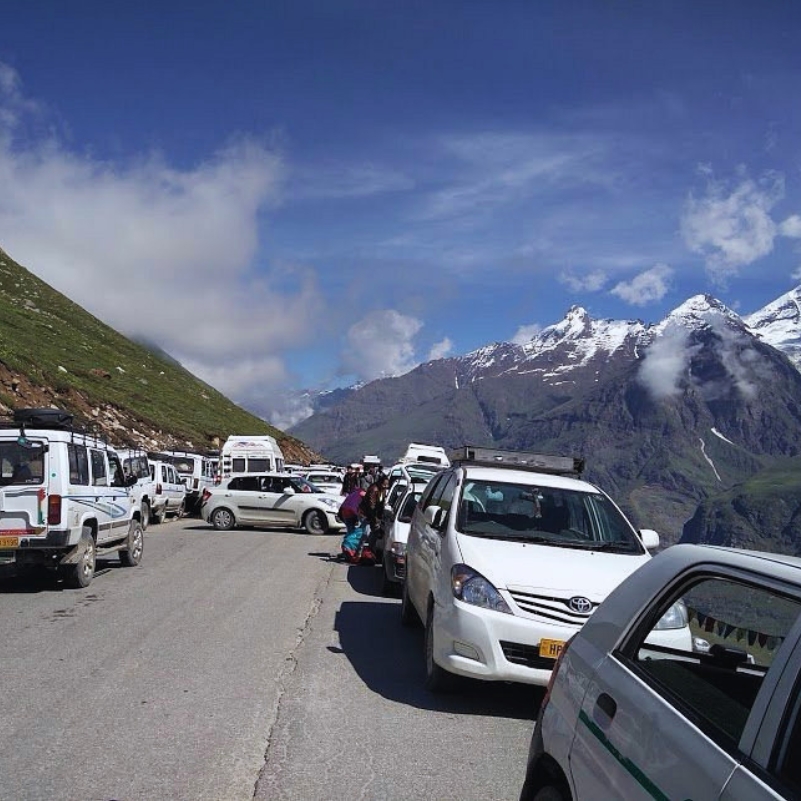
Solang Valley, the Atal Tunnel, and Sissu are good alternatives. But they are separate places, and the fact that they are open does not mean Rohtang Pass is open too.
One thing to be clear about. The Atal Tunnel is not part of the Rohtang Pass road. It is a separate route that runs beneath the Pir Panjal range.
The Manali to Atal Tunnel and Sissu route often gives you easier access to proper settlements than Rohtang Top does. But you still have to check its road and weather status before you go, because mountain conditions change fast.
If you are looking that way, our Sissu tour packages cover the area.
Final Advice on Rohtang Pass Facilities
Rohtang is a high mountain excursion, not a developed tourism complex. Go up with that mindset and you will not be disappointed.
Keep the essentials clear in your head. Marhi is your main seasonal food stop, toilet access is a gamble, mobile signal is unreliable, and your medical plan should always be built around Manali.
If you would rather have all of this handled by a team that drives this route every season, take a look at our Rohtang Pass tour packages and plan a trip that fits your pace and comfort.
Explore Our Curated Rohtang Pass Tour Packages
 5D/4N
5D/4NPremium Manali Tour Package with Private Cab and Rohtang Pass
4D Manali
₹14,999₹19,999SAVE INR 5,000/ person 5D/4N
5D/4NBest Value Manali Volvo Package with Rohtang Pass
3D Manali
₹9,999₹13,999SAVE INR 4,000/ person 7D/6N
7D/6NComplete Shimla Manali Volvo Package with Rohtang Pass
2D Shimla•2D Manali
₹15,999₹19,499SAVE INR 3,500/ person
Related topics
Frequently Asked Questions
Are toilets available at Rohtang Pass?
Toilets have been reported at points like Gulaba and Rohtang Top, but you cannot count on them being clean, open, or supplied with water on any given day. Reports from travellers often mention queues and poor upkeep. Use a clean toilet in Manali before you leave, carry tissues and sanitiser, and treat any toilet above Gulaba as uncertain rather than guaranteed.
Where is the last reliable toilet before Rohtang Pass?
Honestly, no toilet above Manali can be called fully reliable without checking on the same day. Marhi is the practical rest stop most people use, but its condition and availability vary from day to day and season to season. Your safest bet is to use a clean toilet in Manali before you start climbing, since that is the last one you can truly depend on.
Are there western toilets at Rohtang Pass?
We cannot promise a western-style toilet at Rohtang Pass. No authoritative current inventory confirms the design or condition of the toilets on the route. Plan as if one may not be available, carry your own tissues and sanitiser, and use a proper toilet in Manali before departure so you are not depending on what you find higher up.
Is food available at Rohtang Top?
Food stalls and dhabas have historically operated around the top, but we could not verify a dependable 2026 inventory, menu, or schedule. So treat any food at Rohtang Top as a bonus, not a plan. Carry a light snack in your bag, eat properly in Manali first, and keep Marhi as your main food break on the way up or down.
What food can you get at Marhi?
Chai and Maggi are the documented examples of simple food sold at Marhi, and a hot cup of tea at altitude is a real treat. But this is not a guaranteed menu. The number of open stalls, what they serve, their timings, and whether they take cash or cards all change with the season and the weather, so keep your expectations flexible.
Do Marhi dhabas accept UPI?
Payment acceptance and mobile signal both vary at Marhi, so UPI may or may not work when you are there. When signal drops, digital payments simply fail. The safest thing is to carry enough cash in small notes for chai, food, and any small needs. That way you are never stuck unable to pay just because the network went down.
Does Jio work at Rohtang Pass?
Recent traveller reports on Jio are inconsistent, with some describing patchy service and others no dependable signal at the top. So Jio cannot be guaranteed at Rohtang Pass. Coverage may appear closer to Manali and drop suddenly as you climb. Do not rely on Jio, or any single network, as your emergency plan. Download offline maps and save your contacts before you lose signal.
Which mobile network is best at Rohtang Pass?
Based on the available evidence, no operator can be named as universally dependable at Rohtang Pass. Reports conflict, and coverage shifts with the terrain, bends, and mountain walls along the route. Signal is more likely closer to Manali and unreliable at the top. Treat your phone as a bonus, not a guarantee, and always have an offline backup plan for navigation and emergencies.
Is there a hospital at Rohtang Pass?
No permanent hospital at Rohtang Top could be verified. Your medical base is Lady Willingdon Hospital in Ward 4, Manali, reachable at +91 190 225 2379, which lists 24/7 emergency service. Save 108 for a free, round-the-clock ambulance to an appropriate facility. Because signal is weak up top, also tell your driver and group immediately if anyone feels unwell, and descend early.
What should you do if someone feels breathless at Rohtang?
Stop any physical exertion straight away and tell your driver. Keep the person supervised and calm. If the breathlessness or other symptoms persist or get worse, start descending toward lower altitude, which is what genuinely helps. Seek emergency help by calling 108 when you have signal. Do not treat oxygen, if available, as a substitute for descending or getting proper medical assessment.
Which emergency numbers should you save?
Save three numbers before you lose signal. Ambulance is 108, which runs around the clock with free emergency transport. Police is 100. The District Emergency Operations Cell is 1077. Because the upper route often has weak or no signal, a call may not connect right away, so also inform your driver and group members the moment something feels wrong. Fast action matters more than any single number.
What food, medicine and hygiene items should you carry?
Carry sealed water, light snacks, and ORS, along with any prescribed medicine and a basic personal first-aid kit, all bought in Manali since a dependable pharmacy higher up is not verified. Bring tissues, hand sanitiser, personal hygiene products, and waste bags to carry rubbish back down. Add warm layers, rain protection, sunglasses, sunscreen, cash, a charged power bank, and your printed permit for the day.
More about Rohtang Pass
 Rohtang Pass
Rohtang Pass Altitude Sickness in 2026: Symptoms, Prevention and When to Turn Back
Planning a trip to Rohtang Pass in 2026? Learn the symptoms of altitude sickness, prevention tips, and when to turn back for a safe mountain journey.
- Altitude & Health
- First-Time Travellers
- Rohtang Pass
Best Places to Visit on the Way to Rohtang Pass in 2026
Discover the best places to visit on the way to Rohtang Pass in 2026, including Solang Valley, Rahala Waterfalls, Gulaba, Marhi, and more for an unforgettable Himalayan road trip.
- Places to Visit
- Road Trips
 Rohtang Pass
15 Rohtang Pass Mistakes to Avoid in 2026: Permits, Taxi Scams, Timing and Snow Rentals
Planning a Rohtang Pass trip in 2026? Discover 15 common mistakes to avoid, from permits and weather to packing and safety, for a smooth mountain adventure.
- First-Time Travellers
- Permits & Fees