
Own Bike vs Rental Bike vs Guided Spiti Bike Package in 2026: What Should You Choose?
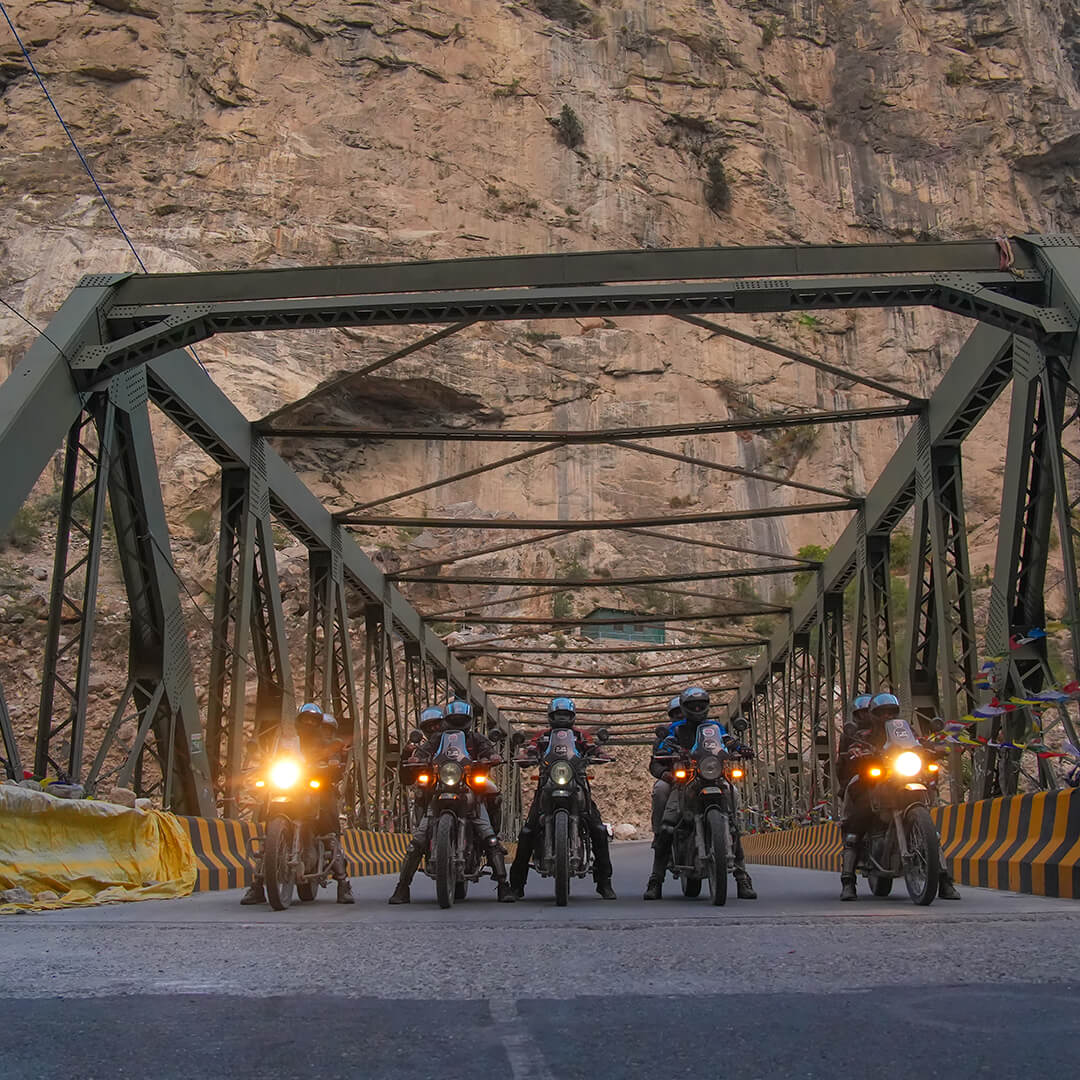
Every rider who starts planning a Spiti bike trip hits the same fork in the road before they even leave home. Do you ride your own motorcycle, rent one in Manali, or book a guided bike package that handles the route, stays, mechanic and backup vehicle?
Get this decision wrong and the trip gets expensive, stressful, or both. Get it right and you ride through some of the most raw, empty, high-altitude terrain in India with the right support around you.
This guide by Travel Coffee breaks down all three options with real costs, real risks, and the kind of detail that actually helps you decide.
Quick Answer: Which Spiti Bike Trip Option Should You Choose?
Own bike
It works best if you already trust your motorcycle, you can handle basic repairs yourself, and you have ridden at high altitude before. It is the cheapest option on paper.
Rental bike
It works if you are flying into Himachal, your own bike is not mountain-ready, or you want a Royal Enfield Himalayan for the route. But inspect the bike carefully and be ready to lock ₹10,000 as a security deposit.
Guided Spiti bike package
It is the smartest choice for first-timers, solo travellers, pillion riders, and anyone who wants a mechanic, backup vehicle, stays, meals, oxygen and route support without planning every detail themselves.
Why This Decision Matters More in Spiti Than on a Normal Bike Trip
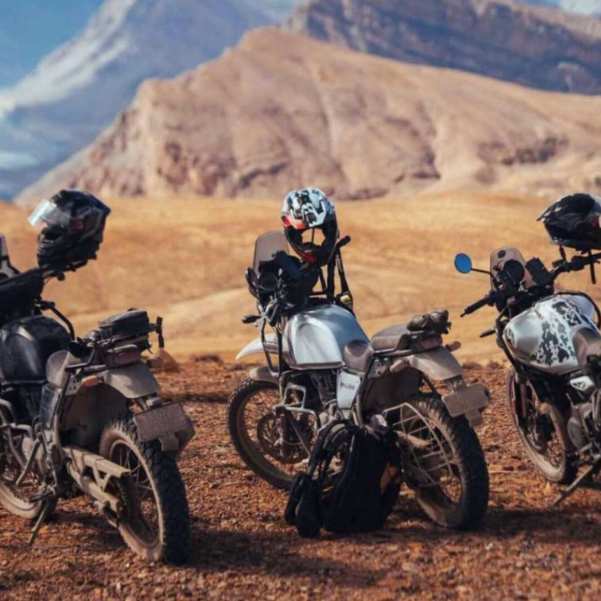
A bike trip to Ladakh or Manali is one thing. Spiti is a different animal.
The fuel gaps are enormous. From Manali to Kaza, you ride roughly 200 km with no fuel pump. On the Shimla-Kinnaur route, once you cross Pooh, the next reliable pump is Kaza, nearly 200 km away. That alone changes how you plan.
Mobile network drops out for long stretches. Between Batal and Losar, you will have zero signal for hours. If something goes wrong with your bike in that stretch, you cannot call anyone. You flag down a passing vehicle or you wait.
The roads between Batal and Kunzum are not roads in any normal sense. They are gravel, loose rock, water crossings, and stretches where one wrong line puts your wheel in a rut.
Add altitude above 4,000 metres, cold winds, and sudden weather changes, and you understand why Spiti is not a ride you wing.
We have been running Spiti Valley trips for years, and the single biggest pattern we see is riders underestimating how remote and punishing this route is. The riding is incredible. But the margin for error is thin.
What Are Your Three Options for a Spiti Bike Trip?
Riding Your Own Bike
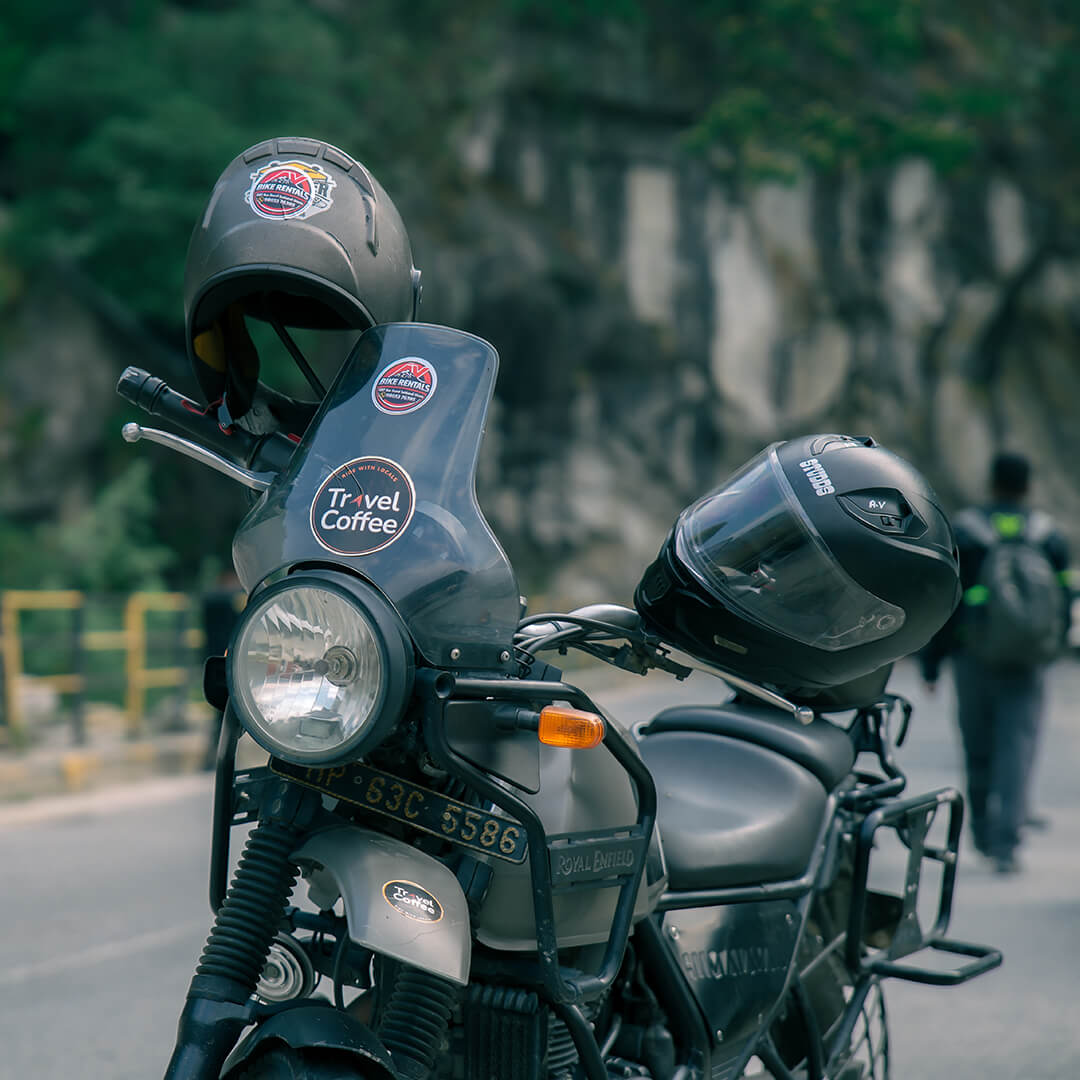
You ride your own motorcycle from home to Spiti and back. You know the bike, you trust it, you have set it up your way. Total freedom, total responsibility. No rental paperwork, no deposit, no arguing about scratches when you return.
The flip side: if the chain snaps near Losar, it is your problem. If the tyre gives out on the Batal stretch, you figure it out.
Renting a Bike
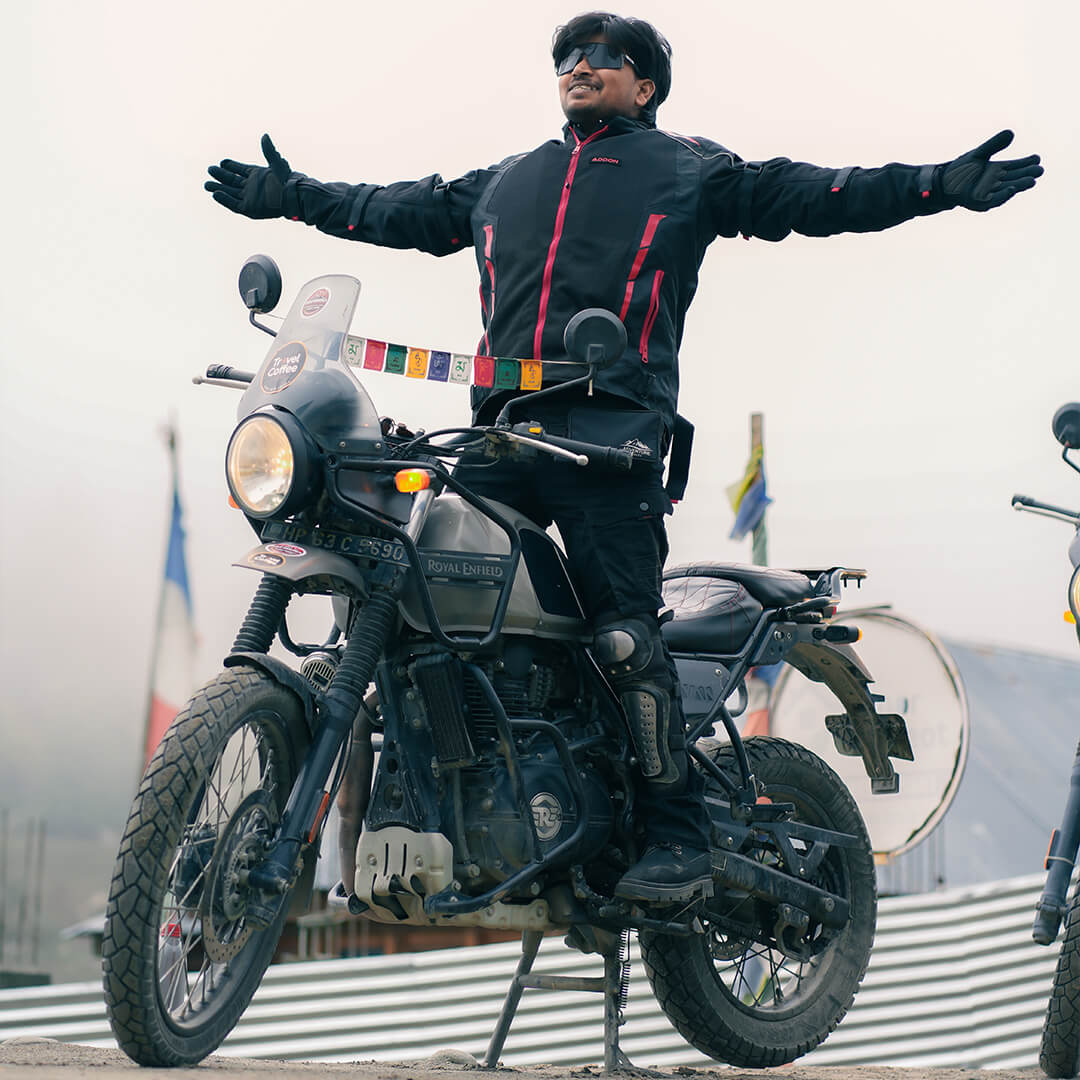
You fly into Manali or drive there, pick up a rental bike, ride the Spiti circuit, and return the bike. No need to put 2,000 km on your own motorcycle. You get a mountain-ready bike without owning one.
The flip side: deposits, damage disputes, and the risk of getting a bike that looks fine in the parking lot but starts acting up at 14,000 feet.
Booking a Guided Spiti Bike Package
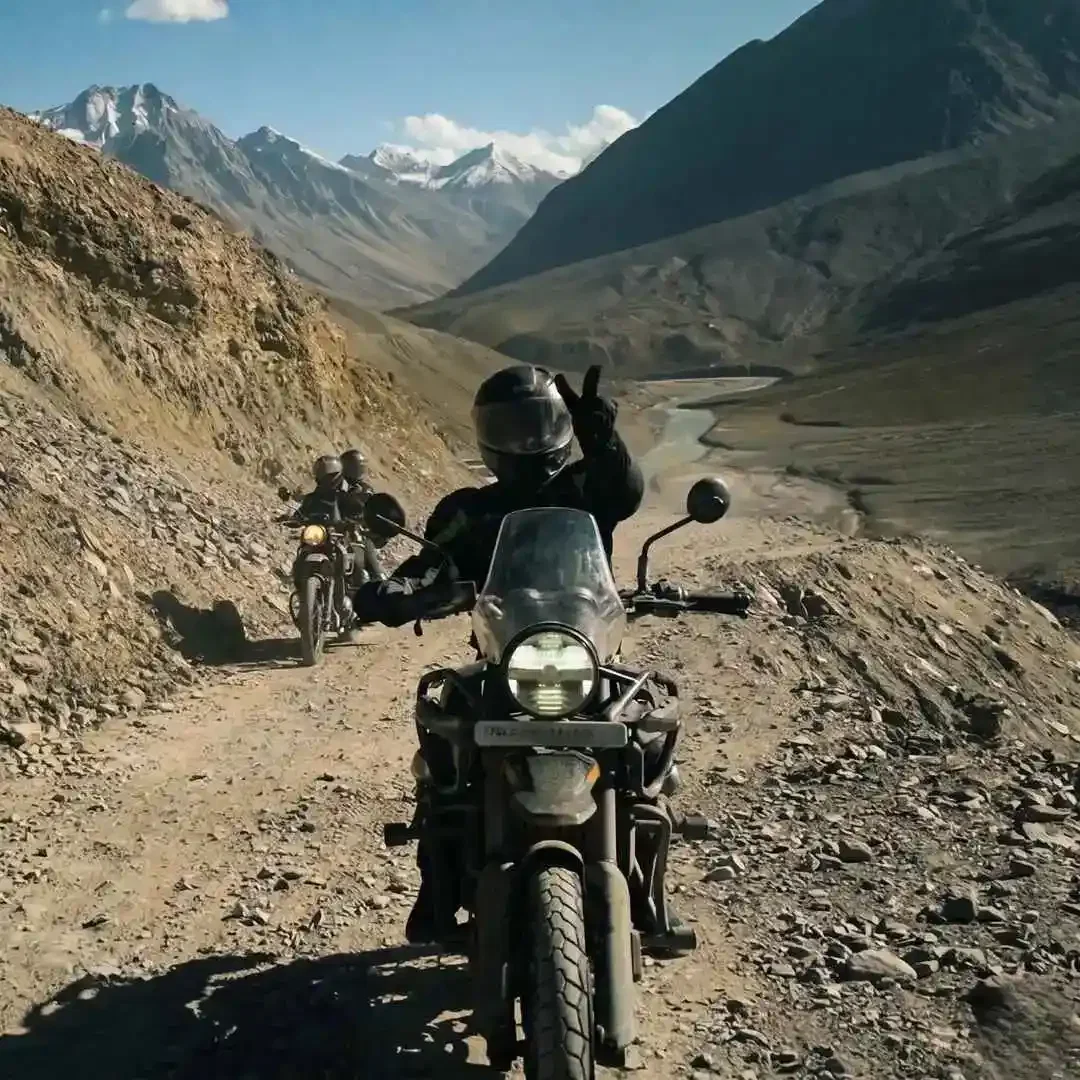
You book a package that includes the bike, fuel, stays, meals, a road captain who knows the route, a mechanic, a backup vehicle, oxygen, and first aid. You ride. Someone else handles logistics.
The flip side: fixed itinerary, group pace, and less freedom to take random detours. But for most first-timers, the safety net is worth more than the flexibility you give up.
Own Bike for Spiti: Who Should Choose It?
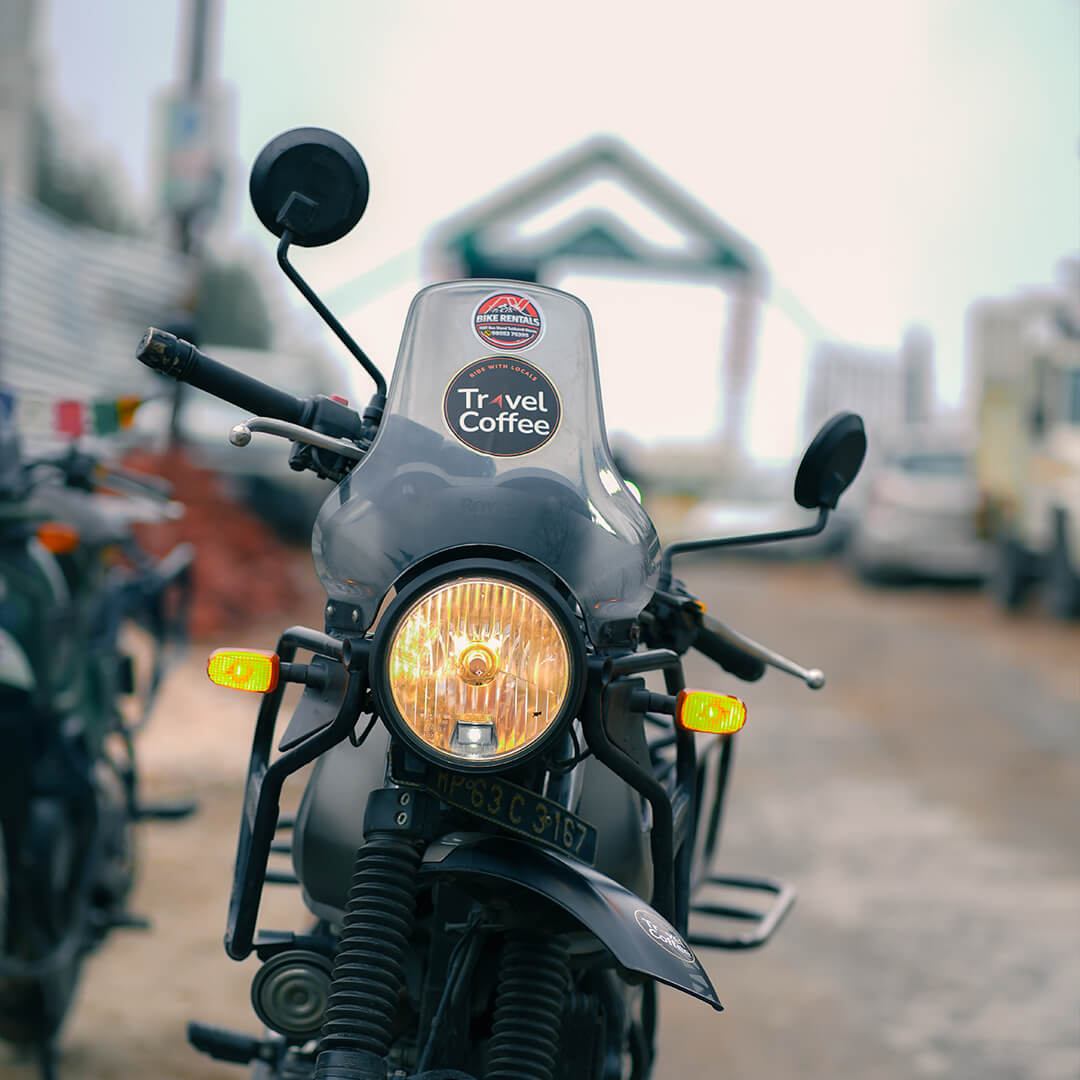
Own bike is for the rider who already has a reliable, recently serviced motorcycle and has done at least one or two serious mountain trips before.
A 9-day own-bike Spiti trip usually costs around ₹21,000 to ₹30,000 per person in 2026. This covers fuel, basic food at dhabas, simple homestays or guesthouses, permits or local charges where applicable, and small incidentals.
The cost can stay closer to ₹21,000 to ₹24,500 only if you ride your own bike, share rooms, avoid cafes and keep the trip very budget-focused.
It does not include major repair surprises, riding gear, emergency stay buffers, tyre work, towing, or any big mechanical repair that needs a workshop.
What most riders get wrong about this option: they calculate the budget assuming nothing goes wrong. In Spiti, something almost always goes wrong.
A puncture, a clutch cable, a snapped mirror, a fuel miscalculation. If you can fix these yourself and you carry basic tools, own bike is the cheapest and most satisfying way to ride Spiti.
In our experience helping riders plan this route, the ones who enjoy the own-bike option most are the ones who already change their own chain, adjust their own brakes, and do not panic when the bike makes a new sound at 4,500 metres.
When Own Bike Becomes a Bad Idea
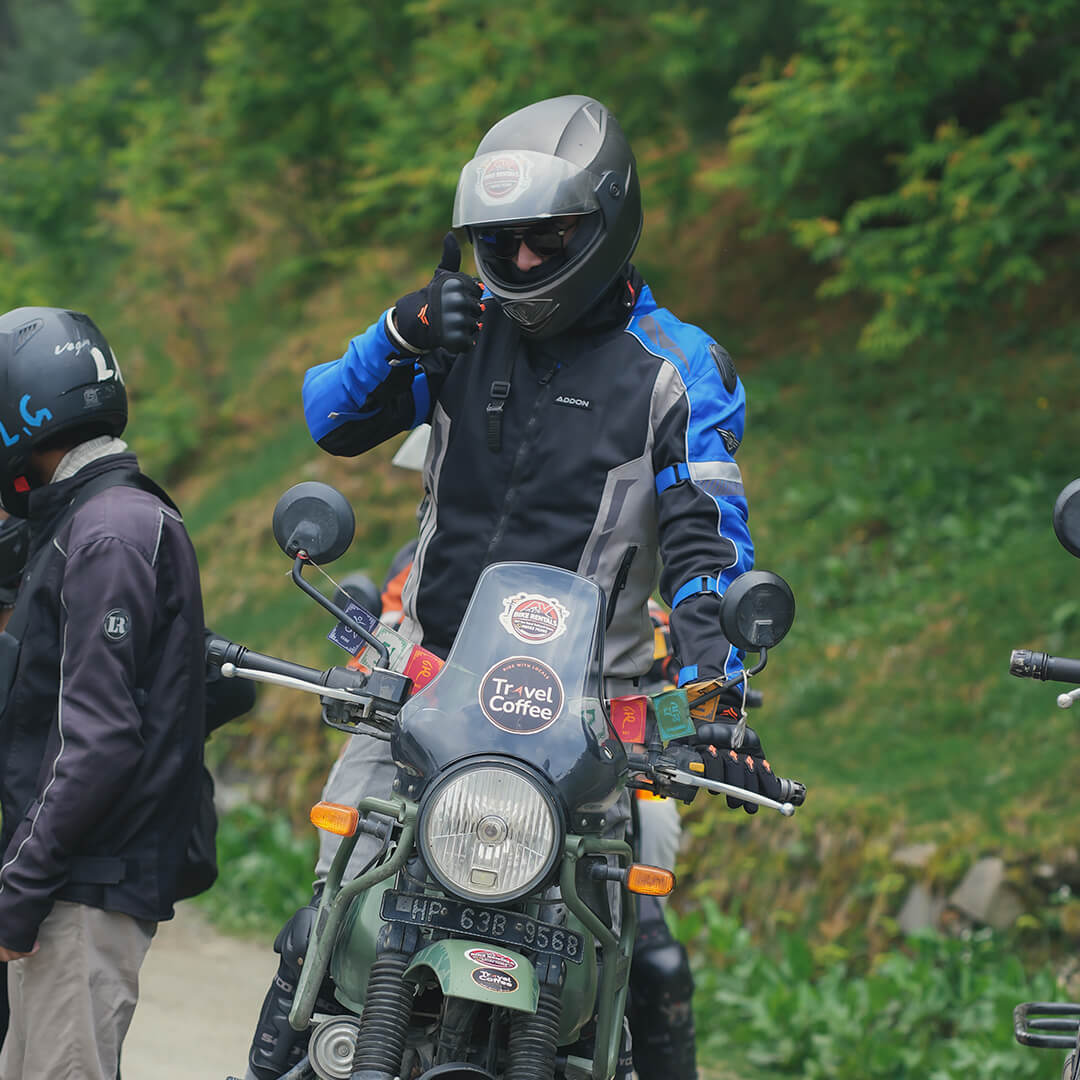
If your tyres are worn, your brakes feel soft, or your bike has not been serviced in three months, do not take it to Spiti. This is not a "it will manage" kind of road. The gravel and water crossings between Batal and Kunzum will find every weakness in your motorcycle and punish it.
If you cannot repair a puncture, adjust chain slack, or fix a broken clutch cable, own bike is a gamble. Breakdowns near Losar, on the Kunzum stretch, or anywhere in the long no-network zones can turn a ₹20,000 trip into a ₹50,000 rescue mission.
If your plan includes riding pillion with heavy luggage, your own bike needs to be genuinely capable. A loaded bike handles differently on loose gravel, and braking distances increase on descents. Many riders underestimate this until they are on the road.
Here is our honest skip-this tip
Skip the idea of riding your old 150cc commuter bike to Spiti. We see riders every season on bikes that have no business being above 3,000 metres.
The bike suffers, the rider suffers, and the trip becomes about survival instead of enjoyment. If your bike is not mountain-ready, rent one or book a package.
Rental Bike for Spiti: Who Should Choose It?
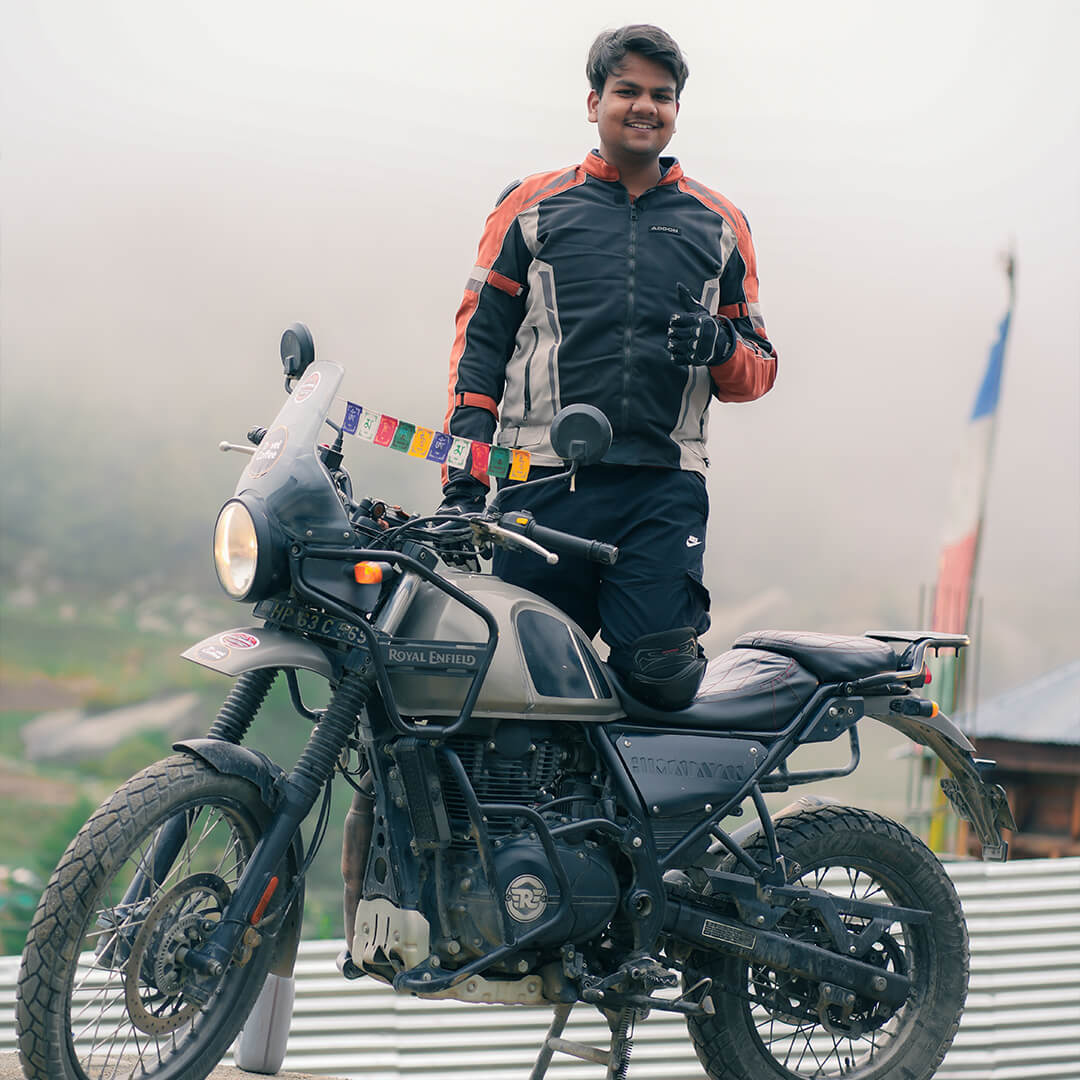
Rental bikes suit riders who are flying into Himachal, riders whose own motorcycle is not up for the route, and anyone who wants a Royal Enfield Himalayan, Classic 350, or similar bike without owning one.
A rental lets you show up in Manali, pick up a bike, ride, and return it. You do not put 2,000 km of mountain wear on your own motorcycle. For riders coming from Delhi, Mumbai, or Bangalore, this often makes more sense than riding all the way from home.
If you are planning the rental around a broader Manali trip, pick the bike up one day early. Ride it around Manali, test the brakes, clutch, gears, and throttle response before you commit to taking it over Kunzum.
Rental Bike Risks Most Riders Ignore
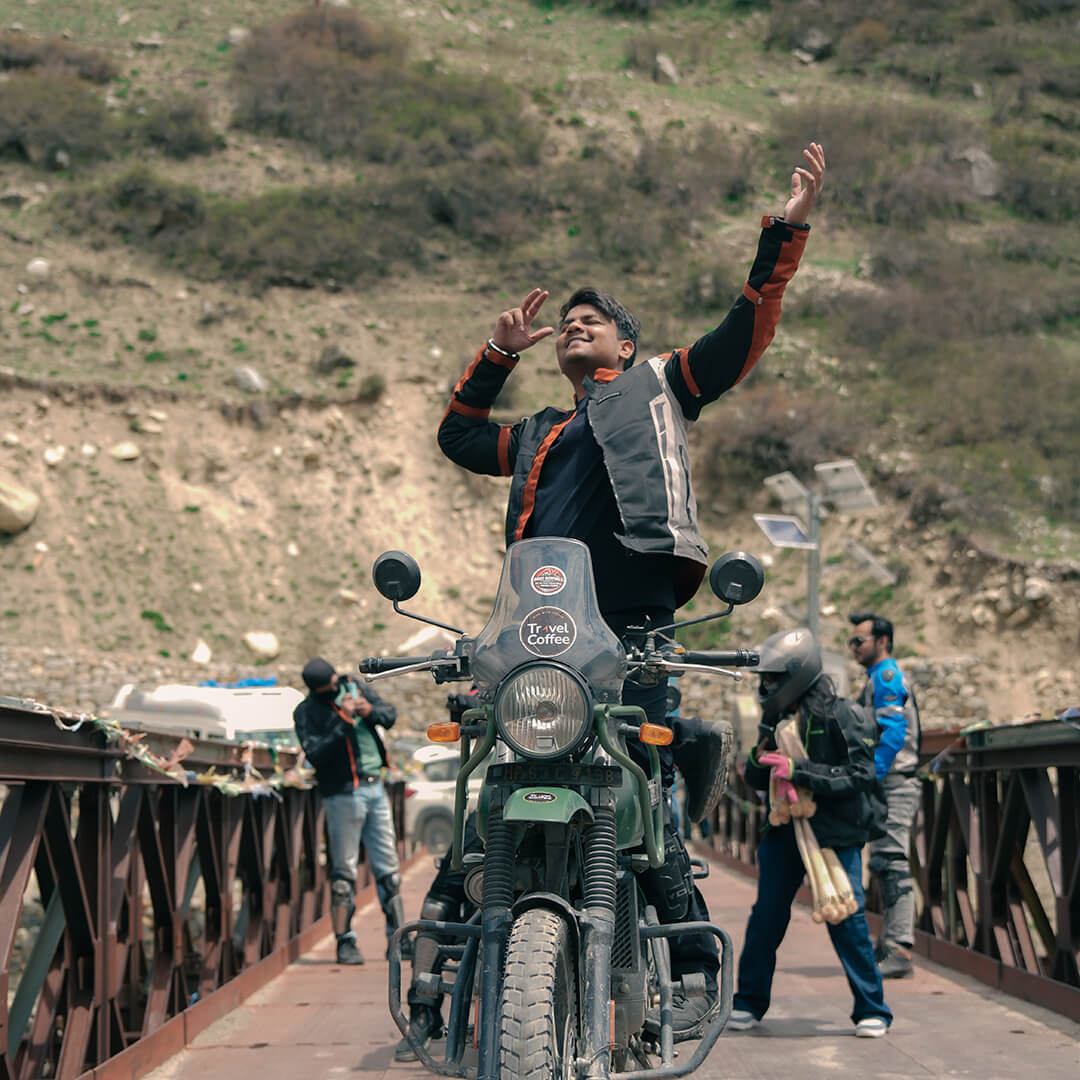
The biggest rental risk is not the daily rate. It is the security deposit.
Most Manali rental shops ask for ₹5,000 to ₹10,000 as a deposit. Plan around ₹10,000 as locked cash that you will not see until you return the bike in the condition they expect. Scratches happen on Spiti roads.
Arguments happen at the shop counter. Get the bike's existing damage documented in photos and a signed checklist before you leave.
Check the clutch cable, brake pads, tyre tread depth, chain slack, and luggage rack welds before you pay. Ask to see the RC, insurance, and PUC. Riding a bike without proper paperwork into Spiti is asking for trouble at checkpoints.
One money-saving tip that most rental shops will not tell you
Negotiate the rate for the total number of days, not per day. A 9-day booking gets a better per-day rate than a 3-day booking extended twice. And always pay the final amount after you inspect the bike, not before.
Our timing tip for rentals
Pick up the bike between 4 PM and 6 PM the day before your departure. This gives you the evening to ride around Old Manali and Mall Road, check the bike properly, and sort out any issues before the rental shop closes for the night.
Guided Spiti Bike Package: Who Should Choose It?
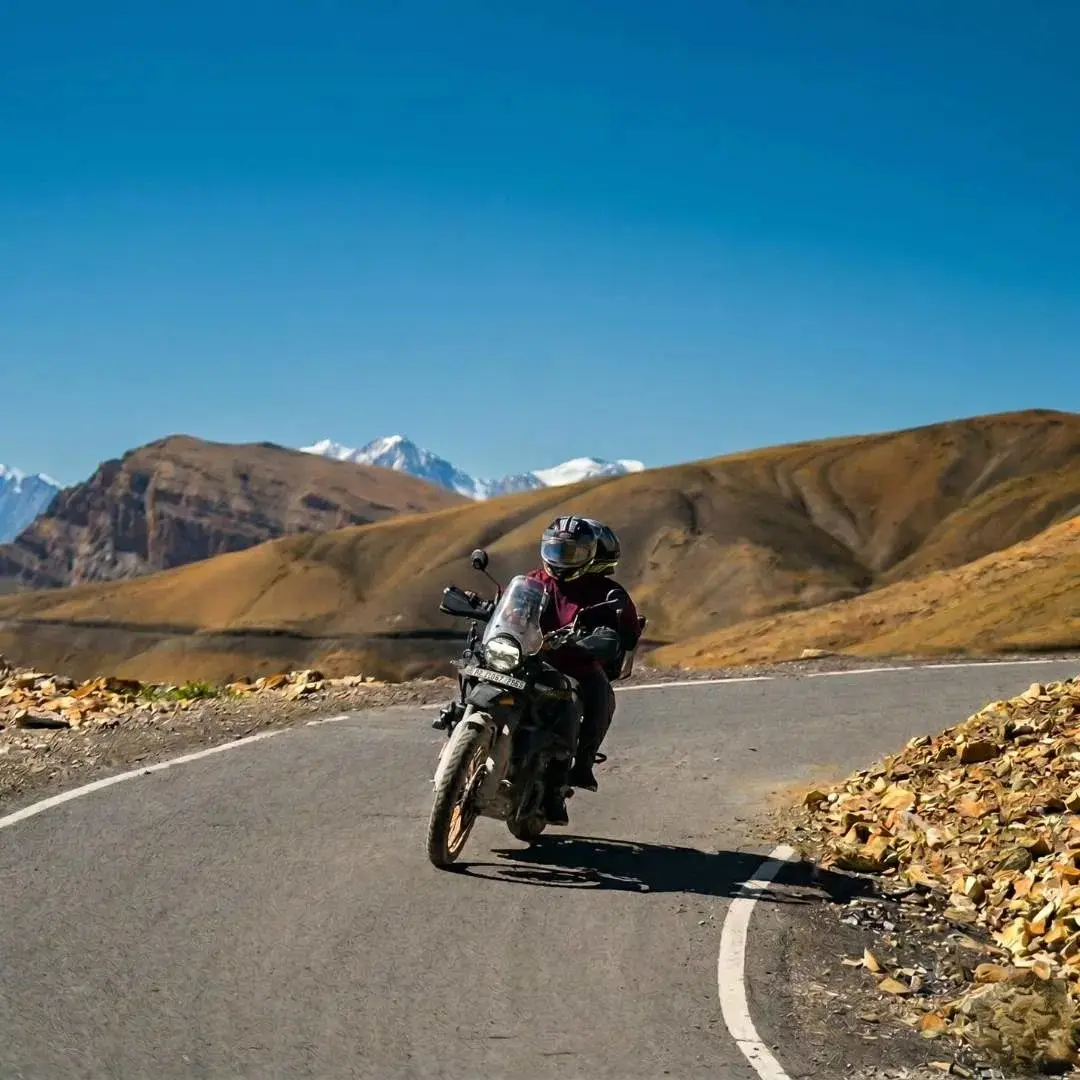
Guided packages suit first-time Himalayan riders, solo travellers, couples, pillion riders, people with limited planning time, and anyone who values safety over total freedom.
Travel Coffee guided Spiti bike packages start from ₹25,999. The 7-day Manali route starts from ₹25,999, the 10-day Delhi full-circuit option starts from ₹34,999, and the 11-day Spiti with Pin Valley route starts from ₹32,999. Live prices should be verified before booking as they shift with season and group size.
What we always tell first-timers is this
The difference between a solo ride into Spiti and a guided ride is not freedom versus restriction. It is whether you have backup when something goes wrong at 15,000 feet.
A mechanic, a backup vehicle, oxygen, and someone who knows the road intimately. That is not hand-holding. That is common sense at altitude.
What Does a Good Guided Spiti Bike Package Include?
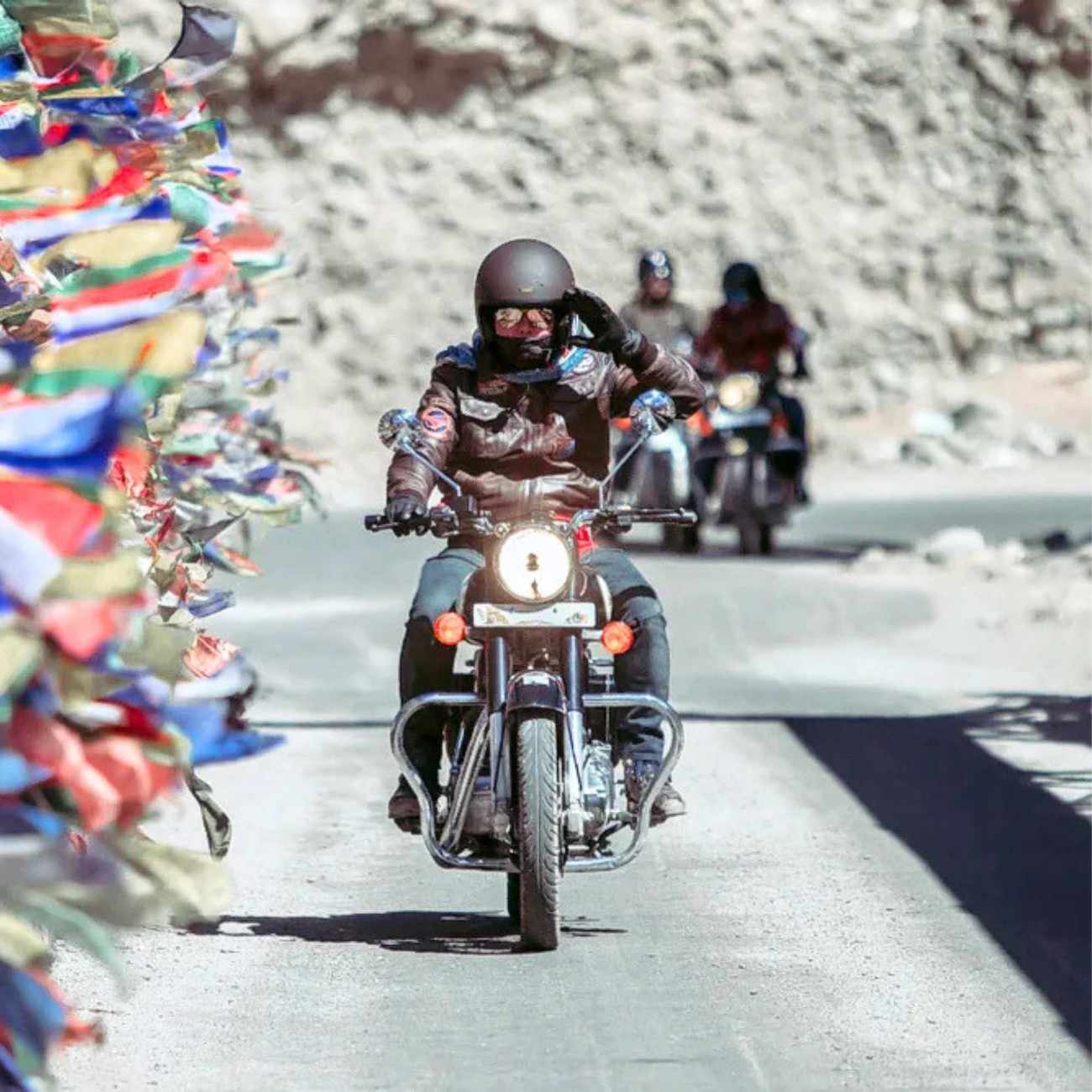
A solid guided Spiti bike package covers the essentials that keep you riding instead of worrying.
Inclusions
It typically covers a Royal Enfield bike, fuel as per the itinerary, helmet and basic riding gear where included, accommodation on twin or triple sharing, breakfast and dinner, a road captain, a mechanic, a backup vehicle on group departures, oxygen, first aid, and local Travel Coffee coordination.
Exclusions
It typically includes lunch, personal expenses, damage charges, insurance, alcohol, weather disruption costs, medical evacuation, and anything not listed in the inclusions.
The backup vehicle is the part most riders do not think about until they need it. If your bike breaks down, your luggage goes in the backup vehicle while the mechanic works on the bike.
If a rider gets altitude sickness, they can ride in the vehicle instead of pushing through on the bike. If the weather turns and riding becomes unsafe, the vehicle becomes the fallback.
For the full circuit that includes Chandratal, check our Spiti circuit with Chandratal package. It includes the lake stop with proper timing so you arrive acclimatized.
Cost Comparison: Own Bike vs Rental Bike vs Guided Package
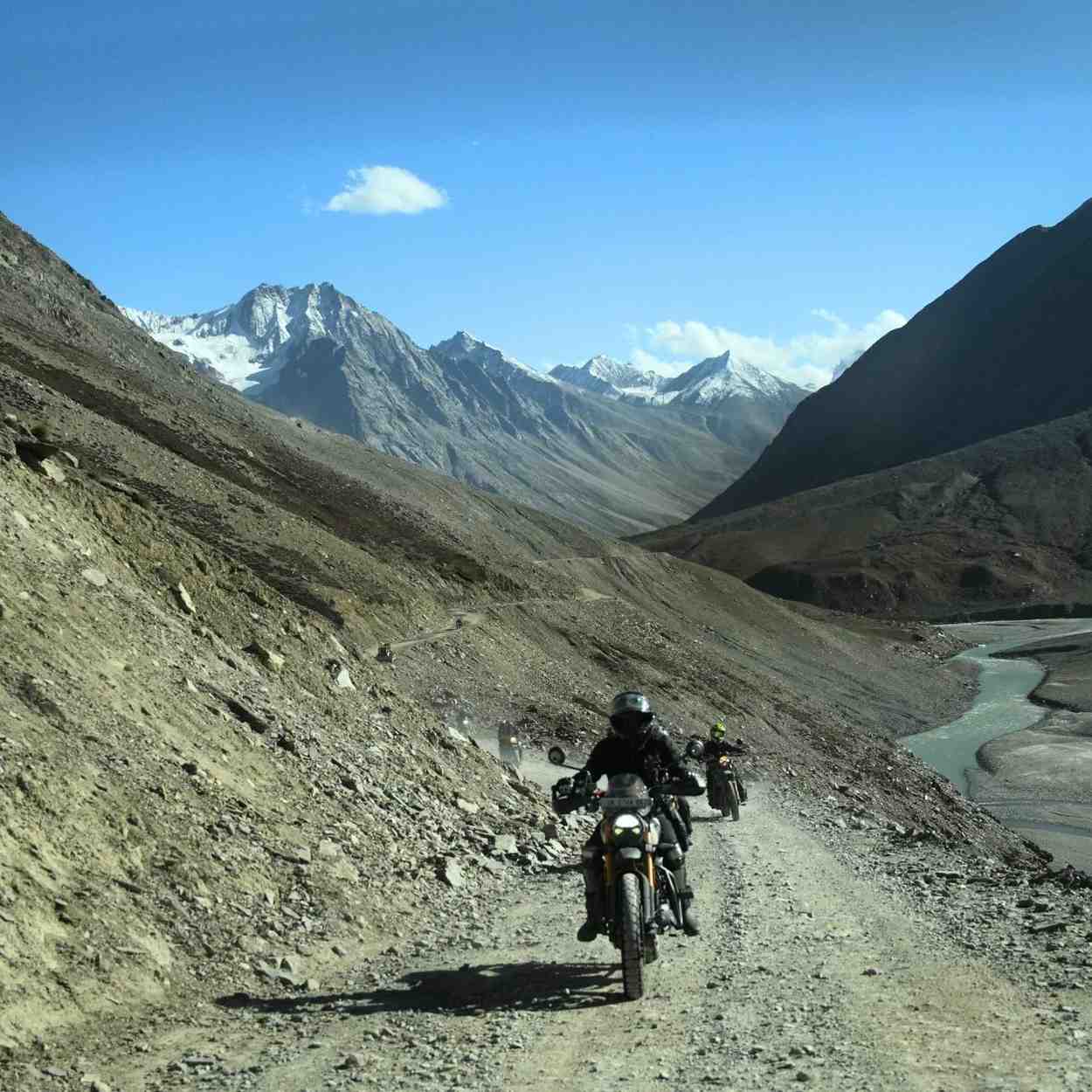
Let us put real numbers side by side.
A 9-day own-bike Spiti trip costs roughly ₹20,800 to ₹24,500. This is the cheapest on paper, covering fuel, basic food, and stays. But it excludes every surprise: mechanical repairs, emergency stays, towing, and gear you might need to buy on the road.
A 9-day rental-bike trip costs roughly ₹34,300 to ₹42,500 when you add up the daily rental, fuel, food, stays, and the deposit you lock up. The deposit is refundable in theory, but damage disputes can eat into it.
A Travel Coffee guided package starts from ₹25,999 and includes the bike, fuel, stays, meals, mechanic, backup vehicle, oxygen, road captain, and local support.
The headline price alone is misleading. Own bike keeps the cost low but transfers all risk to you. Rental adds the daily rent and deposit, and you still handle your own stays, food, and breakdowns.
The guided package costs more than one's own bike but less than a fully loaded rental trip, and it includes the support that matters most when something goes wrong in a place with no phone signal and no mechanic for 100 km.
Route Choice: Shimla Entry or Manali Entry?
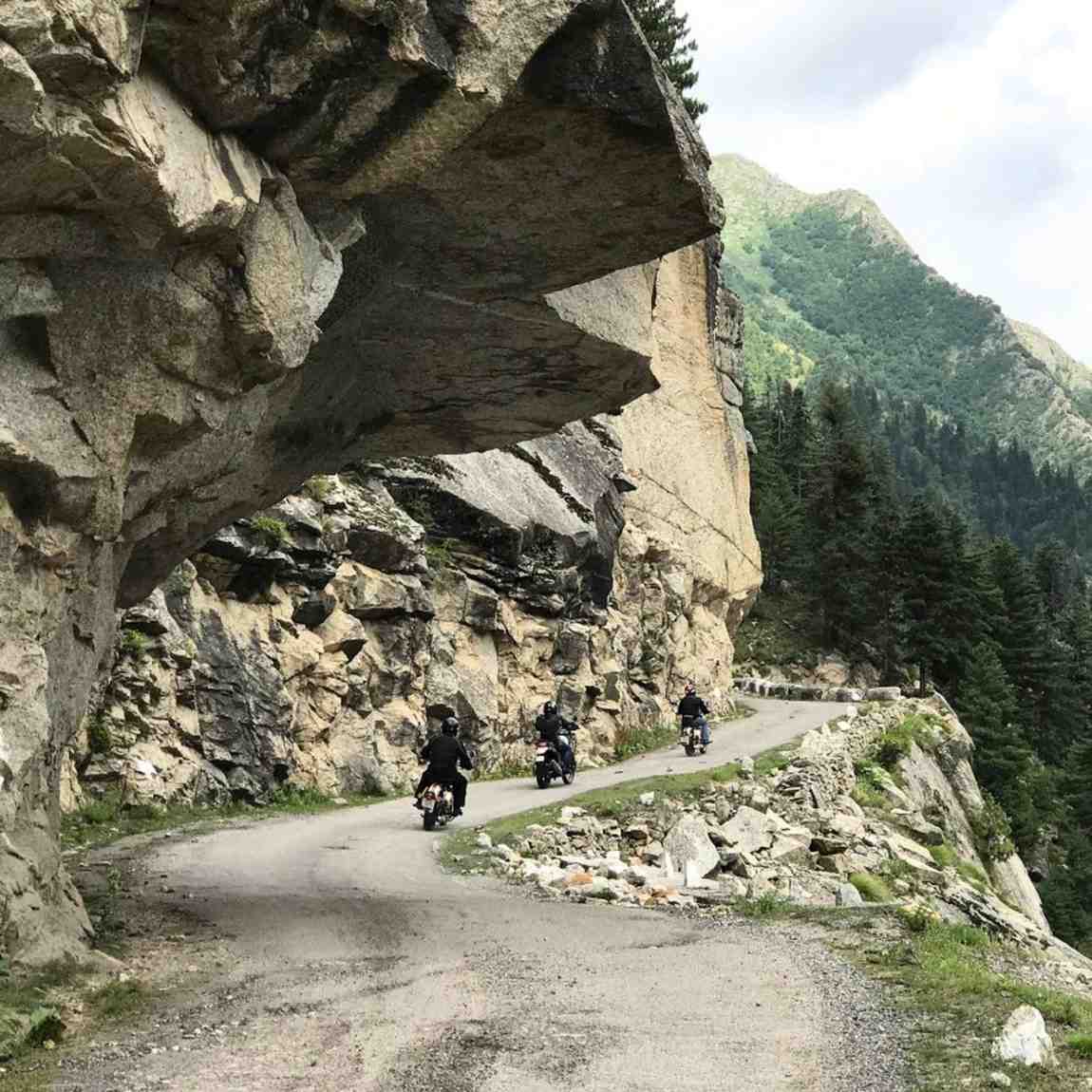
This decision changes the entire shape of your trip.
Shimla-Kinnaur-Spiti route
The Shimla-Kinnaur-Spiti route is better for most first-timers because the altitude gain is gradual.
You climb slowly through Narkanda, Kalpa, Nako, and Tabo before reaching Kaza at about 3,800 metres. By the time you ride towards Kunzum and Chandratal, your body has had days to adjust.
Manali route
The Manali route is shorter and more intense. You cross the Atal Tunnel, push through Sissu and Koksar, and climb to Kunzum Pass all within a day or two.
The altitude gain is fast, the roads after Batal are rough, and the entire ride depends on Kunzum Pass and the seasonal road clearance.
For the best acclimatisation, enter from Shimla and exit via Manali. This gives you the full circuit without backtracking. Our Kinnaur route packages follow this approach and work well for riders who want the complete experience.
One safety warning based on what we see every season
Riders who enter via Manali and push to Chandratal on day two without acclimatisation often get hit by headaches, nausea, and breathlessness. Spend at least one night at a mid-altitude point like Sissu before climbing higher. That one extra night can save the entire trip.
2026 Road Status, Kunzum and Chandratal Checks
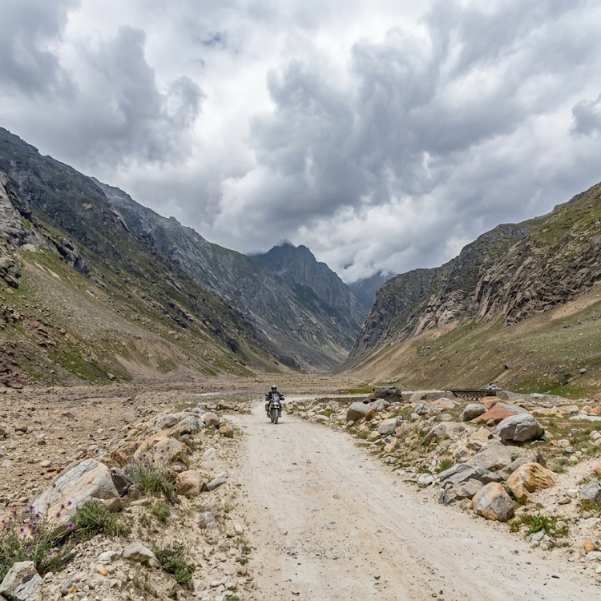
Road status in Spiti is live information. It changes daily, sometimes hourly. Do not trust a blog post from last week or a comment from last month.
The official Lahaul-Spiti District Administration road status page, last updated on June 24, 2026, listed Delhi to Manali open, Manali to Keylong open, Keylong to Kaza closed, and Keylong to Leh open.
For Chandratal, Kunzum and the Gramphu-Kaza stretch were reported open for light 4x4 on June 10, but the Batal to Chandratal diversion needs same-day confirmation. Never assume it is open. Call a local operator or check the BRO update the morning you plan to ride there.
Our Chandratal opening 2026 guide has the full breakdown on what to check and who to ask. Read it before locking Chandratal into your itinerary.
The best riding window is mid-June to September. Outside that range, road closures, snow, and unpredictable conditions make the trip significantly riskier.
Permits and Documents for Each Option
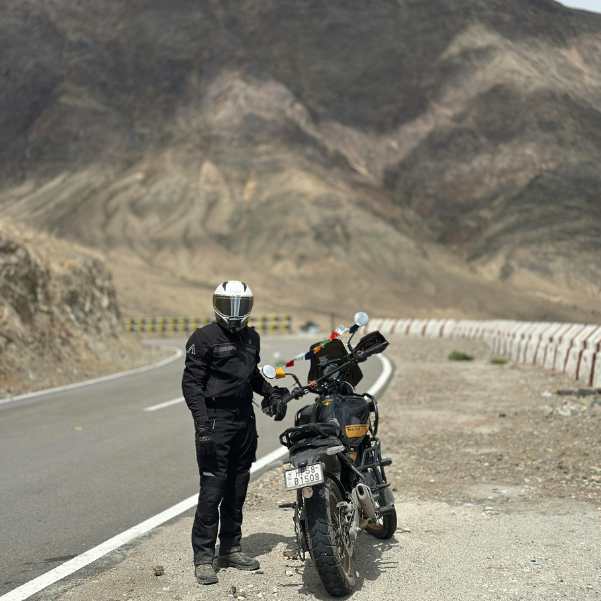
Indian citizens do not need ILP or PAP for normal Spiti tourism. Carry a valid photo ID. Aadhaar, passport, or voter ID works at checkpoints.
Foreign nationals need PAP (Protected Area Permit) for notified protected areas in Spiti. Apply through the District Magistrate's office or an authorised agent.
e-Aagman is a separate vehicle entry registration system. The official portal states that vehicles entering Lahaul and Spiti must apply for an E-Pass.
You need an E-Permit per vehicle for the Atal Tunnel-Rohtang-Koksar-Chandertal circuit. You need an E-Ticket per vehicle for other places.
Rohtang tourism permit rules are separate and include a daily quota of 800 petrol vehicles and 400 diesel vehicles, release windows at 10:00 and 16:00, and a compulsory printout. You cannot show it on your phone.
SADA fee slabs are commonly reported at ₹100 for two-wheelers, ₹200 for cars, ₹300 for SUVs and MUVs, and ₹400 for buses and trucks, but riders should confirm the latest amount at the barrier or on the official portal before travel.
Bike permit fees can also vary depending on the route and permit category, so check the current requirement before departure.
Whether you ride your own bike, rent one, or join a guided tour, keep all vehicle documents, including RC, insurance and PUC, in a waterproof pouch on the bike. Checkpoints on this route are real, and officers can ask to see your documents.
Luggage, Pillion and Backup Vehicle: The Real Difference
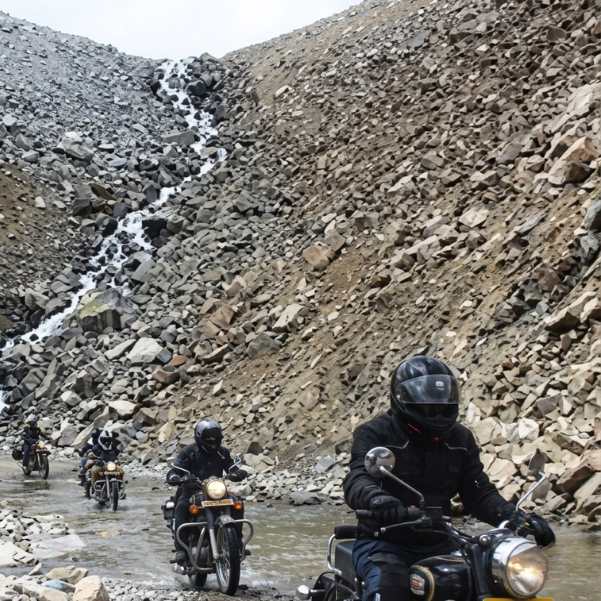
Luggage changes everything about how a motorcycle handles on gravel and water crossings.
A pillion adds 50 to 70 kg to the bike. Fuel consumption rises by 15 to 20 percent. Braking distances increase. The bike sits lower, and ground clearance drops right when you need it most.
On the loose gravel between Batal and Kunzum, a loaded bike with two riders requires significantly more skill and patience.
Use saddle bags or tail bags instead of riding with a heavy backpack. A backpack shifts weight high and makes the bike top-heavy, which is exactly what you do not want on a narrow gravel road with a drop on one side.
This is where the backup vehicle in a guided package makes a real difference. Your luggage goes in the vehicle. You ride light.
If someone gets tired or altitude hits hard, they ride in the vehicle for a stretch.
If a bike needs repair, the mechanic works while the rider continues in the vehicle. You do not lose half a day sitting on a rock at 14,000 feet waiting for help.
Decision Framework: Choose Based on Rider Type
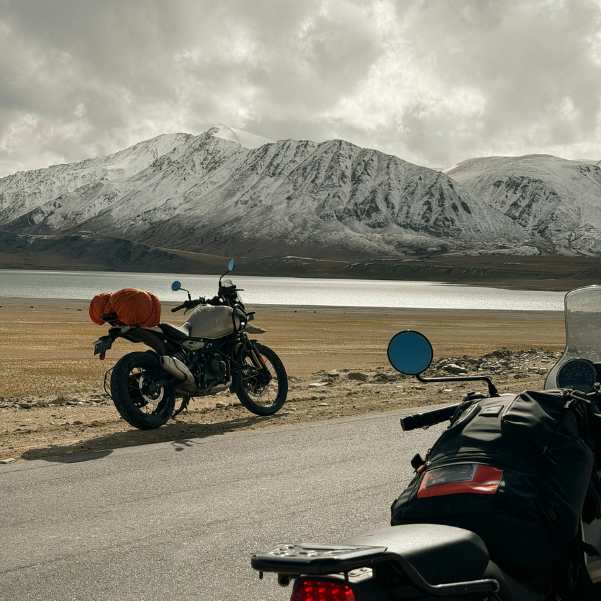
Choose own bike if you already trust your motorcycle
You have ridden above 3,000 metres before. Your bike has fresh tyres, serviced brakes, a new chain, and no electrical gremlins. You carry basic tools and know how to use them. You can fix a puncture by the roadside.
You prefer setting your own pace and you have flexible dates in case a road closes. Budget matters more to you than safety net, and you ride with at least one other bike for company.
Choose rental bike if you can inspect properly and accept deposit risk
You want a Royal Enfield Himalayan or Classic without bringing your own bike from another city. You are comfortable inspecting a bike for clutch play, brake feel, tyre tread, and chain tension.
You accept that ₹10,000 will be locked as deposit and you have spare cash for damage disputes. You know how to handle basic issues on the road or you are riding with someone who does.
Choose guided package if this is your first serious Himalayan ride
This is your first time above 4,000 metres. You are a solo traveller who does not want to ride alone in no-network zones. You are riding with a pillion and want a backup vehicle. You have limited leave and cannot afford a day lost to a breakdown.
You want a mechanic, oxygen, road captain, and someone who has driven this route fifty times and knows where the gravel is worst, where the water crossings are deepest, and where the road disappears entirely.
What we tell every rider who calls us: there is no shame in booking a guided package. The best riders we know choose guided trips when they are riding a new route. It is not about riding ability. It is about how remote Spiti is and what happens when things go sideways.
Final Verdict: Our Local Recommendation
Own bike is the best option for experienced riders with a reliable motorcycle and genuine repair skills. It is the cheapest, most flexible, and most rewarding way to ride Spiti, if you can handle the consequences when something breaks.
Rental bike is best for confident riders who inspect the bike properly, accept the deposit risk, and can troubleshoot basic issues on the road. It makes sense when your own bike is not mountain-ready or you are flying into Manali.
Guided packages are the safest and most practical choice for most first-time Spiti riders. The mechanic, backup vehicle, stays, meals, oxygen, and road captain are not luxuries at this altitude.
They are the difference between a trip that goes smoothly and one that becomes a story about what went wrong.
If you are still deciding, WhatsApp us. We have helped hundreds of riders pick the right format for their Spiti trip. We will give you an honest answer, even if the honest answer is "ride your own bike and save the money."
The road through Spiti does not care about your Instagram plans. It cares about whether your bike, your body, and your preparation are up to the job. Pick the option that makes sure they are.
Explore Our Curated Spiti Bike Trips
- Group Tour11D/10N
Ultimate Spiti Valley Bike Expedition With Chandratal and Pin Valley
1D Narkanda•1D Sangla / Baspa Valley+5
₹32,999₹39,999SAVE INR 7,000/ person 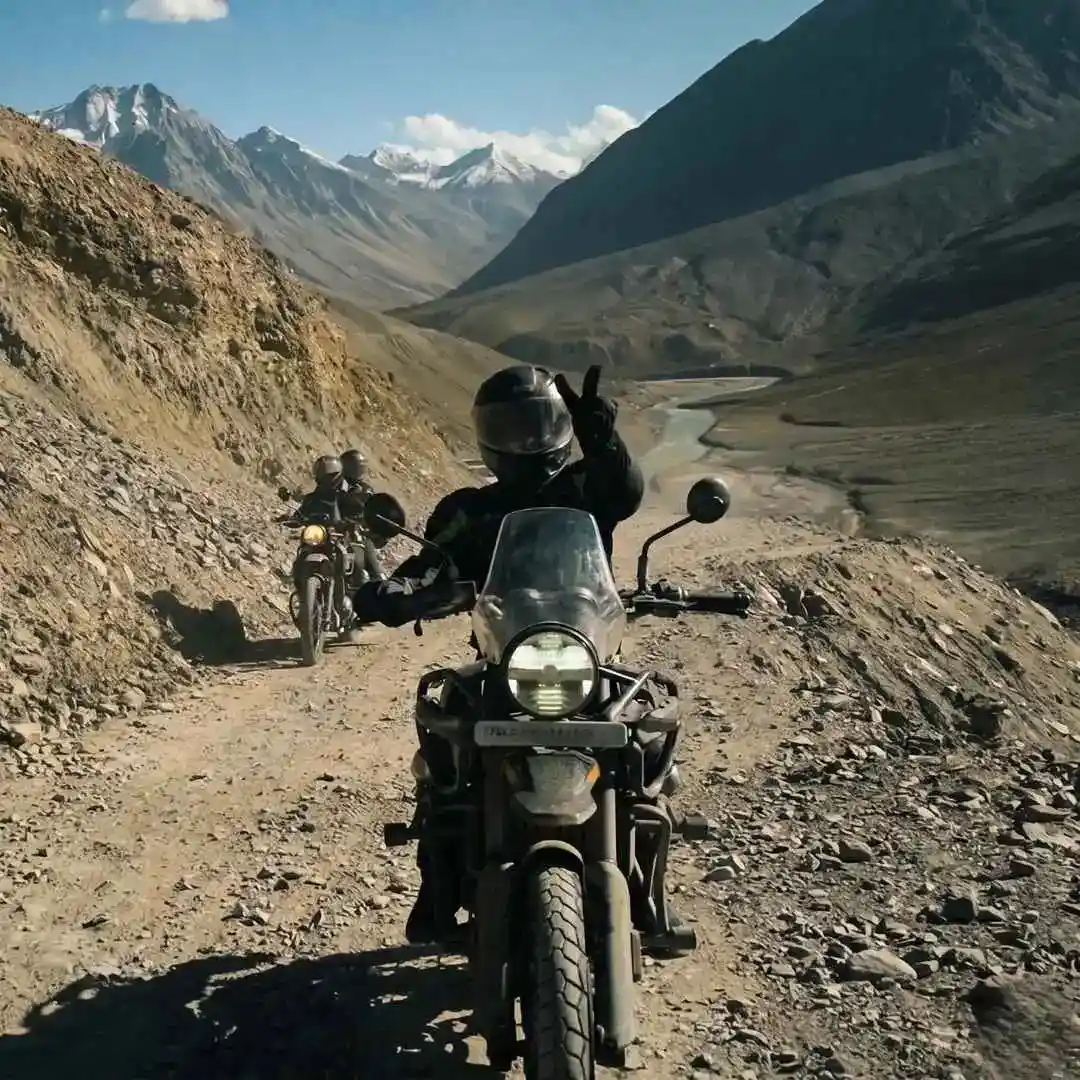 Group Tour7D/6N
Spiti Bike Trip From Manali With Chandratal
1D Sissu•1D Chandratal Camp+1
₹25,999₹29,999SAVE INR 4,000/ person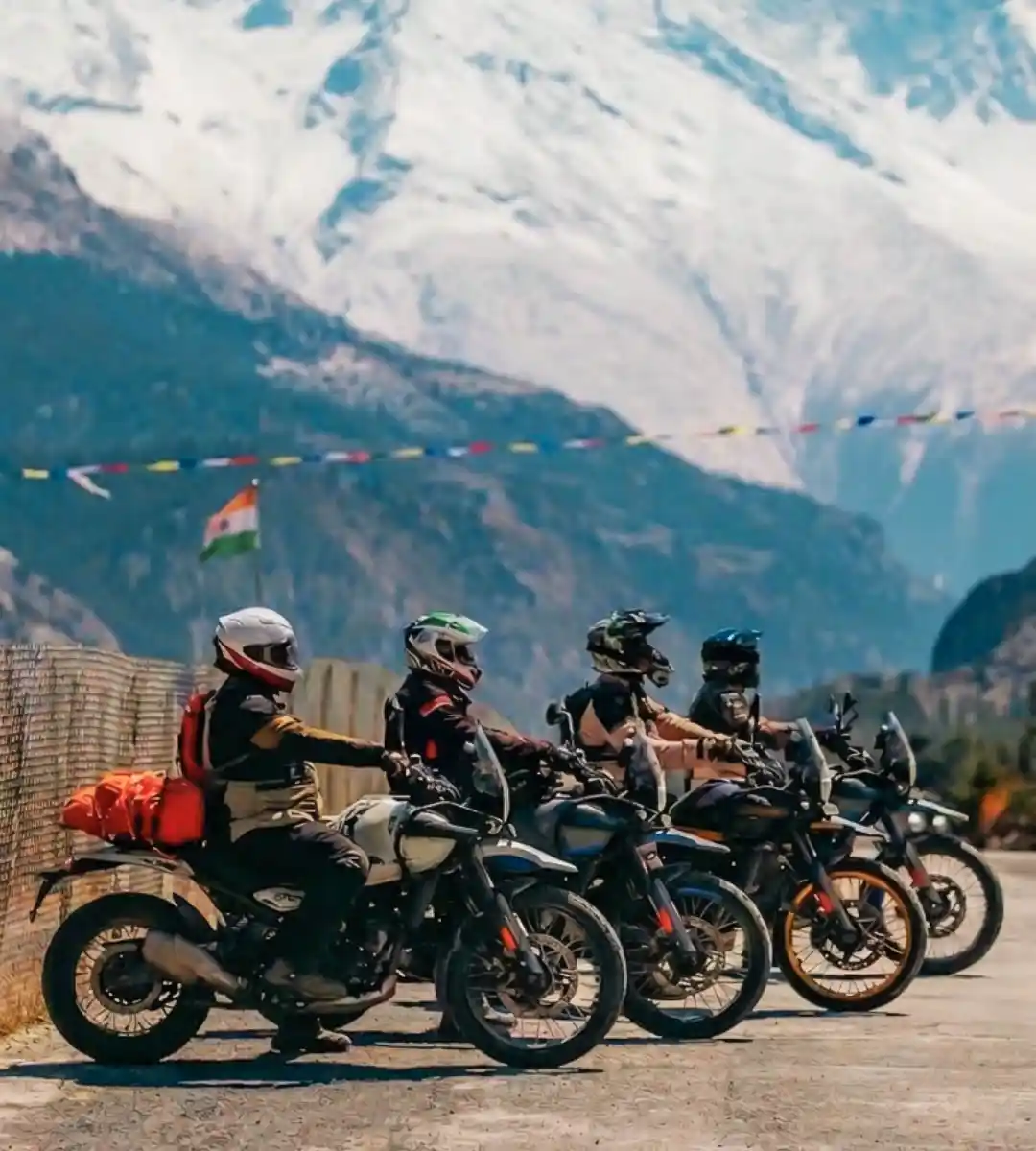 Group Tour10D/9N
Most Loved Spiti Valley Bike Expedition With Chandratal
1D Jibhi•1D Sangla+4
₹34,999₹41,999SAVE INR 7,000/ person
Related topics
Frequently Asked Questions
Is it better to take my own bike or rent a bike for Spiti?
Own bike is better if you trust your motorcycle and can handle basic repairs. Rental is better if you are flying into Himachal or your bike is not mountain-ready. Check tyre condition, brake pads, and chain life before deciding.
Is a guided Spiti bike package worth it?
Yes, especially for first-timers, solo riders, and pillion travellers. The mechanic, backup vehicle, and oxygen support justify the cost when you consider how remote Spiti really is.
Can beginners do a Spiti bike trip?
Yes, but only with a guided package. Beginner riders should ideally have 6 to 12 months of regular riding experience before attempting Spiti. The altitude, gravel, and water crossings demand confidence on the bike.
Is dual riding practical in Spiti?
It works but changes the ride significantly. A pillion adds 50 to 70 kg, fuel use rises 15 to 20 percent, and handling on loose gravel gets harder. A backup vehicle makes dual riding much safer and more comfortable.
Which bike is best for Spiti Valley?
The Royal Enfield Himalayan is the most popular choice for its ground clearance, torque at low RPM, and availability as a rental. The Classic 350 works too but sits lower. Avoid sport bikes and low-clearance commuters.
Do I need a permit for Spiti bike trip?
Indian citizens do not need ILP or PAP for normal Spiti tourism. Foreign nationals need PAP for protected areas. e-Aagman vehicle registration, Rohtang tourism permit, and SADA fee apply separately.
Is e-Aagman mandatory for Spiti?
Yes. The official portal states that vehicles entering Lahaul and Spiti must apply for an E-Pass. You need an E-Permit for the Atal Tunnel-Rohtang-Chandertal circuit and an E-Ticket for other places. Register your vehicle before you leave.
Is Chandratal open for bike trips in 2026?
The Chandratal road typically opens between late May and mid-June. Camping operations usually start by mid-June. As of June 2026, the Batal to Chandratal diversion needs same-day confirmation before riding. Do not assume it is open.
What happens if my bike breaks down in Spiti?
On an own bike or rental, you are on your own. Basic mechanics are available in Kaza and Reckong Peo, but not reliably between remote stretches. In a guided package, the mechanic handles repairs and the backup vehicle keeps you moving.
How much cash should I carry for a Spiti bike trip?
Carry ₹5,000 to ₹10,000 minimum. Many riders prefer ₹10,000 to ₹15,000 depending on route and group size. ATMs are unreliable in Spiti. Fuel pumps and dhabas often do not accept UPI or cards.
More about Lahaul and Spiti
 Lahaul and Spiti
Rent or Buy Winter Gear for Spiti in 2026? Jackets, Boots, Costs and Pickup Options
Planning a Winter Spiti trip in 2026? Compare the cost of renting vs buying jackets, snow boots, thermals and other essential winter gear, along with practical tips on what to rent, what to buy and where to arrange it before your trip.
- First-Time Travellers
- Snow Travel
 Lahaul and Spiti
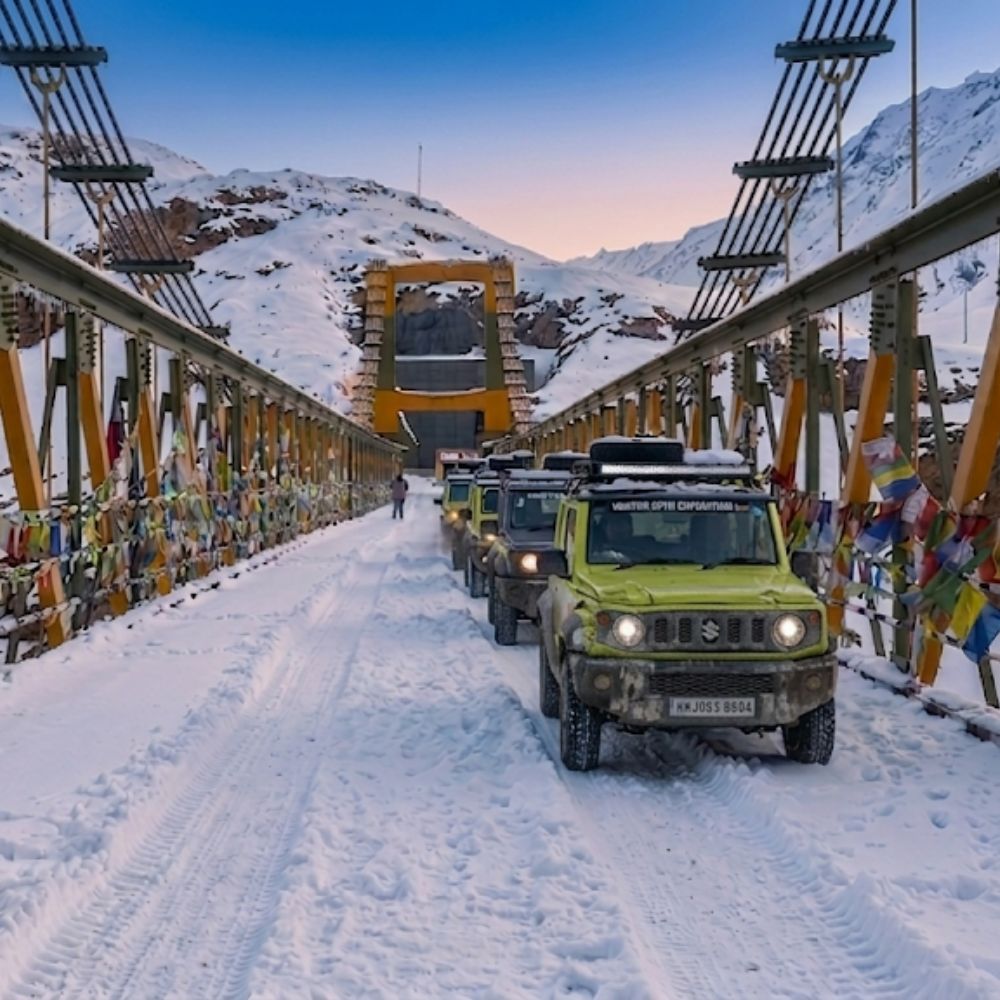
Winter Spiti 4×4 Seating Guide 2026: Jimny, Scorpio N, Thar and Hilux for Passengers and Luggage
Planning a Winter Spiti trip in 2026? This practical 4×4 seating guide compares the Jimny, Scorpio N, Thar and Hilux for passenger comfort, luggage space, winter roads and long mountain drives, helping you choose the right vehicle for your group size and travel style.
- Road Trips
- Snow Travel
 Lahaul and Spiti
Stargazing in Winter Spiti 2026: Where to Stay, Moonlight and What You Can See
Discover the best places for stargazing in Winter Spiti 2026, where to stay for darker skies and how moonlight affects visibility. Learn what you can realistically see from Kaza, Tabo and nearby villages during the winter months.
- Things to Do
- Snow Travel