
Do You Need a Manali Permit in 2026? Rohtang, Atal Tunnel, Sissu, Bikes and Private Cars
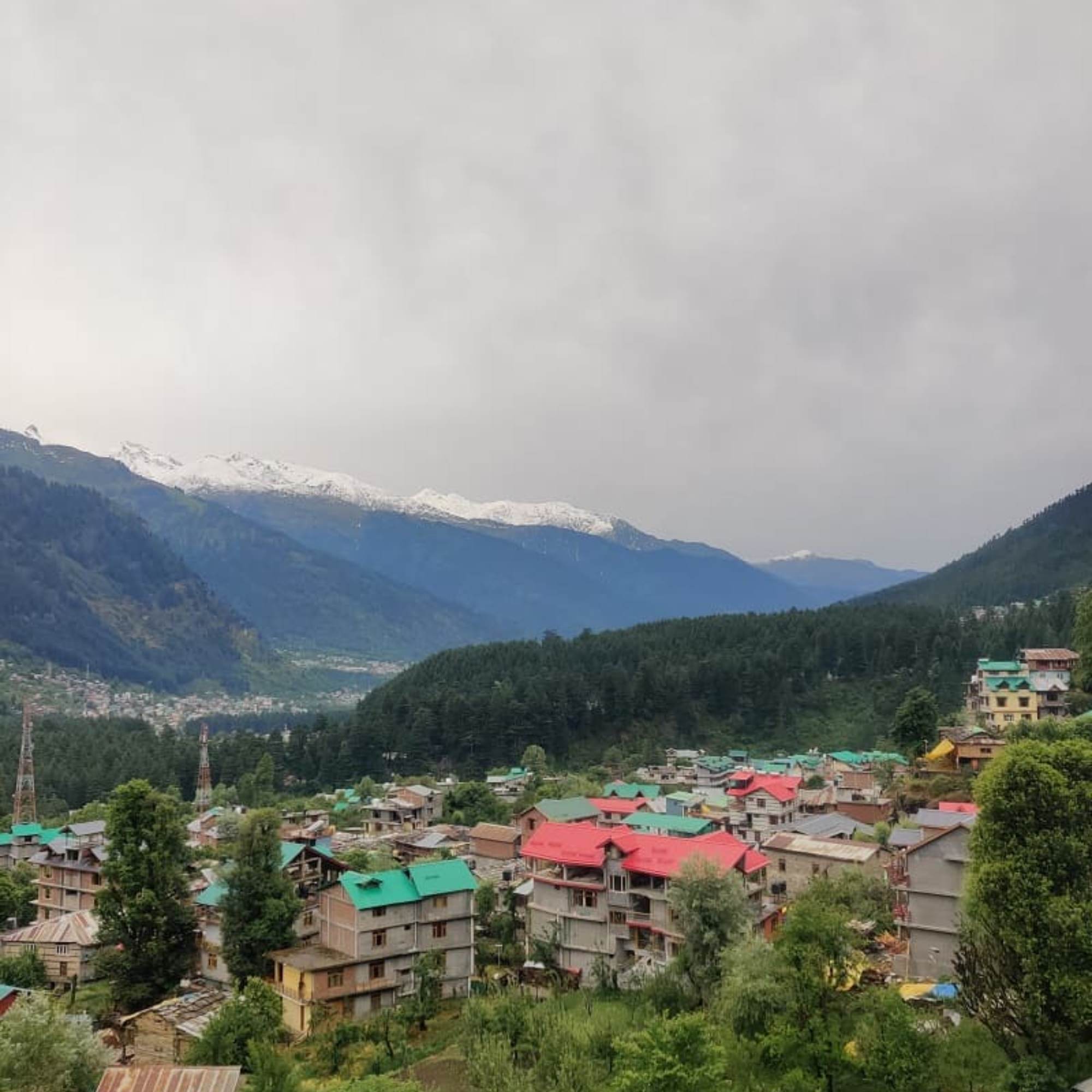
If you are searching for a manali permit, here is the short truth: there is no single blanket permit just to enter Manali or do normal sightseeing.
The confusion starts because Rohtang Pass, Atal Tunnel and Lahaul-Spiti each run on different rules, and most blogs mix them into one messy paragraph.
We plan these trips every season, and the same question comes up on WhatsApp almost daily. So let us sort it out route by route, in plain language, using only what the official portals currently say.
Quick Answer: Do You Need a Permit for Manali?
No, you do not need any tourism permit to enter Manali town, stay there, or visit places like Mall Road and Old Manali.
A separate vehicle permit applies only when you drive up to Rohtang Pass for tourism.
Atal Tunnel does not use the Rohtang permit. But once you cross into Lahaul-Spiti district, you must complete the e-Aagman document for your chosen destination.
Road access always depends on weather and official advisories. A permit never guarantees the road stays open.
If you want the whole trip handled without permit stress, our Manali tour packages come with a local driver who knows exactly which paper you need for which road.
Is There One General "Manali Travel Permit"?
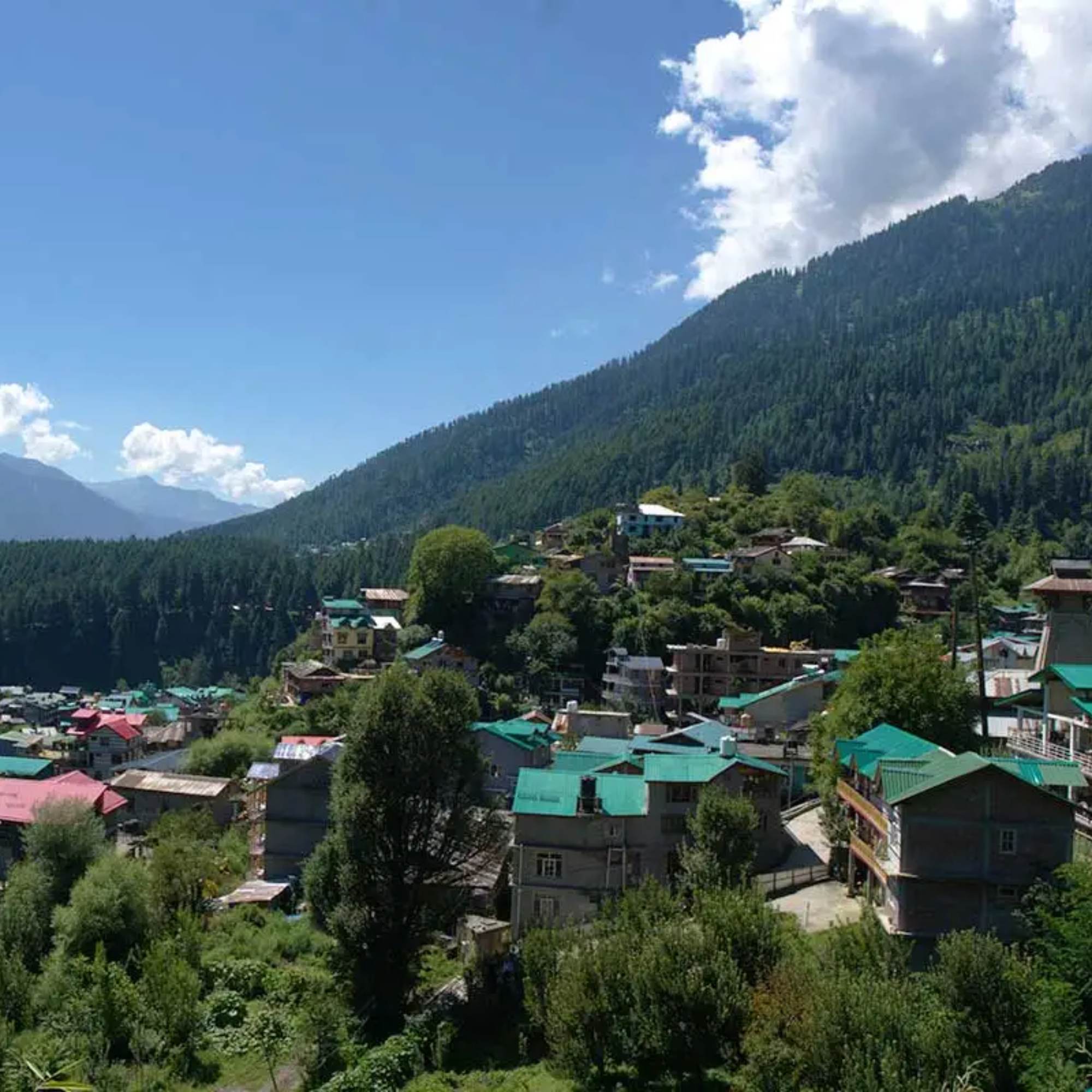
No. "Manali permit" is a made-up umbrella phrase that lumps together five completely different things.
There is ordinary local access, which needs nothing. There is the Rohtang tourism permit. There is a separate congestion charge. There is the e-Aagman system for Lahaul-Spiti. And there are temporary police or weather restrictions.
Here is what most tourists get wrong
They see a checkpoint on the road and assume they need to buy a paid permit right there. A checkpoint is not the same as a tourism permit. Many checkpoints are just ID or document checks.
In our experience, half the panic around Manali permits comes from people reading one old blog and thinking one paper covers everything. It does not.
Which Manali Trips Normally Need No Rohtang Permit?
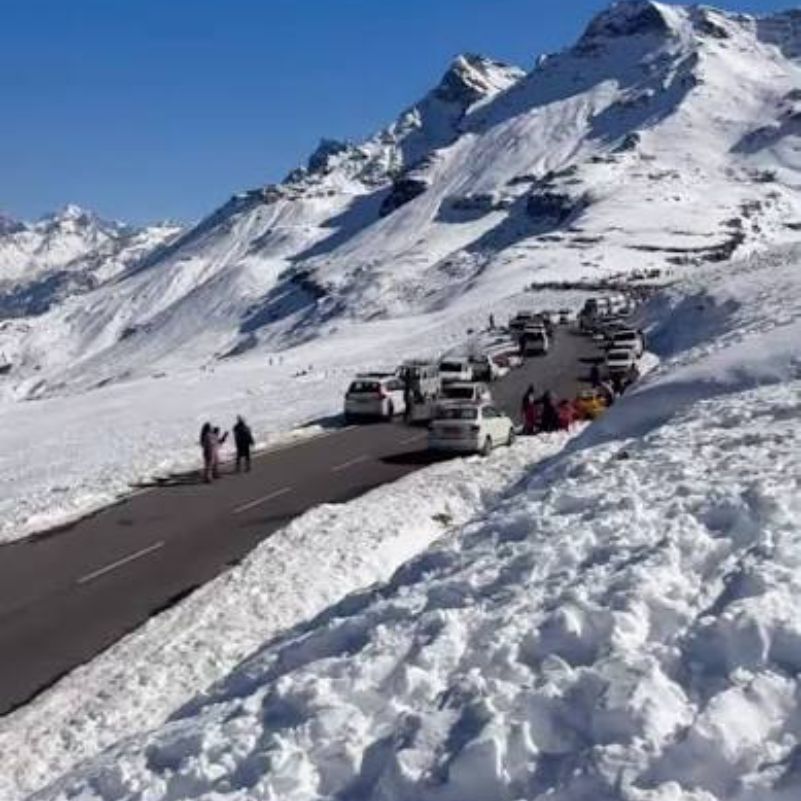
Manali Town and Local Sightseeing
Mall Road, Old Manali, Hadimba Temple and Vashisht are all ordinary sightseeing. None of these need a Rohtang permit.
You might still pay parking charges or hit a traffic diversion. Those are municipal or traffic matters, not a tourism permit.
If anyone tries to charge you a mystery "entry fee" for Manali town itself, ask exactly what government charge it is. Do not just hand over cash.
Solang Valley
Solang Valley sits on the way towards the tunnel route, but it is not Rohtang Pass. You do not normally need a Rohtang tourism permit just to visit Solang.
The catch is access. During snow, heavy congestion, road clearing or special police restrictions, entry to Solang can be controlled or stopped for the day.
If you are going for paragliding or the ropeway, our guide to adventure activities in Manali breaks down what is actually worth your money up there.
When Do You Need a Permit for Rohtang Pass?
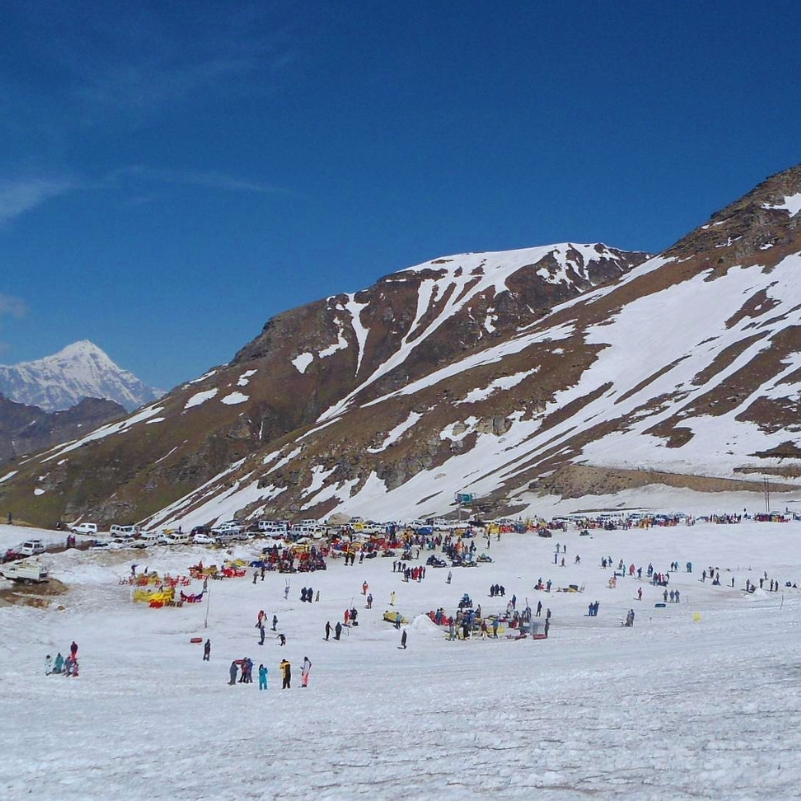
If your tourism vehicle is going up to Rohtang Pass, you must use the official Rohtang permit system. No way around it.
The permit is tied to the vehicle, not the person. According to the official portal, it is valid for one day for a return journey.
Availability runs on a quota, so permits can run out for busy dates. Apply early.
What Is the Difference Between a Rohtang Permit and a Congestion Charge?
The official portal lists two separate charges. One is the permit fee. The other is a congestion charge.
For a car or jeep, the permit fee is ₹500 and the congestion charge is ₹50, so ₹550 in total.
For an MUV, the permit fee is ₹500 and the congestion charge is ₹50.
For a bus or HMV, the permit fee is ₹500 and the congestion charge is ₹100.
These are per-vehicle charges, not per-person. Do not let anyone tell you it is priced by head.
What Documents Are Required for a Rohtang Permit?
The official page lists valid ID proof, a valid PUC certificate, the vehicle registration date and your tourist address details.
Vehicle-age conditions may vary by permit category, so confirm the applicable limit under your exact permit type on the official portal before applying.
Carry your RC, driving licence and insurance anyway as standard vehicle documents. We are not claiming all three appear in the permit summary, but you should have them in the car regardless.
The portal says a printout of the permit is compulsory. Do not depend only on a phone screen.
What Are the 2026 Vehicle Quotas?
This is where two official pages disagree, so read carefully.
One general information page lists a daily quota of 800 petrol vehicles and 400 diesel vehicles.
A different special-permit page displays 60 petrol vehicles and 40 diesel vehicles daily.
These numbers do not match, and we will not pretend one is the universal figure. Daily vehicle quotas can differ by permit category and current portal settings, so check the live quota shown for your exact permit type before booking.
Is Rohtang Closed on Tuesdays?
You will read everywhere that Rohtang shuts every Tuesday for maintenance. The official pages are not consistent on this right now.
One official page says Tuesday is a maintenance day. Another current official page displays "NONE" as the maintenance day.
So do not assume it is definitely closed on Tuesday. Tuesday closure rules may vary, so check the live permit calendar and latest district advisory for your exact travel date.
Do You Need a Permit for Atal Tunnel?
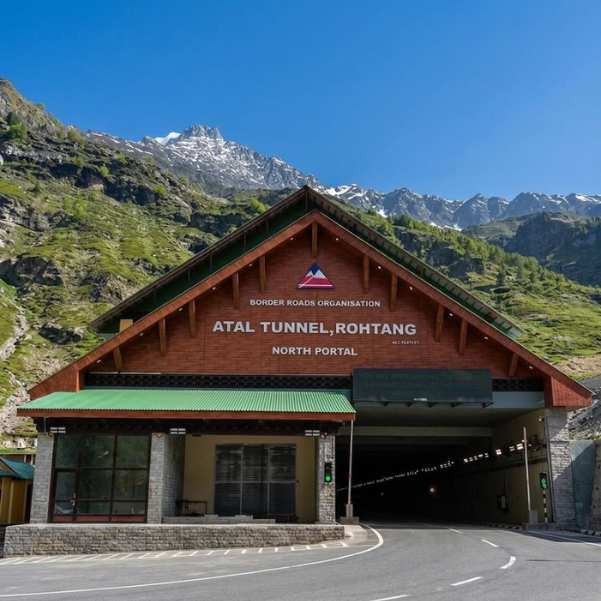
No, you do not need the Rohtang Pass tourism permit just to drive through Atal Tunnel.
The tunnel goes below the Rohtang massif and skips the old high road over the pass completely.
But here is the part people miss. The moment you cross into Lahaul and Spiti district, the separate e-Aagman system applies.
"No Rohtang permit" does not mean "no registration, no checkpoint, guaranteed entry." Temporary closures for weather, rescue operations, traffic or administrative reasons can still stop you.
Do You Need a Permit or e-Pass for Sissu?
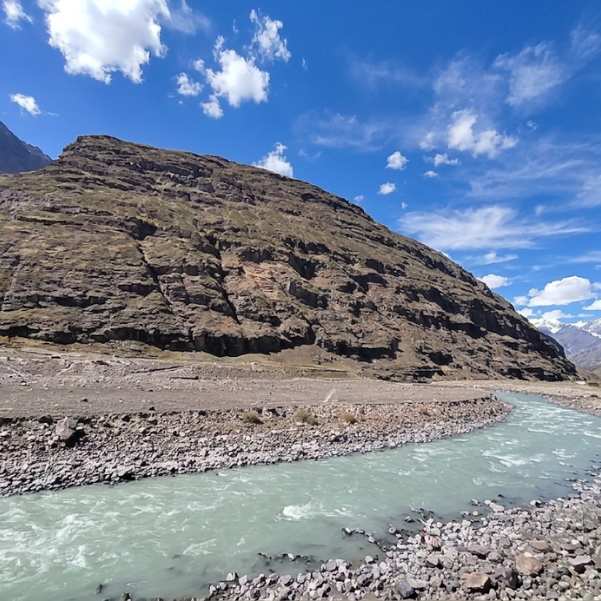
Sissu lies in Lahaul and Spiti district, just beyond Atal Tunnel. So yes, the e-Aagman system covers it.
The official e-Aagman portal says anyone bringing a vehicle into Lahaul-Spiti district must obtain an e-pass.
The portal splits this into two documents. There is an e-permit for the Atal Tunnel, Rohtang, Koksar and Chandratal circuit, and an e-ticket for other destinations.
Select Sissu on the live portal and use whichever document it generates for that destination. Check the current fee and document type generated for Sissu directly on the live e-Aagman portal before travelling, as requirements may change.
Manali to Sissu is roughly 38 to 40 km via Atal Tunnel. In normal conditions it takes about 1 to 1.5 hours, stretching to 1.5 to 2 hours with traffic, snow or photo stops.
For the full route breakdown, read our Manali to Sissu road trip guide, and if you would rather have it arranged, see our Sissu tour options.
What Are the Rules for Private Cars in Manali?
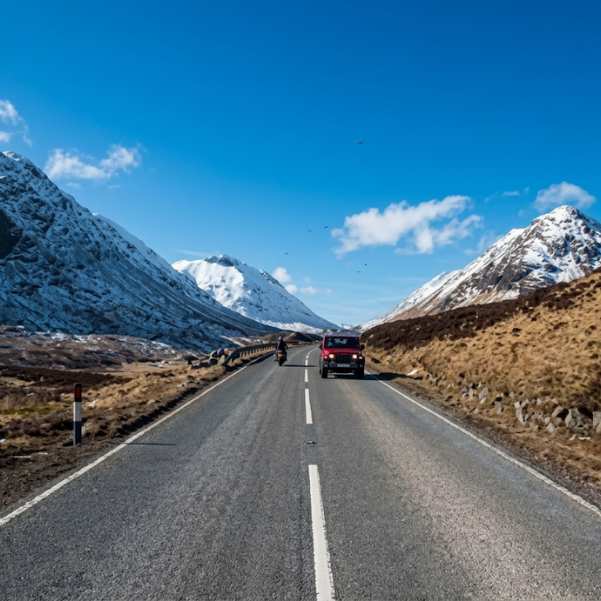
Your private car can enter Manali without any general tourism permit. Drive in, park, sightsee, no paper needed for the town itself.
If that private car is going up to Rohtang, it needs the relevant Rohtang permit like any other vehicle.
If it is heading into Lahaul-Spiti through Atal Tunnel, complete the applicable e-Aagman process first.
Carry your RC, driving licence, insurance, PUC and ID every time. Local police may stop vehicles during snow, black ice or emergency road restrictions, and they will ask.
Can a Small Hatchback Go to Atal Tunnel and Sissu?
The permit rule is not generally decided by whether you drive a hatchback or an SUV. Legally, the paperwork is the same.
The real issue is road suitability. Snow and ice change everything.
Legal permission to enter does not mean the road is safe for every car. We would not send a small hatchback up there on a fresh-snow day, and neither should you push it.
Do Out-of-State Cars Need a Special Manali Permit?
An out-of-state number plate by itself does not trigger a general Manali tourism permit. That is a myth.
There may be a municipal or environmental charge, but no current official amount was confirmed, so we will not print a number here. Check it at the official collection point if it applies.
Whatever your plate says, the route-specific Rohtang and e-Aagman rules still apply the same way.
Do Bikes and Scooters Need a Manali Permit?
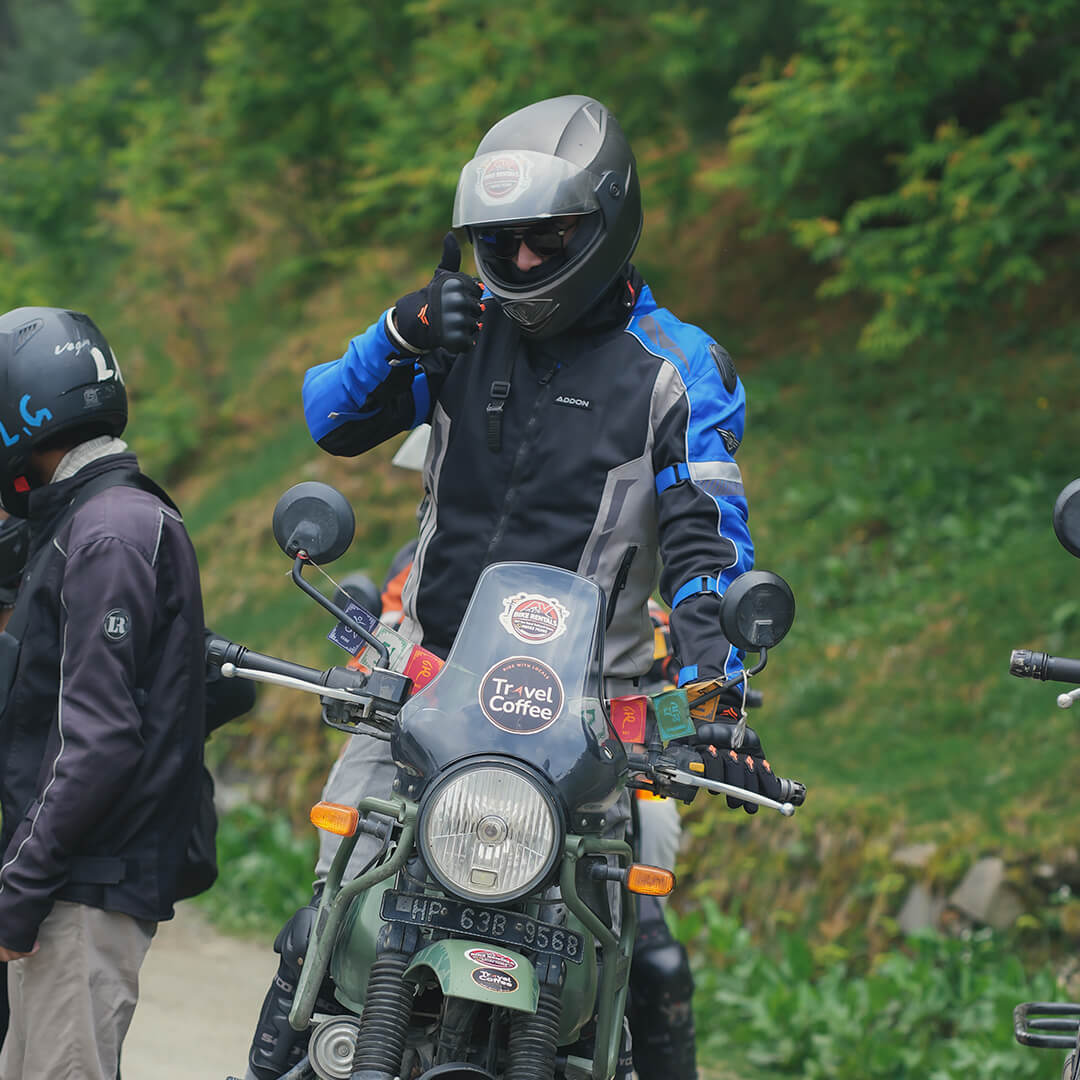
There is no blanket permit for ordinary motorcycle or scooter use in and around Manali.
A two-wheeler heading towards Rohtang must follow the permit category and eligibility shown on the live official portal.
Atal Tunnel does not use the Rohtang tourism permit for bikes either, but e-Aagman and temporary road restrictions still apply beyond it. Police can also stop two-wheelers during snow or black-ice conditions.
What About Rented Bikes?
First, check whether your rental agreement even allows the route you are planning. Some rentals restrict where you can take the bike.
Carry the rental agreement or authorisation letter plus every vehicle document the operator gives you.
A rental shop saying "haan sir, koi permit nahi chahiye" does not override the government portal or a police checkpoint. We have seen riders turned back because the shop's word did not match the paperwork.
Are Scooters Allowed Through Atal Tunnel?
Not an unconditional yes. Two-wheelers may use the route in normal permitted conditions.
But access can be temporarily restricted for snow, ice, congestion or safety reasons. Check the same-day police or district advisory before you ride out.
What If You Are Travelling by Taxi?
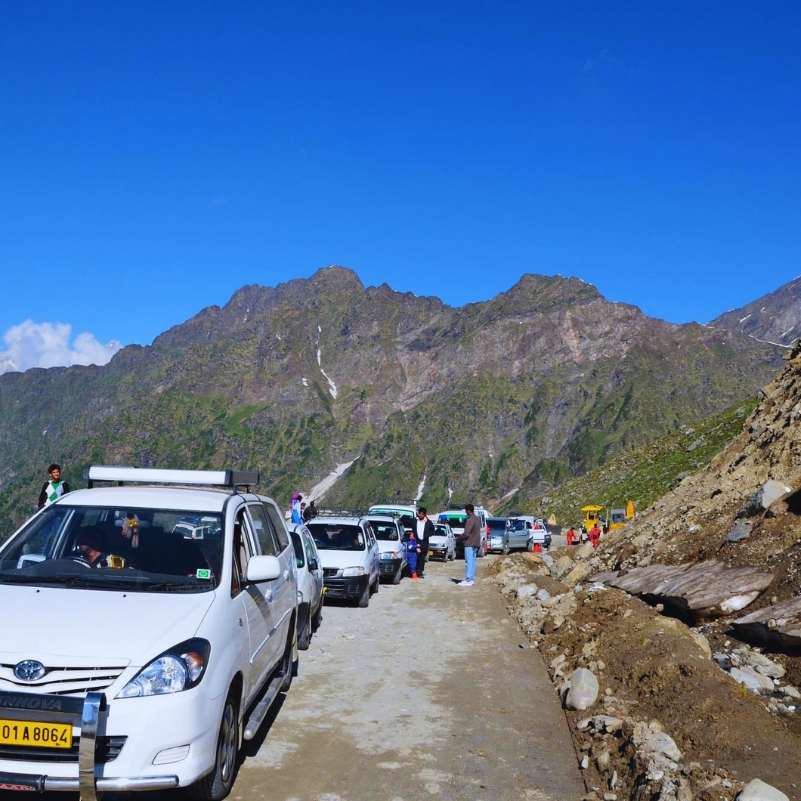
The Rohtang permit is attached to the vehicle, not bought separately by each passenger. So the taxi itself carries the permission.
A taxi operator will usually arrange the vehicle's route permission, but confirm this before you leave. Do not assume.
Ask directly whether the permit fee and congestion charge are included in your quote. And if a driver adds a vague "Manali permit fee" to the bill, ask exactly what government charge it represents before paying.
Are Rohtang and Atal Tunnel the Same Route?
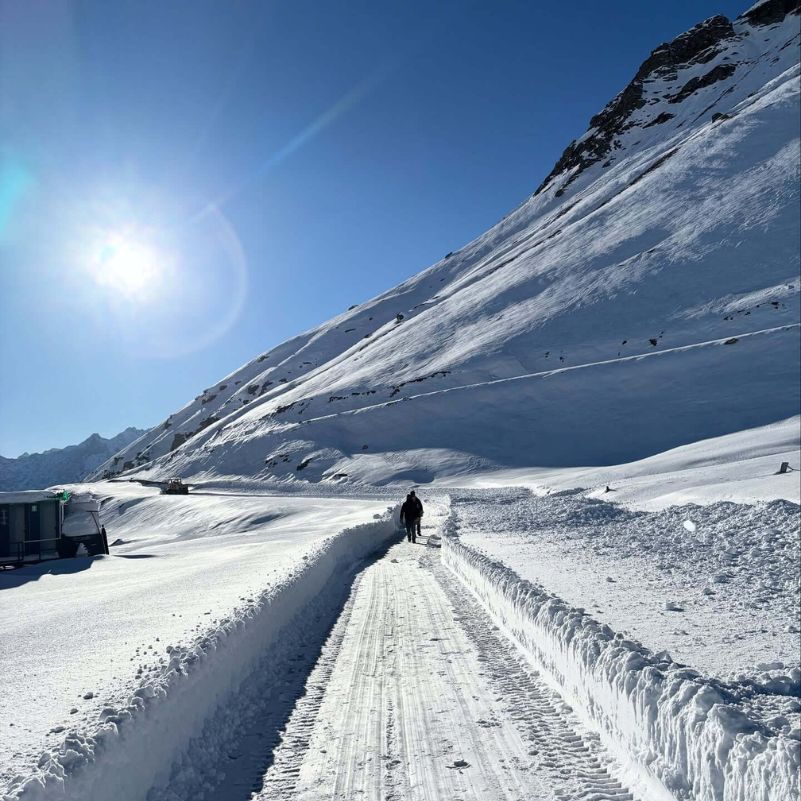
No, and this confuses more travellers than anything else.
Rohtang Pass is the high mountain road and a tourism destination in its own right.
Atal Tunnel passes below the Rohtang massif and gives faster, lower-altitude access to Lahaul.
You can reach Sissu through Atal Tunnel without ever driving over Rohtang Pass. That is exactly why the permit systems differ. Rohtang tourism uses the Rohtang portal. Lahaul-Spiti entry uses e-Aagman.
What Is a "Beyond Rohtang" Permit or Charge?
The official portal has a separate Beyond Rohtang section, and it is not the same as the full Rohtang tourism permit.
Its current information page lists a congestion charge of ₹50 for an LMV, ₹50 for a passenger vehicle and ₹100 for a goods vehicle.
This is a lighter charge than the full Rohtang tourism permit total. Apply according to the route you are actually driving, not according to an old blog screenshot.
If your journey continues deep into the region, our Spiti Valley packages cover the routing and permit checks for you.
Do You Need Another Permit for Spiti, Chandratal or Leh?
No single Manali or Rohtang document works as a universal permit for the whole Himalayan journey. Treat every stretch separately.
Chandratal is explicitly named in the official e-Aagman permit wording, so it falls under that system.
Foreign nationals have separate protected-area rules, which we will not invent details for here. And Ladakh may have its own destination-specific rules after you arrive, so check those separately.
For timing your lake visit, our Chandratal opening guide for 2026 has the month-by-month picture. If you want it arranged end to end, look at our Chandratal tour package, and for the far end of the road, our Ladakh tour packages.
How Do You Check the Correct Permit Before Travelling?
Start by pinning down your exact destination. Manali town, Solang, Rohtang, Sissu and Chandratal are all different answers.
Then work out your vehicle type and whether it is private, commercial, self-owned or rented, because that decides which category you fall under.
If you are going to Rohtang, check the official Rohtang portal at https://rohtangpermits.hp.gov.in/. If you are entering Lahaul-Spiti, use e-Aagman at https://eaagman.hp.gov.in/.
Whatever your route, check the same-day district or police advisory before you leave. Download your document and carry a printout where the portal asks for one.
The old rohtangpermits.nic.in site now points to the new government domain, so ignore any link sending you to the old address.
Common Manali Permit Mistakes
The biggest one is applying for a Rohtang permit when the actual trip is Sissu through Atal Tunnel. Wrong system entirely.
The second is assuming that "no Rohtang permit" means "no e-Aagman." Crossing into Lahaul-Spiti still needs its own document.
People also rely on an old screenshot or a random social-media reply instead of the live portal. Rules and figures shift between seasons.
Then there is confusing a taxi charge with a government fee, and paying without asking what it covers.
And two big ones on the ground: planning a Rohtang trip without checking whether the pass has even opened, and assuming a confirmed permit guarantees the road stays open.
In April 2026, Solang, Atal Tunnel and Sissu access was temporarily restricted for security arrangements, and heavy snowfall in 2026 forced tourist restrictions and vehicle rescues around Atal Tunnel and Sissu. A permit is permission, not a weather guarantee.
Manali Permit Decision Guide for Common Trips
Delhi to Manali in your own car. No Rohtang permit and no e-Aagman for the drive to Manali town. Just carry your standard vehicle documents.
Manali local sightseeing. No Rohtang permit, no e-Aagman. Only parking or municipal charges may apply.
Manali to Solang Valley. No Rohtang tourism permit normally needed. Check same-day road status during snow or congestion.
Manali to Rohtang Pass. Rohtang tourism permit required. Confirm the pass has opened and check the maintenance-day status for your date.
Manali to Atal Tunnel and back. No Rohtang permit. If you cross into Lahaul-Spiti, complete e-Aagman and check road status.
Manali to Sissu. No Rohtang permit. e-Aagman applies for Lahaul-Spiti entry. Check same-day advisory.
Manali to Keylong or Jispa. No Rohtang permit via the tunnel. e-Aagman applies, and same-day road status matters.
Manali to Chandratal. No Rohtang tourism permit for the tunnel route, but Chandratal is covered under e-Aagman. Check both road opening and status.
Manali to Spiti. e-Aagman applies for the Lahaul-Spiti stretch. Confirm road status across the circuit.
Manali to Leh. No single Manali permit covers this. Complete e-Aagman for Lahaul-Spiti and check Ladakh's own rules separately.
Manali sightseeing in a hired taxi. No permit for town sightseeing. If the taxi goes to Rohtang or Lahaul-Spiti, confirm the operator has arranged the vehicle's permit or e-Aagman.
👉 Not sure which permit you need for your Manali trip? WhatsApp us your route and travel dates.
Final Checklist Before You Drive
Keep your RC, driving licence, insurance, PUC and government ID together and easy to reach. If your vehicle is rented, add the rental authorisation.
Where your route needs it, carry the Rohtang permit or congestion slip, plus the applicable e-Aagman e-ticket or e-permit.
Save offline digital copies and carry a printout where the portal demands one. A dead phone at a checkpoint is a real problem.
Before you roll out, check fuel, tyres, the weather and the latest road advisory. In this region, that last check saves trips.
Related topics
Frequently Asked Questions
Do tourists need a permit to enter Manali?
No. There is no tourism permit to enter, stay in or sightsee around Manali town. You only deal with permits when your route goes to Rohtang or into Lahaul-Spiti.
Is a permit required for a private car in Manali?
Not for Manali town or local sightseeing. A private car needs the Rohtang permit only for Rohtang, and e-Aagman only for entering Lahaul-Spiti.
Do I need a permit for Solang Valley?
Normally no Rohtang tourism permit is required for Solang. Access can still be controlled during snow, congestion or road clearing, so check the day's status.
Is a permit compulsory for Rohtang Pass?
Yes. Any tourism vehicle going to Rohtang Pass must use the official Rohtang permit system, and it is valid for one day for a return trip.
How much is the Rohtang Pass permit in 2026?
For a car or jeep, it is a ₹500 permit fee plus a ₹50 congestion charge, so ₹550 total. Buses and HMVs pay ₹500 plus a ₹100 congestion charge. These are per-vehicle charges.
Is a permit needed to cross Atal Tunnel?
The Rohtang tourism permit is not needed just to drive through Atal Tunnel. But entering Lahaul-Spiti beyond it is covered by e-Aagman.
Do I need an e-pass for Sissu?
Yes. Sissu is in Lahaul-Spiti, and the e-Aagman portal says vehicles entering the district must obtain an e-pass. Select Sissu on the portal and use the document it generates.
Can I take my own car from Manali to Sissu?
Yes. Complete the applicable e-Aagman process, carry your standard documents, and check the same-day road advisory. Road suitability changes fast with snow and ice.
Do motorcycles need a Rohtang permit?
A two-wheeler going to Rohtang must follow the permit category and eligibility on the official portal. There is no blanket permit for ordinary bike use around Manali.
Can rented bikes go through Atal Tunnel?
They may in normal conditions, but access can be restricted for snow, ice or safety. Check that your rental agreement allows the route and carry all documents from the operator.
Does a taxi driver arrange the Rohtang permit?
Usually yes, since the permit is tied to the vehicle. Still, confirm before departure and ask whether the permit and congestion fee are included in your quote.
Is Rohtang Pass closed every Tuesday?
Not confirmed. One official page lists Tuesday as a maintenance day while another shows "NONE." Check the live permit calendar for your date.
What documents are required for a Rohtang permit?
Valid ID proof, a valid PUC certificate, the vehicle registration date and tourist address details are listed as mandatory. Carry RC, licence and insurance as standard, and a printout of the permit.
Is the same permit valid for Spiti or Leh?
No. No single Manali or Rohtang document covers the whole journey. Lahaul-Spiti entry uses e-Aagman, Chandratal is named in that system, and Ladakh has its own separate rules.
More about Manali
 Manali
What Happens If Snowfall or Road Closures Affect Your Manali Trip in 2026? Refunds, Rescheduling and Plan B
Learn what to do if snowfall or road closures disrupt your Manali trip in 2026, including refund rules, rescheduling options and practical backup plans.
 Manali
How to Choose the Best Manali Tour Operator in 2026: 15 Questions to Ask Before Booking
Choosing the right Manali tour operator in 2026 can make your trip smoother, safer and easier to manage. Check registration, package inclusions, hotel details, transport arrangements, cancellation terms and local support before you book.
- First-Time Travellers
 Manali
How Many Days Should You Book for a Manali Tour Package in 2026? 3N/4D vs 4N/5D vs 5N/6D
Not sure how many days to book for Manali? Compare 3N/4D, 4N/5D and 5N/6D packages to find the right trip length for your sightseeing plans and travel style.
- Itinerary
- First-Time Travellers