
Manali Itinerary for 2 Days: Local Sightseeing, Solang Valley and Smart Time Planning
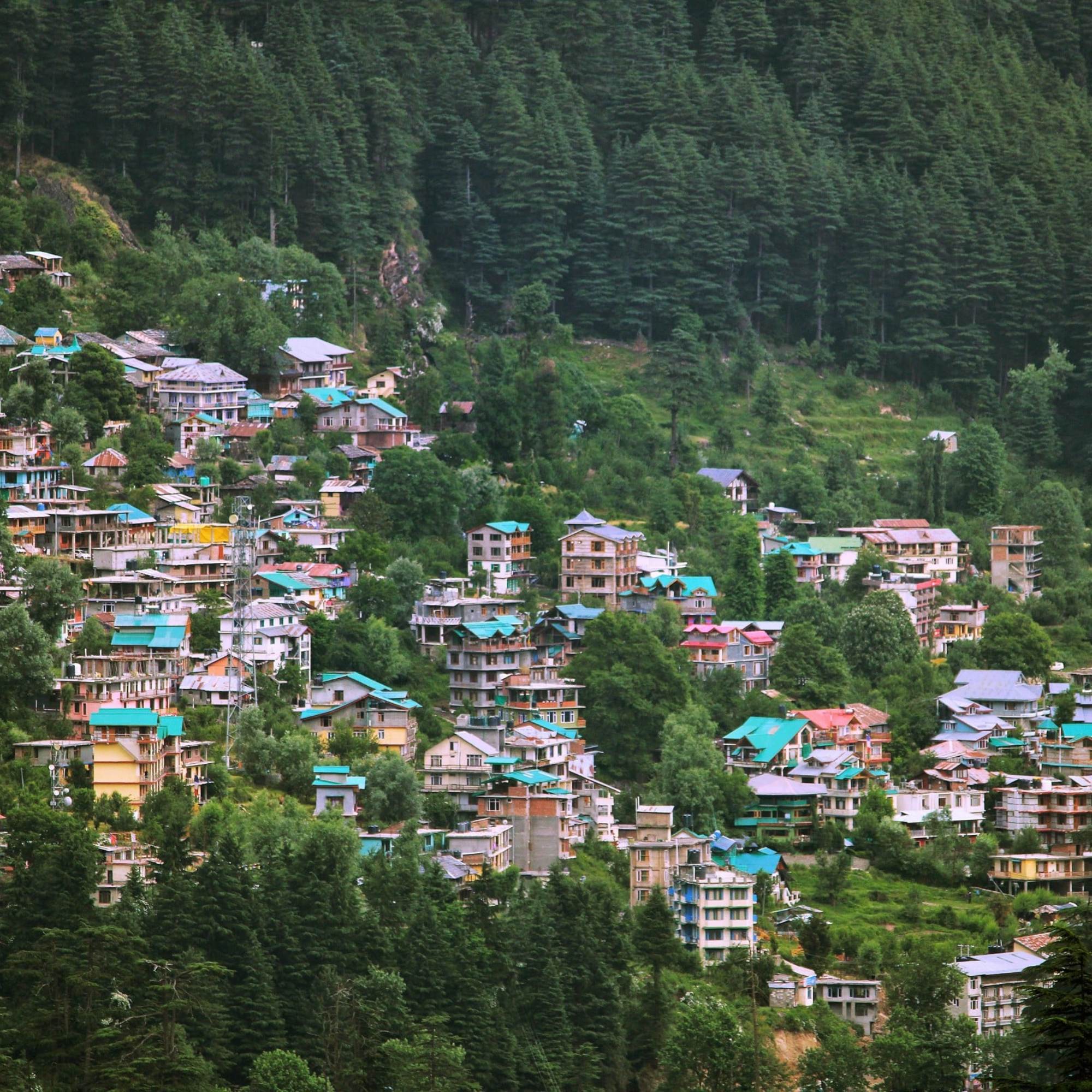
Most people who ask us for a manali itinerary for 2 days are actually working with much less than two days. They land at 9 AM after a night bus, waste the first three hours on breakfast and check-in, and then wonder why the plan collapsed by evening.
Two days works for Manali. But only if you accept that some famous names on your list have to go.
Quick Answer: Are Two Days Enough for Manali?
Yes, two full sightseeing days cover Manali's essential highlights. They do not cover the wider region.
Use day one for Hadimba Temple, Old Manali, Vashisht, and Mall Road.
Use day two for Solang Valley and one or two seasonal activities.
Do not try to add Kasol, Manikaran, Naggar, Sissu, and Rohtang to the same trip. Pick one and drop the rest.
And remember that a two-night, three-day booking often gives you less than two full sightseeing days once arrival and departure eat into the schedule.
If you want the whole thing arranged around your actual arrival time, our Manali tour packages are built exactly this way.
Your Two-Day Manali Plan at a Glance
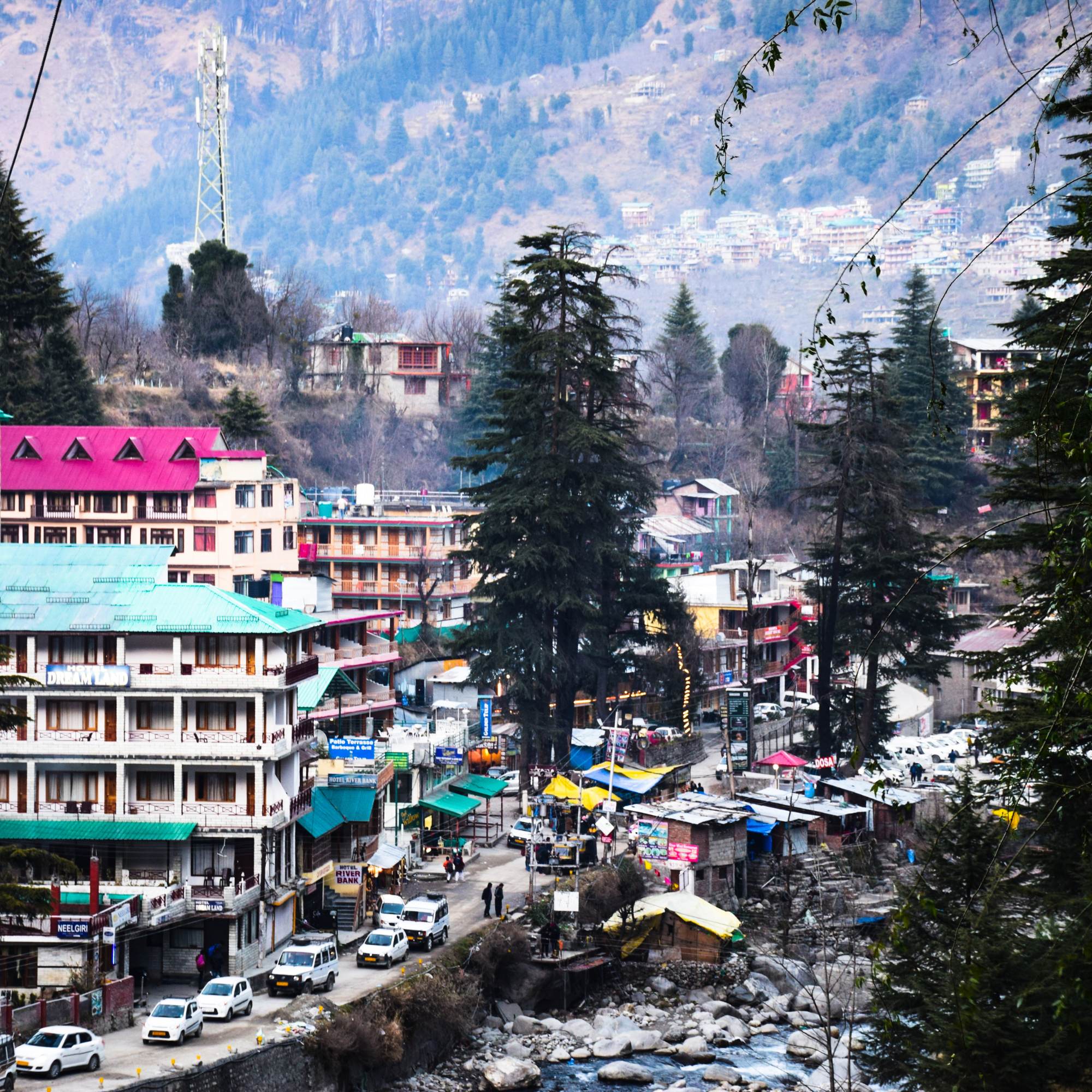
Day one stays inside Manali. Start at Hadimba Devi Temple, walk through Old Manali, add Manu Temple only if time allows, then Vashisht, and end the evening on Mall Road.
Day two is Solang Valley. Pick one or two seasonal experiences at most, then come back to Manali at an easy pace.
The order is not fixed. Your arrival time, hotel location, traffic, weather, how much you can walk, and activity queues all change what fits.
In our experience, the travellers who enjoy Manali most are the ones who arrive with four stops in mind, not eleven.
Before You Use This Itinerary, Check How Much Time You Actually Have
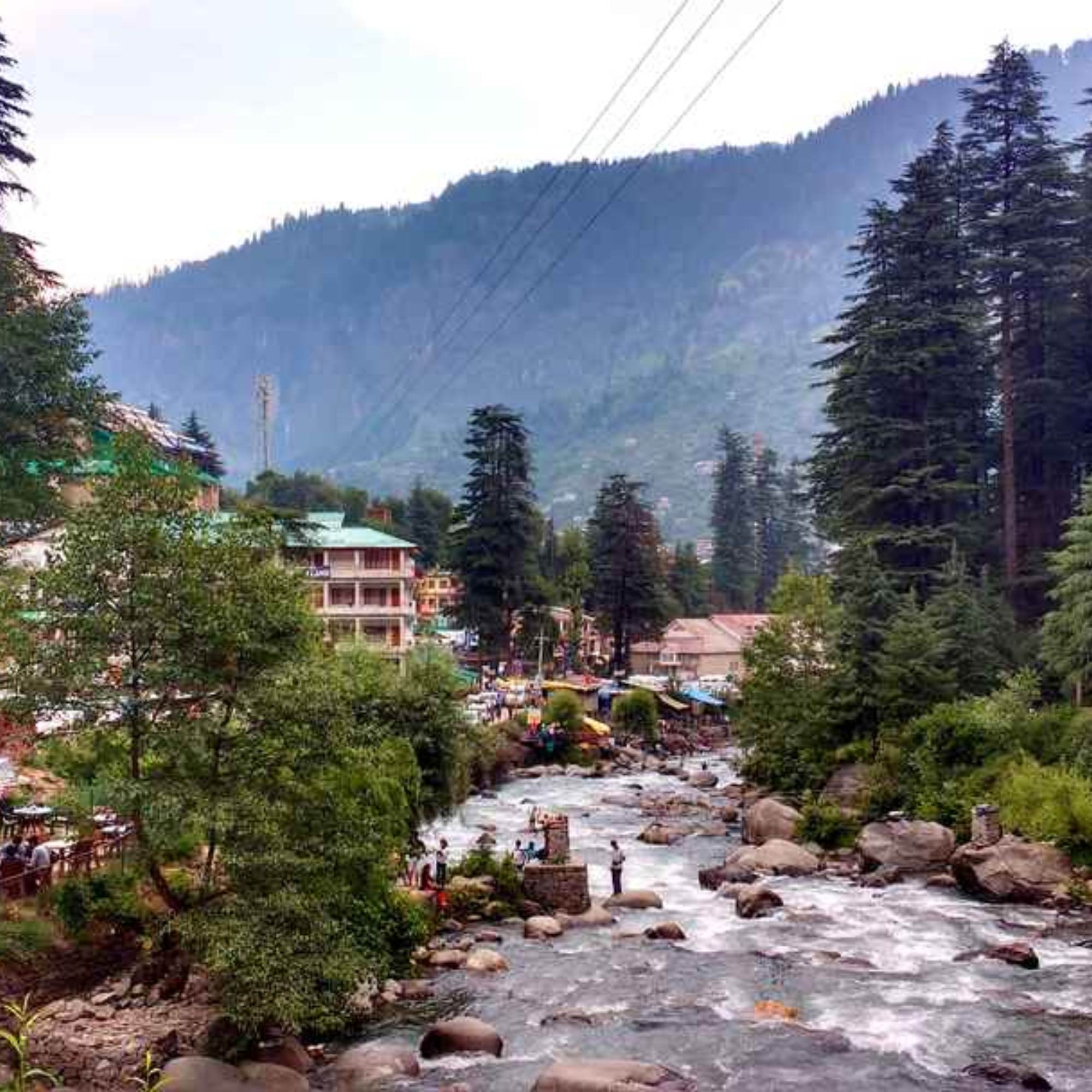
Two calendar days and two sightseeing days are not the same thing.
An overnight bus reaches Manali early. That sounds like a win.
But you slept badly, you have luggage, you need breakfast, and your room may not be ready. Hotel check-in and checkout policies vary by property, so confirm the timings directly with your hotel before travelling.
That first-day window shrinks fast. Plan for a half day, not a full one.
Departure timing matters just as much. An evening bus or cab out of Manali gives you a usable last morning. A 6 AM departure gives you nothing.
One more thing our drivers repeat every season: do not trust the time Google Maps shows you. Mountain roads do not follow app estimates, especially on weekends.
Day 1: Local Manali Sightseeing Without Rushing
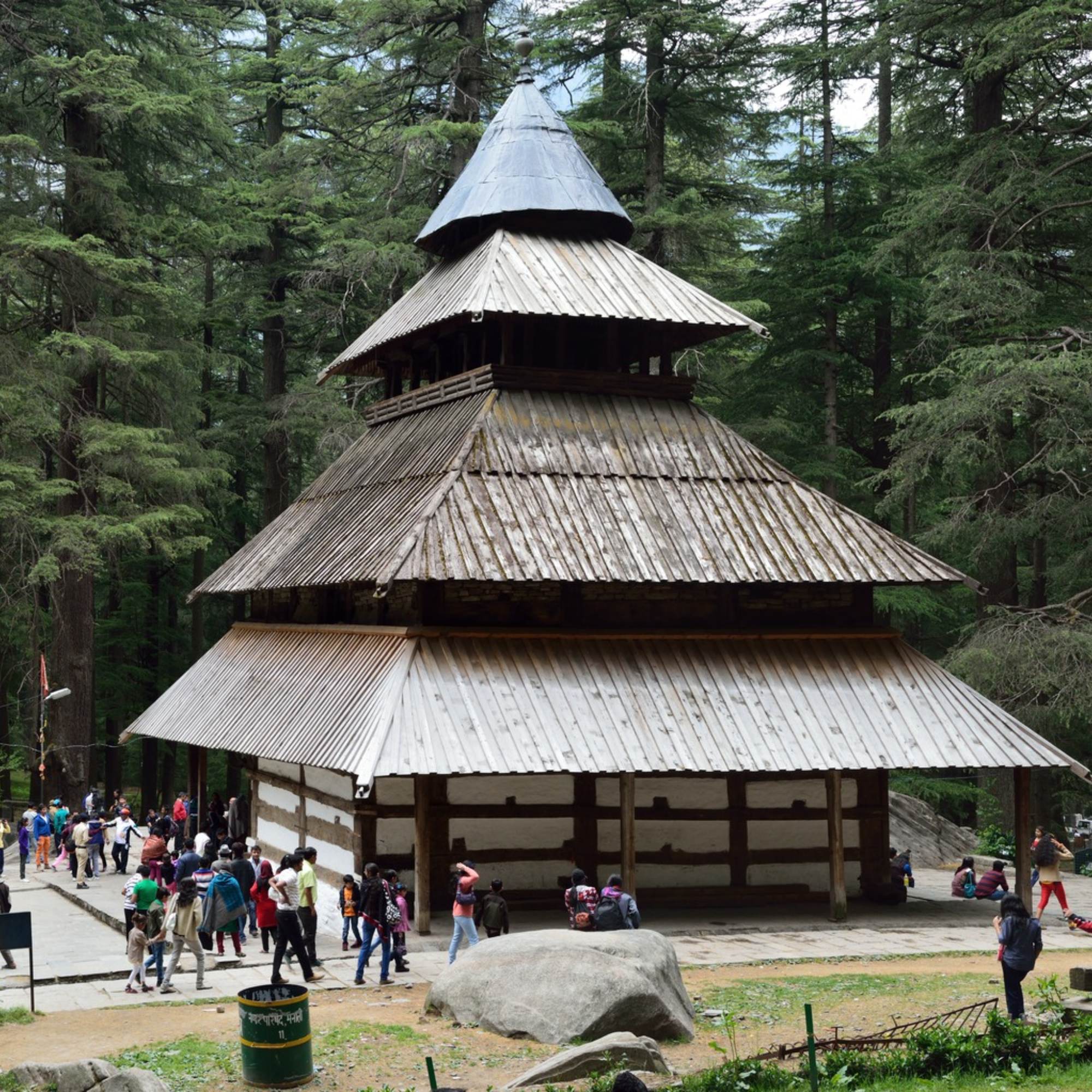
Begin with Hadimba Devi Temple
Hadimba Devi Temple was built in 1553 according to published tourism sources. It is a wooden, multi-tiered pagoda-style structure standing in the Dhungri cedar forest.
The cedars are the real surprise here. The trees are enormous, the light comes through in patches, and the whole place feels much older than the crowd around it.
Start your day here. It sits close to the town, and it sets the tone before the roads fill up.
Check the latest visitor timings, parking arrangements and any special closure notices before your visit.
Here is what most tourists get wrong. They arrive at Hadimba around 11 AM with everyone else, spend twenty minutes queuing, and take the same photo from the same spot.
Go early instead. Before the tour buses reach Dhungri, you can actually hear the forest.
Add the Ghatotkach Shrine as a Short Nearby Stop
The Ghatotkach shrine is located a short walk from Hadimba Temple.
Treat it as a five-minute walk-past, not a separate stop on your list. It is a large cedar tree with a shrine at its base, and it takes as long as you want it to take.
Continue to Old Manali
Old Manali is narrow lanes, cafés, guesthouses, small shops, and a pace that is noticeably slower than the main town.
Walk it if you can. The lanes are not built for cars, and parking gets genuinely difficult on busy dates.
Our team recommends leaving your vehicle at the lower end and going up on foot. We have seen too many travellers lose thirty minutes reversing down a lane behind a delivery truck.
Skip this one thing though. The paid "adventure park" type setups on the way up are not worth your two-day schedule. You came for the village, not for a photo swing.
Visit Manu Temple Only When Time and Mobility Permit
Manu Temple sits in the Old Manali area and is dedicated to Sage Manu.
The approach involves narrow roads and some walking, depending on where you park.
Make this the first stop you drop if your day started late. It is a good temple, but it is not the reason you came to Manali.
Check the latest access conditions and visitor timings before including Manu Temple in your itinerary.
Choose Vashisht Instead of Automatically Adding Jogini Waterfall
Vashisht is a temple village known for its hot springs. It fits neatly into a standard two-day plan.
We do not make any claims about what the spring water does or does not do for your health. Go for the village and the temple.
Jogini Waterfall is the trap. It looks like a small add-on and it is not.
The walk is commonly done on foot from the Vashisht side, and it needs real time and energy. If you want Jogini, remove something else from the day.
Trail conditions can change after rain or snow, so confirm the latest conditions locally before starting the walk.
Here is the local tip nobody puts in blogs. In Vashisht, walk past the main temple lane and find the smaller chai stalls on the upper side. The chai costs a fraction of what the front-facing cafés charge for the same view of the valley.
Finish on Mall Road
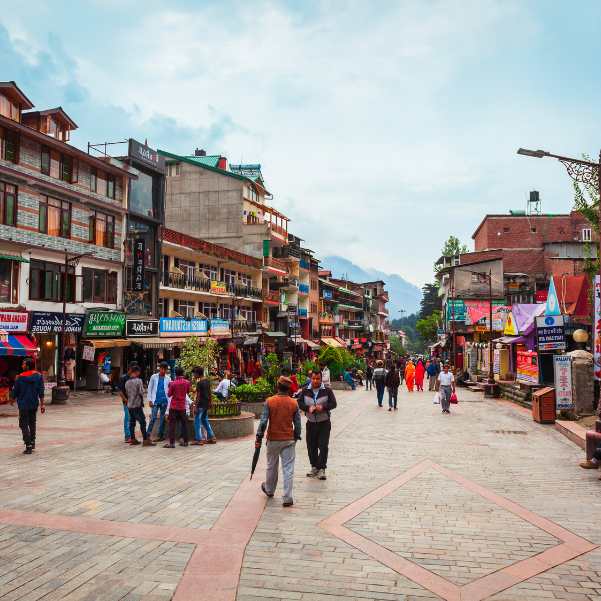
End on Mall Road with dinner, a walk, and shopping if you feel like it.
We are not going to tell you how long to spend here. That is the point of putting it last.
If your legs are finished, eat and go back to the hotel. If you have energy left, stay out. Mall Road stretches or shrinks to fit whatever is left of you.
What Should You Remove if Day 1 Starts Late?
Drop Manu Temple first. It is the easiest cut and you will not feel its absence.
Do not attempt Jogini Waterfall after a late arrival. Walking back in fading light on a wet trail is not a memory you want.
If you reach Manali very late or you are running on no sleep, cut Vashisht too.
That leaves Hadimba Temple, a short Old Manali walk, and Mall Road. That is a genuinely good half day.
Resist the urge to push everything you missed into day two. Day two belongs to Solang, and stuffing it kills both plans.
Day 2: Solang Valley and Seasonal Activities
Start Early, but Verify the Current Road Situation
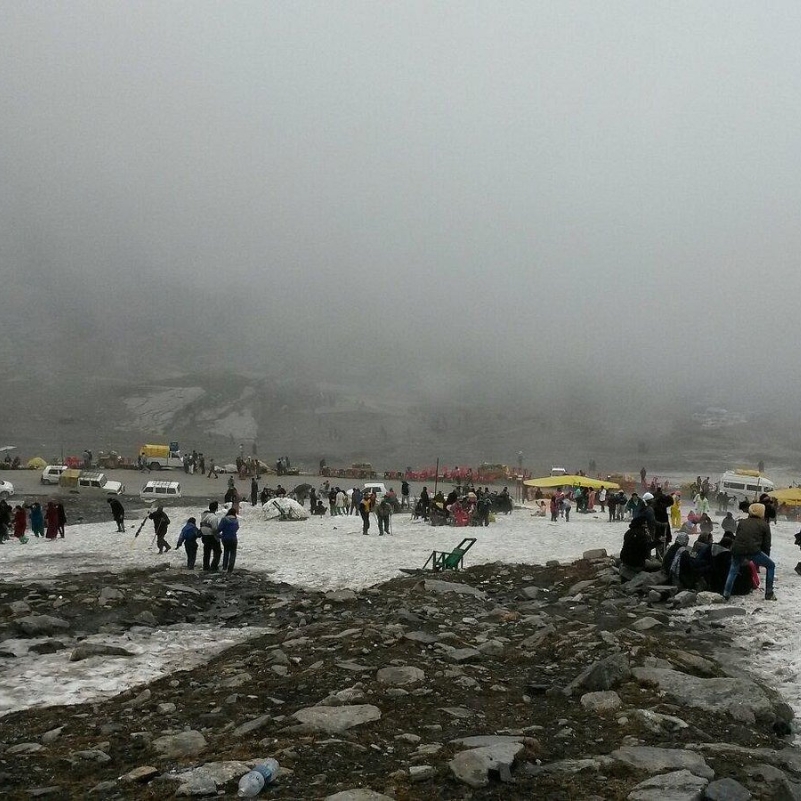
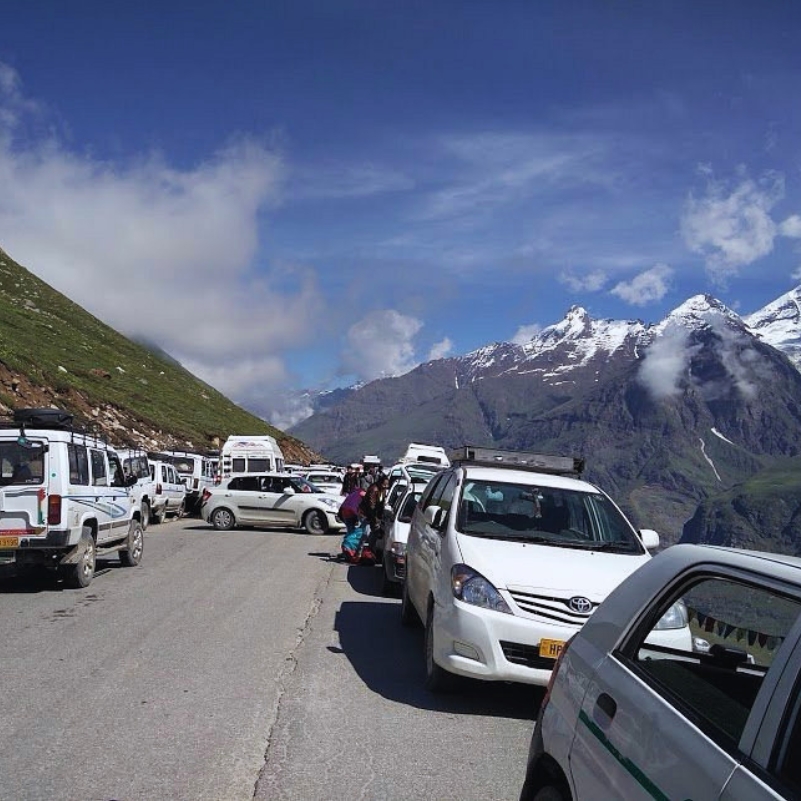
Peak periods create real congestion on the Manali to Solang and Atal Tunnel corridor.
To give you a sense of the scale, a June 2026 report cited roughly 10,000 to 12,000 tourist vehicles entering Manali daily during reported high-season periods.
The same report mentioned around 66,600 outside-state vehicles in May 2026 and weekend hotel occupancy near 90 percent.
Those are peak-period numbers, not everyday conditions. But they explain why a 13 km drive can eat your morning.
We will not hand you one guaranteed departure time. Check current road and traffic information through official advisories, your hotel, your driver, or a reliable local operator before you leave.
Make Solang Valley the Main Destination
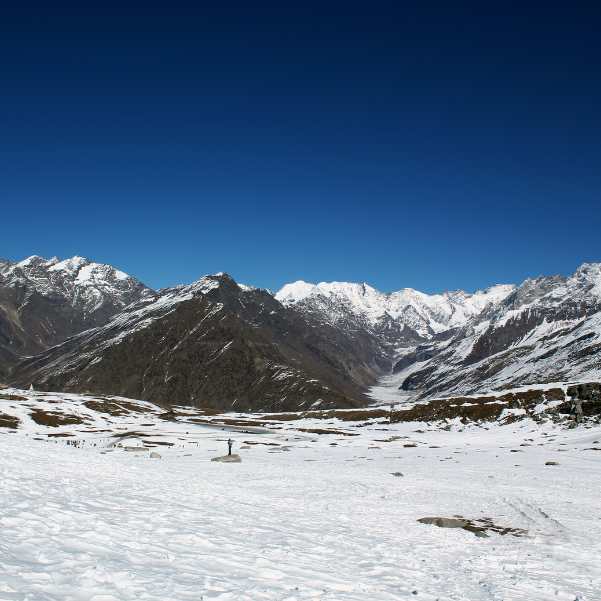
Solang Valley sits roughly 13 to 14 kilometres from Manali. It is a mountain-view spot promoted as a seasonal adventure destination.
Winter and summer feel completely different here. Winter brings snow-linked activities. Summer brings green slopes and different options entirely.
Nobody can guarantee natural snow for a future date. Anyone promising you snow in advance is selling, not informing.
Check the latest road access and confirm which activities are operating on your travel date, as availability depends on weather and local conditions.
Here is the honest negative. Solang on a peak weekend is crowded, commercial, and pushy. Touts will approach you constantly.
The valley is still worth it. But go in knowing it is not a quiet mountain meadow in July.
Select Only One or Two Major Activities
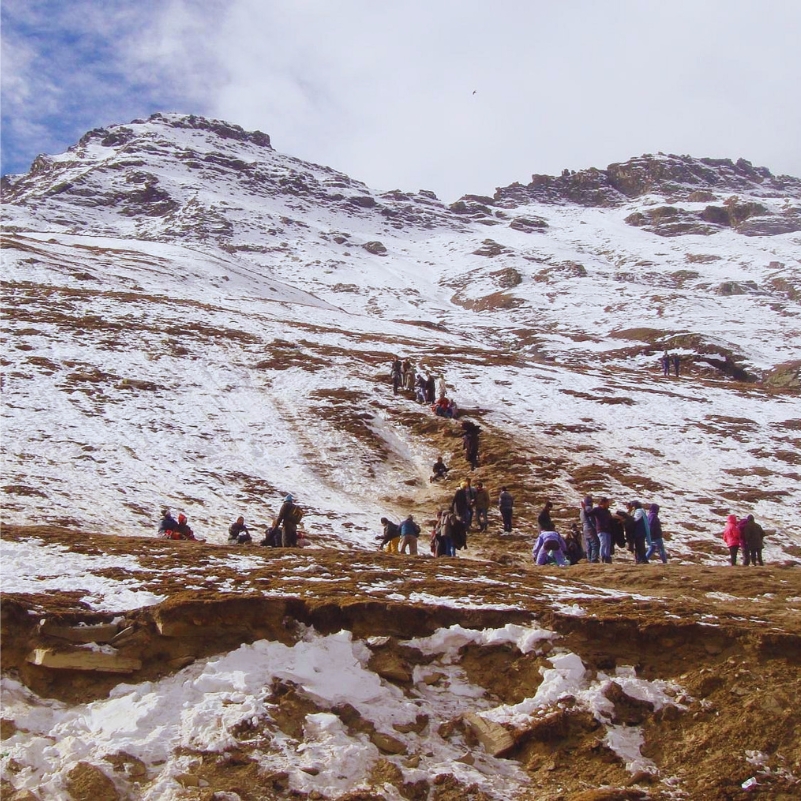
Paragliding, skiing, ropeway rides, ATV rides, and zorbing all come with queues, weather checks, eligibility rules, and waiting time.
We cannot guarantee that any activity will operate on your travel date, and prices should be confirmed directly with authorised operators before booking.
Pick one or two and commit. Travellers who try to tick off five activities spend the day standing in lines and leave annoyed.
What we always tell our travellers is this: decide your priority activity on the drive up, before anyone approaches you at the parking area. Decisions made under sales pressure are the expensive ones.
Skiing is tied to suitable winter snow. Paragliding and zorbing run in suitable conditions. None of it is a fixed schedule.
If you want to compare what actually suits your group, our guide to adventure activities in Manali covers the options in detail.
Do Not Automatically Continue to Sissu
A proper Solang visit and a Sissu road trip are two different days wearing the same clothes.
In favourable conditions, a quick Solang stop followed by Sissu is possible. It is not our default recommendation.
Choose. Either spend real time in Solang, or treat Solang as a brief roadside stop and make Sissu the day's destination.
Trying to do both properly is how people end up driving back in the dark.
Return to Manali Without Fixing a Crowded Evening Schedule
Leave the evening loose. Dinner, rest, maybe Mall Road.
Add back one missed stop from day one only if you got back early and you still have energy. Otherwise let it go.
Weather-Dependent Plan B: What Should You Do if Solang Is Not Practical?
You need this plan when the Solang road faces restrictions, when rain or snow makes the drive unsuitable, or when official advice says stay off the route.
This is not hypothetical. Roads toward Solang Valley, Atal Tunnel, and Sissu faced temporary restrictions on April 29, 2026 because of an official visit. A January 2026 snowfall event caused slippery roads and temporary restrictions beyond Solang.
Both are dated examples. Neither tells you anything about your travel day. They just prove why a backup matters.
Spend the Morning Around Naggar
Naggar Castle and the Nicholas Roerich Art Gallery and Estate make a solid lower-altitude morning.
Check the latest entry fees, opening hours, weekly closure days, road access and parking arrangements before visiting Naggar Castle and the Nicholas Roerich Estate. Do not assume both will be open on your travel date.
The Roerich estate is quieter than anything in Manali town, and the paintings of these same mountains are worth the detour on a bad-weather day.
Return for Lower-Altitude Manali Experiences
Back in Manali, choose from Van Vihar, the Buddhist monastery, the Museum of Himachal Culture and Folk Art, a longer Old Manali café stop, or Vashisht if access is fine.
For Manali’s lower-altitude attractions, confirm the current entry fees and visitor timings directly before your visit.
Pick two. Not five. A bad-weather day is not the time to speed-run a museum.
Keep the Evening for Mall Road
End on Mall Road with a proper meal and an unhurried walk.
Do not spend the evening trying to recover everything the weather took from you.
Plan B is not a consolation prize. It is what stops a closed road from turning into a wasted day.
Should You Replace Solang with Sissu?
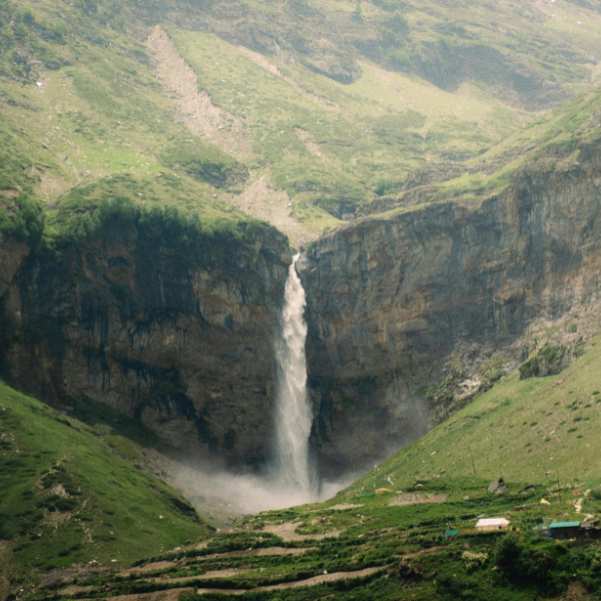
Only if Sissu is genuinely your higher priority and the road is confirmed open on your date.
Our route guide gives the Manali to Sissu distance as roughly 38 to 40 kilometres through the Atal Tunnel corridor.
The same guide estimates 1 to 1.5 hours in normal conditions. That estimate is not a promise. Traffic, snow, weather, official controls, and tunnel restrictions all stretch it.
Keep Solang short if Sissu is the goal. Stop for the view, take your photos, and keep moving.
One rule with no exceptions. Never stop, park, walk, film, or take photographs inside Atal Tunnel. It is a working tunnel, not a viewpoint.
Check current road status on your travel date. A district road-status page listed Manali to Keylong as open on July 18, 2026, but that is a dated example and says nothing about your trip.
Our Manali to Sissu road trip guide covers the route properly if you are leaning this way.
Can You Include Rohtang Pass in Two Days?
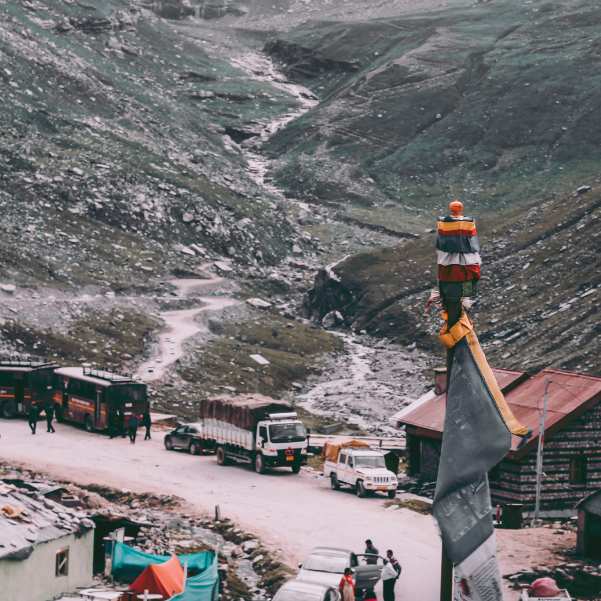
Never build Rohtang Pass into the core of a two-day plan.
Access is seasonal and depends on snow clearance, district approval, weather, permits, quotas, traffic controls, and vehicle rules.
Our May guide notes that Rohtang generally opens in late May or early June, depending on clearance and approval. That is a pattern, not a date you can book around.
If you do get Rohtang, it replaces your Solang day. It does not sit on top of it.
Do not attempt Rohtang, Sissu, and a full local circuit in one two-day trip. We have watched travellers try. Nobody enjoys it.
For the seasonal picture, read our breakdown of Rohtang Pass in September.
What Must You Skip on a Two-Day Manali Trip?
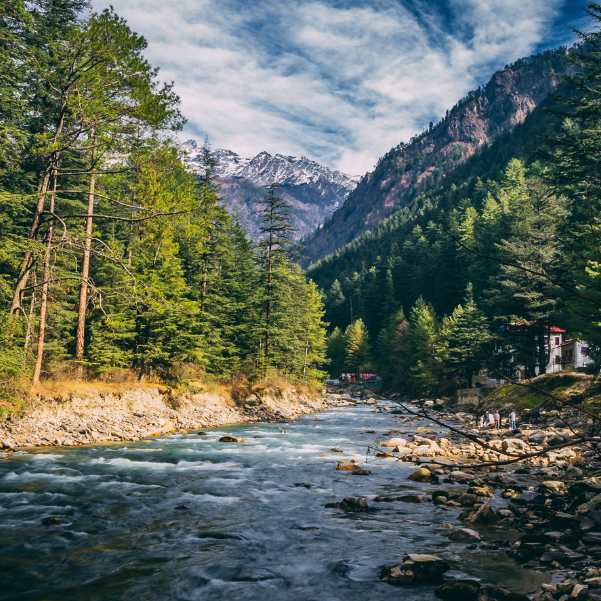
Skip Kasol and Manikaran. They are a separate long road day and they will destroy your itinerary.
Skip Kullu shopping detours on the way in or out. You are trading a morning for a shawl you could buy on Mall Road.
Skip a dedicated Naggar day when Solang is your day-two priority. Naggar belongs in Plan B, not in the main plan.
Skip Sissu if you want a full Solang experience. Skip Rohtang unless seasonal access is confirmed.
Skip Jogini Waterfall after a late arrival. Skip stacking multiple long-duration adventure activities.
Removing places is what makes a two-day trip feel complete instead of rushed. This is the single most useful thing in this article.
Two-Day Manali Itinerary for Different Travellers
For Couples
Hadimba's cedar forest, an unhurried Old Manali walk, one long café stop, Solang, and an evening with nothing scheduled.
Cut the temple count. Add the sitting-around time.
For Families
Hadimba, Mall Road, Vashisht if the walking suits everyone, and Solang as a sightseeing destination.
Do not assume every Solang activity is suitable for every child. Confirm age, height, weight and safety requirements with the operator before booking.
For Senior Citizens
Remove Jogini Waterfall completely. Reduce the steep walking sections in Old Manali.
Van Vihar, the monastery, or a scenic drive give you the mountains without the climb.
For Friends
Take one or two Solang activities. Then remove another stop from the day rather than stretching it into the evening.
For Winter Travellers
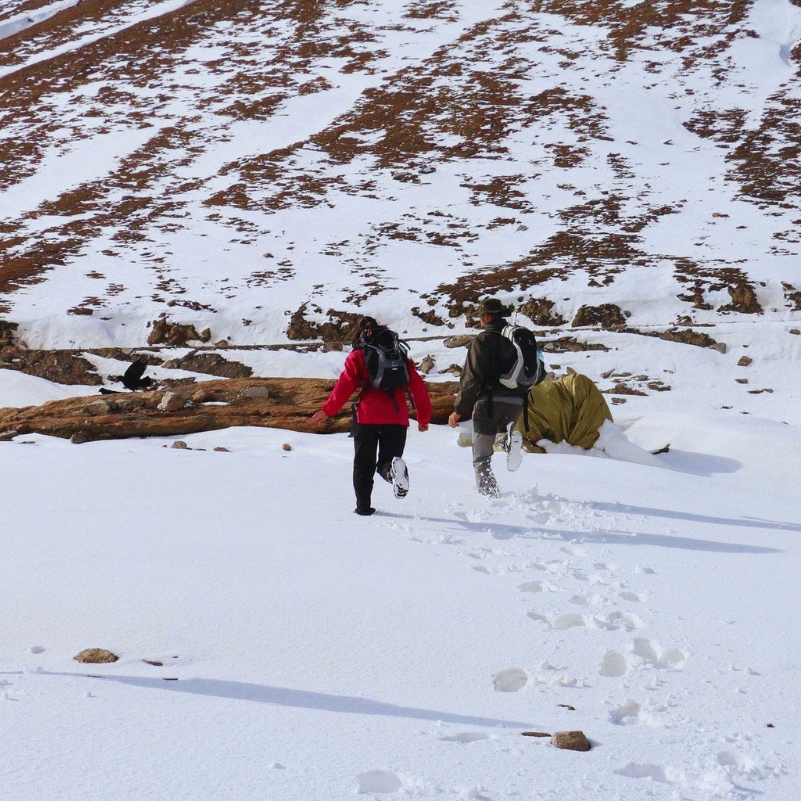
Build in extra flexibility for snow, ice, traffic controls, slow movement, and shifting snow points.
We cannot guarantee that vehicles will travel beyond Solang on any given winter day. That is a decision the administration makes on the morning, not one we can promise in advance.
How to Adapt This into a 2-Night/3-Day Manali Itinerary
Arrival Evening
Mall Road, dinner, check-in, sleep. Nothing else.
First Full Sightseeing Day
Run the local Manali circuit exactly as described in day one.
Second Full Sightseeing Day
Run the Solang plan, or switch to the lower-altitude Plan B if conditions demand it.
Departure Morning
A short walk, breakfast, a little shopping, or Van Vihar if your luggage and departure are sorted.
This is far more honest than calling an overnight bus ride "day one of your holiday." We have seen that framing ruin more trips than bad weather has.
How Much Does a Two-Day Manali Trip Cost?
Your total depends on return transport, hotel nights, food, local sightseeing, the Solang transfer, activities, shopping, and a contingency buffer.
We are not going to quote you a figure here, because the honest answer is that it swings widely.
Paid Solang activities are the biggest variable. Two people doing two activities each can shift the whole budget.
Smart Time-Planning Tips
Match your hotel to your first-day circuit. Staying near Old Manali or Vashisht saves you two pointless transfers.
Start the mountain-road day early, after checking current conditions rather than assuming.
Limit paid activities. Queues cost more time than the activity itself.
Ask your hotel about parking and walking distances before you leave, not after you are stuck in a lane.
Confirm your hotel’s luggage-storage and checkout policy before planning sightseeing on departure day.
Stop bouncing between Mall Road and Old Manali. Group your stops geographically.
Keep one lower-altitude Plan B ready at all times.
And remember that a road shown as open on an earlier date may be closed on yours.
Is Two Days Really the Right Duration for You?
Two days works for the highlights. Nothing more.
Three days lets you add one excursion or simply slow the whole thing down.
Four days is what we suggest for a balanced first-time Manali trip.
If Sissu, Naggar, Kasol, Manikaran, or Rohtang matters to you, extend the trip. Do not compress it.
Need a Two-Day Manali Plan for Your Dates?
We can shape this around your actual arrival time, departure time, hotel location, weather, group type, children, seniors, activity interests, and whether Solang or Sissu matters more to you.
That is the part a generic itinerary cannot do.
Look through our Manali tour packages, or just tell us your dates.
Explore Our Curated Manali Tour Packages
 6D/5N
6D/5NManali Solang Sissu Sethan Snow Adventure
1D Delhi•3D Manali+2
₹15,999₹21,999SAVE INR 6,000/ person 6D/5N
6D/5NManali Solang Sissu Sethan Snow Trip With Kasol
1D Delhi•3D Manali+2
₹25,999₹33,999SAVE INR 8,000/ person 7D/6N
7D/6NManali Kasol Jibhi Valley Trip
1D Delhi•2D Manali+3
₹25,799₹32,999SAVE INR 7,200/ person
Related topics
Frequently Asked Questions
Are two days enough for Manali?
Two full sightseeing days cover the essential highlights. They do not cover the wider region around Manali.
What can I visit in Manali in two days?
Hadimba Temple, Old Manali, Vashisht, and Mall Road on day one. Solang Valley on day two.
Is a two-night and three-day Manali trip enough?
It can be, but arrival and departure often leave you with less than two full sightseeing days. Plan around that.
Can I cover Solang Valley in two days?
Yes. Solang works best as your entire day two, roughly 13 to 14 km from Manali, with one or two activities at most.
Can Solang Valley and Sissu be covered on the same day?
Possible in favourable conditions, but not our default advice. Keep Solang brief if Sissu is your priority.
Can Rohtang Pass be included in a two-day itinerary?
Not as a guaranteed part of the plan. Access depends on clearance, approvals, permits, and weather, and it would replace your Solang day.
Can I add Kasol to this itinerary?
No. Kasol needs a separate long road day and will wreck a two-day Manali plan.
Should I include Jogini Waterfall?
Only if you remove another stop. It needs real walking time, and trail conditions change after rain or snow.
What should I skip on a two-day Manali trip?
Kasol, Manikaran, Kullu shopping stops, a separate Naggar day, and multiple long adventure activities.
What is the best Plan B if Solang is inaccessible?
A Naggar Castle and Roerich Estate morning, then lower-altitude Manali stops and a relaxed Mall Road evening.
How much does a two-day Manali trip cost?
It varies too much for a single figure. Paid Solang activities move the total the most. Our Manali cost guide breaks it down.
Is this itinerary suitable for families and senior citizens?
Yes, with adjustments. Drop Jogini, reduce steep walking, and treat Solang as sightseeing rather than an activity day.
More about Manali
 Manali
Shimla First or Manali First? Best Himachal Route from Delhi & Chandigarh in 2026
Planning a Shimla and Manali trip from Delhi or Chandigarh in 2026? This practical route guide compares Shimla first vs Manali first, with travel times, road routes, ideal sequencing, and return options to help you plan a smoother Himachal road trip.
 Manali
Shimla Manali Trip Cost 2026-27: Realistic Budget for Couples, Families and Groups
Plan your Shimla Manali trip for 2026-27 with a realistic budget guide covering hotel, transport, food, sightseeing and estimated costs for couples, families and groups.
 Manali
Manali from South India in Winter 2026-27: A First-Snow Guide for Bengaluru, Chennai & Hyderabad Travellers
Planning your first Manali snow trip from South India? This 2026–27 winter guide covers the best time for snow, routes, costs, clothing, weather, stays and practical tips for travellers experiencing a Himalayan winter for the first time.
- How to Reach
- Snow Travel