
How to Plan a Chandratal Trip from Chandigarh in 2026
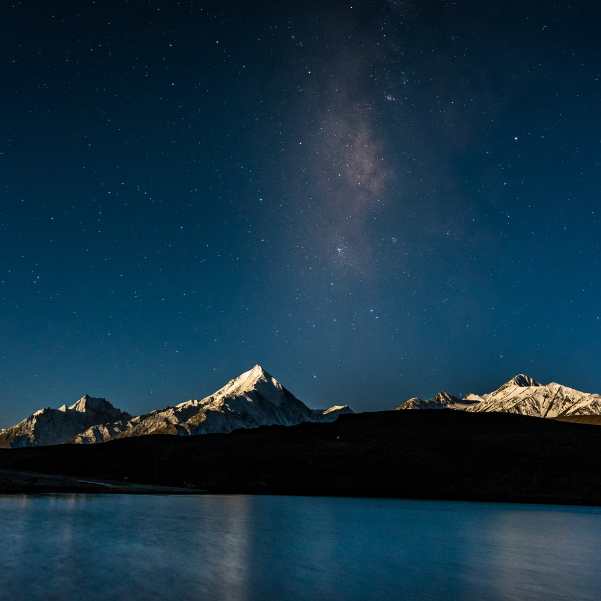
Most people in Chandratal bike trip from Chandigarh think Chandratal is a weekend trip. It is not. The lake sits at roughly 4,300 metres, the roads are unpaved for the last stretch, and the altitude hits harder than you expect when you have driven up from the plains in a day and a half.
But if you plan it right, a Chandratal trip from Chandigarh is one of the best short mountain trips you can do from Punjab or Haryana. You just need to pick the right route, the right number of days, and the right month.
This guide by Travel Coffee covers everything from route options and realistic itineraries to camping rules, road status, and the stuff nobody tells you until you are already on the road.
Quick Answer
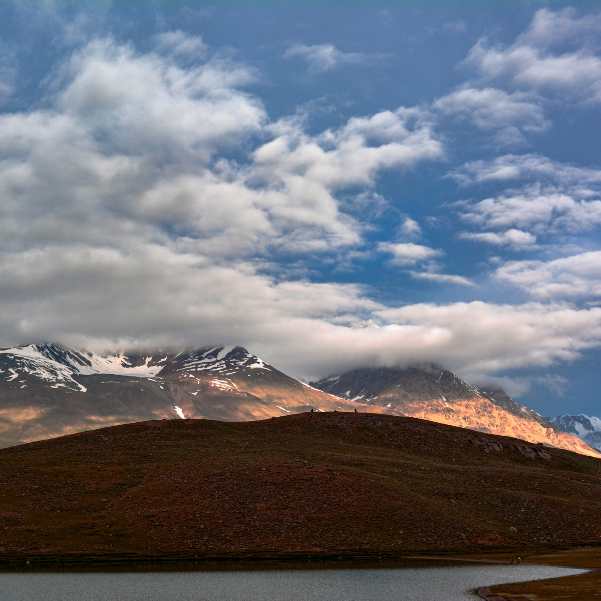
The most practical short trip is Chandigarh to Manali to Chandratal to Manali to Chandigarh. This works when the Manali side road is fully open, usually from mid-June onward.
If you have more time and want a safer, more comfortable experience, the Shimla to Kinnaur to Spiti circuit ending via Chandratal and Manali is better. Your body adjusts to altitude gradually, and you see far more of the region.
The practical season is June to September. Do not lock your final dates until you check the live road status from the District Lahaul and Spiti administration. As an example, on 20 March 2026, Manali to Keylong was open but Keylong to Kaza was still closed.
A 5-day trip is the minimum that actually works. Anything shorter and you are just sitting in a car.
Is Chandratal from Chandigarh Better via Manali or via Spiti?
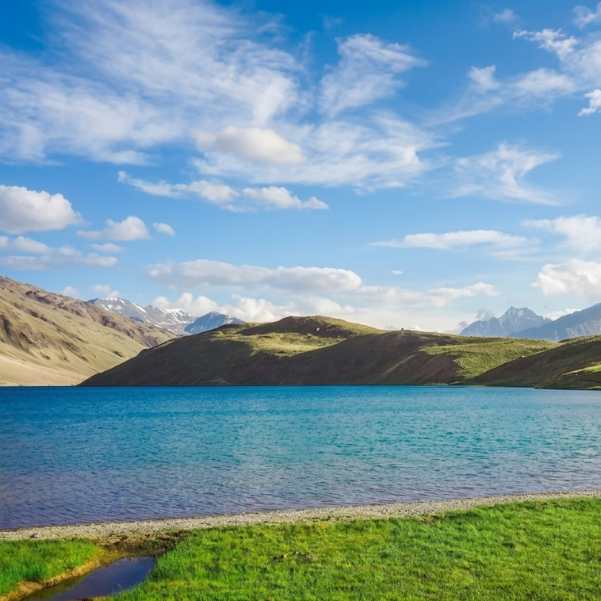
This is the first decision you need to make, and it changes everything about the trip.
The Manali route is shorter and faster. Chandigarh to Manali is around 300 to 320 km and takes about 7 to 8 hours. From Manali, Chandratal is another 115 km that takes roughly 5 to 7 hours because the roads after Batal are genuinely terrible.
This route works for people who have been to the mountains before, are comfortable with long driving days, and just want to get to the lake and back. You save on leave days but you gain altitude very fast, which is the biggest downside.
The Shimla to Kinnaur to Spiti route takes longer but treats your body much better. You climb gradually through Narkanda, Kalpa, Tabo, and Kaza over several days. By the time you reach Chandratal at 4,300 metres, your body has already adjusted to high altitude.
Our team usually recommends the longer Shimla to Spiti entry for first-time travellers because the body gets more time to adjust.
The Manali route throws you from 600 metres in Chandigarh to 4,300 metres in under two days. That is a recipe for headaches, nausea, and a miserable night at camp.
If you have 7 or more days, go the Spiti route. If you have exactly 5 days and have been above 3,000 metres before, the Manali route works.
Explore our Spiti Valley tour packages if you want the longer circuit handled for you, or check our Manali packages if you want a shorter base plan.
How Many Days Do You Need for a Chandratal Trip from Chandigarh?
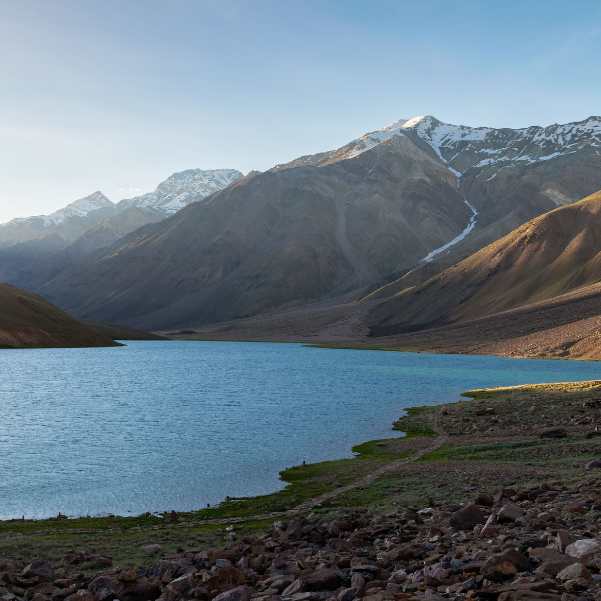
4 days
4 days is technically possible but genuinely miserable. You drive to Manali on Day 1, push to Chandratal on Day 2, rush back to Manali on Day 3, and drive back to Chandigarh on Day 4. You spend more time in the car than anywhere else. We do not recommend this to anyone.
5 days
5 days is the minimum that actually works. You get a proper night at Chandratal, a morning visit to the lake, and enough buffer to handle one road delay without your entire plan collapsing.
7 days
7 days is the sweet spot if you want Chandratal plus a taste of Spiti. You enter from either side, spend a couple of days in Kaza and the monastery circuit, and then camp at Chandratal before exiting.
9 days
9 days gives you the Chandratal bike trip from Chandigarh. You enter from Shimla, explore Kinnaur and Spiti properly, and finish at Chandratal before driving back via Manali to Chandigarh. This is the version most travellers remember for years.
In our experience, the shorter Manali side plan works best only when the road is fully open and the group is okay with long driving hours.
Best Itinerary for a Short 5 Day Chandratal Trip from Chandigarh
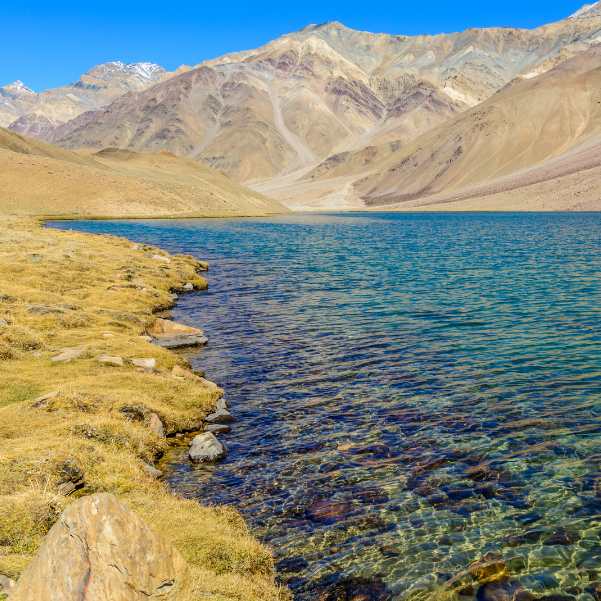
This is the plan we put together for travellers from Chandigarh, Panchkula, and Mohali who have limited leave but really want to see the lake.
Day 1: Chandigarh to Manali
Start early, ideally by 5 AM. The drive is around 300 to 320 km and takes 7 to 8 hours depending on traffic through Bilaspur and Kullu. Reach Manali by afternoon. Rest, eat well, and sleep early. Do not drink alcohol. Your body needs this night to start adjusting.
Day 2: Manali to Sissu or Chatru
Drive through the Atal Tunnel to the Lahaul side. Sissu is about 1.5 to 2 hours from Manali and is a good place to break if you want a gentler pace.
If you are feeling strong and the roads are clear, push to Chatru, which puts you closer to Chandratal for the next morning.
Day 3: Chatru to Chandratal camp
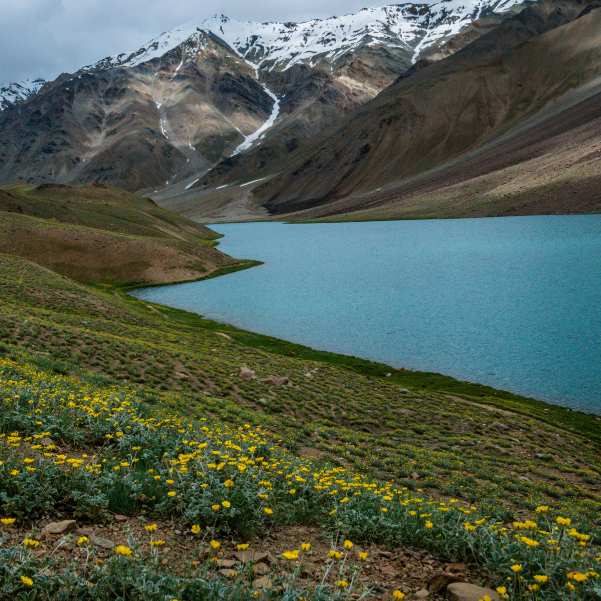
This is the big day. The road from Batal to Chandratal is rough and slow. Reach camp by afternoon, settle in, and walk to the lake before sunset. The light on the water in the evening is worth every pothole you crossed to get here. Sleep at the camp.
Day 4: Chandratal to Manali
Wake up early and walk to the lake one more time. The morning light at Chandratal is completely different from the evening. Then drive back to Manali. This is a long day, so start by 8 AM at the latest.
Day 5: Manali to Chandigarh
Drive back. Stop at Kullu for lunch. You will be tired, so do not rush.
This plan gives you one full night at Chandratal and two visits to the lake. The key is weather flexibility. If the road to Chandratal is blocked on Day 3, you need a backup plan, which is why we always tell travellers to keep their Manali hotel booking flexible for one extra night.
Travel Coffee also offers a short Chandigarh to Chandratal format in 5 days 4 nights, with Chandratal packages starting from ₹16,999 per person.
Talk to our team on WhatsApp. We will help you plan this exact itinerary with the right stays and timing.
Best 7 to 9 Day Itinerary If You Want Chandratal Plus Spiti
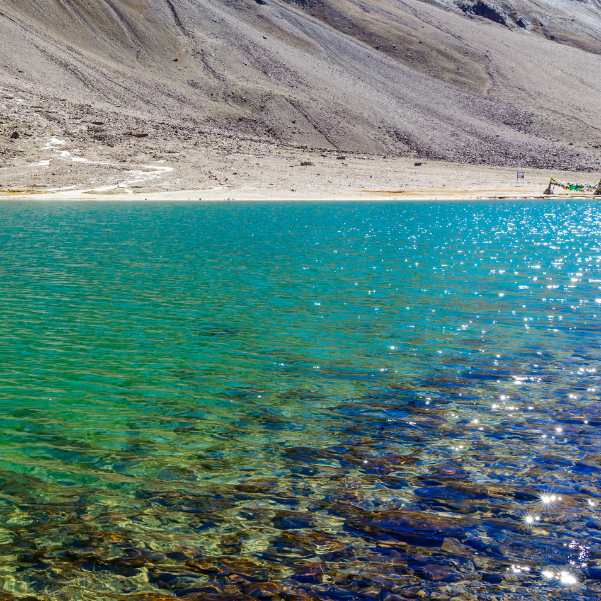
If you have a week or more, this is the route that gives you the real Spiti experience with Chandratal as the grand finale.
Day 1: Chandigarh to Shimla or Narkanda
Easy drive, about 5 to 6 hours. Rest and adjust. Narkanda is quieter and slightly higher, which helps with acclimatization.
Day 2: Narkanda to Sangla or Kalpa
You enter the Kinnaur valley. The road follows the Sutlej river. Kalpa has views of Kinner Kailash that stop you mid-sentence. This is a great place to spend an extra night if you have 9 days.
Day 3: Kalpa to Tabo
You cross into Spiti. The landscape shifts dramatically. Tabo Monastery is over a thousand years old, and the painted caves behind the village are something most travellers walk right past without knowing they exist.
Day 4: Tabo to Kaza via Dhankar
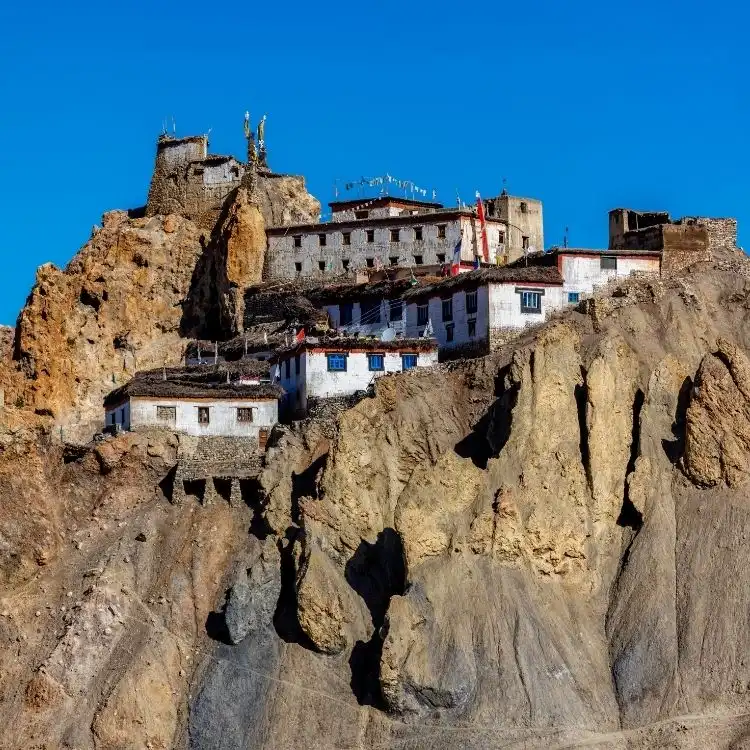
Stop at Dhankar Monastery, perched on a cliff above the confluence of two rivers. Reach Kaza by afternoon. This is the main hub of Spiti, and the last place with reliable ATMs and fuel.
Day 5: Kaza sightseeing
Visit Key Monastery, Kibber, Chicham Bridge, Langza, Hikkim. This day is packed but everything is within an hour of Kaza.
Day 6: Kaza to Chandratal via Kunzum Pass
Drive to Losar, cross Kunzum Pass, and reach the Chandratal camping zone. The drive takes about 3 to 4 hours from Kaza. Camp overnight.
Day 7: Chandratal to Manali
Walk to the lake at sunrise. Then drive to Manali via Batal and the Atal Tunnel. This is a full day of driving.
Day 8 or 9: Manali to Chandigarh
If you have the extra day, spend a morning in Manali. Otherwise, drive back to Chandigarh directly.
This direction; Shimla entry, Manali exit is smarter because you gain altitude slowly. By Day 6, your body is ready for 4,300 metres. If you did it the other way around, you would hit Chandratal on Day 2 or 3 with zero acclimatization.
Check our Kinnaur tour packages if you want to add a Kinnaur loop, or explore our Chandratal Spiti circuit package that covers this exact route with stays and transport sorted.
Explore Our Curated Chandratal Tours
 Group Tour10D/9N
Full Spiti Valley Circuit With Chandratal
1D Narkanda•1D Sangla+5
₹29,999₹32,999SAVE INR 3,000/ person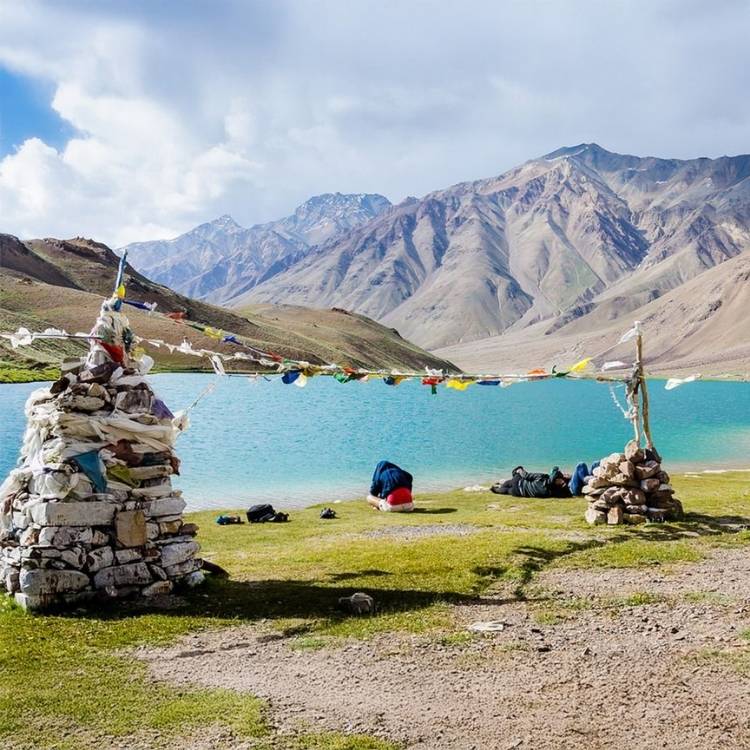 10D/9N
Summer Spiti Circuit With Chandratal
1D Narkanda•1D Sangla+5
₹29,999₹38,999SAVE INR 9,000/ person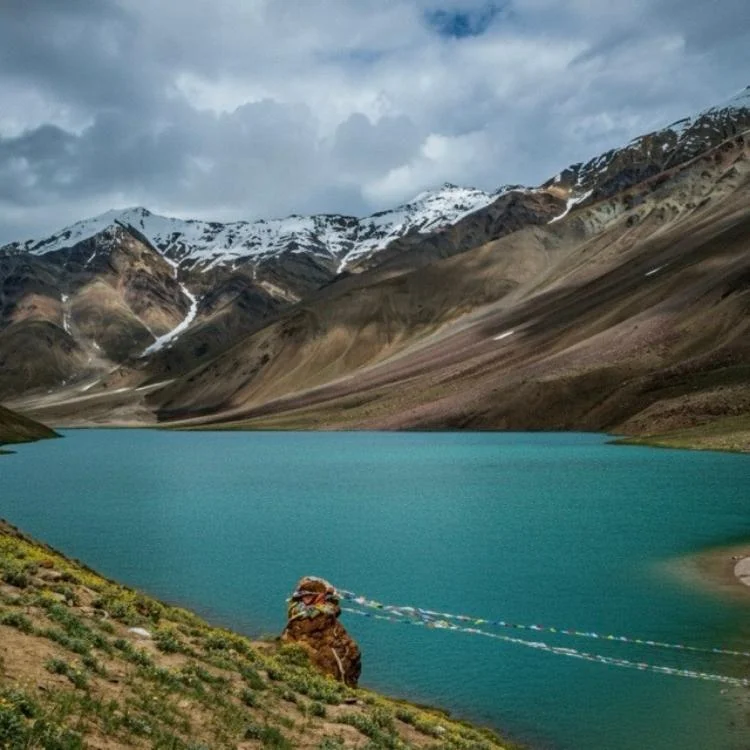 10D/9N
Shimla Spiti Manali Circuit With Chandratal
1D Narkanda•1D Sangla+5
₹45,999₹52,499SAVE INR 6,500/ person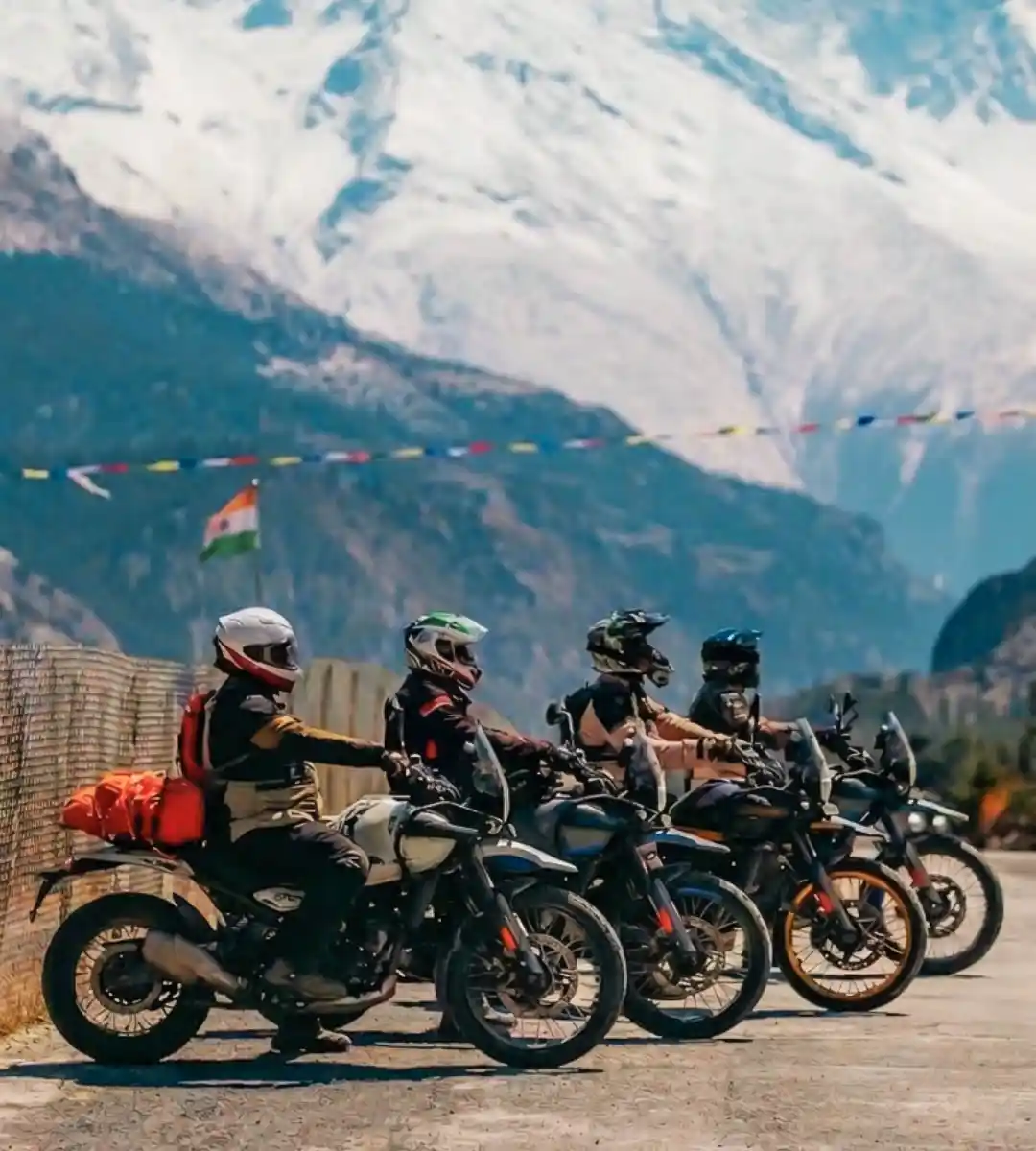 Group Tour10D/9N
Most Loved Spiti Valley Bike Expedition With Chandratal
1D Jibhi•1D Sangla+4
₹34,999₹41,999SAVE INR 7,000/ person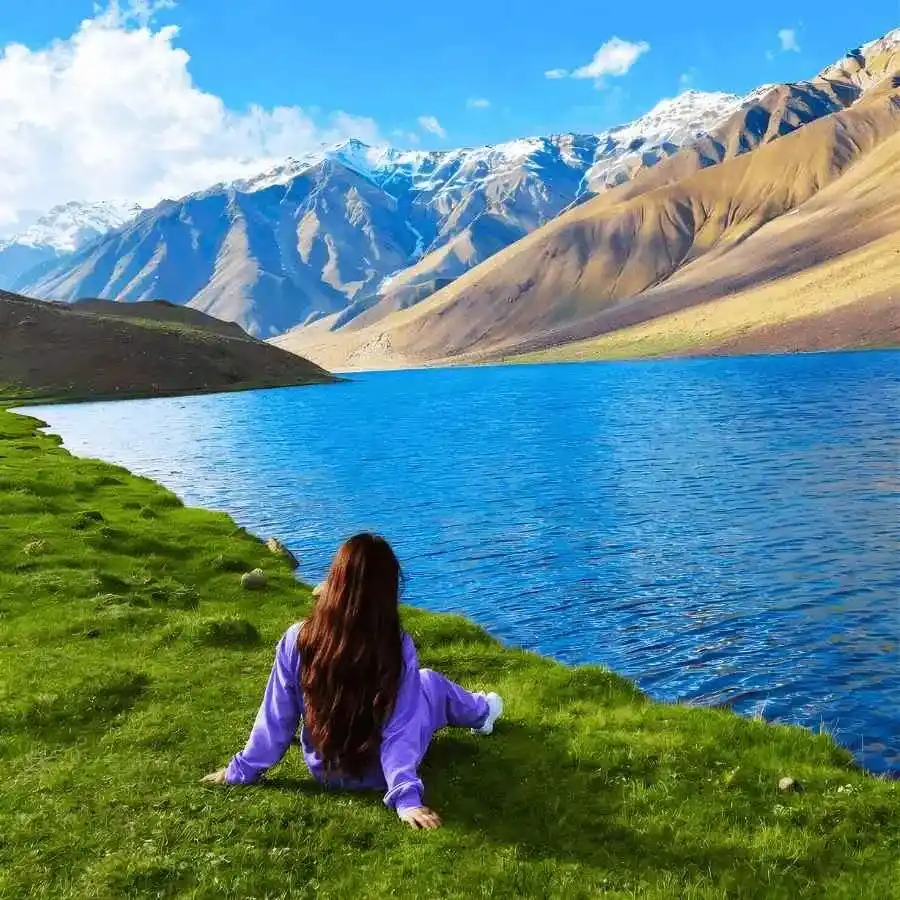 6D/5N
6D/5NMini Spiti Circuit With Chandratal From Manali
2D Kaza•1D Chandratal Camp
₹26,999₹29,999SAVE INR 3,000/ person
Chandigarh to Chandratal Distance, Travel Time, and Route Breakdown
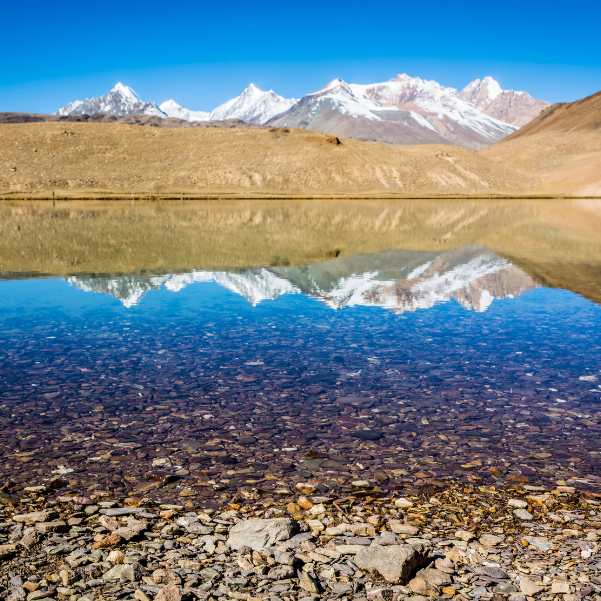
One travel result online shows the Chandigarh to Chandratal road distance as 364.8 km. Treat this as a rough reference, not a promise.
Mountain distances mean very little because travel time depends almost entirely on road condition, not kilometres.
Here is how the route breaks down in practice.
Chandigarh to Manali
Chandigarh to Manali is around 300 to 320 km and takes about 7 to 8 hours by car. The highway is mostly fine until Kullu, after which it gets narrower and slower.
Manali to Chandratal
Manali to Chandratal is about 115 km and takes 5 to 7 hours. The first stretch through the Atal Tunnel is fast. Everything after Koksar slows down.
The 14 km from Batal to the Chandratal parking area alone can take 1.5 to 2 hours because the road is unpaved, broken, and full of water crossings.
Kaza to Chandratal
Kaza to Chandratal is about 90 km and takes 3 to 4 hours via Losar and Kunzum Pass.
We have seen many travellers underestimate Chandratal because the distance looks small on paper, but the altitude and road conditions make the day feel much longer. Do not plan based on Google Maps time estimates. They are not built for roads that barely exist.
Is Chandratal Open in Your Travel Month in 2026?
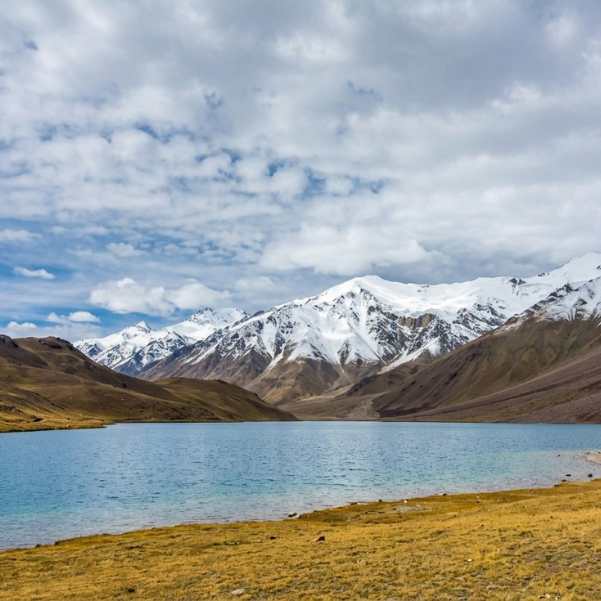
The practical Chandratal season is June to September. Outside this window, either the roads are closed or the camps are not running.
March, April, and May
Chandratal is closed. Kunzum Pass is buried under snow. The Kaza side may open by late May in some years, but camping is not possible and road access is unreliable. Do not plan a trip in these months unless you are only going to Manali or lower Lahaul.
June
The route usually opens sometime between early and mid-June, depending on how fast BRO clears the snow. Early June is a gamble. Mid to late June is when camps start running and the road stabilizes.
If you travel in early June, have a backup plan that does not depend on Chandratal being accessible.
July
Both routes are generally open and stable. Camps are fully operational. Roads are at their best early-season condition. This is the safest month for first-timers and families. The Manali side may see some rain, but the Spiti side stays mostly dry.
August
The lake experience is great, but the approach roads from Manali can get hit by landslides and heavy rain. Build buffer days into your plan. The Shimla-Kinnaur route is also landslide-prone this month.
September
Often the best month. Skies are clearer, crowds are smaller, and the landscape turns golden-brown. Nights get seriously cold, dropping below zero regularly. But if you are packed right, September at Chandratal is hard to beat.
October
Some camps try to stay open until around October 10, but this window is unreliable. An early snowfall can close Kunzum Pass without warning. Only attempt this if you are fully flexible with dates.
For a detailed month-by-month breakdown, our Chandratal opening dates guide covers what each month looks like and when camps actually start running.
Do You Need Permits for Chandratal in 2026?
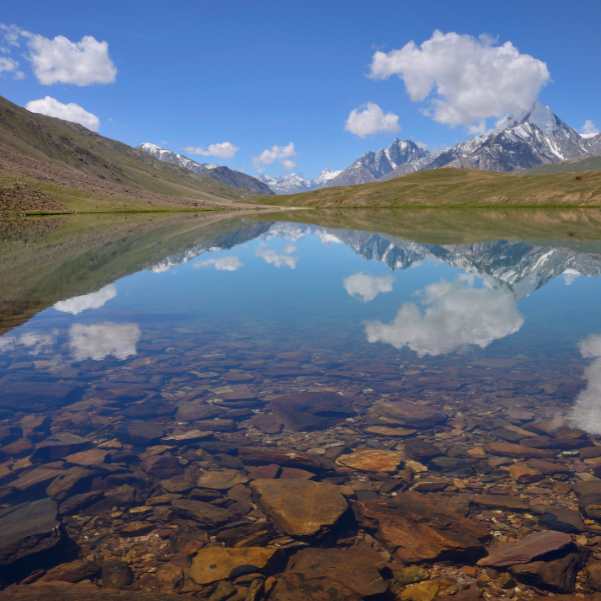
Indian citizens generally do not need a personal permit such as an ILP to visit Chandratal Lake. But travellers using the Atal Tunnel-Rohtang-Koksar-Chandertal circuit should check and obtain the required e-Aagman vehicle e-permit before travel.
Foreign nationals may need an Inner Line Permit (ILP) for certain parts of the Spiti route, depending on the current rules and the specific areas they pass through.
These rules can change by season, so if you are a foreign traveller, confirm the latest requirements before finalizing your plan.
There may also be a small environmental or parking fee at the Chandratal approach area. The amount and rules can change by season. It is not a major cost, but carry cash for it because card machines do not exist out there.
Where Can You Stay Near Chandratal?
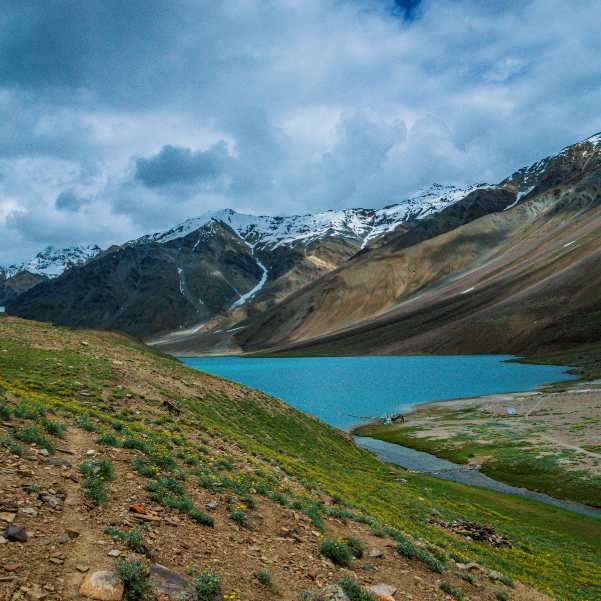
There are no hotels at Chandratal. Not even close to the lake. The nearest proper accommodation is back in Manali or Kaza, both several hours away.
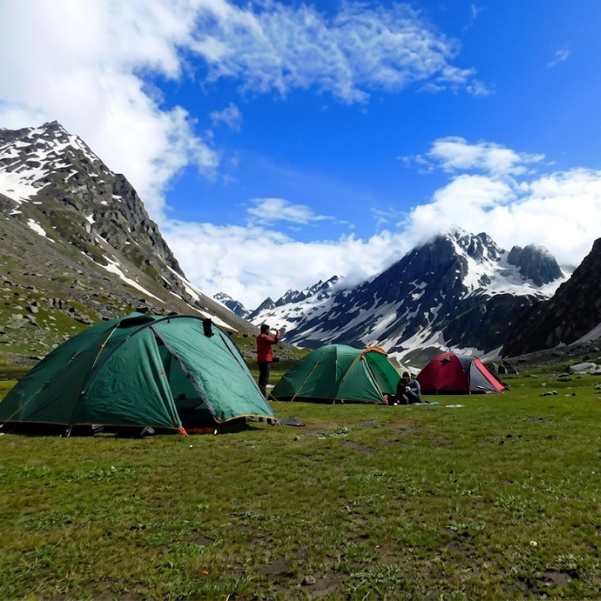
What you have near the lake are seasonal campsites that set up in a designated zone along the approach road. These camps are roughly 2 to 3 km from the lake. Some sources place them at 3 to 5 km away.
The exact distance depends on which camp operator you book with and where they have set up for the season.
Camping directly on the lakeshore is not allowed. The area around the lake is ecologically sensitive, and restrictions exist to protect it. You camp in the designated zone and walk to the lake from there.
Most camps offer basic tents, sleeping bags, blankets, and simple meals like dal, rice, roti, and sabzi. Toilets are basic pit toilets. There is no electricity at most camps, though a few may have a solar panel for limited charging.
What most tourists get wrong is assuming they will sleep next to the lake. They will not. The camp is a proper walk away, and the facilities are basic mountain camping, not a resort with a view. Set those expectations before you go and you will enjoy the experience far more.
For a complete breakdown of camp types, costs, and what to expect, read our Chandratal camping guide.
How Far Is the Walk from Parking to Chandratal Lake?
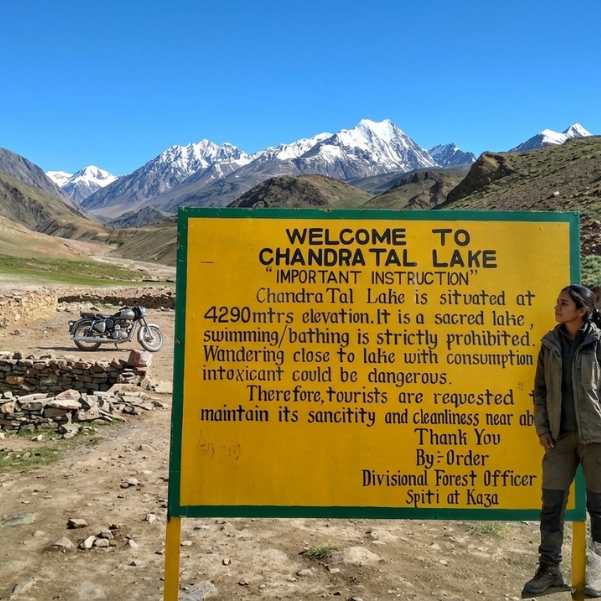
The walk from the parking area to the lakeshore is commonly reported as 1 to 2 km. Some traveller reports say about 1.5 to 2 km. It sounds easy. On flat ground at sea level, this would take 15 minutes.
At 4,300 metres, it feels different. The air is thin. You get breathless faster than you expect, especially if you arrived at altitude the same day.
Most people take about 20 to 30 minutes for the walk. Some take longer if they are feeling the altitude.
The trail is mostly flat and not technically difficult. You do not need trekking poles or special gear. Good shoes with grip are enough. But do not rush it. Walk slowly, breathe steadily, and stop if you feel dizzy or nauseous.
The best time to do this walk is early morning, before 7 AM. The light on the lake at sunrise is completely different from what you get at midday. And by 10 AM, the first wave of day-trippers starts arriving from Kaza and the trail gets crowded.
What Should You Pack and What Mistakes Should You Avoid?
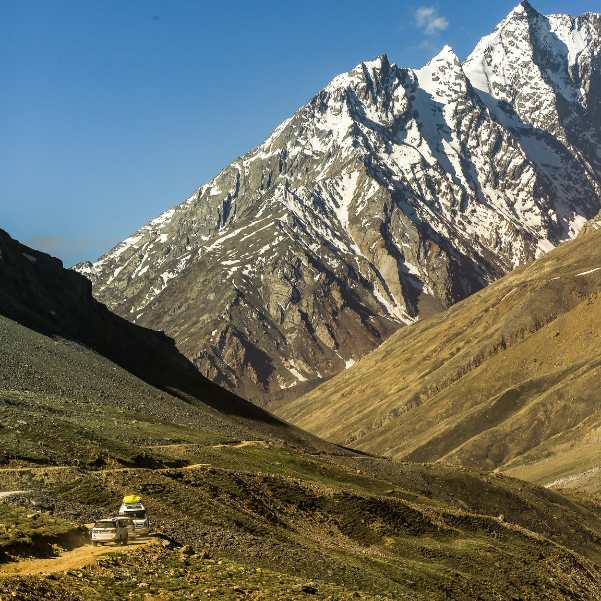
The biggest mistake Chandigarh travellers make is packing for "summer." Summer at 4,300 metres is not summer in Chandigarh. Daytime temperatures might reach 10 to 15 degrees in the sun, but nights drop to zero or below. In September, nights can fall to minus 5 or colder.
Warm layers are non-negotiable. Carry thermals (top and bottom), a proper fleece, and a windproof outer jacket. The wind at Chandratal's open terrain makes cold feel much colder.
Two pairs of warm socks, gloves, and a woollen cap should go in your bag even if you are travelling in July.
Carry cash. The last reliable ATMs are in Manali or Kaza. Nothing in between accepts UPI or cards reliably. Dhabas, campsites, and taxi drivers all work on cash.
Fuel planning matters. Fill your tank in Manali and, if needed, top up at Tandi. There is no fuel station at Chandratal, so the main fuel points travellers rely on for this route are Manali, Tandi, and Kaza. If you are coming from the Spiti side, fill up in Kaza before heading to Chandratal.
Mobile network dies beyond the Gramphu side. Only BSNL may work intermittently. Download offline maps before you leave Manali. Tell your family your plan because you will be unreachable for at least 24 to 48 hours.
Altitude sickness is real. What we always tell first-timers is to carry a thermos of ginger tea from Manali. At 4,300 metres, a warm drink does more for altitude adjustment than any tablet you will find at a chemist.
Stay hydrated, avoid alcohol the night before, eat light meals, and do not push yourself on the walk to the lake.
The single worst mistake is driving from Chandigarh to Chandratal in two days without a proper halt. That is a jump from 300 metres to 4,300 metres with almost no buffer. Spend at least one night at Manali or Sissu before going higher. Your body will thank you.
Sunscreen with high SPF and UV-blocking sunglasses are essential. The UV at this altitude burns fast, even on cloudy days. A headlamp is not optional, camps have no ambient lighting after dark.
Skip the paid viewpoint near the Chandratal parking area if anyone tries to charge you for a view you can get free from the trail itself. Save that money for a hot chai.
Is Chandratal Possible by Bus from Chandigarh?
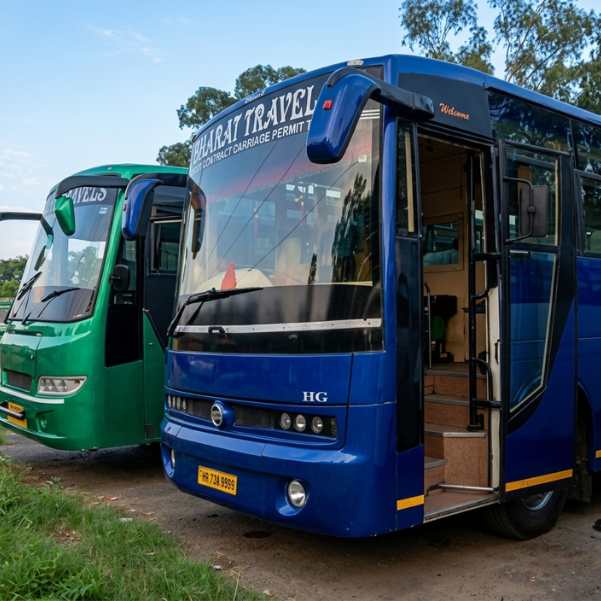
Possible, but not easy and not flexible.
There is no direct bus from Chandigarh to Chandratal. The realistic flow is to take a bus to Manali first. HRTC Volvo and semi-deluxe buses run regularly from Chandigarh (Sector 43 ISBT) to Manali, taking about 8 to 10 hours depending on the service.
From Manali, seasonal HRTC buses run to Kaza via Kunzum Pass when the road is open. These buses go through the Atal Tunnel and continue through Lahaul into Spiti. However, they do not stop at Chandratal.
The Chandratal diversion is off the main highway, and there is no regular bus service on that 14 km stretch.
One transport reference mentions Chandigarh to Chandratal via public connections can take about 12 hours 15 minutes, but that figure seems to assume ideal connections that rarely happen in practice.
If you are committed to bus travel, the most realistic plan is to bus from Chandigarh to Manali, then arrange a shared or private vehicle from Manali to Chandratal.
During peak season, you can sometimes find shared rides through local travel agencies in Manali or through Spiti travel groups on social media.
Bus travel works better on the Shimla-Kinnaur-Kaza route, where HRTC has more regular services. But even on that route, you will still need a private vehicle for the Chandratal diversion from Batal.
Self-Drive, Taxi, or Package: Which Is Best?
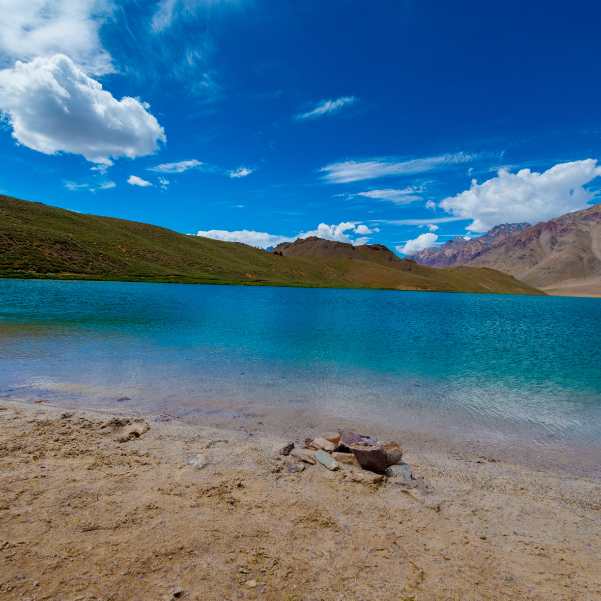
This depends entirely on your group, your experience, and how much planning energy you have.
Self-drive works if you have a high-clearance vehicle (Thar, Bolero, Fortuner, or similar), you are comfortable driving on broken mountain roads for 8 to 10 hours, and you have done mountain trips before.
The Batal to Chandratal stretch is not a road in any normal sense. If you are driving a sedan or a hatchback, do not attempt it. An Innova can manage with an experienced driver, but it is not ideal.
Hiring a taxi with a driver from Manali is the most common option for couples and small groups. A capable SUV with a local driver costs around ₹4,000 to ₹7,000 per day from Manali.
The advantage is that your driver knows the road, knows where the water crossings are, and knows when to push and when to stop.
A package makes the most sense for families, first-time mountain travellers, and groups who do not want to deal with booking camps, negotiating with taxi drivers, and checking road status every morning.
You get transport, camping, meals, and someone who actually picks up the phone when things go wrong.
The momos at the small dhaba just past the Batal checkpoint are the last proper hot meal before Chandratal. The guy running it is there every season from June to September. Do not skip it.
Check our popular tours for ready-made options, or reach us through our contact page if you want something built around your specific dates.
Final Verdict: The Smartest Way to Plan Chandratal from Chandigarh
Here is the simple framework.
Choose the short Manali route if you have exactly 5 days, you have been to high altitudes before, the road is confirmed open, and you are okay with long drives. This gets you to Chandratal and back with minimum leave.
Choose the longer Shimla to Spiti circuit if you have 7 or more days, this is your first trip above 4,000 metres, you want to see Kaza, Key, Kibber, and the full Spiti experience, or you are travelling with family.
The acclimatization advantage alone makes this the smarter choice for most people.
September is the best single month for most travellers. Clearer skies, fewer crowds, and the lake at its visual best. July is the safest for families and first-timers. June gives you snow-dusted peaks and quieter camps, but requires flexibility.
Whatever you choose, do not lock dates without checking the live road status. Do not skip acclimatization stops. And do not pack light thinking it is summer.
The lake is worth the effort. Every time. You just need to reach it the right way. We have done this route many times. Happy to help you plan it better.
>> Talk to our team on WhatsApp.
👉 Find the Right Chandratal Tour Package for Your Dates
Related topics
Frequently Asked Questions
Can Chandratal be visited from Chandigarh?
Yes. Chandigarh is one of the most common starting points. You can reach Chandratal via Manali in about 5 days or via the Shimla-Spiti circuit in 7 to 9 days.
What is the best route from Chandigarh to Chandratal?
The Manali route is shorter and works for experienced mountain travellers with limited time. The Shimla to Kinnaur to Spiti route is longer but gives you better acclimatization and a richer overall experience.
How many days are enough for Chandratal from Chandigarh?
5 days is the minimum workable plan via Manali. 7 to 9 days is more comfortable and lets you include Spiti Valley highlights.
Is Chandratal possible in 4 days from Chandigarh?
Technically yes, but you will spend almost all of it driving. You barely get time at the lake. We do not recommend it.
Do I need a permit for Chandratal in 2026?
Indian citizens generally do not need a special permit. Foreign nationals may need an Inner Line Permit for certain sections of the Spiti route. Check the latest rules before you travel.
Is camping allowed at Chandratal Lake?
Camping is allowed in the designated camping zone near the lake, but not on the lakeshore itself. The lakeshore is ecologically restricted. Seasonal campsites operate between June and early October.
How far is the walk from parking to the lake?
The walk is about 1 to 2 km and takes roughly 20 to 30 minutes. It is not difficult terrain, but the altitude makes it feel tiring if you have not acclimatized.
Is Chandratal safe for first-time travellers?
Yes, during the right season (June to September) and with basic precautions. The main risk is altitude sickness, which you can manage by acclimatizing properly and not rushing. There are no medical facilities at the lake, so carry basic medicines.
Can I go to Chandratal by bus from Chandigarh?
You can bus from Chandigarh to Manali. From Manali, there is no regular bus to Chandratal. You will need a private or shared vehicle for the Chandratal diversion. Bus travel works but is less flexible.
What is the best month to visit Chandratal?
September for clear skies and fewer crowds. July for the most stable roads and camps. June for snow-tinged landscapes and a quieter start to the season.
Can I stay at Chandratal Lake itself?
No. You cannot camp on the lakeshore. Camps are located in a designated zone, roughly 2 to 5 km from the lake. You walk to the lake from camp.
Should I choose the Manali route or Shimla Spiti route?
Choose Manali if you are short on time and have mountain experience. Choose Shimla-Spiti if you want proper acclimatization, a richer itinerary, and a safer first-time experience.
More about Chandratal
 Chandratal
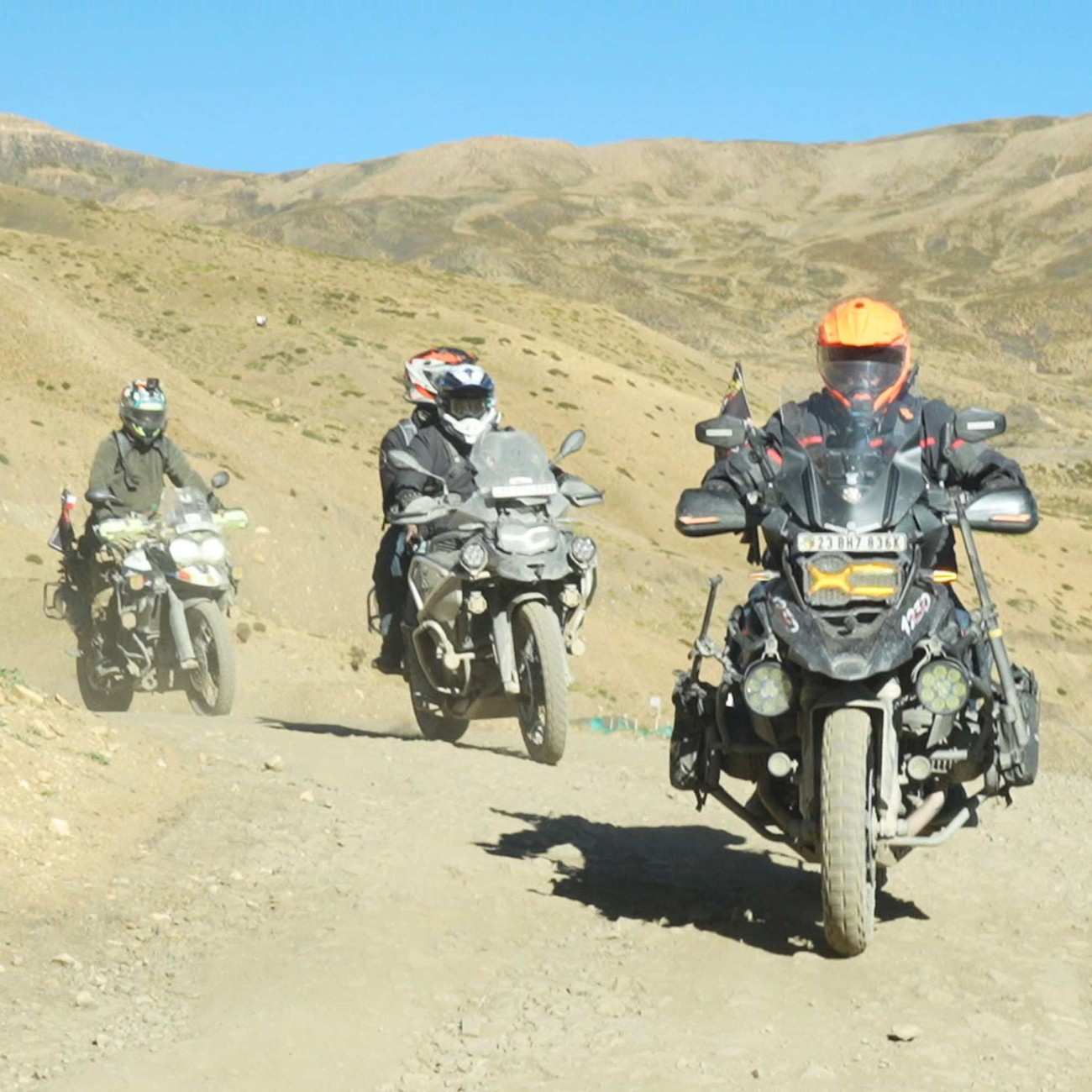
Chandratal by Bike Safety in 2026: Road Difficulty, Timing & Pillion Tips
Planning to ride to Chandratal by bike in 2026? This complete guide covers road difficulty, riding conditions, the best time to visit, safety precautions, water crossings, and pillion tips to help you enjoy one of Himachal Pradesh's most iconic high-altitude rides with confidence.
- Bike Trips
- Altitude & Health
- +1
 Chandratal
Where to Stay If Chandratal Camps Are Not Available in 2026
If Chandratal camps are not available in 2026, stay at nearby alternatives like Batal, Losar, or Kaza. Since camping is not allowed at the lake itself and designated camps operate a few kilometers away, these villages are the safest backup options for travelers planning a Spiti Valley trip.
- Itinerary
- Best Time to Visit
 Chandratal
Is Chandratal Crowded in June 2026? Honest Crowd, Road and Camp Guide
Planning Chandratal in June 2026? Here’s an honest guide to crowds, road opening chances, campsite availability, lake access, and the best time to visit without chaos.
- Best Time to Visit