
How High Is Shinkula Pass in 2026? Altitude, Oxygen and How to Avoid Getting Sick
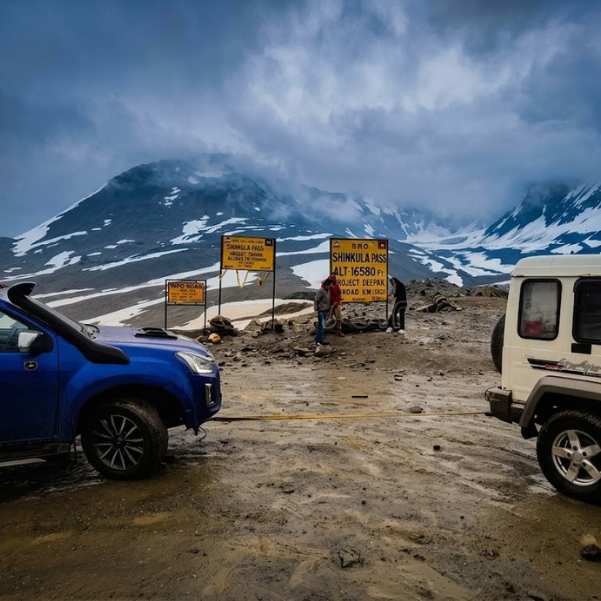
Shinkula Pass is one of the highest and most dramatic mountain passes you can reach while travelling between Lahaul and Zanskar.
Its extreme altitude means the air is much thinner than what most travellers are used to, so understanding the height, oxygen levels and risk of altitude sickness is important before you go.
This guide by Travel Coffee will explain how high Shinkula Pass is in 2026, what the oxygen level feels like at this altitude, common signs of altitude sickness and the practical steps you can take to stay safer and more comfortable during your journey.
Quick Answer
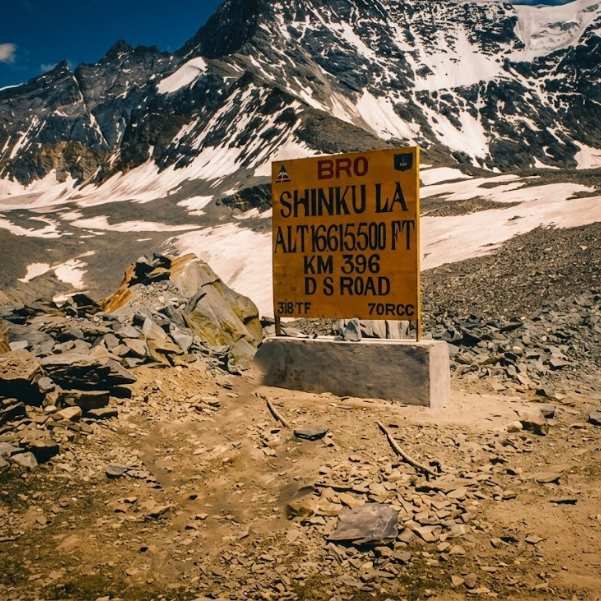
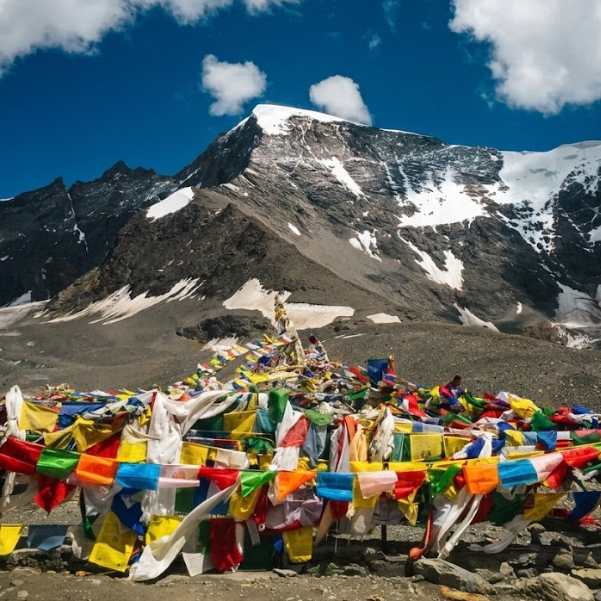
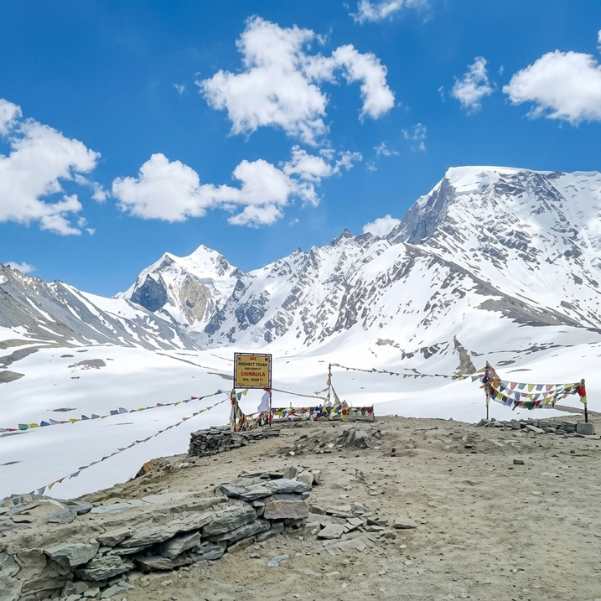
Shinkula Pass sits at roughly 5,050 metres, or about 16,600 feet above sea level. The Government of India lists Shinkun La at 16,558 feet, while common summit signs and travel references use around 16,580 feet.
Here is the part most people get wrong
The air still holds around 21 percent oxygen even up there. What drops is the atmospheric pressure, so much less oxygen actually reaches your body with every breath.
That is why a quick climb can make you sick. At this height, how well you acclimatize matters far more than how fit you are. A gym regular can struggle while a slower, more patient traveller does fine.
If you are starting from Manali, this pass is a serious jump in altitude, and it deserves proper planning. Our Manali tour packages are built around routes that give your body time to adjust instead of racing to the top.
How High Is Shinkula Pass Exactly?
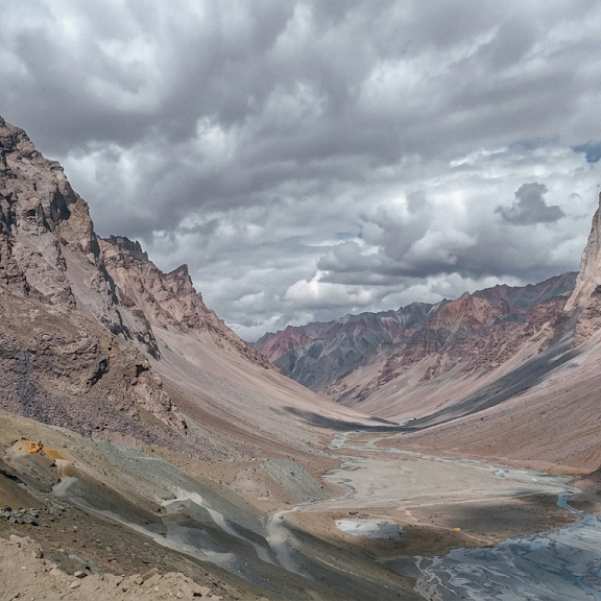
Shinkula altitude in feet and metres
The practical answer is roughly 5,050 metres and about 16,600 feet. That is the number worth carrying in your head.
The Government of India PIB figure is 16,558 feet. We use "roughly 5,050 metres" on purpose. Nobody should claim centimetre or even metre level precision for a mountain pass, because the ground itself varies across the summit area.
Why do some websites say 16,558 ft, 16,580 ft or 16,700 ft?
Published heights differ for boring reasons. Different measurement systems, different reference points around the summit, and travel sites copying old numbers from each other over the years.
Common summit and travel references land around 16,580 feet, which is very close to the official government figure. So those two agree in spirit.
Some travel sites publish 5,091 metres or 16,703 feet. Treat that as a conflicting travel source, not the definitive elevation. It does not match the government number.
For an ordinary traveller, "roughly 5,050 metres or 16,600 feet" is the most useful and honest way to understand the height. Do not get lost chasing an exact figure that changes depending on who measured it.
Is Shinkula higher than Rohtang and Baralacha La?
Yes, on both counts. Rohtang Pass is approximately 3,978 metres. Baralacha La is approximately 4,890 metres.
So Shinkula stands above both. That is a simple way to feel the scale. If Rohtang already left you breathless, know that Shinkula is more than a kilometre higher than it.
Is There Really Less Oxygen at Shinkula Pass?
This is the section we most want you to read carefully, because the internet gets it wrong constantly.
You will see claims that the air at Shinkula has "half the oxygen." That is misleading. The oxygen at Shinkula Pass stays around 21 percent of the air, exactly like it does at sea level. The mix does not change.
What changes is barometric pressure. High up, the air is thinner, so the pressure pushing oxygen into your lungs falls. That is the partial pressure of oxygen, and it drops a lot.
At roughly 5,000 metres, the inspired oxygen pressure is about half its sea level value. Same percentage of oxygen, half the pressure delivering it.
In plain travel terms, every breath brings in less usable oxygen. So you breathe harder, tire much faster, and even a short walk uphill can leave you gasping.
Your body is doing more work to get the same amount of fuel. That single idea explains almost everything about why altitude feels the way it does.
Can You Get Altitude Sickness at Shinkula Pass?
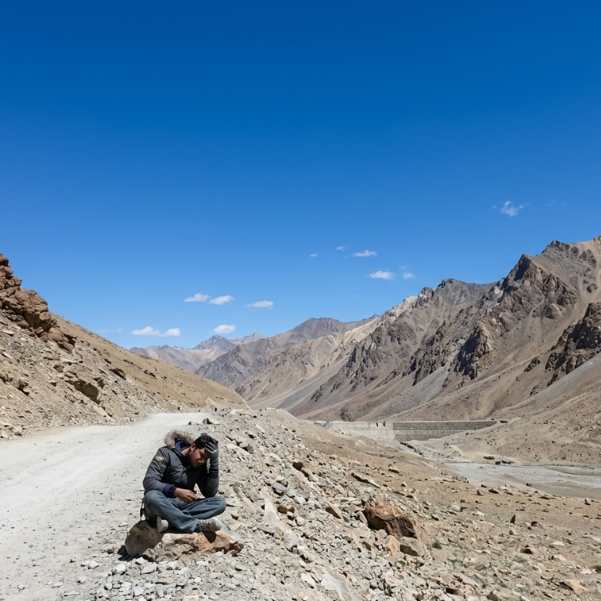
Short answer, yes. An unacclimatized traveller at Shinkula is high enough for altitude illness to be a real concern, not a rare freak event.
Three things drive your risk. The altitude you reach, how fast you climbed to get there, and your own personal susceptibility. Any unacclimatized person sleeping at roughly 2,450 metres or above can already be at risk, and Shinkula is far higher.
Here is the honest part travellers hate hearing
Physical fitness does not protect you from AMS. A marathon runner can get hit hard while a less athletic friend adjusts smoothly. Your lungs and heart being strong does not change how fast your blood chemistry adapts.
And do not assume that one good high altitude trip in the past makes you immune. It does not work that way. Every trip, every ascent, your body starts the adjustment again.
What Are the Early Symptoms of Altitude Sickness?
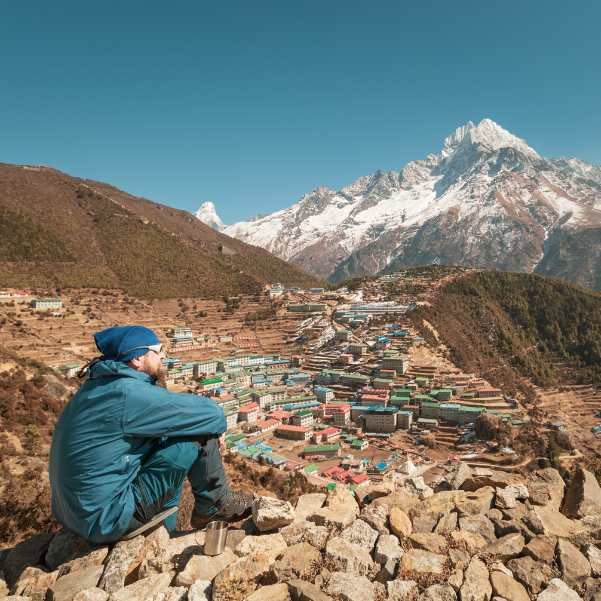
Mild AMS symptoms travellers should not ignore
The classic early sign is a headache after you gain height. On its own it is worth watching. When it comes with nausea, dizziness, unusual tiredness, or just generally feeling off, take it seriously.
The rule we drill into every traveller is simple. If you have AMS symptoms, you do not keep climbing. Do not talk yourself into pushing to the pass just because you came all this way.
If your symptoms get worse while you stay at the same altitude, going down is the safer move. Waiting it out higher up is how a manageable problem turns into a dangerous one.
What are the danger signs of HACE?
HACE is a severe altitude emergency involving the brain. This is not something to sleep off.
Warning signs include a changed mental state, confusion, unusual drowsiness, and ataxia, which shows up as trouble walking in a straight line or clumsy loss of coordination. A quick roadside test is asking someone to walk heel to toe.
If you see this, the answer is descent, medical help, and emergency action. Not another photo at the top. Not "let us just finish the drive first."
What are the danger signs of HAPE?
HAPE affects the lungs. Early warning signs include chest congestion, a cough, a dramatic drop in how much activity you can handle, and breathlessness that is far worse than the effort should cause.
Breathlessness while resting is especially concerning. If someone is struggling to breathe while simply sitting still, that is a red flag.
Serious HAPE needs urgent descent, medical attention, and supplemental oxygen when it is available. Speed matters here.
How Should You Acclimatize Before Visiting Shinkula?
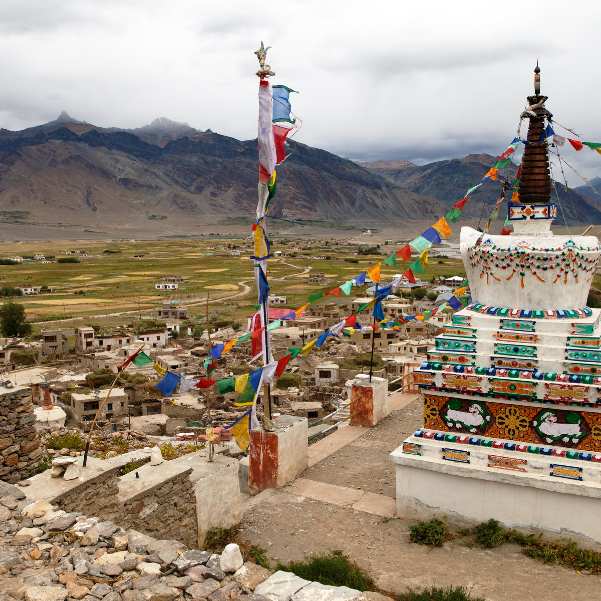
We do not invent a special "Shinkula rule." We follow what altitude medicine actually says, because your body does not care about our marketing.
Spending 2 to 3 nights around 2,450 to 2,750 metres before going higher can be markedly protective against AMS. That staging is the single best thing most travellers can do.
Once you are above 3,000 metres, a conservative approach is to raise your sleeping altitude by no more than roughly 500 metres per night. On top of that, add an extra acclimatization night for about every 1,000 metres of sleeping elevation you gain.
The first 3 to 5 days after ascending are the most important window for your body to adjust. That is when to be gentle with yourself.
The message for real travellers is this. A motorable road makes it physically possible to shoot up in altitude fast. That does not make it wise. Do not treat Shinkula as a race from the lowlands just because the road lets you.
Breaking your journey in Lahaul helps a lot here. Our Sissu tour packages work well as a mid altitude base before you go higher toward the pass.
Is One Night in Jispa Enough Before Shinkula?
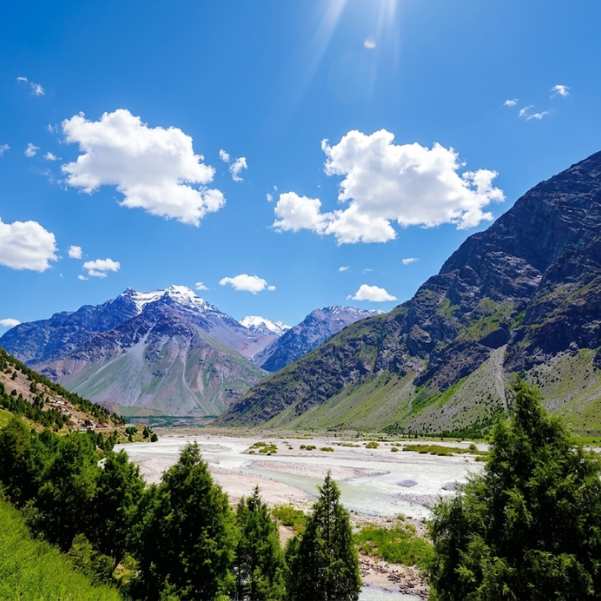
Not necessarily. That is the honest answer, not a clean yes or no.
Staging a night in Lahaul, at Jispa or nearby, is far more sensible than driving straight up in one go. It helps. But one night cannot guarantee acclimatization for every single person, and we would be lying to say otherwise.
General altitude guidance always favours gradual ascent and more time to adjust. More nights, taken slowly, beat one rushed stop.
If you have had altitude illness before, if you have health concerns, or if your itinerary is aggressive and tight, talk to a qualified doctor before you go. We would rather you build in an extra night than gamble on the minimum.
What Should You Do on the Day You Visit Shinkula Pass?
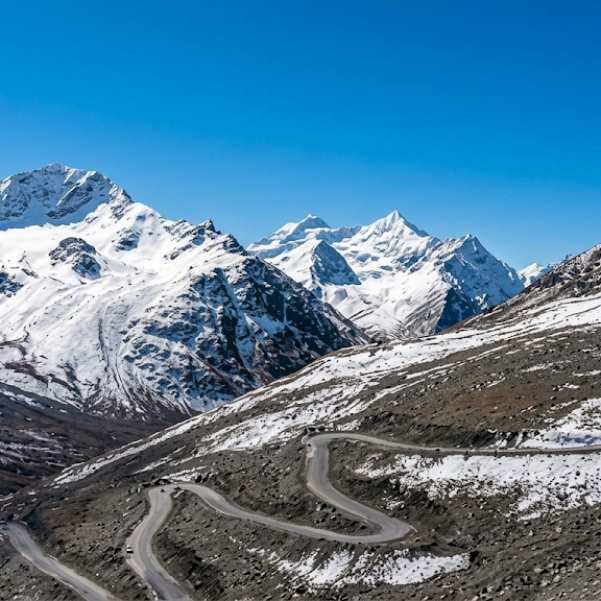
Keep your effort low while your body wrestles with the altitude. This is not the day to sprint up a ridge for a better photo.
CDC travel guidance recommends avoiding alcohol and heavy exercise during the first 48 hours at altitude. That advice is easy to follow and genuinely helps.
If you start feeling altitude symptoms, tell your driver or tour leader right away. Do not stay quiet and hope it passes. The people around you can only help if they know.
Do not let a pulse oximeter reading talk you into continuing upward when you feel unwell. A single reassuring number is not a medical clearance to keep climbing.
And ignore anyone who gives you a magic "safe" number of minutes to spend at the top, because there is no such verified rule.
The whole principle is short. Pay attention to how you feel, and do not go higher when you feel bad.
Should You Carry Oxygen to Shinkula Pass?
Proper supplemental oxygen has a real role in altitude emergencies. It can genuinely help someone suffering serious altitude illness while you get them to safety.
But here is the catch. Oxygen does not remove the need to descend when serious symptoms show up. It buys time. It does not fix the underlying problem of being too high.
And the small handheld oxygen cans sold to tourists are a weak tool. CDC guidance specifically warns that these tiny cans hold too little oxygen to give any sustained improvement in altitude illness. A few puffs will not carry you through.
So do not treat a canned oxygen bottle as permission to rush up fast. It is not a safety net that makes a reckless ascent safe. Real oxygen for a real emergency is different from a novelty can in your daypack.
Should You Take Diamox Before Visiting Shinkula?
Acetazolamide, known widely by the brand name Diamox, can speed up acclimatization and is an established option for preventing altitude illness. It is a legitimate medicine, not a myth.
We will not give you a dose here, and we will not tell everyone to take it. Whether it suits you depends on your health and your itinerary.
Talk to an appropriate healthcare professional before your trip and decide with them. A doctor who understands altitude medicine can tell you if it makes sense for your situation. Do not self medicate on the strength of a blog or a friend's advice.
Can Children or Babies Visit Shinkula Pass?
We will keep this calm and clear rather than scary. CDC guidance says children are just as susceptible to altitude illness as adults. Being small does not offer protection.
The harder issue with very young children is that they cannot tell you clearly when their head hurts, when they feel sick, or when they are dizzy. That makes their symptoms much tougher to catch early.
We will not invent a minimum safe age for Shinkula, because there is no verified one to quote.
If you are thinking of taking an infant or young child to a roughly 5,000 metre pass, get individualized paediatric medical advice first. That is a conversation for a doctor who knows your child, not a website.
Who Should Speak to a Doctor Before Going?
If you have significant heart or lung disease, speak with a clinician familiar with high altitude travel before a trip like this. That is not us being cautious for the sake of it.
Also worth a medical chat is anyone with a history of severe altitude illness, or anyone whose itinerary involves rapid ascent with little time to adjust.
We are a travel team, not doctors. We cannot diagnose you or clear you medically. What we can do is help you build an itinerary that a doctor is more likely to approve.
Is Shinkula Pass Open in 2026?
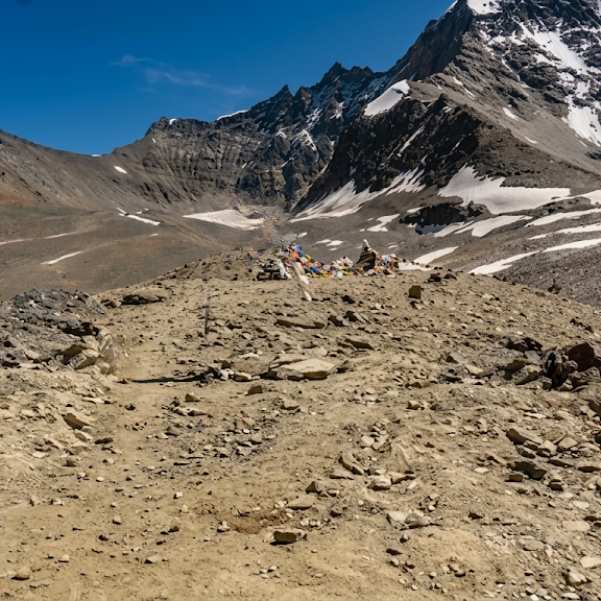
The Darcha to Shinkula road was reported reopened for all vehicle types from both sides on May 10, 2026, after BRO cleared the snow. That report described the restored road as double lane and suitable for LMVs and HMVs at that time.
Read that date carefully. May 10 tells you the road opened then. It does not prove the road is open on your travel date. Mountain access shifts with weather, fresh snow, landslides, maintenance, and administrative controls.
The official Lahaul and Spiti district road status page, updated August 20, 2026, listed several major routes as open but did not separately list Darcha to Shinkula. So even the official page did not confirm this exact stretch on that date.
What we tell our travellers is simple. Get a fresh local or official road check right before you leave, every time. An old "road open" headline is not a current status.
The Shinkun La tunnel is still under construction in 2026. Government and BRO updates in June and August 2026 still describe it as an ongoing project, a 4.1 kilometre twin tube tunnel at around 15,800 feet. It is not something you will drive through yet.
One more thing to watch. A temporary Rally of Himalayas traffic restriction has been reported for the Darcha Junction to Shinkula route on September 29, 2026.
Published reports differ on the exact restriction hours, so confirm the latest traffic timings with the Lahaul and Spiti district administration before travelling on September 29, 2026.
If Shinkula is part of a bigger mountain plan for you, our Ladakh tour packages connect naturally along this belt.
Do You Need a Permit or E-Pass for Shinkula Pass?
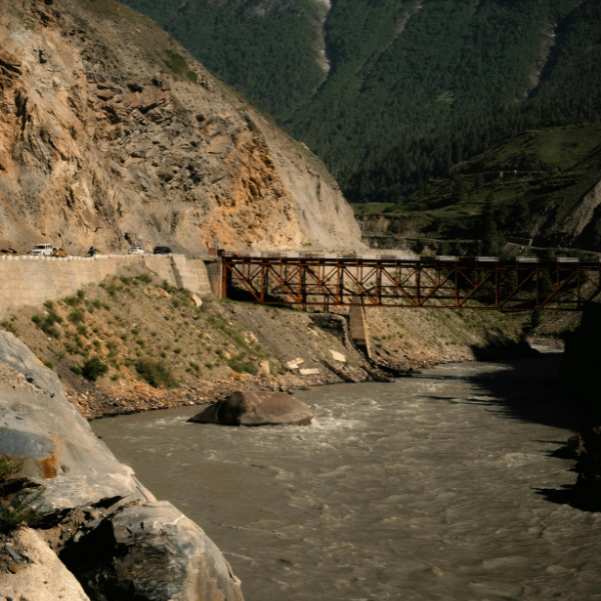
We will not tell you flatly that no permit is needed, because that is not accurate for this district.
Lahaul and Spiti runs the official e-Aagman vehicle entry system. Vehicles entering the district use this framework, with e-permit and e-ticket categories that depend on your route.
Check the official e-Aagman system for the requirement that applies to your specific route and travel date. The category can differ depending on where you are entering from and where you are going.
For foreign nationals, the exact PAP or RAP requirement on this route needs confirmation. If you are a foreign traveller, verify your specific requirement with the authorities rather than trusting a general claim.
A More Sensible Way to Approach Shinkula From Manali
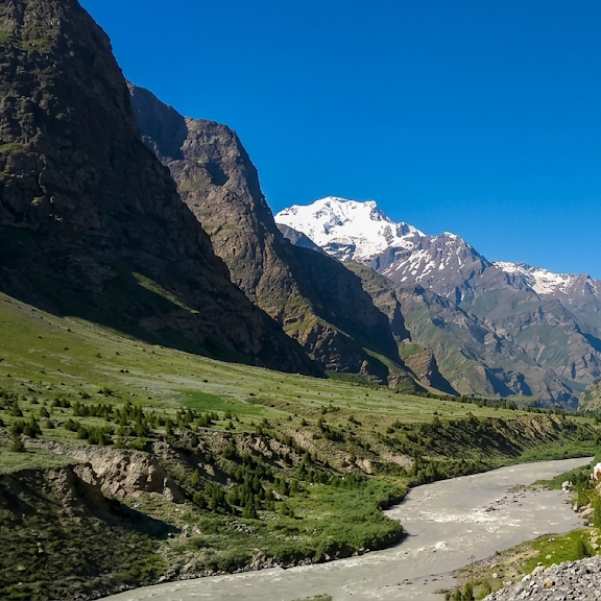
This part is trip planning, not a medical promise. But a good plan is your best defence against altitude trouble.
Day 1: Manali to Lahaul
Take the route Manali, Atal Tunnel, Sissu, then Keylong or Jispa. This is a gentler first day that gets you into Lahaul without a brutal climb.
The point of an easy first day is to give yourself room to notice how you feel. Do not pack it with sightseeing just because there are daylight hours to fill. Watching your own body is the real task on day one.
Our Manali tour packages start from this exact base, and breaking the day at Sissu gives you a comfortable place to pause and adjust.
Day 2: Jispa or Darcha toward Shinkula
From Jispa or Darcha, you head up toward Shinkula Pass. We will not invent exact kilometres or driving hours for this stretch.
Here is the mindset that keeps people safe. Finishing your itinerary is never more important than responding properly to altitude symptoms. If your body says stop, the plan changes. No pass is worth pushing through HACE or HAPE.
Common Shinkula Altitude Mistakes to Avoid
The biggest one we see is people assuming fitness prevents AMS. It does not. Strong legs and good stamina do not change how fast your blood adapts to thin air, and some of the fittest travellers get the sickest.
Right behind that is rushing upward simply because there is a motorable road. The road being drivable does not mean the ascent is safe for your body. Speed is exactly what triggers altitude illness.
Plenty of travellers ignore a headache, nausea, or worsening breathlessness because they do not want to spoil the trip. That is backwards. Those signals are the trip trying to protect you.
Some people wave a canned oxygen bottle around as permission to keep climbing. A tiny can does not fix altitude illness, and it does not make a rushed climb safe. Do not build your plan around it.
Others treat a single pulse oximeter reading as a green light. One number is not a medical clearance to continue. And do not assume that one successful mountain trip in the past proves you are immune this time. Every ascent starts fresh.
Two more catch people out. Trusting an old "road open" article without checking today's status, and taking prescription altitude medication casually on the strength of a blog or a friend's tip. Check the current road, and talk to a doctor about any medicine.
If you want the wider region worked into a slower, safer loop, look at our Spiti Valley tour packages for itineraries that build in acclimatization time.
Explore Our Curated Shinkula Pass Tour Packages
 6D/5N
6D/5NBest Value Manali to Shinkula Pass Tour With Jispa Stay
1D Manali•2D Jispa
₹12,999₹20,999SAVE INR 8,000/ person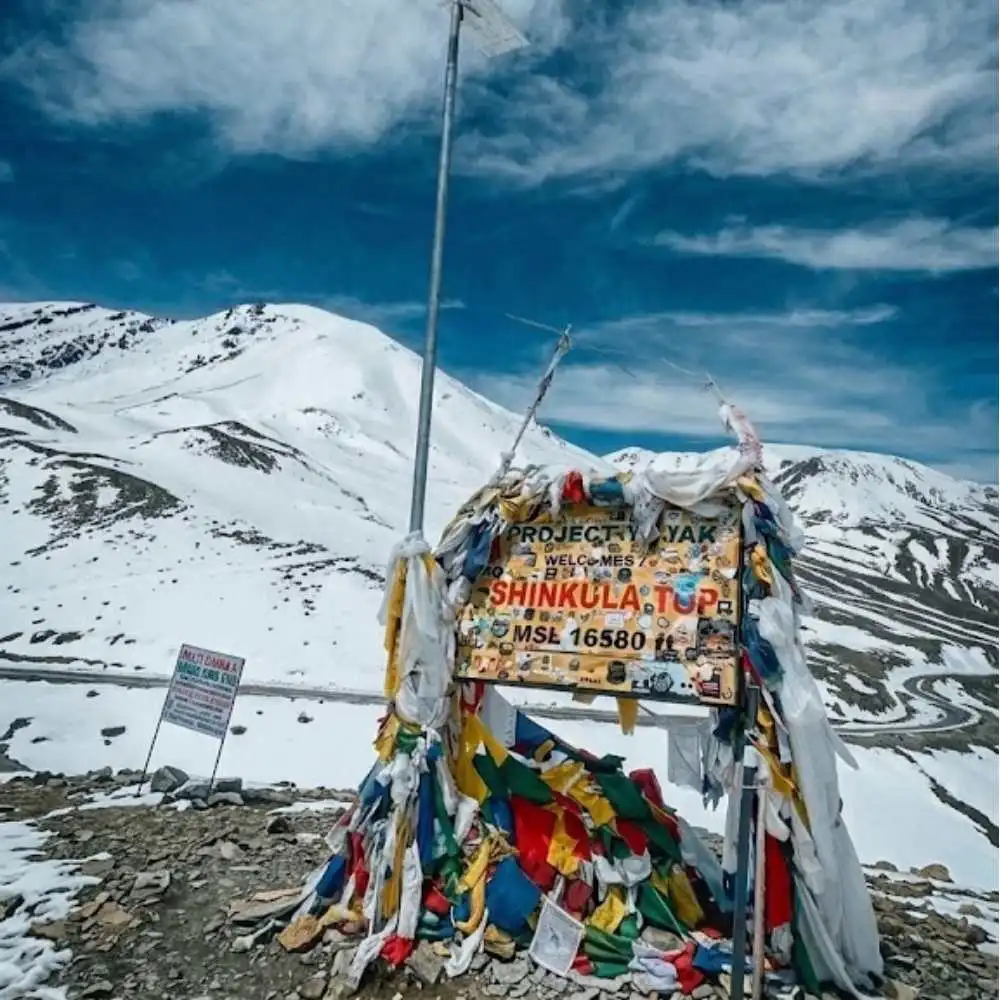 7D/6N
7D/6NMost Loved Baralacha & Shinkula Twin Pass Road Trip With Jispa Stay
1D Manali•3D Jispa
₹21,999₹25,999SAVE INR 4,000/ person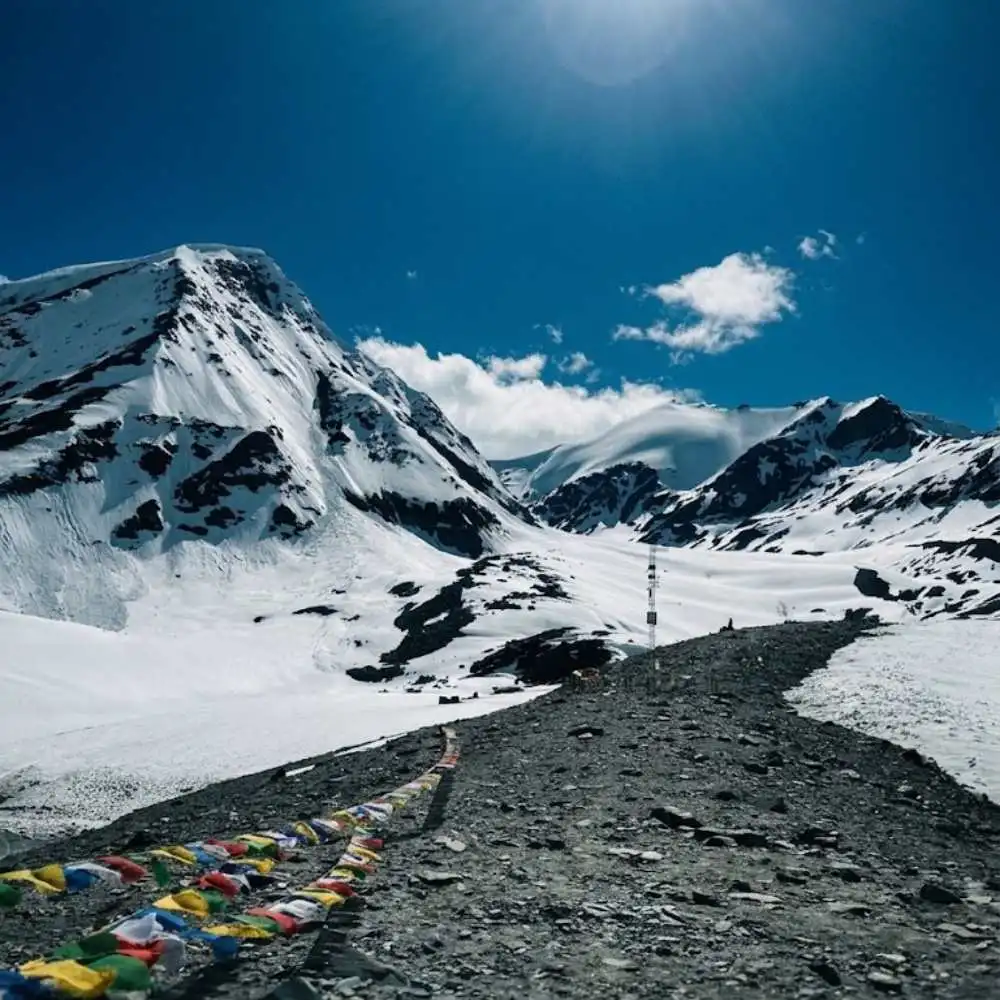 6D/5N
6D/5NPremium Manali to Shinkula Pass Road Trip via Sissu and Jispa
2D Manali•2D Jispa+1
₹23,999₹27,999SAVE INR 4,000/ person
Related topics
Frequently Asked Questions
How high is Shinkula Pass in feet?
Roughly 16,600 feet. The Government of India PIB figure for Shinkun La is 16,558 feet, and common summit references use around 16,580 feet.
What is Shinkula Pass altitude in metres?
About 5,050 metres. That is the practical reader friendly number, close to the official government figure.
Why do different websites give different Shinkula heights?
Because of different measurement systems, different reference points around the summit, and old travel data being copied repeatedly. Figures like 5,091 metres conflict with the government number and should not be treated as definitive.
Is Shinkula Pass higher than Rohtang Pass?
Yes. Rohtang is about 3,978 metres and Shinkula is around 5,050 metres, so Shinkula is more than a kilometre higher.
Is there less oxygen at Shinkula Pass?
The air still holds around 21 percent oxygen. What drops is the pressure, so around 5,000 metres the oxygen your body can actually take in is roughly half of sea level value.
Can you get altitude sickness at Shinkula Pass?
Yes. It is high enough that an unacclimatized traveller is at real risk. How fast you climbed and your personal susceptibility matter more than your fitness.
Is one night in Jispa enough to acclimatize?
Not necessarily. It is smarter than rushing straight up, but one night cannot guarantee acclimatization for everyone. More time and a gradual climb are safer.
Should I carry an oxygen cylinder to Shinkula?
Proper oxygen helps in an emergency, but it does not replace descending when symptoms are serious. Small handheld cans hold too little oxygen to give lasting relief.
Should I take Diamox before Shinkula?
Acetazolamide can help prevent altitude illness, but it is not for everyone and we will not give a dose. Discuss it with a doctor familiar with altitude travel before your trip.
Can children or babies visit Shinkula Pass?
Children are as susceptible to altitude illness as adults, and very young ones cannot describe their symptoms well. Get individual paediatric medical advice before taking a young child that high.
How long should you stay at Shinkula Top?
There is no medically verified universal rule, no safe 10, 15, or 20 minute stopwatch limit. What matters is your symptoms and your acclimatization, not a made up time cap.
Is Shinkula Pass open in 2026 and do I need a permit?
The Darcha to Shinkula road was reported reopened to all vehicles on May 10, 2026, but access changes with weather and season, so check current status before you go. For entry, use the official Lahaul and Spiti e-Aagman system and confirm the category for your route and date.
More about Shinkula Pass
- Shinkula Pass
Shinkula Pass (Shinku La) 2026: Height, Route and Full Season Guide
Discover Shinkula Pass in 2026 with details on its height, route, best travel season, road conditions, and essential tips for planning a scenic journey to Zanskar.
- Road Status
- How to Reach
 Shinkula Pass
Shinkula Pass vs Baralacha Pass: Which One Should You Actually Do in 2026?
Wondering whether Shinkula Pass or Baralacha Pass deserves a spot on your 2026 road trip? This comparison covers routes, scenery, road conditions, accessibility, altitude, and overall experience to help you choose the mountain pass that best fits your Ladakh or Zanskar adventure.
- First-Time Travellers
- Road Trips
- Shinkula Pass
Shinkula Pass in December 2026: Road Status, Snow, Safety and Travel Guide
Planning a trip to Shinkula Pass in December 2026? Get essential information on expected snow, road conditions, possible closures, safety precautions, weather, vehicle requirements, and winter travel tips for a safer journey through this high-altitude Himalayan pass.
- Road Status
- Snow Travel