
Food in Zanskar 2026: Vegetarian, Jain and Local Meal Planning
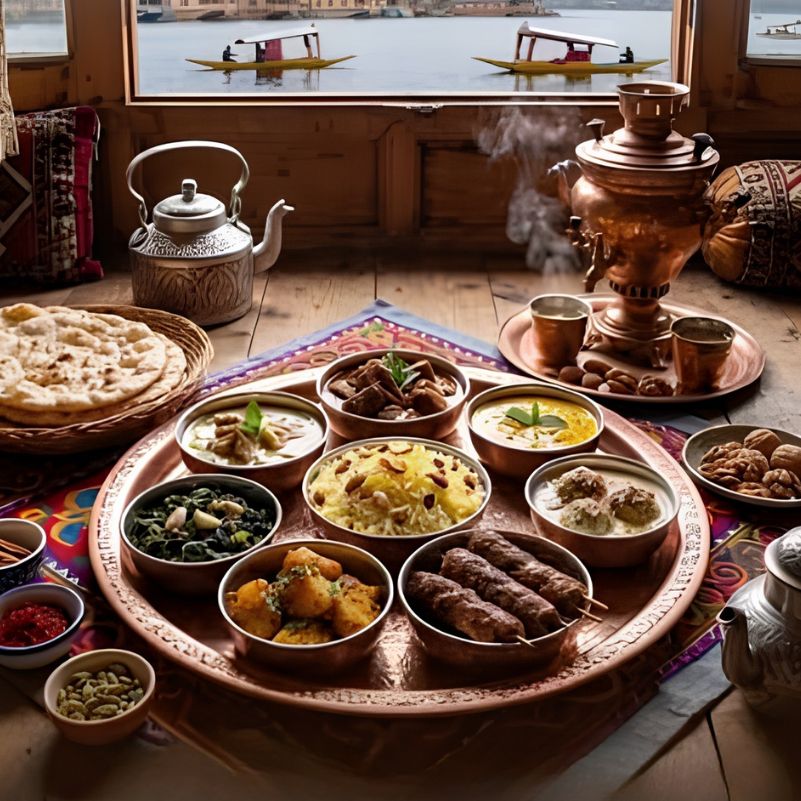
Most people planning food in Zanskar ask the wrong question. They ask what to eat. The useful question is where each meal will come from on each day of your trip.
Here is what most travellers get wrong. They assume Padum works like Leh or Manali, with a café on every corner. It doesn’t. Outside Padum, dinner usually comes from one kitchen, the one at your stay.
This guide plans your meals day by day, with extra care for vegetarian and Jain travellers. We only share what we can stand behind, and we mark anything that still needs a fresh check.
Quick Answer
Padum has the widest choice of restaurants and accommodation kitchens in Zanskar. Choice shrinks quickly in villages and trekking areas.
You can usually arrange vegetarian meals through guesthouses, homestays and some eateries.
Jain food is different. You must request it and reconfirm it in advance, because nobody can promise a dedicated Jain kitchen, separate utensils or full ingredient compliance.
For long road and trekking days, get packed food from your stay and carry your own snacks.
What Kind of Food Can You Expect in Zanskar?
Zanskar is remote, and that decides what lands on your plate. Every kitchen cooks with whatever reached the valley and whatever the host has in store that week.
So expect simple, filling food that keeps you warm and fed. Don’t expect a long printed menu or a dozen choices at each meal.
Everyday Traveller Meals at Guesthouses and Homestays
The everyday traveller meal looks familiar: dal, rice, chapati and sabzi. Many accommodation kitchens make this the default vegetarian plate.
Padmaling Guest House & Camps in Padum, for example, currently advertises Indian comfort food including dal, rice, chapati and sabzi. It also advertises home cooked vegetarian and non vegetarian meals.
What you actually get depends on the property, the season and the ingredients in the kitchen that day. One night you may get a fuller spread. The next night the plate may be simpler.
None of this is bad news. It just means you plan around kitchens rather than menus.
Traditional Zanskari and Ladakhi Dishes
Next to the dal and rice, you may find local dishes like skyu, thukpa, tsampa, momos and butter tea. We explain each one later in this guide.
Not every property cooks every dish. Some kitchens make them often, some only on request, and some not at all.
Several of these dishes come in both vegetarian and meat versions, especially thukpa and momos. So ask what’s in the bowl before you start eating, not halfway through.
Is Vegetarian Food Available in Zanskar?
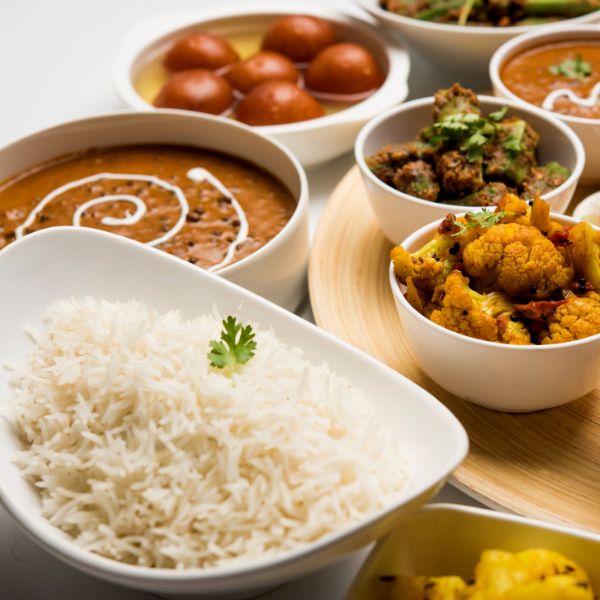
Yes. Vegetarian food in Zanskar is a realistic plan, and several Padum guesthouses and homestays advertise vegetarian meal options.
If Zanskar is part of a bigger trip through Leh, our Ladakh tour packages show how we usually route the journey and where the overnight stops fall.
On a normal day, a vegetarian meal means dal, rice, chapati and sabzi. If the kitchen makes them, you may also get vegetarian thukpa, vegetarian momos or a vegetable skyu.
Now the honest part. Vegetarian choice in Zanskar is not unlimited. You won’t scroll through a long list of paneer dishes the way you might in a city.
Remote kitchens cook with the supplies they have on hand. If a large vegetarian group turns up without warning, the host may simply run short of fresh vegetables.
That’s why you should send your requirements early. Lha Ri Zanskar, for example, asks guests to share their dietary needs so its kitchen can adapt the meals. A property doesn’t ask that for no reason.
Can You Get Jain Food in Zanskar?
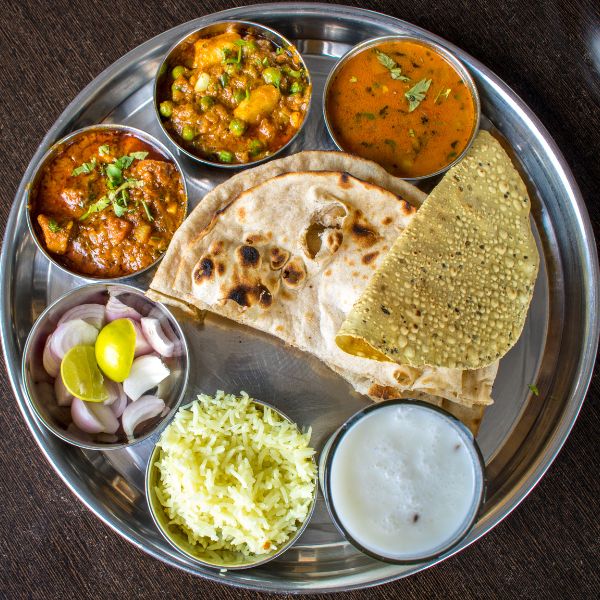
Read this section slowly. Trips with dietary needs most often go wrong at this point.
Jain food in Zanskar is possible only in a limited way. An individual accommodation kitchen may sometimes prepare a Jain style meal if you ask in advance.
We have no verified basis to promise a dedicated Jain restaurant or a dedicated Jain kitchen anywhere in Zanskar. Dedicated Jain restaurants in Padum.
What One Traveller Review Actually Tells Us
A 2023 traveller review of one Padum property reported that the kitchen prepared Jain food on request. That’s encouraging.
But it shows one kitchen meeting one request at one point in time. It doesn’t prove that Jain food is available across the valley, and it tells you nothing about utensils or cross contact.
Explain Your Rules, Not Just the Label
Here’s an insider tip that prevents a lot of confusion. Don’t just say “Jain food.” In a remote kitchen, a host may hear that and think it simply means vegetarian.
Spell out what you need instead. You may need to say no onion, no garlic and no root vegetables, if those are your rules.
Not every Jain traveller follows the exact same rules, so describe your own. Mention anything else that matters to you, like ingredients you avoid or when you prefer to eat.
If a property charges extra for a Jain meal, find that out upfront as well. We don’t have a verified surcharge figure for any property.
Utensils, Preparation Areas and Cross Contact
Separate utensils, separate preparation areas and zero cross contact are not verified at any Zanskar property we can point to.
If these matter to you, ask the actual kitchen directly and get a clear answer before you travel. A yes to “can you cook without onion” is not a yes to “will you use a separate pan.”
Our team recommends confirming strict Jain requirements property by property rather than assuming that a vegetarian kitchen is automatically Jain compliant.
Before we promise anything, we confirm the current capability of every overnight property on your route. If a kitchen can’t do it, you hear that from us before the trip.
How Should You Plan Meals by Overnight Base?
This is the section to bookmark. Plan your food around where you sleep each night, not around restaurants you hope to find.
Padum: The Widest Food Choice in Zanskar
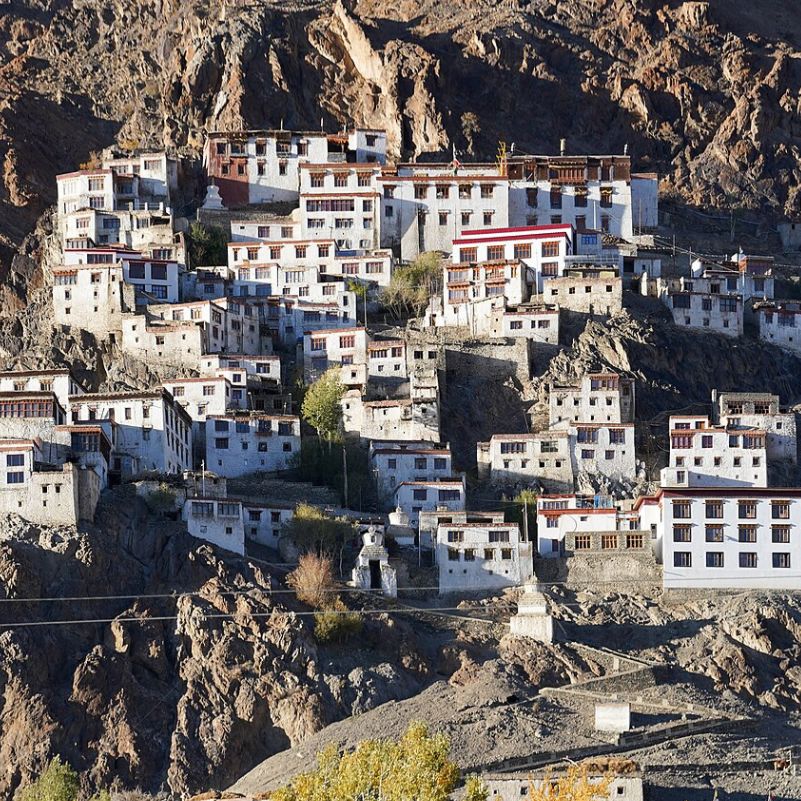
Padum has the most small restaurants, cafés and hotel or guesthouse kitchens in the valley. It’s the only base where walk in food feels like a real backup.
Even so, if your diet is strict, arrange meals through the place you’ve booked. Your guesthouse knows you’re coming and can plan for you. A walk in restaurant can’t.
We don’t publish Padum restaurant opening hours, because we can’t confirm them for your dates.
Giri Zanskar Lodge says it can arrange Ladakhi and Indian meals, and it states plainly that its final menu depends on season and availability. That one line sums up eating in Zanskar.
Karsha, Sani, Zangla and Other Village Stays
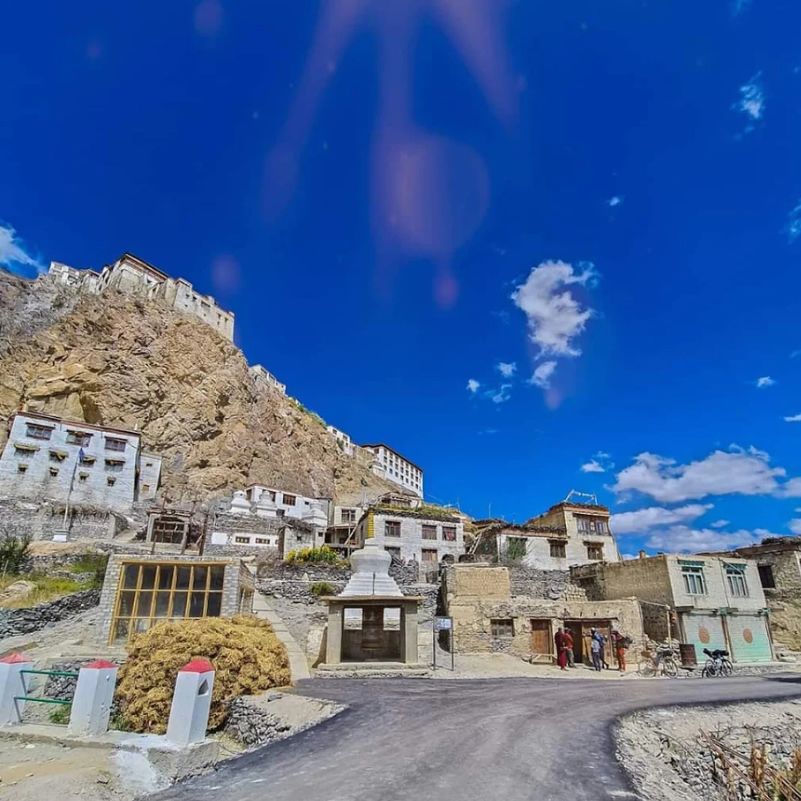
In Karsha, Sani, Zangla and other villages, plan around your homestay or guesthouse kitchen. Don’t assume a village has a restaurant at all.
Your host cooks with what’s in the store and what supplies reached the village recently. If an ingredient has run out, there’s no shop round the corner to fix it.
That makes advance notice even more useful here than in Padum. Let the host know about dietary needs before you arrive, through your operator, so they can stock up and plan.
Purne and the Phugtal Monastery Route
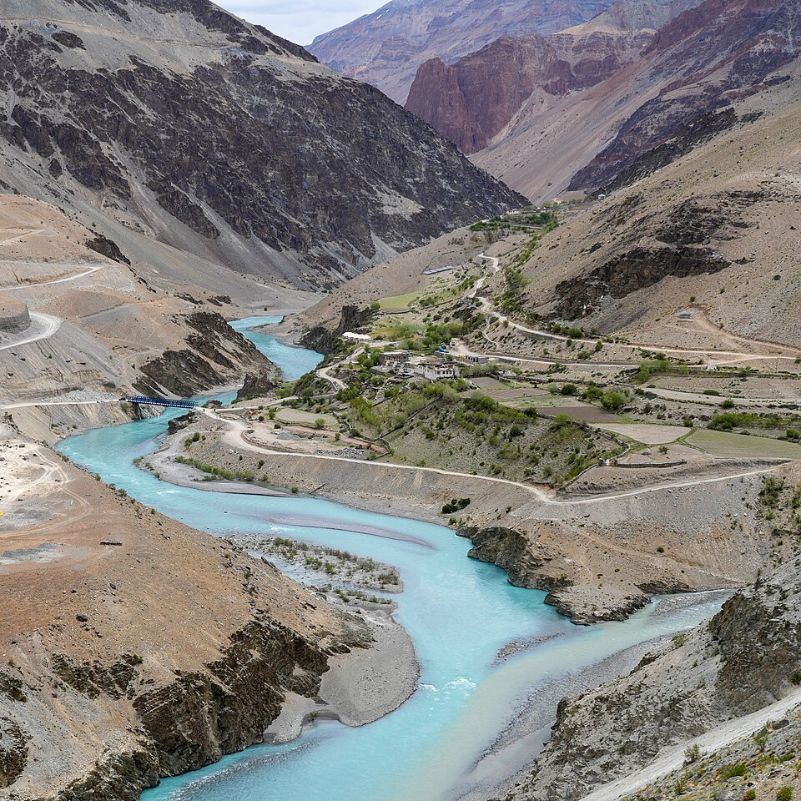
Food gets more limited as you head toward Purne and the trek to Phugtal Monastery. Current travel guidance for this route describes food as limited and tells travellers to carry trail essentials.
Arrange meals or packed food through your stay or operator before you set off. Then carry personal snacks on top, because you can’t count on a backup kitchen along a trekking trail.
We won’t name cafés on this stretch or quote prices or hours. We can’t verify them, and a wrong name on a trail day leaves you hungry.
Long Road Transfer Days
Road days in Zanskar can get disrupted or delayed. A landslide, a slow stretch or a vehicle problem can push lunch back by hours.
So arrange breakfast and a packed lunch before you leave your stay. Padmaling, for example, currently advertises packed lunches for day trips.
When we plan long road or trekking days, we prefer to check the packed meal situation before departure rather than rely on an unverified roadside stop.
Timing tip: ask for your early breakfast and packed lunch the evening before, not at the gate in the morning. That gives the kitchen time to cook it properly instead of rushing at dawn.
One thing to skip: don’t plan your day around a dhaba someone praised on a forum. If it’s shut, or you reach it three hours late, nobody in the car eats.
Where Can You Eat in Padum?
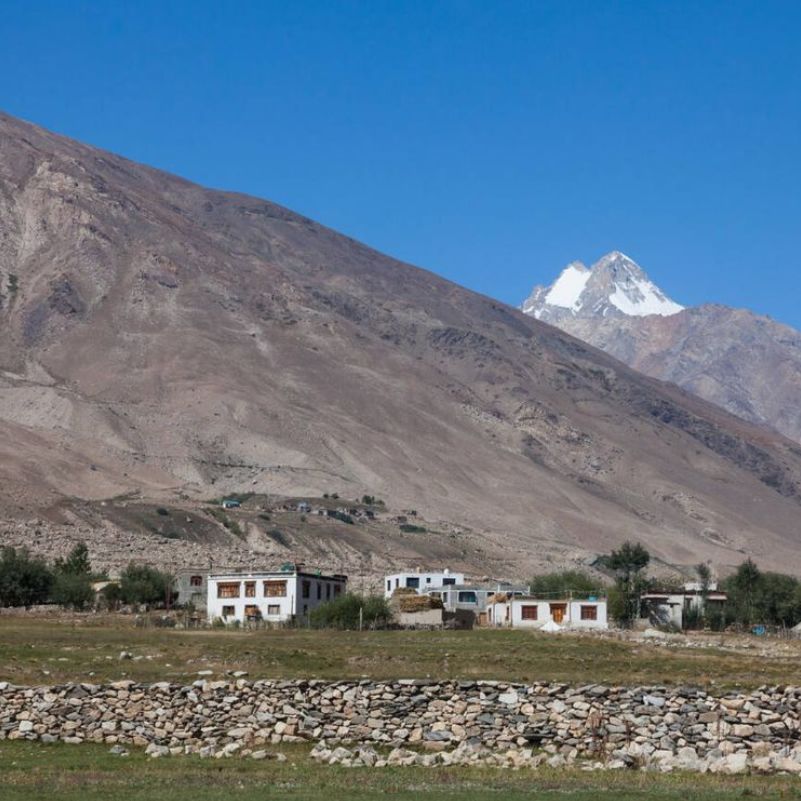
Padum has a small dining scene around its market. It isn’t Leh or Manali, and if you walk around expecting rows of restaurants, you’ll be disappointed.
Online travel sources mention small restaurants and eateries serving Tibetan, Ladakhi, Chinese style and Indian food. Expect that range and nothing much wider.
Some names come up in travel writing, such as Changthang Restaurant and Za Pizza. We can’t confirm that either is running right now, or when either opens.
Small places in remote valleys may open only in certain seasons. If you want to eat at a named spot, ask your host when you arrive whether it’s open this season. Don’t build your plan around it.
Eating in Padum works best as a mix. Have your main meals at your stay, and treat the market as a bonus when something’s open and suits your diet.
Which Local Zanskari Foods Are Worth Trying?
Here are the dishes worth knowing about. None of them turns up at every hotel or homestay, so treat each one as a lucky find rather than something you’re promised.
Skyu
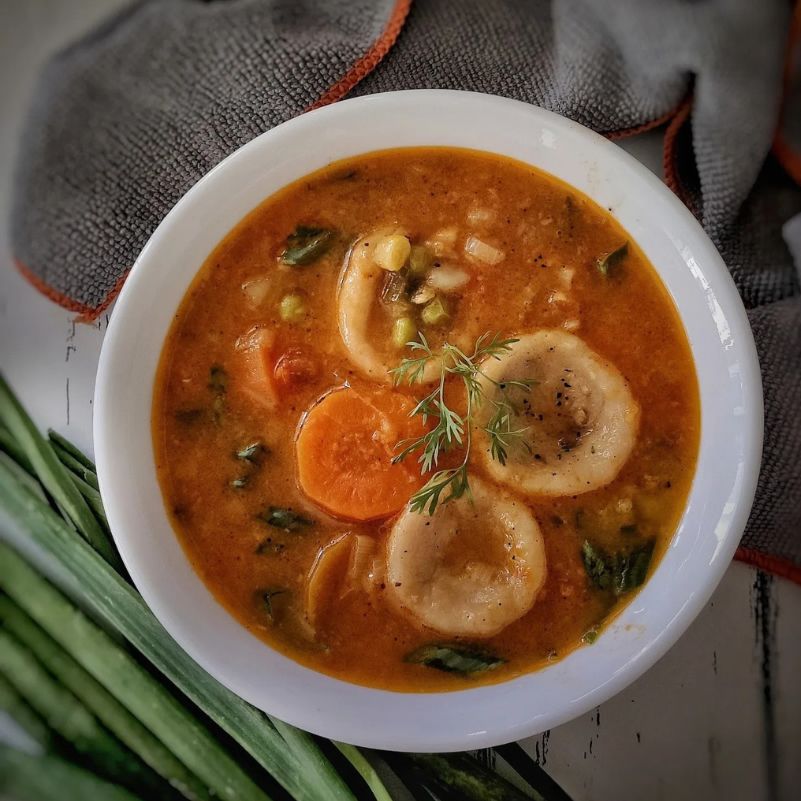
Skyu is a traditional Himalayan and Ladakhi style stew made with dough, and people closely associate it with Ladakhi and Zanskari cooking. Recipes change from kitchen to kitchen.
Our pick for first timers is to try skyu at a Padum guesthouse that advertises it. Padmaling Guest House & Camps lists skyu among its traditional Ladakhi meals, alongside thukpa and tsampa.
Ask for it a day ahead so the kitchen can plan. If you’re vegetarian, check what goes into the version they make.
Thukpa
Thukpa is a warming noodle soup, and Zanskar food sources mention it again and again. After a cold day outdoors, a hot bowl feels like a reward.
Some versions have vegetables and some have meat. Vegetarians should ask before ordering, and Jain travellers should also ask about onion and garlic in the broth.
Momos
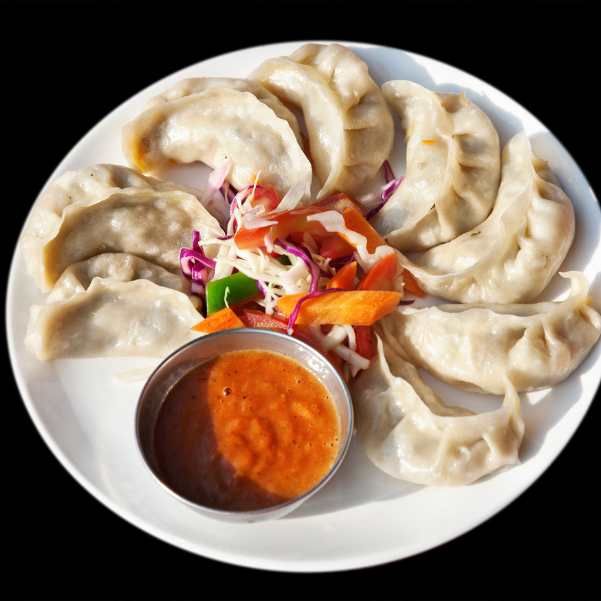
Momos are dumplings you’ll see all over the Himalayan region, and travel reports mention them in Padum and across Zanskar.
The filling varies. If you’re vegetarian, confirm whether a batch is veg or meat before you bite in. If you’re Jain, ask about onion and garlic in the filling as well.
Tsampa
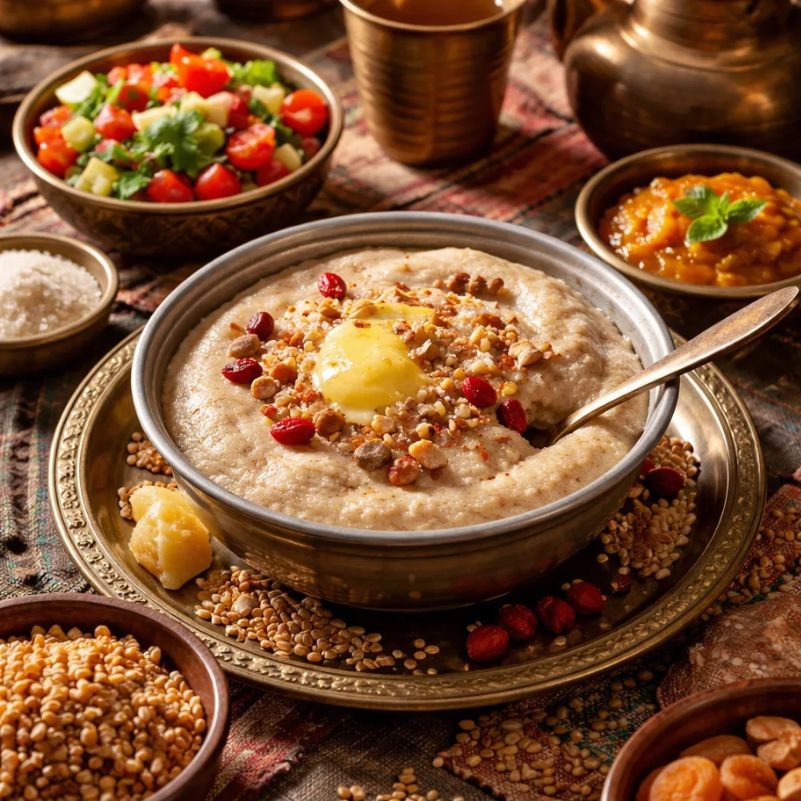
Tsampa is roasted barley flour, and it belongs to Tibetan and Ladakhi food traditions. Sources record it as a local food you can find in Zanskar.
It’s simple and filling, and it’s worth tasting if your host offers it.
Butter Tea
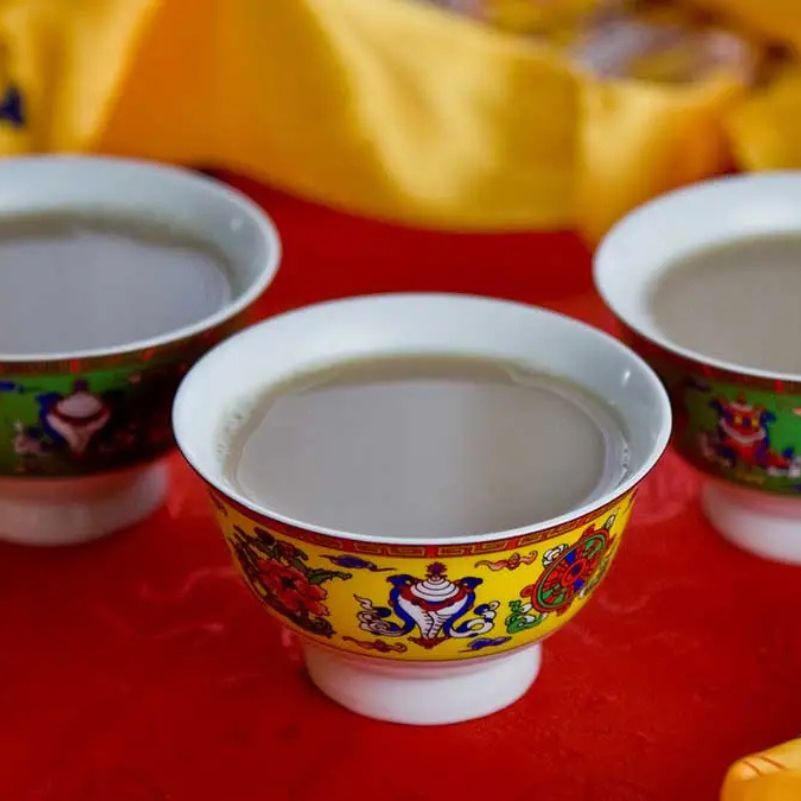
Butter tea is the region’s traditional salty tea. You may get it in local homes or at your accommodation.
It tastes nothing like sweet masala chai, so expect salt, not sugar. Try at least one cup. If you’d still like your usual chai afterwards, ask your host if they can make it.
What Food Should You Carry Into Zanskar?
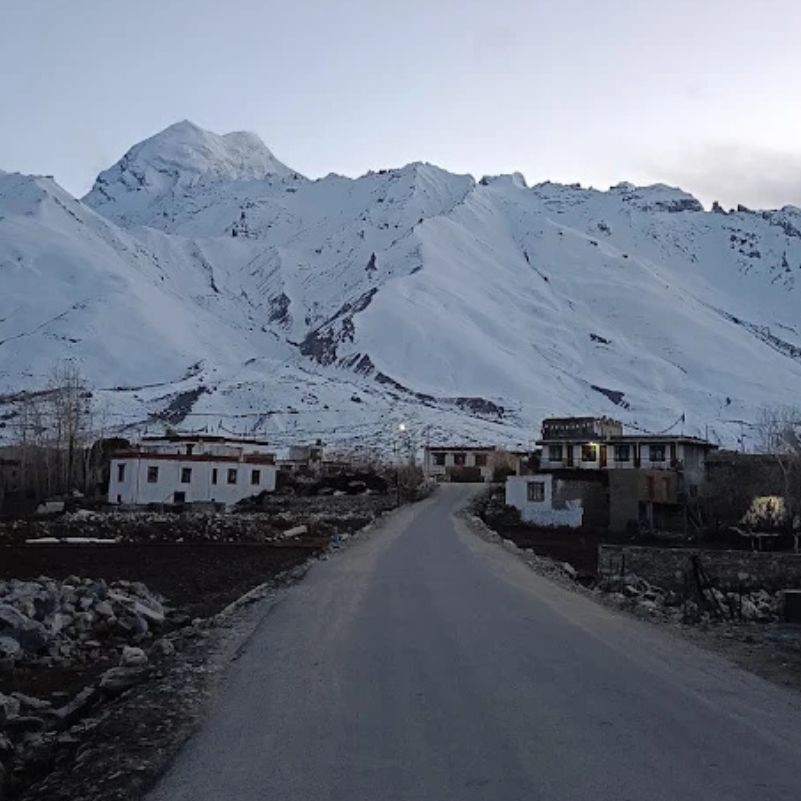
Bring a small personal food kit. Food gets harder to find the further you go from Padum, and a snack in your bag beats waiting hungry for the next kitchen.
Good options include dry fruits, familiar packaged snacks, biscuits or crackers and energy bars. Pack things you actually enjoy, because on long days you may not feel much like eating.
If you follow a strict diet, bring speciality packaged foods you can’t easily replace. Jain friendly snacks, gluten free items and anything medically required should come from home.
Money tip: buy these at home, where you can shop around and buy larger packs. Small shops in remote valleys carry limited stock, and you can’t compare prices when there’s only one counter.
For routes, permits and the best time to go, read our Zanskar Valley travel guide.
How Should Families and Groups Handle Special Diets?
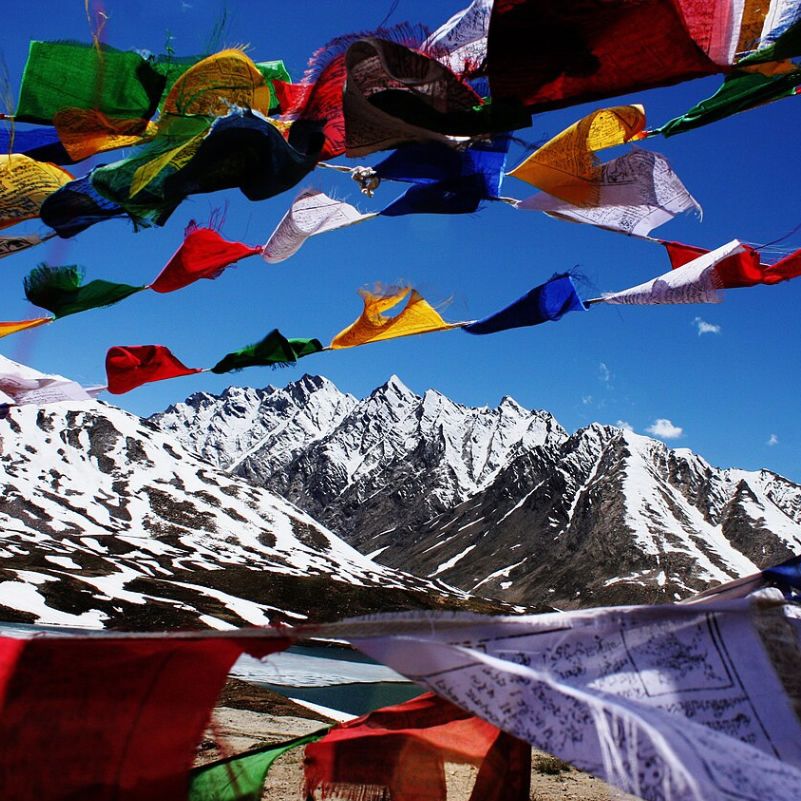
Send your operator one combined dietary list before the trip. Five separate WhatsApp messages from five relatives don’t count.
The list should name each person and their exact requirement. We forward exactly that list to every kitchen on the route.
Don’t treat vegetarian, Jain, vegan, allergy related and medically required diets as the same thing, because they aren’t.
A vegan traveller may need dal without ghee or butter. A Jain traveller may need it without onion. Someone with an allergy may need no trace of an ingredient at all.
For strict requirements, get explicit confirmation from the kitchen that will actually cook. A general “yes, we do veg” from a booking channel is a different promise.
Serious allergy warning: we can’t point to verified allergen controls at any Zanskar property. If someone in your group has a severe allergy, carry their prescribed medication and tell every single kitchen clearly.
Sometimes, in a remote place, the honest answer is that a requirement can’t be fully met. We’d rather tell you that before you travel than have you find out at the dinner table.
What Should You Ask Your Hotel or Homestay Before Arrival?
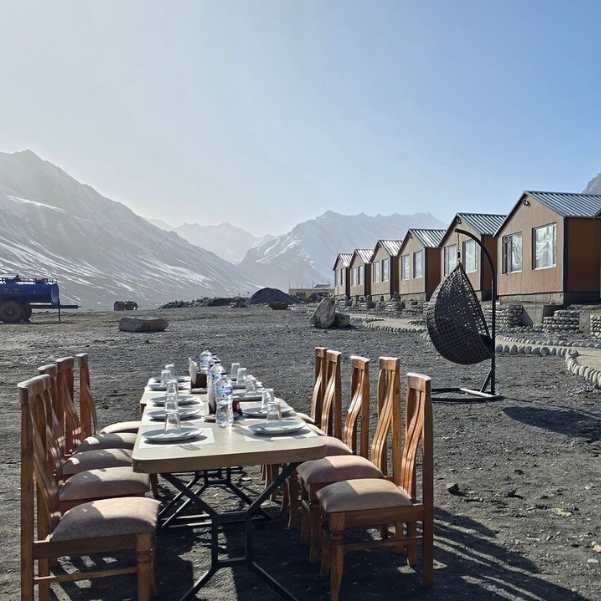
Start with the basics: are meals included with the stay? In small villages, your stay’s kitchen may be your only real option, so this matters more than it sounds.
Next, ask whether the kitchen can prepare vegetarian food. Most places will say yes, but ask anyway, especially if you’re travelling as a group.
If you’re Jain, ask whether the kitchen can follow your specific restrictions, and list them clearly. No onion, no garlic, no root vegetables, or whatever applies to you.
Then ask the harder questions. Will the cook use the same utensils as for meat or for onion and garlic dishes? Can they prepare your food separately if you need that?
Ask whether they can give you breakfast or a packed lunch for an early departure. Ask what time they need the request by.
Finally, ask whether the ingredients you need are in stock right now, not just usually available.
Don’t treat any of these as a yes until the property confirms it for your dates.
2026 Food and Travel Planning Updates for Zanskar
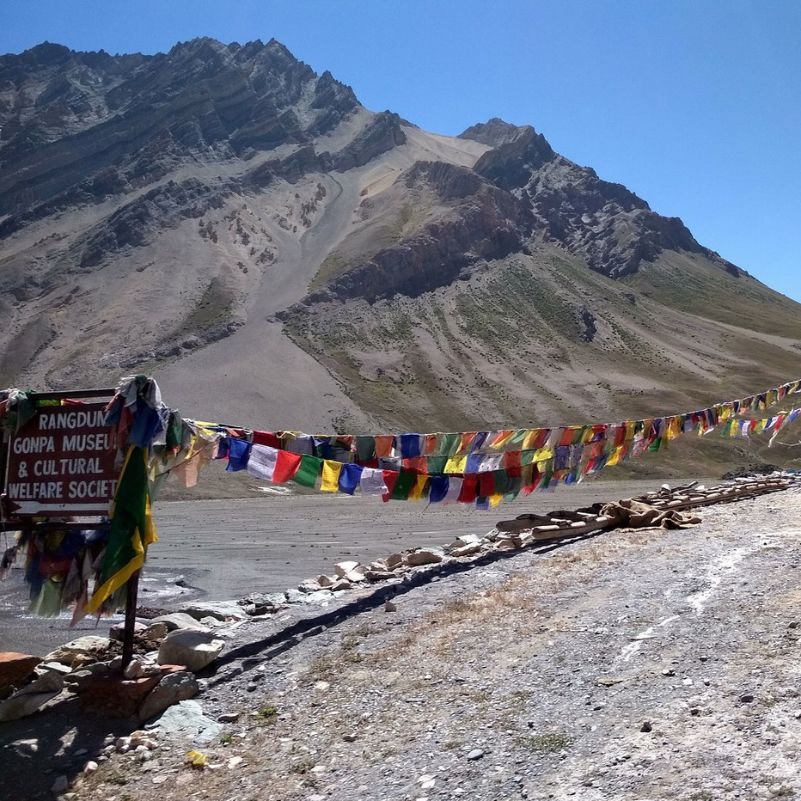
On October 21, 2026, the UT Administration of Ladakh released its first dedicated Zanskar Tourist Traveller’s Guide.
The official guide covers road connectivity, travel information, permit requirements, maps, medical facilities, emergency contacts and responsible tourism.
On permits, a Government of India source states that the UT Ladakh administration removed restricted area permit requirements for domestic tourists from most areas under its August 6, 2021 notification.
Some security sensitive pockets still need permits, and the rules for foreign travellers differ. Check the current advisories before you leave rather than trusting old blogs.
The same goes for food in Zanskar. Accommodation kitchens themselves say their final menus depend on season and availability. A menu someone copied into a blog years ago tells you very little about your trip.
That’s also why we don’t publish fixed Padum restaurant schedules. We’d rather you check than plan on a guess.
Still choosing where to go? Browse our popular tours. Many travellers who like remote valleys also look at our Spiti Valley packages, where similar meal planning habits help.
How Travel Coffee Plans Meals for Zanskar Trips
In our experience, remote Himalayan food planning works best when dietary requirements reach the stay before the traveller does.
Here’s how we handle it. We pass your dietary needs to each supplier on your route. Then we ask each property for a current answer, not last season’s.
We plan packed food for long road and trekking days. When your diet makes it sensible, we also tell you to bring speciality food from home rather than hope a remote shop has it.
What we tell our travellers is simple. Trust your stay’s kitchen more than any restaurant name you read online, and treat every snack in your bag as insurance.
We haven’t personally inspected every kitchen in Zanskar, and we won’t pretend we have. In the end, what you get depends on the individual kitchen, its ingredients and conditions on the ground at the time.
Explore Our Curated Zanskar Valley Tour Packages
 Group Tour8D/7N
Most Loved Zanskar Valley 4x4 Group Expedition
1D Manali•1D Purne / Kargyak / Gonbo Rangjon Side+2
₹32,999/ person 8D/7N
Private Zanskar Valley 4x4 Expedition With Phugtal Gonbo Rangjon and Baralacha La
1D Manali•1D Purne / Kargyak / Gonbo Rangjon Side+2
₹44,999/ person 8D/7N
Private Zanskar Valley Tour With Phugtal Gonbo Rangjon and Baralacha La
1D Manali•1D Purne / Kargyak / Gonbo Rangjon Side+2
₹29,999/ person
Frequently Asked Questions
What food is available in Zanskar?
Mostly simple home style meals like dal, rice, chapati and sabzi. Where the kitchen makes them, you may also find thukpa, skyu, tsampa and momos.
Is vegetarian food available in Zanskar?
Yes. Guesthouses, homestays and some eateries can arrange vegetarian meals, though variety depends on each kitchen and its supplies.
Can I get Jain food in Zanskar?
Sometimes, on advance request, from an individual kitchen. Nobody can promise dedicated Jain kitchens or separate utensils, so confirm with each stay.
Are there pure vegetarian restaurants in Padum?
We found no reliable current evidence that you can count on a dedicated pure vegetarian restaurant in Padum.
Where should I eat in Padum?
Plan your main meals at your accommodation and treat the small market eateries as a bonus. Ask locally which ones are open this season.
What is traditional Zanskari food?
Dishes like skyu, thukpa, tsampa, momos and salty butter tea, which Zanskar shares with wider Ladakhi and Tibetan food traditions.
Do homestays in Zanskar provide meals?
Many do, and in villages the homestay kitchen is usually your main food source. Confirm that meals are included before you book.
Should I carry food to Zanskar?
Yes. Carry personal snacks, plus any speciality foods your diet needs, because choice drops sharply outside Padum.
What food should I carry for the Phugtal trek?
Dry fruits, energy bars, biscuits and snacks you like, plus a packed meal from your stay or operator. Food along this route is limited.
Are restaurants available outside Padum?
Don’t count on it. In villages and trekking areas, plan around your homestay or guesthouse kitchen.
Can hotels prepare food without onion and garlic?
Some kitchens may if you ask in advance, but we can’t confirm it for any property. Check directly with each stay.
Should dietary requirements be communicated before arriving in Zanskar?
Yes, always. Remote kitchens need time to plan around their supplies, and some properties specifically ask guests to share dietary needs.
More about Zanskar Valley
 Zanskar Valley
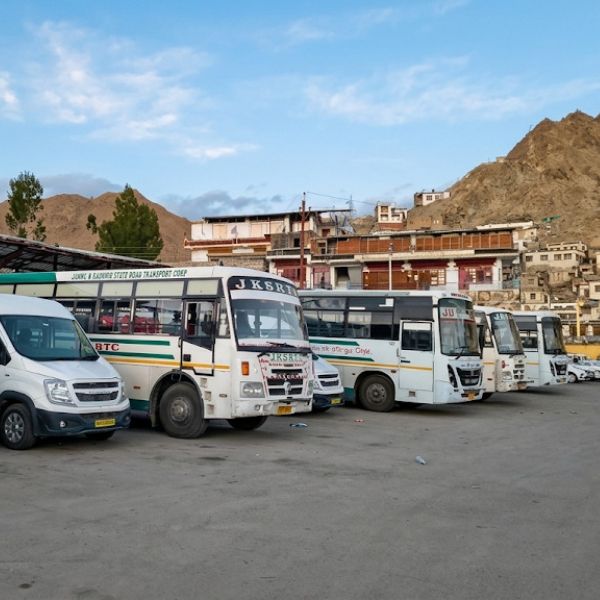
Zanskar by Bus and Shared Taxi 2026: Public Transport, Booking and Backup Plans
Planning a Zanskar trip without a private vehicle? Explore bus routes, shared taxis, transport costs and backup options for travelling to Zanskar in 2026. Learn how to plan connections and manage unexpected delays.
 Zanskar Valley
Zanskar in Monsoon 2027: July and August Risks, Roads and Best Routes
Planning a Zanskar Valley trip during monsoon 2027? Explore July and August weather, road conditions, routes from Manali, Leh and Kargil, landslide risks and essential travel tips for a safer Himalayan road trip.
 Zanskar Valley
Zanskar Family Trip 2026: Visiting With Kids or Older Parents
Planning a family trip to Zanskar in 2026 with kids or older parents? Explore suitable destinations, road travel options, accommodation choices, and practical itinerary ideas for different age groups. Understand altitude concerns, travel times, and comfort considerations before planning a family holiday in this remote Himalayan region.