
Chitkul or Jibhi: Which Is Better for Your Budget and Leave in 2026?
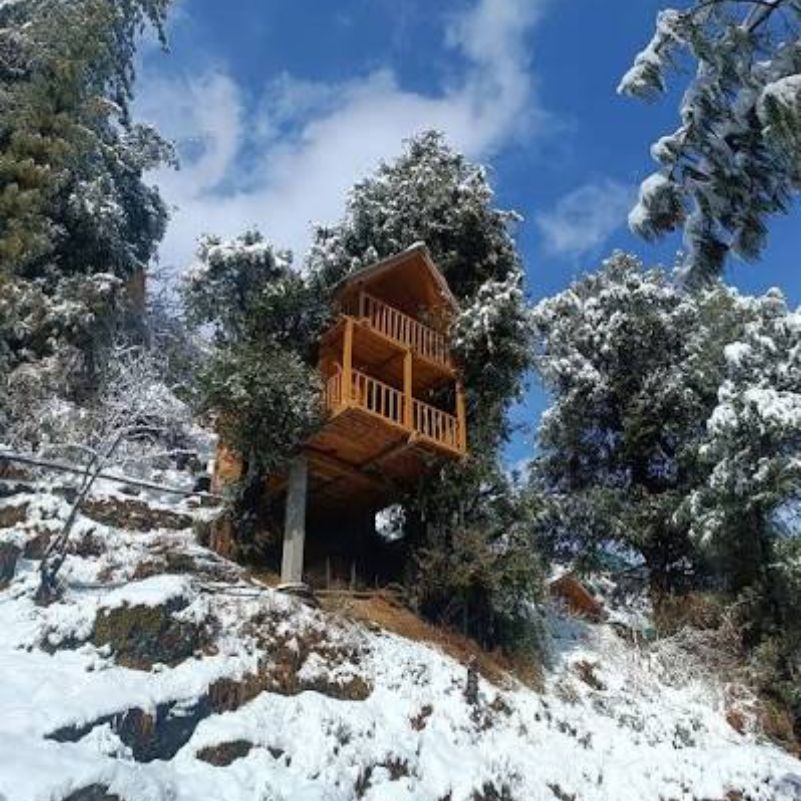
You have a fixed number of leave days, a rough budget and two Himachal names open in your browser. So, chitkul or jibhi which is better for you?
Here is the mistake most people make. They compare kilometres. Delhi to Jibhi runs about 488 to 500 km and Delhi to Chitkul about 569 km, so the gap looks tiny on a map.
It stops looking tiny on the road. Jibhi needs one long overnight journey. Chitkul sensibly needs two days of driving each way, and most of the second day runs on slow mountain road.
We plan Himachal trips from Shimla, and in our experience the right answer comes from four things: your leave, your starting city, your budget and the month you travel. Scenery comes last, because both places look good.
Quick Answer: Should You Choose Chitkul or Jibhi?
Pick Jibhi if you have a 3 to 4 day break and want an easy journey with little planning stress.
Pick Chitkul if you can give it 5 to 7 days and you want the high Baspa Valley of Kinnaur.
In winter, Jibhi gives you a more flexible plan. The last road into Chitkul often shuts after heavy snow.
Jibhi usually costs less for a short trip, but not always. A comfortable Jibhi trip can cost more than a lean Chitkul one.
Chitkul vs Jibhi: What Is the Actual Difference?
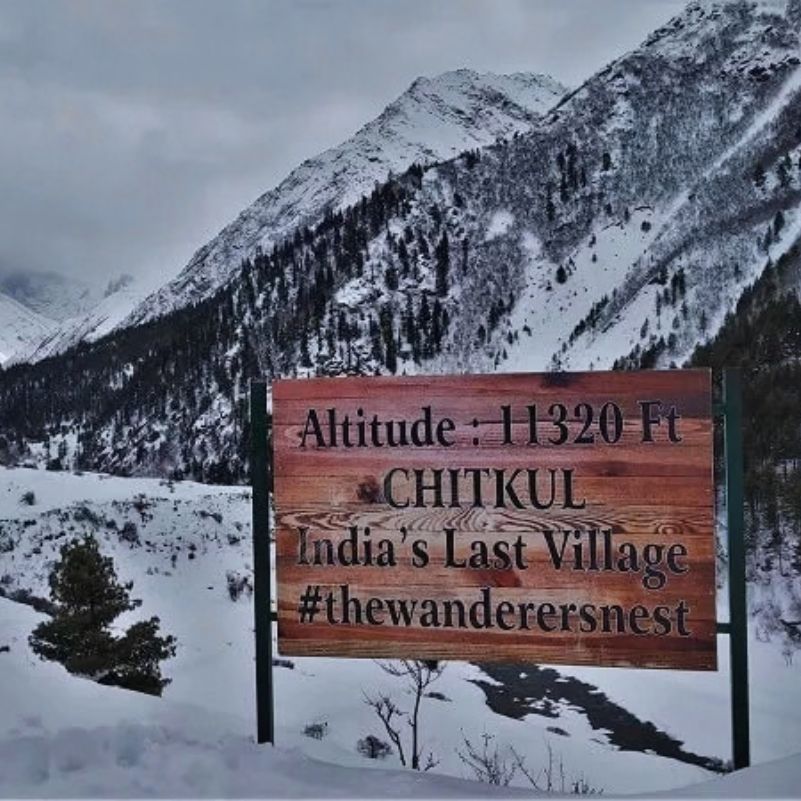
Before you decide chitkul or jibhi which is better for you, see how differently they feel. Both are mountain villages in Himachal. Almost everything else about them differs: height, road, season and the kind of tired you feel at the end.
What is Jibhi like?
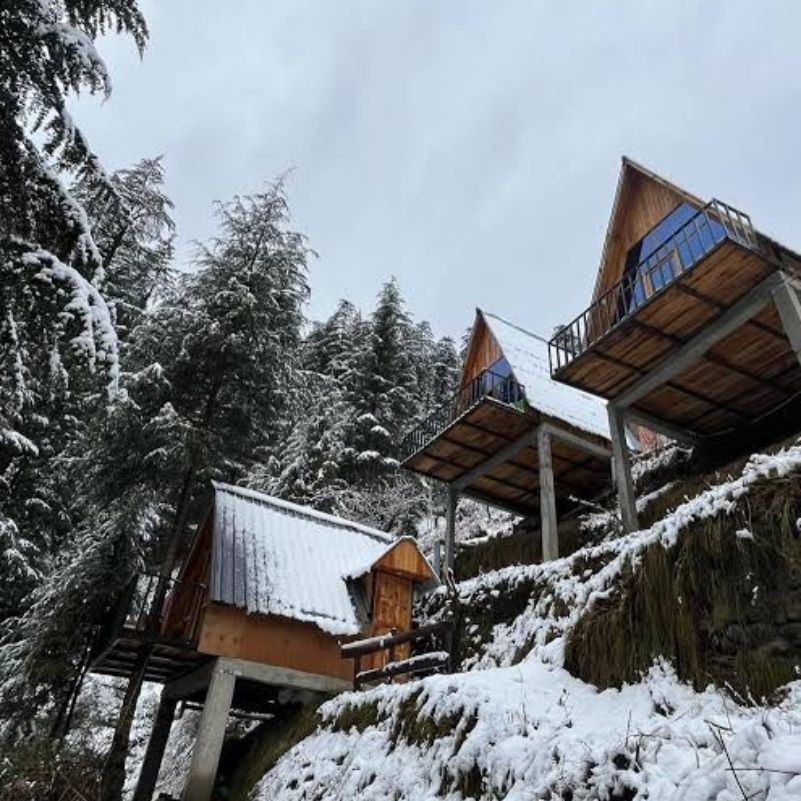
Jibhi sits in the Banjar Valley of Kullu at about 1,780 to 1,800 metres. You get thick forest, wooden village houses, homestays beside a stream and a handful of small cafés.
Days here move slowly. You walk forest trails, wander through villages, sit by water and drink too much chai.
The Tirthan Valley lies right next door, so you can spend a lazy day by the river without a big drive. Our guide to Jibhi and Tirthan Valley in March shows how the area feels as winter ends.
What is Chitkul like?
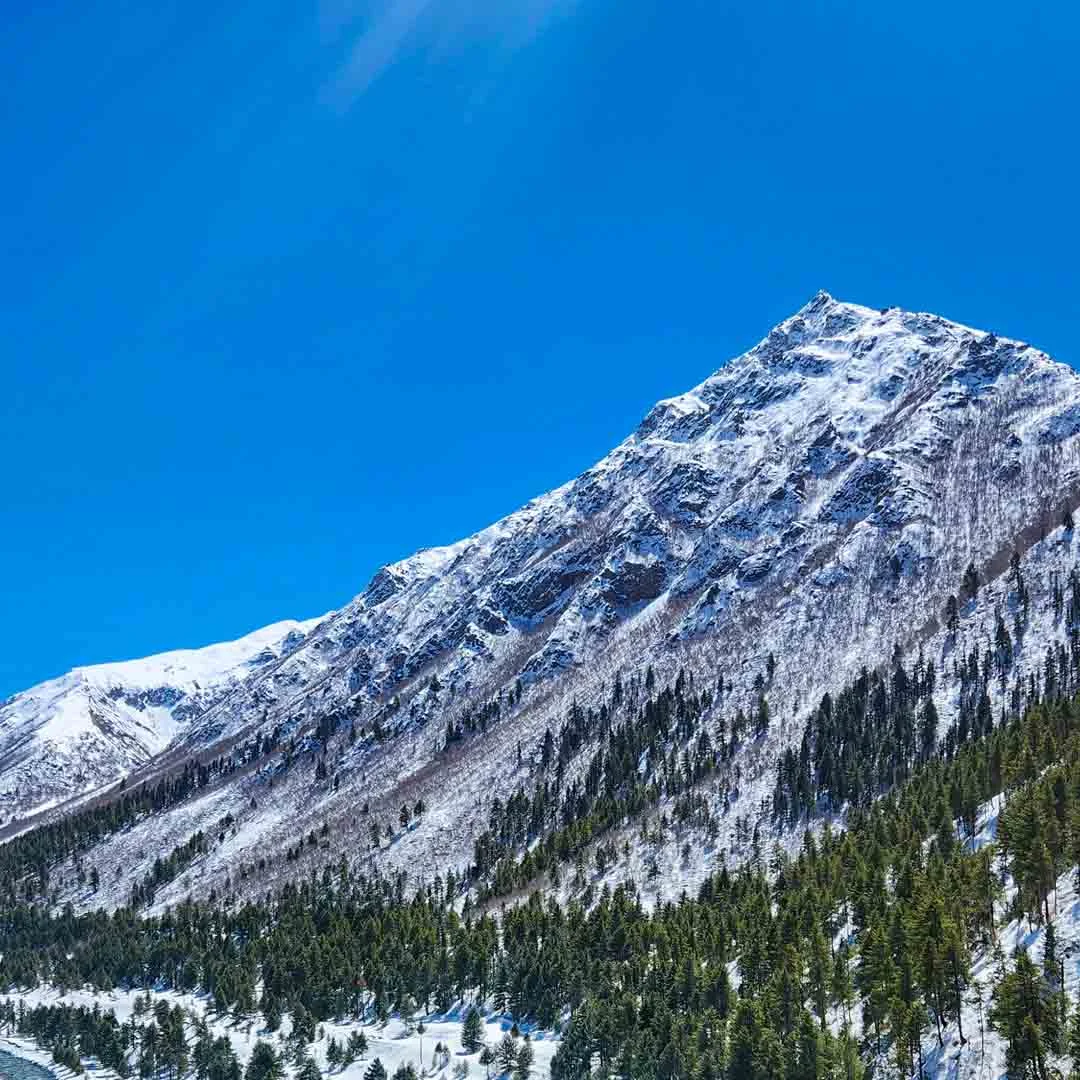
Chitkul sits in the Baspa Valley of Kinnaur at about 3,450 metres. That is almost double the height of Jibhi.
The valley opens wide here. Bare high mountains rise on both sides, the Baspa River runs below and the village keeps its old wooden houses.
It feels remote because it is remote. You reach it from Sangla, about 25 to 28 km away, after a long run up from Shimla and Rampur.
The height matters too. Nights get cold, and your body needs time to settle, so plan an easy first evening.
Who will enjoy each destination?
Couples with a long weekend will enjoy Jibhi more. You spend your time in a cosy homestay, not in a car.
Couples who love long road journeys and have a week will find Chitkul more rewarding. The drive becomes part of the trip.
Groups of friends do well in both. Chitkul works better for groups, because four people can split one private vehicle across a long route.
First time travellers in the hills should usually start with Jibhi. The journey is simpler, the height is lower and you have more options if plans change.
Families with young kids or older parents need to think hard about Chitkul. The long days and the 3,450 metre height need slow pacing, and no hill route comes without risk.
Photographers often lean towards Chitkul for its wide, open valley. Jibhi gives you forest, mist and village scenes instead.
Slow travellers can enjoy either, but only Jibhi lets you slow down on a short holiday.
How Far Are Chitkul and Jibhi from Delhi and Chandigarh?
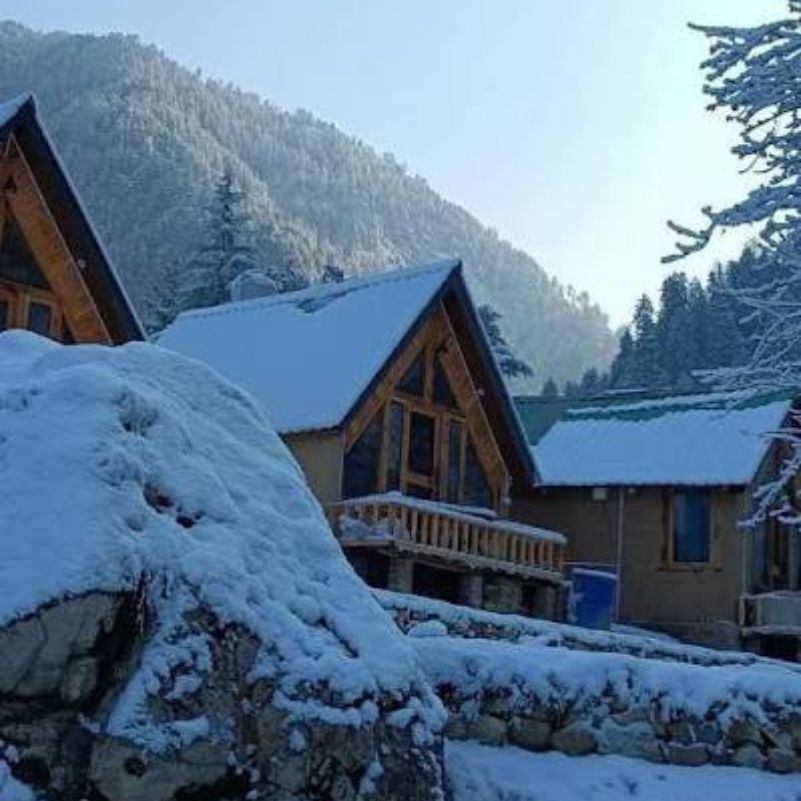
The roads to these two villages split early, and that split decides your trip.
For Jibhi, you head from Delhi through Chandigarh and Mandi to Aut, then turn towards Banjar and climb to Jibhi. The full run covers about 488 to 500 km and often takes 12 to 14 hours by road.
From Chandigarh, published sources disagree a lot on the Jibhi distance. They range from about 225 to 290 km, so confirm your exact route before you trust any single number.
For Chitkul, you go from Chandigarh up to Shimla, then on through Narkanda, Rampur, Karcham and Sangla. From Delhi, that totals about 569 km and 14 to 16 actual driving hours.
Those are driving hours, not door to door hours. Add food stops, chai breaks and traffic, and you can see why travel guides suggest a two day approach from Delhi.
From Chandigarh, route estimates put Chitkul at about 330 to 370 km. Timing estimates conflict. One operator suggests 11 to 12.5 hours.
Mountain driving times swing for simple reasons. Roadworks, a slow truck you cannot pass, rain, a landslide or a long lunch can each add hours.
Here is the part the kilometre count hides. The Jibhi trip has one long night on a bus and a short climb at the end.
The Chitkul trip piles up two full days of mountain road before you reach the village. That fatigue is the real difference, not the extra 70 or 80 km.
Which Destination Needs Fewer Leave Days?
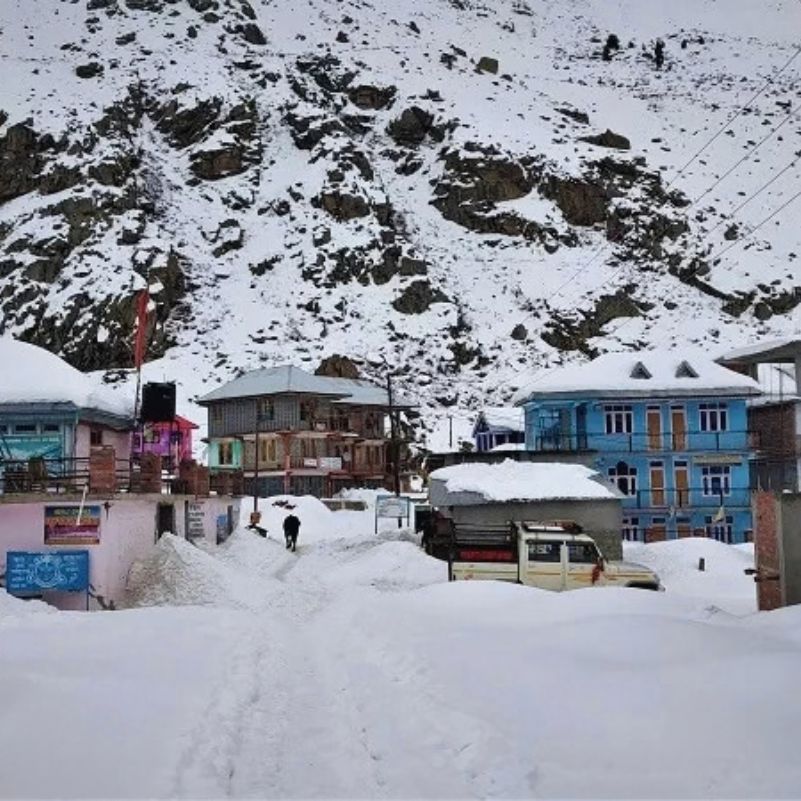
Jibhi needs fewer leave days. The question is how few.
Can you visit Jibhi over a weekend?
Yes, if you accept two nights in Jibhi and two nights on a bus. You take an overnight bus from Delhi, reach Aut in the morning and move up to Jibhi.
You spend two nights in the village, then take an overnight bus back. On a good schedule, that can fit around a weekend with one day of leave.
That only works if your bus times and working days line up. Check the actual departure and arrival times before you apply for leave.
How many days should you keep for Chitkul?
Keep 5 to 7 days. Our team recommends this range because it gives you a rest stop on the way up and time in the valley itself.
A sensible plan breaks the drive at Narkanda or Rampur, then continues to Sangla. That way you do not reach a 3,450 metre village after one brutal day on the road.
Use the extra days for Sangla or Kalpa. You get more of Kinnaur, and you have spare time if a road closes.
What about travellers starting from Chandigarh?
Chandigarh puts you much closer to both routes, so the approach gets shorter. We will not promise a fixed number of saved days, because your bus or car timing decides that.
Count three different numbers before you plan. Sightseeing days are the days you actually spend in the hills.
Calendar days include every travel day and night journey. Leave days are only the working days you take off.
A Friday night bus and a Sunday night return can turn three calendar days into a single leave day. A self drive from Chandigarh may give you more sightseeing time but use the same leave.
Which Is Cheaper: Chitkul or Jibhi in 2026?
Money often settles chitkul or jibhi which is better. For a short budget trip, Jibhi usually wins. But the two figures most people compare do not measure the same trip.
What does a 3-day Jibhi trip cost?
A published benchmark puts a budget Jibhi trip from Delhi at ₹4,500 to ₹7,500 per person for three destination days. Treat it as a guide, not a quote.
Buses make up a big part of it. Delhi to Aut AC bus listings showed ₹758 to ₹1,646 one way in November 2026. Chandigarh to Aut listings showed ₹705 to ₹1,469.
From Aut, the HRTC local bus to Jibhi cost ₹83 in November 2026. A private taxi from Aut cost ₹1,200 to ₹2,200 per vehicle, depending on the vehicle.
Here is our favourite money saving tip: If you travel light and your timing matches, take that ₹83 HRTC bus from Aut and keep the taxi money for a good dinner.
For stays, hostel beds cost ₹400 to ₹1,400 per night and standard homestay rooms cost ₹1,500 to ₹3,500 per night. Food runs ₹500 to ₹800 per person per day.
That benchmark assumes budget choices. A private room, a taxi both ways and café meals will push you past the top of the range quickly.
What does a 5-day Chitkul trip cost?
Our Kinnaur trip cost guide gives a DIY budget of about ₹8,000 to ₹12,000 per person for five days. That figure covers a wider Kinnaur loop through Sangla, Chitkul and Kalpa, not just a bed in Chitkul.
A separate Kinnaur budget guide quotes simple homestays at about ₹800 to ₹1,200 per room per night, depending on location, season and what the price includes.
Another public transport guide estimates ₹8,600 to ₹11,000 per person for a 7 to 8 day Kinnaur trip. It uses different assumptions, so do not compare it with the five day figure.
If you would rather hand the planning to someone else, our Kinnaur tour packages show the kinds of routes we build around Sangla and Chitkul.
What if you are travelling solo, as a couple or in a group of four?
Your group size changes the per person bill more than the destination does. Solo travellers carry the full room price alone.
Couples split the room. A Jibhi homestay at ₹1,500 to ₹3,500 becomes ₹750 to ₹1,750 each per night.
Groups of four gain the most on private transport. That Aut to Jibhi taxi at ₹1,200 to ₹2,200 drops to ₹300 to ₹550 each.
The same logic matters more on the Chitkul route, where you may hire a vehicle for several days. We cannot give fixed group totals here, because vehicle and stay rates change.
What extra expenses do travellers forget?
Food often sits outside the headline budget. Check whether your stay includes breakfast or dinner.
Heating can cost extra in cold months, especially at Chitkul's height. Ask about heater charges when you book.
Local taxis add up, like a ride from Sangla to Chitkul or to nearby villages. Ask for the fare before you get in.
Road delays can cost you an extra night's stay and meals. Keep a buffer fund for that night.
A word of warning on transport prices. If an Aut driver quotes far above the published ₹1,200 to ₹2,200 range, ask a second driver or check the HRTC bus timing before you agree.
Now the fair comparison. A 3 day Jibhi total and a 5 day Kinnaur total do not describe the same trip, so the bigger number does not mean Chitkul gives poor value.
Divide them by days and they look close. The Jibhi benchmark works out to about ₹1,500 to ₹2,500 per day, and the Kinnaur benchmark to about ₹1,600 to ₹2,400 per day.
Chitkul costs more in total mainly because it needs more days. Your leave, not the daily rate, drives the difference.
How Can You Reach Jibhi and Chitkul by Bus or Car?
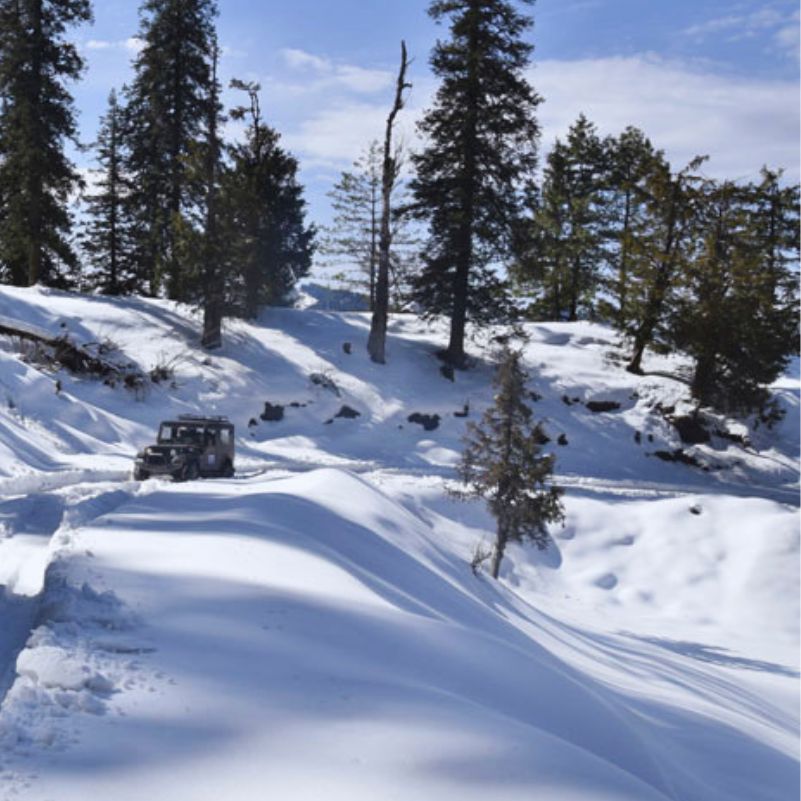
Delhi to Jibhi by overnight bus
Take an overnight bus from Delhi to Aut. You reach the Aut area in the morning, which gives you a full first day.
From Aut, take the HRTC local bus or a private taxi up through Banjar to Jibhi. Confirm the local bus timing a day before, because services and departures change.
A small timing tip changes this trip. Book the bus that lands at Aut in the early morning, and you reach Jibhi in time for breakfast and a full walking day.
Delhi to Chitkul by public transport
Public transport works, but you need patience. You travel from Delhi to Shimla, change towards Reckong Peo, then move on to Sangla and finally Chitkul.
Each change depends on service availability. Check HRTC routes, timings and fares close to your date.
Do not try to rush this in one go. Build in a night halfway, because a missed connection on this route can leave you stuck for hours.
Self-drive or private taxi: which is easier?
For Jibhi, self drive works well for confident hill drivers. The route is long but the final climb is short.
For Chitkul, a private taxi with a driver who knows Kinnaur roads makes the trip much easier. You avoid two days of tiring hill driving and the remote final sections.
Drive in daylight on both routes. Start each mountain leg early so you reach your stay before dark.
A taxi costs more for a solo traveller or a couple. For a group of four, the shared cost often makes it the sensible choice.
Chitkul or Jibhi in Winter: Which Is Safer and Easier to Reach?
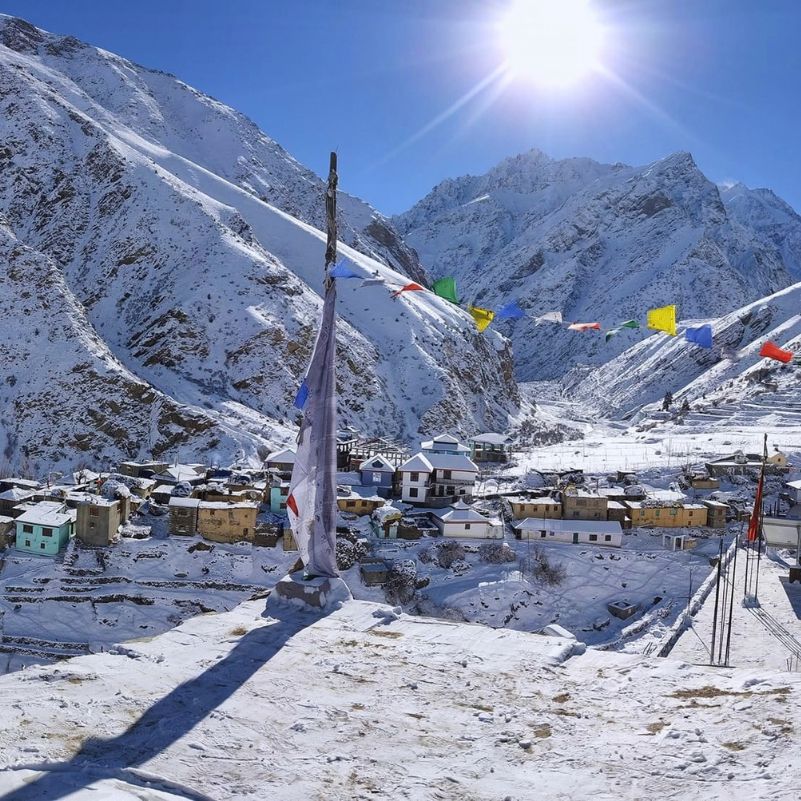
Winter changes this comparison more than anything else. Jibhi stays far easier to plan for.
Is Chitkul open in December, January and February?
Chitkul has no fixed annual closure date. But winter disruption happens often.
The Sangla to Chitkul road frequently becomes inaccessible after heavy snow, commonly from around mid December into March. No one can promise a closing or reopening date.
What we tell our travellers is simple. Check road access and your lodging 24 to 48 hours before travel, then check again on the morning you leave.
Our detailed guide to Chitkul in December covers what that month usually looks like.
Can you visit Jibhi when Jalori Pass is closed?
Usually, yes. You reach Jibhi through Aut and Banjar, and that approach does not cross Jalori Pass.
That matters, because Jalori often makes the news in winter. Snow disrupted travel at Jalori on 9 to 10 November 2026, but that did not mean Jibhi village itself was cut off.
Do not read that as a promise of open roads. Snow, rain, black ice or a landslide can still disrupt the Aut and Banjar route.
What are the winter backup plans?
For Jibhi, keep your plan low. Spend your days around the village and in the Tirthan area, and treat Jalori as a bonus only if it opens.
For Kinnaur, your backup is Sangla or Kalpa, as long as those roads stay open. If the Chitkul road shuts, you still see a lot of the valley.
Chitkul got its first reported snowfall of the season on 15 November 2026, according to a report published the next day. That report shows snow, not a road closure, and it says nothing about access on your date.
If you want a winter break with fewer surprises, our Jibhi and Tirthan Valley packages keep the plan close to the lower valleys.
What Is the Best Time to Visit Chitkul vs Jibhi?
April to June
Spring and early summer suit both places. Jibhi turns green and pleasant for walking.
Chitkul becomes easier to reach as the snow clears, but higher roads can still hold seasonal surprises early in the season. Check conditions before you go.
July to September
The monsoon brings heavy rain, slippery roads and landslides on both routes. Keep spare days in your plan.
Jibhi still works for slow, rainy day stays. Chitkul in this season needs extra buffer time, because a single landslide can hold you up for hours.
October to November
Autumn brings clear skies and dry air, and many people love this season for both places.
The cold rises fast in November, and early snow becomes a real risk at Chitkul. This year shows that, with snow at Chitkul by mid November.
December to March
Jibhi stays reachable through Aut in most winter conditions, though weather can still disrupt it. You may see snow, but no one can promise snow on your exact dates.
Chitkul's final road from Sangla becomes the problem in this season. Plan Kinnaur in winter only with backup days and a backup destination.
What Can You Actually Do in Jibhi and Chitkul?
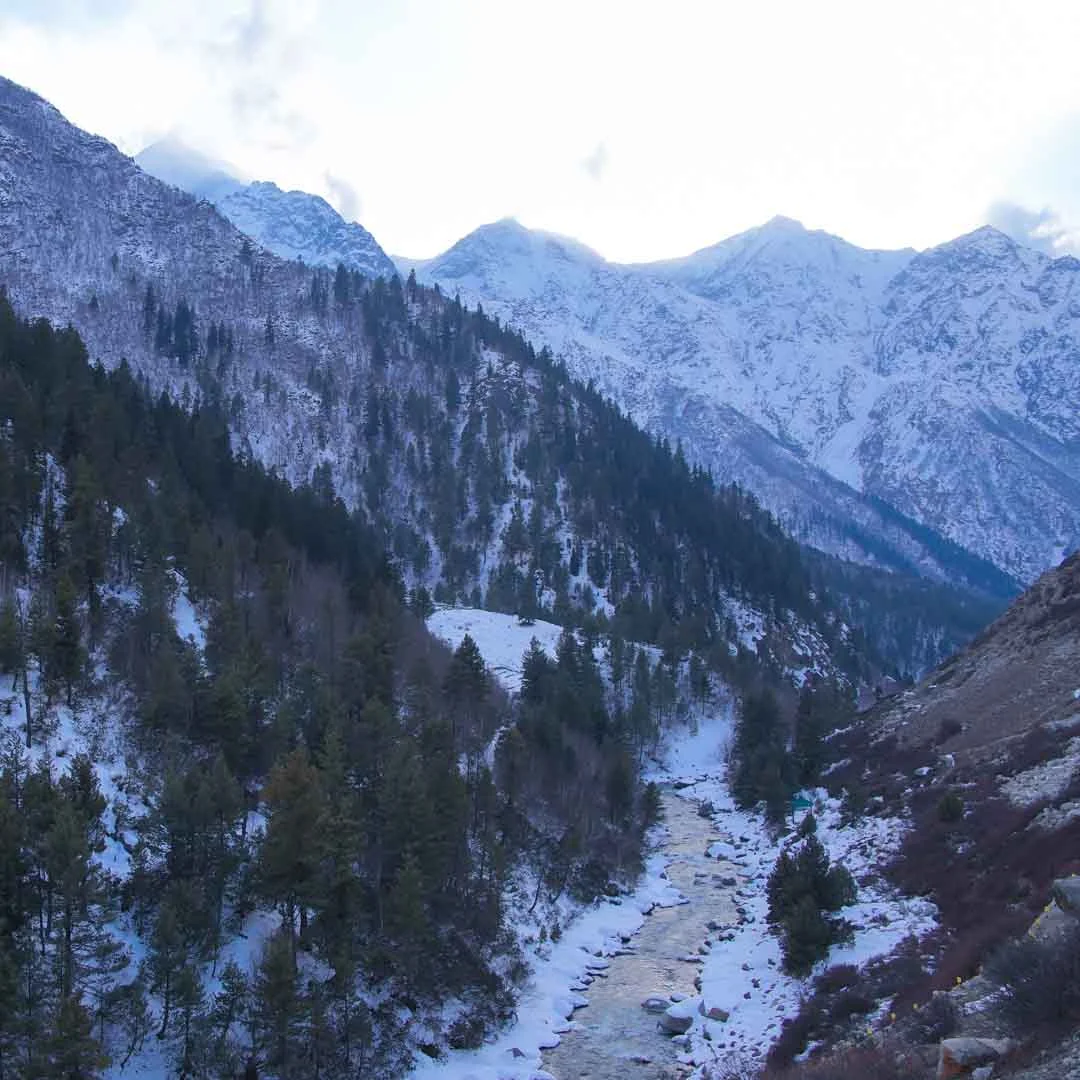
Jibhi attractions
Jibhi Waterfall makes an easy first walk from the village. Chehni Kothi, an old tower in a nearby village, gives you a good half day walk.
The Tirthan area next door gives you river time and quieter village walks.
Jalori Pass draws a lot of people, but only go when the road is open. In winter, our honest advice is to skip it on a short trip, because a doubtful pass road can eat your whole day.
Chitkul attractions
The Baspa River runs right below the village, and simply walking beside it fills a morning. The village lanes and old houses deserve an unhurried walk too.
Rakcham sits on the way between Sangla and Chitkul, and Sangla itself makes a good base. If you have time, extend to Kalpa for a different side of Kinnaur.
For food, our tip is to eat your evening meal at your homestay in Chitkul rather than hunting for a café. Ask your host for hot local food and chai, and confirm meal times when you check in.
Which suits slow travel?
A short trip falls apart when you stuff it with road journeys. Every extra drive takes time away from actually being there.
On a 3 day Jibhi trip, stay close to the village and Tirthan. On a 5 day Chitkul trip, do not add far off detours, because the main route already takes most of your time.
What Does a Practical 3-Day Jibhi Itinerary Look Like?
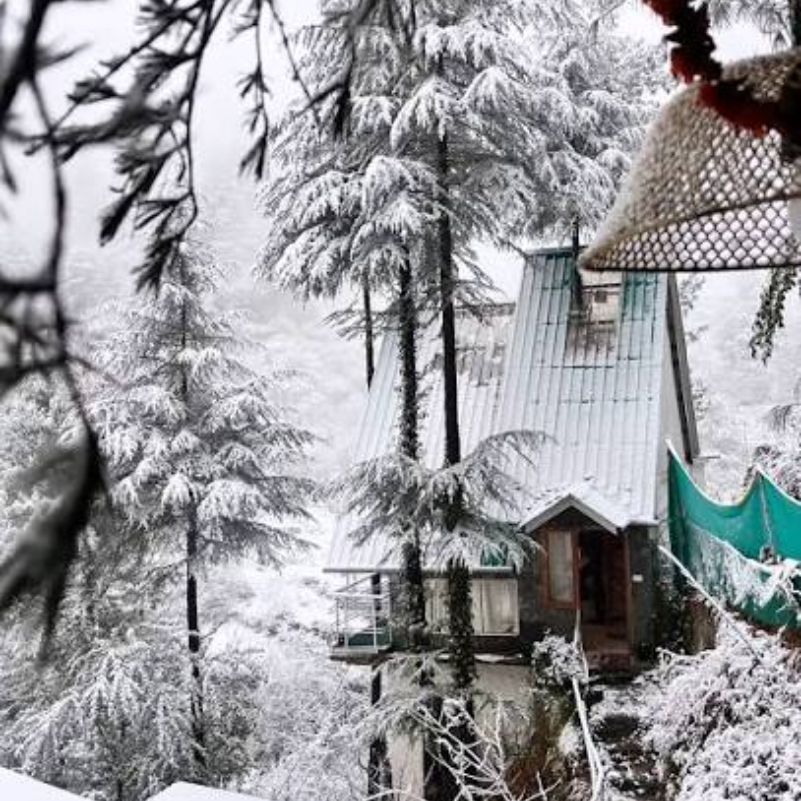
Day 1: Reach Aut in the morning and move up to Jibhi by local bus or taxi. Check in, eat, then walk to Jibhi Waterfall or around the village in the afternoon.
Day 2: Spend the day on local sightseeing, such as Chehni Kothi and the forest trails. Go to Jalori Pass only if road conditions allow it that day.
Day 3: Head down to the Tirthan side for a relaxed river morning or a short lower valley walk. Then make your way back towards Aut for your return bus.
From Delhi, the overnight bus adds a night at each end. So your three destination days usually sit inside a longer block of calendar days.
If you are also weighing Jibhi against a Parvati Valley trip, read our comparison of Jibhi vs Kasol.
What Does a Practical 5-Day Chitkul Itinerary Look Like?
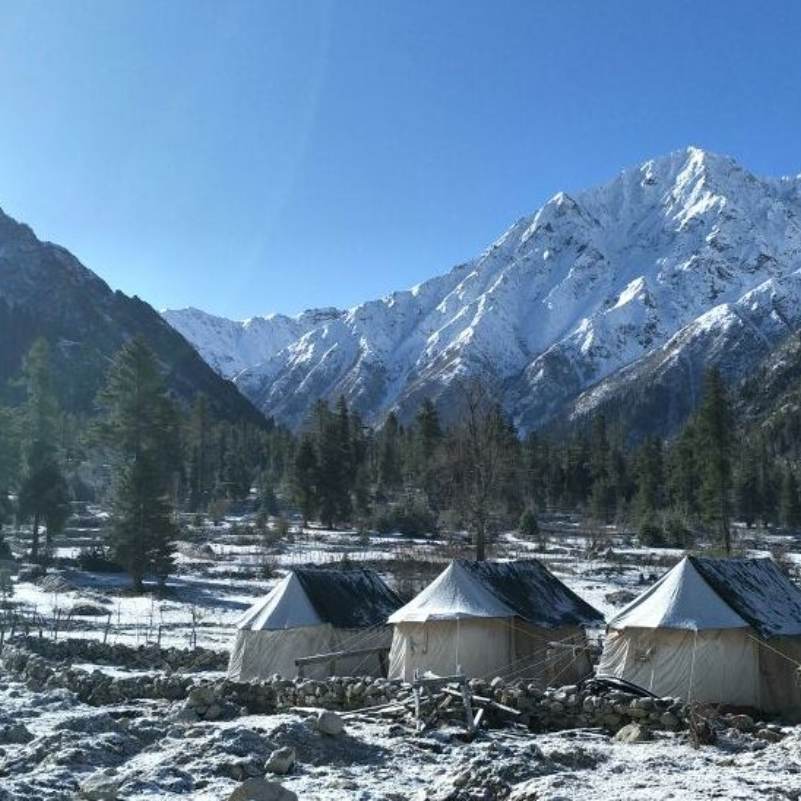
Day 1: Travel from Delhi or Chandigarh to Narkanda or Rampur. From Delhi this makes a long day, so start early and stop for the night.
Day 2: Continue through Rampur and Karcham to Sangla. Rest well, because you will feel the height and the hours on the road.
Day 3: Go to Chitkul if the road is open, and arrange a safe, confirmed overnight stay there or back in Sangla. Spend the day by the Baspa River and in the village.
Day 4: Visit Kalpa or begin the return, depending on how the road and your energy look. Choose the option that keeps your last day realistic.
Day 5: Finish the return journey to Chandigarh or Delhi.
We will be honest: this itinerary is compressed. It works, but it leaves little room for rest, and it gets tiring.
If you can, add a day or two. A road closure can force changes at any point, and spare days stop that from wrecking the trip.
Our Chitkul tour packages build in more breathing space if you want a ready plan.
Can You Cover Chitkul and Jibhi in One Trip?
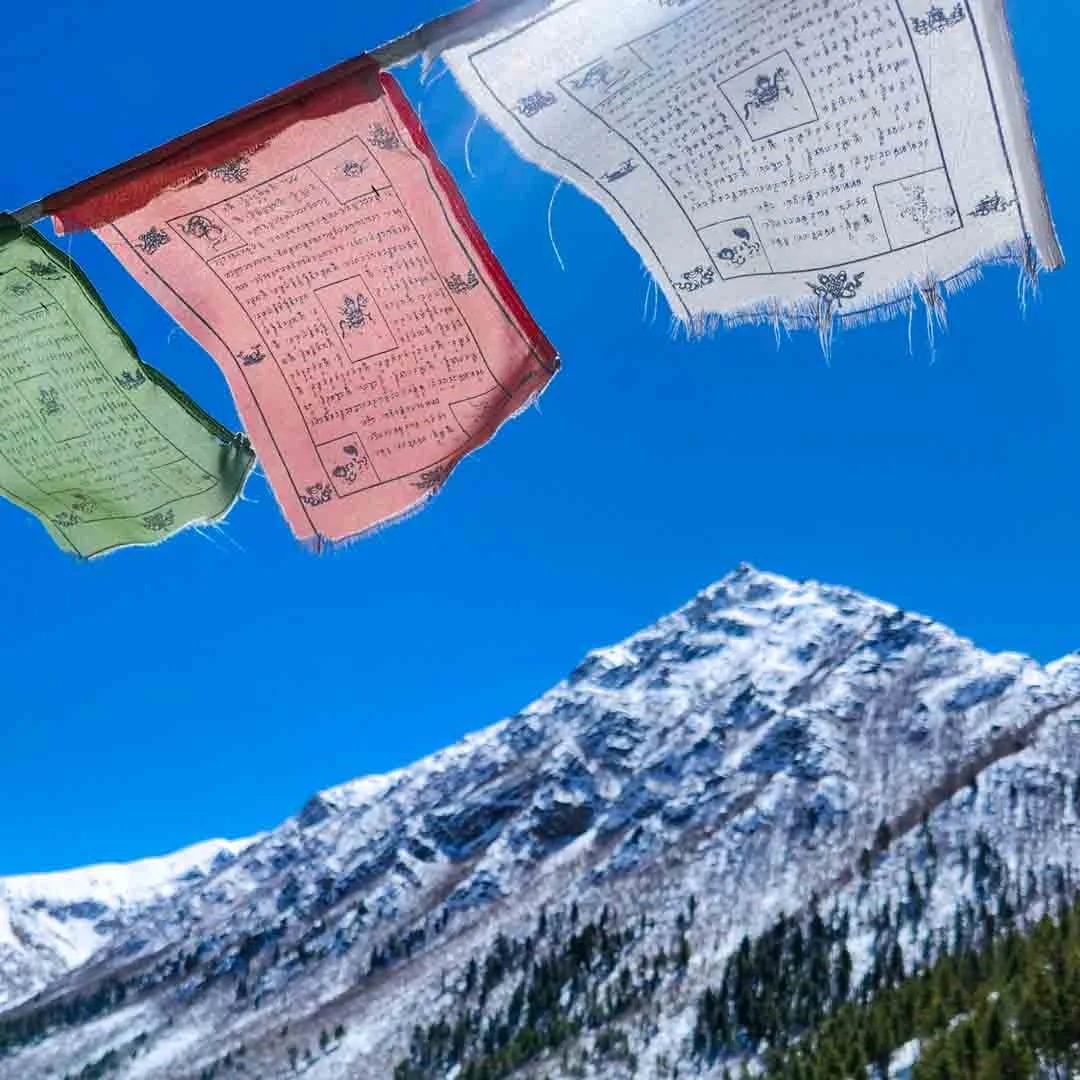
You can, but only with time. A combined trip usually needs around 7 to 8 days or more.
One route links the two through Jalori and Rampur. Consider it only when every road on it stays open, because pass access changes with the season.
If you have a short holiday, choose one. Trying to fit both into four or five days means you spend most of the trip in a vehicle.
Final Verdict: Chitkul or Jibhi for Your Budget, Leave and Travel Style?
If your leave is tight, go to Jibhi. It fits a long weekend, it suits first time travellers and it gives you more flexible winter options.
If you have extra time and you want remote Kinnaur, go to Chitkul. Accept that winter roads can disrupt your plan and keep backup days.
On budget, Jibhi costs less in total for a short trip. On a per day basis, the published figures for both look surprisingly close.
So, chitkul or jibhi which is better? The one that fits your leave. Neither place comes with a safety guarantee, so plan with buffer time and check roads before you go.
Explore Our Curated Kinnaur Tour Packages
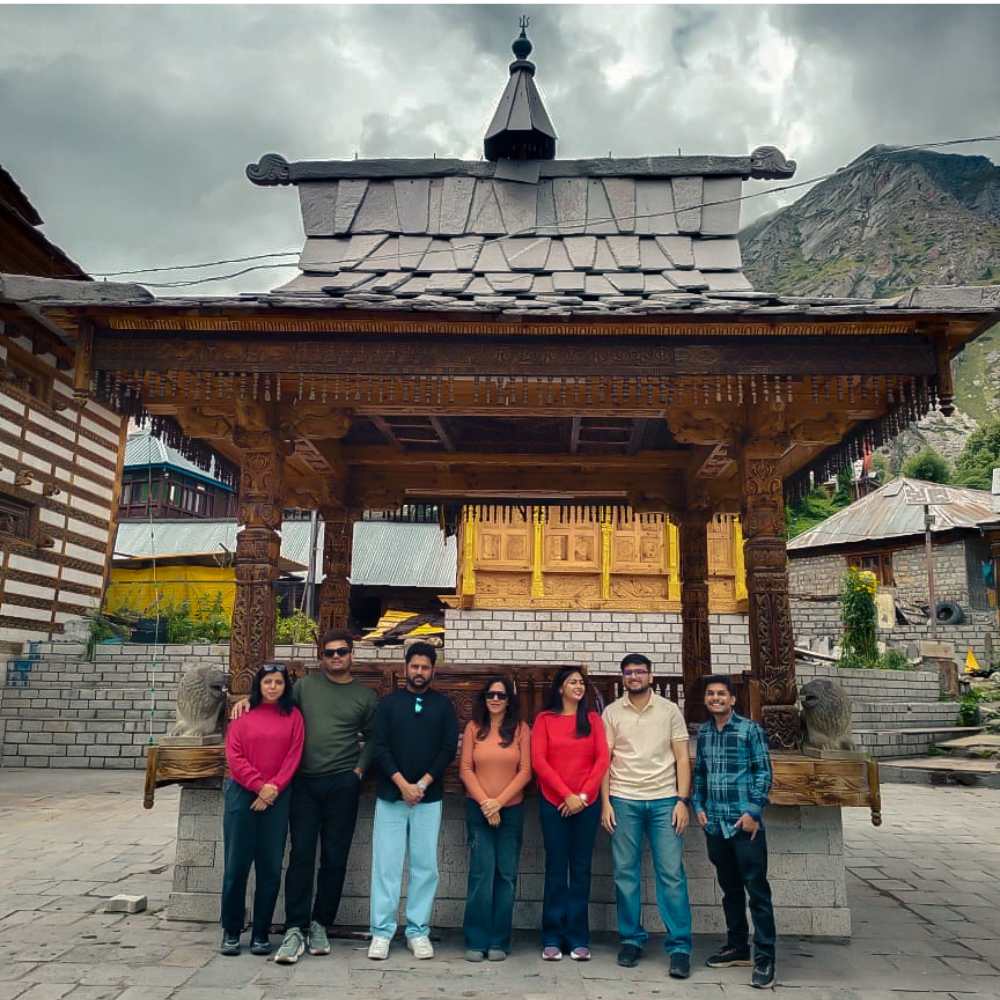 Group Tour5D/4N
Kinnaur Valley Weekend Group Trip With Sangla Chitkul and Kalpa
1D Sangla•1D Kalpa
₹7,399₹9,999SAVE INR 2,600/ person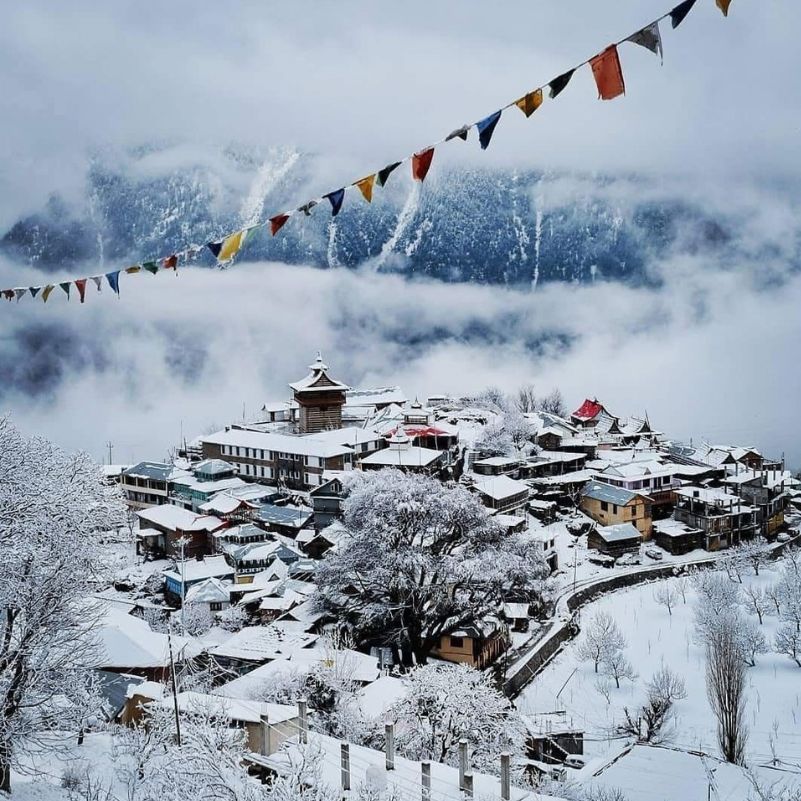 Group Tour6D/5N
Kinnaur New Year Group Trip 2027
1D Sarahan•1D Kalpa+1
₹11,999₹16,999SAVE INR 5,000/ person 4D/3N
Kinnaur Valley Scenic Circuit With Sangla Chitkul and Kalpa
1D Shimla•1D Sangla+1
₹16,999₹17,999SAVE INR 1,000/ person
Frequently Asked Questions
Which is better, Chitkul or Jibhi?
Jibhi suits a 3 to 4 day break and easier travel. Chitkul suits a 5 to 7 day trip and travellers who want high Kinnaur.
Is Jibhi cheaper than Chitkul?
Usually for a short trip, yes. A budget Jibhi trip runs about ₹4,500 to ₹7,500 per person, though your choices can change that.
Can I visit Jibhi from Delhi with only one day of leave?
Possibly, with overnight buses both ways and two nights in Jibhi. It depends on your bus timings and working days.
How many days are enough for Chitkul from Delhi?
Keep 5 to 7 days. That gives you a rest stop on the way up and spare time for Sangla or Kalpa.
Can I reach Chitkul from Chandigarh in one day?
It is about 330 to 370 km, and one operator suggests 11 to 12.5 hours. Most travellers find a halfway night much easier.
Is Chitkul worth visiting for just two days?
Not really from Delhi, because the drive alone needs about two days each way. Choose Jibhi if you only have a short break.
Which is better for a December trip, Chitkul or Jibhi?
Jibhi is easier, because you reach it via Aut without crossing Jalori. The Sangla to Chitkul road often shuts after heavy snow.
Is Chitkul accessible in January?
Often not. The Sangla to Chitkul road frequently becomes inaccessible from around mid December into March, so check 24 to 48 hours before you go.
Does Jibhi get snowfall in winter?
Jibhi can get snow in winter, but no one can promise it on your dates. Black ice and snow can also disrupt the road.
Is Chitkul safe for first-time mountain travellers?
Many first timers visit, but the 3,450 metre height and long roads need careful pacing. Keep spare days and check road status before you travel.
Can I visit Jibhi and Chitkul together?
Yes, with about 7 to 8 days or more. Use the Jalori and Rampur link only when every road on it is open.
Is Chitkul or Tirthan Valley better for a family holiday?
Tirthan and Jibhi usually suit families better, with lower height and shorter travel. Chitkul works for families with more days and slow pacing.
More about Kinnaur
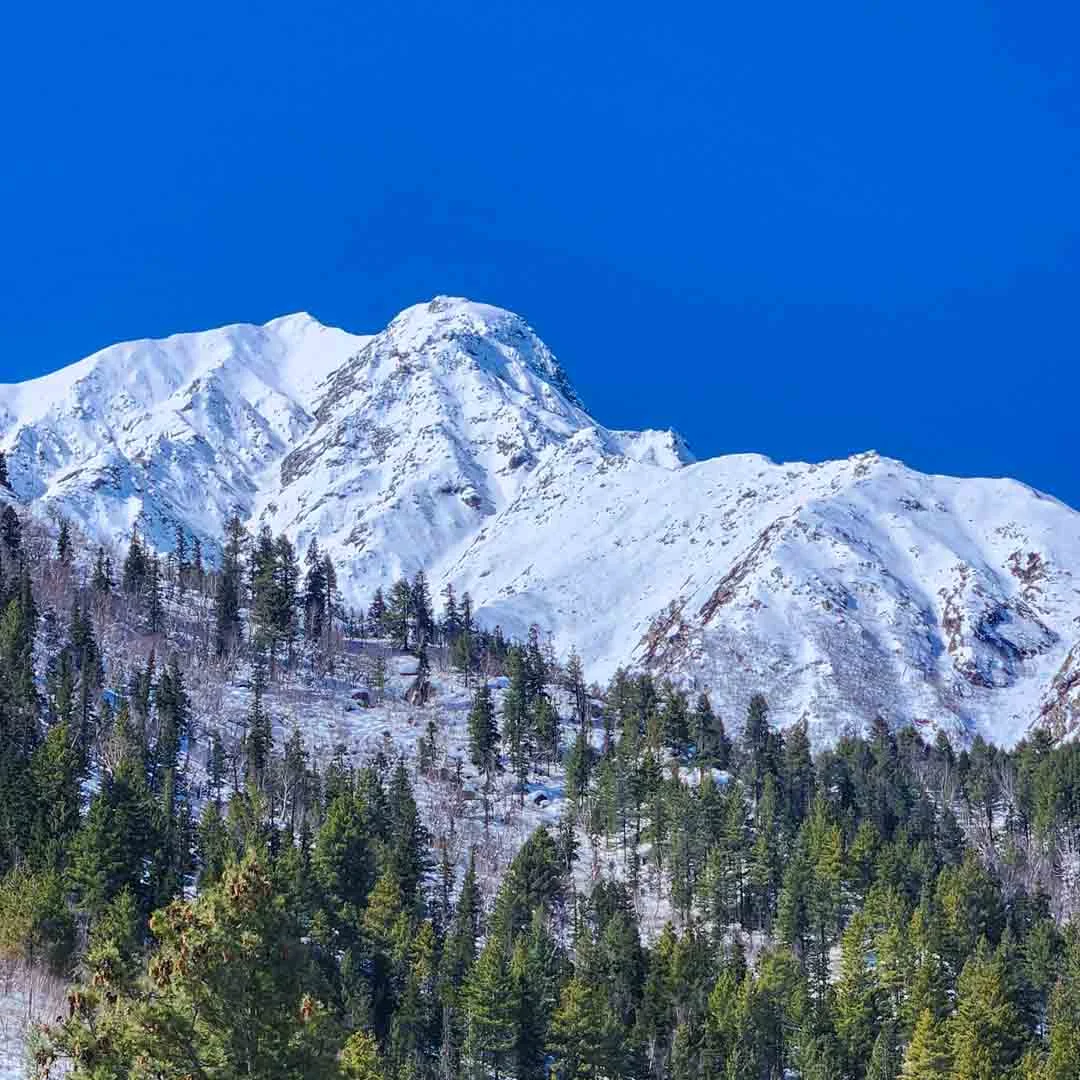 Kinnaur
Chitkul or Kasol: Which Is Better for Friends in 2026?
Planning a Himachal trip with friends in 2026 but can't decide between Chitkul and Kasol? Compare travel costs, journey time, cafés, sightseeing, accommodation and group activities. Find out which destination better matches your group's budget, available days and idea of a mountain getaway.
 Kinnaur
Shimla Kinnaur Honeymoon Itinerary 2026: 8 Days, 7 Nights
Planning an 8-day, 7-night honeymoon in Shimla and Kinnaur? Explore a romantic route covering scenic mountain towns, peaceful valleys, cosy stays, and beautiful Himalayan views. This itinerary includes Shimla, Sangla, Kalpa, and nearby attractions, with practical travel tips to help couples enjoy a relaxed Himachal getaway.
 Kinnaur
Trips With Strangers From Delhi in 2026: What to Check Before You Book
Planning trips with strangers from Delhi in 2026? Joining a group tour can be a great way to explore new destinations, meet like-minded travellers and share experiences, but choosing the right group matters. Learn what to check before booking, including itinerary, group size, trip leader, inclusions, safety, accommodation and hidden costs, so you know exactly what to expect.