
Can Kids and Older Parents Do Chandratal from Manali in 2026?
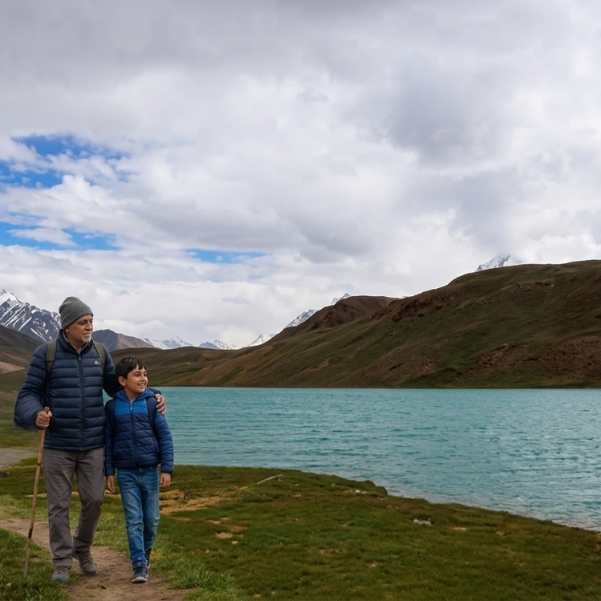
Every summer, we get this question from at least three or four families a week. "My parents are 62 and 65, can they do Chandratal?" Or "We have a 7-year-old, is the lake safe for him?"
The honest answer is not a simple yes or no. It depends on which kid, which parent, how you plan the route, and whether you are willing to turn back if things go wrong.
Quick Answer
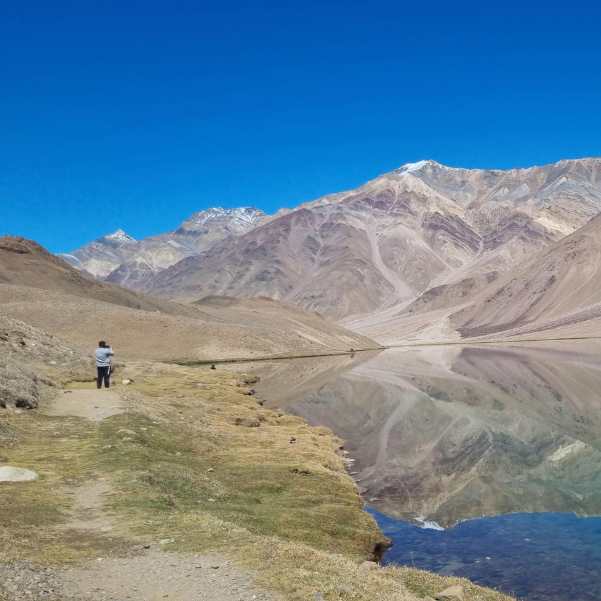
Chandratal is not for every family. The lake sits at roughly 4,300 metres (14,100 feet), and the direct route from Manali means fast altitude gain over rough roads with no medical backup anywhere close.
Older kids (roughly 8 and above) who can clearly tell you "my head hurts" or "I feel sick" can handle it if you plan a slow approach with a buffer night.
Fit older parents without heart, lung, or uncontrolled blood pressure problems can manage too, especially on a day visit rather than an overnight camp.
But rushing straight from Manali to the lake with a toddler or an elderly parent on medication for a cardiac condition? That is not a trip. That is a risk.
Why This Question Matters More Than People Think
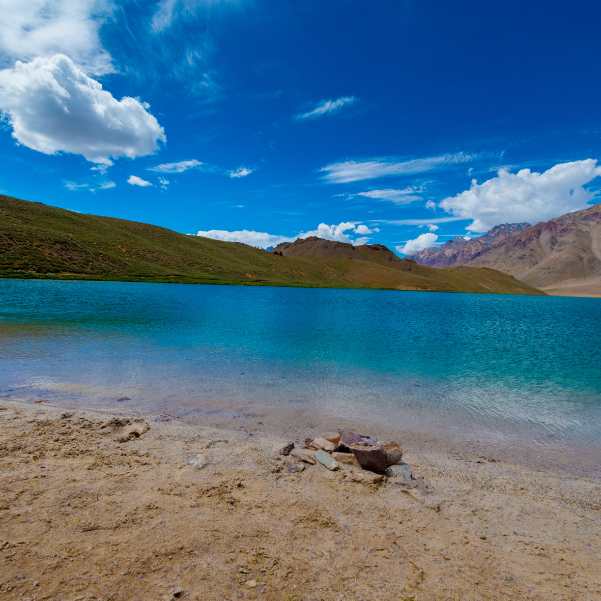
Most families underestimate Chandratal because it looks easy on a map. Manali to the lake is only about 130 to 140 km. How hard can it be?
Here is the reality. You go from Manali at around 2,000 metres to 14,100 feet in a single driving day. Your body gains over 2,000 metres of altitude in hours.
The road after Gramphu towards Batal is broken, dusty, and genuinely exhausting even for healthy adults. There is no hospital, no clinic, no chemist, and essentially no phone signal at the camping zone.
The challenge is not the lake. The challenge is the combination of thin air, cold nights, rough roads, basic facilities, and zero emergency infrastructure. That combination hits kids and older travellers harder than it hits a 28-year-old backpacker.
Can Kids Do Chandratal from Manali?
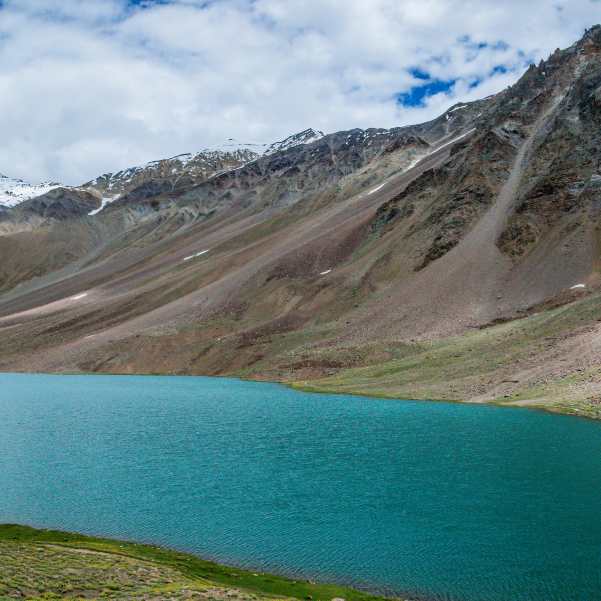
This depends less on age and more on whether your child can communicate symptoms clearly.
Altitude sickness does not care how old someone is, but a child who cannot tell you "I have a headache" or "I feel dizzy" puts you in a dangerous position at 14,100 feet with no medical help nearby.
Under 5
Strong caution. Children this young are more vulnerable to altitude-related issues and cannot reliably describe what they are feeling. In our experience, families with toddlers are better off exploring Sissu or lower Lahaul instead.
5 to 7
Possible but risky. Some kids this age handle altitude well. Others do not. You will not know until you are already there, and that is the problem. If you go, a day visit with a quick return to a lower altitude is far safer than an overnight camp.
8 to 12
This is the age range where Chandratal starts becoming realistic. Kids who trek, play sports, and can clearly report symptoms like headache, nausea, or unusual sleepiness can handle the trip if you build in acclimatisation time.
Our team has sent families with 9 and 10-year-olds to Chandratal many times, and most do well when the pace is slow.
Teens: Generally fine. Treat them like adult travellers. Hydrate, go slow, watch for symptoms.
The biggest mistake we see? Parents who acclimatise themselves over several days in Spiti but bring kids straight from Delhi or Chandigarh with only a night in Manali. That gap in preparation is where problems start.
Can Older Parents Do Chandratal from Manali?
This one needs honesty, not optimism.
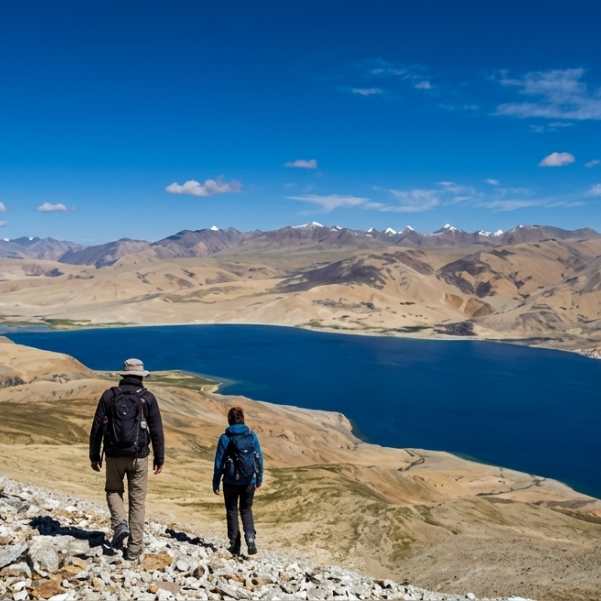
A fit parent in their late 50s or early 60s who walks regularly, has no heart or lung condition, and does not take blood pressure medication can visit Chandratal. We have seen plenty of parents in this bracket enjoy the lake and come back happy.
But "fit" means something specific at 14,100 feet. It does not mean "walks to the market every morning." It means no breathlessness climbing two flights of stairs, no history of cardiac episodes, and no condition that thin air and cold nights could worsen.
For elderly parents with breathing issues, heart conditions, or uncontrolled blood pressure, Chandratal is not worth the risk. The altitude is real. The cold after sunset is real. And the nearest hospital is hours away over terrible roads.
One thing we always tell families: skip the overnight camp for older parents. A day visit to the lake with a return to a lower altitude for the night removes the worst risks, the freezing tent, the basic toilet, the long exposure to thin air while sleeping.
Who Should Avoid Chandratal Completely?
Very young children who cannot communicate symptoms. Parents or grandparents with serious cardiac or respiratory conditions. Anyone who expects attached bathrooms, room heaters, or easy rescue access.
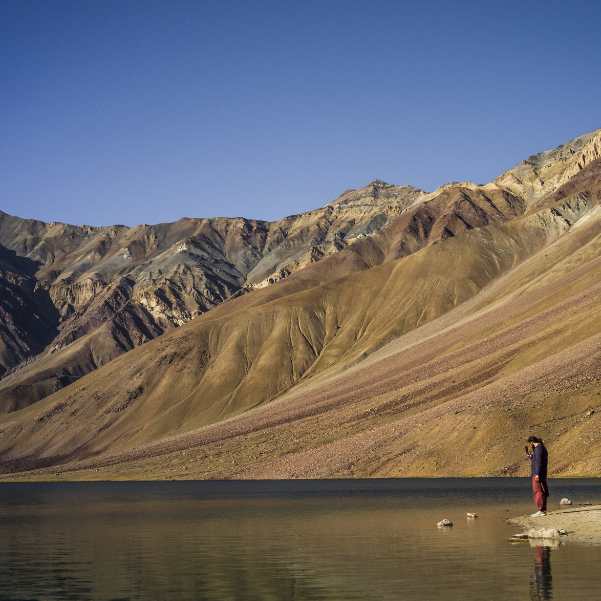
This is not gatekeeping. This is basic safety at a remote high-altitude site with no medical infrastructure. If something goes wrong at Chandratal, the closest help is back towards Manali, hours away on a road that is barely a road.
Families who picture Chandratal as a scenic campsite with basic but manageable facilities are often shocked by what "basic" actually means at 4,300 metres. Our camping at Chandratal guide explains the real camp experience in detail.
Is Chandratal from Manali Riskier Than Chandratal After Acclimatisation?
Yes. Significantly.
When you drive from Manali through the Atal Tunnel and push towards Batal and the lake in one shot, your body goes from 2,000 metres to 4,300 metres in about 8 to 9 hours. That is a massive altitude jump with no time for adjustment.
Compare this to families who enter Spiti from the Shimla side, spend days in Kalpa, Tabo, and Kaza, and then visit Chandratal near the end. By the time they reach the lake, their bodies have been adjusting for nearly a week. The difference is huge.
If you must go from Manali, spend at least one night at Sissu (around 3,100 metres) before pushing further. That single halt gives your family a few extra hours to adjust and makes the next day's climb to Chandratal less punishing.
In our experience, families who skip Sissu and drive straight to the camping zone are the ones calling us the next morning saying someone has a splitting headache and they want to come back.
Day Trip or Overnight Camp: What Is Better for Families?
For families with kids under 10 or older parents, a day visit almost always wins.
Overnight camping increases everything that makes Chandratal risky for vulnerable travellers. The cold gets worse after sunset, often dropping to zero or below even in July. The toilets are basic pit setups.
There is no electricity, no heating, and no phone signal. If someone develops serious altitude sickness at 2 AM, your options are limited and frightening.
A day visit means you drive to the area, walk to the lake, spend time there, and return to a lower altitude before nightfall. You still see the lake. You still get the experience. But you sleep somewhere warmer and safer.
Camping directly on the lake shore is not allowed anyway. The camps operate in designated zones 1.5 to 2 km from the lake, so you are walking to the water regardless. A day visit just means you do that walk without also sleeping in a freezing tent.
Send us your dates and group size on WhatsApp and we can help you figure out whether camping or a day visit makes more sense for your family.
Best Time in 2026 for Kids and Older Parents
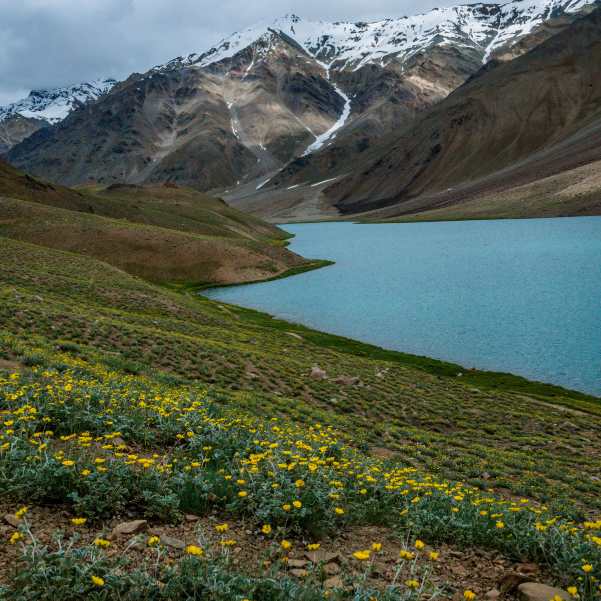
As of early April 2026, the Manali to Keylong stretch is open but Keylong to Kaza remains closed. Current estimates suggest the Chandratal and Manali-Kunzum route may open between late May and mid June depending on snow clearance.
But families should not aim for the earliest possible window. Early season means rougher roads, fewer operational camps, and unpredictable weather.
July to September is the safer window for families. Roads are at their most settled, camps are fully running, and daytime weather is the most comfortable it will be all season.
July is the best single month for families with children. September works well for fit older parents who can handle colder nights but want fewer crowds and clearer skies.
Our Chandratal opening dates guide covers the month-by-month breakdown if you want the full picture.
What the Manali to Chandratal Road Is Actually Like
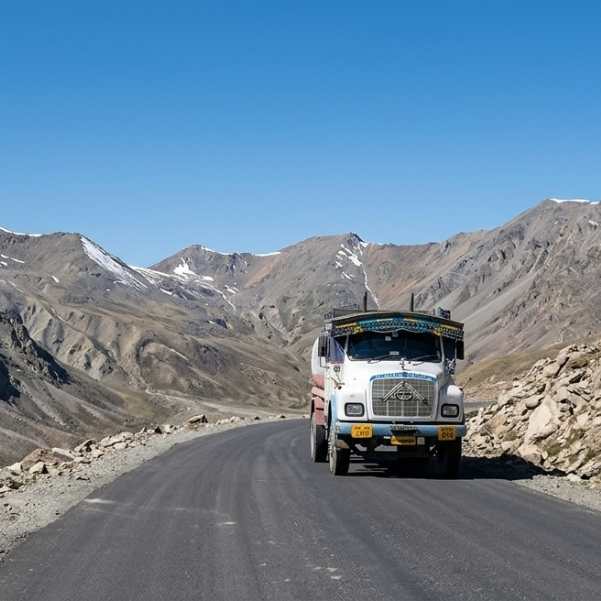
The first section through the Atal Tunnel to Sissu is smooth and easy. About 1.5 to 2 hours, paved road, nothing to worry about.
After that, the road quality starts dropping. The stretch from Sissu through Koksar towards Gramphu is still manageable but gets rougher.
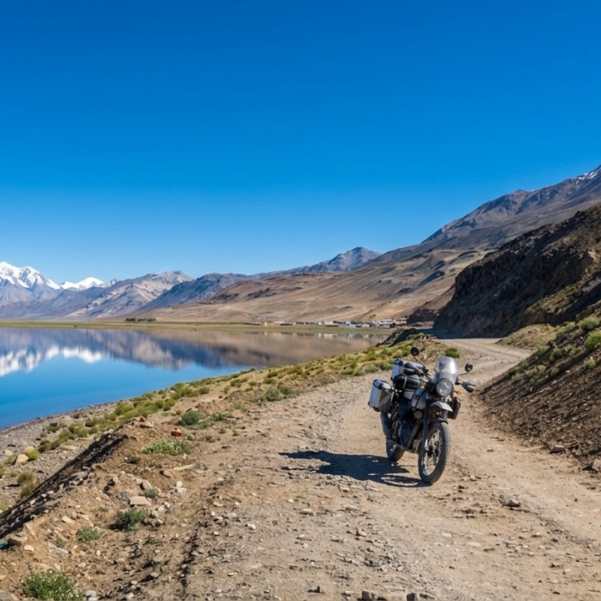
From Gramphu towards Batal, the road falls apart. Potholes, loose gravel, water crossings, and stretches where your vehicle bounces so much that children get scared and older passengers get exhausted.
The final 14 km from Batal to the Chandratal parking area is the worst. This stretch alone can take 1.5 to 2 hours. It is narrow, unpaved, and genuinely uncomfortable.
This road is the part most families do not expect. They picture a scenic mountain drive and get hours of bone-rattling bumps instead. For a child prone to motion sickness or an older parent with back problems, this stretch alone can ruin the trip.
Our drivers always carry extra cushions on family trips to Chandratal. It helps more than you would think.
How Much Walking Is Involved at Chandratal?
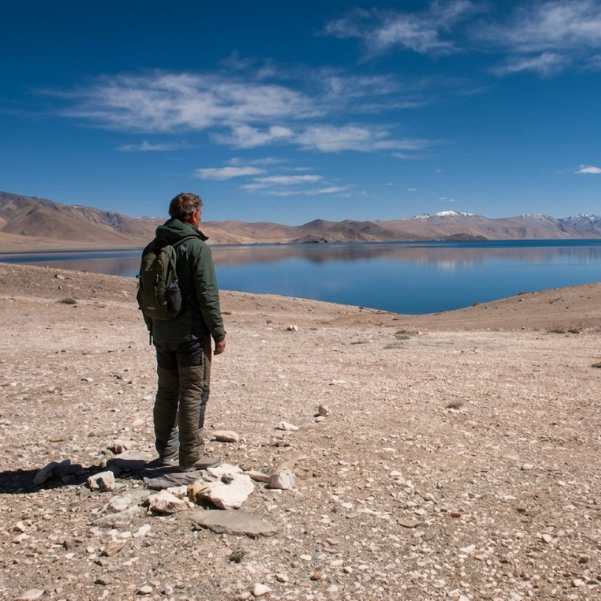
The walk from the parking area to the lake is about 1.5 to 2 km. On flat ground at sea level, that is nothing. At 14,100 feet, it feels like a proper hike.
The thin air makes every step heavier. Kids often start running towards the lake and then slow down dramatically within a few minutes. Older parents may need to stop and rest multiple times.
The path is mostly flat to gentle, not steep. But the altitude effect is real. We have seen fit adults get winded on this walk, so expect kids and older travellers to take 30 to 40 minutes.
Do not force the walk for the sake of photos. If someone in your group is feeling unwell, turn around. The lake will be there next year.
Signs That Your Child or Parent Should Not Continue
This is the section you should not skip.
Mild altitude sickness looks like a headache, slight nausea, and tiredness. Most people get this. Rest, hydration, and slow movement usually help.
Serious altitude sickness looks like severe headache that does not respond to paracetamol, repeated vomiting, confusion, unusual drowsiness (especially in children), and breathlessness even while sitting still.
If anyone in your group shows these worsening symptoms, descend immediately. Do not wait for morning.
Do not try to "sleep it off" at Chandratal. There is no oxygen supply, no doctor, and no phone signal to call for help.
Children are trickier because they might not connect what they feel to what they should report. Watch for a child who suddenly becomes very quiet, stops eating, or wants to sleep at unusual times. These are warning signs at altitude.
One practical tip we always give families: carry Diamox but only after consulting your doctor before the trip. Do not buy it from a chemist in Manali and start taking it without medical guidance.
A Realistic Family Decision Guide
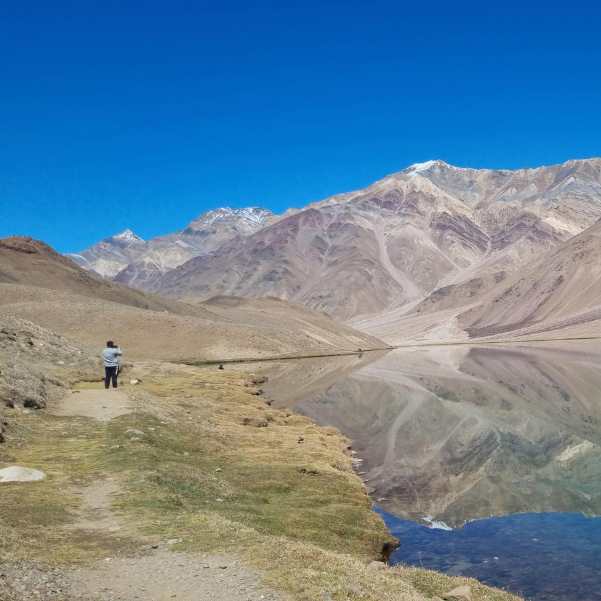
Think of this as three profiles. Read them honestly and figure out which one sounds most like your family.
Profile one: you are probably fine.
Your kids are 10 or older and physically active. Your parents are in their late 50s or early 60s, walk regularly, and have no heart, lung, or blood pressure issues. You are willing to spend an extra night at Sissu for acclimatisation.
You are okay with basic camping conditions or are planning a day visit instead of an overnight stay.
You carry proper warm clothing and basic medicines, and you are mentally prepared to skip the lake if someone feels unwell.
Profile two: proceed with caution.
Your kids are between 6 and 9. Your parents are in their mid-60s with controlled but existing health conditions. You have not done any high-altitude trip before as a family.
You can do Chandratal, but only with a slower itinerary, a buffer night at a lower altitude, a day visit instead of camping, and a genuine willingness to turn back without guilt.
Profile three: consider skipping Chandratal.
Your children are under 5. Your parents have active heart, lung, or severe blood pressure conditions.
You are expecting hotel-level comfort. You have no flexibility in your schedule for weather or health delays.
You are not okay with the idea of turning back. In this case, the honest advice is to plan a different destination.
Chandratal is not going anywhere, and a bad experience at altitude with vulnerable family members is not worth the Instagram photo.
Safer Alternatives if Chandratal Feels Too Ambitious
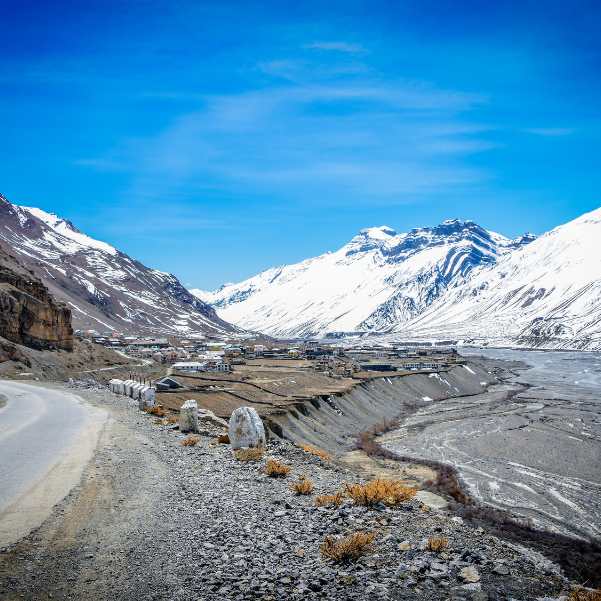
Sissu is where we send families who want mountain beauty without the altitude risk. It sits at around 3,100 metres in the Lahaul Valley, has proper guesthouses, mobile signal, and genuinely stunning scenery. Kids love the waterfalls and the river. Older parents can rest in a warm room at night.
A slower Spiti Valley plan that enters from the Shimla side and focuses on Kaza, Key, and Kibber without pushing to Chandratal is another strong option. You get the Spiti experience without the altitude peak.
If the family is doing well after a few days in Kaza, you can always add a day trip to the lake from that side.
The skip-this tip most guides will not give you: the paid "viewpoint" photo op at the Chandratal parking area charges money for a view you get for free by walking 200 metres along the trail.
If you do visit, save that money for a hot chai at the dhaba near Batal. The guy running the place makes the last decent cup of tea you will get before the lake.
Our Suggested Family-Friendly Chandratal Plan from Manali
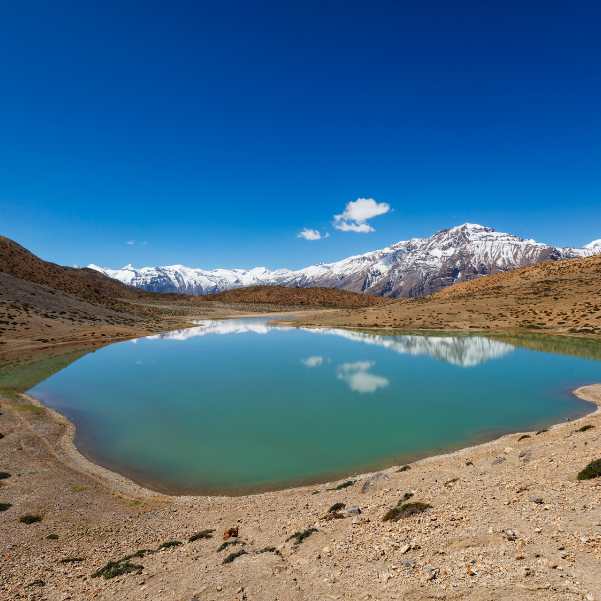
Here is how we usually design this trip for families.
Day one
Arrive in Manali, rest properly. Do not rush. Walk around Mall Road, eat well, sleep early. Your body starts adjusting here.
Day two
Drive from Manali to Sissu via the Atal Tunnel. This takes about 2 hours. Spend the rest of the day resting at a guesthouse. The altitude here is around 3,100 metres, which gives your family a gentle step up.
Day three
Drive from Sissu towards the Chandratal area. If the road is clear and everyone feels well, continue to the lake for a day visit. If anyone shows symptoms, stay at Sissu and enjoy the valley instead. Return to Sissu or a lower stop for the night.
Day four
Buffer day. Use it for the lake visit if you skipped it on day three, or start driving back to Manali.
In our experience, families enjoy this trip far more when the lake is treated as weather and health dependent, not guaranteed.
The pressure to "make it to Chandratal no matter what" is what causes the worst family trip stories we hear.
If you want a longer trip, our Spiti circuit with Chandratal enters from Shimla, gives you days of acclimatisation, and adds the lake at the end when your body is ready.
Final Verdict
Can kids and older parents do Chandratal from Manali? Some can. Many should not.
The answer depends on the child's age and ability to communicate symptoms, the parent's actual health profile (not just "I'm fit for my age"), your willingness to plan slowly, and your honesty about turning back if things go wrong.
Chandratal is one of the most beautiful places in India. But beauty at 14,100 feet with no medical backup demands respect.
The families who love this trip are the ones who planned for the altitude, packed for the cold, and treated the lake as a bonus rather than a guarantee.
The families who regret it are the ones who rushed.
Talk to our team on WhatsApp if you want us to look at your family's specific situation and suggest the right plan.
Explore Our Curated Chandratal Tours
 Group Tour10D/9N
Full Spiti Valley Circuit With Chandratal
1D Narkanda•1D Sangla+5
₹29,999₹32,999SAVE INR 3,000/ person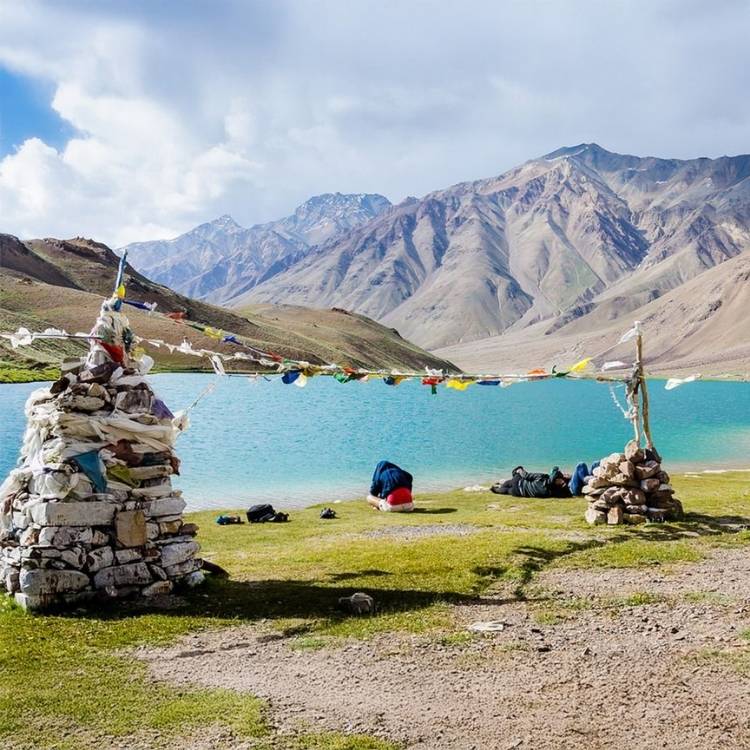 10D/9N
Summer Spiti Circuit With Chandratal
1D Narkanda•1D Sangla+5
₹29,999₹38,999SAVE INR 9,000/ person
Related topics
Frequently Asked Questions
Is Chandratal safe for a 6-year-old?
It depends on the child. A 6-year-old who can clearly say "my head hurts" or "I feel sick" may manage with a day visit after proper acclimatisation. But overnight camping at 4,300 metres is not ideal for children this young. A slower plan with a halt at Sissu and a flexible approach works best.
Can a 10-year-old do Chandratal from Manali?
Yes, most 10-year-olds who are reasonably active can handle Chandratal if the family spends a night at a mid-altitude stop like Sissu before pushing to the lake. We have sent many families with kids this age and they usually do well with the right pace.
Can senior citizens stay overnight at Chandratal?
For fit seniors without heart, lung, or blood pressure issues, it is possible but not recommended. The cold, basic toilet facilities, and zero medical access make a day visit much safer. Most senior-citizen travel advice for Spiti strongly suggests avoiding an overnight stay at Chandratal.
Is the Kaza side easier for elders?
Yes. Reaching Chandratal from Kaza means your body has already spent days adjusting to altitude in Spiti. The drive from Kaza to the Chandratal area takes about 4 to 5 hours. For older travellers, this gradual approach is significantly easier on the body than the rapid climb from Manali.
How much walking is needed at Chandratal?
The walk from the parking area to the lake is about 1.5 to 2 km. At sea level this is easy. At 14,100 feet, expect it to take 30 to 40 minutes with rest stops. The path is mostly flat but the thin air makes it tiring.
Is there oxygen at Chandratal?
No. There is no medical facility, no oxygen supply, and no emergency infrastructure at the Chandratal camping zone. Carry your own basic medicines and be prepared to descend if anyone develops serious symptoms.
Are there toilets at Chandratal camps?
Yes, but they are basic pit toilets or simple portable setups. No flush toilets, no running water. Functional but far from comfortable. This is often the dealbreaker for older travellers used to city amenities.
Do I need a permit for Chandratal?
Permit requirements can change by season. Some years require environmental or entry permits for the Chandratal area. Check the latest rules through a local operator before your trip.
What month is best for a family trip?
July is the safest and most comfortable month for families. Roads are settled, camps are fully running, and daytime weather is pleasant. August works too but carries a higher risk of landslides on the Manali side.
Should we stay at Sissu first?
Yes, especially if you are coming from Manali with kids or older parents. One night at Sissu (around 3,100 metres) gives your body time to adjust before the big altitude jump to Chandratal. It is the single most useful thing families can do to reduce altitude sickness risk.
Can we do Chandratal without camping?
Yes. A day visit where you drive to the area, walk to the lake, spend a couple of hours, and return to a lower altitude is entirely possible. Many families prefer this over an overnight camp, and honestly, for families with young kids or older parents, it is the smarter choice.
What symptoms mean we should return immediately?
Severe headache that does not improve with paracetamol, repeated vomiting, confusion, unusual drowsiness, and breathlessness while sitting still. If any family member, especially a child or elderly person, shows these signs, descend immediately. Do not wait for morning. Worsening AMS at this altitude with no medical access is genuinely dangerous.
More about Chandratal
 Chandratal
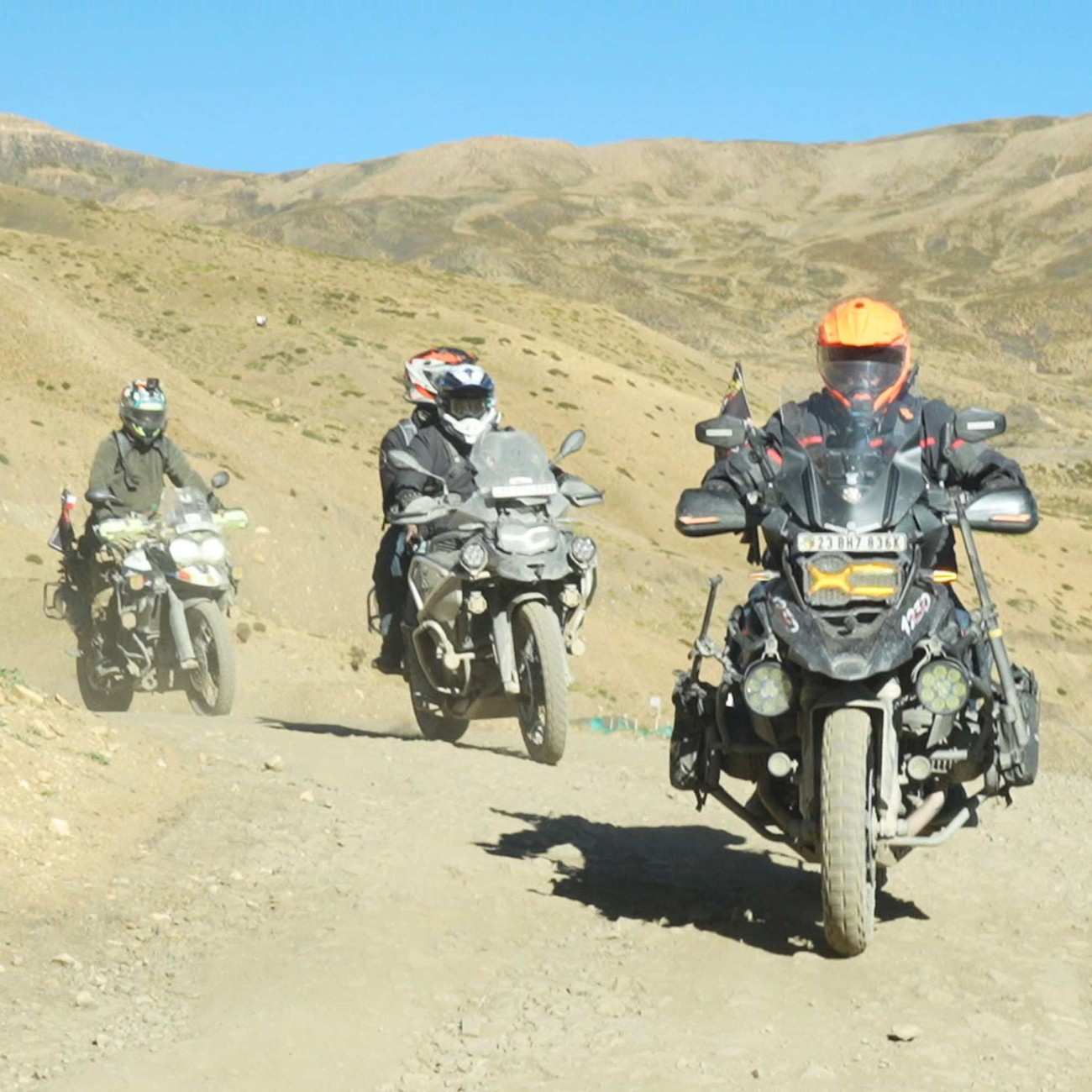
Chandratal by Bike Safety in 2026: Road Difficulty, Timing & Pillion Tips
Planning to ride to Chandratal by bike in 2026? This complete guide covers road difficulty, riding conditions, the best time to visit, safety precautions, water crossings, and pillion tips to help you enjoy one of Himachal Pradesh's most iconic high-altitude rides with confidence.
- Bike Trips
- Altitude & Health
- +1
 Chandratal
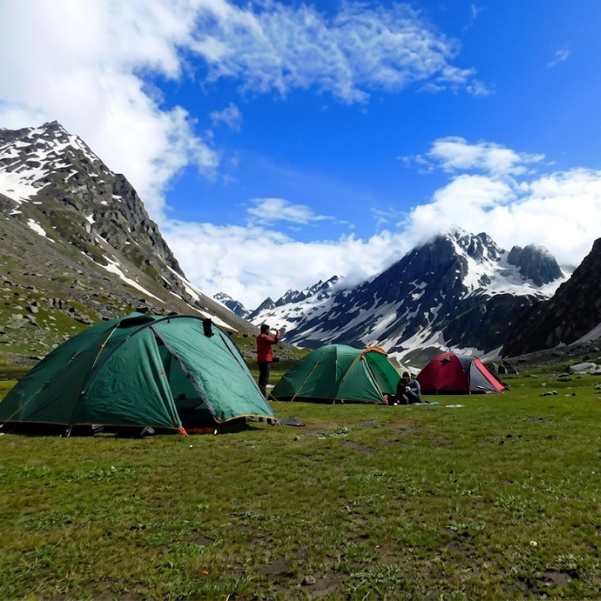
Where to Stay If Chandratal Camps Are Not Available in 2026
If Chandratal camps are not available in 2026, stay at nearby alternatives like Batal, Losar, or Kaza. Since camping is not allowed at the lake itself and designated camps operate a few kilometers away, these villages are the safest backup options for travelers planning a Spiti Valley trip.
- Itinerary
- Best Time to Visit
 Chandratal
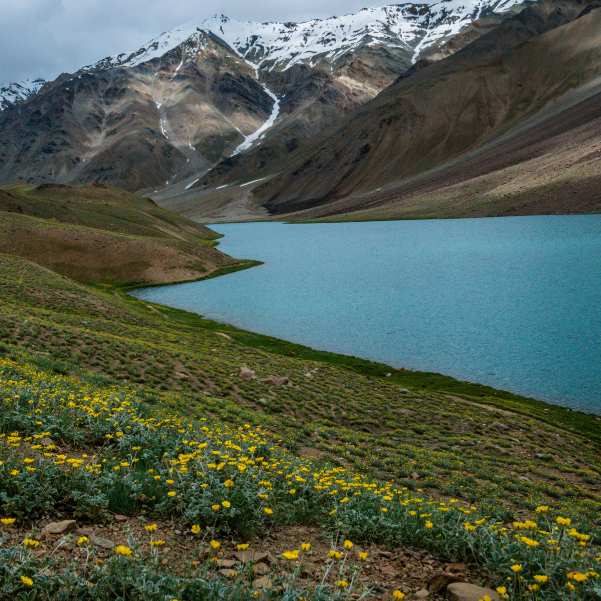
Is Chandratal Crowded in June 2026? Honest Crowd, Road and Camp Guide
Planning Chandratal in June 2026? Here’s an honest guide to crowds, road opening chances, campsite availability, lake access, and the best time to visit without chaos.
- Best Time to Visit