
Chandratal Trek 2026: Hampta Pass, Lake Trek Route, Distance and Real Travel Guide
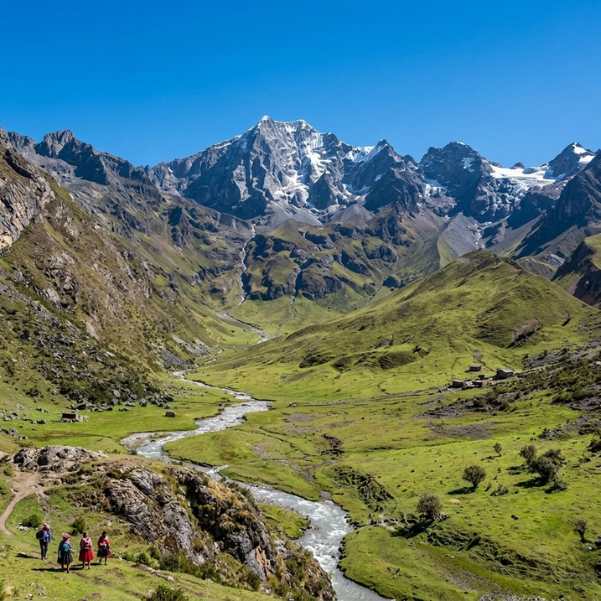
The phrase "chandratal trek" sends most people down the wrong rabbit hole. Some blogs describe a gentle 2 km walk from a parking lot. Others describe a full multi-day Hampta Pass crossing.
And a few confuse the road trip with an actual trek. No wonder travellers show up at Batal with either too much gear or too little.
We have been sending travellers to Chandratal every season for years, and the single most common question we get is: "Wait, so is it a trek or not?"
This guide by Travel Coffee clears that up. Every route option, every distance, every honest detail about what the chandratal trek actually involves in 2026.
Quick Answer
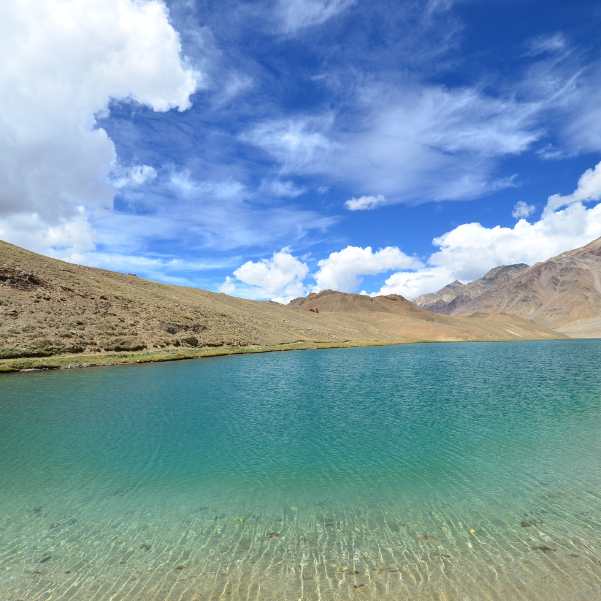
The chandratal trek means different things depending on who you ask. First, there is the short 1.5 to 2 km walk from the designated parking area to the lake. This is what most road trippers and Spiti circuit travellers do during the normal season.
Second, there is the longer access trail from Batal or Kunzum Pass that early-season travellers or trekking enthusiasts take when the final stretch of road is not fully open.
Third, there is the popular Hampta Pass trek that starts near Manali and usually ends with a visit to Chandratal after descending to Chatru.
The usual best window for any version is mid-June to September, but 2026 access depends on official road opening and snow clearance. Do not assume dates from previous years will hold.
What Exactly Is the Chandratal Trek?
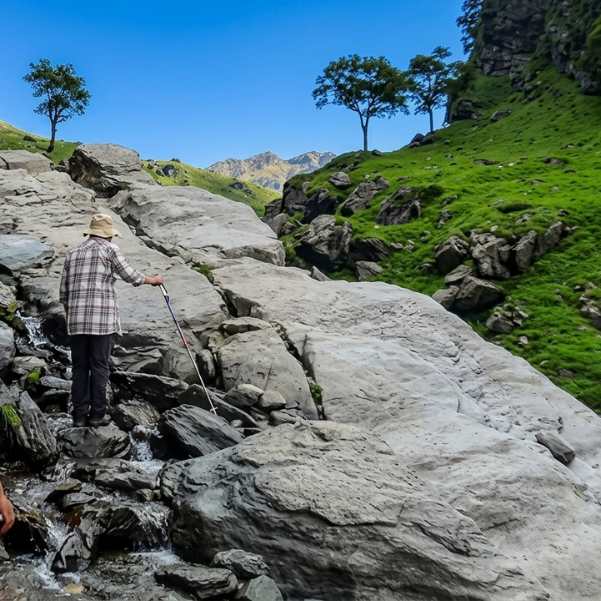
Here is the honest breakdown. Most blogs mix up a road trip, a short walk, and a real multi-day trek under the same keyword. They are not the same experience.
If you are a road tripper doing the Spiti circuit, the chandratal trek for you is a short walk from a parking area to the lake. You drive most of the way and walk the last bit. No camping gear needed, no trekking poles, no guide.
If you are a beginner or photographer who wants more than a quick lake visit, the walk from Batal or the trail from Kunzum Pass gives you a longer, quieter route through open high-altitude terrain.
If you are a trekker looking for a proper multi-day trail, the Hampta Pass to Chandratal route is what you want. It crosses from the green Kullu Valley to barren Lahaul and finishes with a Chandratal visit if weather and roads cooperate.
What most tourists get wrong: they assume the chandratal trek is one specific route. It is not. And picking the wrong version for your fitness, timeline, and travel style leads to either boredom or exhaustion.
Where Is Chandratal Lake and How High Is It?
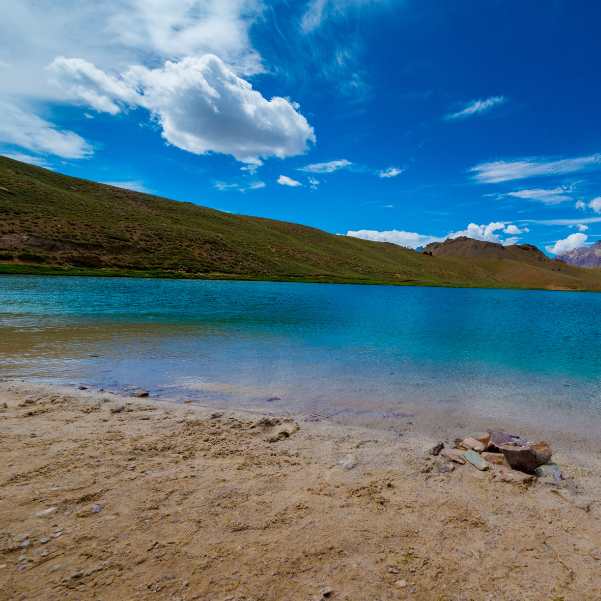
Chandratal Lake sits in the Lahaul and Spiti district of Himachal Pradesh, near Kunzum Pass. The altitude is around 4,300 metres.
The name means "Moon Lake" because of its crescent shape, and the water colour shifts between blue and green depending on the time of day and season.
What matters more than the short walking distance is the altitude itself. At 4,300 metres, your body is working harder with every step.
Even a flat 2 km walk feels different when the air has 40% less oxygen than what you are used to at sea level.
In our experience, the travellers who struggle at Chandratal are not the ones who are unfit. They are the ones who drove straight from Manali or Delhi without spending a night anywhere in between to let their body adjust. The altitude does not care how many gym sessions you have done.
Is Chandratal a Real Trek or Just a Short Walk from the Road?
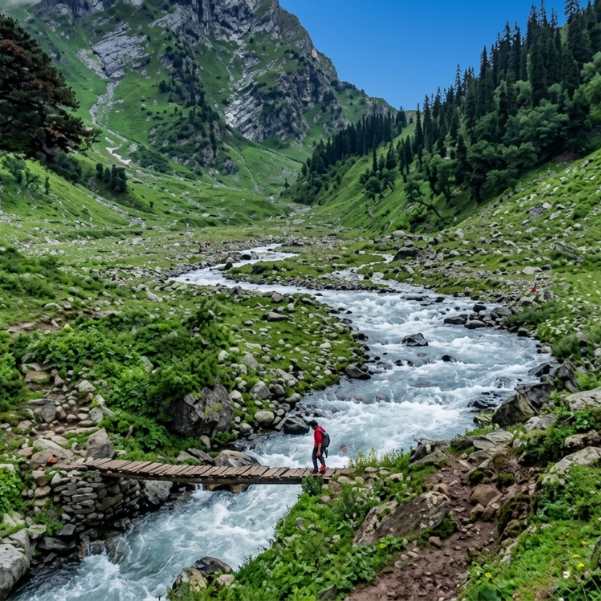
In the normal season (mid-June to September), the road from Batal to the Chandratal parking area is about 14 km of rough, unpaved track.
Most travellers drive this stretch in a high-clearance vehicle and then walk the remaining 1.5 to 2 km to the lake.
So for the majority of visitors, yes, the chandratal trek is a short walk. Not a multi-day expedition.
But here is where it gets more interesting. In early season, if the final road from Batal is not fully cleared, you may need to walk much further.
Vehicles sometimes stop well before the parking area because of snow patches, water crossings, or road damage. In those situations, the "short walk" becomes a longer hike over uneven, high-altitude terrain.
And then there is the option of deliberately walking a longer route from Kunzum Pass side, which turns the chandratal lake trek into a proper day hike of around 12 km.
Chandratal Trek Route Options: Which One Should You Choose?
Option 1: Parking to Chandratal Lake
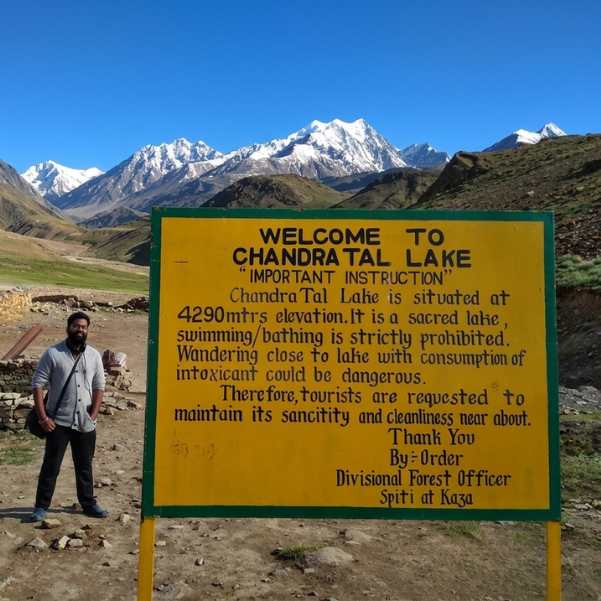
This is the easiest and most common version. You drive to the designated parking area near Chandratal and walk about 1.5 to 2 km to the lake.
The path is mostly flat with gentle inclines. No technical skills needed. The walk takes about 20 to 40 minutes depending on your pace and how the altitude affects you.
It suits road trippers, families with older kids, and anyone who is already acclimatized from spending time in Kaza or Manali.
The views during the walk are open and wide. On a clear morning, the lake appears as a small blue patch that grows bigger with every step.
Our tip: reach the parking area before 7 AM. The light on the water at sunrise is completely different from what you see at noon. By 10, the first wave of day-trippers arrives from Kaza and the quiet disappears.
Option 2: Batal to Chandratal Trek
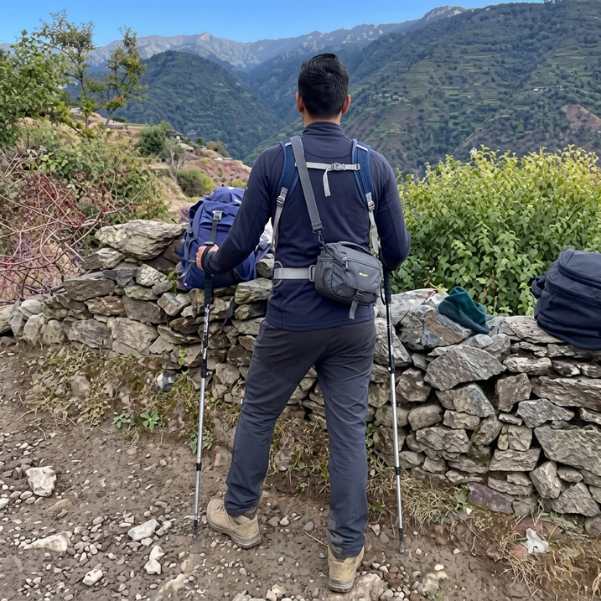
One guide quotes the Batal to Chandratal distance at around 14 to 18 km.
In practice, most people do not walk the entire stretch. If the road is open, you drive the rough 14 km and walk the final bit. But if road conditions force vehicles to stop early, the walking portion increases.
This version suits trekkers who want more time on foot and do not mind carrying water and snacks for a longer walk.
The terrain is barren, open, and exposed. There is no tree cover, no shade, and almost no other people if you are walking early in the season.
Option 3: Kunzum Pass to Chandratal Trek
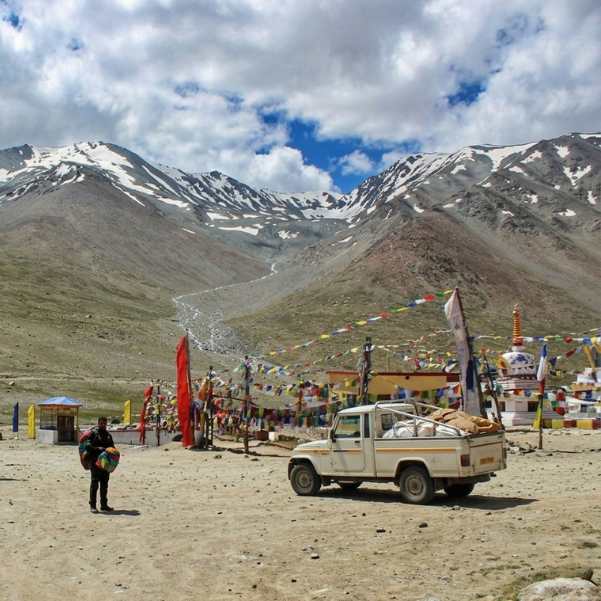
The trail from Kunzum Pass to Chandratal is around 8 to 15 km. It follows a downhill path through rocky, treeless landscape with wide views of the Spiti and Lahaul ranges.
This route works well as a scenic day trek. You can drive up to Kunzum, start the walk from there, and have a vehicle meet you at the Chandratal parking area after your lake visit.
Not many blogs talk about this option, but experienced trekkers and photographers love it. The solitude on this trail, especially in September, is hard to find anywhere else in Himachal.
Option 4: Hampta Pass Trek with Chandratal
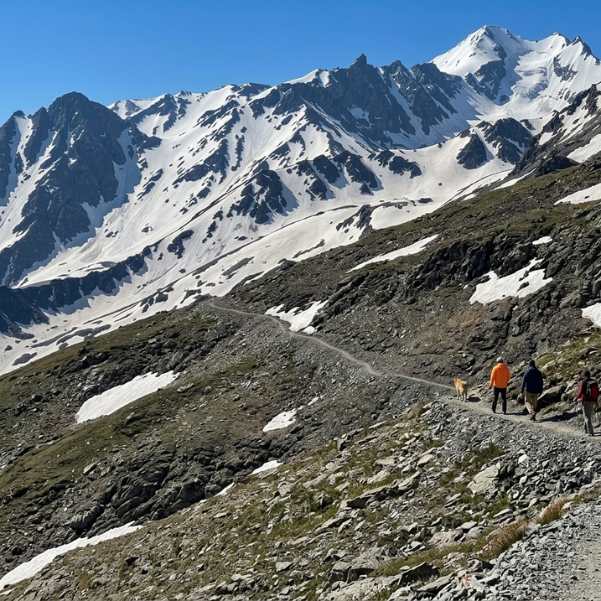
This is the version most trekking companies sell when you search for chandratal trek online. The Hampta Pass trek is a proper multi-day trail that starts near Manali and crosses one of the most dramatic landscape transitions in the Indian Himalayas.
You start in the green, forested Kullu Valley. Over 3 to 4 days, you climb through alpine meadows, cross the Hampta Pass at 14,065 ft (4,287 m), and descend into the barren, dry moonscape of Lahaul.
From Chatru, if road and weather conditions allow, the group takes a vehicle to Chandratal for a lake visit before heading back.
The Chandratal lake trek in this version is really the Hampta Pass trek with Chandratal added as the final reward.
If you are already in Manali and want to combine a real trek with a Chandratal visit, this is the one. Manali also has plenty of adventure activities if you have a spare day before or after the trek.
Hampta Pass with Chandratal: Itinerary, Distance, Altitude, and Who It Suits
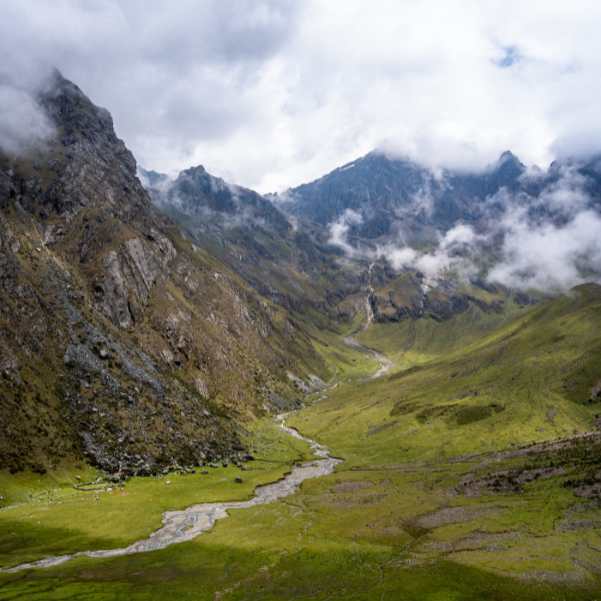
The Hampta Pass trek distance is about 26 km over the trekking days. The highest point is Hampta Pass at 14,065 ft (4,287 m).
The usual route flow goes like this: you start from Jobra or Chhika near Manali, camp at Balu Ka Ghera (a wide meadow), cross the pass to Shea Goru, descend to Chatru, and then visit Chandratal depending on road and weather.
Some itineraries include a night at a camp near Chandratal. Others do a day visit from Chatru and return.
Here is what we tell first-timers considering this trek: Hampta Pass is rated moderate. It suits fit beginners who have done at least some hiking before and can handle 5 to 6 hours of walking per day.
If you have zero mountain exposure, never walked at altitude, and your longest hike is a weekend trail near home, this trek will be harder than you expect.
Acclimatization matters more than raw fitness. If you are coming from the plains, spend at least one full day in Manali before the trek starts. Most good operators include this in the itinerary. If yours does not, ask why.
For Manali tour packages that include pre-trek stays and transport, we can put together something that matches your group size and dates.
Best Time to Do Chandratal Trek in 2026
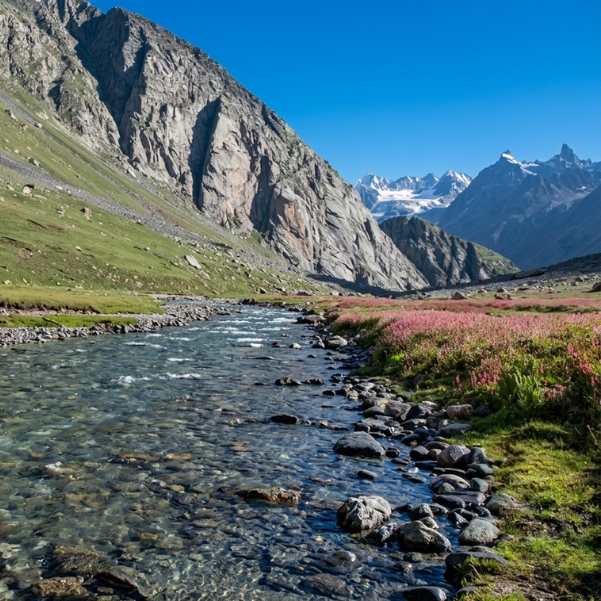
The broad safe answer is mid-June to September. But each month has its own personality.
June
June is when Chandratal transitions from closed to open. The first half is unpredictable. By mid-June, camps start setting up and the road usually becomes drivable.
Snow still sits on the surrounding peaks and the lake looks vivid from snowmelt. For the Hampta Pass trek, June offers dramatic scenery but the pass can still have snow patches.
July
July is the most reliable month. Roads are at their best early-season condition. Camps are fully running. For Hampta Pass, the meadows are green and wildflowers are out. The Manali side may see some rain but the Spiti side stays dry.
August
August brings monsoon risk on the Manali approach roads. The lake itself stays cool and beautiful, but landslides between Manali and Gramphu can delay your trip. Build buffer days.
September
September is quietly the best month for experienced travellers. Clear skies, golden-brown landscapes, fewer people, and the lake colours at their deepest. Nights drop below freezing. But if you are prepared, September is hard to beat.
By September, the 2026 season is in full swing. Kunzum Pass opened in late May 2026, and roads from both the Manali and Kaza sides are well-established by this point. Camps are fully operational and the weather is at its most stable. If you are planning a September trip, road access is rarely a concern — but always confirm a few days before departure, as early snowfall can occasionally arrive by late September.
For the full month-by-month breakdown and camping details, our Chandratal opening dates and best time to visit guide covers everything.
Is Chandratal Open in 2026? Road Status, Permits, and Latest Travel Reality
2026 Season Update (May 2026): Kunzum Pass has opened for the 2026 season in late May, following BRO snow clearance. The Manali to Keylong and Keylong to Kaza stretches are now open for traffic. The Chandratal diversion road from Batal typically opens 1 to 2 weeks after Kunzum clears, so access to the lake is expected by early to mid-June 2026. Seasonal camps near Chandratal usually begin operating once the diversion road is confirmed open. Always verify the latest status before leaving.
The Himachal e-Aagman portal requires an e-permit per vehicle for the Atal Tunnel to Rohtang to Koksar to Chandratal circuit. Get this sorted before you leave Manali.
The opening is a process, not a fixed date. Snow depth on Kunzum Pass, weather windows, and equipment availability all play a role.
Do not assume "Spiti is open" means "Chandratal is open." The Shimla to Kaza route can be running while the Chandratal diversion from Batal is still blocked. Always check this stretch separately.
Explore our Lahaul and Spiti Valley packages that include built-in buffer days for exactly this kind of uncertainty.
👉 WhatsApp us to check live Chandratal road status
How Difficult Is the Chandratal Trek?
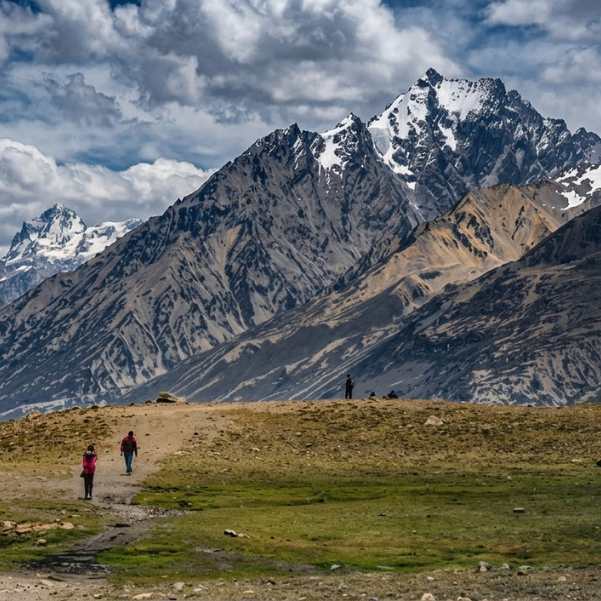
The short 1.5 to 2 km walk from parking to the lake is easy in terms of distance. A child could cover it on flat ground in 20 minutes. But at 4,300 metres, even this short walk can leave you breathless and lightheaded if you have not acclimatized.
The Hampta Pass trek with Chandratal is rated moderate. The pass crossing involves steep sections, loose scree, and possibly snow. You walk 5 to 7 hours on some days.
The total trekking distance is 26 km over the trail days. If you can walk 12 to 15 km on a hilly trail without major trouble, you can handle Hampta.
The Batal to Chandratal and Kunzum Pass to Chandratal walks fall somewhere in between. Not technically hard, but the altitude and exposure make them tiring.
Here is the money-saving tip most people miss: if you are doing the Hampta Pass trek through an operator, negotiate the Chandratal extension before you sign up.
Can Beginners, Families, and Kids Do the Chandratal Lake Trek?
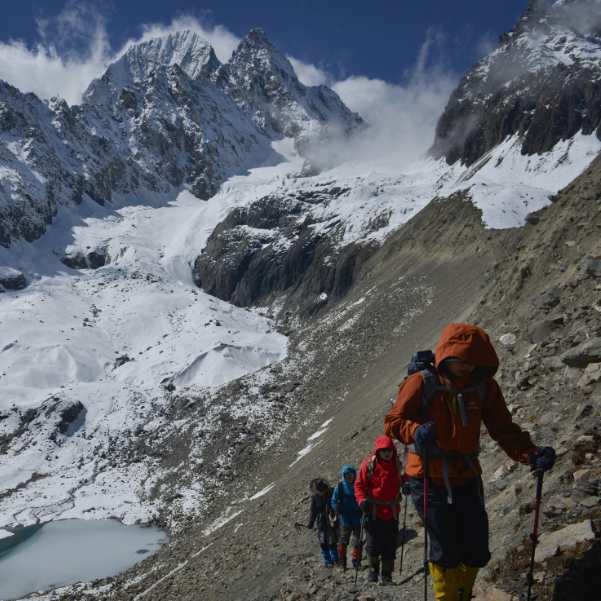
For the short lake walk from the parking area, yes. Beginners and families can do it if everyone has spent at least one or two nights at a mid-altitude point like Manali, Kaza, or Sissu before heading up.
Families with kids above 8 to 10 years can visit the lake safely in July or August when conditions are most stable. Walk slowly, take breaks, carry water, and watch for signs of altitude sickness: headache, nausea, unusual tiredness, or confusion.
Families with very young children or elderly members with heart or breathing conditions should skip the overnight camp and do a day visit from Batal instead.
For the Hampta Pass trek, total beginners with zero mountain experience should be cautious. The trek involves river crossings, steep climbs, and camping in cold conditions. A weekend hike or two before the trip makes a real difference.
If anyone in your group shows signs of AMS (Acute Mountain Sickness), descend. Do not wait it out at 4,300 metres. There is no medical facility at Chandratal. The nearest help is back towards Manali.
Camping at Chandratal: What Is Allowed and What Is Not
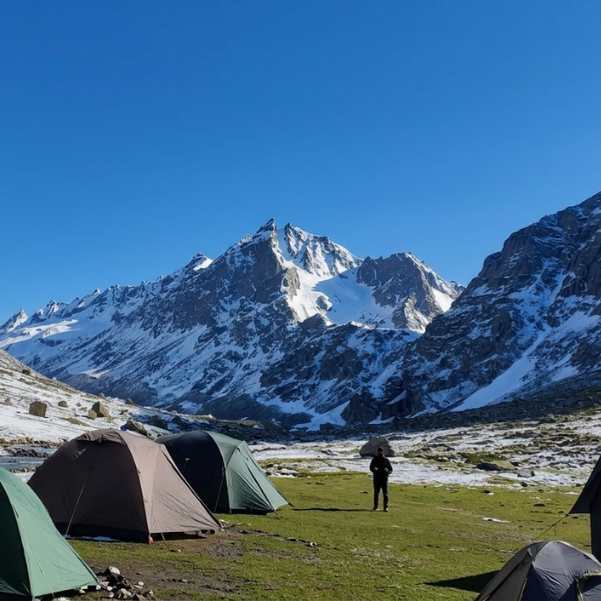
This catches more people off guard than anything else. You cannot camp on the lakeshore. Lakeside camping is not allowed.
Chandratal is an ecologically sensitive high-altitude wetland. The restrictions exist because unregulated camping would damage the fragile soil, vegetation, and water quality. Once you see how clean the lake still looks, you will understand why the rule matters.
Camps operate in a designated zone roughly 2 to 3 km from the lake. You stay at camp and walk to the lake for your visit. The walk takes about 20 to 40 minutes.
What to expect from camps: basic tents, sleeping bags, blankets, and simple meals like dal, rice, roti, and chai. Toilets are basic pit setups.
There is no electricity at most camps, and phone signal is essentially nonexistent. A few camps have a solar panel for limited charging.
The dhabas near Batal serve the last proper hot meals before you reach the camping zone. The momos at the small dhaba just past the Batal checkpoint are basic but filling. Do not skip a hot meal there, especially if you are arriving late and the camp food situation is unclear.
Set your expectations right and you will enjoy it. Arrive expecting a hotel and you will have a miserable night.
Chandratal Trek Cost: Budget, Camps, Taxis, and Trek Packages
The cost depends entirely on which version of the chandratal trek you are doing.
If you are visiting Chandratal as part of a road trip or Spiti circuit: your main costs are transport, fuel, food, and camping. Camp stays near Chandratal usually fall in the budget-to-mid-range category, but rates vary by season, camp setup, and inclusions.
Chandratal entry is commonly listed at ₹150 per person in cash. If you do not have your own vehicle, add local transfer or taxi costs from the Batal or Chhatru side, which can vary widely depending on availability and sharing.
A basic budget trip from Manali is often estimated at around ₹3,000 to ₹5,000 per person, but this depends heavily on transport sharing and camp choice.
For Hampta Pass with Chandratal, operator packages in 2026 generally start from the budget range and can go well above ₹9,000 depending on the company and what is included. Most packages include tents, trail meals, a guide, and support staff.
The Chandratal visit may or may not be included. Transport from Chatru to Chandratal is sometimes an extra charge.
Skip the overpriced "luxury camp" packages you see on Instagram unless you have confirmed exactly what "luxury" means at 4,300 metres. In most cases, it means a slightly thicker mattress and better food. The toilet is still a pit.
What to Pack for Chandratal and Hampta Pass
Pack for cold and sun on the same day. That sounds contradictory, but at 4,300 metres, noon sun burns your skin while the evening wind freezes your hands.
Warm layers are non-negotiable even in July. Carry thermals (top and bottom), a fleece, and a windproof jacket. A down jacket is worth its weight if you are camping overnight. Nights drop to zero or below even in summer.
Rain protection matters for Hampta Pass during July and August. A lightweight rain jacket or poncho takes no space and saves the day when monsoon showers hit the Kullu side.
Sunscreen with high SPF and UV-blocking sunglasses. The UV at this altitude is intense. Your nose and lips will burn before you realize it. Lip balm with SPF is something most people forget and regret.
A fully charged power bank because there is no reliable electricity at camps. Carry cash because no ATMs or UPI work out here. Pack basic medicines: paracetamol, ORS, anti-nausea tablets, and any personal prescriptions.
Carry a headlamp because camp areas are pitch dark after sunset. And bring a reusable water bottle with purification tablets.
What we always tell our travellers: carry a thermos of ginger tea from Manali. At 14,000 feet, a warm drink in the evening does more for your comfort than any amount of gear.
Important Safety Tips Before You Go
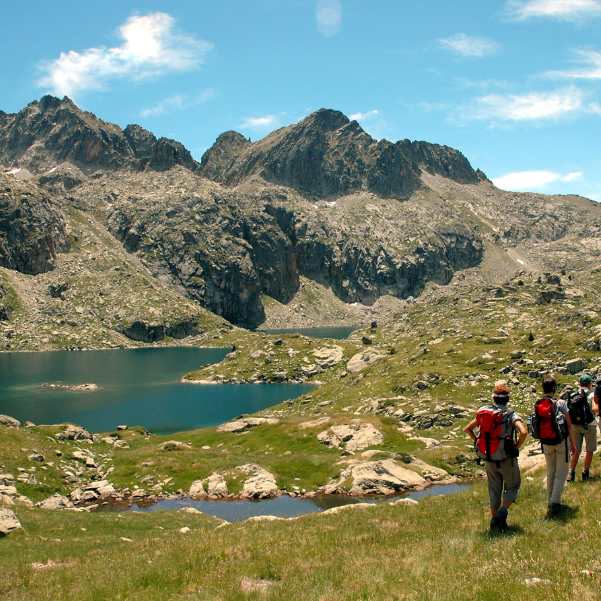
AMS is the biggest risk. Acute Mountain Sickness can hit anyone regardless of age or fitness. Stay hydrated, avoid alcohol, eat light meals, and walk slowly. If symptoms worsen, descend. Do not push through headaches and nausea at 4,300 metres.
The roads are rough. The Batal to Chandratal stretch is unpaved, narrow, and full of water crossings. A high-clearance SUV like a Thar, Bolero, or Gurkha is ideal.
Phone network barely exists. Most carriers get zero signal near Chandratal. BSNL sometimes catches a faint signal at certain spots.
Download offline maps, carry a physical backup of your itinerary, and tell someone your plan before you lose signal.
Weather changes fast. A clear morning can turn into rain or hail by afternoon. Check the road and weather update on the day of your departure from Manali or Kaza. Do not rely on a forecast from three days ago.
Check official road status before leaving. The Lahaul and Spiti District Administration updates road status regularly. Our team also shares live updates.
If you are entering or exiting via Manali, the Kinnaur route through Shimla is your backup if Kunzum Pass closes unexpectedly.
Our Suggested Itinerary for Travellers Who Mainly Want Chandratal
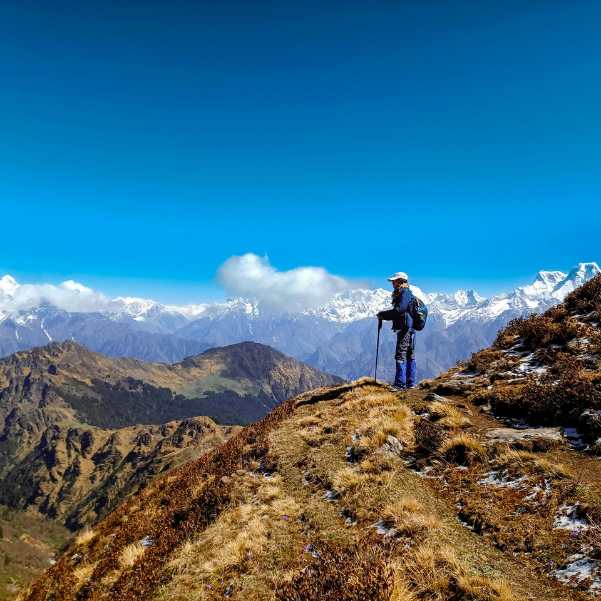
From the Manali Side (3 to 4 days)
Day 1: Arrive in Manali, rest, and acclimatize. Fill your fuel tank and withdraw cash. Day 2: Leave Manali by 5:30 AM. Drive through Atal Tunnel to Sissu, continue to Batal, and reach the Chandratal camping zone by afternoon.
Visit the lake before sunset. Day 3: Wake up early, walk to the lake for sunrise. Start the return drive to Manali. Day 4: Buffer day for road delays or bad weather.
This version is tight on Day 2 and 3 but works if you start early and your vehicle is up for it.
From the Spiti Side (adding Chandratal to a Spiti circuit)
If you are already in Kaza, drive to Losar and then over Kunzum Pass to the Chandratal diversion.
The distance from Kaza to Chandratal is roughly 80 to 90 km. Camp overnight, visit the lake, and then continue towards Manali the next day.
This is the more comfortable option because your body is already adjusted to altitude after days in Spiti. Our summer Spiti circuit with Chandratal follows this approach and builds in proper acclimatization stops before you reach the lake.
👉 WhatsApp us for a customised Spiti itinerary
Final Verdict: Should You Choose the Lake Walk, the Kunzum Trail, or Hampta Pass with Chandratal?
If you have limited time and are doing a Spiti road trip, the short parking-to-lake walk is perfect.
You get the full Chandratal experience without committing days to trekking. Just make sure you are acclimatized.
If you want a longer day hike with solitude and views, the Kunzum Pass to Chandratal trail gives you that.
It is underrated and worth the effort, especially in September when the landscape is golden and the trail is empty.
If you want a proper multi-day trek that combines forests, alpine meadows, a pass crossing, and a high-altitude lake, the Hampta Pass trek with Chandratal is the one.
It is one of the best moderate treks in India and the landscape shift from Kullu to Lahaul is something you will remember.
Whichever version you choose, do not skip acclimatization, do not underestimate the cold, and do not trust a random blog post for road status.
Check with locals, check official sources, and pack warmer than you think you need to.
Explore Our Curated Chandratal Tours
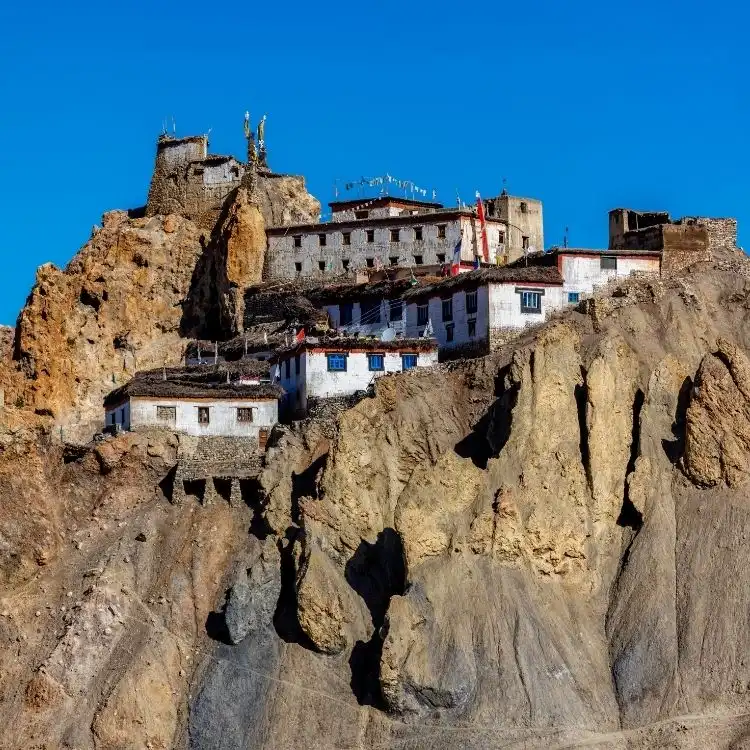 Group Tour10D/9N
Full Spiti Valley Circuit With Chandratal
1D Narkanda•1D Sangla+5
₹29,999₹32,999SAVE INR 3,000/ person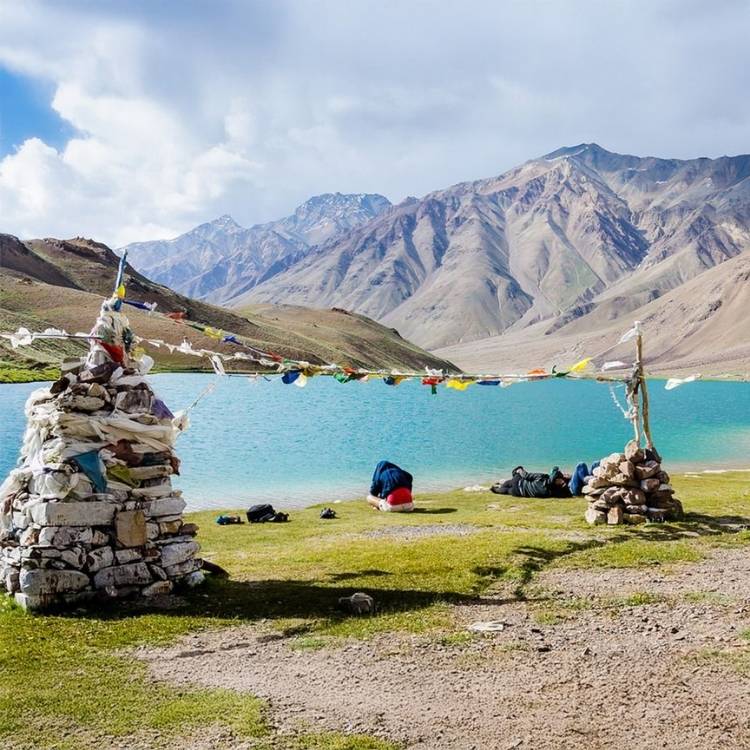 10D/9N
Summer Spiti Circuit With Chandratal
1D Narkanda•1D Sangla+5
₹29,999₹38,999SAVE INR 9,000/ person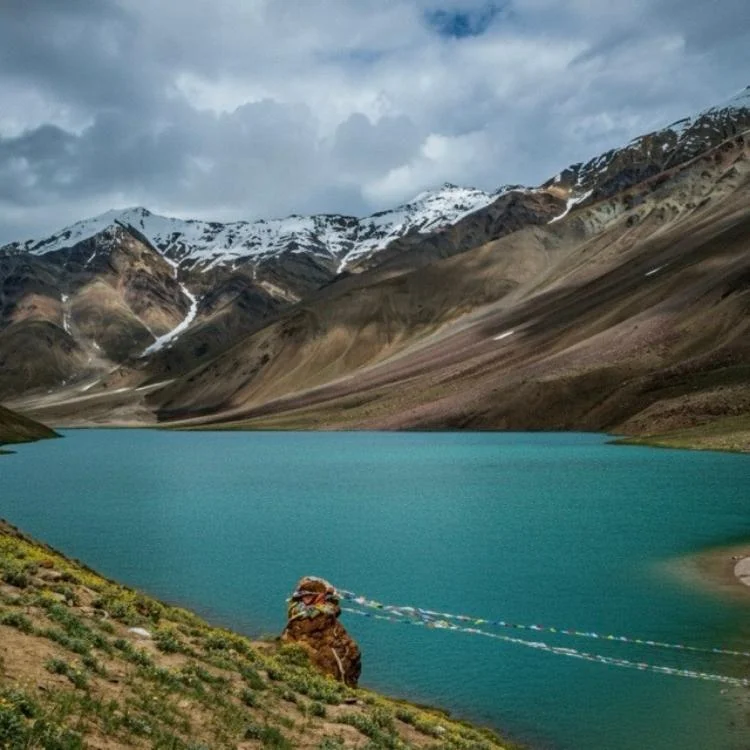 10D/9N
Shimla Spiti Manali Circuit With Chandratal
1D Narkanda•1D Sangla+5
₹45,999₹52,499SAVE INR 6,500/ person Group Tour10D/9N
Most Loved Spiti Valley Bike Expedition With Chandratal
1D Jibhi•1D Sangla+4
₹34,999₹41,999SAVE INR 7,000/ person 6D/5N
6D/5NMini Spiti Circuit With Chandratal From Manali
2D Kaza•1D Chandratal Camp
₹26,999₹29,999SAVE INR 3,000/ person
Related topics
Frequently Asked Questions
Is Chandratal trek difficult?
The short 1.5 to 2 km walk from parking to the lake is easy in terms of distance but the altitude at around 4,300 metres makes it physically demanding for people who have not acclimatized. The Hampta Pass trek with Chandratal is rated moderate and suits fit beginners with some prior hiking experience.
How long is the walk from parking to Chandratal Lake?
About 1.5 to 2 km one way. It takes roughly 20 to 40 minutes depending on your pace and how you handle the altitude. The path is mostly flat with gentle inclines.
Can I visit Chandratal without trekking?
Yes. During the normal season (mid-June to September), you can drive to the parking area and walk the short distance to the lake. No trekking gear or guide needed. You do need a high-clearance vehicle for the road from Batal.
Does Hampta Pass trek include Chandratal Lake?
Most commercial Hampta Pass trek itineraries include a Chandratal visit after the trek ends at Chatru. However, this depends on road conditions and weather. Some operators charge extra for the Chandratal extension, so confirm before booking.
Is camping allowed near Chandratal?
Camping is allowed in the designated zone about 2 to 3 km from the lake. Camping directly on the lakeshore is not permitted. Seasonal camps operate here from mid-June to early October with basic tents, meals, and toilet facilities.
What is the altitude of Chandratal Lake?
Chandratal Lake sits at around 4,300 metres above sea level. This is high enough for altitude sickness to affect anyone, so proper acclimatization is essential before visiting.
What is the best month to visit Chandratal?
September is the best month for clear skies, fewer crowds, and stunning lake colours. July is the safest choice for families and first-timers. June offers dramatic snow-tinged scenery but comes with more uncertainty about road access.
Do I need a permit for Chandratal in 2026?
Yes. The Himachal e-Aagman portal requires an e-permit per vehicle for the Atal Tunnel to Rohtang to Koksar to Chandratal circuit. Check the latest permit rules before you travel as these can change by season.
Can beginners do Hampta Pass with Chandratal?
Fit beginners with some prior hiking experience can handle it. The trek is rated moderate with a total distance of about 26 km. Total beginners with zero mountain exposure should prepare with a few shorter hikes first and spend a full day acclimatizing in Manali before the trek starts.
Is Chandratal safe in September?
Yes, September is one of the most stable months for both roads and weather. Nights get cold, often dropping below freezing, so pack serious warm layers. Camps remain open through most of September. The crowds thin out and the views are at their clearest.
Can I do Chandratal as a day trip from Kaza?
It is a long day but possible. The drive from Kaza takes about 4 to 5 hours one way. You would need to leave very early, spend a couple of hours at the lake, and drive back the same day. It is much better as an overnight trip with camping near the lake.
Is Chandratal open in early June?
Early June is a coin toss. In some years the road opens and camps start running. In other years, snow clearance is still underway. Always check the official road status and camp availability separately before committing to early June dates. Mid-June onward is a safer bet.
More about Chandratal
 Chandratal
Chandratal by Bike Safety in 2026: Road Difficulty, Timing & Pillion Tips
Planning to ride to Chandratal by bike in 2026? This complete guide covers road difficulty, riding conditions, the best time to visit, safety precautions, water crossings, and pillion tips to help you enjoy one of Himachal Pradesh's most iconic high-altitude rides with confidence.
- Bike Trips
- Altitude & Health
- +1
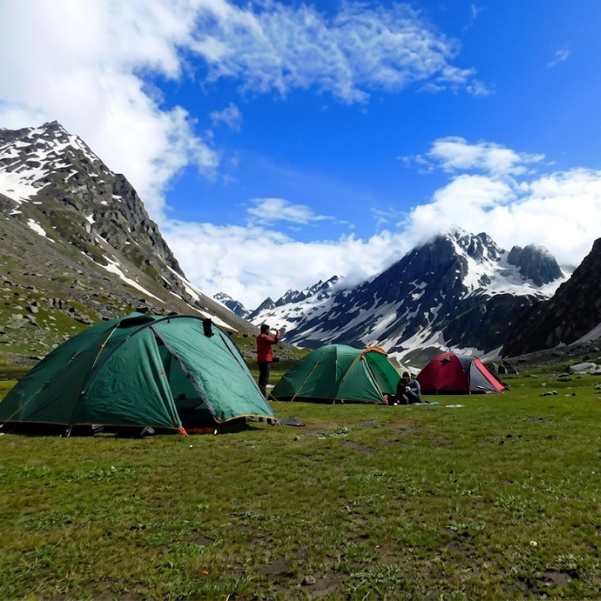 Chandratal
Where to Stay If Chandratal Camps Are Not Available in 2026
If Chandratal camps are not available in 2026, stay at nearby alternatives like Batal, Losar, or Kaza. Since camping is not allowed at the lake itself and designated camps operate a few kilometers away, these villages are the safest backup options for travelers planning a Spiti Valley trip.
- Itinerary
- Best Time to Visit
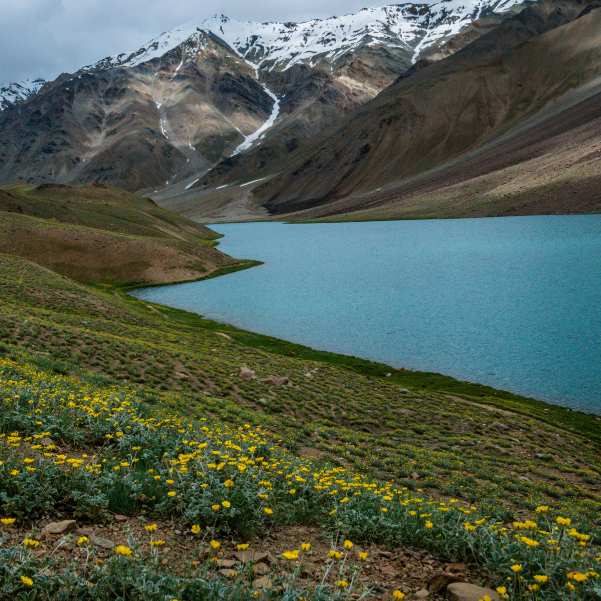 Chandratal
Is Chandratal Crowded in June 2026? Honest Crowd, Road and Camp Guide
Planning Chandratal in June 2026? Here’s an honest guide to crowds, road opening chances, campsite availability, lake access, and the best time to visit without chaos.
- Best Time to Visit