
Chandratal by Bike Safety in 2026: Road Difficulty, Timing & Pillion Tips
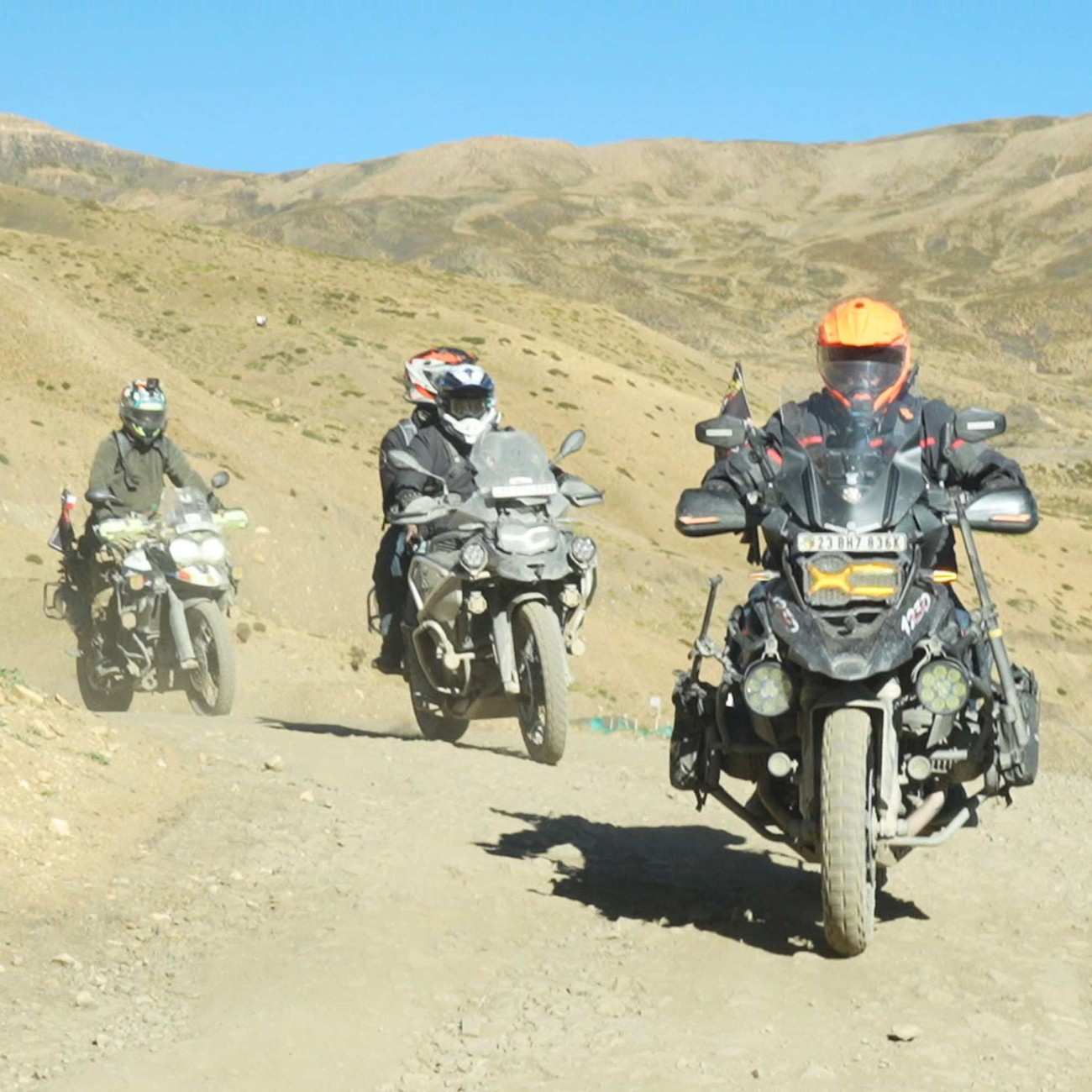
The Chandratal by bike dream looks great on Instagram. A Royal Enfield parked against a blue crescent lake at 14,000 feet, mountains everywhere, not a soul in sight.
What Instagram does not show you is the 14 km of broken gravel before that photo, the water crossing that soaked your boots three hours earlier, or the headache that started creeping in around Batal because you skipped acclimatisation.
We have sent riders on this route every season. Some come back grinning. Some come back swearing they will never do it again. The difference is almost always preparation, not luck.
This guide by Travel Coffee gives you everything you need to decide if riding to Chandratal is right for you, and how to do it without wrecking your bike, your back, or your trip.
Quick Answer: Is Chandratal by Bike Safe in 2026?
Yes, Chandratal by bike is doable in 2026, but only for riders who are genuinely comfortable with rough mountain roads. This is not a highway cruise. You will ride through loose gravel, water crossings, broken patches, and thin air at over 4,300 metres.
The two hardest sections are Gramphu to Batal and Batal to Chandratal. The first one is long and exhausting. The second one is short but rough enough to test your patience and your tyres.
Pillion riding is possible. But if your pillion has back problems, knee issues, breathing trouble, or has never sat on a bike for more than an hour on a bad road, this is not the trip to start with.
What most riders get wrong is treating this like a long highway ride. It is not. The total distance from Manali to Chandratal is only about 110 to 130 km, but the ride takes 6 to 9 hours because of how slow the roads force you to go.
Where Is Chandratal and Why Is the Bike Ride So Demanding?
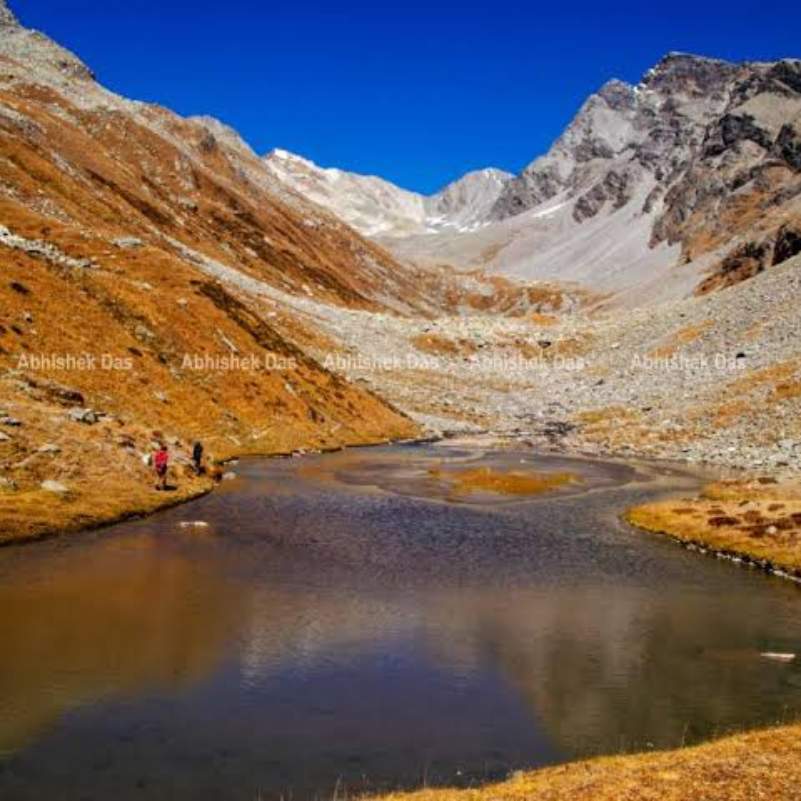
Chandratal Lake sits at about 14,000 ft (4,300 m) near Kunzum Pass in Lahaul-Spiti, Himachal Pradesh. On a map, it looks close to Manali. The distance seems short.
But the route has broken roads, water crossings, almost no fuel stops, no mechanic beyond Gramphu, no hospital anywhere close, and altitude that makes everything harder.
Once you cross Gramphu heading towards Batal, you are on your own. No reliable phone signal. No tow truck. If your chain snaps or your tyre blows near Batal, you are fixing it yourself or waiting for a passing vehicle.
It is not the distance that makes this ride hard. It is the isolation combined with the road quality and the altitude. If you are planning a broader Spiti trip with Chandratal, our Lahaul and Spiti Valley packages handle the logistics so you can focus on the riding.
Which Route Should You Take to Chandratal by Bike?
Manali to Chandratal via Atal Tunnel
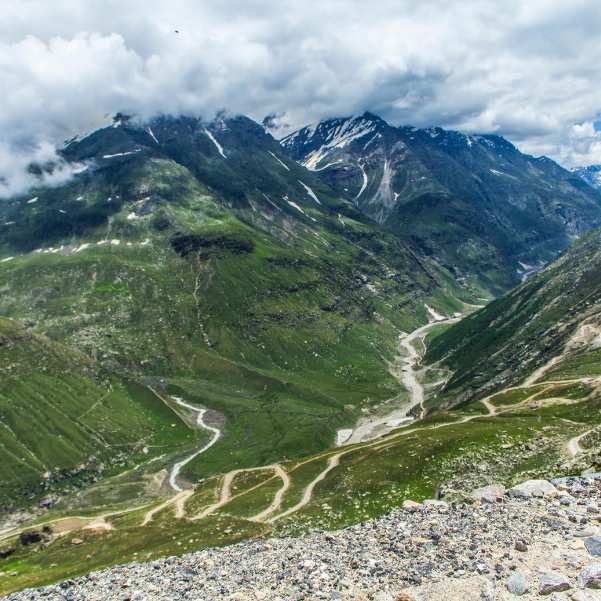
This is the route most riders take. You leave Manali, enter the Atal Tunnel, come out in Sissu, continue through Koksar, reach Gramphu, push on to Batal, and then take the diversion towards Chandratal.
The Atal Tunnel route is the practical choice because it skips the old Rohtang climb entirely. You do not need a Rohtang tourism permit for this route.
The tunnel saves you about 3 to 4 hours compared to the old Rohtang road, and your bike does not take the beating of that climb before the real ride even begins.
If you are starting from Manali and want to combine the ride with some local activities beforehand, our Manali tour packages include options that work well as a pre-ride base.
Kaza to Chandratal via Losar and Kunzum
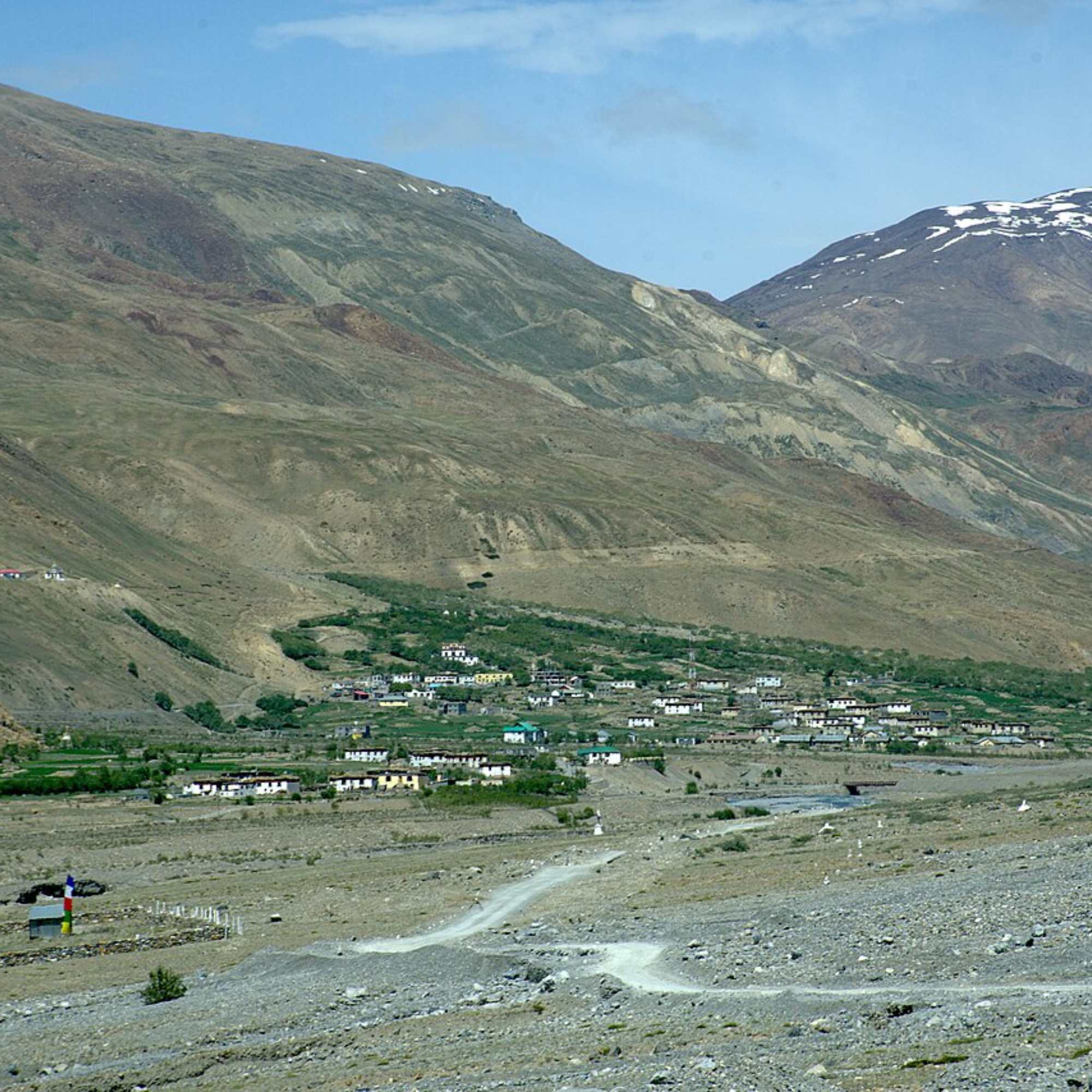
If you are already doing the Spiti circuit, this is the natural approach. You ride from Kaza through Losar, climb up to Kunzum Pass at about 4,551 m (14,931 ft), and then descend towards the Chandratal diversion.
This route is usually better for acclimatisation. By the time you reach Chandratal from the Kaza side, you have already spent a few nights at high altitude.
Your body has had time to adjust. Riders who come directly from Manali in one shot often feel the altitude at the lake much more sharply.
The Kaza side also tends to open slightly earlier in the season because BRO clears Kunzum Pass from this direction first.
Rohtang Pass Route
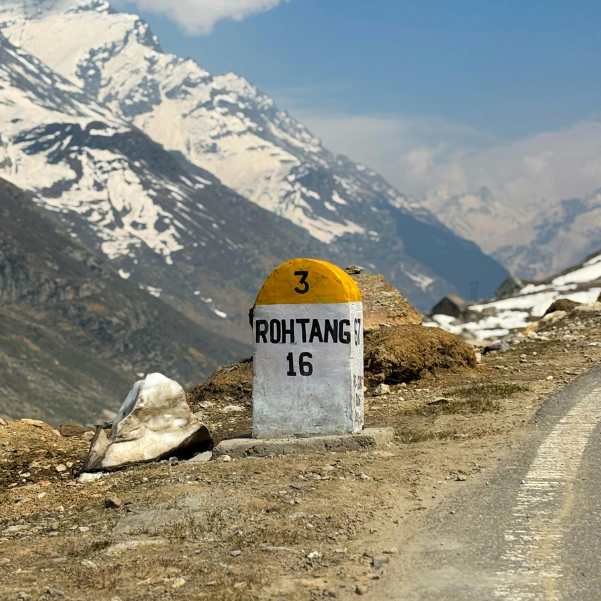
This is only an option if you specifically want to ride over Rohtang or if the tunnel route is closed. The Rohtang climb is steep, slow, and often crowded with tourist vehicles. You need a separate Rohtang tourism permit for this route.
Explore our Lahaul & Spiti bike tour packages for detailed itineraries, package inclusions, transparent pricing, ride dates, and everything you need to plan your Himalayan bike adventure.
How Difficult Is the Chandratal Bike Road Section by Section?
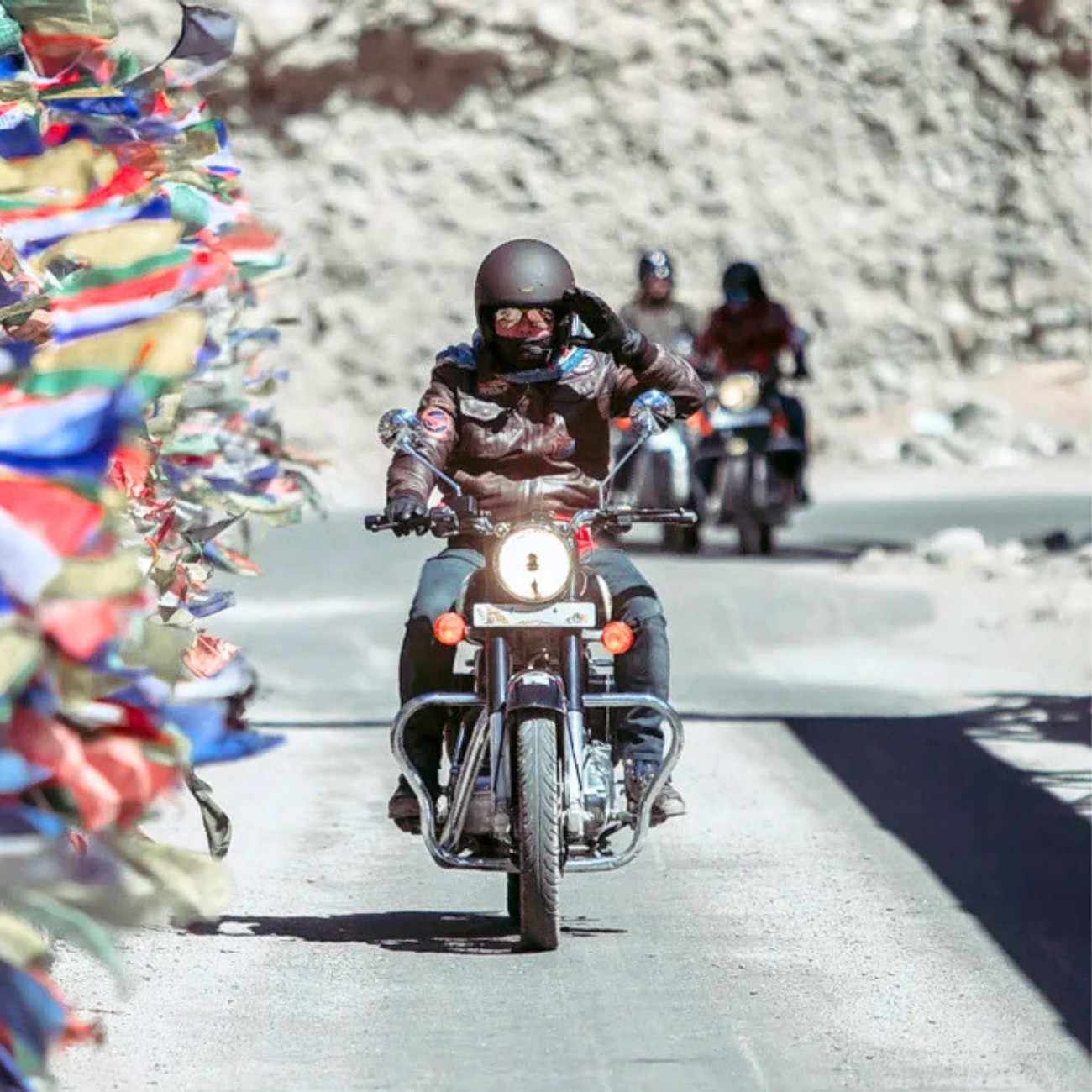
Here is what each section actually feels like on a bike. In our experience running this route season after season, riders who know what is coming handle it far better than riders who only checked Google Maps.
Manali to Atal Tunnel and Sissu
This is the easy part. The road to the tunnel is smooth, the tunnel itself is a straight 9 km ride, and Sissu on the other side has decent roads, dhabas, and even phone signal.
Do not let this section make you overconfident. Many riders cruise through here thinking the whole ride will feel like this. It will not. The real ride begins after Gramphu.
Sissu to Gramphu
Still manageable. The road follows the Chandra River, the scenery starts opening up, and you get your first taste of Lahaul's dry, open landscape. Sissu is also the last place where you will find reliable food, chai, and a chance to top up fuel if someone is selling it.
Use this stretch to check your luggage straps, tighten anything loose, eat something warm, and mentally prepare. After Gramphu, the character of the ride changes completely.
Gramphu to Batal
This is where the Chandratal bike trip gets real.
Gramphu to Batal is around 55 to 60 km. It has unpaved patches, loose gravel, rocks, water crossings, and narrow sections where two vehicles can barely pass.
Your speed will drop to 15 to 20 km/h in places. What looks like a 2-hour ride on the map can easily take 4 to 5 hours on the ground.
Our drivers always say the same thing about this stretch: "Gramphu ke baad, road ka mood badal jaata hai." After Gramphu, the road changes its mood. They are not wrong.
One money-saving tip that most riders miss: carry your own puncture kit and basic tools from Manali. The only "mechanic" between Gramphu and Batal is whoever happens to be travelling the same road.
If someone does stop to help, you will pay ₹500 to ₹1,000 for a fix that costs ₹100 in Manali.
Batal to Chandratal
Batal is a collection of tin-roof dhabas and not much else. From here, the final diversion to Chandratal is about 14 km.
This stretch is rough, narrow, unpaved, gravelly, and can have active water crossings. It has steep and bumpy patches with no proper margin for careless riding. Loose rocks can slide under your tyres. The road has no guardrails, no markers, and no forgiveness for speed.
This is often the hardest part for pillion riders. The constant bumping, combined with the altitude and the cold, wears down even patient pillions. If your pillion is already tired from the Gramphu-Batal stretch, the Batal-Chandratal section will test their limits.
Skip the paid "guide" service that some guys at Batal offer for the last 14 km. The road is a single track with no turns to miss. Save that money for the camp.
Final Parking to Lake Walk
Vehicles stop at a parking area before the lake. From there, you walk roughly 1.5 to 2 km to the lakeshore, which takes about 20 to 30 minutes at altitude.
This walk feels longer than it looks because you are at 14,000 feet. Your legs are stiff from riding. The air is thin. Walk slowly. Do not rush. And carry water because there is nothing sold between the parking lot and the lake.
Chandratal technically sits at the border of Lahaul and Spiti, which confuses a lot of riders planning their route. Our guide on whether Chandratal is in Lahaul or Spiti explains why this matters for your planning.
What Is the Best Time to Ride to Chandratal in 2026?
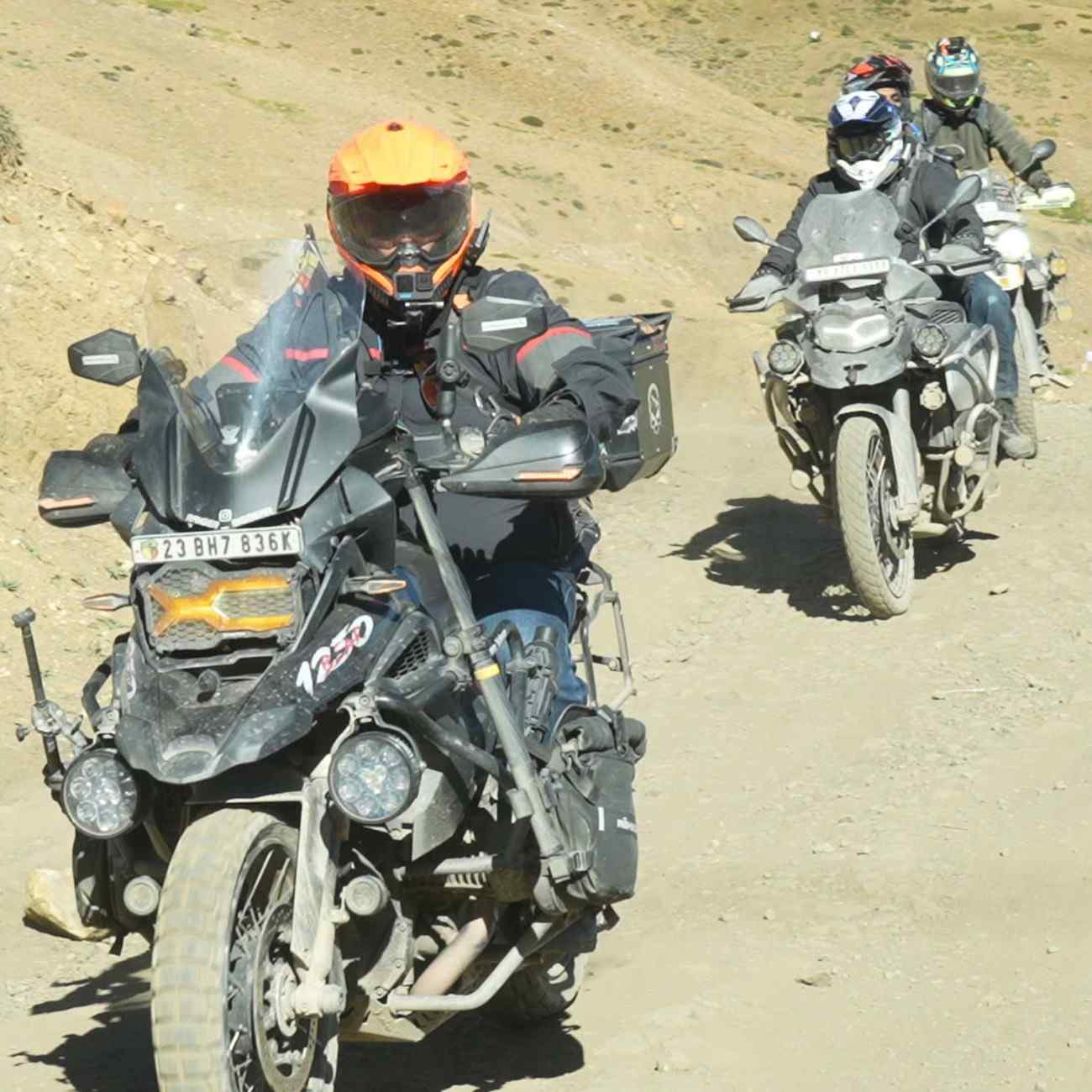
June
June is when Chandratal starts becoming accessible. The roads clear, the camps begin setting up, and the landscape still has snow on the higher peaks.
But early June is a gamble. Snowmelt creates stronger water crossings, and the Batal diversion road needs same-day confirmation before you ride it.
Mid to late June is more reliable. By then, most camps are running and the water crossings are more predictable.
July and August
Camps are usually more reliable in these months. The road has settled after early-season clearing. Daytime weather is warmer.
But monsoon rain can make water crossings deeper and create slush patches between Gramphu and Batal. Do not ride casually in rain on this route.
Wet gravel and loose rocks become genuinely dangerous. If it starts raining hard, pull over and wait it out. The road is not worth the risk in poor visibility.
September
This is quietly the best month for a Chandratal bike trip. Roads are usually drier, skies are clearer, and crowds are thinner. The landscape shifts to golden-brown tones that photograph like a dream.
Nights get seriously cold. You will need proper thermals and a good sleeping bag at camp. But the riding conditions during the day are usually the best of the entire season.
October to May
Avoid this period. Camps shut down. Snow can close Kunzum Pass and the Batal diversion without warning. Unless local authorities and camp operators confirm access for your exact dates, do not attempt it.
Our Chandratal opening dates and season guide covers the month-by-month reality if you want the full breakdown.
What Time of Day Should You Start the Ride?
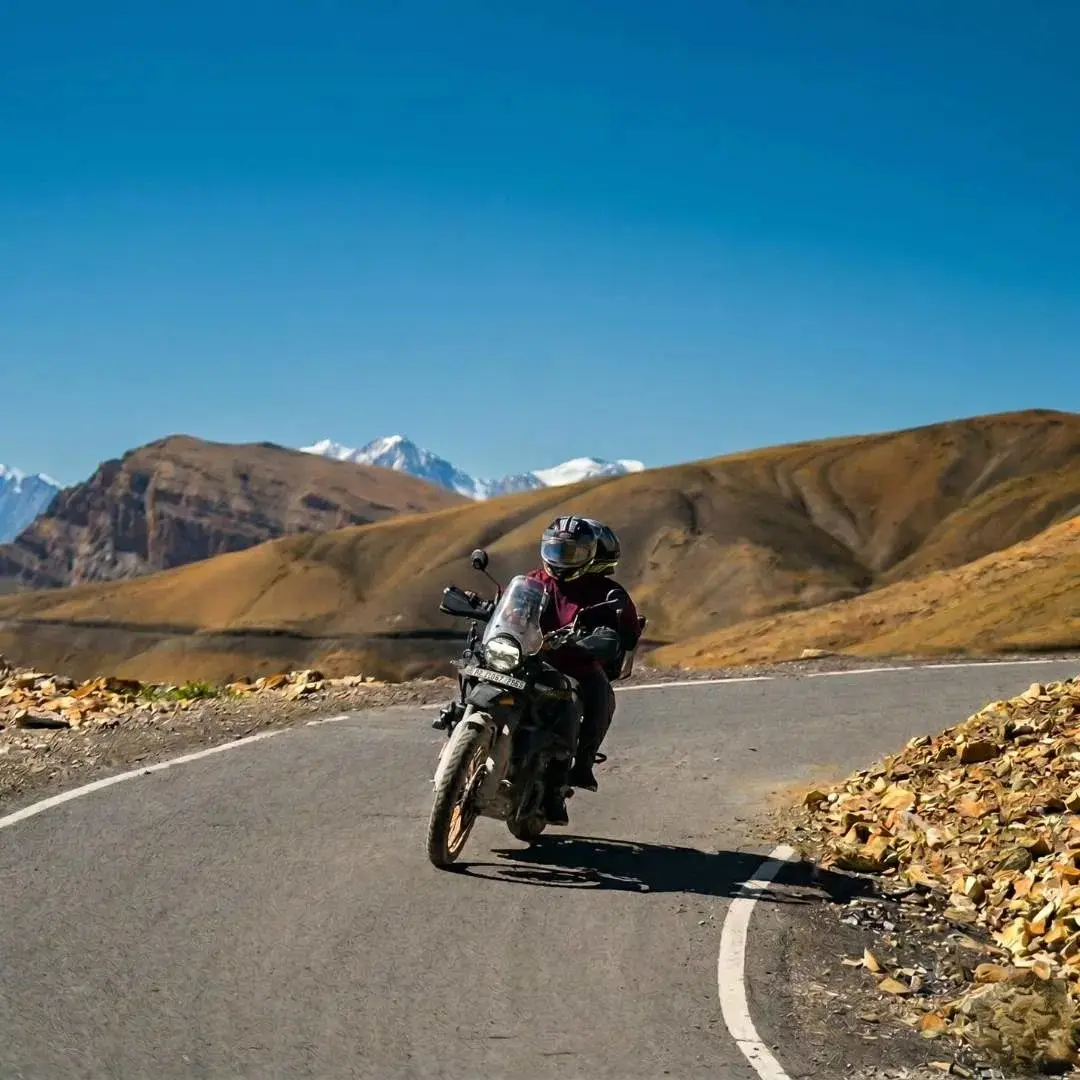
Start from Manali by 5:30 to 6:00 AM if you are heading to Chandratal the same day.
There are two reasons for this. First, the Atal Tunnel queue gets longer after 8 AM. Starting early means you clear it fast. Second, and more important, water crossings between Gramphu and Batal get stronger as the day heats up.
Snowmelt accelerates by afternoon, and a crossing that was ankle-deep at 10 AM can be knee-deep by 3 PM.
Reach the lake before 7 AM the next morning if you camp overnight. The light on the water at sunrise is completely different from what you see at noon. By 10 AM, the first wave of day-trippers arrives from Kaza and the trail turns into a queue.
Never ride the Batal to Chandratal diversion after dark. There are no lights, no markers, and loose rocks that you cannot see. If you are running late, stay at Batal and ride to the lake the next morning.
Can You Ride to Chandratal With a Pillion?
When Pillion Is Okay
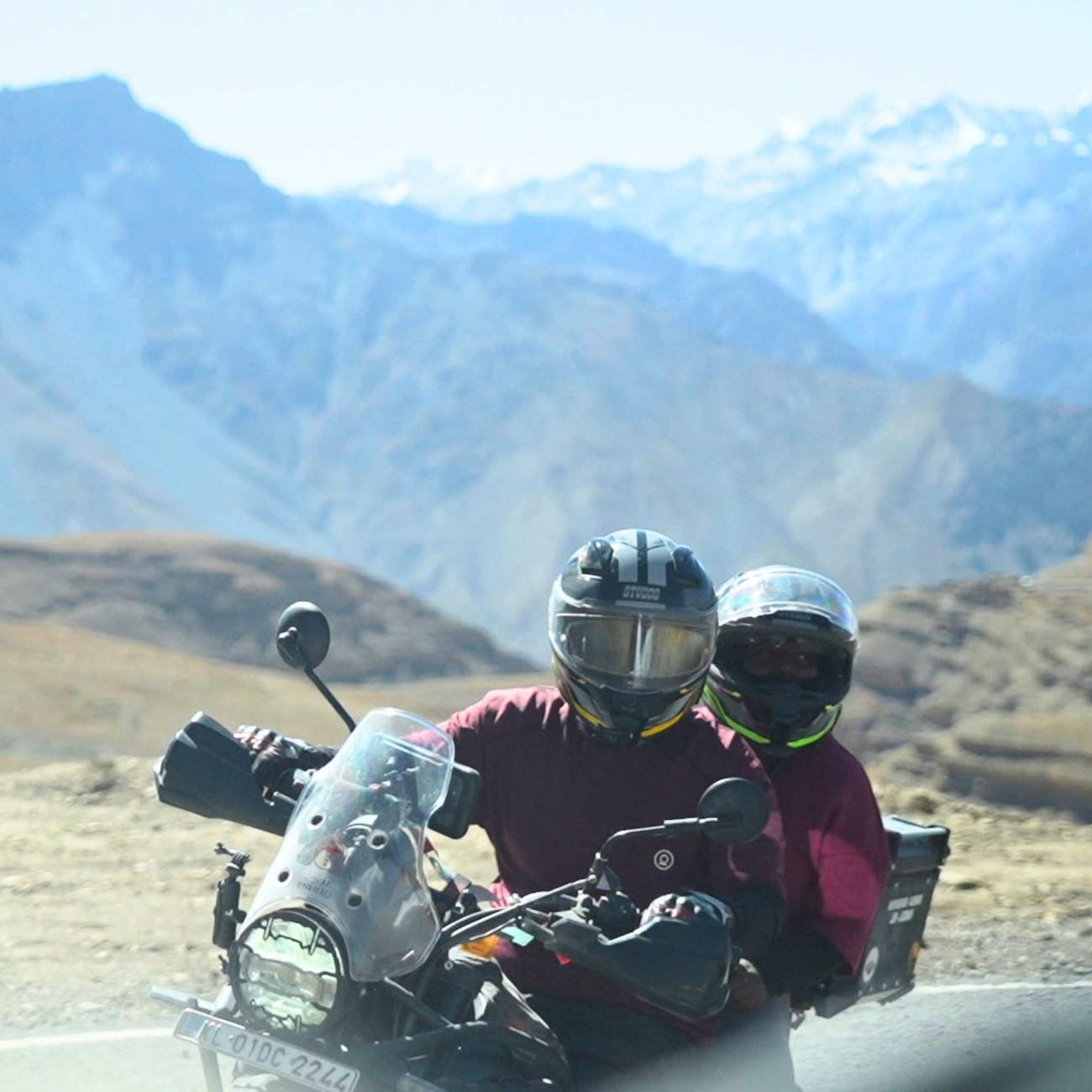
Pillion riding to Chandratal works when the rider has proper mountain road experience, the bike is freshly serviced, luggage is light and balanced, and both people are mentally prepared for hours of rough road discomfort.
We have seen couples do this route beautifully. The ones who managed it well had one thing in common: they talked about comfort openly, took breaks every 30 to 45 minutes, and did not treat the ride as a race to the lake.
When Pillion Is Not Recommended
Avoid taking a pillion if the rider is a complete beginner on mountain roads. Avoid it if luggage is heavy and poorly strapped. Avoid it if tyres are worn or brakes are soft. Avoid it if rain is forecast on the day you plan the Batal stretch.
And avoid it if either person has back, knee, or breathing issues that get worse with vibration and altitude.
If your pillion has never done a rough mountain ride before, a short test ride on an unpaved road near Manali will tell you both more than any blog can. Do that test before committing to the Chandratal route.
If you are a solo female rider or travelling with a female pillion and have safety concerns about the route, our Spiti solo female safety guide covers what to expect honestly.
Pillion Sitting and Communication Tips
The pillion should avoid sudden leaning, especially on gravel. Keep movements small. Hold the rider's waist or the grab rail calmly. Do not grip in panic because that throws the bike's balance off.
Use simple shoulder taps for communication. One tap for "I need a break," two taps for "stop now, something is wrong." Agree on these signals before you leave.
Take stretching breaks every 30 to 40 minutes on the rough sections. The pillion absorbs more shock than the rider, especially on a bike without rear suspension adjustment. Getting off the bike and walking for 5 minutes makes the next hour much more bearable.
Which Bike Is Best for Chandratal?
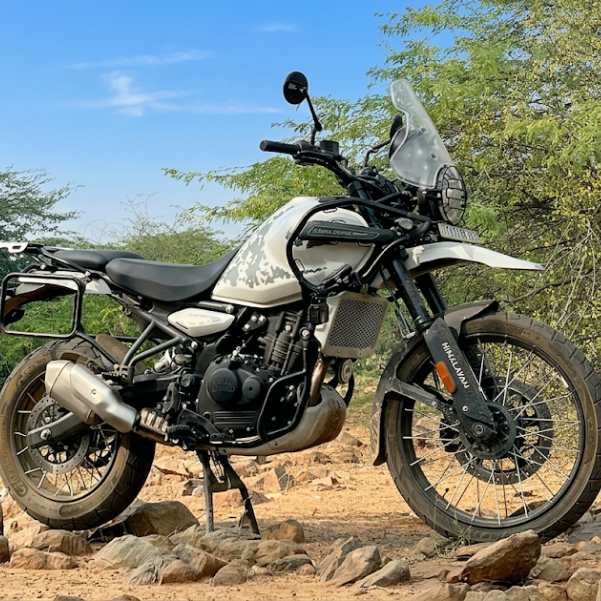
The best bike for Chandratal is the one in the best condition. Not the one that looks best in photos.
A Royal Enfield Himalayan handles this route well because of its ground clearance, suspension travel, and off-road geometry. A Classic 350 or Bullet can do it too, but the heavier weight and road-biased suspension make rough patches harder.
What matters more than the brand is the condition of your bike. Good brake pads, a responsive clutch cable, proper tyre tread with grip, functioning suspension, working lights, and balanced luggage will get you through. A shiny Himalayan with bald tyres and a lazy clutch will not.
For pillion rides, use a stable touring bike with enough power to climb loaded. Smaller 125cc or 150cc bikes can work solo and light, but they struggle with pillion weight on the steep, gravelly patches near Batal.
What we always tell riders who book through us: "Your bike does not need to be expensive. It needs to be honest. If the brakes feel spongy in Manali, they will feel invisible at Batal."
Bike Checklist Before Leaving Manali or Kaza
Check your tyre tread carefully. If the tread is smooth in any patch, get the tyres changed in Manali. Smooth tyres on wet gravel at altitude are a genuine safety hazard.
Check brake pads on both wheels, clutch cable for fraying, chain tension and lubrication, engine oil level, and all lights including the brake light. Carry a puncture repair kit, basic spanners that fit your bike, a spare clutch cable, bungee cords, and rain covers for bags.
Load your luggage and do a test ride around Manali. Ride over a speed breaker, turn sharply, brake hard once. If anything feels off, repack before you leave. The road to Chandratal amplifies every small problem.
Waterproof shoes matter more than waterproof jackets on this route. Your feet will get wet at water crossings. Cold, wet feet for hours drain your energy faster than anything else.
If you want to warm up with some adventure activities in Manali before the ride, there are good options.
What Permits and 2026 Road Checks Are Needed?
All vehicles entering Lahaul-Spiti need e-Aagman registration. This is an online e-pass system, and the Atal Tunnel-Rohtang-Koksar-Chandratal circuit requires an e-permit per vehicle.
You can apply on the official e-Aagman portal. Do this at least a day before your ride because last-minute applications sometimes get delayed.
If you are taking the Rohtang Pass route instead of the tunnel, you also need a separate Rohtang tourism permit. For the tunnel route, no Rohtang permit is needed.
Now here is the critical part. Even if you have the e-Aagman pass and the main road to Kaza is open, the Batal to Chandratal diversion is a separate question.
This stretch can change status within hours. A water crossing that was passable in the morning can become impassable by evening.
Always check the Chandratal diversion road status on the same day you plan to ride it. Ask local drivers, camp operators, or WhatsApp us for a quick ground-level update. We check this with our Batal contacts daily during the season.
How Many Days Do You Need for Chandratal by Bike?
2-Day Manali to Chandratal Plan
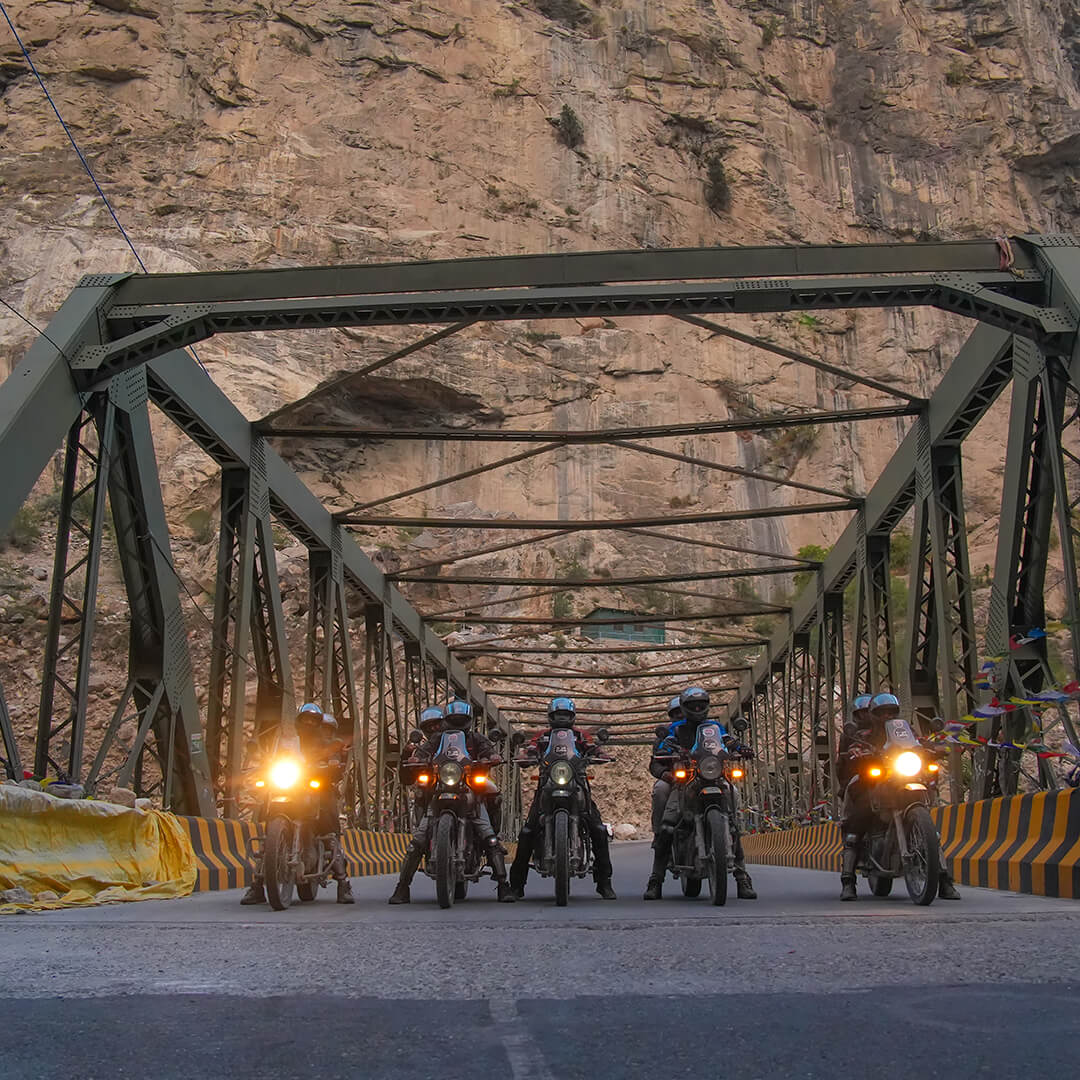
A 2-day plan means you ride from Manali to Chandratal on Day 1, camp overnight, and ride back on Day 2. It is possible but tiring.
You will spend 6 to 9 hours riding each way on rough roads. There is almost no buffer for bad weather, mechanical issues, or simply resting at the lake. This plan is not ideal for pillion riders or beginners because it combines rough roads and altitude in a very short window.
3-Day Comfortable Plan
This is the format we recommend for a standalone Chandratal bike trip.
Break the ride with an overnight stop at Sissu, Batal, or a camp near the Chandratal zone depending on road status and operator confirmation. This gives your body time to adjust to the altitude and gives you a real morning at the lake instead of a rushed visit.
The 3-day plan also means that if the Batal diversion is temporarily blocked on Day 1, you have a buffer day to wait it out without scrapping the whole trip.
Full Spiti Circuit Plan
This is the best way to experience Chandratal by bike if you have the time. You ride the full Spiti circuit over 8 to 10 days, explore Kaza, Key, Kibber, Langza, and then hit Chandratal towards the end as a natural stop before exiting towards Manali.
Your body is already acclimatised by then. You know how your bike handles rough terrain. The ride to the lake feels like a reward, not a battle. Our summer Spiti circuit with Chandratal follows this approach.
Where to Stay and Eat Near Chandratal?
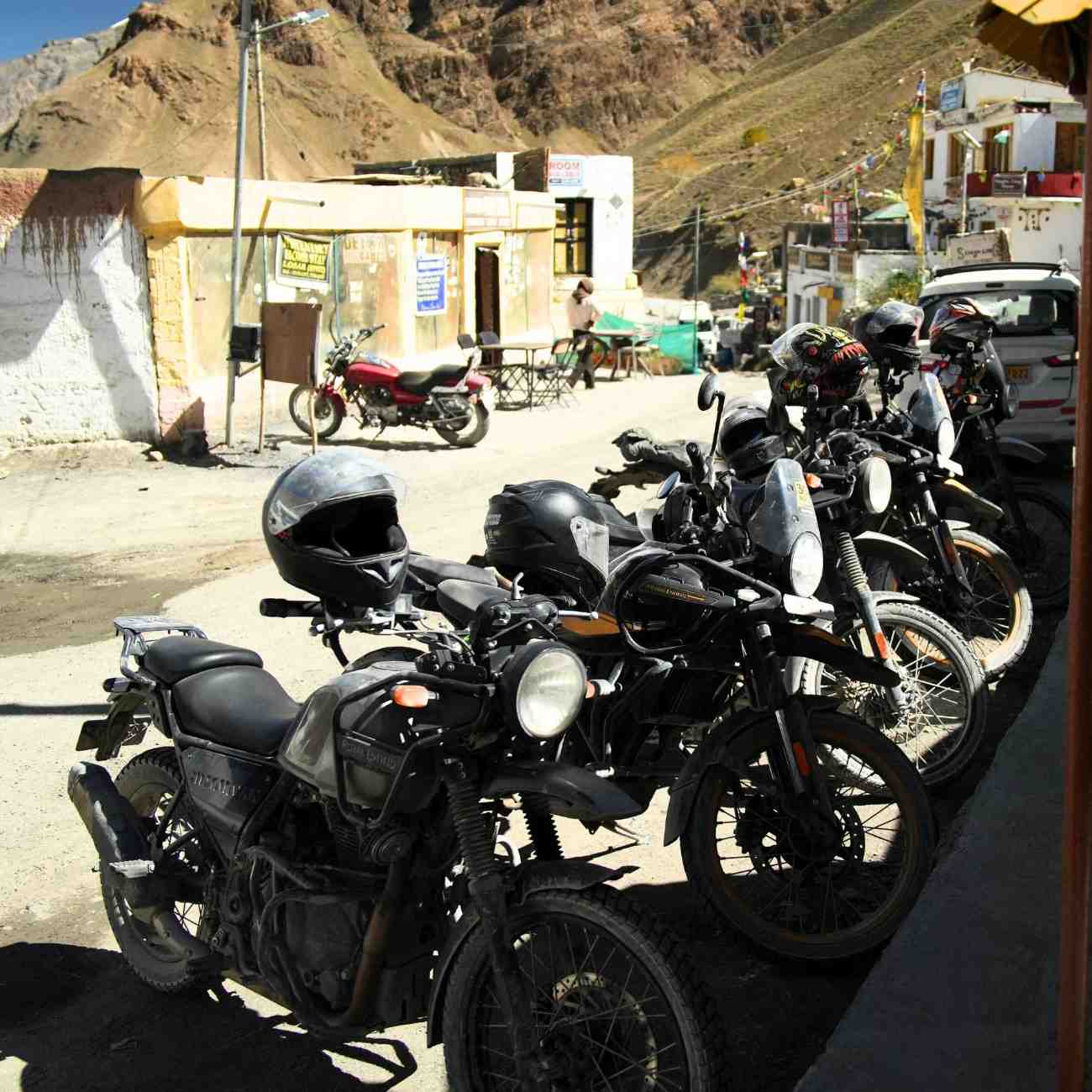
There are no hotels, restaurants, or shops at Chandratal Lake. Nothing.
Overnight stays depend on seasonal camps in the designated camping zone, roughly 2 to 3 km before the lake area. Camping on or near the lakeshore is not allowed because the ecosystem is fragile and protected.
Camps are basic. You get a tent, sleeping bags, blankets, and simple meals like dal, rice, roti, and chai. Toilets are pit toilets. There is no electricity at most camps, though some have a solar panel.
Camp costs range from ₹2,000 to ₹5,000 per person per night depending on the camp and what is included.
Batal has a couple of tin-roof dhabas where you can get hot food. The momos at the small dhaba just past the Batal checkpoint are the last proper hot meal before Chandratal. The guy running it sets up every season from June to September. Do not ride past without stopping.
Do not expect to find food or water between Batal and the lake. Carry your own dry snacks, water, and a thermos of something warm.
What Should You Pack for a Chandratal Bike Ride?
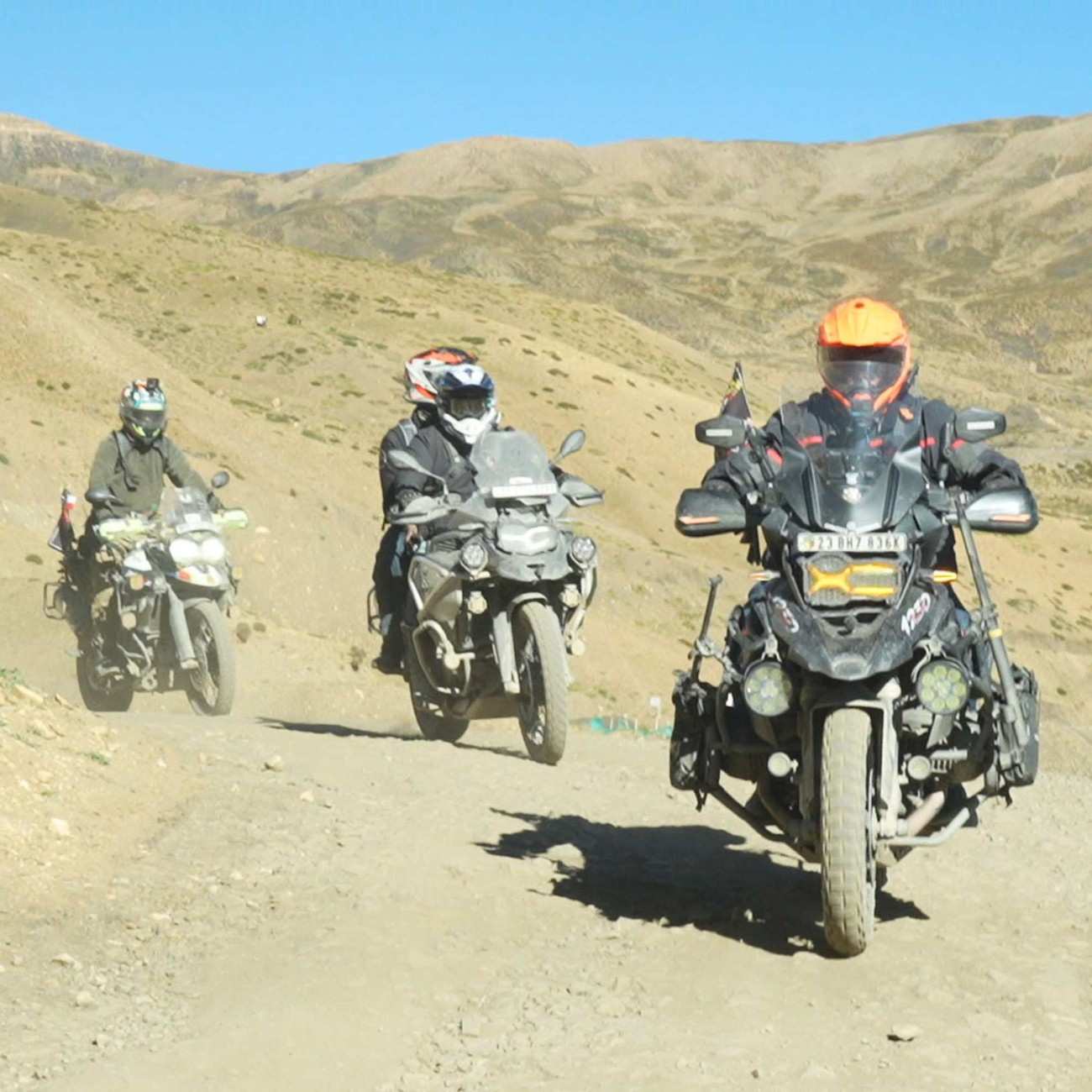
Your riding jacket needs to be windproof at minimum. Carry proper riding gloves and waterproof shoes because your feet will go through water crossings.
Pack thermal innerlayers, a fleece mid-layer, warm socks, and a cap or balaclava for the night. Even in July, temperatures drop to zero or below at camp.
Download offline maps before you leave Manali. Phone signal dies after Gramphu. Carry a fully charged power bank because there is no charging at camp.
For medicines, carry paracetamol, ORS packets, an antacid, and basic band-aids. If your doctor has recommended Diamox for altitude, carry that too. Do not take Diamox without medical advice.
Cash is critical. ATMs do not exist on this route. Dhabas and camps do not accept UPI or cards. Carry enough for the entire ride including food, fuel, camp, and any emergency repairs. And pack a trash bag. Everything you carry in, you carry out.
Common Mistakes Riders Make on the Chandratal Route
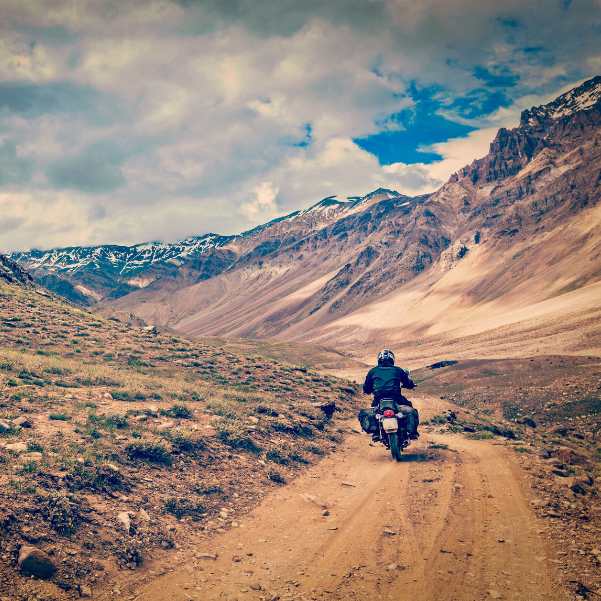
The biggest mistake is starting late from Manali. Riders who leave at 9 or 10 AM reach the rough sections as daylight fades.
Trusting Google Maps for time estimates is the second mistake. Google does not know about water crossings or gravel patches. Plan for 6 to 9 hours of actual riding.
Overpacking is common. Two large saddlebags plus a tank bag plus a backpack on the pillion changes your bike's centre of gravity. On gravel, that can mean a fall. Pack light.
Ignoring early headaches or breathlessness is dangerous. These are signs of altitude sickness. If you feel a headache building near Batal, drink water and rest.
If it gets worse, go back down. Altitude sickness can turn serious fast, and there is no medical help near Chandratal.
Forcing the Chandratal diversion when road status is unclear ruins trips too. The lake will still be there next week. Your bones might not heal as quickly.
Taking a pillion without testing comfort first is the mistake that ruins trips for two people instead of one.
Should You Do Chandratal by Bike or Choose a Guided Package?
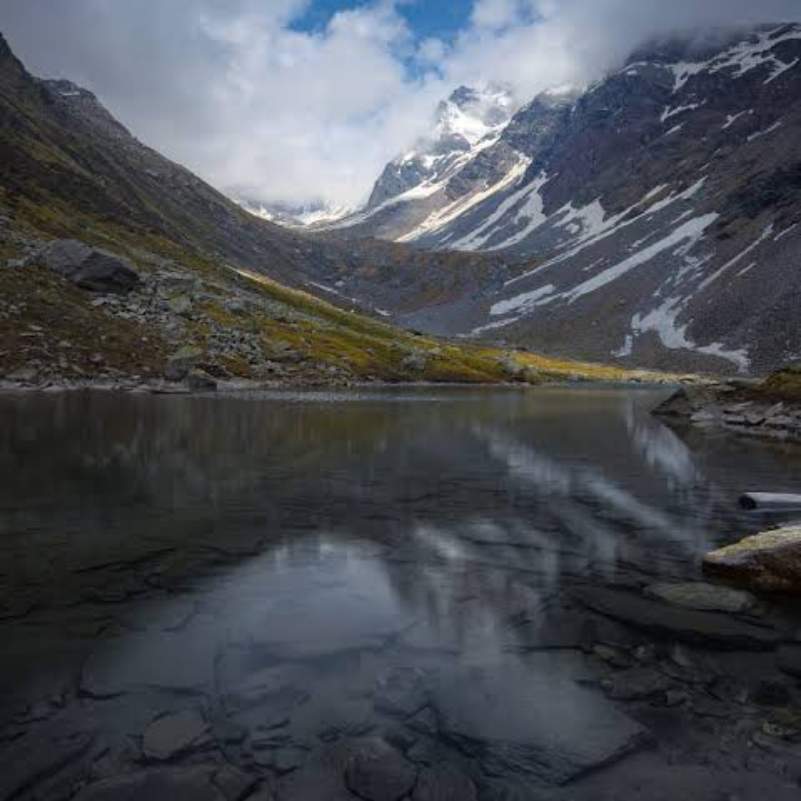
A self-ride gives you freedom. You stop when you want, ride at your own pace, and make decisions on the fly. For experienced mountain riders with flexible dates, this freedom is the whole point.
But freedom also means handling everything yourself: road status checks, fuel planning, camp bookings, permits, and emergency decisions. If your chain snaps at Batal, it is your problem to solve.
A guided package takes the logistics off your plate. Someone else checks the road, confirms the camp, and a backup vehicle carries extra fuel, tools, and heavy luggage.
In our experience, riders who have done two or three mountain trips before handle self-riding fine. First-timers and pillion couples almost always have a better experience with support.
Final Verdict: Who Should Ride to Chandratal by Bike?
Ride to Chandratal if you have mountain road experience, flexible travel dates, light luggage, a well-serviced bike, and the patience to ride slowly for hours without getting frustrated.
Choose a cab or guided support if you are a beginner, riding with a pillion who has comfort concerns, travelling with family, or locked into fixed dates where a road closure would wreck your plans.
There is no shame in choosing support. Chandratal is not a test of how tough you are. It is a lake at 14,000 feet that looks like something from another planet. How you get there matters far less than whether you enjoy it when you arrive.
Explore Spiti Valley Packages
Related topics
Frequently Asked Questions
Can we go to Chandratal by bike?
Yes. Chandratal is accessible by bike from mid-June to September, depending on road clearance. You ride from Manali via the Atal Tunnel, Gramphu, and Batal, or from Kaza via Kunzum Pass. The total ride takes 6 to 9 hours from Manali because of rough road conditions.
Is Chandratal safe for bikers?
Chandratal is safe for experienced mountain riders during the right season. The risks come from the road (loose gravel, water crossings, no guardrails), the altitude (14,000 feet), and the isolation (no mechanic, no hospital, no phone signal after Gramphu). Proper preparation reduces these risks significantly.
Can beginners ride to Chandratal?
Complete beginners should not attempt Chandratal by bike. The Gramphu to Batal and Batal to Chandratal stretches require confidence on broken, unpaved roads at high altitude. If you have only ridden on highways, get some mountain road experience first.
Can I take a pillion to Chandratal?
Yes, but only if the rider is experienced, the bike is well-maintained, luggage is light, and the pillion is prepared for hours of rough road discomfort. Test ride on an unpaved road near Manali first. If either person is uncomfortable, reconsider.
Which bike is best for Chandratal?
Any well-maintained bike with good ground clearance, functional brakes, proper tyre tread, and a responsive clutch can handle this route. The Himalayan is popular because of its off-road geometry. Classics and Bullets work too but feel heavier on gravel. Condition matters more than brand.
Is Himalayan good for Chandratal?
Yes. The Royal Enfield Himalayan is one of the better choices for this route because of its ground clearance, suspension, and lighter weight compared to the Classic or Bullet. But a poorly maintained Himalayan will still struggle. Service it properly before the ride.
Is Classic 350 enough for Chandratal?
A Classic 350 can reach Chandratal if serviced well. The heavier weight makes gravel sections harder, and the road-biased suspension means you feel every bump more. It works solo and light. With a pillion, the extra weight on rough terrain makes the ride significantly harder.
What is the best month for Chandratal bike trip?
September is the most balanced month. Roads are usually drier, skies clearer, and crowds smaller. July and August work well too but can have monsoon-related slush. June is beautiful but uncertain, especially early June.
How difficult is Batal to Chandratal road?
The Batal to Chandratal stretch is about 14 km of rough, unpaved, narrow road with loose gravel, steep patches, and possible water crossings. It is the hardest section of the entire ride. Speeds drop to walking pace in places. Allow 1.5 to 2 hours for this short distance.
Do we need e-Aagman for Chandratal?
Yes. All vehicles entering Lahaul-Spiti need e-Aagman registration. The Atal Tunnel-Rohtang-Koksar-Chandratal circuit requires an e-permit per vehicle. Apply online at least a day before your ride. A separate Rohtang permit is needed only if you take the Rohtang Pass route.
Can we camp at Chandratal Lake?
You can camp in the designated camping zone roughly 2 to 3 km before the lake area. Camping on or near the lakeshore is not allowed. Seasonal camps operate from around mid-June to early October with basic tents, meals, and facilities.
How many days are enough for Chandratal by bike?
A 2-day trip from Manali is possible but exhausting. A 3-day plan with one overnight stop before Chandratal is much more comfortable and gives you buffer for road delays. If you are doing the full Spiti circuit, plan 8 to 10 days.
More about Chandratal
 Chandratal
Where to Stay If Chandratal Camps Are Not Available in 2026
If Chandratal camps are not available in 2026, stay at nearby alternatives like Batal, Losar, or Kaza. Since camping is not allowed at the lake itself and designated camps operate a few kilometers away, these villages are the safest backup options for travelers planning a Spiti Valley trip.
- Itinerary
- Best Time to Visit
 Chandratal
Is Chandratal Crowded in June 2026? Honest Crowd, Road and Camp Guide
Planning Chandratal in June 2026? Here’s an honest guide to crowds, road opening chances, campsite availability, lake access, and the best time to visit without chaos.
- Best Time to Visit
 Chandratal
Delhi to Chandratal by Road in 2026: Distance, Route, Travel Time and Best Way to Go
Confused about the real Delhi to Chandratal distance and best route? This practical 2026 guide explains the fastest road option via Manali, the better acclimatisation route via Shimla and Spiti, realistic travel time, and how to plan the trip without rushing.
- How to Reach
- Road Trips