
Sissu Valley in May: Weather, Snow Reality, Road Status and Best Travel Guide
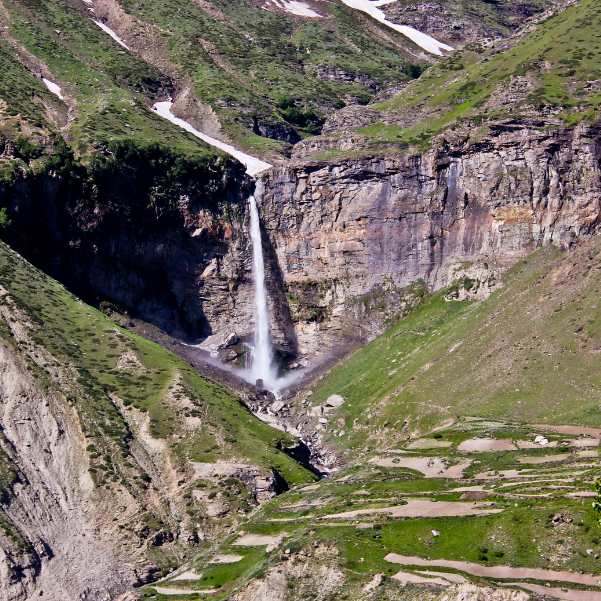
Sissu Valley in May is one of those Himalayan experiences that hits the sweet spot between accessibility and raw mountain beauty.
The Atal Tunnel is usually open, the road from Manali is driveable in most conditions, waterfalls are picking up force with early snowmelt, and the valley sits in that gorgeous in between phase where snow still clings to surrounding peaks while the lower areas begin to warm up and turn green.
If you have been wondering whether May is a good time to visit Sissu, the short answer is yes. For most travellers, May offers the best combination of road access, comfortable weather, flowing water, and that unmistakable Lahaul atmosphere without the unpredictability of earlier months.
Sissu works beautifully as a day trip from Manali or as a quiet one night escape for anyone who wants to cross over to the other side of the Atal Tunnel and experience a landscape that feels completely different from the Kullu Valley.
One thing to keep in mind: mountain weather and road conditions can shift quickly. Always verify the latest road status and weather updates before you leave Manali, especially in early May.
Quick Answer: Is Sissu Valley Worth Visiting in May?
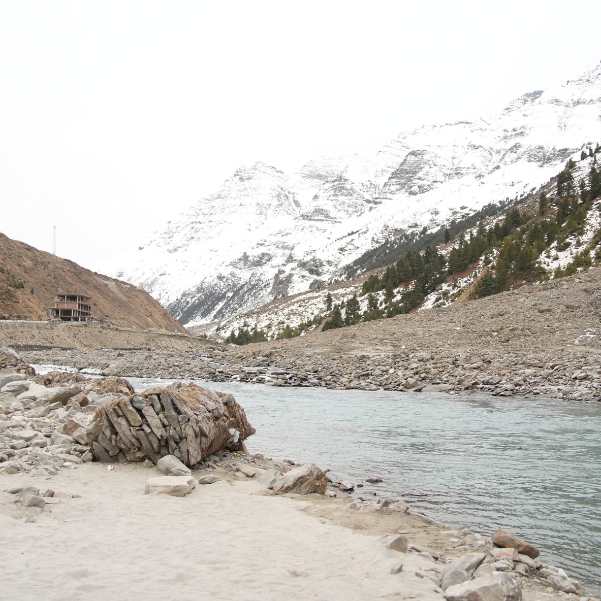
Yes. Sissu Valley in May is absolutely worth it if you enjoy mountain landscapes, waterfalls, and calm Himalayan vibes without extreme winter conditions.
The road via Atal Tunnel is usually accessible, the weather is cool but manageable, and the scenery carries a mix of snow topped peaks, river views, and the beginning of green in the valley. It is one of the most rewarding short trips you can do from Manali during May.
👉 WhatsApp Travel Coffee to check today's Manali to Sissu road status
Sissu Valley in May at a Glance
- Best for: Couples, families, photographers, and travellers who enjoy scenic Himalayan drives and quiet valley time
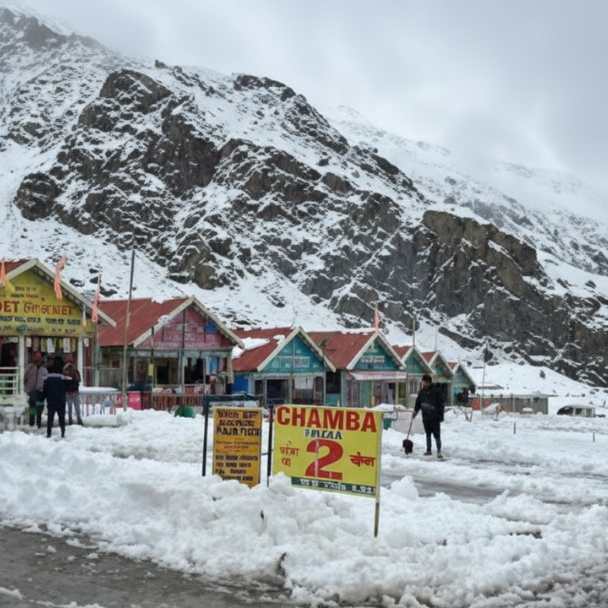
- Snow expectation: Visible on surrounding peaks. Leftover patches in the valley possible in early May, mostly gone by late May
- Ideal trip duration: One full day or one night
- Road access: Usually open via Atal Tunnel. Always check before departure
- Who should visit: Mountain lovers, waterfall chasers, photographers, peace seekers
- Who may not enjoy it: Travellers expecting heavy snowfall, adventure sports, or nightlife
Why May Is One of the Best Months to Visit Sissu
The Sweet Spot Between Winter Feel and Easy Access
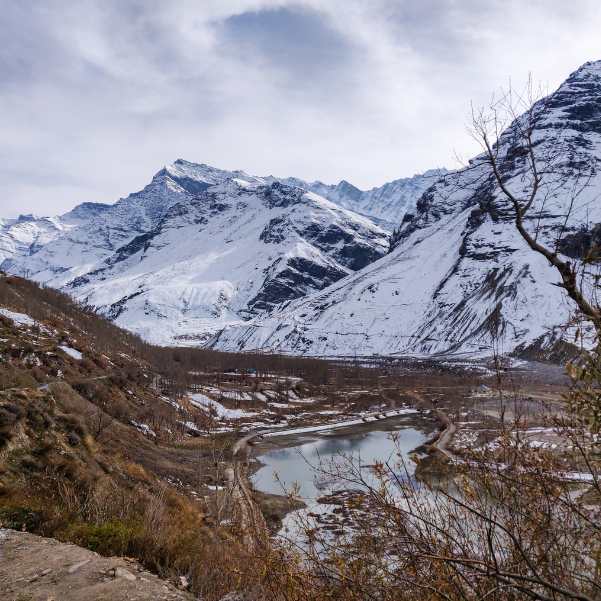
May sits right in that window where Lahaul is waking up from winter but still wearing its cold weather coat. Roads are usually passable, the air is fresh, and you can actually get there without stress about road closures or snow blocks.
For travellers coming from Manali, this is the earliest stretch of the year when Sissu becomes reliably reachable.
Why Sissu Looks Different in May
The visual character changes with every passing week. Early in the month, you might see snow remnants along roadsides and a more wintry feel.
By late May, green starts pushing through, the river swells, and waterfalls gain volume.
The surrounding peaks stay snow covered through the month, which means the backdrop is consistently dramatic.
Who Will Love Sissu in May
Couples looking for a peaceful getaway beyond Manali, families wanting a scenic drive with stops, photographers chasing that snow on peaks with green in the valley contrast, and solo travellers who just want to sit by the Chandra River and breathe properly.
Who May Want a Different Month
If your primary reason for travelling is snow play and walking through deep snow, late December through February is better suited. If you want warmer days with no jackets needed, July or August might work, though those months bring monsoon considerations.
Sissu Valley Weather in May
What the Weather Usually Feels Like
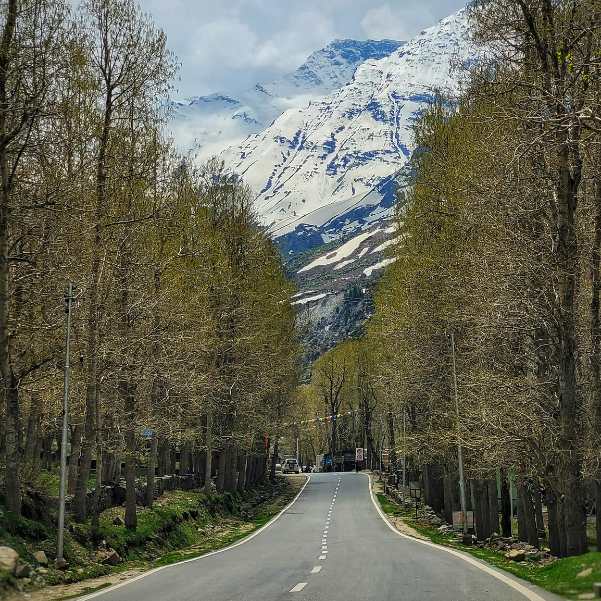
Sissu Valley weather in May is cool and pleasant during the daytime. Expect temperatures around 10 to 18 degrees Celsius on most days, though this varies with cloud cover. The sun feels warm when it is out, but the moment it dips behind a cloud or peak, the chill returns quickly.
Day vs Evening Temperature Feel
Afternoons on clear days are comfortable in a light fleece or hoodie. Mornings and evenings are noticeably colder. If you are staying overnight, expect temperatures that demand a proper warm jacket and thermals outdoors after sunset.
Early May vs Late May
Sissu in early May tends to feel colder. Morning mist, more cloud cover, and a stronger chance of leftover snow patches give it a more wintry character.
Sissu in late May shifts towards slightly warmer days, more sunshine, and a greener, more flowing landscape. The snow line recedes higher up, and waterfalls are usually at their best.
What to Pack for Sissu in May
Carry layers. A warm down jacket for mornings and evenings, a lighter layer for daytime, comfortable walking shoes with grip, sunglasses, sunscreen, and a rain shell. If visiting in early May, lean heavier on warm clothing.
Will You See Snow in Sissu Valley in May?
The Real Snow Reality in May
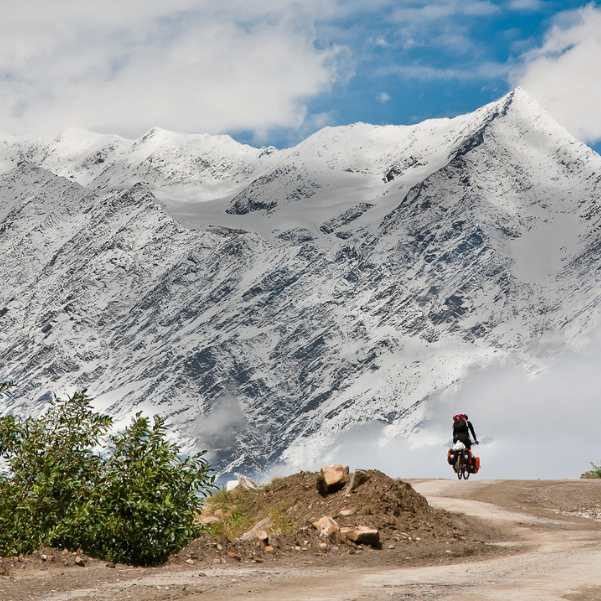
Sissu Valley snow in May is mostly a views story, not a snow play story. The surrounding mountains will almost certainly have snow cover, creating a stunning visual frame. But on the valley floor, snow is not guaranteed and depends on timing and recent weather.
Early May Snow Expectation
There is a reasonable chance of seeing leftover snow patches in and around Sissu, especially along shaded or north facing slopes. Occasional late season snowfall is not unheard of.
Late May Snow Expectation
By late May, snow on the valley floor is usually gone. The melt feeds waterfalls and rivers, and the lower areas are transitioning to green. Snow on the peaks above remains strong and photogenic.
Snow in the Valley vs Snow on Surrounding Peaks
Even when the valley floor is completely clear, the panoramic views of snow covered peaks remain stunning. Peaks above 4,000 metres hold snow well into May and often beyond.
Is May Good for Snow Lovers or Just Snow Views?
May is better for snow views than snow experiences. If you want to walk through snow, plan for early May or look at higher points along the road. For most visitors, the snow capped peak views combined with valley greenery and waterfall energy are more than enough.
Is Sissu Open in May? Road Status and Access Reality
Is the Manali to Sissu Road Usually Open in May?
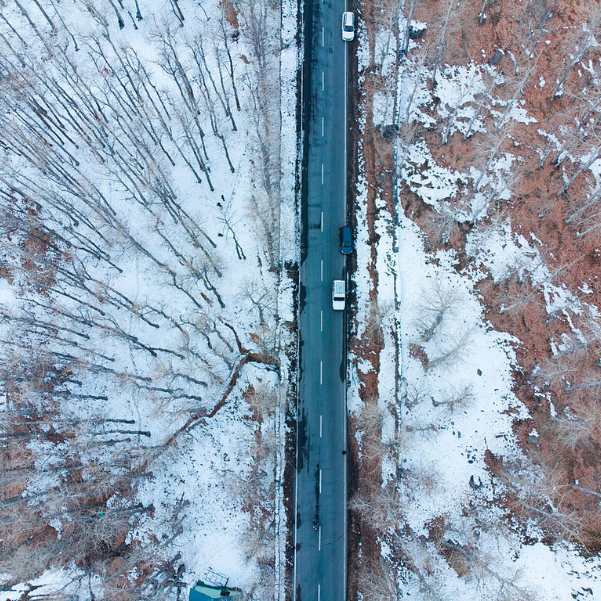
Yes. In most years, the Manali to Sissu road is open in May. The Atal Tunnel has made access far more reliable than the old Rohtang Pass route, which often remained closed until June.
Road Status via Atal Tunnel
The Atal Tunnel to Sissu road status in May is generally positive. The tunnel operates year round, so the stretch from south portal to north portal is usually driveable.
The road beyond the north portal can occasionally be affected by landslides or debris from melting ice, especially in early May.
👉 WhatsApp Travel Coffee to book a Sissu day trip with same morning updates
Why Conditions Can Still Change
A sudden weather event, landslide, or avalanche warning can temporarily close even a normally open route. This is rare in May but not impossible, particularly in the first two weeks.
Where to Check Same Day Updates Before Leaving
Check with your hotel in Manali, ask local taxi drivers, follow Himachal Pradesh Police or HRTC social media for road updates, and if possible, inquire at the Atal Tunnel entry point.
Can a Normal Car Go to Sissu in May?
Yes. A normal well maintained car can drive to Sissu via Atal Tunnel under normal conditions. Higher ground clearance helps for comfort but is not strictly necessary.
Self Drive vs Local Driver in May
Self driving is doable if you are comfortable with mountain driving. Beyond the tunnel, the road narrows and curves. Hiring a local driver gives you someone who knows the route and lets you enjoy the views without worrying about the road.
How Far Is Sissu from Manali and How Long Does It Take?

Manali to Sissu Distance
Roughly 60 to 70 kilometres via the Atal Tunnel route.
Typical Drive Time in Normal Conditions
About 1.5 to 2.5 hours. This can stretch with tunnel congestion, road work, or weather slowdowns.
Best Time to Leave Manali
Leave between 7 and 8 AM. Early departures mean better light, less traffic, and more time at the other end.
How to Reach Sissu Valley in May
From Manali
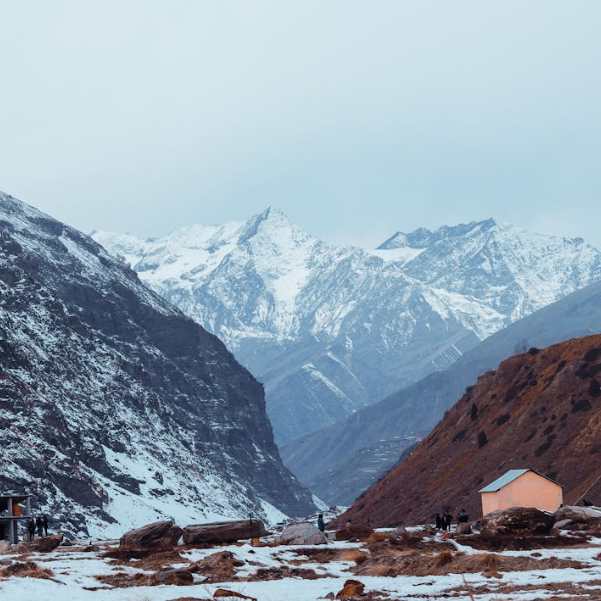
The most practical route. Drive towards the Atal Tunnel south portal, cross through, and continue to Sissu on the Lahaul side.
From Delhi
Most travellers reach Manali first, either by road (12 to 14 hours) or by flight to Bhuntar followed by a drive. From Manali, Sissu is a half day trip.
From Chandigarh
Chandigarh to Manali takes roughly 8 to 10 hours by road. From there, follow the standard route to Sissu.
By Taxi
Private taxis from Manali to Sissu are easily available through hotels, local taxi stands, or Mall Road travel agents. Rates are usually quoted for a return day trip.
By HRTC or Public Transport
HRTC buses on the Manali to Keylong route pass through Sissu. Budget friendly but limits your flexibility. Confirm schedules before depending on this, especially in early May.
Is Sissu Better as a Day Trip from Manali or a Dedicated Stay?
A Sissu day trip from Manali works perfectly for most. But if you want the morning silence, evening light on peaks, and that feeling of being in Lahaul rather than passing through, an overnight stay adds real value.
Best Things to Do in Sissu Valley in May
See Sissu Waterfall at One of Its Best Times
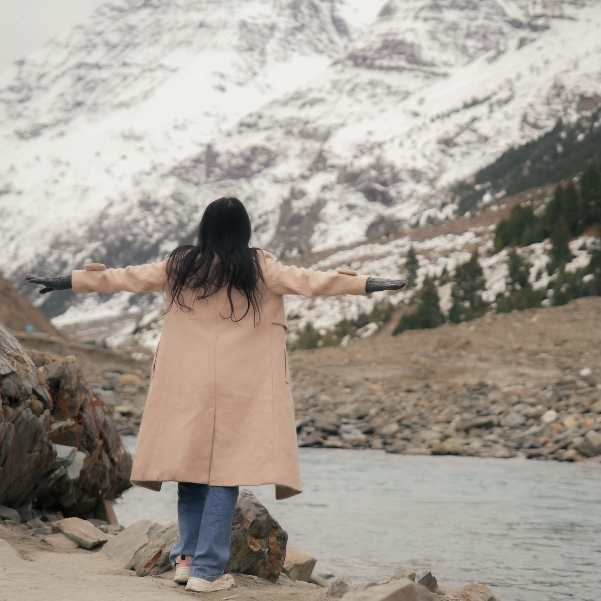
Sissu Waterfall in May is a highlight. Snowmelt feeds it with increasing force as the month progresses, and by mid to late May, it flows beautifully. The waterfall is visible from the road and accessible with a short walk.
Spend Time at Sissu Lake
Sissu Lake in May is calm, reflective, and surrounded by snow dusted peaks. On a clear day, the reflections are extraordinary. Great for photographs and for simply sitting quietly.
Walk by the Chandra River
The Chandra River picks up energy in May with snowmelt. Walking along sections near Sissu lets you hear the river, feel the cool air, and take in the valley at a slower pace.
Enjoy the Landscape Shift After Atal Tunnel
One of the most striking parts of the Sissu experience is crossing through the Atal Tunnel and emerging into a completely different landscape. The green Kullu side gives way to the drier, more rugged Lahaul side.
Relax at Viewpoints and Local Cafes
Sissu is not a place to rush. Find a viewpoint, order chai if a cafe is open, and let the landscape do the rest.
Do Short Scenic Walks and Easy Photography Stops
Several spots around Sissu offer 15 to 30 minute walks with completely different views of the valley, peaks, and river.
Extend to Keylong or Tandi if Roads and Time Allow
Driving beyond Sissu towards Tandi or Keylong adds depth to the trip. Keylong is the district headquarters of Lahaul and Spiti and gives you a feel for the broader region.
Places to Visit Near Sissu in May
Atal Tunnel North Portal
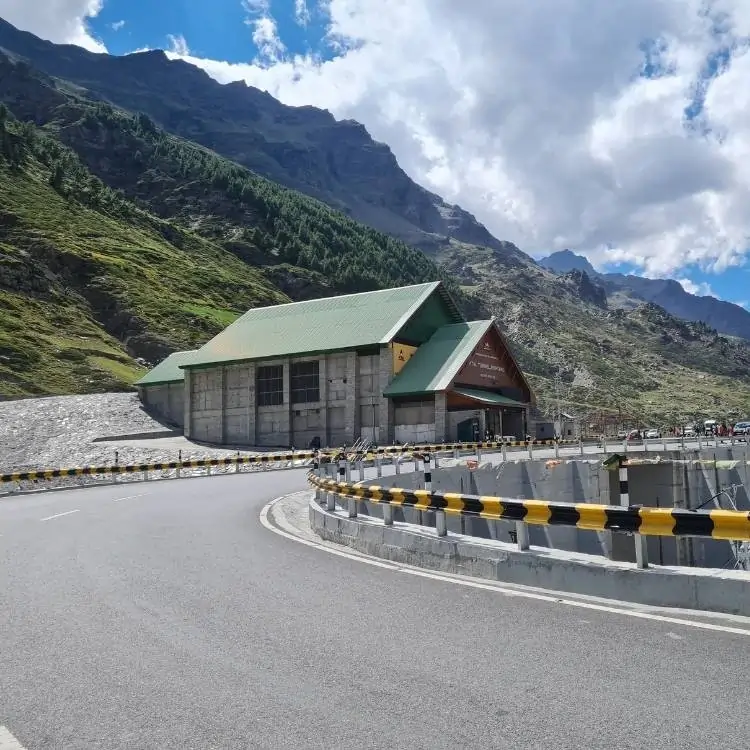
A short distance from Sissu. Worth a quick stop for the engineering and the views as you exit onto the Lahaul side.
Koksar
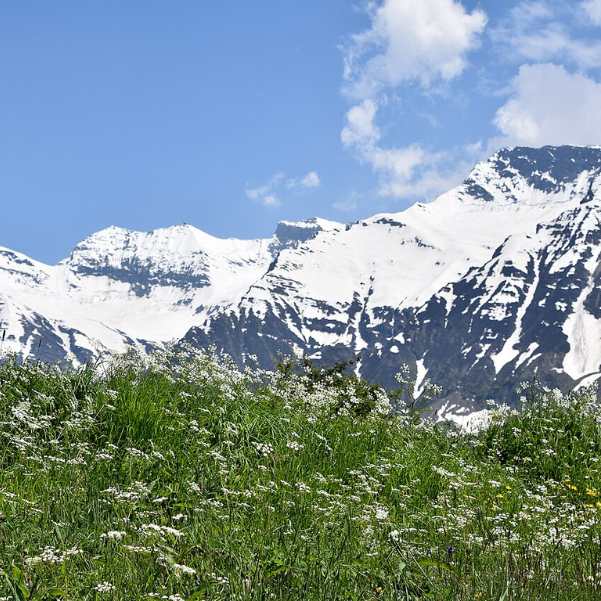
A small settlement beyond the tunnel that often feels like the first real breath of Lahaul. A couple of dhabas and a checkpoint make for a brief stop.
Gondhla
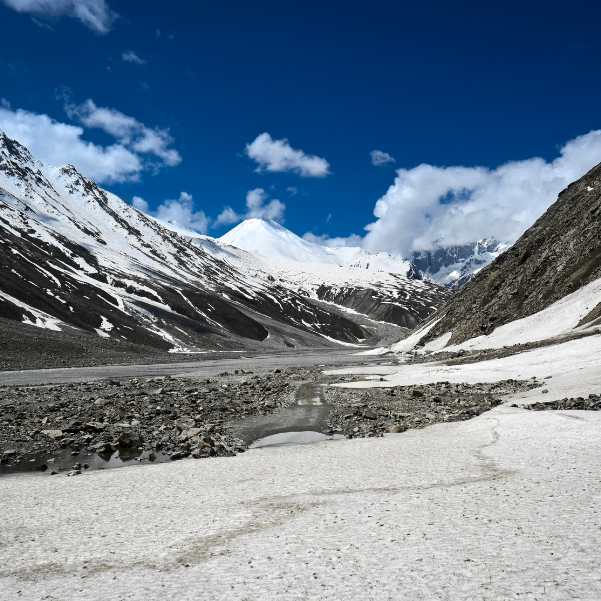
A few kilometres ahead of Sissu with a historic castle and a quieter feel. Worthwhile for a slightly longer circuit.
Tandi
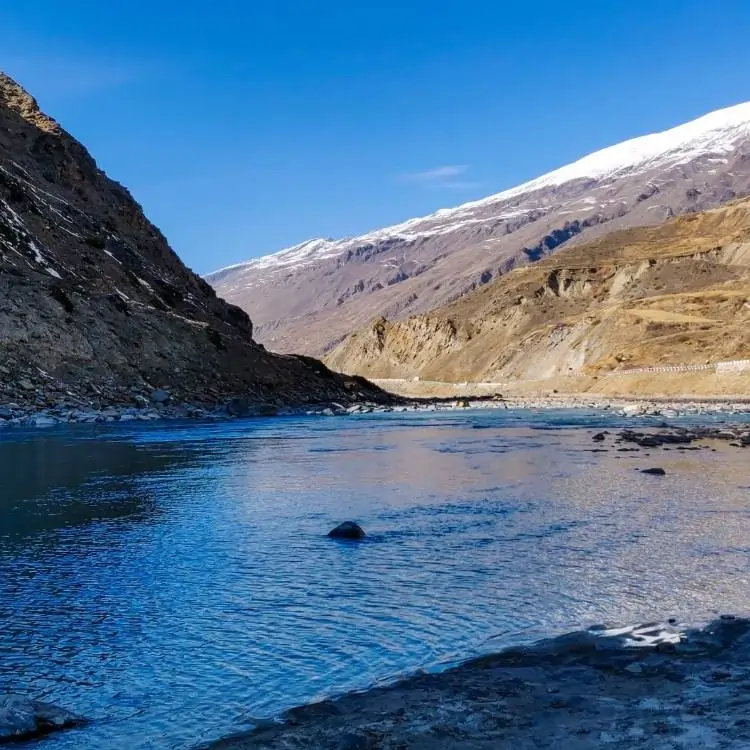
Sits at the confluence of the Chandra and Bhaga rivers. A natural pause point if you are extending your drive.
Keylong
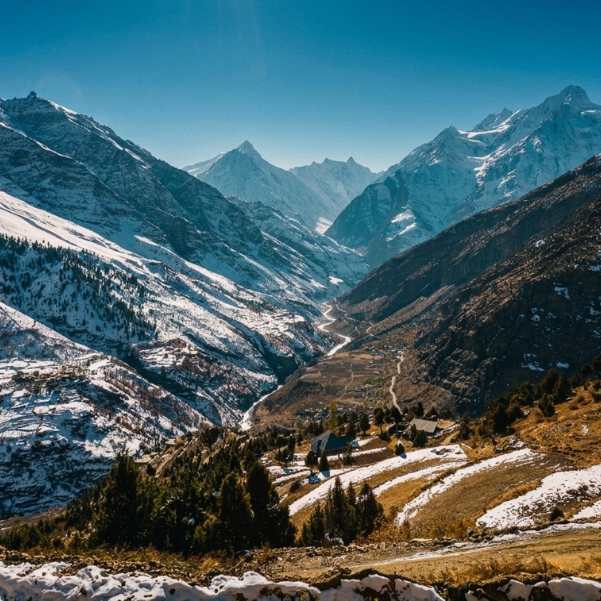
The main town in Lahaul with more services and a monastery visit. Accessibility depends on road conditions beyond Sissu, which can vary in May.
Solang on the Return if You Are Doing a Manali Circuit
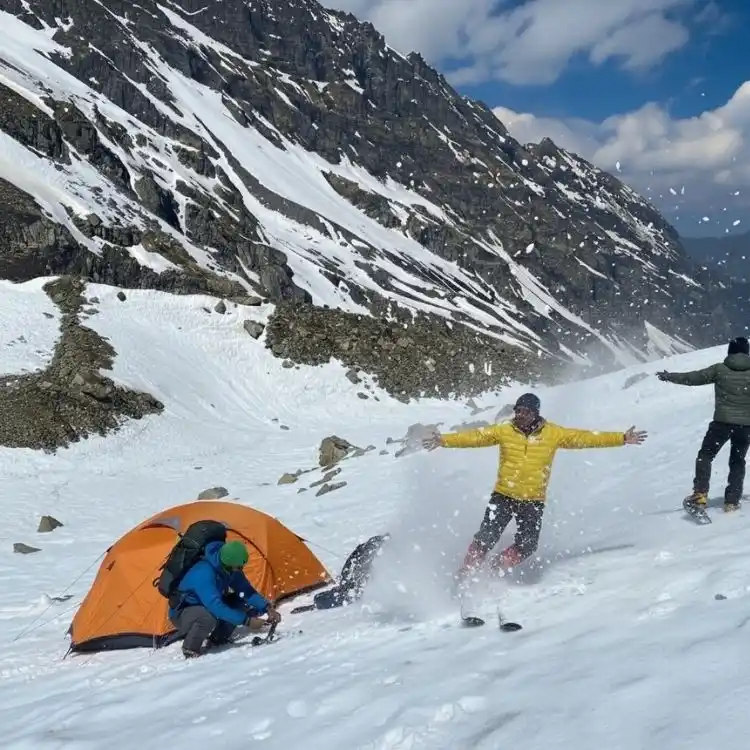
Solang Valley on the Manali side offers a different, more touristy vibe and gives you a contrast to Sissu's quiet.
Sissu Valley in May vs April vs June
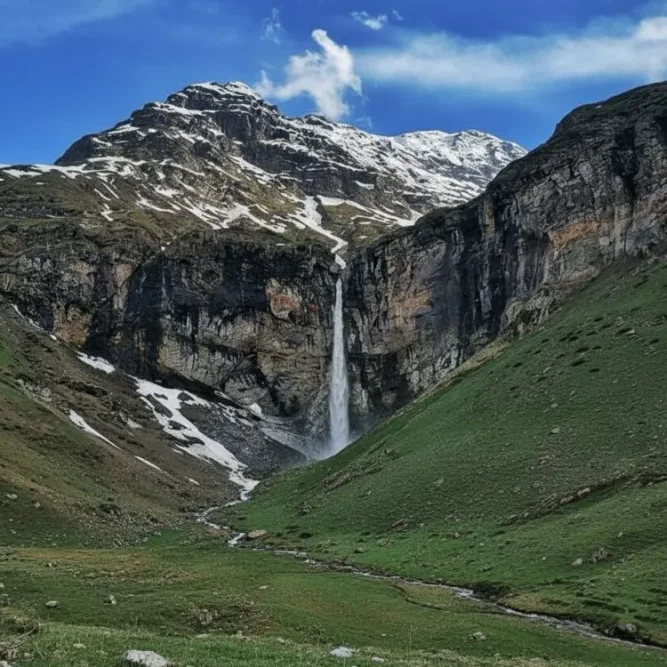
Sissu in April
Hit or miss. The Atal Tunnel helps with access, but the road beyond may still be affected by late winter conditions. More snow likely, but higher risk of closures or limited services. Better for adventurous travellers.
Sissu in May
The most balanced experience. Access is usually stable, weather is cool but comfortable, waterfalls are gaining momentum, and the valley transitions beautifully. For most travellers, this is the best time to visit Sissu Valley.
Sissu in June
Warmer and greener. Snow recedes further, and services may be more active. However, late June brings pre monsoon moisture with more cloud cover and rain showers. Good if you prefer warmth and do not mind occasional rain.
Sissu vs Solang in May: Which Is Better?
Choose Sissu If You Want
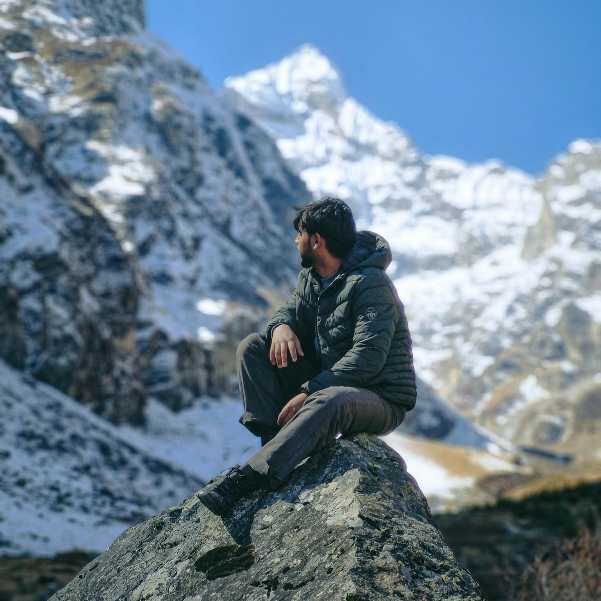
A quieter, less commercial experience. A real sense of crossing into Lahaul. Waterfalls, river views, and snow capped peak panoramas. More solitude and a slower pace. A drive that feels like a journey.
Choose Solang If You Want
Snow activities and paragliding are often available in May. A shorter, easier trip from Manali. More tourist infrastructure. A quicker half day outing.
Sissu vs Solang in May comes down to vibe. Solang is easier and more activity driven. Sissu is quieter, more scenic, and more of a journey.
Best One Day Sissu Itinerary from Manali in May
Ideal Departure Time
Leave Manali by 7 to 8 AM for better light, less tunnel traffic, and a relaxed pace.
Suggested Stop Order
Stop briefly at the Atal Tunnel north portal. Continue to Sissu. Visit the waterfall first, then Sissu Lake. Spend time by the Chandra River. Grab lunch or chai at a local spot.
How Long to Spend in Sissu
Two to four hours is usually enough for a day trip covering the main highlights without feeling rushed.
When to Head Back
Start your return by 3 to 4 PM for a comfortable drive back through the tunnel before dark.
When to Extend to Keylong or Tandi
If you leave by 6:30 or 7 AM and the road ahead is clear, you can push further to Tandi or Keylong before looping back. Makes for a longer but richer day.
Two Day Sissu Valley Itinerary in May
Day 1: Manali to Sissu
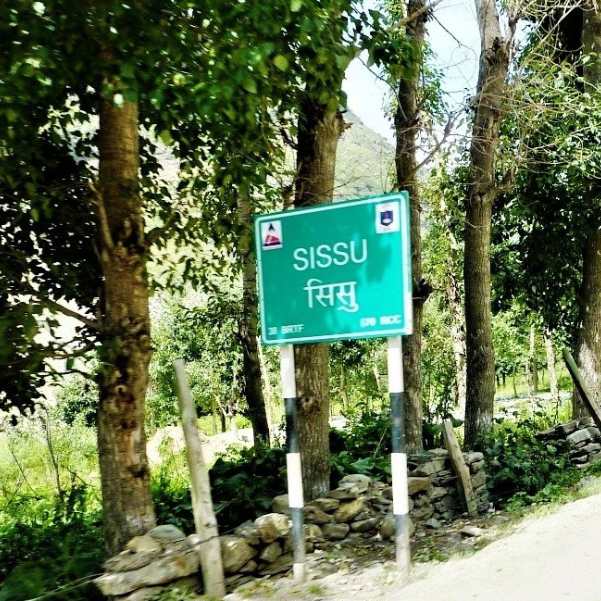
Drive through the Atal Tunnel. Explore Sissu Waterfall, Sissu Lake, and Chandra River. Check into your stay. Watch the evening light change on the mountains.
Day 2: Sissu to Gondhla or Keylong Side and Return
Explore towards Gondhla and Tandi, or push to Keylong for a half day. Return to Sissu by early afternoon and head back to Manali with daylight to spare.
Who Should Stay Overnight
Photographers wanting early morning light, couples seeking a peaceful night away from Manali, and anyone who finds day trips always leave them wanting more.
Sissu Valley Trip Cost in May

Every budget figure here is a rough estimate. Prices vary with season, demand, and negotiation.
Taxi Cost from Manali
A return taxi for a Sissu day trip typically costs around INR 3,500 to 6,000 depending on vehicle type and route extensions.
Self Drive Fuel Budget
Fuel for a Manali to Sissu return usually runs around INR 800 to 1,200.
Food and Cafe Budget
Around INR 300 to 700 per person for meals and chai. Options in Sissu are limited, so carry snacks.
Stay Budget for One Night
Basic guesthouses and homestays, when available, typically range from INR 1,000 to 3,500 per night.
Approximate Total Budget for Couples
A Sissu trip cost from Manali for a couple doing a day trip by taxi usually works out to roughly INR 4,500 to 7,000. Overnight trips could push to INR 6,000 to 11,000.
Approximate Total Budget for Families or Small Groups
Families of four sharing a vehicle can expect roughly INR 6,000 to 12,000 for a day trip, slightly more overnight.
Where to Stay in Sissu in May

Stay in Manali or Sissu?
Most travellers base themselves in Manali for more options. Staying in Sissu gives you what Manali cannot: silence, isolation, and the feeling of being deep inside Lahaul.
Who Should Stay Overnight in Sissu
Anyone who values quiet over convenience. Photographers, couples on a slow holiday, and travellers who have spent a few days in Manali and want a change of pace.
What Kind of Stays to Expect
A small number of guesthouses, homestays, and occasionally a government rest house. Rooms are basic, heating may be limited, hot water can be inconsistent. The charm is the setting, not the amenities.
Is Sissu Better for a Slow Stay or Just a Scenic Stop?
Both work. But travellers who stay overnight almost always say it was the highlight of their trip.
Is Sissu Valley Safe to Visit in May?
Road Safety
The road via Atal Tunnel is generally safe. Drive carefully, follow tunnel speed limits, and stay cautious on the stretch beyond the north portal where the road narrows.
The Atal Tunnel is a 9.02 km highway tunnel connecting the Manali side with Lahaul, bypassing the old Rohtang Pass route entirely.
Altitude and Cold
Sissu sits at roughly 3,100 metres. Most healthy travellers handle this fine coming from Manali at about 2,050 metres. Stay hydrated and pack warm layers for evenings.
Mobile Network Reality
Do not rely on mobile data. Coverage is patchy. BSNL tends to work better than other networks. Download offline maps before heading out.
Medical Limitations
No major medical facilities in Sissu. Nearest hospitals are in Manali or Keylong. Carry a first aid kit and personal medication.
Kids and Elderly Travellers
Generally safe as long as weather cooperates and the road is clear. The tunnel drive is easy, and Sissu stops do not require strenuous activity. Keep everyone warm and hydrated.
What Changes After Fresh Snowfall or Bad Weather
Road conditions can shift quickly after unexpected snowfall or heavy rain. Landslide risks increase and road sections may become temporarily impassable. Always check conditions that morning.
Sissu Valley in May for Couples, Families and Photographers

For Couples
The kind of quiet that couples remember long after the trip. The drive feels like a shared adventure, and the landscape provides hours of peaceful togetherness. One of the best non commercial escapes near Manali.
For Families
A day trip works well for families with older children who enjoy scenic drives. The waterfall, lake, and river give kids enough to explore. Keep snacks handy and plan for breaks.
For Photographers and Creators
May is arguably one of the best months for photography in Sissu. Snow on peaks, flowing waterfalls, the Chandra River, changing light, and the contrast between Lahaul and Kullu landscapes offer a wide range of compositions.
👉 WhatsApp Travel Coffee to plan your May Manali and Sissu itinerary
Common Mistakes to Avoid on a Sissu Trip in May
Expecting full winter snow on the valley floor. May is a snow views month, not a snow play month in most conditions.
Starting too late from Manali. A late departure means less time in Sissu, more tunnel traffic, and a rushed return.
Not carrying a warm layer. Even pleasant days turn cold by evening in Sissu.
Ignoring same day road updates. Always check conditions before you leave.
Rushing beyond daylight. Mountain roads after dark are risky. Plan to return before sunset.
Assuming mobile network will work. It probably will not. Download offline maps and set expectations.
Not carrying water and snacks. Options are limited in Sissu.
Final Verdict: Should You Visit Sissu Valley in May?
If you are in Manali during May and want to see something genuinely different, Sissu should be on your list. It is not a place that overwhelms with activities or crowds. It earns your attention through landscape, silence, and the honest beauty of a Himalayan valley that most tourists never think to visit.
May gives you the best balance of access, weather, and scenery. You get snow on the peaks, waterfalls in motion, a river with real energy, and a road that usually cooperates. Whether you go for a day or stay the night, Sissu Valley in May delivers something hard to find in more popular destinations.
Check the road conditions, carry your layers, start early, and let the valley do the rest.
>> Explore Sissu Tour Packages from Manali
👉 WhatsApp Travel Coffee to plan your trip
Related topics
Frequently Asked Questions
Is Sissu Valley worth visiting in May?
Yes. May offers one of the best combinations of road access, pleasant weather, waterfall flow, and snow capped peak views. Highly recommended from Manali.
Can we see snow in Sissu Valley in May?
Snow is usually visible on surrounding peaks. Leftover patches on the valley floor are possible in early May but mostly gone by late May.
Is Sissu open in May?
In most years, yes. The road via Atal Tunnel is generally operational. Always confirm same day status before leaving.
How far is Sissu from Manali?
Roughly 60 to 70 kilometres via Atal Tunnel.
How long does it take to reach Sissu from Manali?
About 1.5 to 2.5 hours under normal conditions.
Can I visit Sissu in one day from Manali?
Absolutely. Leave by 7 to 8 AM for enough time to explore the highlights comfortably.
Is Sissu better in May or June?
May has more snow views on peaks and a crisper feel. June is warmer and greener but may bring pre monsoon showers. May has a slight edge for mountain atmosphere.
Is Sissu better than Solang in May?
Different purposes. Sissu is quieter and more scenic. Solang is closer and more activity oriented. Choose based on your preference.
What should I wear in Sissu in May?
Layers. Warm jacket for mornings and evenings, lighter layers for daytime, sturdy shoes, sunglasses, and a rain shell.
Are normal cars allowed to go to Sissu in May?
Yes. A well maintained car can make the trip via Atal Tunnel under normal conditions.
Is Sissu safe for family travel in May?
Generally yes. The drive is easy through the tunnel, and Sissu stops are family friendly. Keep everyone warm and carry essentials.
How much does a Sissu trip cost from Manali?
A day trip for two by taxi typically costs around INR 4,500 to 7,000 including transport and food.
Is one night stay in Sissu worth it?
If you value quiet mornings and mountain light, an overnight stay adds a lot. Travellers who do it rarely regret it.
What are the best places to visit near Sissu?
Atal Tunnel north portal, Koksar, Gondhla, Tandi, and Keylong are all within reach depending on conditions.
Is Sissu Waterfall worth visiting in May?
Very much so. Snowmelt feeds the waterfall with increasing force, and by mid to late May, the flow is usually strong and photogenic.
More about Sissu
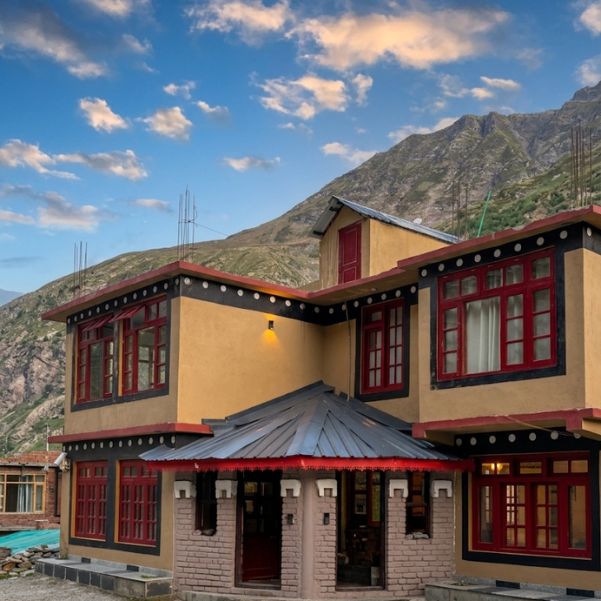 Sissu
SissuWhere to Stay in Sissu in 2026: Best Hotels, Homestays & Areas for Every Budget
Planning an overnight stay in Sissu? This 2026 guide covers the best hotels, homestays, budget stays and convenient areas to help you choose the right accommodation for your trip.
- First-Time Travellers
- Places to Visit
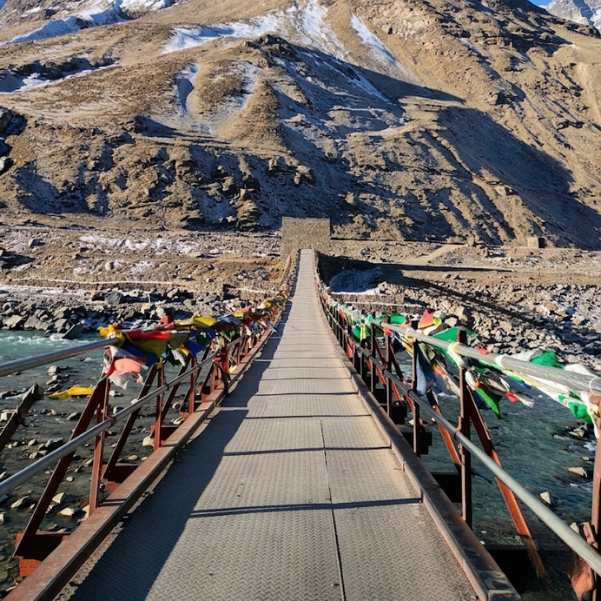 Sissu
SissuSissu in October 2026: Weather, Snow Chances, Road Status & Autumn Travel Guide
Planning a trip to Sissu in October 2026? Here’s what to expect from the weather, temperatures, autumn colours, snow chances and Manali to Sissu road conditions, plus practical tips on what to pack and how to plan your visit.
- Best Time to Visit
- Road Status
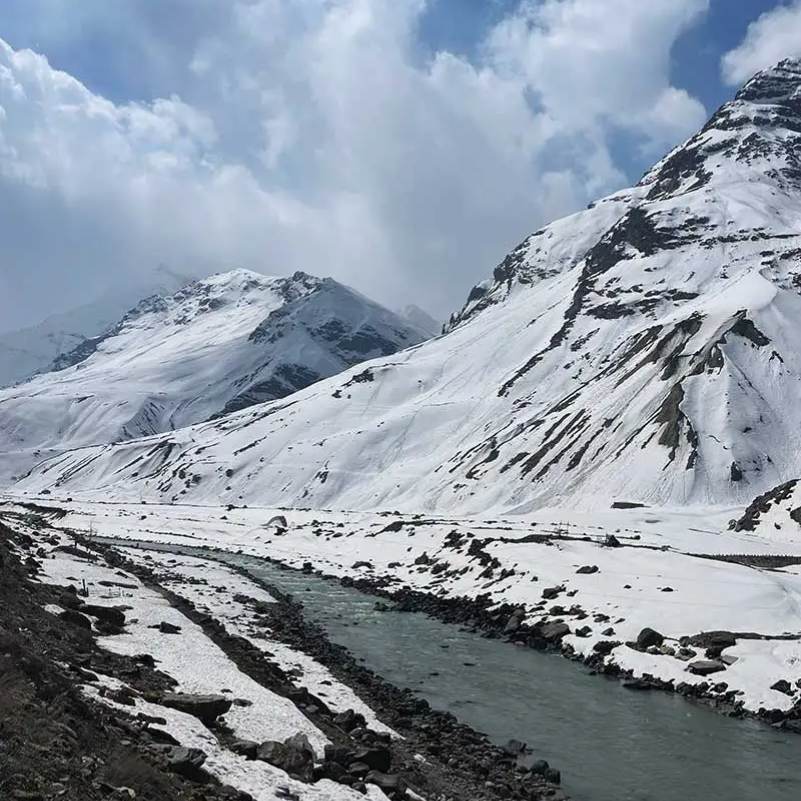 Sissu
SissuSissu in December 2026: Snowfall, Weather, Road Status & Winter Travel Guide
Planning a Sissu trip in December 2026? This guide covers expected snowfall, temperatures, Manali to Sissu road conditions, Atal Tunnel access, what to pack, and practical winter travel tips for a safer snow trip.
- Snow Travel
- Road Status