
Best Time to Visit Shangarh and Sainj Valley in 2026: Month by Month Guide
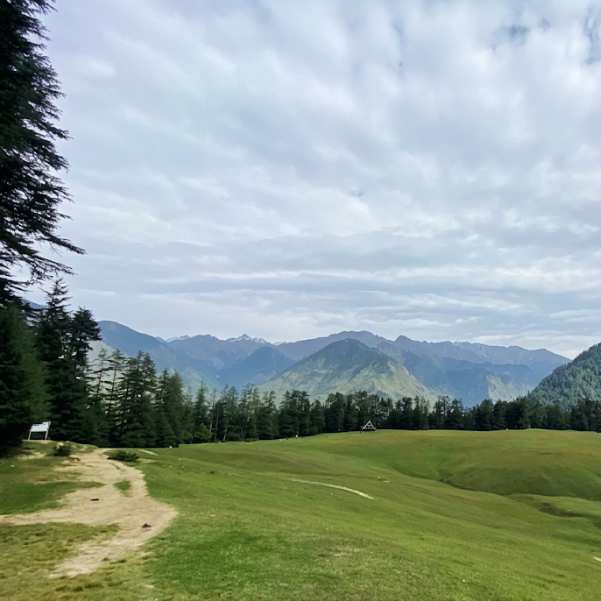
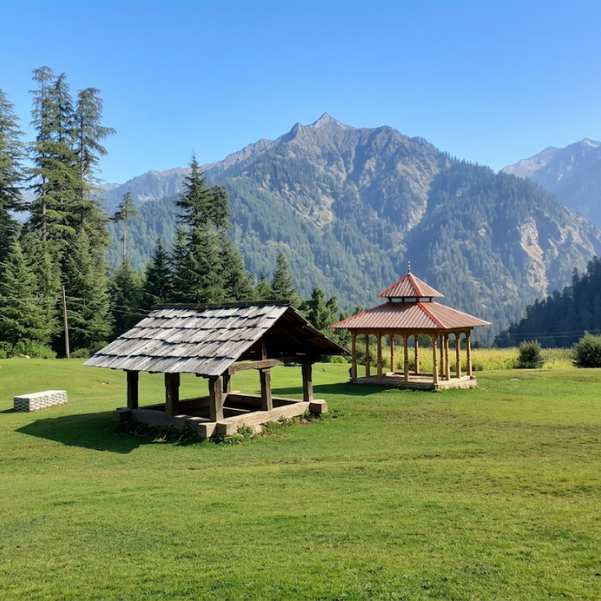
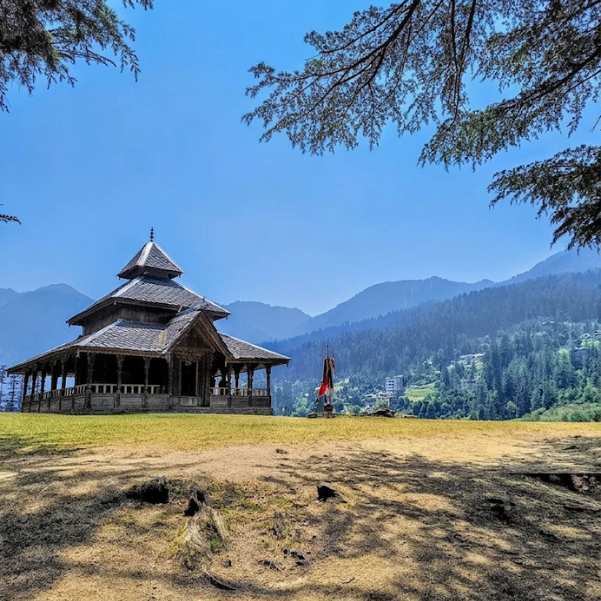
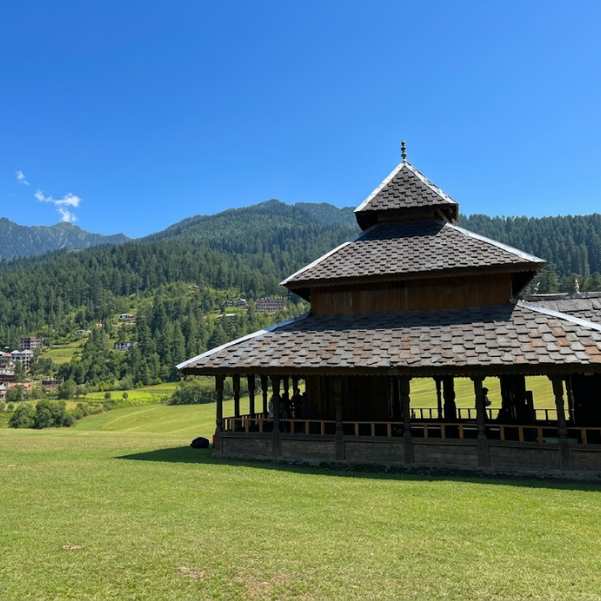
Shangarh is the kind of place most Himachal travellers have never heard of. It sits in the Sainj Valley, a quieter, less crowded pocket of the Great Himalayan National Park buffer zone, and the main attraction is a massive open meadow surrounded by dense deodar forest with Himalayan peaks behind it. No ticket counter. No queue. Just grass, trees, and silence.
But timing your visit wrong can turn this into a soggy, foggy disappointment. Visit in the wrong month and you will spend your entire trip staring at clouds from inside a homestay.
Visit the right one and you will wonder why everyone is fighting over Manali and Kasol when this place exists.
This guide by Travel Coffee breaks down every month of the year so you know exactly when to go based on what you want from the trip.
Quick Answer
The best time to visit Shangarh depends on what you are after. For green meadows and clear skies, March to June is the safest window.
For autumn colours and the cleanest mountain views, October and November are hard to beat.
For snowfall, January and February deliver, but roads can get tricky. Avoid July and August unless you are comfortable with heavy rain and landslide risks.
For trekking near the Great Himalayan National Park, April to June and September to November are your best windows.
Shangarh and Sainj Valley Weather Overview
Shangarh
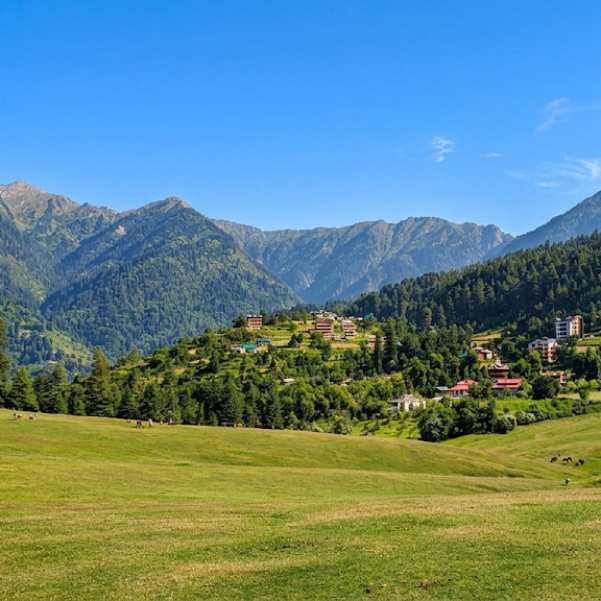
Shangarh is situated at an altitude of approximately 6,900 feet to 7,000 feet, which puts it in a sweet spot. It is high enough to get proper snow in winter and cool summers, but not so high that altitude becomes a concern.
Sainj Valley
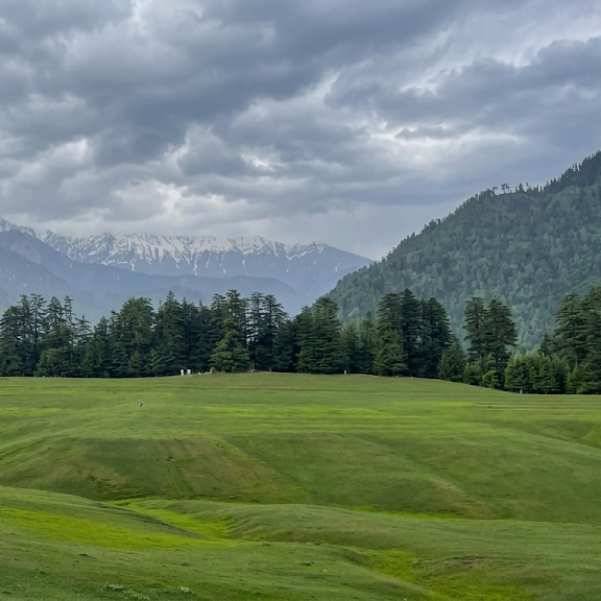
The Sainj Valley overall follows a typical mid-Himalayan weather pattern. Summers are mild and pleasant. Monsoon hits hard. Autumn is dry and golden. Winter brings snow and cold that can drop below 0°C at night.
What makes Shangarh different from places like Manali or Kasol is the lack of commercial overdevelopment. There are no big hotels pumping heat, no crowded markets, and no late-night noise.
The weather here feels rawer because you are more exposed to it. When it rains, you feel it. When the sun comes out, you feel that too.
If you are considering a trip to this valley, our Sainj Valley and Shangarh tour packages are built around the best seasonal windows so you do not end up visiting during a washout week.
One thing most travellers get wrong about Shangarh weather
They check Kullu district forecasts and assume those apply here. Kullu town sits much lower. Shangarh gets colder, wetter, and snowier than what the Kullu forecast will tell you. Always look for Sainj or Banjar sub-division weather, not the main Kullu readings.
Best Time to Visit Shangarh for Different Experiences
Best Time for Snowfall
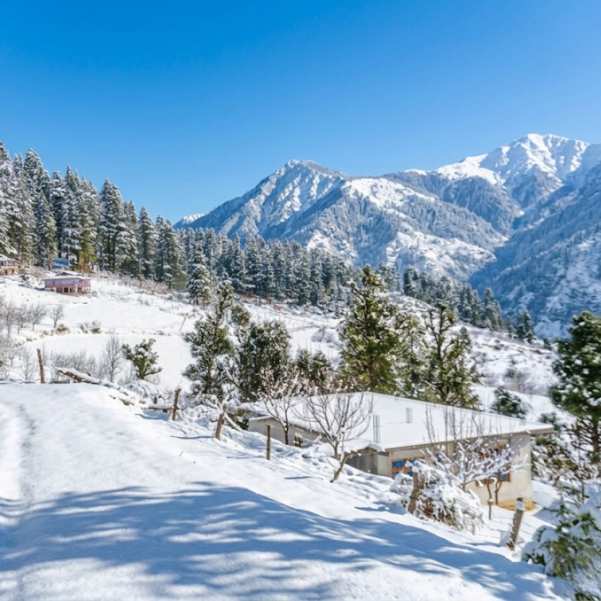
January and February are your months. Shangarh gets proper snowfall in most years, turning the meadow into a white blanket with deodar trees standing dark against it.
The entire valley goes quiet. Very few tourists make it here in peak winter, so you will likely have the meadow to yourself.
The reality, though, is that roads can get blocked after heavy snowfall. The stretch from Sainj to Shangarh is narrow and climbs through forest.
After a big dump, it can take a day or two before vehicles can pass. Our drivers know this stretch well and we always tell winter travellers to keep at least one buffer day.
Winter temperatures regularly drop below 0°C at night. If your homestay does not have a proper heater or bukhari, you will not sleep well. Ask before you book.
Best Time for Green Meadows
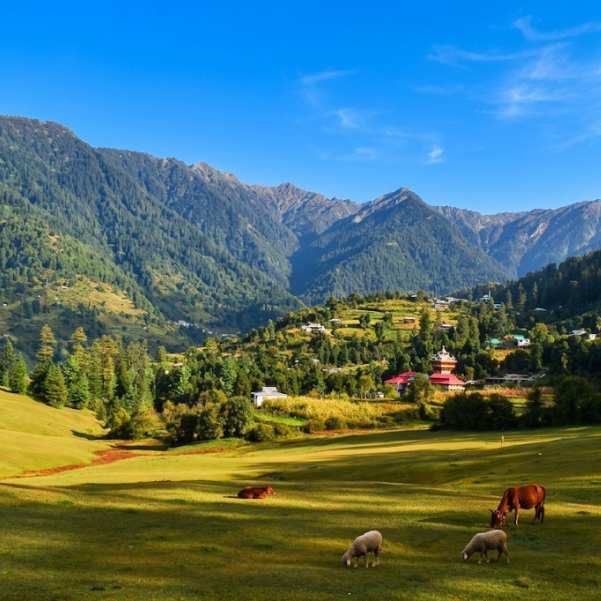
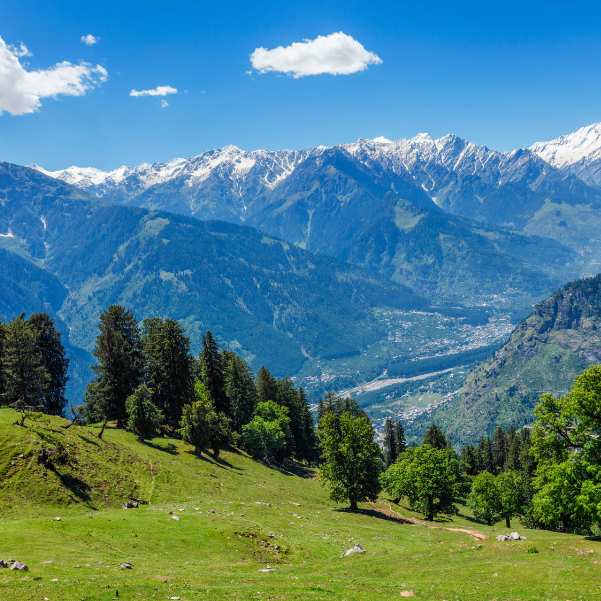
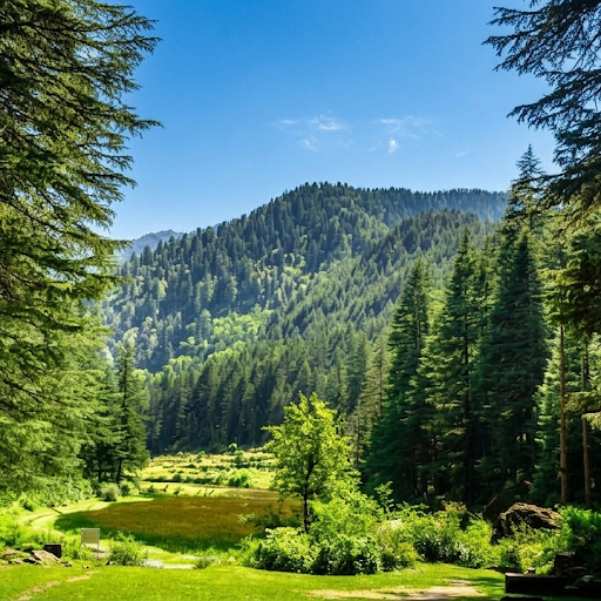
April to June is when the meadow looks its best. The grass is thick and green, wildflowers start appearing by late April, and the surrounding forest is lush. May and June are the most comfortable months for walking around the meadow, sitting with a book, or just doing nothing.
In our experience, late April is when the meadow hits peak green. By June, the grass is taller and the light is warmer, which gives the place a completely different mood.
This is also the best window for families. The weather is kind, the roads are dry, and you do not need heavy winter gear.
Best Time for Photography
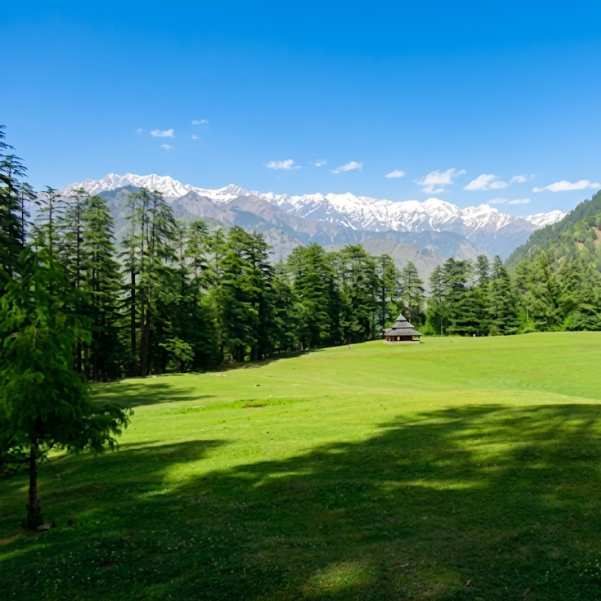
October is the answer. No debate. The air clears up after the monsoon, the deodar forest stays green, but the deciduous trees around the meadow turn golden and orange. The morning light in October at Shangarh is the kind that makes even phone photos look professional.
We have sent photographers here specifically in October and the feedback is always the same. The light between 6:30 AM and 8 AM on the meadow is the best they have shot anywhere in Himachal.
The mountains behind are sharp and clear, the grass is still green from monsoon moisture, and there is almost no haze.
November works too, but the colours start fading and the cold picks up.
Best Time for Couples and Slow Travel
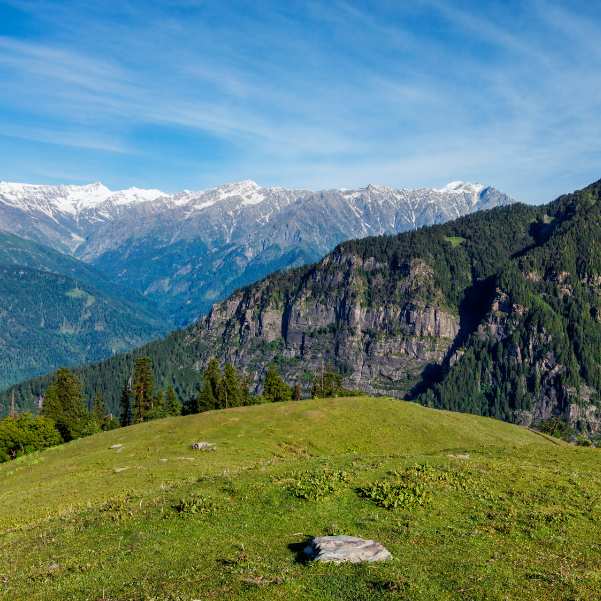
September and October are perfect for couples. The monsoon has just ended, the valley smells fresh, the crowds are almost zero, and the homestays are quiet. You can sit on the meadow for hours without another tourist walking past.
There is something about the post-monsoon light in Sainj Valley that makes everything look softer. If you want a Himachal trip that is not about ticking off sightseeing spots but about actually slowing down, this is your window.
Best Time for Trekking
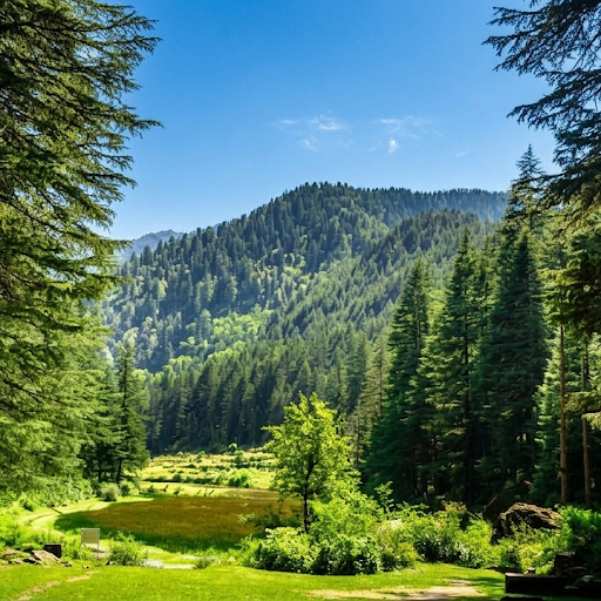
The Great Himalayan National Park is right next door and the trekking season lines up well with Shangarh visits.
April to June is the first window, great for the Sainj Valley trek and the routes into the GHNP buffer zone. September to November is the second window, with better visibility and cooler temperatures.
Avoid trekking here in July and August. The trails get slippery, leeches are everywhere, and river crossings become genuinely dangerous.
Shangarh and Sainj Valley Month by Month Guide
January
January is peak winter. Shangarh gets snowfall in most years during this month, and the meadow under snow with the dark deodar trees is one of the most beautiful sights in Himachal. Night temperatures drop well below 0°C.
Roads can get blocked after heavy snow. Crowds are almost nonexistent. This month is for people who love cold, quiet, and snow. If you are not comfortable with the idea of being stuck for a day because of road conditions, January is not your month.
February
Similar to January but with slightly longer days. Snowfall is still very likely. The valley starts getting a tiny bit of warmth by late February, but do not expect anything above single digits during the day.
The road situation is the same as in January. February suits snow lovers and people who want the quietest possible version of Shangarh.
March
March is the transition month. Snow starts melting, the meadow begins turning green, and the forest wakes up. Early March can still have snow on the ground, but by mid to late March, the landscape shifts rapidly.
Roads are generally clear by March. This is a good month for travellers who want a taste of both winter leftovers and spring freshness. Mornings and evenings are still cold, so pack warm.
The money-saving tip most people miss: March is off-season pricing at most homestays. You can get meadow-facing rooms for ₹950 a night that would cost significantly more in May or October. Book directly with the homestay, not through aggregator apps.
April
April is when Shangarh starts looking like the photos you see on Instagram. The meadow turns a deep green, wildflowers begin dotting the edges, and the apple trees start blooming. Daytime temperatures are comfortable, around 12°C to 18°C.
Roads are dry and in good shape. This is one of the best months for first-time visitors. Crowds are low because most people do not know about Shangarh yet and those who do are still planning for May.
May
May is the peak season for Shangarh. Families come here, couples come here, work-from-anywhere people set up in homestays for a week. Temperatures hover around 20°C to 25°C during the day, which is as warm as it gets.
The meadow is fully green and the views are clear on most days. If you are planning a family trip, May and June are the safest choices.
Our team usually recommends May for families with kids because the weather is warm enough during the day that you do not need to carry heavy jackets.
The downside: this is when homestays fill up fast, especially on weekends. Book at least 2 to 3 weeks in advance for May.
June
June is the last comfortable month before the monsoon. The first half of June is usually dry and warm. By the second half, you start seeing pre-monsoon showers in the evenings.
The meadow is still green, the forest is thick, and the air is warm. June is a good month if you missed the May window.
Skip the paid roadside viewpoints some locals may direct tourists toward. You can often get equally beautiful views for free by walking a little further along the forest trails around Shangarh.
Save that money for a plate of rajma chawal at one of the small local dhabas near the temple and meadow area.
July
Monsoon arrives. July gets heavy rainfall in Sainj Valley. The landscape turns impossibly green, which sounds beautiful, and it is, but the roads do not agree.
Landslides on the Aut to Sainj stretch are common during July. Leeches appear on every trail. Fog rolls into the meadow and stays for hours. Unless you specifically love monsoon travel and understand the risks, July is a skip.
August
August is the worst month for visiting Shangarh. The rain is at its peak, roads are at their most unpredictable, and the entire valley can get cut off for a day or two during heavy spells.
We do not run trips here in August. That is the honest truth. The risk of road closures and the discomfort of constant dampness make it a bad experience for most travellers.
September
September is a secret favourite. The monsoon retreats, the valley is washed clean, the greens are at their most vivid, and the air has a freshness that you do not get in any other month.
Crowds are thin because most people assume monsoon runs through September. It does not, at least not in this valley.
Late September is especially good. The rain stops, the streams are full, and the meadow is soft and green. If you can time your trip for the last 10 days of September, you will not regret it.
What we always tell our travellers: bring a light rain jacket even in late September. You will probably not need it, but the odd evening shower can catch you off guard.
👉 WhatsApp our team to choose the right dates for your Spiti trip.
October
October is the best month to visit Shangarh for most travellers. Full stop.
The weather is dry and clear. Daytime temperatures are comfortable. Nights are cold but manageable with a good jacket and blankets. The mountain views are at their sharpest because all the monsoon moisture has cleared out.
The autumn colours around the meadow are extraordinary. The oak and maple trees go golden while the deodars stay dark green. The contrast is what makes October photos from Shangarh look so striking.
If you have only one shot at Shangarh, pick October.
November
November brings the first real cold. Mornings are frosty, and by late November, the first light dusting of snow can appear on the higher ridges.
The meadow is still accessible and the roads are clear, but the valley feels quieter than October. This is a good month for people who want cold-weather Himachal without the full commitment of a winter trip.
Pack properly. November nights at Shangarh are genuinely cold. Thermals, a proper jacket, warm socks, and gloves are not optional, they are necessary.
December
December in Shangarh is early winter. Snow is possible but not guaranteed in early December. By late December, chances of snowfall go up significantly.
The meadow is brown and dormant, the trees are bare except for the deodars, and the whole valley has a stripped-back, quiet beauty. It is not the green postcard version of Shangarh, but it has its own appeal.
Road access depends on snowfall. In years with early heavy snow, the last stretch to Shangarh can be difficult. In milder years, you can drive up without issues through December.
Homestay rates drop in December. If you love cold and do not mind the risk of snow blocking your plans, it can be a budget-friendly time to visit.
Season Wise Breakdown
Summer in Shangarh
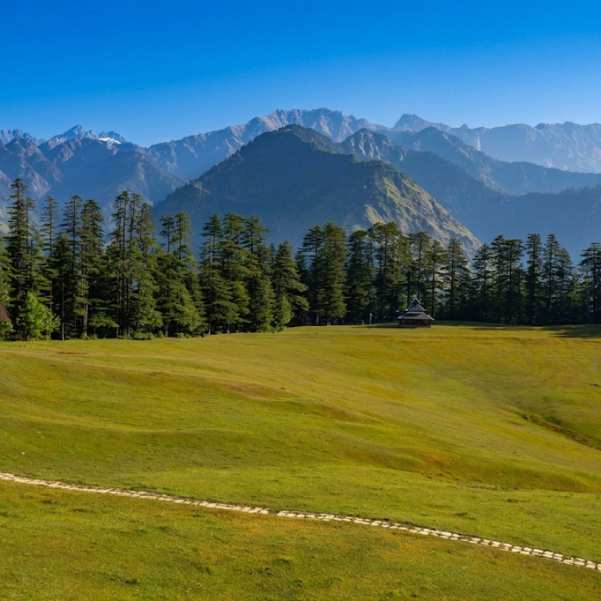
March to June is summer here, and it is the most universally good season. You get green meadows, clear skies, comfortable temperatures, and dry roads.
This is the window we recommend to most people, especially first-timers, families, and anyone who does not want to gamble with weather.
The only downside is that May weekends can get a bit busy at the more popular homestays. Weekday visits are always better if your schedule allows.
Monsoon in Sainj Valley
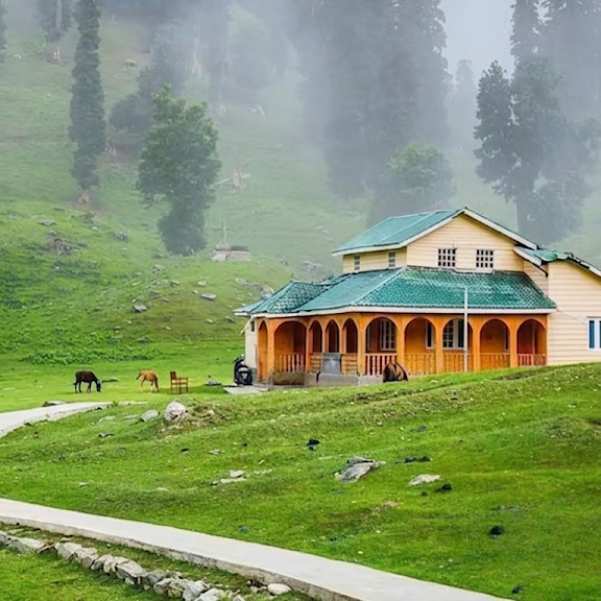
July and August bring heavy rain to the entire Sainj Valley. The landscape turns electric green, waterfalls appear everywhere, and the forest is at its thickest.
But the roads pay the price. The Aut to Sainj highway is prone to landslides, the inner roads to Shangarh get muddy, and leeches make any walking unpleasant.
We are honest with travellers who ask about monsoon visits: the beauty is real, but the inconvenience is also very real.
If you want monsoon greenery without the landslide risk, try the Tirthan Valley side instead. It is more accessible and slightly less affected. Our Jibhi and Tirthan Valley packages cover that area well.
Autumn in Shangarh
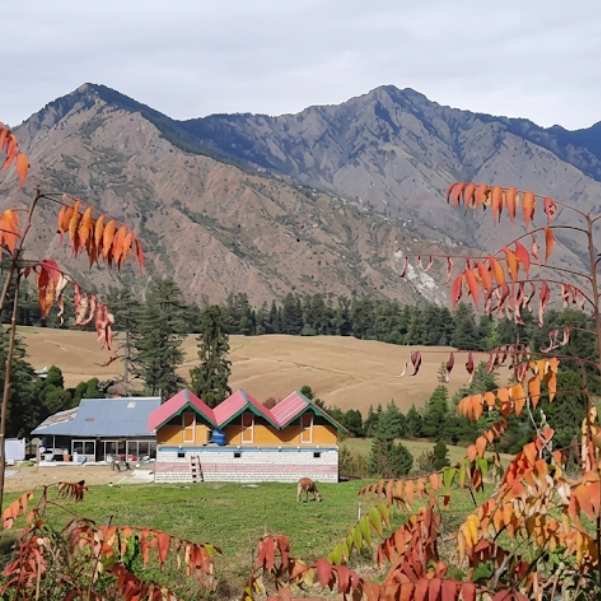
September to November is the other golden window. The post-monsoon clarity makes the mountains pop. The autumn colours peak in October. The air is cool and dry. This is when Shangarh feels the most photogenic and the least crowded.
If we had to pick one three-month stretch as the absolute best, it would be this one.
Winter in Sainj Valley
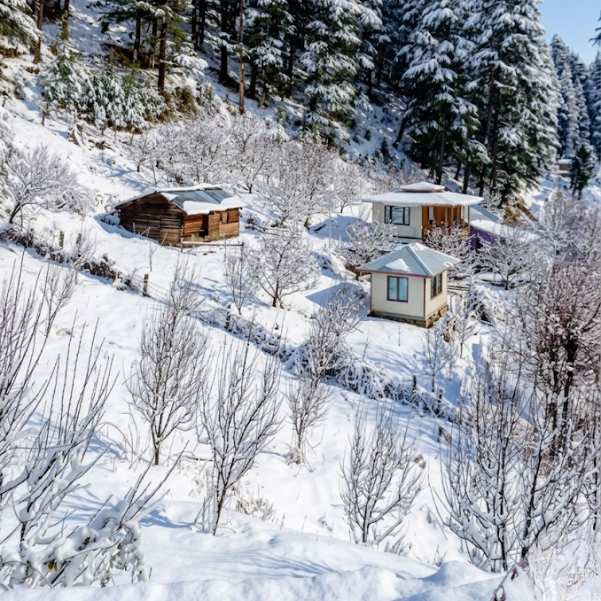
December to February is proper winter. Snow, cold, road uncertainty, and a completely different version of the valley. It is beautiful in a stark, quiet way. But it requires planning, flexibility, and the right gear.
The thing most winter visitors underestimate is how cold the nights get. Your homestay room will be cold unless it has a working bukhari (wood stove) or an electric heater.
Ask specifically about heating before you book. We have had travellers show up at a homestay in January only to find a room with two blankets and no heat source. That is a miserable night at this altitude.
Months You Should Avoid
July and August are the clear avoid months. The rain is heavy and sustained. Landslides on the approach road from Aut happen almost every season during these two months. Multiple travellers each year get stuck on the road for hours because of debris clearance.
If you are set on a monsoon trip, at least check the weather forecast 3 days before you leave and have a backup plan. Do not commit to non-refundable bookings for July or August in this valley.
Early January can also be tricky if there has been unusually heavy snowfall. The road from Sainj to Shangarh is the first to get blocked and the last to get cleared.
Best Time for Great Himalayan National Park Treks
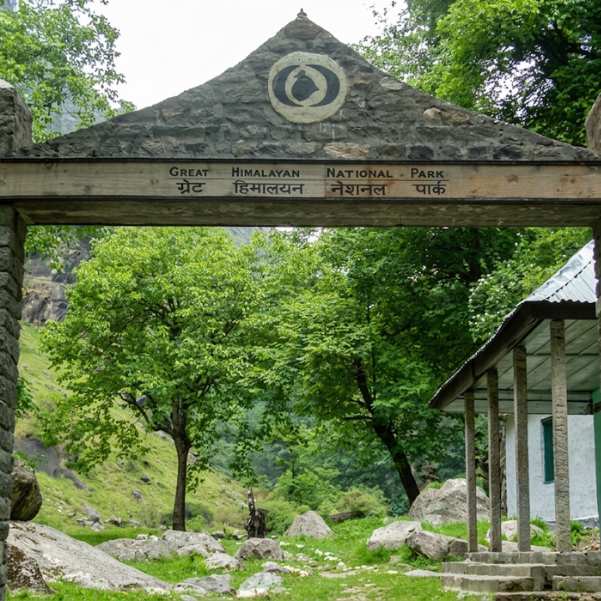
The Great Himalayan National Park (GHNP) is the big draw for trekkers visiting this region. The park's main trekking windows are April to June and September to November.
The Sainj Valley trek, which starts from the valley and goes into the GHNP buffer zone, is best done in May or October. May gives you warmer weather and longer daylight. October gives you clearer views and cooler trekking temperatures.
You need a permit to enter the park. Permits are available at the GHNP office in Sai Ropa, and you will need to hire a local guide, it is mandatory, not optional. Budget around ₹1,500 to ₹2,000 per day for the guide fee.
The park closes for trekking during the monsoon months. Do not try to enter during July or August. The trails are dangerous and the forest department does not issue permits.
What to Pack for Each Season
Summer (March to June)
Light layers for the day, a warm jacket for mornings and evenings. Good walking shoes, sunscreen, sunglasses, and a hat. A light rain jacket for late June. You do not need thermals.
Monsoon (July to August)
Full rain gear, waterproof shoes or gumboots, quick-dry clothes, a waterproof bag for your phone and wallet. Leech socks if you plan to walk any trails. An umbrella will not save you; the rain comes sideways.
Autumn (September to November)
Light layers for September, progressively warmer layers for October and November. A good jacket, warm socks, and a cap for November. Camera gear if you are into photography, this is the season for it.
Winter (December to February)
Thermals (top and bottom), heavy jacket, gloves, warm cap, wool socks, waterproof boots. A hot water bottle if your homestay allows you to fill one. Seriously, a hot water bottle changes a winter Himachal night from miserable to manageable.
Suggested Duration for Shangarh and Sainj Valley
2 nights and 3 days is the sweet spot. Day 1 is your travel day from Delhi or Chandigarh to Shangarh via Aut. Day 2 is your full day at the meadow and surrounding forest. Day 3 is the return.
If you have more time, a 3 night trip lets you add a short trek into the GHNP buffer zone or a visit to the Sainj village area.
Weekend trips from Delhi work if you leave Friday night and reach by Saturday morning. But Shangarh is not the kind of place you rush through. It is a slow-travel destination. Spending one frantic day here and driving back defeats the purpose.
If you are combining this with Tirthan Valley or Jibhi, add 2 more days. The two valleys are close enough to do together and different enough to make it worth it. Check our Jibhi and Tirthan Valley trip options if you want a combined itinerary.
How to Reach Shangarh in Different Seasons
The route to Shangarh goes through Aut on the Chandigarh-Manali highway, then turns into the Sainj Valley road, and climbs up to Shangarh village.
Aut to Sainj is a paved road in decent condition for most of the year. The Sainj to Shangarh stretch is narrower, steeper, and rougher.
In summer and autumn, any car can manage it. In winter, after snowfall, you may need a high-clearance vehicle or may need to walk the last kilometre.
From Delhi, the drive to Shangarh takes about 11 to 13 hours via Chandigarh and Mandi. From Chandigarh, it is about 7 to 8 hours.
The closest major bus stop is Aut, which is well connected to Manali, Kullu, and Chandigarh by HRTC buses. From Aut, you need a local taxi or a pre-arranged vehicle to reach Shangarh.
Our team usually arranges pickups from Aut for travellers who come by bus. It saves the confusion of negotiating taxi fares at a small-town bus stand where rates are not standardized.
Taxi drivers at Aut are used to tourists heading towards Shangarh, so always confirm the fare before you get in. A reasonable one-way taxi fare from Aut to Shangarh is usually around ₹1,500 to ₹2,000, depending on season, timing, vehicle type and road conditions.
If someone quotes much higher, politely negotiate or check with another driver before finalising.
Where to Stay in Shangarh
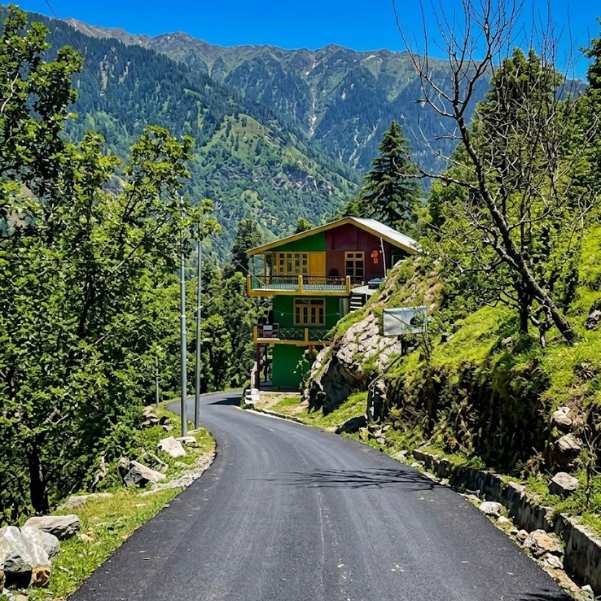
Shangarh does not have hotels. It has homestays. This is one of the best things about the place. You stay with local families, eat home-cooked Himachali food, and sleep in rooms that face the meadow or the forest.
The best homestays are the ones right on the edge of the meadow. Waking up, opening your window, and seeing that green expanse with mountains behind it is worth every rupee.
Budget stays start at around ₹1000 a night, and the mid-range ones with better rooms and views go up to ₹2,500 to ₹3,500.
A food recommendation most guides miss: ask your homestay host to make siddu for dinner. It is a traditional Himachali steamed bread stuffed with poppy seeds or walnuts, served with ghee.
Not every homestay offers it unless you ask. It is one of the most satisfying meals you will eat in the mountains, especially on a cold evening.
Do not book based on Instagram photos alone. Some homestays look great in photos but have damp rooms, thin blankets, and no hot water. Ask about heating (especially for winter visits), hot water availability, and whether meals are included.
👉 Talk to our Himachal team on WhatsApp to understand what to expect during your travel dates.
Is Shangarh Better Than Tirthan Valley?
This question comes up a lot. The honest answer: they are different kinds of trips.
Tirthan Valley
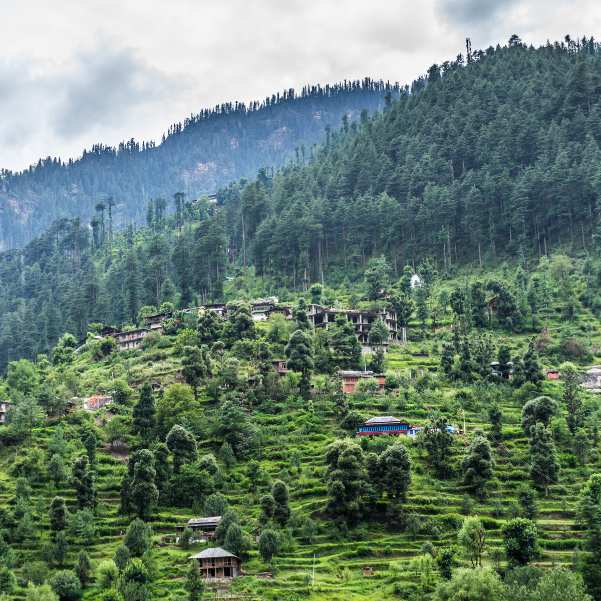
Tirthan Valley is more developed. It has more stay options, more cafes, better road access, and activities like fishing and GHNP treks are more organized. It suits travellers who want nature with a bit of convenience.
Shangarh
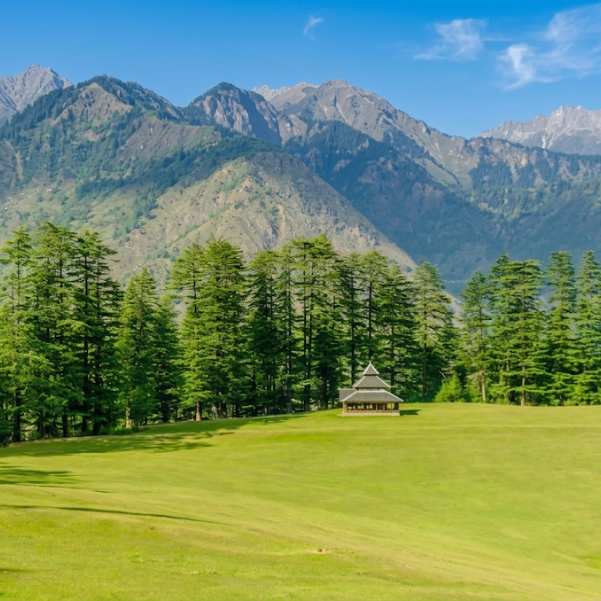
Shangarh is rawer. Fewer tourists, fewer facilities, and a much bigger sense of isolation. The meadow is the centrepiece, and there is not much else to "do" in the traditional sightseeing sense. That is the point.
If you want a weekend getaway with good food, cafes, and riverside walks, Tirthan is the better pick. If you want to sit in one beautiful place and do absolutely nothing for two days, Shangarh wins.
Many of our travellers combine both in one trip. They spend 2 nights in Shangarh and 2 nights in Tirthan. It works well. The drive between the two is about 2.5 to 3.5 hours.
If you are trying to decide between valleys in Himachal, our comparison of Jibhi vs Kasol might help you think through what kind of traveller you are. The same logic applies to the Shangarh vs Tirthan choice.
Final Verdict: Which Month Should You Choose?
Snow lovers: January or February. Pack heavy. Keep buffer days.
Families with kids: May or early June. The warmest, safest, most comfortable window.
Photographers: October, no question. The light, the colours, the clarity. Nothing else comes close.
Budget travellers: March or November. Off-season pricing, fewer tourists, and still beautiful weather.
Trekkers: April to May for spring treks, October for autumn treks into GHNP.
Couples: Late September or October. Quiet, romantic, golden light, and no crowds.
👉 Confused about dates? Chat with our Himachal team on WhatsApp.
Explore Our Curated Shangarh Sainj Valley Tour Packages
 5D/4N
5D/4NMost Loved Shangarh Sainj Valley Tour With Private SUV
2D Shangarh
₹12,999₹16,999SAVE INR 4,000/ person Group Tour6D/5N
Best Jibhi Tirthan Valley Tour With Shangarh Meadows
2D Tirthan Valley•1D Shangarh (Sainj Valley)
₹9,999₹12,999SAVE INR 3,000/ person Group Tour5D/4N
Sainj Valley and Shangarh Group Trip
3D Shangarh
₹8,499₹12,499SAVE INR 4,000/ person
Related topics
Frequently Asked Questions
Is Shangarh worth visiting in winter?
Yes, if you are prepared for the cold and possible road blocks after heavy snow. The meadow under snow is one of the most beautiful sights in Himachal, and you will have the place almost entirely to yourself. Just make sure your homestay has proper heating.
Does Shangarh get snowfall?
Yes. Shangarh gets snowfall regularly in January and February. Some years, early December and late November also see light snow. The meadow, the forest, and the village all get covered, and it looks stunning.
Which is better, Tirthan Valley or Sainj Valley?
Tirthan is more accessible, has better infrastructure, and suits first-timers. Sainj Valley and Shangarh are quieter, less touristy, and better for travellers who want solitude. If you have the time, do both.
How many days are enough for Shangarh?
2 nights and 3 days is enough to enjoy the meadow, take a short walk into the forest, and eat well at a homestay. Add a day if you want to trek into the GHNP buffer zone.
Is Shangarh safe during monsoon?
The destination itself is safe, but the roads getting there are not. Landslides on the Aut to Sainj road are common in July and August. We do not recommend monsoon visits unless you have flexible dates and are comfortable with road closures.
What is the best month to visit Sainj Valley?
October for most travellers. May and June for families. September for post-monsoon freshness. Each month offers something different, but October gives you the best combination of weather, views, and low crowds.
Can we visit Shangarh in December?
Yes, but with caveats. Shangarh in December can have early snowfall, especially late December. Roads may be affected. Homestay heating varies. If you love cold weather and are prepared, December has a stark, quiet beauty that is worth experiencing.
Is snowfall guaranteed in Shangarh in January?
Not guaranteed, but highly likely. Most years, January brings at least one or two spells of snowfall to Shangarh. The intensity varies. Some years bring a thick blanket, other years a lighter dusting.
How far is Shangarh from Aut?
Shangarh is about 30 to 35 km from Aut. The drive takes roughly 1.5 to 2 hours because the road narrows and climbs after Sainj. Do not judge by the distance; judge by the road.
Which is the best season for GHNP treks?
April to June and September to November. The park is closed for trekking during monsoon. Permits and a mandatory local guide are required.
Are roads open in Shangarh during winter?
Usually yes, but not always. After heavy snowfall, the Sainj to Shangarh road can get blocked for a day or two. The main Aut to Sainj road stays open most of the time. Always check conditions before leaving.
Is Shangarh good for a workation?
Surprisingly, yes. Several homestays now offer decent Wi-Fi, and the quiet environment is perfect for focused work. September and October are the best months for a workation here: comfortable weather, no monsoon risk, and the meadow right outside your window. Just confirm internet speed with your homestay before booking, because "Wi-Fi available" can mean very different things in the mountains.