
Best Time to Visit Dharamshala and McLeodganj in 2026: Weather, Seasons & Travel Tips
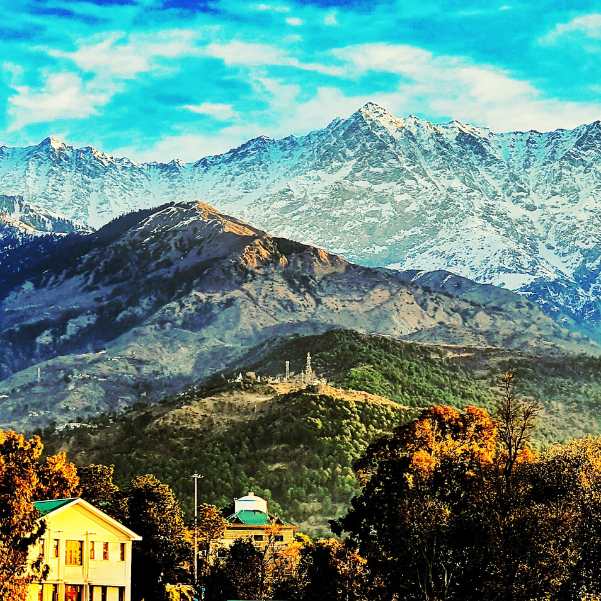
Most people searching for the best time to visit Dharamshala McLeodganj get the same vague answer everywhere: "March to June."
That is not wrong, but it is not the full picture either. The right month for you depends entirely on what kind of trip you want.
We have been sending travellers to Dharamshala and McLeodganj for years now, and the single biggest mistake we see is people picking dates based on someone else's Instagram trip without thinking about what they actually want from the trip.
A café-hopping weekend in April feels nothing like a winter stay in January, and both are completely different from a rainy monsoon escape in August.
Here is the honest, month-by-month breakdown by Travel Coffee so you can pick the window that actually fits your plan.
Quick Answer
March to June
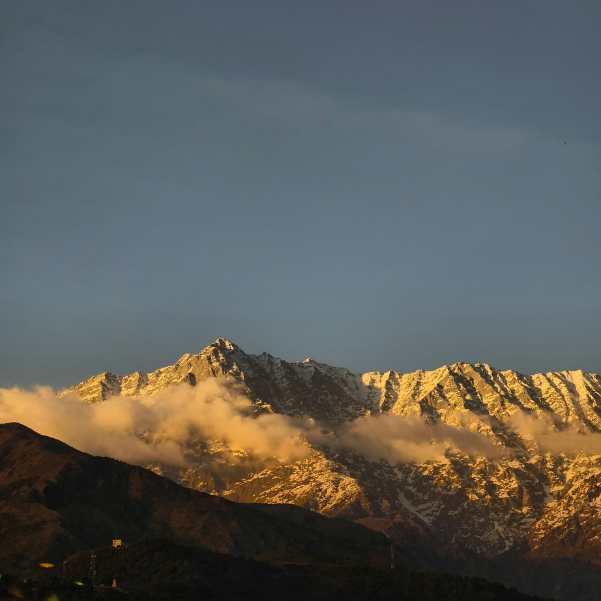
March to June is the safest and most popular window for most travellers. The weather is pleasant, the roads are clear, cafés and markets are buzzing, and you can do everything from monastery visits to the Triund trek without weather getting in the way.
September to November
September to November is the underrated smart window. Post-monsoon views are sharper, crowds are thinner than summer, and October in particular offers some of the cleanest mountain views of the year.
July to September
July to September is monsoon territory. The hills turn lush green but rain can mess up roads, delay travel, and make outdoor plans unreliable.
December to February
December to February works if you want cold weather, quiet lanes, cosy café days, and a chance of snowfall. Do not count on guaranteed snow in town, though.
Why Does the Best Time Depend on Your Travel Style?
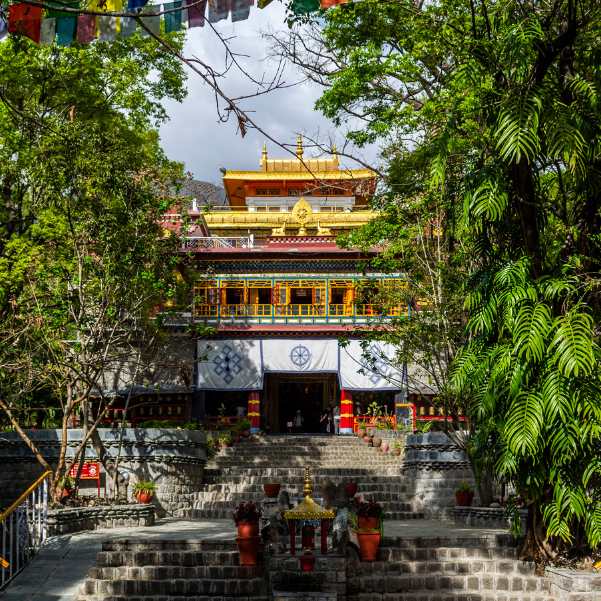
Dharamshala and McLeodganj are not the same experience in every season. What you want from the trip changes which month works best.
If you want easy sightseeing, café culture, and monastery visits, spring and early summer give you the most comfortable conditions. If you want the Triund trek with clear views, you need a dry weather window.
If you want snowfall photos, you need to be okay with genuine cold and the reality that snow in McLeodganj town is not a sure thing every year.
McLeodganj sits higher than lower Dharamshala, so it always feels a few degrees cooler. That difference matters in summer (McLeodganj stays more comfortable) and in winter (McLeodganj gets properly cold while lower Dharamshala stays milder).
If you are trying to figure out what to actually do once you are there, our guide to the best places to visit in Dharamshala McLeodganj covers the spots worth your time.
Is March to June the Best Time for Most Travellers?
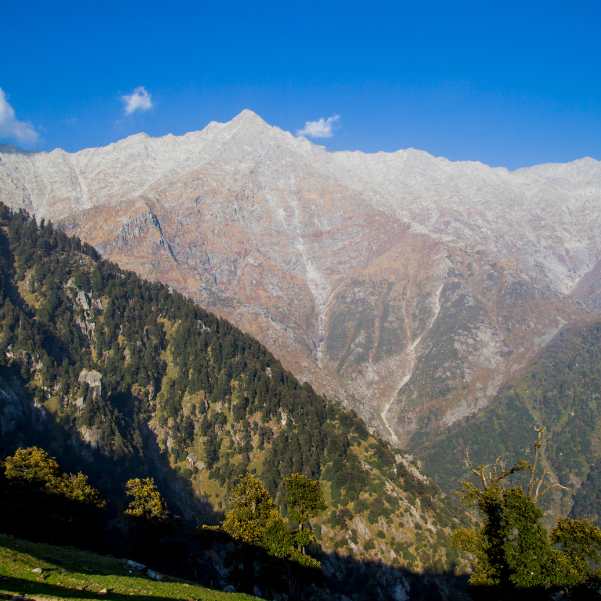
Yes. For most people, this is the window to aim for.
March and April bring spring weather. Daytime temperatures sit around 17°C to 23°C, which is perfect for walking around McLeodganj, visiting the Tsuglagkhang Complex, exploring Dharamkot, and spending time at cafés without sweating or shivering.
The rhododendrons start blooming along the trails, and the air feels fresh after winter.
May and June are when the plains get unbearable and everyone heads to the hills. McLeodganj turns into an escape destination.
The weather is still good, with daytime highs around 28°C to 32°C in lower Dharamshala, though McLeodganj stays noticeably cooler because of the altitude.
The problem? Crowds and prices both go up. Hotels fill fast, especially on weekends and around long weekends.
In our experience, April is the sweet spot. You get spring weather without the May-June rush.
If your dates are flexible, avoid the last two weeks of May and the first two weeks of June when half of North India seems to land in McLeodganj at the same time.
One thing most travel guides skip: even during "peak season," weekdays in McLeodganj feel completely different from weekends. A Tuesday in May is calmer than a Saturday in March. Keep that in mind when booking.
Is September to November Even Better Than Summer?
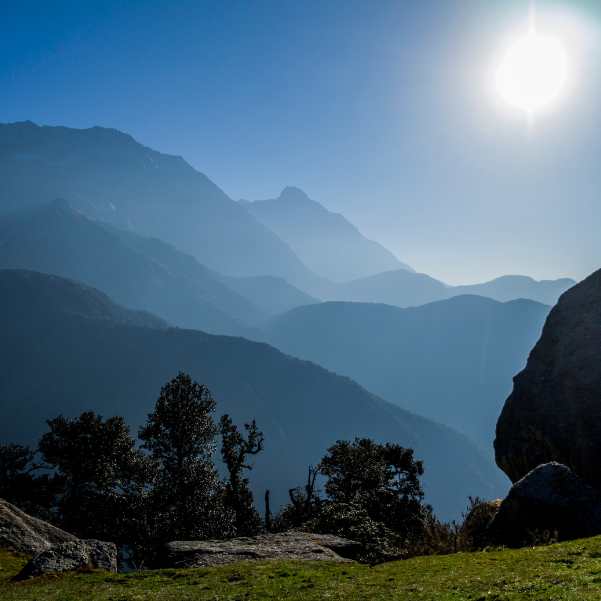
For certain travellers, yes. And honestly, October might be the single best month to visit Dharamshala McLeodganj if you care about views and a quieter experience.
After the monsoon lifts, the entire Dhauladhar range looks washed clean. The air has zero haze. Mountain views from Naddi, from the road to Triund, and even from the main McLeodganj square are dramatically sharper than anything you see in the hazy May heat.
October is the standout month here. Daytime temperatures hover around 25°C, rain drops to just about 6 rainy days for the whole month, and tourist numbers are a fraction of what they are in May.
Walking around town feels easy and pleasant. The light is warm and golden, which is why photographers tend to love this window.
Late October has another draw. The Dharamshala International Film Festival (DIFF) usually runs around this time.
The 2025 edition ran from 30 October to 2 November at Tibetan Children's Village in Upper Dharamshala. If the 2026 dates follow a similar pattern, this adds a cultural layer to your trip that no other month offers.
Early September can still catch the tail end of monsoon rain, so if you are choosing between September and October, go with October.
Should You Avoid Dharamshala McLeodganj in Monsoon?
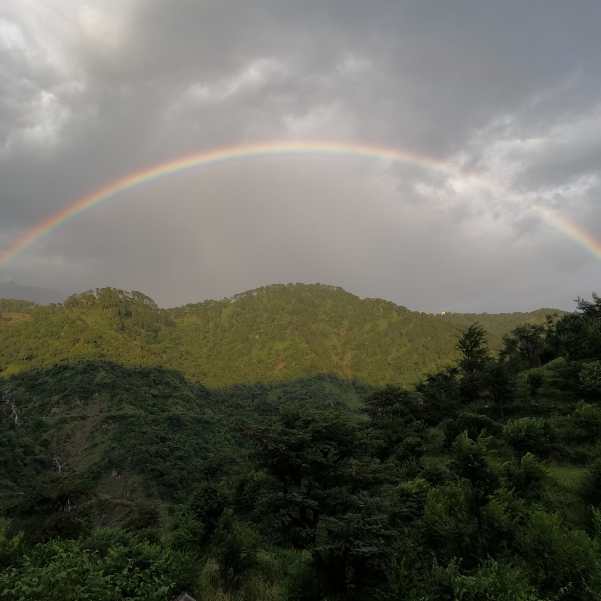
Not necessarily avoid, but definitely plan differently.
July through September dumps serious rain on Dharamshala. July and August average around 29 rainy days each. That is almost every single day. Roads get slippery.
Landslides can block the highway between Dharamshala and Pathankot or between Dharamshala and Mandi. Outdoor treks become risky. Fixed itineraries fall apart.
But here is what nobody tells you: monsoon McLeodganj has its own beauty. The forests around Dharamkot turn impossibly green.
Clouds roll through the streets. Waterfalls appear on hillsides that look bone dry the rest of the year.
If you are a solo traveller or a couple with flexible dates and no rigid sightseeing checklist, monsoon can be genuinely atmospheric.
The honest warning from our side: we do not recommend monsoon trips to families, first-timers, or anyone who has booked non-refundable stays and cannot shift dates if roads close.
We have had travellers stuck for an extra day because a landslide blocked the Kangra Valley road. It happens. If you cannot handle that kind of unpredictability, pick a different month.
Is Winter a Good Time for Snowfall and Quiet Stays?
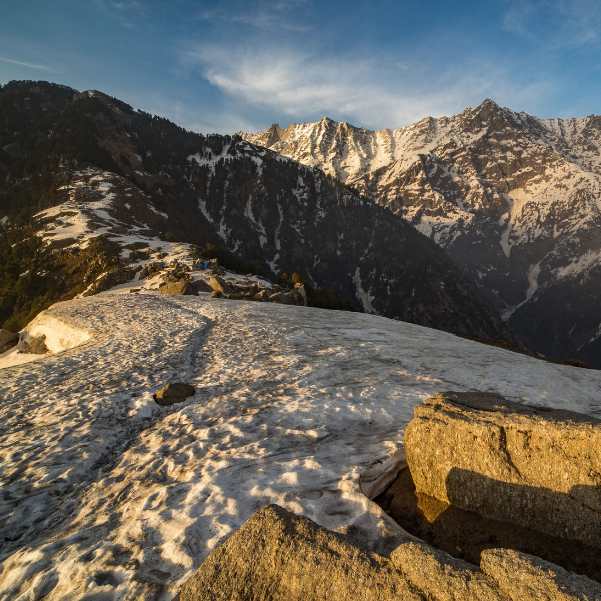
Winter in McLeodganj is cold. Properly cold. December drops to around 6°C at night and January-February go down to 5°C to 7°C lows. Wind makes it feel colder.
The reward is a McLeodganj that feels nothing like its summer version. The streets are quieter. Cafés feel cosier with fewer tourists.
You can sit at a window table at any café in Jogiwara Road without waiting. The Tibetan market has space to browse without being elbowed.
Now, snowfall. Everyone asks about it. Here is the truth: McLeodganj town does get snow some years, usually in January or February. But it is not guaranteed. Some winters get a decent dusting, others barely get a flurry.
Higher points like Triund and Illaqa get snow more reliably, but the trail up can become slippery and dangerous in heavy snow conditions.
Do not plan a winter trip only for snow. Plan it because you enjoy cold weather, quiet mountain towns, and a slower pace. If snow happens, treat it as a bonus.
What we tell travellers considering winter Dharamshala: carry more warm clothes than you think you need.
The rooms in most guesthouses do not have central heating. A good jacket, thermals, warm socks, and a hot water bottle from reception will be your best friends.
Month-Wise Weather Guide for Dharamshala and McLeodganj
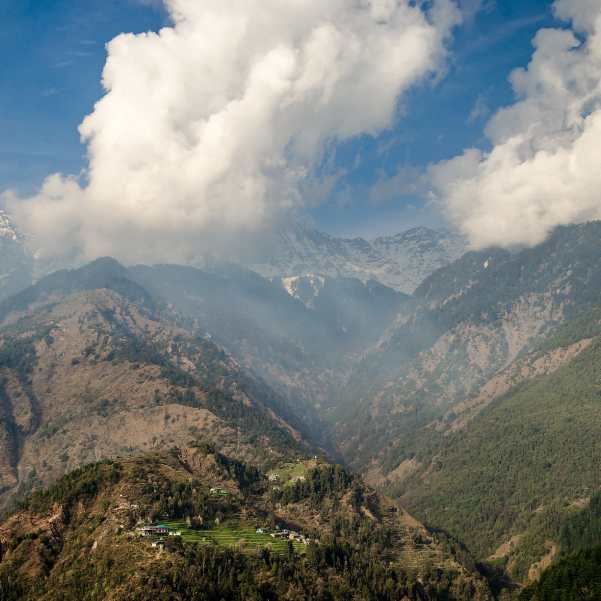
January to February
The coldest stretch of the year. January averages 13°C / 5°C with about 14 rainy days (which includes wet spells and occasional snow). February warms up slightly to 17°C / 7°C with only about 6 rainy days.
This is the window for winter lovers. The town is peaceful. Prices are at their lowest. Some cafés and guesthouses in Dharamkot may close for the season, but McLeodganj's main strip stays open year-round.
March to April
One of the best phases for first-timers. March sits around 17°C / 8°C and April warms to 23°C / 12°C. Spring flowers appear on the trails around Dharamkot and Naddi.
The weather supports outdoor plans, the Triund trek is in good condition, and the crowds have not peaked yet.
If you want a longer, more relaxed trip, check out our Dharamkot travel guide for the quieter side of the Dharamshala region.
May to June
Peak escape season from the Delhi and Punjab heat. Temperatures reach 28°C to 32°C in lower Dharamshala, though McLeodganj stays cooler.
Tourist flow is at its highest. Hotels charge peak rates. Roads to McLeodganj can get jammed on weekends.
If you must travel in May or June, book your stay at least 3 to 4 weeks ahead. And try to arrive on a weekday. We have covered this in more detail in our Dharamshala McLeodganj in May guide.
July to September
The greenest season, but the most uncertain for travel. July and August average 29 rainy days each. September gets about 26 rainy days. Road closures, trek cancellations, and hotel dampness are common.
The upside: room rates drop, the landscape looks incredible, and you get the town almost to yourself on many days.
October to November
One of the smartest windows for weather, views, and photography. October averages 25°C / 15°C with just 6 rainy days. November cools to 21°C / 11°C with about 11 rainy days. The air clarity after monsoon makes every mountain view look sharper.
This is also when the Dharamshala film festival usually happens, adding energy to the town without the summer-level chaos.
December
Cold, atmospheric, and good for a winter mood trip. Temperatures hover around 16°C / 6°C with only about 5 rainy days.
The town starts winding down for winter. Fewer tourists, cosier stays, and the first hints of possible snowfall at higher elevations.
What Is the Best Time for Triund Trek and Outdoor Activities?
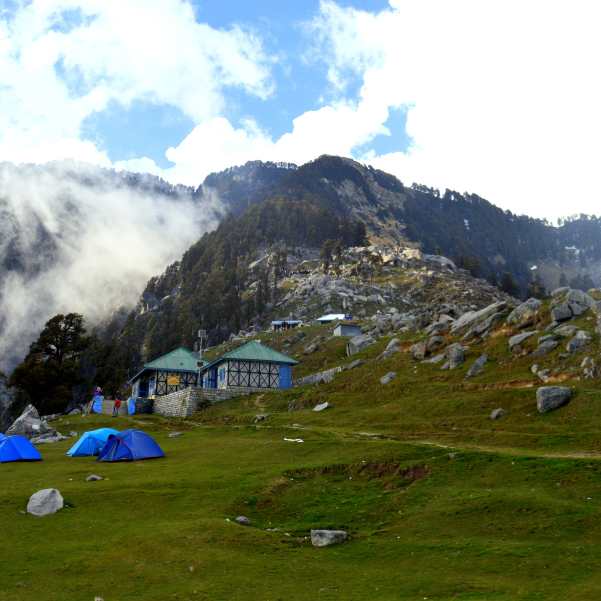
The most reliable windows for the Triund trek are March to June and mid-September to November. During these months, the trail is dry, the weather is cooperative, and you can plan an overnight camp at the top without worrying about rain turning the path into a mudslide.
Himachal Tourism notes that Triund is about 7 km from McLeodganj and that weather there can be highly unpredictable.
This is accurate in our experience too. We have seen clear skies in McLeodganj with thick clouds sitting on Triund at the same time. The altitude difference matters.
One timing tip that most guides miss: start the Triund trek by 7 AM if you are going during peak season.
By mid-morning, the trail gets crowded with day-trippers, and the chai stalls at the top run out of supplies faster than you would expect.
An early start gives you 2 to 3 hours of near-empty trail and the best morning light on the Dhauladhar peaks.
👉 WhatsApp us for a Dharamshala plan with local recommendations
When Are Dalai Lama Teachings and Cultural Events Worth Planning Around?
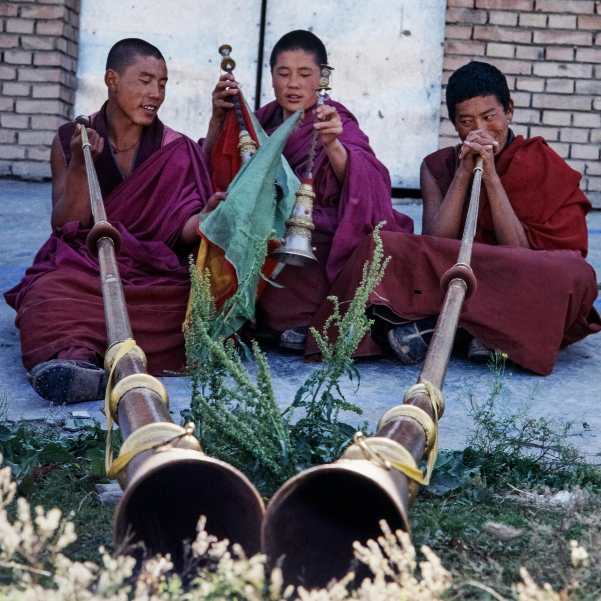
If you want to attend a public teaching by the Dalai Lama, the official 2026 schedule currently lists Dharamsala dates on April 22, 2026 and May 20, 2026.
These dates are subject to change, so always check the official website closer to your travel.
Registration is required for all teachings in Dharamsala. It opens a few days before the event and closes the day before the first session.
You register in person at the Main Tibetan Temple courtyard between 9 AM to 1 PM and 2 PM to 5 PM. The fee is a nominal ₹10.
What this means for regular tourists: during teaching periods, McLeodganj and the temple area get significantly more crowded.
Hotels fill up fast. If you are not attending the teaching but happen to be visiting, expect busier streets and higher room rates around those dates.
The other cultural highlight is the Dharamshala International Film Festival. The 2025 edition ran from 30 October to 2 November at Tibetan Children's Village in Upper Dharamshala, with the box office opening at 9 AM, first screenings at 10 AM, and the last screening ending around 9 PM.
If the 2026 edition follows a similar timeline, late October becomes an especially rewarding time to visit for film and culture enthusiasts.
How Many Days Are Enough for Dharamshala McLeodganj?
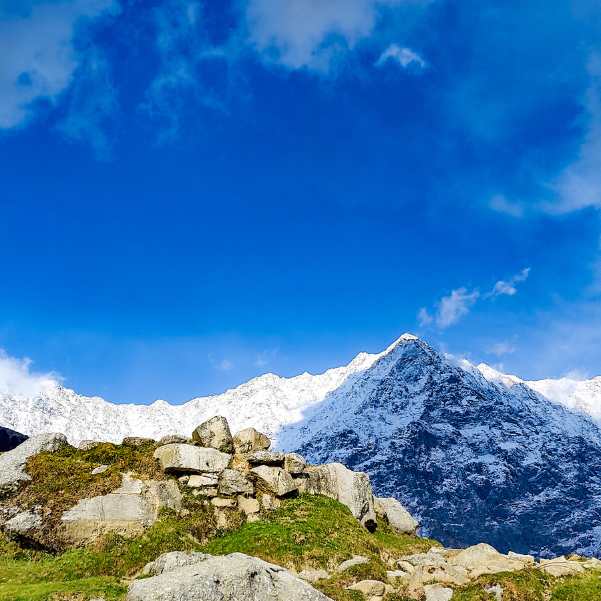
4 to 5 days gives you a comfortable, unhurried trip. You can cover McLeodganj, Dharamkot, Naddi viewpoint, the Bhagsunag waterfall, a day for the Triund trek, and still have time to just sit at a café and do nothing.
A 2-night weekend trip works if you are coming from Delhi, Chandigarh, or Amritsar and just want a quick mountain break. In that case, skip the longer treks and focus on McLeodganj town, the monastery, and the café circuit.
Summer and autumn are best for short trips because the weather cooperates and you do not lose a day to rain.
A longer 4 to 5 day trip makes more sense in spring or autumn when the weather supports outdoor activities.
Trying to fit the Triund trek, monastery visits, and Dharamkot exploration into a 2-day monsoon trip is asking for trouble.
For the full list of what to fit into your days, our best places to visit in Dharamshala McLeodganj guide breaks it down by area.
Where Should You Stay in Each Season?
McLeodganj
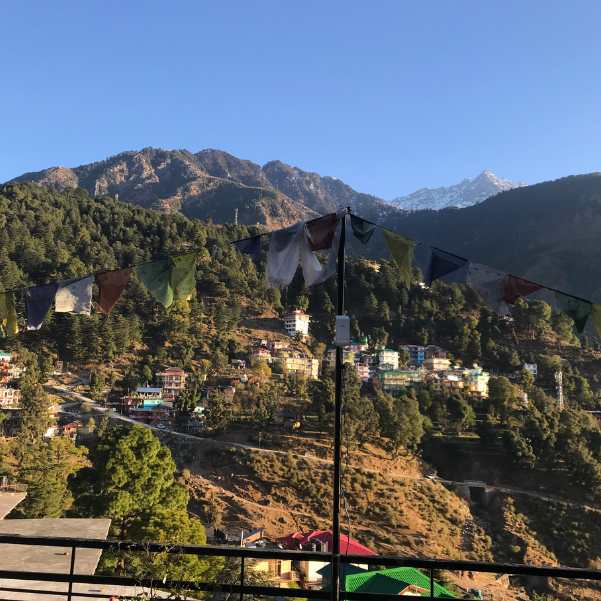
McLeodganj main town works in every season. You are close to cafés, the monastery, markets, and transport. In monsoon, being in the main town means you are not stuck on a muddy path trying to get to your hotel.
Dharamkot
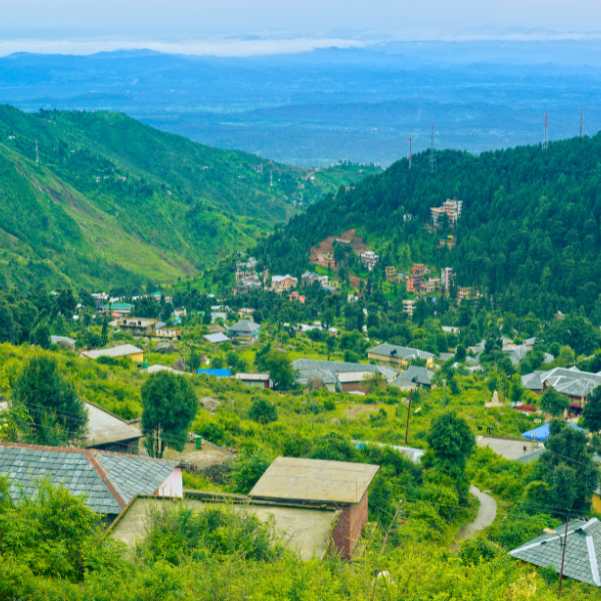
Dharamkot is best from March to June and October to November. It sits higher and quieter than McLeodganj, with better views and a more laid-back vibe.
But in monsoon and deep winter, the uphill walk to Dharamkot can get slippery, and some guesthouses close for the season.
Naddi
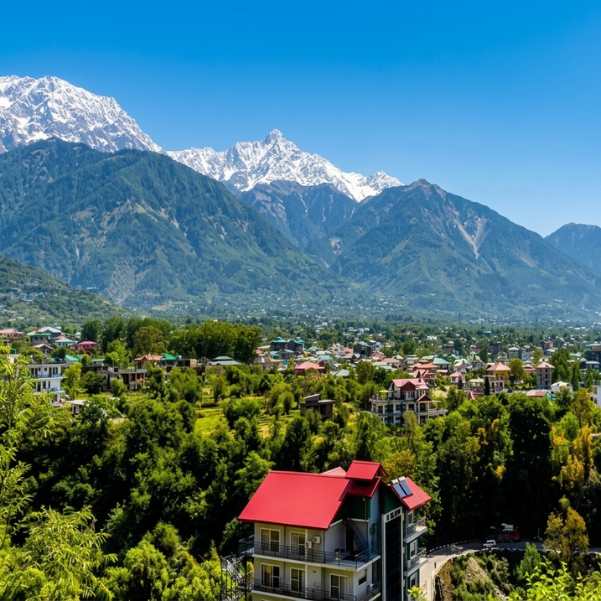
Naddi is a great pick for families and couples in spring and autumn. The Dhauladhar views from Naddi are better than anything you get from McLeodganj.
But it is a bit isolated, so you will need your own transport or a willingness to take autos back and forth.
Lower Dharamshala
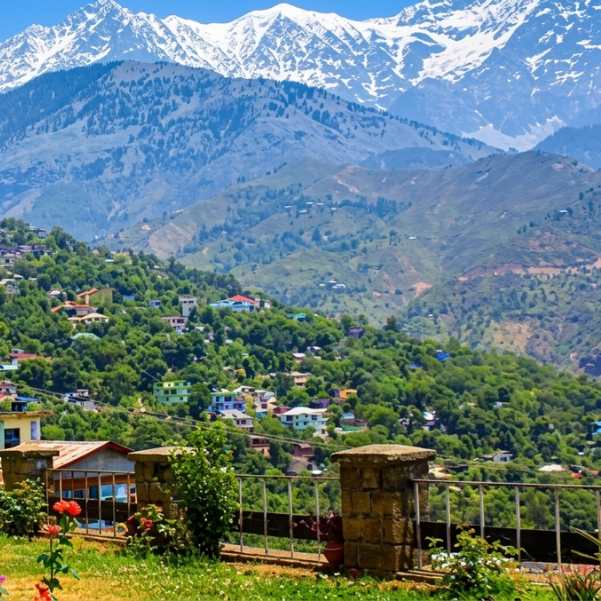
Lower Dharamshala makes sense in winter if you want slightly warmer temperatures and do not mind being away from the McLeodganj café scene.
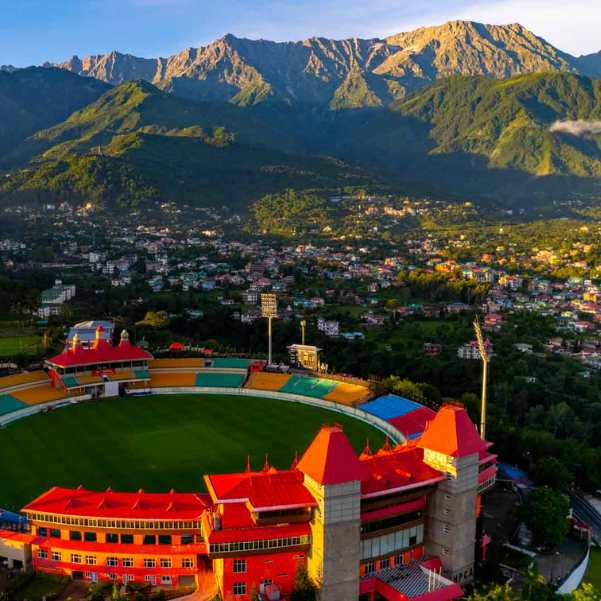
It is also where the cricket stadium and the main town market are located, which gives a different feel from the traveller-heavy upper area.
Local Travel Tips Before You Choose Your Month
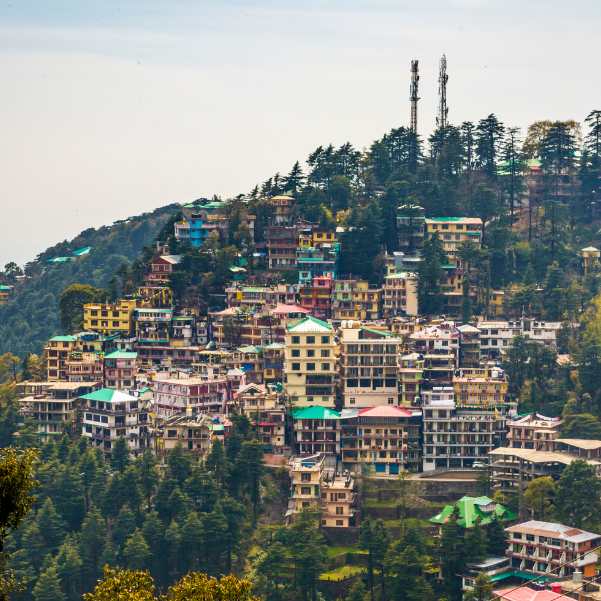
Book your stay at least 3 to 4 weeks in advance if you are travelling in May or June. We have seen people show up without bookings on a long weekend and struggle to find anything decent under ₹3,000 a night.
Weekdays are always better than weekends in McLeodganj, regardless of the season. The difference is dramatic.
A Wednesday afternoon at Bhagsu Nag feels like a different planet compared to a Saturday afternoon at the same spot.
If you are planning a monsoon trip, keep at least one buffer day. Roads between Pathankot and Dharamshala can close for hours after heavy rain, and the last thing you want is to miss a flight or train because you planned zero margin.
Our team always recommends carrying a light rain jacket even in summer. McLeodganj gets surprise showers in March and April too, not just monsoon months.
A sudden 30-minute downpour can catch you off guard on the Triund trail or while walking between Bhagsu and McLeodganj.
If you want us to put together a trip that fits your dates and budget, our Dharamshala tour packages are built by people who live in Himachal and know these roads personally.
Final Verdict: So What Is the Best Time to Visit?
The best overall window for most travellers is March to June. You get cooperative weather, open trails, active cafés, and the easiest planning experience.
October is one of the smartest months if you want the best views, comfortable weather, and lighter crowds. It is genuinely underrated.
Late September to November works well for experienced travellers, photographers, and anyone who does not need the peak-season buzz.
Late December to February is for winter mood seekers. Cold, quiet, atmospheric. Just do not book the trip expecting guaranteed snowfall in town.
Monsoon (July to September) is the weakest choice for anyone with a fixed itinerary. It can work beautifully for flexible, solo, or adventure-minded travellers, but it is not a safe bet for families or first-timers.
If you are still not sure which month fits your group, talk to our team on WhatsApp and we will give you a straight answer based on your dates.
And if Dharamshala is part of a longer Himachal trip, check out our popular tours for routes that combine Dharamshala with places like Shimla, Kasol, or the Jibhi and Tirthan Valley.
👉 WhatsApp us if you are unsure which month fits your group
Explore Our Curated Dharamshala & McLeodganj Tours
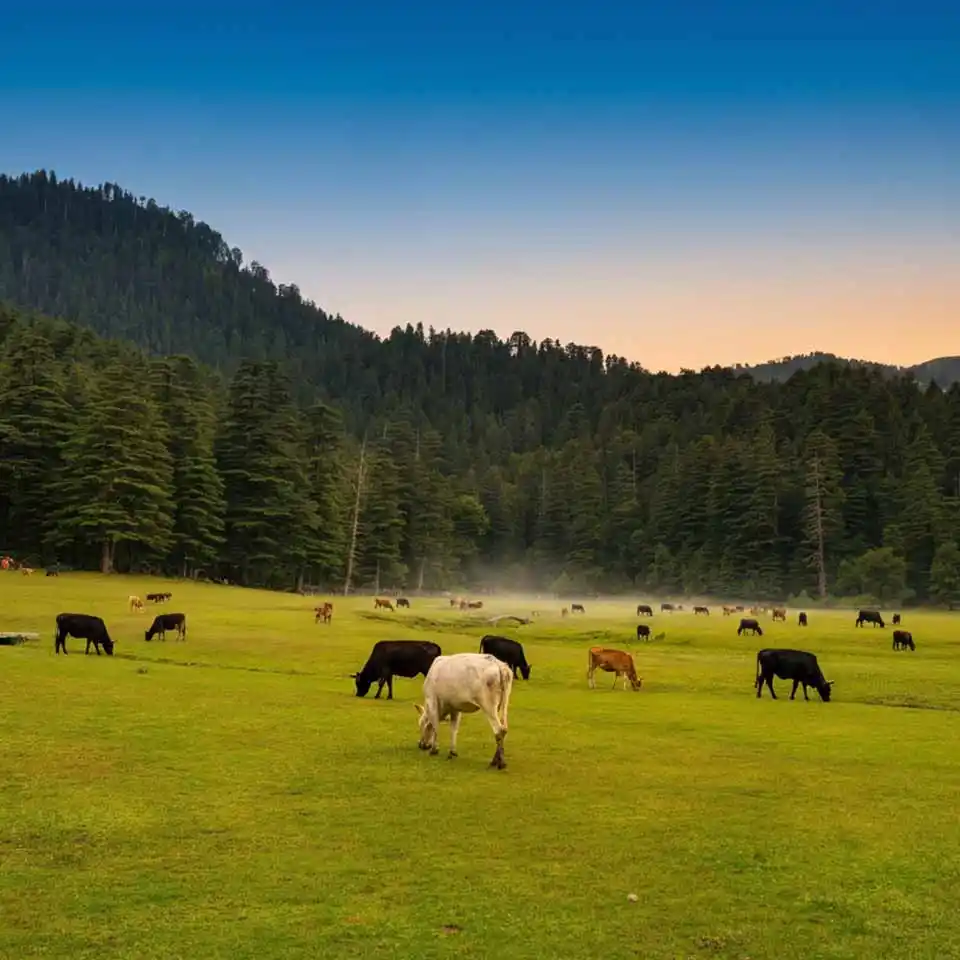 6D/5N
6D/5NDharamshala Dalhousie Khajjiar Meadow Circuit
1D Delhi•2D McLeodganj+1
₹19,999₹25,999SAVE INR 6,000/ person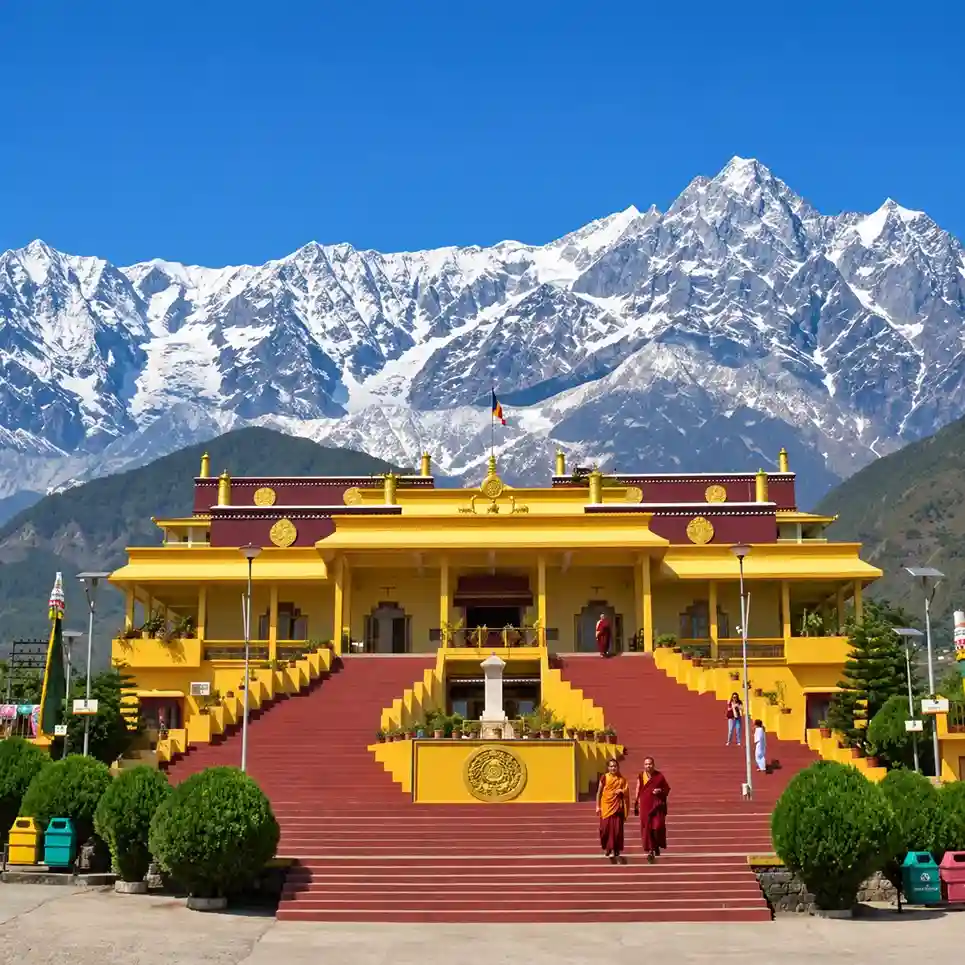 7D/6N
7D/6NDharamshala McLeod Ganj, Dalhousie & Khajjiar With Amritsar
1D Delhi•2D McLeod Ganj / Dharamshala+3
₹23,999₹29,999SAVE INR 6,000/ person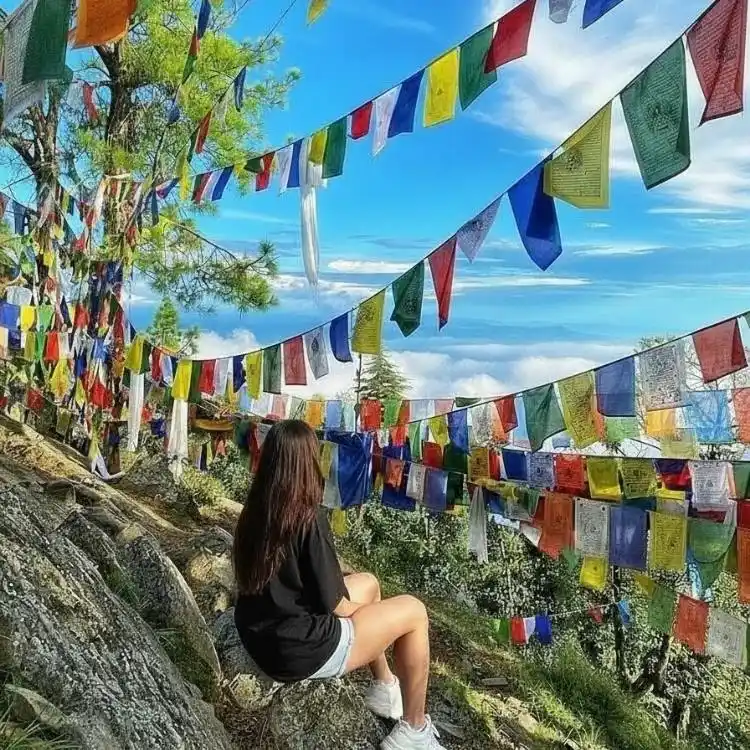 3D/2N
3D/2NDharamshala & McLeodganj Weekend Tour
1D Delhi•2D Dharamshala / McLeodganj
₹8,799₹17,880SAVE INR 9,081/ person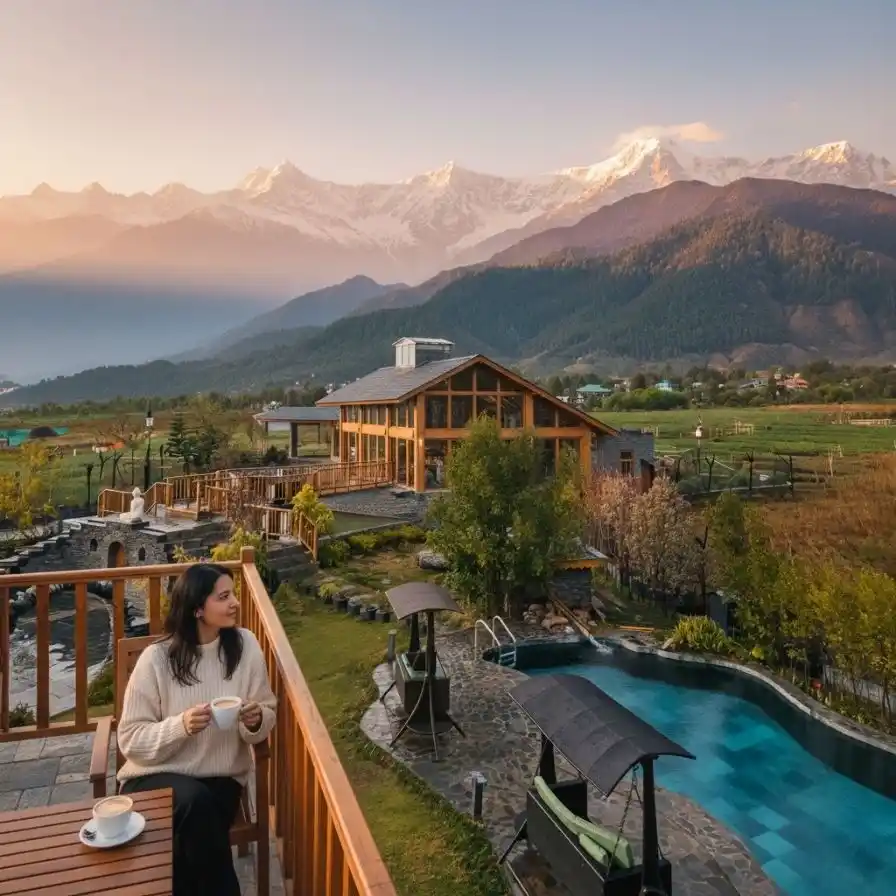 3D/2N
3D/2NDharamshala & McLeodganj Luxury Hideaway
1D Delhi•2D Dharamshala / McLeodganj
₹23,799₹29,999SAVE INR 6,200/ person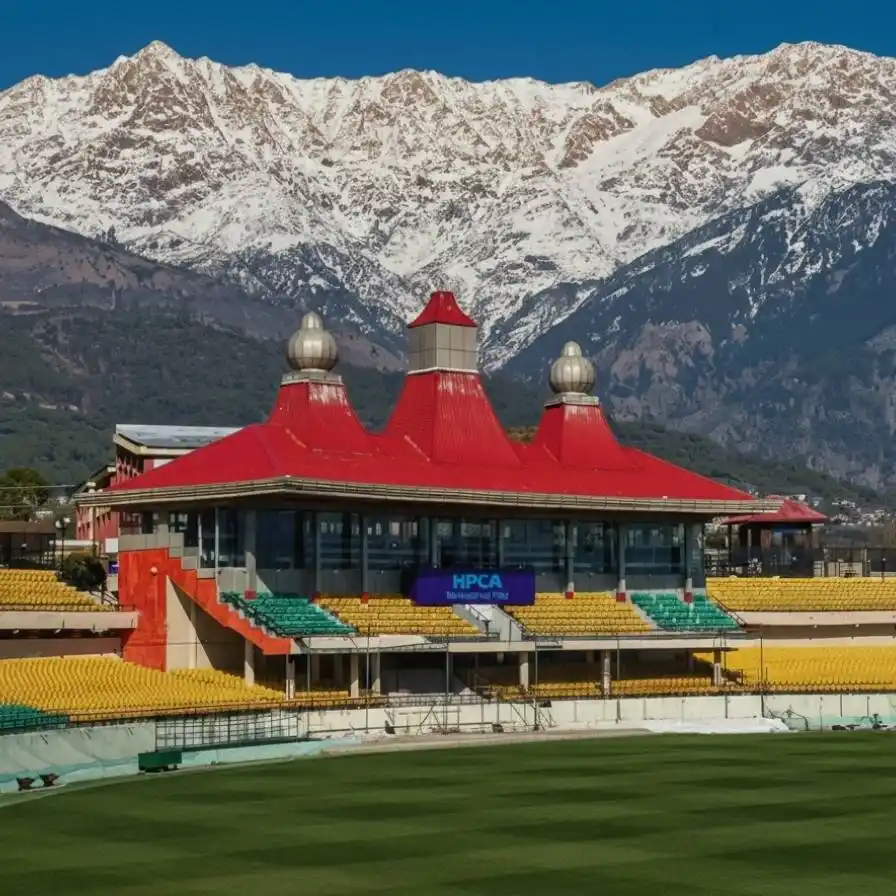 6D/5N
6D/5NDharamshala Dalhousie Khajjiar Himalayan Retreat
1D Delhi•2D McLeodganj+1
₹25,999₹32,999SAVE INR 7,000/ person 7D/6N
7D/6NPerfect Dharamshala–McLeod Ganj, Dalhousie, Khajjiar & Amritsar Family Trip
1D Delhi•3D McLeod Ganj / Dharamshala+2
₹29,999₹36,999SAVE INR 7,000/ person
Related topics
Frequently Asked Questions
What is the best month to visit Dharamshala McLeodganj?
March to June is the best window for most travellers. Within that, April offers the best balance of good weather and manageable crowds. October is excellent if you prefer fewer tourists and cleaner mountain views.
Is October better than May for Dharamshala?
For weather and views, yes. October has clearer skies, cooler comfortable temperatures around 25°C, and only about 6 rainy days. May is warmer, busier, and more expensive. October loses only on "buzz" if you enjoy a crowded hill station vibe.
Can I visit Dharamshala during monsoon?
You can, but plan with flexibility. July and August get around 29 rainy days each. Roads can close, treks get cancelled, and sightseeing depends on the weather each day. It suits solo or adventurous travellers more than families.
Is December too cold for McLeodganj?
It is cold, around 16°C / 6°C, but not unmanageable if you pack properly. Carry thermals, a heavy jacket, and warm socks. The town is quieter, cafés are cosier, and you might catch early winter snow at higher elevations.
Which month is best for Triund trek?
The most reliable months are March to June and mid-September to November. These give you dry trails and the best chance of clear views at the top. Avoid monsoon months when the trail turns slippery and dangerous.
How many days are enough for Dharamshala McLeodganj?
4 to 5 days for a comfortable trip with the Triund trek, monastery visits, Dharamkot, and café time. A quick 2-night weekend trip works if you skip the longer treks and focus on McLeodganj town.
Does it snow in McLeodganj?
Sometimes, usually in January or February. But snowfall in town is not guaranteed every year. Higher points like Triund and Illaqa get snow more reliably. Do not plan a trip around snow as a certainty.
Is September safe after monsoon?
Early September can still catch residual rain, with around 26 rainy days on average for the month. Late September is better. October is the safest post-monsoon month with significantly less rain.
Is Dharamshala crowded in summer?
Yes, especially in May and June. McLeodganj gets packed on weekends and long weekends. If you must travel in summer, visit on weekdays and book your stay well in advance.
Can tourists attend Dalai Lama teachings in Dharamsala?
Yes. The 2026 schedule currently lists public events on April 22 and May 20 in Dharamsala. Registration is required at the Main Tibetan Temple courtyard with a ₹10 fee. Dates are subject to change, so check the official site before planning.
Which is better for first-time travellers, Dharamshala or McLeodganj?
Most first-timers should stay in McLeodganj. It is where the cafés, monasteries, markets, and traveller energy are concentrated. Lower Dharamshala is more of a regular town and does not have the same mountain-town atmosphere.
Is Dharamshala good for a family trip in April?
Very good. April temperatures are comfortable at 23°C / 12°C, roads are clear, and you can visit monasteries, Naddi viewpoint, and Bhagsunag waterfall without weather issues. Book family-friendly stays in Naddi or McLeodganj's main area for convenience.
More about Dharamshala
 Dharamshala
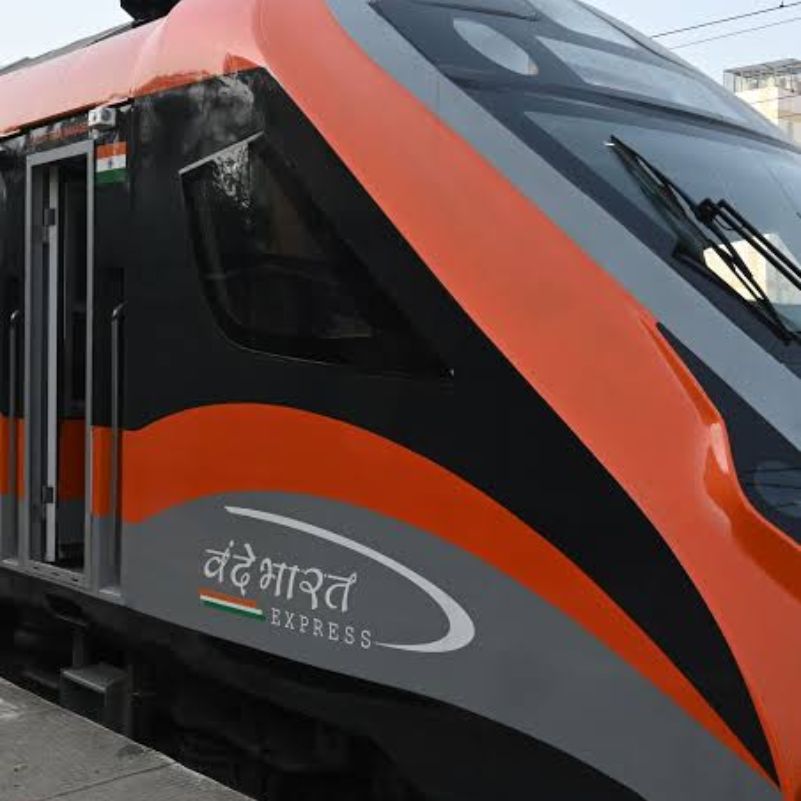
Delhi to Dharamshala by Vande Bharat in 2026: Amb Andaura Transfer & Return Guide
Planning to travel from Delhi to Dharamshala by Vande Bharat? Learn the best rail route, where to get off, and how to arrange your onward transfer to Dharamshala by taxi or bus.
- How to Reach
- First-Time Travellers
 Dharamshala
Dharamshala Group Trip with Friends 2026: Cabs, Rooms, Triund and Shared Costs
Planning a Dharamshala group trip with friends in 2026? Explore cab options, estimated travel costs, group budgeting tips, and practical ways to plan an affordable trip to Dharamshala and McLeod Ganj.
- First-Time Travellers
- Itinerary
 Dharamshala
Dharamshala Trip Cancellation Due to Weather in 2026: Refunds, Rescheduling and What Happens Next?
Planning a Dharamshala trip in 2026? Learn when severe weather, heavy rain, snowfall, landslides or road disruptions may require you to cancel or postpone your trip, and what to check before travelling.
- First-Time Travellers
- Road Status