
Dharamkot Travel Guide 2026: How to Reach, Best Time to Visit, Safety Tips and Best Things to Do
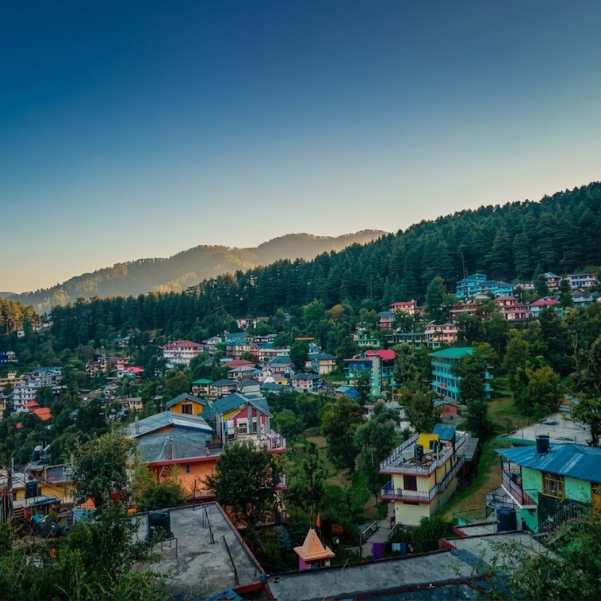
Dharamkot is one of those places that rewards you for going just a little further than everyone else. Most travellers heading to the Dharamshala region end up spending all their time in McLeodganj, and while that is a fine choice, Dharamkot offers something different.
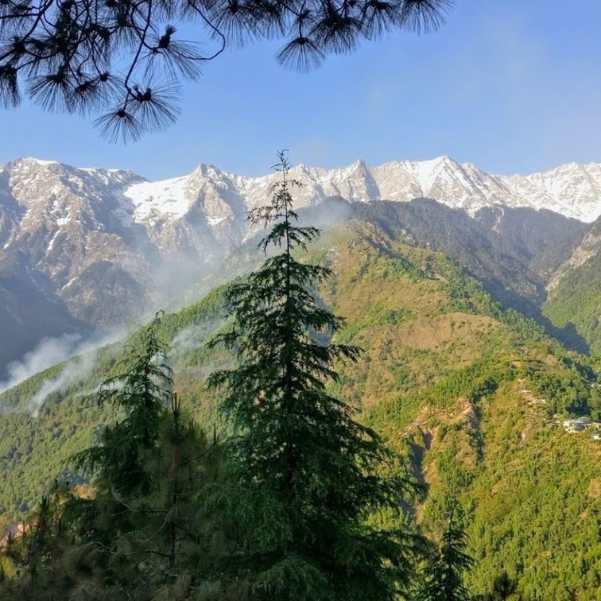
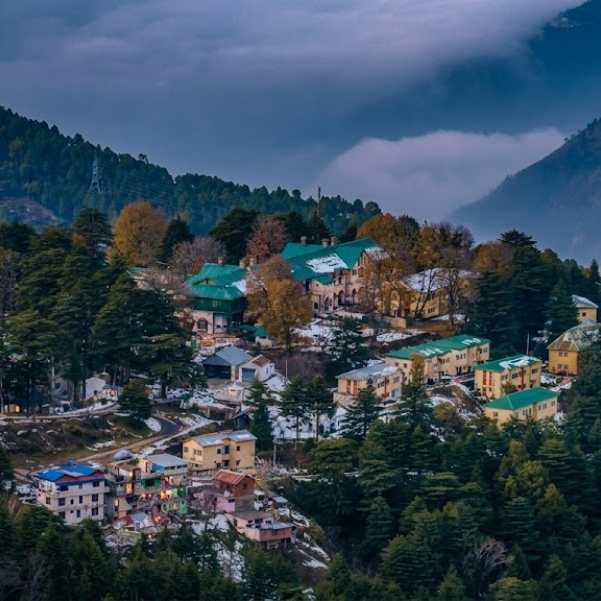
It sits about 2 km uphill from McLeodganj at an altitude of roughly 2,100 metres, perched on a ridge with wide open views of the Dhauladhar mountains on one side and the Kangra Valley stretching out below.
If you are someone who prefers quiet mornings over crowded markets, forest paths over mall roads, and cafes where you can actually hear yourself think, this village is going to feel like a very good decision.
This guide is built to give you everything you actually need before visiting Dharamkot. Not just a list of places, but practical route advice, honest safety information, seasonal clarity, packing help, and the kind of grounded suggestions that make the difference between a trip that goes smoothly and one that starts with confusion at McLeodganj square.
Whether you are a solo traveller, a couple looking for a few peaceful days, a backpacker, a remote worker scouting for a mountain workation, or someone visiting Himachal Pradesh for the first time, this guide has you covered.
Quick Answers for Dharamkot Trip Planning
Where is Dharamkot?
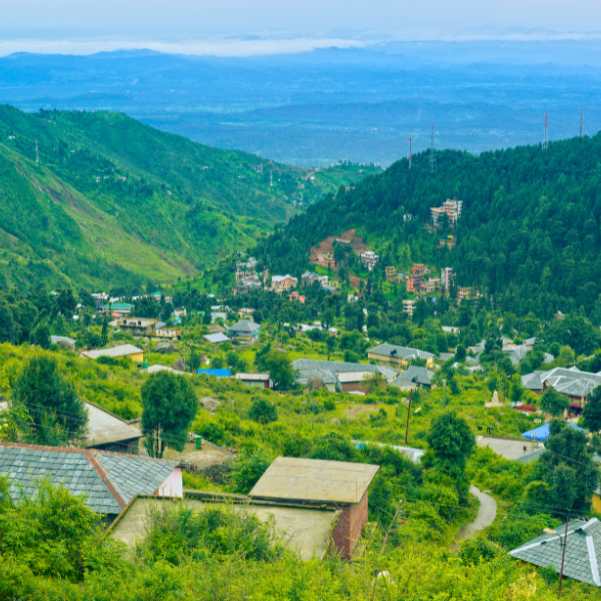
A small hilltop village about 2 km above McLeodganj in Kangra district, Himachal Pradesh. It sits at around 2,100 metres (roughly 6,900 feet).
How do I get there?
Reach McLeodganj by bus, taxi, or flight (via Gaggal Airport), then walk uphill for about 20 to 30 minutes or take a taxi to the motorable end point.
Best time to visit?
March to June and September to November. Avoid peak monsoon (July to mid September) unless you are comfortable with rain and trail closures.
How many days?
Two full days for a relaxed visit. Three days if you want to include Triund, Bhagsu, and unhurried cafe time.
Is it safe?
Yes, generally safe for all travellers including solo women. Standard travel awareness applies.
Good for workation? Yes, several cafes and hostels offer reasonable wifi. Confirm connectivity before booking longer stays.
What Is Dharamkot and Why Do Travellers Love It
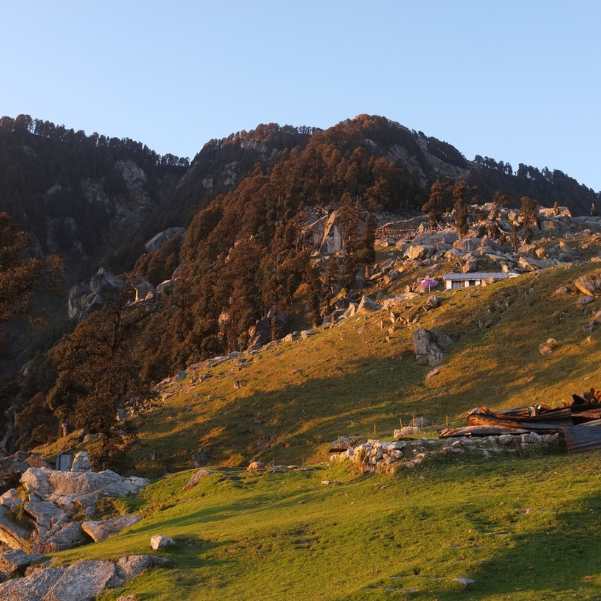
Dharamkot is a tiny village that sits on the crest of a hill above McLeodganj. It is part of the broader Dharamshala region in Himachal Pradesh.
The village itself does not have a market, a mall road, or the kind of tourist infrastructure you find in McLeodganj or Dharamshala town. And that is exactly the point.
What it does have is a single main road that narrows into walking paths, a strong cafe culture, a handful of meditation and yoga centres including the well known Tushita Meditation Centre and the Vipassana centre Dhamma Shikara, forest trails surrounded by deodar and pine, and genuinely spectacular mountain views when the weather is clear.
This is where Dharamkot feels very different from McLeodganj. McLeodganj is vibrant, culturally rich, and convenient.
Bhagsu is a middle ground with its waterfall and temple. Dharamkot is the quieter, slower, more intentional choice. It attracts backpackers, spiritual seekers, long stay travellers, and people who want a mountain experience without the noise.
If you are still deciding between the three, we have a detailed Dharamshala planning guide that breaks down the differences.
Who Should Visit Dharamkot
Solo travellers
Dharamkot is one of the best solo destinations in Himachal. The crowd is friendly, the village is small enough to navigate easily, and you will find plenty of people to talk to at cafes and hostels without the loneliness that can hit in bigger towns.
Solo female travellers
The overall atmosphere is respectful and welcoming. Many women travel here solo for yoga retreats and stays of a week or more. That said, avoid isolated trails after dark and keep your accommodation informed about your plans. We have written a more detailed safety guide for solo female travellers visiting Dharamshala that applies to Dharamkot as well.
Couples
If your idea of a good trip together involves slow mornings, mountain views from a cafe balcony, and quiet walks through the forest, Dharamkot is lovely. It is not the best fit if you are looking for nightlife or a lot of structured sightseeing.
Backpackers and budget travellers
Affordable hostels, budget guesthouses, and cheap but excellent food make Dharamkot very backpacker friendly. You can eat well, sleep comfortably, and spend your days between forest walks and cafes without burning through your budget.
Remote workers and workation seekers
Several hostels and cafes now market themselves as workation friendly. The environment supports focus, but wifi quality can vary. Always confirm internet speed at your specific stay before committing for more than a couple of days.
First time Himachal visitors
If this is your first time in the mountains, Dharamkot can be a great introduction, but know that it involves uphill walking, narrow paths, and limited vehicle access. If mobility or heavy luggage is a concern, consider staying in McLeodganj and doing day visits to Dharamkot instead.
How to Reach Dharamkot
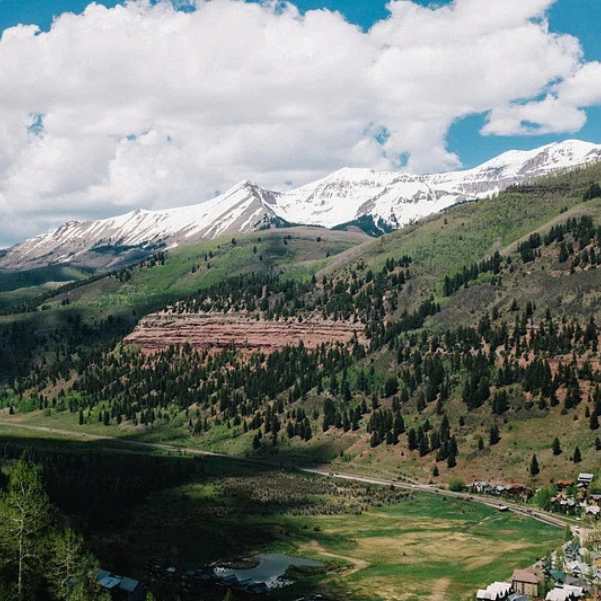
Getting to Dharamkot is really about getting to McLeodganj first, and then covering the final 2 km uphill. The last stretch is what catches most first timers off guard, so let us break the entire journey down clearly.
From Delhi
The total distance is roughly 480 to 500 km. Most travellers take an overnight Volvo bus from Delhi ISBT (Kashmere Gate) to McLeodganj. The ride takes 10 to 12 hours depending on road conditions and stops.
Alternatively, you can drive via NH44 to Chandigarh and then take NH154 through Una and Kangra. This is the most common route and works well for self drive trips too.
Our detailed route breakdown in the how to reach Dharamshala and McLeodganj from Delhi, Chandigarh and Amritsar guide covers bus timings, taxi options, and road condition tips.
From Chandigarh
Chandigarh to McLeodganj is around 250 km, roughly 6 to 7 hours by road. You can take a direct HRTC or private bus, or hire a taxi. This is a solid route for travellers coming from Punjab or Haryana. The road through Kangra Valley is scenic and well maintained for most of the stretch.
From Amritsar
From Amritsar, the drive to McLeodganj is about 200 to 220 km and takes roughly 5 to 6 hours. You can hire a cab or take a bus to Dharamshala and then continue to McLeodganj. This is a convenient route if you are combining a Golden Temple visit with a Himachal trip.
From Pathankot
Pathankot is the nearest major railhead, located about 85 to 90 km from McLeodganj. If you are arriving by train from Delhi, Jammu, or other northern cities, Pathankot Junction is a good option. From there, taxis and state buses to Dharamshala and McLeodganj are easily available. The ride takes 3 to 4 hours.
By Air
The nearest airport is Gaggal Airport (also called Kangra Airport or Dharamshala Airport), about 18 to 20 km from McLeodganj. Flights operate from Delhi and occasionally from Chandigarh. Availability can be limited, so book early during peak season. From the airport, a taxi to McLeodganj takes about an hour.
The Last Mile: McLeodganj to Dharamkot
This is the part most guides gloss over, but it matters a lot.
From McLeodganj main square, Dharamkot is about 2 km uphill. You can walk it in 20 to 30 minutes at a comfortable pace. The road is paved for most of the way, but it is steep and gets narrower as you go. Beyond a point, vehicles cannot go further, and the road turns into a walking path.
If you have heavy luggage, take a taxi as far as the road allows and then walk the rest. Some accommodations in upper Dharamkot are a further 10 to 15 minute walk on narrow paths.
One thing people often underestimate here is how tiring it can be to carry a large suitcase uphill, especially after a 12 hour overnight bus ride. Travel light, use a backpack, and save yourself the frustration.
Best Time to Visit Dharamkot
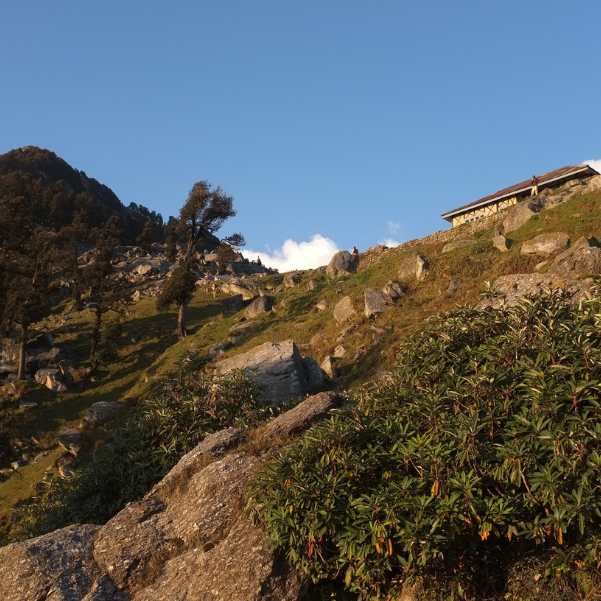
The right time to visit depends heavily on what kind of experience you are after. Here is a practical season by season breakdown.
March to June: Spring and Early Summer
This is the most popular window and for good reason. Temperatures are pleasant, ranging from about 10 to 25 degrees Celsius depending on the month. Skies are generally clear, especially in March and April, offering strong mountain views.
The forest is green and alive, trails are in good condition, and cafes are buzzing. May and early June can get warmer during the day, but evenings stay cool. If you are visiting for the first time, this is the safest bet.
Heading out in April specifically? Check our what to pack for Dharamshala in April guide for specific clothing and gear recommendations.
July to September: Monsoon
Monsoon brings heavy rain, landslides, trail closures, and occasional road disruptions. The landscape turns incredibly lush and green, but this comes with real risks. The Triund trail can become slippery and sometimes gets officially closed.
Roads to McLeodganj can face delays due to landslips. If you love rain and are comfortable with uncertainty, monsoon Dharamkot has a raw, moody beauty. But this is not the season for first timers or anyone planning to trek.
October to November: Autumn
In my view, the best choice for most travellers who want clear skies and fewer crowds. The monsoon has passed, the air is crisp, the mountains are sharply visible, and the village feels calm without being deserted.
Temperatures begin to drop, so carry layers. Triund is usually accessible and the forest walks feel refreshingly cool. October and November are excellent for photography, slow travel, and workations.
December to February: Winter
Dharamkot receives light to moderate snowfall during this period, most commonly in January. Temperatures hover around 0 to 8 degrees Celsius. The village is quieter, many cafes and guesthouses reduce operations, and some trails may be inaccessible.
If you enjoy cold weather, snow views, and a stripped back mountain experience, winter can be magical. But come prepared with proper thermals, a good jacket, and shoes with strong grip. Conditions can change quickly, so always verify road and weather updates before starting your journey.
Dharamkot Weather and What to Keep in Mind
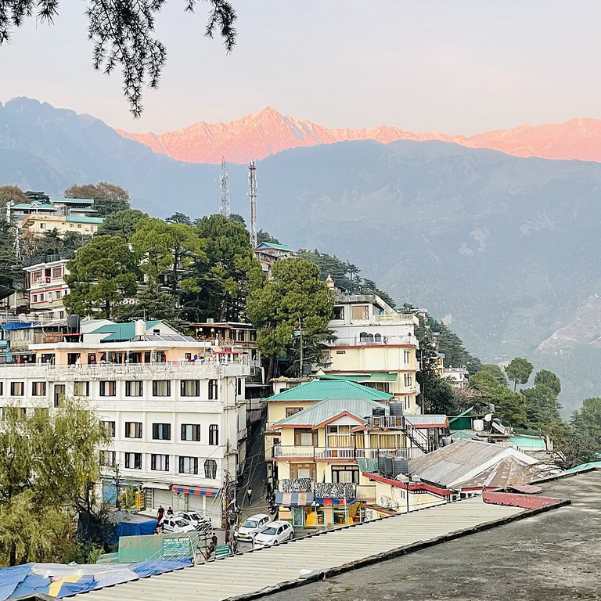
Rather than giving you a temperature chart that might be outdated by next week, here is what genuinely matters.
Dharamkot sits at about 2,100 metres. At this altitude, weather can shift within a few hours. A sunny morning can turn into a cold, windy afternoon, and evenings are almost always cooler than you expect. Even in peak summer, carry a light jacket or fleece for evenings.
During monsoon, rain does not always follow a predictable pattern. Some days are torrential, others are just cloudy. Trails become wet and muddy, and higher paths near Triund and Gallu can feel very different from the main village area.
In winter, temperatures at night can drop to near freezing, and wind chill makes it feel colder. Snowfall is possible but not guaranteed every day.
The most useful thing you can do is check same day weather and road conditions just before leaving for Dharamkot. Local news sources, your accommodation host, and Himachal road advisory channels are all worth consulting.
Is Dharamkot Safe?
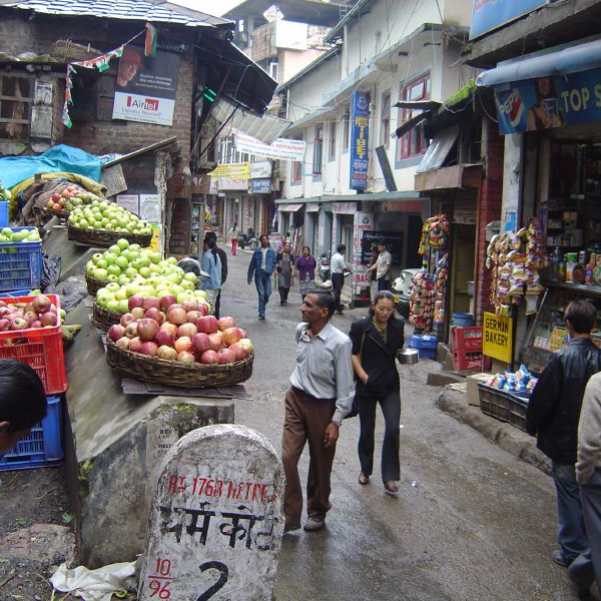
Short answer: yes, Dharamkot is generally a safe place to visit.
The village has a calm, low key atmosphere. The traveller crowd tends to be respectful, and the local community is welcoming. Petty theft and scams are uncommon, though basic precautions always apply.
For Solo Travellers
Dharamkot is well suited for solo travel. You will find it easy to meet others at cafes and hostels. Most people here are solo travellers themselves. Keep your valuables secure, stay on known paths, and let someone at your accommodation know if you are heading out on a longer walk or trek.
For Solo Female Travellers
Many women travel solo to Dharamkot every year, and the overall experience tends to be positive. The village is small, most people know each other, and the crowd is oriented around yoga, meditation, and quiet travel.
That said, avoid walking isolated forest trails alone after dark. If you are arriving late at night, arrange your transport and accommodation in advance. And trust your instincts. If something does not feel right, it probably is not.
For more specific safety advice, our solo female travel safety guide for Dharamshala covers the region in detail.
Trekking Safety
The Triund trek from Dharamkot is beginner friendly in good weather, but it is still a mountain trail. Start early, carry enough water, wear proper shoes, and do not attempt it during or just after heavy rain.
Register your name at the Gallu Devi checkpoint if required. Higher trails beyond Triund towards Laka or Indrahar Pass require experience and preparation.
Monsoon and Road Safety
A lot of travellers make the mistake of underestimating the monsoon in this region. Landslides can block roads without warning, and narrow mountain paths become slippery.
During heavy rain, it is always smart to delay your plans rather than push through. Conditions can change quickly, especially on the road between Dharamshala and McLeodganj.
Best Things to Do in Dharamkot
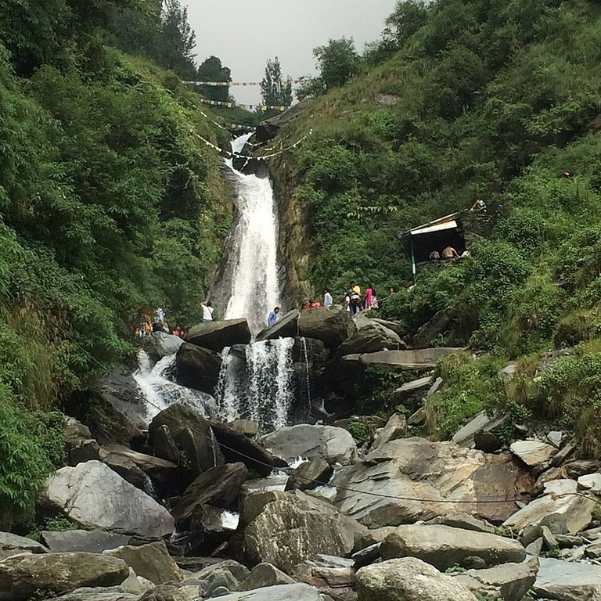
Dharamkot is not a place you visit to tick off a sightseeing checklist. It is a place where the experience comes from how you spend your time, not how many places you rush through.
Soak In the Cafe Culture
If your priority is quiet cafes and slow mornings, Dharamkot delivers better than almost anywhere in Himachal. The village has a surprisingly rich cafe scene, from places serving Israeli and Middle Eastern food to spots with wood fired pizza, fresh baked cakes, herbal teas, and proper espresso.
Cafes like Trek and Dine at the end of the main road, and several others along the walking path, offer balcony seating with mountain views. Sit, order something warm, read a book, and let time stretch. That is the Dharamkot cafe experience.
Walk Through the Forest
The forest trails around Dharamkot are among the most underrated walks in the region. Deodar and pine line the paths, and on a quiet morning, you will hear little beyond birdsong and wind.
These are not formal treks. They are just beautiful, easy to moderate walks through nature that start right from the village edge. Perfect for mornings before breakfast or late afternoons before sunset.
Visit Bhagsu Waterfall and Temple
Bhagsu is a short walk from Dharamkot, and the waterfall and Bhagsunag Temple are worth the detour. The waterfall is most impressive after some rain, and the path there passes through a lively stretch with more cafes and shops.
It makes for a nice half day outing when you want a change of scene from Dharamkot's quiet lanes.
Catch Sunset from Naddi
Naddi is a small viewpoint settlement near Dharamkot that offers some of the most panoramic sunsets in the region. The Kangra Valley opens up below, and on a clear day, the sky over the plains turns golden. It is an easy walk from Dharamkot, and many travellers list this as one of their favourite memories from the trip.
Trek to Triund
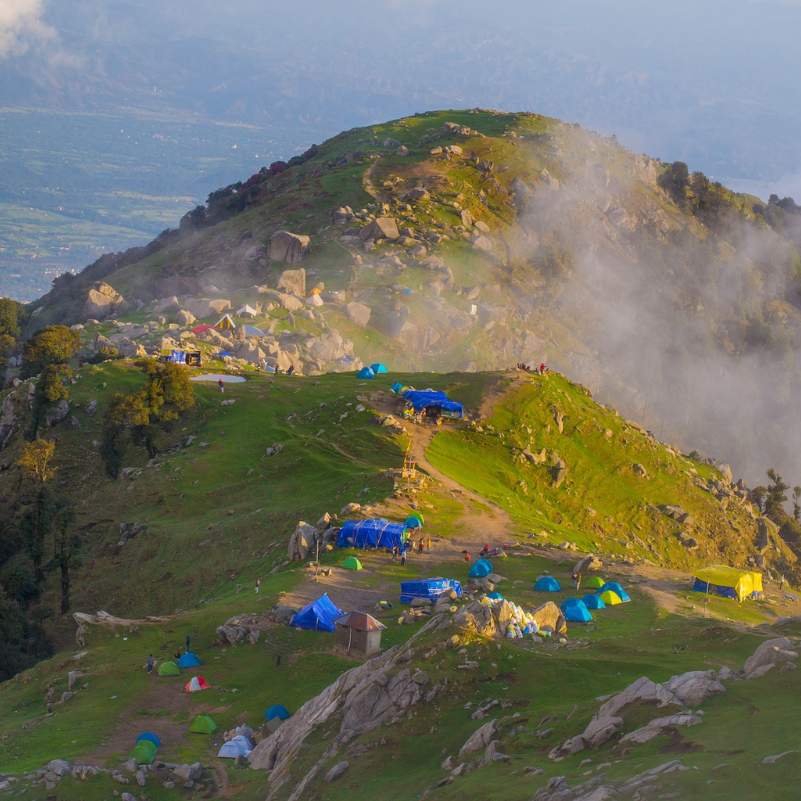
Dharamkot is one of the most common starting points for the Triund trek, and for good reason. The trail begins near the Gallu Devi temple area and covers about 6 to 7 km to the ridge at 2,827 metres.
The trek is considered beginner friendly in fair weather and takes about 4 to 5 hours one way. The views from the top, looking straight at the Dhauladhar snow line, are genuinely stunning.
A few things to know: start early (ideally by 8 AM or earlier), carry at least 2 litres of water, wear shoes with good grip, and do not underestimate the last steep stretch near the top. If you plan to camp at Triund, check availability and regulations in advance.
Explore the Gallu Area
The Gallu Devi temple area, just above Dharamkot on the way to Triund, is a pleasant stop even if you are not doing the full trek. The forest is dense, the air feels cooler, and the walk from Dharamkot is short enough to do as a morning stroll. There are a couple of small cafes here too.
Attend a Yoga or Meditation Session
Dharamkot has been attracting spiritual seekers for decades. The Tushita Meditation Centre offers courses in Tibetan Buddhist meditation, and the Vipassana centre (Dhamma Shikara) hosts structured silent retreats. There are also smaller yoga studios and independent teachers offering drop in classes.
One important note: these are serious practice spaces. If you visit a retreat or meditation centre, respect the silence, dress modestly, keep your phone off, and follow the centre's guidelines. These places exist because people have worked hard to protect their atmosphere.
Just Slow Down
Not everything needs to be an activity. Some of the best moments in Dharamkot come from doing very little: sitting at a viewpoint with a cup of tea, reading in the late afternoon light, watching clouds move across the Dhauladhar ridge, or having an unplanned conversation with someone from the other side of the world.
If you are used to trip itineraries packed with 8 things per day, Dharamkot will gently encourage you to reconsider.
Dharamkot Itinerary Ideas
Relaxed 2 Day Itinerary
Day 1
Arrive in McLeodganj by morning or early afternoon. Walk up to Dharamkot, check in, and settle into your stay. Spend the afternoon exploring the village lanes and the main cafe strip. Have a slow lunch, pick a viewpoint, and let the altitude settle in. In the evening, walk towards Naddi for sunset views.
Day 2
Start with a morning forest walk or head towards the Gallu area for a short hike. Return for brunch at one of the cafes. In the afternoon, walk down to Bhagsu to visit the waterfall and temple. Head back to Dharamkot or McLeodganj by evening. If you are leaving the same night, the walk down to McLeodganj takes only 15 to 20 minutes.
Comfortable 3 Day Itinerary
Day 1
Same as above. Arrive, settle in, explore the village. Keep it light.
Day 2
Triund trek day. Start by 7:30 to 8:00 AM from Dharamkot. Trek to Triund, spend time at the top, and return by late afternoon. Rest, refuel at a cafe, and enjoy a quiet evening.
Day 3
Sleep in. Have a leisurely breakfast at one of the cafes. Walk to Bhagsu or Naddi if you missed them on Day 1. Spend the afternoon packing and walking down to McLeodganj for your onward journey.
Want a ready made plan with transport and stays sorted? Check our Dharamshala McLeodganj weekend tour package for a well paced option.
Where to Stay in Dharamkot
There are no large hotels in Dharamkot. Accommodation is mostly small guesthouses, homestays, hostels, and a few boutique stays. That is part of the charm, but it also means you need to choose wisely based on your travel style.
Lower Dharamkot is closer to the road from McLeodganj, making it easier for luggage carrying and vehicle access. Stays here tend to be more affordable and better for travellers who want convenience.
Upper Dharamkot and beyond offers more quiet, better views, and a stronger sense of being away from it all. But the trade off is more walking on narrow, sometimes steep paths. If you have knee issues, heavy bags, or limited mobility, be honest with yourself about what you can handle.
Before booking, always ask your host how far the property is from the last motorable point, whether they can help with luggage, and what the walking path is like. A lot of confusion and frustration can be avoided with one message or call before you arrive.
If your priority is easy access and less walking, consider staying in McLeodganj or upper Bhagsu and doing day visits to Dharamkot instead.
What to Pack for Dharamkot
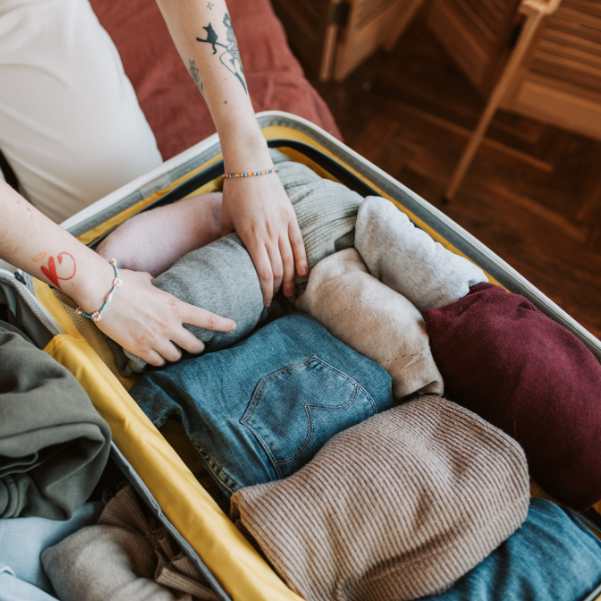
Packing for Dharamkot is less about fashion and more about practicality. Here is what actually matters.
Shoes
This is the single most important thing. Bring shoes with good grip and ankle support. The paths in Dharamkot are uneven, often steep, and can be slippery after rain. Flip flops and flat sneakers are not enough.
Layers
Even in summer, evenings get cool at 2,100 metres. Carry a fleece or light jacket along with t shirts. In spring and autumn, add a windproof layer. In winter, you need heavy thermals, a down jacket, and warm socks.
Rain gear
A compact rain jacket is useful in almost every season. Dharamkot can surprise you with unexpected showers, especially in the transitional months.
Daypack
A small daypack for carrying water, a jacket, snacks, and your phone on walks and treks.
Power bank
Power cuts happen, especially during storms and heavy rain. A good power bank keeps you connected.
Sunscreen and sunglasses
The sun at this altitude is stronger than you expect, even on slightly cloudy days.
Basic first aid
Band aids, pain relief, any personal medication, and something for upset stomach. The nearest pharmacy is in McLeodganj.
Travel light overall
You will be walking uphill with your luggage. A backpack beats a suitcase every single time in Dharamkot.
Useful Dharamkot Travel Tips Most People Miss
Break in your shoes before you arrive. New shoes on steep mountain paths almost always mean blisters.
Carry cash
UPI and card payments work at some cafes and stays, but not all. Have enough cash for at least a couple of days.
Arrive before dark if possible
The walk from McLeodganj to Dharamkot is not well lit at night. If you are arriving on an overnight bus, try to time it so you reach McLeodganj by morning.
Do not plan too many things per day
Dharamkot is not a destination where you need a packed schedule. The village rewards you for slowing down, not speeding up.
Talk to your accommodation host
Local hosts know the current trail conditions, weather patterns, and which cafes are open better than any website. A five minute conversation can save you an hour of confusion.
Respect the meditation and retreat spaces
Keep noise low near centres, do not take photos inside unless allowed, and do not drop in on a session uninvited.
Water is important
Carry a refillable water bottle. The uphill walking and altitude can dehydrate you faster than you expect.
Check your accommodation's path before booking
Ask specifically how far the property is from the road, and whether the path is paved or rough. This one detail saves more trips than any packing list.
Families with young children or elderly members should consider staying in McLeodganj or lower Dharamshala and visiting Dharamkot during the day. The steep walking paths are not ideal for those with limited mobility.
Final Thoughts
Dharamkot is not trying to be the next big tourist destination. It does not have flashy attractions or Instagram ready viewpoints with railings and signboards. What it offers is something rarer: a genuine mountain village experience where the pace is slow, the air is clean, the views are earned, and the quiet is real.
If that sounds like the kind of trip you have been looking for, plan it thoughtfully, pack smart, give yourself enough days, and go with the right expectations. Dharamkot rewards the traveller who arrives with patience and curiosity.
And if you would like help putting together a smooth, well planned trip to the Dharamshala region including Dharamkot, McLeodganj, and the surrounding areas, Travel Coffee is here to help.
We build practical, locally informed Himachal itineraries that actually work on the ground. No filler, no overpromising, just honest travel planning. Explore our Dharamshala tour packages or get in touch to plan something custom.
Explore Our Curated Dharamshala Tour Packages
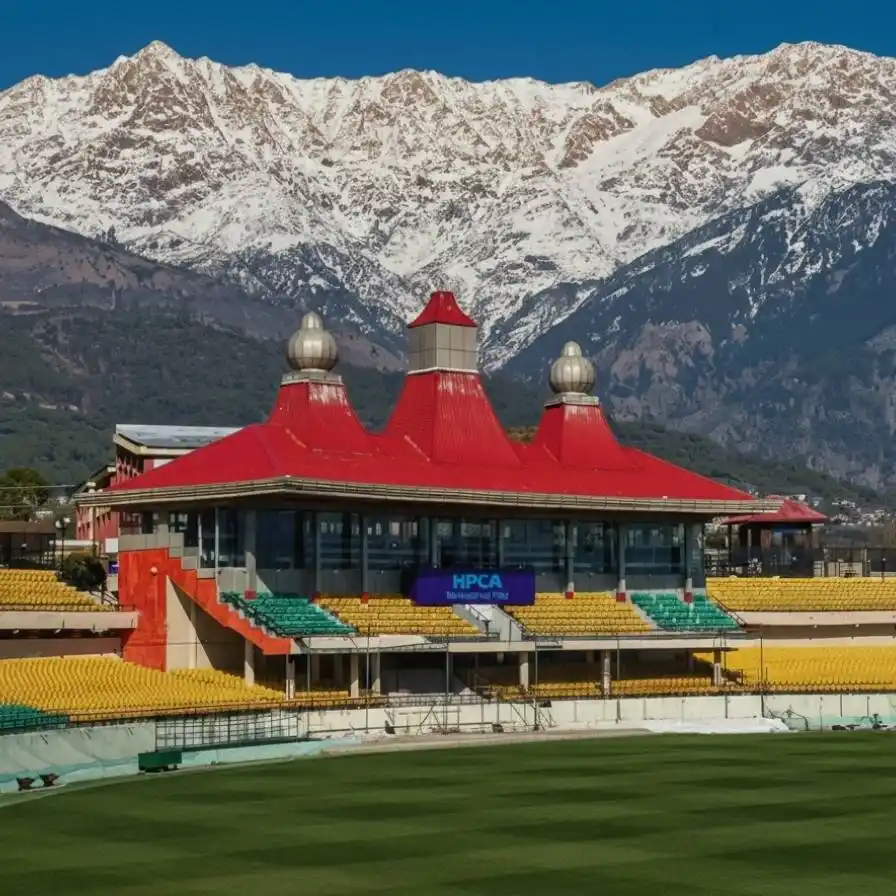 6D/5N
6D/5NDharamshala Dalhousie Khajjiar Himalayan Retreat
1D Delhi•2D McLeodganj+1
₹25,999₹32,999SAVE INR 7,000/ person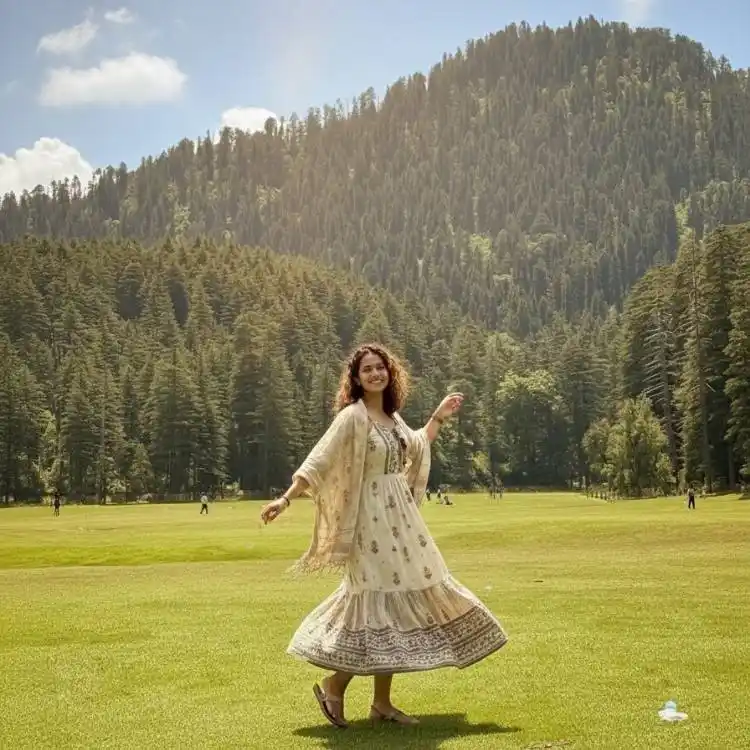 7D/6N
7D/6NDharamshala–McLeod Ganj, Dalhousie & Khajjiar With Amritsar
1D Delhi•2D McLeod Ganj / Dharamshala+3
₹23,999₹28,999SAVE INR 5,000/ person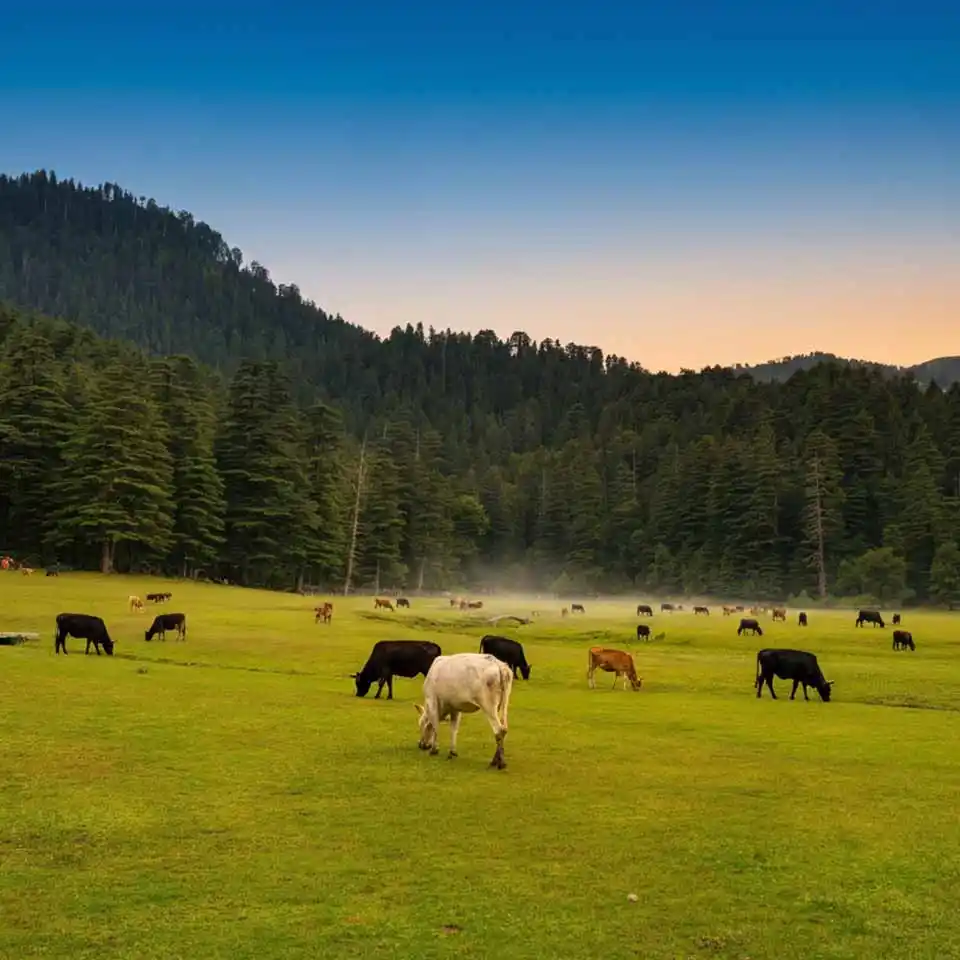 6D/5N
6D/5NDharamshala Dalhousie Khajjiar Meadow Circuit
1D Delhi•2D McLeodganj+1
₹19,999₹25,999SAVE INR 6,000/ person 3D/2N
3D/2NDharamshala & McLeodganj Weekend Tour
1D Delhi•2D Dharamshala / McLeodganj
₹8,799₹17,880SAVE INR 9,081/ person 3D/2N
3D/2NDharamshala & McLeodganj Luxury Hideaway
1D Delhi•2D Dharamshala / McLeodganj
₹23,799₹29,999SAVE INR 6,200/ person 7D/6N
7D/6NPerfect Dharamshala–McLeod Ganj, Dalhousie, Khajjiar & Amritsar Family Trip
1D Delhi•3D McLeod Ganj / Dharamshala+2
₹29,999₹36,999SAVE INR 7,000/ person
Related topics
Frequently Asked Questions
Is Dharamkot worth visiting?
Absolutely. If you enjoy quiet mountains, cafe culture, forest walks, yoga, and a slower pace, Dharamkot is one of the most rewarding places in the Dharamshala region. It is not for everyone, but for the right kind of traveller, it is exceptional.
How many days are enough for Dharamkot?
Two full days give you a comfortable visit. Three days are ideal if you want to trek Triund, explore Bhagsu and Naddi, and still have unplanned time to simply enjoy the village.
Is Dharamkot safe for solo female travellers?
Yes, it is generally considered safe. The village has a calm atmosphere and a respectful travel community. Take normal precautions: avoid isolated paths after dark, keep your accommodation informed about your plans, and trust your instincts.
What is the best time to visit Dharamkot?
March to June and September to November are the best windows. Autumn (October and November) is particularly good for clear skies and fewer crowds.
How do I reach Dharamkot from Delhi?
Take an overnight Volvo bus or drive from Delhi to McLeodganj (480 to 500 km, 10 to 12 hours). From McLeodganj, walk uphill for 20 to 30 minutes or take a taxi to the last motorable point.
Does it snow in Dharamkot?
Yes, Dharamkot receives light to moderate snowfall between December and February, most commonly in January. Always check current conditions before travelling in winter.
Can I do Triund trek from Dharamkot?
Yes, Dharamkot is one of the primary starting points for the Triund trek. The trail begins near the Gallu Devi temple area and takes about 4 to 5 hours to reach the ridge.
Is Dharamkot better than McLeodganj?
They are different. McLeodganj is better for markets, Tibetan culture, restaurants, and convenience. Dharamkot is better for peace, forest walks, cafes, yoga, and a laid back mountain stay. Many travellers enjoy both during the same trip.
Is Dharamkot good for workation?
Yes, it has become a popular workation choice. Several hostels and cafes offer decent wifi, and the environment supports focus. Confirm internet speed at your stay before committing to a long booking.
What should I pack for Dharamkot?
Good grip shoes, layered clothing, a rain jacket, sunscreen, a power bank, a refillable water bottle, a basic first aid kit, and a backpack instead of a suitcase. Pack light and practical.
More about Dharamshala
 Dharamshala
Dharamshala Dalhousie Khajjiar Itinerary 2026: 4N5D & 5N6D Plans That Actually Work
Two Dharamshala–Dalhousie–Khajjiar itineraries that survive contact with real mountain roads: a tight 4N5D and a calmer 5N6D. Route order, transfer distances, what to skip when time is short, and how monsoon and winter change the plan.
- Itinerary
- Places to Visit
 Dharamshala
How Many Days for the Dharamshala Dalhousie Circuit in 2026? 3N4D vs 5N6D vs 7N8D
How many days does the Dharamshala–Dalhousie circuit actually need? A straight comparison of 3N4D, 5N6D and 7N8D-what each one buys you, what it costs you in car time, and which traveller type each length suits.
- Itinerary
- First-Time Travellers
 Dharamshala
Trekking in Dharamshala: Every Major Trek Ranked (2026 Guide)
Planning to go trekking in Dharamshala in 2026? This complete guide ranks the region's best treks by difficulty, scenery, and experience, while covering ideal seasons, trail highlights, and practical planning tips for every type of trekker.
- Things to Do