
Dharamshala & McLeodganj in May: Weather, Snow Views, Best Places, Triund, Itinerary & Travel Tips
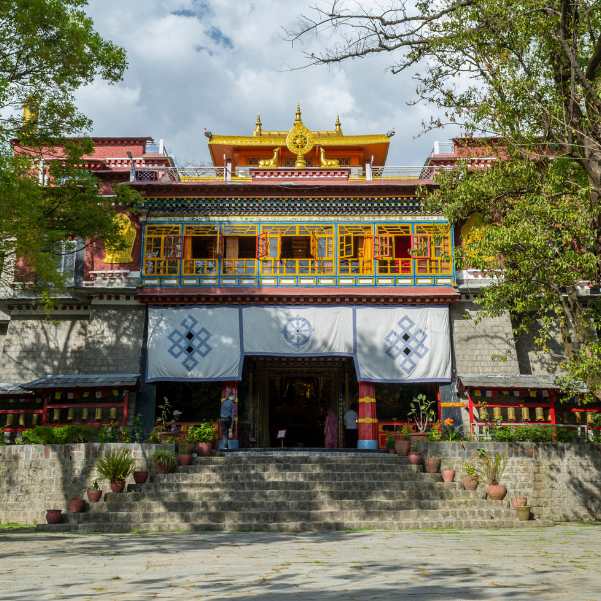
When most of India starts feeling the weight of summer, Dharamshala and McLeodganj offer something quietly different. May sits in that useful window between the last traces of spring and the first hints of monsoon, and for most travellers escaping the plains, it feels just right.
The weather is warm but not harsh. Mornings carry a light freshness. Evenings cool down enough to make a walk through McLeodganj's main market feel genuinely enjoyable.
This is also one of the more popular months for the region, and that matters. Better weather brings more visitors, especially on weekends and around long holidays. Cafés fill up earlier. Triund trail sees more foot traffic.
Parking in McLeodganj can feel tight by midday. None of this should discourage you from visiting, but it does mean that planning smart makes a noticeable difference.
This guide is not a quick weather note or a surface-level listicle. It is a complete seasonal travel planner for Dharamshala and McLeodganj in May, built around how this region actually behaves during this month.
You will find clear answers on what the weather feels like, whether you can expect snow views, where to stay, what to do, whether Triund is worth doing, what to wear, and how to plan 2 to 4 days properly without wasting time or energy.
If you are still deciding between destinations or trying to figure out how many days you need, this will help.
Quick Answer
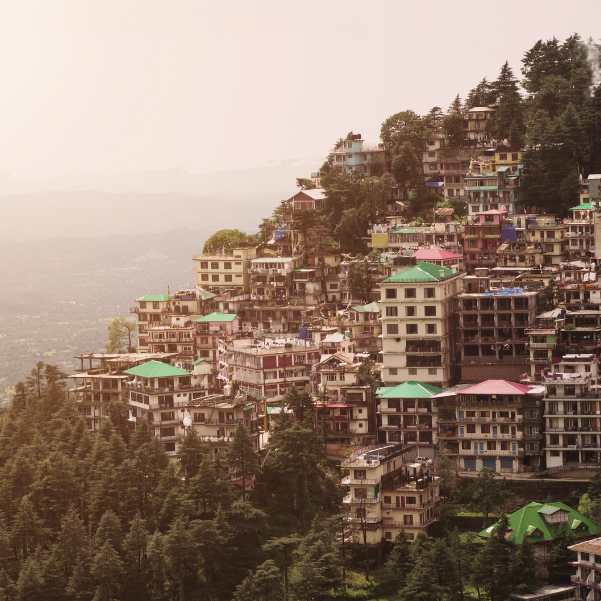
Yes, May is a genuinely good time to visit Dharamshala and McLeodganj. Daytime temperatures usually hover between 22°C and 30°C in lower Dharamshala and around 16°C to 24°C in McLeodganj, making it one of the most comfortable months for sightseeing, monastery visits, café afternoons and light treks.
Fresh snowfall inside town is extremely unlikely in May, but travellers can often see snow-capped peaks in the distance, especially in early May and on clear mornings.
This month works best for couples, friends, families and solo travellers who want pleasant weather without the unpredictability of monsoon or the sharp cold of winter.
Planning a trip to the Dharamshala and McLeodganj region? Travel Coffee can help with curated stays, transfers and a smoother trip plan so you spend more time enjoying the hills and less time sorting logistics.
Is May a Good Time to Visit Dharamshala and McLeodganj?
May works well for a wide range of travellers, and it is one of the most accessible months for this region.
The weather is warm enough to explore without heavy layering, cool enough in upper McLeodganj to feel like a genuine hill escape, and stable enough on most days for comfortable outdoor movement.
If you are someone who wants to walk through monastery courtyards, spend slow afternoons in cafés, explore Tibetan culture, catch sunset views, and maybe attempt the Triund trek without dealing with icy trails or freezing nights, May is a strong choice.
Who enjoys May the most?
Couples looking for a mix of culture, views and café time. Friends planning a trek-plus-town combination. Families with older kids who want a comfortable hill trip. Solo travellers who want walkable exploration and a bit of breathing room from the plains.
Who might prefer a different month?
If your primary goal is fresh snowfall inside town, you will need to plan for December through February. If you want the sharpest, clearest Dhauladhar views with minimal haze, late September through November often delivers better visibility.
If you prefer fewer crowds and lower prices, March, early April, or post-monsoon October tends to be quieter.
The short verdict: May is one of the safest and most rewarding months for a Dharamshala and McLeodganj trip, especially for first-time visitors. It is better suited for comfortable sightseeing, cultural exploration and light trekking than for chasing snowfall.
Dharamshala and McLeodganj Weather in May
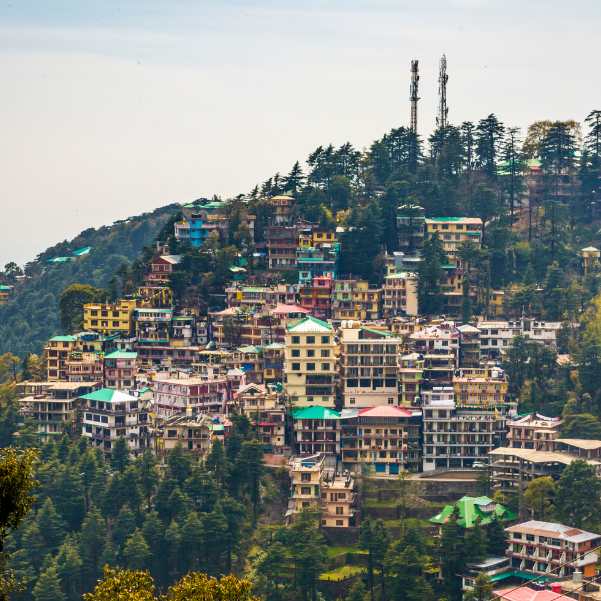
Understanding the weather in this region during May comes down to one key detail: there is a meaningful difference between lower Dharamshala and upper McLeodganj.
The altitude gap between the two areas is significant enough to create noticeably different conditions at different times of day.
Daytime feel
In lower Dharamshala, daytime temperatures usually range from 24°C to 30°C. Some afternoons, especially during the second and third weeks of May, can feel genuinely warm, particularly if you are walking through areas with less tree cover.
In McLeodganj, Dharamkot and Naddi, the daytime range is generally around 18°C to 25°C, which feels noticeably more comfortable.
Evening and night feel
Evenings in McLeodganj are pleasant and occasionally cool enough to want a light layer. Temperatures usually settle around 12°C to 16°C after sunset.
Lower Dharamshala stays warmer through the evening. If you are staying in Dharamkot or Naddi, nights can feel cooler still, which many travellers find refreshing.
Sky and sun
May mornings often start clear, with good visibility toward the Dhauladhar range. As the day progresses, some cloud build-up is common, especially from mid-May onward.
Light afternoon showers are possible, though they usually pass quickly and do not disrupt a full day of plans. The sun can feel strong during midday hours, particularly at open viewpoints.
What This Weather Means for Travellers
Mornings are the best window for viewpoints and outdoor walks. Afternoons work well for indoor cultural visits, café time, or market exploration. Evenings are ideal for slow walks and sunset spots.
Plan your highest-altitude activity early in the day. Carry sunscreen, a light layer, and a compact rain jacket, even if the forecast looks clear. Weather in hill areas can shift quickly, and being prepared makes a real difference.
Can You See Snow in Dharamshala or McLeodganj in May?
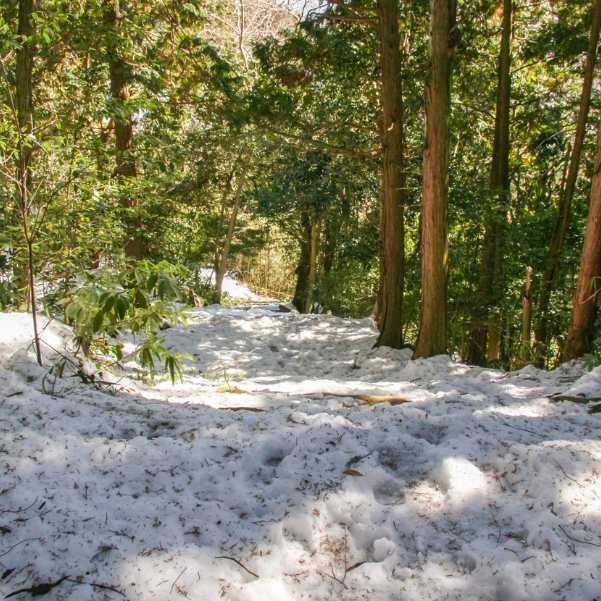
This is one of the most searched questions about this region in May, and it deserves a clear, honest answer.
Fresh snowfall inside town is extremely unlikely in May. By this time of year, temperatures in McLeodganj and lower Dharamshala are well above freezing.
The winter snow that sometimes blankets upper McLeodganj and Dharamkot usually melts well before May arrives. If you are visiting Dharamshala or McLeodganj in May specifically hoping to see snow falling around you, you will almost certainly be disappointed.
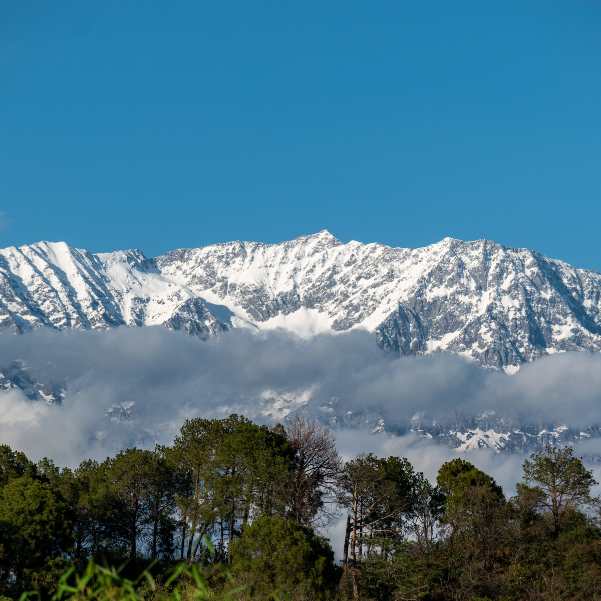
Snow visible on the mountains is a different story. The Dhauladhar range, which forms the dramatic backdrop behind McLeodganj, often still holds snow on its higher ridges in early May.
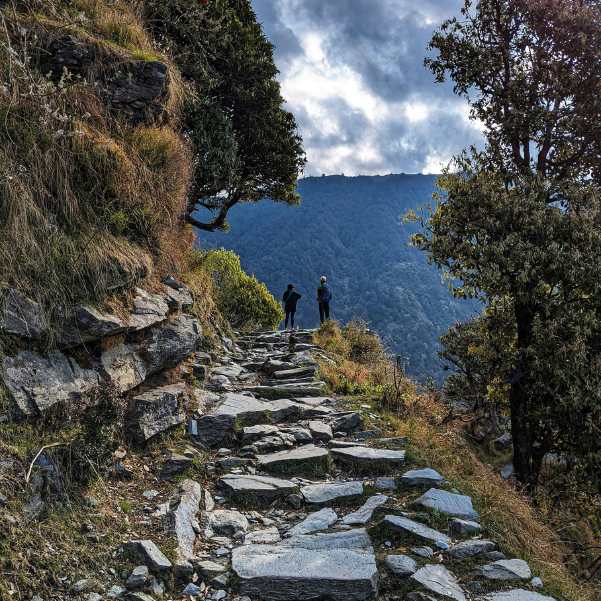
On clear mornings, especially from Naddi View Point, Dharamkot, or even the Triund trail, you can often see snow-capped peaks catching the light. This is one of the more rewarding visual experiences of visiting in this month.
Early May versus late May matters. In early May, the snow line on the mountains tends to be more visible and closer to the ridgeline. By late May, as temperatures rise further and pre-monsoon warmth builds, the snow recedes higher.
Haze and cloud cover also tend to increase through the month, which can affect visibility on some days.
The realistic takeaway: May is a snow-view month, not a snow-in-town month. Come for the chance to see white peaks against blue sky on a clear morning. Do not come expecting to walk through snow-covered streets.
Dharamshala vs McLeodganj in May: Where Should You Stay?
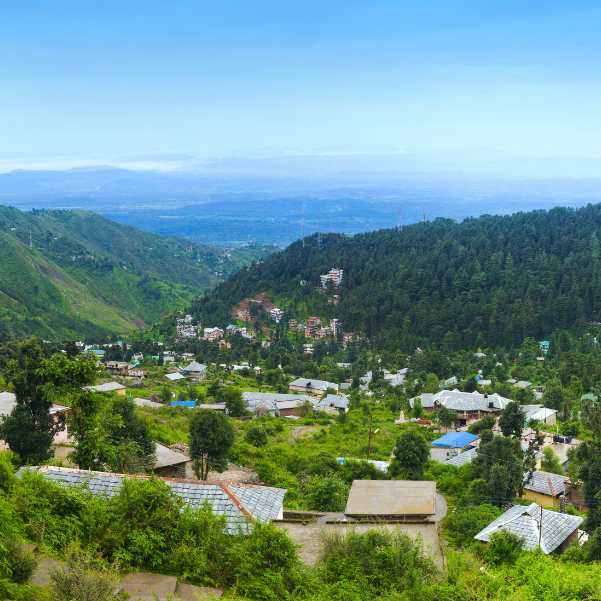
This is one of the most important decisions for your trip, and it affects everything from how you spend your mornings to how much time you waste in transit. Many travellers treat Dharamshala and McLeodganj as one place, but they are not.
The distance between them is around 9 to 10 kilometres by road, and movement between the two takes longer than most people expect, especially during busy May weekends.
McLeodganj is the better base for most first-time visitors. This is where the Tibetan cultural core sits. The Tsuglagkhang Complex, Namgyal Monastery, the Tibet Museum, the main market, and the most well-known cafés are all here or within walking distance.
Dharamkot and Bhagsu are close by. The Triund trek starts from this side. If your trip is built around walking, culture, cafés and easy access to upper-area exploration, McLeodganj makes the most sense.
Dharamshala (lower town) works well for travellers who want broader road access, proximity to landmarks like HPCA Stadium, Norbulingka Institute and Kangra-side sightseeing.
It tends to suit families or groups travelling by car who prefer less congested roads and a more town-like feel. The trade-off is that reaching McLeodganj from lower Dharamshala for each visit adds time and can feel tiring, especially during peak hours.
Dharamkot or Naddi suit travellers who want quieter stays with a slower, more retreat-like mood. Dharamkot is popular with solo travellers and those looking for a calmer alternative to the McLeodganj bustle.
Naddi offers some of the best valley-facing views in the region and works well for couples or anyone who values morning vistas over evening market energy. The trade-off is that both areas require a short drive or a steep walk to reach McLeodganj's core.
One common mistake people make here is choosing a stay in lower Dharamshala because it was cheaper, then spending a significant portion of every day commuting uphill to McLeodganj for the things they actually wanted to do. For most May visitors, staying in or close to McLeodganj is the smarter call.
How Many Days Do You Need in May?
1 Day
Technically possible but not recommended. You can cover the Tsuglagkhang Complex, a quick market walk and maybe one café, but everything will feel rushed. If you only have one day, skip lower Dharamshala entirely and focus on upper McLeodganj.
2 Day
This is the most common trip length and works well for a focused visit. You can cover McLeodganj's key cultural spots, walk to Bhagsu, enjoy a couple of cafés, and fit in a viewpoint stop. It will feel full but satisfying. There is no room for a trek or a day trip, though.
3 Day
The sweet spot for most travellers. Three days give you enough time to explore McLeodganj properly, visit lower Dharamshala or Norbulingka, attempt the Triund trek or a longer nature walk, and still have breathing room for a slow café morning or a sunset stop. One day can be trek-focused while the other two handle sightseeing and culture.
4 Day
Ideal if you want a relaxed pace, a day trip to a nearby destination like Kangra Fort, Palampur or Bir Billing, or simply want to experience the region without rushing. This duration suits couples, families, and anyone who prefers to absorb a place rather than check off a list.
Best Things to Do in Dharamshala and McLeodganj in May
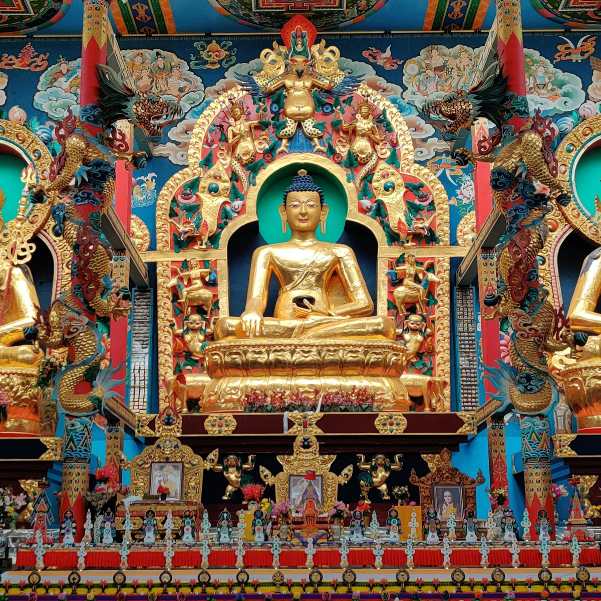
May opens up almost everything this region has to offer. The weather is stable enough for outdoor exploration, indoor cultural visits, slow café days and light treks. Here is what works best, grouped by experience type.
Monastery and Tibetan Cultural Experiences
The Tsuglagkhang Complex is the cultural and spiritual heart of McLeodganj. It houses the Dalai Lama's main temple, the Tibet Museum, and the Namgyal Monastery. Visiting in May means comfortable temperatures and a relaxed atmosphere.
Travellers usually notice that mornings here feel quieter and more reflective, while afternoons bring more visitors. The Tibet Museum is small but deeply moving and deserves at least 30 to 40 minutes.
Kalachakra Temple, a short walk from the main complex, is worth adding. Tushita Meditation Centre, located toward Dharamkot, offers drop-in sessions and a contemplative setting that works well for solo visitors or anyone interested in mindfulness.
Market Walks and Café Hopping
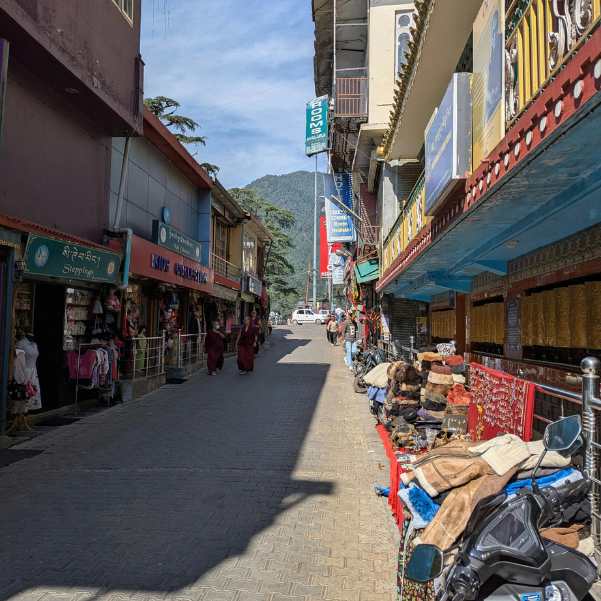
McLeodganj's main market is the social centre of the upper town. It is busiest in the evenings and on weekends, but even a midday walk is interesting. You will find Tibetan handicrafts, bookshops, clothing stalls and small eateries.
The cafés around McLeodganj and Bhagsu are a big part of the experience. May's weather makes outdoor seating enjoyable, and many travellers build half-days around café stops with valley views.
Viewpoints and Sunset Stops
Naddi View Point is one of the best spots for a clear view of the Dhauladhar range and the Kangra valley below. In May, mornings usually offer the best visibility here, before cloud build-up starts.
Sunset Point near McLeodganj draws a crowd most evenings but delivers a pleasant end-of-day view. Dharamkot, while not a formal viewpoint, offers several spots with wide mountain views, especially from the upper trails.
Nature Walks and Easy Exploration
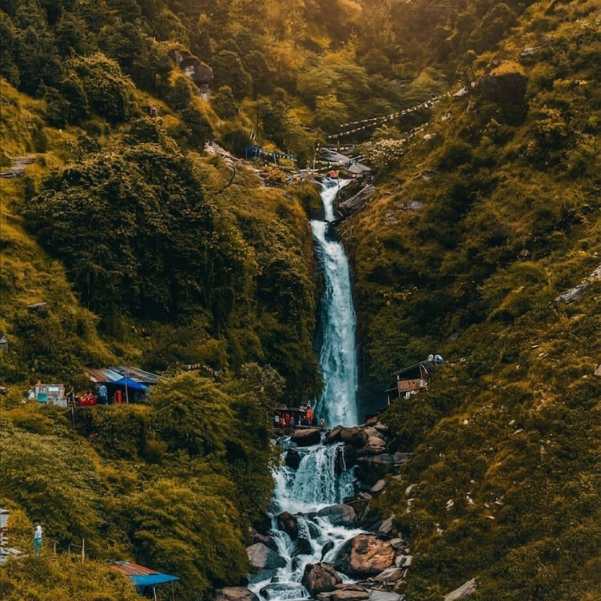
A walk from McLeodganj to Bhagsu or from Bhagsu up toward the waterfall is one of the simplest and most enjoyable things to do. The Bhagsunag Temple area and the waterfall trail feel refreshing in May.
The path to Dharamkot from McLeodganj is a pleasant uphill walk through pine forest and works well as a morning activity. St. John in the Wilderness, a heritage church set among deodar trees, is a short detour that adds a quieter, more atmospheric moment to any sightseeing day.
Tea Gardens and Lower Dharamshala Sightseeing
The Dharamshala tea gardens are a lovely stop, especially in the morning when the light is soft and the air smells clean.
This is a lower-Dharamshala experience and pairs well with a visit to Norbulingka Institute or HPCA Stadium.
These spots work best when combined as a half-day loop, saving you the effort of multiple trips between upper and lower areas.
Trekking and Trail Experiences
Triund is the headline trek for this region and draws significant foot traffic in May. It is covered in detail in a dedicated section below.
Beyond Triund, the walk from Dharamkot toward Gallu Devi temple makes for a solid half-day hike with views and forest cover.
For those who want trail time without committing to a full trek, the paths around Dharamkot and the upper pine forests offer plenty to explore.
Day Trips for Longer Stays
If you have 3 or more days, a day trip can add real variety. Kangra Fort, about 20 kilometres away, is one of the oldest and largest forts in the Himalayas.
Masroor Rock Cut Temples are a stunning and lesser-visited archaeological site. Palampur offers tea estates and a quieter hill-town feel. Bir Billing, famous for paragliding, is around 60 to 70 kilometres away and makes for a full-day adventure.
Best Places to Visit in Dharamshala and McLeodganj in May
Rather than a flat list, here is a place-by-place guide grouped by area and theme. Each entry includes why it matters in May, how much time to keep, and a practical planning tip.
Spiritual and Tibetan Culture
Tsuglagkhang Complex
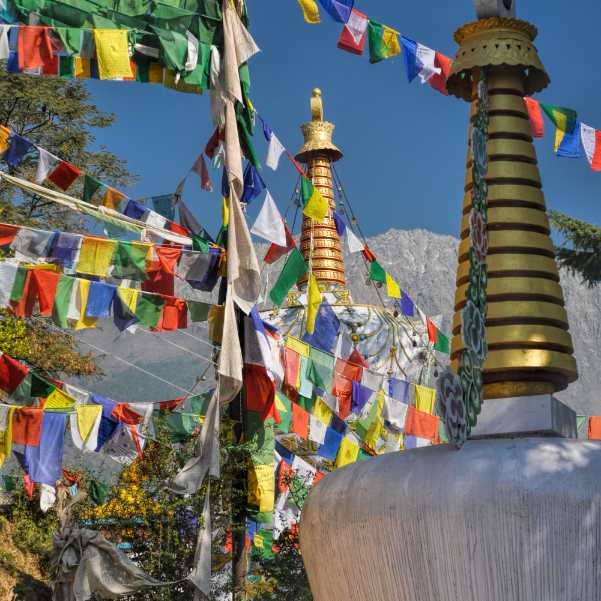
This is the primary attraction in McLeodganj and the spiritual seat of the Tibetan exile community. The complex includes the Dalai Lama's temple, a small but powerful museum, and a monastery.
May mornings here are comfortable and less crowded. Plan about 1.5 to 2 hours. The museum closes in the afternoon, so check timings before visiting.
Tip: Go early. By late morning, group tourists start arriving and the courtyard gets busier.
Namgyal Monastery Adjoining the Tsuglagkhang Complex
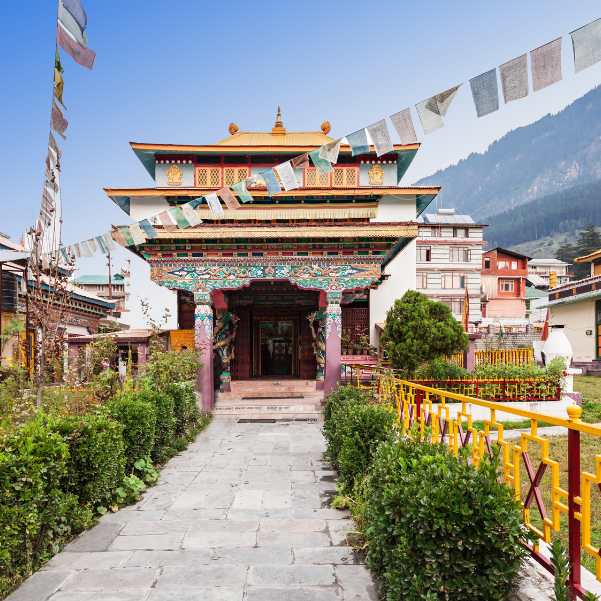
This is one of the largest Tibetan monasteries outside Tibet. The prayer hall is open to visitors and the sound of chanting often fills the space. You do not need more than 20 to 30 minutes here, but it adds a meaningful layer to the complex visit.
Tip: Combine this with the temple and museum as one block. Treating them as three separate outings wastes time.
Tibet Museum
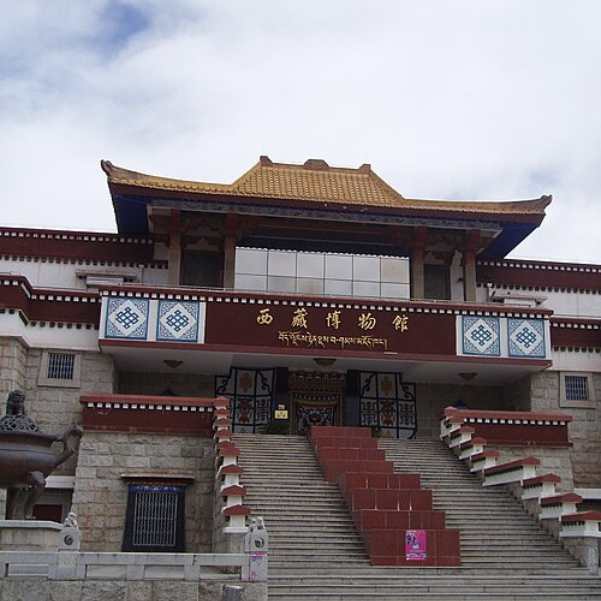
Small in size but significant in impact. The exhibits document the Tibetan exile story through photographs and personal accounts. It usually takes 30 to 40 minutes and works well as a reflective pause between more active sightseeing.
Tip: Best visited in the late morning, before the post-lunch rush.
Kalachakra Temple
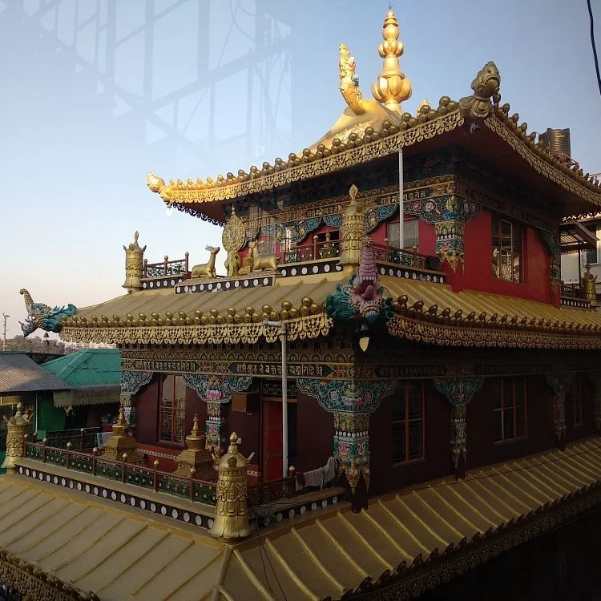
A short walk from the main complex, this temple features colourful murals and Buddhist artwork. It is quieter than the main monastery area and takes about 15 to 20 minutes.
Tip: Easy to combine with a walk toward the Tsuglagkhang Complex. Do not skip it just because it is small.
Tushita Meditation Centre
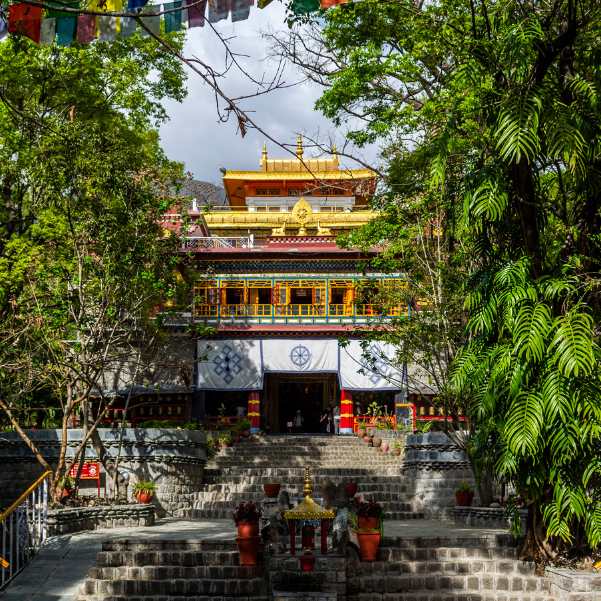
Located on the road toward Dharamkot, this centre offers courses, drop-in sessions and a library. The setting is calm and surrounded by trees.
It suits solo travellers and anyone looking for a more introspective experience. Allow at least 30 minutes if you plan to sit in the grounds or attend a session.
Tip: Check their schedule in advance. Sessions and availability can change seasonally.
Easy Viewpoints and Local Nature
Bhagsunag Temple
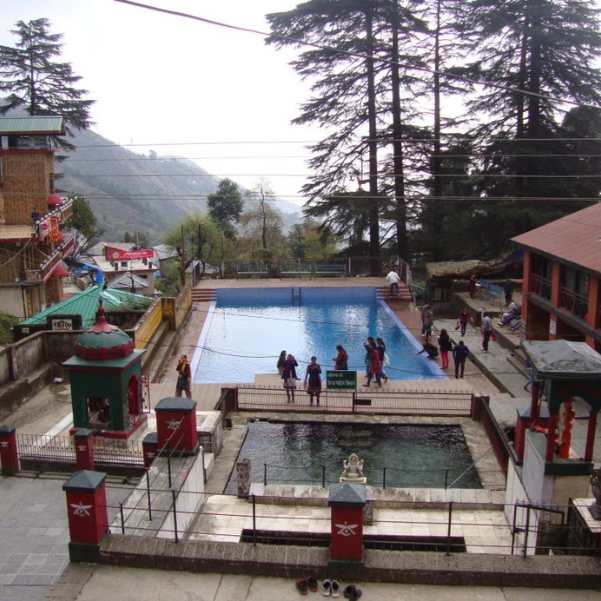
A small Shiva temple set in a rocky, forested area just outside Bhagsu village. The walk from McLeodganj takes about 20 minutes.
In May, the path is easy and the temple area feels cool under the tree cover. It is often used as a starting point for the Bhagsu Waterfall walk.
Tip: Visit in the morning when the light filters nicely through the trees.
Bhagsu Waterfall
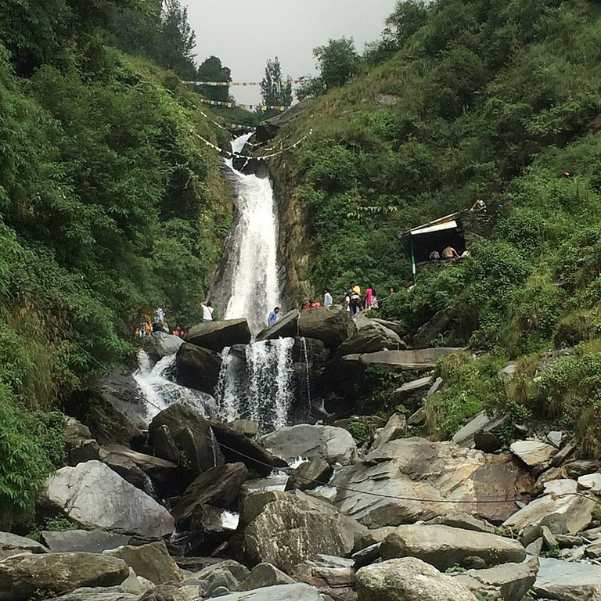
A short but mildly steep walk from Bhagsunag Temple. The waterfall is not massive, but in May there is usually enough water to make the scene worthwhile. Weekends and afternoons get crowded. The rocks near the base can be slippery.
Tip: Go on a weekday morning for a calmer experience. Wear shoes with grip.
Naddi View Point
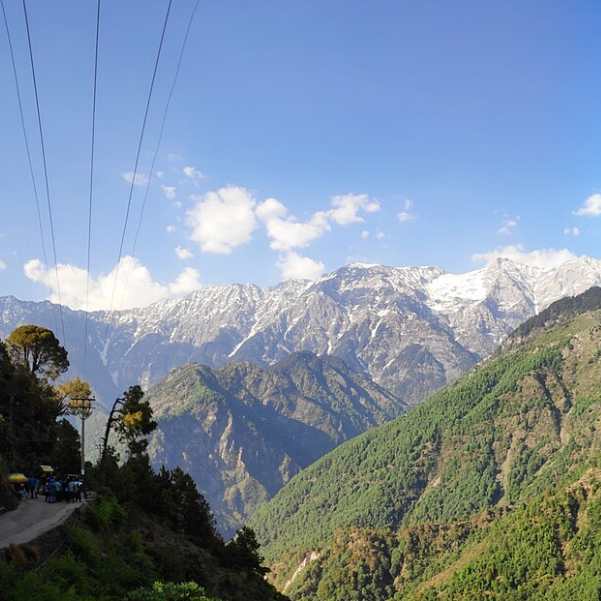
One of the strongest viewpoints in the region, offering wide views of the Dhauladhar range and the Kangra valley.
In May, early mornings give the best clarity before haze and clouds build up. It is about 3 kilometres from McLeodganj by road and can be reached by cab or a moderate walk.
Tip: Pair this with a sunrise visit if you are staying nearby. The view quality drops noticeably by late morning on hazy days.
Sunset Point
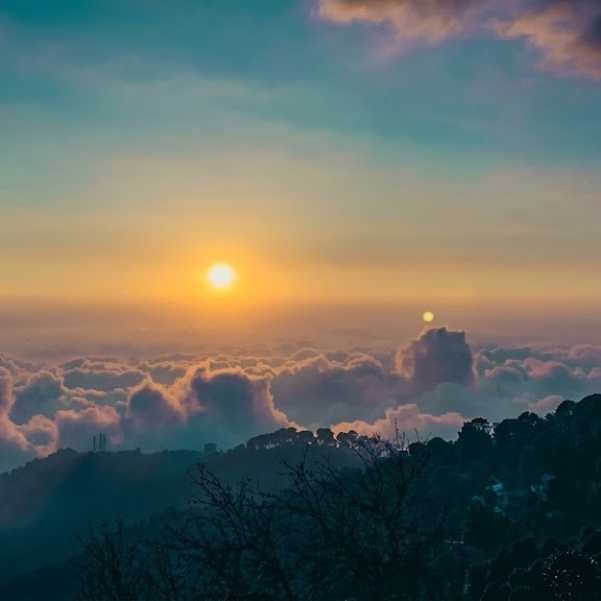
A short walk from McLeodganj's main road, Sunset Point draws a regular evening crowd. The views are pleasant and the vibe is relaxed, though it is not the most dramatic viewpoint in the area.
Still worth the 20-minute walk if you are looking for a simple way to end the day.
Tip: Arrive about 30 minutes before sunset to find a good spot, especially on weekends.
Dharamkot
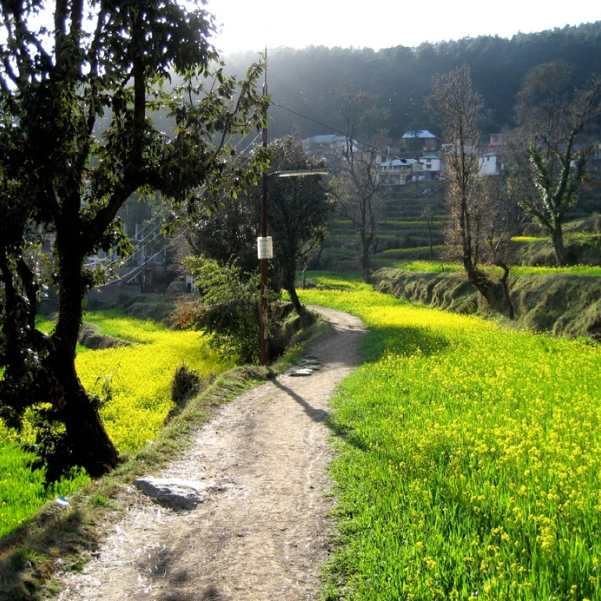
More of a neighbourhood than a single attraction, Dharamkot sits above McLeodganj and offers a calmer, quieter atmosphere. Small cafés, forest trails, mountain views and a retreat-like energy define this area.
It is a favourite with solo travellers and those who find McLeodganj too busy. In May, the walk up through the pines is enjoyable and not too strenuous.
Tip: If you are short on time, Dharamkot works well as a morning walk combined with a café stop before heading back down.
St. John in the Wilderness
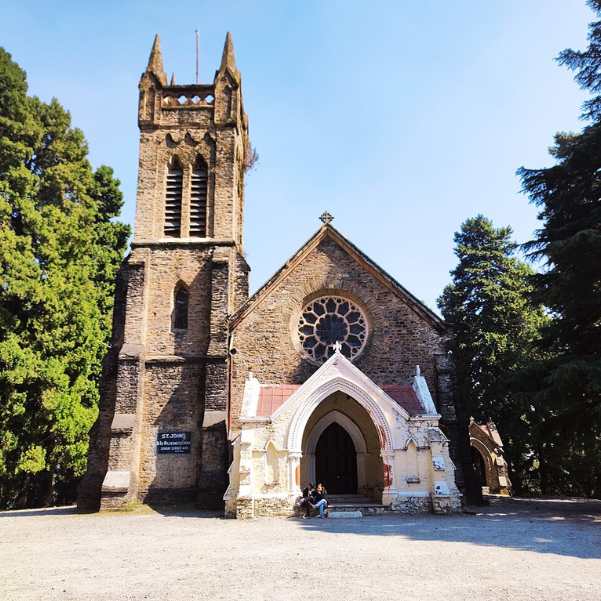
A beautiful stone church from the mid-1800s, surrounded by tall deodar trees. It is located on the road between Dharamshala and McLeodganj and makes for a quiet, atmospheric stop.
The graveyard and the forest setting create a mood very different from the Tibetan culture areas. May's clear light makes the grounds particularly photogenic.
Tip: Best on a weekday when there is almost no one around. It takes only 20 to 30 minutes but leaves a lasting impression.
Dal Lake
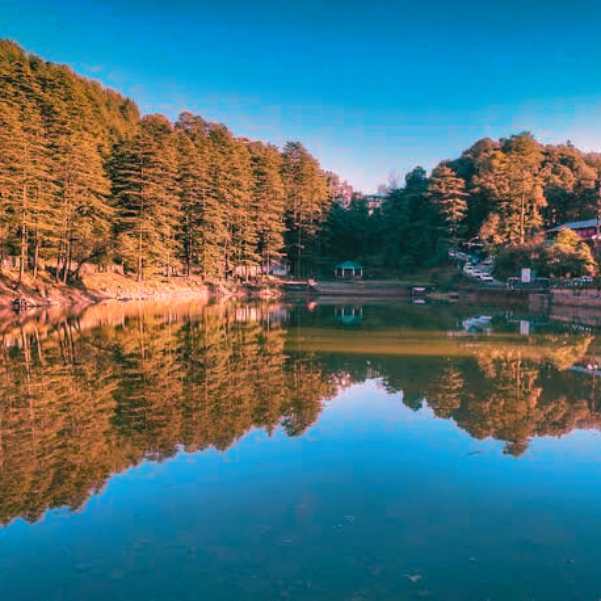
Not to be confused with the famous one in Srinagar, this is a small lake surrounded by deodar trees.
It is a peaceful spot for a short visit, though it is not a must-see for every itinerary. In May, the lake area usually feels green and calm.
Tip: Combine with a walk in the area rather than making it a standalone trip.
Lower Dharamshala and Surrounding Landmarks
HPCA Stadium
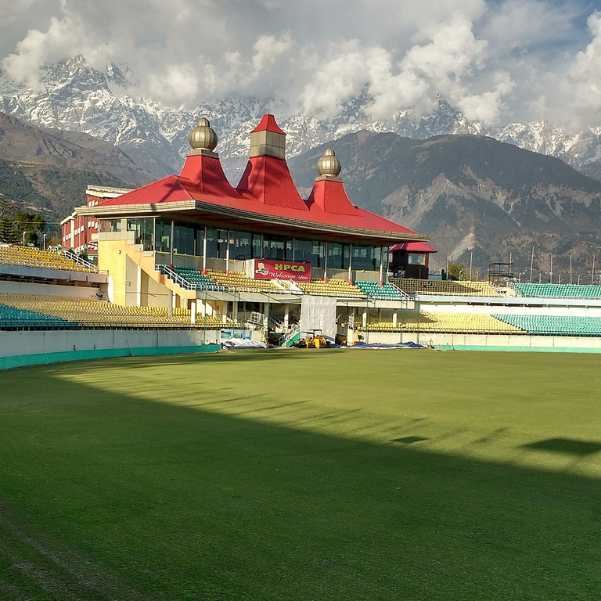
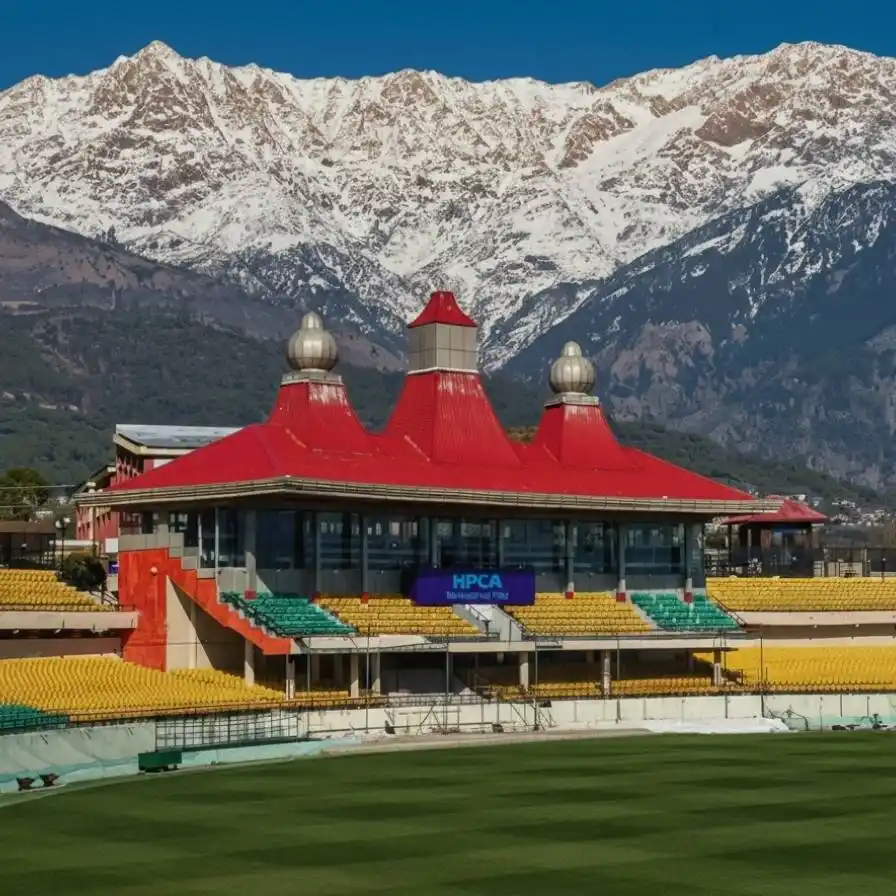
One of the most scenic cricket grounds in the world, set against a backdrop of mountains and pine forests. Even if you are not a cricket fan, the setting is striking. It is located in lower Dharamshala and can be visited quickly.
Tip: Best in the morning for photographs when the mountains behind are visible. If there is no match, you can usually walk around the outer areas.
Norbulingka Institute
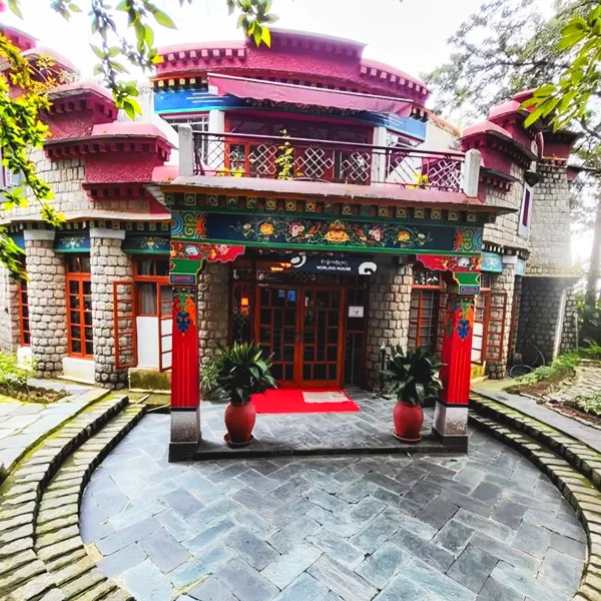
A beautifully maintained centre for Tibetan art and culture, featuring workshops, temples, a museum and peaceful gardens.
It is located between Dharamshala and McLeodganj and deserves at least 1 to 1.5 hours. May is a great time to visit because the gardens are green and the weather makes walking between buildings comfortable.
Tip: This works best as part of a half-day lower-area loop, combined with the tea gardens or the War Memorial.
Gyuto Monastery
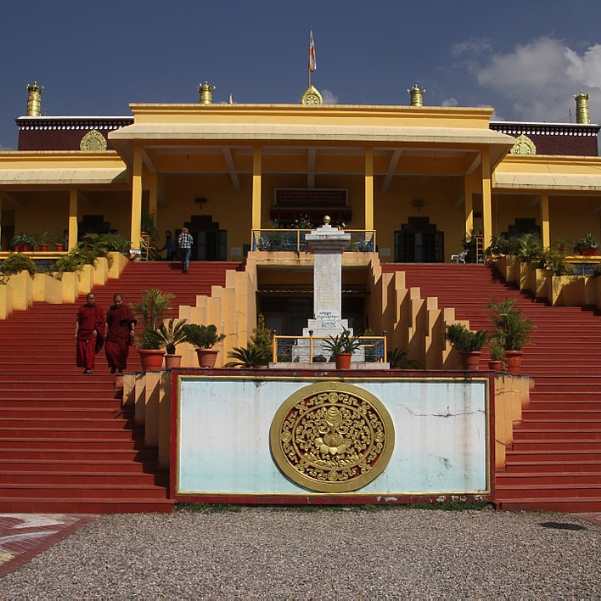
A lesser-visited but impressive monastery known for its Karmapa temple. It is situated below McLeodganj and offers a calmer alternative to the busier spiritual sites above. The architecture is grand, and in May, the surrounding landscape looks lush.
Tip: Pair with Norbulingka or the tea gardens. It is a short detour and rarely crowded.
War Memorial
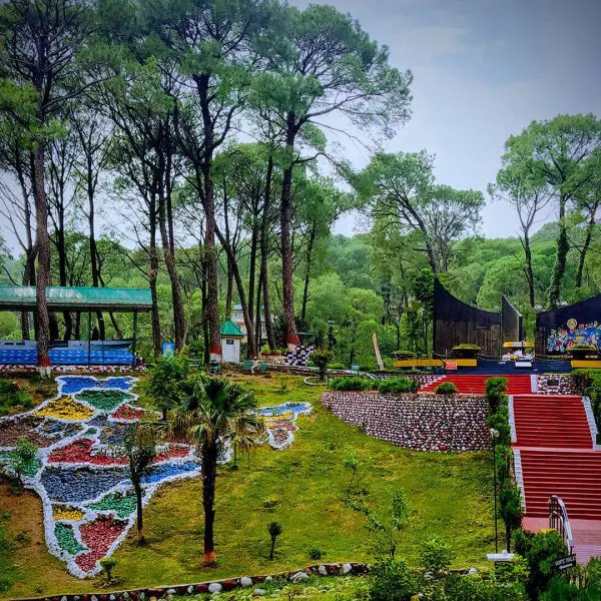
A clean, well-maintained memorial honouring soldiers from the region. It takes only 15 to 20 minutes and sits in a park-like setting. In May, the surrounding area is green and quiet.
Tip: Combine with nearby lower-Dharamshala stops rather than visiting in isolation.
Dharamshala Tea Gardens
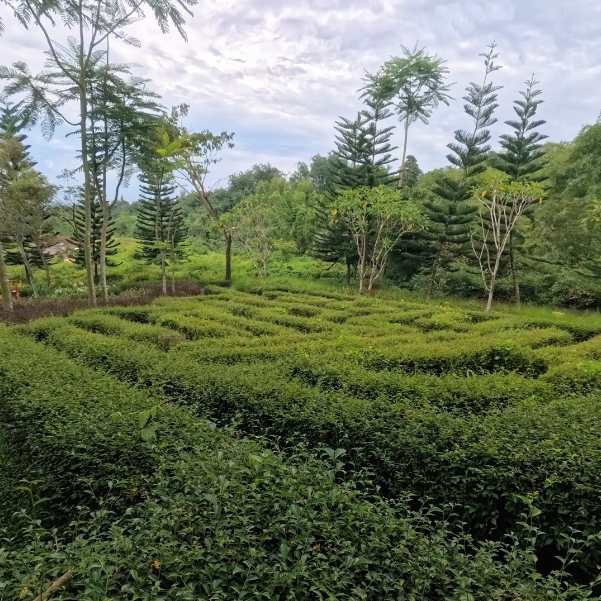
A stretch of green tea estates that feels like a world away from the bustle of McLeodganj's market. Morning visits offer the best light and the most comfortable walking temperatures. The area is flat compared to most of this region, making it a relaxing break from hill walking.
Tip: Go before 10 AM. The tea gardens get warm by midday in May.
Kangra Art Museum
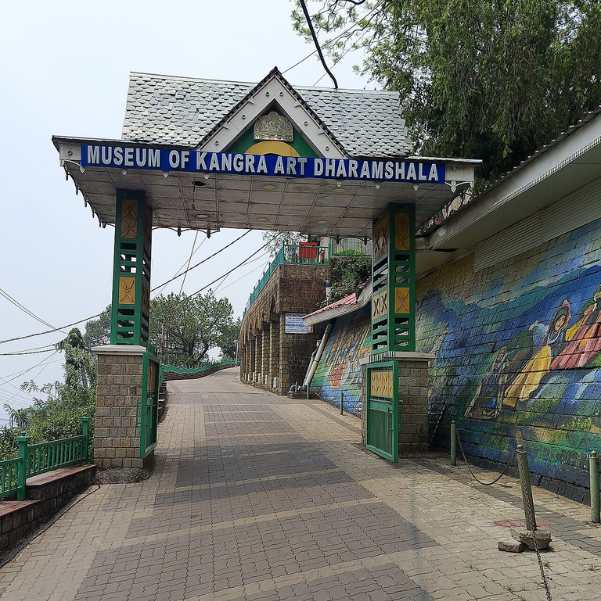
A small museum with a collection of miniature paintings, sculptures and historical artefacts from the Kangra region.
It suits travellers with an interest in regional history and is a reasonable addition if you are already in lower Dharamshala.
Tip: Allow about 30 minutes. Best suited for a rainy afternoon or a gap between other lower-town stops.
Day Trips If You Have More Time
Kangra Fort
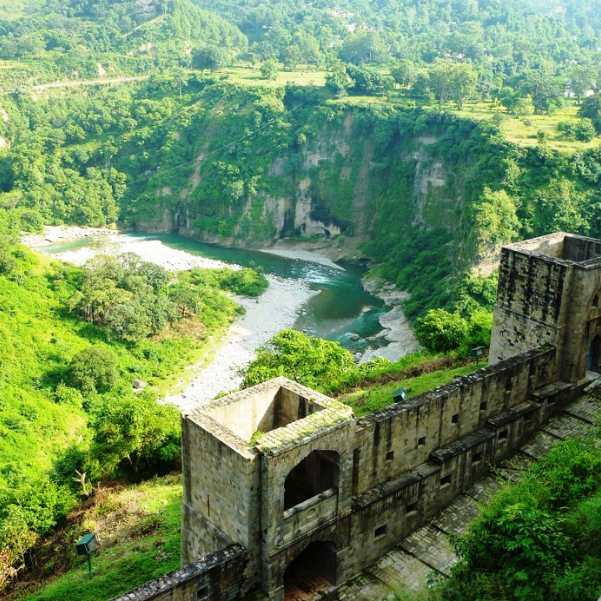
One of the oldest and largest forts in the Himalayas, dating back over a thousand years. The ruins are spread across a hilltop with views of the surrounding plains.
It is about 20 kilometres from Dharamshala and takes 2 to 3 hours to explore properly. In May, the weather is warm at this altitude, so carry water and sun protection.
Tip: Best visited in the morning. The fort is largely unshaded and the afternoon sun in May can be strong.
Masroor Rock Cut Temples
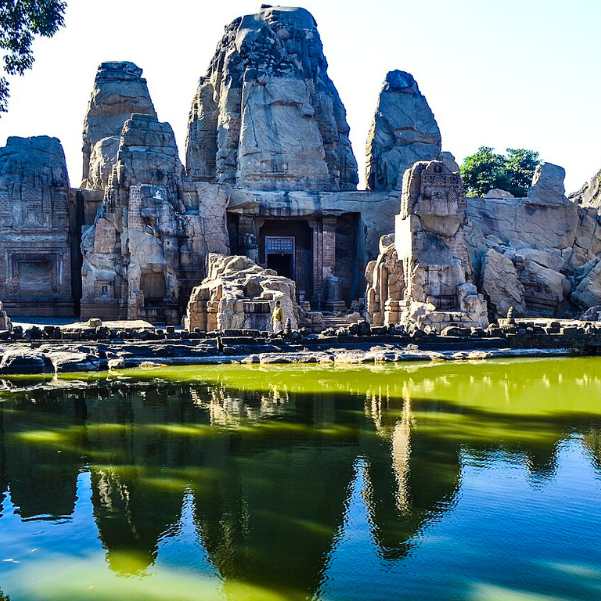
A group of ancient rock-cut temples carved from a single piece of rock, often compared to Ellora. This is one of the most underrated heritage sites in Himachal Pradesh.
It is about 50 kilometres from Dharamshala and makes a fascinating half-day trip.
Tip: Not many people visit, which is part of the appeal. Combine with Kangra Fort if you want a full-day heritage excursion.
Palampur
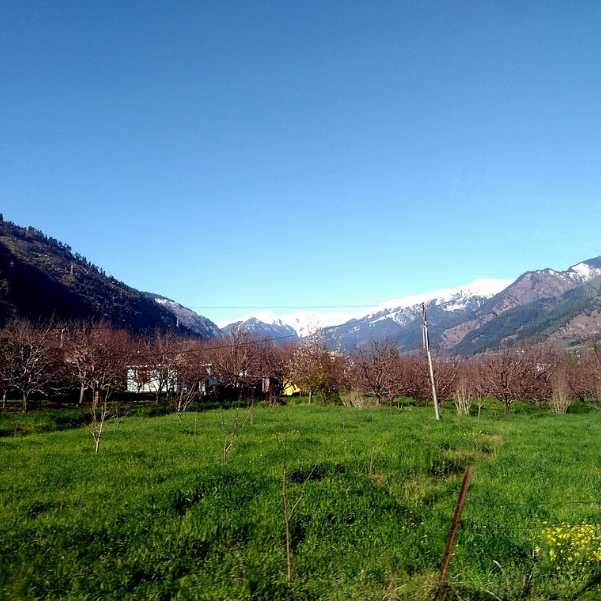
Known for its tea gardens, mild weather and quieter hill-town feel. It is about 35 kilometres from Dharamshala and offers a change of pace. The Baijnath Temple nearby is also worth a stop.
Tip: Works well as a leisurely day trip. If you are a tea lover, you will enjoy the estate walks.
Bir Billing
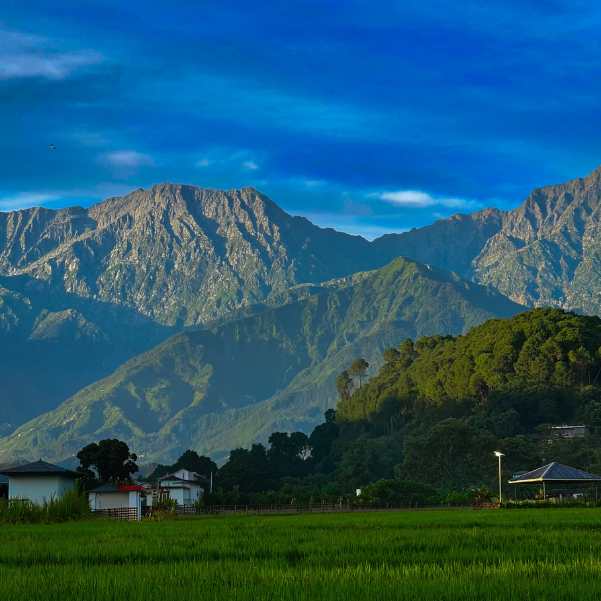
Famous as one of the top paragliding destinations in the world. The drive from Dharamshala takes about 1.5 to 2 hours. In May, conditions are often suitable for flying, though this depends on the weather window.
Even without paragliding, Bir has a pleasant café culture and a Tibetan monastery colony worth visiting.
Tip: Start early if you plan to fly. Paragliding slots tend to book up, especially on weekends.
Chamunda Devi Temple
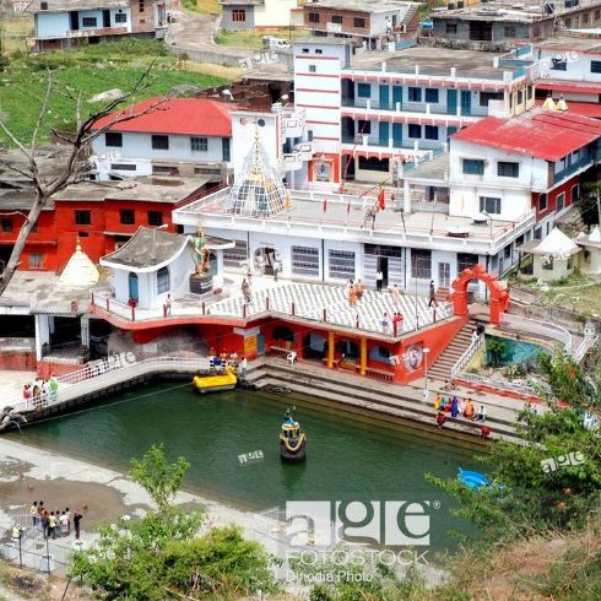
A hilltop temple dedicated to Goddess Chamunda, located about 15 kilometres from Dharamshala. The views from the temple are wide and the atmosphere is peaceful. It suits travellers interested in Hindu temple architecture and regional spirituality.
Tip: Best paired with a Kangra-side day trip. The temple itself takes about 30 to 45 minutes.
Triund Trek in May: Is It Worth It?
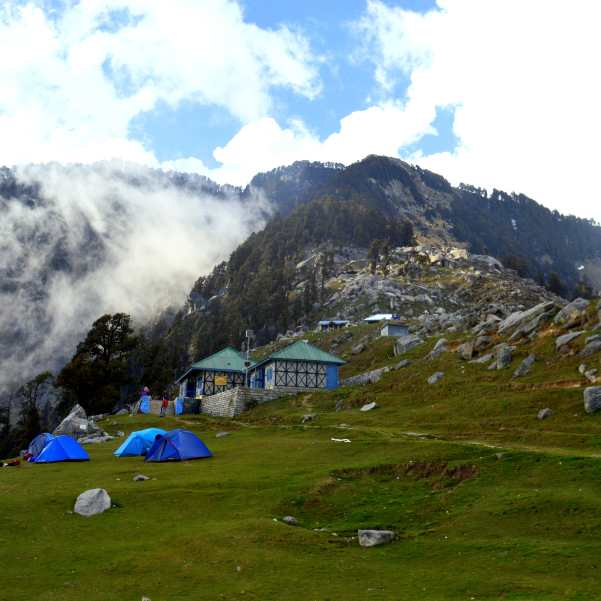
Triund is the most popular trek in the Dharamshala and McLeodganj region, and May is one of the most attempted months for it.
The short answer: yes, it is worth doing, but with the right preparation and realistic expectations.
Why May works for Triund
The trail is usually clear of snow by May, which means the path is more accessible than in winter or early spring. Temperatures at the top during daytime are cool and comfortable, typically around 10°C to 15°C.
The views of the Dhauladhar range from the Triund ridge can be spectacular on clear days, especially in early May when snow is still visible on the higher peaks.
Who it suits
Triund is a moderate trek. It is not technical, but it is a steady uphill climb of about 9 kilometres (one way, from Gallu Devi temple). Reasonably fit adults and older teenagers usually handle it well.
It is not suitable for very young children or people with significant knee or joint issues. First-time trekkers can manage it if they pace themselves, but should not underestimate the final stretch, which is steep and rocky.
What the trail usually feels like in May
The lower section through the forest is shaded and pleasant. The upper section, above the tree line, is exposed and can feel warm in the direct sun.
Carry enough water. The trail is well-marked but can feel crowded, especially on weekends.
Weekend crowd reality
This is important. On Friday evenings and Saturdays, Triund can feel genuinely packed, with long queues at rest stops and a busy, festival-like atmosphere at the top.
If you want a more peaceful trek experience, weekdays are significantly better. Tuesday through Thursday tends to be the quietest window.
What to wear and carry
Wear layered clothing. Start with a t-shirt and carry a fleece or light jacket for the top. Good trekking shoes with ankle support are important, especially on the rocky upper stretch.
Carry at least 2 litres of water, energy snacks, sunscreen, sunglasses, and a rain jacket. If you are planning an overnight stay, carry warm layers for the night, as temperatures at the ridge drop sharply after sunset.
Important: Always verify the latest weather, trail conditions, and any local advisories before starting the trek.
Conditions can change, and authorities occasionally restrict access during adverse weather or for ecological reasons. Checking with your stay or a local contact before heading out is the smartest approach.
What to Wear in Dharamshala and McLeodganj in May

Packing for May in this region is straightforward if you understand the temperature range. Daytime is warm, evenings are cool, and the sun can be strong at altitude.
Daywear
Light, breathable clothing works for most of the day. Cotton t-shirts, linen shirts, comfortable trousers or jeans.
Shorts are fine for walks and casual exploration, though modest clothing is respectful when visiting monasteries and temples.
Evening layers
A light fleece, a hoodie or a soft pullover is useful for evenings, especially in McLeodganj, Dharamkot and Naddi.
It is not cold enough for a heavy jacket, but standing at a viewpoint after sunset without a layer will feel chilly.
Shoes
Comfortable walking shoes are essential. The terrain in and around McLeodganj involves uneven paths, slopes and sometimes loose gravel.
Flip-flops are fine for short café walks but not for anything involving trail movement or longer sightseeing.
If you are planning the Triund trek, proper trekking shoes with grip and ankle support are strongly recommended.
Sun protection
Sunscreen with SPF 30 or higher, sunglasses, and a cap or hat. The May sun at this altitude is deceptively strong, and travellers often underestimate it because the air feels cooler than the plains.
Trek essentials (if applicable)
Layered clothing, a rain jacket or poncho, a small daypack, a water bottle, energy bars, and a headlamp or phone torch if planning an overnight at Triund.
Simple packing list for couples, families and casual travellers
A few light tops and bottoms, one fleece or light jacket, one pair of walking shoes, flip-flops for the hotel, sunscreen, sunglasses, a hat, a light scarf (useful for temple visits and dust), a compact rain jacket, a small daypack for daily outings, and a reusable water bottle.
2 Day Dharamshala McLeodganj Itinerary in May
This itinerary assumes you are staying in or near McLeodganj, which is the most practical base for a short trip.
Day 1: McLeodganj Core and Bhagsu
Morning Start at the Tsuglagkhang Complex. Visit the Dalai Lama's temple, the Namgyal Monastery and the Tibet Museum. Arrive early to beat the crowds and enjoy the calm atmosphere. This block takes about 1.5 to 2 hours.
Afternoon Walk to Bhagsunag Temple and continue to Bhagsu Waterfall. Take your time on the trail and enjoy the forest cover. After the waterfall, stop at one of the cafés in Bhagsu for lunch with a view. Total time: about 2 to 3 hours including the café stop.
Evening Return to McLeodganj and walk through the main market. Browse Tibetan handicrafts, pick up books or souvenirs, and end the evening with dinner at a restaurant you spotted earlier. If energy allows, walk to Sunset Point for the last light.
Day 2: Lower Dharamshala, Norbulingka and Viewpoints
Morning Head to Norbulingka Institute early. Spend time in the workshops, temple and gardens. This is one of the most peaceful cultural experiences in the region. Follow it with a stop at the Dharamshala tea gardens if time permits.
Afternoon Visit HPCA Stadium for a quick photo stop, then head to St. John in the Wilderness on the drive back up. The church and its forest setting are worth 20 to 30 minutes.
Evening Drive up to Naddi View Point for sunset views of the Dhauladhar range and the valley. Alternatively, spend the evening exploring Dharamkot's quieter cafés and trails before heading back to McLeodganj.
Want help building a trip like this? Travel Coffee can arrange stays, transfers and a day-by-day plan that matches your pace.
3 Day Dharamshala McLeodganj Itinerary in May
Variation 1: General Travellers
Day 1
Same as Day 1 of the 2-day itinerary above. McLeodganj core, Bhagsu area, market and evening walk.
Day 2
Culture, Lower Dharamshala and Quiet Corners
Morning: Norbulingka Institute and tea gardens. Afternoon: Gyuto Monastery and HPCA Stadium. Return via St. John in the Wilderness. Evening: Dharamkot for a slower café experience and upper-area views.
Day 3
Naddi, Kalachakra Temple and Departure Prep
Morning: Early visit to Naddi View Point. On clear days, this is one of the best visual rewards of the trip. Afternoon: Visit Kalachakra Temple and Tushita Meditation Centre. Walk through upper McLeodganj one last time. Evening: Final dinner in McLeodganj. If staying longer, wind down at a café with a book or journal.
Variation 2: With Triund or a Trek Day
Day 1
Same as above. McLeodganj core, Bhagsu area, market walk.
Day 2
Triund Trek Day
Morning: Start early from Gallu Devi temple. The earlier you begin, the less crowded and cooler the trail will be. Aim to start by 7 to 8 AM. Afternoon: Reach the Triund ridge, take in the views, rest and have a packed lunch. Begin descent by mid-afternoon to avoid getting caught in darkness or sudden weather shifts. Evening: Return to McLeodganj. A warm meal and rest will feel well-earned.
Day 3
Lower Dharamshala and Easy Exploration
Morning: Norbulingka Institute and tea gardens. Afternoon: HPCA Stadium, St. John in the Wilderness, and War Memorial. Evening: Naddi View Point or a final evening walk through McLeodganj market.
4 Day Dharamshala McLeodganj Itinerary in May
Four days allow for a genuinely relaxed pace, which is how this region is best enjoyed.
Day 1: McLeodganj Core
Morning: Tsuglagkhang Complex, Namgyal Monastery, Tibet Museum.
Afternoon: McLeodganj market walk, café lunch, Kalachakra Temple.
Evening: Sunset Point or a slow walk through the main market area.
Day 2: Bhagsu, Dharamkot and Nature
Morning: Walk to Dharamkot. Explore the trails, stop at a café, enjoy the forest and mountain views.
Afternoon: Walk down to Bhagsu. Visit Bhagsunag Temple and Bhagsu Waterfall. Café lunch in the area.
Evening: Return to McLeodganj for dinner. Tushita Meditation Centre can be added in the late afternoon if timing works.
Day 3: Lower Dharamshala and a Day Trip
Morning: Norbulingka Institute and tea gardens.
Afternoon: Choose one of the following based on your interest:
Option A: Kangra Fort and Masroor Rock Cut Temples (full afternoon, heritage focus).
Option B: Palampur tea estates and Baijnath Temple (slower, scenic focus).
Option C: HPCA Stadium, Gyuto Monastery, War Memorial (shorter, closer loop).
Evening: Return and unwind. Dharamkot or Naddi for a sunset.
Day 4: Triund Trek or Slow Morning and Departure
Option A (Trek): Early start for Triund. Aim for a day trek with an early return. Option B (Slow day): Morning at Naddi View Point. St. John in the Wilderness. Final market walk and departure.
This itinerary works well for couples, families, and anyone who prefers quality over speed. If you are exploring Himachal Pradesh more broadly, four days in Dharamshala and McLeodganj can be combined with time in Bir Billing, Manali, or the Spiti Valley.
Need help with a multi-destination Himachal trip? Travel Coffee can design a connected itinerary that flows naturally and avoids wasted travel days.
Dharamshala Trip Cost in May
May is a peak-adjacent month, and prices are generally a bit firmer than in quieter months like March or late September. That said, the overall cost remains very reasonable compared to many other popular hill destinations.
Backpackers (Solo or Budget Travellers)
Stay: Hostels and budget guesthouses in McLeodganj or Dharamkot usually range from approximately ₹500 to ₹1,200 per night.
Food: Local Tibetan eateries, momos, thukpa and simple meals cost around ₹100 to ₹250 per meal. Café meals are slightly more.
Local transport: Autos and shared vehicles between Dharamshala and McLeodganj cost ₹20 to ₹50 per person. Walking is free and often faster for short distances.
Daily estimate: Approximately ₹1,500 to ₹2,500 per day.
Mid-Range Couples
Stay: A comfortable hotel or boutique guesthouse in McLeodganj or Naddi usually costs around ₹2,000 to ₹5,000 per night. May weekends can push prices toward the higher end.
Food: Mix of café meals, restaurant dinners and occasional street food. Budget around ₹800 to ₹1,500 per day for two.
Local transport: Private taxis for day trips and local movement run around ₹1,500 to ₹3,000 per day depending on distance.
Daily estimate: Approximately ₹4,500 to ₹8,000 per day for two.
Families Using Taxis
Stay: A decent hotel or a larger room in McLeodganj or lower Dharamshala, approximately ₹3,000 to ₹7,000 per night.
Food: Mix of restaurants and cafés, approximately ₹1,200 to ₹2,500 per day.
Local transport: Full-day taxi hire ranges from ₹2,000 to ₹4,000 depending on the route.
Day trip or trek spend: A Triund trek guide, if hired, usually costs around ₹500 to ₹1,500 depending on group size and arrangement. Day trips to Kangra Fort or Bir Billing add fuel and time.
Daily estimate: Approximately ₹7,000 to ₹14,000 per day for a family of four.
All figures are approximate and can vary depending on where you stay, eat and how much you move around. It is a good idea to book stays a couple of weeks in advance for May weekends.
Best Cafés, Market Areas and Evening Vibe in May
The café and market culture in this region is a genuine part of the experience, especially in May when the weather makes sitting outdoors comfortable and enjoyable.
McLeodganj Market
The main market area is the most energetic part of the upper town. Narrow lanes lined with shops selling Tibetan artefacts, books, prayer flags, clothing and trinkets.
In May, the market comes alive in the evenings with a steady flow of visitors. Weekend evenings can feel quite packed. If you prefer a quieter shopping experience, visit during a weekday afternoon.
The restaurants and cafés around the main square and Temple Road serve everything from Tibetan thukpa and momos to continental plates and Israeli food. The diversity reflects the international character of this small mountain town.
Bhagsu Side
Bhagsu has its own cluster of cafés, many of which sit on terraces with views of the valley or surrounding hills. The vibe is slightly more laid-back than McLeodganj, attracting backpackers, solo travellers and long-stayers.
In May, outdoor seating here is especially pleasant in the late afternoon and early evening. Cafés tend to serve a mix of global comfort food, smoothie bowls, and Tibetan staples.
Dharamkot Café Mood
Dharamkot is the quietest of the three and has the most retreat-like energy. The cafés here are smaller, often run by individuals or small teams, and the pace is noticeably slower.
If McLeodganj's market bustle is too much for you, a Dharamkot café morning or afternoon feels like a welcome reset.
Many of these spots focus on health-conscious menus, herbal teas and baked goods. The mountain views from some of these cafés are among the best in the region.
Which area suits which traveller? McLeodganj market suits those who like energy, variety and social buzz.
Bhagsu suits travellers who want a middle ground between activity and calm. Dharamkot suits anyone who values silence, views and a slower rhythm.
Travel Tips for Visiting Dharamshala and McLeodganj in May

Start early on busier days
Popular spots like Tsuglagkhang Complex, Bhagsu Waterfall and Naddi View Point are best experienced before mid-morning. This is especially true on weekends and holidays.
Choose the right stay base
This matters more than most travellers realise. If your trip is about upper-town culture, cafés and treks, stay in or near McLeodganj. Do not book in lower Dharamshala just because it was cheaper, then commute uphill daily.
Do not overplan any single day
The altitude, the slopes, and the distances between clusters of attractions take more energy than a flat itinerary suggests. Two to three focused activities per day is a comfortable pace.
Time your viewpoints
View quality in this region depends heavily on haze, cloud cover and time of day. Mornings are almost always better. If a viewpoint looks hazy in the afternoon, it does not mean the views are poor. It means you went at the wrong time.
Walk when you can, but know when to cab
McLeodganj to Bhagsu is a pleasant walk. McLeodganj to Norbulingka is not. Be smart about when walking adds to the experience and when it just adds fatigue.
Protect yourself from the sun
The May sun at this altitude is stronger than it feels. Sunscreen, a hat and sunglasses are not optional extras.
Carry a light layer for evenings
Even when the day feels warm, evenings in McLeodganj and Dharamkot cool down quickly. A fleece or hoodie in your daypack saves you from cutting an evening short.
Expect weekend crowd build-up
Friday evening through Sunday afternoon is the busiest window. Cafés, the Triund trail, McLeodganj market and Bhagsu Waterfall all see noticeably higher footfall. If your dates are flexible, aim for a weekday-heavy trip.
Keep trek plans flexible
Weather, trail conditions and local advisories can change. Do not build your entire trip around a single trek day with no backup plan.
Plan upper-town and lower-town movement smartly
Grouping lower Dharamshala activities into one half-day and upper McLeodganj activities into another saves a lot of time and reduces the tiring back-and-forth that many first-time visitors fall into.
Mistakes Travellers Make in May

Expecting fresh snowfall in town
By May, there is no snow in McLeodganj or Dharamshala. Travellers who come expecting to walk through snow-covered streets will be disappointed. Snow views on distant peaks are possible, not snow in your hands.
Underestimating sunny afternoons
The air is cooler than the plains, but the sun is direct and strong. Skipping sunscreen or walking to Kangra Fort at noon without a hat leads to sunburn and exhaustion.
Treating Dharamshala and McLeodganj as one fully walkable zone
The road between lower Dharamshala and upper McLeodganj is about 9 to 10 kilometres, winding and often congested. You cannot casually walk between the two. Upper-town and lower-town movement takes more time than many expect.
Planning Triund on a busy weekend without preparation
Weekend Triund in May can feel like a crowded event rather than a mountain trek. Going without enough water, without proper shoes, or without an early start makes a mediocre experience worse.
Choosing the wrong stay area for their travel style
Staying in lower Dharamshala when your interests are in McLeodganj, or staying in McLeodganj when you wanted quiet and views, leads to wasted time and a less enjoyable trip.
Trying to squeeze too many places into one day
The terrain is hilly, distances are deceptive, and the altitude means you tire faster. A packed itinerary on paper often turns into an exhausting, checkbox-driven experience in reality.
Ignoring timing and visibility for viewpoints
Naddi View Point on a clear morning is stunning. The same spot on a hazy afternoon is underwhelming. Travellers who do not plan viewpoint visits around weather and time of day often miss the best this region has to offer.
Conclusion
May is one of the most dependable months for a Dharamshala and McLeodganj trip. The weather is comfortable, the cultural experiences are accessible, the cafés and markets are at their best, and the Dhauladhar views on clear mornings can be quietly spectacular.
It is not the month for fresh snow in town, and weekends do bring crowds, but with smart planning, the right stay base and a realistic itinerary, May delivers a satisfying and well-rounded hill experience.
If you are someone who wants a mix of Tibetan culture, mountain views, easy walks, good food and a break from the heat, this month works. If you are flexible with dates, leaning toward a weekday-heavy trip will give you more space, calmer trails and a more relaxed vibe overall.
Whether you are planning 2 days or 4, travelling as a couple, with friends, or as a family, May gives you enough weather stability and activity range to build a trip that feels both meaningful and easy.
Ready to plan your Dharamshala and McLeodganj trip? Travel Coffee can help with curated stays, reliable transfers and a trip plan that fits your pace, preferences and travel style. Reach out and we will take it from there.
Explore Our Curated Dharamshala & McLeodganj Tours
 6D/5N
6D/5NDharamshala Dalhousie Khajjiar Himalayan Retreat
1D Delhi•2D McLeodganj+1
₹25,999₹32,999SAVE INR 7,000/ person 7D/6N
7D/6NDharamshala–McLeod Ganj, Dalhousie & Khajjiar With Amritsar
1D Delhi•2D McLeod Ganj / Dharamshala+3
₹23,999₹28,999SAVE INR 5,000/ person 6D/5N
6D/5NDharamshala Dalhousie Khajjiar Meadow Circuit
1D Delhi•2D McLeodganj+1
₹19,999₹25,999SAVE INR 6,000/ person 3D/2N
3D/2NDharamshala & McLeodganj Weekend Tour
1D Delhi•2D Dharamshala / McLeodganj
₹8,799₹17,880SAVE INR 9,081/ person 3D/2N
3D/2NDharamshala & McLeodganj Luxury Hideaway
1D Delhi•2D Dharamshala / McLeodganj
₹23,799₹29,999SAVE INR 6,200/ person 7D/6N
7D/6NPerfect Dharamshala–McLeod Ganj, Dalhousie, Khajjiar & Amritsar Family Trip
1D Delhi•3D McLeod Ganj / Dharamshala+2
₹29,999₹36,999SAVE INR 7,000/ person
Related topics
Frequently Asked Questions
Is May a good time to visit Dharamshala?
Yes. May is one of the most popular and comfortable months for visiting Dharamshala and McLeodganj. The weather is warm, sightseeing is pleasant, and almost all major attractions and trails are accessible.
What is the temperature in McLeodganj in May?
Daytime temperatures in McLeodganj usually range from about 18°C to 25°C, while nights settle around 12°C to 16°C. Lower Dharamshala is a few degrees warmer.
Can we see snow in Dharamshala in May?
Fresh snowfall in town is extremely unlikely in May. However, you can often see snow on the higher Dhauladhar peaks in the distance, especially on clear mornings in early May.
Is McLeodganj crowded in May?
Weekends and holidays in May can be busy, especially around the main market, popular cafés and the Triund trail. Weekdays are generally more relaxed and comfortable.
Is Triund trek good in May?
May is one of the better months for Triund. The trail is usually clear, the weather is comfortable for trekking, and the ridge-top views can be rewarding. Weekdays offer a calmer experience than weekends.
What should I wear in Dharamshala in May?
Light, breathable clothes for the day. A fleece or light jacket for evenings. Comfortable walking shoes for exploration. Sunscreen, sunglasses and a hat for sun protection. Trekking shoes if you plan to do Triund.
Which is better in May, Dharamshala or McLeodganj?
They serve different purposes. McLeodganj is better for Tibetan culture, cafés, market walks and trek access. Lower Dharamshala suits travellers who want broader road access and proximity to landmarks like HPCA Stadium and Norbulingka. For most first-time visitors, staying in McLeodganj makes more sense.
How many days are enough for Dharamshala and McLeodganj?
Two days cover the essentials. Three days offer a comfortable pace with room for a trek or a day trip. Four days allow a relaxed, exploration-rich experience. One day is too rushed to enjoy the region properly.
Is May good for couples?
Absolutely. The warm-but-cool weather, café culture, monastery walks, sunset viewpoints and trek options make May an excellent month for couples visiting this region.
Is May good for families with kids?
Yes, for families with older children who enjoy walking and outdoor exploration. The terrain involves slopes and uneven paths, so it may not suit families with very young children or those who prefer flat, stroller-friendly destinations.
What are the best places to visit in Dharamshala in May?
Tsuglagkhang Complex, Namgyal Monastery, Tibet Museum, Bhagsu Waterfall, Naddi View Point, Norbulingka Institute, Dharamkot, St. John in the Wilderness, HPCA Stadium, and the Dharamshala tea gardens are all excellent in May.
What are the best day trips from Dharamshala in May?
Kangra Fort, Masroor Rock Cut Temples, Palampur, Bir Billing and Chamunda Devi Temple are the most popular and worthwhile day trips, each offering a different experience.
More about Dharamshala
 Dharamshala
Dharamshala Dalhousie Khajjiar Itinerary 2026: 4N5D & 5N6D Plans That Actually Work
Two Dharamshala–Dalhousie–Khajjiar itineraries that survive contact with real mountain roads: a tight 4N5D and a calmer 5N6D. Route order, transfer distances, what to skip when time is short, and how monsoon and winter change the plan.
- Itinerary
- Places to Visit
 Dharamshala
How Many Days for the Dharamshala Dalhousie Circuit in 2026? 3N4D vs 5N6D vs 7N8D
How many days does the Dharamshala–Dalhousie circuit actually need? A straight comparison of 3N4D, 5N6D and 7N8D-what each one buys you, what it costs you in car time, and which traveller type each length suits.
- Itinerary
- First-Time Travellers
 Dharamshala
Trekking in Dharamshala: Every Major Trek Ranked (2026 Guide)
Planning to go trekking in Dharamshala in 2026? This complete guide ranks the region's best treks by difficulty, scenery, and experience, while covering ideal seasons, trail highlights, and practical planning tips for every type of trekker.
- Things to Do