
How to Compare Best Spiti Bike Tour Operators in 2026: Local Operator vs Marketplace vs Random Rental
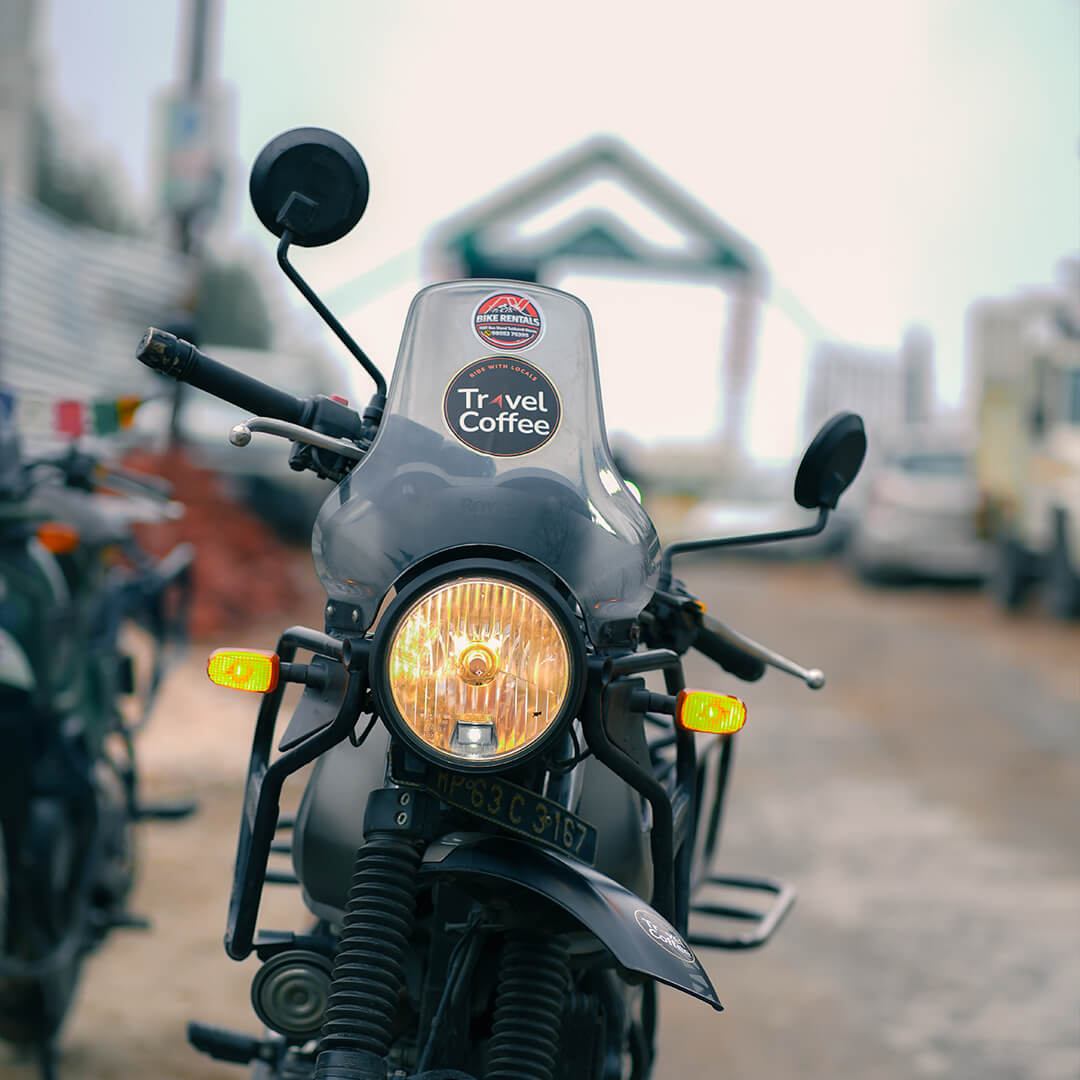
Choosing the right Spiti bike tour operator in 2026 is not just about finding the lowest price.
The real difference comes from bike condition, backup support, route knowledge, refund terms, permit help and how clearly the operator explains security deposit and damage charges.
Some riders prefer a local operator because they want direct support on the ground. Some book through a marketplace for more package options.
Others rent randomly in Manali to save money, but that can become risky if the bike breaks down or the terms are unclear. Before you pay, compare what is included, what is not included and who will actually help you if something goes wrong on the road.
Quick Answer: Which Spiti Bike Tour Operator Should You Choose?
If you are riding to Spiti for the first time, go with a verified local Himachal operator who gives you written inclusions, a named road captain, a mechanic on the route and a backup vehicle that actually follows the group. Do not just pick the cheapest listing.
Marketplaces like Thrillophilia or similar platforms are useful for comparing batch dates and prices quickly. But you need to find out who is actually running the trip on the ground, because the platform and the operator are often two different companies.
Random bike rental from Manali or Shimla works only if you have done Himalayan roads before, can fix a clutch cable at 14,000 feet, and can handle route changes, road closures and emergency decisions without anyone holding your hand.
Why Comparing Operators Matters More in Spiti Than in Normal Hill Stations
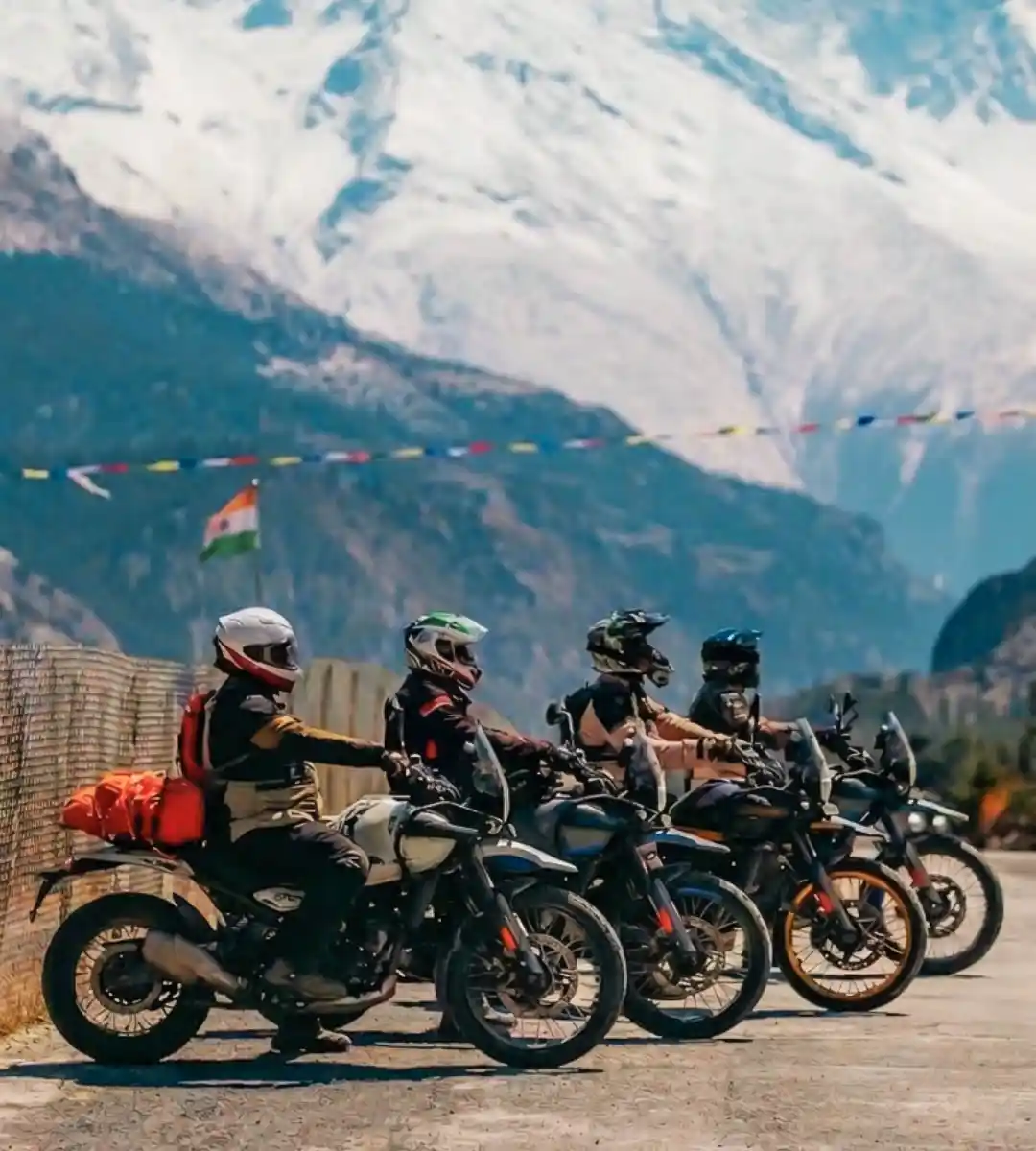
Spiti is not Manali. It is not Shimla. It is not a place where you can pull over, call a mechanic and have someone show up in 30 minutes.
Between Manali and Kaza, you cross water crossings that swallow tyres, gravel patches that throw bikes sideways, and altitude changes that go from 6,500 feet to over 15,000 feet in a single day.
The road between Gramphu and Batal is one of the roughest stretches in all of Himachal. Add sudden weather changes, zero mobile network for long stretches and the very real possibility of Kunzum Pass closing overnight, and you start to understand why "who is backing you up" is not a luxury question.
Most people who get into trouble on a Spiti bike trip do not get into trouble because they are bad riders. They get into trouble because their operator had no plan for the things that go wrong.
We have been running Spiti Valley Bike trips for years, and every season we meet riders stranded near Batal or Losar because their operator vanished when roads closed. Support is not a feature in Spiti. It is the difference between finishing the trip and abandoning it.
What Are the Three Main Ways to Book a Spiti Bike Trip?
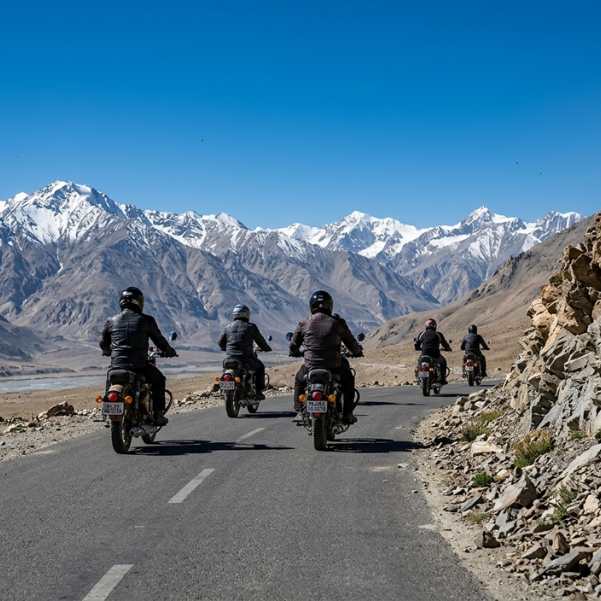
Local Himachal Operator
A local operator based in Himachal usually has stronger on-ground knowledge. They know which stretches flood after rain, which dhabas are actually open in June, and which hotels in Kaza or Keylong will pick up the phone at midnight.
They coordinate directly with their own drivers, road captains, mechanics and hotel contacts.
That said, not every local operator is good. Some are one-person setups running trips off WhatsApp with no written terms. You still need to verify Google reviews, ask for past trip photos, check written inclusions and confirm cancellation policy before paying anything.
Marketplace or Aggregator
A marketplace lets you compare prices, departure dates and reviews across multiple operators on one screen. That is genuinely useful when you are starting your research.
But here is what most people miss. The marketplace is usually not the one running the trip. They list operators, take a commission and pass you on.
You need to ask who actually owns the bikes, who sends the road captain, who provides the backup vehicle and who picks up calls if your bike breaks down near Pagal Nala at 5 PM.
If the marketplace cannot tell you the ground operator name, that is a red flag.
Random Rental or Self-Managed Ride
Renting a bike directly from a shop in Manali, Shimla or Chandigarh looks cheap upfront. And it can be, if you know what you are doing.
But the rider handles everything. Route planning, fuel stops, stays, permits where required, bike documents, damage, repairs, weather delays and every emergency decision.
There is no road captain. There is no mechanic following you. There is no backup vehicle carrying your luggage.
This works for experienced Himalayan riders. For everyone else, the money you save on rental is money you spend on stress, delays and problems you did not plan for.
How Do You Compare Spiti Bike Package Inclusions Without Getting Fooled?
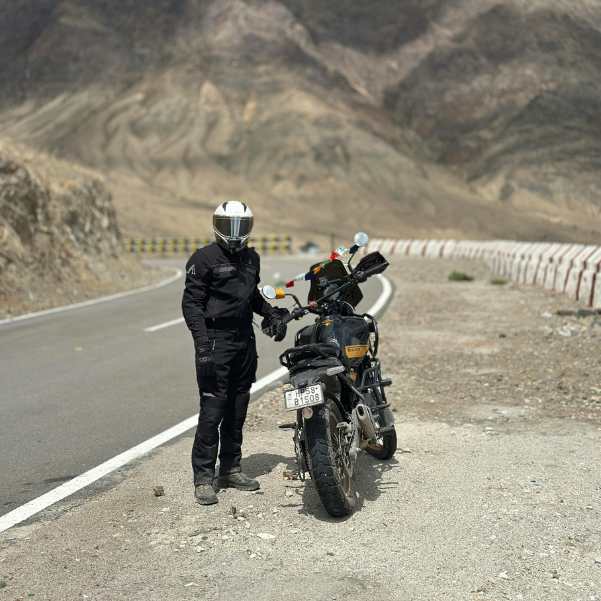
Bike, Fuel and Security Deposit
Ask for the exact bike model in writing. A "Royal Enfield" could mean a Classic 350, a Himalayan or a beat-up Thunderbird that has done 80,000 km. The riding experience is completely different.
Ask whether fuel is included and for which stretches. Some packages include fuel only for the main route and not for local sightseeing. Ask about the deposit amount and the damage policy before you hand over cash.
Manali rental deposits can start around ₹2,000 for short local rentals and go up to ₹10,000 for longer tours on premium bikes or Ladakh and Spiti routes.
Another source estimates ₹10,000 to ₹18,000 deposits for long-route Spiti or Ladakh rentals. The actual number varies, so verify the deposit directly with your operator before booking.
Get the damage policy in writing. "Fair wear and tear" means different things to different people. You want specifics.
Road Captain, Mechanic and Backup Vehicle
"Backup included" is a phrase that means nothing until you ask follow-up questions. Does the backup vehicle run throughout the route or only until Kaza? Does it carry luggage, or do you strap everything on your bike? Is a mechanic riding with the group, or does someone "arrange" one if needed?
One reviewed operator provides backup vehicle service only for groups of more than 10 bikes. If your group is smaller, you might not have any backup at all. Always read the fine print.
A proper setup means a dedicated backup vehicle that follows the group from Manali to the last camp, carries luggage, spare parts and tools, and has a mechanic who knows Royal Enfields inside out.
Stay, Meals, Luggage and Gear
Most packages include breakfast and dinner at hotels or campsites. Lunch and personal expenses are almost always excluded. This is normal, but confirm it.
Ask whether a helmet, riding jacket, knee guard and gloves are provided or whether you need your own. Ask about luggage. Some operators list limits like one rucksack or 50 to 60 litres per rider. If you are carrying camera gear or extra equipment, this matters.
Room sharing is standard in most group packages. If you want a single room, expect to pay extra.
Oxygen, First Aid and Emergency Handling
Seeing "oxygen cylinder and first aid kit included" on a listing is a good sign. But it does not replace medical judgement.
Ask who decides if a rider needs to descend because of altitude sickness. Ask who handles route changes when a pass closes. Ask who pays for extra hotel nights if a landslide blocks the road for 24 hours.
These are the questions that separate a well-run operator from one that just has a good website.
What Questions Should You Ask Before Paying Any Advance?
Before you transfer a single rupee, get clear answers to these questions. Who is the actual ground operator running the trip? If you booked through a marketplace, who shows up on Day 1? Who owns the bikes, and are they registered and insured?
Can you get the road captain's name and phone number before departure? How many bikes does one mechanic cover? If there are 15 bikes and one mechanic, that mechanic is stretched thin on a bad road day.
Is the backup vehicle guaranteed for your batch, or is it conditional on group size? What happens to the itinerary if Chandratal or Kunzum Pass is closed? Do you get an alternate route, or does the trip simply skip the best parts?
Is GST included in the listed price, or will you see an extra 5 to 18 percent added at checkout? Is the booking amount refundable if you cancel 30 days before departure? What deductions apply for bike damage? Is there a written road closure policy, or does the operator just say "we will adjust"?
These are boring questions. They are also the questions that save you money, stress and arguments later. If an operator gets annoyed when you ask them, that tells you everything you need to know.
How Much Does a Spiti Bike Tour Cost in 2026?
Prices vary a lot depending on the operator, route length, bike model, group size and what is included. Here is what we found from publicly listed operators to give you a realistic range.
MotoTour lists a 6 nights / 7 days Spiti bike tour at ₹23,500. International Youth Club lists discounted variants at ₹27,500 for 2 people on 1 bike, ₹34,500 for 1 person on 1 bike and ₹18,500 for own bike, plus 5% GST on top.
Thrillophilia lists an 11D/10N Manali to Spiti expedition with variants at ₹32,250 for Bring Your Own Bike, ₹40,990 for Dual Rider and ₹47,200 for Solo Rider.
That puts the visible market range roughly between ₹23,500 and ₹47,200. But live prices change by batch date, season, bike model, rider type and inclusions.
Do not compare headline price alone. Compare fuel, GST, backup vehicle, mechanic, stay type, gear, permits, cancellation terms and road closure policy. A ₹23,500 package without backup, mechanic or fuel can cost more than a ₹35,000 package that covers everything.
Local Operator vs Marketplace vs Random Rental: Which One Is Best for You?

Choose a Local Operator If You Are a First-Time Himalayan Rider
If you have never ridden above 10,000 feet, if you have never crossed a water crossing on a loaded bike, or if you are joining from a city and want someone else to handle logistics, a local operator makes the most sense.
In our experience, the rider who saves the most stress is usually the one who asks boring operational questions before paying. Not "which Instagram spots will I see?" but "who do I call if my bike dies 20 km before Losar and there is no network?"
Local support matters most when things go wrong. And in Spiti, things go wrong at least once on every trip. That is not a scare tactic. That is just what high-altitude mountain roads do.
Choose a Marketplace If You Want to Compare Options
Marketplaces give you a fast way to compare batch dates, prices and reviews without calling 15 operators individually. Use them for research.
But before paying, ask for the final ground operator's name, the support team details and a written cancellation policy. If the platform cannot provide these, you are paying for a listing, not a trip.
Choose Random Rental Only If You Are Experienced
Random rental suits riders who have done Himalayan roads before, who know how to adjust a chain on gravel, who can ride broken roads calmly for 8 hours and who can manage delays, reroutes and breakdowns without panic.
If this is your first mountain ride, do not treat the rental price as your total trip cost. Add fuel, stays, food, permits, emergency repairs and at least two buffer days. The real cost of a self-managed Spiti ride is always higher than the rental receipt.
What Are the Biggest Red Flags in a Spiti Bike Tour Package?
Watch out for vague inclusions like "meals as per itinerary" without specifying which meals. Watch out for no written cancellation policy, because if it is not written down, it does not exist when you need it.
If the listing does not mention the exact bike model, the name of the road captain, the mechanic arrangement or whether the backup vehicle is guaranteed, those are gaps that will hurt you on the road.
No GST clarity is another flag. A ₹25,000 package plus 18% GST is actually ₹29,500. That changes your budget math.
If the operator has no office address, no Google listing and only responds through Instagram DMs, think twice. If the itinerary language looks copied from five other websites word for word, the operator probably does not run the trip themselves.
Fake urgency is common too. "Only 2 seats left" on a page that has said the same thing for three months is a sales tactic, not reality. And if the operator cannot answer a simple question like "what happens if Kunzum Pass closes on Day 5?" they have not planned for it.
What most tourists get wrong about Spiti bike trips is assuming the ride itself is the hard part. The ride is the fun part. The hard part is what happens when your chain snaps at 14,500 feet and your operator does not pick up the phone.
How Should You Inspect a Rental Bike Before Starting for Spiti?
This applies whether you are renting from a shop in Manali or picking up a bike from an operator.
Check the brakes, front and rear. Squeeze them hard. Check the tyres for tread depth and sidewall cracks. Test the clutch lever for smooth play.
Look at the chain for rust, slack and alignment. Check the battery, all lights, horn, mirrors, engine oil level and coolant if applicable.
Ask for the tool kit, spare tube or puncture kit, and confirm the documents are in order: registration, insurance and pollution certificate. Rental platforms commonly require your Aadhaar or ID and a valid driving licence. Fuel is usually not included in the rental price.
Take walkaround photos and a short video of the bike before you leave the shop. Cover every scratch, dent and existing damage.
Send it to the rental shop on WhatsApp so there is a timestamp. This one step saves you thousands in fake damage claims when you return the bike.
Our drivers have a saying: spend 20 minutes checking the bike now, or spend 2 hours fixing it near Batal where there is no help. We tell every rider the same thing.
If you are planning your overall Manali trip and adding a Spiti leg, sort out the bike and documents in Manali itself. Do not leave it for the morning of departure.
What 2026 Road, Permit and Closure Updates Should Your Operator Handle?
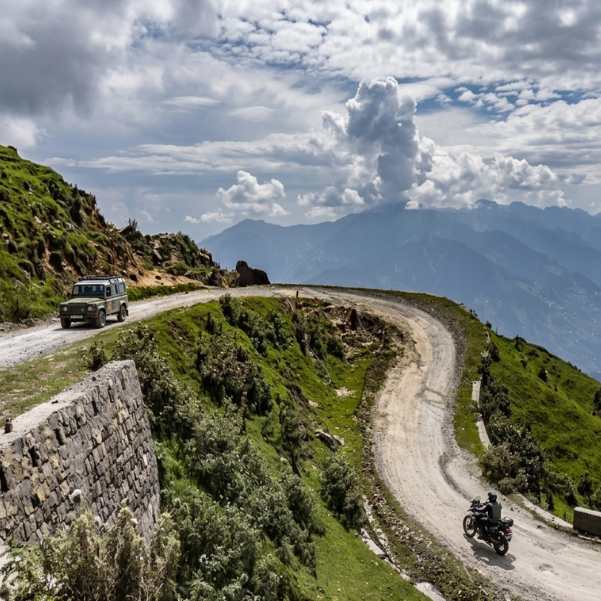
This is where real operators earn their fee.
The official Lahaul and Spiti district road-status page, last updated June 24, 2026, lists Delhi to Manali open, Manali to Keylong open, Keylong to Kaza closed and Keylong to Leh open.
But The Tribune reported on May 20, 2026 that BRO reopened the Sumdo-Kaza-Gramphu highway via Kunzum Pass for 4x4 vehicles after more than six months of closure.
This is a real-world conflict. The official page says one thing, a news report says another, and ground conditions might be something else entirely.
A good operator checks same-day status before the group leaves Manali, Kaza, Keylong or the Chandratal side. A bad operator looks at the itinerary on their website and assumes the road will cooperate.
For Beyond Rohtang permits, the official portal lists congestion charges of ₹50 for LMV/passenger vehicles and ₹100 for goods vehicles, valid for one day, with printout compulsory.
For the Rohtang tourism permit, the official portal lists ₹500 permit fee plus ₹50 congestion charge for car, jeep or MUV.
For foreign nationals, the Kinnaur district tourism page says foreigners cannot enter or stay in protected areas without a permit.
The ILP fee is listed at ₹200 per person at the e-Governance Centre, plus service charges payable to the travel agency. Protected Spiti areas include Dhankar, Shichling, Poh, Tabo, Hurling, Lari, Gue, C.P. Samdo and Korik.
Your operator should handle all of this. If they do not know the current road status or permit requirements, they are not ready to run a Spiti trip.
Check our Chandratal opening dates guide for the full picture on lake access, camp status and road timing.
What Happens if Kunzum Pass, Chandratal or Batal Road Closes?
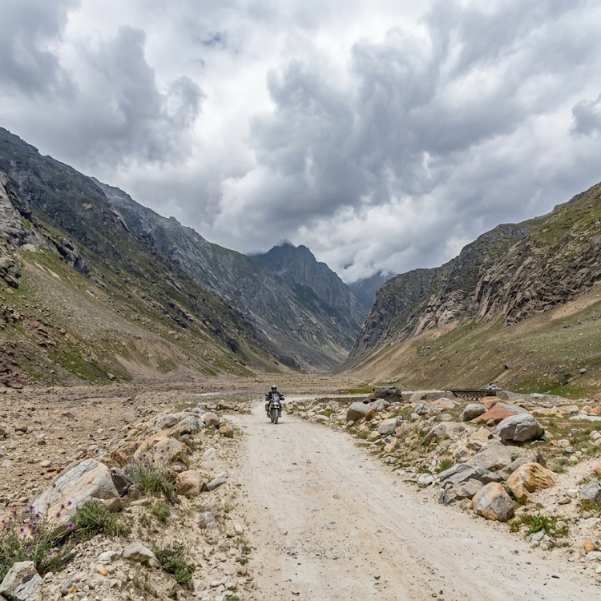
This is where operator quality shows. A road closure in Spiti is not a minor inconvenience. It can mean your entire itinerary flips.
A good operator should have a clear plan. If Kunzum Pass closes, do you reverse the route and exit via Shimla-Kinnaur? If Chandratal is inaccessible, does the group skip it entirely or wait a day? If a landslide blocks the road near Batal for 12 to 24 hours, who pays for the extra night of stay and meals?
Some operators clearly exclude costs arising due to landslide, roadblock or unforeseen events. That is fine, but you need to read that line before booking, not after you are stuck.
In our experience, the operators who handle closures best are the ones who talk about it openly before the trip. They tell you the backup plan on Day 1 instead of making it up on the road.
Our Spiti circuit with Chandratal builds in buffer days for exactly this reason. One buffer day can save an entire trip.
Here is a money-saving tip most people miss
If your operator's road closure policy says "extra costs borne by rider," negotiate a cap before you book. Ask what the maximum extra stay cost could be and get it in writing. Riders who do this save anywhere from ₹1,500 to ₹4,000 when delays actually happen.
Final Booking Checklist for Comparing Spiti Bike Tour Operators
Before you lock any booking, make sure you have these in writing. A written itinerary with day-wise stops.
Exact inclusions: bike model, fuel policy, stay type, meals covered, gear provided.
Exact exclusions: lunch, personal expenses, entry fees, extra stays due to closures.
Confirm the backup vehicle arrangement, whether it is guaranteed or conditional. Confirm the mechanic's presence and whether they ride with the group or are "on call."
Confirm the road captain's name and experience on Spiti roads. Check the group size for your batch, because a group of 8 rides very differently from a group of 20.
Get the cancellation policy, road closure policy, GST breakup, deposit amount, damage deduction terms and an emergency contact number.
Look for real reviews on Google, not just testimonials on the operator's own website. Verify that the operator has a physical office address.
If any operator refuses to share these details in writing, they are not the right operator for a route as demanding as Spiti.
For solo women riders, our Spiti solo female safety guide covers what to look for in a group trip. And if your route passes through Sissu, our Sissu guide has practical stop and stay info for that stretch.
One last tip from our team
Skip the paid "photography stop" packages that some operators upsell near Chicham Bridge or Key Monastery. You can take the same photos for free from the road itself.
The ₹200 to ₹500 "exclusive viewpoint" charge is for a spot that is 10 metres from the public road. Save that money for a hot meal at the dhaba in Losar instead. The thukpa there is the best warm food you will get between Kaza and Batal.
What we always tell our travellers before a Spiti bike trip
The ride will test you, but the right operator makes sure the test is about the road, not about logistics falling apart. Choose someone who answers your questions honestly, puts everything in writing and has actually driven these roads this season.
Explore Spiti Valley Packages
Related topics
Frequently Asked Questions
Which is the best Spiti bike tour operator in 2026?
There is no single "best" operator. The right one depends on your experience level, budget and group size. Look for a local Himachal operator with verified reviews, written inclusions, a named road captain, mechanic support and a clear road closure policy.
Is it better to book a local operator or a marketplace for Spiti?
A local operator gives you direct access to the team running the trip. A marketplace helps with comparing prices and dates but may not run the trip itself. If you book through a marketplace, always ask for the ground operator's name and contact details.
Is random bike rental safe for Spiti Valley?
Only for experienced Himalayan riders who can handle repairs, route changes, road closures and emergency decisions independently. Beginners should avoid random rental for Spiti because there is no backup, no mechanic and no support on the route.
How much does a Spiti bike trip cost in 2026?
Publicly listed packages range from roughly ₹23,500 to ₹47,200 depending on route length, bike model, rider type and inclusions. Always compare the full cost including fuel, GST, backup vehicle, stays and gear before choosing.
What should be included in a Spiti bike tour package?
A good package includes the bike, fuel, road captain, mechanic, backup vehicle, stays, breakfast, dinner, basic riding gear, first aid kit and a clear cancellation and road closure policy. Lunch and personal expenses are usually excluded.
Is backup vehicle necessary for a Spiti bike trip?
Yes. A backup vehicle carries luggage, spare parts, tools and provides a fallback if a rider or bike cannot continue. Without it, a breakdown on the Gramphu-Batal stretch can strand you for hours with no help.
Which bike is best for a Spiti Valley bike trip?
The Royal Enfield Himalayan is the most popular choice for Spiti because of its ground clearance, engine torque and ability to handle rough roads. The Classic 350 and Meteor 350 are also used, but the Himalayan handles water crossings and gravel better.
Can beginners join a Spiti bike tour?
Yes, if you join a well-organized group with a road captain, mechanic and backup vehicle. Beginners should not attempt Spiti on a random rental without support. Practise riding on rough surfaces and learn basic bike controls before you go.
Do Indians need a permit for Spiti Valley?
Indian nationals do not need an Inner Line Permit for Spiti. However, a Beyond Rohtang permit or Rohtang tourism permit is required if your route crosses via that side. Check the latest permit requirements before departure.
Do foreigners need a permit for Spiti Valley?
Yes. Foreign nationals need an Inner Line Permit (ILP) to enter protected areas in Spiti. The fee is ₹200 per person at the e-Governance Centre, plus service charges. Protected areas include Dhankar, Tabo, Gue, C.P. Samdo and several others.
What happens if Kunzum Pass or Chandratal is closed?
A good operator will have a backup plan. This usually means reversing the route via Shimla-Kinnaur, skipping Chandratal, or adding a buffer day. Ask your operator about the road closure policy and who pays for extra stays before you book.
What should I check before renting a bike for Spiti?
Check brakes, tyres, clutch, chain, battery, lights, horn, engine oil, mirrors, tool kit, spare tube, documents and helmet condition. Take walkaround photos and a video before handover. Send them to the rental shop on WhatsApp so there is a timestamp.
More about Lahaul and Spiti
 Lahaul and Spiti
Rent or Buy Winter Gear for Spiti in 2026? Jackets, Boots, Costs and Pickup Options
Planning a Winter Spiti trip in 2026? Compare the cost of renting vs buying jackets, snow boots, thermals and other essential winter gear, along with practical tips on what to rent, what to buy and where to arrange it before your trip.
- First-Time Travellers
- Snow Travel
 Lahaul and Spiti
Winter Spiti 4×4 Seating Guide 2026: Jimny, Scorpio N, Thar and Hilux for Passengers and Luggage
Planning a Winter Spiti trip in 2026? This practical 4×4 seating guide compares the Jimny, Scorpio N, Thar and Hilux for passenger comfort, luggage space, winter roads and long mountain drives, helping you choose the right vehicle for your group size and travel style.
- Road Trips
- Snow Travel
 Lahaul and Spiti
Stargazing in Winter Spiti 2026: Where to Stay, Moonlight and What You Can See
Discover the best places for stargazing in Winter Spiti 2026, where to stay for darker skies and how moonlight affects visibility. Learn what you can realistically see from Kaza, Tabo and nearby villages during the winter months.
- Things to Do
- Snow Travel