
Best Places to Visit in Shangarh and Sainj Valley in 2026
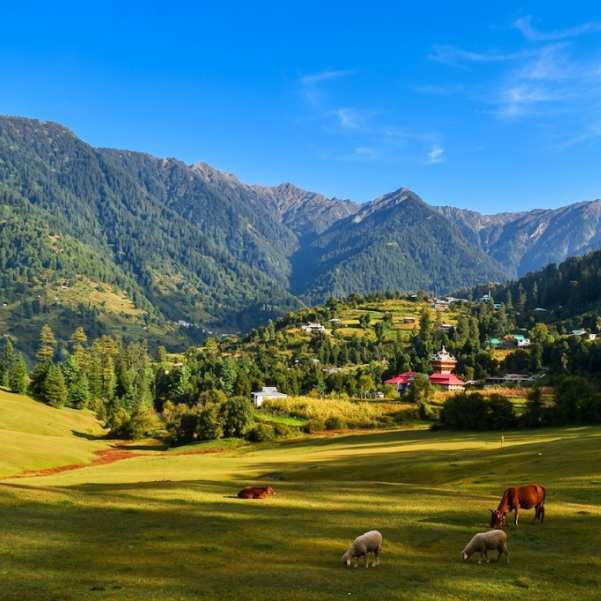
Most people drive past the turn for Sainj Valley on their way to Kasol or Manali and never know what they missed.
The best places to visit in Shangarh and Sainj Valley sit just an hour off the main highway, and they still feel like the Himachal of fifteen years ago.
Big open meadows, wooden villages, almost no crowd, and a national park on your doorstep.
We have been sending travellers here for a few seasons now, and the feedback is always the same. They wish they had stayed longer.
Quick Answer: Top Places You Should Not Miss in Shangarh & Sainj Valley
Short on time? Here is the quick version.
In Shangarh, the meadow is the main draw, along with Shangchul Mahadev Temple and the short trek to Pundrik Rishi Lake.
Barshangarh waterfall is worth the walk. In Sainj Valley, Raila village with its twin towers, Shenshar village, and the beginner-friendly trails inside the Great Himalayan National Park are the highlights.
Give yourself three days minimum. March to June and September to November are the best windows.
Why Shangarh and Sainj Valley Are Becoming Himachal's Favorite Offbeat Escape
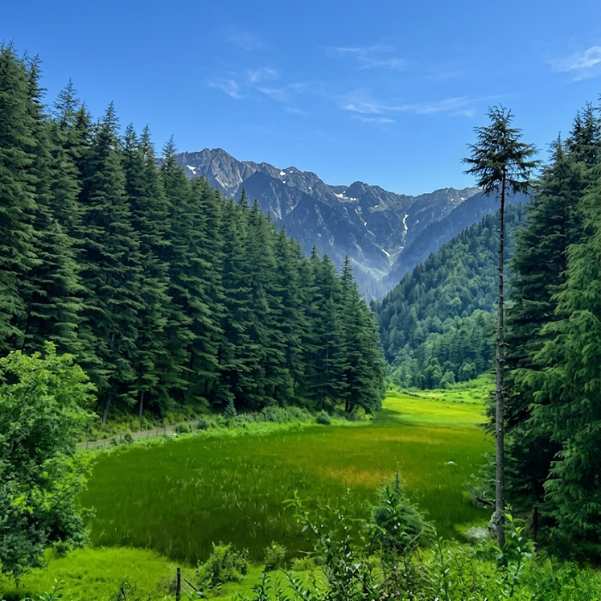
Kasol gets the Instagram crowd. Tirthan gets the people who think they found something quiet.
Shangarh and Sainj Valley get almost no one, and that is the whole point.
The villages here are still villages. People are farming, kids are walking to school, and nobody is trying to sell you a café experience.
Sainj Valley lies inside the Great Himalayan National Park ecozone, which means the area stays less commercialized than the valleys around it.
You feel that the moment you cross Sainj town. The road narrows, the construction stops, and the noise drops.
Here is what most tourists get wrong about this area. They treat Shangarh as a half-day photo stop on a Tirthan trip.
They reach the meadow, take pictures for an hour, and leave. That is a waste. The whole reason to come here is to slow down, and you cannot slow down in sixty minutes.
If you are still deciding between the popular valleys and the quiet ones, our take on Jibhi or Kasol Which Is Better gives you an honest comparison before you lock your plan.
Shangarh Meadows
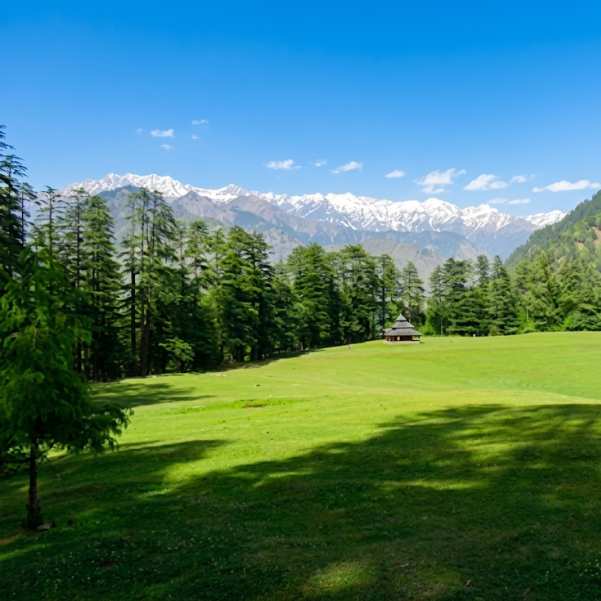
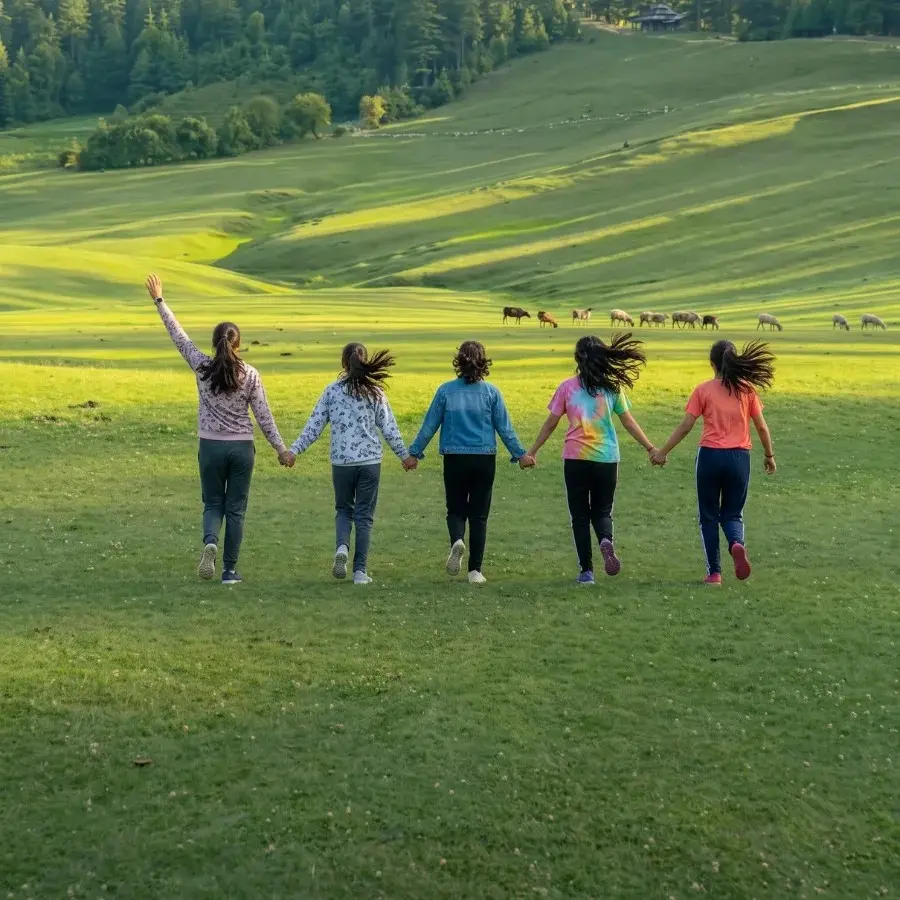
The meadow is the first thing everyone comes for, and it does not disappoint.
It is a huge flat green stretch surrounded by deodar forest, with wooden village houses sitting along the edges.
There are no shops on the meadow itself. No stalls, no plastic chairs, no music. Just grass, trees, and sky.
What the Landscape Actually Feels Like
The size surprises people. From photos, you expect a small clearing. In person, it is wide and open, and it takes a few minutes to walk across.
In summer the grass is bright green. By autumn it turns golden, and that is when photographers get the best shots.
Sunset Views and Photography Spots
Reach the meadow about an hour before sunset and walk to the upper edge near the tree line.
That is where the light hits the village houses on the far side, and the deodars glow for a few minutes before the sun drops behind the ridge.
The lower edge near the temple is good in the morning. The upper edge is better in the evening. Most people only see one.
Local Beliefs and Rules You Must Respect
The meadow is considered sacred ground tied to the local deity, and the village takes this seriously.
Do not litter, do not play loud music, and do not light fires on the grass. In some parts of the meadow, locals ask visitors not to wear leather items.
Ask before you assume. The villagers are friendly and will tell you what is fine and what is not.
What we always tell our travellers is to treat the meadow like someone's home, because to the people here, it basically is.
Shangchul Mahadev Temple
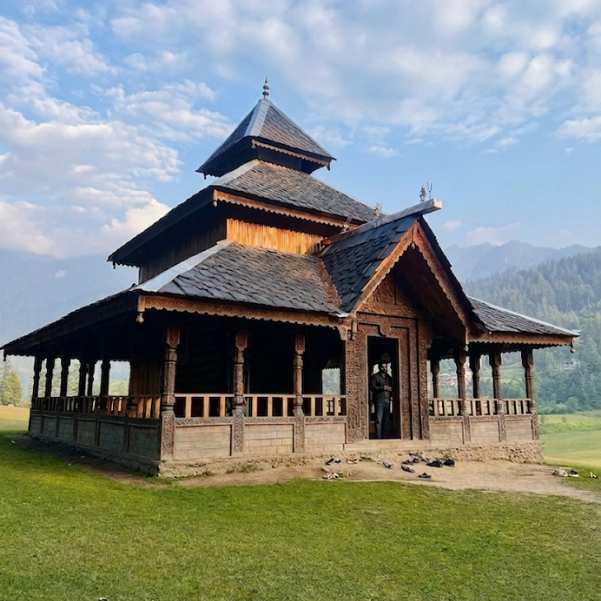
The temple sits right at the edge of the Shangarh meadow, and it is one of the calmest spots in the whole valley.
Temple Architecture
It is built in the classic Himachali wooden style, with carved beams and a slate roof. No concrete, no paint, no renovation that ruined the look.
The woodwork is old and weathered, and that is exactly why it feels real.
Cultural Significance
The temple is dedicated to the local form of Shiva, and the deity here is considered the guardian of the meadow and the village.
The villagers believe the meadow's clean, untouched state is connected to the temple's presence. That belief is the reason the grass is still grass and not a parking lot.
Local Stories
Spend a little time near the temple in the evening and you will often see village elders sitting around.
If you are respectful and curious, some of them will share stories about the deity and old village customs. We have learned more about this valley from those conversations than from any guide.
Barshangarh Waterfall
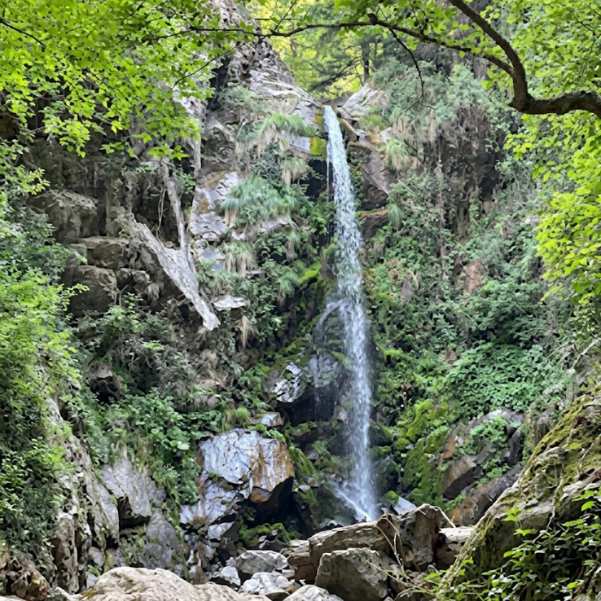
Barshangarh waterfall is a short side trip from the Shangarh area, and it is one of those walks that pays off more than the effort it asks for.
Hike Difficulty
The hike to Barshangarh waterfall takes roughly 2 hours both ways.
It is a moderate walk, not a serious trek. The path goes through forest with a steady climb in parts, but you do not need any trekking experience.
If you are reasonably fit and not in a hurry, you will be fine.
Best Time for the Hike
Go in the morning. The light through the trees is better, and you get back before the afternoon heat or any monsoon clouds roll in.
Avoid this hike right after heavy rain. The trail gets slippery and the stream crossings get tricky.
What to Carry
Carry water, a light snack, and proper shoes with grip. No sandals.
Carry a small bag for your own waste. There are no bins on this trail, and the whole reason it is still clean is that visitors take their trash back.
Pundrik Rishi Lake Trek
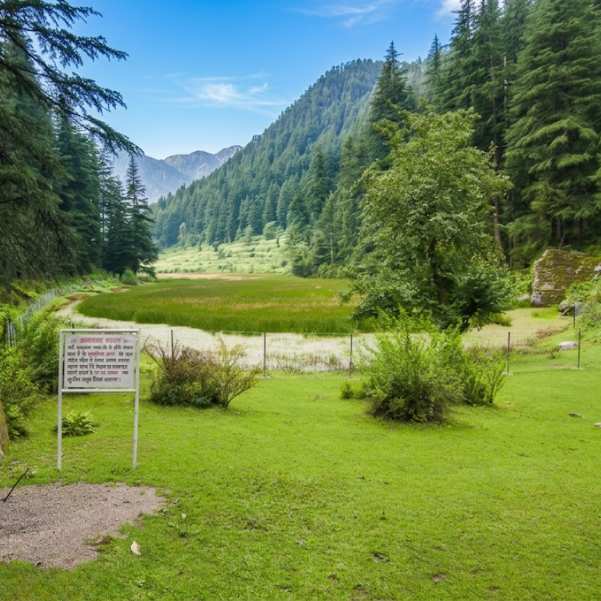
The Pundrik Rishi Lake trek is the favorite of most travellers we send to Shangarh, and it is easy to see why.
Trek Details
It is a short forest trek that suits beginners. You walk through thick deodar and pine forest, with the trail mostly shaded and gentle.
This is not a high-altitude grind. It is a slow, pretty walk to a small forest lake tied to local legend.
The Forest Trail
The trail is the best part. It is quiet, green, and full of birdsong, and you rarely meet other people on it.
The lake itself is small and calm, ringed by trees. It is not a dramatic alpine lake. It is a peaceful one, and that fits the whole mood of this valley.
The Upper Neahi Extension
If you still have energy, you can extend the walk. Upper Neahi village lies beyond Pundrik Rishi Lake, and it is one of the most untouched villages in the area.
Few tourists go this far, so the village still feels completely local. We will come back to Upper Neahi later, because it deserves its own mention.
Raila Village and Twin Towers
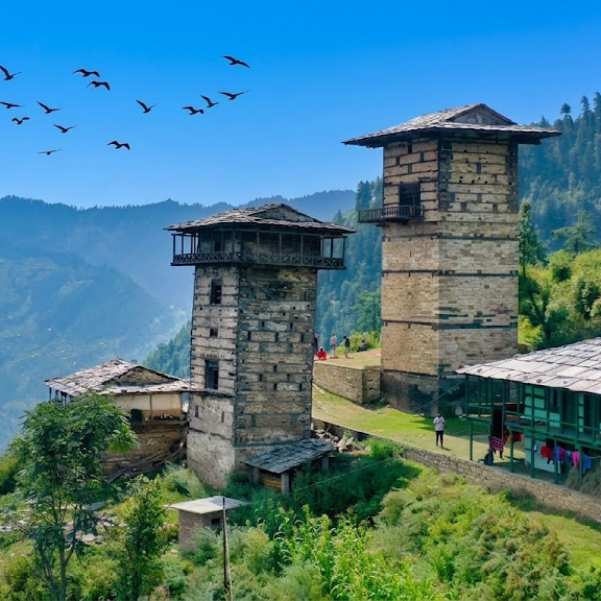
Raila is one of the standout stops in Sainj Valley, and the twin towers are the reason.
The Village Experience
Raila is a small, old village where life moves at its own pace. You walk through narrow paths between wooden houses, past wood stacks and grazing animals.
Nobody is performing village life here for tourists. They are just living it, and you are a guest passing through.
The Architecture
The twin towers of Raila are the highlight. These are tall, traditional wooden tower structures built in the old Himachali style, and they have stood for a long time.
The craftsmanship is the kind you do not see in new construction. Interlocked wood and stone, built to handle snow and earthquakes without a single nail-heavy shortcut.
The Nearby Waterfall
There is a waterfall near Raila that most day-trippers skip because they do not know it exists.
Ask a local for directions when you reach the village. This is one of those local insider spots that generic guides never mention.
Shenshar Village and Manu Rishi Temple
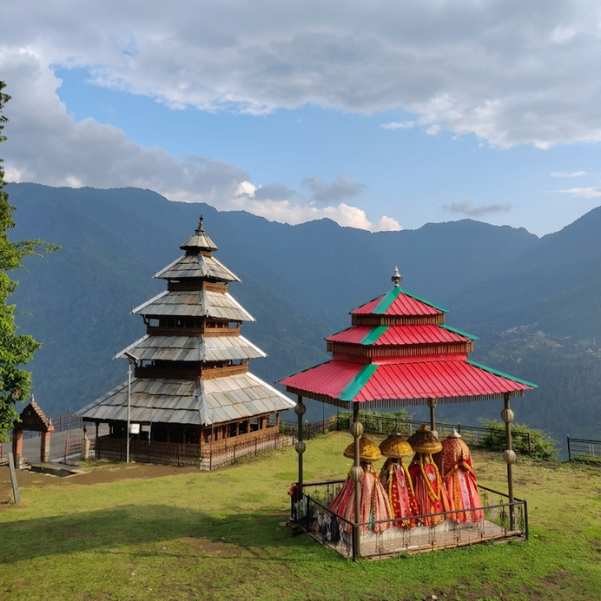
Shenshar is another quiet Sainj Valley village, and it is worth the detour for the temple alone.
The Manu Rishi Temple here is a peaceful wooden shrine tied to local faith, and the village around it is calm and green.
Shenshar does not have a list of attractions. It has a mood. You come here to walk slowly, sit somewhere with a view, and let the valley do its thing.
In our experience, travellers who rush through Sainj Valley skip Shenshar. The ones who slow down end up calling it their favorite stop.
Great Himalayan National Park Trails Near Sainj Valley
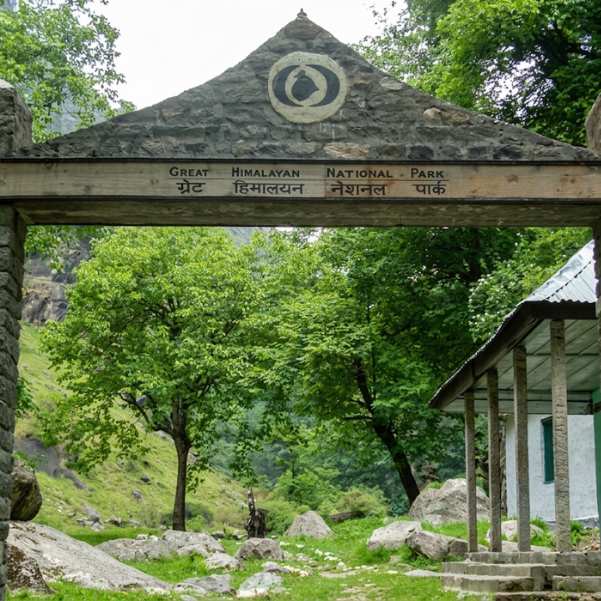
The Great Himalayan National Park is the big reason Sainj Valley feels different, and you can actually walk into its ecozone.
Biodiversity
GHNP is a protected area known for its rich wildlife and forest cover. You are walking through a genuine conservation zone, not a tourist-built trail.
You will not see big animals on a short walk, but the forest, the birds, and the sheer untouched feel of it are the reward.
Beginner-Friendly Hikes
The GHNP trails near Sainj Valley are popular with beginner and intermediate trekkers.
You do not need to attempt a multi-day expedition to enjoy the park. Several shorter trails from the Sainj side give you the forest experience without serious difficulty.
Responsible Tourism
This is a national park, so the rules matter. Carry your waste out, stick to marked trails, and do not disturb wildlife.
Some park trails need permits and registration at the entry point. Check the current requirement before you go, because rules change by season.
👉 WhatsApp our Himachal team for help with routes, timings, and stays.
Best Hidden Places Near Shangarh Most Tourists Miss
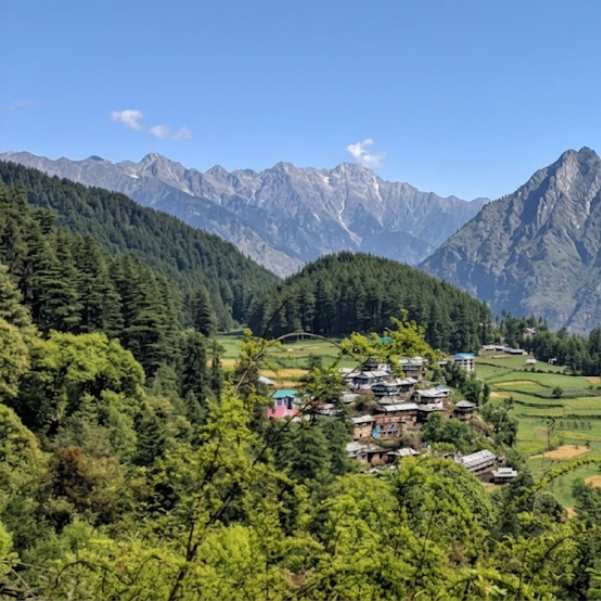
Shangarh and Sainj Valley are already offbeat, but even here some spots stay almost untouched.
Upper Neahi
Upper Neahi village sits beyond Pundrik Rishi Lake, and it is about as quiet as Himachal gets.
The houses are old, the pace is slow, and most visitors never make it this far. If you want a village that feels frozen in time, this is it.
Deohari
Deohari is another small settlement near the Shangarh area that day-trippers skip entirely.
It is the kind of place where a short walk turns into an hour of just standing and looking, because the views keep pulling you in.
Village Walks
The best thing in this area is not a single spot. It is the walks between spots.
Pick a village path, follow it without a plan, and let it lead you to viewpoints, old temples, and orchards you would never find on a map.
Hidden Viewpoints
Ask your homestay host where the locals go to watch the sunset. Every village here has a spot, and it is almost never the one tourists crowd.
This is the single best money-saving and time-saving tip we give. The free local viewpoint usually beats anything you would pay or queue for.
Best Things to Do in Shangarh and Sainj Valley
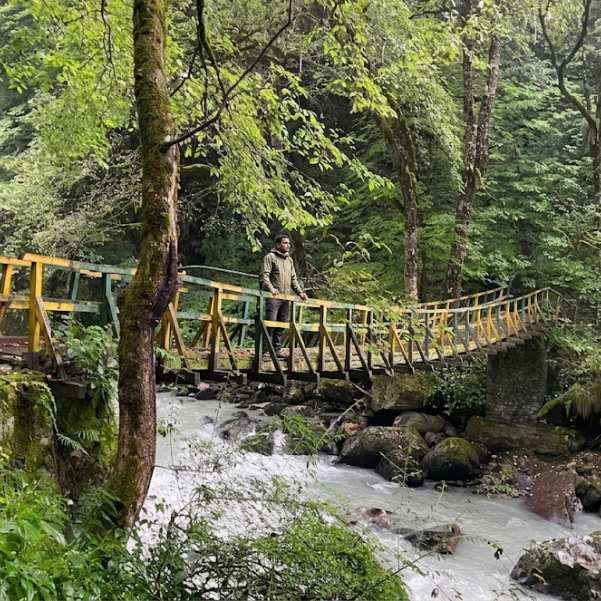
This is not a place for a packed activity list. It is a place to do less, on purpose.
Stargazing
There is barely any light pollution here. On a clear night, the sky over the Shangarh meadow is full, and you do not need any equipment to enjoy it.
Just step outside your homestay after dinner, give your eyes a few minutes, and look up.
Café Hopping
There are a few small cafés around Shangarh now, simple places with good coffee and bigger views.
Do not expect a Kasol-style café strip. Expect two or three honest spots where you can sit for hours. We will be honest here. If café culture is your main reason to travel, this valley will feel thin. Come for the quiet, not the menu.
Birdwatching
The GHNP ecozone is excellent for birds. Mornings near the forest trails and the Pundrik Rishi Lake path are full of calls and movement.
Even if you are not a serious birder, carry a small pair of binoculars. It changes the walk.
Village Photography
The wooden architecture, the meadow, the towers at Raila, and the golden autumn light are a photographer's dream.
Shoot early morning and late evening. Midday light here is flat and harsh.
Slow Travel
The real thing to do in Shangarh is nothing. Sit on the meadow. Walk a village lane. Have a long lunch.
The travellers who get the most out of this valley are the ones who plan the least.
Best Time to Visit Shangarh and Sainj Valley
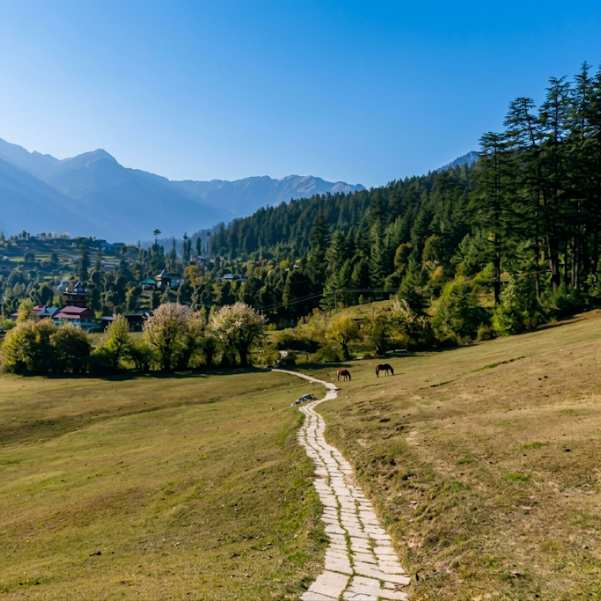
The valley changes a lot through the year, so your timing decides what kind of trip you get.
Summer
March to June is the best season for pleasant weather, and this is when most travellers should come.
Summer temperatures generally stay between 10 and 25°C. Days are comfortable, the meadow is green, and all the trails are open.
Monsoon
Monsoon brings heavy rain to this part of Himachal, and it changes everything.
Roads after Sainj are narrow mountain roads, and monsoon can temporarily affect them because of landslides. If you travel in this window, keep buffer days and stay flexible.
Autumn
September to November is the other ideal season, with fewer tourists and clear, crisp air.
This is the best stretch for photography. The meadow turns golden, the skies are clean, and the crowd is almost gone.
Winter
Winter is cold and quiet, and snowfall is possible in this area.
Some homestays stay open, but roads can get tricky and trails get hard to do. Winter suits travellers who specifically want snow and silence and do not mind a rougher journey.
How to Reach Shangarh and Sainj Valley
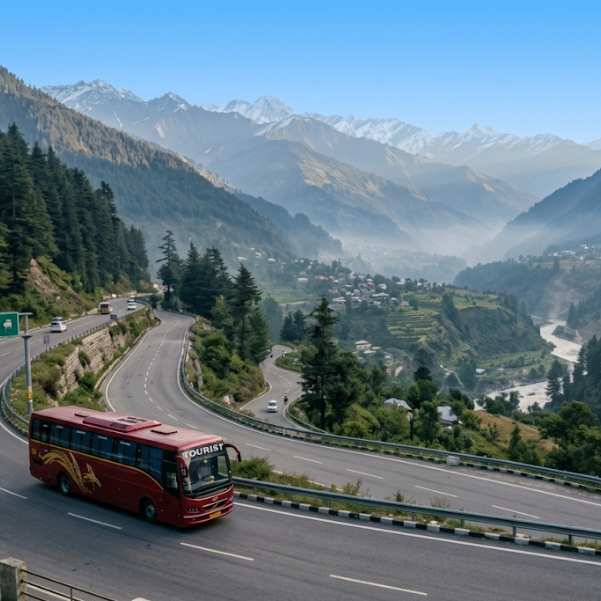
Getting here takes some effort, and that effort is the reason the valley is still calm.
From Delhi
From Delhi, the route runs towards Mandi and then Aut on the Kullu highway.
It is a long drive. Most travellers break it with an overnight halt rather than pushing through in one stretch.
From Chandigarh
From Chandigarh, you head towards Mandi and then on to Aut, joining the same approach as the Delhi route.
Chandigarh is the more comfortable starting point if you are coming by road, since it cuts a big chunk off the journey.
The Aut to Shangarh Drive
This is the part that matters. Shangarh is roughly 29 to 30 km from Aut.
After Aut, you head into Sainj Valley, and once you cross Sainj town the road becomes a narrow mountain road. Drive slow, use your horn on blind turns, and do not rush this stretch.
Bus Options
Buses run from Aut and nearby towns towards the Sainj side, but service is limited and slow.
If you are relying on buses, plan for fewer connections and longer waits than you would expect. A private vehicle gives you far more freedom here.
👉 Talk to our team on WhatsApp to plan your buses, stays, and local travel.
Where to Stay in Shangarh
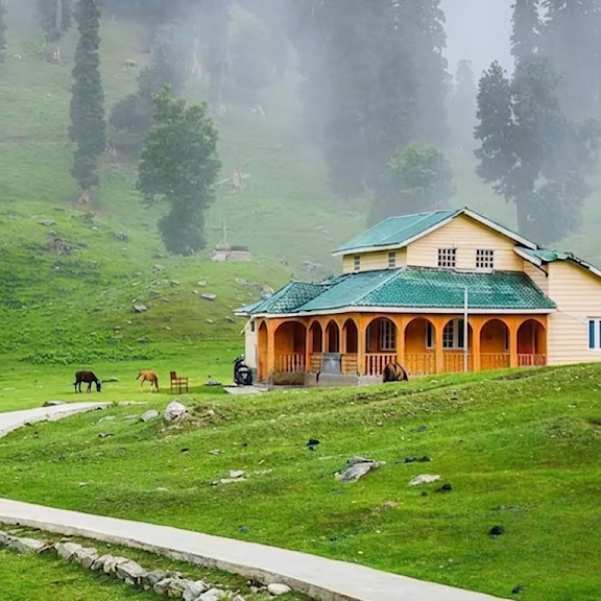
There are no big hotels here, and that is a good thing.
Homestays
Homestays are the heart of the Shangarh stay experience. You get a room with a local family, home-cooked food, and real conversations.
This is also where you learn the valley. Our best local tips have come from homestay hosts, not from any website.
Hostels
A few simple hostels and budget stays have opened up around Shangarh for solo travellers and younger groups.
They are basic but social, and they keep costs low.
Meadow-View Stays
Some homestays and stays sit close to the meadow with direct views, and waking up to that is worth a small premium.
Book these early in peak months. There are not many rooms with that view, and they go fast.
Suggested 3-Day Shangarh and Sainj Valley Itinerary
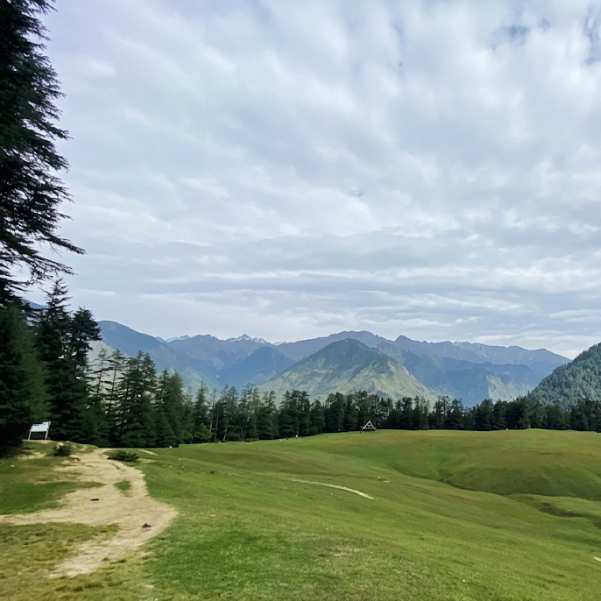
Three days is the sweet spot. Here is a realistic pace that does not exhaust you.
Day 1: Arrive and Settle into Shangarh
Drive in from Aut, check into your homestay, and spend the afternoon on the Shangarh meadow.
Visit Shangchul Mahadev Temple at the meadow's edge, then walk to the upper tree line for sunset. Keep the day light. You are adjusting.
Day 2: Treks and Waterfalls
Start early with the Pundrik Rishi Lake trek through the forest. If you have energy, extend towards Upper Neahi village.
In the afternoon, do the Barshangarh waterfall hike, which takes roughly 2 hours both ways. End the day with chai and a slow evening.
Day 3: Sainj Valley Villages and GHNP
Spend the day in Sainj Valley. Visit Raila village for the twin towers and the nearby waterfall, then head to Shenshar village and the Manu Rishi Temple.
If time allows, do a short beginner trail in the GHNP ecozone before heading back.
If you want this itinerary built around your exact dates and group, our Sainj Valley and Shangarh package handles stays, transport, and pacing for you.
👉 WhatsApp our team to build your complete trip plan without the hassle.
Travel Tips Before Visiting Shangarh and Sainj Valley
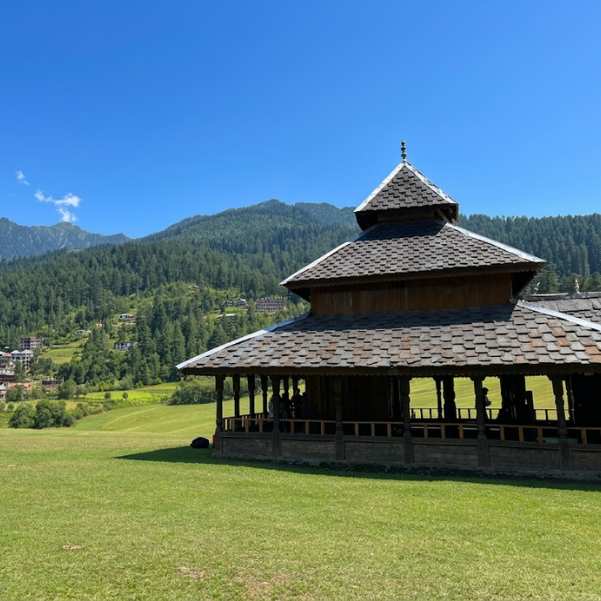
A few practical things make this trip smoother.
Carry Cash
ATMs are scarce once you leave the main towns, and many homestays and small eateries do not take cards or UPI reliably.
Carry enough cash for your whole stay, in small denominations. This is the kind of thing travellers forget and regret.
Network Is Patchy
Mobile network in Shangarh and the inner Sainj Valley is weak and unreliable.
Tell someone your plan before you lose signal, and download offline maps. Treat the patchy network as a feature, not a problem.
Weather Prep
Even in summer, evenings get cold here. Carry layers, a warm jacket, and a light rain layer no matter the season.
A torch or headlamp is useful too, since village paths have little lighting at night.
Responsible Tourism
This valley is clean because it is not crowded and because people respect it. Carry your waste out, keep noise down, and follow village rules.
One honest warning. The food choices here are limited and simple. If you have specific dietary needs, carry some of your own snacks rather than expecting variety.
For more local food, the small homestay kitchens around Shangarh serve the best meals in the valley, far better than any roadside option. Eat where you sleep.
On budget, one thing local operators know that travel agents will not tell you. Booking a homestay directly often costs less than a packaged room through a third party, and the host treats you better when there is no middleman.
If you want to pair this trip with a nearby valley, Jibhi and Tirthan Valley packages can be joined with a Shangarh leg.
Explore Our Curated Shangarh Sainj Valley Tour Packages
 5D/4N
5D/4NMost Loved Shangarh Sainj Valley Tour With Private SUV
2D Shangarh
₹12,999₹16,999SAVE INR 4,000/ person Group Tour6D/5N
Best Jibhi Tirthan Valley Tour With Shangarh Meadows
2D Tirthan Valley•1D Shangarh (Sainj Valley)
₹9,999₹12,999SAVE INR 3,000/ person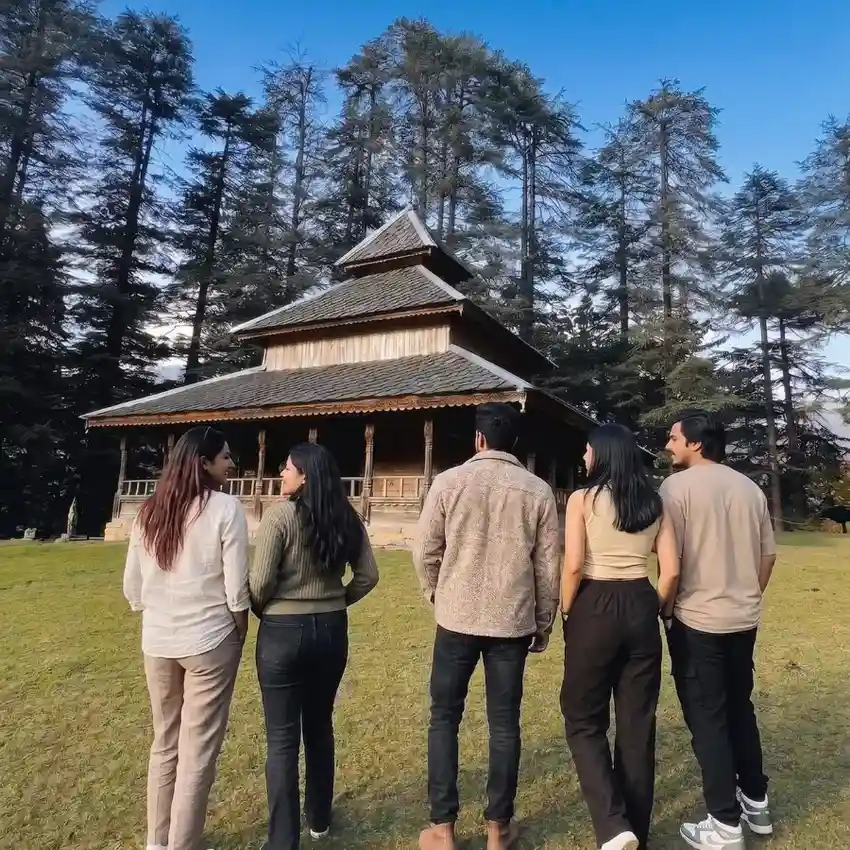 Group Tour5D/4N
Sainj Valley and Shangarh Group Trip
3D Shangarh
₹8,499₹12,499SAVE INR 4,000/ person
Related topics
Frequently Asked Questions
What are the best places to visit in Shangarh?
The Shangarh meadow, Shangchul Mahadev Temple, the Pundrik Rishi Lake trek, and the Barshangarh waterfall are the top spots.
How many days are enough for Shangarh?
Three days is the sweet spot. It lets you cover Shangarh, the treks, and the Sainj Valley villages without rushing.
Is Shangarh worth visiting?
Yes, if you want quiet over crowds. It is one of the calmest, least commercialized parts of Himachal right now.
What is famous in Sainj Valley?
Sainj Valley is known for the Great Himalayan National Park ecozone, Raila village with its twin towers, and Shenshar village.
Can beginners trek in Sainj Valley?
Yes. The GHNP trails near Sainj Valley are popular with beginner and intermediate trekkers, and the Pundrik Rishi Lake walk is easy.
Is there snowfall in Shangarh?
Snowfall is possible in winter. Roads and trails get harder during this time, so plan carefully if you are coming for snow.
How far is Shangarh from Aut?
Shangarh is approximately 29 to 30 km from Aut. The stretch after Sainj town is a narrow mountain road, so drive slow.
What is the best time to visit Shangarh?
March to June is best for pleasant weather. September to November is also ideal, with fewer tourists and clear skies.
Are roads safe during monsoon?
Roads after Sainj are narrow, and monsoon can temporarily affect them because of landslides. Keep buffer days if you travel then.
Is network available in Shangarh?
Network is weak and patchy in Shangarh and inner Sainj Valley. Inform someone of your plans and download offline maps before you go.