
3 Days Shangarh Itinerary from Delhi (2026): Meadows, Waterfalls and Sainj Valley
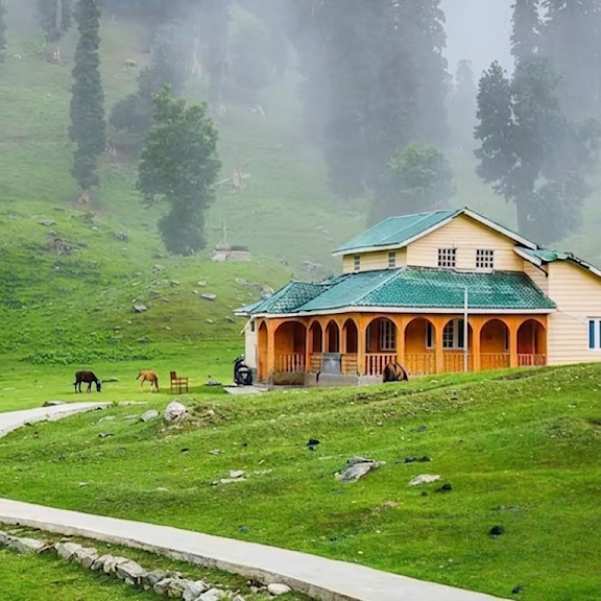
If you are looking for a Shangarh itinerary from Delhi, the first thing to know is that this is a slow trip, not a checklist trip. Shangarh has one big open meadow, a few cafés, a couple of waterfalls, and a forest trek. That is it.
And that is exactly why people fall for it.
We have sent travellers into Sainj Valley for years, and the ones who enjoy Shangarh the most are the ones who come expecting to do almost nothing. If you want nightlife and packed sightseeing, this is the wrong place.
If you want green meadows, quiet mornings, and a break from your phone, three days here will reset something in you.
Quick Answer: Is 3 Days Enough for Shangarh from Delhi?
Yes. Three days is enough for Shangarh from Delhi if you travel smart.
You leave Delhi at night, reach Aut by morning, and use two full days for the meadow, the cafés, the waterfalls, and the Pundrik Rishi trek. You head back on the third day.
The travel flow is simple. Delhi to Aut by Volvo bus, then Aut to Sainj, then Sainj to Shangarh by shared cab or taxi.
This itinerary suits couples, solo travellers, and anyone who likes slow travel. It is not built for big groups chasing ten spots a day, and Shangarh does not have ten spots anyway.
Why Shangarh Is Perfect for a Weekend Escape from Delhi
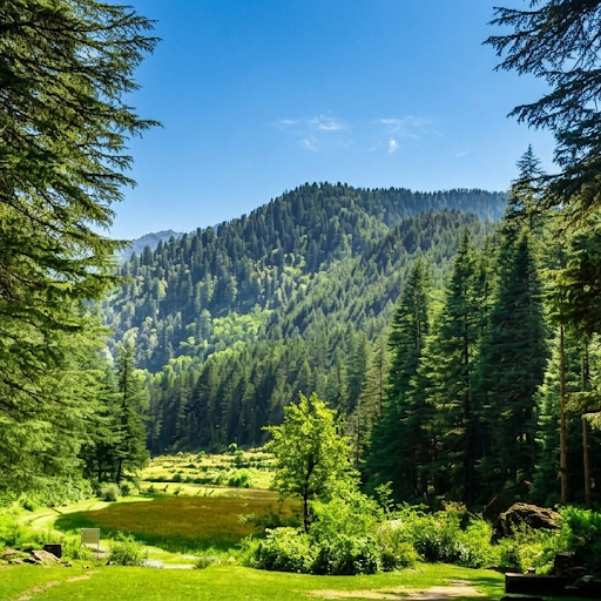
Shangarh sits at around 2,100 metres in Sainj Valley, and the first thing you notice is how quiet it is.
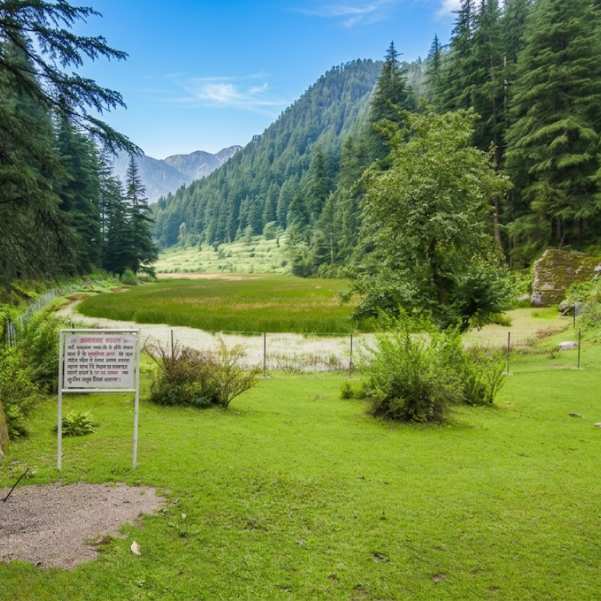
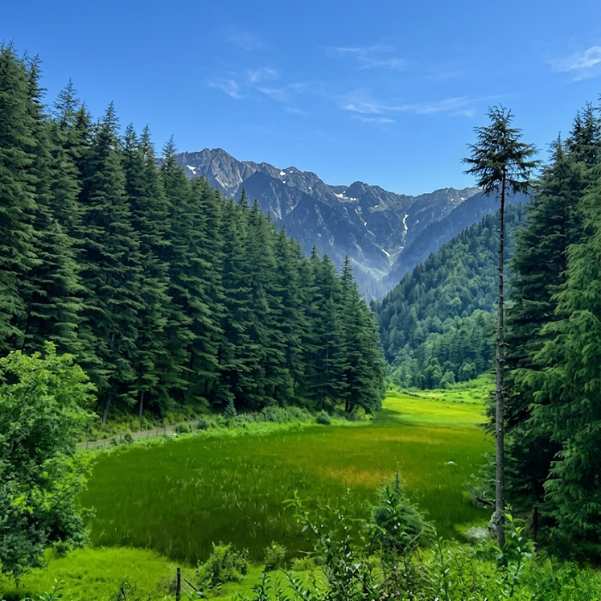
There is one huge grassy meadow in the middle of the village, pine forest around it, and wooden houses scattered on the slopes. No traffic noise. No honking. Most days, you hear birds and wind and not much else.
Compared to Kasol, the crowd here is tiny. Kasol gets packed cafés, loud music, and a steady stream of weekend traffic. Shangarh gets a handful of travellers who mostly keep to themselves.
That makes it a good fit for couples and slow travellers who want calm over chaos.
Here is what most tourists get wrong. They treat the Shangarh meadow like a picnic ground, with loud speakers, litter, and big groups trampling all over it.
Locals consider this meadow sacred, tied to the village temple. Walk gently, do not litter, and keep the noise down. The whole point of coming here is the quiet, so do not be the person who breaks it.
If you still want the Kasol energy on a separate trip, our Kasol tour packages cover that side of Parvati Valley properly.
How to Reach Shangarh from Delhi
Getting to Shangarh takes two clear stages. First Delhi to Aut, then Aut into Sainj Valley up to Shangarh.
Delhi to Aut by Volvo Bus
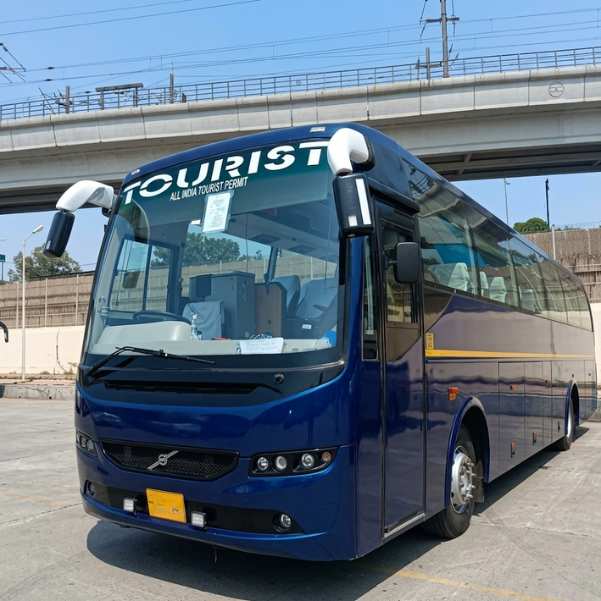
The easiest option is an overnight Volvo bus from Delhi towards Manali. You get off at Aut, not Manali.
The journey takes roughly 10 to 12 hours, so a night bus drops you at Aut early in the morning. Most buses leave Delhi in the evening.
The Volvo fare usually runs between ₹800 and ₹1,500 one way, depending on the operator and the season.
Tell the driver or conductor in advance that you want to get down at Aut. Some buses cross it quickly, and you do not want to overshoot to Manali.
Aut to Sainj to Shangarh
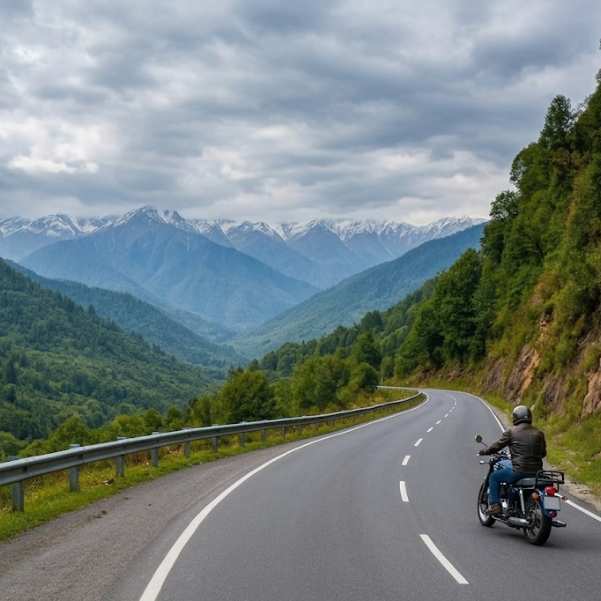
From Aut, you move towards Sainj first. Shared cabs run from Aut, and this is the cheapest way to cover this leg.
From Sainj, Shangarh is about 9 km uphill. A taxi from Sainj to Shangarh costs around ₹500 to ₹1,000.
Here is a money tip most travel agents will not tell you. Do not book a private taxi all the way from Aut. Take shared cabs leg by leg, and you cut this cost down sharply, especially if you split a Sainj to Shangarh taxi with other travellers.
A safety warning while you are at it. Some drivers at Sainj quote ₹1,500 or more for that short run up to Shangarh. Fix the price before you sit in the car.
Self Drive Route
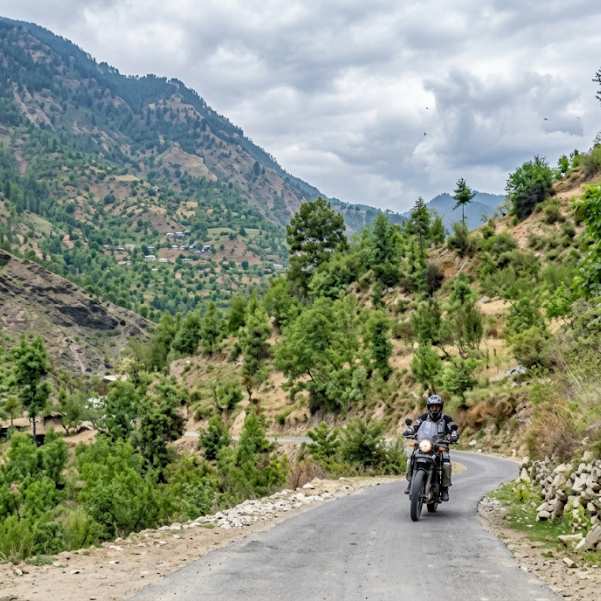
If you are driving from Delhi, you follow the Chandigarh, Bilaspur, Mandi highway and turn off at Aut towards Sainj.
The main highway is fine. The stretch from Sainj up to Shangarh is narrow and steep in parts, with rough patches, so go slow and keep your horn ready on blind turns.
Good stops on the way are Sundernagar for breakfast and Aut for a tea break before you turn into the valley. Reach Sainj in daylight. You do not want that last climb in the dark.
Best Time to Visit Shangarh
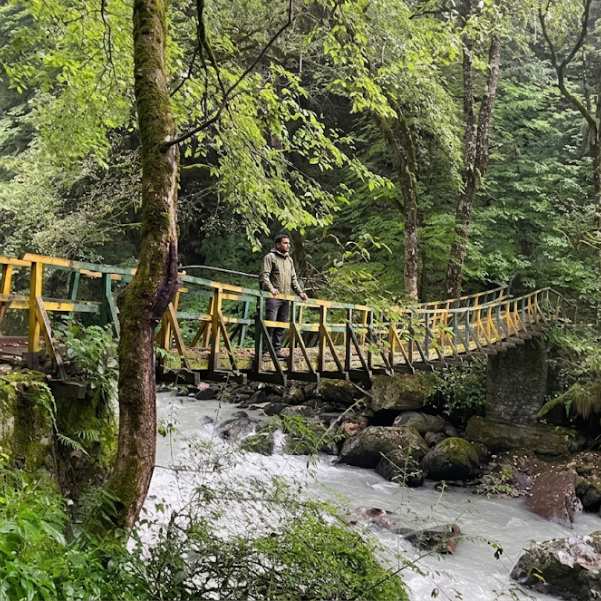
The best time to visit Shangarh is March to June and September to October.
In summer, the meadow is green, the days are mild, and the cafés are open. This is when most travellers come, and even then it does not feel crowded.
Post monsoon, from September into October, the air clears up and the valley looks sharp and fresh. Nights get cold, so carry layers.
Winter brings snowfall, and Shangarh under snow looks beautiful, but a lot of cafés and homestays slow down or shut. Roads can get tricky too. Winter works only if you are okay with limited options and cold rooms.
We usually steer first-timers towards the summer and post monsoon windows. You get the meadow at its best and the village fully awake.
If you want the route and stays sorted for you, our Sainj Valley and Shangarh packages are built around these seasons.
Day 0: Overnight Journey from Delhi
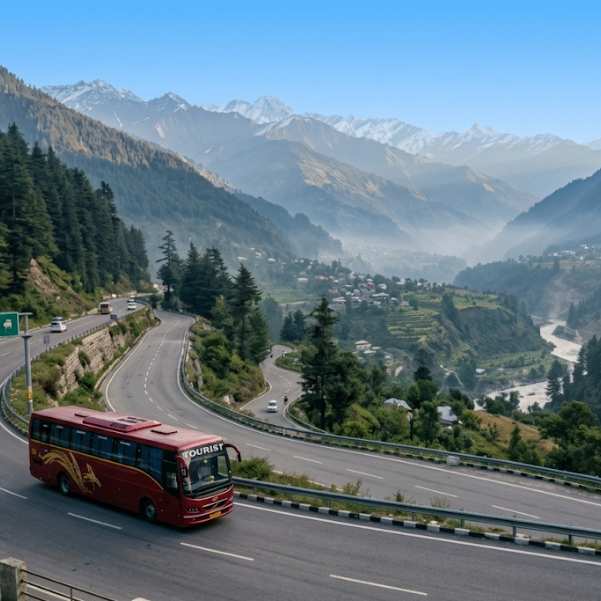
Your trip really starts the night you board the bus.
Catch your evening Volvo from Delhi towards Manali and settle in for the long ride. The road is mostly smooth till Mandi, then it gets winding.
If you get motion sickness, take your tablet before you board, not after the curves start. Sit in the middle of the bus, not the back, and keep a window seat if you can.
Pack a light jacket in your day bag, not deep inside your luggage. Buses crank the AC at night, and you will want it.
Carry water, some snacks, and a power bank. You will reach Aut tired but excited, and a good night of half-sleep on the bus is normal here. Nobody arrives fresh.
Day 1: Shangarh Meadows, Café Hopping and Barshangarh Waterfall
You reach Aut in the morning, move to Sainj, and climb up to Shangarh. By late morning or early afternoon, you are checking into your homestay.
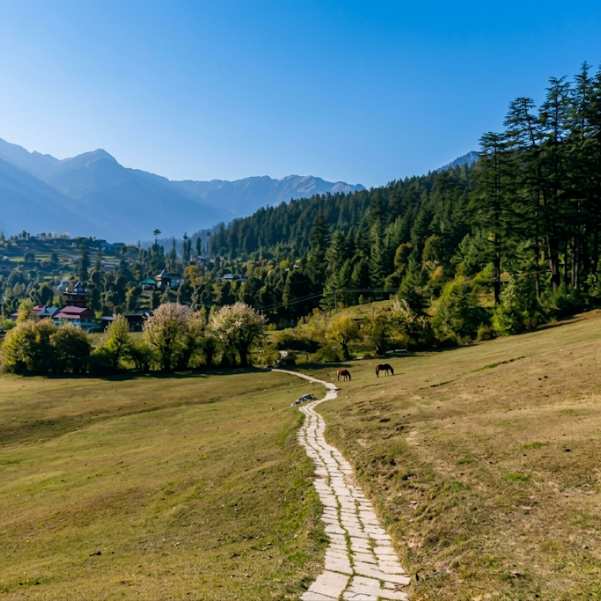
Drop your bags, eat something, and head straight to the meadow. Nothing prepares you for that first walk into the open grass with forest on every side.
Spend the first hour just sitting. The altitude is mild here, but a slow start still helps after a night on the bus.
Walk over to Shangchul Mahadev Temple at the edge of the meadow. It is a quiet wooden temple, and the village treats it with real respect, so keep your behaviour calm and ask before photographing inside.
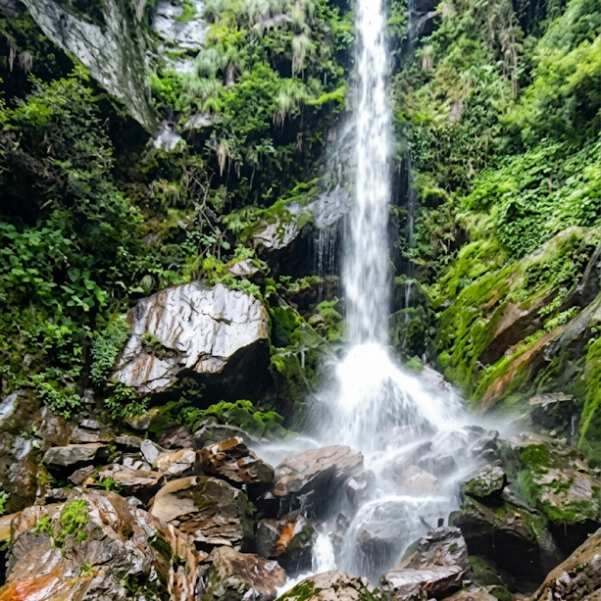
In the afternoon, head to Barshangarh Waterfall. It is a short hike, and the fall is strong and loud, especially after rain.
Wear shoes with grip. The rocks near the waterfall stay wet and slippery, and people slip there every season.
For cafés, Shangarh has a small but genuine scene. Our pick is the café sitting right at the upper edge of the meadow where the tree line begins. Hot Maggi, omelettes, filter coffee, and a wooden deck that looks straight over the grass.
For sunset, walk back to the meadow. The light goes soft and gold across the grass, and the temple side of the meadow is the spot to be.
Here is a timing tip. Day visitors who drive in from Sainj usually leave by late afternoon. After 5 PM, the meadow is almost yours. That is the best hour to be there.
>>WhatsApp our Himachal team for help with routes, timings, and stays.
Day 2: Pundrik Rishi Lake Trek and Sainj Valley Villages
Day 2 is your active day. The Pundrik Rishi Lake trek is the main event, and the rest of the day goes to the villages around.
Trek Difficulty and Distance
The Pundrik Rishi trek is beginner friendly. The trail runs through thick pine and deodar forest, with a steady but gentle climb.
The distance is roughly 3 to 5 km one way. Most travellers manage it comfortably with a few breaks.
Start early. Be on the trail by 7 to 8 AM. The forest light is best then, and you finish before the afternoon heat or any cloud build-up.
The lake at the top is small and calm, more of a quiet forest pond than a grand alpine lake. Set your expectations right and you will enjoy it. Come expecting something dramatic and you might feel let down. That is the honest version.
Explore Deohari and Raila Village
After the trek, slow down and walk through the nearby villages of Deohari and Raila.
This is old Himachal. Wooden houses with stone roofs, narrow paths, fields on the slopes, and people who actually live and farm here rather than run guesthouses.
Walk slowly, greet people, and do not point cameras at homes or faces without asking. The quiet here is the whole charm, and it stays quiet only if visitors respect it.
Raila Waterfall Option
If you still have energy, Raila Waterfall is a short add-on hike near Raila village.
It is a small, pretty fall with good light in the late afternoon. Photographers will like the spot, and it makes a calm end to a long day.
If you are deciding between valleys for a future trip, our Jibhi and Tirthan Valley packages cover the next valley over, which pairs well with a Sainj trip.
Day 3: Slow Morning and Return to Delhi
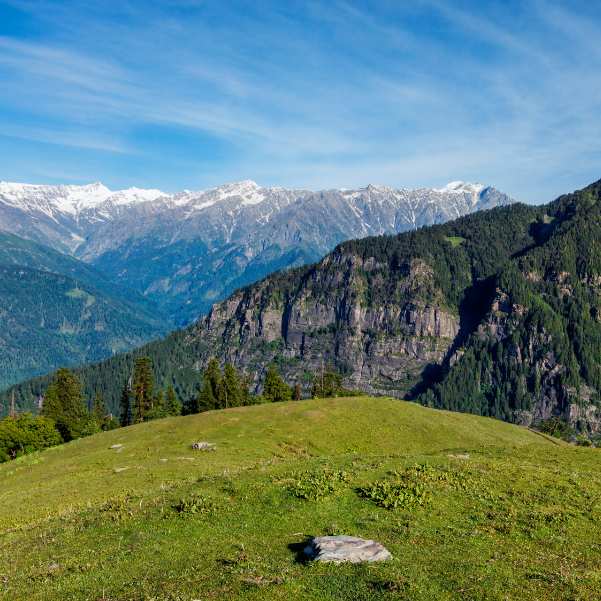
Day 3 is not a sightseeing day. It is a goodbye day, and that is the point.
Have a long breakfast at one of the meadow cafés. Eggs, paratha, coffee, no rush.
Take one last walk across the meadow before you pack. Most travellers say this final walk is the part they remember most.
For the return, you reverse the route. Shangarh to Sainj, Sainj to Aut, then the Volvo back to Delhi.
Aim to reach Aut by late afternoon so you can catch an evening bus and reach Delhi the next morning. Leaving Shangarh by early afternoon keeps this comfortable.
What we tell every traveller before a Sainj Valley trip is to keep this last morning completely empty. No plans, no targets. Shangarh works on you slowly, and the slow morning is when it finishes the job.
Budget for a 3 Days Shangarh Trip from Delhi
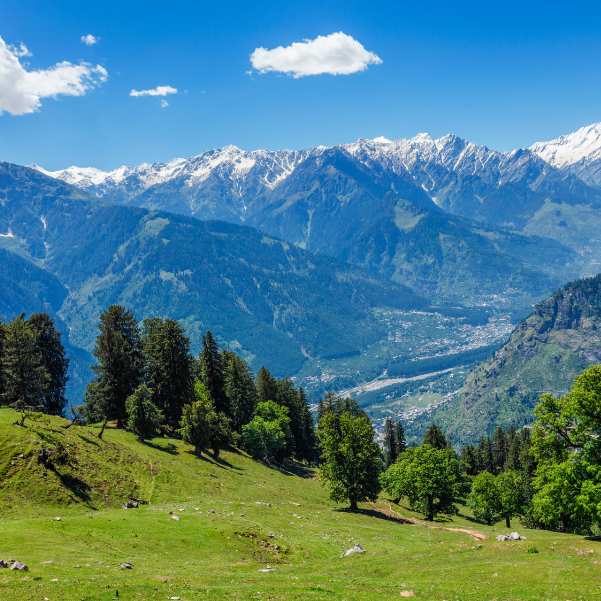
A 3-day Shangarh trip is light on the wallet, which is part of why backpackers love it.
A backpacker budget runs roughly ₹2,500 to ₹8,000 per person, depending on how you travel. The low end means shared transport and basic homestays. The higher end means private cabs and nicer stays.
On transport, a round-trip Volvo between Delhi and Aut works out to about ₹1,600 to ₹3,000 based on the ₹800 to ₹1,500 one-way fare. Local cabs from Aut to Sainj to Shangarh add a bit more, less if you share.
Stays and café meals vary by season and property. Cafés in Shangarh are reasonable, and you are not going to find expensive fine dining here anyway.
A couple looking for private rooms and private cabs should budget more than a solo backpacker doing shared everything. Either way, this is one of the cheaper Himachal trips you can do from Delhi.
Where to Stay in Shangarh
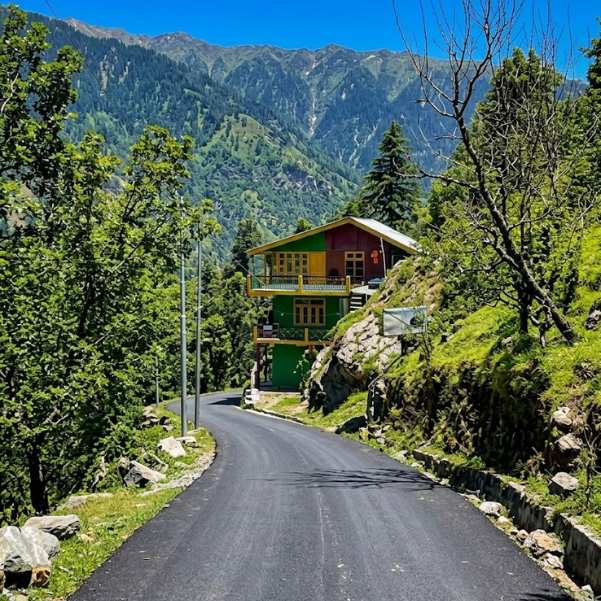
Shangarh runs on homestays, not hotels.
Most stays are family-run homestays and small guesthouses near the meadow or on the slopes above it. You get simple rooms, home food, and a host who actually talks to you.
A few cafés double as workation-friendly stays, with decent seating and the kind of slow pace remote workers like. Network is the catch, and we will get to that.
The scenic stays sit a little higher up, with meadow and valley views from the window. They mean a short uphill walk every time you head out, but the morning view is worth it.
Book ahead in peak season. Shangarh has limited rooms, and on long weekends the good homestays fill fast. In our experience, travellers who book last-minute on a Saturday end up with whatever is left, which is rarely the best option.
Important Travel Tips Before Visiting Shangarh
A few practical things will save you stress in Shangarh.
There is no reliable ATM in Shangarh. Withdraw cash in Aut or even back in your city. Carry enough for the whole trip plus a buffer.
Internet and mobile network are weak and patchy. Some networks catch a faint signal in spots, most do not. Tell people at home you will be hard to reach.
Many cafés and homestays prefer cash. UPI works only when the network does, which is not often, so do not rely on it.
Respect the local culture. This is a living village with strong traditions around the temple and the meadow. Dress modestly near the temple and follow what locals do.
On the meadow itself, the rule is simple. Do not litter, do not blast music, and do not light fires. Locals treat this ground as sacred, and they are right to.
Is Shangarh Better Than Jibhi or Kasol?
This depends entirely on what you want from a trip.
On crowds, Shangarh wins easily. Kasol is busy and getting busier. Jibhi is calmer than Kasol but more developed than Shangarh. Shangarh is the quietest of the three.
On vibe, Kasol is cafés, music, and a backpacker party scene. Jibhi sits in the middle, pretty and relaxed with a growing café culture. Shangarh is pure slow village life around one big meadow.
On nightlife versus peace, there is no contest. Kasol has the nightlife. Shangarh has the silence. Jibhi has a little of both.
So Shangarh is better if you want rest, nature, and quiet. Kasol is better if you want energy and people. Neither is wrong, they are just different trips.
We broke this down in detail in our blog on Jibhi or Kasol, which is better, and the same logic helps you place Shangarh against both.
One honest warning before you decide
Shangarh has very little to do after dark. No bars, no late cafés, no scene. If sitting under stars with chai and a book sounds boring to you, you will not enjoy Shangarh, and that is fine. Pick Kasol instead.
Final Thoughts on Planning a Shangarh Itinerary from Delhi
A 3-day Shangarh itinerary from Delhi is one of the easiest, cheapest, and most restful trips you can do in Himachal.
You travel overnight, you spend two days on meadows, forests, and waterfalls, and you come back lighter than you left. The trick is to keep the plan loose. Shangarh punishes over-planning and rewards slowing down.
Get your season right, book your homestay ahead, carry cash, and accept that your phone will mostly not work. Do that, and the valley does the rest.
>>Chat with our team on WhatsApp for easy trip planning and local guidance.
Explore Our Handpicked Shangarh Tour Packages
 5D/4N
5D/4NMost Loved Shangarh Sainj Valley Tour With Private SUV
2D Shangarh
₹12,999₹16,999SAVE INR 4,000/ person Group Tour6D/5N
Best Jibhi Tirthan Valley Tour With Shangarh Meadows
2D Tirthan Valley•1D Shangarh (Sainj Valley)
₹9,999₹12,999SAVE INR 3,000/ person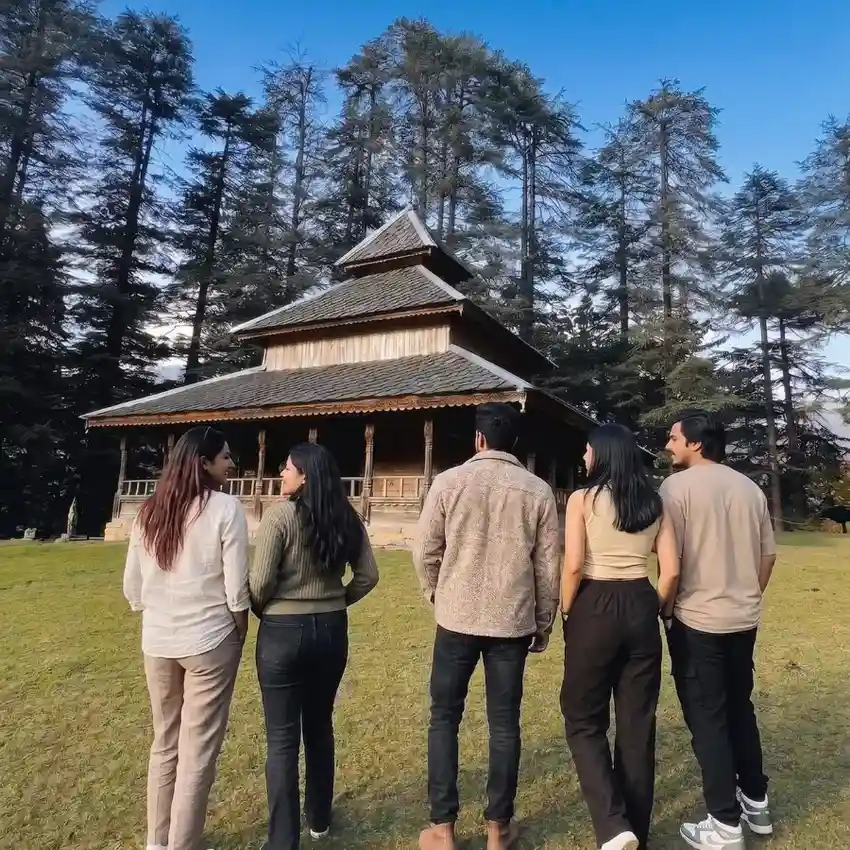 Group Tour5D/4N
Sainj Valley and Shangarh Group Trip
3D Shangarh
₹8,499₹12,499SAVE INR 4,000/ person
Related topics
Frequently Asked Questions
Is Shangarh safe for solo travellers?
Yes. Shangarh is calm and the locals are friendly. Solo travellers, including women, generally feel safe here. Just keep someone informed since network is weak.
Can I work remotely from Shangarh?
Only if your work survives bad internet. Network and data are patchy at best. A few café stays manage some connectivity, but treat steady wifi as a bonus, not a guarantee.
Are buses available from Aut to Shangarh?
There is no direct bus all the way to Shangarh. You take shared cabs from Aut towards Sainj, then a cab from Sainj up to Shangarh, about 9 km.
Is Pundrik Rishi trek difficult?
No. It is a beginner-friendly forest trail, roughly 3 to 5 km one way. A normal walker can do it with a few breaks. Start early for the best light.
Can I visit Shangarh in winter?
You can, and the snow looks lovely, but many cafés and homestays slow down or close. Roads get tricky too. Winter suits travellers who are okay with limited options.
Are there cafés in Shangarh?
Yes, a small but genuine set of cafés, mostly around the meadow. Expect Maggi, eggs, coffee, and simple meals with good views, not big fancy menus.
Which network works best?
Network in Shangarh is weak across the board. Some signal shows up in patches. Carry cash and download offline maps before you arrive.
Is Shangarh suitable for families?
Yes, for families who want a quiet, slow holiday. The meadow is safe and open, and the Pundrik trek is gentle. Families chasing activities and nightlife will find it too quiet.
How far is Shangarh from Delhi?
Delhi to Aut takes about 10 to 12 hours by bus. From Aut you still have the leg through Sainj up to Shangarh, so plan for an overnight journey plus a morning transfer.
Are there luxury stays in Shangarh?
No. Shangarh runs on homestays and small guesthouses. Some are scenic and comfortable, but do not expect resorts or hotels. The charm here is simple and local.
Is Shangarh crowded now?
Compared to Kasol or even Jibhi, no. Shangarh stays quiet most of the time. It does get busier on long weekends in summer, so time your trip on weekdays if you can.
Can beginners trek in Sainj Valley?
Yes. The trails around Shangarh and Sainj Valley, including Pundrik Rishi Lake, are gentle forest walks that work well for first-time trekkers.