
3 Days Manali Rohtang Pass Itinerary 2026: Complete Trip Plan
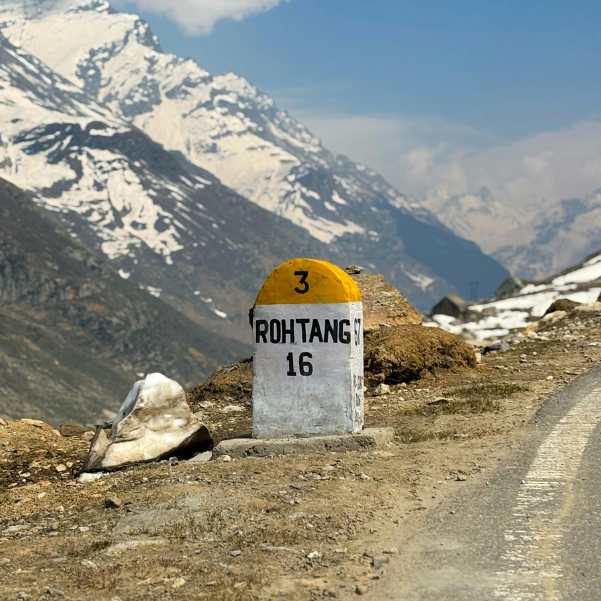
If you have three days and want to do Manali properly with one full day at Rohtang Pass, this 3 days Manali Rohtang Pass itinerary is built exactly for that.
We run trips on these roads every season, and the biggest reason people leave Manali disappointed is a badly planned Rohtang day. Wrong start time, no permit, or trying to cram in too much.
Here is the plan that actually works, plus the permit rules, costs, weather truth, and a solid Plan B for when Rohtang does not cooperate.
Quick Answer: How Should You Spend 3 Days in Manali and Rohtang?
Day 1 is arrival and Manali local sightseeing. Take it slow, adjust to the place.
Day 2 is your full-day Rohtang Pass excursion, but only if your permit clears and the road is open.
Day 3 is Solang Valley, kept lighter because you likely have an afternoon or evening departure.
Add Atal Tunnel and Sissu only if you have an evening departure or an extra night. Do not force them into a tight schedule.
One honest thing before you plan
Nobody can promise Rohtang will be open on your date, or that there will be snow. Both depend on weather, road work, and daily rules. Build your trip to survive a closed Rohtang day and you will never be let down.
If you prefer a hassle-free trip with your stay, driver and Rohtang permit arranged, explore our Rohtang Pass packages and Manali tour packages.
Is Three Days Enough for Manali and Rohtang Pass?
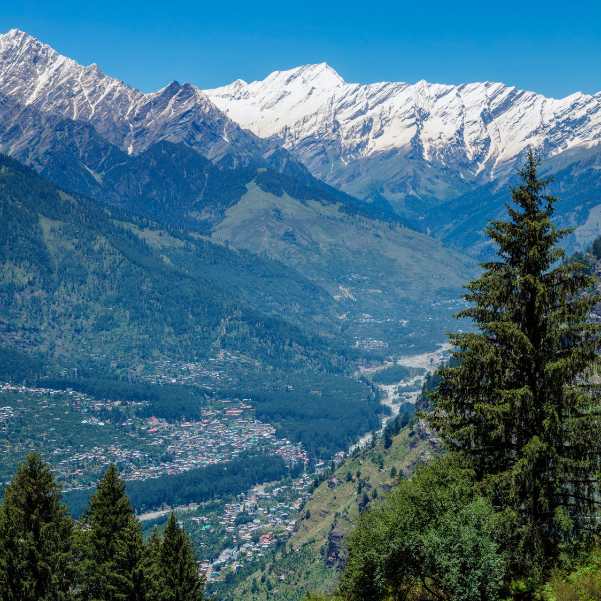
Yes, three days work well if you arrive on Day 1 morning and leave on Day 3 evening. That gives you one relaxed local day, one full mountain excursion, and one shorter final outing.
The trick is not overloading it. Three days give you enough room for Manali town, one big day out, and a half-day activity trip. No more.
What breaks this itinerary is greed. The moment you try to add Kasol, Manikaran, Shimla, or an overnight Spiti run, the whole thing turns into a driving marathon.
In our experience, travellers who try to "just add one more place" end up seeing everything through a car window and enjoying none of it. Keep it tight and you will actually remember the trip.
What Must You Check Before Fixing the Rohtang Day?
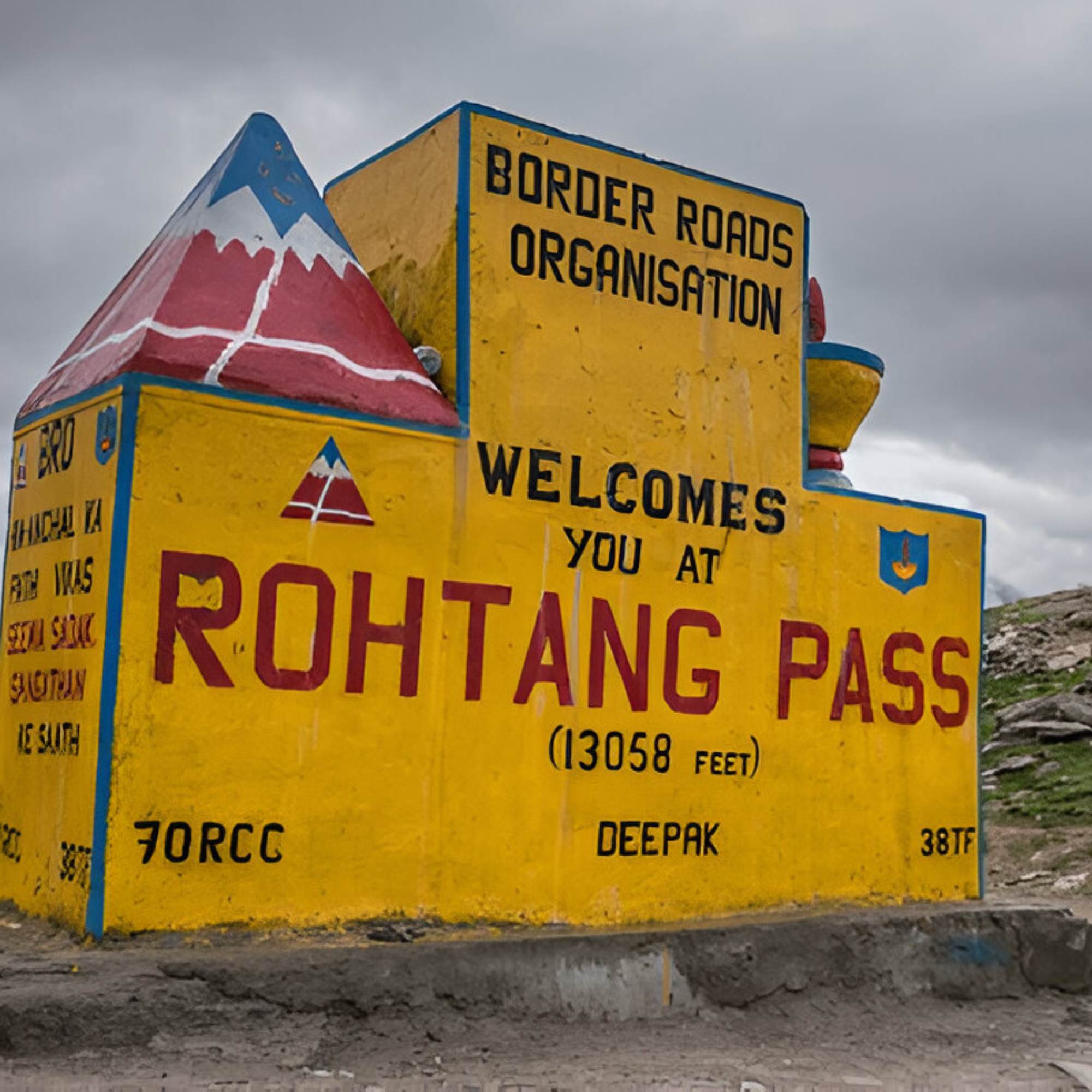
Is Rohtang Pass open for tourists in 2026?
Rohtang usually opens for tourists sometime in mid-May, but the exact 2026 date is messy. Some sources report 15 May, while others report 17 May. Treat both as provisional and confirm the official opening status before planning your visit.
Here is the part most blogs skip. Seasonal opening does not mean the pass is open every single day after that. Weather, repair work, and administrative restrictions can shut movement on any given day.
So do not lock your Rohtang day just because "the pass is open this season." Check the official permit portal and the latest District Kullu advisory a day or two before you travel.
How does the Rohtang Pass permit work?
For a car, Jeep, or MUV, the official charge is a ₹500 permit fee plus a ₹50 congestion charge, so ₹550 per vehicle in total. The congestion charge applies when you cross Gulaba Bridge.
The tourism permit is valid for one day, for a return journey. One day, up and back.
There is a daily quota. The portal normally allows 800 petrol vehicles and 400 diesel vehicles per day. Once that fills, that is it.
Permits get released at 10:00 AM and 4:00 PM, and you can only request them for the next two days. During the portal's Tuesday-to-Monday week, one vehicle can get up to three permits.
You need valid identification, a valid PUC certificate, vehicle registration details, and a printed permit. The portal also says the vehicle must not be more than ten years old.
If you are hiring a taxi, ask straight up whether the ₹550 and any parking or waiting charges are inside the quote. This one question saves a lot of arguments at Gulaba.
Is Rohtang Pass closed on Tuesday?
Many older guides describe Tuesday as the maintenance day, but the official portal displays a dynamic maintenance-day notice. This means Rohtang Pass should not be assumed to be closed every Tuesday.
Check the maintenance-day update on the official permit portal before finalising your travel date.
Do not build your dates around a rule you read on a random blog. Open the permit portal and check the maintenance day before you fix anything.
This is exactly the kind of thing that trips people up, so our local team is happy to check your dates, the vehicle requirement, and a practical Plan B before you commit.
Day 1: Arrival and Manali Local Sightseeing
Morning: Arrive, check in and rest
Most people reach Manali after an overnight bus or a long road journey. You will be tired, even if you do not feel it yet.
Have breakfast, check into your hotel, and rest for a couple of hours. Do not rush off to any high point or hard trek the moment you land.
This is our first tip that generic guides miss. That short rest on Day 1 is what keeps your Rohtang day headache-free. Skipping it is the mistake we see most.
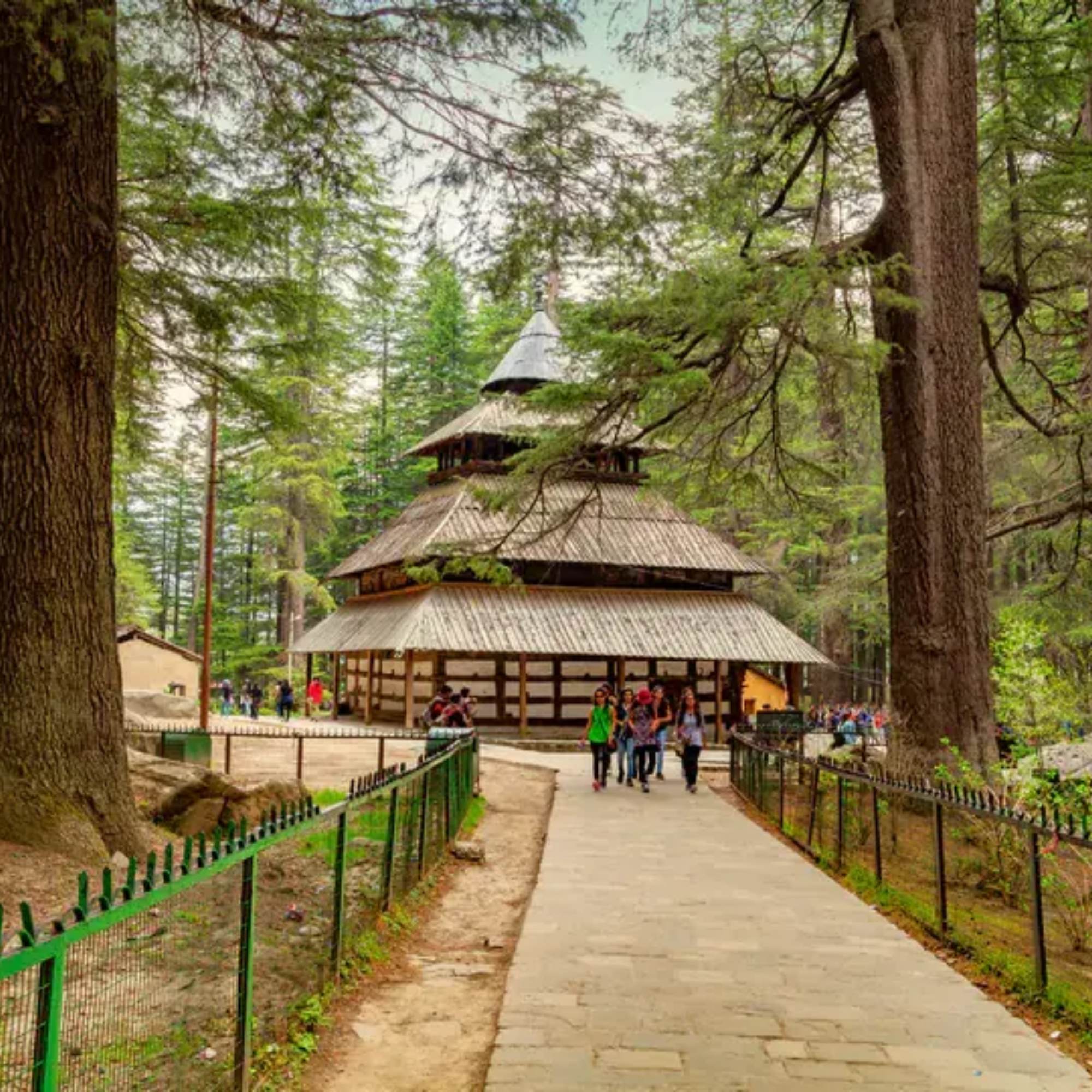
Afternoon: Hadimba Temple and Old Manali
Start with Hadimba Temple. It sits inside a thick cedar forest, and the walk under those tall old trees is honestly nicer than the temple queue itself.
From there, drift into Old Manali. This is café country. Slow lanes, small shops, good coffee, and a completely different pace from the main town.
If you still have time and energy, Manu Temple is an optional uphill walk from Old Manali. Skip it if your legs are done.
The commonly published Hadimba timing is 8:00 AM to 6:00 PM with free entry, since attraction timings do change. Leave room for a proper lunch or a café stop. This is not a checklist to speed through.
Evening: Mall Road and an early dinner
Spend the evening on Mall Road. Walk it, shop a bit, pick up anything you forgot to pack.
Have an early dinner. Here is why the early night matters: your Rohtang day starts before sunrise, and a groggy 6 AM start is how people ruin the best day of the trip. Sleep early, thank yourself tomorrow.
Day 2: Full-Day Manali to Rohtang Pass Excursion
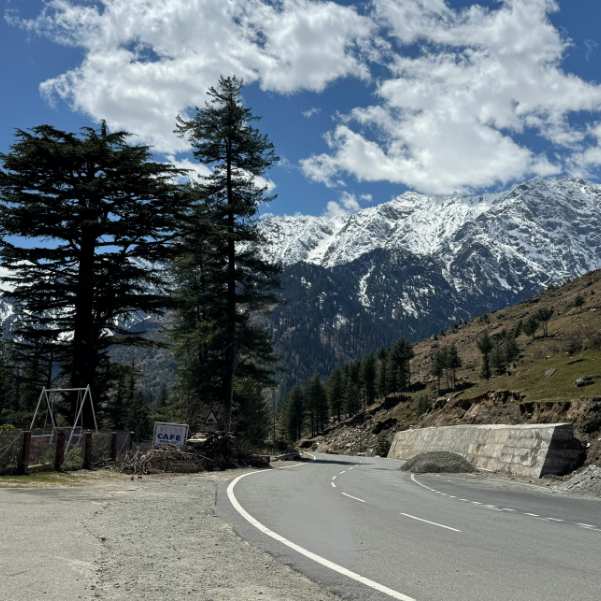
What time should you leave Manali?
Leave around 6:00 to 6:30 AM. This is our editorial suggestion, not an official rule, but it is the single biggest thing that decides how your day goes.
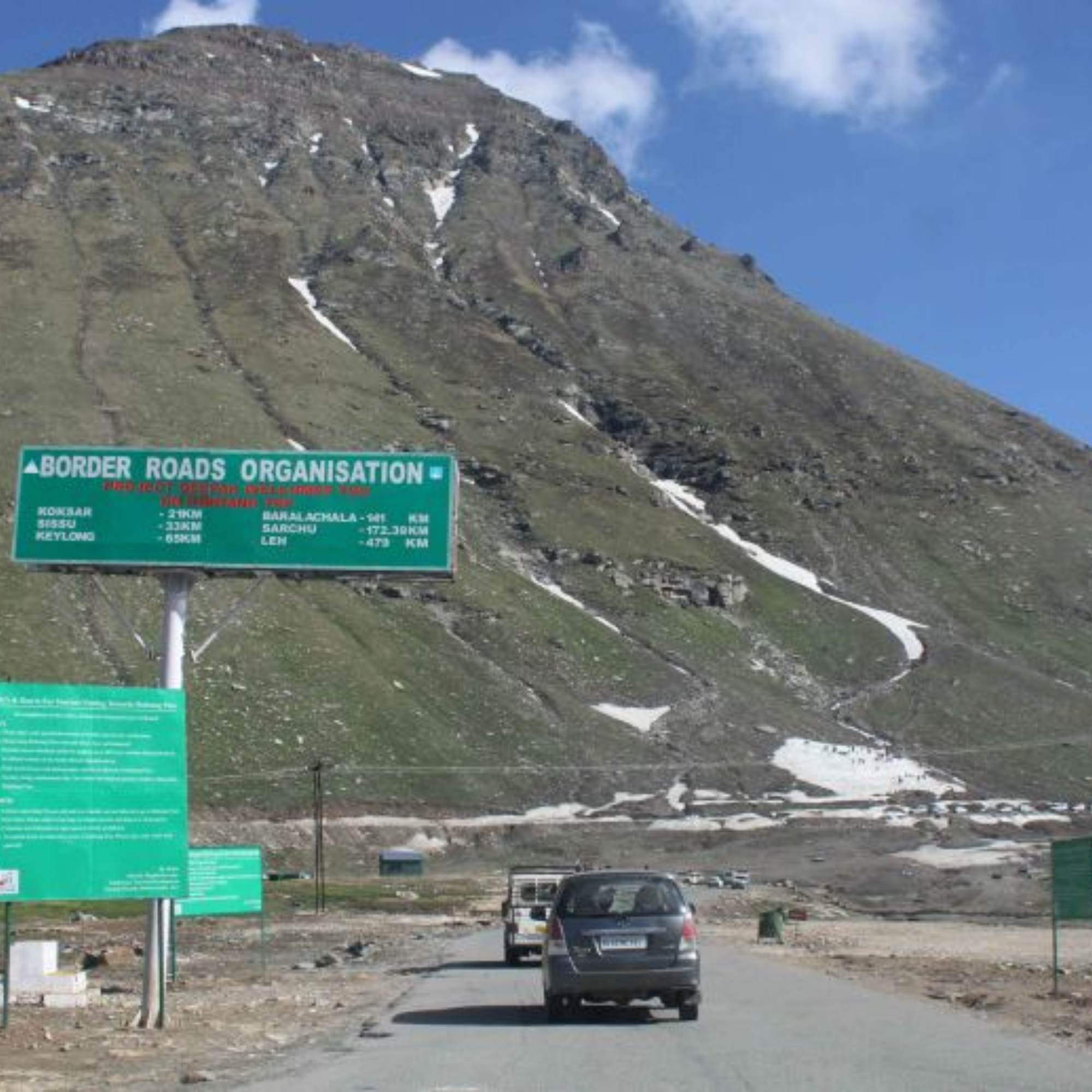
Rohtang Pass is approximately 51 km from Manali and sits at roughly 3,978 metres. Short on the map, slow on the road.
Depending on traffic and weather, one direction can take anywhere from two to four hours. Treat that as a rough range, not a guarantee.
Before you leave, physically check that you have the printed permit, your ID, the PUC, and vehicle documents. Do not assume the driver has it all.
Which stops can you make on the Rohtang road?
On the way up, you may be able to stop at Kothi, Gulaba, Rahala Falls, and Marhi. Each has its own character.
But do not assume every stop will be open. Stopping depends on traffic management, parking space, weather, and the day's permitted barrier point.
Keep your stops few. If you halt everywhere on the way up, you will reach Rohtang tired and short on time. Pick one or two and save your energy for the top.
What should you do at Rohtang Pass?
Once you are up there, keep it simple. Mountain views, photos, and unhurried time at the pass. That view is the whole reason you came.
About snow: it depends on the season, the actual snowline, weather, and local permission. We never guarantee snow, and you should not trust anyone who does. Some travellers reach Rohtang expecting deep snow in peak summer and find very little.
Remember you are at high altitude. Keep the visit moderate, stay with your group, and head down if you feel unwell. Do not sprint around at nearly 4,000 metres.
When snow activities are available, prices for snow suits, skiing, horse rides, ATVs and photography can vary. Confirm the full price before agreeing to any activity or rental.
Return to Manali
Start back with enough buffer for weather, daylight, and traffic. The road empties out slowly, and you do not want to be descending in the dark.
Keep the evening light. Rest and dinner near your hotel is enough. Do not tack on Naggar, Kasol, or any long circuit after a full Rohtang day.
If you want more thrill on this trip, our guide to the top adventure activities in Manali covers what is worth doing and what is not.
What Should You Do on Day 3?
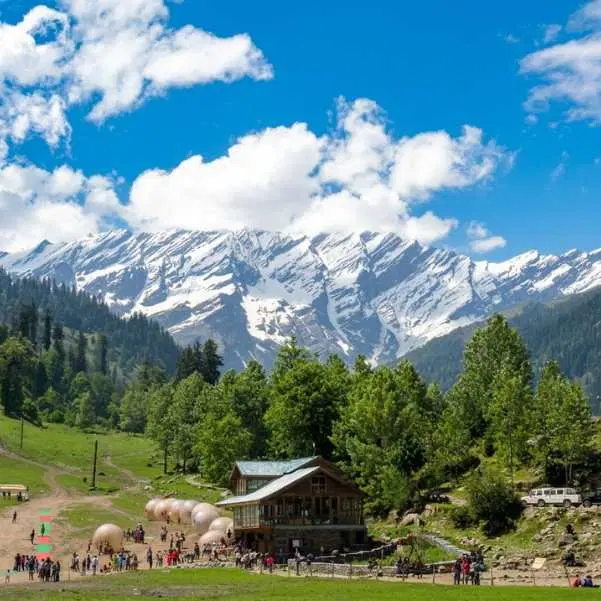
Option A: Solang Valley with an afternoon departure
Head to Solang Valley early, then pick one or two activities you actually want to do. Solang is about 13 to 14 km from Manali, so it is a quick run.
Then come back for checkout, lunch, and your onward transport. With a tight departure, do not gamble on Atal Tunnel and Sissu. Solang alone is the safer, saner choice.
Option B: Solang Valley, Atal Tunnel and Sissu with an evening departure
Only attempt this if the roads are open, your departure is late, and your driver confirms there is enough time to get back.
Sissu lies beyond the Atal Tunnel and needs more time than a short Solang outing. It is a longer commitment than people expect.
Keep your stops limited and hold a solid return buffer. If you want to know what Sissu is like, our Sissu trips page lays it out.
Option C: Naggar for a slower final day
If you would rather slow down, go to Naggar. Heritage, valley views, and a calm, activity-free day.
Treat Naggar as an alternative to the Solang and Sissu circuit, not an extra stop on top of it. Pick one direction and enjoy it fully.
What If Rohtang Pass Is Closed or the Permit Is Unavailable?
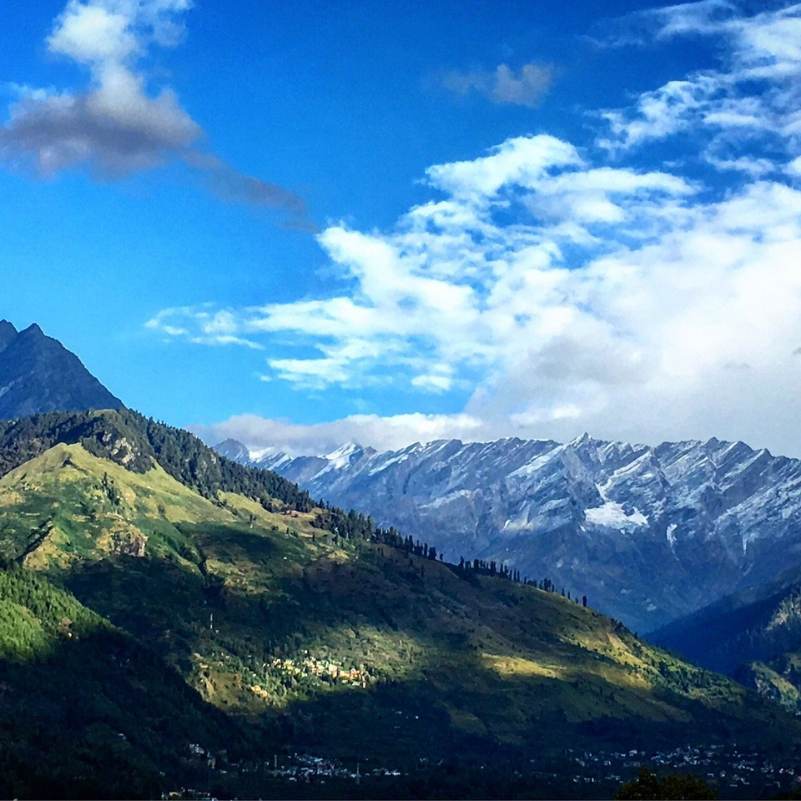
First move: swap Days 2 and 3. If one day has a better forecast or an available permit, put your big excursion there. This flexibility is your best friend on this route.
Your main Plan B is Solang Valley plus the Atal Tunnel to Sissu route, when those roads are open. It gives you mountains, snow points in season, and a proper day out without Rohtang.
You may also hear about Gulaba or Marhi as lower snow points, but only go if access is officially allowed that day.
Be clear with yourself here. Reaching Gulaba or Marhi is not the same as standing at Rohtang Top. They are lower, different spots, and honestly some travellers feel let down when a driver sells them Gulaba as "Rohtang." Know the difference before you pay.
We reshuffle these Plan B routes for travellers constantly, so if permits, weather, or your departure timing are stressing you out, message us.
👉 Need help checking Rohtang Pass permits and restrictions? WhatsApp us before you book your trip.
How Much Does a 3-Day Manali and Rohtang Trip Cost?
Let me separate the one fixed cost from everything that moves.
The only fixed government price is the ₹550 total for a car, Jeep, or MUV. That is the ₹500 permit fee plus the ₹50 congestion charge. Everything else changes.
Some 2026 operators advertise small-car Rohtang trips from around ₹4,500, including permit-related charges, while commercial guides quote approximately ₹5,500 to ₹8,000 for an SUV.
These are private operator prices, not government-fixed rates, so ask for a current written quote and confirm every inclusion before booking.
Hotels, intercity transport, meals, and activities are all variable. We will not throw a fake "total budget" number at you, because your real cost depends on your stay, your group size, and how much you shop and eat.
Here is the money tip most agents will not volunteer
When you take a cab quote, ask whether it includes the permit, parking, driver allowance, waiting time, and hotel pickup. A "cheap" quote that excludes all of these is not cheap at all.
Where Should You Stay for This Itinerary?
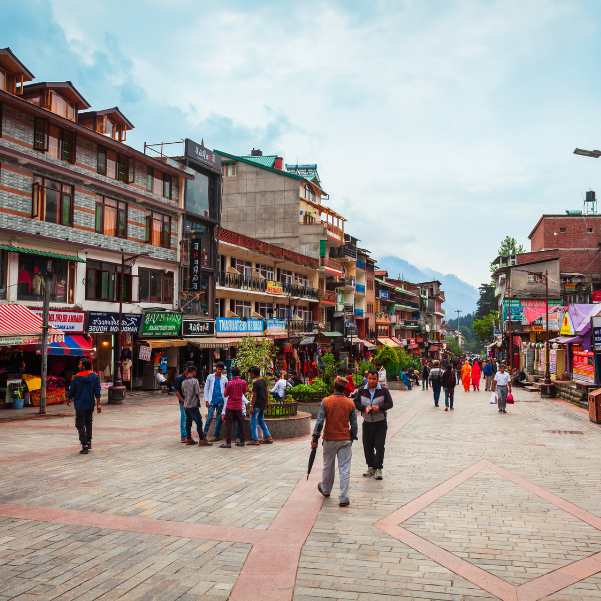
The Mall Road area is the most convenient for shopping and bus access. If you are leaving by bus, this saves you a lot of last-minute hassle.
Old Manali is the choice for cafés and atmosphere. Just know it can mean more walking and some traffic on the narrow lanes.
Aleo, Prini, and nearby areas are good for quieter stays and easier vehicle access, especially if your driver is picking you up early for Rohtang.
Our honest advice
Book one hotel for both nights. Changing hotels mid-trip on a three-day plan wastes half a morning you do not have.
When Is the Best Time for This Itinerary?
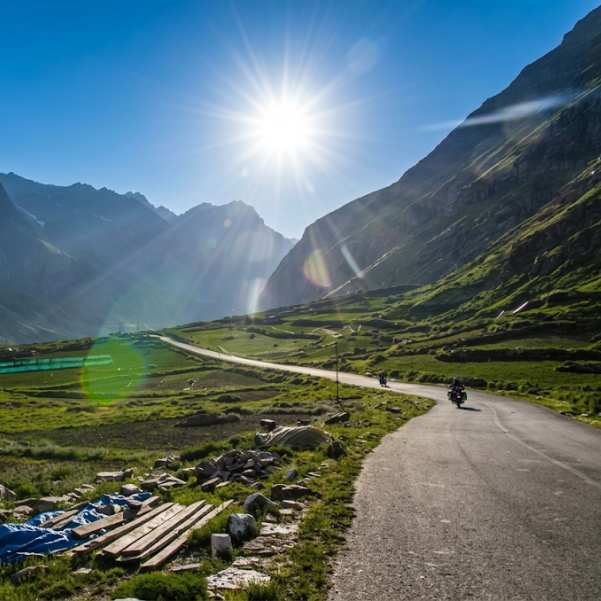
Late May and June
This is the common early-season window for Rohtang, but remember the opening date shifts every year. Do not treat a fixed date as gospel.
Expect strong permit demand and traffic in this period. And no, we still cannot promise snow.
July and August
Monsoon rain can bring poor visibility, delays, and temporary road restrictions. The mountains do not care about your itinerary in these months.
Keep extra buffer days and do same-day checks before heading up. In our experience, July travellers who stay flexible have a fine time. Rigid ones get stuck.
September and October
After the main monsoon, conditions often get clearer. But high-altitude weather stays changeable, and snow is not guaranteed here either.
Winter and early spring
Do not build a winter or early-spring plan around reaching Rohtang Top. It simply will not be a reliable option.
Instead, look at Solang Valley, Sethan, Gulaba, or the Atal Tunnel side, according to whatever official restrictions are in place at the time.
How Should Families, Couples and Older Travellers Modify the Plan?
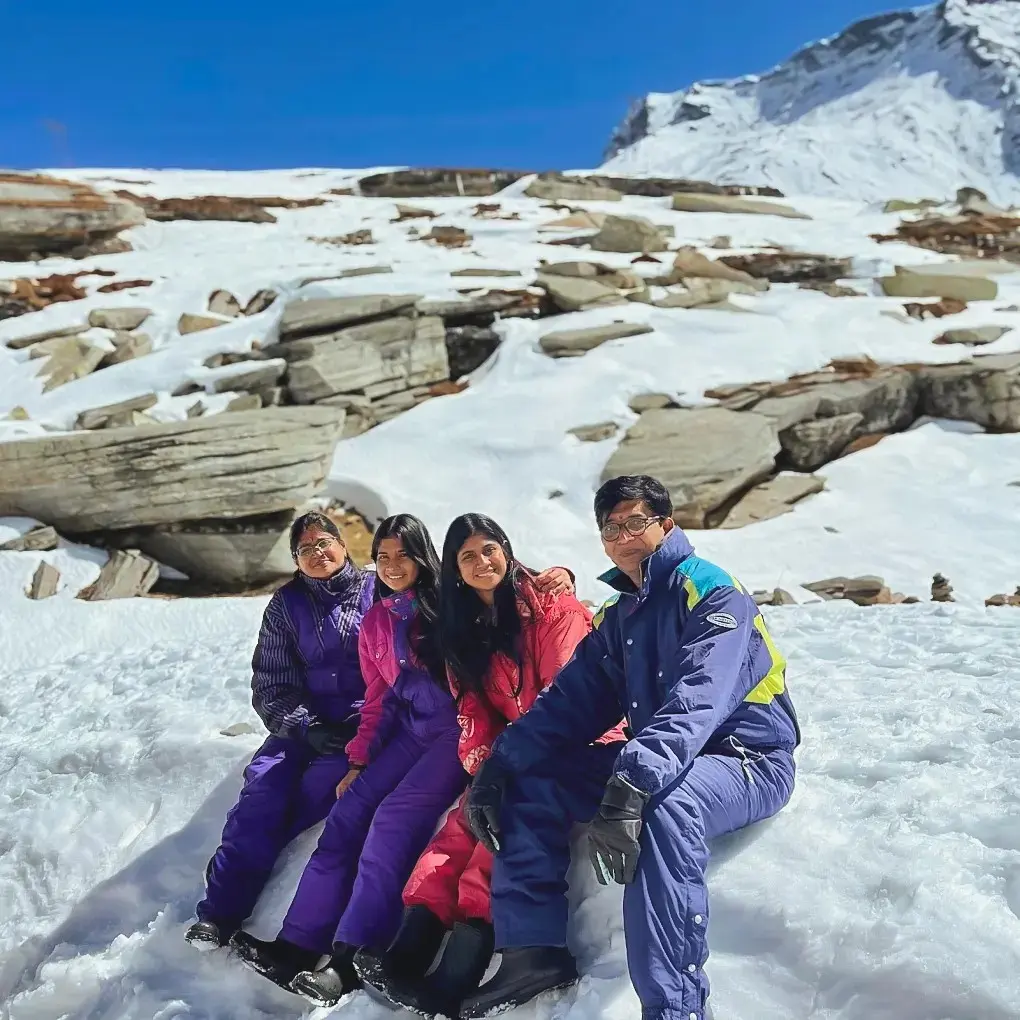
For families, keep activity sessions short and build in proper meal and washroom breaks. Kids at altitude get cranky fast when they are hungry or cold.
For older travellers, or anyone who feels off, cut the time at the pass. There is no prize for standing at 3,978 metres longer than your body wants.
Couples can trade crowded activity queues for slower time in Old Manali, a Naggar afternoon, or a café by the river. Often the quiet hours are the ones you remember.
What Should You Pack for the Rohtang Day?
Layers are everything. Carry warm clothing you can add and remove, plus rain protection, because weather flips quickly up there.
Bring sunglasses and sunscreen, water, snacks, comfortable shoes, and a spare pair of socks. Wet socks at altitude are miserable.
Keep your printed permit, identification, and vehicle papers on you, not buried in a bag. You will need them at the barrier.
One clarification, since drivers push this hard: hiring a snow suit is not automatically compulsory. Rent one if you actually plan to play in snow, not because someone insists.
Common Mistakes to Avoid
The biggest one is booking your single Rohtang day without checking the maintenance restriction. If that day turns out to be a closure day, your whole plan collapses.
Second, assuming every taxi price includes the permit. It often does not, and you find out at Gulaba.
Third, trying to cover Rohtang, Solang, Sissu, and Naggar in one day. It is not possible, and attempting it means you enjoy none of them.
Fourth, booking a tight bus departure right after the mountain excursion. One traffic jam on the descent and you miss your bus.
And finally, do not promise yourself guaranteed snow. Go for the mountains and the drive. If snow shows up, treat it as a bonus.
👉 Don’t let one wrong booking ruin your Rohtang day. WhatsApp us before you finalise your plans.
Explore Our Curated Rohtang Pass Tour Packages
 5D/4N
5D/4NPremium Manali Tour Package with Private Cab and Rohtang Pass
4D Manali
₹14,999₹19,999SAVE INR 5,000/ person 5D/4N
5D/4NBest Value Manali Volvo Package with Rohtang Pass
3D Manali
₹9,999₹13,999SAVE INR 4,000/ person- 7D/6N
Complete Shimla Manali Volvo Package with Rohtang Pass
2D Shimla•2D Manali
₹15,999₹19,999SAVE INR 4,000/ person
Related topics
Frequently Asked Questions
Is three days enough for Manali and Rohtang Pass?
Yes, three days are enough if you arrive early on Day 1 and leave late on Day 3. Keep the trip focused on Manali, Rohtang Pass and Solang Valley without adding distant places.
What is the best three-day Manali itinerary?
Spend Day 1 exploring Hadimba Temple, Old Manali and Mall Road. Keep Day 2 for Rohtang Pass and Day 3 for Solang Valley or Atal Tunnel and Sissu if you have a late departure.
Can Solang Valley and Rohtang Pass be covered on the same day?
It is not recommended because Rohtang Pass is usually a full-day excursion. Visit Rohtang on Day 2 and keep Solang Valley for Day 3 for a more relaxed experience.
How far is Rohtang Pass from Manali?
Rohtang Pass is approximately 51 km from Manali and lies at around 3,978 metres. The drive can take two to four hours each way depending on traffic, weather and road conditions.
What is the Rohtang Pass permit fee in 2026?
The official charge is ₹550 per vehicle, including a ₹500 permit fee and ₹50 congestion charge. Confirm whether this amount is included when booking a local taxi.
Can I take my private car to Rohtang Pass?
Yes, but you need a valid permit, vehicle registration, ID proof and PUC certificate. The vehicle must generally be under ten years old and entry is subject to a daily quota.
Is Rohtang Pass closed on Tuesday?
Tuesday is often considered a maintenance day, but closures may change according to the official permit portal. Always check the live portal before finalising your travel date.
What time should I start from Manali for Rohtang Pass?
Leave Manali around 6:00 to 6:30 AM for a comfortable trip. Starting early helps you avoid heavy traffic and gives you enough time for stops and sightseeing.
What can I visit if Rohtang Pass is closed?
Visit Solang Valley, Atal Tunnel and Sissu if the roads are open. Gulaba or Marhi may also be accessible, but only when officially permitted by local authorities.
Can I include Atal Tunnel and Sissu in three days?
Yes, if you have a late evening departure and the roads are open. With an early or afternoon departure, visit only Solang Valley to avoid rushing.
Is Rohtang Pass suitable for children and older travellers?
Yes, but keep the visit short and watch for signs of altitude discomfort. Carry warm clothes, food and water, and descend immediately if anyone feels unwell.
More about Rohtang Pass
 Rohtang Pass
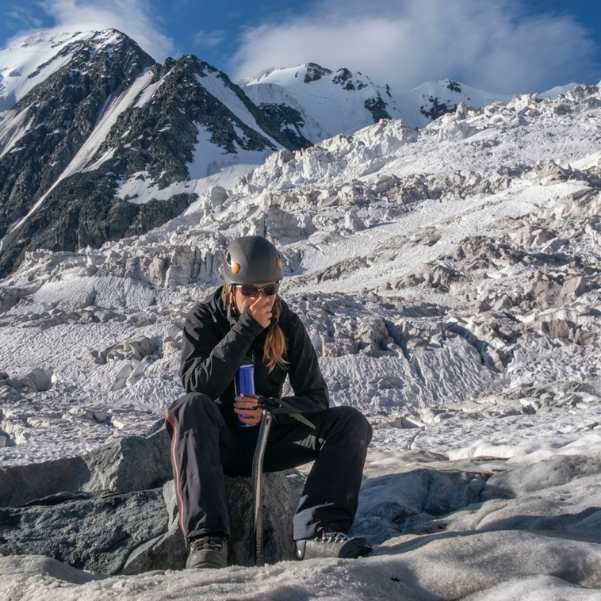
Rohtang Pass Altitude Sickness in 2026: Symptoms, Prevention and When to Turn Back
Planning a trip to Rohtang Pass in 2026? Learn the symptoms of altitude sickness, prevention tips, and when to turn back for a safe mountain journey.
- Altitude & Health
- First-Time Travellers
 Rohtang Pass
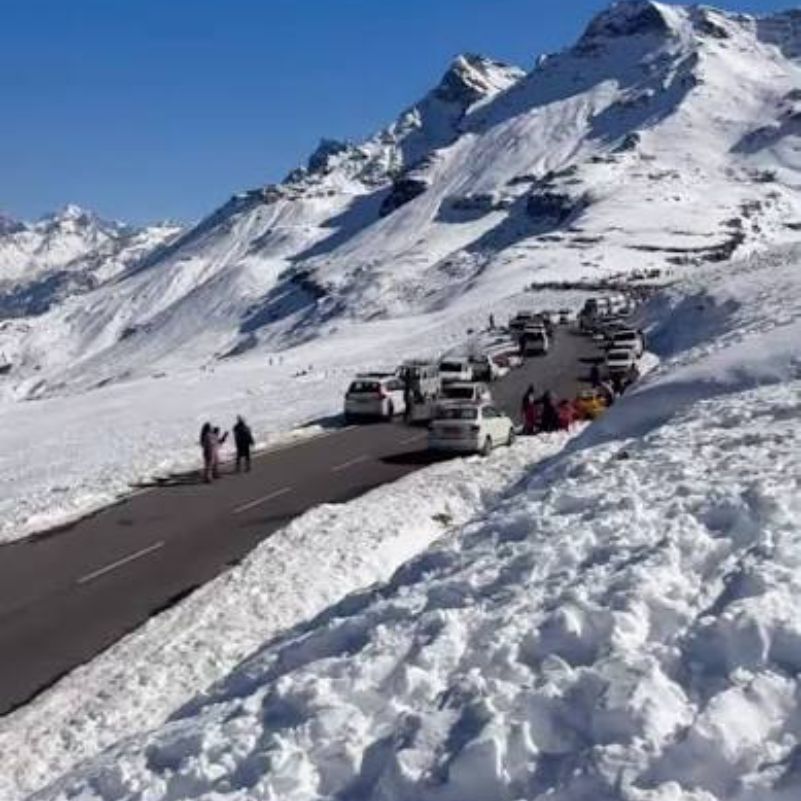
Best Places to Visit on the Way to Rohtang Pass in 2026
Discover the best places to visit on the way to Rohtang Pass in 2026, including Solang Valley, Rahala Waterfalls, Gulaba, Marhi, and more for an unforgettable Himalayan road trip.
- Places to Visit
- Road Trips
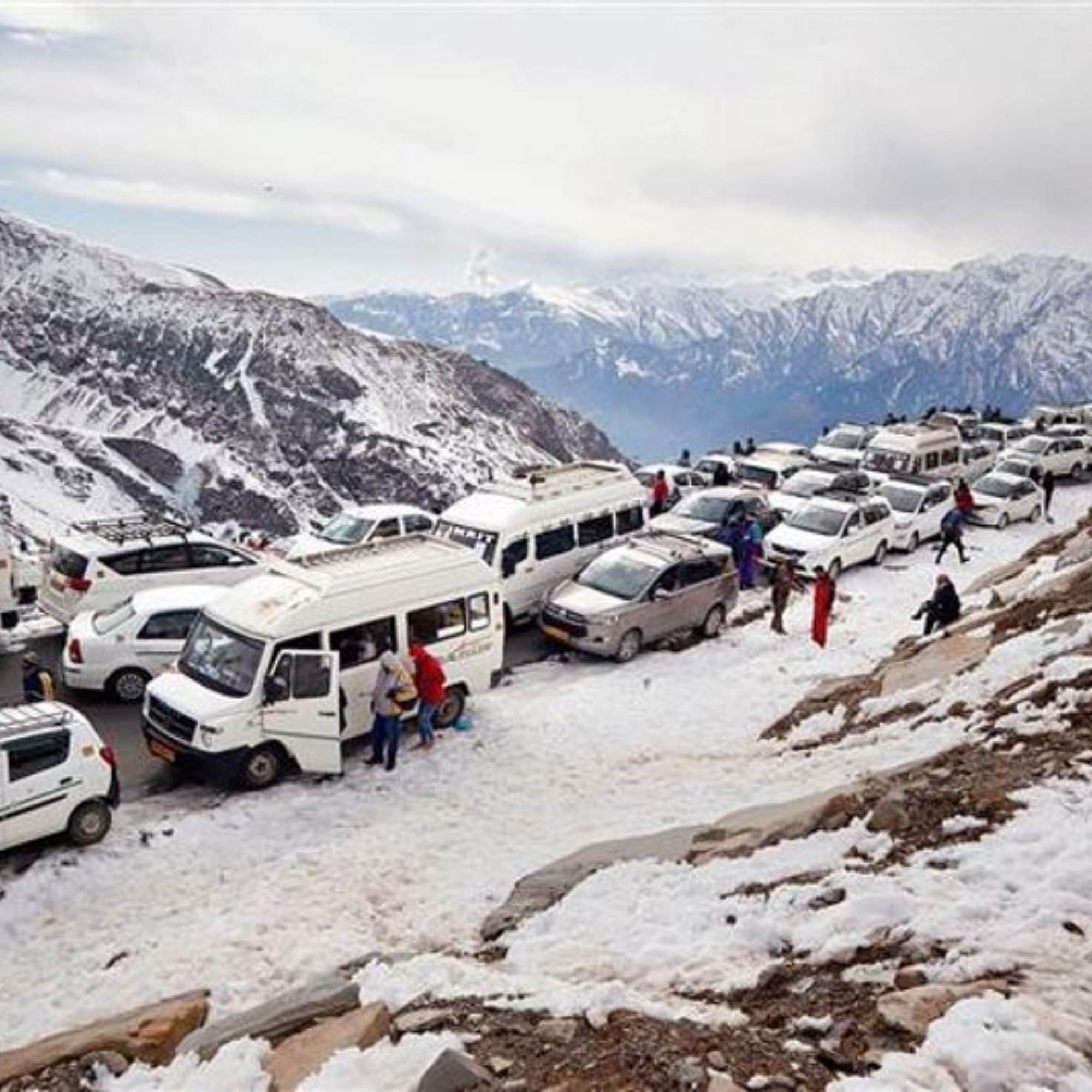 Rohtang Pass
15 Rohtang Pass Mistakes to Avoid in 2026: Permits, Taxi Scams, Timing and Snow Rentals
Planning a Rohtang Pass trip in 2026? Discover 15 common mistakes to avoid, from permits and weather to packing and safety, for a smooth mountain adventure.
- First-Time Travellers
- Permits & Fees