
Dodra Kwar
Two villages sitting on the far side of Chanshal Pass, the highest motorable pass in Shimla district. The Rupin River cuts the valley clean in half. The road only punched through in 2009, and it still buries itself under snow for roughly half the year. Most people driving through the Pabbar Valley have absolutely no idea this place exists on the other side.
- Remote Villages
- ~2,500 m
- Shimla district
- Via Chanshal Pass
- Rupin River valley
- Road since 2009
- Seasonal access only
- No ATM or fuel
- Traditional Himachali houses
- May to October
What makes it special
Dodra and Kwar are two villages in the Rupin River valley on the far side of Chanshal Pass, in Shimla district. On paper, they belong to Shimla. In practice, they feel closer to the remote corners of Uttarakhand than to anything you would associate with a Shimla district address. The Rupin River, a tributary of the Yamuna, flows between the two villages, and until 2009, the only way to reach them was a three day walk from the nearest road head at Tikri.
The road changed things, but not as much as you might think. It crosses Chanshal Pass at about 3,750 metres, the highest motorable point in all of Shimla district, and it is open for roughly five months a year, generally May to October. The rest of the year, snow closes the pass and the villages are cut off again. Even when the road is open, "road" is a generous description for long stretches past Chirgaon. The surface breaks down into rock, loose gravel, and compressed earth that turns to slush after rain. A 4x4 or high clearance vehicle is strongly recommended. Motorbikes handle it well if you are experienced on rough terrain.
The drive from Rohru to Kwar is about 90 km, but it takes 6 to 9 hours depending on conditions. That number is not a typo. The speed averages 10 to 15 km per hour on the worst sections. One HRTC bus runs daily from Rohru, leaving around 10 AM, and it fills up quickly. If you are taking the bus, reach the stand early.
Dodra sits at about 2,500 metres, and Kwar is a few kilometres further along the river. The villages are small, traditional, and deeply Himalayan in a way that most places in Himachal no longer are. The houses are built with wood and stone in the old Himachali style, with slate roofs designed to handle heavy snow. Terraced fields of amaranth, barley, and millet line the slopes. During harvest, the red amaranth crop gives the terraces a colour that photographs never quite capture. The forests around the villages carry deodar, birch, and rhododendron, and the higher slopes open into alpine meadows.
What makes this place different from, say, Chitkul or Kalpa is the genuine isolation. There is no hotel industry here. There is no cafe. There is no "tourist infrastructure" beyond a couple of dhabas in Dodra that also offer basic floor accommodation. You eat what the dhaba cooks, which is usually dal, rice, roti, and sabzi. If you want more control over your meals, bring supplies from Rohru. Camping is an option if you carry your own gear, and the fields near both villages have flat ground that works well.
The Rupin River runs clear and fast between the villages, and the valley it cuts through connects, on foot, to the Govind Pashu Vihar National Park on the Uttarakhand side. The Rupin Pass trek, one of the well known multi day Himalayan treks, passes through this same valley. For serious trekkers, Dodra Kwar is not just a destination but a waypoint in a much larger landscape.
Mobile signal is essentially absent past Chirgaon. BSNL may occasionally catch a bar or two in Dodra, but do not count on it. There is no ATM anywhere in the valley. No fuel pump. The nearest reliable services are back in Rohru, which is a full day's drive in the other direction. This is not a warning to scare you off. It is a planning requirement. If you run out of cash, fuel, or phone battery here, there is no quick fix.
Honest framing. Dodra Kwar is for a specific kind of traveller. If you want mountain solitude, traditional village life, and the satisfaction of reaching somewhere that most people never will, this is one of the best options within the borders of Shimla district. If you want comfortable stays, reliable food, and the ability to call home at night, this is not the trip. Two to three nights in the valley is the right amount. One night feels rushed after that kind of drive. More than three, and you will run low on things to do unless you are trekking deeper into the Rupin valley. The journey over Chanshal Pass is genuinely part of the experience, and on a clear day, the wide alpine meadows and open views of snow peaks from the pass are worth the drive on their own.
Quick answers
- What is Dodra Kwar?
- Two remote Himalayan villages at about 2,500 metres in Shimla district, separated by the Rupin River and accessible only via Chanshal Pass (about 3,750 metres) from Rohru. Connected by road only since 2009. The road is seasonal, generally open May to October. Traditional wooden and stone houses, terraced farming, and genuine isolation. About 90 km from Rohru but 6 to 9 hours by road. No ATM, no fuel, no reliable mobile signal.
- How do I reach Dodra Kwar?
- From Shimla, drive to Rohru (about 160 km, 5 to 6 hours). From Rohru, cross Chanshal Pass to Dodra (about 70 km) and Kwar (about 90 km). The road past Chirgaon is rough and requires a 4x4 or experienced motorcycle riding. One HRTC bus runs daily from Rohru, leaving around 10 AM. The pass is generally open May to October.
- Is Dodra Kwar worth the effort?
- If you are the kind of traveller who finds value in genuine remoteness, traditional village life, and difficult drives through high altitude landscapes, yes. The journey over Chanshal Pass and the isolation of the Rupin valley are the main rewards. If you need comfortable hotels, reliable food, and connectivity, this is not the right destination.
Quick facts
Everything you need to know at a glance.
At a glance
- Altitude
- Dodra is at about 2,500 m (8,200 feet). Kwar is at a similar elevation a few km further.
- Location
- Rupin River valley, beyond Chanshal Pass. Shimla district, Himachal Pradesh.
- From Rohru
- About 70 km to Dodra, 90 km to Kwar. 6 to 9 hours by road.
- From Shimla
- About 230 km total. Two days recommended (overnight in Rohru or at Chanshal).
- Access window
- Generally May to October. Chanshal Pass is closed by snow the rest of the year.
- Time needed
- 2 to 3 nights in the valley. Add 1 day each way for travel from Rohru.
On the ground
- Mobile network
- Essentially none. BSNL may get a weak signal in Dodra. No data, no UPI. Download offline maps before Rohru.
- ATM
- None in the valley. Nearest in Rohru. Carry all cash from Shimla or Rohru.
- Fuel
- None in the valley. Nearest in Rohru. Fill your tank completely before crossing the pass.
- Food
- A couple of dhabas in Dodra serving dal, rice, roti. Seasonal and not guaranteed. Carry backup food.
- Accommodation
- Basic floor stays at dhabas in Dodra. Camping with own gear. No hotels. Nothing in Kwar beyond local hospitality.
- Medical
- No hospital. No pharmacy. Basic first aid only. Nearest medical facility in Rohru (6 to 9 hours). Carry a full first aid kit.
Seasonal weather
- May to June22°8°Summer
- July to September20°10°Monsoon
- October16°0°Autumn
- November to April8°-10°Winter
Suitable for
- Couples — with some care
- Families — not suitable
- Seniors — not suitable
- Solo — suitable
- First-timers — not suitable
- Pet-friendly — not suitable
How to reach Dodra Kwar
3 approach routes, with seasonal access.
From Rohru (via Chanshal Pass)
Generally May to October. Exact opening depends on snow clearance at Chanshal Pass. Confirm locally before departing.- Distance
- About 70 km to Dodra, 90 km to Kwar
- Time
- 6 to 9 hours
- Road
- Paved to Chirgaon (about 20 km from Rohru). Then rough, unpaved mountain track to Chanshal Pass and beyond. Rock, gravel, loose earth. 4x4 or experienced motorcycle required.
- Last fuel
- Rohru (last fuel). Fill completely.
From Rohru, head toward Chirgaon on the upper Pabbar Valley road. The first 20 km to Chirgaon are decent. After Chirgaon, the surface deteriorates sharply. The road climbs to Chanshal Pass (about 3,750 metres, roughly 50 km from Rohru). From the pass, it descends into the Rupin valley. Dodra is about 20 km past the pass, and Kwar is a further 20 km. One HRTC bus leaves Rohru daily around 10 AM for Kwar. The bus fills up fast. If driving, a high clearance 4x4 is the safest choice. The road can become impassable after heavy rain. Carry extra fuel, food, and water.
From Shimla
Year round to Rohru. Chanshal Pass section generally May to October only.- Distance
- About 230 km total (via Rohru)
- Time
- Two days recommended. 5 to 6 hours to Rohru, then 6 to 9 hours to the valley.
- Road
- Paved highway to Rohru. Then rough mountain road over Chanshal Pass.
- Last fuel
- Shimla, Theog, Rohru
Drive from Shimla to Rohru via Theog, Kotkhai, Kharapathar, and Hatkoti (about 160 km, 5 to 6 hours). Overnight in Rohru. Next morning, cross Chanshal Pass to Dodra Kwar. Do not attempt the full Shimla to Dodra Kwar drive in a single day. You will arrive exhausted in the dark on a road that demands full attention. Split the journey at Rohru.
From Uttarakhand (via Tiuni, on foot)
Generally June to October.- Distance
- Multi day trek
- Time
- 3 to 5 days trekking
- Road
- Mountain trails through the Rupin valley and Govind Pashu Vihar area. No motorable road from this side.
It is possible to reach Dodra Kwar on foot from the Uttarakhand side via the Rupin valley, connecting with the Rupin Pass trek route from the Sangla side of Kinnaur. This is a committed multi day trek through remote forest and high alpine terrain, suitable only for experienced trekkers with proper gear and a guide. This is not a practical approach for most visitors but adds context to how connected the valley is to the larger Himalayan trek network.
Best time to visit
Season by season, so you can plan around the weather rather than hope.
- Recommended
Late spring and early summer
May to June
The pass opens, the valley wakes up, and the road is at its driest.
- Temperature
- 8 to 22 degrees.
- Road
- Driest conditions of the year. Still rough.
- Pass status
- Usually opens in May. Confirm before departing.
- Best for
- First time visitors, photography, camping.
Chanshal Pass usually opens in May once snow is cleared, though the exact date varies year to year. May and June offer the driest road conditions and the most comfortable driving. Wildflowers appear on the alpine meadows near the pass. The villages are coming alive after winter isolation, and the terraced fields are being planted. Daytime temperatures in the valley sit around 15 to 22 degrees, with cold nights. This is the most practical window for a first visit.
Monsoon
July to September
The valley is green but the road becomes treacherous and the pass is risky.
- Temperature
- 10 to 20 degrees.
- Road
- Slushy, unstable. Landslide risk high.
- Leeches
- Yes, on lower trails.
- Recommendation
- Only for experienced mountain drivers. Be prepared to turn back.
Rain makes the already rough road significantly worse. Landslides are common between Chirgaon and the pass. The road surface turns to slush, and stream crossings that were manageable in May become unpredictable. The valley itself is lush and the Rupin runs at full force, but getting here safely is a genuine concern. Only attempt this window if you are an experienced mountain driver, and be prepared to turn back if conditions deteriorate. Leeches appear on the lower trails.
- Recommended
Autumn
October
Clear skies, red amaranth terraces, and the last window before snow closes the pass.
- Temperature
- 0 to 16 degrees. Cold nights.
- Road
- Drier than monsoon. Still rough.
- Views
- Best of the year from Chanshal Pass.
- Warning
- Early snow possible late October. Do not delay return.
October is the other good window. The monsoon clears, the air sharpens, and the views from Chanshal Pass are at their best. The amaranth harvest turns the terraced fields around Dodra red. The road is drier than monsoon but not as stable as May. Nights get genuinely cold, dropping to near freezing. The pass can receive early snow in late October, so do not push your luck. If the locals say the pass is closing, listen to them.
- Closed
Winter
November to April
Chanshal Pass is closed. The villages are cut off by snow.
- Temperature
- Minus 10 to 8 degrees.
- Pass
- Closed. Snow covered.
- Access
- None by road. Villages cut off.
- Status
- Not accessible for regular travellers.
Snow closes Chanshal Pass, and the villages return to their winter isolation. There is no road access. Reaching Dodra Kwar in winter would require a multi day trek through deep snow, which is not a realistic option for most travellers and not recommended without serious mountaineering experience and local support.
Things to see & do
4 things worth your time at Dodra Kwar.
Drive over Chanshal Pass
Full day (Rohru to Dodra)The drive itself is the primary experience. From Rohru, the road climbs through the upper Pabbar Valley past Chirgaon, then ascends sharply to Chanshal Pass at about 3,750 metres. The pass is a wide, open alpine plateau with views of snow covered peaks in every direction. On a clear day, you can see ranges stretching into Kinnaur and Uttarakhand. The descent into the Rupin valley is steep and the road narrows further. Stop at the pass for at least 30 minutes. Carry water, snacks, and warm layers because the temperature at the top can be 10 to 15 degrees colder than at Rohru.
Walk through Dodra and Kwar villages
2 to 4 hoursBoth villages are small enough to walk through in an hour each, but going slowly is the point. The traditional wooden houses with slate roofs are built to survive heavy snow, and the construction style is distinctly different from what you see on the Shimla side. Terraced fields surround the villages, and during the amaranth and barley harvest, the slopes are striped with colour. The Rupin River between the two villages is a short walk from either settlement. Locals are generally welcoming but remember that this is a lived in community, not a tourist attraction. Ask before photographing homes or people.
Camp by the Rupin River
OvernightThe flat ground near the river between Dodra and Kwar makes for excellent camping if you carry your own tent and gear. The river is clear and fast, and the nights are silent in a way that is hard to find anywhere with road access. A sleeping bag rated for near freezing temperatures is essential even in summer. There are no formal campsites, no facilities, and no one managing the space. Pack out everything you bring in.
Explore the trails toward the upper Rupin valley
Half day to multi dayFrom Kwar, trails lead deeper into the Rupin valley toward the Uttarakhand border and the Govind Pashu Vihar National Park. These are not signposted trails. If you want to go beyond the villages, hiring a local from Dodra or Kwar as a guide is essential. The forest has bears and the terrain is unmarked. For serious trekkers, this valley connects to the Rupin Pass trek route. Day walks of 2 to 3 hours into the lower valley are manageable without a guide if you stay on the obvious path along the river.
Know before you visit Dodra Kwar
The practical bits, from people who have been.
The road and vehicle requirementsRough, unpaved road past Chirgaon. 4x4 or experienced motorcycle. Fill fuel at Rohru. Carry extra supplies.
The road from Rohru to Dodra Kwar crosses Chanshal Pass at about 3,750 metres and is one of the toughest motorable routes in Shimla district. Past Chirgaon (about 20 km from Rohru), the surface becomes rock, gravel, and loose earth. After rain, sections turn to deep slush. Stream crossings are common.
A 4x4 with good ground clearance is the safest option. Experienced motorcycle riders on adventure bikes handle it, but a standard road bike will struggle badly. Sedans and hatchbacks should not attempt it.
There is no fuel past Rohru. Fill your tank completely before crossing. Carry at least 2 litres of extra water, food for a full day, basic tools, and a tow rope. If your vehicle breaks down between Chirgaon and Dodra, help is not coming quickly. The one HRTC bus that runs daily is your backup, but it is not guaranteed to have space.
Where to stay and what to eatBasic dhabas in Dodra with floor stays. No hotels. Carry backup food. Camping with own gear is an option.
There are no hotels in Dodra Kwar. A couple of dhabas in Dodra village offer floor accommodation, which means a mattress on the floor in a shared room, with basic blankets. Expect no hot water, no attached bathroom, and no privacy. The food at these dhabas is simple: dal, rice, roti, sabzi, and chai. Quality depends on the day and the cook.
In Kwar, there is even less. You may find a villager willing to offer a room, but there is no organized accommodation. If you are camping, bring your own tent, sleeping bag, stove, and food. The flat ground near the Rupin River works well for pitching tents.
For a more comfortable base, many travellers stay in Rohru (HPTDC hotel and local guesthouses) and make the Dodra Kwar trip as a multi day excursion with camping gear.
Who this trip suits and who should reconsiderFor experienced mountain travellers, adventure motorcyclists, and serious trekkers. Not for families, seniors, or first time visitors to Himachal.
Will appreciate it. Experienced mountain travellers who have done rough roads before and enjoy genuine remoteness. Adventure motorcyclists looking for a challenging and rewarding high altitude ride. Photographers who want landscapes and village life without other tourists in the frame. Trekkers connecting with the Rupin Pass route or exploring the upper Rupin valley.
Should reconsider. Families with children. The road is too rough, the facilities too basic, and there is no medical help. Seniors who are not comfortable with very basic accommodation and a long, jarring drive. First time visitors to Himachal who have not experienced rough mountain roads before. Anyone who needs reliable connectivity, comfortable beds, or consistent food. This is not a place where you call for help if things go wrong.
Pets. Not recommended. The road is brutal, the altitude is high, wildlife is present in the surrounding forest, and there is no veterinary help anywhere in the region.
Nearby attractions
Other places worth the detour.
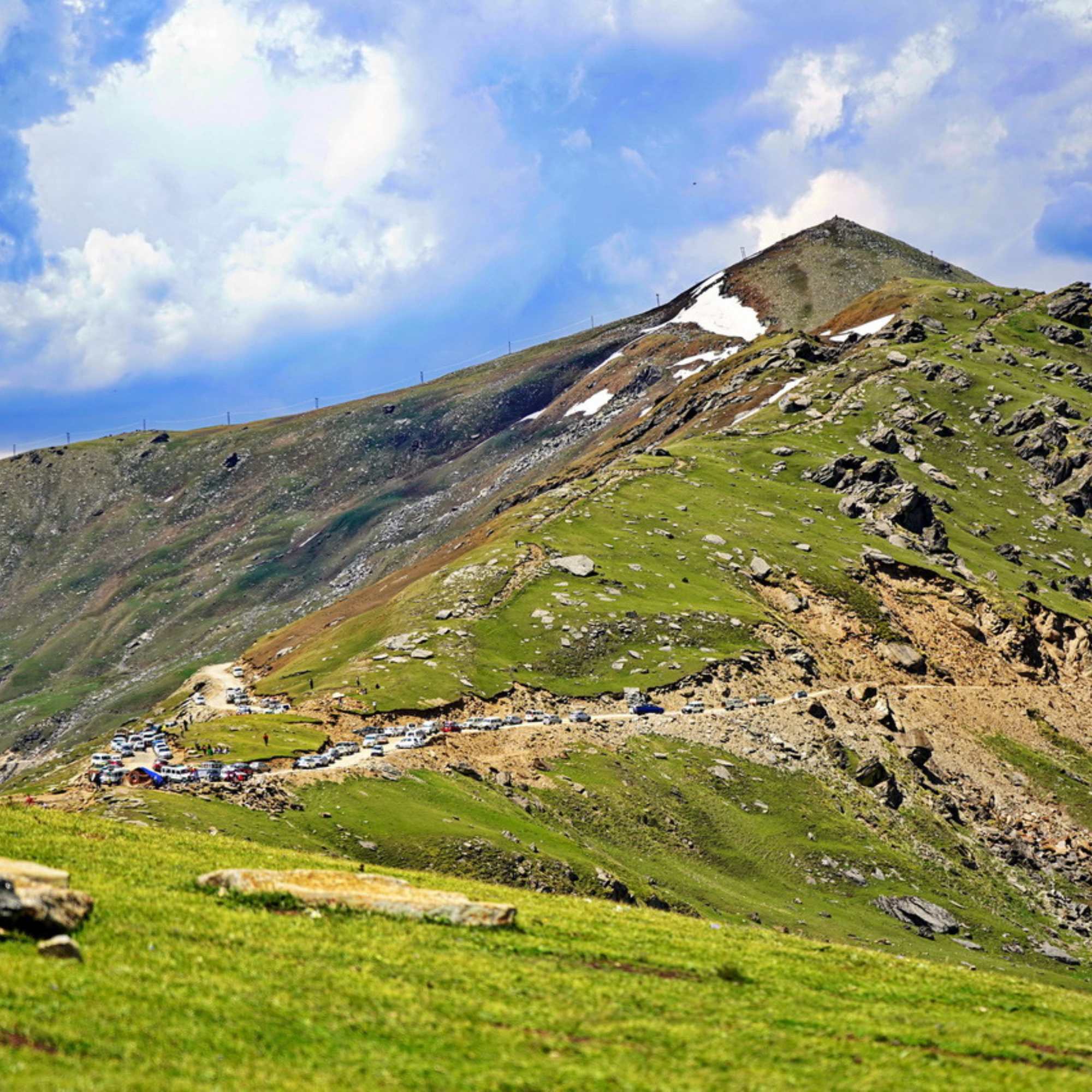
Chanshal Pass
About 20 km from Dodra (on the route)
The highest motorable pass in Shimla district at about 3,750 metres. Wide alpine meadows and open views of snow peaks. You cross it on the way to Dodra Kwar. Stop for at least 30 minutes if the weather is clear.
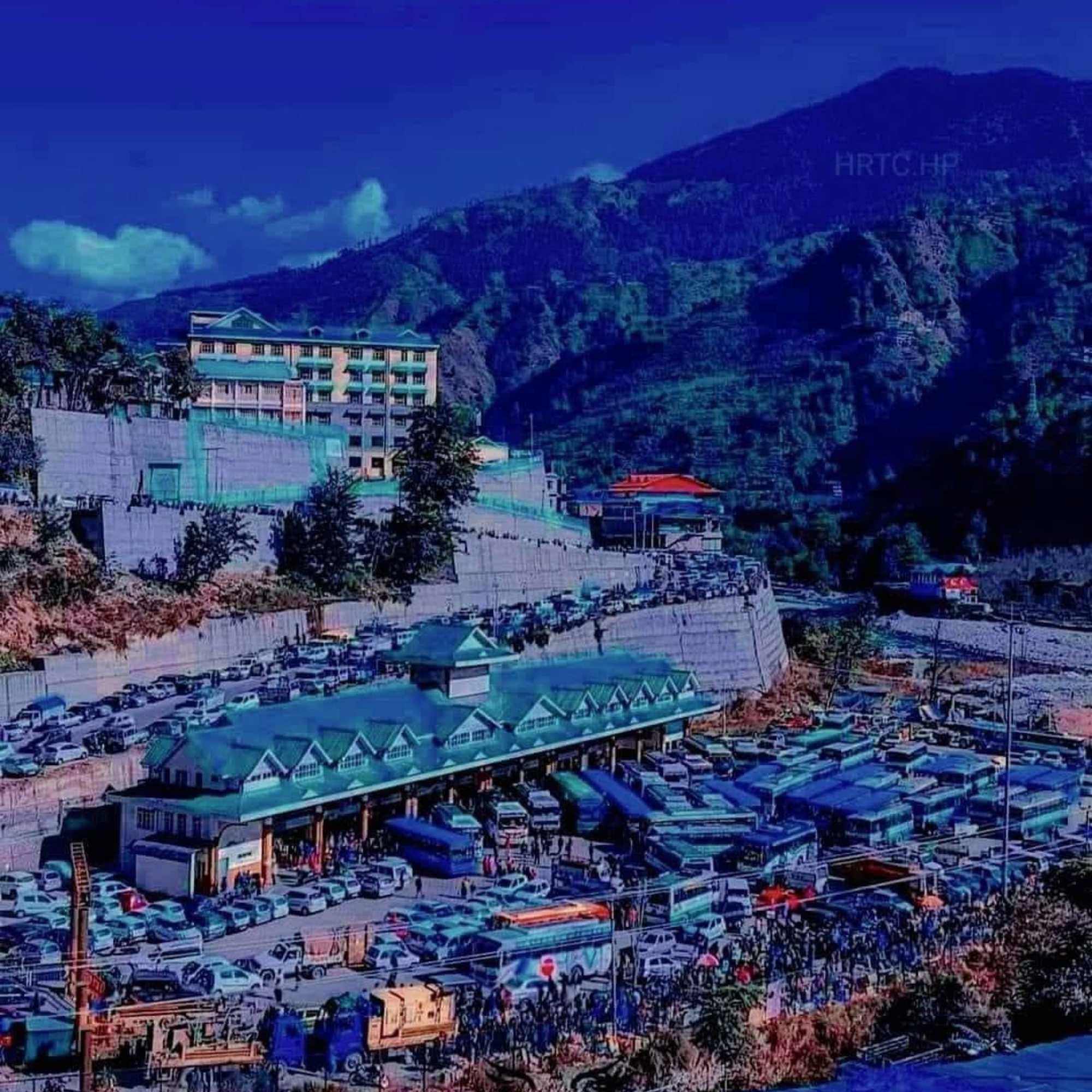
Rohru
About 70 to 90 km (6 to 9 hours)
The main town of the Pabbar Valley. Last supply stop (ATM, fuel, hospital, mobile signal) before crossing Chanshal Pass. HPTDC hotel and local guesthouses. The practical base for a Dodra Kwar expedition.
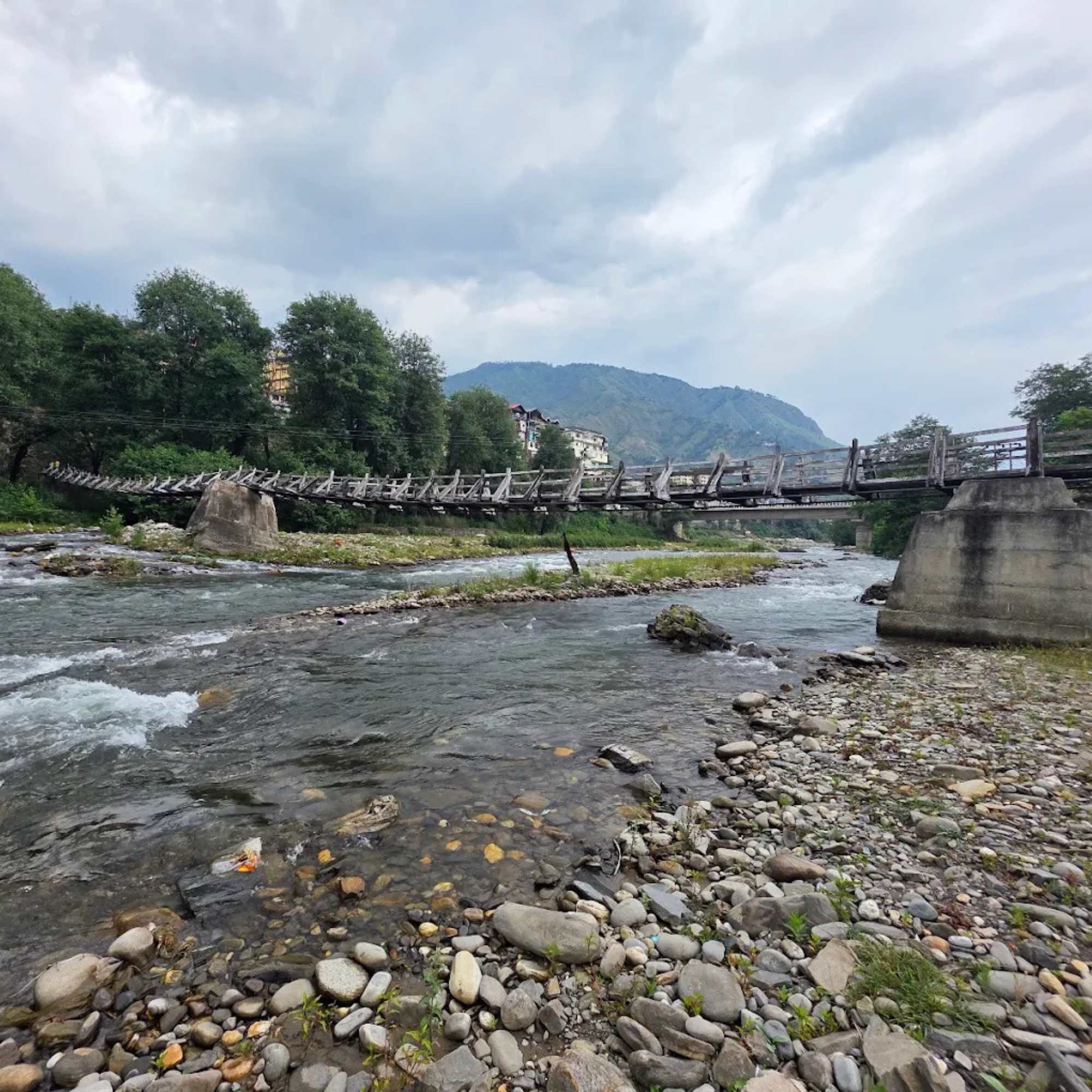
Pabbar Valley
The wider valley that contains Rohru and the approach route
The river valley that runs from Shimla district's apple country through Rohru and up to Chanshal Pass. Trout fishing, apple orchards, forest treks, and some of the least visited terrain in the region.
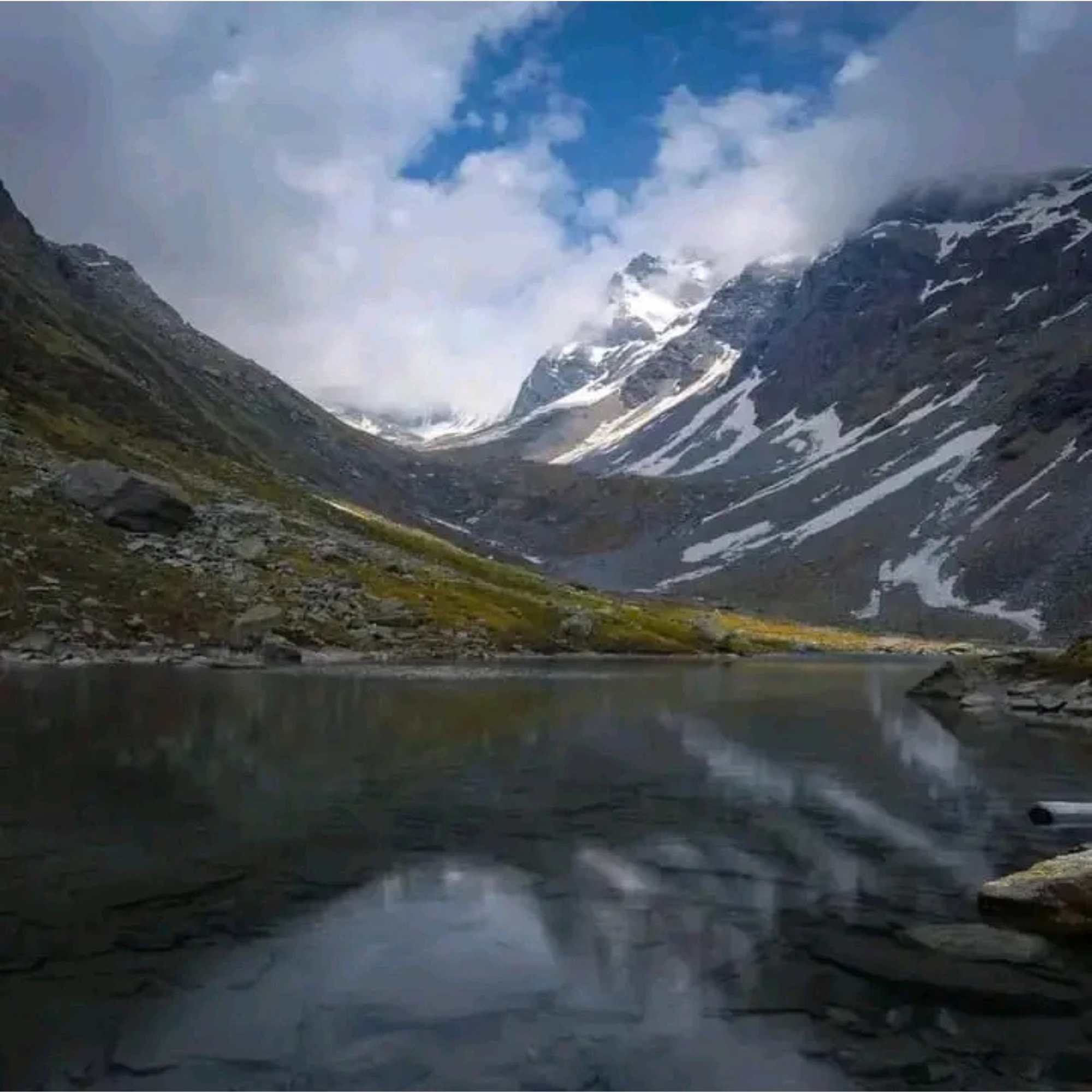
Chirgaon
About 20 km from Rohru (on the route)
A small village on the Pabbar River, roughly 20 km past Rohru. The last point of decent road surface before the climb to Chanshal Pass. A couple of dhabas for tea. After Chirgaon, the road changes character completely.
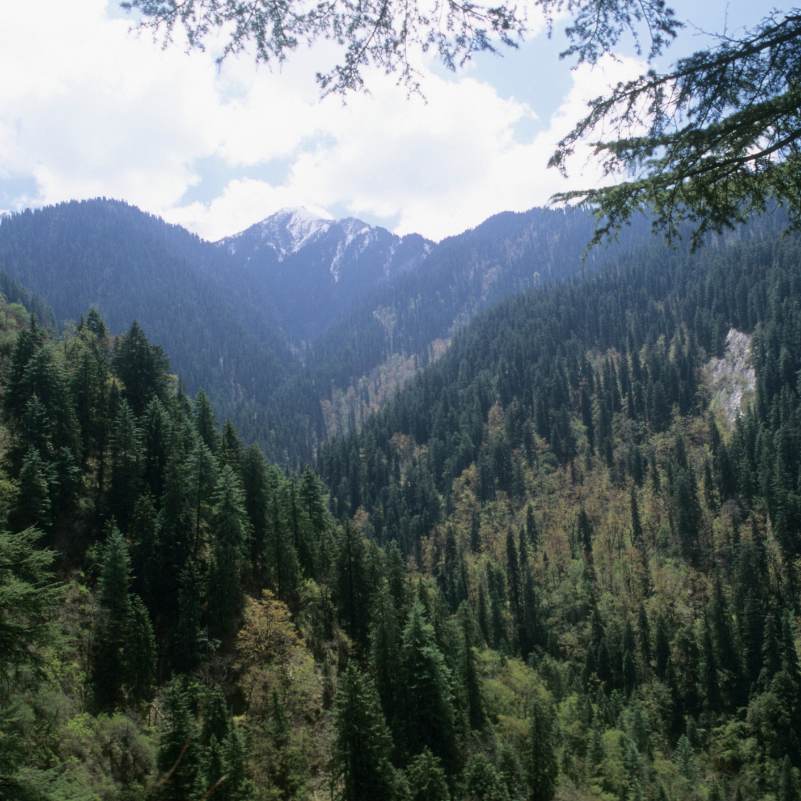
Govind Pashu Vihar National Park (Uttarakhand side)
Adjacent, accessible on foot from Kwar
A national park and wildlife sanctuary in Uttarakhand, connected to the Dodra Kwar valley through the Rupin River corridor. The Rupin Pass trek passes through this landscape. Multi day treks from Kwar lead into the park. Not a day trip, but relevant context for the region.
Our packages with Dodra Kwar
Curated trips that include a visit to Dodra Kwar.
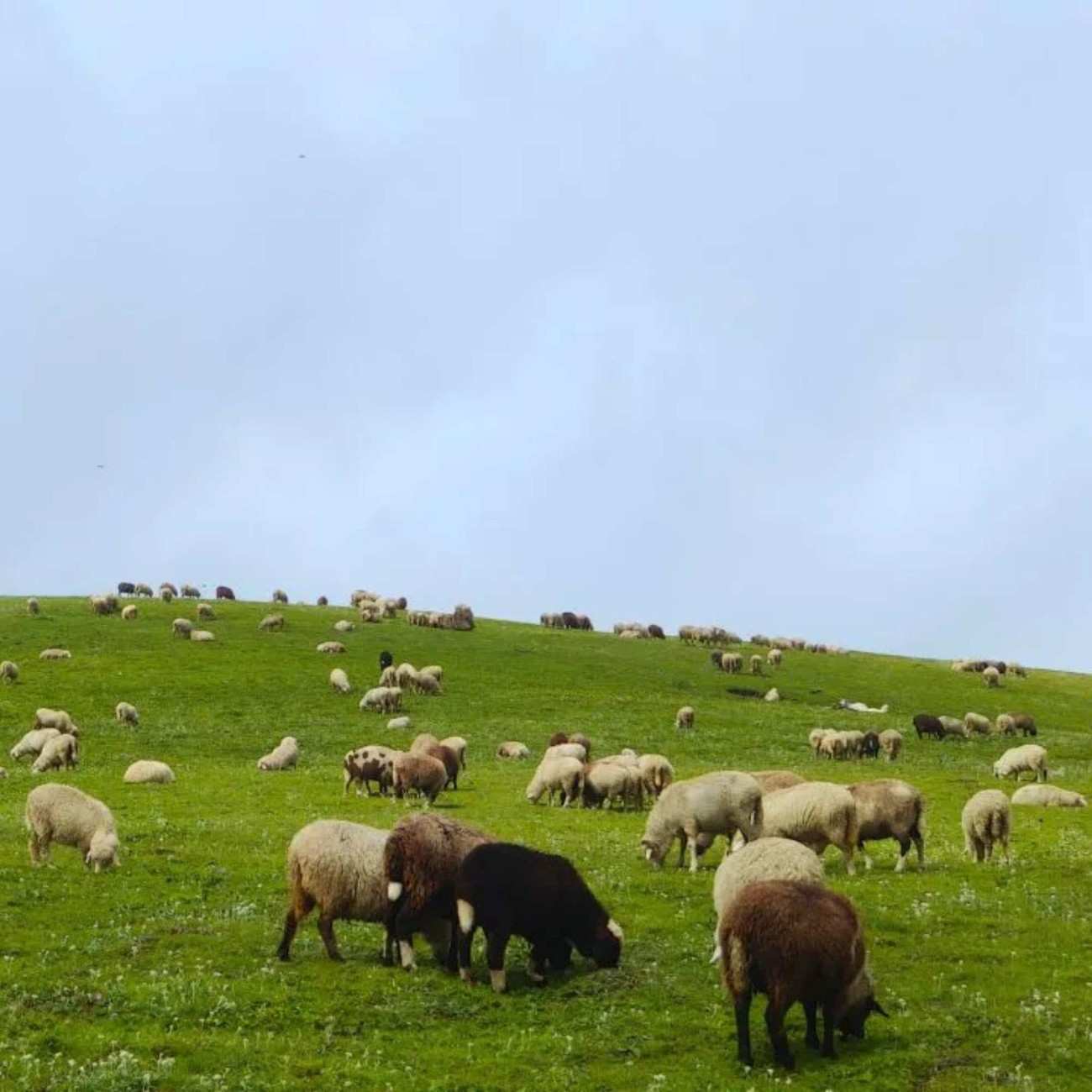 8D/7N
8D/7NMost Loved 4x4 Pabbar Valley Expedition With Giri Ganga Kuppar Bugyal Chanshal Pass and Dodra Kwar
1D Kharapathar / Kotkhai•2D Rohru / Chirgaon (Pabbar Valley)+1
₹32,999₹39,999SAVE INR 7,000/ person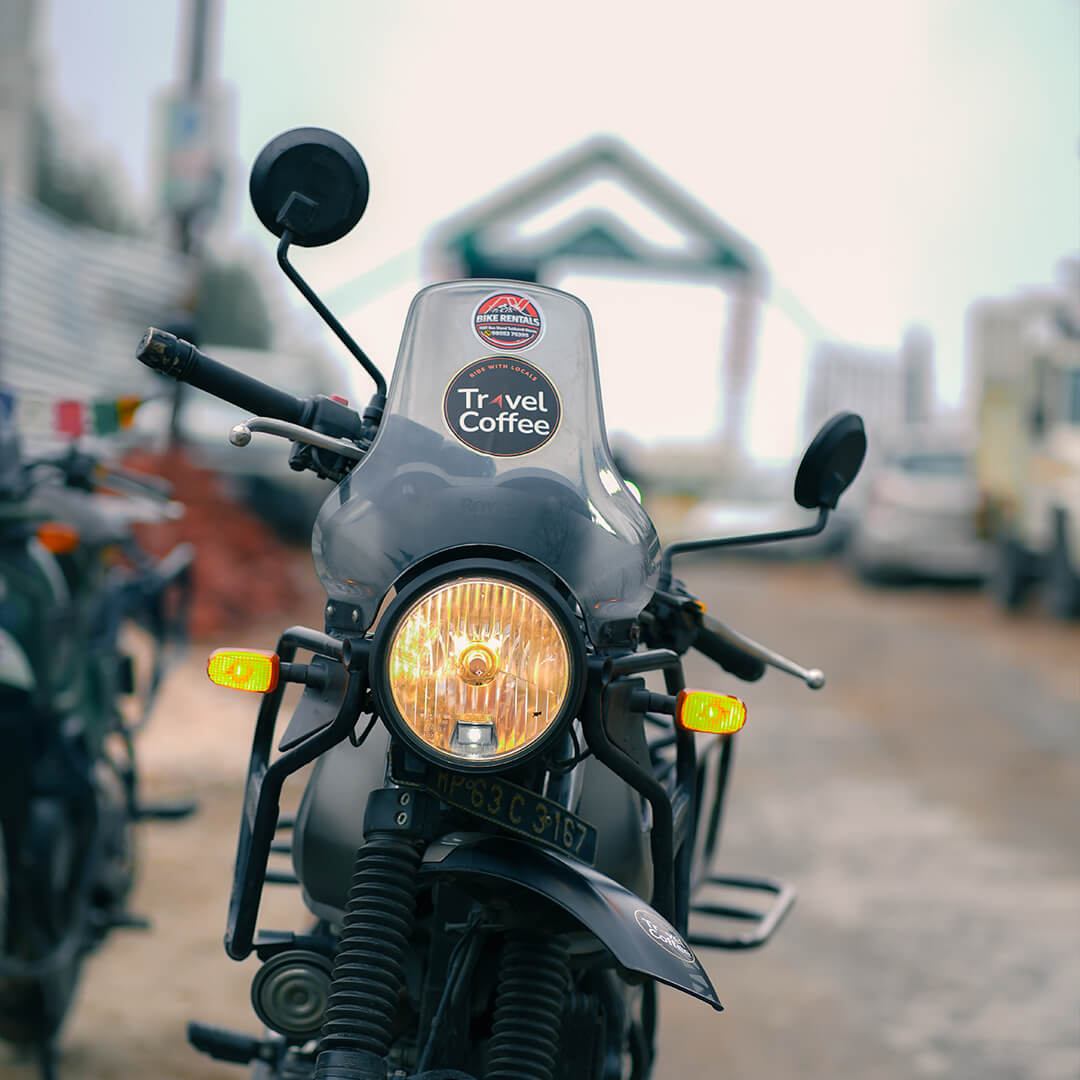 8D/7N
8D/7NUltimate Pabbar Valley Bike Expedition With Giri Ganga Kuppar Bugyal Chanshal Pass and Dodra Kwar
1D Kharapathar / Kotkhai•2D Rohru / Chirgaon (Pabbar Valley)+1
₹29,999/ person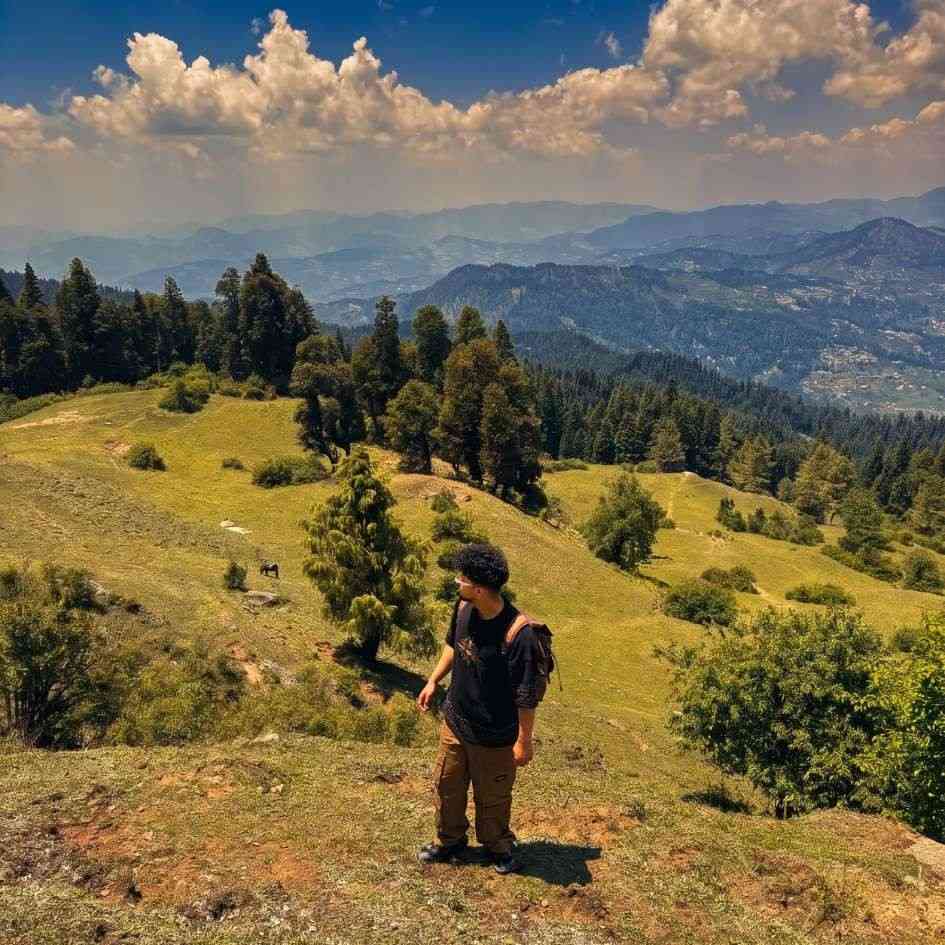 Group Tour5D/4N
Chanshal Pass Weekend Group Trip With Giri Ganga and Kuppar Bugyal
1D Kharapathar / Kotkhai•1D Rohru / Chirgaon (Pabbar Valley)
₹8,999₹12,999SAVE INR 4,000/ person
Frequently Asked Questions
What is Dodra Kwar?
Two remote Himalayan villages in Shimla district at about 2,500 metres, separated by the Rupin River. They sit on the far side of Chanshal Pass and were connected by motorable road only in 2009. The area is part of the Rupin River valley, close to the Uttarakhand border. Traditional wooden houses, terraced farming, and genuine isolation. About 70 to 90 km from Rohru but 6 to 9 hours by road due to rough conditions.
How do I reach Dodra Kwar from Shimla?
Drive from Shimla to Rohru (about 160 km, 5 to 6 hours via Theog, Kotkhai, and Kharapathar). Stay overnight in Rohru. Next day, cross Chanshal Pass to Dodra (about 70 km, 6 to 9 hours on rough road). A 4x4 or experienced motorcycle is required. One HRTC bus runs daily from Rohru around 10 AM. Do not attempt the Shimla to Dodra Kwar drive in a single day.
When is Dodra Kwar accessible?
Generally May to October, depending on when Chanshal Pass opens after winter snow clearance. The exact dates vary each year. May to June and October are the best windows. Monsoon (July to September) makes the road dangerous. November to April, the pass is closed and the villages are cut off.
Is there a hotel in Dodra Kwar?
No. A couple of dhabas in Dodra offer basic floor accommodation (mattress on the floor, shared room, no hot water). There is nothing formal in Kwar. Camping with your own tent is the other option. For comfortable stays, Rohru has the HPTDC hotel and local guesthouses.
Is there mobile signal in Dodra Kwar?
Essentially no. BSNL may occasionally get a weak signal in Dodra village, but do not rely on it. There is no data connectivity, no UPI payments, and no way to make reliable calls. Download offline maps before leaving Rohru. Carry cash for everything.
Is Dodra Kwar suitable for families?
No. The road is extremely rough, the facilities are too basic for comfortable family travel, and there is no medical help in the valley. The nearest hospital is in Rohru, 6 to 9 hours away. This trip is for experienced mountain travellers.
What vehicle do I need?
A 4x4 with good ground clearance is strongly recommended. The road past Chirgaon is rock, gravel, and loose earth with stream crossings. Adventure motorcycles handle it well with experienced riders. Sedans, hatchbacks, and standard road bikes should not attempt it. Fill fuel completely at Rohru because there is nothing beyond.
How many days do I need?
At minimum, three days for the round trip from Rohru: one day to drive in, one day in the valley, one day to drive back. Four to five days is more comfortable and allows time to explore the villages and the lower Rupin valley. Budget one full day each way for travel from Shimla to Rohru.
Can I trek to Dodra Kwar?
Yes. From the Uttarakhand side, multi day treks through the Rupin valley connect to Dodra Kwar. The Rupin Pass trek route passes through this area. These are committed multi day treks requiring a guide, proper gear, and experience. From the Pabbar Valley side, the traditional three day walking route from Tikri is another option.
What should I carry?
Cash (enough for 3 to 4 days, no ATM in the valley). Full tank of fuel. Extra water and food. Warm layers for the pass and cold valley nights. Sleeping bag rated for near freezing. Torch with spare batteries. Basic first aid kit. Offline maps. A charged power bank. If camping, a full tent setup and cooking stove.
Related guides
Posts about Shimla
- Shimla Snow Trip 2026: Best Time, Itinerary, Cost and Local Tips
- Shimla in February 2027: Weather, Snowfall, Itinerary and Travel Tips
- Snow Point Near Shimla in 2026: Kufri, Fagu, Narkanda and the Best Places to Find Snow
- Shimla Honeymoon Guide 2026: Best Time, Itinerary, Cost and Romantic Places
- Shimla Kufri Chail Narkanda Tour 2026: Complete 6 Day Itinerary, Cost and Road Guide
- Shimla to Kasol Distance, Route, Bus and Taxi Guide 2026