
Udaipur vs Jaipur in 2026: Which Is Better for Your Rajasthan Trip?

Planning a Rajasthan trip in 2026 often comes down to choosing between Udaipur and Jaipur, two of the state’s most popular destinations.
While both cities offer royal heritage, impressive architecture, colourful markets and memorable cultural experiences, the overall travel experience is quite different.
Udaipur is known for its lakes, romantic views, historic palaces and relaxed atmosphere, while Jaipur offers grand forts, bustling bazaars, iconic monuments and a more energetic city experience.
The better choice depends on your travel style, available time, budget and whether you are travelling as a couple, family, solo traveller or with friends.
This Udaipur vs Jaipur comparison will help you understand the key differences between the two cities so you can decide which destination is better for your Rajasthan trip in 2026.
Quick Answer: Should You Choose Udaipur or Jaipur?
If you are stuck on Udaipur vs Jaipur for your Rajasthan trip, here is the short version. Neither city is better for everyone, so the right pick depends on the kind of holiday you want.
Jaipur is generally the stronger choice for a first-time, monument-heavy trip. You get famous forts and palaces, busy bazaars and easier access from Delhi or Agra.
Udaipur is generally the stronger choice for lakes, romance, slow evenings and a holiday that is not run like a checklist.
Families with active older children often lean towards Jaipur. Couples and relaxation-first families often lean towards Udaipur.
And if you have five to seven days, visiting both is usually more rewarding than forcing one winner. Our Rajasthan tour packages cover both single-city and combined trips, so you can shape the trip around your dates rather than around a debate.
Udaipur vs Jaipur at a Glance

Who should choose Jaipur?
Jaipur suits first-time Rajasthan visitors who want the big-ticket sights. Amber Fort, palaces, bazaars and full sightseeing days are its strength.
It also fits neatly into a wider route. Jaipur connects more naturally with Delhi and Agra, so it slots straight into a Golden Triangle plan.
Pick Jaipur if you enjoy activity and variety more than long stretches of downtime. There is always one more fort, one more market lane, one more thing to see.
Who should choose Udaipur?
Udaipur suits couples, honeymooners, photographers and anyone who prefers a slower rhythm. Udaipur revolves around water and evening light, not around ticking off ten monuments a day.
You come here for lake views, ghats, palaces, sunset walks and relaxed dinners. The pace itself is the point.
One honest caveat. A premium lake-facing room can change both the experience and the budget in a big way. Do not assume every hotel in the "lake area" gives you a room that actually faces the water, because many do not.
Who should visit both?
You can do a fast combination in five days, but it includes one substantial transfer day between the cities. That day is mostly travel.
Six to seven days makes for a far more balanced trip. You get proper time in each place instead of a rush.
The two cities work well together because they offer different things. Jaipur brings monument scale and energy, while Udaipur brings atmosphere and slower evenings.
In our experience planning these trips, travellers who do both come back happier than those who try to crown one city and skip the other.
What Is the Main Difference Between Jaipur and Udaipur?

Jaipur is the larger, busier city. Its whole rhythm revolves around forts, the walled city, traffic, markets and a long sightseeing checklist that can easily fill several days.
Udaipur is lake-centred and evening-oriented. It rewards you for sitting still and watching the light change more than for constantly moving between monuments.
We would not oversell either one. Udaipur's Old City can still get congested, noisy and hard for vehicles, especially in peak season. Those narrow lanes simply cannot handle today's traffic.
Jaipur, on the other hand, can feel calm when you choose a well-located heritage stay and start sightseeing early. Most of its chaos is crowd and timing, not the city itself.
So the real answer is that neighbourhood, hotel location, season and time of day shape the mood as much as the city name on your ticket.
Which Has Better Monuments and Sightseeing?

What can you see in Jaipur?
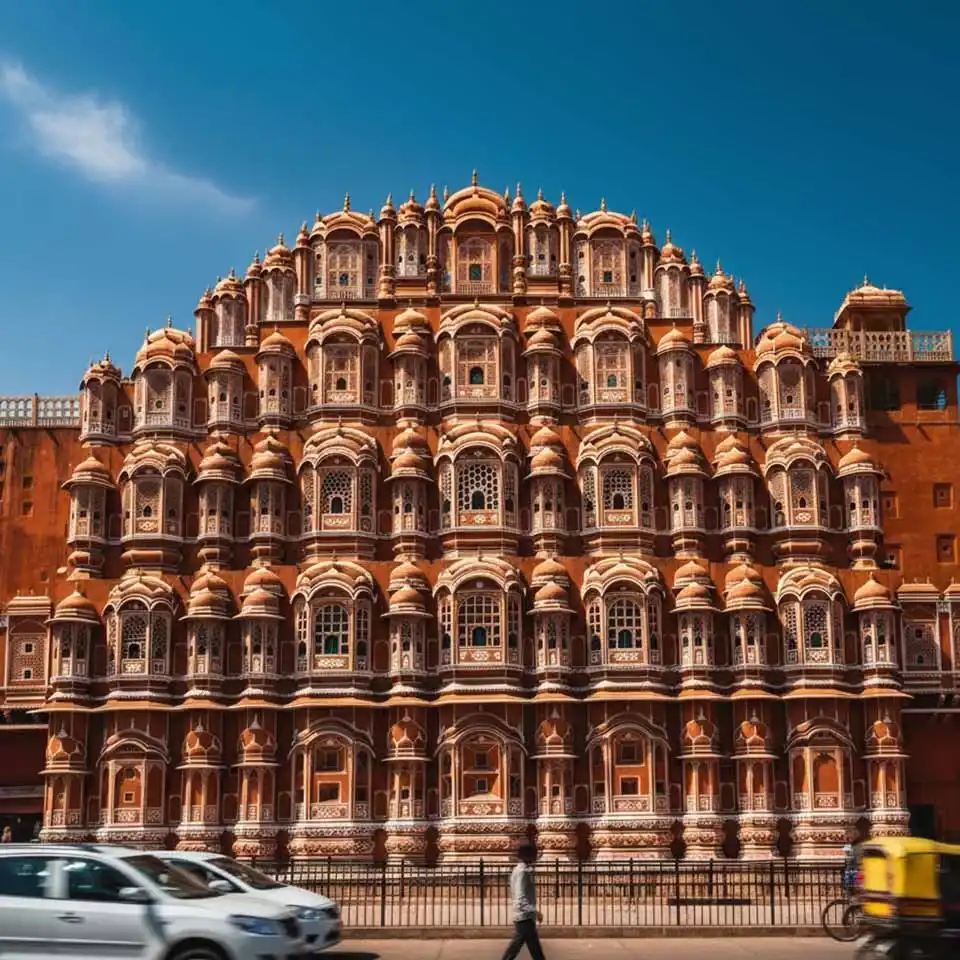
The headline sights are Amber Fort, Jaipur City Palace, Hawa Mahal, Jantar Mantar, Nahargarh Fort and Albert Hall. That is a lot of major stops in one city.
There is real heritage weight here too. Jaipur's historic walled city is a UNESCO World Heritage property, and Jantar Mantar is a separate UNESCO World Heritage property in its own right.
Amber is also recognised as part of the UNESCO Hill Forts of Rajasthan property. Between these, Jaipur carries genuine world-heritage credentials.
One thing most tourists get wrong is treating Amber as part of a simple Old City walk. Rajasthan Tourism places Amber Palace around 11 kilometres from the main city, so the fort circuit needs its own transport and its own half-day.
Jaipur has the edge for monument scale, architectural variety and the sheer number of big heritage stops that can fill a trip.
What can you see in Udaipur?
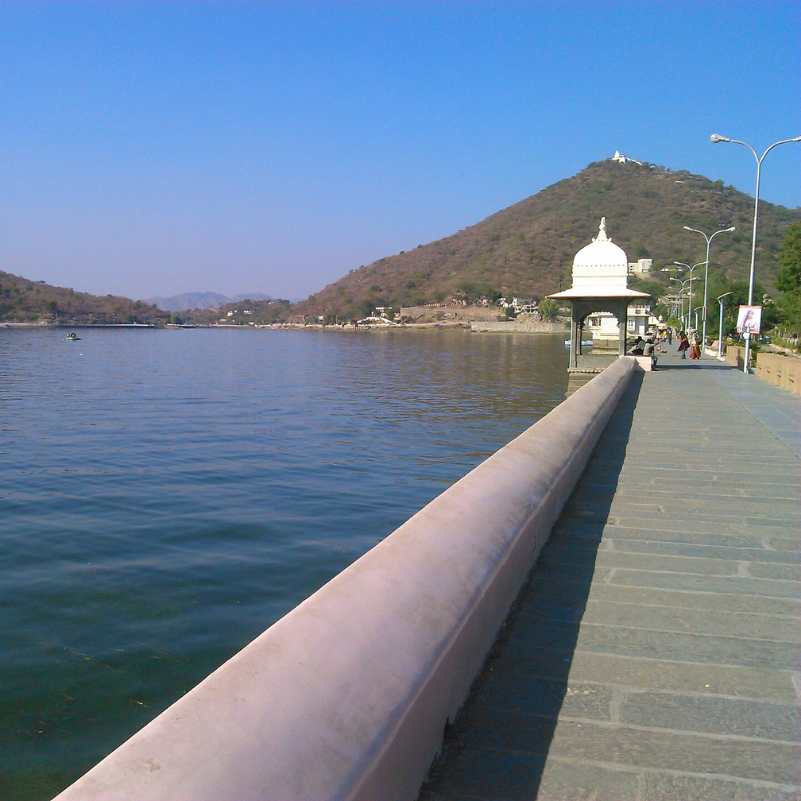
The main sights are City Palace, Lake Pichola, Jag Mandir, Bagore Ki Haveli, Fateh Sagar Lake and Monsoon Palace. The list is shorter, but that is not a weakness here.
Udaipur's real draw is the relationship between the palace, the water, the ghats, the surrounding hills and the evening light. It is less about individual buildings and more about the whole setting.
The good news for planning is that City Palace, Jagdish Temple, Bagore Ki Haveli and the nearby ghats sit close together as one Old City cluster. You can group them on foot without much backtracking.
Fateh Sagar, Sajjangarh and the other outer attractions are a different matter. They need separate transport, so keep that in your day plan.
If you want the full sight-by-sight breakdown, we listed them in our guide to places to visit in Udaipur, including which ones are worth your limited time.
Which city wins for sightseeing?
Jaipur generally wins for monument scale, variety and a packed heritage itinerary. If you measure a trip by how many major sights you saw, Jaipur is hard to beat.
Udaipur generally wins for setting, lake experiences and sightseeing that does not feel like a race. If you measure a trip by how it felt rather than how much you covered, Udaipur pulls ahead.
Neither result is objective. It comes down to whether you travel to see monuments or to soak in a place.
Is Jaipur or Udaipur Better for a Short Trip?
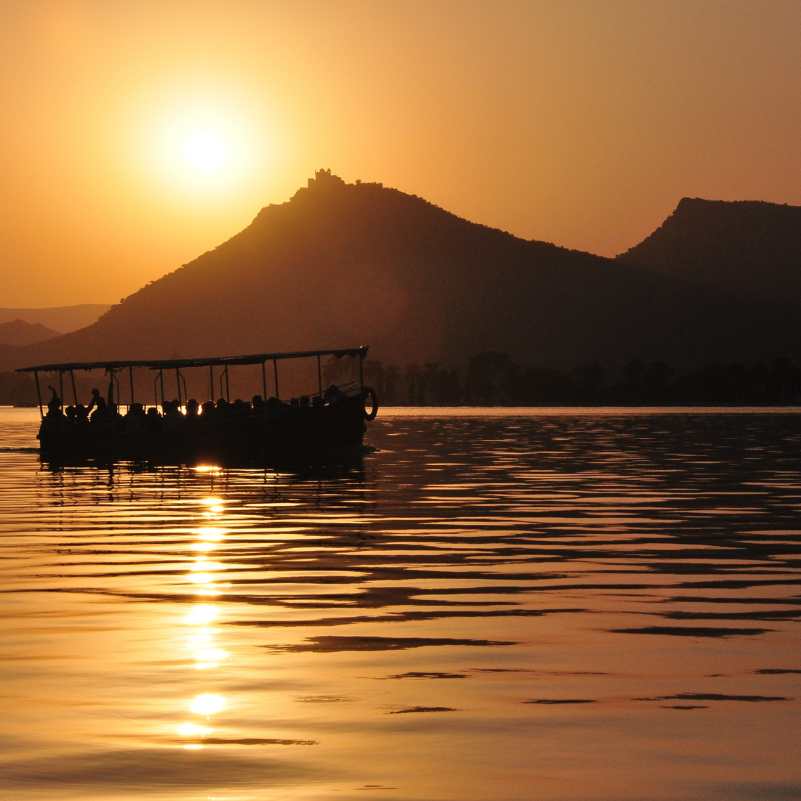
Two full sightseeing days can cover the essential attractions in either city. That is enough for the main sights if you use the days well.
Three days feels more comfortable in each. You get breathing room for markets, cafés and a slower morning or two.
The catch is what "two days" actually means. We tell our travellers that two days should be two usable sightseeing days, not a late-afternoon arrival on day one and an early checkout on day two.
For one night or two calendar days, choose the city with the easier arrival for you. Do not burn half your short trip on a connection.
With only four calendar days, most people enjoy one city properly more than a rushed combination of both. Five days can cover both, but the journey between them eats much of one full day.
For a deeper Udaipur plan, our Udaipur travel guide walks through itineraries by trip length so you can match the days to your interests.
Udaipur vs Jaipur for Family: Which Is Easier?
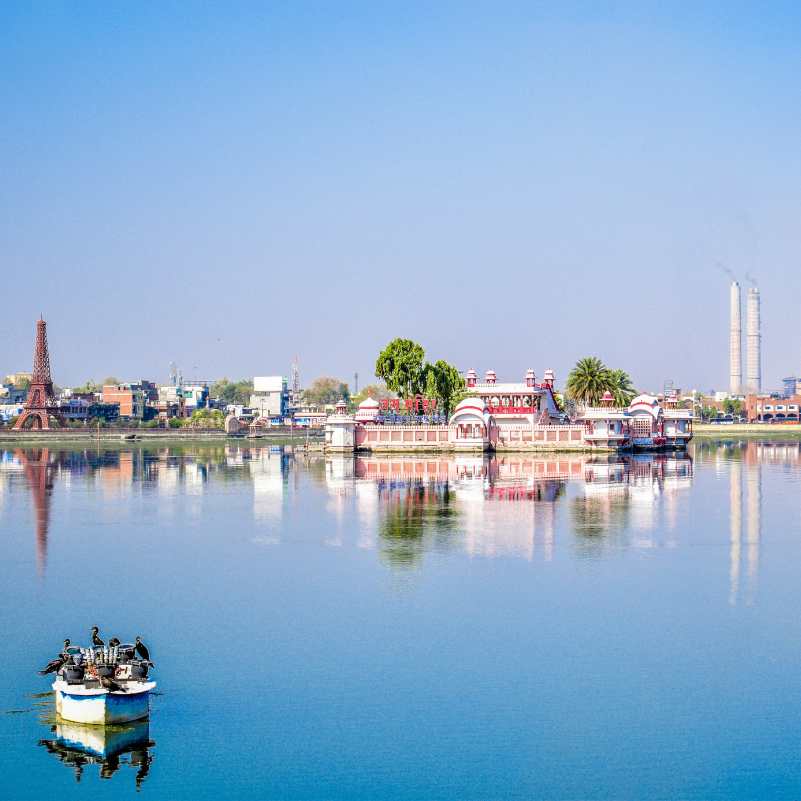
Which is better with older children?
Jaipur can be a hit with active older children. The scale of Amber, the big courtyards, the city sights and the astronomical instruments at Jantar Mantar give restless kids plenty to look at and climb around.
Our advice is to break the sightseeing day rather than chaining every fort and Old City stop together with no rest. Tired children turn a great day into a difficult one.
For getting up to Amber, skip the elephant ride and use a vehicle or jeep ascent where that is currently available and suitable. It is the simpler and kinder option.
Which is better with toddlers?
Udaipur suits a slower family programme. You can build the day around one main attraction, a lakefront stop and a proper hotel break in the afternoon.
That said, this is a city of open water, steep steps and narrow Old City lanes. Ghats and lake edges need close, constant supervision with little ones.
What matters most is not calling one whole city "family-friendly." A centrally located hotel and a realistic afternoon break do more for a good family trip than the city name.
Which is easier with parents or grandparents?
Jaipur's fort circuit can involve a fair bit of driving, steps, walking and uneven heritage surfaces. None of that is impossible, but it adds up over a day.
Udaipur's main Old City sights sit closer together, which helps. Even so, steep steps, narrow lanes and upper-floor venues can still be hard for anyone with limited mobility.
We would not call either city fully wheelchair-friendly, and it would be unfair to pretend otherwise. Check access with each attraction directly, and arrange a private vehicle for travellers who cannot manage long walks or many steps.
Udaipur vs Jaipur for Couples: Which Is More Romantic?
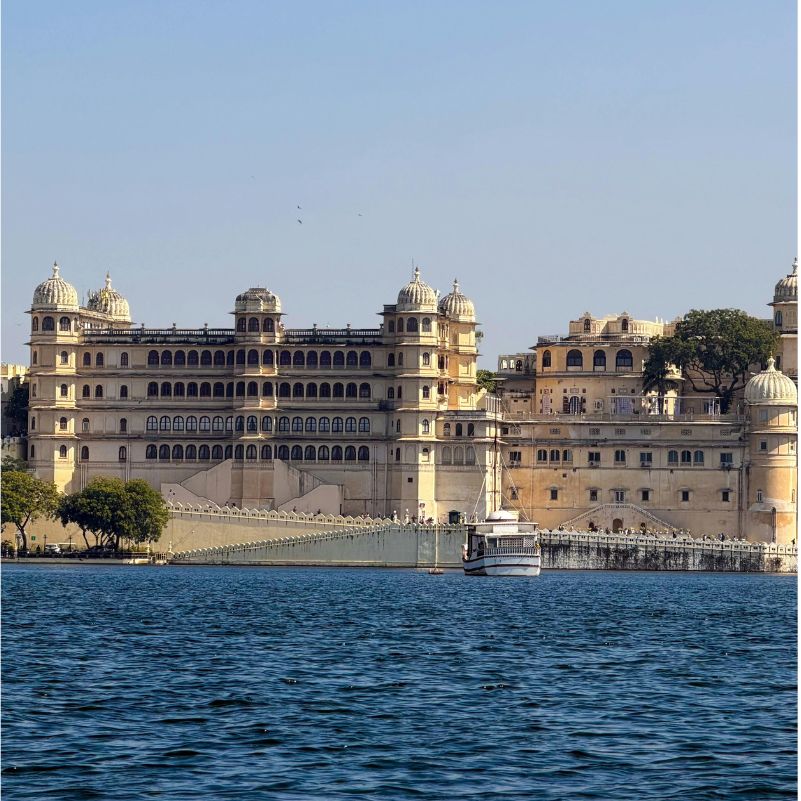
Udaipur usually has the stronger romance case, and it is not close. Lake views, sunset over the water, a boat experience and rooftop dinners give you slow, special evenings without much effort.
The whole city seems to slow down after dark, which suits a couples' trip well. You spend less time shuttling between sights and more time simply enjoying where you are.
Jaipur still works for couples, just in a different way. If you both prefer palace-style hotels, architecture, bazaars, food and a more active cultural break, Jaipur delivers plenty.
One practical point that saves disappointment. A hotel in the "lake area" does not automatically mean a lake-facing room, so confirm the exact room category in writing before you pay.
If you want a lakeside stay and a boat ride handled for you, our Udaipur tour packages focus on exactly that kind of slow, romantic trip.
Is Jaipur or Udaipur Cheaper?

Accommodation
Jaipur offers a broad spread of city hotels, boutique stays and heritage properties. You can find something at most budget levels without much hunting.
Udaipur also has budget and mid-range options, so it is not automatically the pricey one. But confirmed lake-facing rooms and high-end lakeside properties can create a real premium over a standard room.
Sightseeing
Rajasthan revised ticket prices at state-run monuments from January 1, 2026, so older price lists you find online may be out of date.
The reported revised prices were ₹200 for an Indian adult and ₹1,000 for a foreign adult at Amber Fort. At Hawa Mahal, Jantar Mantar, Nahargarh and Albert Hall, the reported revised prices were ₹100 for an Indian adult and ₹600 for a foreign adult.
There was also a reported ten day statewide composite ticket priced at ₹1,300 for an Indian visitor and ₹5,500 for a foreign visitor.
As ticket information published online may not always reflect the latest revision, it is best to reconfirm current prices through the official monument or Rajasthan Tourism source before your visit.
So do not treat any single number as settled. Check the current Rajasthan state e-ticketing portal for your travel date before you rely on any amount.
For Udaipur, we are not going to quote a fixed City Palace fee, because published hours and admission details currently conflict.
And Lake Pichola boat fares vary by operator, route, boarding point, time of day and whether the service stops at Jag Mandir, so there is no one price.
Local transport, food and experiences
Jaipur can mean more local cab travel, since Amber and some hill sights sit away from the walled-city core. Those short hops add to your daily spend.
You can cover Udaipur's Old City on foot or by auto, which keeps costs down there. But the airport, Sajjangarh and the outer attractions still need transport.
On food, a lakeside table or a view-led rooftop can cost more without automatically tasting better. You are often paying for the setting, not the kitchen.
Cost verdict
Neither city is always cheaper, and anyone who gives you a flat daily-budget number is guessing.
What actually decides your cost is your travel dates, hotel location, exact room view, monument entries, boat choices, local transport and which city you fly into. Change any of those and the total moves.
Which City Has Better Flights, Trains and Road Access?
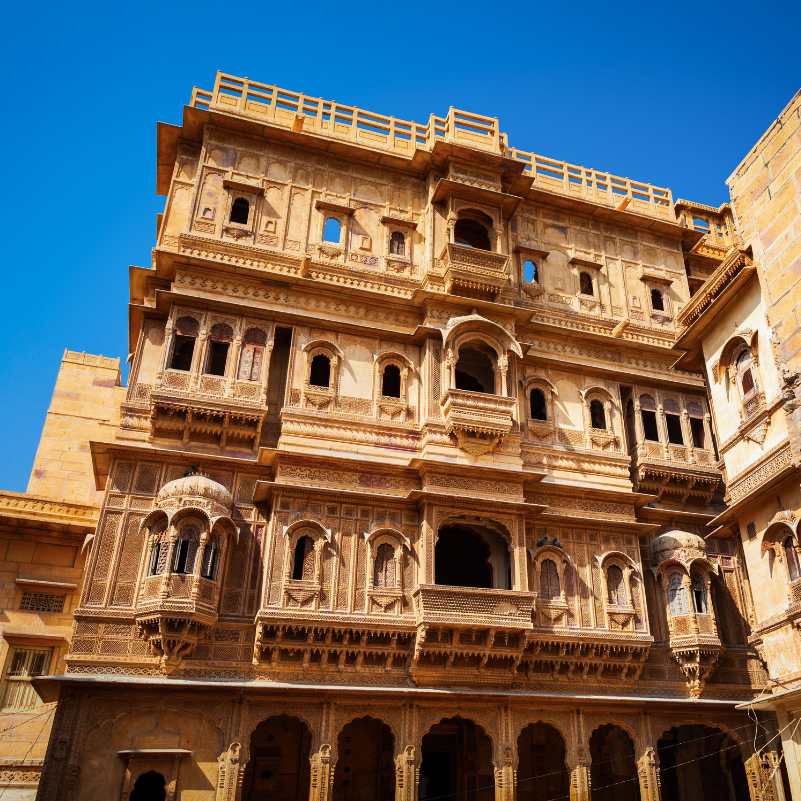
Flights
Jaipur has its own Jaipur International Airport. Airports Authority of India documentation categorises Udaipur's Maharana Pratap Airport as domestic.
In plain terms, Jaipur has the broader air network. It often works more easily for travellers connecting through Delhi, Agra or other Indian and international routes.
There is a nonstop Jaipur to Udaipur IndiGo flight available on selected 2026 dates, with a flight time of around one hour in the air. Flight schedules and operating days can change, so reconfirm the nonstop option for your exact travel date before booking.
Do the honest maths before booking a short flight, though. Airport transfers, reaching the airport early and check-in all cut into the door-to-door time you think you are saving.
Trains
Here is a warning worth reading twice. The Jaipur to Udaipur Vande Bharat stopped running in February 2026, with reporting pointing to February 14.
The problem is that older timetable and booking pages may still show the service. It is easy to plan around a train that no longer runs.
We are not going to name a replacement train or give you a rail duration without current, date-specific checking. Search the live IRCTC schedule for your exact travel date and confirm what is actually running before you commit.
Road
Jaipur and Udaipur sit around 400 to 420 kilometres apart by the commonly used road routes. Plan for roughly seven to eight hours of total travel once you add traffic, meal breaks and hotel transfers.
You may see a figure like 260 kilometres on some websites. Ignore it, because it does not match the real driving distance and will wreck your day plan if you trust it.
Your chosen route, ongoing roadwork and your exact hotel areas at both ends can all change the total, so keep some buffer.
Can Jaipur and Udaipur Be Covered in One Trip?

Jaipur to Udaipur as a simple two-city trip
Start in Jaipur when its flight or rail access is more convenient for you. It usually is, given the wider network.
Ending in Udaipur then gives you a nice arc. You move from active, monument-heavy days into slower lakeside evenings, which is a pleasant way to finish a trip.
Where it suits you, plan an open-jaw route so you do not automatically loop back to your starting city just to fly home. Five days works as a highlights trip, while six or seven days feels more balanced.
Delhi, Agra, Jaipur and Udaipur
Jaipur naturally follows Delhi and Agra in a Golden Triangle route. That is the classic first-timer path through this part of India.
Udaipur can then work as the calmer final leg. After the pace of the Golden Triangle, the lakes are a welcome change.
Our Golden Triangle with Udaipur tour follows exactly this idea, adding Udaipur's lakes and palaces to the standard circuit.
A ready Jaipur and Udaipur combination
If you would rather not build the plan yourself, we run a live five-day Jaipur and Udaipur itinerary. It covers Jaipur sightseeing, one connecting day and a Udaipur finish.
We are not quoting the package price here, since live pricing can change and we would rather you see the current figure on the page itself. You can view the full plan on our Jaipur and Udaipur 5-day tour.
Suggested Jaipur and Udaipur Itineraries for 4, 5, 6 and 7 Days
Four days
With four days, choose one city and do it well. A rushed both-city dash rarely feels worth it in this window.
If you pick Jaipur, spend one day on the walled-city attractions, another on Amber and the fort circuit, and keep a flexible market, museum or food slot around your arrival and departure.
If you pick Udaipur, spend one day on the Old City and Lake Pichola, another on Fateh Sagar, the gardens and Sajjangarh, and keep a slower local day or a short excursion around arrival and departure.
Five days
This is the fast combined version, and it does work if you keep your expectations honest.
Day one covers Jaipur's walled city. Day two covers Amber and the related sights. Day three is the transfer to Udaipur.
Day four covers Udaipur's Old City and a lake experience. Day five is departure or a light local stop before you leave.
We will say it plainly. This plan is great for highlights, but it is not a slow holiday.
Six days
Six days is where the trip starts to breathe. Give Jaipur two full sightseeing days so you are not sprinting through Amber.
Keep one substantial transfer day for the journey between the cities. Then give Udaipur two useful sightseeing days, with your arrival or departure falling around them.
For travellers who dislike rushing, we treat six days as the practical minimum for doing both cities.
Seven days
Seven days lets you spend around three nights in each city with one connecting day in between. That is a comfortable, unhurried shape.
Use the extra time for markets, a slower palace visit, a cultural experience or a day excursion. There is no pressure to fill every hour.
If you are monument-focused, give the extra time to Jaipur. If you are relaxation-focused, give it to Udaipur.
Which City Is Better for Your Travel Style?

First-time Rajasthan visitors
Jaipur often has the edge for a first Rajasthan trip. Its monument density, stronger connectivity and place in the Golden Triangle make it an easy, rewarding start.
That said, Udaipur can still be the better first Rajasthan city for someone who strongly dislikes busy, back-to-back itineraries. If calm is your priority from day one, start there.
Couples and honeymooners
Udaipur generally leads for lake atmosphere and slow evenings. For most couples and honeymooners, that is the deciding factor.
Jaipur suits couples who put architecture, shopping, food and an active city break above quiet lakeside time. Both can work, just for different tastes.
Families
Jaipur can suit active older children and families who want the major monuments. There is enough scale and variety to keep everyone engaged.
Udaipur can suit families who want a relaxed itinerary with more downtime. In the end, the children's ages, the grandparents' mobility and your hotel location should decide it, not a blanket rule.
Senior travellers
Udaipur can feel slower and gentler, but remember its Old City still has steps and narrow lanes. It is easier, not effortless.
Jaipur can work well with a private vehicle, early starts and a lighter sightseeing load. We would not promise universal accessibility in either city, so plan around each traveller's real needs.
Shoppers and food-focused travellers
Jaipur generally has the larger traditional-bazaar and street-food circuit. If shopping and eating your way through a city is the trip for you, Jaipur gives you more to work with.
Udaipur combines crafts, rooftop dining and evening atmosphere with a lighter sightseeing rhythm. We would not call one city's food objectively better, because that really comes down to taste.
Photographers and slow travellers
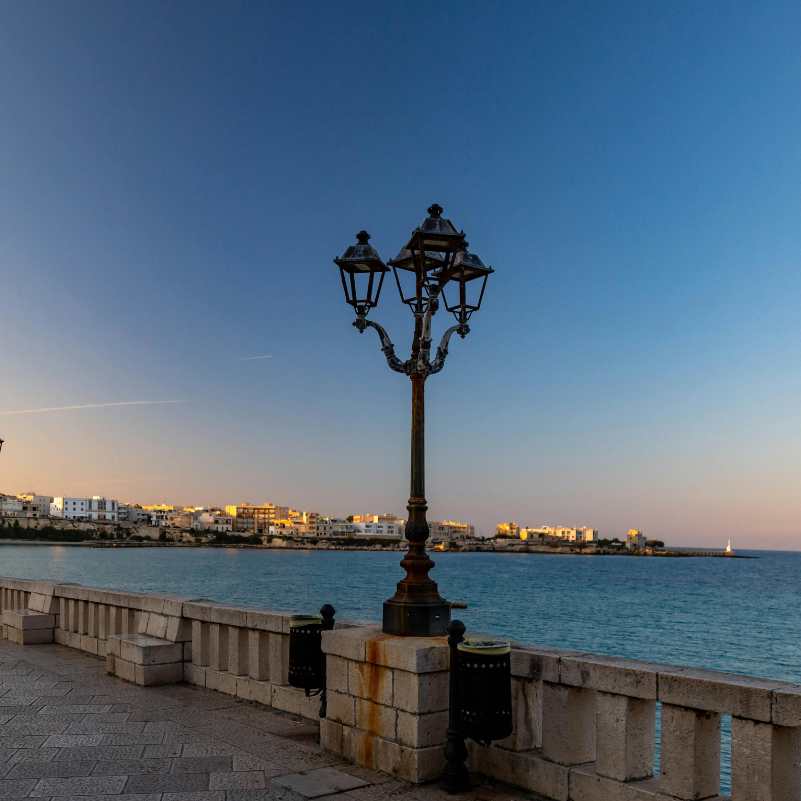
For water, reflections, ghats and changing evening light, Udaipur is the pick. The whole city seems designed for the golden hour.
For façades, street colour, architectural geometry and fort viewpoints, Jaipur is the pick. There is a shot around most corners.
What Is the Best Time to Visit Jaipur and Udaipur in 2026?
October through March
October through March is the easiest broad sightseeing period for both cities. The weather is friendlier for long days out, markets and lakefront walks.
July through September
July through September can suit travellers who want Udaipur's greener monsoon look and fewer peak-season crowds. Rajasthan Tourism itself flags this as a quieter monsoon window when Udaipur looks its best, though rain can still change outdoor and boat plans.
April through June
April through June is the demanding heat period. We will not throw invented temperatures at you, but plan for early starts and midday breaks if you travel then.
One winter caution worth knowing. Dense fog caused Jaipur flight disruption in January 2026, including some Jaipur to Udaipur services. This is not a prediction that every flight will be hit, just a reason to keep a buffer in winter plans.
For a month-by-month view, our guide to the best time to visit Udaipur breaks down weather, crowds and lake levels in detail.
Final Verdict: Jaipur or Udaipur?
We are not going to crown one universal winner, because the honest answer to udaipur vs jaipur is that it depends on you.
Jaipur is usually the better choice for an active heritage trip built around famous monuments, big markets and broader access from Delhi and Agra.
Udaipur is usually the better choice for lake atmosphere, romance and slower, quieter travel.
And if you have enough time, seriously consider doing both, as long as you plan the transfer day honestly instead of pretending it does not cost you a day. That single decision, made with clear eyes, is what turns a rushed trip into a good one.
Explore Our Curated Udaipur Tour Packages
 3D/2N
3D/2NUdaipur Tour With Lake Pichola Boat Ride and Bagore Ki Haveli
3D Udaipur
₹9,999₹12,999SAVE INR 3,000/ person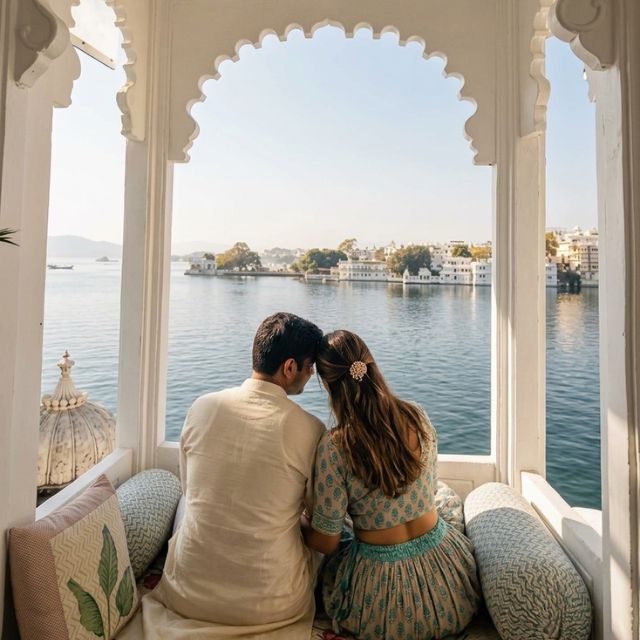 4D/3N
4D/3NUdaipur Honeymoon Tour With Candlelight Dinner and Boat Ride
4D Udaipur
₹17,999₹21,999SAVE INR 4,000/ person 5D/4N
5D/4NUdaipur Mount Abu Tour With Nakki Lake and Dilwara Temples
2D Udaipur•2D Mount Abu
₹20,999₹24,999SAVE INR 4,000/ person
Related topics
Frequently Asked Questions
Which is better, Udaipur or Jaipur?
Jaipur is better for forts, markets and busy sightseeing, while Udaipur is better for lakes, sunsets and a relaxed trip. Couples often prefer Udaipur, while first time visitors may prefer Jaipur.
Is Jaipur or Udaipur better for first time Rajasthan visitors?
Jaipur usually suits first time visitors because it offers famous forts, palaces, markets and easy connections with Delhi and Agra. Udaipur is better if you prefer a slower trip.
Is Udaipur or Jaipur better for families?
Jaipur suits active families who enjoy forts and sightseeing. Udaipur is better for families wanting shorter sightseeing days, lake experiences and more relaxation.
Which is better for couples, Jaipur or Udaipur?
Udaipur is usually better for couples because of its lakes, sunset views, boat rides and romantic dining. Jaipur suits couples who prefer heritage hotels, shopping and architecture.
Is Udaipur or Jaipur better for a honeymoon?
Udaipur is generally the better honeymoon choice because of its romantic lakeside setting, sunsets and relaxed evenings. Jaipur is better for couples who prefer heritage hotels and sightseeing.
Is Jaipur cheaper than Udaipur?
Neither city is always cheaper. Costs depend on hotels, travel dates, sightseeing and transport, although premium lake view stays can make Udaipur more expensive.
How many days are enough for Jaipur and Udaipur?
Plan around two to three days for each city. For Jaipur and Udaipur together, six to seven days is ideal, while five days works for a faster trip.
Can Jaipur and Udaipur be covered in five days?
Yes. Five days are enough for the main highlights of both cities, but one day will largely be spent travelling between Jaipur and Udaipur.
How far is Jaipur from Udaipur by road?
Jaipur is approximately 400 to 420 kilometres from Udaipur by road. The journey usually takes around seven to eight hours.
What is the best way to travel from Jaipur to Udaipur?
Flights are fastest, while road travel is convenient and flexible. Train options vary, so check the latest schedule for your travel date.
Is the Jaipur to Udaipur Vande Bharat running in 2026?
No. The Jaipur to Udaipur Vande Bharat stopped operating in February 2026. Check IRCTC for currently available trains before planning your journey.
Which city has better flight connectivity?
Jaipur generally has better flight connectivity and a wider network of routes. Udaipur also has good domestic connections but fewer overall options.
More about Udaipur
 Udaipur
Udaipur to Chittorgarh Day Trip 2026: Fort Route, Timings, Cost and Honest Advice
Planning a Udaipur to Chittorgarh day trip in 2026? This practical guide covers the best fort route, travel time, sightseeing timings, expected costs and transport options. We also share honest advice on how much time you need at Chittorgarh Fort, what to prioritise and whether the trip is worth adding to your Udaipur itinerary.
- Places to Visit
- Road Trips
 Udaipur
Udaipur Trip Cost 2026: Budget for 2, 3, 4 and 5 Days
Planning an Udaipur trip in 2026? This practical cost guide breaks down the budget for 2, 3, 4 and 5 days, including hotels, food, local transport, sightseeing and activities. Use realistic budget ranges to plan your Udaipur holiday without overspending.
- First-Time Travellers
- Itinerary
- Udaipur
Udaipur Local Transport Guide 2026: Auto, Taxi, Cab, Scooter, Parking and Old-City Access
Planning how to get around Udaipur in 2026? This practical transport guide compares autos, taxis, cabs and scooter rentals, with tips on fares, parking and navigating the narrow Old City. Learn which option works best for sightseeing, lake areas and day trips, and where vehicle access can become difficult.
- How to Reach
- First-Time Travellers