
Triund Trek from McLeodganj in 2026: Route, Distance, Time, Permit, Camping and Real Tips
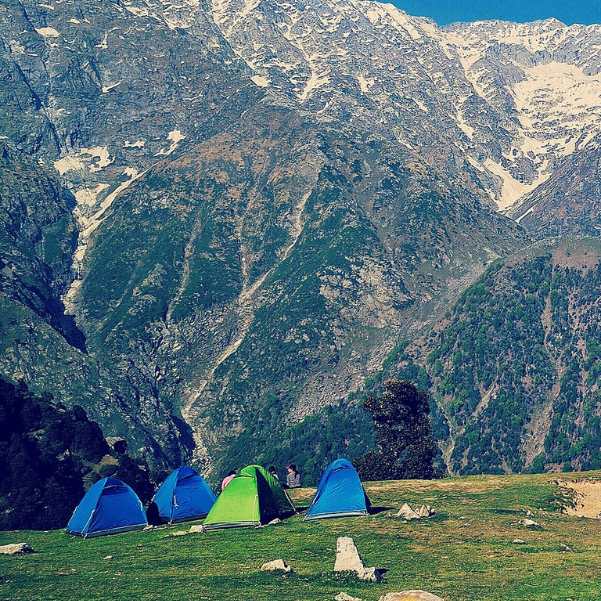
The Triund trek from McLeodganj is probably the most searched Himalayan trek in India right now. And for good reason.
You walk for a few hours through the forest, the trail opens up, and suddenly the entire Dhauladhar range is right there in front of you. No filter needed, no drone required. Just mountains.
But here is what most travel reels skip: the last stretch will make your legs burn, the permit situation has changed, camping rules are not what they were two years ago, and half the blogs online are still running outdated information.
We send travellers on this trek regularly from our Dharamshala packages, and the questions are always the same. How far is it really? Can I do it in one day? Do I need a permit now?
This guide by Travel Coffee answers all of that with facts we have checked, not recycled internet copy.
Quick Answer
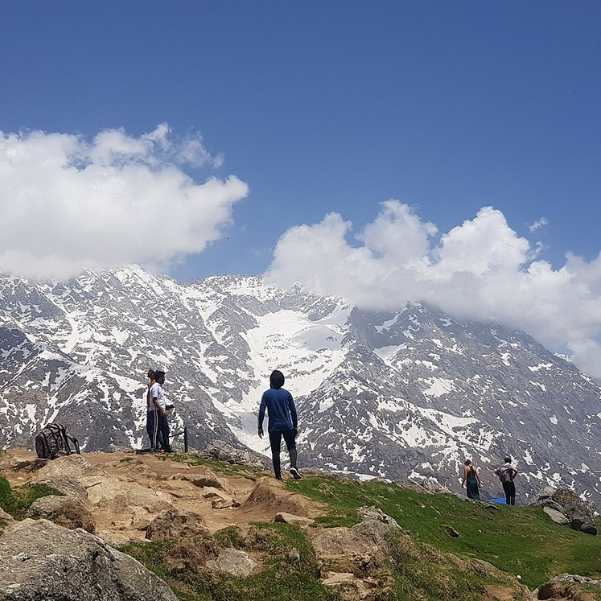
Triund sits at roughly 2,842 to 2,875 metres (altitude figures vary slightly by source) above McLeodganj in Kangra district.
The trek is about 9 to 10 km one way from McLeodganj, though many trekkers start the steeper section from Dharamkot or Gallu Devi Temple, which cuts the walking distance.
Expect 4 to 6 hours to reach the top depending on your pace and where you start. The final stretch, known as the 22 curves, is the part that separates this trek from a casual walk.
Same-day return is absolutely possible if you start early. Camping rules and permits have been changing, so check the latest status before you go.
Why Is the Triund Trek from McLeodganj So Popular?
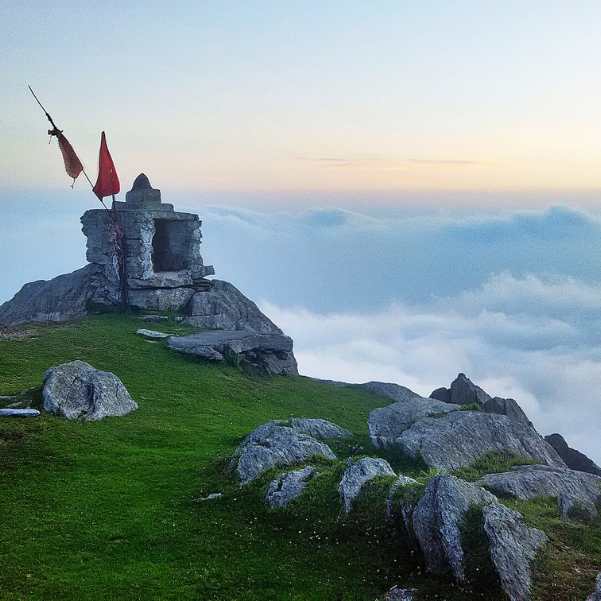
Two reasons, really. First, the payoff is massive for the effort. You do not need mountaineering skills, you do not need a week off work, and you do not need expensive gear.
You walk uphill for half a day and you get a front-row view of the Dhauladhar peaks on one side and the entire Kangra Valley spread out below on the other.
Second, it is right there. McLeodganj is well connected from Delhi, Chandigarh, and Amritsar. You can leave on a Friday night bus, trek Saturday, and be back in your city by Sunday evening. That kind of accessibility for a Himalayan experience is rare.
In our experience, even locals in Dharamshala recommend Triund to visitors before anything else. It is not because there is nothing else to do. It is because Triund delivers every single time, provided you go on a clear day.
What most tourists get wrong is assuming Triund is just a "walk." It is a trek. The difference matters when you are gasping at the 22 curves and wondering why nobody in those Instagram reels looked tired.
Where Does the Triund Trek Actually Start: McLeodganj, Dharamkot or Gallu?
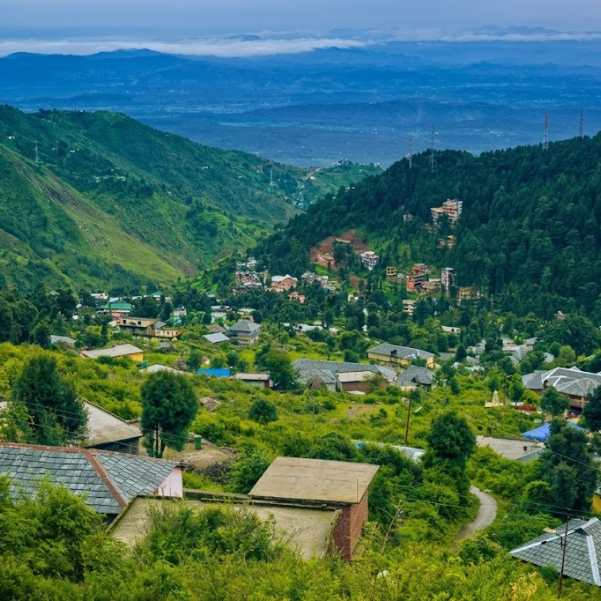
This confuses almost everyone planning their first Triund trek.
McLeodganj is where you stay, eat, and prepare. It is the travel base. But the actual uphill trail does not begin from the main square. You first walk or drive to Dharamkot, which is a small village about 2 km above McLeodganj.
From Dharamkot, the trail heads further uphill to Gallu Devi Temple, which many consider the "official" trailhead for the steeper section.
If you start walking from McLeodganj itself, you add the Dharamkot stretch to your trek. That means more distance and more time, but it is a pleasant walk through the village and you warm up gradually.
If you want to save energy for the harder part, take a taxi from McLeodganj main square to Gallu for about ₹400 to ₹500. This cuts out the gentler lower section and drops you right where the real climb begins.
Our team usually recommends starting from Dharamkot if you are reasonably fit. It gives you the full forest experience without being unnecessarily long. If you are short on time or energy, start from Gallu.
If you want the complete walk, start from McLeodganj. Our Dharamkot travel guide covers the village in more detail if you are spending time there before or after the trek.
What Is the Distance and Time for the Triund Trek from McLeodganj?
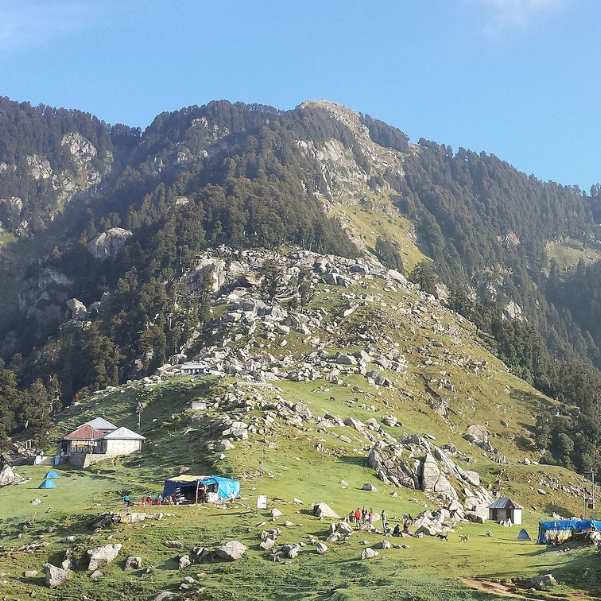
The most commonly cited figure is 9 to 10 km one way from McLeodganj to Triund top. Indiahikes break the Dharamkot to Triund section specifically at 5.45 km one way, which gives you a better sense of the steeper portion.
Going up typically takes 4 to 6 hours. The wide range is because it depends entirely on where you start, how many chai breaks you take, and how the 22 curves treat your legs. Coming down is faster, usually 2 to 3 hours.
One thing to keep in mind: these timings assume decent weather and a well-marked trail. In monsoon or winter, the same distance takes longer because the ground is slippery or snow-covered, and you slow down whether you want to or not.
How Difficult Is the Triund Trek for Beginners?
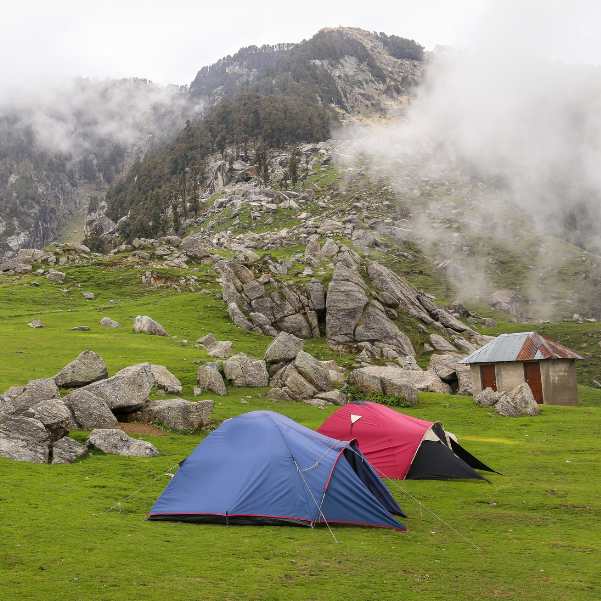
Triund is generally described as easy to moderate and it is genuinely beginner-friendly for anyone who is reasonably fit.
You do not need prior trekking experience. You do not need ropes, crampons, or a guide holding your hand.
But here is the honest part. If you spend most of your week sitting at a desk and your idea of exercise is walking to the parking lot, Triund will test you.
The first two-thirds of the trail are comfortable. Forest path, gentle incline, occasional flat sections. It feels nice.
Then you hit the 22 curves.
This is a series of steep, tight switchbacks near the top. Your thighs will protest. Your lungs will notice the altitude. And you will stop every few minutes to catch your breath and pretend you are admiring the view.
The good news is that it does not last forever. About 30 to 45 minutes of this and you are at the top.
What we always tell our travellers is this: the 22 curves are the price of entry. Everyone pays it. Even fit people slow down here. So do not feel bad if you are huffing. Just keep a steady pace and you will make it.
If you are not sure whether Triund is right for your fitness level, or if you are planning this with a group of mixed abilities, talk to our team on WhatsApp and we will give you an honest answer.
👉 WhatsApp us and we’ll help you decide if Triund is right for you
What Is the Best Route for Triund from McLeodganj?
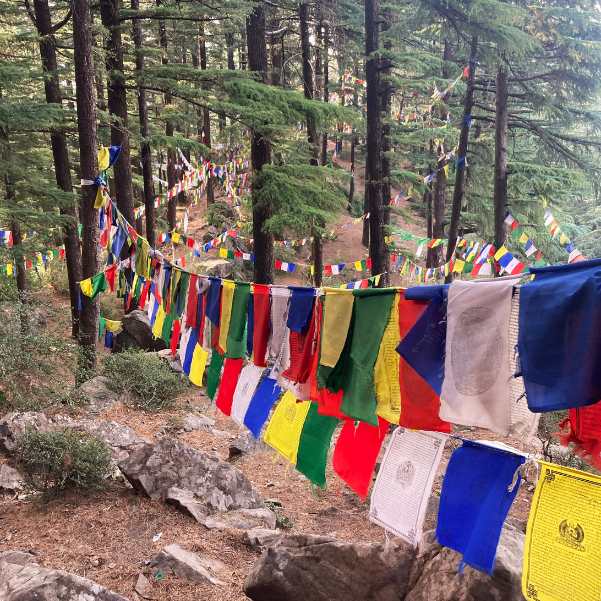
The standard Triund trek route goes like this: McLeodganj to Dharamkot to Gallu Devi Temple to Triund top.
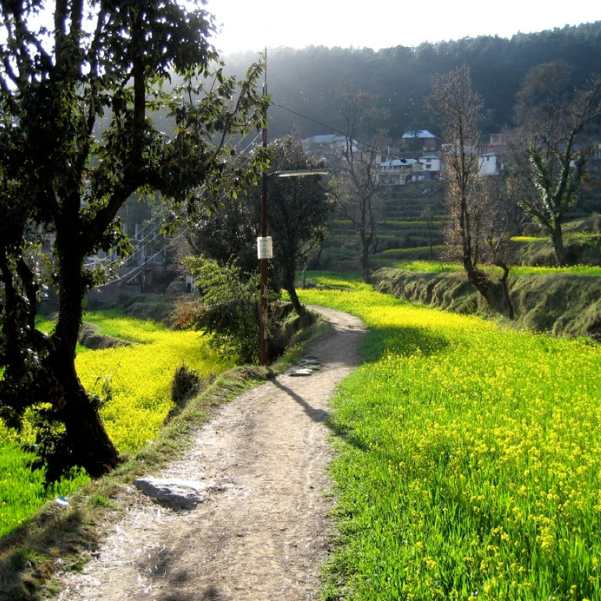
The first section from McLeodganj to Dharamkot is a paved road mixed with village paths. You walk past cafes, small guesthouses, and the kind of hippie-backpacker vibe that Dharamkot is known for. It takes about 30 to 45 minutes.
From Dharamkot, the trail enters the forest. This is the part where the trek starts to feel like a trek. You walk through oak, deodar, and rhododendron trees.
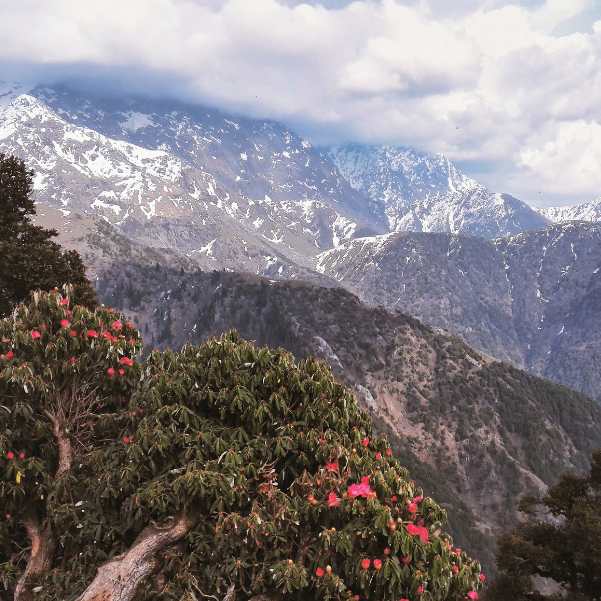
In spring, the rhododendrons are in bloom and the trail looks completely different from the rest of the year. The shade keeps things cool even on warm days.
Gallu Devi Temple marks the point where the incline gets more serious. From here, you are properly climbing. Small tea stalls appear along the route, selling Maggi, biscuits, chai, and water.
They are a lifesaver on hot days. But do not rely too heavily on them during off-season or bad weather. Some stalls close when foot traffic drops.
The trail is well-defined and hard to lose. You do not need GPS for most of it. Just follow the path and the people ahead of you.
Can You Do the Triund Trek in One Day?
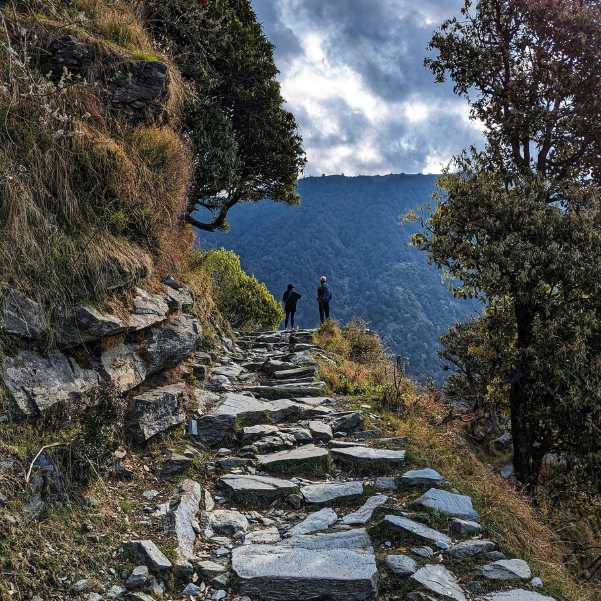
Yes. A same-day return is completely doable and plenty of trekkers do it every week.
Start early from McLeodganj, ideally by 6 to 7 AM. Reach Triund top by late morning. Spend an hour or two at the top, soaking in the view and eating whatever the stalls are serving.
Start your descent by 1 to 2 PM. You will be back in McLeodganj by late afternoon with enough time for a hot shower and dinner at one of the cafes.
Who should not do a same-day return? Anyone with knee problems (the descent is harder on knees than the climb), families with young children who cannot maintain a steady pace, or anyone starting later than 9 AM.
If you leave too late, you risk coming down in fading light, and the trail through the forest section is not lit.
One timing tip that makes a big difference: reach Triund before 9 AM and you will have the top almost to yourself.
The light is soft, the air is clean, and there is no queue for photos. By 11 AM, the crowd starts building and the experience changes.
Is Camping Allowed at Triund in 2026?
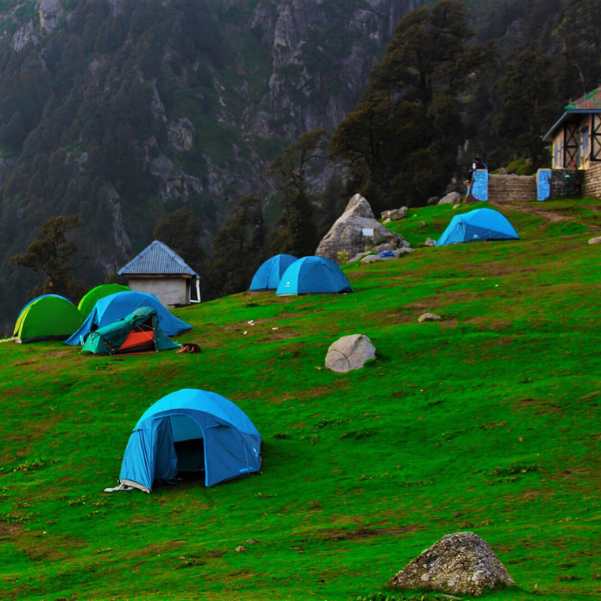
This is where things have been shifting. Camping at Triund is regulated, and the rules have been evolving over the past couple of years.
A February 2026 Tribune report said the Forest Department is working on infrastructure upgrades at Triund, including designated tenting areas, toilets, scientific waste management, and safer trekking facilities.
This suggests that camping is moving towards a more managed, permit-based system.
The short version: camping is not banned, but it is not a free-for-all either. You cannot just show up with a tent and pitch it anywhere you like. There are designated areas, and you will likely need to register or get a permit.
Our advice is simple. Check the latest rules before you go. Do not rely on a blog post from 2023. The situation has been changing and what was true last season may not be true this season.
Do You Need a Permit for the Triund Trek?
A Himachal government tender from 2025 referenced permit counters at Gallu, Bhagsu, and Bangotu for trekking and tenting to the Triund landscape. This strongly suggests a managed permit system is either in place or being rolled out.
Some listings mention an entry or permit fee of ₹100, while other coverage mentions ₹200. A camping fee of ₹550 per camp for two appears on some commercial pages. These figures are not confirmed by us at the time of writing, so treat them as rough indicators.
What we do know is that the days of walking up to Triund without any check or registration are likely over.
The Forest Department is actively managing the site, and permits are part of that plan. Carry cash, carry your ID, and be prepared to pay a small fee at the trailhead.
What Is the Best Time to Visit Triund?
March to June
March to June is the safest and most popular window. The weather is clear, the trail is dry, and the views are at their best. April and May are especially good because the rhododendrons are blooming and the snow is still visible on the Dhauladhar peaks behind Triund.
Post-monsoon
Post-monsoon, September to November, is another excellent window. The rains wash the air clean, the skies are sharp, and the crowds thin out after the summer rush.
Monsoon
Monsoon (July and August) is risky. The trail gets slippery, leeches come out, and the risk of landslides on the approach roads increases.
We do not recommend Triund in monsoon for first-time trekkers. If you have done it before and know the trail, you can manage. But it is not the best introduction.
Winter
Winter (December to February) can be beautiful if there is fresh snow. But the trail gets icy, the cold is serious, and the experience is very different from what you see in summer photos.
If you have never trekked on snow, go with someone who has. This is not the time to learn by yourself.
Skip this: many blogs suggest Triund as a "year-round destination." Technically, yes, you can go anytime. But going in heavy monsoon or deep winter without preparation is a bad idea and we have seen people struggle. Pick your month wisely.
What Should You Carry for the Triund Trek?
Your shoes matter more than anything else. Wear proper trekking shoes or at least shoes with good grip. Slippers, sandals, and flat sneakers have no place on this trail, especially on the 22 curves and the descent.
Carry at least 2 litres of water per person. A 2026 Tribune report confirmed that Triund does not currently have a permanent water supply system, so do not count on refilling at the top.
Pack energy bars, dry fruits, or biscuits. You will get hungry on the climb and the stalls may or may not have what you want.
Layers are important. Even if you start in a T-shirt in warm weather, the top can be windy and cold. Carry a fleece or light jacket. If you are doing an overnight camp, add thermals and a proper warm jacket.
Sunscreen and sunglasses are easy to forget but the sun at this altitude is strong. A small torch or headlamp is non-negotiable if you are descending late or camping.
Power bank, basic first-aid kit with band-aids and paracetamol, and a rain poncho if there is any chance of showers.
Do not overpack. You are carrying everything on your back for 4 to 6 hours uphill. Keep it light.
Are There Food Stalls, Toilets and Water on the Triund Route?
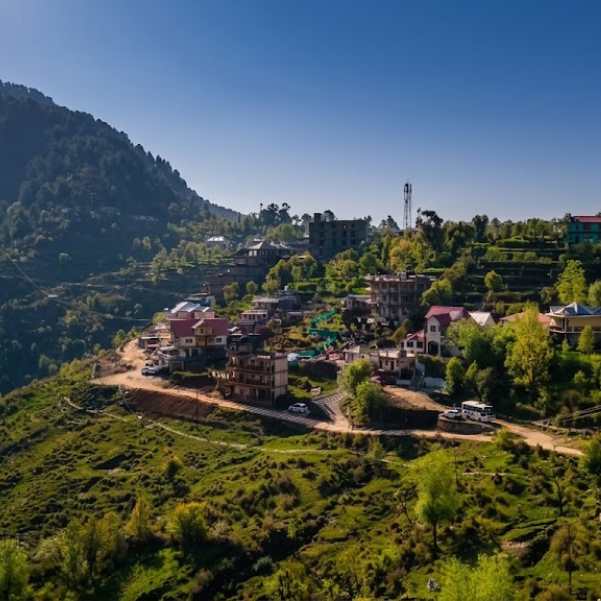
Official tourism descriptions mention small tea shops and wayside eateries along the route. In season (March to June, September to November), you will find a few stalls selling chai, Maggi, biscuits, and water at intervals on the trail. They are a welcome break, especially near the 22 curves.
Money-saving tip that most people miss: the Maggi and chai at the stalls near Gallu cost less than the ones closer to Triund top. The higher you go, the more you pay. If budget matters, fuel up earlier.
Toilets and water infrastructure at Triund top are limited and still evolving. The 2026 Tribune report said toilet infrastructure is part of the proposed Forest Department upgrade, which means the current situation is basic at best.
Do not expect clean, maintained washrooms. Carry wet wipes and be prepared for rough facilities.
Water supply at the top is not permanent. Carry your own water and do not plan on refilling from a tap that may not exist.
Sample 1-Day and 2-Day Itinerary for Triund from McLeodganj
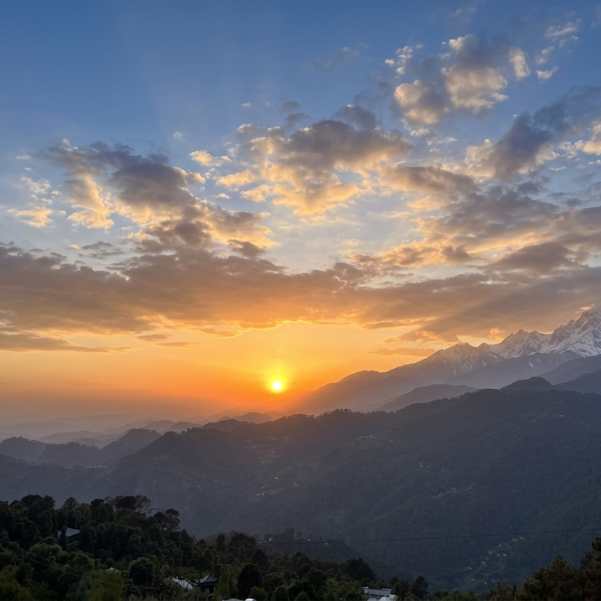
Same-Day Return (1-Day Plan)
Wake up early in McLeodganj, grab a quick breakfast, and start walking by 6:30 to 7 AM. Head through Dharamkot and Gallu at a comfortable pace. Reach Triund top by 10:30 to 11:30 AM depending on your speed and stops.
Spend an hour at the top, eat something, take your photos, let the view sink in. Start heading back by 12:30 to 1 PM.
You will be back in McLeodganj by 3:30 to 4:30 PM, with energy left for a café dinner and an evening walk through the market.
This plan works well for fit trekkers and anyone who wants to keep their McLeodganj trip tight. The key is the early start. Do not negotiate on that.
Relaxed 2-Day Plan
Day one: arrive in McLeodganj, settle into your hotel, explore the town, eat well, and sleep early. Walk around the best spots in Dharamshala and McLeodganj to get your legs moving and your body adjusted to the mild altitude.
Day two: start the Triund trek early morning. If you have a camping permit, stay the night at the top and come back the next morning.
If doing a same-day return, follow the plan above. The extra day of rest before the trek makes a noticeable difference, especially if you have travelled overnight from Delhi or Chandigarh.
Triund Trek Cost from McLeodganj: Realistic Budget
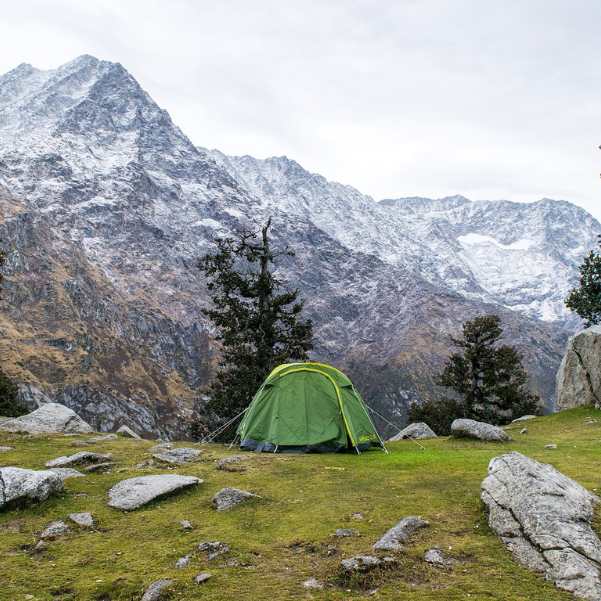
Triund is one of the cheapest Himalayan treks you can do. But the costs are scattered and most blogs just throw a random "budget-friendly" label without any numbers.
Here is what you are roughly looking at. A taxi from McLeodganj to Gallu is often quoted at around ₹400, though this is not a fixed official fare and can vary by season, traffic, and starting point.
Entry or permit fees for Triund have been reported in the ₹100 to ₹200 range in recent sources.
If you are camping, a tenting fee of about ₹550 for two people per day has also been cited in recent government-linked reporting, but confirm the latest rules locally before you rely on any of these figures.
Chai and Maggi on the trail will run you ₹50 to ₹150 per item depending on how high up the stall is. Water bottles cost more on the trail than in McLeodganj, so buy in advance.
For a same-day return trek, a realistic budget is somewhere around ₹900 to ₹1,700 per person including transport, permit, and trail snacks. If you camp overnight, add the camping fee and any gear rental.
These figures change. Always check before you go.
Safety Tips Nobody Tells You Before Doing Triund
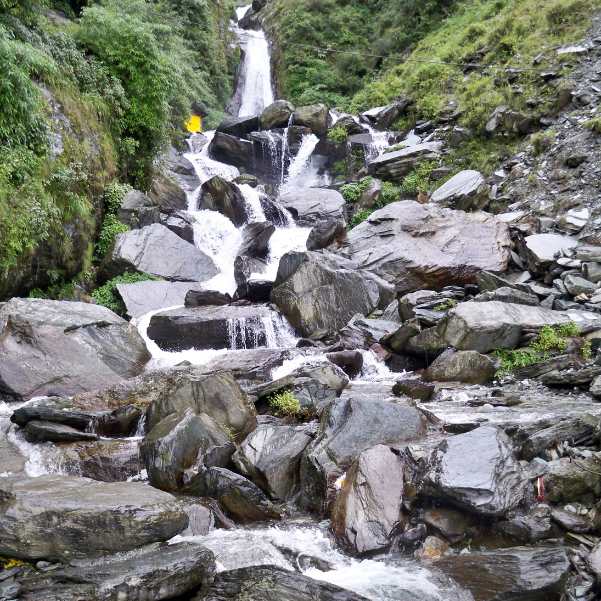
Start early. We keep saying it because it is the single most important piece of advice. An early start means cooler temperatures on the climb, fewer people on the trail, better light at the top, and a comfortable descent before the afternoon heat or evening cold kicks in.
Respect the descent. Most injuries on Triund happen on the way down, not on the way up. Your legs are tired, the loose gravel is slippery, and your knees take the impact on every step. Go slow. Use trekking poles if you have them. There is no prize for coming down fast.
One scam warning: some informal "guides" near the trailhead will offer to take you up for ₹500 to ₹1,000. The trail is well-marked and does not require a guide for most trekkers.
If someone pressures you into hiring them, you can politely say no. A paid guide only makes sense if you are going in off-season, bad weather, or with very young children.
In monsoon, the trail gets dangerously slippery near the 22 curves. Leeches are also common. If you must go, wear full-length pants, carry salt, and watch every step.
In winter, the top section can be covered in ice. Without proper grip shoes and some experience on icy trails, it is easy to slip.
We have had travellers tell us they turned back from the 22 curves in January because they could not maintain footing. That is the right decision to make.
Places to Explore with Triund If You Have 2 to 3 Days in McLeodganj
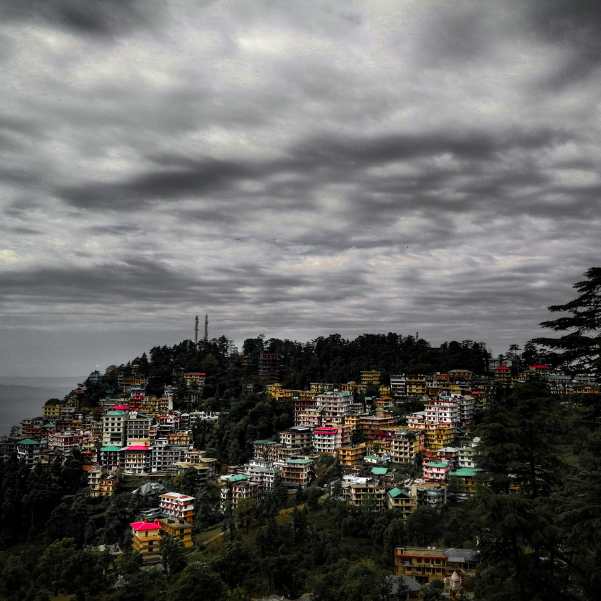
If you have a couple of extra days, McLeodganj has plenty to fill them.
Bhagsu Waterfall is a short walk from McLeodganj and worth seeing after monsoon when the water flow is strong. Dharamkot itself has become a destination with yoga centres, bakeries, and forest cafes.
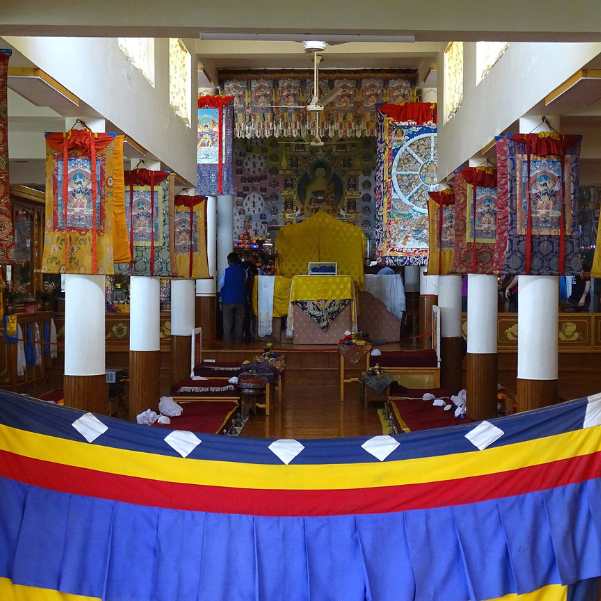
The Dalai Lama Temple Complex is the spiritual centre of McLeodganj and a must-see even if you are not religious. The Tibetan Museum next to it is small but deeply moving.
If you want a break from trekking, just sit at one of the rooftop cafes in McLeodganj with a book and a coffee. The view of the valley from any of these cafes is worth the time.
For a more detailed plan of what to do, our Dharamshala and McLeodganj travel guide covers all the key spots. And if you want someone to put together a full Dharamshala trip with Triund, transport, stays, and everything sorted, check our Dharamshala tour packages.
Should You Do Triund on Your Own or Book a Local Operator?
For most fit, experienced trekkers doing a same-day return in good weather, DIY is perfectly fine.
The trail is well-marked, McLeodganj has plenty of food and accommodation options, and you do not need anyone holding your hand.
But there are situations where local support makes a real difference. If you are camping and need gear, if the permit process has changed since the last blog you read, if you are going in a large group and need transport coordination, or if you want someone to sort your stays and meals so you can just focus on the trek, an operator saves time and stress.
We have been running Dharamshala trips that include Triund as part of a larger itinerary, and the feedback is consistently the same: people are glad they did not have to figure out the logistics on their own, especially the changing permit rules and camping arrangements.
If you want help with any part of this, WhatsApp us for a Dharamshala plan with local recommendations. No pressure, no hard sell. Just honest answers.
👉 WhatsApp us for a Dharamshala plan with honest local recommendations
Explore Our Curated Dharamshala Tours
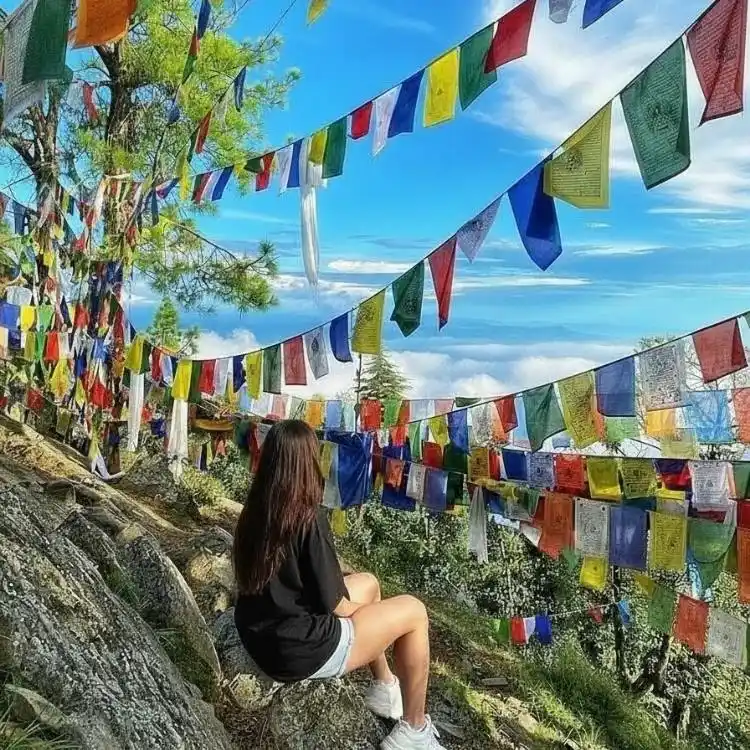 3D/2N
3D/2NDharamshala & McLeodganj Weekend Tour
1D Delhi•2D Dharamshala / McLeodganj
₹8,799₹17,880SAVE INR 9,081/ person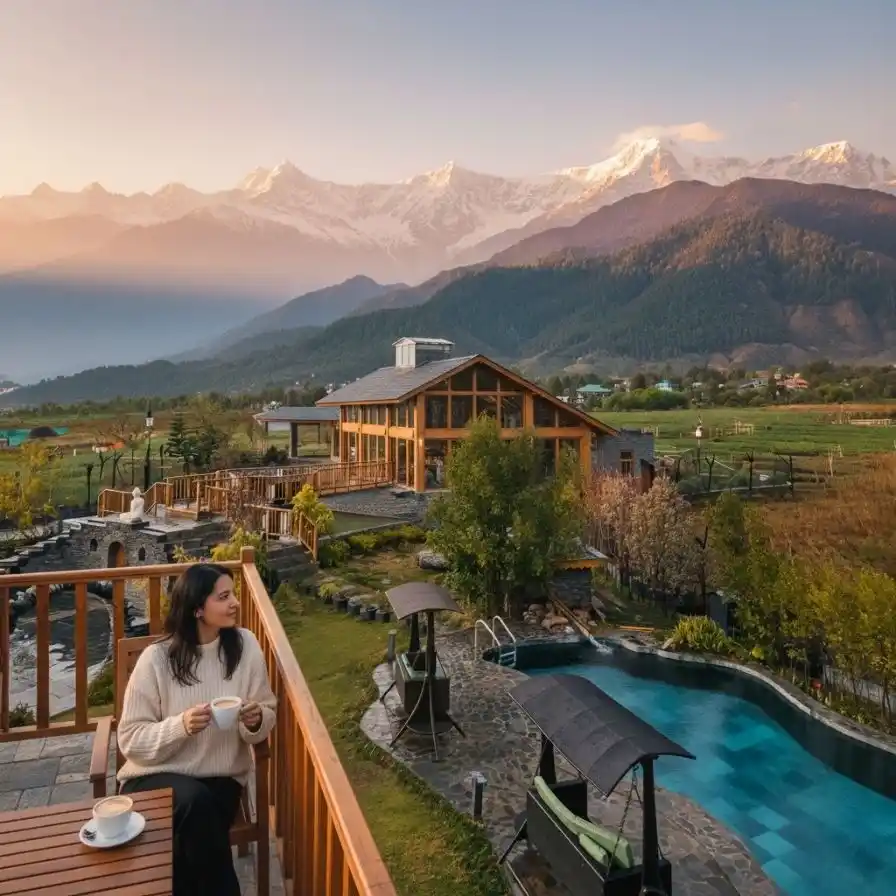 3D/2N
3D/2NDharamshala & McLeodganj Luxury Hideaway
1D Delhi•2D Dharamshala / McLeodganj
₹23,799₹29,999SAVE INR 6,200/ person
Related topics
Frequently Asked Questions
Is Triund trek safe for solo travellers?
Yes. The trail is busy in season and well-defined. Solo female travellers do this trek regularly without issues. Start early, tell your hotel where you are going, and carry a charged phone.
Can I do Triund trek in one day from McLeodganj?
Yes. Same-day return is the most common way people do this trek. Start by 6:30 to 7 AM and you will be back in McLeodganj by late afternoon.
How difficult is Triund for beginners?
Easy to moderate. The first two-thirds are comfortable. The last section, the 22 curves, is steep and tiring but manageable for anyone with basic fitness. Just go at your own pace.
Is camping allowed at Triund now?
Camping is regulated. The Forest Department is working on designated tenting areas and infrastructure. Check latest rules before your trip.
Do I need a permit?
Most likely yes. A 2025 government tender referenced permit counters at Gallu, Bhagsu, and Bangotu. Carry cash and ID.
What is the distance from McLeodganj to Triund?
About 9 to 10 km one way from McLeodganj. The steeper Dharamkot to Triund section is roughly 5.45 km one way.
Is Gallu the official starting point?
Gallu Devi Temple is where the steeper climb begins and is often treated as the trailhead. But many trekkers start from Dharamkot or even McLeodganj itself. There is no single "official" starting point.
Are food stalls open year-round?
No. In season (March to June, September to November) you will find stalls along the trail. In off-season, monsoon, and deep winter, many stalls close. Do not depend on them.
Is there a toilet at Triund top?
Toilet facilities at the top are currently basic and the Forest Department is planning upgrades. Carry wet wipes and be prepared for rough conditions.
What should I wear for Triund?
Proper trekking shoes with grip, comfortable trekking pants, a breathable T-shirt, and carry a warm layer for the top. In winter, add thermals and a heavy jacket. Avoid jeans and sandals.
Can children do Triund?
Children above 8 to 10 years who are active and enjoy walking can do this trek with proper supervision. The 22 curves section will be challenging for younger kids. Keep the pace slow and start early.
Is Triund worth it if I have only one day?
Absolutely. A same-day trek from McLeodganj is one of the best ways to spend a single day in this part of Himachal. The views at the top justify every minute of the climb.
More about Dharamshala
 Dharamshala
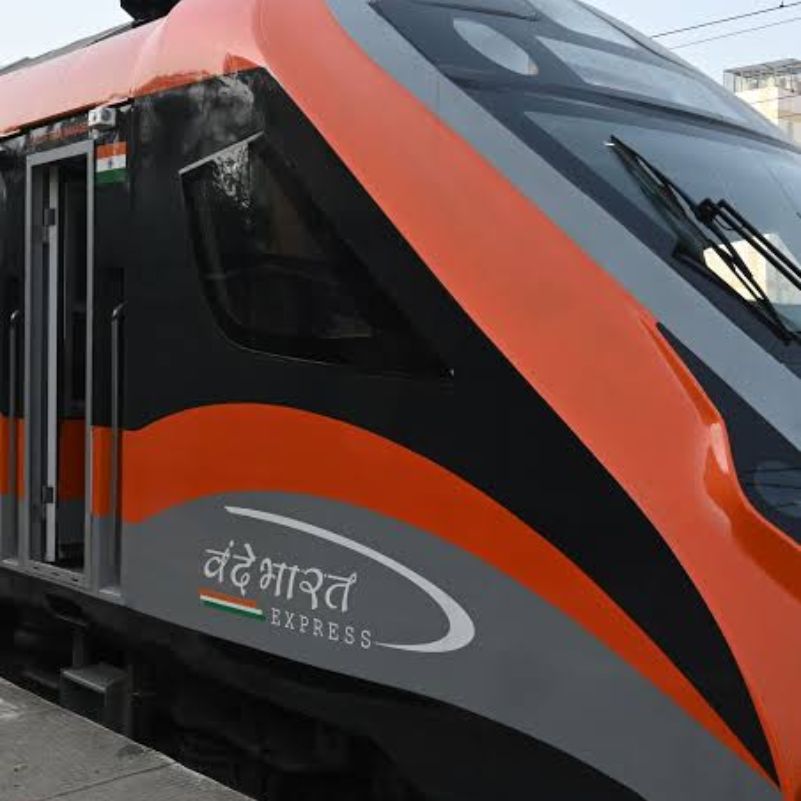
Delhi to Dharamshala by Vande Bharat in 2026: Amb Andaura Transfer & Return Guide
Planning to travel from Delhi to Dharamshala by Vande Bharat? Learn the best rail route, where to get off, and how to arrange your onward transfer to Dharamshala by taxi or bus.
- How to Reach
- First-Time Travellers
 Dharamshala
Dharamshala Group Trip with Friends 2026: Cabs, Rooms, Triund and Shared Costs
Planning a Dharamshala group trip with friends in 2026? Explore cab options, estimated travel costs, group budgeting tips, and practical ways to plan an affordable trip to Dharamshala and McLeod Ganj.
- First-Time Travellers
- Itinerary
 Dharamshala
Dharamshala Trip Cancellation Due to Weather in 2026: Refunds, Rescheduling and What Happens Next?
Planning a Dharamshala trip in 2026? Learn when severe weather, heavy rain, snowfall, landslides or road disruptions may require you to cancel or postpone your trip, and what to check before travelling.
- First-Time Travellers
- Road Status