
Tirthan, Jibhi & Shangarh Circuit 2026: Best First Offbeat Himachal Trip
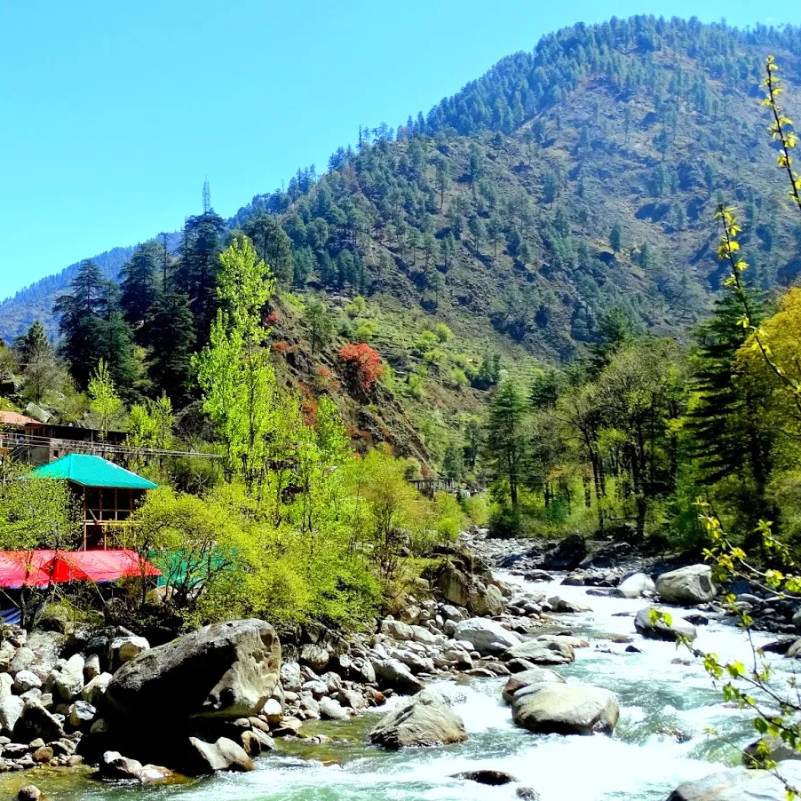
If you have done Manali and Kasol and now want something quieter, the Tirthan, Jibhi & Shangarh Circuit is the easiest way to go offbeat in Himachal without throwing yourself onto Spiti-level roads.
You get a clear river, a few waterfalls, pine forests, small cafés, short hikes, and one wide green meadow that most tourists still have not heard of. All of it within a single, simple loop off the Aut highway exit.
We send a lot of first-time offbeat travellers on this exact route every season. This is the version we actually recommend, with the real timings, the honest warnings, and the stuff most blogs skip.
Quick Answer: Is Tirthan, Jibhi & Shangarh the best first offbeat Himachal trip?
Yes, the Tirthan, Jibhi & Shangarh Circuit is one of the best first offbeat Himachal trips you can pick. You get rivers, waterfalls, pine forests, cafés, easy hikes and Shangarh Meadows, without the extreme roads and altitude of Spiti.
Plan 5 to 6 days from Delhi and 4 to 5 days from Chandigarh. That gives you enough time for Tirthan, Jibhi and Shangarh without rushing.
One catch: Jalori Pass needs same-day verification in winter and early spring, because snow can block it without warning. Always check on the morning you plan to cross it.
👉 Need help planning your Tirthan, Jibhi & Shangarh trip? Chat with us on WhatsApp.
Why this circuit works so well for first-time offbeat travellers
Each place on this loop does one thing really well. That is what makes it click for first-timers.
Tirthan
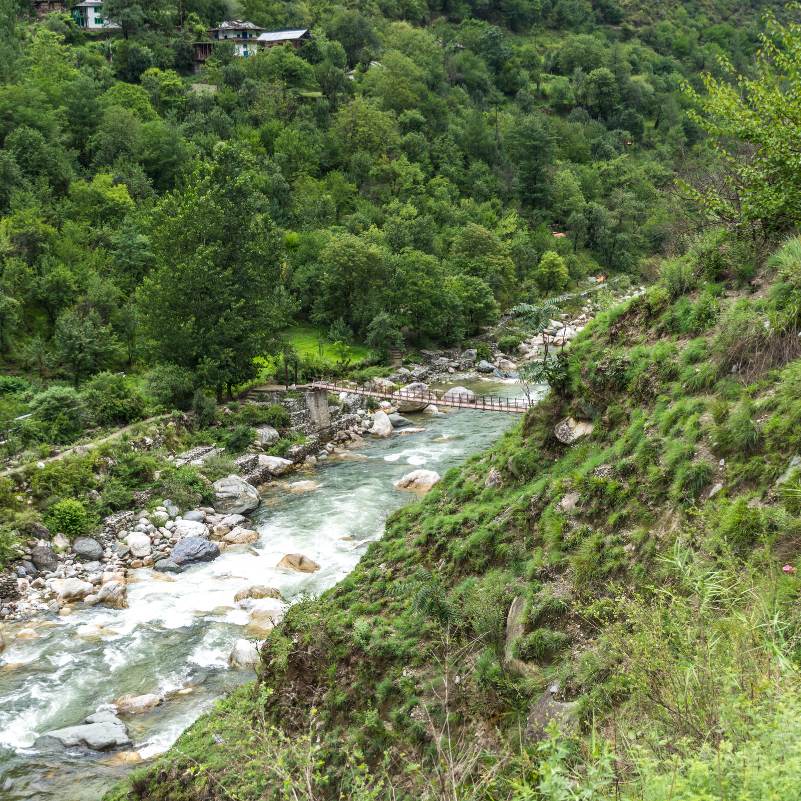
Tirthan gives you the river and access to the Great Himalayan National Park (GHNP). You can sit by clear water all day and feel completely cut off, but you are still close to proper stays and help if you need it.
Jibhi
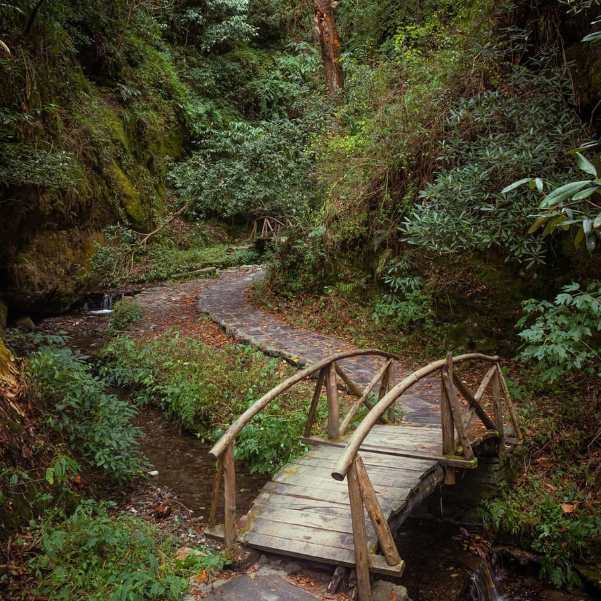
Jibhi is the comfort zone of the trip. Cafés, easy walks, a pretty waterfall, and the road up to Jalori Pass all start from here. It is the place where a nervous first-timer relaxes fastest.
Shangarh
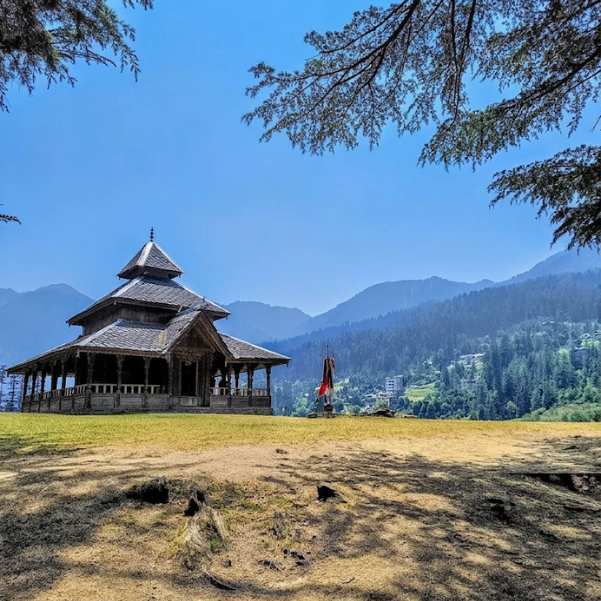
Shangarh is the opposite. It gives you the meadow, the silence, and slow mornings with almost nothing to do. That is the whole point of going there.
Compare this with Manali and Kasol, which are busier and more commercial now. Spiti and deep Kinnaur are stunning, but they need more days and a stronger stomach for bad roads.
In our experience, this route works best for travellers who want offbeat Himachal without ever feeling stranded. You are off the tourist track, but help, food and a warm room are never too far.
If you are planning your first offbeat Himachal adventure, our Offbeat Himachal tour packages can help you discover more peaceful destinations like these.
If you want the logistics handled, our Jibhi Tirthan Valley packages come with local drivers and stays we have actually checked ourselves.
Still deciding between this side and the Parvati side? We broke it down in our Jibhi or Kasol comparison so you can pick before you book.
What most tourists get wrong about this circuit
They try to cram Tirthan, Jibhi, Jalori, Serolsar and Shangarh into three days and end up spending the whole trip in the car. The drives here are short on the map but slow on the ground. Give it the time it needs and the trip transforms.
Where are Tirthan, Jibhi and Shangarh located?
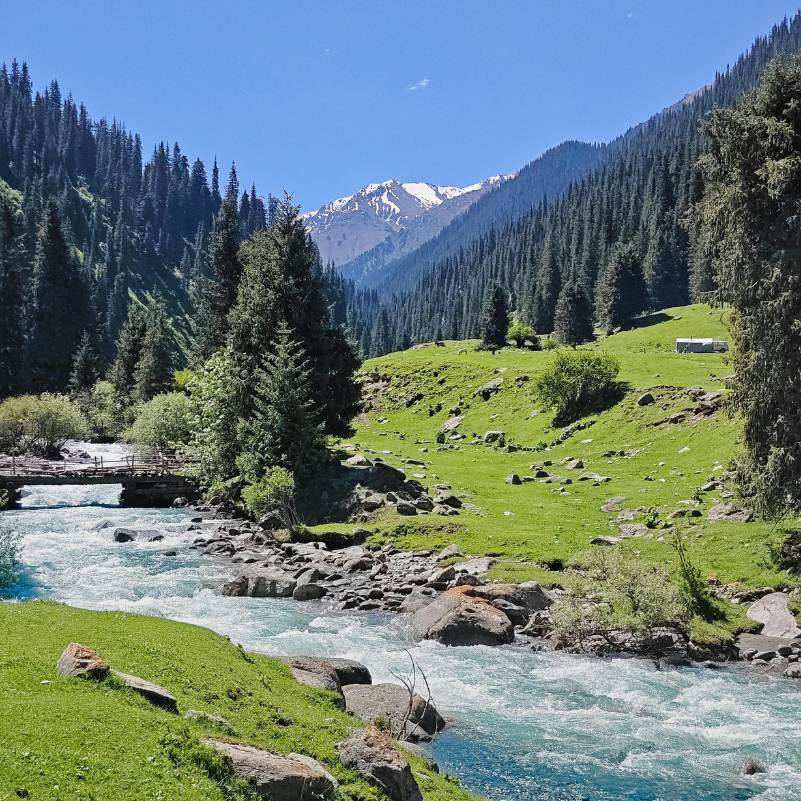
Aut is your main entry point. It is the spot on the Kullu-Manali highway where you turn off the main road and head into this valley system. Almost every trip on this circuit starts and ends at Aut.
From Aut, Tirthan and Jibhi sit on the Banjar and Tirthan side of the valley. They are close to each other and easy to combine.
Shangarh sits separately, in Sainj Valley. You loop across to it from the Tirthan side, which is what makes this a proper circuit rather than a single base trip.
Sources online give different numbers for the exact Tirthan to Jibhi distance, so we will not quote one here. On the ground it is a short hop, not a long drive.
A bit about GHNP
The Great Himalayan National Park (GHNP) Conservation Area is a UNESCO World Heritage Site. UNESCO lists the property size as 90,540 ha.
The park is genuinely rich in wildlife. UNESCO records 805 vascular plant species, 31 mammals and 209 birds inside it.
For trekking access, the GHNP official page says the Tirthan trek roadhead is Gushaini, around 52 km from Aut on an all-weather road. So getting to the trail start is straightforward in most weather.
For the Sainj side, the GHNP official page says the Sainj trek road begins at Neuli, 46 km by road from Aut. It also says the gravel road from Ropa to Shangarh is very narrow and suited only for four-wheel-drive vehicles, which matters a lot when you pick your car.
How many days do you need for Tirthan, Jibhi and Shangarh?
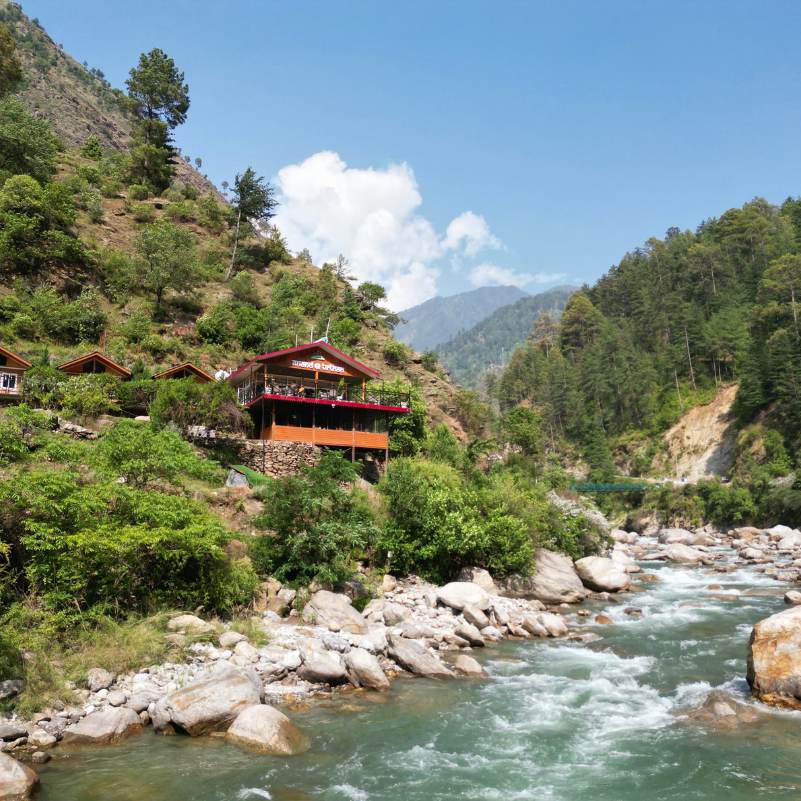
3 days: possible, but only if you keep it simple
Three days works for Tirthan plus Shangarh if you skip the extras. Pick the river and the meadow, do them slowly, and head back.
What does not work in three days is the full circuit. The moment you add Jibhi, Jalori, Serolsar and Shangarh together, you are rushing every single day and enjoying none of it.
5 days: best first-time plan
Five days is the cleanest first-timer version from Delhi. You take an overnight Volvo both ways and get 3 hill nights in between.
That gives you a relaxed Tirthan and Jibhi base, a Jalori day, and enough time to reach Shangarh without driving in the dark. For most people doing this for the first time, five days is the sweet spot.
6 days: best slow Travel Coffee plan
Six days is the version we genuinely prefer for this route. You get 2 nights in Tirthan, 1 night in Shangarh, relaxed valley time, and enough space in the itinerary to adjust when weather or road conditions change the plan.
Our 6D/5N Jibhi, Tirthan Valley and Shangarh Meadows package starts at ₹9,999 per person. The 5-day option starts at ₹8,499. These are Travel Coffee starting prices, not universal market rates, so treat them as a base to plan around.
Best Tirthan, Jibhi & Shangarh itinerary for 5 to 6 days
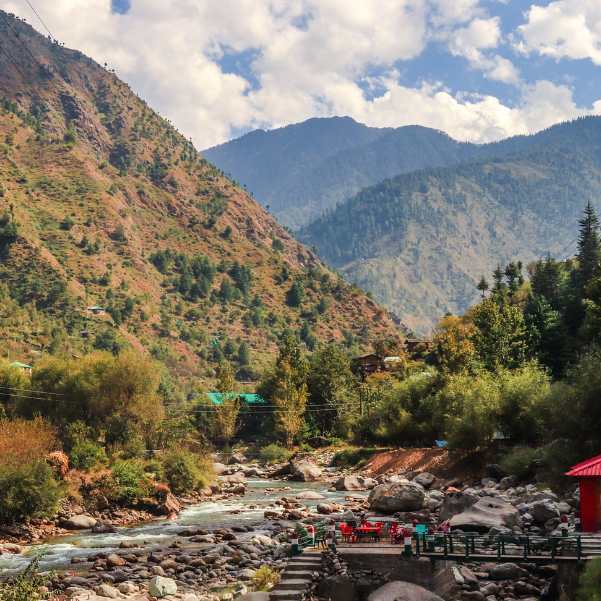
Day 1: Delhi to Aut overnight
You start with an overnight Volvo from Delhi to Aut. In our package, the boarding window is around 18:00 to 19:00, so plan your evening in Delhi around that.
Sleep on the bus, wake up near the mountains. This is the day that does the heavy lifting on distance so your hill days stay relaxed.
Day 2: Aut to Tirthan with Jibhi Waterfall or Mini Thailand
Keep your first hill day light. Your body is still waking up from the bus, so do not over-plan.
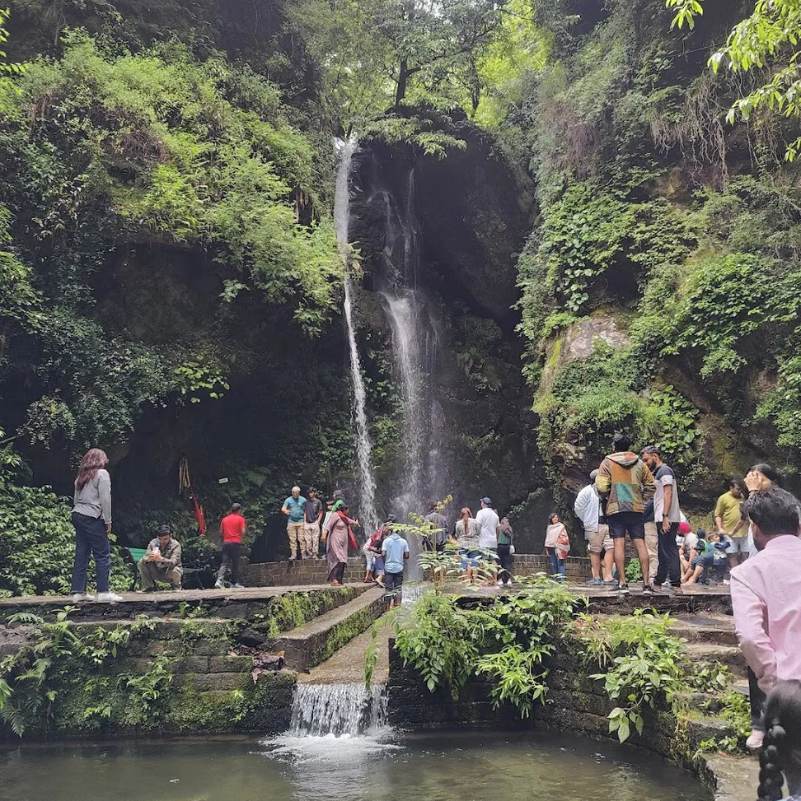
Jibhi Waterfall is the easy win. The walk in and back takes only 30 to 40 minutes, so it is a perfect first stop.
If you have energy left, head to Mini Thailand, about 2.5 km from Jibhi near Ghiyagi. The river spot takes around 45 to 60 minutes. One firm warning here: do not enter the water after heavy rain. The current rises fast and quietly.
Day 3: Jalori Pass with Serolsar Lake or Raghupur Fort
This is your big mountain day. Jibhi to Jalori Pass is only 12 to 13 km and takes 35 to 45 minutes.
A local jeep from Jibhi to Jalori and back costs ₹1,500 to ₹2,000. Settle the price before you sit in, not at the top.
From Jalori, Serolsar Lake is 5 km one-way. Indiahikes calls it an easy trek, but says winter is not recommended because of snow and block ice on the trail.
Pick either Serolsar or Raghupur Fort, not both. Trying to squeeze both into one day turns a lovely walk into a forced march, and you will not enjoy either.
👉 Want a hassle-free Himachal trip with everything sorted? Chat with us on WhatsApp.
Day 4: Tirthan to Shangarh via Sainj
Today you cross over to Sainj Valley and on to Shangarh. One 2026 itinerary source puts Tirthan to Shangarh at about 2.5 to 3 hours.
Leave early enough to reach before evening. The road gets narrow after Sainj, and mountain driving in the dark is stressful and risky. This is the one day where timing really matters.
Day 5: Shangarh slow morning and return to Aut
Give Shangarh a slow start. Walk the Shangarh Meadows, visit Shangchul Mahadev Temple, and only add Barshangarh Waterfall if you actually have the time.
A direct Aut to Shangarh taxi runs around ₹1,500 to ₹2,200 according to our 2026 Shangarh cost guide. Rates shift with season and fuel, so confirm locally before you commit.
Then head back to Aut for your return bus. End the trip on the quiet note Shangarh is famous for.
Day 6 optional: buffer day
This extra day is your insurance. It is most useful for families, couples who want to slow down, remote workers, and anyone travelling in winter or monsoon when roads can close for a day.
If everything goes smoothly, you simply get one more morning by the river. Nothing wasted.
Tirthan vs Jibhi vs Shangarh: where should you stay?
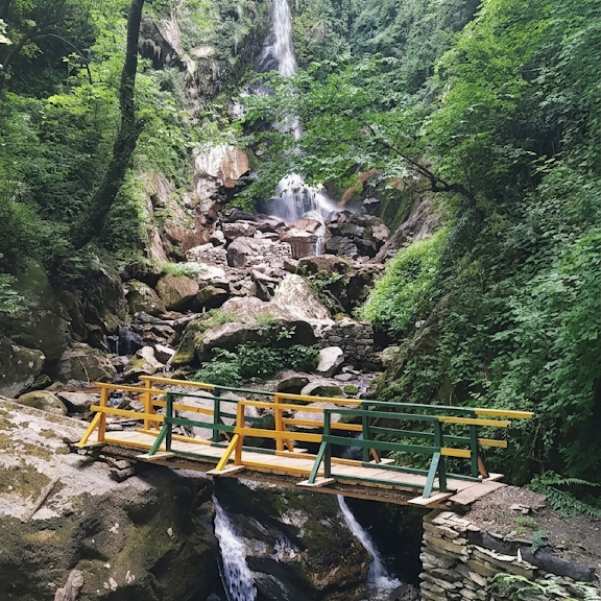
You do not have to pick just one. On this circuit you usually stay in two of them. But knowing what each gives you helps you split your nights right.
Tirthan
Tirthan is best for riverside calm and GHNP access. If your idea of a holiday is reading a book with the river right below your room, base here.
Jibhi
Jibhi is best for first-timers who want cafés, easy walks and quick access to Jalori. It is the most beginner-friendly base of the three.
Shangarh
Shangarh is best for silence, meadows and slow mornings. Go here to switch off, not to do things.
One practical point: Jibhi has better café and Wi-Fi options than Shangarh. Shangarh, on the other hand, is the better place to genuinely disconnect. Plan your nights around which one you need more.
Best places to visit on this circuit
Jibhi Waterfall
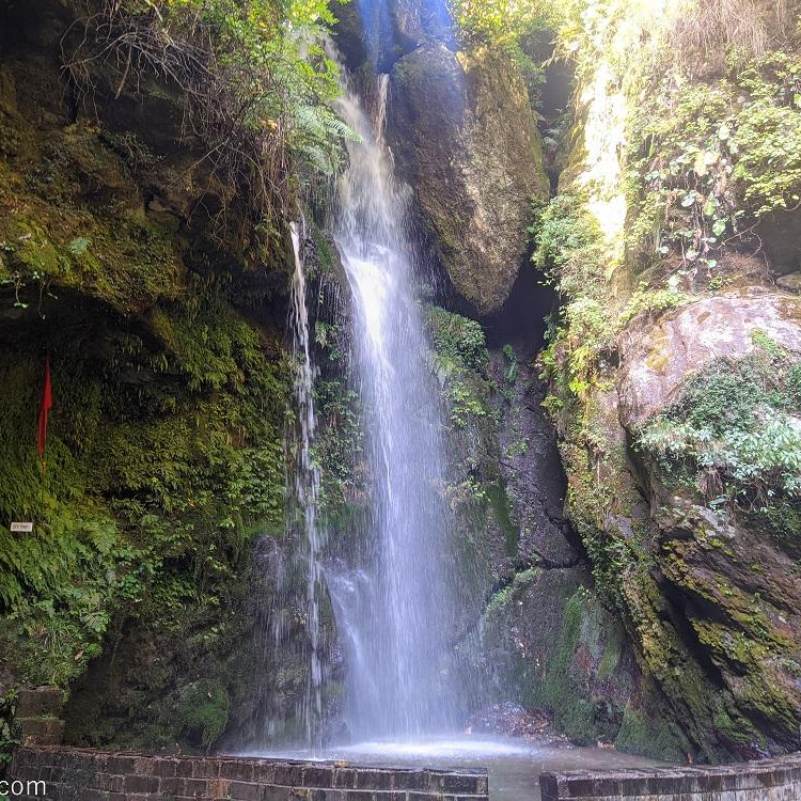
The classic first stop. The walk in and back takes only 30 to 40 minutes, so it fits easily into a tired arrival day.
Mini Thailand or Kulhi Katandi
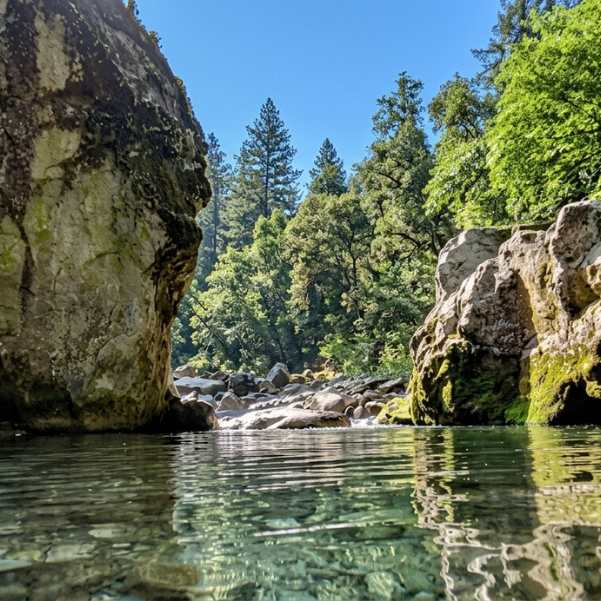
This river spot sits about 2.5 km from Jibhi near Ghiyagi and takes 45 to 60 minutes to enjoy. Skip the water after heavy rain. The flow turns dangerous quickly.
Jalori Pass
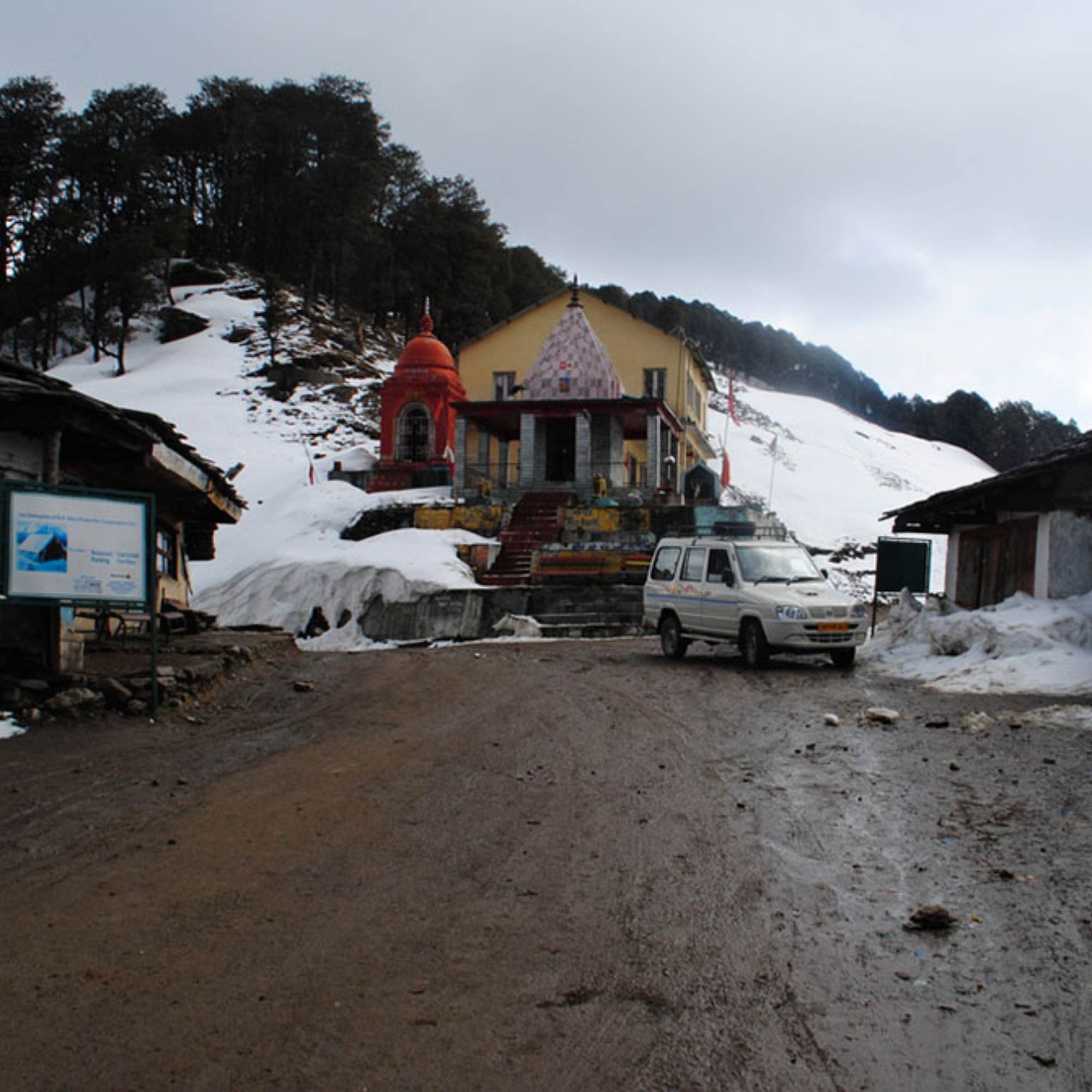
Jalori is the highlight drive of the trip, but it has a season. It is typically closed from late November to mid-March.
Our March 2026 guide adds an honest warning: in heavy snowfall years, it can stay blocked until late March or early April. So in winter and early spring, treat the pass as same-day verification required, every single time.
Serolsar Lake
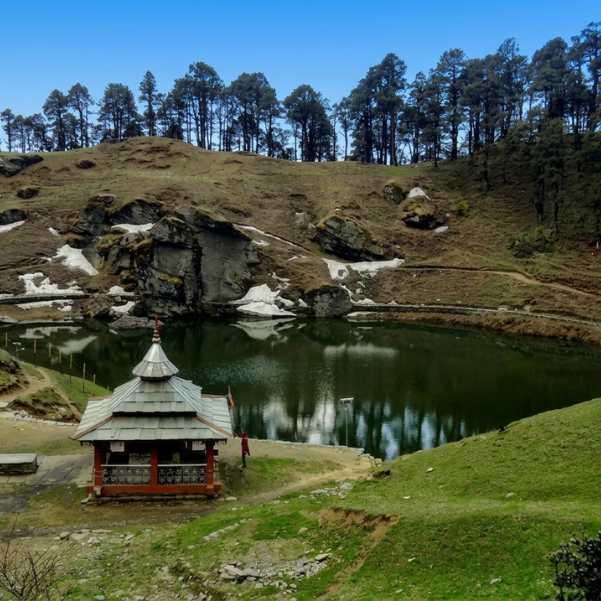
A short forest walk from the top. Serolsar is 5 km one-way from Jalori Pass and counts as an easy trek. The best season runs March to November, and winter is not recommended because of snow.
You will also find the Budhi Nagin Temple by the lake. It is a quiet, respected local spot, so be calm and tidy around it.
Raghupur Fort
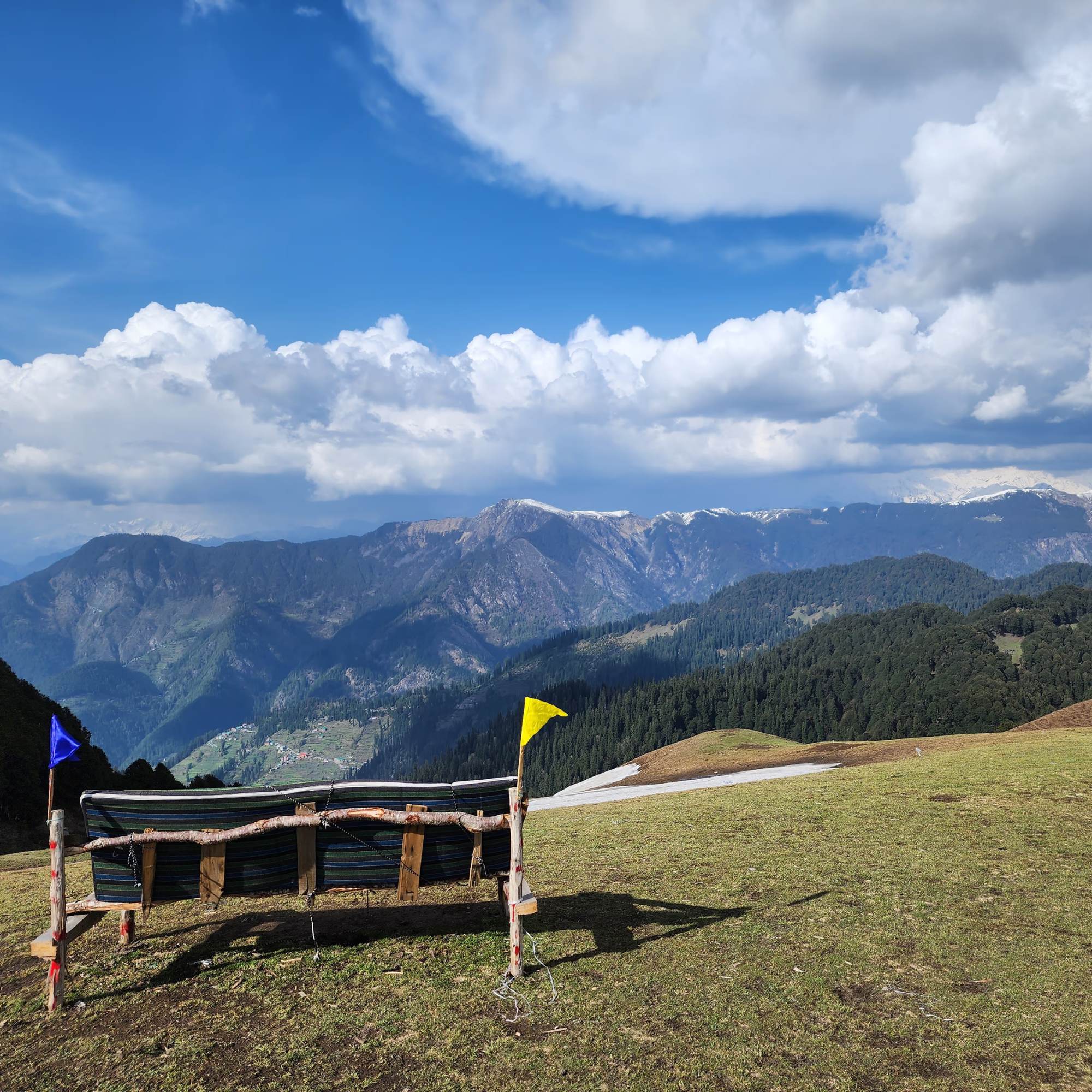
This walk also starts from the Jalori side. Choose it as an alternative to Serolsar, not a second trek on the same day. We will not quote a distance here, since sources differ.
Tirthan Valley and GHNP ecozone
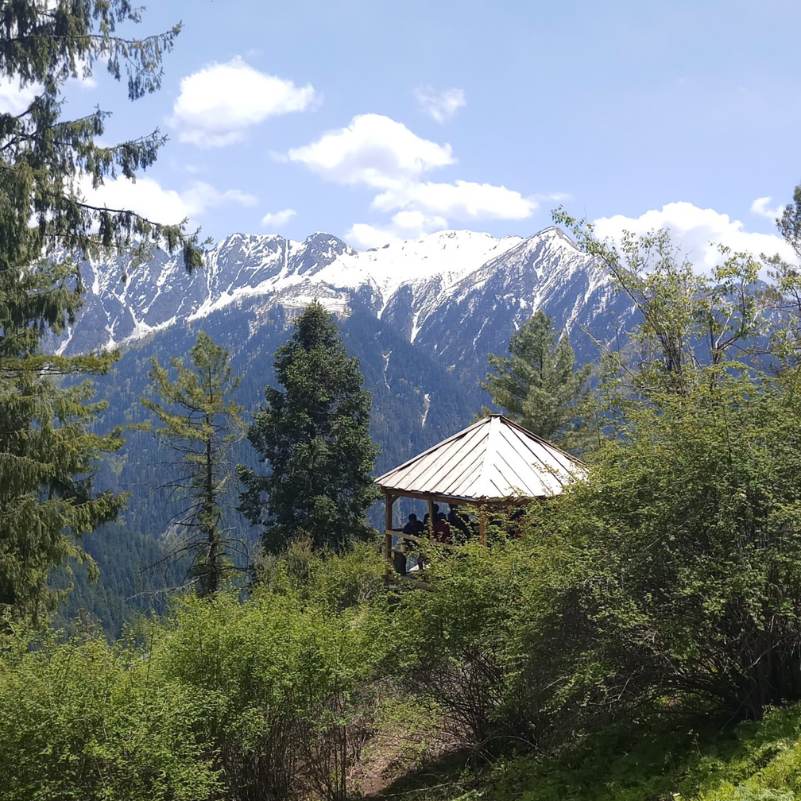
The river side of Tirthan is open and easy. But the GHNP core zone needs permits.
The permit offices are at Shamshi, Shairopa and Ropa. The official GHNP website says to check the latest fees directly with park authorities, since they change.
Shangarh Meadows and Shangchul Mahadev Temple
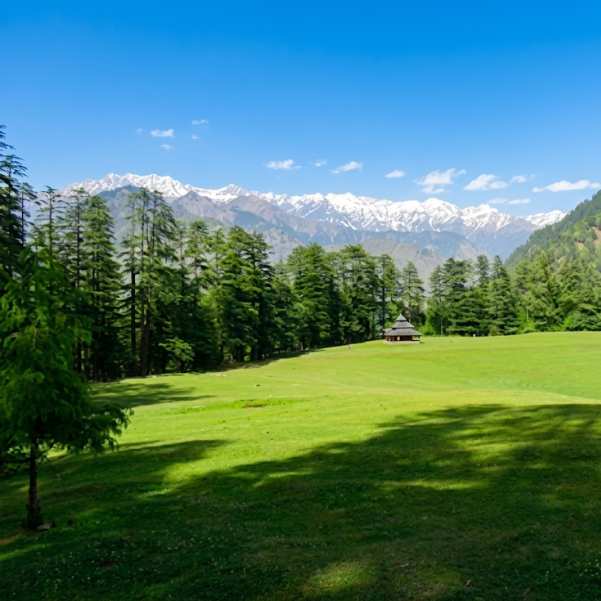
The meadow is the reason people fall for Shangarh. But it is not a picnic ground, and locals are protective of it for good reason.
Respect the local rules, keep the meadow clean, and treat the Shangchul Mahadev Temple area with care. Walk softly here and you will see why this place still feels untouched.
Best time to visit Tirthan, Jibhi and Shangarh in 2026
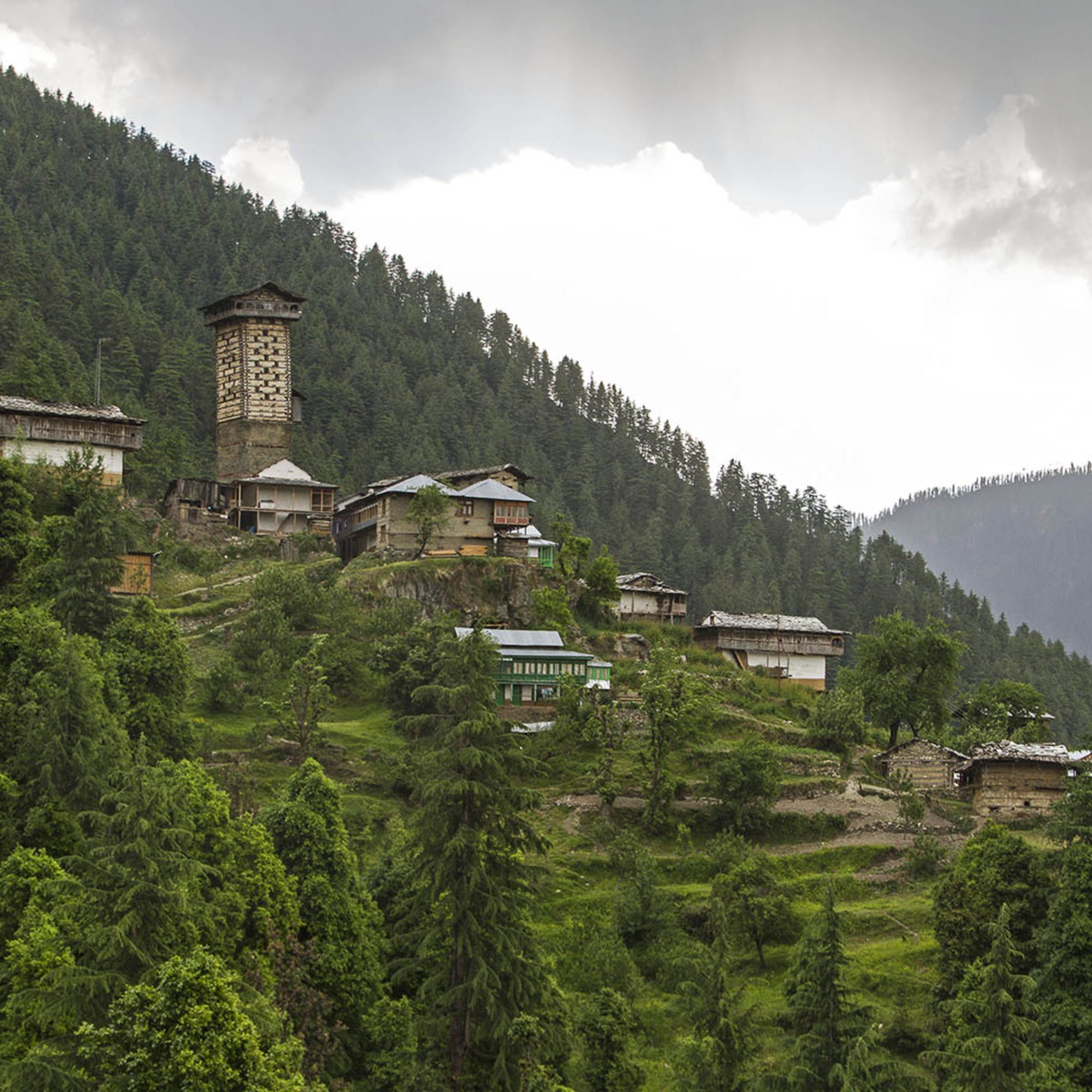
The short version: April, May, June, October and November are the easiest months for first-timers. Roads behave, weather is friendly, and the hikes are open.
Our Shangarh 2026 guide recommends March to June and September to November. It also says to avoid July and August because of unstable roads and unpredictable monsoon travel.
Our package notes the best season as March to June and October to December, with snow likely from December to March around Jalori. The Serolsar Lake trek is best from March to November, with winter not recommended.
So if you want it simple, travel in the easy months above. December to March is beautiful with snow, but you need flexible plans and a buffer day, because Jalori may be shut.
Heading to busier Himachal afterwards? Our Manali packages pair well as an add-on if you have extra days.
Road status, Jalori Pass and weather reality in 2026
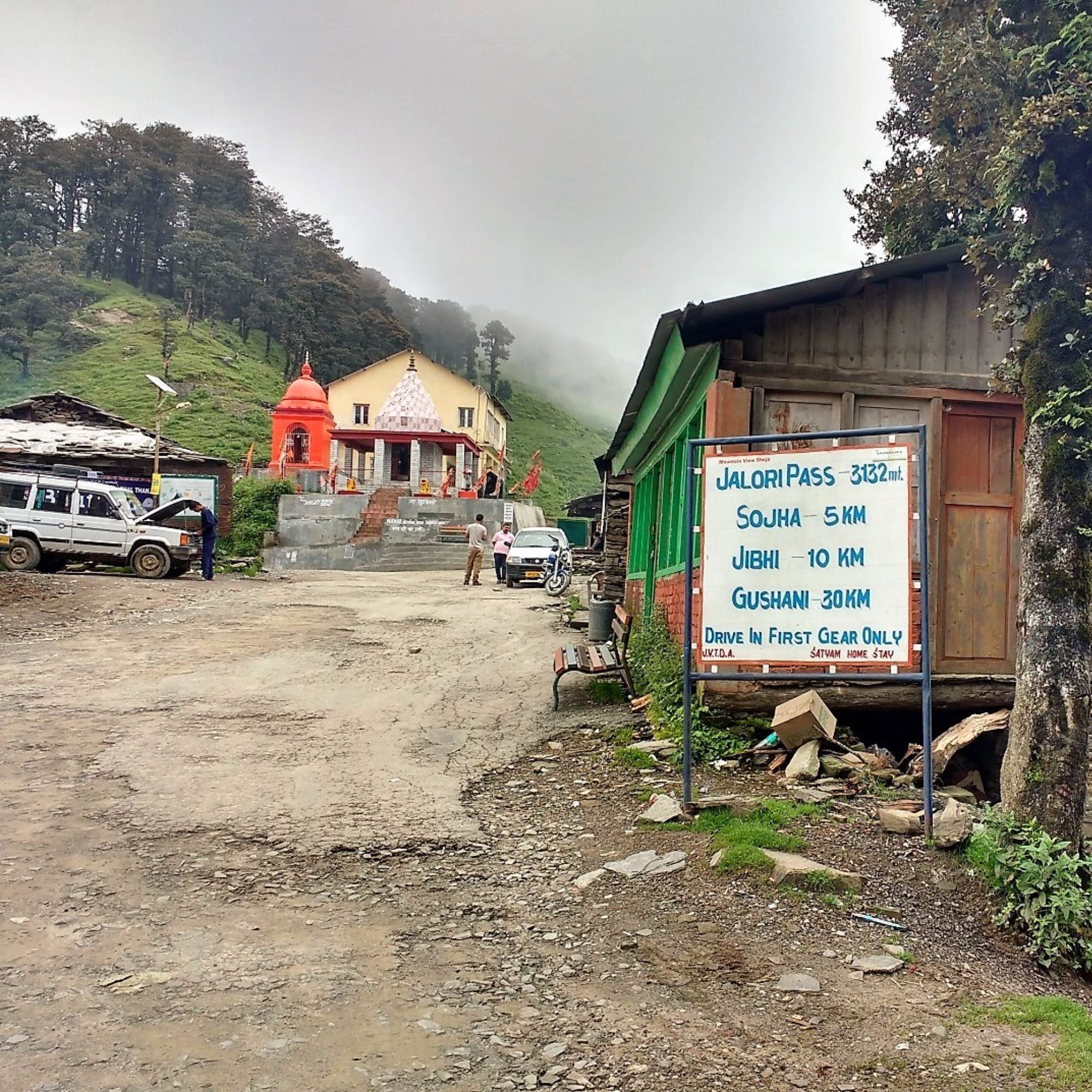
Here is the honest picture of the roads on this circuit.
The Tirthan side is the easy part. The GHNP official page says the Gushaini roadhead is around 52 km from Aut on an all-weather road, so getting there is rarely a problem.
The Shangarh side needs more respect. GHNP says the Ropa to Shangarh stretch is narrow and suited only for four-wheel-drive vehicles. Our Shangarh guide adds that the road is mostly motorable but narrow after Sainj and changes quickly in monsoon and winter.
Jalori Pass is the real variable. It is typically closed from late November to mid-March, and in heavy snow years it can stay blocked even later.
Monsoon is the other risk. In August 2025, heavy rain closed many Himachal roads, and the Aut-Jalori Jot stretch was among those reported affected. That is a clear example of monsoon risk, not a live road status for your trip.
So do the one thing that matters most: verify road status on your actual travel day, not from a blog written months ago.
Budget: how much does a Tirthan, Jibhi & Shangarh trip cost?
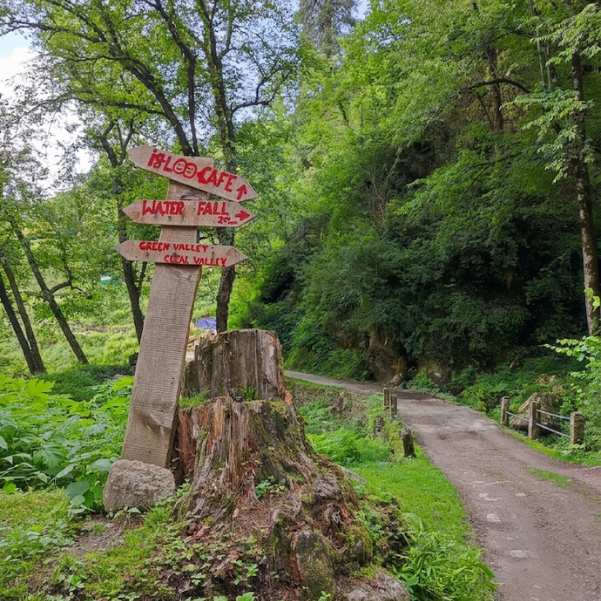
Costs here swing a lot depending on whether you self-plan or take a package, so let me lay out the real numbers we know.
On the package side, our 6D/5N starts at ₹9,999 and our 5-day option starts at ₹8,499.
If you are doing it independently, taxis are your main spend. A direct Aut to Shangarh taxi runs around ₹1,500 to ₹2,200 per our Shangarh cost guide.
To save money, break the journey. Sainj to Shangarh taxi is around ₹1,000 to ₹1,500, and the Aut to Sainj local bus is just ₹50 to ₹80 per the same guide. Taking the bus to Sainj and a taxi from there is the budget hack most agents will not tell you, because they would rather sell you the full taxi.
For the Jalori day, a Jibhi to Jalori jeep and back is ₹1,500 to ₹2,000 according to Winterfell.
One number to watch: the Jibhi to Shangarh taxi has conflicting commercial estimates from ₹3,500 to ₹5,000. Always confirm this one on the ground before you agree.
Is this trip safe for couples, families and solo travellers?
Yes, with normal mountain sense. This is one of the safer offbeat routes in Himachal, which is exactly why we recommend it for first-timers.
On Reddit, solo travellers keep asking the same things: safety, mobile network, snow, how many days, and whether Shangarh is worth adding. The honest answer to most of these is that the basics keep you fine.
Avoid late-night road movement, check the weather before you head anywhere, keep offline maps downloaded, carry enough cash, and never force a hike in bad weather.
We will not tell you any trip is 100 percent safe, because no honest local would. But treat the mountains with respect and this circuit is gentle compared to most.
If you are a woman travelling alone and want a deeper read on solo safety in the region, our Spiti solo female safety guide covers the mindset well, even though it is about a different valley.
Workation and network reality
If you plan to work from here, place yourself carefully.
Winterfell reports that Jio and Airtel are reliable in Jibhi village, and many cafés there have Wi-Fi. So Jibhi is your safe bet for anything that needs a connection.
A 3-day Tirthan-Shangarh guide says Tirthan has stable Wi-Fi, while Shangarh is mobile-network dependent. Reddit users regularly ask whether Shangarh suits remote work, and this is why the answers are mixed.
What we tell our travellers is simple: keep your important calls and uploads for Tirthan or Jibhi, and keep Shangarh for offline, slow time. Plan your week around that split and you avoid the panic of a dropped call mid-meeting.
What not to do on your first Tirthan-Jibhi-Shangarh trip
Do not add Kasol or Manali into a short 4 to 5 day circuit. You will spend the trip driving instead of relaxing.
Do not try both Serolsar and Raghupur properly on the same day. Pick one and do it well.
Do not reach Shangarh late in the evening. The road after Sainj is narrow and stressful in the dark.
Do not assume Jalori Pass is open in winter. Snow shuts it without notice.
Do not depend only on online maps for road reality. They do not know about a fresh landslide or a closed pass.
Do not enter river pools after heavy rain. The current is the one thing here that genuinely hurts people.
If you do want Kasol on a separate, longer trip, look at our Kasol packages instead of forcing it into this loop.
Who should not choose this circuit?
This trip is not for everyone, and we would rather be honest than oversell it.
If you want nightlife, luxury resorts at every stop, busy shopping streets, guaranteed snow, or perfect mobile network everywhere, this is not your trip.
For that kind of holiday, Manali or Shimla will make you much happier. Shangarh in particular is the opposite of all of that, and people who expected a resort town leave disappointed.
If a polished hill-station holiday sounds more like you, start with our Shimla packages instead.
Why plan this route with Travel Coffee?
We are based in Shimla, Himachal Pradesh, and we plan customised Himachal trips for a living. This valley is in our backyard.
That local base shows up in the details that actually matter. We sort your Aut pickup and drop clearly, build a Jalori backup plan so a closed pass does not wreck your trip, pick stays that match each town, and pace the days around real weather instead of a generic template.
Want more offbeat Himachal itineraries? Browse our complete Offbeat Himachal travel guide for destinations beyond Tirthan, Jibhi and Shangarh.
Explore Our Curated Jibhi & Tirthan Valley Tour Packages
 6D/5N
6D/5NBest Jibhi Tirthan Valley & Shangarh Meadows Trip
1D Delhi •2D Tirthan Valley+2
₹15,999₹21,900SAVE INR 5,901/ person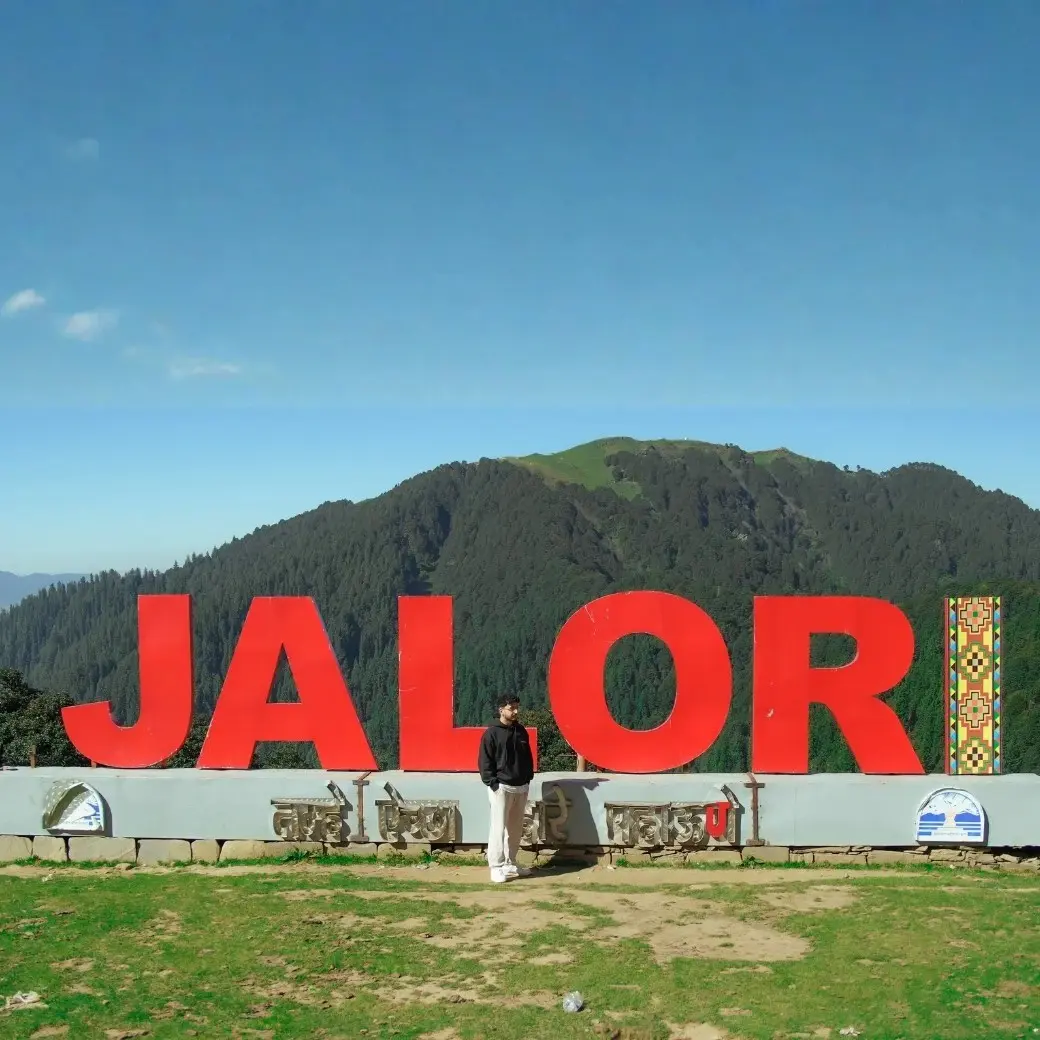 5D/4N
5D/4NWeekend Jibhi & Tirthan Valley Riverside Escape
1D Delhi •2D Jibhi / Tirthan Valley+1
₹12,900₹19,999SAVE INR 7,099/ person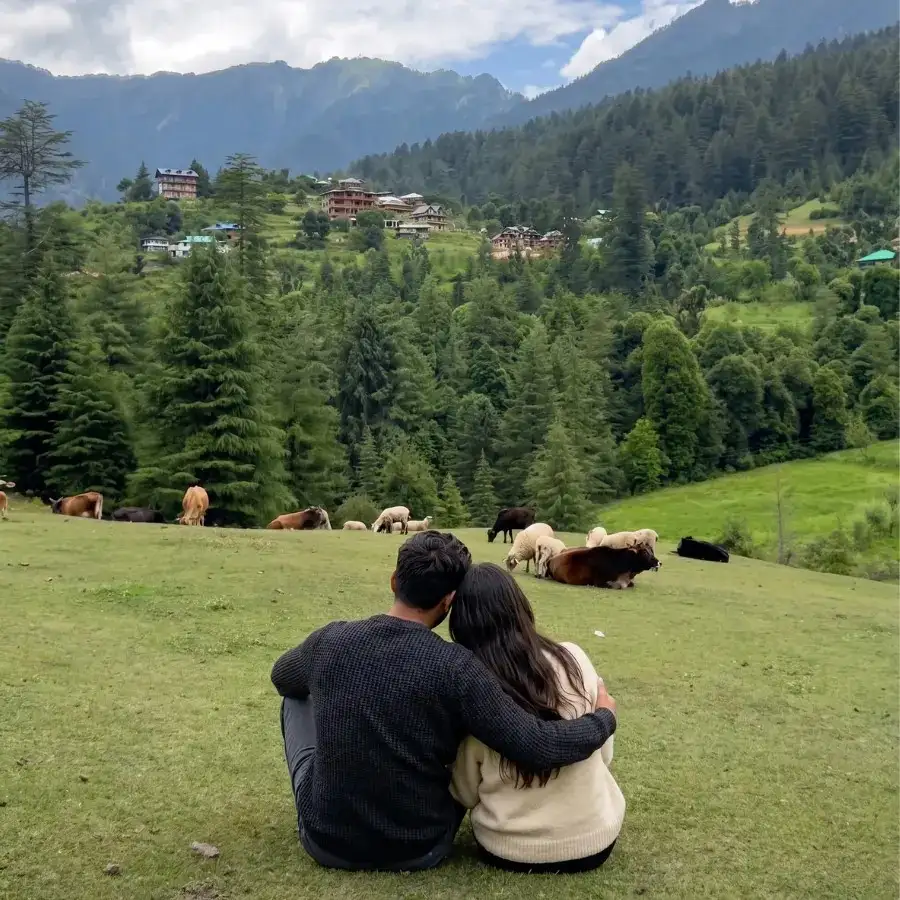 6D/5N
6D/5NJibhi Tirthan Valley & Shangarh Meadows Experience
1D Delhi•2D Jibhi+2
₹21,799₹27,999SAVE INR 6,200/ person
Related topics
Frequently Asked Questions
Is Tirthan, Jibhi and Shangarh good for a first offbeat Himachal trip?
Yes. It gives rivers, waterfalls, forests, cafés and a meadow without the extreme roads of Spiti, so it is one of the gentlest ways to go offbeat in Himachal.
How many days are enough for Tirthan, Jibhi and Shangarh?
Five to six days from Delhi is ideal. Four to five days works from Chandigarh. Three days only works if you stick to Tirthan plus Shangarh and skip the extras.
Which is better to stay, Tirthan Valley or Jibhi?
Tirthan is better for riverside calm and GHNP access. Jibhi is better for first-timers who want cafés, easy walks and Jalori access. Many people stay a night in each.
How do I reach Jibhi and Tirthan from Delhi?
Take an overnight Volvo from Delhi to Aut, then a local taxi into the valley. In our package the Delhi boarding window is around 18:00 to 19:00.
Is Shangarh worth visiting with Jibhi?
Yes, if you want silence and a wide green meadow. Shangarh is for slow mornings and switching off, so add it only if that is the kind of break you want.
What is the best time to visit Jibhi, Tirthan and Shangarh?
April, May, June, October and November are the easiest first-timer months. December to March is snowy and beautiful but needs flexible plans because Jalori may be closed.
Is Jalori Pass open in 2026?
It is typically closed from late November to mid-March, and heavy snow years can block it later still. Always verify on your actual travel day before you plan to cross it.
Can Serolsar Lake and Raghupur Fort be done in one day?
Not properly. Both start from the Jalori side, but doing both well in a day is a rush. Pick one and enjoy it instead.
Is this circuit safe for solo female travellers?
It is one of the safer offbeat routes in Himachal with normal precautions. Avoid late-night road travel, keep offline maps and cash, and check weather before any hike.
Is Jibhi or Shangarh good for workation?
Jibhi is better for work, with reliable Jio and Airtel and café Wi-Fi. Shangarh is mobile-network dependent, so keep it for offline time and do your calls from Jibhi or Tirthan.
What should I do if Jalori Pass is closed?
Stay on the Tirthan and Jibhi side and add more river time, waterfalls and short walks. Keep Jalori for a future trip rather than risking a blocked, icy road.
Is 3 days enough for Tirthan and Shangarh?
Just about, if you keep it simple. Three days suits Tirthan plus Shangarh alone. Adding Jibhi, Jalori and Serolsar on top makes it too rushed.
More about Offbeat Himachal
 Offbeat Himachal
Offbeat Himachal for Couples in 2026: Quiet Valleys Beyond Manali and Shimla
Looking for a quieter side of Himachal Pradesh away from crowded tourist hotspots? This guide explores peaceful valleys, hidden villages and romantic mountain escapes beyond Manali and Shimla, perfect for couples seeking privacy, slow travel and unforgettable Himalayan views in 2026.
- Places to Visit
- Things to Do