
Things to Do in Shangarh in 2026: Meadows, Waterfalls, Treks and Village Walks
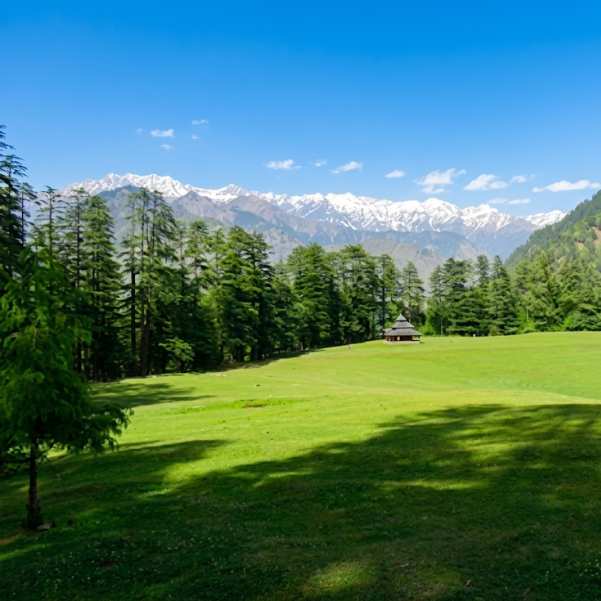
If you are looking for things to do in Shangarh, the honest answer is that you do less here, not more.
You walk a giant green meadow. You sit by an old wooden temple. You hike to a waterfall. You drink chai on a homestay balcony and watch nothing happen for hours.
That is the point of Shangarh. It is not a place you tick off. It is a place you slow down in.
We have been sending travellers into Sainj Valley for years, and the ones who enjoy Shangarh the most are the ones who arrive with no big plan.
This guide by Travel Coffee covers every worthwhile thing to do in Shangarh in 2026, the short treks around it, where to stay, when to come, and one honest warning before you book.
Quick Answer: What to Do in Shangarh
The main things to do in Shangarh are relaxing at the Shangarh Meadows, visiting Shangchul Mahadev Temple, hiking to Barshangarh waterfall, and doing slow village walks through old Himachali homes.
If you have more time, add short treks like Thini Thatch, Lapah village, Dhel Thatch, or the Pundrik Rishi Lake trail.
Two nights and three days is enough for most people. The best months are May to June and September to October.
It is an offbeat Himachal trip built around walking, sitting, and doing very little. Come for that, and you will love it.
What Most Tourists Get Wrong About Shangarh
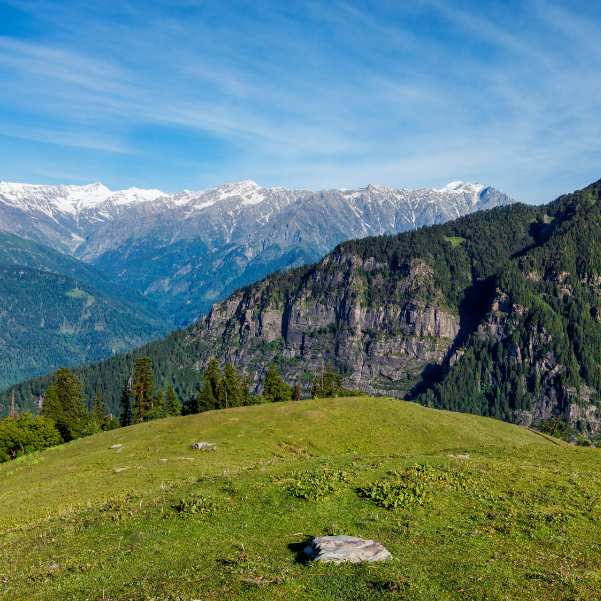
Most people treat Shangarh like a checklist destination. They drive in, take meadow photos, eat lunch, and leave the same day.
That is the worst way to do it. A day trip gives you the view but not the feeling.
The travellers who message us afterwards saying "we should have stayed longer" are always the day-trippers. Stay at least one night. The meadow at 6 AM and the meadow at 6 PM are two completely different places.
If you only want logistics handled while you focus on the slow part, our Sainj Valley and Shangarh tour packages come with a local driver and handpicked homestays.
Where is Shangarh and Why is Everyone Talking About It?
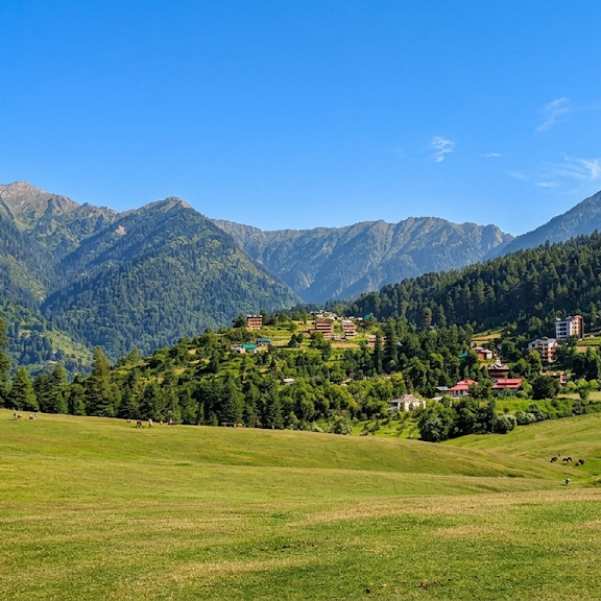
Shangarh is a small village in Sainj Valley, in the Kullu district of Himachal Pradesh.
It sits at around 2,100 metres, tucked into a side valley that most Himachal tourists still drive straight past on their way to Manali or Kasol.
The big draw is the meadow. A huge, flat, open patch of grass surrounded by deodar forest and old wooden houses. There is nothing built on it. No shops, no concrete, no noise.
Shangarh also sits close to the Great Himalayan National Park (GHNP), which is a UNESCO World Heritage site. Several short trails from the village lead into or towards GHNP forest.
People talk about Shangarh now because it still feels like the Himachal that Kasol and Manali used to be. Quiet lanes, real village life, and a pace that has not been ruined yet.
That last part matters. In our experience, Shangarh is on the edge of getting too popular. Come in 2026 while it is still calm.
Relax at the Shangarh Meadows
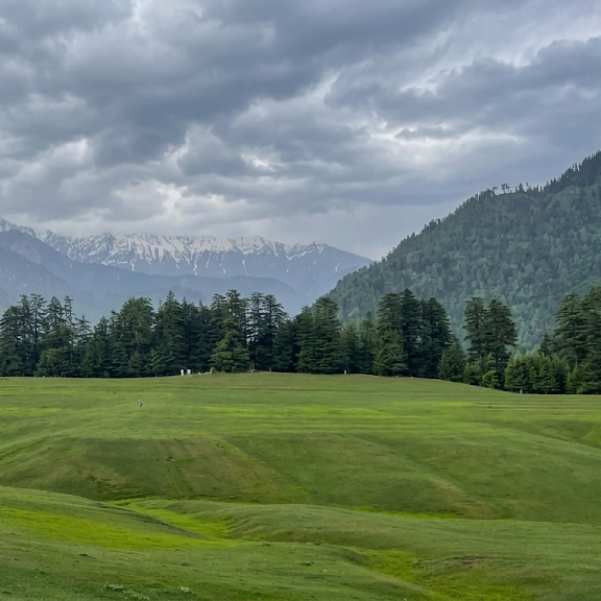
The Shangarh Meadows are the heart of any Shangarh trip. This is where you will spend most of your time, and you will not get bored.
Villagers consider the meadow sacred ground. Local belief ties it to the deity Shangchul Mahadev, and the open land is protected as part of that faith.
Because of that, the meadow has stayed clean and undeveloped for generations. No one builds on it. No one farms the centre of it.
What You Actually Do at the Meadow
You walk. You sit. You watch the light change.
On most clear evenings, local boys play cricket on one side of the meadow. It is one of those small things that makes the place feel alive instead of staged for tourists.
Sunrise and sunset are the two times worth planning around. The grass turns gold, the forest edge goes dark, and the whole bowl of the valley feels still.
Photographers will get their best shots in that first hour after sunrise. By mid-morning the light goes flat and harsh.
Best Season and How to Behave Here
The meadow is greenest from May into June, and again after the monsoon in September and October.
One thing we tell every traveller before they go: treat the meadow like the locals do. Do not litter, do not light fires on it, do not blast music, and do not drive vehicles onto the grass.
It stays beautiful because the village protects it. Be a guest, not a problem.
Visit Shangchul Mahadev Temple
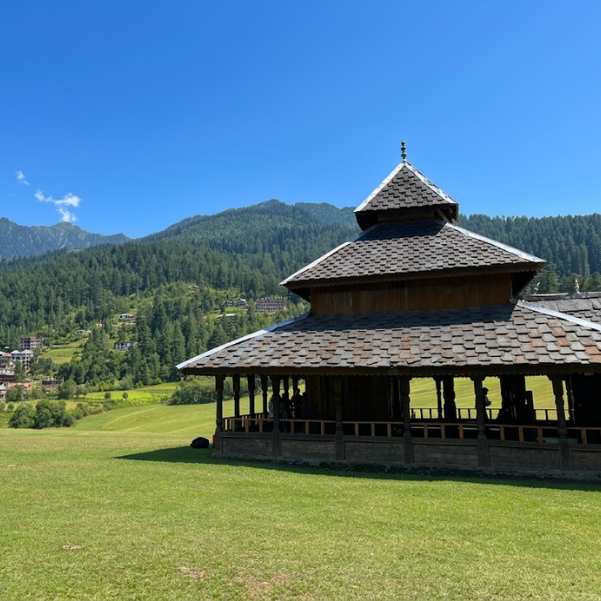
The Shangchul Mahadev Temple sits right at the edge of the meadow, built in the old Himachali style with carved wood and a slate roof.
It is small, dark inside, and quiet. You will not find crowds or queues here like you do at bigger Himachal temples.
Local legend connects this area and the deity to the Pandavas and to the protection of the surrounding land. Villagers believe the god watches over the meadow and the valley.
What matters more than the mythology is how seriously locals take it. The temple is central to village life, festivals, and decisions. This is a living shrine, not a tourist monument.
Dress simply, take off your shoes, and ask before photographing inside. Some inner areas may be off limits to visitors, so follow what the locals around you do.
Hike to Barshangarh Waterfall
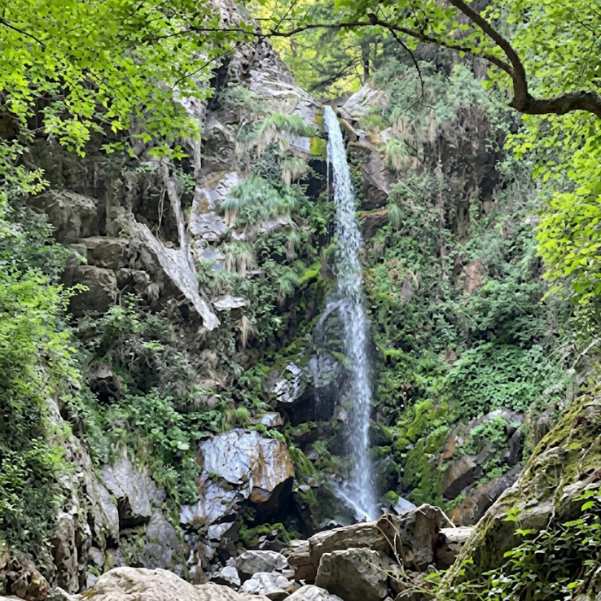
The Barshangarh waterfall is the most popular short hike from the village, and it is an easy one.
The waterfall is around 3.5 km from Shangarh village. The walk takes roughly 2 hours for the round trip, depending on your pace.
Route and Road Condition
Part of the way is on a rough motorable road and part is a trail. Some travellers drive partway and walk the last stretch, but the road can be narrow and patchy, so check with your homestay first.
It is a gentle walk overall. Beginners and families with older kids handle it without trouble.
Best Time and a Monsoon Warning
Go early in the morning. The light is better, the trail is quiet, and you avoid the small mid-day rush.
Here is the honest warning. During monsoon, the waterfall is at full force but the trail and approach road get slippery, and the water flow can be dangerous up close. Do not get into the pool or climb the wet rocks in heavy rain.
In our experience, the safest and prettiest window for the Barshangarh waterfall hike is a clear morning in late May, early June, or after the monsoon settles in September.
Explore the Village Trails Around Shangarh
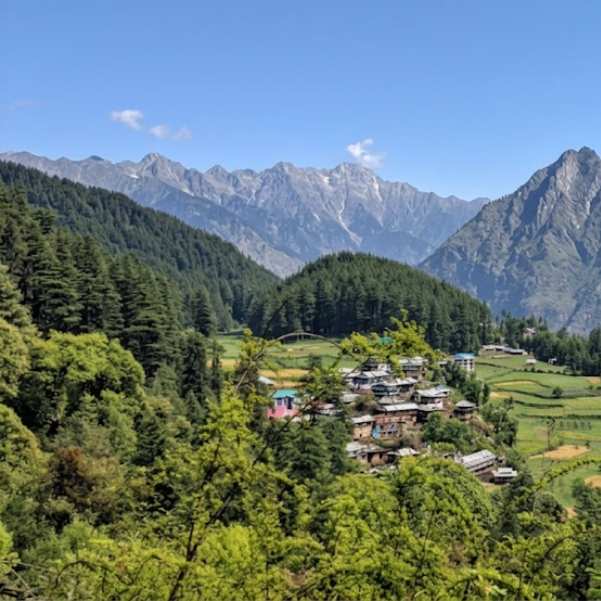
Some of the best things to do in Shangarh are not on any list. They are just walks.
The lanes around the village are lined with traditional wooden Himachali homes, many of them decades old, with stacked timber, slate roofs, and tiny windows.
Walk slowly and you will see real village life. Cattle being moved, apples being sorted, old people sitting in the sun, kids running between houses.
Slow Travel and Local Cafés
A handful of small cafés and homestay kitchens have opened up around Shangarh, mostly run by local families or long-stay travellers.
Do not expect a fancy menu or quick service. Expect simple food, slow cooking, and a view.
Our team's advice here is to skip looking for a specific famous café. Just walk in wherever smells good and ask for whatever the kitchen is cooking that day. The home-style rajma chawal or a fresh plate of siddu beats any tourist menu in the valley.
A Money Tip Most Visitors Miss
If you reach Sainj or Aut without your own car, do not jump straight into a private taxi for the final climb to Shangarh.
Shared vehicles run up the valley, and homestays will often arrange a pickup or point you to a shared ride for a fraction of the private taxi cost. Ask your homestay before you arrive, not after.
Best Short Treks From Shangarh
If two days of meadow-sitting is not enough, Shangarh works as a base for several short treks. None of these need technical skill. They need decent fitness and good shoes.
Dhel Thatch Trek
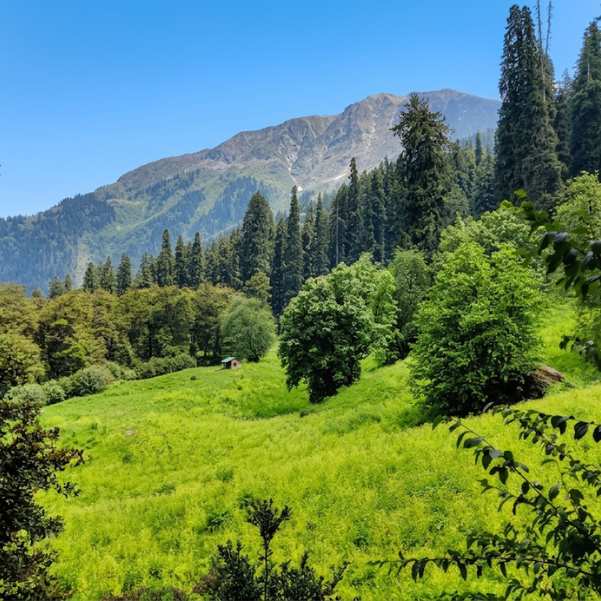
Dhel Thatch is a high meadow above the village, reached through forest and open clearings.
The climb is moderate. You gain height steadily through deodar and pine before the trees thin out into grassland with wide valley views.
The exact distance and time depend on where you start and your pace, so treat it as a proper half-day or full-day outing and start early.
Lapah Village Trek
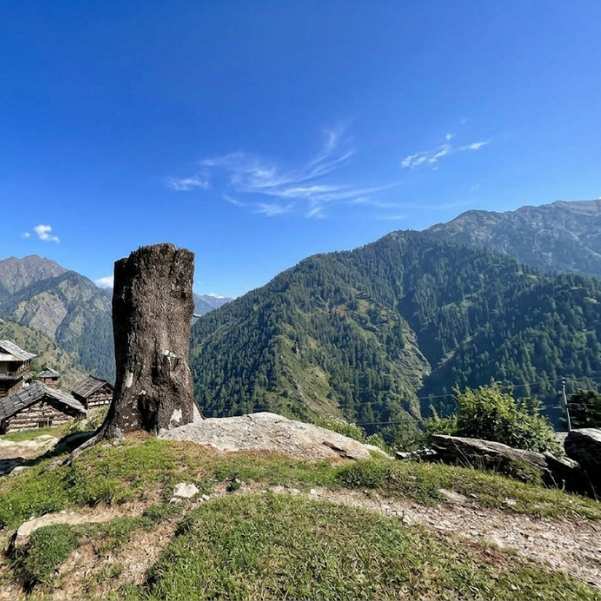
The Lapah village trail is one of the gentler walks from Shangarh and a good pick if you want village life over big views.
The trail runs a few hours one way through forest and small settlements, ending at Lapah, an old village that sees very few outsiders.
This is slow-travel walking at its best. You are not chasing a summit. You are just moving through the valley the way people here always have.
Pundrik Rishi Lake Trek
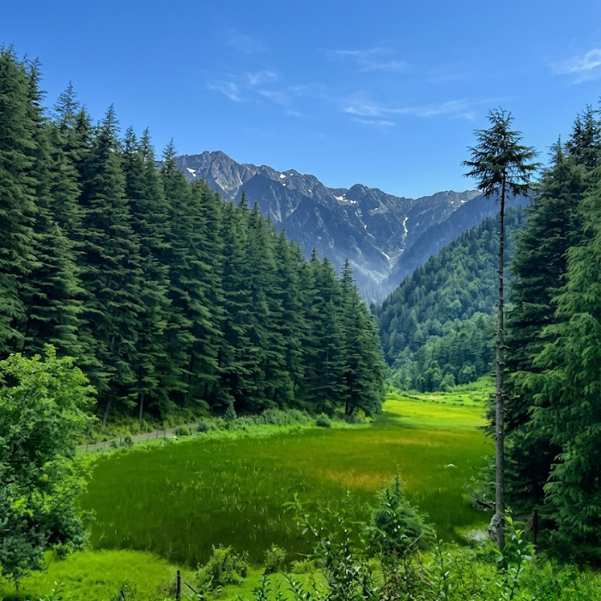
The Pundrik Rishi Lake trail leads to a small sacred lake set in forest, tied to local faith and legend.
It is a quiet, green walk under tree cover for much of the way. The lake itself is modest in size but holds real meaning for local people.
Distances and trail time vary by route and season. Ask a local or your homestay host to confirm the current path before you set off, since forest trails change.
Thini Thatch Trek
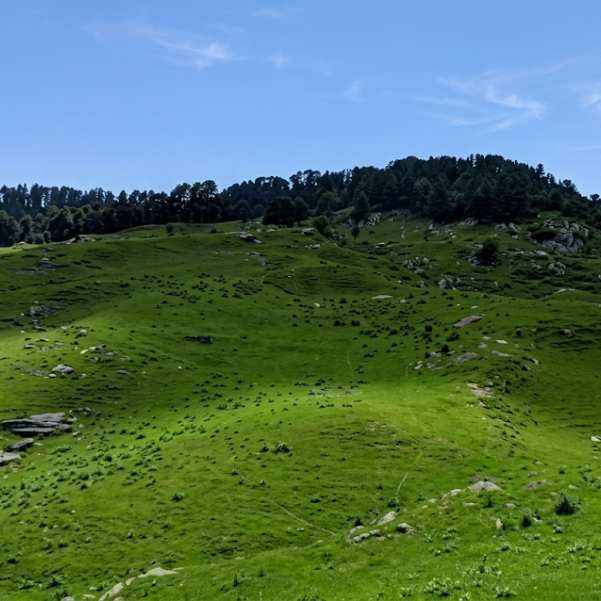
Thini Thatch is the best-known trek from Shangarh, and for good reason.
It climbs to a wide high meadow with big open views, and the grassland up top is large enough that some travellers camp there overnight.
If you want camping, do it with a local guide or operator who knows the ground, carries proper gear, and follows the rules for the area. This is high, exposed country, and the weather turns fast.
Visit Nearby Places Around Shangarh
If you have a spare day, a few spots near Shangarh are worth the short trip out.
Raila Waterfall
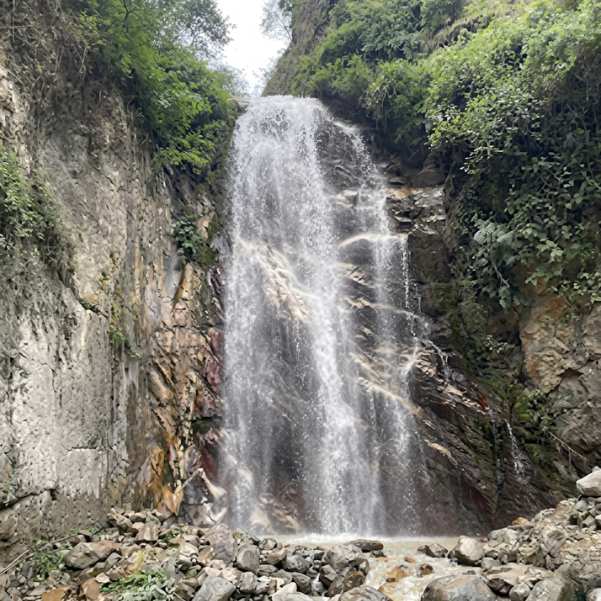
Raila is another waterfall in the wider Sainj Valley area, less visited than Barshangarh.
It makes a good half-day add-on if you want a quieter water spot. Check the current road and trail condition locally before you go, since access changes with the season.
Deohari Village
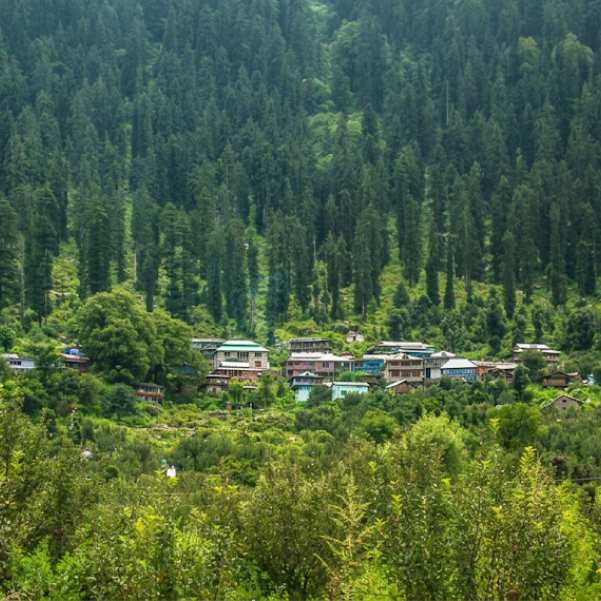
Deohari is a small village near Shangarh with the same slow, traditional feel and very little tourist footfall.
Go here for a walk and a look at old Himachali homes without any crowd. There is not much built for tourists, and that is exactly the appeal.
Sarahan Village
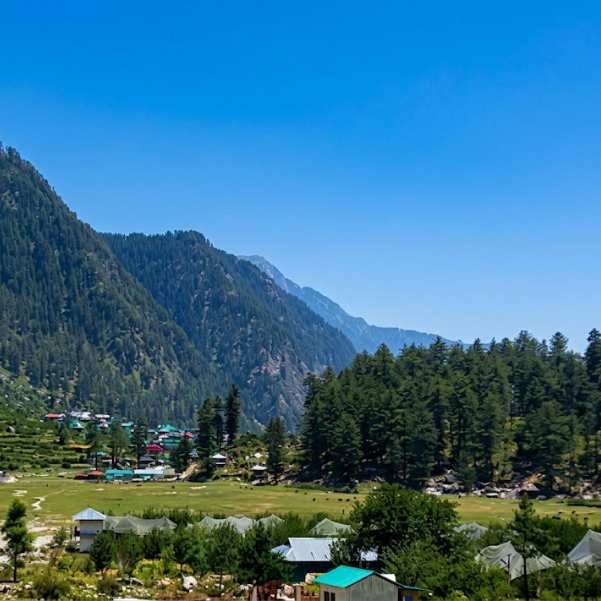
This is the small Sarahan inside Sainj Valley, not the famous Sarahan with the Bhimakali temple in Kinnaur. Do not mix them up when you search or book.
It is another quiet village stop, good for a short walk and forest views the route and distance from Shangarh locally before planning.
Great Himalayan National Park Side Trails
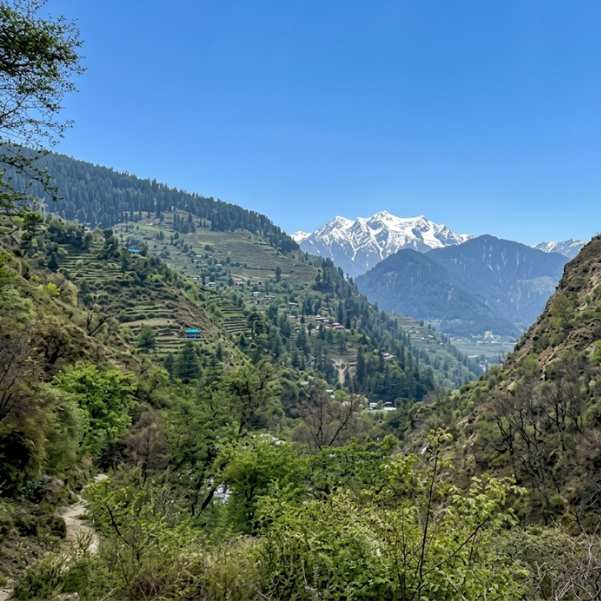
Shangarh sits close to the buffer area of the GHNP, and several forest trails head in that direction.
Some routes into the core park need permits and registered guides. Do not wander deep into national park forest on your own.
In our experience, the smart move is to ask your homestay or a local guide which GHNP side trails are open to casual visitors that season, and stick to those.
>>Talk to our team on WhatsApp for help with routes, timings, and stays.
Best Cafés and Homestays in Shangarh
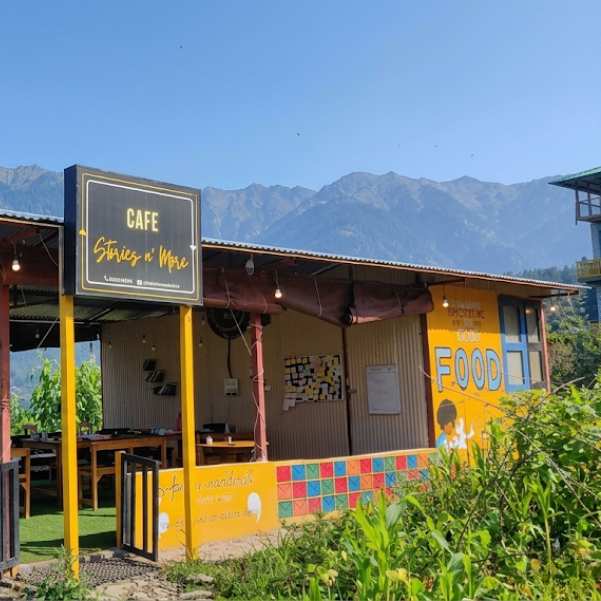
Where you stay shapes your whole Shangarh trip, because the stay is the experience here.
There are no big hotels and no resorts. You stay in homestays, mostly family-run, often in or attached to traditional wooden houses.
Homestay prices commonly range between ₹1,000 and ₹2,500 per night, depending on the room, the season, and whether meals are included.
Always ask whether meals come with the room. Eating where you stay is usually easier, cheaper, and tastier than hunting for food, since restaurant options are limited.
Café Culture and Workation Vibe
A small café scene has grown around Shangarh, with a few quiet spots good for a long coffee, a book, or just sitting.
It has become a soft workation pick too, but be realistic. This is a digital detox first and a workation second.
Mobile network and internet are patchy in Shangarh. If your work needs reliable video calls every day, this is not the place. If you can batch your work and disconnect, it is perfect.
That patchy signal is also the honest negative of Shangarh. If you panic without a connection, you will not enjoy the silence here.
Best Time to Visit Shangarh Meadows
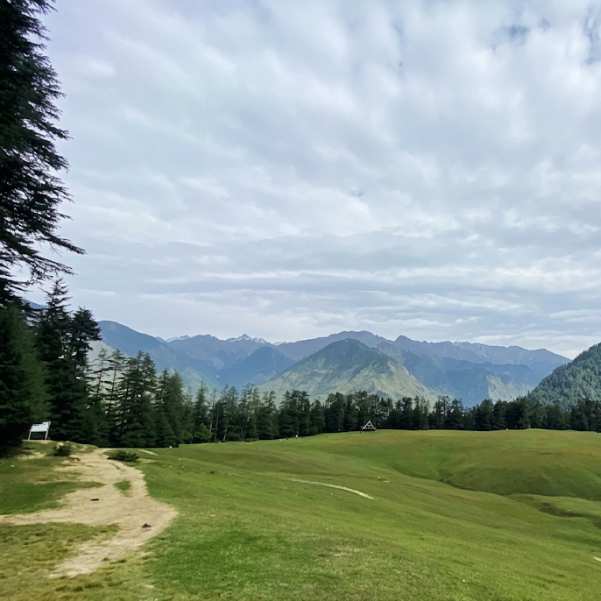
The best time to visit Shangarh Meadows is May to June and September to October. Here is how each season actually feels.
Summer (May to June)
This is the prime window. The meadow is green, the days are warm and pleasant, and the surrounding forest is at its best.
It is also the most popular time, so book your homestay ahead, especially around weekends and holidays.
Monsoon (July to August)
The valley turns lush and dramatic, and the waterfalls run full.
But the roads near Shangarh get slippery and patchy, landslides are possible in Sainj Valley, and trail walks turn muddy. Come only with flexible dates and low expectations on movement.
Autumn (September to October)
Our personal favourite. The monsoon clears, the air goes crisp, the light gets clean, and the crowds thin out.
The meadow shifts from deep green towards golden brown as October moves on. For photos and quiet, this is the best stretch.
Winter (November to February)
Cold, quiet, and sometimes snowy. Shangarh can get snowfall, which looks stunning on the meadow and the wooden roofs.
But roads can get tricky or blocked, many homestays slow down or shut, and facilities shrink. Only come in winter if cold and isolation are exactly what you want.
If you are weighing nearby valleys for a green-season trip, our guide on Jibhi in May breaks down what that month looks like just over the ridge.
Suggested 2N/3D Shangarh Itinerary
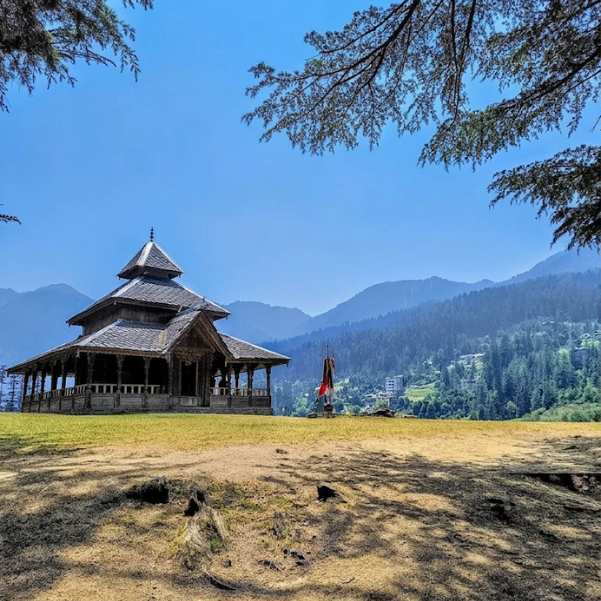
This is a slow-travel plan, built around the way Shangarh is meant to be done.
Day 1: Arrive and Settle
Reach Shangarh by afternoon, check into your homestay, and do nothing for a while.
In the evening, walk to the meadow for sunset and visit Shangchul Mahadev Temple. Eat at your homestay and sleep early.
Day 2: Waterfall and Village Walks
Start early and hike to Barshangarh waterfall before the day warms up. You will be back by late morning.
Spend the afternoon on slow village trails through Shangarh and nearby Deohari, with a long café break in between. Catch sunset at the meadow again.
Day 3: One Trek, Then Leave
Pick one short trek for the morning based on your energy. Lapah village for a gentle walk, or push higher towards Thini Thatch or Dhel Thatch if you are fit and started early.
Come back, eat, and begin your drive out by afternoon.
If you have a third or fourth night, just slow this down further. Shangarh rewards extra days more than extra activities.
Important Travel Tips Before Visiting Shangarh
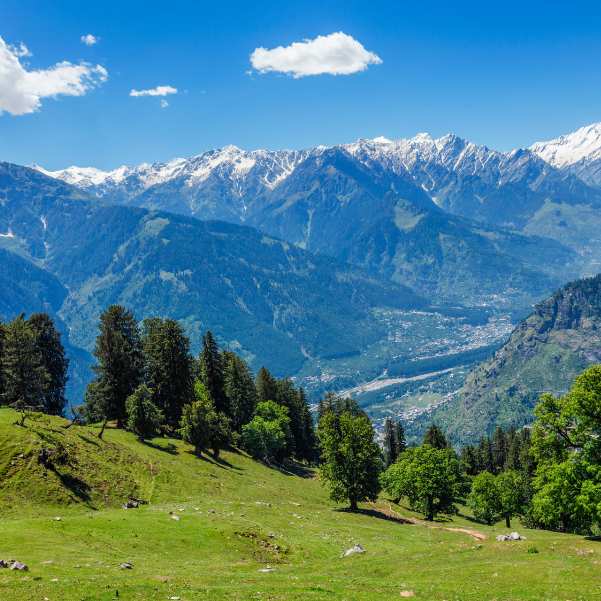
A few practical things will save you stress on a Shangarh trip.
Fill fuel before you turn into Sainj Valley. Carry enough cash, because ATMs are scarce once you leave the main towns and many homestays and small cafés will not have card or UPI options reliably.
The roads near Shangarh are narrow and patchy in sections. Drive slow, drive in daylight only, and do not attempt the final stretches after dark.
Pack warm layers even in summer. The days are pleasant but evenings and nights at this altitude get cold fast once the sun drops.
Carry a basic medicine kit, sturdy shoes with grip, a power bank, and a torch. Mobile network is weak across Shangarh, so download offline maps and tell someone your plan before you lose signal.
What we always tell our travellers is simple. Treat Shangarh as a place with limited backup. If you carry your own essentials and keep your plan flexible, the valley takes care of the rest.
>>Talk to our team on WhatsApp to build your complete trip plan without the hassle.
How to Reach Shangarh
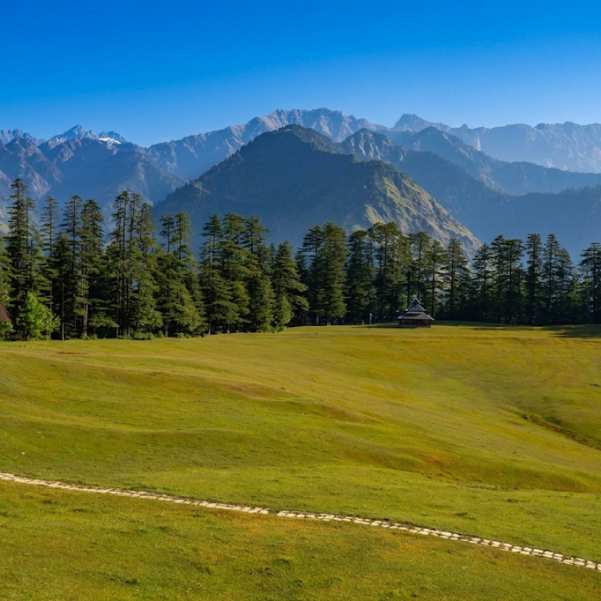
Shangarh sits off the main Kullu highway, reached through Sainj Valley.
From Delhi
Delhi to Shangarh is roughly 530 km. Most travellers take an overnight bus or drive towards Aut, then turn into Sainj Valley and climb to Shangarh.
Plan it as a full travel day with an early start, not a quick hop.
From Chandigarh
Chandigarh to Shangarh is around 270 km. The drive runs up through Bilaspur and Mandi towards Aut, then into Sainj Valley.
This is the more comfortable starting point if you are coming from the plains and want a shorter road day.
Via Aut and Bhuntar
Aut is the key turn-off. From the Aut area you leave the main Manali highway and head into Sainj Valley, then up the side road to Shangarh.
If you are flying in, the nearest airport is Bhuntar Airport near Kullu. From Bhuntar you drive towards Aut and into Sainj Valley to reach Shangarh.
There is no direct big-bus service right up to Shangarh. You will use a mix of buses to Sainj or Aut and then a local taxi or shared vehicle for the final climb.
Final Verdict: Is Shangarh Worth Visiting?
Yes, if you want quiet. No, if you want action.
Shangarh does not have nightlife, big cafés, adventure sports, or a long list of monuments. Kasol and Manali will always win on buzz, options, and convenience.
What Shangarh has is space, silence, and a meadow that does not feel like anywhere else in Himachal. It is the valley you go to when you are tired of the crowds, not when you want them.
We have sent enough travellers here to know the pattern. The people who love Shangarh are the ones who came to switch off. The people who get restless are the ones who needed more to do.
If you are still deciding between offbeat and lively, our honest comparison in Jibhi or Kasol: which is better will help you place Shangarh against the better-known names.
Shangarh in 2026 is still calm and still real. That is the whole reason to go, and the reason to go soon.
If you want to pair this trip with a nearby valley, Jibhi and Tirthan Valley packages can be joined with a Shangarh leg.
👉 Find the Right Shangarh Sainj Valley Tour Package for Your Dates
Related topics
Frequently Asked Questions
What is Shangarh famous for?
Shangarh is famous for its huge sacred meadow, the Shangchul Mahadev Temple, easy hikes like Barshangarh waterfall, and short treks near the Great Himalayan National Park.
How many days are enough for Shangarh?
Two nights and three days are enough for most travellers. Add a night or two if you want to do more treks or simply slow down further.
Is Shangarh safe for solo travellers?
Yes, Shangarh is generally safe and quiet for solo travellers. Stick to daylight travel on the narrow roads, keep someone informed of your plans, and carry cash since signal is weak.
Can beginners trek in Shangarh?
Yes. The Barshangarh waterfall walk and the Lapah village trail are gentle and beginner-friendly. Longer climbs like Thini Thatch and Dhel Thatch need decent fitness.
Which is better: Shangarh or Jibhi?
Shangarh is quieter and more offbeat, while Jibhi has more cafés, stays, and easier access. Pick Shangarh for silence and Jibhi for a softer offbeat trip with more options.
Does Shangarh get snowfall?
Yes, Shangarh can get snowfall in winter, usually from December through February. It looks beautiful, but roads can get tricky and many homestays slow down or close.
What is the best time to visit Shangarh Meadows?
May to June and September to October are the best months. Summer gives lush green meadows, while autumn brings clear skies, fewer crowds, and clean light.
Are cafés available in Shangarh?
Yes, a small number of cafés and homestay kitchens operate in and around Shangarh. Expect simple food and slow service, not big menus or quick meals.
Can families visit Shangarh?
Yes, Shangarh suits families who want a calm, slow trip. The meadow and the waterfall walk work well for kids, though facilities are basic so plan accordingly.
Is camping allowed near Shangarh Meadows?
Camping on the sacred meadow itself is not appropriate. Higher meadows like Thini Thatch are used for camping, ideally with a local guide who knows the rules and conditions.
Which mobile network works best in Shangarh?
Mobile coverage is weak across Shangarh and varies by spot and season. Download offline maps and do not count on a reliable signal during your stay.
Is Barshangarh waterfall trek easy?
Yes, the Barshangarh waterfall hike is easy. It is about 3.5 km from the village and takes roughly 2 hours round trip. Avoid the wet rocks and pool during heavy monsoon rain.