
15 Best Things to Do in Kinnaur in 2026: Villages, Views & Local Experiences
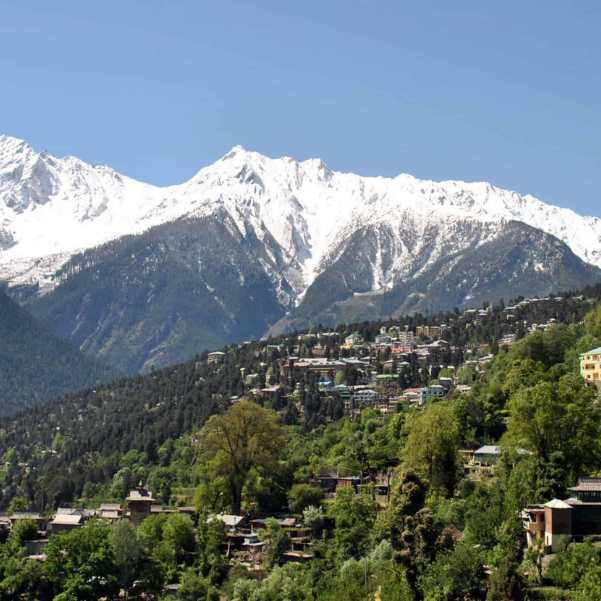
Kinnaur does not hit you the way Manali or Shimla does. There is no mall road, no crowd at a viewpoint, no selfie queue at a cafe.
What hits you instead is the silence of a village where apples outnumber people, a mountain called Kinner Kailash towering at 6,050 metres right outside your window, and a valley so deep the river below looks like a silver thread.
Most travellers skip Kinnaur because they think it is just a transit zone on the way to Spiti. That is the single biggest mistake people make about this region.
Kinnaur has enough to hold you for a week, and if you rush through it in a day trying to reach Kaza, you miss everything that makes it special.
This guide by Travel Coffee covers the best things to do in Kinnaur based on what we have seen work for the hundreds of travellers our team has sent through this valley.
Quick Answer
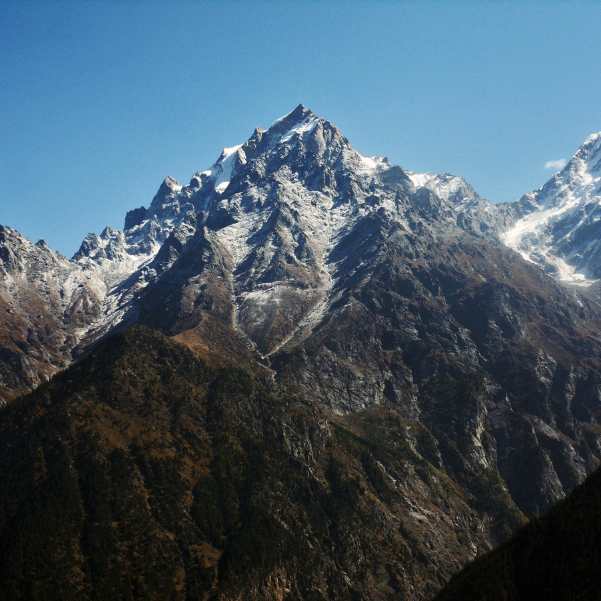
The best things to do in Kinnaur come down to three categories: watching mountains, walking through villages, and eating food that tastes better at altitude.
Start with Kalpa for unobstructed views of the Kinner Kailash range. Spend time in Sangla Valley visiting Kamru Fort, walking through Batseri village, and soaking in the riverside quiet.
Drive to Chitkul, the highest village in the Baspa valley at 3,450 metres, and let the landscape stun you. If you have extra days, push to Nako at 3,663 metres for a completely different, more Buddhist feel.
Mix in wooden temple visits, local siddu with ghee, orchard walks, and one or two quiet hikes, and you have a trip that feels nothing like the usual Himachal holiday.
Why Is Kinnaur Worth Visiting in 2026?
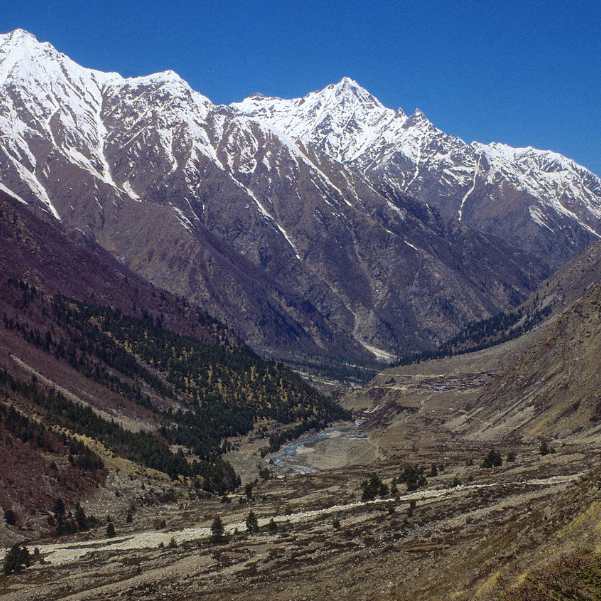
Kinnaur sits in a strange and beautiful overlap. Hindu temples with intricate wood carvings stand in one village.
A Buddhist monastery with prayer flags sit in the next. The Sutlej River cuts through the valley floor while apple orchards climb the hillsides above it.
The landscape changes every 30 kilometres from green valleys to barren brown cliffs to snow-dusted peaks.
What makes Kinnaur different from the rest of Himachal is its rawness. Tourism has not smoothed out the edges here.
Villages still feel like villages. Homestays are run by families, not hotel chains. The food is home-cooked, the chai is strong, and nobody is trying to sell you a paragliding ticket.
In our experience running trips here since our early days, the travellers who enjoy Kinnaur the most are the ones who come with slow intentions.
Not a checklist. Not a packed itinerary. Just a willingness to sit with a view, walk through an orchard, and eat a meal that someone's grandmother made.
That said, 2026 planning still needs to account for route conditions. Late March 2026 saw snowfall in the higher reaches, so seasonal access windows matter. The broad official best-time window runs from April to October, but more on that later.
What Are the Best Things to Do in Kinnaur If You Only Have 3 to 5 Days?
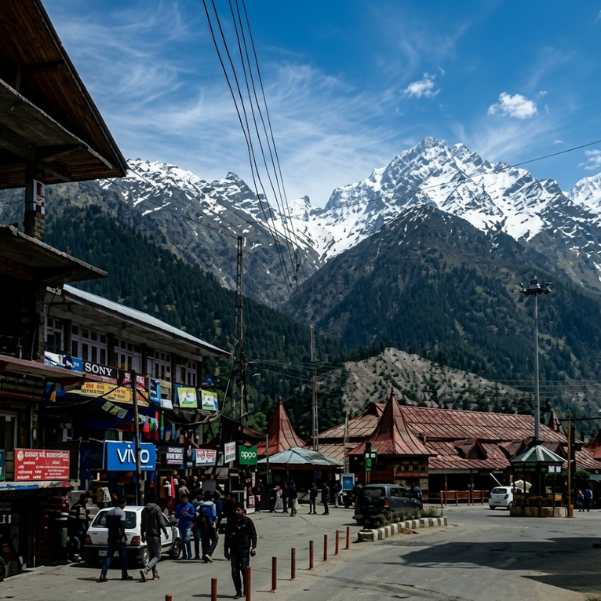
Do not try to cover all of Kinnaur in 3 days. You will spend most of your time in a car and miss the things that make this place special.
If you have 3 to 5 days, pick two bases and stay put. The smartest first-timer circuit is Kalpa for 2 nights and Sangla Valley (including Chitkul) for 2 nights.
These two areas cover the best views, the best village walks, the best food, and the most interesting temples in Kinnaur.
Trying to add Nako on a 3-day trip will stretch you thin. Save it for a longer visit or a combined Kinnaur-Spiti trip where Nako falls naturally on the route.
Our team recommends spending at least one full day at each base doing absolutely nothing planned. Walk. Eat. Sit with a view. That unplanned time is when Kinnaur shows you what it really is.
What Should You Do in and Around Kalpa?
Kalpa sits at 2,759 metres, about 260 km from Shimla and 14 km from Reckong Peo, the district headquarters. It delivers the most dramatic mountain view you will find anywhere in Himachal without trekking.
Watch Kinner Kailash Change Colour
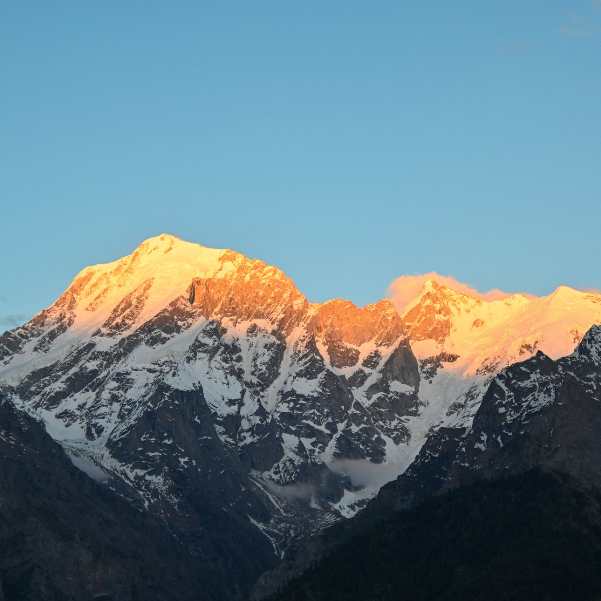
The Kinner Kailash massif sits directly across the valley from Kalpa. You do not need to hike anywhere. It is right there from your hotel balcony, from the road, from the apple orchards below the village.
Pink at sunrise, white in the afternoon, golden and then deep orange as the sun sets behind you.
What most tourists get wrong about Kalpa is treating it as a one-night stop. The best views happen at dawn, before 7 AM, when the first light catches the snow and the valley below is still full of mist. Stay two nights and you will catch at least one perfect sunrise.
Walk to Roghi Village
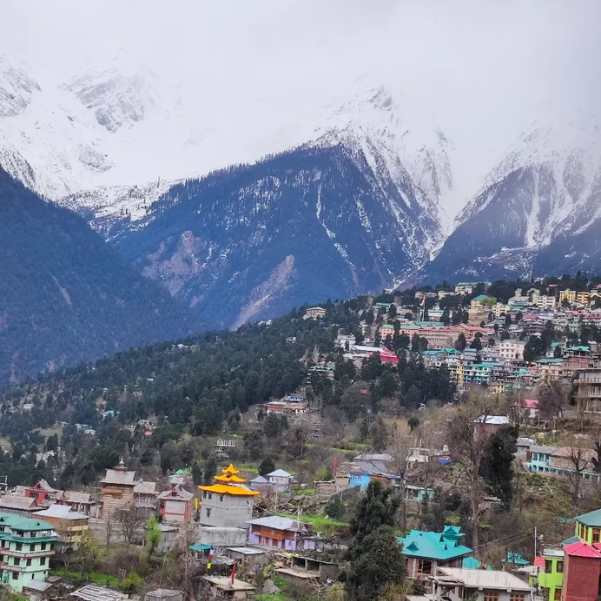
Roghi is a small village about 3 km from Kalpa. The walk is gentle and mostly downhill through apple orchards and deodar forest.
Along the way you pass Suicide Point, a viewpoint on the edge of a deep gorge. The name is dramatic but the view is real. You look straight down into the Sutlej valley hundreds of metres below.
Roghi itself is a quiet cluster of traditional wooden houses with slate roofs. There is a small temple worth stopping at. The round trip takes about 2 to 3 hours at a relaxed pace.
Visit the Monastery and Temple Area
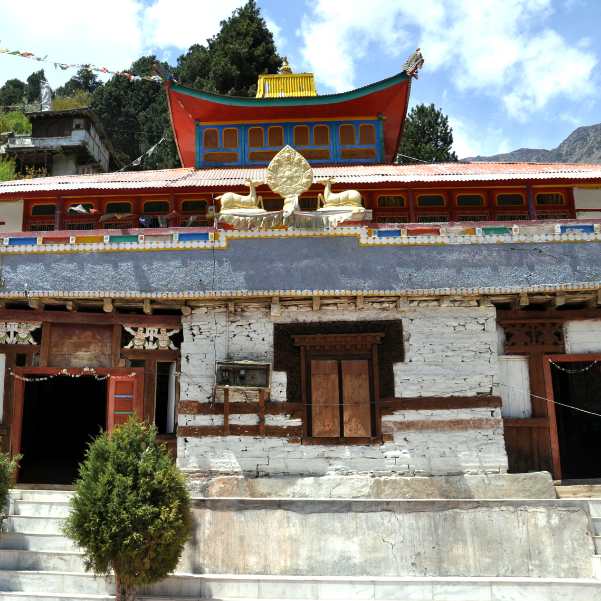
Kalpa has both a Buddhist monastery and Hindu temples within walking distance in the main village area.
The wooden architecture on the temples is detailed and old. Spend 30 minutes walking through this zone and you will see why Kinnaur feels culturally different from the rest of Himachal.
Try the Chaka Side for a Quiet Hike
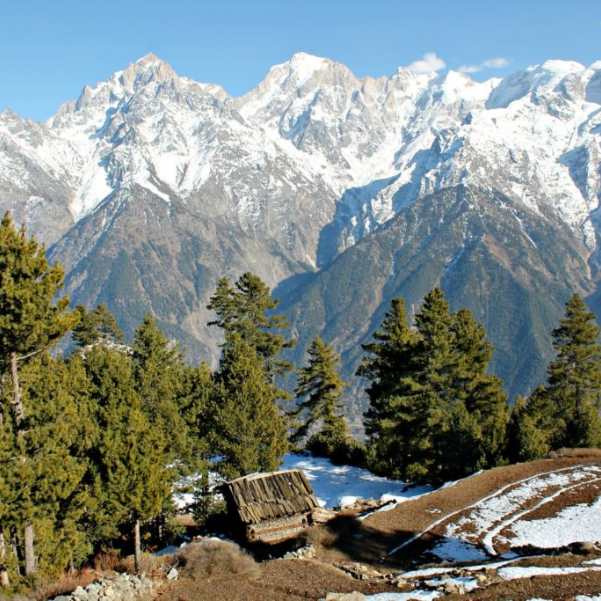
If you want a slightly longer walk, ask a local about the trail towards the Chaka side of the ridge above Kalpa.
It is not a marked trail and does not appear on Google Maps, but the views of the valley and the Kinner Kailash face from slightly higher up are worth the 2 to 3 hours. This is the kind of walk our drivers always recommend to travellers who want to stretch their legs beyond the village.
What Should You Do in Sangla Valley, Rakcham and Chitkul?
Sangla Valley runs along the Baspa River and feels completely different from the Sutlej side. It is greener, narrower, and quieter. The turn-off for Sangla is at Karcham, and from there it is about 17 km to Sangla town at 2,621 metres.
Visit Kamru Fort and Temple
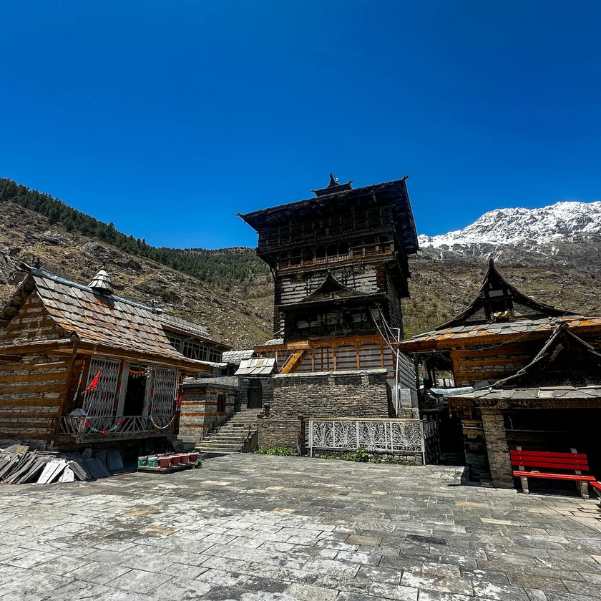
Kamru Fort sits on a hilltop above Sangla and involves a short but steep climb. The wooden tower structure is old and impressive.
The temple at the top is dedicated to the local deity, and the views from up there cover the entire valley. Remove your shoes and any leather items before entering. The locals take this seriously and so should you.
Walk Through Batseri Village
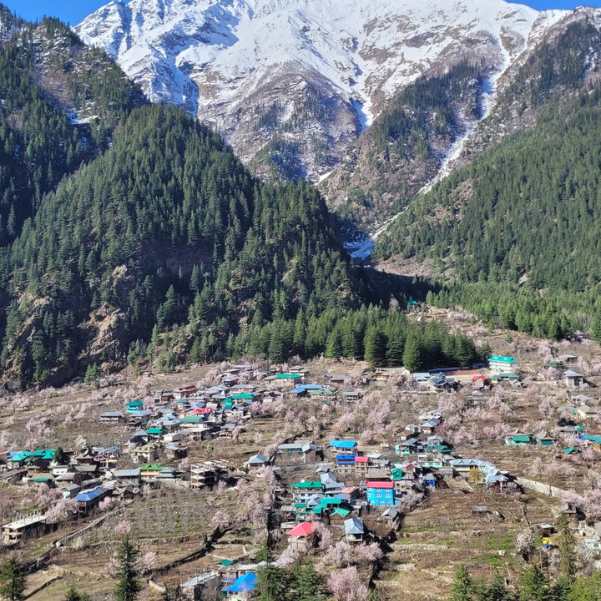
Batseri is one of those places blogs mention in passing but never explain properly. It is a small village along the river, a short drive or walk from Sangla, and the appeal is its traditional wooden houses with carved balconies and the feeling that time moves slower here than anywhere you have been recently.
Take an hour and walk through the lanes. No particular destination, no ticketed entry. Just the village, the sound of water, and wooden houses that look centuries old.
In our experience, travellers who skip Batseri because it is not "a proper attraction" always regret it when they see other travellers' photos.
Rakcham
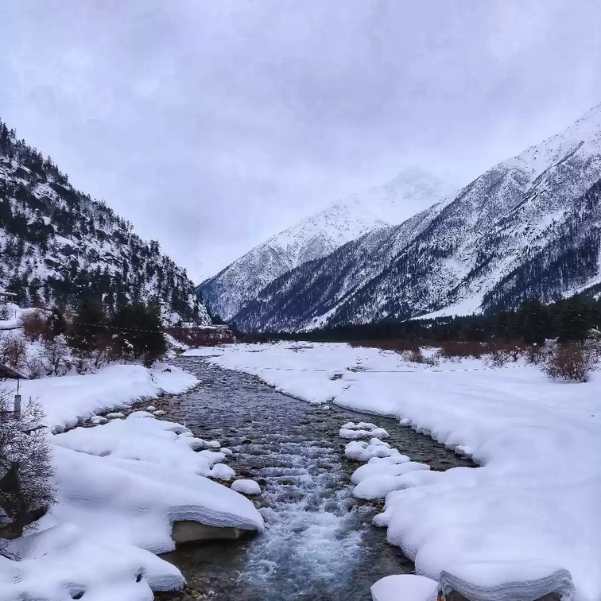
Rakcham sits between Sangla and Chitkul and most people drive past it. If you have time, stop for an hour. The village is very small, very quiet, and the river views are excellent. A couple of homestays offer an even slower experience than Sangla.
Chitkul — The Real Highlight
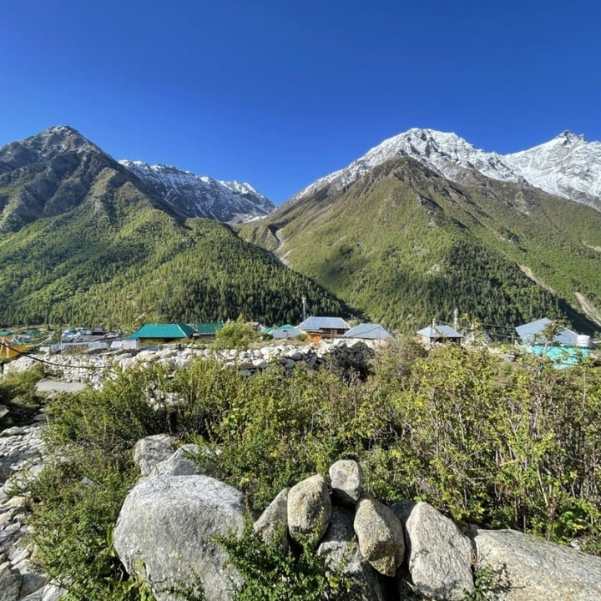
Chitkul at 3,450 metres is the highest village in the Baspa valley and about 25 km from Sangla. The drive itself is part of the experience. The valley narrows, the road gets rougher, and the landscape shifts from green to brown to vast.
The village has a few things worth your time. The Mathi temple is beautiful in a simple, understated way. The river here is wide and loud.
The houses are traditional wood and stone. And the view beyond the village, towards the mountains that form the border, makes you realise how small everything else is.
Skip the "last Indian village" selfie boards and photo ops. Everyone does those. Instead, walk past the village along the river for 15 to 20 minutes. The crowd thins out to zero and the landscape opens up.
Should you stay overnight in Chitkul?
If your visit falls between July and September and you have the time, yes. The evening light and the morning quiet make it a very different place from the midday tourist rush. In the shoulder months or if the weather looks unstable, a day trip from Sangla works just as well.
Send us your dates and group size on WhatsApp and we will help you figure out the right route and stays.
👉 WhatsApp us your dates and group size for the right route and stays
Which Offbeat Places in Kinnaur Are Worth the Detour?
If you have more than 5 days, or if you are combining Kinnaur with a Spiti trip, there are a few places beyond the main circuit that reward the extra effort.
Nako
Nako sits at 3,663 metres, about 119 km from Kalpa, and feels like a completely different world. The landscape is drier, more barren, more Buddhist.
There is a small lake, a monastery with old murals, and a general vibe that is closer to Spiti than to the green valleys of lower Kinnaur.
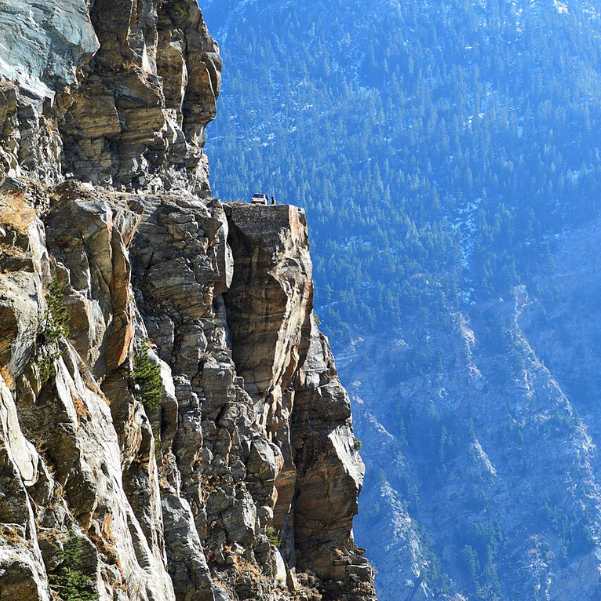
The drive from Kalpa to Nako passes through some of the most dramatic road scenery in Himachal. Deep gorges, hanging cliffs, and sections where the road has been carved out of solid rock. Nako is perfect as a one-night stopover on the way to or from Spiti.
Moorang, Nichar and Kothi
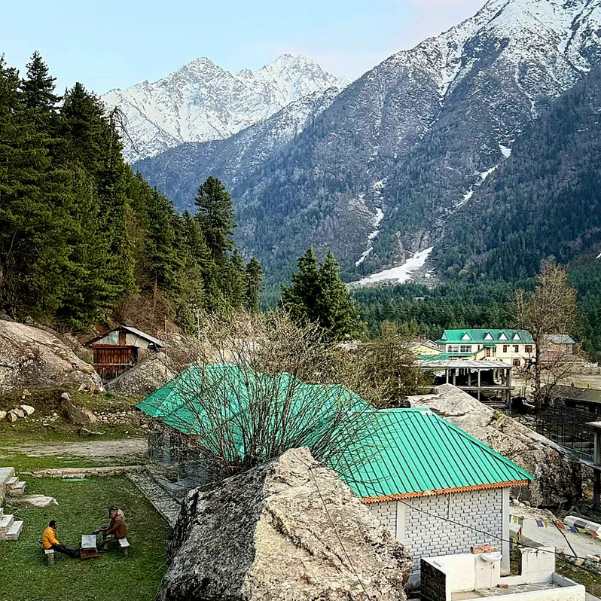
Small towns along the main highway that most travellers zoom past. Moorang has a significant temple. Nichar has orchards and a local feel. Kothi sits at a bend with an unexpected panoramic view. None are all-day destinations, but a 30-minute stop at any of them adds texture to the trip.
Chango and the Shipki La Angle
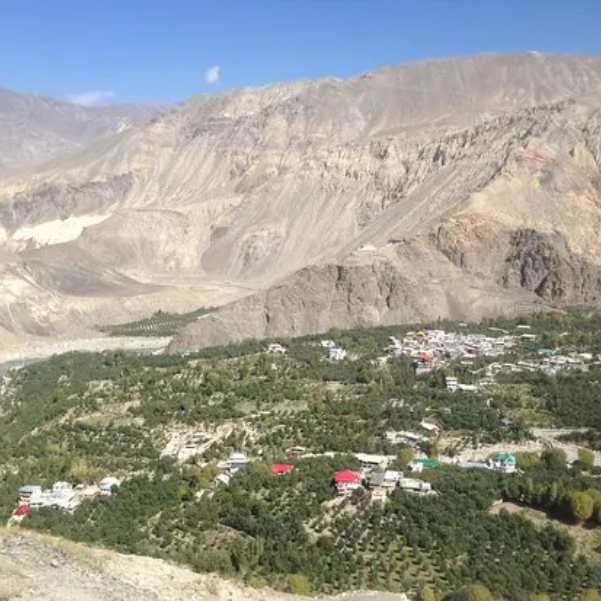
Chango is deeper into the valley, past Nako, and closer to the Tibetan border. The monastery here is interesting and the village has a very remote feel.
Shipki La has become a stronger tourism angle after the Himachal government's 2025 launch and 2026 push for border tourism.
However, access rules and permit requirements for the border area are still evolving. Verify current civilian access status and any specific requirements before planning this stretch.
Which Cultural Experiences Make Kinnaur Different from Other Himachal Trips?
Kinnaur does not have a "culture tour" you can book. The culture is woven into everyday village life, which is what makes it feel different from Manali or Shimla where tourism has created a separate layer on top of local life.
Wooden Temples You Will Not See Anywhere Else
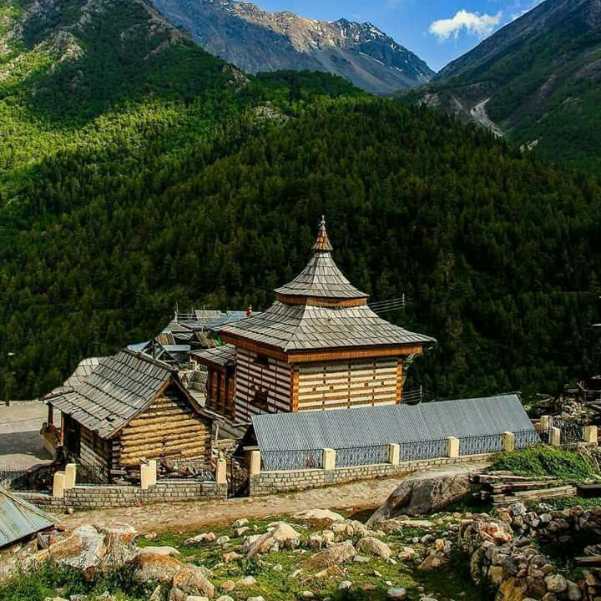
The wooden temple architecture in Kinnaur is unique to this region. Multi-tiered towers with intricate carvings, slate roofs, and wooden balconies that look like they belong in a museum but are actually functioning places of worship. Kamru Fort temple, the temples in Kalpa, and smaller village shrines throughout the valley are all worth paying attention to.
Monastery Visits with No Crowds
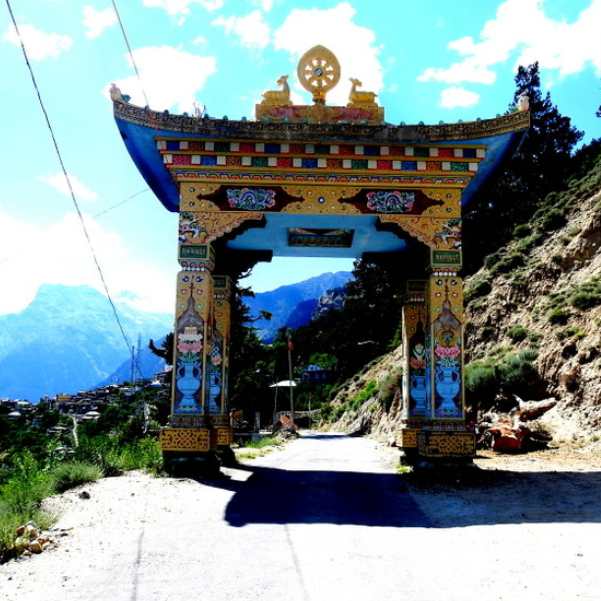
Unlike Ladakh or even parts of Spiti, the monasteries in Kinnaur (particularly around Nako and the upper valley) see very few tourists. You can often sit inside, look at the murals, and talk to the monks without anyone else around.
Village Etiquette That Matters
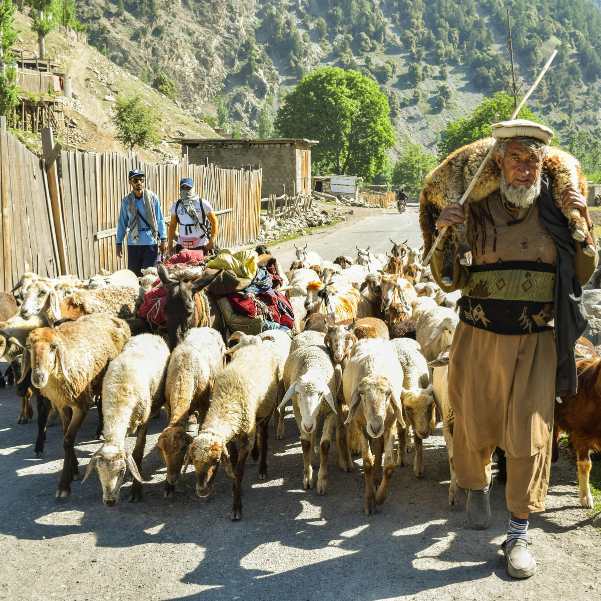
Kinnauri villages have customs that visitors should respect. Remove shoes and leather near temples. Ask before photographing people, especially during ceremonies. Do not enter restricted temple areas.
The locals are warm and welcoming, but they notice when visitors treat their sacred spaces as photo opportunities.
Festivals Worth Planning Around
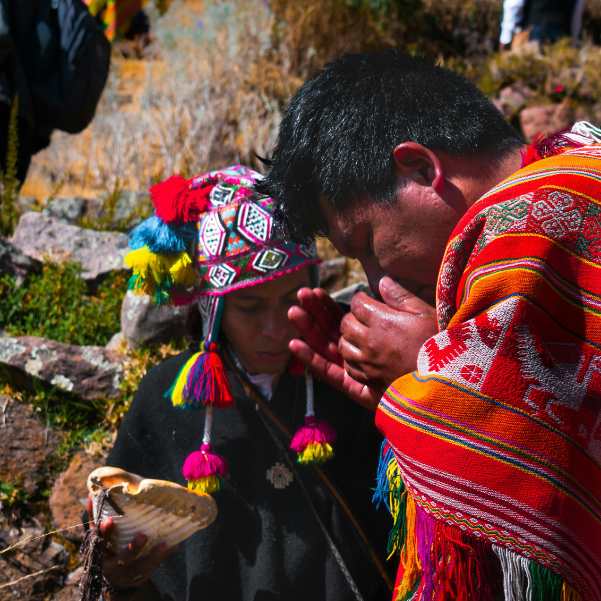
Kinnaur has vibrant local festivals like Fulaich (a flower festival) and Kinnaur Mahotsav. These involve traditional dance, music, and community gatherings that give you a window into a culture that most tourists never see.
However, exact 2026 dates for these festivals are not confirmed at the time of writing. Check locally closer to your travel dates.
What Are the Best Treks and Outdoor Experiences in Kinnaur?
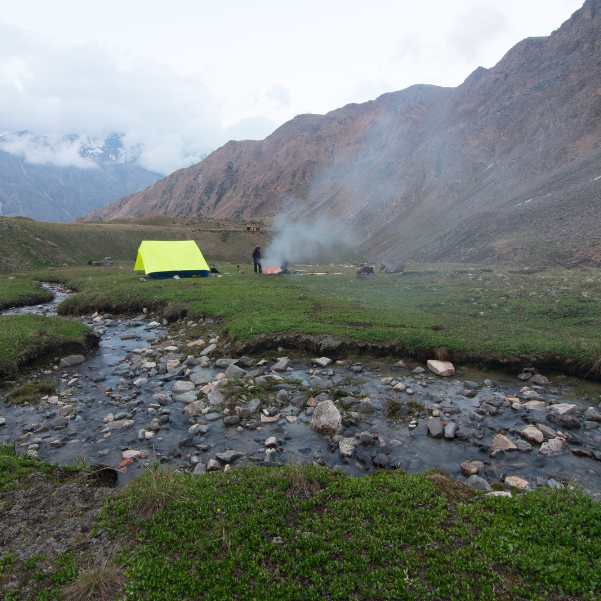
Kinnaur has options for both casual walkers and serious trekkers. The key is knowing which category you fall into and not overestimating yourself at altitude.
Easy Walks Anyone Can Do
The walk from Kalpa to Roghi, the Batseri village stroll, the walk beyond Chitkul along the river, and the orchard paths around Sangla are all gentle, require no special fitness, and give you beautiful scenery without any real risk.
These are the outdoor experiences we recommend to most of our travellers, especially families and first-time mountain visitors. You do not need gear, guides, or permits. Just comfortable shoes and a bottle of water.
Serious Treks That Need Preparation
The Kinner Kailash Parikrama is a multi-day high-altitude trek crossing passes above 5,000 metres. This is not a casual hike. You need a guide, proper gear, real physical fitness, and the right season (typically July to September). Altitude sickness is a real risk.
Other longer trails exist but require local guidance and permit clearance. Do not attempt any trek above 4,000 metres without acclimatisation. The nearest hospital is hours away by road.
What Should You Eat in Kinnaur?
The food in Kinnaur is simple, warm, and surprisingly good if you know what to look for. Skip the restaurant menus trying to serve pasta and burgers at 2,700 metres. Go straight for the local stuff.
Siddu
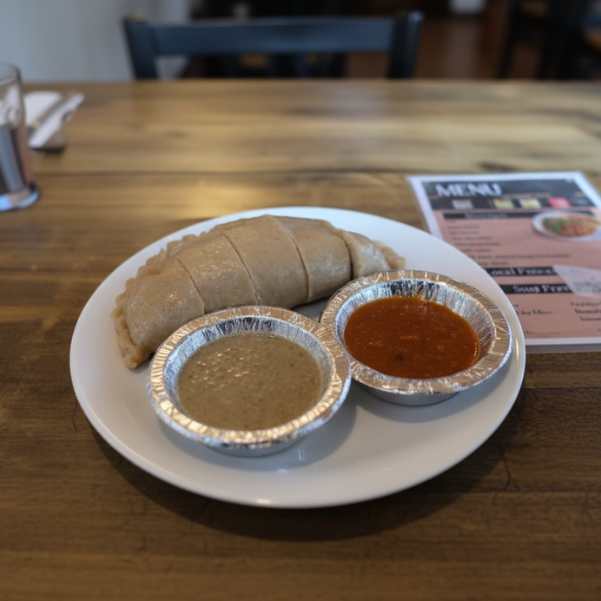
Siddu is a slow-cooked wheat bread stuffed with poppy seeds, walnuts, or a savoury filling, then steamed or roasted. Eat it with ghee and local dal.
This is the dish that defines Kinnauri food. Ask at your homestay and there is a good chance the family will make it for you. It does not taste the same at a restaurant.
Rajma Chawal and Thukpa
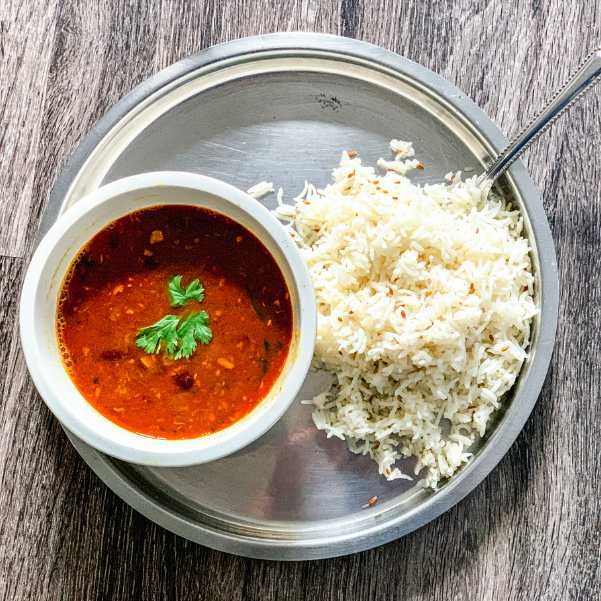
Rajma chawal is the default comfort meal at every altitude in Himachal, and in Kinnaur it is made with local red rajma that tastes richer than what you get in the plains.
Thukpa and thenthuk (hand-pulled noodle soup) show up in the upper valley areas where Tibetan influence is stronger.
Apples, Dry Fruits and Buckwheat
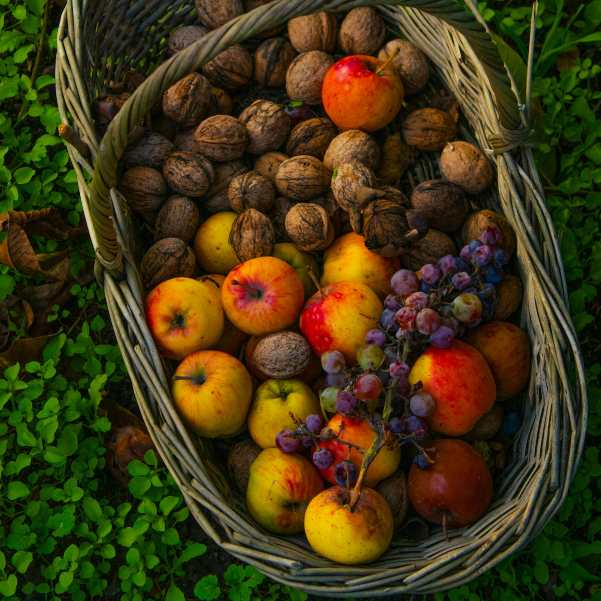
Kinnaur apples need no introduction, but eating them straight off a tree during an orchard walk in September is a completely different experience.
Local dry fruits, particularly apricots and chilgoza (pine nuts), make excellent trail snacks. Buckwheat pancakes show up in some homestays in the higher villages. Nutty, slightly dense, and great with local honey.
Our best food advice for Kinnaur: eat at your homestay. The family meals are the best thing you will eat on this trip.
The small dhabas in Reckong Peo and along the highway are fine for chai and maggi, but the real food is behind the doors of the homes you stay in.
When Is the Best Time to Do These Things in Kinnaur?
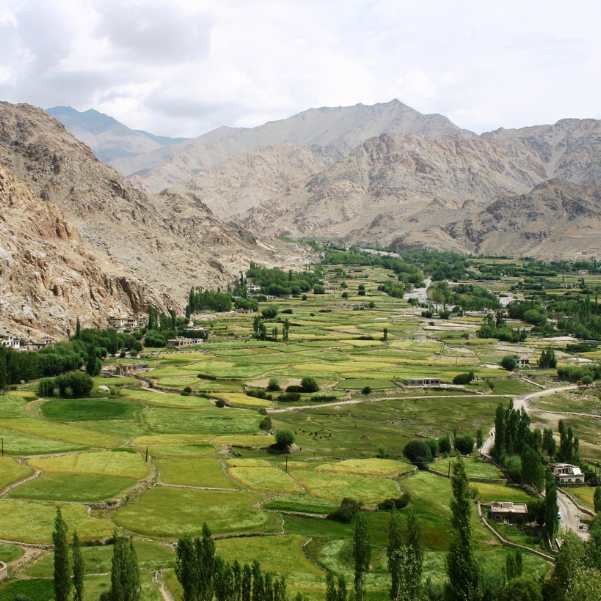
The broad official season runs from April to October. But within that window, the experience varies wildly.
April to May
The orchards are in bloom. Cherry and apple blossoms cover the hillsides. Weather is cool and pleasant during the day, chilly at night. Roads are generally stable, though late snowfall (like what happened in late March 2026) can affect higher areas. This is one of the best windows for Kinnaur and tends to be less crowded than summer.
June to August
Warmer days, but monsoon rains are the real issue. The Shimla-Kinnaur highway is landslide-prone during heavy rain, and road blocks can eat hours or entire days out of your plan. July and August are the riskiest months for disruptions. If you travel in this window, keep buffer days.
September to October
This is when Kinnaur is at its visual best. The orchards are loaded with fruit, the sky is clear, the light is warm and golden, and the monsoon mess is behind you.
September and October are the months our team recommends most often. The downside is that it gets cold quickly after sunset, especially above 3,000 metres.
November to March
Most of upper Kinnaur becomes difficult to access. The Chitkul road usually closes from mid-December to March and usually reopens around mid-March, depending on conditions. Kalpa remains accessible in early winter, but facilities thin out. Deep winter travel to Kinnaur is only for people who know exactly what they are doing.
How Do You Plan a Practical Kinnaur Itinerary?
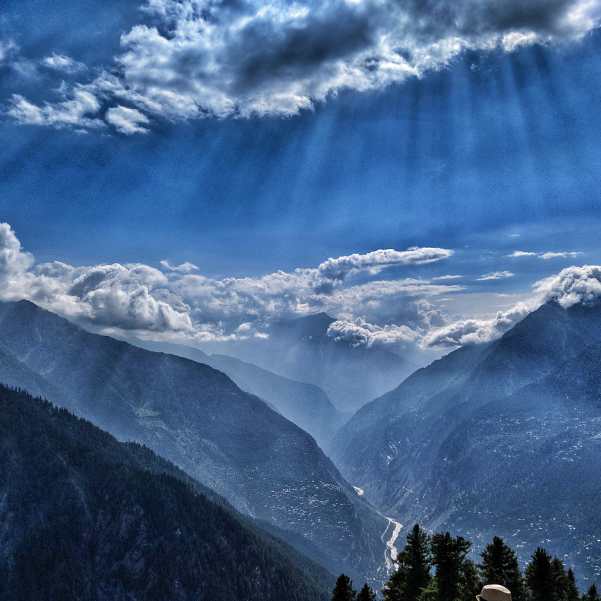
Kinnaur rewards slow travel. Here are three versions depending on how much time you have.
3-Day Version (Tight but Doable)
Day 1: Drive from Shimla to Kalpa (about 260 km, 8 to 10 hours depending on road conditions). Reach by evening, rest. Day 2: Morning sunrise over Kinner Kailash.
Drive to Sangla, visit Kamru Fort, walk through Batseri. Stay in Sangla. Day 3: Day trip to Chitkul in the morning. Return to Shimla or continue onward.
This version works but feels rushed. You spend a lot of time driving.
5-Day Version (The Sweet Spot)
Day 1: Shimla to Sarahan or Rampur for a mid-way overnight. Day 2: Continue to Sangla. Afternoon walk through the valley. Day 3: Morning trip to Chitkul.
Afternoon back in Sangla. Visit Kamru Fort. Day 4: Drive to Kalpa. Sunset over Kinner Kailash. Walk to Roghi if energy allows. Day 5: Sunrise at Kalpa. Return to Shimla or head deeper.
This is the version we recommend for most first-time visitors. You get both valleys, proper time at each base, and enough breathing room for unexpected delays.
7-Day Version (Add Nako and Combine with Spiti Entry)
Follow the 5-day plan but add Nako after Kalpa. From Nako, you can either return to Shimla or continue into Spiti towards Tabo and Kaza.
This version only makes sense if you have 7 or more days total and are comfortable with longer drive days. If you are thinking of extending into Spiti, our Spiti Valley packages cover the full circuit with built-in rest days.
How Much Does a Kinnaur Trip Cost in 2026?
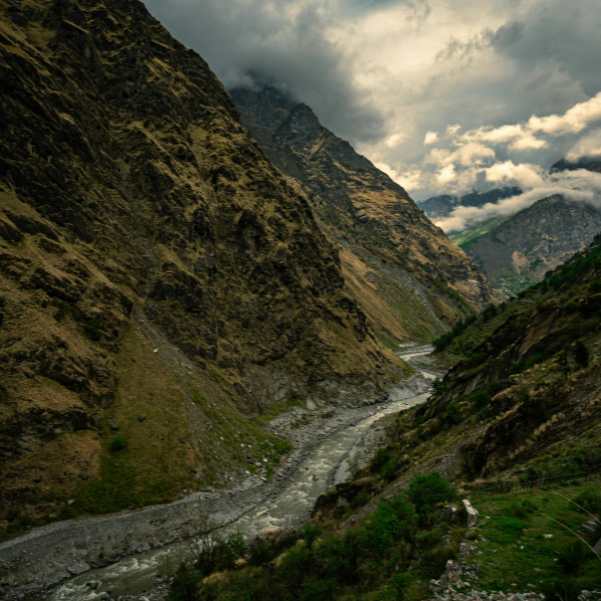
Kinnaur is not an expensive destination if you plan smart. The biggest costs are transport and accommodation, not entry fees or activities.
On Travel Coffee, the cost of a Kinnaur or Kinnaur–Spiti trip is usually higher than a simple DIY bus budget because the package includes stays, transport, route planning, and on-ground support.
Group departures currently start from around ₹16,999 per person for a 9-day Kinnaur–Spiti trip, while more comfortable and flexible journeys usually fall in the ₹18,000 to ₹35,000 range.
If you are travelling in winter or choosing a premium 4x4 experience, the budget can go up to around ₹45,999 per person.
Here is the money-saving tip that only works if you know the system: at least 4 HRTC bus routes connect Reckong Peo with Shimla every day. The buses are not glamorous, but they are cheap and they run consistently.
If you are solo or on a tight budget, busing into Reckong Peo and then hiring a local taxi for the Sangla and Kalpa side trips is significantly cheaper than hiring a private vehicle for the entire journey from Shimla.
If you want help putting a trip together that fits your budget and pace, check our Kinnaur tour packages or browse our popular tours for options that include Kinnaur as part of a larger Himachal trip.
Do You Need Permits, Cash and Network Prep for Kinnaur?
Permits
The permit situation in Kinnaur confuses everyone. Here is the clear version: foreign tourists need a permit to visit notified protected areas in the Pooh block of Kinnaur. The official permit fee is ₹200 per person. This applies to areas deeper in the valley beyond the main tourist circuit.
Indian nationals do not generally need a special permit for the main tourist areas like Kalpa, Sangla, Chitkul, and Nako. However, areas close to the international border may have additional requirements that change seasonally.
Cash
Carry enough cash for your entire trip. ATMs exist in Reckong Peo and work most of the time, but once you leave Peo for Sangla, Chitkul, or Kalpa, do not count on finding a working ATM. Homestays, dhabas, and local shops often do not accept UPI or cards. Cash in small denominations is your safest bet.
Mobile Network
BSNL has the widest network coverage in Kinnaur. Jio and Airtel work reasonably well around Reckong Peo and Kalpa, then get patchier as you go deeper into Sangla Valley and Chitkul. At Chitkul, network is either absent or faint depending on the day.
What we always tell our travellers: download offline maps before you leave Shimla, inform someone about your rough plan, and do not rely on mobile data for anything critical beyond Reckong Peo.
Where Should You Stay in Kinnaur?
Your choice of base depends on what kind of trip you want.
Kalpa
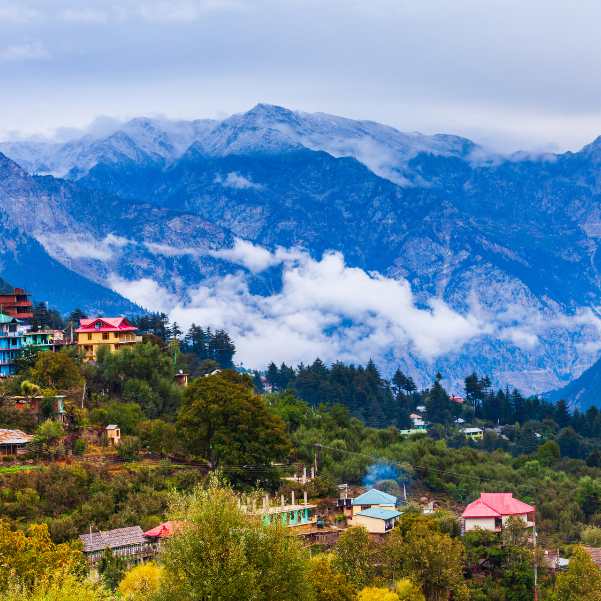
Kalpa is best for mountain views and easy access. More guesthouse and hotel options than anywhere else in Kinnaur. Suits first-timers and photographers.
Sangla
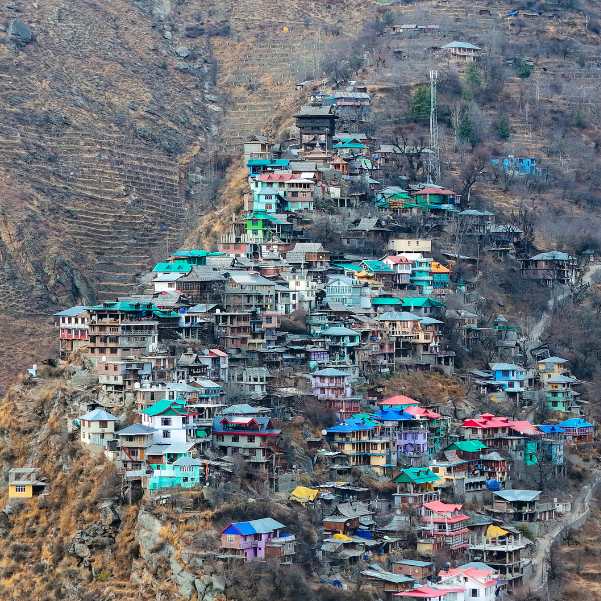
Sangla is best for valley walks, river time, and village exploration. Good range of homestays. Suits slow travellers and families.
Chitkul
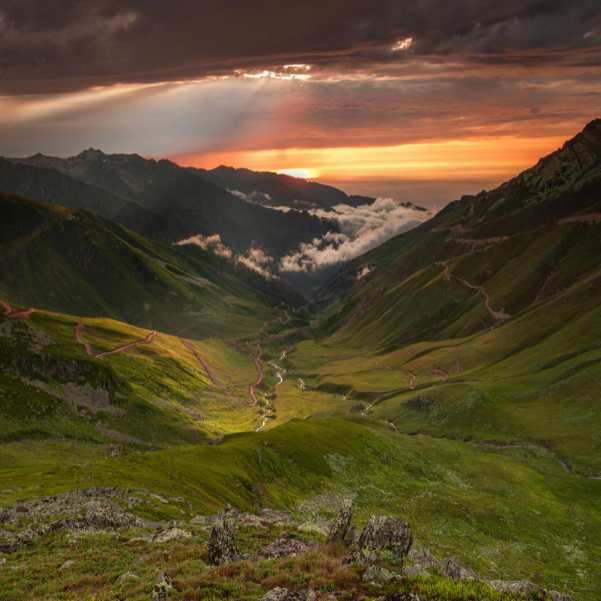
Chitkul is best for one or two nights of quiet immersion. Limited and basic options, but the setting is unbeatable. Suits solo travellers and couples.
Nako
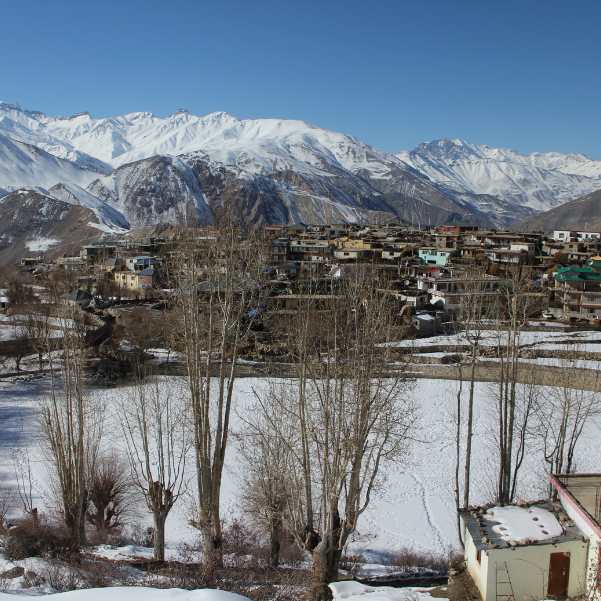
Nako suits travellers heading to or from Spiti. A handful of homestays with a more Buddhist atmosphere. One night here changes the texture of the trip.
If this is your first Kinnaur trip and you need one base, choose Kalpa. If you have two bases, add Sangla. If safety for female solo travel is a concern, our guide to solo safety in Spiti covers related tips that apply to upper Kinnaur as well.
Plan Your Kinnaur Trip the Right Way
Kinnaur does not need a complicated plan. It needs the right pace, the right season, and honest expectations about cold nights, basic village facilities, and roads that sometimes have their own agenda.
If you are thinking of combining Kinnaur with a Spiti trip, that works well with at least 10 days. Enter from Shimla, spend 4 to 5 days in Kinnaur, then continue to Kaza.
Our Chandratal opening guide will help you figure out whether the Spiti extension makes sense for your dates.
For a trip built around your group size, budget, and comfort level, talk to our team on WhatsApp. We know these roads and these villages well, and we would rather help you plan it right than have you waste days on a route that does not suit your trip.
👉 WhatsApp us for a trip plan that fits your group, budget, and comfort
Explore Our Curated Kinnaur Valley Tours
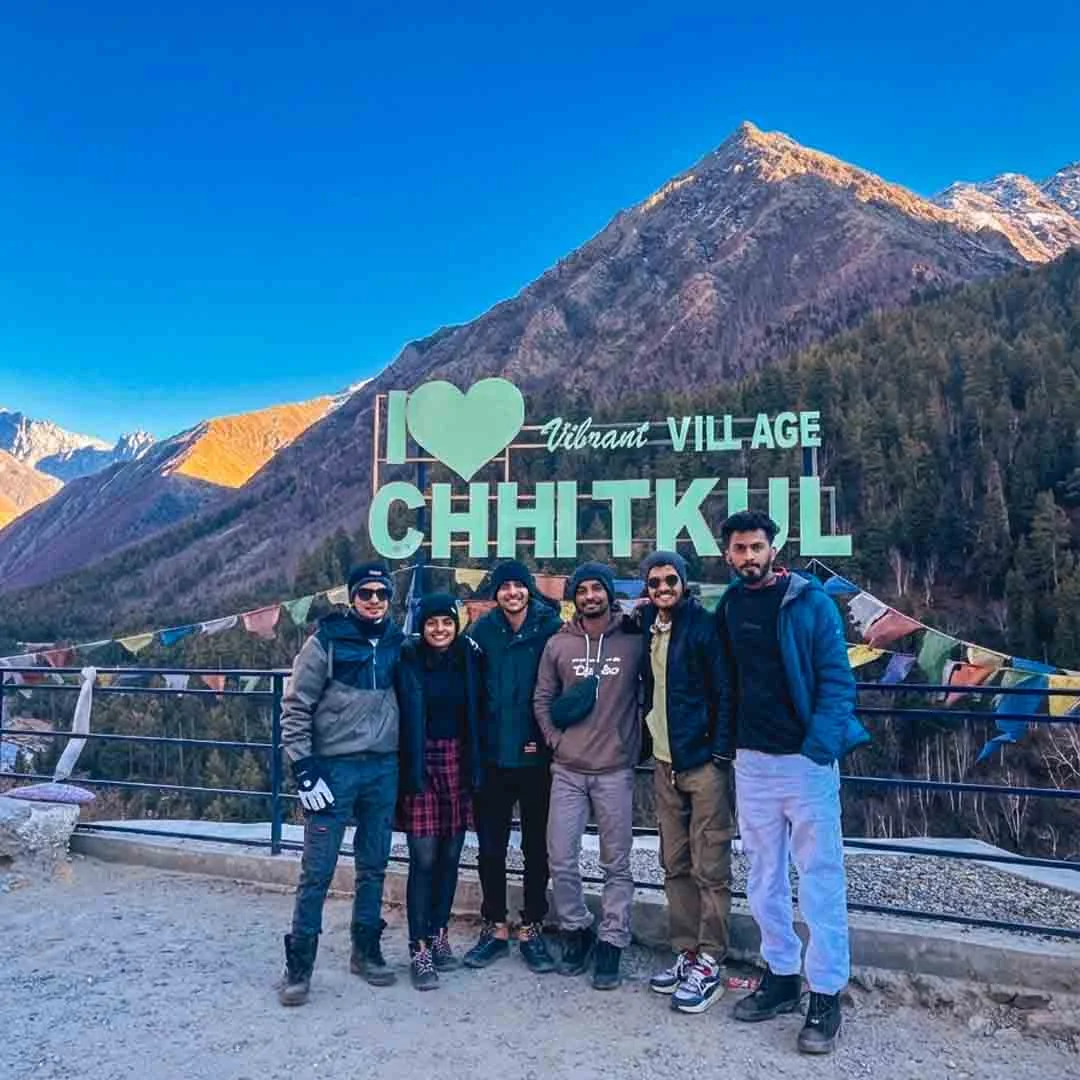 Group Tour9D/8N
Best Selling Winter Spiti Valley Group Tour
2D Sangla•1D Tabo+2
₹18,999₹23,999SAVE INR 5,000/ person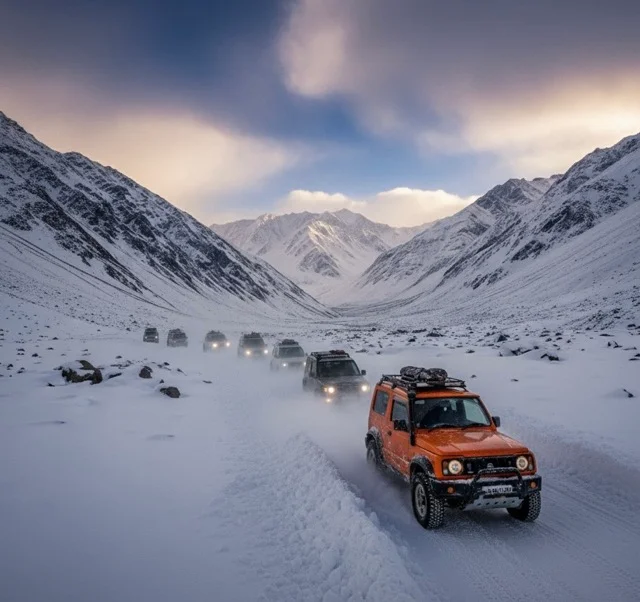 10D/9N
Kinnaur–Spiti 4×4 Winter Expedition
1D Narkanda•2D Sangla+4
₹45,999₹54,999SAVE INR 9,000/ person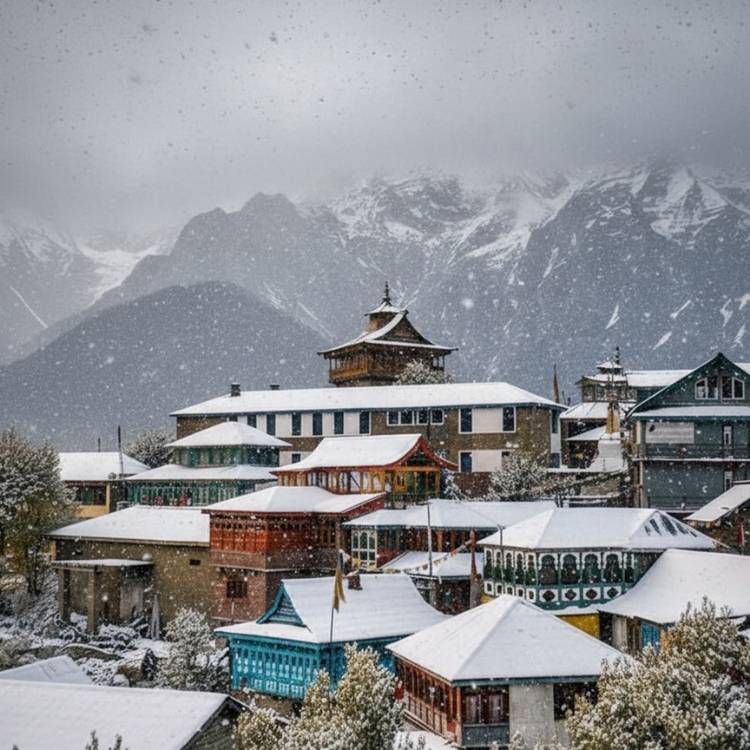 10D/9N
Kinnaur–Spiti Winter Circuit
1D Narkanda•2D Sangla+4
₹35,999₹44,999SAVE INR 9,000/ person
Related topics
Frequently Asked Questions
Is Kinnaur worth visiting for a first-time Himachal trip?
Yes, but only if you enjoy slow travel and quiet places over crowded hill stations. If you want nightlife, cafes, and tourist buzz, Kinnaur is not the right pick. If you want mountains, silence, and culture, it is one of the best first trips you can make in Himachal.
How many days are enough for Kinnaur?
Five days is the sweet spot. Three days feel rushed. Seven days let you add Nako and possibly extend into Spiti. Any less than three and you will spend more time driving than experiencing.
What is the best time to visit Kinnaur?
April to May and September to October are the best windows. April and May bring blossoms and clear weather. September and October bring harvest season, clear skies, and the best light for photos. Monsoon months (July and August) bring landslide risk on the Shimla-Kinnaur highway.
What are the best things to do in Kinnaur in 3 days?
Spend one night in Kalpa for the Kinner Kailash view and Roghi walk. Spend one night in Sangla for Kamru Fort and Batseri village. Do a day trip to Chitkul. That covers the essentials without burning out on driving.
Is Chitkul worth staying overnight?
Yes, between July and September when weather is stable and evening light on the valley is extraordinary. In shoulder months or if you are short on time, a day trip from Sangla covers the highlights.
Can I do Kinnaur by bus?
Yes. At least 4 HRTC buses connect Shimla with Reckong Peo daily. From Peo, you hire local taxis or shared vehicles to Kalpa, Sangla, and Chitkul. Bus travel is the most budget-friendly option and works well for solo travellers.
Do Indians need a permit for Kinnaur?
Indian nationals do not need a special permit for the main tourist areas like Kalpa, Sangla, Chitkul, and Nako. Areas deeper in the valley near the international border may have separate requirements. Check locally before planning those stretches.
Do foreign tourists need a permit for Kinnaur?
Yes. Foreign tourists need a permit for notified protected areas in the Pooh block. The official fee is ₹200 per person. Apply in advance through the district administration office. Your accommodation host or tour operator can usually help with this.
Is Kinnaur safe for solo travellers and couples?
Kinnaur is generally safe for solo travellers and couples. The locals are welcoming and villages are tight-knit communities where crime is extremely rare. Standard precautions apply: inform someone about your plan, carry cash, and respect local customs. For solo female travel safety tips in this region, check our Sangla Holi solo safety guide for relevant context.
Which is better to stay in: Kalpa or Sangla?
Both are excellent but different. Kalpa gives you the Kinner Kailash mountain view and is more accessible. Sangla gives you a greener river valley, village walks, and a slower feel. If you can only pick one, choose Kalpa for views and Sangla for experience.
Is mobile network available in Kinnaur?
BSNL has the best coverage. Jio and Airtel work around Reckong Peo and Kalpa but get patchy deeper in Sangla Valley and Chitkul. Download offline maps and do not depend on mobile data beyond Peo.
Can I combine Kinnaur and Spiti in one trip?
Yes, and it is one of the best ways to do both. Enter from Shimla, spend 4 to 5 days in Kinnaur, continue to Kaza via Nako and Tabo, and exit via Manali. You need at least 10 to 12 days total for a comfortable combined trip. Our Spiti Valley packages cover this exact route.
More about Kinnaur
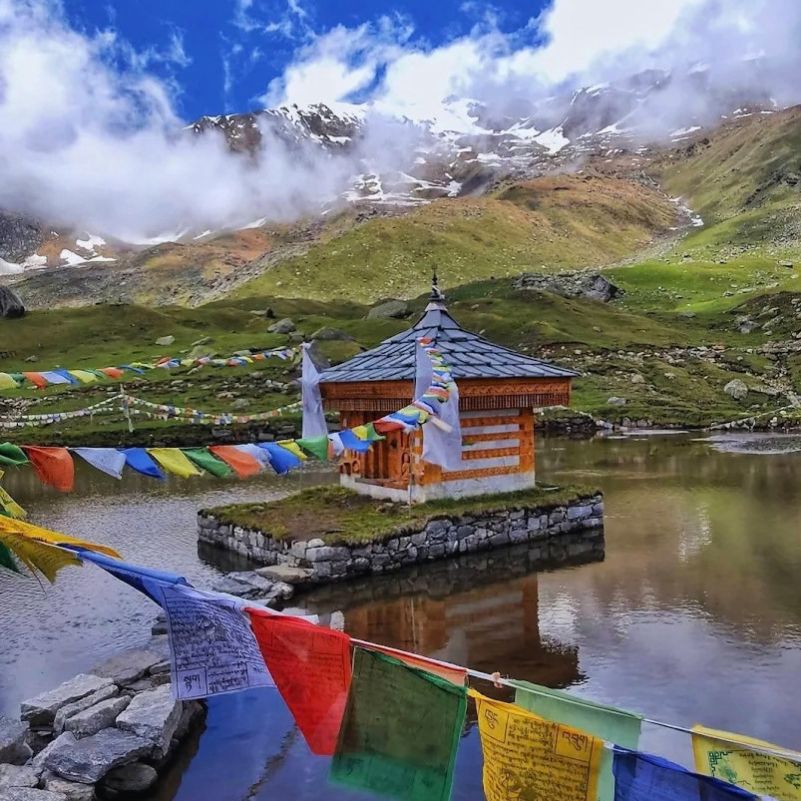 Kinnaur
Yulla Kanda Trek Guide 2026: Route, Best Time, Cost and Planning
Planning the Yulla Kanda trek in 2026? This practical guide covers the trekking route from Yulla village in Kinnaur, distance and difficulty, the best time to visit, expected costs, camping options, and essential preparation tips. Discover how to plan this high-altitude Himalayan trek to the sacred Krishna Lake with realistic expectations and local travel insights.
- Things to Do
- How to Reach
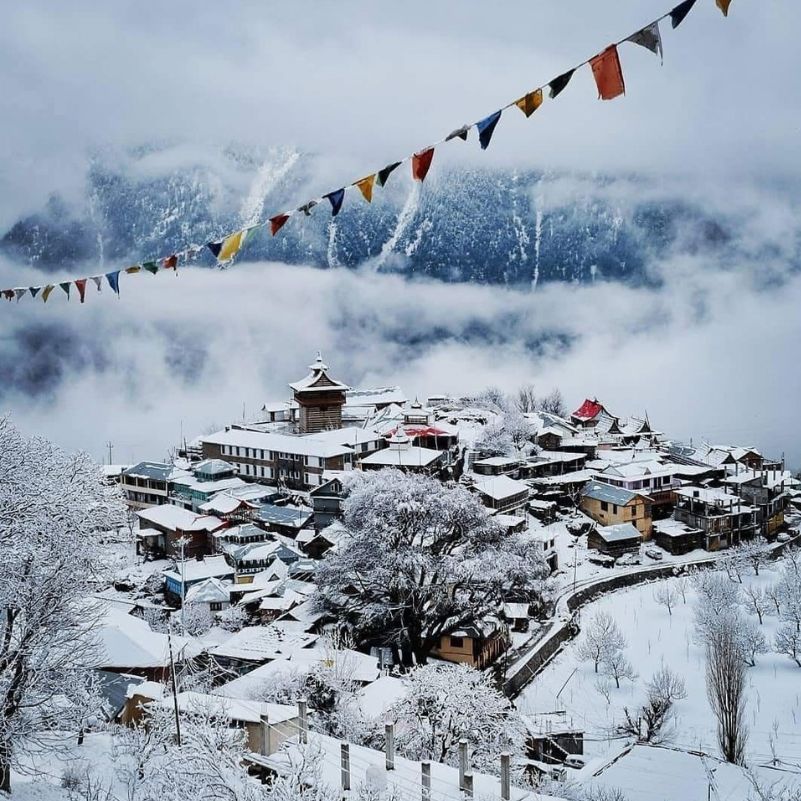 Kinnaur
Kinnaur Snowfall Guide 2026: When & Where to Look for Snow
Planning a snow trip to Kinnaur in 2026? This guide explains the best months for snowfall, the top places to find snow in Kalpa, Sangla and Chitkul, and what weather and road conditions to expect during winter.
- Snow Travel
- Best Time to Visit
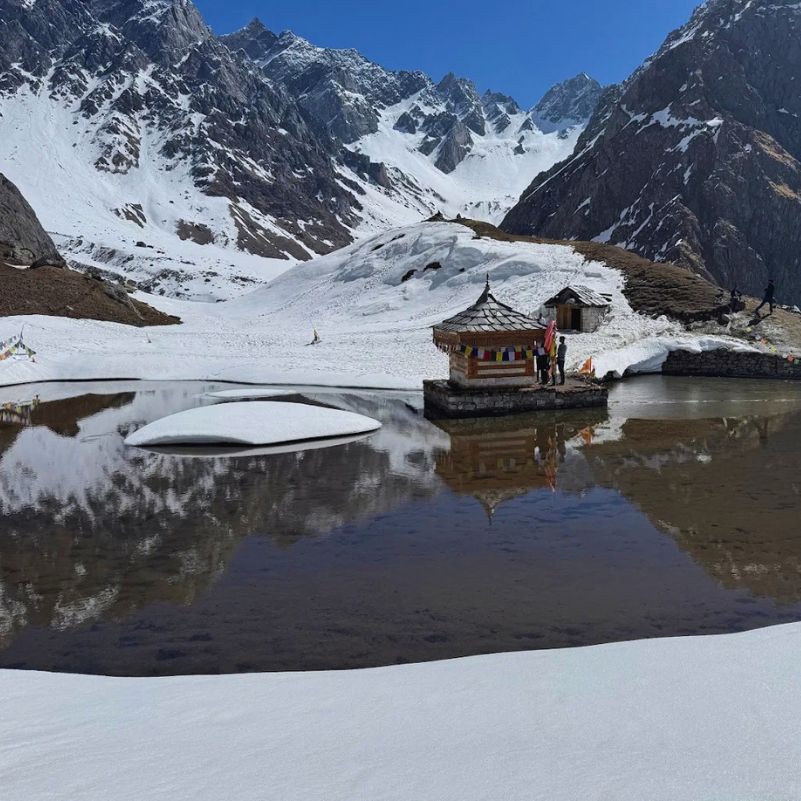 Kinnaur
Christmas & New Year in Kinnaur: A 2026-27 Winter Trip Guide
Planning Christmas and New Year in Kinnaur for 2026-27? Explore winter weather, snowfall chances, road conditions, stay options and a practical festive-season itinerary for Kalpa, Sangla and nearby areas.
- Snow Travel
- Itinerary