
Spiti Valley Bike Trip In September 2026: Best Route, Weather, Cost & Itinerary
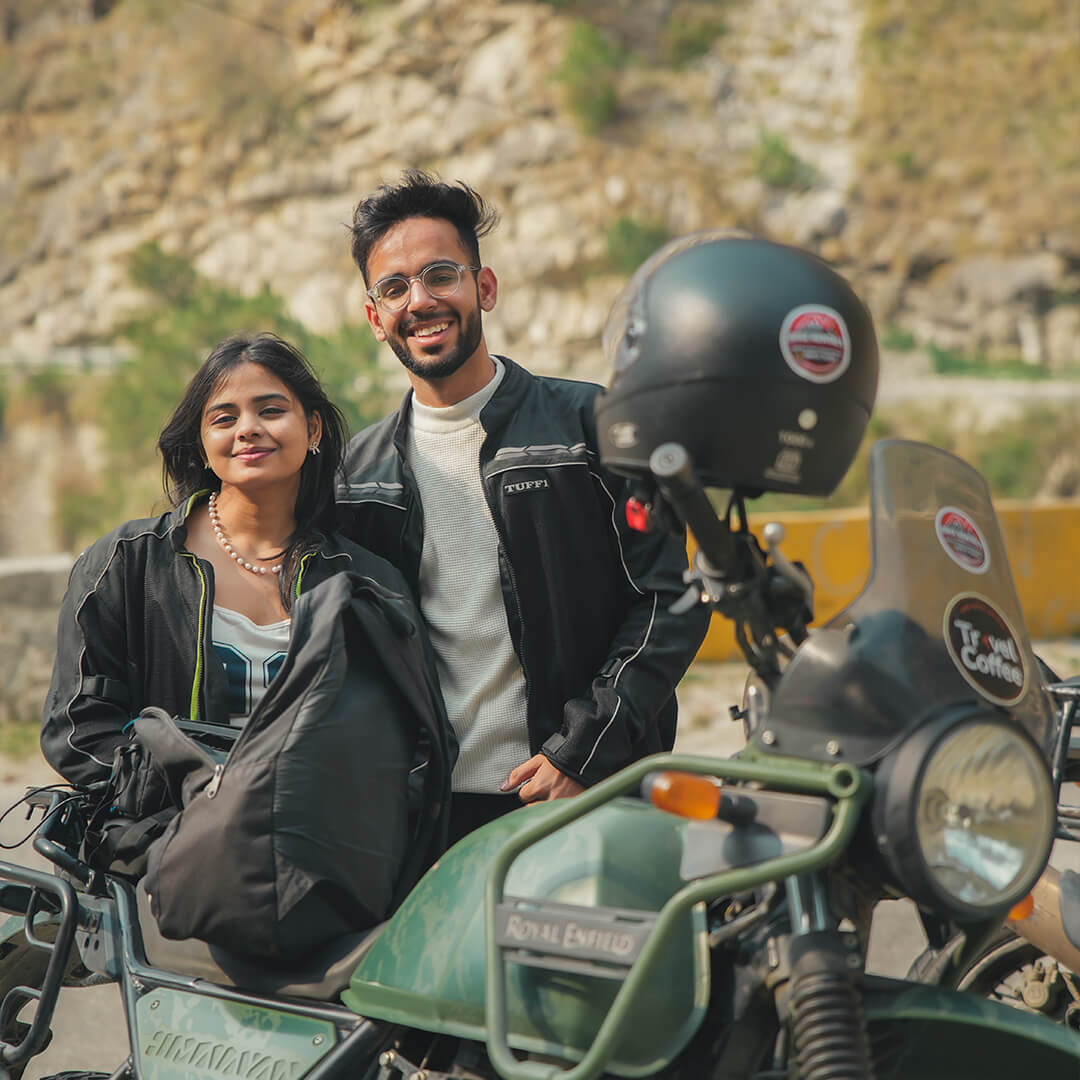
September is when Spiti stops testing your patience and starts rewarding it. The monsoon mess on approach roads dries up, the skies go from grey to deep blue, and the landscape hardens into the kind of brown-gold-and-shadow combination that looks unreal even in person.
If you have been waiting for the right month to do a Spiti Valley bike trip in September 2026, this is the window that delivers the most ride for the least chaos.
But riding a motorcycle through Spiti is not the same as driving through it in an SUV. Wind hits harder on two wheels. Water crossings soak your boots.
Cold hands at Kunzum Pass (4,551 m) are not just uncomfortable, they are dangerous. And a loaded bike on a broken road demands more from your body than most people expect.
This guide by Travel Coffee covers the real route, real costs, real weather, and real planning you need. Not vague inspiration. Actual logistics.
Quick Answer: Is September Good For A Spiti Valley Bike Trip In 2026?
September is one of the best months for a Spiti bike trip. Roads are usually more stable after peak monsoon, skies are clearer, and the full Shimla to Manali circuit is more realistic than it is in early season when passes are still settling.
The main riding window for the full Spiti circuit runs from mid-June to September. Within that, September gives you sharper visibility, drier trails, and fewer slush patches compared to June or July.
Late September needs some flexibility though. Chandratal camp operations can wind down, and Kunzum Pass conditions depend on whether early snow has arrived. Plan with alternatives, not assumptions.
👉 Join September Spiti Bike Departures With Travel Coffee
Why Is September A Sweet Spot For Spiti Bike Trips?
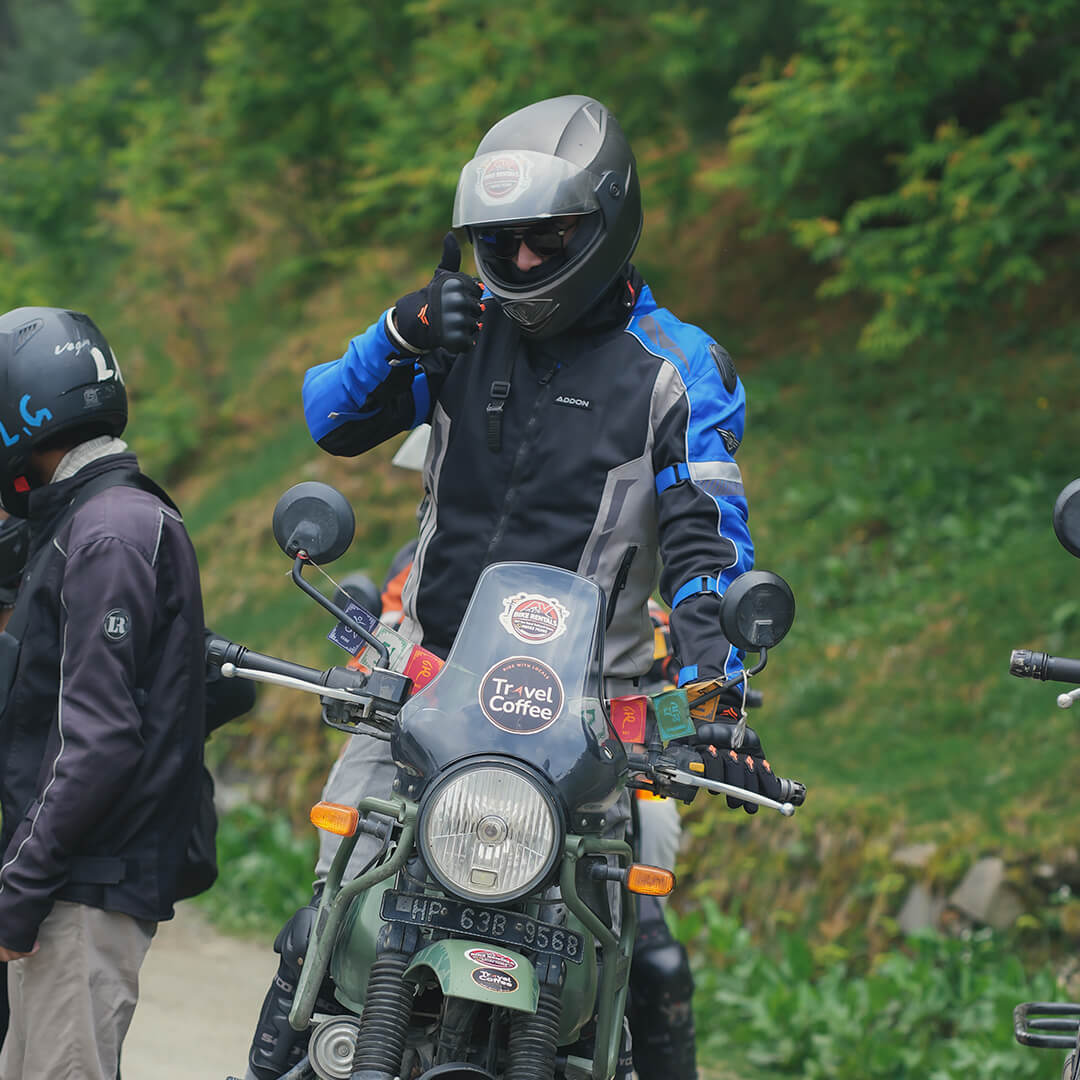
Most travel content treats all months between June and September as the same. For car travellers, the differences are small. For bikers, they are everything.
June brings active snowmelt, which means water crossings that can stall your engine and soak your luggage.
July and August need buffer days because rain on approach roads between Manali and Batal can shut sections down for hours. September, in comparison, gives you a drier, more predictable ride most days.
The landscape after the monsoon is different too. Dust settles. The air cleans up. Mountain ridges look like they have been cut out with a blade. Colours go from muted to high-contrast. If you care about what you see from the saddle, September is the month.
What most people planning a Spiti bike trip get wrong is assuming the weather in Kaza represents the whole route. The Spiti side stays dry almost all season. The problem has always been the approach roads on the Manali and Shimla sides.
By September, those stretches have dried out and stabilised, which makes the entire circuit more rideable.
In our experience running Spiti trips year after year, September riders come back with the fewest complaints about road disruptions and the most photos worth keeping.
Early, Mid, Or Late September: Which Dates Should You Choose?
Early September
Early September still carries a tail end of monsoon energy. The Spiti side is fine, but the Manali to Batal stretch or the Kinnaur section can see occasional rain.
The landscape is at its greenest, which is unusual for Spiti and worth seeing. If you are comfortable with one or two unpredictable days on approach roads, early September works.
Mid-September
Mid-September is the sweet spot for most fixed departures. The monsoon has retreated, roads are in their best post-repair shape, and camps near Chandratal are still running.
Temperatures are cool but manageable during the day. Nights are cold, no question, but that is Spiti at any time.
Late September
Late September is visually stunning but needs more planning. Nights drop sharply. Black ice can form on shaded stretches near high passes in the early morning. Chandratal camp operators may start winding down.
Kunzum Pass stays open in most years through September, but a sudden early snowfall can change that fast. If your dates fall here, keep your itinerary flexible and do not make Chandratal a non-negotiable stop.
What Is The Best Route For Spiti Bike Trip In September 2026?
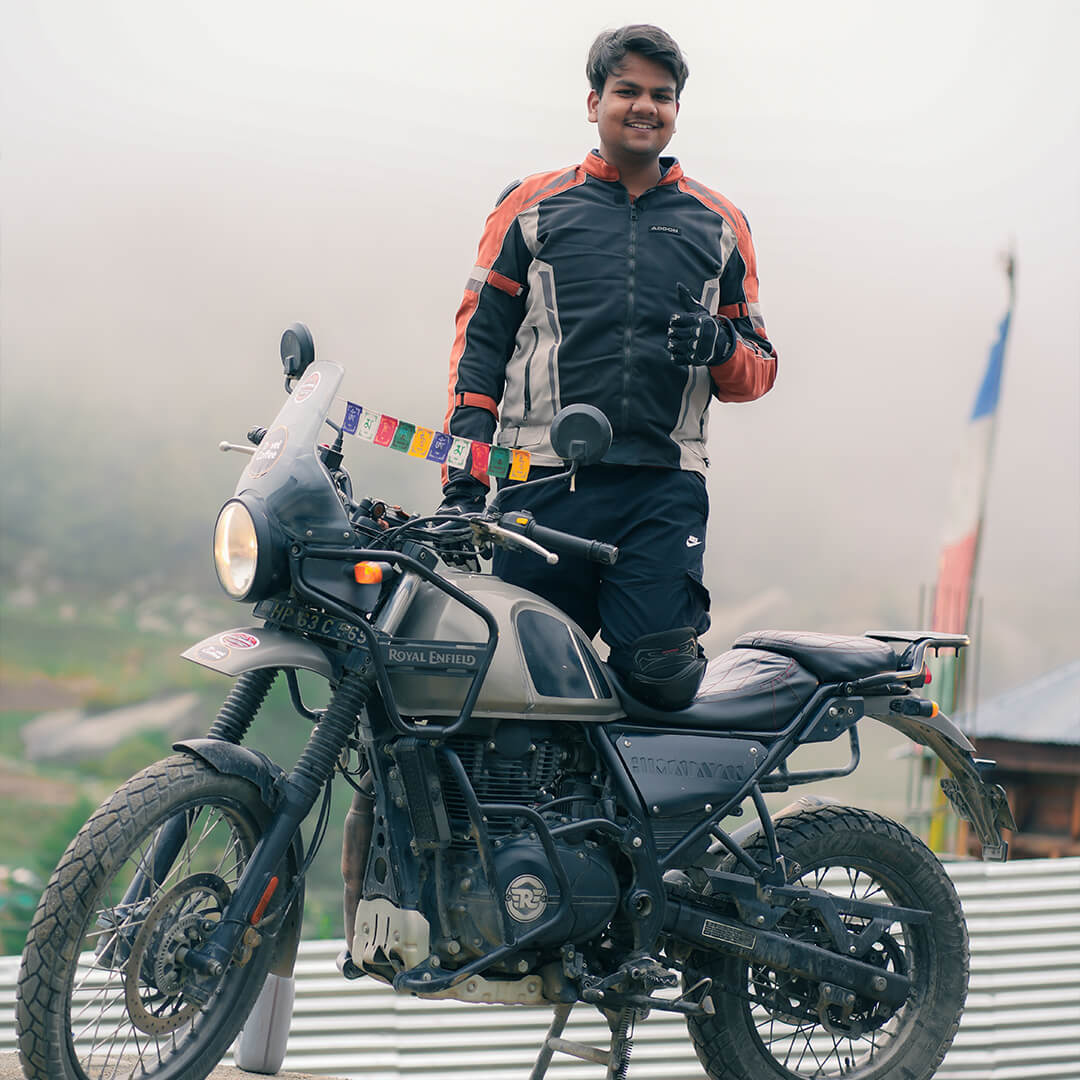
Recommended Route
The route that works best for September starts from Chandigarh (or Delhi, adding a day of riding). You ride to Narkanda or Rampur on the first full riding day, then into the Kinnaur Valley through Sangla or Chitkul, on to Kalpa, and then deeper into Spiti via Nako and Tabo until you reach Kaza.
From Kaza, you explore the local circuit including Key, Kibber, Chicham, Langza, Hikkim, and Komic. Then you ride toward Chandratal or Sissu (depending on pass conditions), drop into Manali via the Atal Tunnel, and return to Chandigarh or Delhi.
The full Delhi to Spiti round trip on this circuit covers roughly 1,600 to 1,700 km depending on detours. Delhi to Kaza via Shimla is around 770 to 800 km. Delhi to Kaza via Manali is around 750 km. But the Shimla entry is smarter for bikers, and here is why.
Why Enter From Shimla And Kinnaur?
Riding into Spiti from the Shimla side gives your body a gradual altitude gain over two to three days. You climb from Shimla through Narkanda, Rampur, and the Kinnaur valley before entering Spiti. By the time you reach Kaza at around 12,500 feet, your body has already adjusted.
Entering from Manali, you gain altitude fast through the Atal Tunnel and over Kunzum, jumping from around 2,000 metres to over 4,500 metres in a single riding day.
That is how altitude sickness happens, and on a motorcycle, even a mild headache or dizziness at the wrong moment is a serious safety issue.
For first-timers especially, the Shimla-Kinnaur entry is safer, more scenic, and gives you better acclimatisation pacing. Our riders who enter from this side consistently report feeling stronger at altitude than those who have rushed in from Manali.
What If Kunzum Or Chandratal Is Not Safe?
Ride back through Kaza, Tabo, and Kalpa, and exit via Shimla. Yes, it means retracing a section, but on a motorcycle it feels different the second time with different direction and different light.
Our Spiti Valley packages build this flexibility in. We also run Kinnaur-focused trips that pair well if the Manali exit is blocked.
September 2026 Road Status: What Should Riders Check Before Leaving?
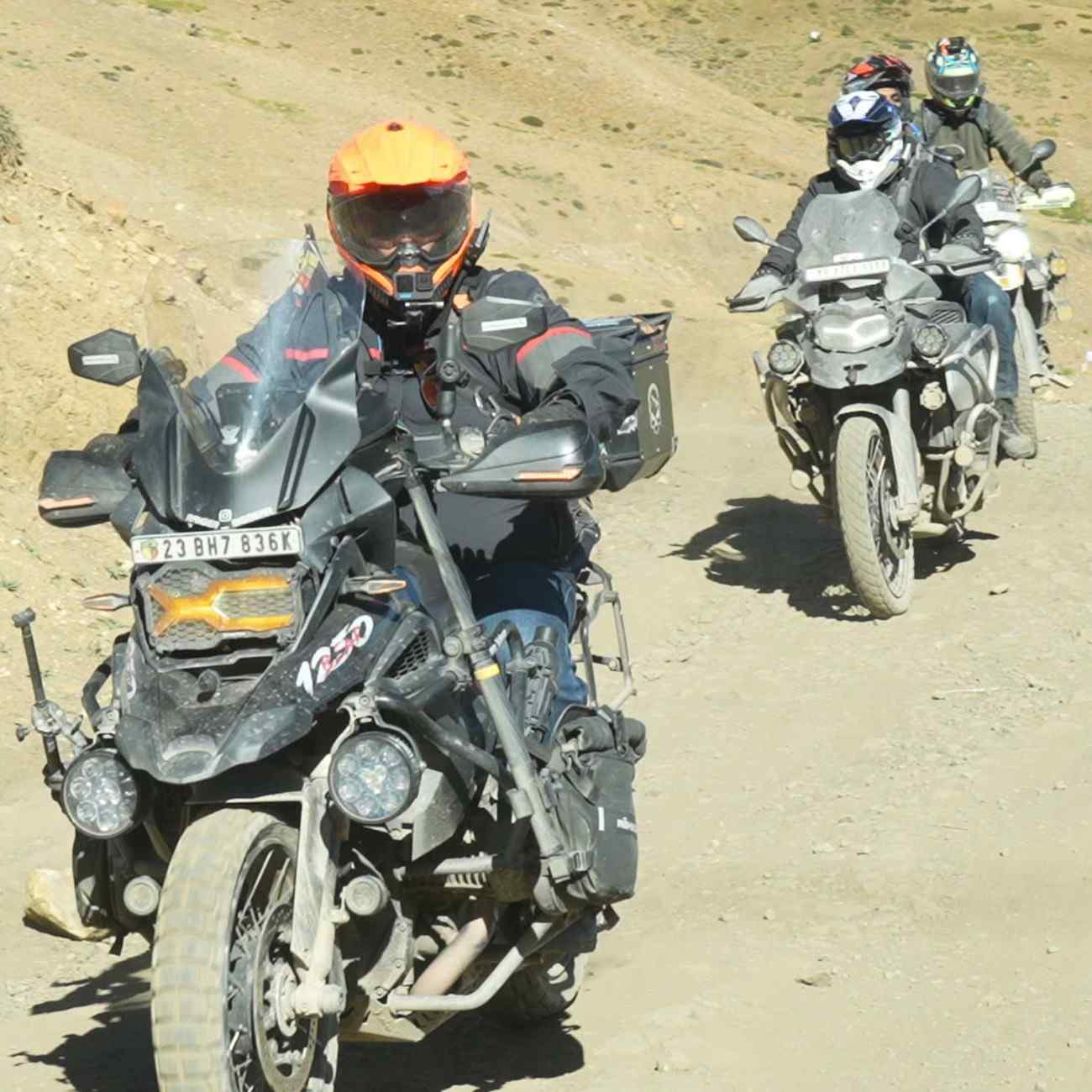
As of our last check: Delhi to Manali open, Manali to Keylong open, Keylong to Kaza closed, Keylong to Leh open.
BRO reopened the Manali-Leh highway in May 2026 after around five months of closure. The clearance work took 42 days and faced snow spells and avalanche risk.
For September riders, check not just whether a road is "open" but whether it is rideable on a motorcycle. A road an SUV can push through might still have loose gravel, broken edges, or water patches that are risky on two wheels.
Check BRO updates from Project Deepak, the Lahaul-Spiti District Administration page, and local operator WhatsApp groups the week before you leave. Our team at Travel Coffee shares live road updates with all riders before departure.
Spiti Valley Weather In September: What Should Bikers Expect?
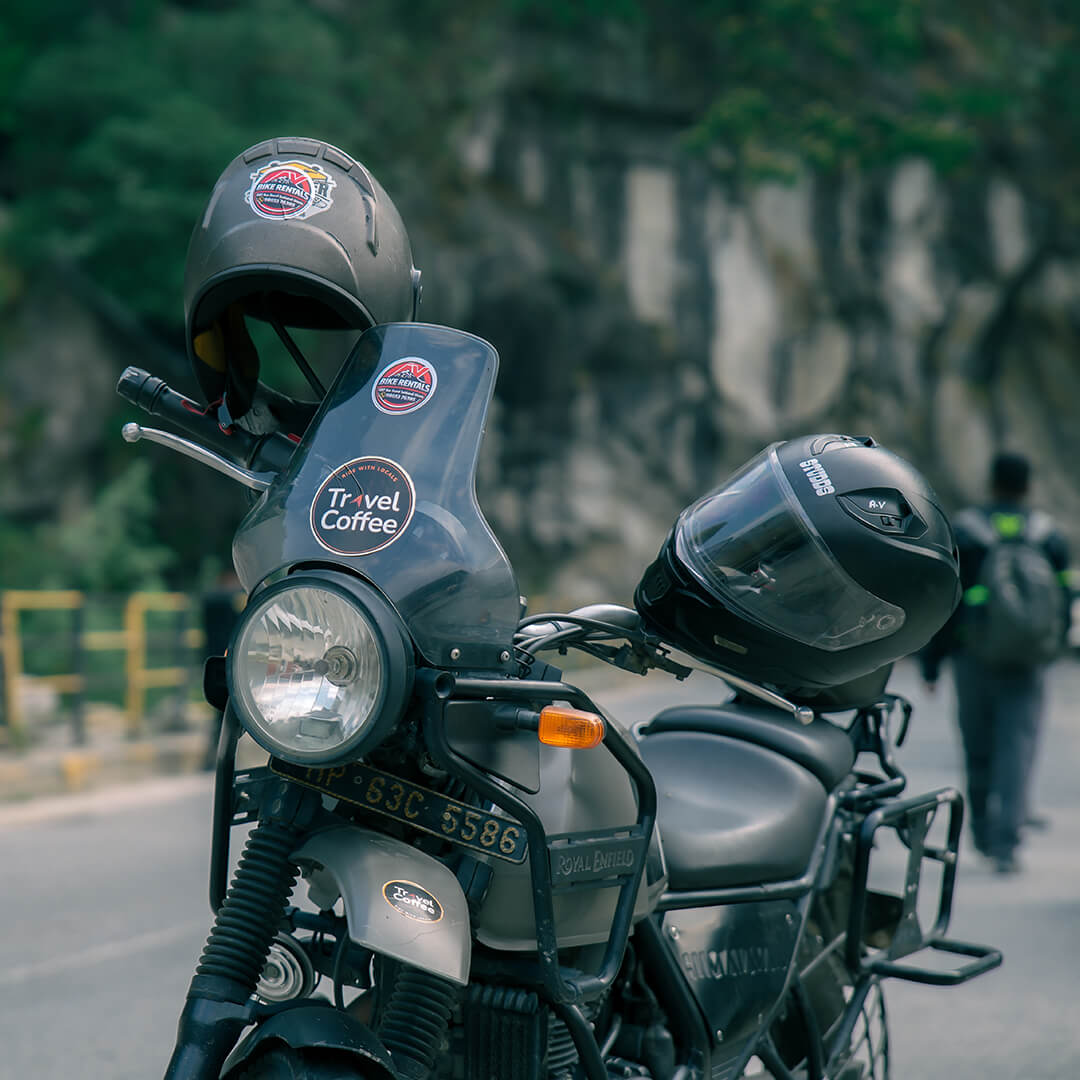
September usually gives you clear riding windows and sharp visibility. Days feel comfortable in the sun, especially in the Kaza belt. But mornings are cold, evenings are colder, and high passes like Kunzum can feel brutal even at midday if the wind is up.
Here is where it gets tricky. Weather sources give conflicting numbers for September in Spiti. One source lists daytime highs around 8°C and nighttime lows around -5°C.
Another lists highs closer to 15°C and lows around 3°C. The real answer depends on which part of Spiti you are in and how exposed the spot is to wind.
What we tell our riders is this: pack as if the night will hit -5°C and the day will be 12 to 15°C in the sun. If you are warm, you can take a layer off. If you are cold at 4,500 metres with no shop for 60 km, you are in trouble.
Wind is the factor most bikers underestimate. A 10°C afternoon at Kunzum with a strong headwind feels like riding through a freezer. Windproof gloves and a balaclava are not optional. They are survival gear.
Is Chandratal Open In September 2026?
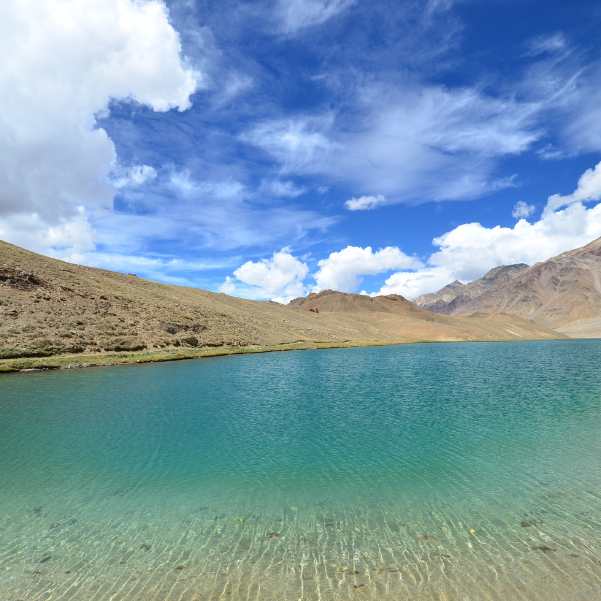
Chandratal is part of the standard June to September riding circuit, and in most years, it stays accessible through September. Camps usually operate until early October, with most shutting down around October 10.
But access depends on Kunzum Pass, the condition of the diversion road from Batal (roughly 12.5 km, single lane), snowfall, and administration advisories. September is actually one of the best months for Chandratal.
Skies are clearer, crowds thinner, and the lake colours shift to a deeper blue-green. In late September, always confirm camp operations before committing.
A smarter plan keeps Sissu, Losar, or a return to Kaza as flexible alternatives. Chandratal sits at around 4,300 m and is technically in the Lahaul region, not Spiti. Our summer Spiti circuit with Chandratal builds in this stop with a backup plan already in place.
9 Day Spiti Bike Trip Itinerary For September 2026
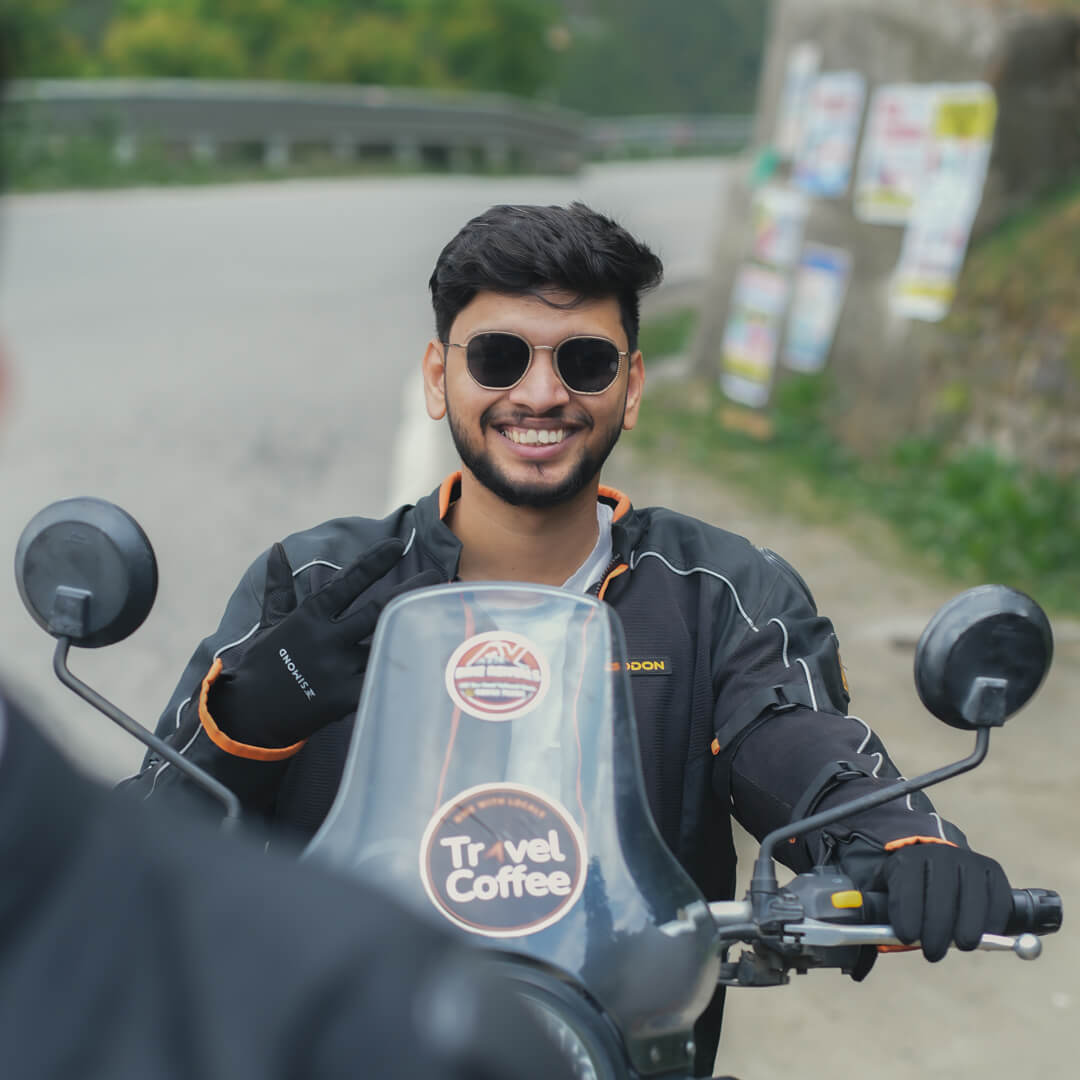
An 8 night / 9 day trip starting and ending in Chandigarh is the practical sweet spot for a Spiti bike circuit. Shorter trips force you to ride too many hours per day. Longer ones are better but harder to schedule for most working riders.
Day 1: Delhi Or Chandigarh Arrival And Bike Briefing
Arrive in Chandigarh by evening if coming from Delhi. This is not a riding day. It is about bike allocation, document checks, gear fitting, and route briefing.
If you are on a rented bike, test ride it around the block and flag anything that feels off. Do not leave problems for Day 2. Sleep early. Tomorrow starts before sunrise.
Day 2: Chandigarh To Narkanda Or Rampur
Your warm-up day. The road is mostly smooth highway followed by gentle mountain curves. Start early to avoid Shimla traffic.
Fuel up fully in Chandigarh. Fill again at every station you pass because once you enter Spiti, fuel becomes unpredictable. This is the money-saving tip that saves more headaches than anything else: always top up, never gamble on the next pump being open.
Day 3: Narkanda Or Rampur To Sangla Or Chitkul
You enter the Kinnaur Valley today. Roads get narrower, the river runs alongside, and the landscape shifts from green pines to dry rock. Chitkul claims to be the last inhabited village before the Indo-Tibetan border, and the ride in is worth the extra kilometres.
Do not ride after dark on this stretch. Blind turns and oncoming trucks without proper headlights are a real risk.
Day 4: Sangla Or Chitkul To Kalpa
A shorter riding day, intentionally. Your body needs recovery before entering Spiti proper. Kalpa gives you a full view of the Kinner Kailash range, and the apple orchards here are a world apart from what you will see deeper in the valley.
Our team always tells riders: the rest days are not wasted days. They are the days that make the hard days possible.
Day 5: Kalpa To Tabo Or Kaza Via Nako
A long riding day. The landscape changes dramatically as you cross into Spiti. Green disappears. The mountains turn brown and grey. Nako is worth a short stop for its lake and monastery.
Drink water constantly. Eat light. Do not push speed. Shimla to Kaza is roughly 450 km and usually takes around 2 riding days, which is what Days 2 to 5 accomplish with acclimatisation built in.
Day 6: Kaza Local Circuit
No highway today. You ride short distances between Key Monastery, Chicham Bridge, Kibber, Langza, Hikkim, and Komic. These are the villages and monasteries that make Spiti what it is.
The small dhaba at Langza serves momos and hot chai that taste unreasonably good at that altitude. It is a basic setup, but after days of riding, sitting in the sun with a plate of momos and the entire valley in front of you is one of those moments that stays with you.
Keep this day relaxed. Your body is still adjusting to 12,500 feet. Walk slowly. Do not overdo the riding. If you feel a headache coming on, rest. Altitude is not something you fight. It is something you wait out.
Day 7: Kaza To Chandratal Or Sissu
This day depends entirely on road conditions. If Kunzum Pass and the Chandratal diversion road are open and safe, you ride toward Chandratal. The pass sits at 4,551 m, and riding over it in clear September weather is one of the high points of any Spiti trip.
If conditions are not right, you ride to Losar or Sissu instead. Our riders always get a live road update from the road captain before this stretch. Forcing Kunzum in bad conditions is how accidents happen.
The camp stays at Chandratal are basic. Dal, rice, sleeping bags, and cold nights. But the lake at dawn, with nobody around and the water completely still, is something no photo does justice to.
Manali to Kaza via Kunzum is nearly 200 km and can take 7 to 9 hours depending on road conditions.
Day 8: Chandratal Or Sissu To Manali
The ride passes through Batal and Gramphu before reaching the Atal Tunnel. The Batal to Gramphu stretch is roughly 50 km and can take 4 to 5 hours in rough conditions.
Potholes, water crossings, loose gravel, and narrow single-lane stretches with oncoming traffic make this consistently one of the worst road sections in the entire circuit.
Once you clear Gramphu and hit the tunnel, the road transforms. Smooth tarmac, streetlights, and civilization. Manali feels like a different country after a week in Spiti.
Skip random paid “selfie point” or fenced viewpoint stops near Manali unless you genuinely want that specific photo setup.
Some private stops may ask for a small entry or photo charge, but the same valley and mountain views are often visible from public roadside viewpoints nearby. Stop only where it is safe, legal and not blocking traffic.
Day 9: Manali To Chandigarh Or Delhi
The final day. Ride or drive from Manali back to Chandigarh. If you are heading to Delhi, add half a day. Do not book a same-night flight out of Chandigarh or Delhi after riding mountain roads for over a week. Your body and your reflexes need a buffer day.
If you want to extend the trip, Manali is worth a day of rest, and Sissu is an underrated overnight if you passed through it quickly on Day 8.
Explore Our Curated Spiti Bike Trips
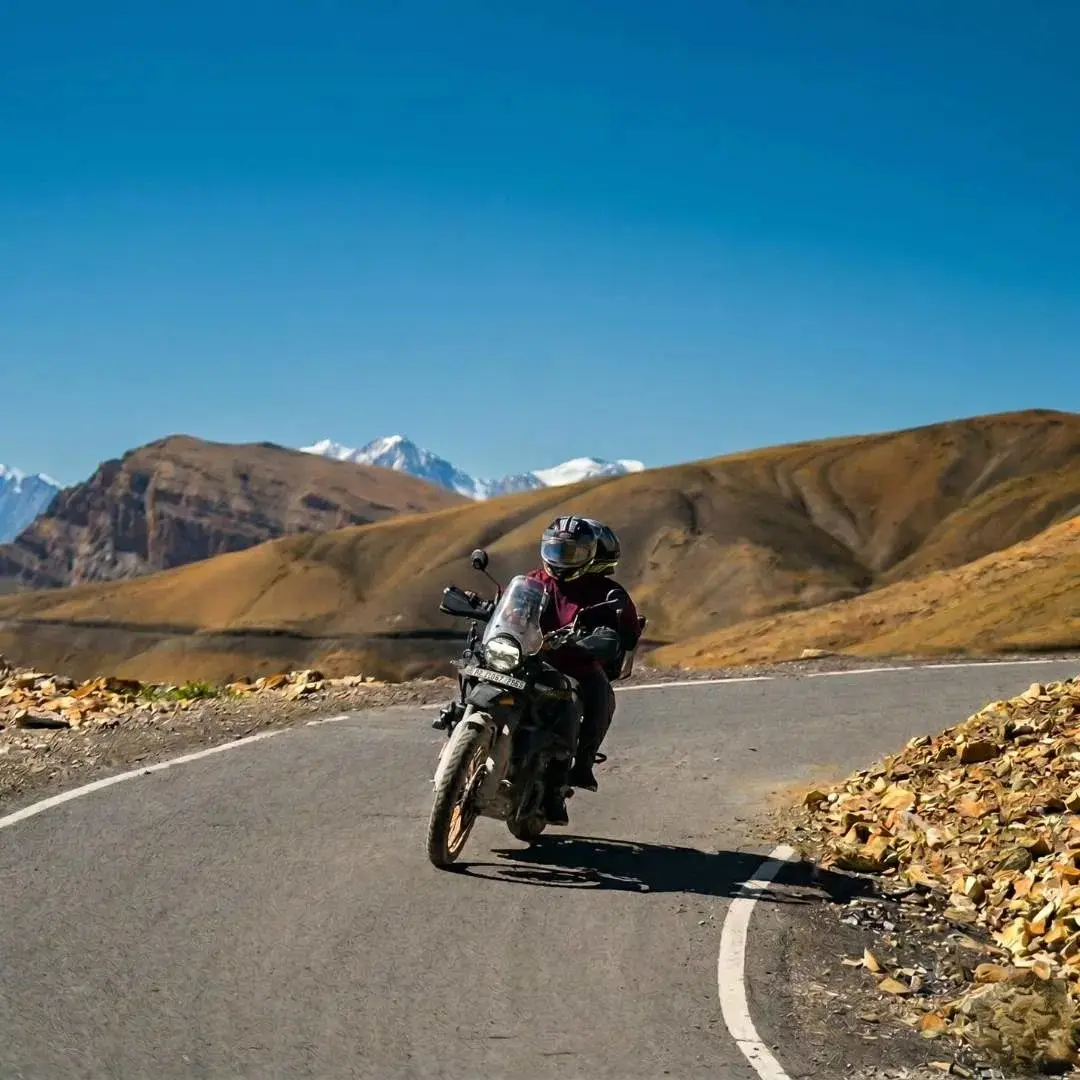 Group Tour11D/10N
Ultimate Spiti Valley Bike Expedition With Chandratal and Pin Valley
1D Narkanda•1D Sangla / Baspa Valley+5
₹32,999₹39,999SAVE INR 7,000/ person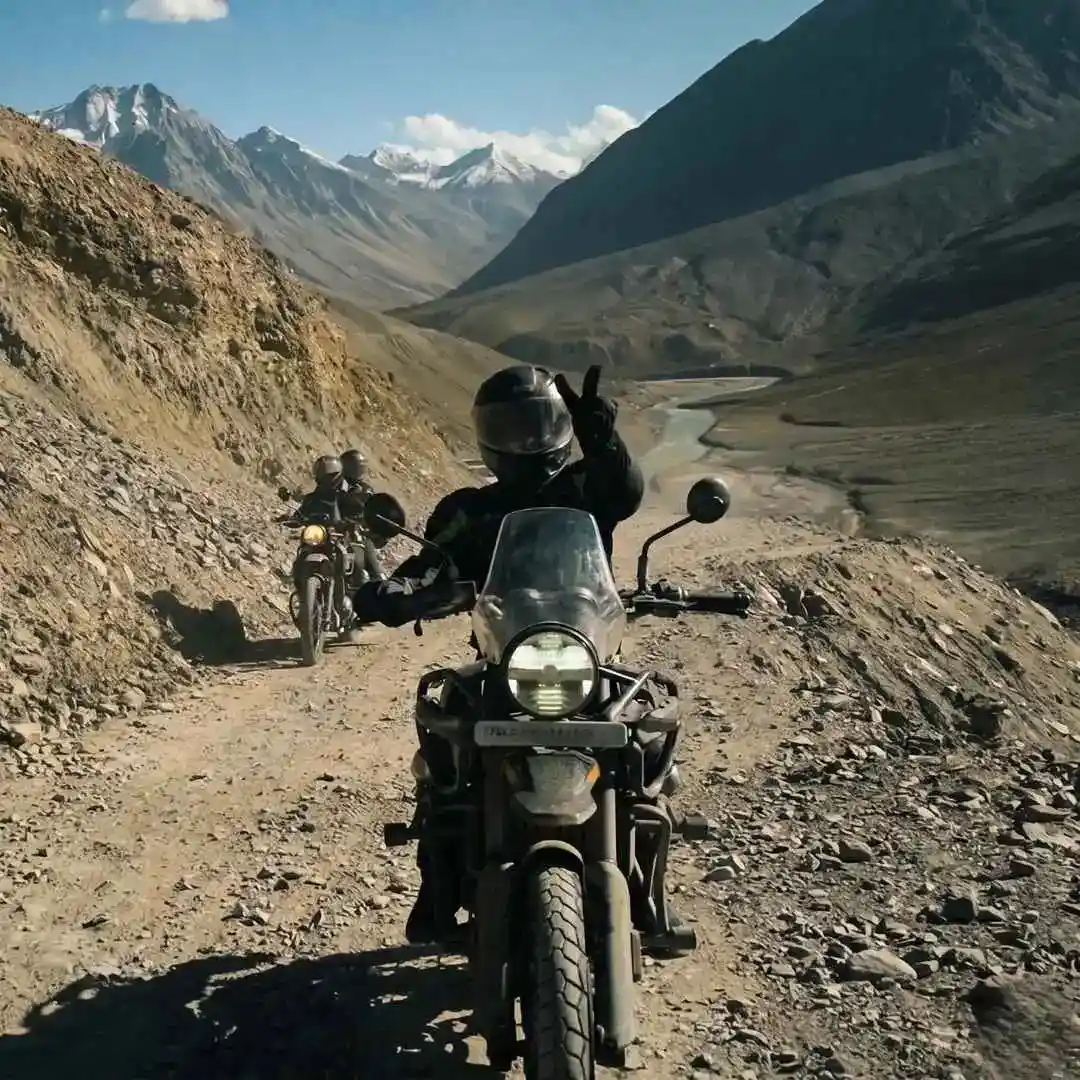 Group Tour7D/6N
Spiti Bike Trip From Manali With Chandratal
1D Sissu•1D Chandratal Camp+1
₹25,999₹29,999SAVE INR 4,000/ person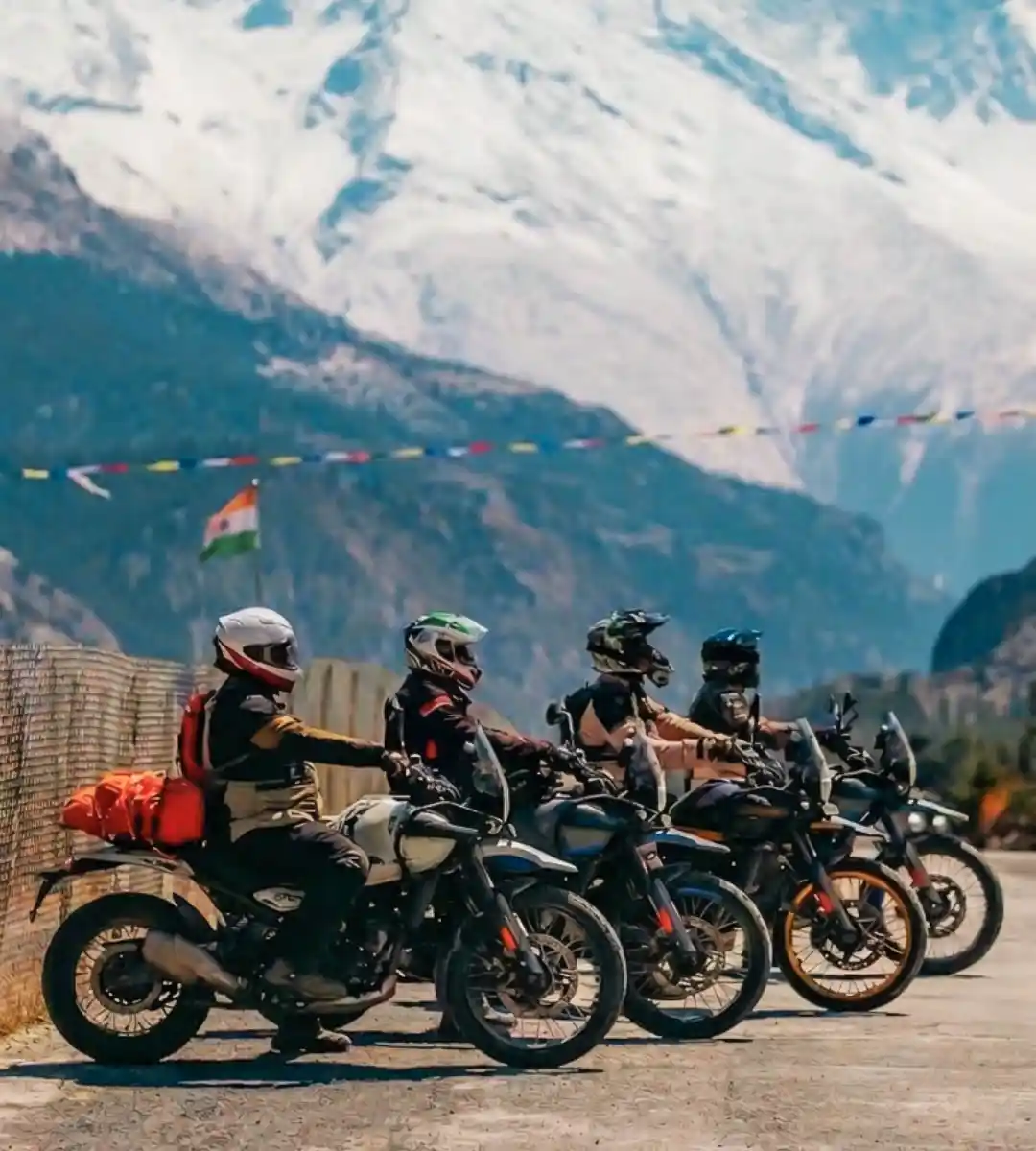 Group Tour10D/9N
Most Loved Spiti Valley Bike Expedition With Chandratal
1D Jibhi•1D Sangla+4
₹34,999₹41,999SAVE INR 7,000/ person
How Much Does A Spiti Bike Trip Cost In September 2026?
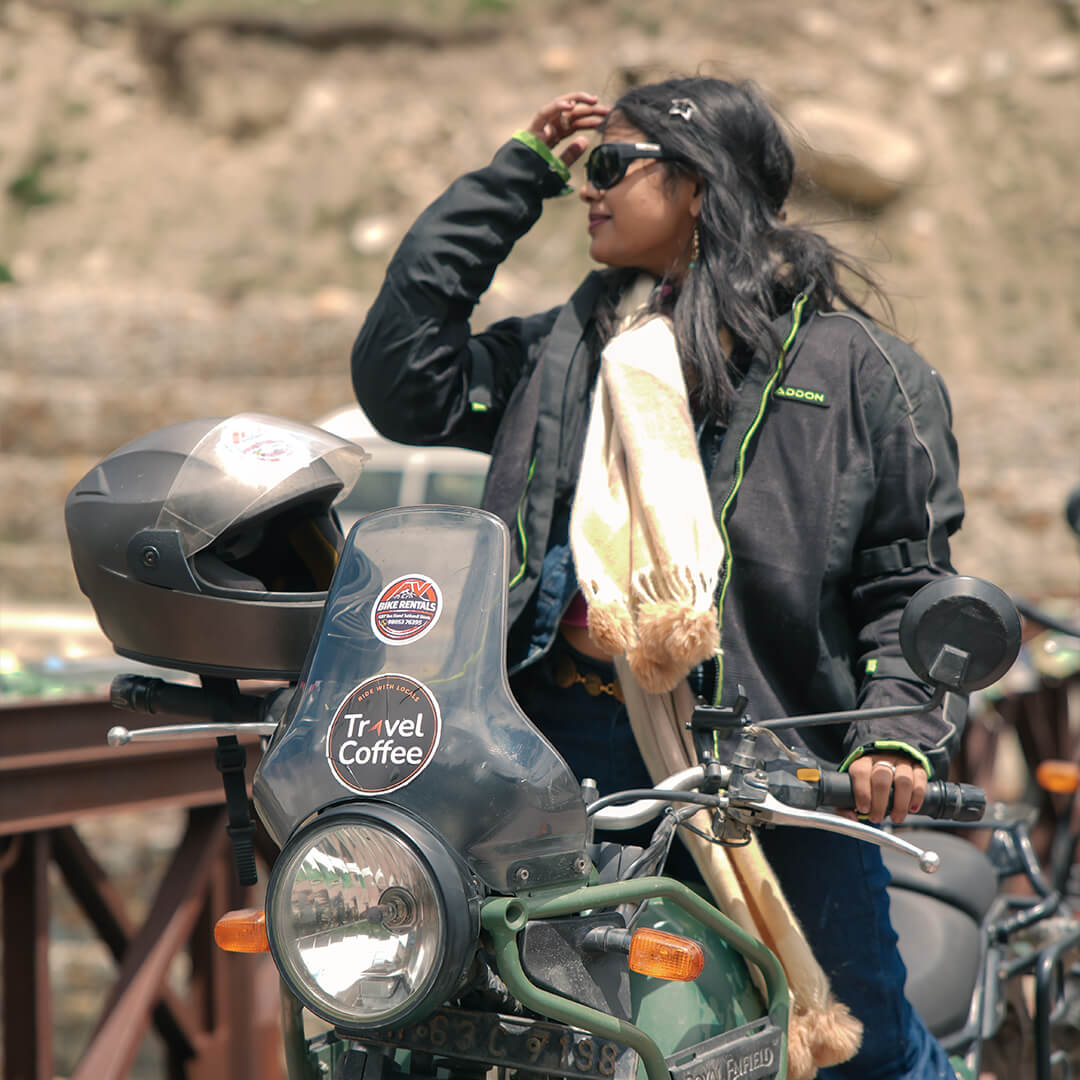
The cost depends entirely on whether you ride your own bike, rent one, or join a guided package.
A 9-day own-bike trip (fuel, food, accommodation, basic expenses) costs roughly ₹20,800 to ₹24,500 per person. This assumes you already have a capable motorcycle and are handling your own logistics.
A 9-day rented-bike trip costs roughly ₹34,300 to ₹42,500 per person. Rental prices vary by bike model and season. Security deposits are commonly ₹5,000 to ₹10,000 and often sit at ₹10,000.
A guided Spiti Valley bike tour package starts from ₹25,999 per adult. This includes the bike, fuel, gear, accommodation, meals, mechanic, backup vehicle, and all the support that makes the difference between a stressful ride and a smooth one.
Lunch, when not included, runs around ₹200 to ₹400 per meal at dhabas along the route. Carry cash for every meal. UPI works in Manali and Chandigarh. It does not work in Spiti.
👉 Join September Spiti Bike Departures With Travel Coffee
What Is Included In A Good Spiti Bike Package?
Included
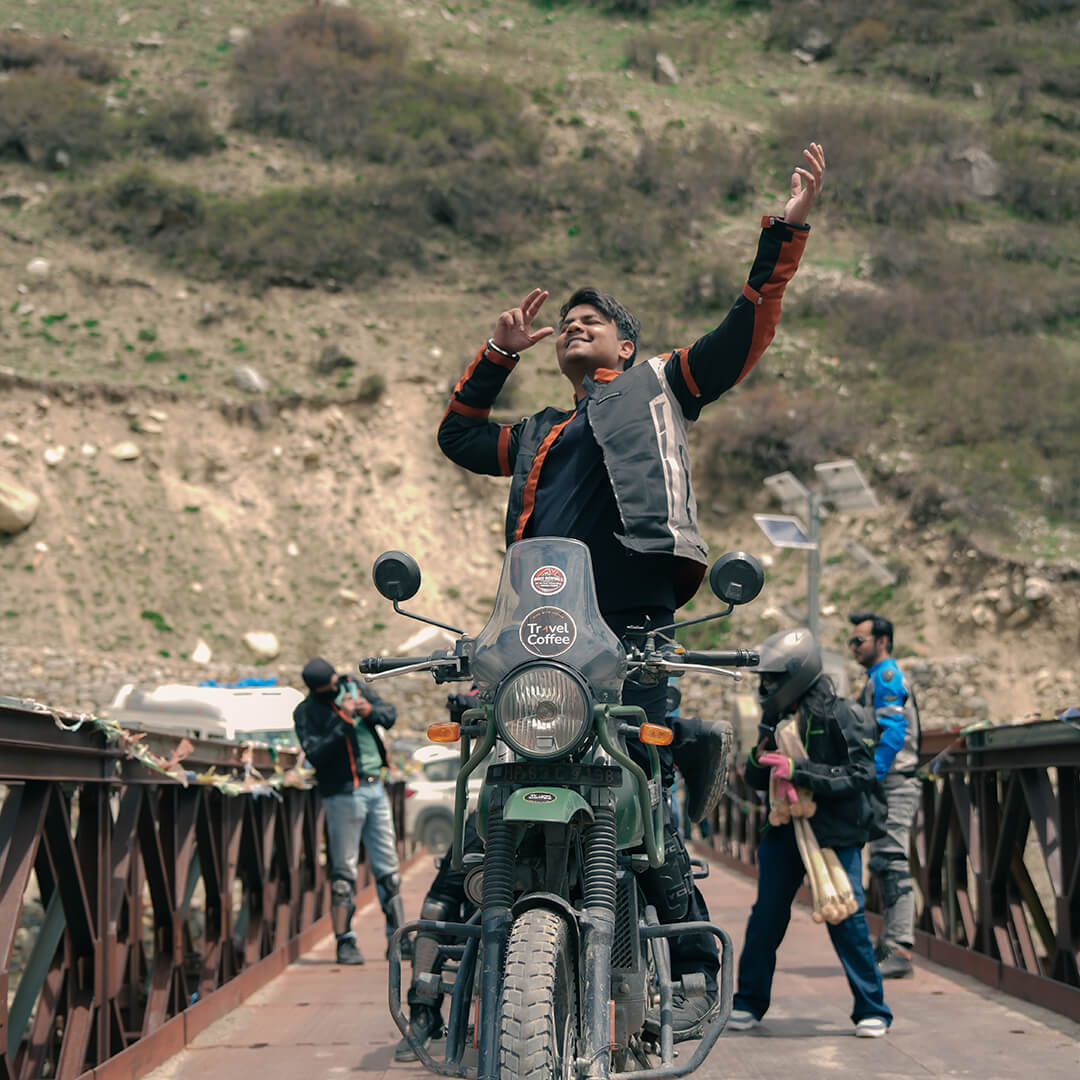
Our Travel Coffee package includes a Royal Enfield Himalayan (for applicable tiers), fuel for the route, riding gear (helmet, knee guards, elbow guards, gloves), 7 nights accommodation, 14 meals (breakfast and dinner), a Himachali road captain, sweep rider, dedicated Royal Enfield mechanic with spare parts kit, backup vehicle from Day 2 to Day 8, medical kit with oxygen cylinder, daily SpO2 monitoring, permits, parking fees, GST, and route briefing with acclimatisation guidance.
Not included
Lunch, personal expenses, monastery donations, travel insurance, alcohol, costs from weather disruptions, medical evacuation, and any spare parts or damage caused by the rider.
The backup vehicle is something solo riders underestimate until they need it. When your bike breaks down 40 km from the nearest village with no phone signal, that chase vehicle is the difference between a story and a disaster.
Do You Need Permits For Spiti Bike Trip In September?
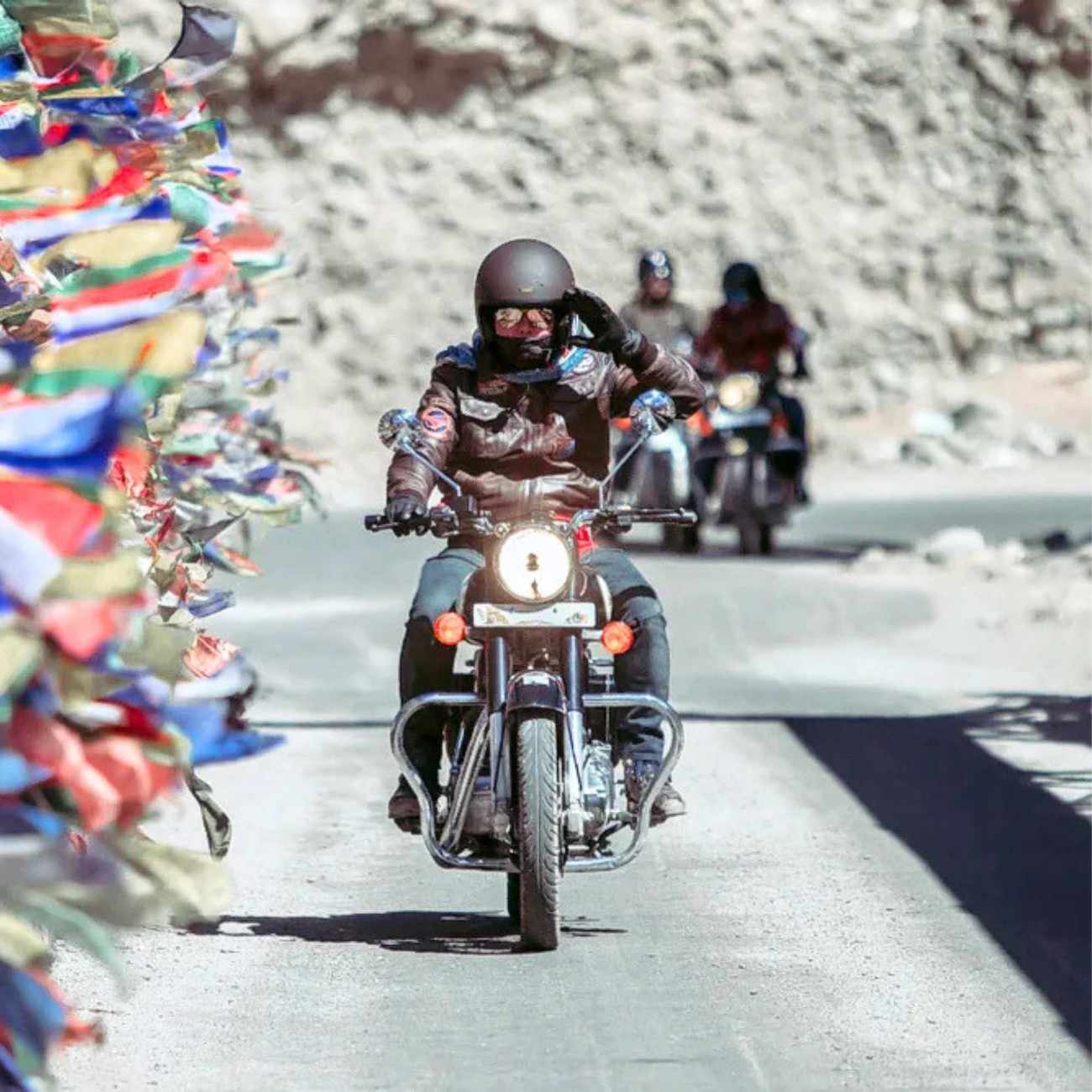
The permit situation in Spiti confuses almost everyone because there are multiple systems that overlap.
Indian citizens
Indian citizens do not need an Inner Line Permit (ILP) or Protected Area Permit (PAP) for normal Spiti tourism. Carry a valid photo ID (Aadhaar or driving licence) at all times. Checkpoints will ask for it.
Foreign nationals
Foreign nationals need Protected Area Permits for notified areas including Khab, Samdo, Dhankar, Tabo, Gompa, Kaza, Morang, and Dubling. These are processed through the District Commissioner's office or through a registered travel agent.
Vehicles entering Lahaul and Spiti must register through the e-Aagman portal. An e-permit per vehicle is required for the Atal Tunnel Rohtang-Koksar-Chandertal circuit, and an e-ticket per vehicle is required for other Lahaul-Spiti places.
Fee amounts for Rohtang, Beyond Rohtang, and SADA can change each season. Verify the exact amounts and any new rules close to your departure date. If this sounds like a lot to keep track of, it is. Our team at Travel Coffee handles all permit work for guided trips.
Which Bike Is Best For Spiti Valley In September?
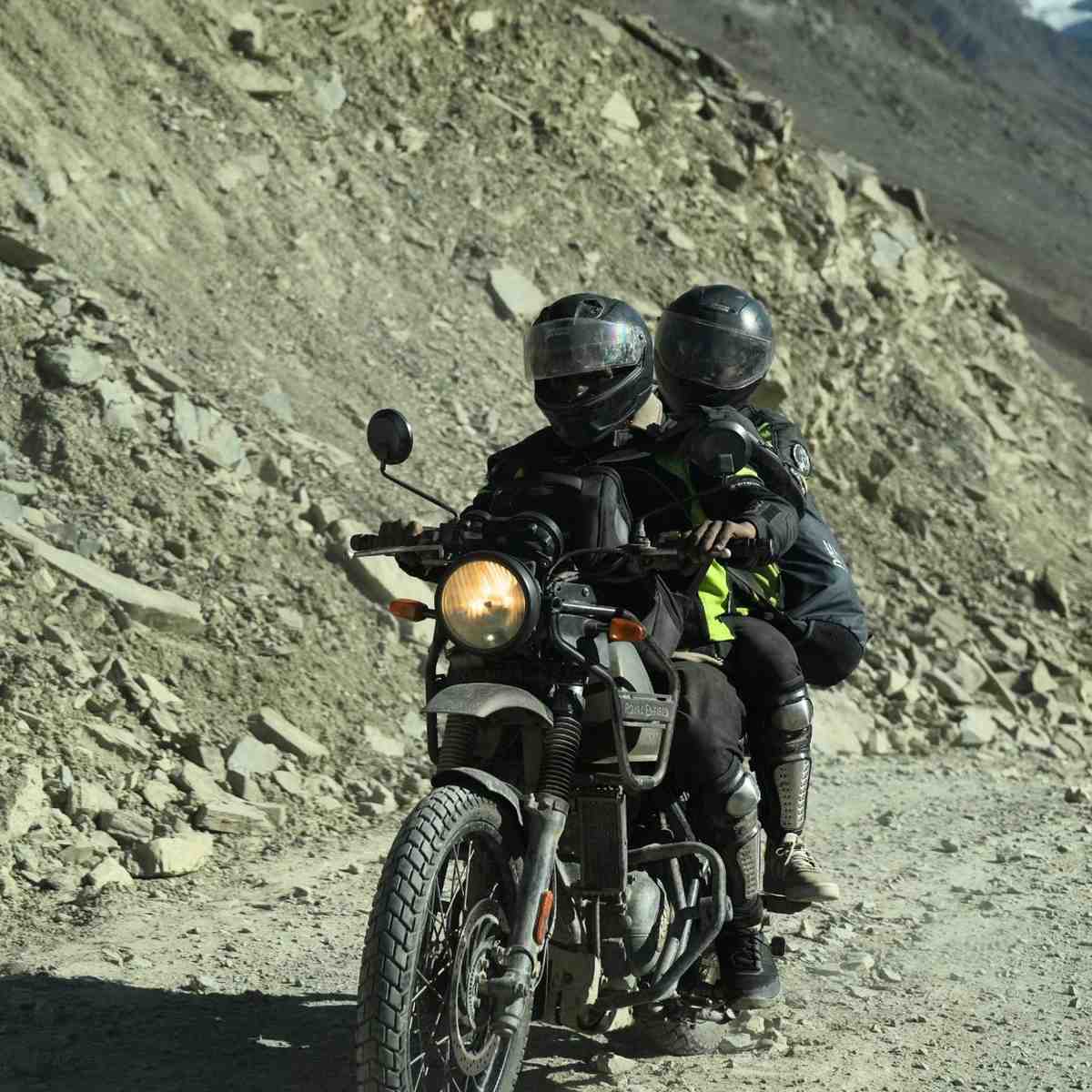
The Royal Enfield Himalayan (both the older 411 and the newer Himalayan 450) is the most common and practical choice. Comfortable riding position, good ground clearance, and spare parts available in Manali and sometimes Kaza.
The RE Scram and KTM Adventure series also work, though KTM's service network thins out fast outside the plains. The Classic 350 or 500 can do Spiti, but the heavier weight makes water crossings and gravel sections harder than they need to be.
More than the brand, what matters is the condition. Check tyre tread, clutch play, brake pads, chain tension, battery health, and all cables before you leave. If renting, take a test ride and inspect the luggage rack, mirrors, and headlight alignment.
Carry your RC, insurance, driving licence, and pollution certificate. Checkpoints will ask for all of them.
Is Spiti Bike Trip In September Safe For Beginners?
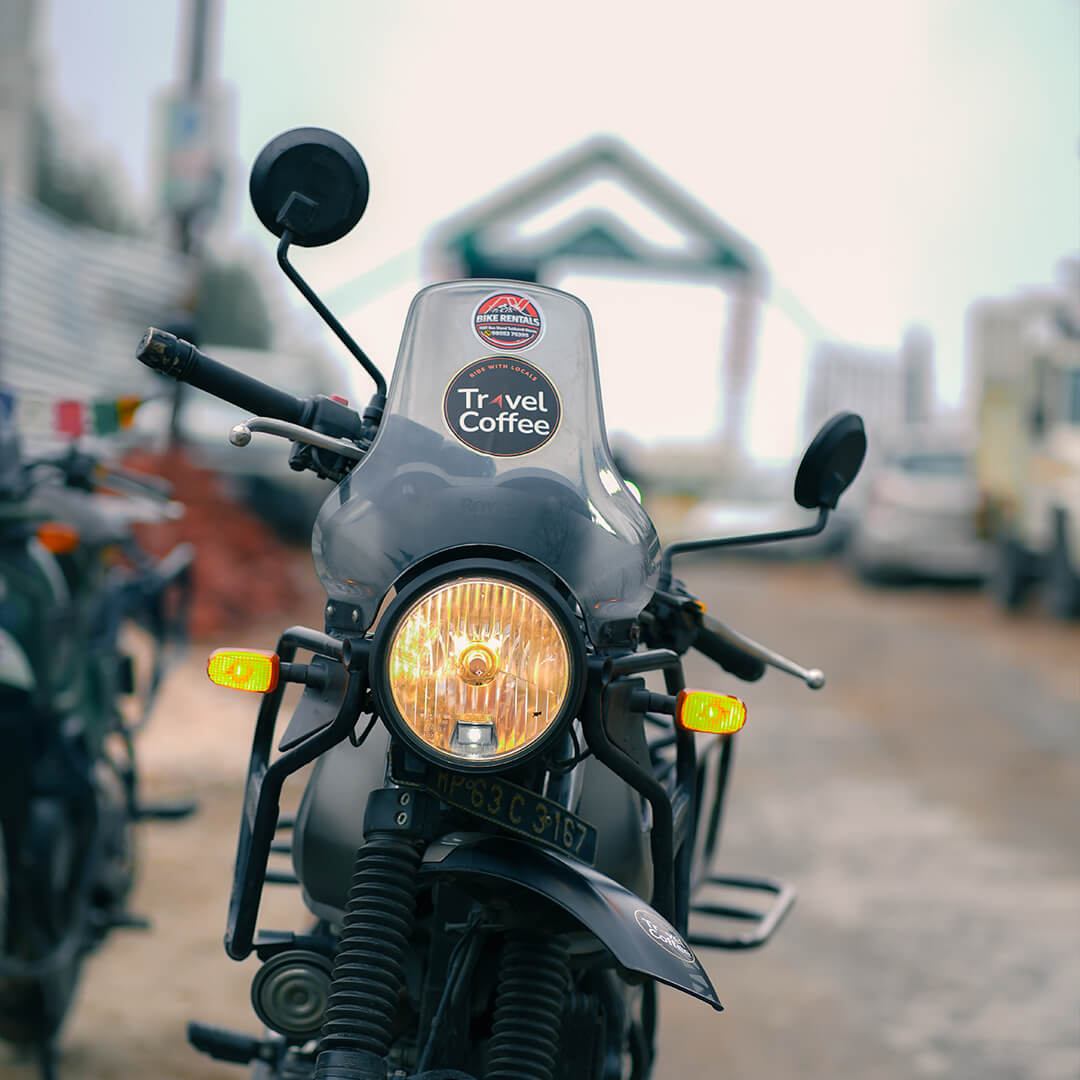
September is one of the better months for a first Spiti attempt, but Spiti is not an easy beginner ride in any month. The altitude, road quality, distance between fuel stops, and isolation mean things can go wrong fast.
If this is your first Himalayan ride, join a guided group. Solo beginners, couples, and riders with limited off-road experience benefit from a road captain, mechanic, backup vehicle, and oxygen support.
In our groups, first-timers complete the full circuit comfortably because the support removes the panic.
Packing List For A September Spiti Bike Trip
Clothing
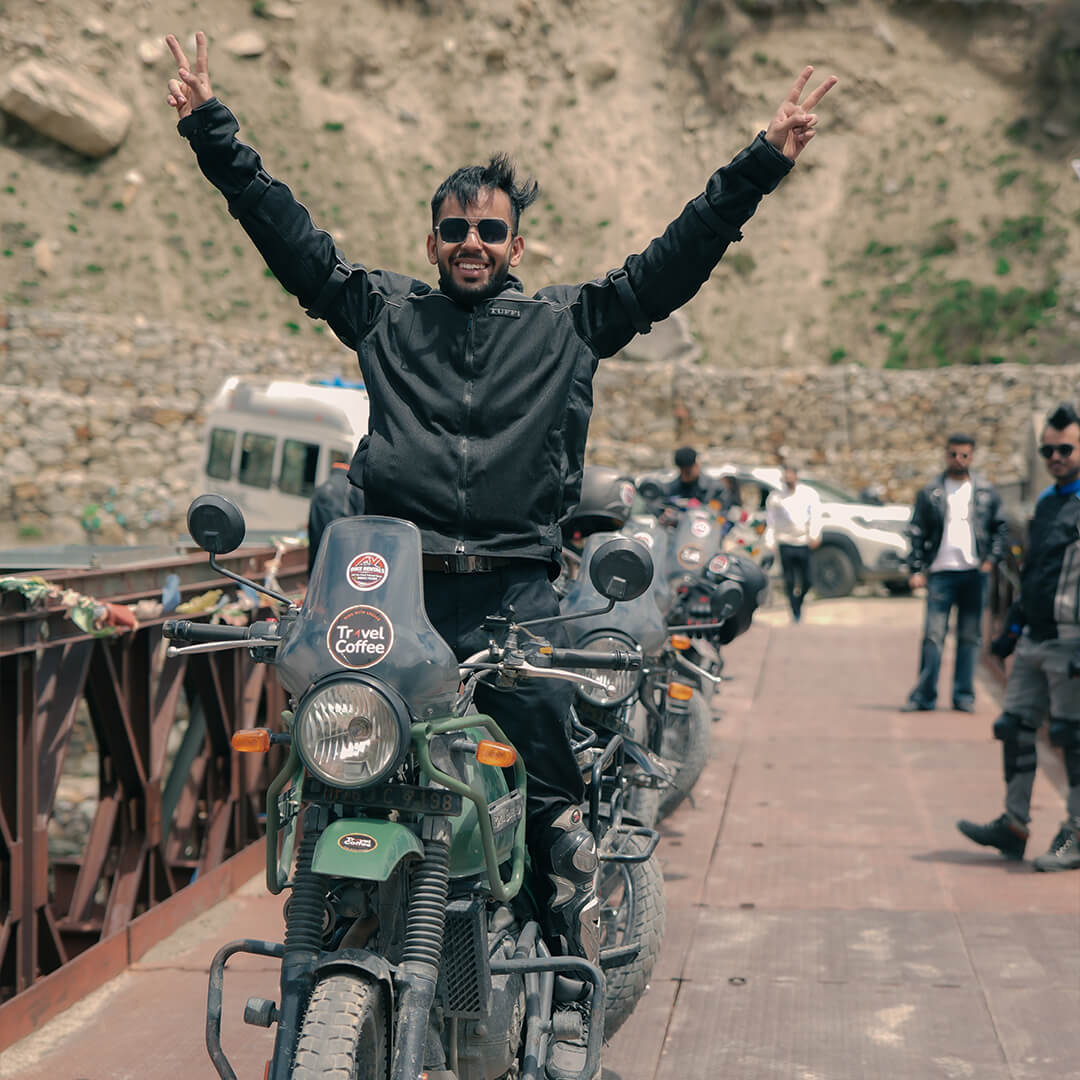
Clothing is about layers. Carry thermal inners (top and bottom), a fleece mid-layer, a riding jacket with armour, a waterproof rain layer, waterproof riding gloves (carry a spare pair), riding boots that cover the ankle, a balaclava, a neck warmer, and warm socks. Pack everything in dry bags. If it gets wet at 14,000 feet, it stays wet.
Riding gear
A full-face helmet, knee guards, elbow guards, and a high-visibility vest for low-light stretches. If your rental package includes gear, check the condition before you accept it.
Documents
Driving licence, bike RC, insurance, pollution certificate, Aadhaar or passport, printed e-Aagman pass, and two passport-size photos. Keep physical copies. Digital copies are useless when your phone dies and there is no network.
Health essentials
Personal prescriptions, paracetamol, ORS, anti-nausea tablets, sunscreen (SPF 50 minimum), lip balm with SPF, and UV sunglasses. The sun at this altitude burns skin in 20 minutes even on cloudy days.
Electronics and cash
A power bank (at least 20,000 mAh), offline maps on your phone, and enough cash for the entire trip in small denomination notes. ATMs in Kaza are unreliable. UPI works only in major towns.
Bike essentials
Puncture repair kit, spare bungee cords, tyre pressure gauge, electrical tape, spare clutch and brake cables (if on your own bike), and a reusable water bottle.
Common Mistakes Riders Make In September
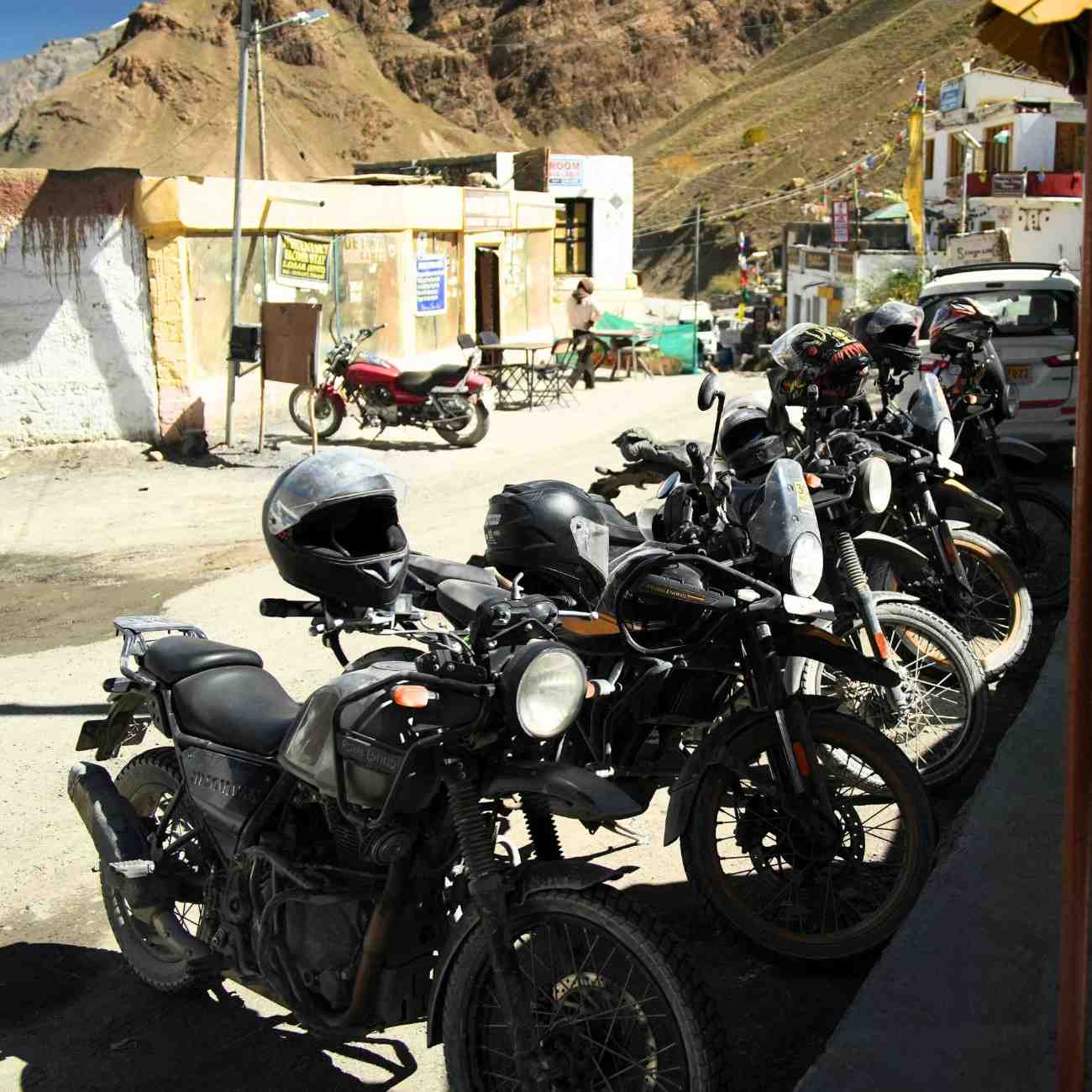
The biggest one is ignoring cold nights. September days feel warm in the sun. Then the sun drops and the temperature falls 15 degrees in an hour. Riders who packed one hoodie spend sleepless nights shivering.
Trusting road status updates from two weeks ago is another common error. A road open on September 5 can be closed on September 10. Check daily.
Skipping buffer days is how trips fall apart. One landslide, one icy morning at Kunzum, and your tight 7-day schedule is shot. A 9-day plan gives you room.
Overloading the bike makes water crossings harder and gravel sections slower. Pack only what you need. Leave the drone and the third pair of jeans at home.
Choosing a worn-out rental bike because it was cheaper saves ₹500 a day and costs you the trip when it breaks down in the middle of nowhere. Carrying too little cash is surprisingly common. ₹10,000 to ₹15,000 in small notes is the minimum.
Assuming Chandratal is guaranteed in late September is risky. Riding after dark on mountain roads is how accidents happen. And comparing Spiti roads to the smoother Ladakh highways sets wrong expectations. Spiti roads are rougher, narrower, and less maintained.
Why Book September Spiti Bike Departures With Travel Coffee?
We are a Shimla-based Himachal travel company. Our team runs these roads every season, not from a Delhi office using Google Maps. We ride these routes ourselves and know which stretches are broken this year, which dhabas are open, and which camps are worth your money.
Our September departures include acclimatisation pacing, a road captain, a mechanic with spare parts, a backup vehicle every riding day, and oxygen with SpO2 monitoring.
We handle permits, e-Aagman, accommodation, and route flexibility. If Kunzum is blocked, we have Plan B ready before you ask.
👉 Planning a September Spiti trip? Get real-time route updates on WhatsApp.
Related topics
Frequently Asked Questions
Is September good for Spiti bike trip?
Yes. September is one of the best months. Roads are more stable after the monsoon, skies are clear, and the full Shimla to Manali circuit is usually rideable. Nights are cold, but that is true for any month in Spiti.
Is late September safe for Spiti Valley?
Late September is rideable but needs flexibility. Early snowfall can affect Kunzum Pass, and Chandratal camps may begin winding down. Keep alternatives in your plan and check road status daily.
Can I visit Chandratal in September by bike?
In most years, yes. September is actually one of the best months for Chandratal. The lake colours are deeper and the crowds are smaller. But always confirm Kunzum Pass and camp operations before committing to the detour.
Is Kunzum Pass open in September?
Kunzum Pass is usually open through September. It sits at 4,551 m and can see early snowfall in late September or October. Check BRO updates and local reports before your ride day.
How cold is Spiti Valley in September?
Weather sources give conflicting numbers. Expect daytime temperatures roughly between 8°C and 15°C depending on location and wind. Nights can drop to -5°C or lower at high altitude camps. Pack for the worst, not the average.
How many days are enough for a Spiti bike trip?
9 days (8 nights) from Chandigarh is the practical sweet spot for the full circuit. Shorter trips force long, exhausting riding days. Add a day if starting from Delhi.
What is the cost of Spiti bike trip in 2026?
A 9-day own-bike trip costs roughly ₹20,800 to ₹24,500. A rented-bike trip costs roughly ₹34,300 to ₹42,500. A guided Travel Coffee package starts from ₹25,999 per adult with bike, fuel, gear, accommodation, meals, mechanic, and backup vehicle included.
Which route is best for Spiti bike trip in September?
Enter from the Shimla-Kinnaur side for gradual altitude gain and better acclimatisation. Exit via Manali through Kunzum Pass if conditions allow. This gives you the full circuit without rushing altitude.
Can beginners do Spiti bike trip in September?
Yes, but with the right support. A guided group with a road captain, mechanic, and backup vehicle makes the trip manageable for first-time Himalayan riders. Solo beginners without mountain riding experience should not attempt Spiti without support.
Do Indians need a permit for Spiti Valley?
No Inner Line Permit or Protected Area Permit is needed for Indian citizens for normal Spiti tourism. Carry valid photo ID. Vehicles need e-Aagman registration and applicable e-permits or e-tickets depending on the circuit.
Do foreigners need a permit for Spiti Valley?
Yes. Foreign nationals need Protected Area Permits for notified areas including Khab, Samdo, Dhankar, Tabo, Gompa, Kaza, Morang, and Dubling. Apply through the District Commissioner's office or a registered travel agent.
Should I ride solo or join a group bike trip?
If you have Himalayan riding experience, a well-maintained bike, and the ability to handle breakdowns and route changes on your own, solo is doable. For everyone else, a guided group is safer, smoother, and honestly more fun. The shared campsites, road stories, and mutual support make the trip better for most riders.
More about Lahaul and Spiti
 Lahaul and Spiti
Rent or Buy Winter Gear for Spiti in 2026? Jackets, Boots, Costs and Pickup Options
Planning a Winter Spiti trip in 2026? Compare the cost of renting vs buying jackets, snow boots, thermals and other essential winter gear, along with practical tips on what to rent, what to buy and where to arrange it before your trip.
- First-Time Travellers
- Snow Travel
 Lahaul and Spiti
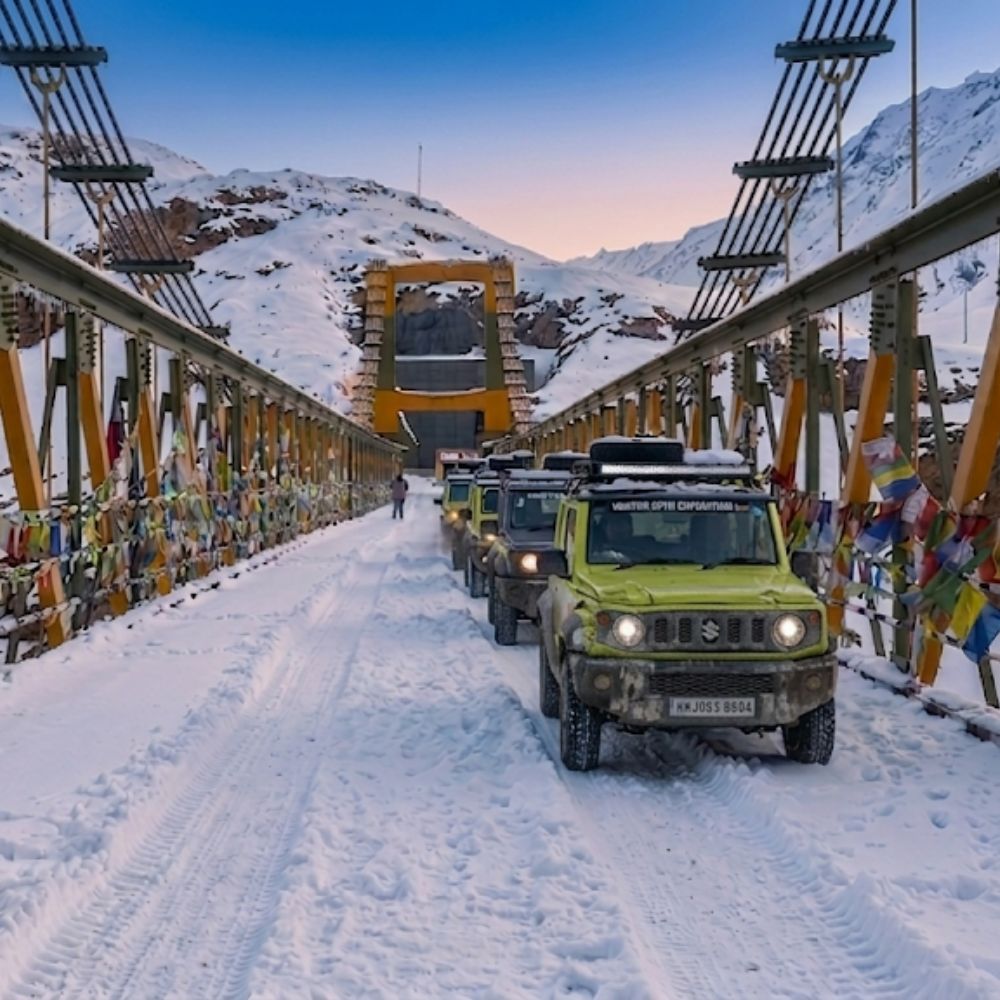
Winter Spiti 4×4 Seating Guide 2026: Jimny, Scorpio N, Thar and Hilux for Passengers and Luggage
Planning a Winter Spiti trip in 2026? This practical 4×4 seating guide compares the Jimny, Scorpio N, Thar and Hilux for passenger comfort, luggage space, winter roads and long mountain drives, helping you choose the right vehicle for your group size and travel style.
- Road Trips
- Snow Travel
 Lahaul and Spiti
Stargazing in Winter Spiti 2026: Where to Stay, Moonlight and What You Can See
Discover the best places for stargazing in Winter Spiti 2026, where to stay for darker skies and how moonlight affects visibility. Learn what you can realistically see from Kaza, Tabo and nearby villages during the winter months.
- Things to Do
- Snow Travel