
Spiti from Kolkata in October 2026: Which Route Is Actually Open?
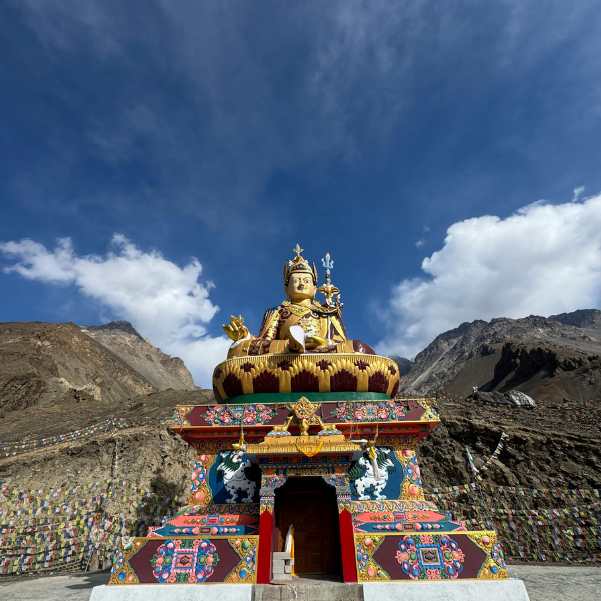
If you are planning Spiti from Kolkata in October 2026, the biggest question is not just how to reach the valley, but which route you can actually rely on at that time of year.
October is a transition month in Spiti, when snowfall and changing road conditions can affect access through Manali, Kunzum Pass and Chandratal.
This guide by Travel Coffee explains which Spiti route is usually practical from Kolkata in October, which sections may close, and how to plan the journey without depending on an uncertain route.
Quick Answer
Late October Spiti from Kolkata is still possible, and honestly, it can be one of the nicer times to go. But there is a right way to plan it. The route to build your trip around is Shimla to Kinnaur to Kaza, and then back the same way through Kinnaur and Shimla.
Do not lock a fixed Manali exit, a Kunzum Pass crossing or an overnight Chandratal stay into a late October itinerary. By this point in the season, all three depend entirely on snowfall, and any of them can drop out of your plan after a single cold night.
The Shimla to Kaza corridor is officially described as an almost all weather road. That means it usually stays open across the year, but it is not promised to run uninterrupted, so live road checks right before you travel still matter.
If you would rather not piece this together yourself, our Winter Spiti Circuit via Shimla is built around exactly this approach.
Is Spiti Safe in Late October 2026?
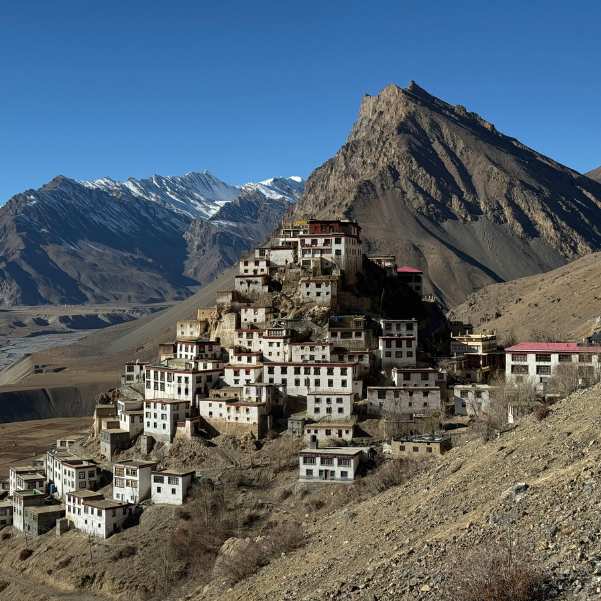
Short version, yes, late October Spiti can be done safely, as long as you plan it with the correct route, cold weather preparation, live road checks and a flexible itinerary. What it is not is an easy summer holiday, and anyone selling it to you that way is not being straight with you.
The real risks in this window are specific and worth naming.
Route disruption is the big one, followed by early snow, icy stretches on high sections, shorter daylight hours, reduced seasonal services once the peak season ends, and the very human temptation to push the Manali circuit after its reliable season has already closed.
Here is a useful reality check. Even NH 05, the main Kinnaur highway that everyone leans on, saw temporary traffic restrictions during 2026. So "almost all weather" does not mean immune to closures, it means the odds are on your side, not that you are guaranteed a clear run.
That single fact is the whole reason we plan these trips the way we do. You want a route with the best chance of staying open, plus a team keeping an eye on conditions, plus a plan B baked in from the start.
If you want to see the full range of options before deciding, our Spiti Valley tour packages lay them out clearly by season and route.
Which Spiti Route Is Actually Open in Late October?
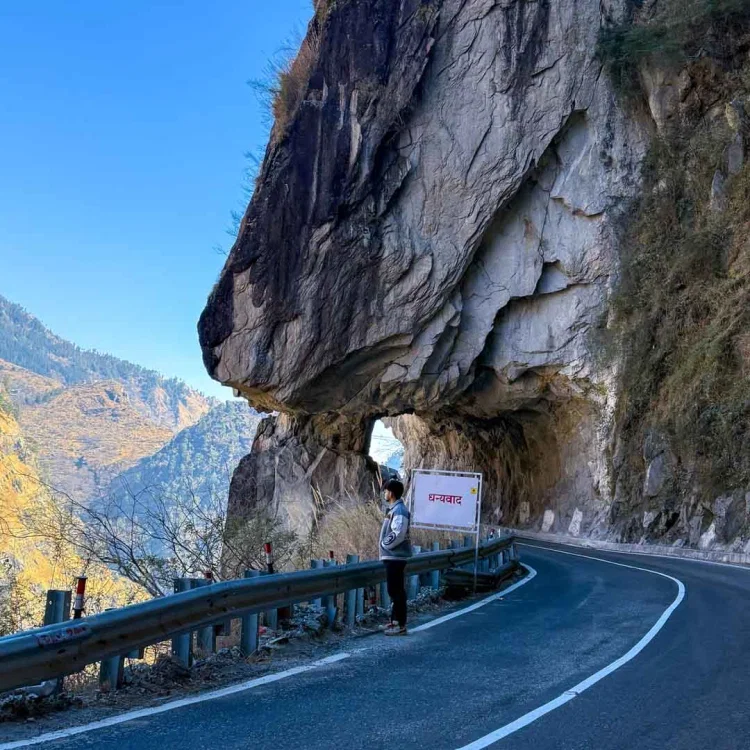
There are two ways into Spiti, and in late October they are not equal. One is a sensible plan. The other is a gamble dressed up as a shortcut.
Shimla to Kinnaur to Kaza
This is the route to plan around. The official Lahaul and Spiti district administration describes Shimla to Kaza as an almost all weather road, which is exactly why it holds up when the higher passes have already closed for winter.
The official distance is 412 km, and the same official source estimates roughly 20 hours of driving, excluding an overnight halt. Please do not read that as a challenge to do in one push. Twenty hours of mountain driving is spread sensibly across days, with proper stops.
The planning line runs Shimla, then Kalpa or Reckong Peo, then Nako, then Tabo, and finally Kaza. Late October travellers normally return through the same corridor rather than looping out the other side.
Manali to Kunzum to Kaza
This is the summer favourite, and it is the one to be careful with now. The Keylong to Kaza road depends on Kunzum Pass, and official district guidance is clear that this connection closes through winter because of Kunzum and heavy snowfall.
The winter closure typically begins somewhere around October or November, but the exact date shifts every year with the snow. It is never a fixed annual date you can circle on a calendar and trust.
So if you are reading this planning a third or fourth week October departure, please do not book a guaranteed Kaza to Manali exit. In our experience that is the single most common way a Spiti trip goes sideways at this time of year.
Why "open today" does not mean "safe to build a holiday around"
This is the part most people get wrong. A high pass being open on one particular morning does not make it reliable enough to hang a fixed flight and hotel itinerary on, several days out.
Temporary weather closures happen. So does road maintenance. So does traffic regulation in Kinnaur when a stretch of NH 05 needs managing. Any of these can turn a clear road into a closed one with very little notice.
The sensible habit is to check the official Lahaul and Spiti road status page, and speak to a local operator, immediately before you travel and not a month earlier. A road report from three weeks ago tells you almost nothing about the road you will actually drive.
How Should You Reach Spiti from Kolkata in Late October?
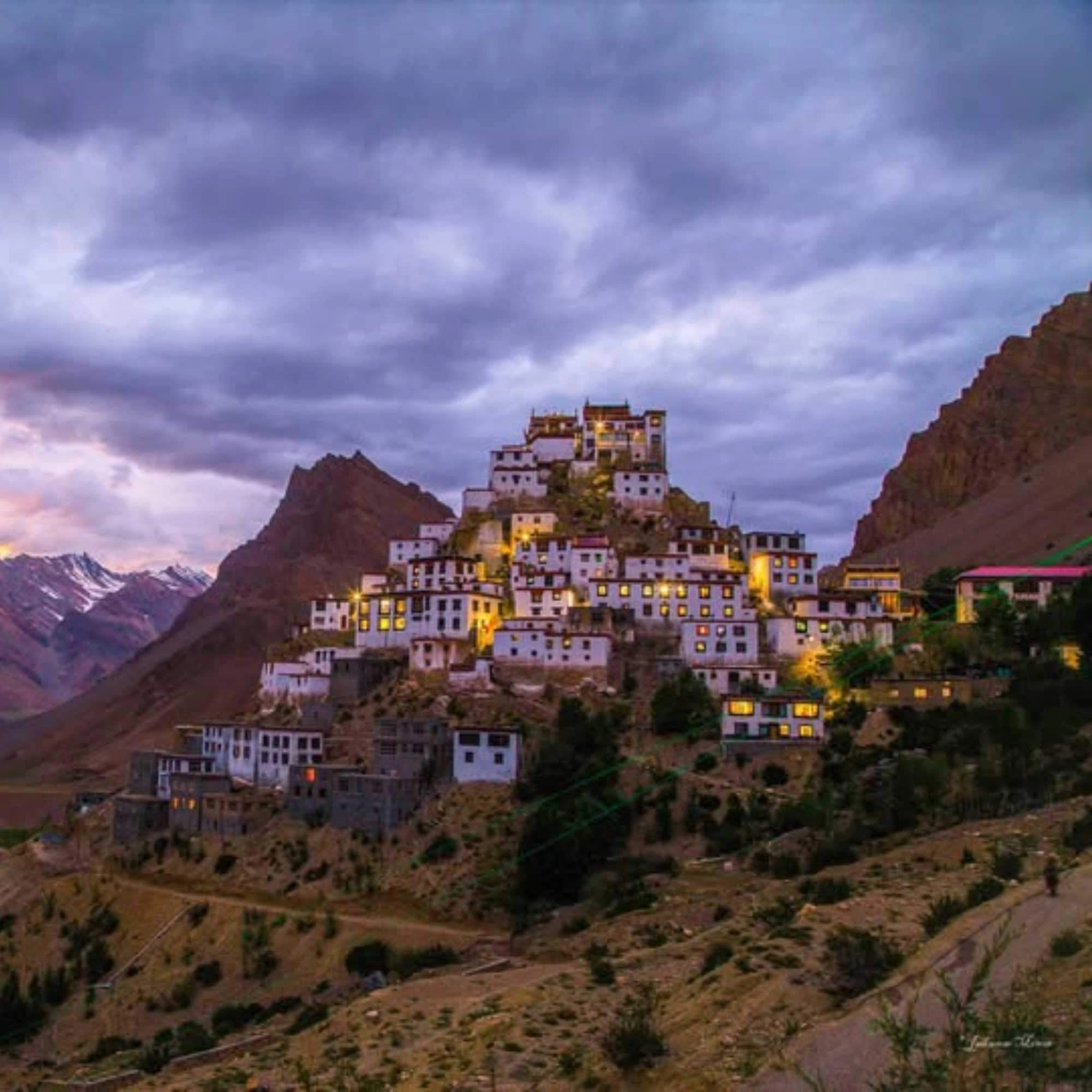
There is no direct train or flight from Kolkata into Spiti, so the journey comes in two parts. First you reach the plains gateway, then you begin the mountain route from the Shimla side.
Kolkata to Chandigarh to Shimla
For a Shimla side trip, Chandigarh is the practical gateway from Kolkata. It puts you closer to the hills and lets you start the Kinnaur route without a long detour.
Current 2026 schedules show Kolkata to Chandigarh air connectivity, including IndiGo nonstop service. That said, please verify the flight on your exact date, because airline schedules change and we would rather you check than assume.
From Chandigarh, you move up toward Shimla and begin the mountain leg from there. This is where the actual Spiti journey starts, and where staging your ascent properly begins to matter.
Why the 2026 Puja break creates a useful travel window
Here is the happy part for Kolkata travellers. Durga Puja Dashami falls on 21 October 2026, and West Bengal has additional Durga Puja holidays on 22, 23 and 24 October, plus an additional Lakshmi Puja holiday on 26 October.
Stack those together and you get a genuinely attractive travel window right after the pujo rush, without burning all your annual leave. For a longer Himalayan trip, that stretch of days is close to ideal.
Now the honest caveat, because there always is one with us. This window sits in late season for Spiti.
So a Puja departure has to use the Shimla and Kinnaur approach. Do not assume the summer circuit through Manali and Kunzum is still on the table, because by then it usually is not.
If you want to understand the lower Himachal leg of the journey first, our Shimla tour packages are a good place to start.
Why Is the Shimla Side Better for Altitude Acclimatisation?
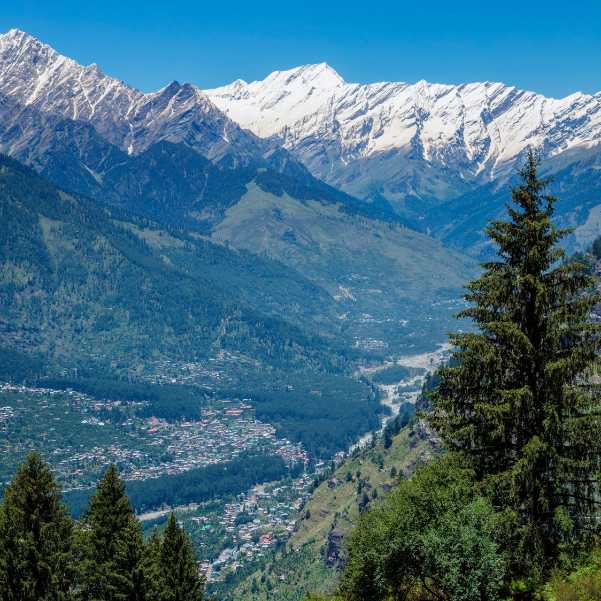
This is not just about which road stays open. The Shimla side is also kinder to your body, and that is worth understanding before you book anything.
CDC high altitude guidance recommends a gradual ascent. Above 3,000 metres, your sleeping elevation should generally rise by no more than about 500 metres per night, with extra acclimatisation time added as you climb higher.
CDC also notes that spending two to three nights at roughly 2,450 to 2,750 metres before going higher can be markedly protective against acute mountain sickness.
Look at how the Shimla route lines up with that. Kalpa sits at 2,759 metres, Nako at 3,663 metres, Tabo village at 3,280 metres, and Kaza at around 3,660 metres.
A traveller can sleep at Kalpa, visit higher Nako while passing through, then come back down to sleep at Tabo before continuing to Kaza. That climb, dip and climb again fits gradual ascent principles far better than racing up to Kaza through the Manali and Kunzum side in a rush.
Our team recommends this staged rhythm for almost everyone, not just first timers. It is simply a more comfortable way to arrive in central Spiti feeling well rather than wrecked.
One thing we will never do is promise this prevents altitude sickness, because it does not.
Anyone with a relevant medical history should speak with a doctor familiar with high altitude travel before the trip. Our Kinnaur tour packages follow this same gradual approach through the valley.
What Does the Shimla Side Spiti Route Look Like?
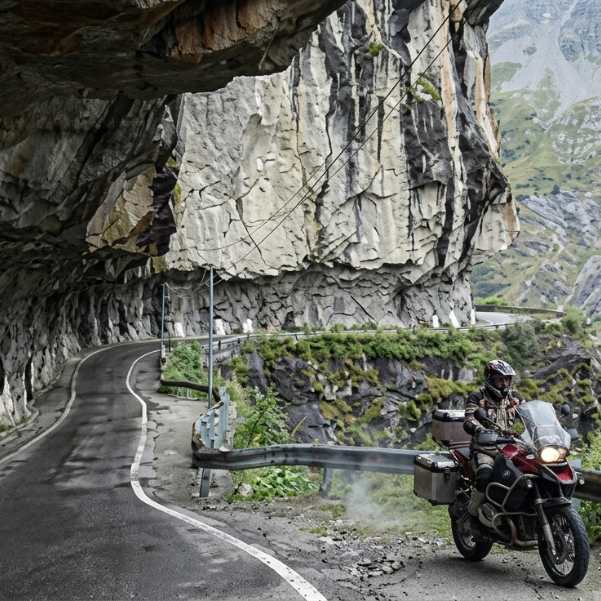
Let us walk the route the way you would actually drive it, so the shape of the trip makes sense.
Shimla to Kalpa
Kalpa is your first important Kinnaur halt, and a lovely one to ease into. It sits at 2,759 metres and is officially listed at 260 km from Shimla.
Use this leg to enjoy the way the scenery shifts, from the greener lower Himachal hills into the sharper, drier drama of Kinnaur. There is real value in slowing down here rather than treating it as just distance to cover before Kaza.
Kalpa to Nako to Tabo
From Kalpa you head toward Nako, which sits at 3,663 metres and is listed at 119 km from Kalpa according to Kinnaur district information. In the acclimatisation sequence we suggest, Nako works best as a route stop and a sightseeing halt rather than your overnight high point.
You then continue on to Tabo for the night. Use 3,280 metres as the figure for Tabo village here, and do not confuse it with the separate Himachal Tourism figure of 3,050 metres, which refers to Tabo Monastery itself.
Tabo is home to a thousand year old monastery, and the evenings here are quiet in the best way. After the day's driving, that stillness is genuinely welcome.
Tabo to Kaza
From Tabo you continue toward Kaza, at around 3,660 metres. Dhankar can be added along the way, but only if local conditions and daylight actually allow it, not as a fixed promise.
Think of Kaza as your practical base for the central Spiti sightseeing days. It is where you settle in, catch your breath, and explore the valley properly from a fixed point.
What Can You Still See in Spiti in Late October?

Plenty, as it happens, as long as your expectations match the season. The core experience of Kalpa, Nako, Tabo, Kaza and Key Monastery is very much on the table in late October.
Kibber and Chicham can often be added if the local roads stay clear, and the Chicham bridge is a genuine highlight when conditions cooperate. The higher villages of Langza, Hikkim and Komic are weather permitting only, so we treat them as a bonus rather than a booking promise.
The real appeal of this window is different from summer, and quietly better in some ways.
You get far fewer travellers, cold clear air on good days, golden Kinnaur landscapes, the dry sculpted scenery of Spiti, ancient monasteries, and an overall quietness that the peak months simply cannot offer.
We will not promise you snow, because we cannot control the sky. Some late October trips see it, others see clear dry valleys. Both are beautiful, and honestly, chasing a guarantee here only sets you up for disappointment.
What Should You Not Plan for in Late October?
This is the section we would ask you to read twice, because it is where good planning quietly saves a trip.
Chandratal Lake
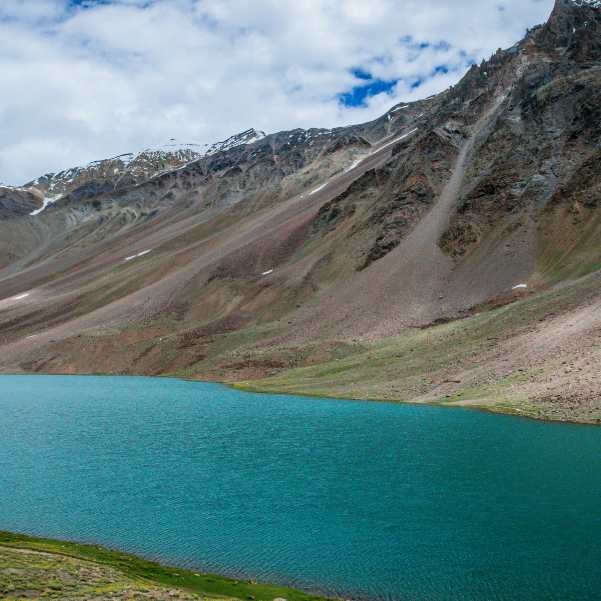
Let us be unusually blunt here. Our own 2026 guidance says the Chandratal camps generally wind down around 10 October, and independent Himachal operator guidance separately puts the practical camp shutdown at roughly 8 to 10 October.
So late October is simply not the time to promise anyone an overnight Chandratal stay. The season for it has closed.
And please hold onto this distinction. A road being temporarily passable is not the same as having a safe, supported tourism setup at the other end. One is a gamble, the other is a holiday. For the full picture on timing, see our Chandratal opening and season guide.
Kunzum Pass and the Manali exit
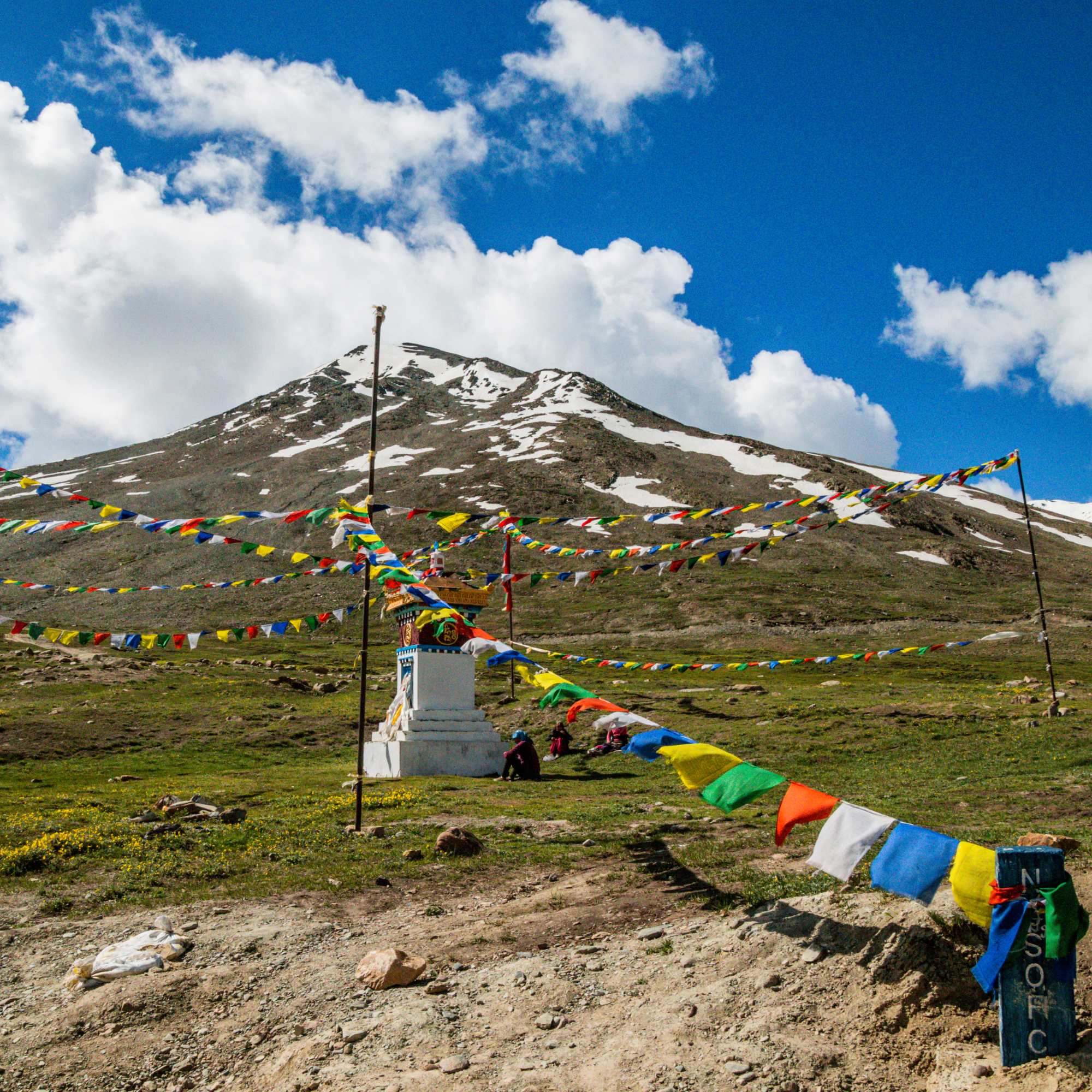
Kunzum Pass sits at approximately 4,550 metres, and it is the seasonal weak point of the whole circuit. Once snow settles there, the Manali side of the loop closes, and it does so on the mountain's schedule, not yours.
For a third or fourth week October departure, do not plan a fixed Shimla to Spiti to Manali circuit. The safe planning assumption is that you return the way you came, back toward Tabo, Kinnaur and Shimla.
High village sightseeing as a guarantee
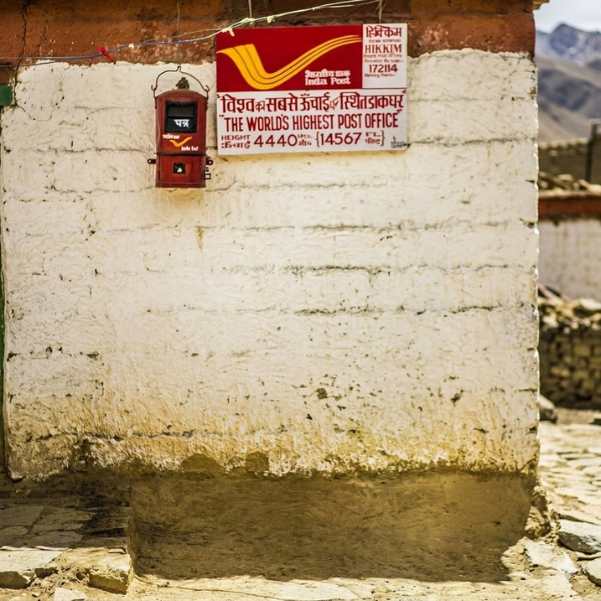
Even when Kaza itself stays perfectly reachable, the side roads up to Langza, Hikkim, Komic and similar villages can become inaccessible after fresh snowfall. The valley floor and the high hamlets do not always share the same conditions.
This is exactly why a local operator should treat these as conditional sightseeing rather than guaranteed inclusions. If a brochure promises you every high village in late October regardless of weather, that promise is written in ink the mountain has not agreed to.
How Cold Is Spiti in Late October?
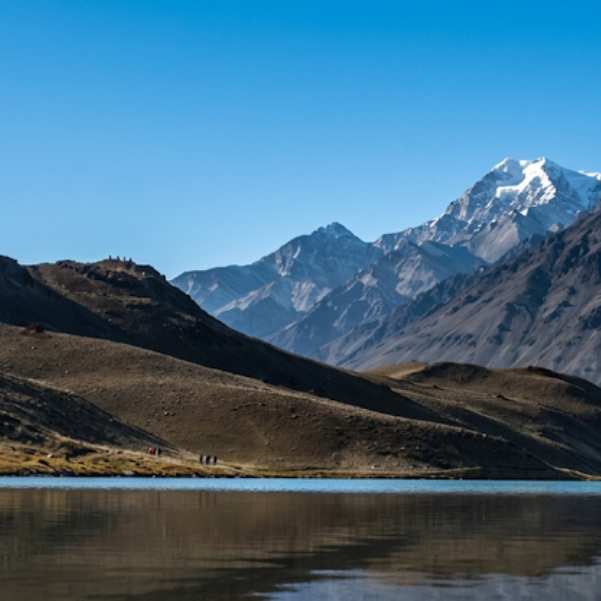
Cold, and sometimes properly cold at night. We are not going to hand you one falsely precise average, because the temperature sources genuinely conflict.
One historical dataset gives Kaza an October average high near 2 degrees Celsius and a low near minus 9 degrees Celsius.
Another dataset puts the October maximum average around 1.2 degrees Celsius and the minimum average around minus 15.4 degrees Celsius.
Other travel sources report noticeably warmer daytime figures, so treat these historical averages as a general guide rather than an exact prediction for your travel dates.
Here is the wording we trust. Freezing and below freezing nights are realistic in late October, especially around Kaza and the higher villages, while strong high altitude sunshine can make the daytime feel considerably warmer than the numbers suggest.
The practical move is to check the seven day forecast immediately before you leave, rather than trusting any single average. And pack windproof layers, because wind can change how cold it actually feels far more than the thermometer does.
How Much Daylight Do You Get in October?
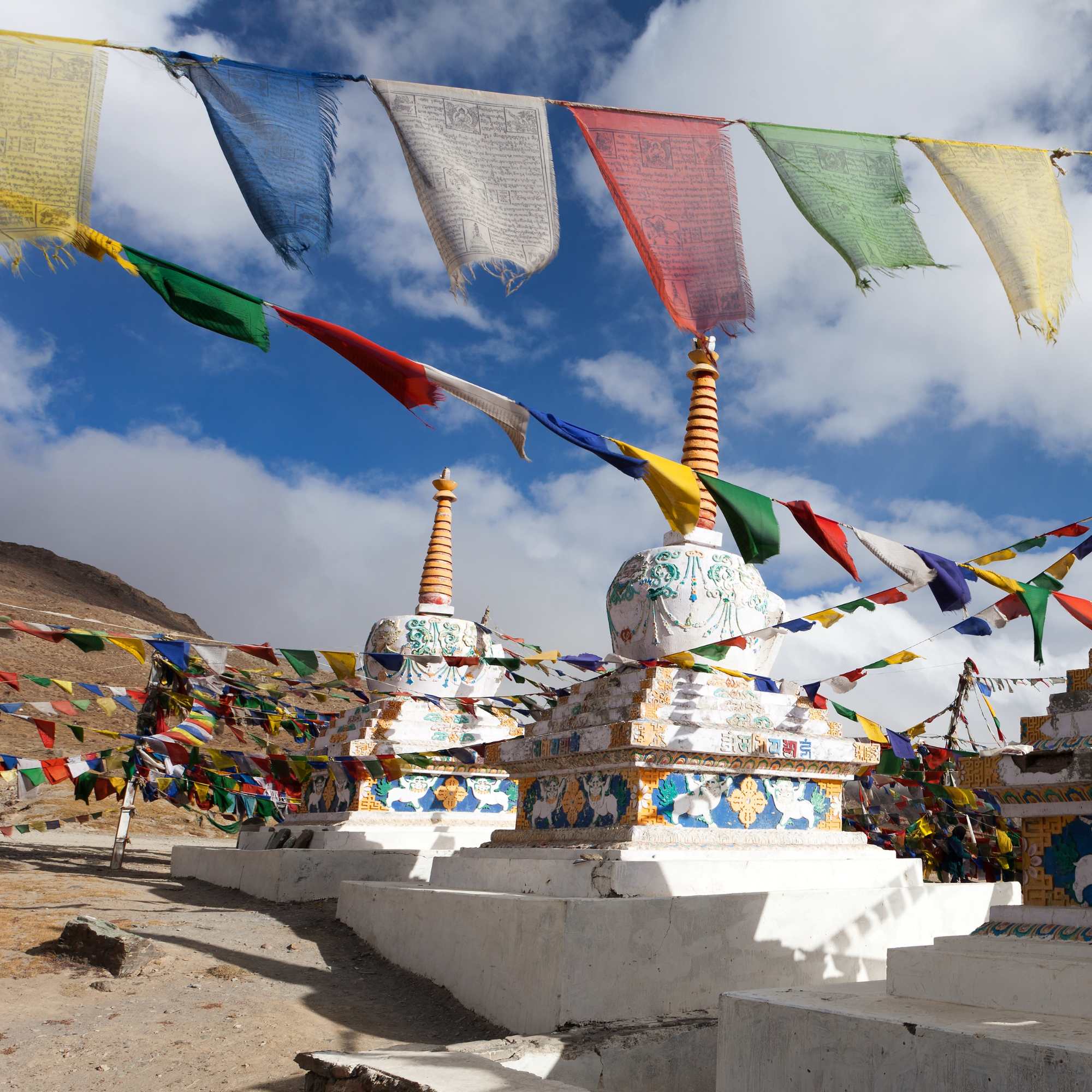
You get roughly 11.4 hours of daylight in Kaza in October, going by historical climate figures. That sounds like plenty, but the raw number is not the one that matters most.
What matters is usable mountain driving time, which is shorter than total daylight. You want the sun properly up for the tricky sections, not fading behind a ridge while you are still on a high road.
So plan early starts on the long transfer days, and avoid any itinerary that depends on reaching a remote village after dark. In the mountains, arriving somewhere in daylight is not a nicety, it is basic safety.
What Should You Pack for Spiti in Late October?
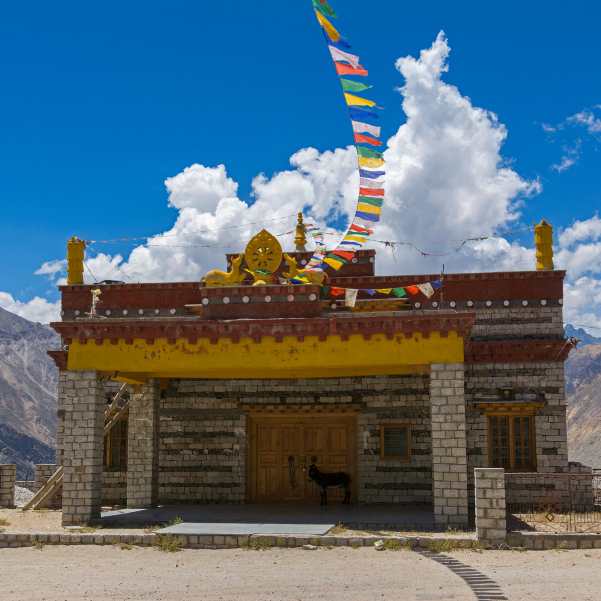
Pack for real cold, and layer smartly. Start with thermal base layers, add a fleece or a warm mid layer, then an insulated winter jacket, and top it with a windproof outer layer so the wind cannot cut straight through you.
A warm cap, gloves, thick socks and sturdy shoes with good grip round out the warmth, and the grip genuinely matters on icy morning stretches.
Beyond warmth, the high altitude sun is fierce even when the air is freezing, so carry sunglasses, sunscreen and an SPF lip balm, and a moisturiser for the very dry air. A reusable water bottle keeps you drinking through the day, which helps at altitude.
For the practical bits, bring a power bank, your charging cables and offline maps, because connectivity is patchy to nonexistent across much of the route.
Carry any personal prescription medicines you need, and please do not self prescribe altitude medication. That is a conversation for your doctor, not a packing checklist.
How Many Days Should You Keep for Spiti from Kolkata?
Please do not try to squeeze a late October Kolkata trip into a rushed five day mountain dash. The route needs staged travel and weather flexibility, and five days gives you neither.
A nine day or longer Himalayan itinerary is far more sensible. It gives your body time to acclimatise properly, and it gives the trip enough slack to absorb a delayed road or a weather day without collapsing the whole plan.
As a rough rhythm rather than a rigid schedule, think of it like this.
You arrive in Chandigarh or Shimla, move up to Kalpa, continue to Tabo by way of Nako, reach Kaza, spend two days exploring central Spiti from there, then return through Kinnaur with a final buffer before your onward flight.
Exact overnight halts can and do change with road and weather conditions, and that flexibility is a feature of a good plan, not a flaw in it. If you want this already mapped and supported, our 9D/8N Winter Spiti Circuit is routed through exactly this Shimla and Kinnaur side.
Why Book Late October Spiti with a Local Himachal Operator?
Because at this time of year, honesty is the whole service. We would rather tell you what is genuinely open than sell you a summer circuit that the season has already taken off the table.
Our team recommends treating the Manali exit as unavailable for a fixed late October plan, full stop.
And in our experience, a flexible Shimla side itinerary makes far more sense once the Chandratal camping season winds down. That is not us being cautious for the sake of it, it is just what the conditions ask for.
The practical value of a local operator shows up in the details that are hard to arrange from Kolkata. Live road checks from people actually on the ground. Trained mountain drivers who know these sections in the cold.
Flexible high village sightseeing that adapts to the day rather than fighting it. And a clear return plan through Kinnaur if the high passes close behind you.
None of that fits neatly in a brochure, which is exactly why it matters. If you want to talk it through properly, WhatsApp us and we will give you a straight answer for your exact dates.
If you are a woman planning this solo, you may also find our Spiti solo female safety guide useful before you book.
Explore Our Curated Spiti Valley Tours
 Group Tour10D/9N
Full Spiti Valley Circuit With Chandratal
1D Narkanda•1D Sangla+5
₹29,999₹32,999SAVE INR 3,000/ person Group Tour9D/8N
Best Selling Winter Spiti Valley Group Tour
2D Sangla•1D Tabo+2
₹18,999₹23,999SAVE INR 5,000/ person 6D/5N
6D/5NCore Winter Spiti Trip
2D Kalpa•2D Kaza
₹15,999₹19,999SAVE INR 4,000/ person
Related topics
Frequently Asked Questions
Is Spiti safe in late October?
Yes, with proper planning. Use the Shimla to Kinnaur to Kaza route, check road conditions before travelling and stay flexible. Be prepared for cold, early snow and icy roads.
Is Shimla to Kaza open in October?
Usually, yes. The Shimla to Kaza route generally remains accessible in October, but temporary closures can happen in Kinnaur. Always check the latest road status before departure.
Is Manali to Kaza open in late October?
You should not rely on it. Kunzum Pass can close anytime in October or November after snowfall. For late October, plan to enter and return through Shimla and Kinnaur.
Can I visit Chandratal after October 15?
An overnight stay is generally not recommended. Chandratal camps normally close around early to mid October. Late October conditions can be unpredictable and support facilities are usually unavailable.
When does Kunzum Pass usually close?
Kunzum Pass usually closes sometime in October or November. There is no fixed date because closure depends on snowfall and road conditions.
Can I see snow in Spiti in late October?
Possibly, but snow is not guaranteed. Some years see early snowfall while others remain mostly dry. Expect very cold nights regardless.
What temperature should I expect in Kaza in October?
October in Kaza is cold, especially at night. Temperatures can fall below freezing, while sunny afternoons may feel relatively comfortable. Pack proper winter and windproof clothing.
Why is the Shimla route better for acclimatisation?
The Shimla route gains altitude more gradually. Stops such as Kalpa, Nako and Tabo allow your body more time to adjust before reaching Kaza. This makes it better suited for acclimatisation.
How do I reach Spiti from Kolkata?
First travel from Kolkata to Chandigarh, preferably by flight. From Chandigarh, continue to Shimla and then travel through Kinnaur, Kalpa, Nako and Tabo to Kaza.
How many days are required for Spiti from Kolkata?
Plan at least 9 days for a comfortable trip. This gives you enough time for gradual acclimatisation, Kaza sightseeing and possible weather or road delays.
Do Indian citizens need a permit for Spiti?
No. Indian citizens generally do not need a permit to visit Spiti through the Shimla and Kinnaur route. Foreign nationals may require an Inner Line Permit for certain areas.
Which Spiti villages might become inaccessible after snowfall?
Higher villages such as Langza, Hikkim and Komic can become inaccessible after fresh snowfall. Even when Kaza is open, these side roads may close temporarily.
More about Lahaul and Spiti
 Lahaul and Spiti
Rent or Buy Winter Gear for Spiti in 2026? Jackets, Boots, Costs and Pickup Options
Planning a Winter Spiti trip in 2026? Compare the cost of renting vs buying jackets, snow boots, thermals and other essential winter gear, along with practical tips on what to rent, what to buy and where to arrange it before your trip.
- First-Time Travellers
- Snow Travel
 Lahaul and Spiti
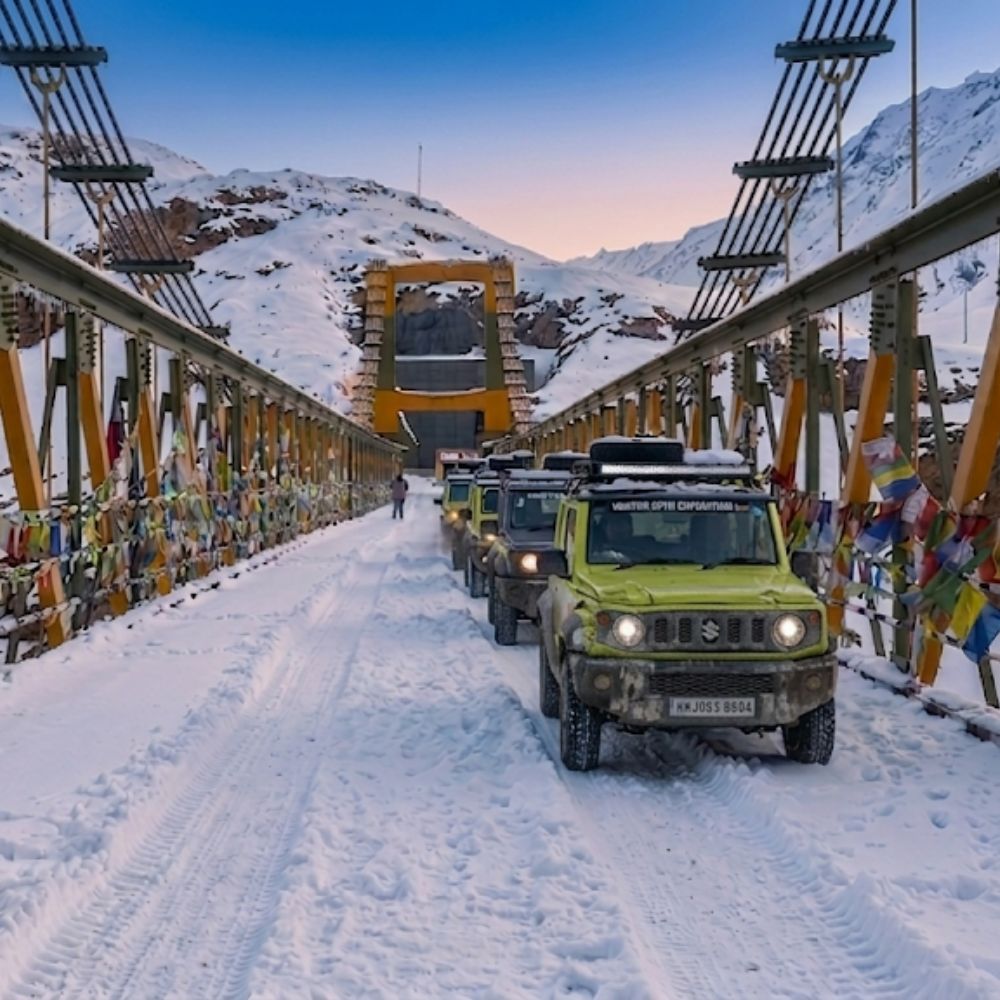
Winter Spiti 4×4 Seating Guide 2026: Jimny, Scorpio N, Thar and Hilux for Passengers and Luggage
Planning a Winter Spiti trip in 2026? This practical 4×4 seating guide compares the Jimny, Scorpio N, Thar and Hilux for passenger comfort, luggage space, winter roads and long mountain drives, helping you choose the right vehicle for your group size and travel style.
- Road Trips
- Snow Travel
 Lahaul and Spiti
Stargazing in Winter Spiti 2026: Where to Stay, Moonlight and What You Can See
Discover the best places for stargazing in Winter Spiti 2026, where to stay for darker skies and how moonlight affects visibility. Learn what you can realistically see from Kaza, Tabo and nearby villages during the winter months.
- Things to Do
- Snow Travel