
Spiti Bike Trip Security Deposit & Damage Charges in 2026: What Riders Must Check Before Booking
You have been comparing Spiti bike trip packages for three days. The route looks incredible. The photos look incredible. You are ready to pay and lock your dates.
But somewhere in the fine print, there is a line about a Spiti bike trip security deposit and damage charges, and it says almost nothing useful.
What counts as damage? Who pays for a tyre blowout near Batal? What happens if you drop the bike at a water crossing? Does the deposit actually come back?
Most riders do not ask these questions before booking. They ask them after Day 2, when a cracked mirror leads to a ₹2,000 deduction they did not see coming. This guide exists so you are not that rider.
Quick Answer: How Much Security Deposit Should You Expect for a Spiti Bike Trip?
Most publicly listed Spiti bike trip deposits fall between ₹5,000 and ₹10,000 per bike or per rider, depending on the operator and bike model. Some rental companies go higher for premium bikes or remote region trips.
The deposit is usually refundable after the bike comes back and passes inspection. But deductions can happen for damage, missing parts, spare parts used after rider-caused incidents, towing charges, late return, or leaving the bike midway through the trip.
Travel Coffee's own listed deposit is ₹10,000 per motorcycle, refundable if there is no damage.
Why Do Spiti Bike Trip Operators Take a Security Deposit?
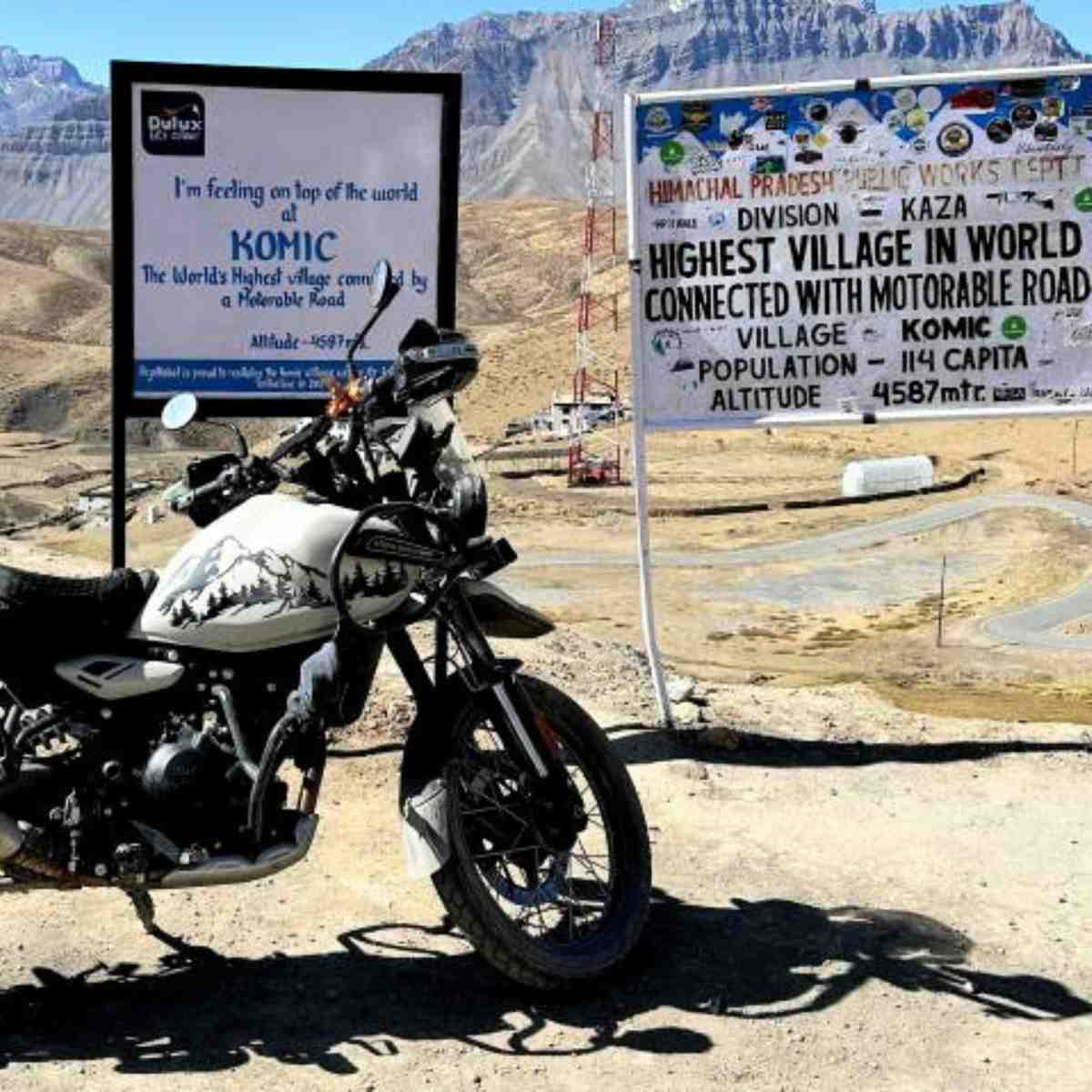
Here is the thing most riders do not think about until they are actually on the road: Spiti destroys bikes.
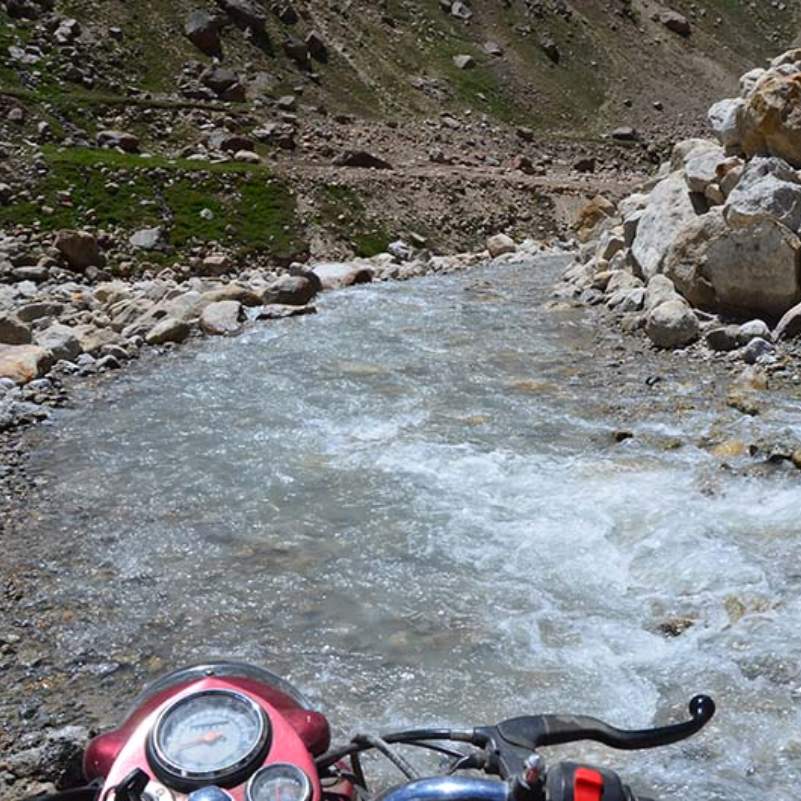
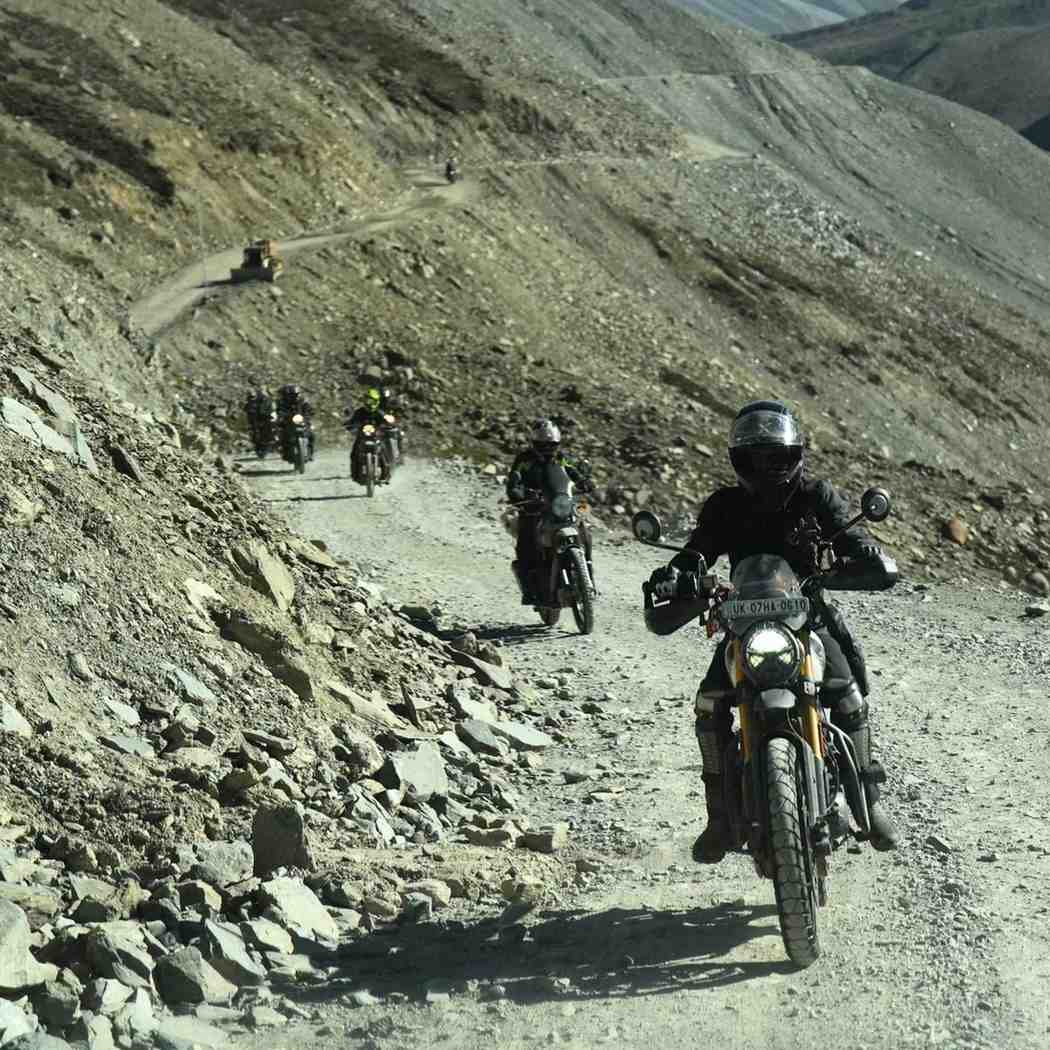
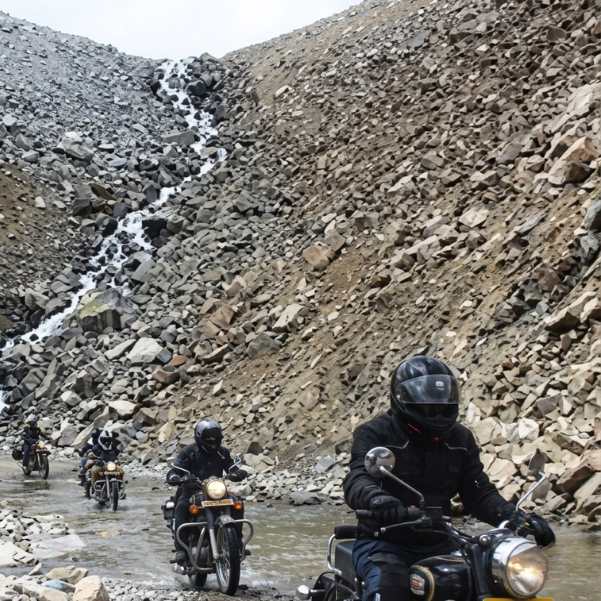
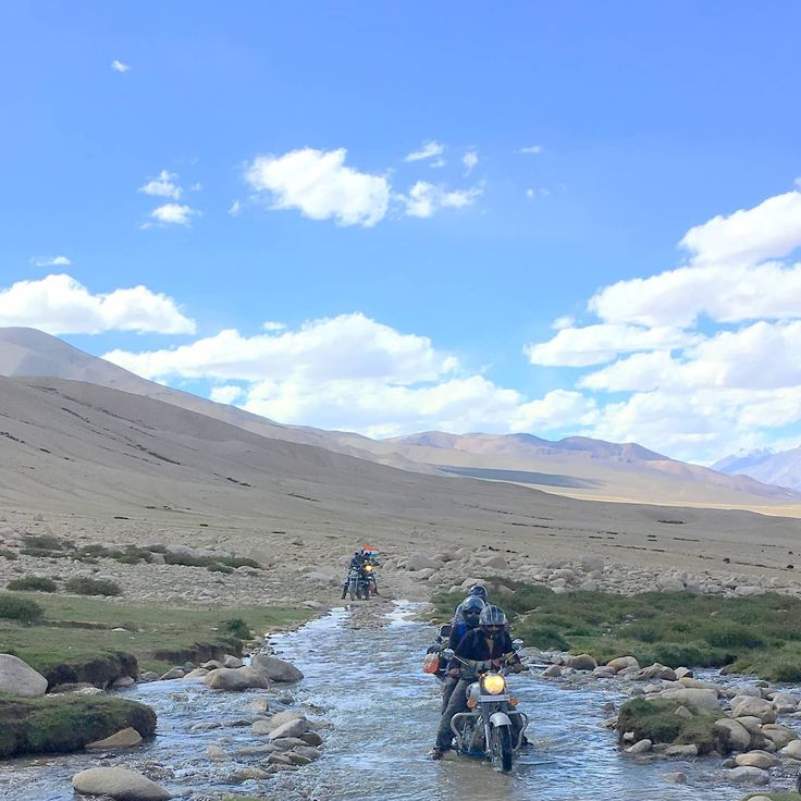
The stretch between Gramphu, Batal and Kunzum alone has gravel, stream crossings, landslide zones and almost no guardrails. You ride through water.
You ride over loose rocks. You ride at altitudes where engines behave differently and cold mornings make clutch cables stiff.
A security deposit protects the operator from rider-caused damage, missing gear, unpaid traffic fines, route misuse, or a rider who decides to leave the bike in Kaza and fly home from Bhuntar. These are real situations. We have seen all of them.
A deposit is completely normal. Every serious operator takes one. But vague deposit terms are not normal. If the operator cannot tell you exactly what gets deducted and why, that is the problem.
If you are exploring Spiti Valley trip options, understanding the deposit structure is just as important as picking the right route or the right month.
What Is the Normal Security Deposit for Spiti Bike Trips in 2026?
The range varies, but here is what operators publicly list right now.
Travel Coffee lists ₹10,000 per motorcycle, refundable if there is no damage. The security deposit for Spiti bike trips usually ranges from around ₹5,000 to ₹10,000 for standard group trips, but it can go higher for premium bikes, longer routes or self-ride rentals.
Some rental providers may ask for ₹10,000 per motorcycle, while others may quote ₹5,000 per person or a different amount based on the bike model and route.
This is where many riders get confused. Some operators calculate the deposit per bike. Some calculate it per person. Some include it as part of the booking terms. If you are riding with a pillion, this difference can change the amount you need to pay before the trip.
Always confirm whether the deposit is per person, per bike or per booking. Also ask what damage is covered, what deductions can happen, when the refund is processed and whether midway bike return or route change affects the deposit.
What Damage Charges Can Be Deducted from Your Deposit?
This is where most disputes happen, and it is almost always because the rider never asked what counts as chargeable damage.
Common items that operators can deduct for include broken mirrors, cracked indicators, bent or snapped levers, clutch damage, brake damage, tyre or tube replacement, bent handlebars, crash guard damage, luggage rack damage, a missing toolkit, missing documents like the RC or insurance copy, and missing or damaged riding gear if it was provided by the operator.
Then there is the spare parts question. International Youth Club, Summit Safari, Nomadic India, Adventure Nation and similar operators specifically exclude spare parts when the damage happened while the bike was in the rider's possession.
Travel Coffee does the same. This means if you drop the bike and the clutch lever snaps, the replacement part cost comes from you, not the operator.
What most riders get wrong is assuming that the deposit covers everything. It does not. The deposit is a holding amount. If the repair cost exceeds it, you may owe more. And if spare parts and towing are excluded, those charges are on top.
What Counts as Normal Wear and Tear vs Rider-Caused Damage?
This distinction matters a lot and almost no one asks about it before booking.
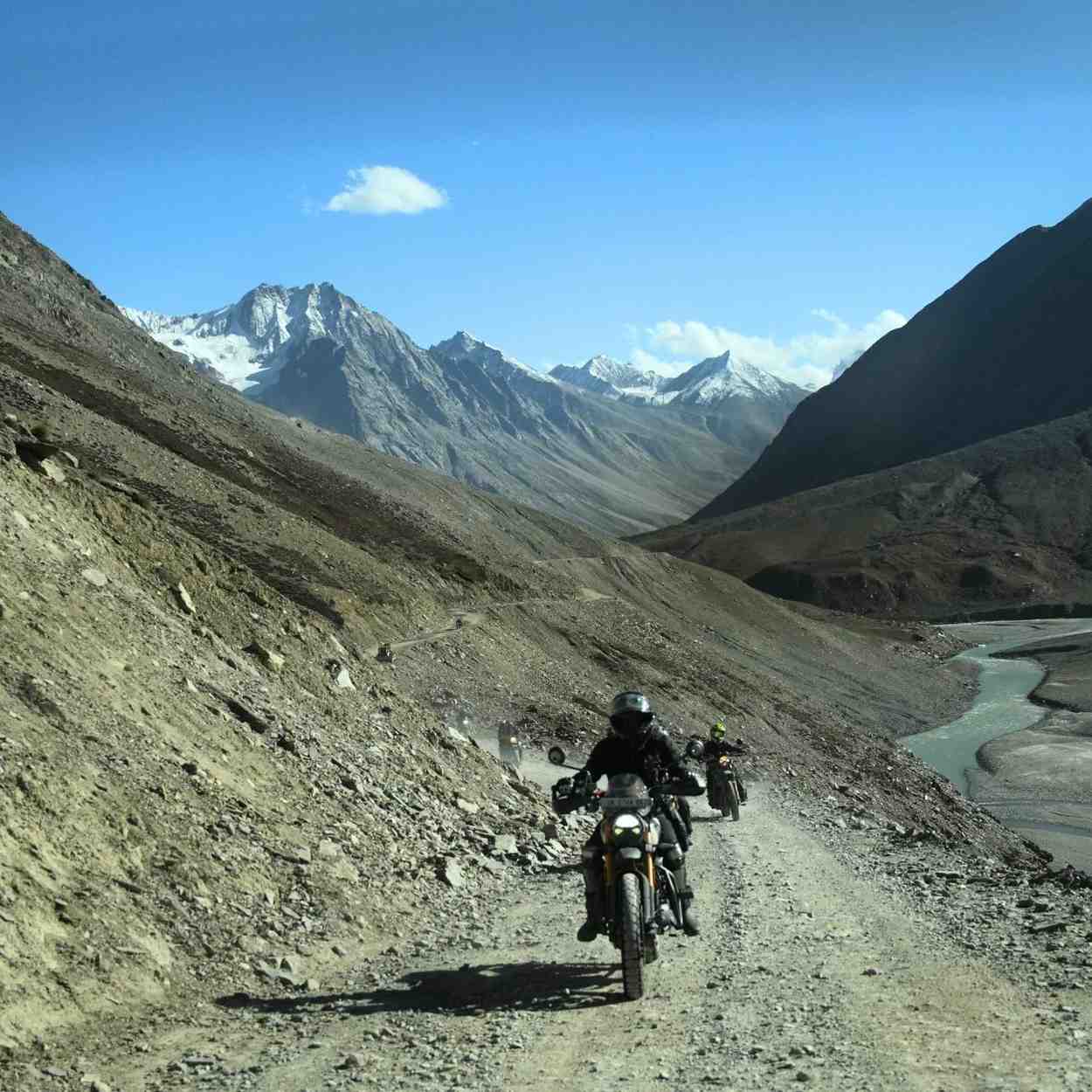
Normal wear means dust, mud splash, routine chain stretch, minor road grime, and the kind of cosmetic dirt that comes from riding 1,000 km through mountains. No reasonable operator should charge you for bringing back a dusty bike.
Rider-caused damage is different. A dropped bike with a cracked headlight. Clutch plates burnt out because someone rode the clutch through every water crossing.
A missing mirror because it snapped in a fall and the rider did not report it. Riding off the agreed route and damaging the suspension on a trail the bike was never meant for.
The grey area is where problems start. A tyre that goes flat on a sharp rock could be bad luck or it could be reckless riding on a surface the road captain warned about.
This is exactly why you need the operator's damage policy in writing before the trip. Not on the phone. Not on a WhatsApp voice note. In writing.
In our experience, the riders who never have deposit disputes are the ones who asked the hard questions before they paid.
What Must You Check Before Paying the Booking Amount?
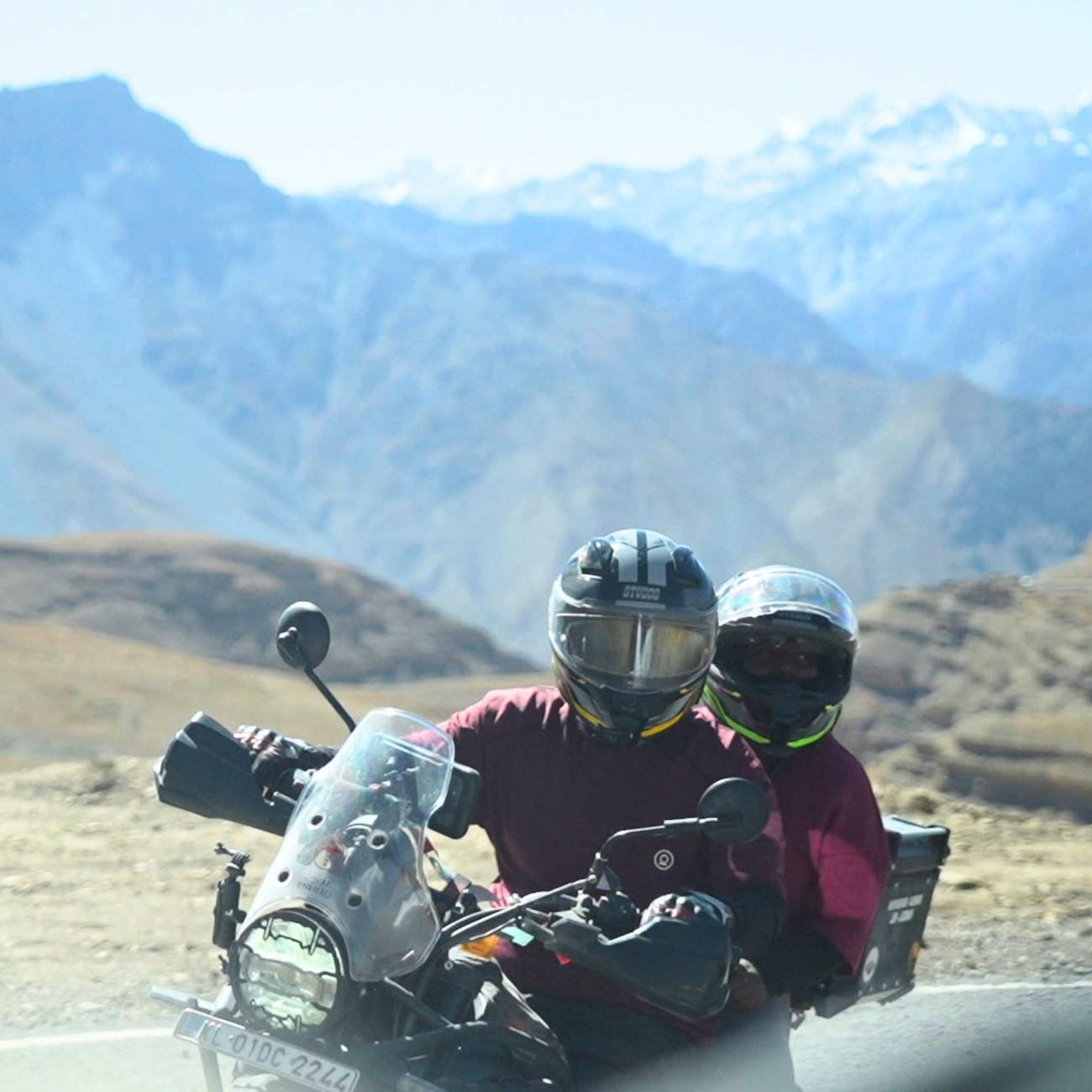
Before you transfer money for any Spiti bike trip, you should have clear answers on all of these.
Confirm the exact deposit amount and whether it is per bike or per person. Ask the refund timeline, because some operators take up to 7 business days (Stonehead Bikes, for example, states this clearly).
Know the payment mode for the deposit and whether it is cash only or can be digital. Ask how deductions work and whether the operator shares repair bills before deducting.
Confirm whether riding gear like helmets, knee guards, elbow guards, gloves and jacket is included or costs extra.
Find out if there is a cap on damage liability. Ask whether spare parts are included or excluded for rider-caused damage.
Ask whether towing is covered if the bike breaks down on a remote stretch. And confirm what happens if you need to leave the trip early, because several operators charge for this.
Do not rely on phone calls or verbal WhatsApp promises. The final agreed terms should be visible in the invoice, booking form, or written confirmation.
If the operator gets uncomfortable when you ask for written terms, that tells you something.
If you value transparent pricing, written booking terms, and reliable on-road support, take a look at our Lahaul & Spiti bike tour packages.
Bike Handover Checklist Before Starting the Spiti Ride
This is where you protect yourself. Before you ride a single kilometre, take a full walkaround video of the bike. Not a quick snap. A proper video.
Cover the front, back, both sides, the engine area, crash guard, both tyres including tread depth, brake pads, clutch lever, brake lever, handlebar alignment, headlight, tail light, both indicators, both mirrors, horn, chain tension, luggage rack, number plate condition, and fuel level.
Then check the documents: RC, insurance copy, PUC certificate, and toolkit. Open the toolkit and see what is inside. Check for a spare tube and puncture kit.
If the operator provides riding gear, inspect the helmet for cracks, check the visor, and look at the knee guards, elbow guards, gloves and jacket for damage. Note everything on video.
Our team always recommends a 5 km test ride in town before accepting the bike for the actual trip. Ride it through traffic, test the brakes at speed, check the clutch engagement, and feel for any wobble.
If something feels off in Manali, you can fix it before you hit the mountains. If it feels off near Batal, you are stuck.
What we tell our riders is simple: the 15 minutes you spend on this checklist can save you ₹5,000 in disputes at the end.
Which Documents Should Riders Check?
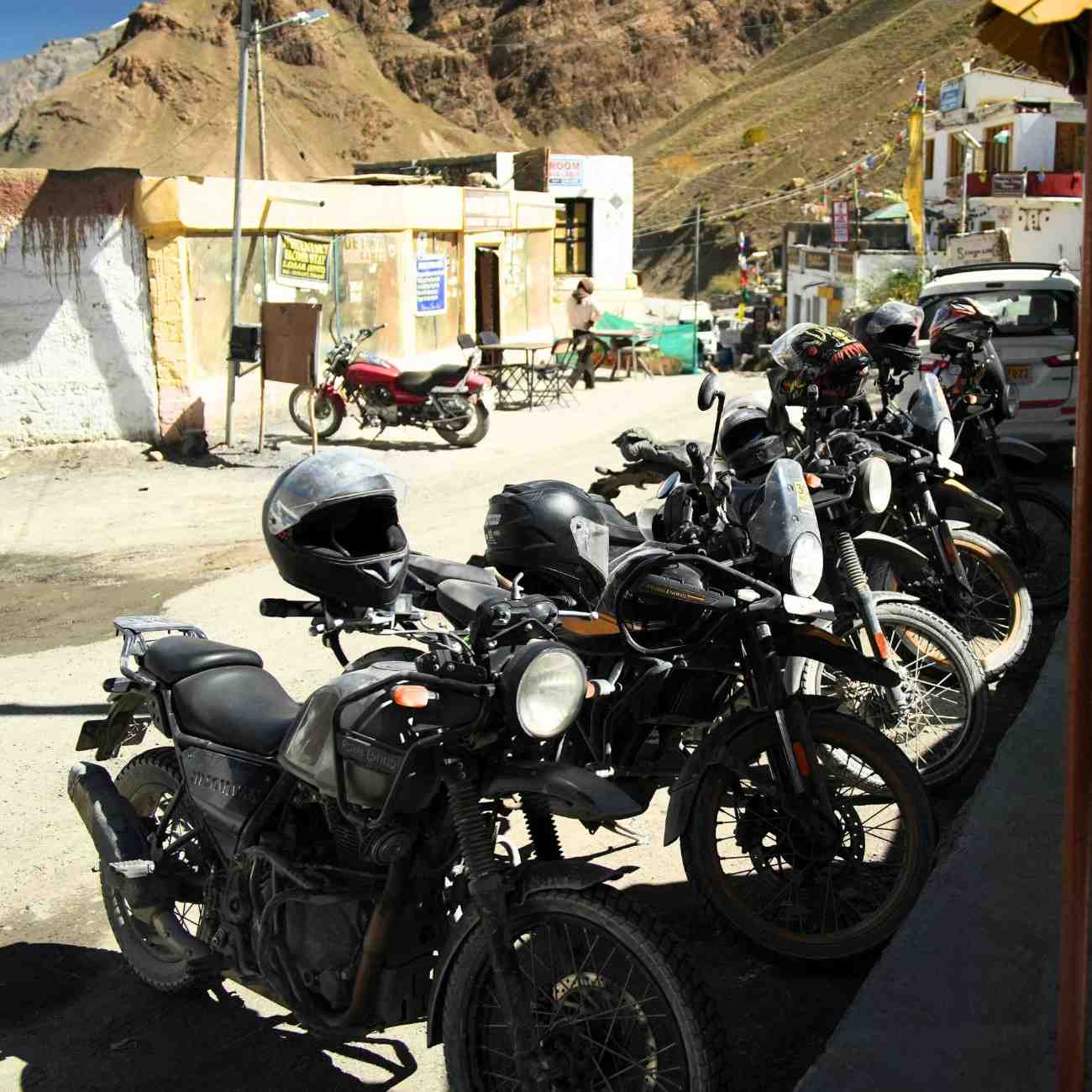
Carry your original driving licence (not expired, not a photocopy) and a government ID like your Aadhaar or passport. Check that the bike has a valid RC, current insurance, and an up-to-date PUC certificate.
Get a copy of the rental agreement with damage terms. Save the emergency contacts for the operator, the road captain's number, and the mechanic's number.
If anything goes wrong between Kaza and Batal, you need someone to call, and that someone should already be in your phone.
For route permits, the e-Aagman portal requires vehicles entering District Lahaul and Spiti to apply for an e-pass.
An e-permit per vehicle is also required for the Atal Tunnel Rohtang, Koksar, and Chandratal circuit. Depending on your route, you may also need a Rohtang Pass permit or a Special Rohtang Pass permit, both available through the official Rohtang permit portal.
For Indian citizens, no Protected Area Permit is needed for normal Spiti tourism. But vehicle entry systems and route permits are separate from personal permits, and your operator should handle these or tell you exactly how to.
Foreign nationals need a Protected Area Permit for listed protected areas including Kaza, Tabo, Dhankar, Samdo, Khab, Morang and Dubling.
If you are riding the Kinnaur route into Spiti, check permit requirements for that stretch separately. Foreign customers also need an International Driving License for bike rentals.
What Happens If the Bike Breaks Down in Spiti?
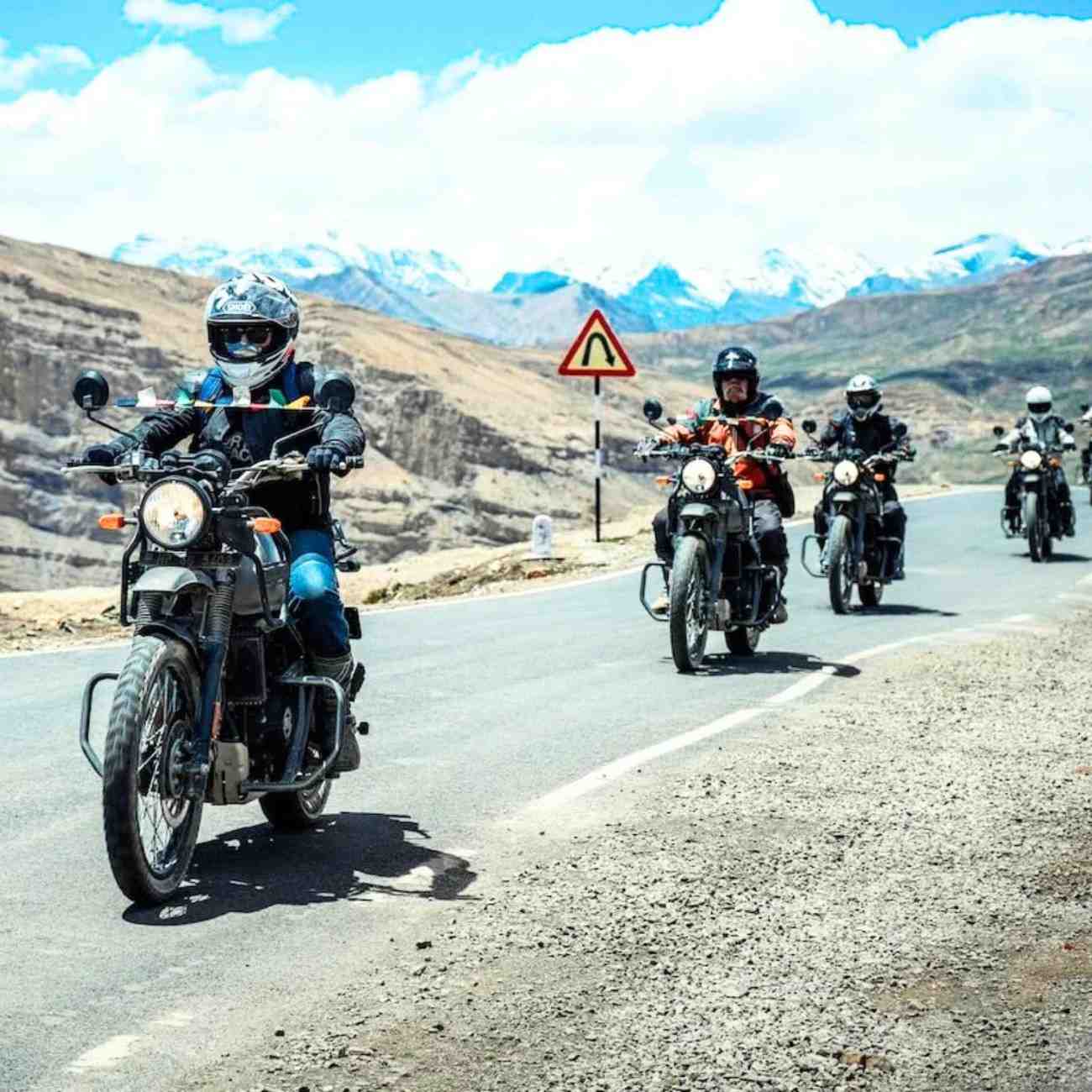
Spiti is not Goa. You cannot call a roadside mechanic and have him show up in 20 minutes.
Kaza has limited mechanic support, and it is the only real hub for repairs in the valley. Advanced repairs or specific spare parts outside Kaza are genuinely difficult to arrange.
The stretch between Batal and Kunzum, and the diversion road towards Chandratal, have no mechanical support at all.
Before you book, ask the operator who pays for towing if the bike stops in a remote stretch. Ask who pays for spare parts. Ask whether a replacement bike is guaranteed if yours cannot be fixed.
Find out if the trip has a dedicated mechanic or a backup vehicle following the group. And ask specifically what happens if the bike dies between Tabo and Kaza, or between Batal and Sissu, or on the road to Chandratal.
One local tip that most riders learn too late
Carry a basic toolkit, a spare clutch lever, a spare brake lever, a spare tube, a tyre puncture kit, and a roll of electrical tape. These five things have saved more Spiti rides than any insurance policy.
If Chandratal is on your route, check the road status and opening dates before locking your plan. A closed Chandratal diversion road changes the entire itinerary.
What If You Drop the Bike, Leave the Trip Midway, or Ride Off-Route?
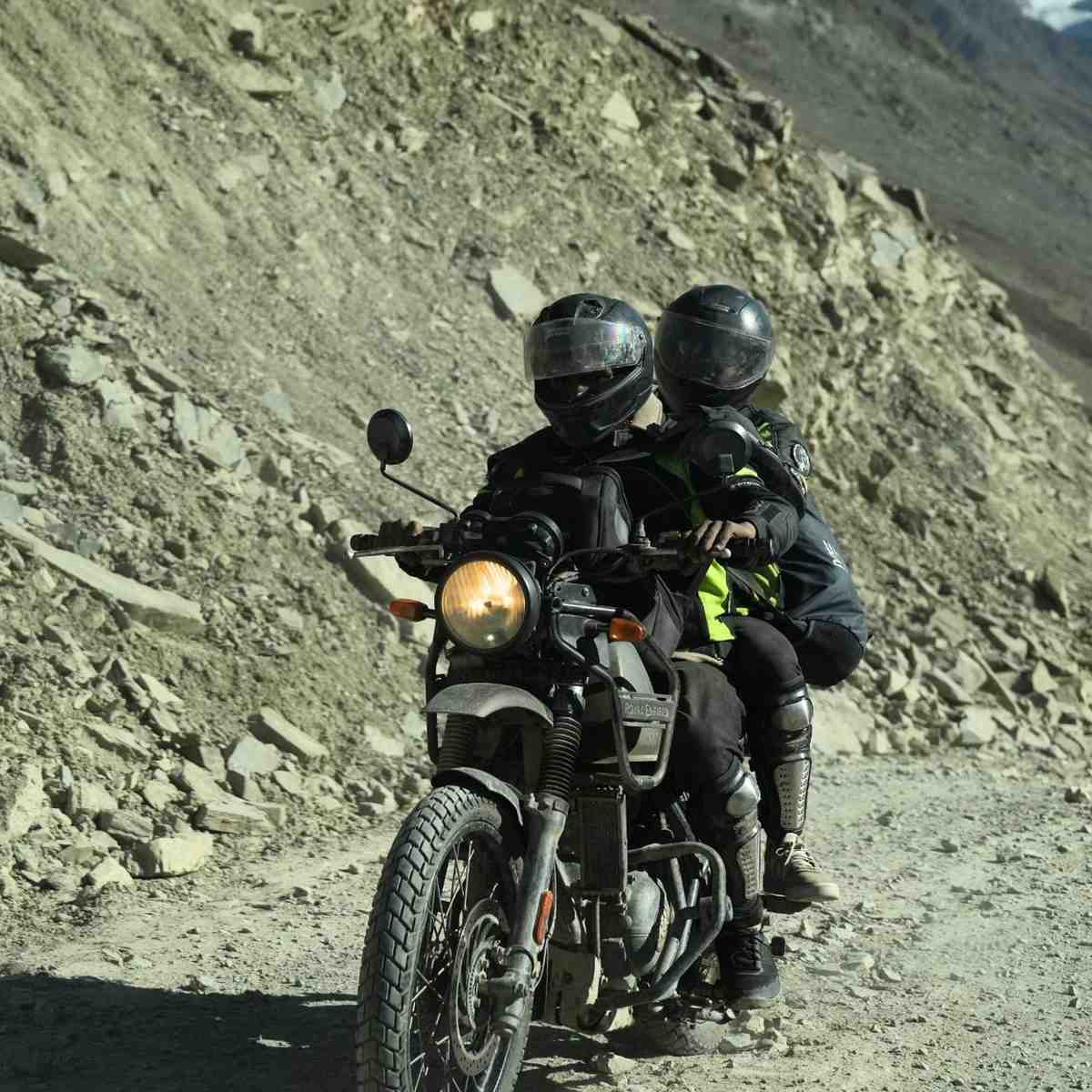
Dropping the bike is the most common cause of deposit disputes. A fall at a water crossing, a slide on loose gravel, or a tip-over while parking on soft ground. It happens to experienced riders too.
If you leave the trip midway, say from Kaza or Batal, ask how the bike return is handled and who pays for the transport. Some operators charge the full return cost to the rider.
Off-route riding is another grey zone. If the agreed route is Manali to Kaza to Chandratal and back, but you decide to take a detour to a remote village or ride beyond the planned itinerary, the operator may say you used the bike outside the agreed route.
Any damage during that stretch could become 100% your liability.
Should You Choose the Cheapest Spiti Bike Trip Package?
This is the question we get asked more than almost anything else. And the honest answer is: probably not.
A low headline price can hide a long list of exclusions. GST might not be included. Lunch might be excluded on riding days. Riding gear might cost extra. The security deposit might be higher than expected.
Fuel beyond a fixed limit might be your cost. Spare parts, towing, medical evacuation, extra stays due to road closures, and route-change costs can all sit outside the package price.
What matters is not the number on the Instagram ad. What matters is the final payable amount after every exclusion and add-on.
In our experience running Spiti bike trips from Shimla, a transparent package is almost always safer than the cheapest one.
We would rather have a rider know the real cost before the trip than discover it after Day 2 when a flat tyre leads to a ₹1,500 charge nobody mentioned.
Red Flags in Spiti Bike Trip Deposit Terms
If the operator does not share the exact deposit amount until after you have paid the booking amount, that is a red flag. If the damage policy is not available in writing, that is a red flag. If there is no refund timeline mentioned anywhere, that is a red flag.
Watch out for terms that say "deposit is non-refundable in certain conditions" without listing those conditions. Watch out for operators who have no handover checklist and no process for documenting the bike's condition before the ride.
If there is no clarity on insurance, no mention of whether a mechanic or backup vehicle accompanies the group, and no explanation of how spare parts are billed, you are walking into a setup where every dispute will be your word against theirs.
Pressure to pay immediately is another sign. A good operator gives you time to read the terms. A bad one rushes you because the terms do not hold up under scrutiny.
Skip the ₹100 savings and pick the company that puts everything on paper.
Travel Coffee's Rider-Friendly Booking Checklist
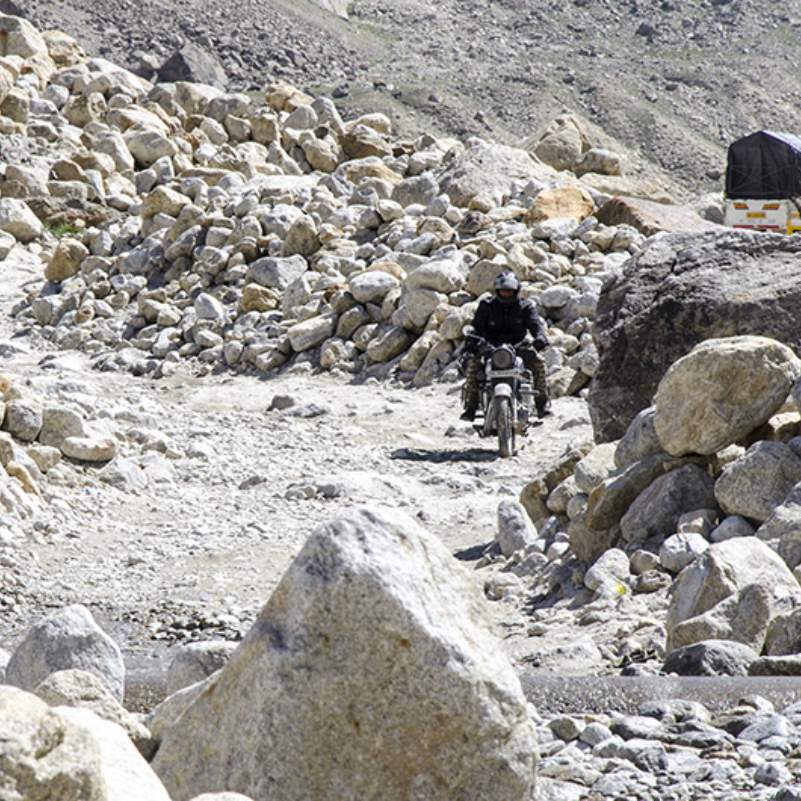
We are a local Himachal travel team based in Shimla. We do not claim to be the biggest or the cheapest. But we do tell riders exactly what they are signing up for.
Our deposit is ₹10,000 per motorcycle, refundable if there is no damage. Spare parts needed because of rider-caused damage are excluded, and we say this upfront before anyone pays.
Every rider gets a route briefing, a bike and gear check before departure, local road advice from people who actually drive these roads every season, and a realistic itinerary that accounts for altitude, road closures, and weather.
If Chandratal is on your route, we plan it only when the road and camps are genuinely operational. Our Spiti circuit with Chandratal includes buffer days because forcing a schedule on mountain roads is how trips go wrong.
If you want to understand where Chandratal actually sits and why it matters for route planning, we have covered that separately.
Ready to ride with a local Himachal team? Explore our Lahaul & Spiti bike tour packages to see detailed itineraries, inclusions, pricing, and upcoming departures.
Explore Spiti Valley Packages
Related topics
Frequently Asked Questions
What is the security deposit for a Spiti bike trip?
Most operators publicly list between ₹5,000 and ₹10,000 per bike or per rider. The exact amount depends on the operator, the bike model, and sometimes the region. Rental companies like Stonehead Bikes go up to ₹20,000 for Spiti routes depending on the motorcycle.
Is the Spiti bike deposit refundable?
Yes, normally the deposit is refundable after the bike passes inspection. If there is no damage, no missing gear, no unpaid fee, and no spare parts used because of rider-caused incidents, you get the full amount back. Refund timelines vary. Some operators return it on the spot, others take up to 7 business days.
Is the deposit per bike or per person?
It varies. Golden Eagle and Uncia Trails list it per person. Travel Coffee, International Youth Club, and Trodly list it per motorbike. Always confirm the unit before booking, especially if you are riding with a pillion.
What happens if I damage the bike in Spiti?
The repair cost may be deducted from your deposit or charged separately after inspection. Spare parts and towing are often the rider's responsibility if the damage happened while the bike was in the rider's possession.
Are spare parts included in Spiti bike trip packages?
Not always. Some operators include basic mechanical support, but spare parts required because of rider-caused damage are often excluded. Travel Coffee, International Youth Club, and several others exclude these specifically.
Who pays for towing if the bike breaks down?
It depends on the cause and the operator's terms. If the bike broke down due to rider error, a fall, or careless riding, many operators exclude towing and transfer charges. International Youth Club excludes charges for transferring, towing, or servicing the bike if it is dropped on the way.
Should I take photos before accepting the bike?
Yes. Take a full walkaround video and close-up photos of every scratch, dent, crack, tyre condition, lever state, light condition, mirrors, crash guard, luggage rack, and all provided gear. This is your only proof if a dispute comes up later.
Do Spiti bike trips include insurance?
Some packages may include basic travel insurance, but many rental companies do not cover accident, injury, or third-party damages. KulluManaliVisit specifically states it does not provide insurance for accidents, injuries, or third-party damages. Always verify the policy and consider buying your own.
Can the operator keep my full deposit?
Only if the written terms allow it and the damage, missing parts, traffic violations, late return, or other breach justifies the full amount. Ask for written reasons and repair bills for any deduction. If an operator deducts without a bill, push back.
Do Indians need permits for Spiti bike trips?
Indian citizens do not need Protected Area Permits for normal Spiti tourism. However, route-based vehicle systems like e-Aagman and Rohtang or Beyond Rohtang permits may apply depending on which roads you take.
Do foreigners need permits for Spiti?
Yes. Foreign nationals need Protected Area Permits for listed protected areas in Lahaul and Spiti, including Kaza, Tabo, Dhankar, Samdo, Khab, Morang, and Dubling. They also need an International Driving License for bike rentals.
What is the safest thing to do before booking a Spiti bike trip?
Compare the real final cost across operators. Read the deposit and damage terms in full. Check the refund timeline. Confirm the bike model you will get. Ask about spare parts, towing, and what happens during breakdowns. And choose a company that explains everything in writing, not one that rushes you into paying.
More about Lahaul and Spiti
 Lahaul and Spiti
Rent or Buy Winter Gear for Spiti in 2026? Jackets, Boots, Costs and Pickup Options
Planning a Winter Spiti trip in 2026? Compare the cost of renting vs buying jackets, snow boots, thermals and other essential winter gear, along with practical tips on what to rent, what to buy and where to arrange it before your trip.
- First-Time Travellers
- Snow Travel
 Lahaul and Spiti
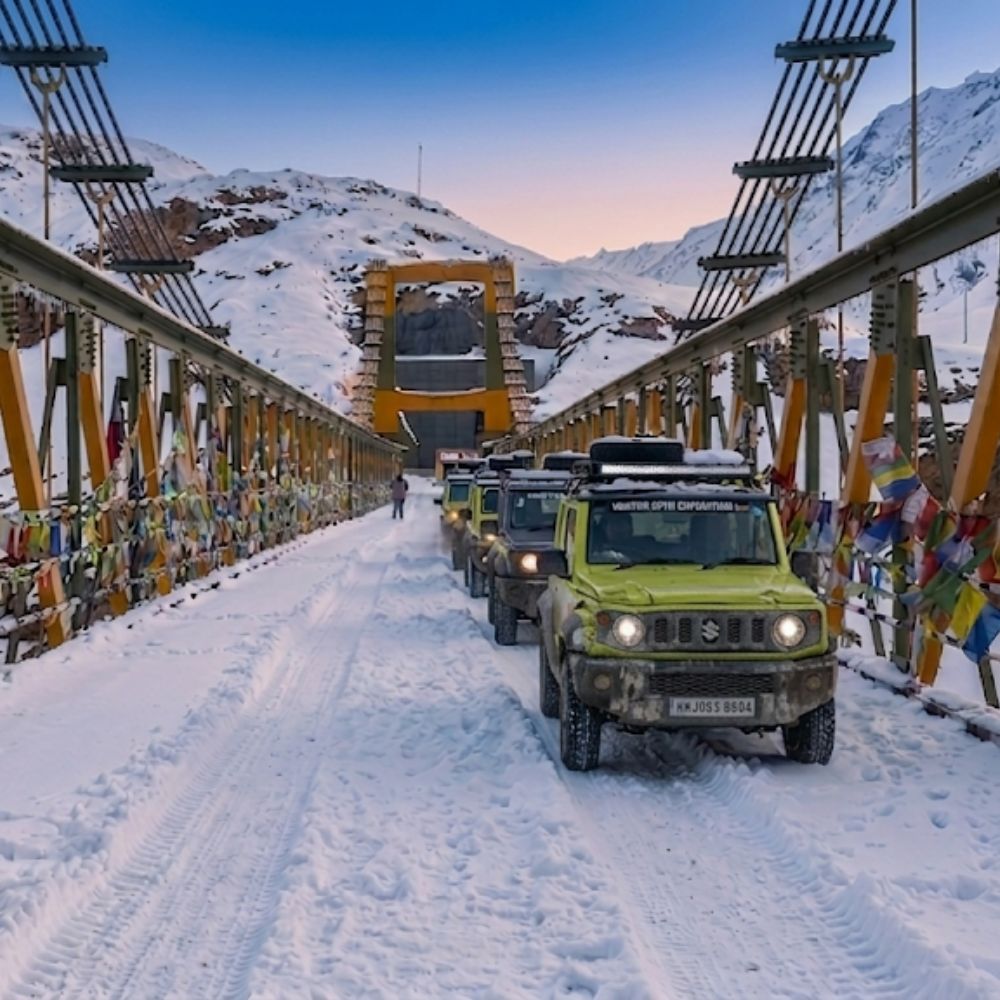
Winter Spiti 4×4 Seating Guide 2026: Jimny, Scorpio N, Thar and Hilux for Passengers and Luggage
Planning a Winter Spiti trip in 2026? This practical 4×4 seating guide compares the Jimny, Scorpio N, Thar and Hilux for passenger comfort, luggage space, winter roads and long mountain drives, helping you choose the right vehicle for your group size and travel style.
- Road Trips
- Snow Travel
 Lahaul and Spiti
Stargazing in Winter Spiti 2026: Where to Stay, Moonlight and What You Can See
Discover the best places for stargazing in Winter Spiti 2026, where to stay for darker skies and how moonlight affects visibility. Learn what you can realistically see from Kaza, Tabo and nearby villages during the winter months.
- Things to Do
- Snow Travel