
Spiti Bike Trip Cost 2026: Complete Budget Breakdown for Package, Self-Ride and Rental
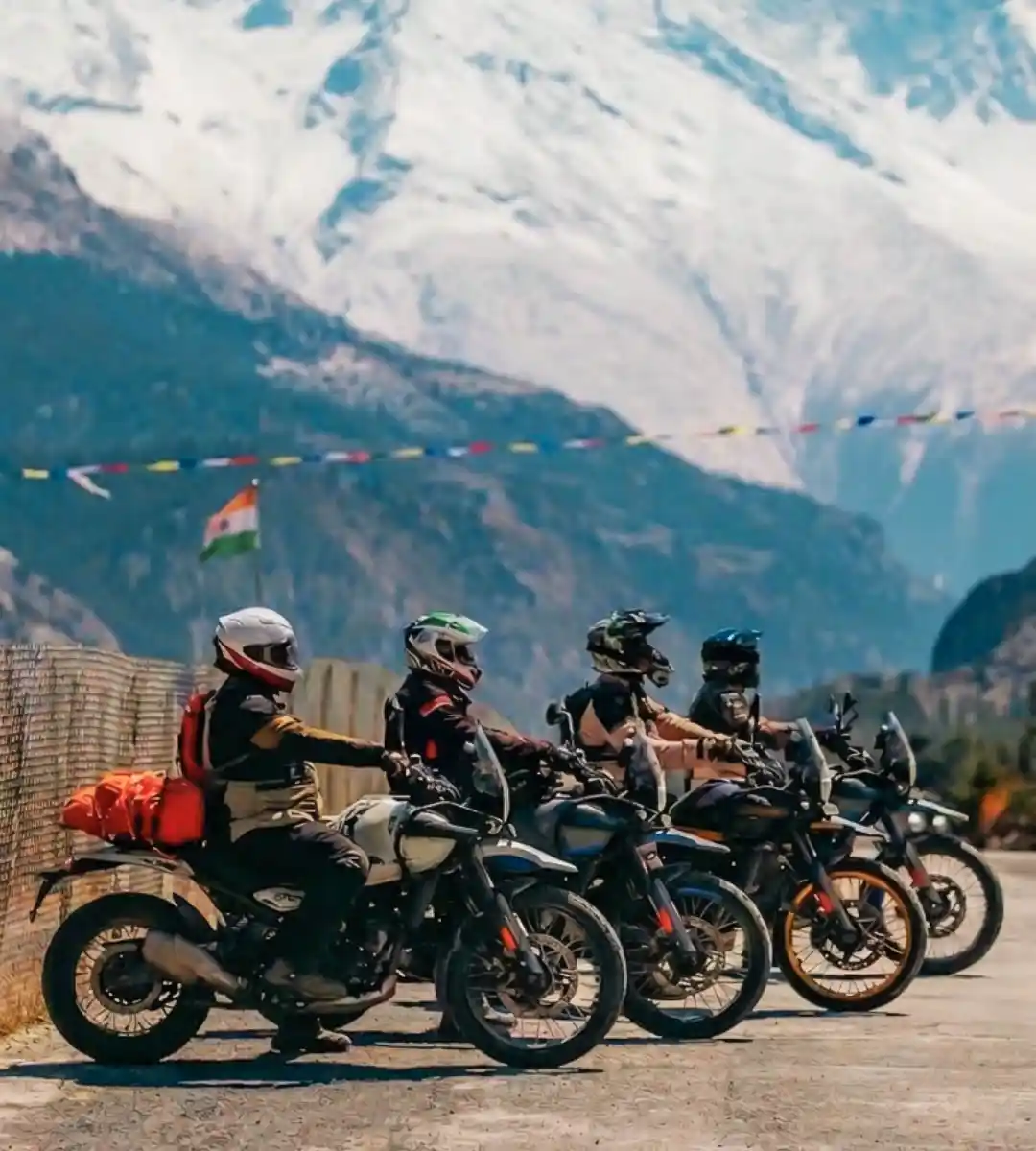
Most Spiti bike trip cost articles online give you one inflated number and call it a day. That is not how this works. The actual cost of riding to Spiti in 2026 swings between ₹20,800 and ₹50,000 depending on whether you take your own bike, rent one, or join a guided package.
We have been running Spiti bike expedition from Chandigarh out of Himachal for years, and we have seen riders blow their budget on things they did not even know existed (looking at you, ₹10,000 security deposit). This guide by Travel Coffee breaks down every rupee so you can plan honestly.
Quick Answer: How Much Does a Spiti Bike Trip Cost in 2026?
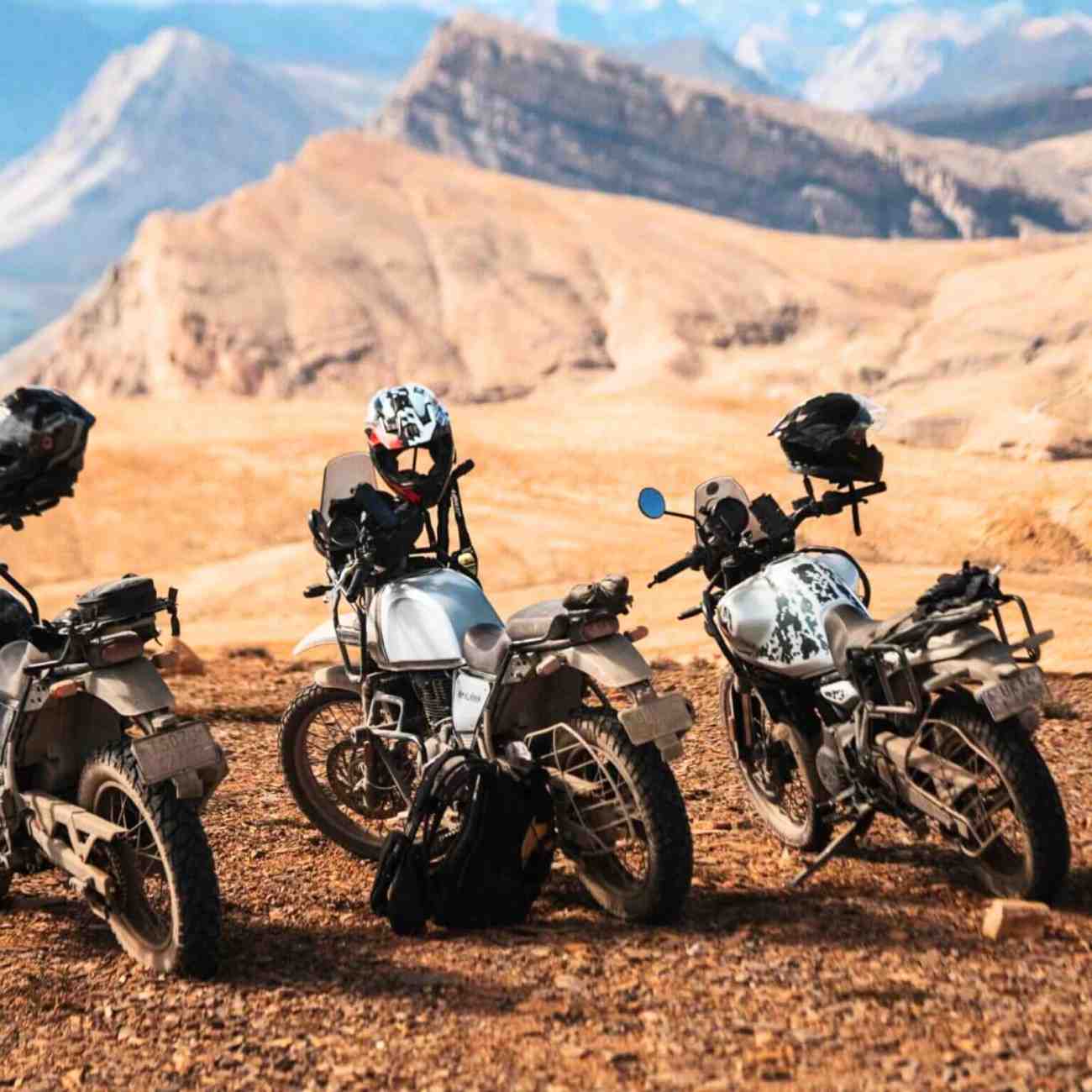
A 9-day Spiti bike trip costs roughly ₹20,800 to ₹24,500 on your own bike, ₹34,300 to ₹42,500 on a rented bike, or ₹25,999 onward with a guided package like ours.
If you rent a bike from Manali, the same trip jumps to ₹34,300 to ₹42,500 because of daily rent and deposits.
A guided package like our Spiti Valley bike tour packages starts from ₹25,999 per adult and includes the bike, fuel, gear, stays, meals and a mechanic with backup vehicle.
The final number depends on bike choice, fuel inclusion, sharing type, security deposit, lunch budget, riding gear and emergency buffer. Riders who skip the buffer almost always regret it.
>>WhatsApp Travel Coffee for a complete Spiti bike expedition plan
Spiti Bike Trip Cost at a Glance: Package vs Own Bike vs Rental Bike
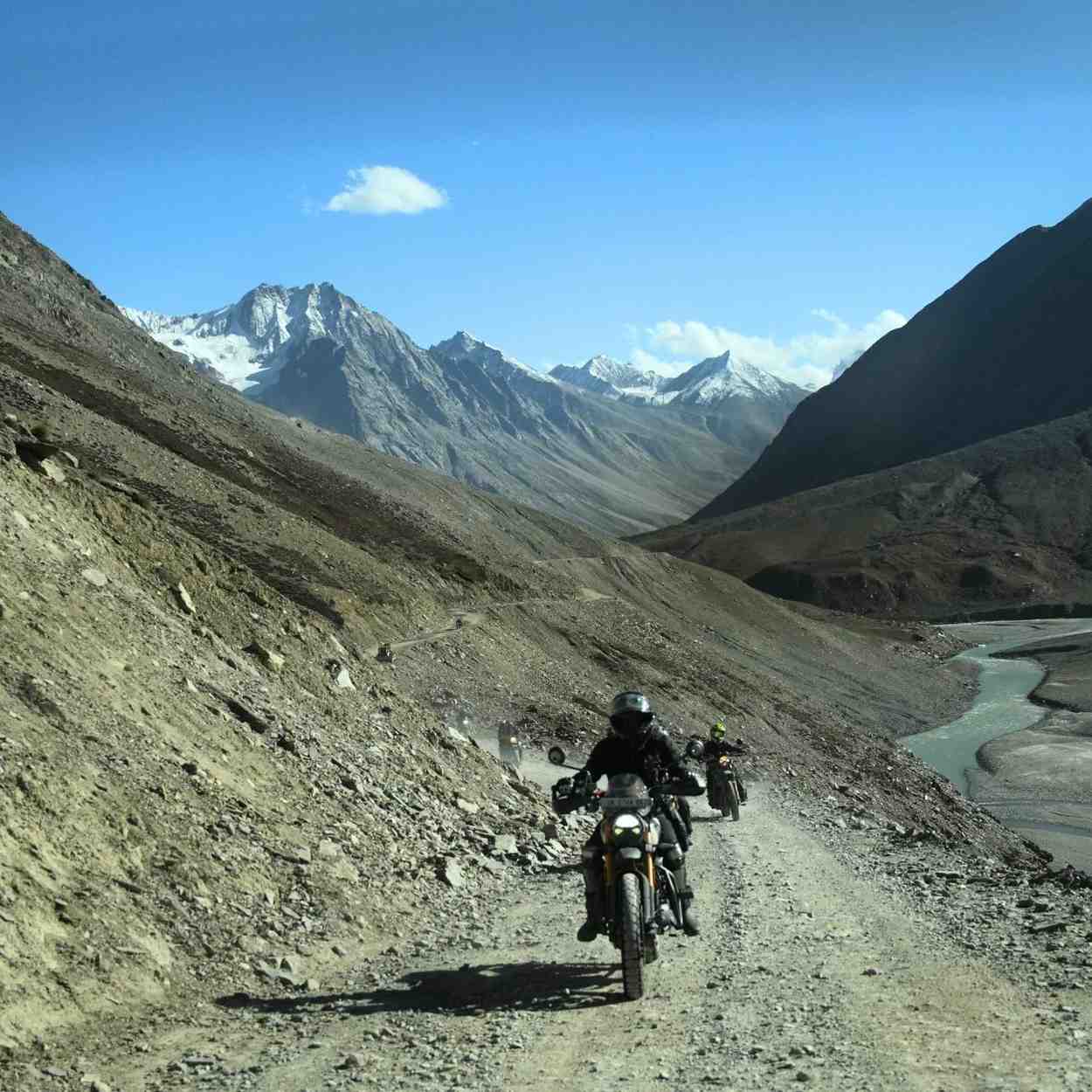
If you already own a well-maintained Royal Enfield, KTM or any tourer that has crossed 5,000 km without issues, riding your own bike will be the cheapest real option at ₹20,800 to ₹24,500 for a 9-day Spiti trip.
A rented bike from Manali looks flexible on paper but adds daily rent, fuel, deposit and damage risk. Most rental-bike Spiti trips end up costing ₹34,300 to ₹42,500.
A guided package costs more than raw self-ride but covers the parts that go wrong on solo trips. Bike breakdown at Batal, no network at Kunzum, hotels turning you away at Kaza in peak season. Our guided Spiti bike packages start from ₹25,999 and the value sits in what is included.
For pure context, a Spiti backpacker trip on shared HRTC buses runs about ₹12,800 to ₹16,500. That is not a bike trip, but riders sometimes ask, so it helps to anchor the comparison.
What Is the Spiti Bike Trip Cost from Delhi in 2026?
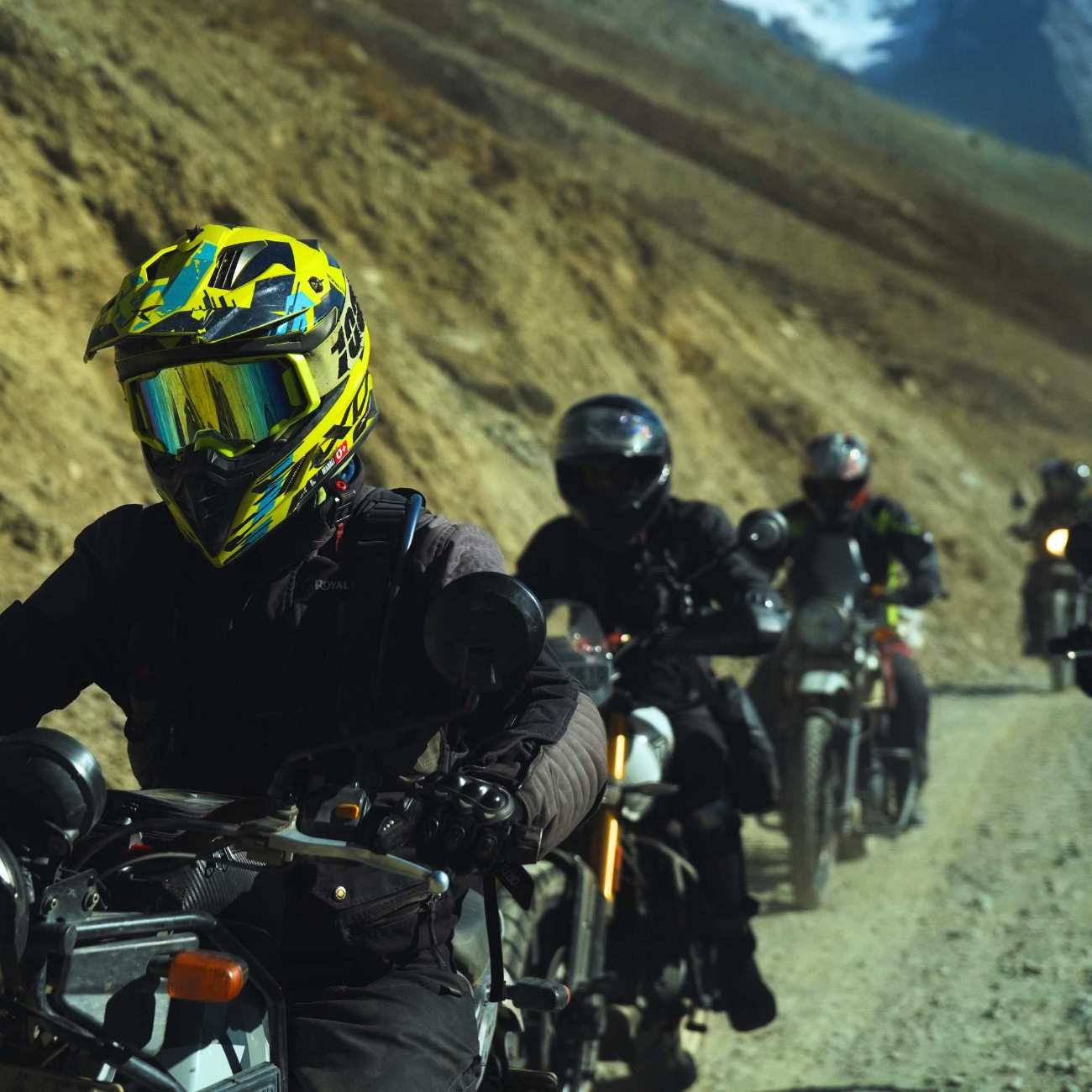
Delhi to Spiti by bike is not one fixed number because the route bends to your plan. The most common full circuit goes Delhi to Manali or Jibhi, then into Kinnaur, up to Kaza, across to Chandratal and back to Manali before heading down to Delhi.
Some budget calculations use 1,600 to 1,700 km total, while one operator lists the loop at around 2,000 km. Always calculate fuel with a 10 to 15 percent route buffer because diversions, U-turns and side trips add up faster than you think.
Our Spiti bike expedition starts and ends in Delhi with overnight Volvo legs to Manali both ways, so riders only do mountain riding on the bike. Saves your back, saves your fuel, saves the long highway boredom.
If you want to explore broader Lahaul-Spiti planning before locking the route, our Spiti Valley packages page has different durations and styles.
Guided Spiti Bike Trip Package Cost in 2026
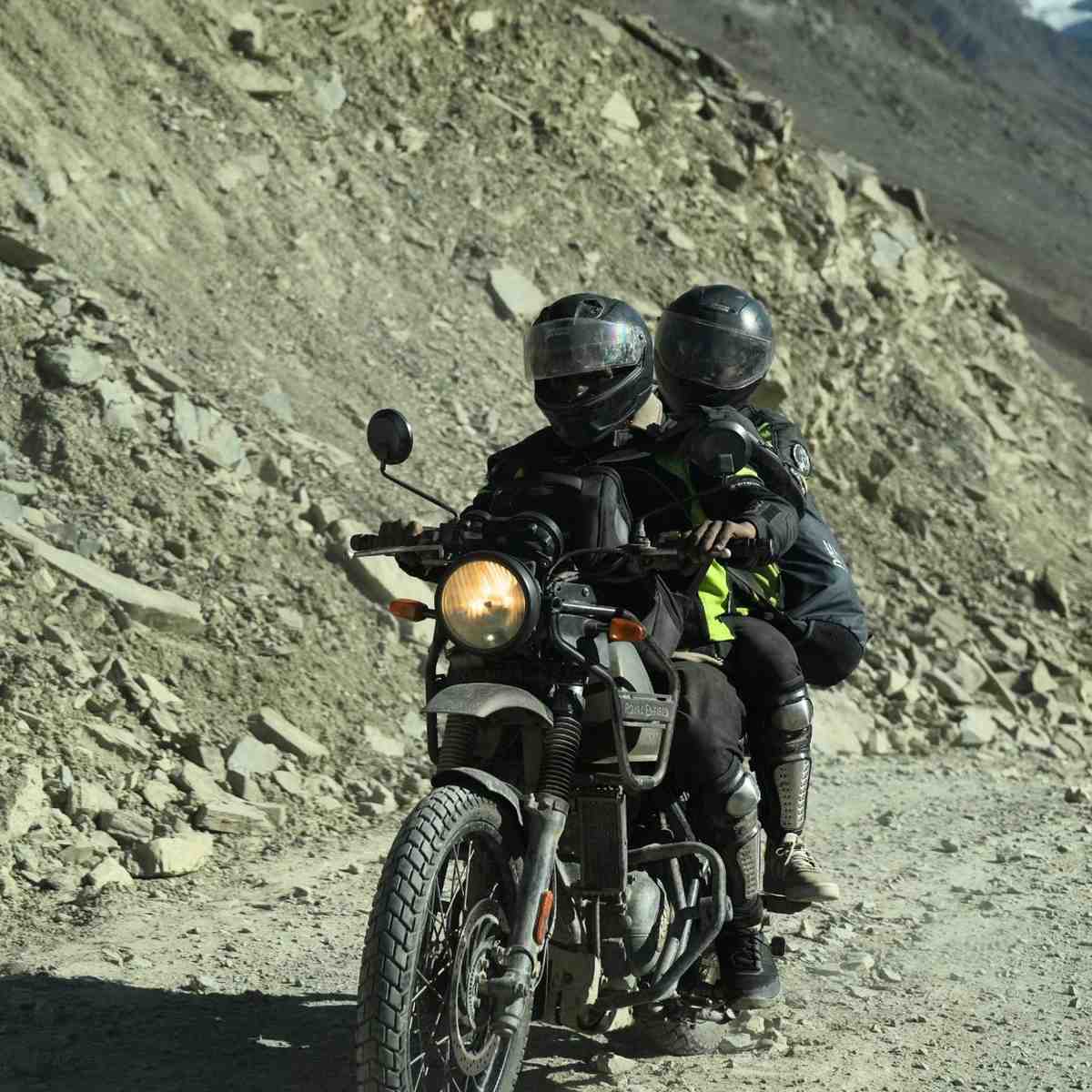
Guided packages generally cost less for own-bike riders and more for solo riders on operator-provided Royal Enfield motorcycles. That makes sense once you see what is included.
Do not compare only the headline price. Two packages at ₹35,000 can be wildly different once you check fuel inclusion, bike model, sharing type, meals, mechanic, backup vehicle, road captain, oxygen support, taxes, permits, security deposit and exclusions.
In our experience, the cheapest sticker price almost always hides three or four extras that show up on Day 2.
Travel Coffee Spiti Bike Expedition Cost
Our Spiti Valley bike tour packages start from ₹25,999 per adult. The price scales with duration, route and rider type, from the compact 7-day Manali-to-Manali circuit at the entry level up to the longer Delhi and Chandigarh full-circuit expeditions that add Kinnaur, Pin Valley and more riding days.
What you get across the range: a Royal Enfield Himalayan for the riding days (solo and dual rider tiers), fuel for the route, full riding gear including helmet, knee guards, elbow guards and gloves, accommodation on twin or triple sharing, breakfast and dinner, a Himachali road captain, a sweep rider, a dedicated Royal Enfield mechanic with a spare parts kit, a backup vehicle on group departures, a medical kit, an oxygen cylinder, daily SpO2 monitoring, all permits, parking, GST and a proper route briefing with acclimatisation guidance. Longer Delhi-start tiers also include overnight Volvo transfers, so you only ride the mountain sections.
What is excluded: lunch (budget ₹200 to ₹400 per meal), personal expenses, monastery donations, insurance, alcohol, weather disruption costs, medical evacuation and any spare parts needed because of rider-caused damage.
Bike security deposit is ₹10,000 per motorcycle, fully refundable if there is no damage.
Compare durations and book the Spiti bike expedition directly if dates are tight in peak season.
Own Bike Self-Ride Spiti Budget in 2026
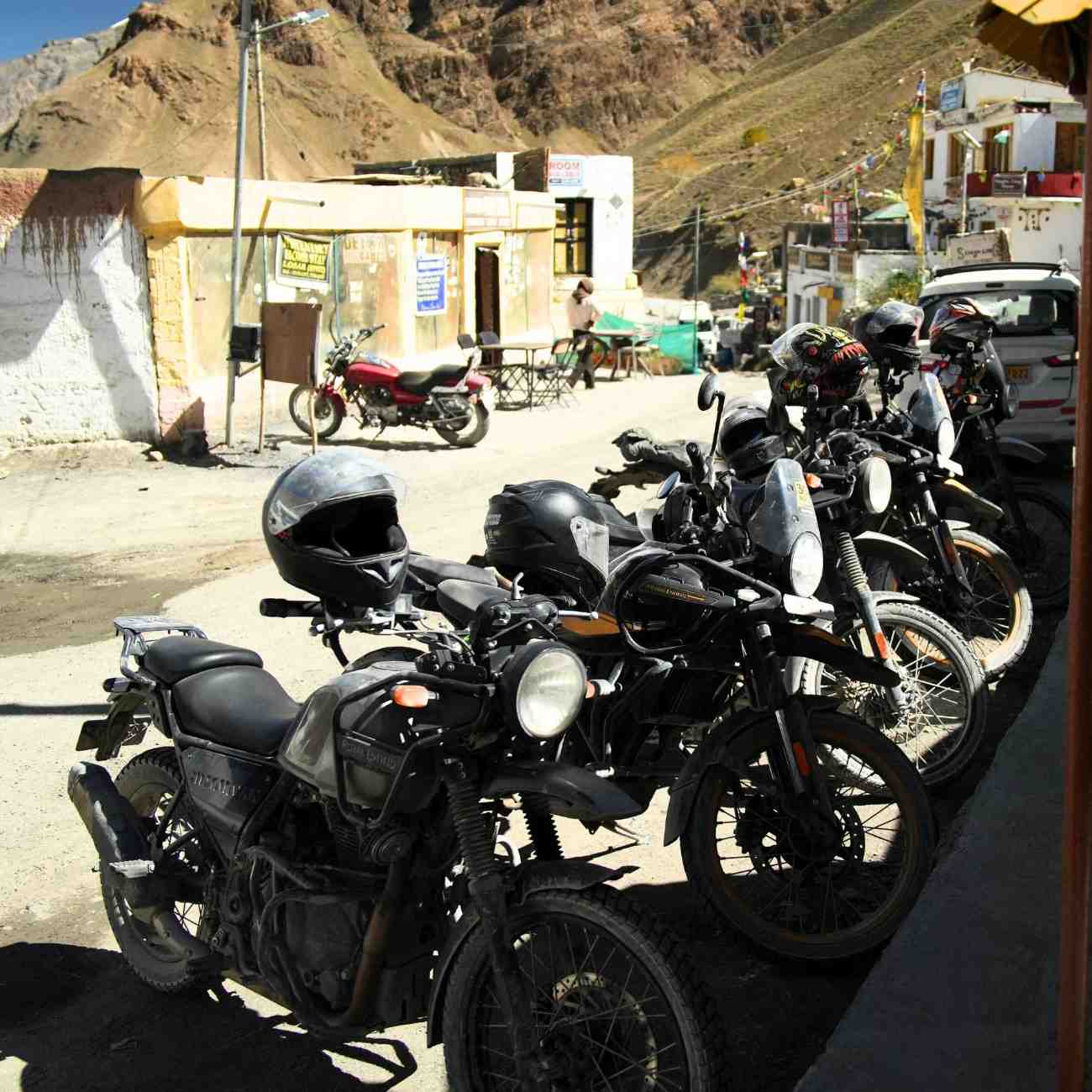
This is the cheapest real bike-trip option, but only if your motorcycle is genuinely reliable. A 9-day own-bike trip works out to ₹20,800 to ₹24,500.
The breakdown is roughly ₹10,000 to ₹11,000 for fuel (assuming a 1,600 to 1,700 km loop at around 25 km per litre), and ₹10,800 to ₹13,500 for food and accommodation across 9 days.
What this number does not include
A repair buffer for the unexpected, a tyre and brake check before you leave, fresh chain lube, a basic puncture kit, an emergency stay buffer if a road shuts, and full riding gear if you do not already own it.
Fuel prices change every two weeks. The latest checked regular petrol prices were ₹94.77 per litre in New Delhi and ₹94.30 per litre in Chandigarh on April 30, 2026.
Himalayan-route budgeting should keep a higher buffer because remote pumps in Reckong Peo and Kaza often charge more, and detours add to consumption.
Our team always tells own-bike riders to keep at least ₹3,000 to ₹5,000 as repair buffer separate from the main budget. Two punctures and one clutch cable adjustment can wipe that out fast.
Rental Bike Spiti Trip Cost in 2026
Rental-bike Spiti trips are usually more expensive than people expect. Bike rental from Manali sits between ₹1,200 and ₹2,000 per day in 2026, depending on the model and the season.
For a 9-day model, the full rented-bike trip budget lands between ₹34,300 and ₹42,500 once you add bike rent, fuel, food and stay together. Security deposits range from ₹5,000 to ₹10,000, and many operators in Manali now ask for ₹10,000 per bike as standard.
The risk is simple. If the bike gets damaged on the Batal stretch, if the clutch burns near Kunzum, if the luggage rack snaps on a bad section, or if weather forces a route change, that cheap rental does not stay cheap.
Our team always recommends checking tyre life, brake pads, clutch play, paperwork, insurance and the spare parts pouch before leaving Manali. Sit on the bike, ride it for 5 km in town, and only then pay the deposit.
One local insider tip most blogs miss
Pick up the rental bike a day before your actual ride day. Use that day to tune it, swap a faulty bulb, or escalate if something feels off. Rental shops respond differently when you are still in Manali versus when you are calling them from Kaza.
Hidden Costs Most Spiti Bike Trip Budgets Forget
Refundable security deposit comes first. ₹10,000 per bike is now standard and that money stays locked for 7 to 10 days even after you return.
Lunch is the second one. If you are on our package, dinners and breakfasts are covered, but lunch is excluded. Budget ₹200 to ₹400 per meal, so plan ₹2,500 to ₹4,500 across the trip.
Bottled water, tea breaks and snacks at high altitude get expensive. A small bottle of water at Kunzum or Chandratal costs more than at Kaza. Carry a steel bottle and refill at hotels.
Riding gear adds up fast if you are buying fresh. Helmet, gloves, knee guards, elbow guards, riding jacket and rain gear can cross ₹15,000 if you start from zero. Thermal layers, a power bank and a basic medicine kit are non-negotiable.
Other costs riders forget
Bike damage charges, puncture repair fees in remote dhabas, spare parts (clutch cable, throttle cable, fuses), travel insurance, monastery donations at Key and Tabo, camera fees at certain monasteries, an extra hotel night during a road closure, laundry, tips for the driver or mechanic, and emergency taxi or bike-return cost if something goes sideways.
Always carry ₹5,000 to ₹10,000 in cash because ATMs get unreliable past Reckong Peo and mobile network drops in parts of Kinnaur and Spiti. UPI works in Kaza most of the time but stops the moment you cross Losar.
Route, Road Status and 2026 Cost Risks
Road status moves the budget more than people expect. As of the official road-status check on April 30, 2026, Delhi to Manali was open, Manali to Keylong was open, Keylong to Kaza was closed, and Keylong to Leh was open.
That single Keylong-Kaza closure tells you a lot. Even in late April, the Manali-side approach to Spiti is not yet through. Most riders need to wait for the proper opening window before locking dates.
The full Chandratal and Kunzum route is seasonal. Our package page mentions the route typically opens by mid-June, but every season depends on snow clearance, weather and administration calls.
We have had years where Kunzum opened in early June and years where it dragged into late June.
If you are riding in early June, build in at least one buffer day. Roads that are technically open can shut for 12 to 24 hours after a fresh snowfall or landslide.
For deeper season planning, our Chandratal opening 2026 guide covers month-by-month conditions. If you are confused about whether Chandratal sits in Lahaul or Spiti and how that affects your route, the Chandratal Lahaul vs Spiti breakdown clears it up.
Permit, Green Tax and Documents Cost for Spiti Bike Trip
Indian citizens do not need an Inner Line Permit or Protected Area Permit for normal Spiti tourism. You only need to carry a valid photo ID like Aadhaar or a driving licence.
Foreign nationals do need a Protected Area Permit for the notified areas including Khab, Samdo, Dhankar, Tabo, Gompa, Kaza, Morang and Dubling. Apply through a registered travel agent in Shimla, Kaza, Recong Peo or Manali, and carry physical copies because checkposts ask for them.
Manali Entry Green Tax for non-Himachal registered bikes is ₹100, valid for 7 days. Pay it at the entry point and keep the receipt visible.
Rohtang and Beyond Rohtang are separate vehicle permit and congestion systems. Do not confuse these with Spiti PAP. If your route uses Rohtang directly instead of Atal Tunnel, check the latest tourism permit charges before you ride.
Documents to carry
Valid motorcycle driving licence for every rider, original bike RC, valid insurance, PUC certificate, a government photo ID, an emergency contact list, and PAP documents if you are a foreign national.
Month-Wise Cost Difference for Spiti Bike Trip
June and September
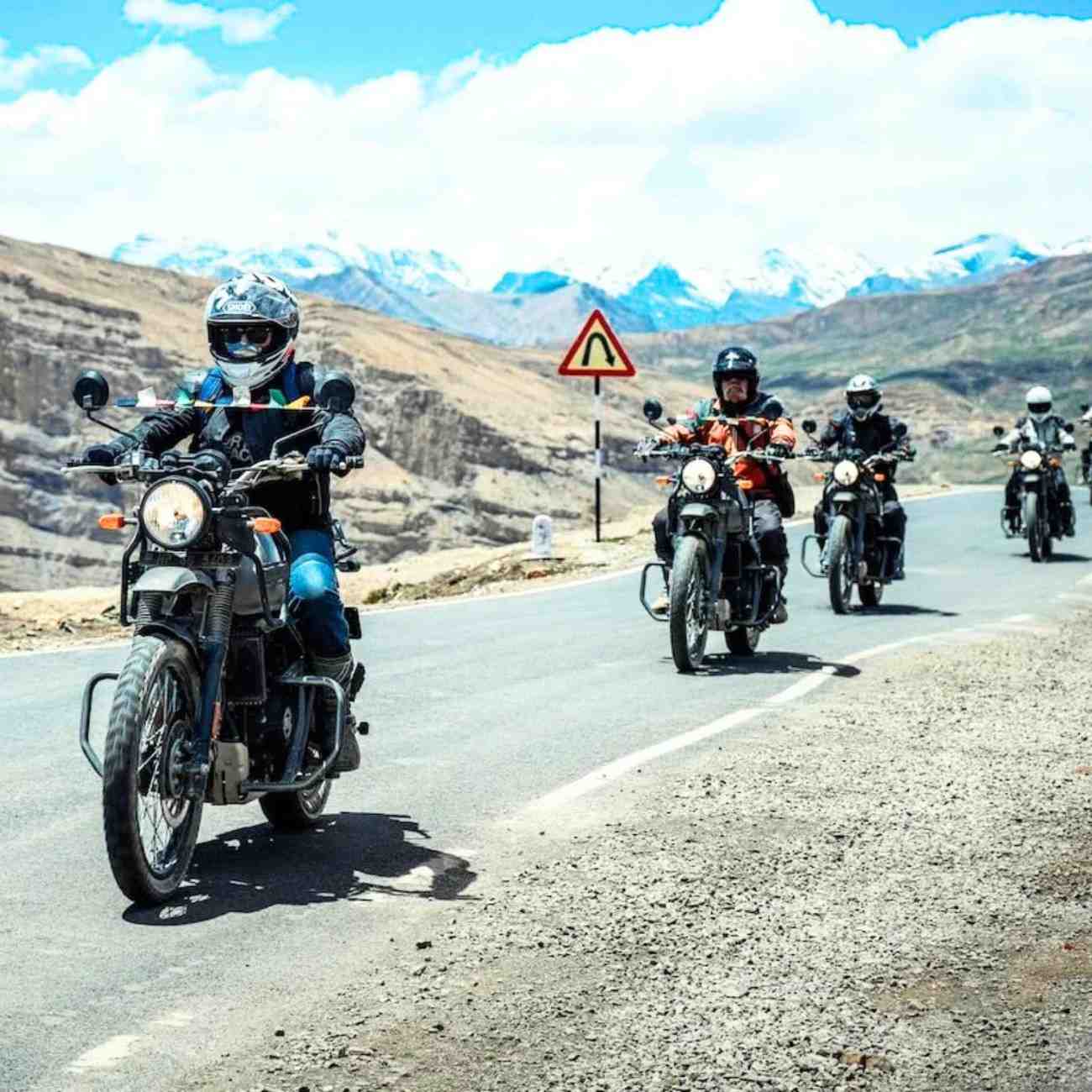
June and September are usually the strongest value months. June balances dramatic post-snow scenery with newly opened roads. September gives you cleaner skies, fewer crowds and the most predictable conditions of the year.
July and August
July and August are visually stunning but bring rain, occasional landslides and delay risk on the Manali side. The Spiti side stays mostly dry because of the rain shadow, but the approach roads can shut for hours. Build buffer days if you ride in these months.
May
Early May and late May are risky for Kunzum and Chandratal access. Your budget can climb if you have to take a longer alternate route or extend your trip waiting for clearance.
October
October is beautiful but cold, and road risk increases as the season ends. Most camps near Chandratal shut around October 10, so overnight options thin out.
If you are looking for a comfortable base before the Spiti push, our Manali and Sissu pages cover stay options for the night before you head deeper.
How to Reduce Spiti Bike Trip Cost Without Ruining the Trip
Travel with a pillion only if the rider is genuinely confident and the bike can handle two people plus luggage at altitude. A struggling Royal Enfield on a Kunzum incline is not the place to discover load limits.
Do not save money by choosing a weak bike, worn tyres, a cheap helmet or no backup plan. The math gets ugly when something fails at 13,000 feet.
Book early. Peak-season rates climb fast and good operators sell out by April for July departures.
Carry snacks from the plains. A pack of biscuits costs ₹20 in Delhi and ₹50 in Kaza for the same brand. Keep cash because UPI fails past Losar.
Choose a package where fuel, bike, mechanic, backup vehicle, gear and stay are clearly mentioned in writing. Avoid last-minute gear shopping in Manali. The Mall Road shops know who is desperate and price accordingly.
>>WhatsApp our team for a smooth and fully planned Spiti bike adventure
Package vs Self-Ride: Which Option Should You Choose?
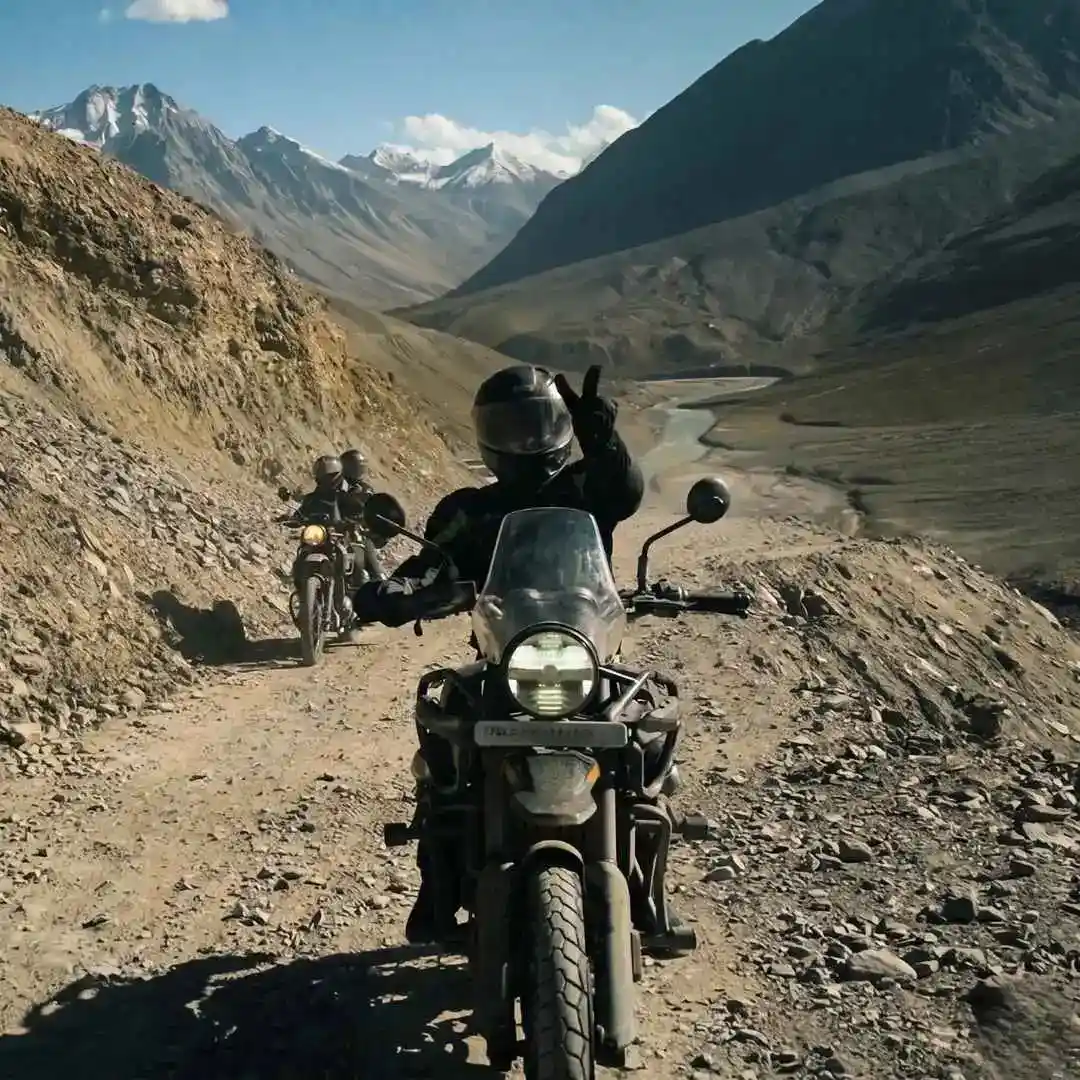
Own-bike self ride suits experienced Himalayan riders who already own a reliable motorcycle and have done at least one high-altitude trip before. You know your bike, you know your gear, and you can troubleshoot a stalled engine without panic.
Rental-bike self ride works for flexible riders who accept the deposit and damage risk. If you are not comfortable losing ₹10,000 on a damaged engine guard, rental may not be your move.
A guided package is the right pick for solo travellers, first-time Himalayan riders, couples, friend groups and anyone who wants a road captain, mechanic, backup vehicle, oxygen support and proper local planning.
You also get someone who knows which dhaba serves clean food and which one to skip.
We are a Himachal-based local operator from Shimla, not a generic reseller drop-shipping someone else's package. In our experience, Spiti feels easier when the rider can focus on the road instead of negotiating every stay, mechanic and backup plan on the spot.
Final Verdict: What Budget Should You Keep for a Spiti Bike Trip in 2026?
Own-bike riders should keep ₹25,000 to ₹30,000 with the buffer baked in. That covers fuel, food, stay, repairs and the unexpected hotel night when a road shuts.
Rental-bike riders should keep ₹40,000 to ₹50,000 after rent, deposit, food, stay and emergency buffer. The deposit alone locks ₹10,000 that you do not see again for a week or more.
Guided package riders should compare actual inclusions, not just headline price. Our Spiti bike tour packages start from ₹25,999, and the value is strongest for riders who want fuel, bike, gear, mechanic, backup, stay, meals and local support all in one place.
Spiti rewards preparation, not overconfidence. The riders who finish the trip smiling are the ones who built buffer days, packed warm layers, kept cash, and respected the altitude. The ones who treat it like a Goa trip with mountains usually come back with stories they did not want to tell.
>>WhatsApp our team to plan your Spiti biking trip the easy way
Related topics
Frequently Asked Questions
How much does a Spiti bike trip cost in 2026?
A 9-day Spiti bike trip costs roughly ₹20,800 to ₹24,500 on your own bike, ₹34,300 to ₹42,500 on a rented bike, or ₹28,999 onward with a guided package like ours.
What is the Spiti bike trip cost from Delhi?
Delhi-start trips usually run a 1,600 to 2,000 km loop, so add fuel for the highway sections. Most full-loop trips from Delhi sit in the ₹25,000 to ₹50,000 range depending on bike type and inclusions.
Is a Spiti bike trip cheaper on my own bike?
Yes, if your bike is reliable. Own-bike trips average ₹20,800 to ₹24,500 for 9 days. But factor in repair risk and gear cost if you do not already have everything.
How much does a rented bike cost for Spiti?
Bike rental from Manali costs ₹1,200 to ₹2,000 per day. Plus a security deposit of ₹5,000 to ₹10,000, plus fuel, plus food and stay. Total trip budget lands around ₹34,300 to ₹42,500.
Is fuel included in Spiti bike packages?
It depends. Our Travel Coffee package includes fuel for the route in solo and dual rider tiers. Many other operators list "without fuel" options at lower prices, so always check before booking.
What is the security deposit for Spiti bike trips?
Most operators including us ask for ₹10,000 per motorcycle as a refundable security deposit. Some Manali rental shops accept ₹5,000 but with a higher damage liability.
How much cash should I carry for a Spiti bike trip?
Carry ₹5,000 to ₹10,000 in cash at minimum. ATMs get unreliable past Reckong Peo and UPI stops working past Losar. Cash matters most for fuel, dhabas and minor repairs.
Do Indians need a permit for a Spiti bike trip?
No. Indian citizens do not need an Inner Line Permit or PAP for normal Spiti tourism. Just carry a valid photo ID like Aadhaar or a driving licence.
Do foreigners need a permit for Spiti?
Yes. Foreign nationals need a Protected Area Permit for areas including Khab, Samdo, Dhankar, Tabo, Gompa, Kaza, Morang and Dubling. Get it through a registered agent before entering the restricted zone.
Which month is cheapest for Spiti bike trip?
June and September usually offer the best balance of cost and conditions. July and August can be cheaper for stays in some pockets but the rain risk on the Manali side can extend your trip and raise the total spend.
Is Chandratal included in Spiti bike packages?
Our Spiti bike expedition includes Chandratal when the route is open, usually from mid-June onward. Always confirm the road status before locking dates.
Is Spiti bike trip safe for beginners?
Spiti is not a beginner-friendly bike destination if you have never ridden in the Himalayas. If it is your first high-altitude ride, go with a guided package that has a road captain, mechanic and backup vehicle. Solo beginners get caught out fast.
More about Lahaul and Spiti
 Lahaul and Spiti
Stargazing in Winter Spiti 2026: Where to Stay, Moonlight and What You Can See
Discover the best places for stargazing in Winter Spiti 2026, where to stay for darker skies and how moonlight affects visibility. Learn what you can realistically see from Kaza, Tabo and nearby villages during the winter months.
- Things to Do
- Snow Travel
 Lahaul and Spiti
Joining a Winter Spiti Group in 2026: Room Sharing, Privacy and Group Expectations
Planning to join a Winter Spiti group in 2026? Learn how room sharing works, what privacy to expect, options for solo travellers and couples, and when a single room supplement may apply.
 Lahaul and Spiti
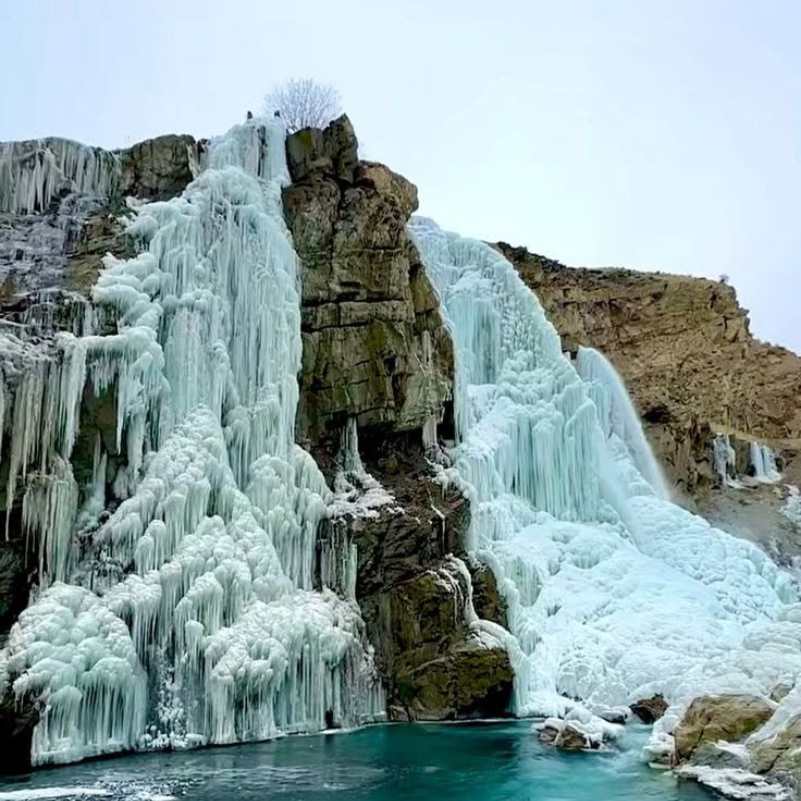
Lingti Frozen Waterfall in Winter 2026-27: Access, Photo Stops and What to Confirm
Plan your visit to Lingti Frozen Waterfall in winter 2026-27 with practical details on access, road conditions, the best photo stops and seasonal conditions. Learn what to confirm before leaving Kaza and how to visit this spectacular frozen waterfall safely.
- Places to Visit
- Snow Travel